








The NATO Weapons Built to Hold the Line If War Reaches Europe
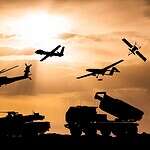
If war were to break out in Europe, NATO would rely on a mix of advanced weapons systems built for high-intensity combat against a near-peer adversary. These are not theoretical platforms—they are the fighters, tanks, missile systems, and support assets that would be deployed almost immediately. From stealth aircraft like the F-35 Lightning II to long-range strike systems and heavy armor, this list reflects the backbone of NATO’s warfighting capability. Here, History Computer is taking a closer look at the weapons in NATO’s toolbox should war break out in Europe.
To determine the weapons NATO is relying on should war break out in Europe, History Computer reviewed various historical and military sources. We included supplemental information for each weapon regarding the type, primary battlefield role, key advantage, primary threat countered, and ultimately why they matter to the defense of NATO.
Here is a look at the weapons NATO is counting on if war breaks out in Europe:
A War NATO Has Been Preparing For
NATO has spent decades preparing for the possibility of a large-scale conflict in Europe, particularly against a near-peer force like the Russian Armed Forces. Unlike the counterinsurgency wars that have defined much of the past two decades, such a conflict would involve heavy armor, advanced aircraft, and long-range strike systems operating at scale. The speed, intensity, and complexity of this kind of war would be unlike anything seen in recent history.
Modern War Would Be Fought Across All Domains
A modern European war would not be confined to a single battlefield, but would instead unfold across air, land, sea, cyber, and space simultaneously. Success would depend on combined arms coordination, where airpower, ground forces, naval assets, and missile systems operate in sync. The battlefield would be highly contested, with conditions constantly shifting as both sides attempt to gain and maintain operational advantage.
The Importance of Air Superiority
Securing air superiority would be one of NATO’s first and most critical objectives in a European conflict. Control of the skies enables the safe movement of ground forces, supports precision strike missions, and reduces the threat posed by enemy aircraft and missile systems. Without air superiority, NATO’s ability to conduct sustained operations would be severely constrained, making it a decisive early objective.
Precision Strike and Deep Firepower
NATO’s strategy relies heavily on long-range precision strike capabilities to shape the battlefield before major engagements occur. These systems are designed to destroy command centers, disrupt logistics networks, and neutralize air defenses early in the conflict. By targeting critical infrastructure and decision-making nodes, NATO aims to degrade an adversary’s ability to coordinate and sustain operations.
Interoperability Is NATO’s Greatest Advantage
NATO’s greatest strength lies in its ability to function as a unified, multinational force. Member nations field a wide range of advanced systems that are designed to operate together through shared data networks and standardized procedures. This interoperability allows for faster decision-making, coordinated strikes, and more efficient use of resources, giving NATO a significant advantage in large-scale warfare.
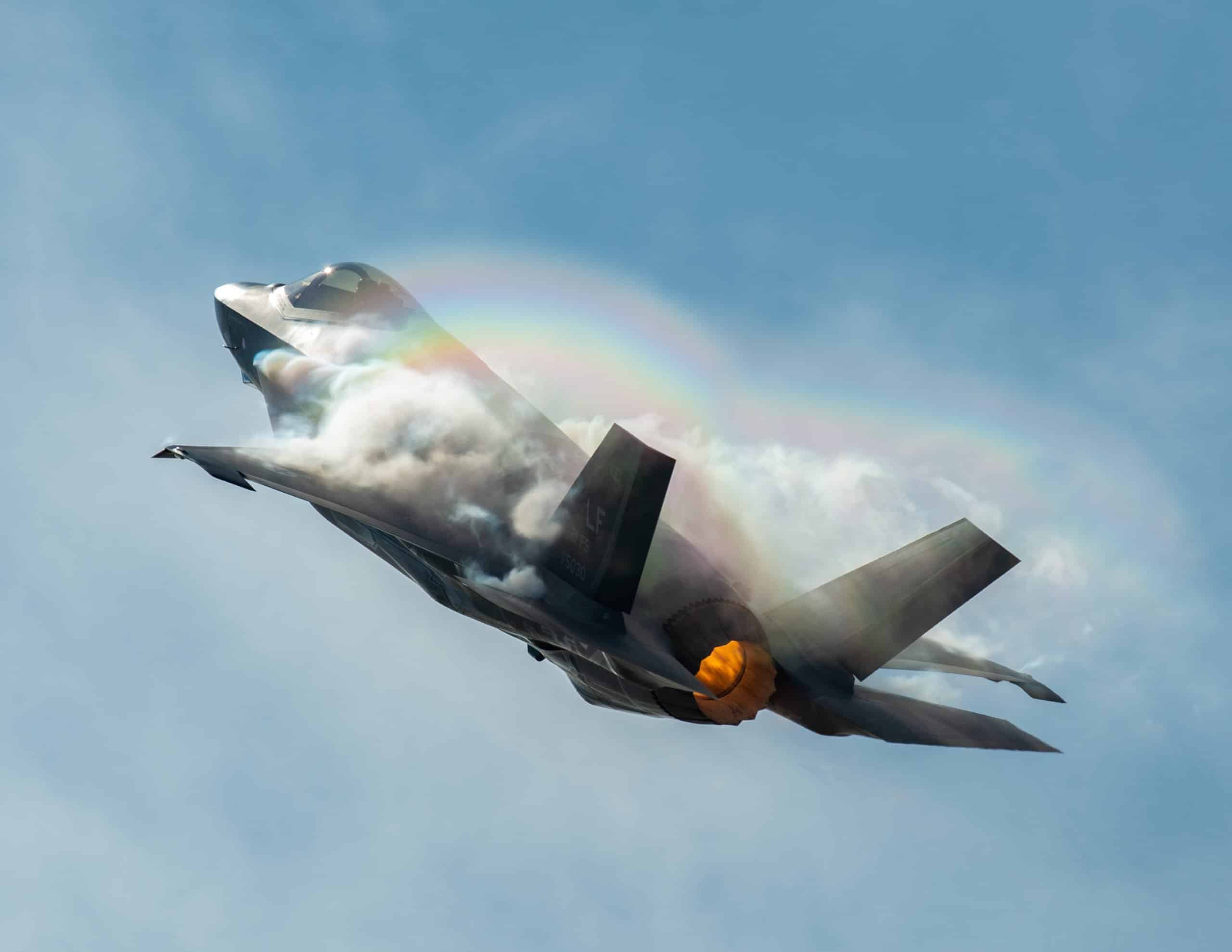
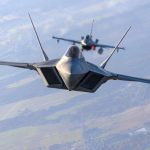
F-35 Lightning II
- Primary Domain: Air
- Weapon Type: Fighter
- Primary Battlefield Role: Stealth strike & ISR
- Conflict Phase Relevance: Opening Strike
- Key Advantage: Stealth + sensor fusion
- Primary Threat Countered: Air defenses, aircraft
- Interoperability Role (NATO): Data-sharing across NATO
- Operator Nations (Examples): US, UK, Italy, Netherlands
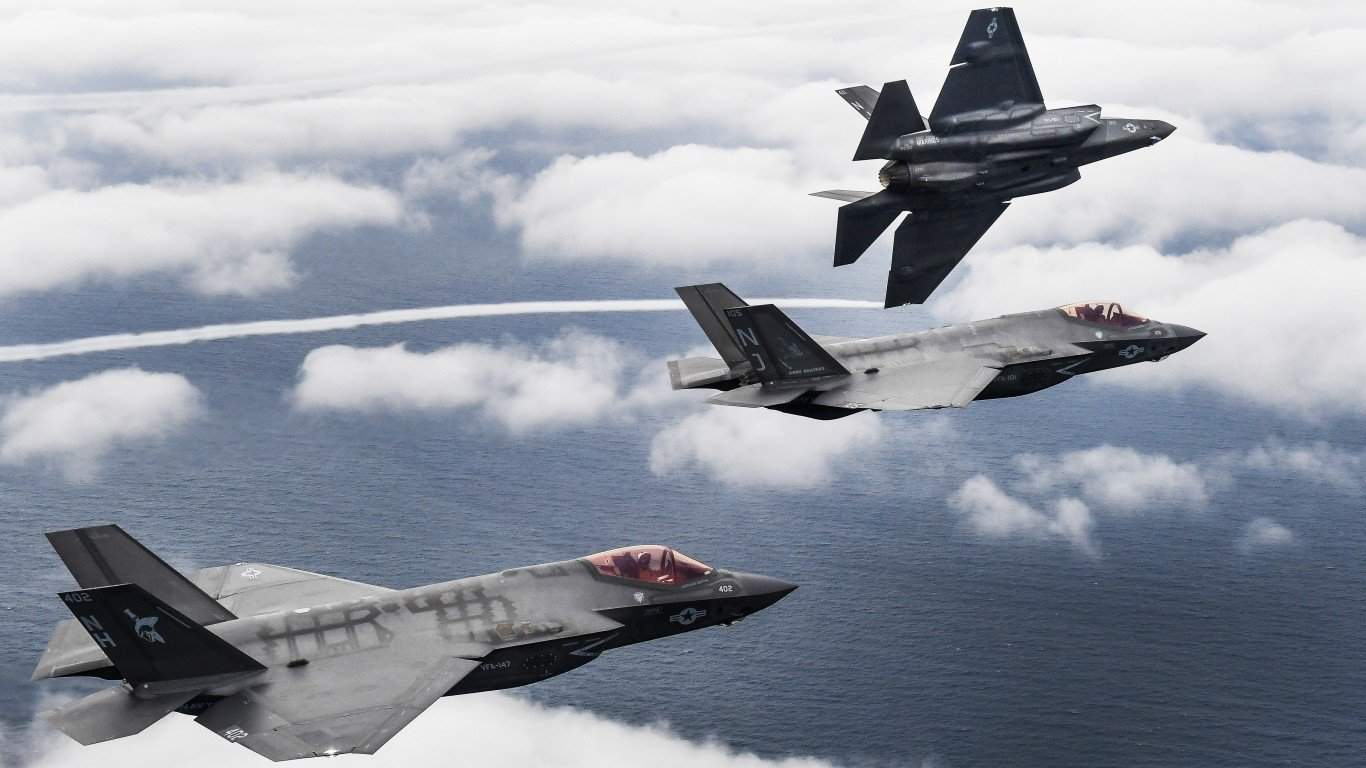
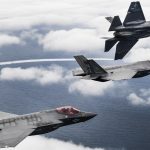
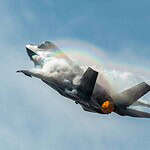
The F-35 would serve as the cornerstone of NATO’s opening strike and air dominance strategy, using stealth and sensor fusion to penetrate contested airspace and locate enemy defenses. In a European war, it would act as both a shooter and a battlefield coordinator, sharing targeting data across allied forces and enabling other aircraft and missile systems to operate more effectively under heavy threat conditions.
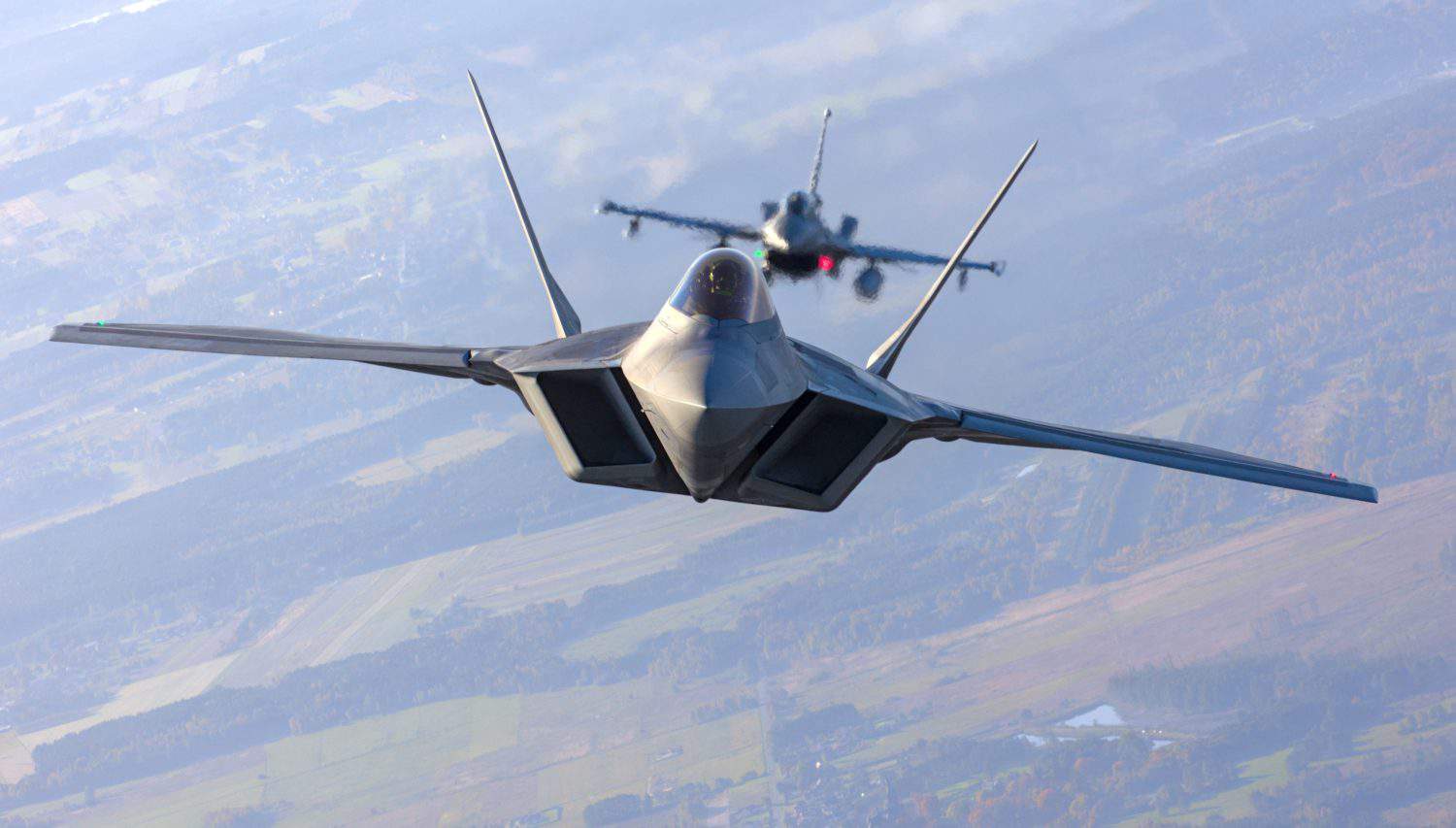
F-22 Raptor
- Primary Domain: Air
- Weapon Type: Fighter
- Primary Battlefield Role: Air superiority
- Conflict Phase Relevance: Opening Strike
- Key Advantage: Stealth + dominance
- Primary Threat Countered: Enemy aircraft
- Interoperability Role (NATO): Joint ops with NATO air forces
- Operator Nations (Examples): US
The F-22 would be tasked with establishing immediate air superiority over contested regions, ensuring that NATO aircraft can operate without constant threat from enemy fighters. Its stealth and unmatched air-to-air capabilities make it critical in the early hours of a conflict, where controlling the skies would dictate the tempo and success of subsequent ground and strike operations.
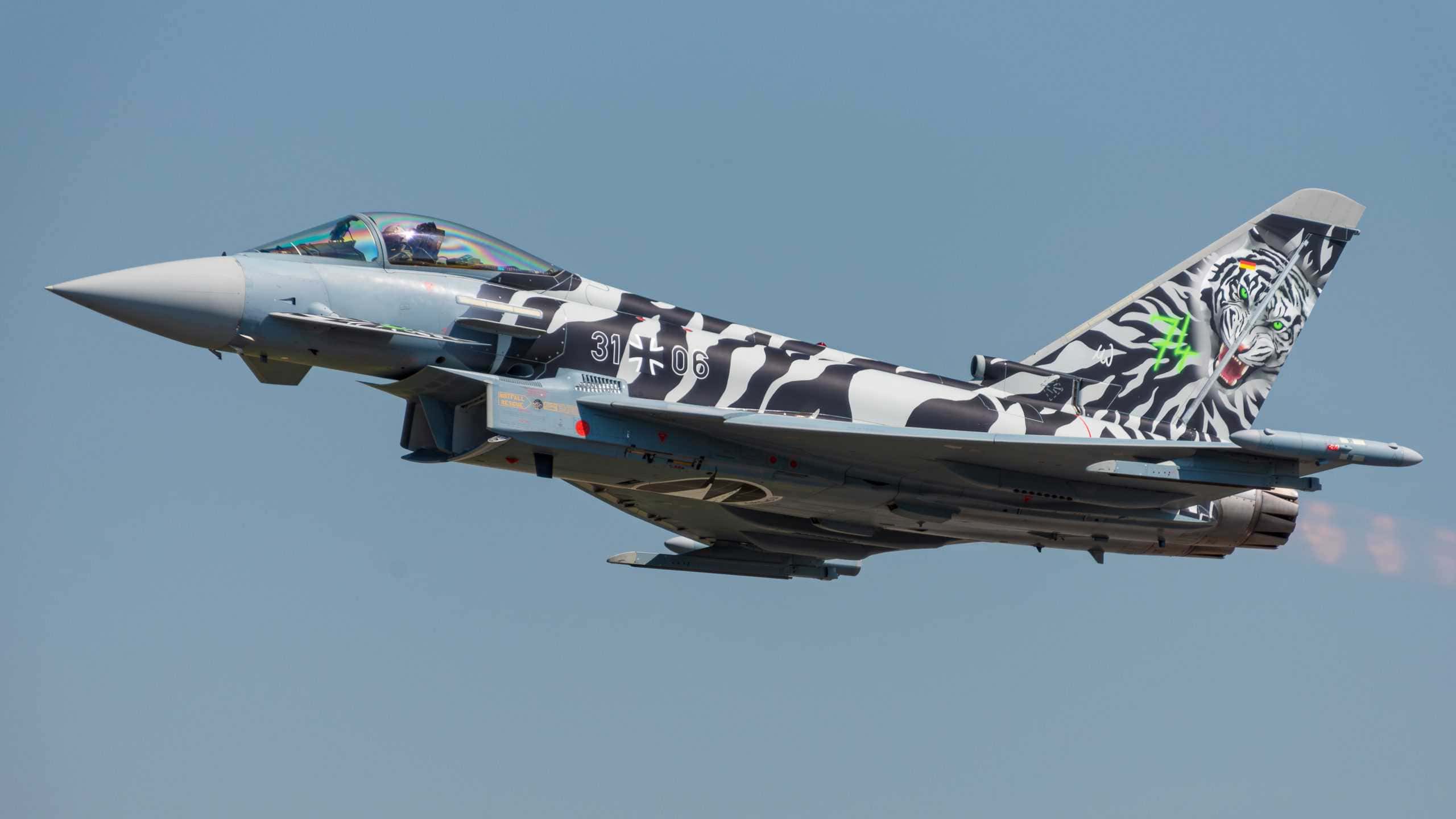
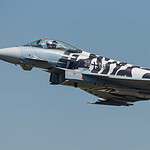
Eurofighter Typhoon
- Primary Domain: Air
- Weapon Type: Fighter
- Primary Battlefield Role: Air superiority & strike
- Conflict Phase Relevance: Air Superiority Phase
- Key Advantage: Agility + multirole
- Primary Threat Countered: Aircraft, ground targets
- Interoperability Role (NATO): Widely used across NATO
- Operator Nations (Examples): UK, Germany, Italy, Spain
The Eurofighter Typhoon would play a central role in maintaining air superiority and conducting precision strikes across Europe. Its widespread use among NATO nations makes it a key interoperability asset, allowing multiple air forces to operate seamlessly together while providing a flexible response to both air and ground threats during sustained combat operations.
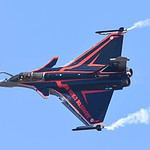
Dassault Rafale
- Primary Domain: Air
- Weapon Type: Fighter
- Primary Battlefield Role: Multirole strike
- Conflict Phase Relevance: All Phases
- Key Advantage: Versatility
- Primary Threat Countered: Aircraft, ground targets
- Interoperability Role (NATO): Cross-national deployments
- Operator Nations (Examples): France
The Rafale’s multirole flexibility allows it to shift between air superiority, strike missions, and reconnaissance, making it highly valuable across all phases of a European conflict. Its ability to operate from multiple bases and integrate with allied systems ensures that NATO can sustain air operations even under pressure from dispersed or contested battlefields.
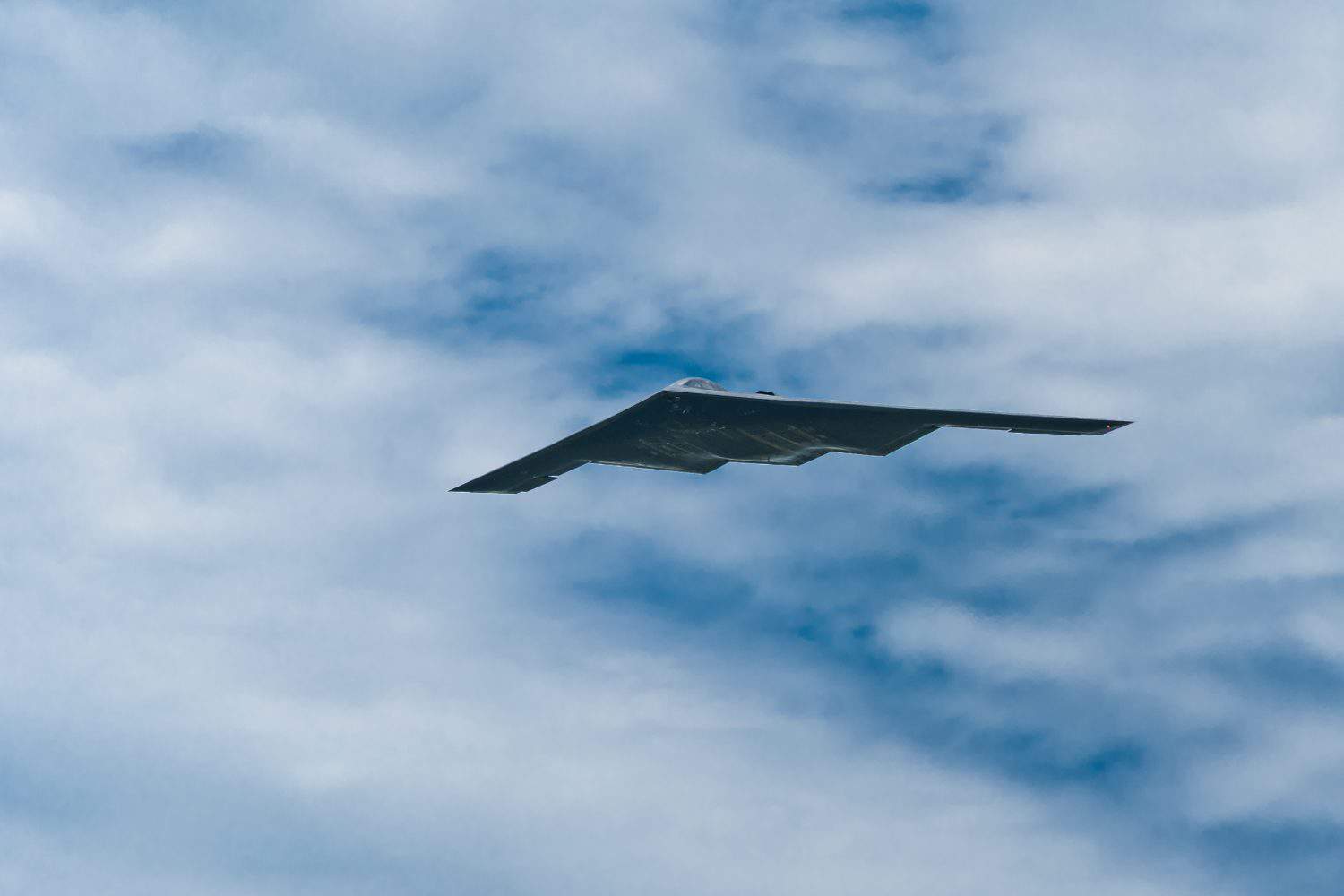
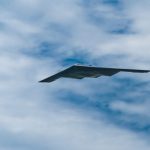
B-2 Spirit
- Primary Domain: Air
- Weapon Type: Bomber
- Primary Battlefield Role: Strategic strike
- Conflict Phase Relevance: Opening Strike
- Key Advantage: Stealth penetration
- Primary Threat Countered: Air defenses, infrastructure
- Interoperability Role (NATO): Integrated with NATO ops
- Operator Nations (Examples): US
The B-2 would be used to strike heavily defended targets deep inside enemy territory during the opening phase of a conflict. Its stealth capabilities allow it to bypass advanced air defenses and destroy high-value targets such as command centers and missile launch sites, weakening the enemy’s ability to coordinate large-scale operations early in the war.
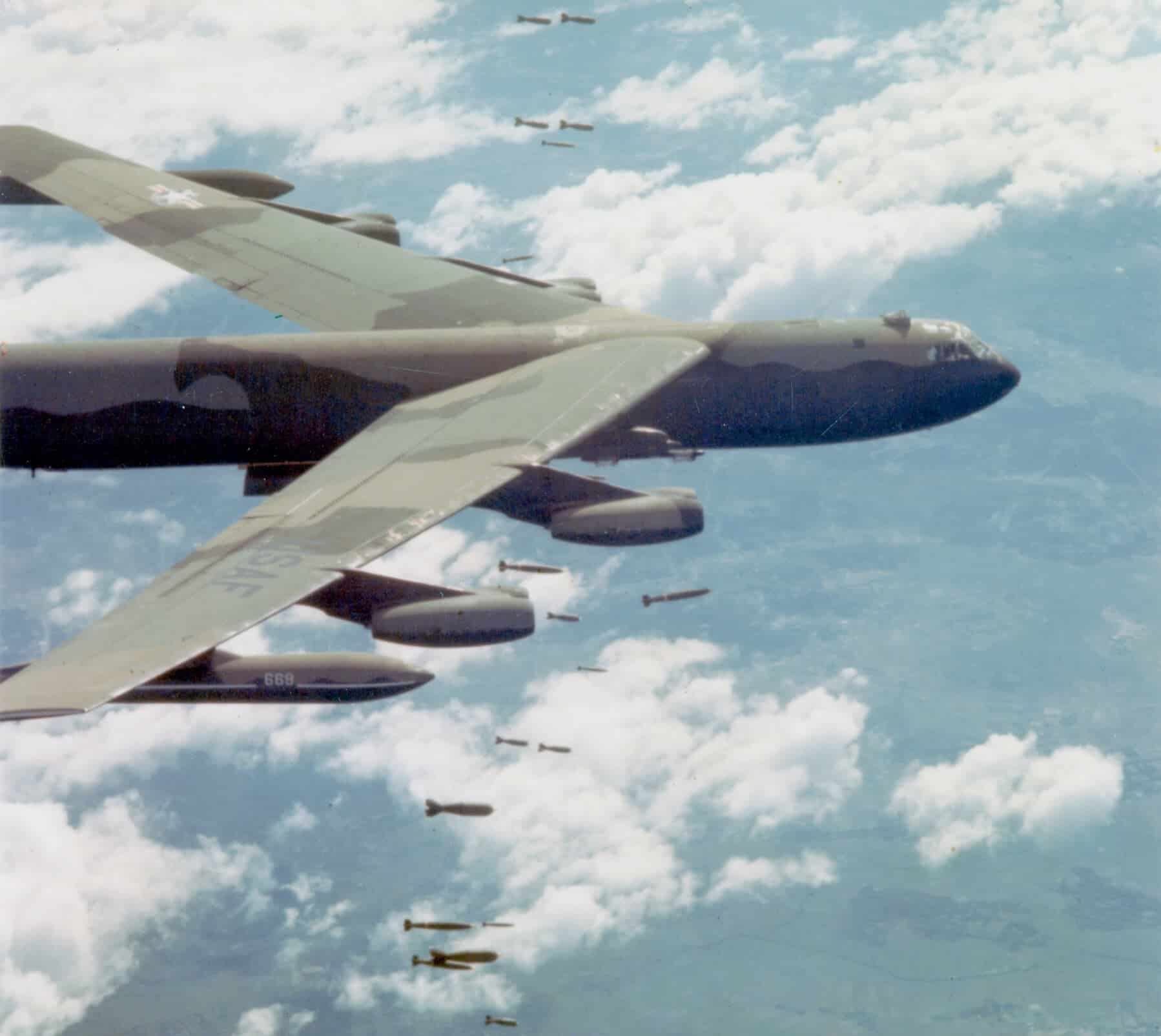
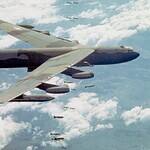
B-52H Stratofortress
- Primary Domain: Air
- Weapon Type: Bomber
- Primary Battlefield Role: Long-range strike
- Conflict Phase Relevance: Sustainment
- Key Advantage: Payload + range
- Primary Threat Countered: Ground targets
- Interoperability Role (NATO): Operates from allied bases
- Operator Nations (Examples): US
The B-52 would provide sustained long-range strike capability, delivering large payloads of precision-guided munitions over extended periods. In a European war, it would be critical for maintaining pressure on enemy logistics, infrastructure, and troop concentrations, especially after initial air defenses have been degraded.
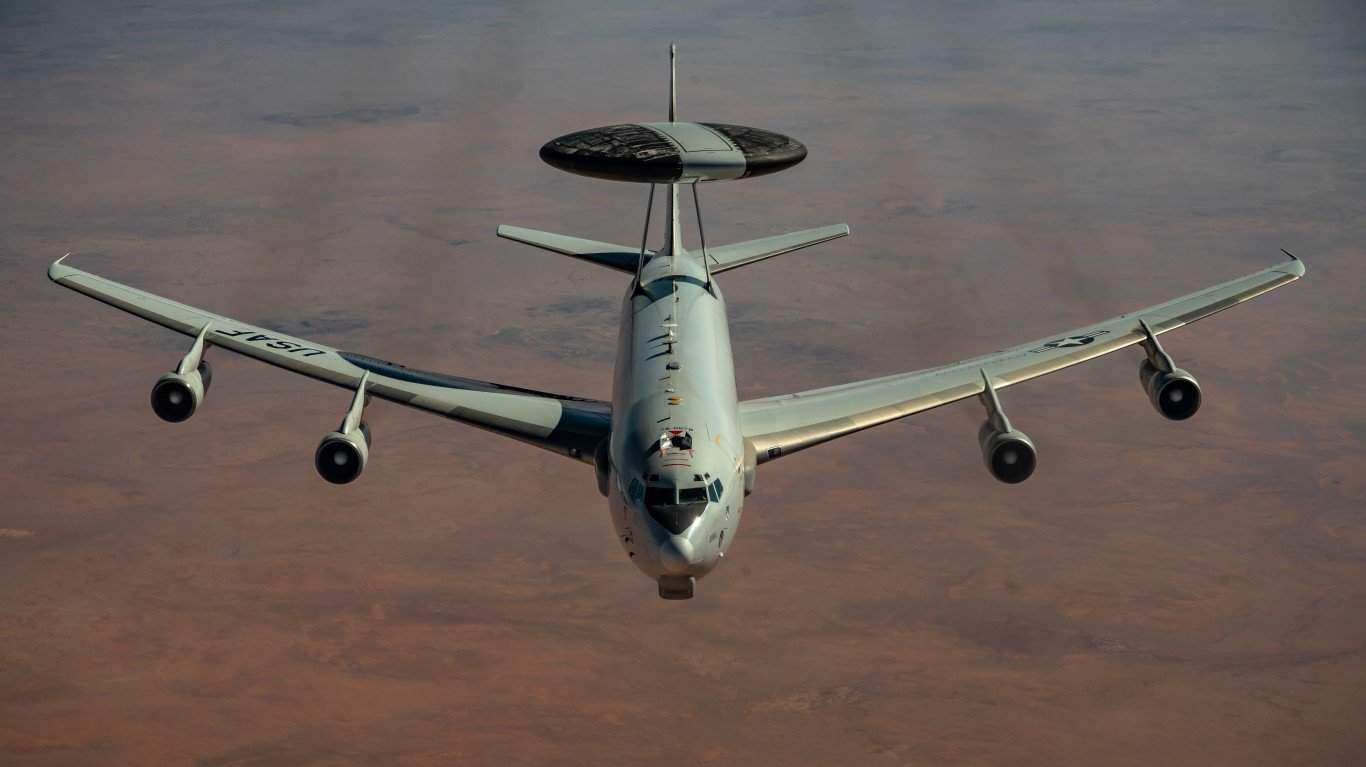
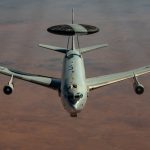
E-3 Sentry
- Primary Domain: Air
- Weapon Type: ISR
- Primary Battlefield Role: Battle management
- Conflict Phase Relevance: All Phases
- Key Advantage: Situational awareness
- Primary Threat Countered: Air threats
- Interoperability Role (NATO): Shared air picture
- Operator Nations (Examples): NATO, US, UK
The E-3 Sentry would act as NATO’s airborne command hub, providing a real-time picture of the battlespace. In large-scale operations, it enables coordination between allied aircraft, ensuring efficient use of resources and rapid response to emerging threats across multiple fronts.
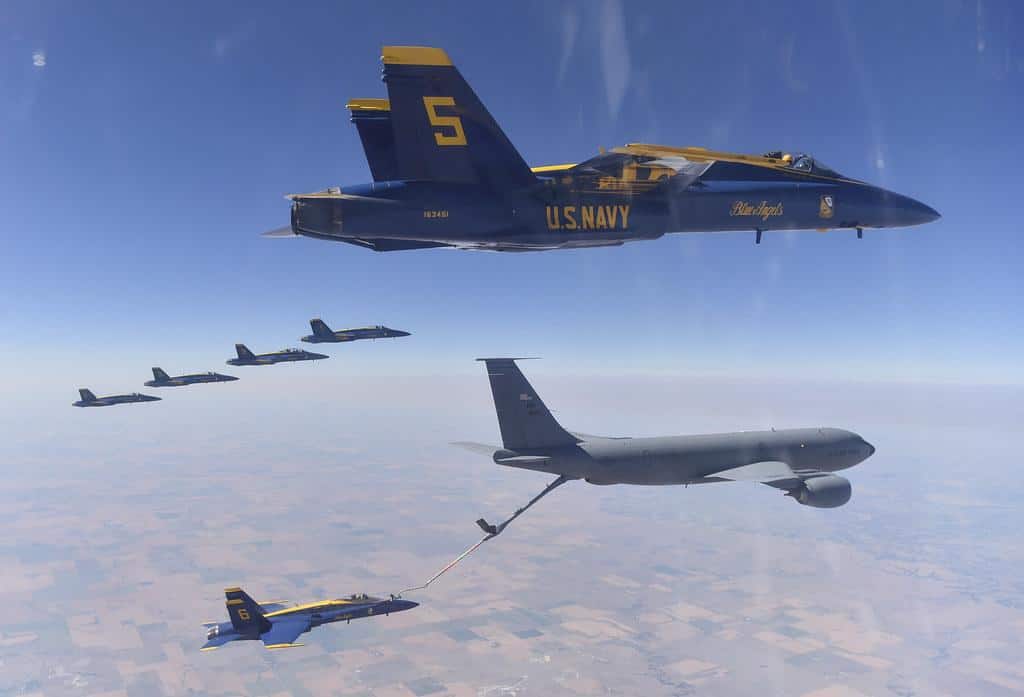
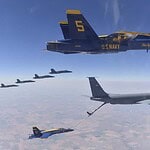
KC-135 Stratotanker
- Primary Domain: Air
- Weapon Type: Support
- Primary Battlefield Role: Aerial refueling
- Conflict Phase Relevance: All Phases
- Key Advantage: Range extension
- Primary Threat Countered: N/A
- Interoperability Role (NATO): Supports allied aircraft
- Operator Nations (Examples): US, NATO
The KC-135 would be essential for extending the range and endurance of NATO aircraft, allowing continuous operations over Europe’s wide battlespace. In a high-intensity conflict, aerial refueling ensures that fighters, bombers, and ISR platforms remain on station longer, maintaining pressure and responsiveness.
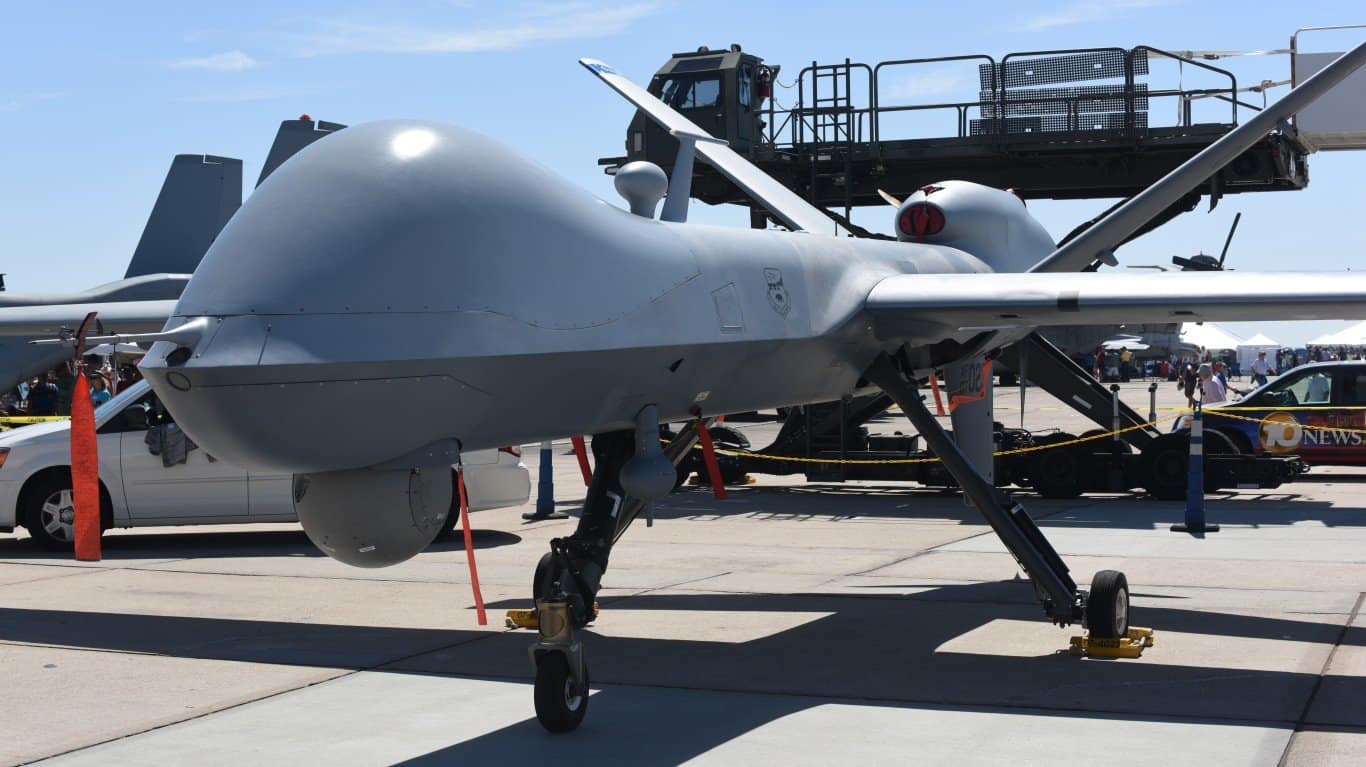
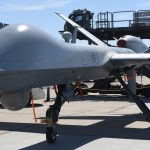
MQ-9 Reaper
- Primary Domain: Air
- Weapon Type: Drone
- Primary Battlefield Role: ISR & strike
- Conflict Phase Relevance: All Phases
- Key Advantage: Persistent surveillance
- Primary Threat Countered: Ground targets
- Interoperability Role (NATO): Shared intel
- Operator Nations (Examples): US, UK, France, Italy
The MQ-9 Reaper would provide persistent intelligence, surveillance, and precision strike capability. In a European war, its ability to loiter over contested areas and track enemy movements would give NATO a constant stream of actionable intelligence, supporting both air and ground operations.
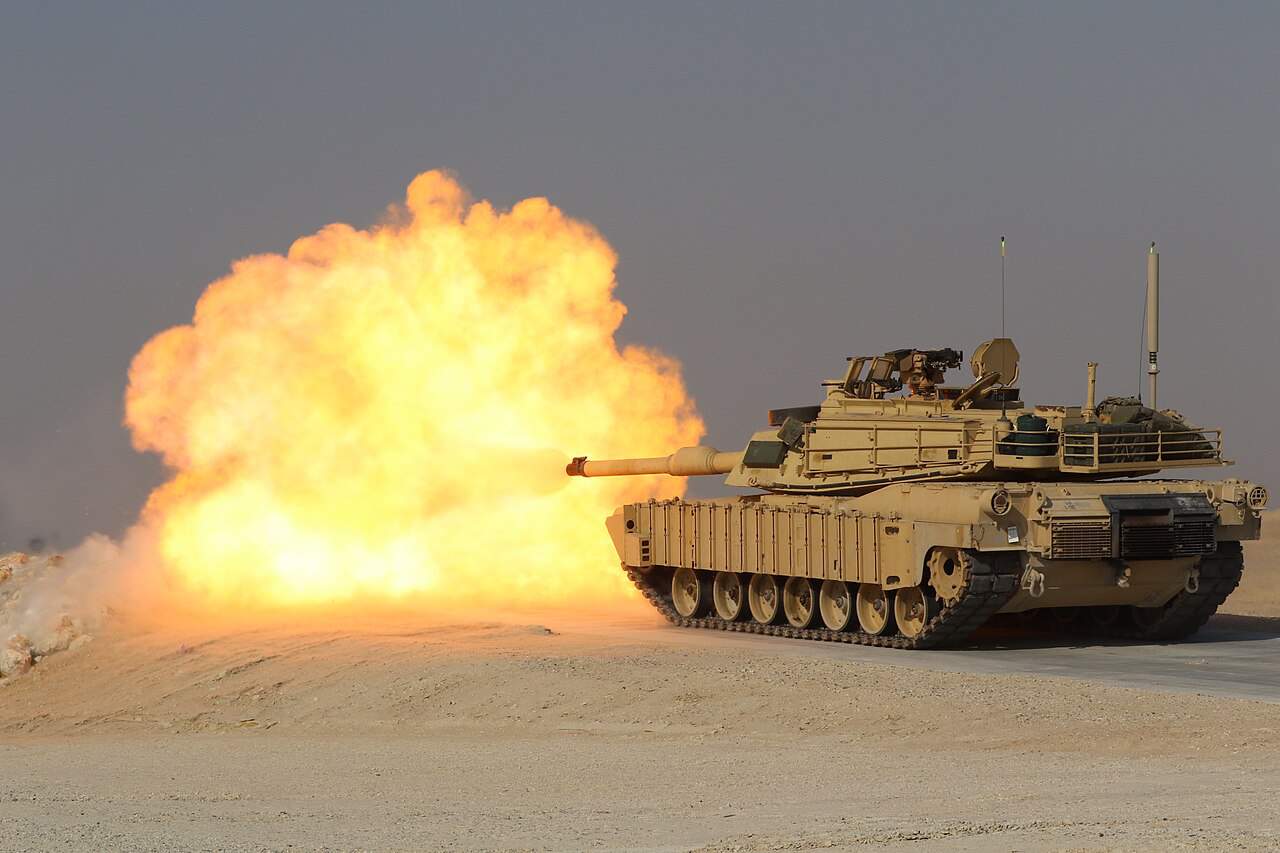
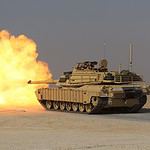
M1A2 Abrams
- Primary Domain: Land
- Weapon Type: Tank
- Primary Battlefield Role: Armored warfare
- Conflict Phase Relevance: Ground Offensive
- Key Advantage: Firepower + armor
- Primary Threat Countered: Enemy armor
- Interoperability Role (NATO): Joint deployments
- Operator Nations (Examples): US, Poland
The Abrams would serve as a primary force in armored breakthroughs, delivering heavy firepower and survivability against enemy tanks. In Eastern Europe, it would be central to pushing back mechanized forces and securing key terrain during large-scale ground offensives.
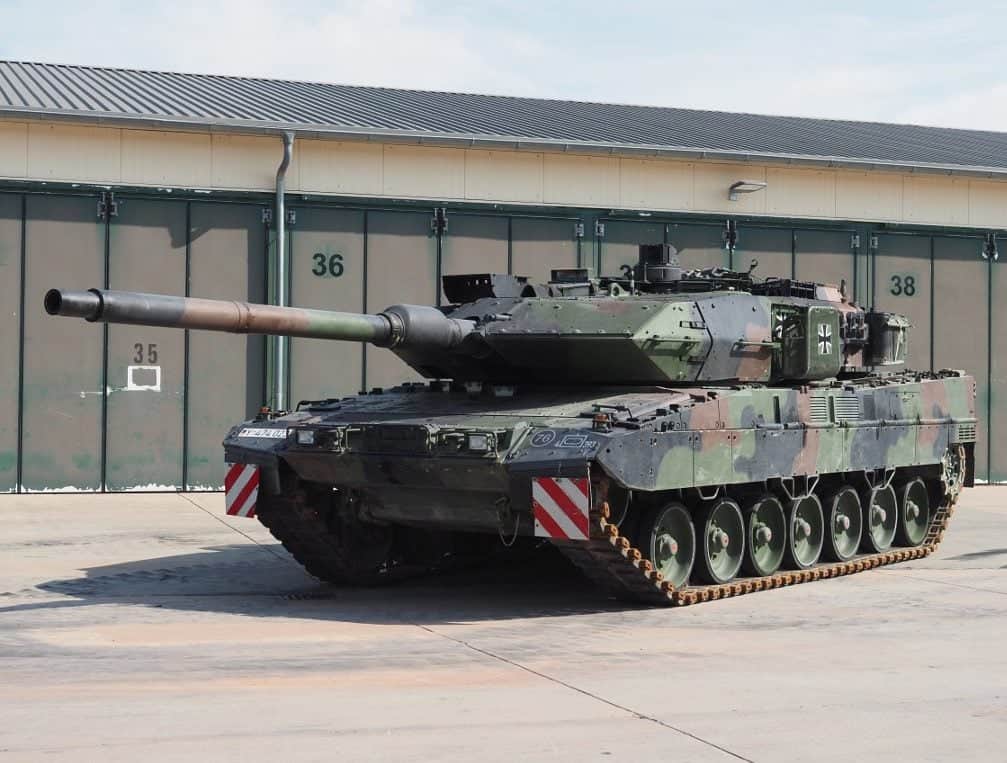
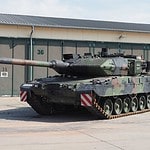
Leopard 2
- Primary Domain: Land
- Weapon Type: Tank
- Primary Battlefield Role: Armored warfare
- Conflict Phase Relevance: Ground Offensive
- Key Advantage: Mobility + firepower
- Primary Threat Countered: Enemy armor
- Interoperability Role (NATO): Standard NATO tank
- Operator Nations (Examples): Germany, Poland, others
The Leopard 2’s widespread use across NATO makes it a cornerstone of allied ground forces. Its balance of mobility, firepower, and protection allows for coordinated multinational armored operations, a critical factor in sustaining momentum during a European conflict.
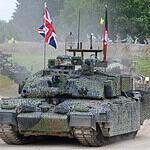
Challenger 2
- Primary Domain: Land
- Weapon Type: Tank
- Primary Battlefield Role: Heavy armor
- Conflict Phase Relevance: Ground Offensive
- Key Advantage: Protection
- Primary Threat Countered: Enemy armor
- Interoperability Role (NATO): UK-led deployments
- Operator Nations (Examples): UK
The Challenger 2 provides exceptional survivability on the battlefield, making it ideal for holding defensive lines and absorbing enemy assaults. In a European war, it would anchor key positions while supporting broader NATO ground maneuvers.
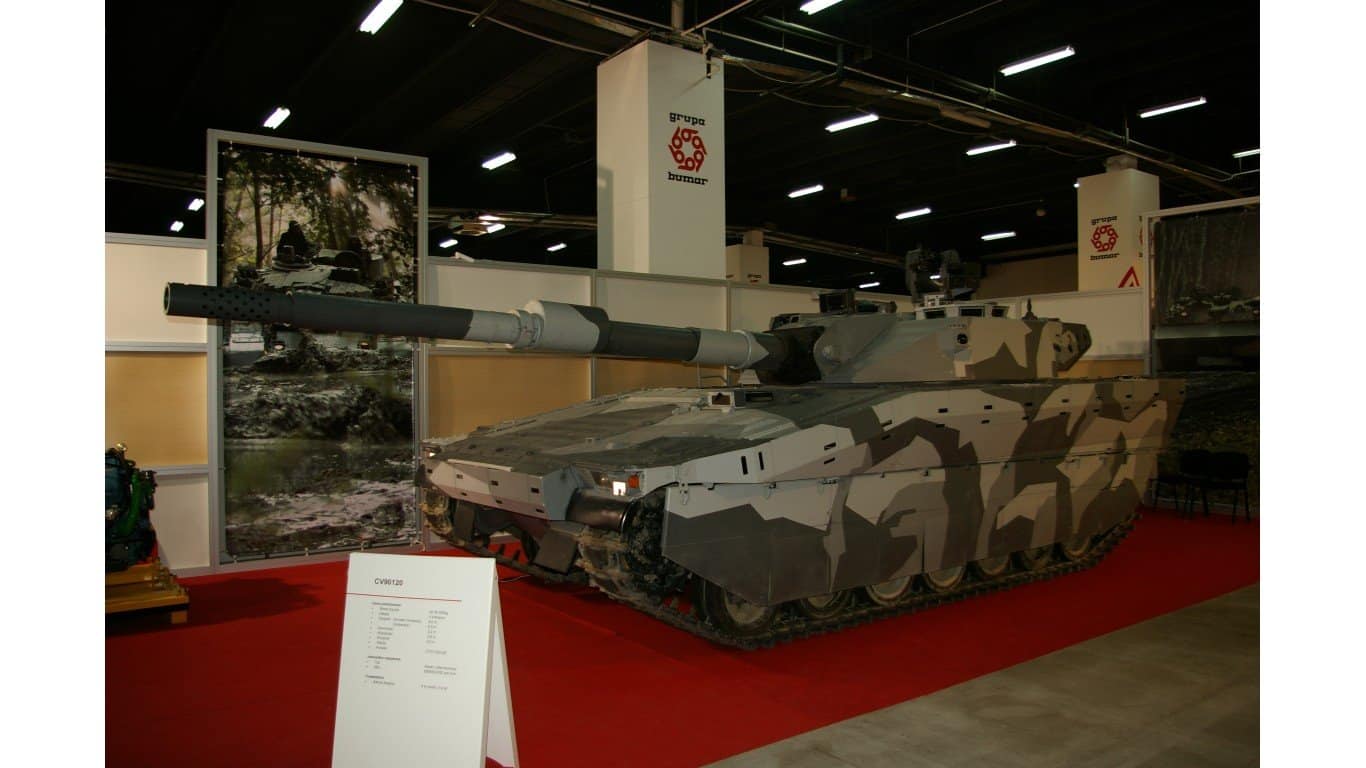
CV90
- Primary Domain: Land
- Weapon Type: IFV
- Primary Battlefield Role: Infantry support
- Conflict Phase Relevance: Ground Offensive
- Key Advantage: Mobility
- Primary Threat Countered: Infantry, light armor
- Interoperability Role (NATO): Used across Europe
- Operator Nations (Examples): Sweden, Norway
The CV90 enhances infantry mobility and protection, enabling troops to maneuver alongside tanks in contested environments. Its adaptability makes it valuable for both offensive and defensive operations across varied European terrain.
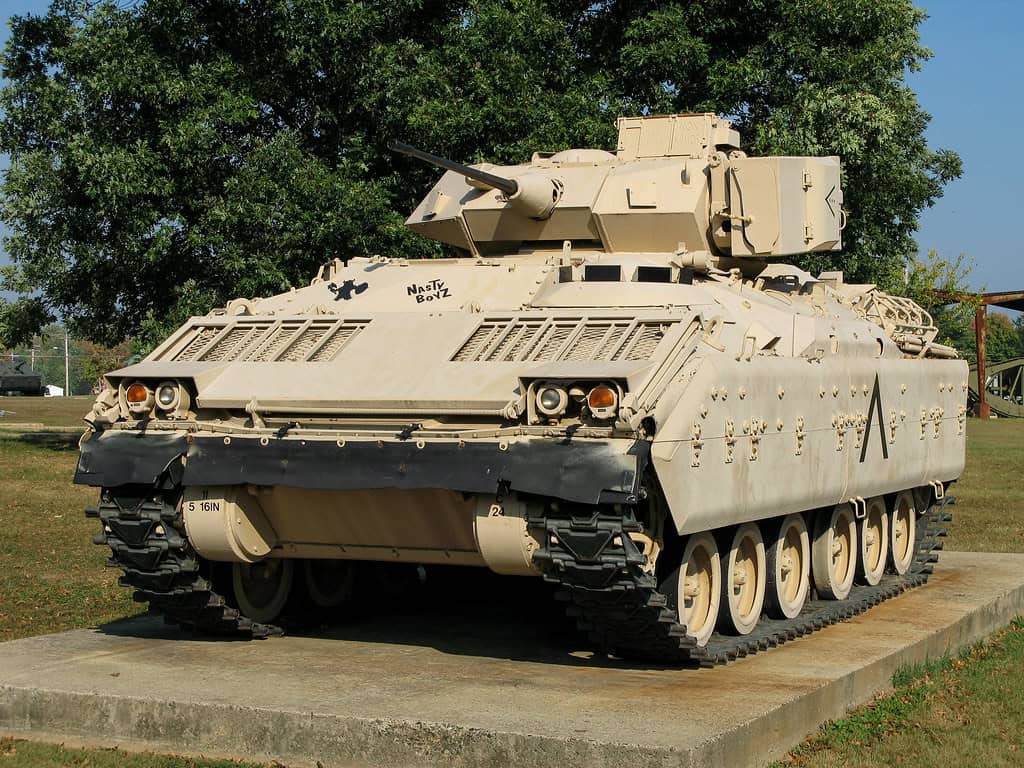
M2 Bradley
- Primary Domain: Land
- Weapon Type: IFV
- Primary Battlefield Role: Infantry support
- Conflict Phase Relevance: Ground Offensive
- Key Advantage: Firepower
- Primary Threat Countered: Infantry, armor
- Interoperability Role (NATO): US + allies
- Operator Nations (Examples): US
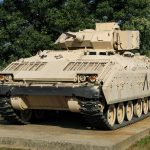
The Bradley combines infantry transport with significant firepower, allowing mechanized units to engage both infantry and armored threats. In large-scale combat, it supports combined arms operations by bridging the gap between tanks and dismounted troops.
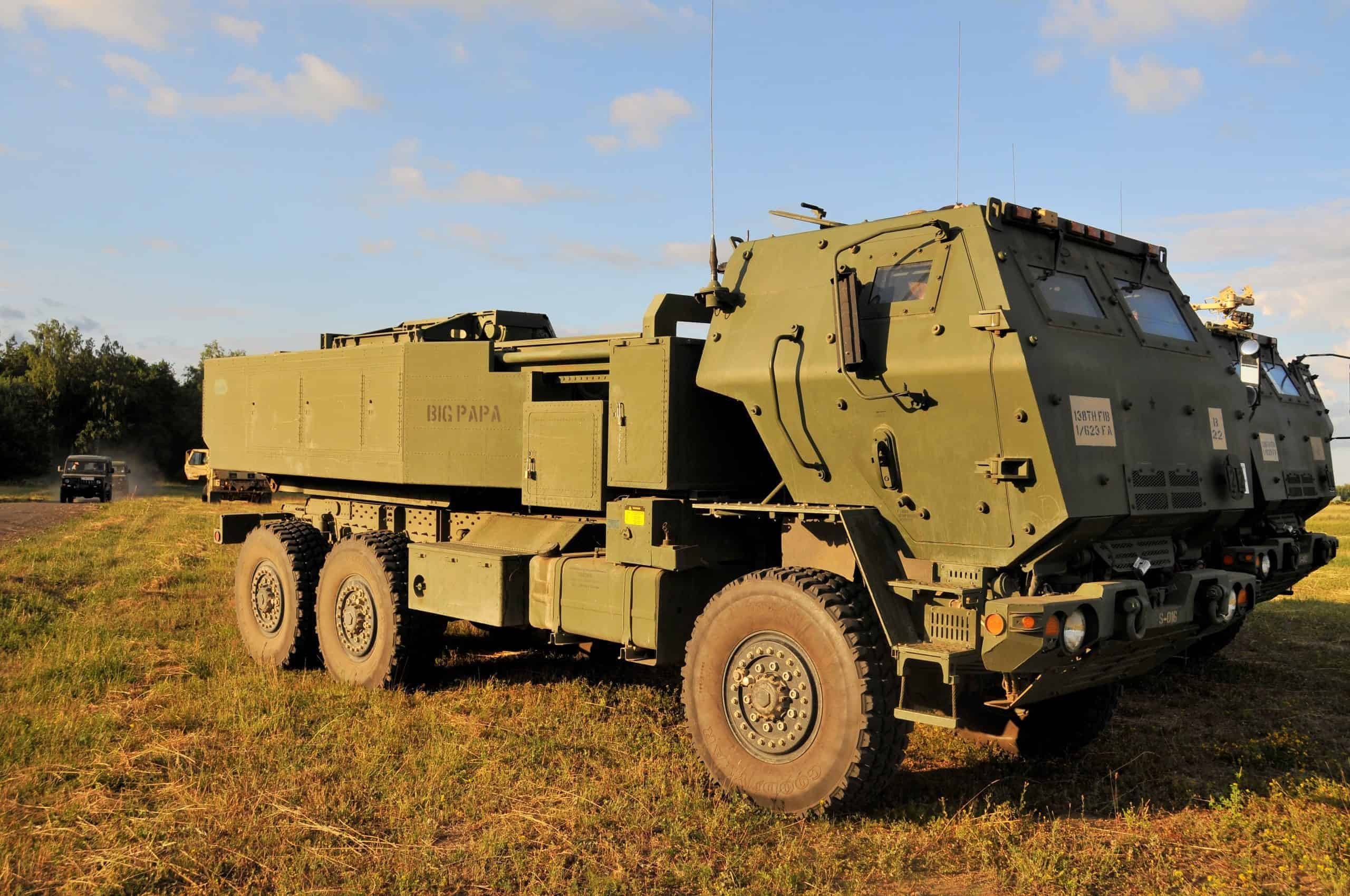
M142 HIMARS
- Primary Domain: Land
- Weapon Type: MLRS
- Primary Battlefield Role: Precision strike
- Conflict Phase Relevance: Opening Strike
- Key Advantage: Mobility + precision
- Primary Threat Countered: Artillery, logistics
- Interoperability Role (NATO): Shared munitions
- Operator Nations (Examples): US, Poland
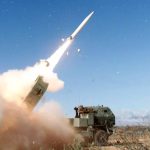
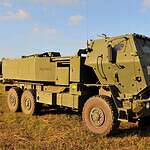
HIMARS provides highly mobile, precision long-range fires that can strike enemy artillery, logistics hubs, and command nodes. In a European conflict, its ability to rapidly relocate after firing makes it difficult to target, ensuring sustained pressure on enemy rear areas.
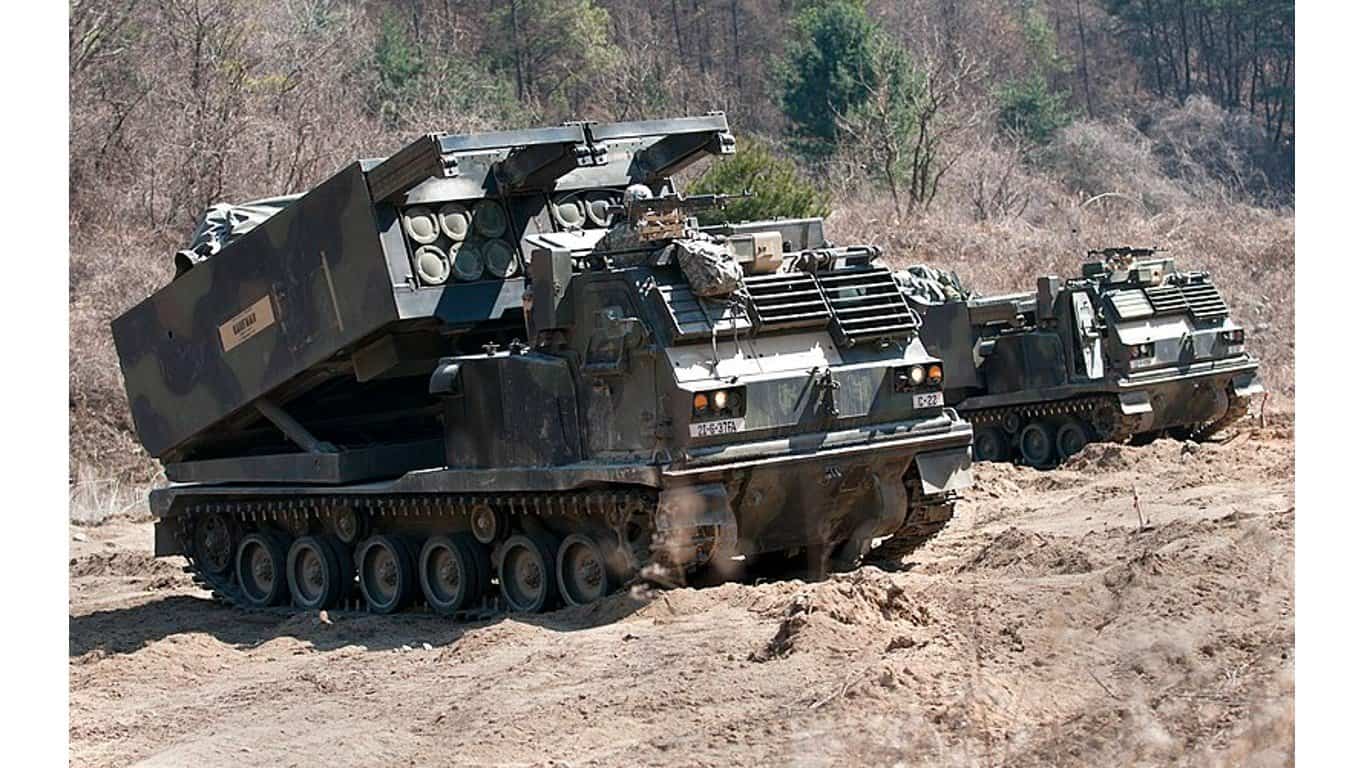
M270 MLRS
- Primary Domain: Land
- Weapon Type: MLRS
- Primary Battlefield Role: Area saturation
- Conflict Phase Relevance: Opening Strike
- Key Advantage: Volume fire
- Primary Threat Countered: Enemy positions
- Interoperability Role (NATO): Common NATO system
- Operator Nations (Examples): US, UK, Germany
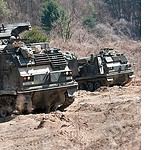
The M270 MLRS delivers high-volume rocket fire, capable of saturating enemy positions or supporting large-scale offensives. Its role in overwhelming defenses and disrupting formations makes it a key asset in shaping the battlefield.
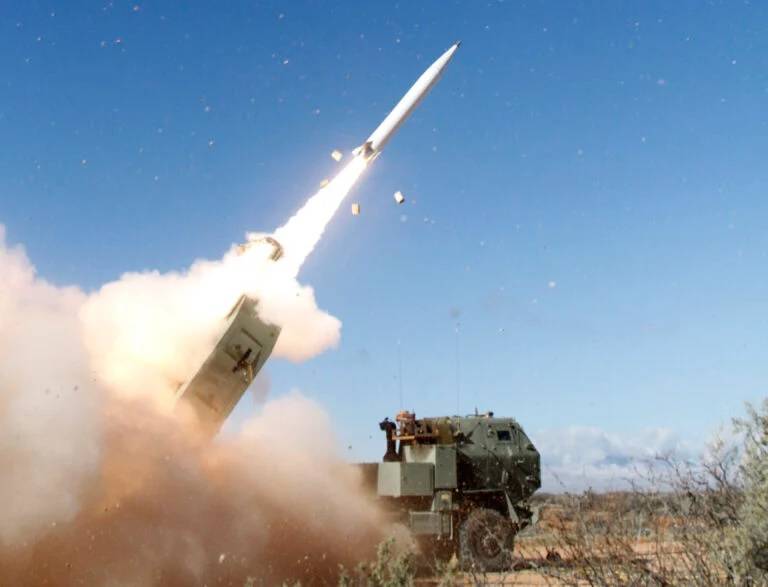
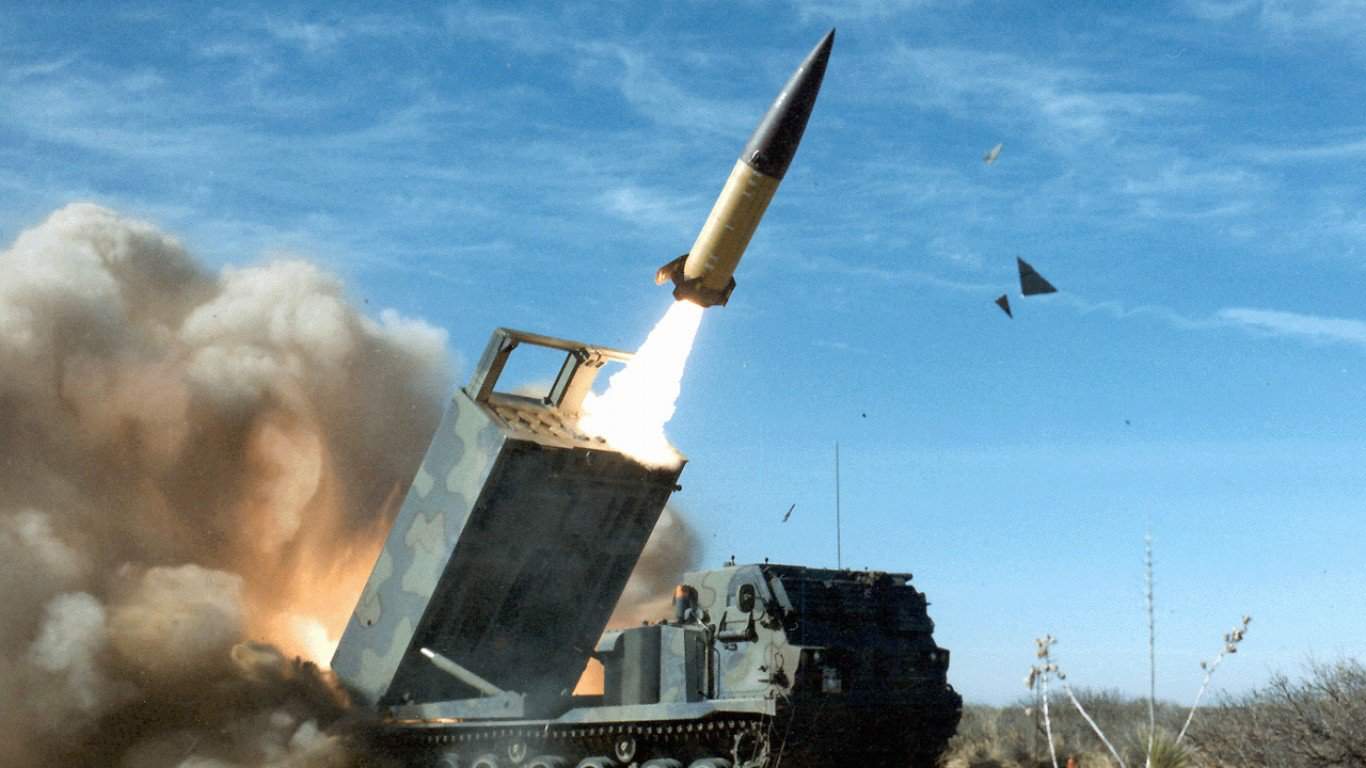
ATACMS
- Primary Domain: Land
- Weapon Type: Missile
- Primary Battlefield Role: Deep strike
- Conflict Phase Relevance: Opening Strike
- Key Advantage: Long range
- Primary Threat Countered: Command nodes
- Interoperability Role (NATO): Launched from MLRS/HIMARS
- Operator Nations (Examples): US
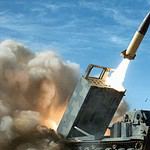
ATACMS allows NATO to strike deep into enemy territory with precision, targeting critical infrastructure and command centers. In the early stages of a war, this capability would disrupt enemy coordination and slow their ability to respond effectively.
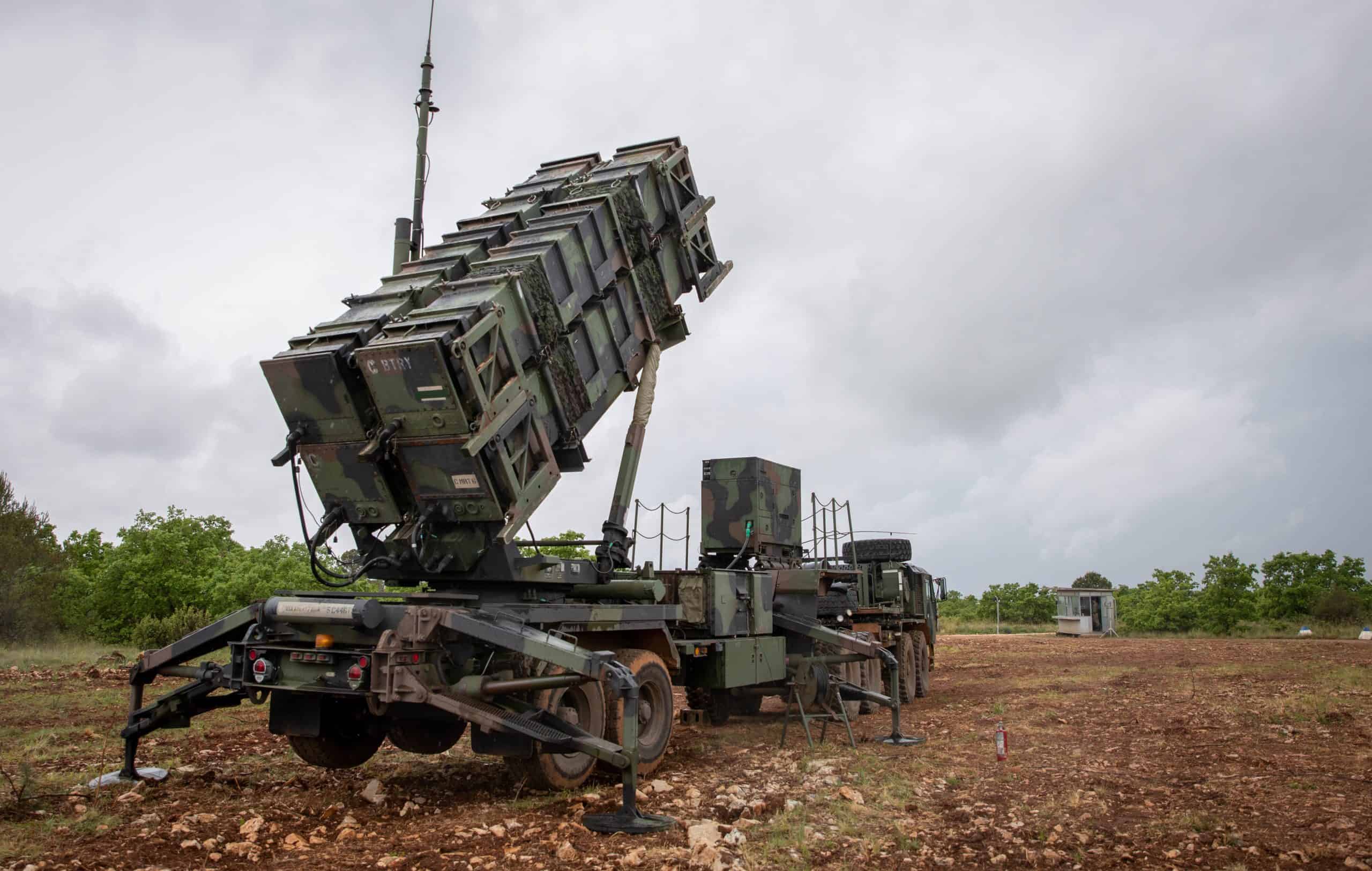
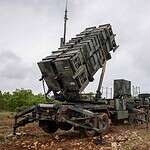
Patriot
- Primary Domain: Air
- Weapon Type: SAM
- Primary Battlefield Role: Air defense
- Conflict Phase Relevance: All Phases
- Key Advantage: Proven system
- Primary Threat Countered: Missiles, aircraft
- Interoperability Role (NATO): Deployed across NATO
- Operator Nations (Examples): US, Germany, Poland
Patriot systems would form a critical layer of NATO’s air and missile defense, protecting key assets from aircraft and missile threats. In a European war, they would safeguard bases, cities, and troop concentrations from sustained attacks.
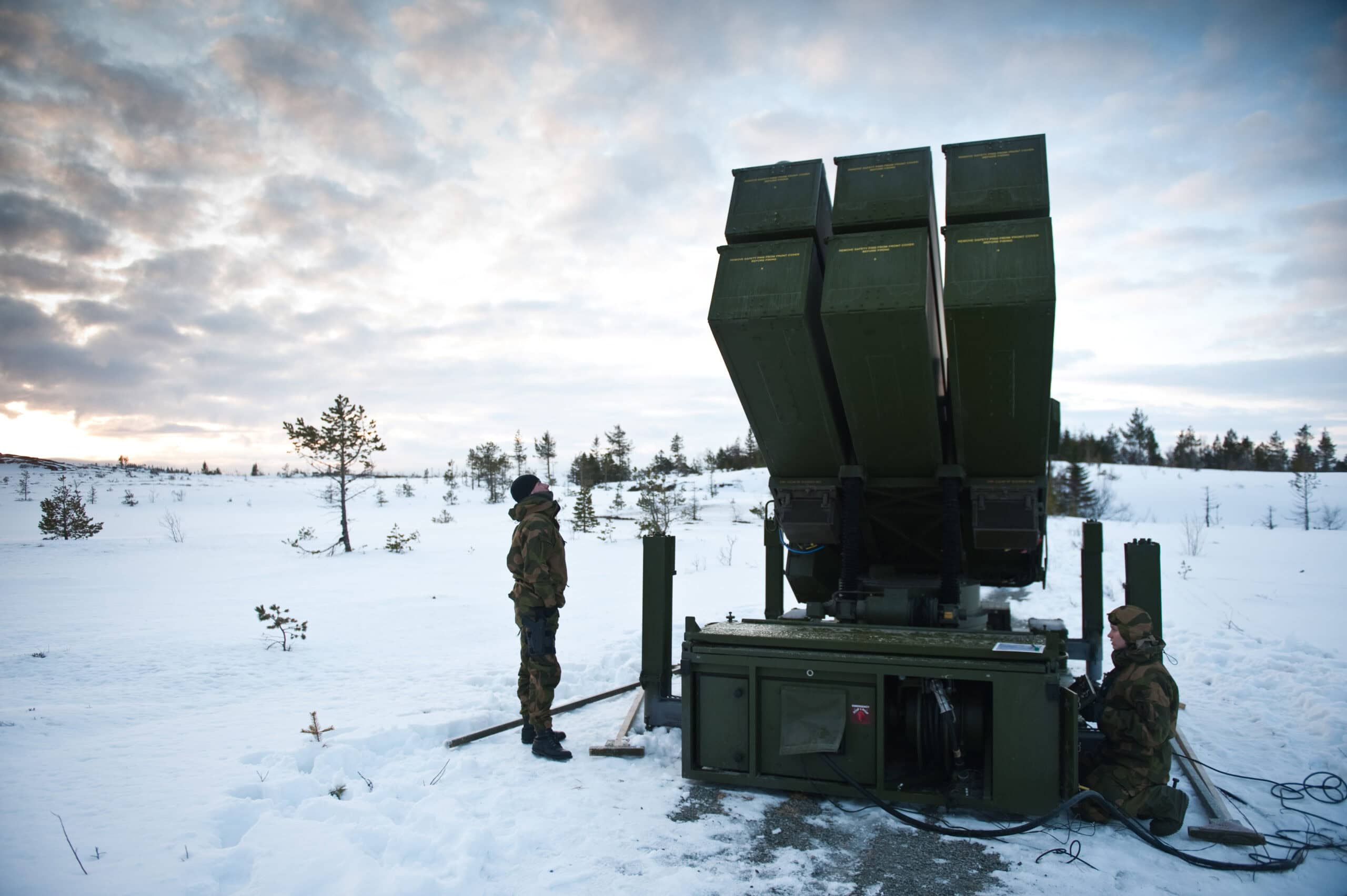
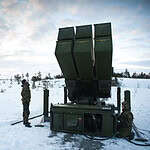
NASAMS
- Primary Domain: Air
- Weapon Type: SAM
- Primary Battlefield Role: Air defense
- Conflict Phase Relevance: All Phases
- Key Advantage: Flexibility
- Primary Threat Countered: Aircraft, missiles
- Interoperability Role (NATO): Widely integrated
- Operator Nations (Examples): Norway, US, others
NASAMS provides flexible, networked air defense that can be deployed across a wide range of environments. Its integration with other systems allows NATO to build a layered defense against incoming threats.
Aegis Combat System
- Primary Domain: Sea
- Weapon Type: Naval Defense
- Primary Battlefield Role: Missile defense
- Conflict Phase Relevance: All Phases
- Key Advantage: Advanced tracking
- Primary Threat Countered: Missiles, aircraft
- Interoperability Role (NATO): Shared naval network
- Operator Nations (Examples): US, Spain
Aegis enables advanced missile defense at sea, tracking and intercepting threats over vast distances. In a European conflict, it would play a key role in protecting naval forces and supporting broader missile defense operations.
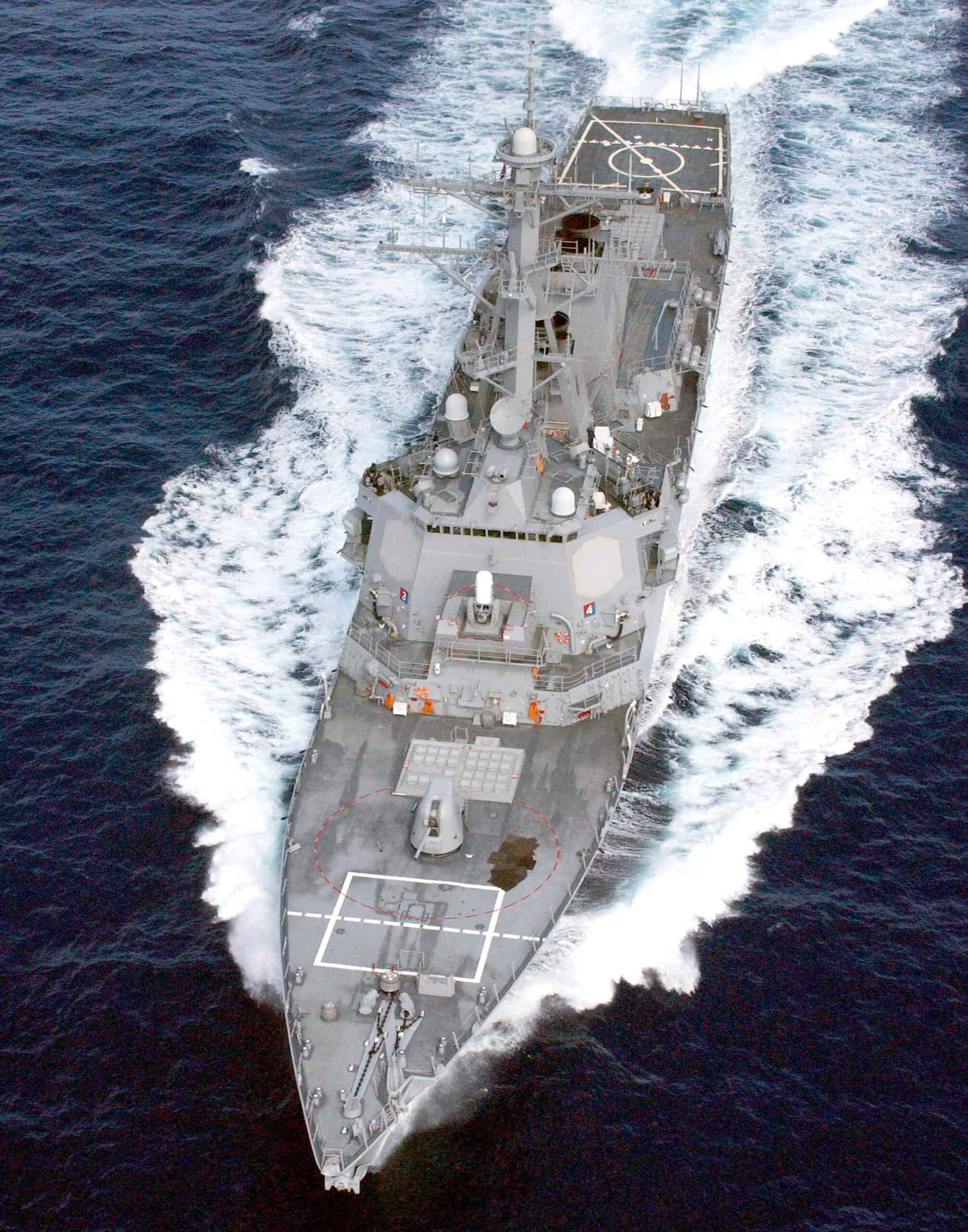
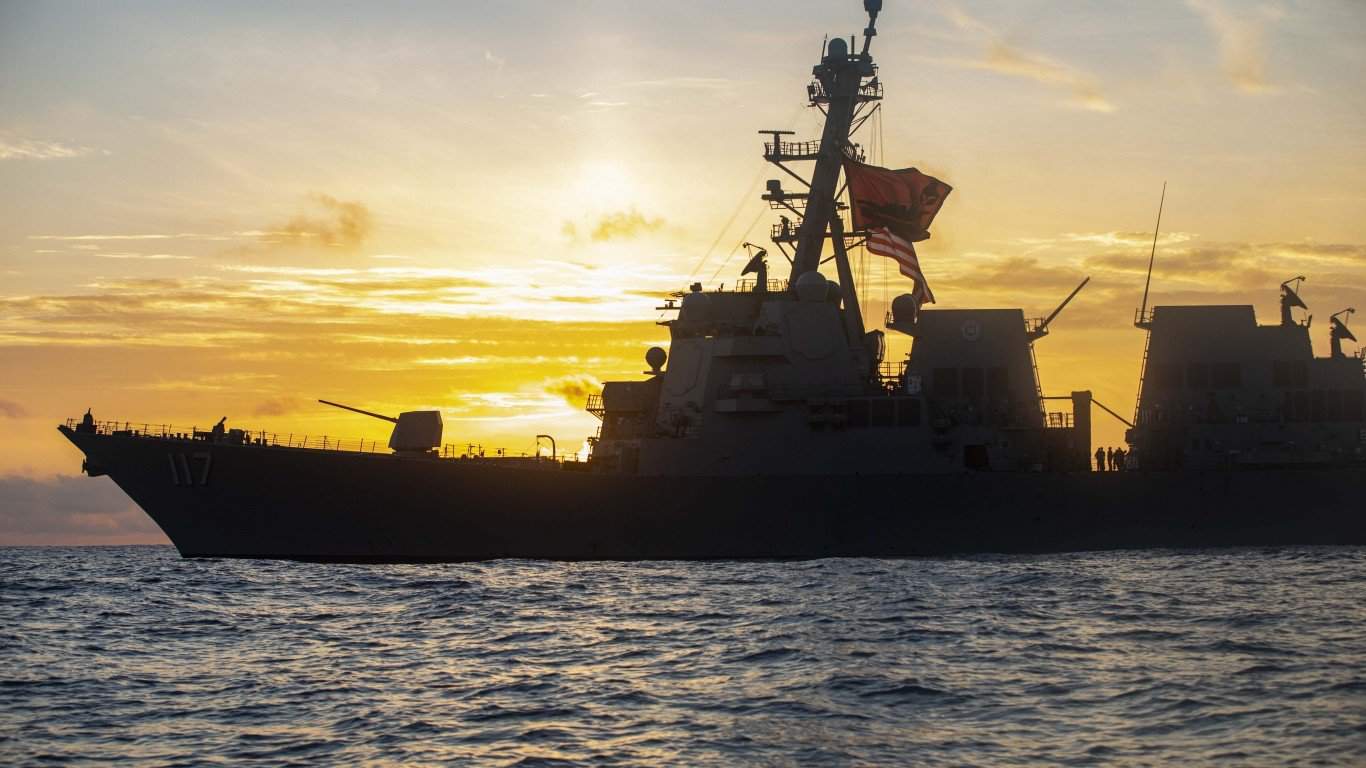
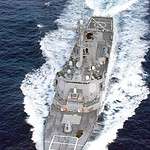
Arleigh Burke-class destroyer
- Primary Domain: Sea
- Weapon Type: Destroyer
- Primary Battlefield Role: Naval warfare
- Conflict Phase Relevance: All Phases
- Key Advantage: Multi-role
- Primary Threat Countered: Ships, missiles
- Interoperability Role (NATO): NATO naval ops
- Operator Nations (Examples): US
These destroyers provide multi-role capabilities, including missile defense, anti-air warfare, and strike operations. Their presence in European waters strengthens NATO’s ability to project power and defend against maritime threats.
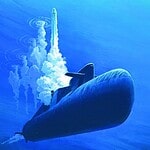
Astute-class submarine
- Primary Domain: Sea
- Weapon Type: Submarine
- Primary Battlefield Role: Stealth strike
- Conflict Phase Relevance: Opening Strike
- Key Advantage: Stealth
- Primary Threat Countered: Ships, land targets
- Interoperability Role (NATO): UK NATO ops
- Operator Nations (Examples): UK
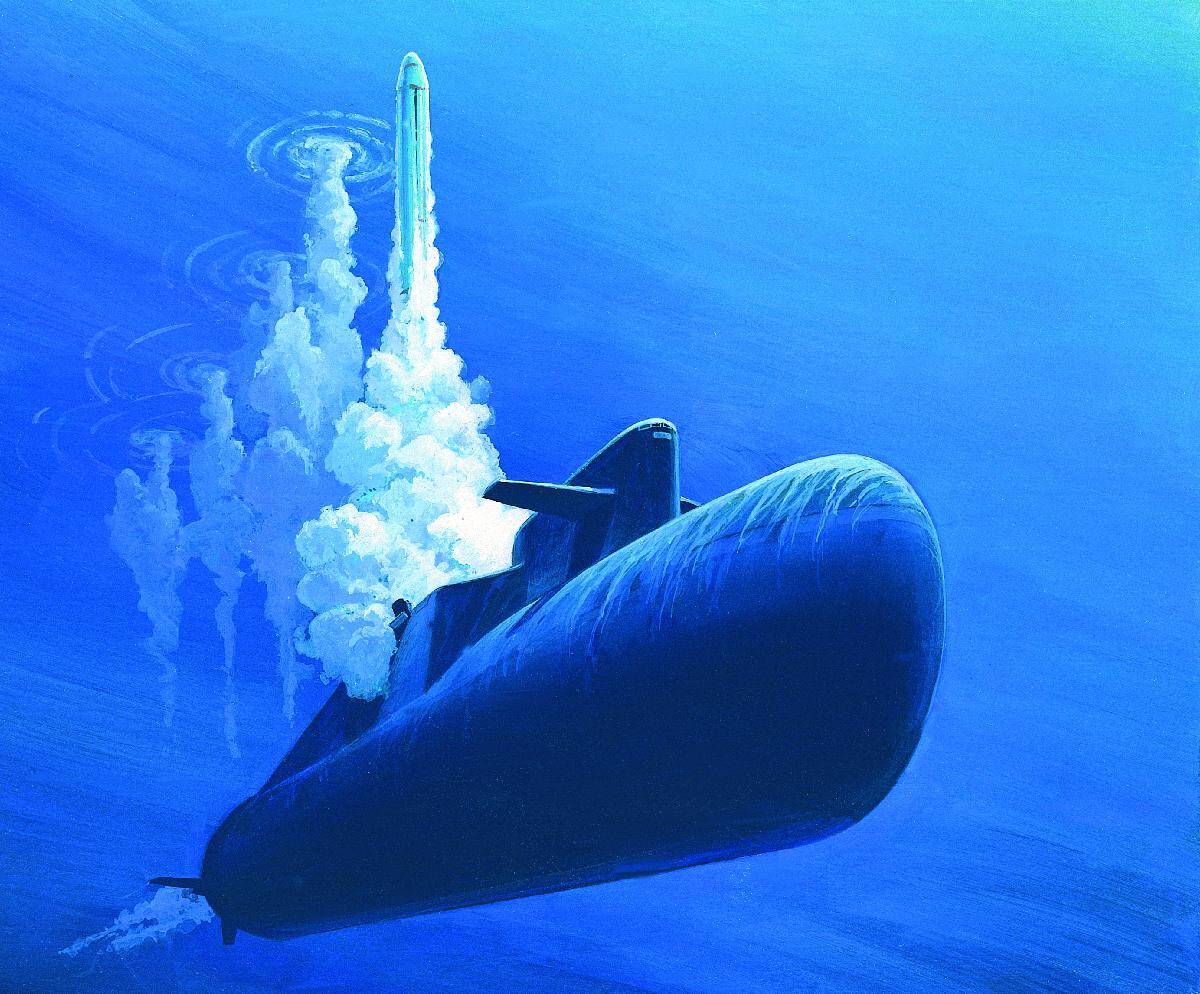
The Astute-class submarine offers stealthy strike capabilities, capable of launching cruise missiles against high-value targets. Its ability to operate undetected makes it a powerful tool for disrupting enemy operations.
Tomahawk
- Primary Domain: Multi-Domain
- Weapon Type: Missile
- Primary Battlefield Role: Long-range strike
- Conflict Phase Relevance: Opening Strike
- Key Advantage: Precision
- Primary Threat Countered: Infrastructure
- Interoperability Role (NATO): Shared targeting
- Operator Nations (Examples): US, UK
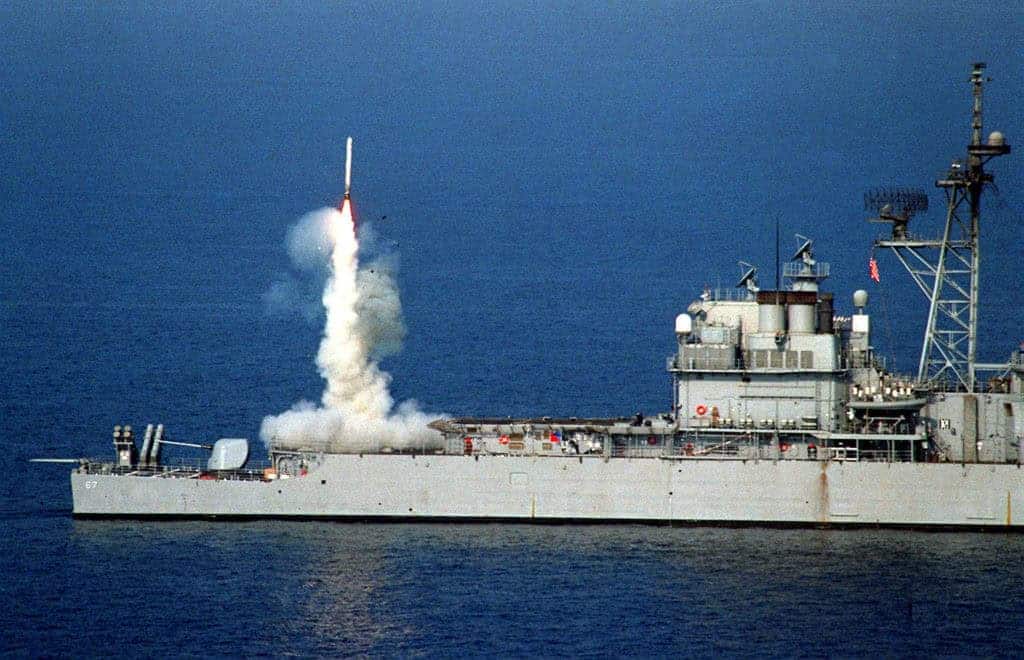
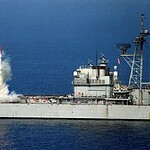
Tomahawk missiles provide long-range precision strike capability from both sea and land platforms. In a European war, they would be used to target critical infrastructure and command centers early in the conflict.
JASSM
- Primary Domain: Air
- Weapon Type: Missile
- Primary Battlefield Role: Precision strike
- Conflict Phase Relevance: Opening Strike
- Key Advantage: Stealth
- Primary Threat Countered: Air defenses
- Interoperability Role (NATO): NATO air launch
- Operator Nations (Examples): US, allies
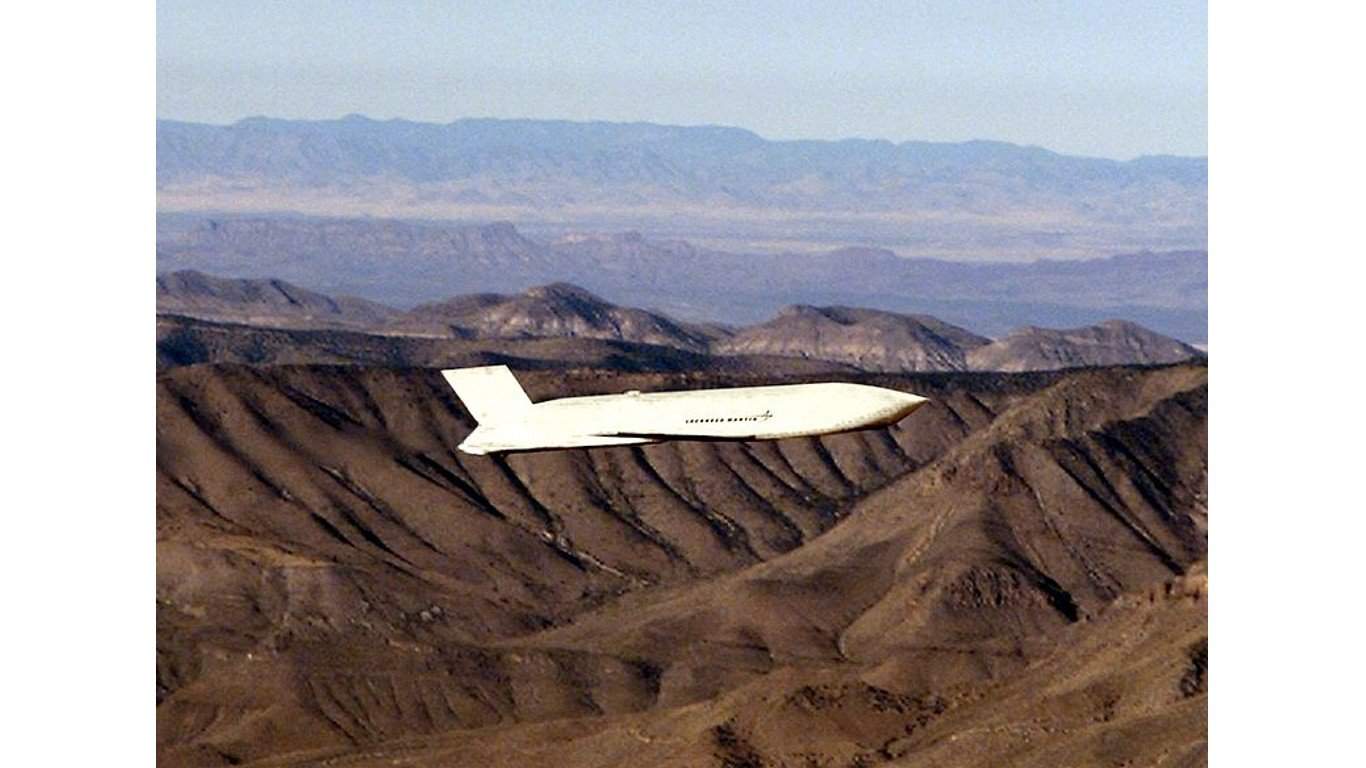
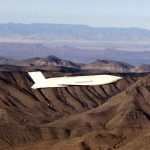
JASSM gives NATO aircraft the ability to strike heavily defended targets from a distance. Its stealth characteristics allow it to penetrate air defenses, making it a key tool in the opening phase of a war.
Link 16
- Primary Domain: Network
- Weapon Type: Data Link
- Primary Battlefield Role: Communication
- Conflict Phase Relevance: All Phases
- Key Advantage: Real-time data
- Primary Threat Countered: N/A
- Interoperability Role (NATO): Core NATO network
- Operator Nations (Examples): All NATO
Link 16 acts as the digital backbone of NATO operations, enabling real-time data sharing between allied forces. In a European war, this connectivity ensures that all systems operate as part of a unified force, maximizing effectiveness across domains.