




The Military Tools Built for Rapid Assault and Extraction Missions
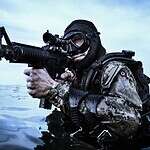
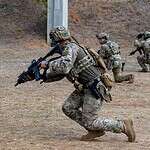
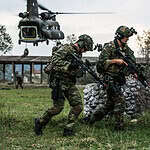
Rapid assault and extraction missions depend on speed, precision, and coordination, where success is often measured in minutes. These operations require tools that allow forces to move in quickly, engage effectively, and withdraw before the enemy can respond. From mobility platforms to breaching systems and communication tools, each element is designed to reduce time and maintain momentum under pressure.
In this post, History Computer takes a closer look at the tools that make these missions possible. Using a range of historical and military sources, each platform is examined based on its role, category, mobility advantage, and why it remains essential for rapid assault and extraction operations.
Here is a look at the military tools built for rapid assault and extraction missions:
Why Are We Covering This?
Understanding the tools used in rapid assault and extraction missions provides insight into how modern militaries execute operations where timing is everything. These missions depend on the ability to insert forces quickly, act decisively, and withdraw before the enemy can respond. The systems that make this possible are designed to compress time, synchronize actions, and maintain momentum under extreme pressure. By examining these tools, we can better understand how special operations forces achieve success in high-risk environments where speed, coordination, and precision determine the outcome.
Missions Measured in Minutes
Rapid assault operations are designed to unfold over minutes rather than hours, requiring precise timing at every stage. From insertion to extraction, each phase must be executed with speed and coordination to maintain control of the situation. Any delay can increase risk, reduce effectiveness, and give the enemy time to respond. Success depends on the ability to move quickly, act decisively, and complete the mission within a tightly controlled timeline.
Getting In Before the Enemy Reacts
The insertion phase is critical in rapid assault missions, as it determines whether forces can reach their objective before being detected. Air, land, and sea platforms are used to deploy teams quickly and often unexpectedly, allowing them to approach targets with minimal resistance. The goal is to establish presence at the objective before the enemy can organize a response, making speed and surprise essential elements of success.
Breaking In and Taking Control
Entry into the objective area is one of the most decisive moments in a rapid assault mission. Breaching tools and techniques allow operators to gain immediate access, minimizing delays and maintaining momentum. The combination of speed and surprise can overwhelm defenders, creating a window of opportunity for forces to take control. Teams must transition instantly from entry to engagement to capitalize on this advantage.
Engagement at High Speed
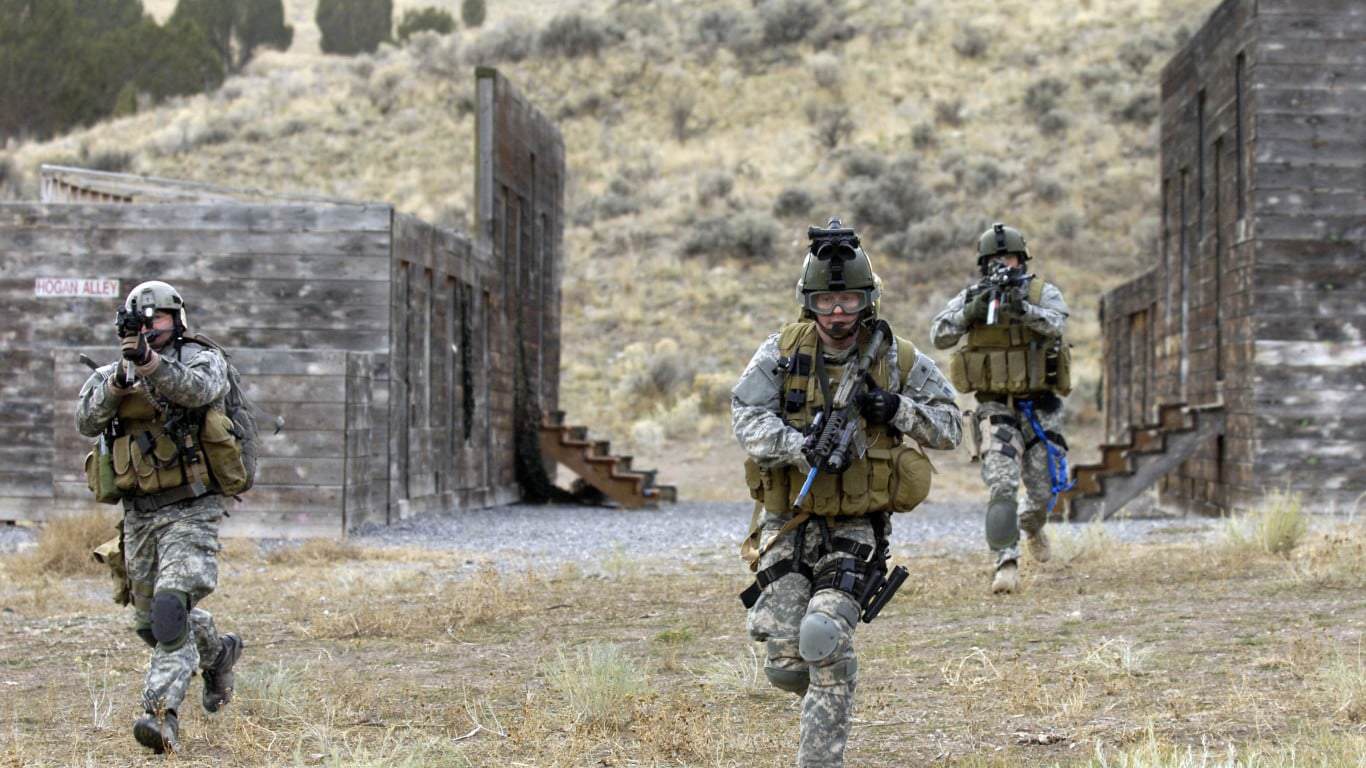
Once inside the objective, operators must engage targets quickly and effectively in close-quarters combat. Weapons and targeting systems are designed to support rapid, controlled action, ensuring that threats are neutralized without hesitation. Communication tools play a key role in maintaining coordination during this phase, allowing teams to adapt to changing conditions while preserving the pace of the operation.
Getting Out Before the Fight Expands
Extraction is the final and equally critical phase of a rapid assault mission, requiring the same level of speed and precision as insertion. Once objectives are achieved, forces must withdraw quickly to avoid prolonged engagement and increased risk. Mobility platforms enable rapid exfiltration, ensuring that teams can exit the area before the situation escalates. A successful mission is defined not only by what is accomplished, but by how efficiently forces can get in and out.
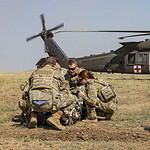
MH-60 Black Hawk
- Category: Aircraft
- Primary Mission Role: Insertion/Extraction
- Operational Phase: Insertion
- Speed / Mobility Advantage: Vertical lift
- Key Capability: Fast deployment
- Time Compression Effect: Rapid insertion/extraction
- Tactical Advantage in Rapid Missions: Flexible deployment
- Why It’s Critical for Assault & Extraction: SOF staple
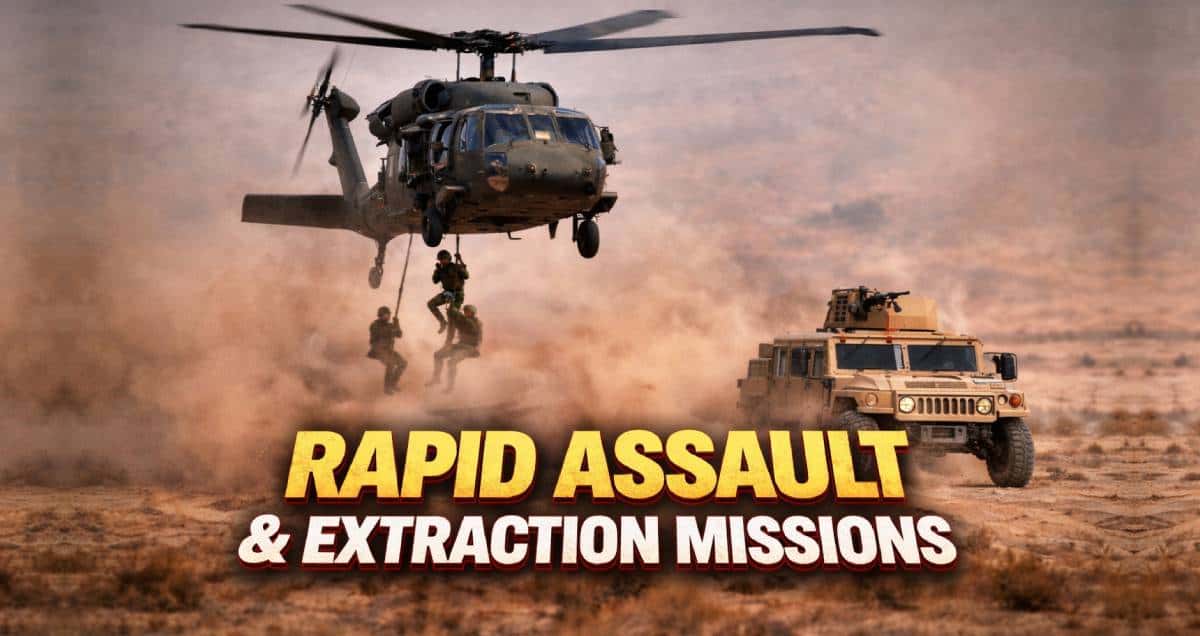
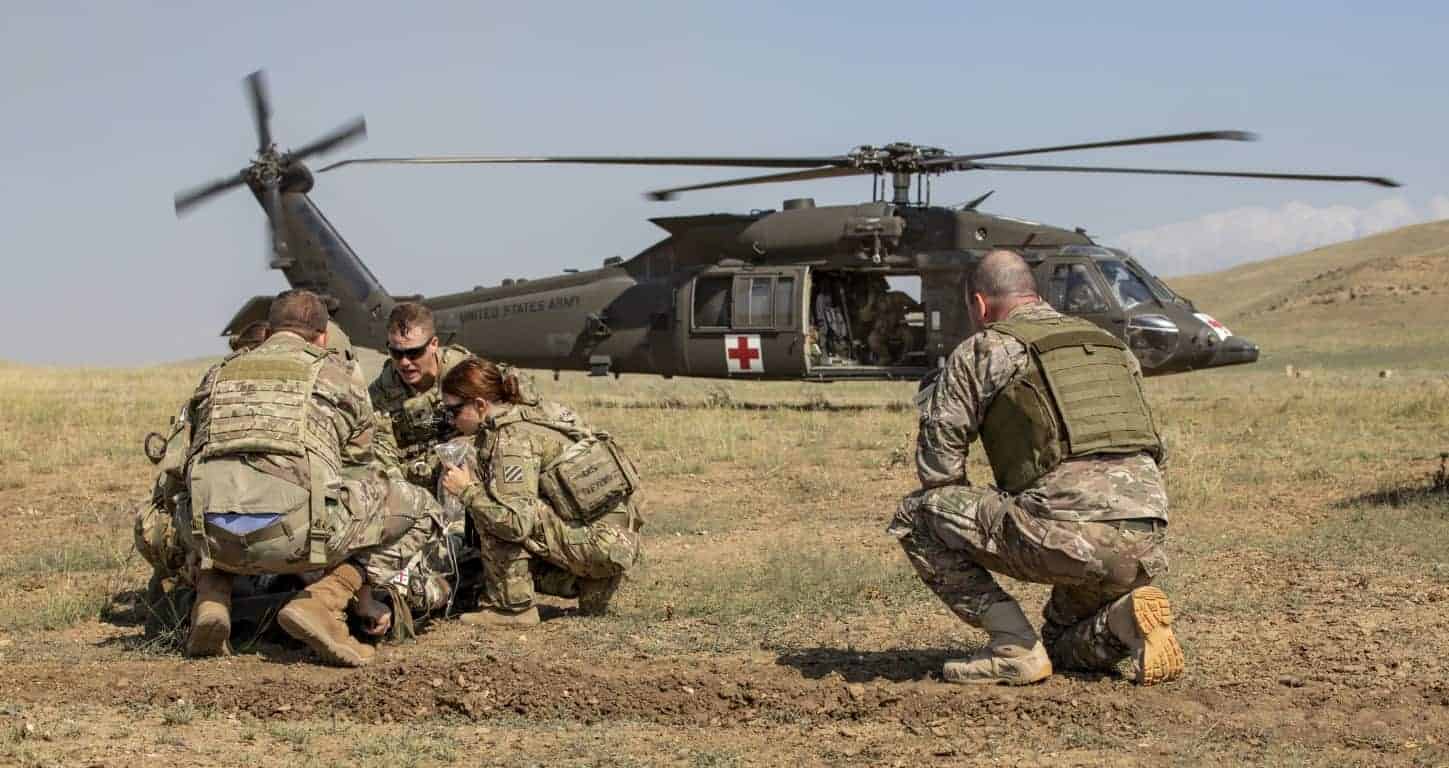
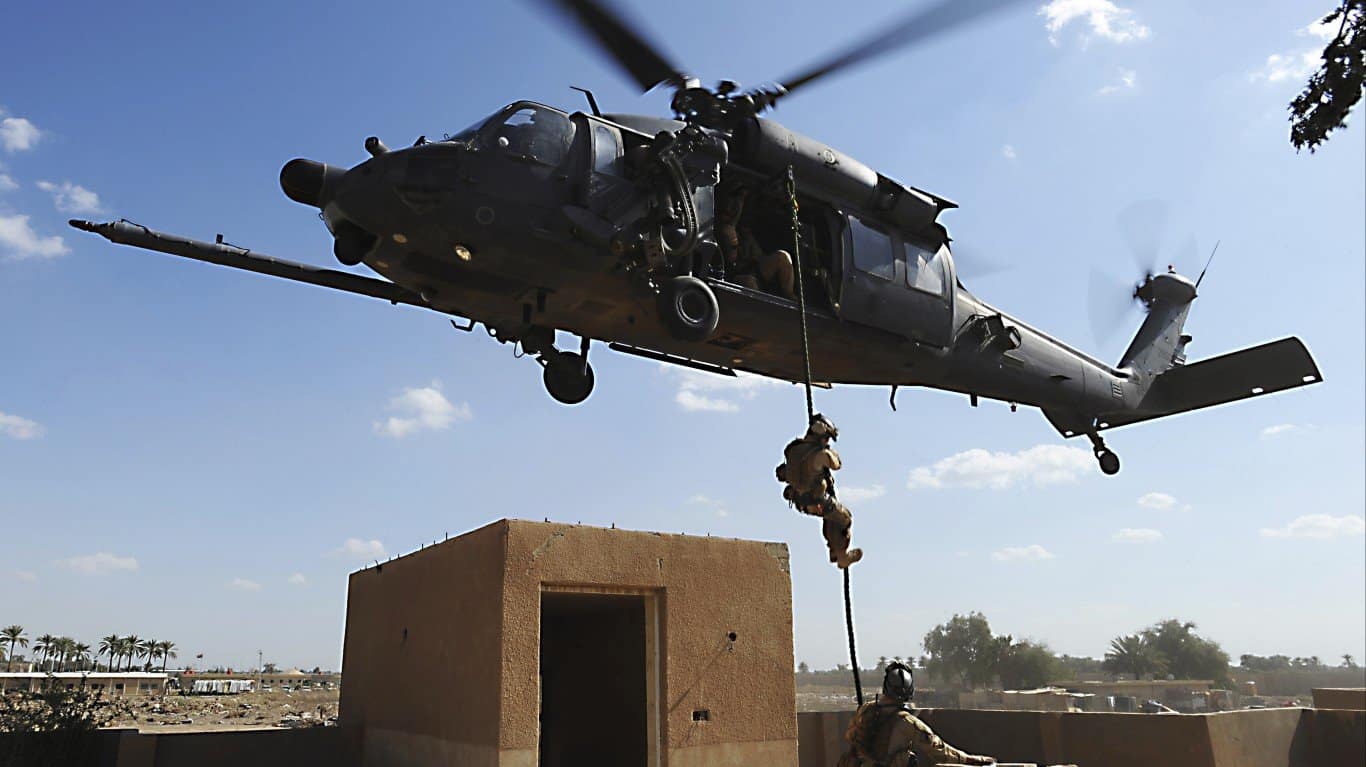
The MH-60 Black Hawk is the backbone of rapid assault and extraction missions, providing fast, flexible insertion and exfiltration in high-risk environments. Its ability to land or hover allows teams to deploy quickly and withdraw just as fast. This speed compresses mission timelines, enabling forces to strike and exit before the enemy can respond effectively.
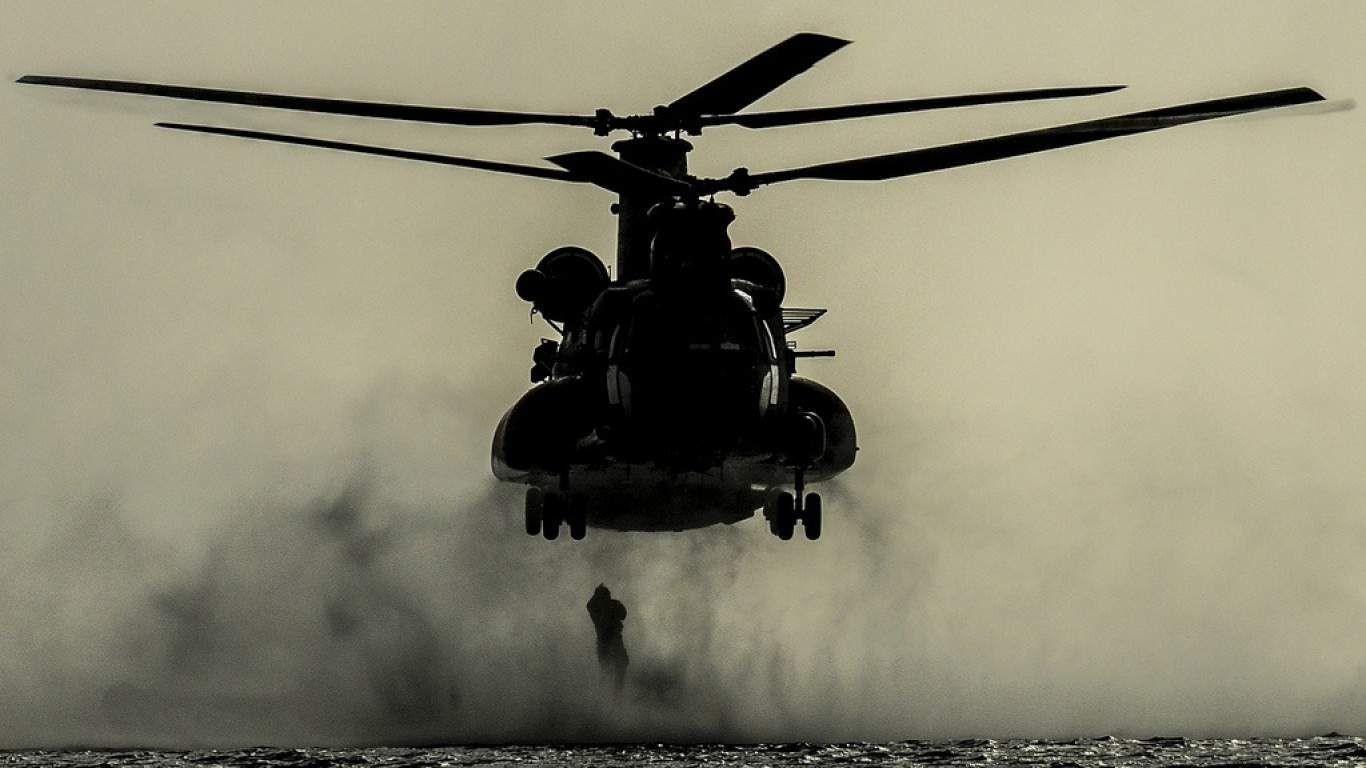
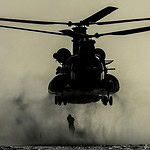
MH-47 Chinook
- Category: Aircraft
- Primary Mission Role: Heavy insertion
- Operational Phase: Insertion
- Speed / Mobility Advantage: High lift
- Key Capability: Large capacity
- Time Compression Effect: Mass deployment quickly
- Tactical Advantage in Rapid Missions: Moves large teams fast
- Why It’s Critical for Assault & Extraction: Critical for large ops
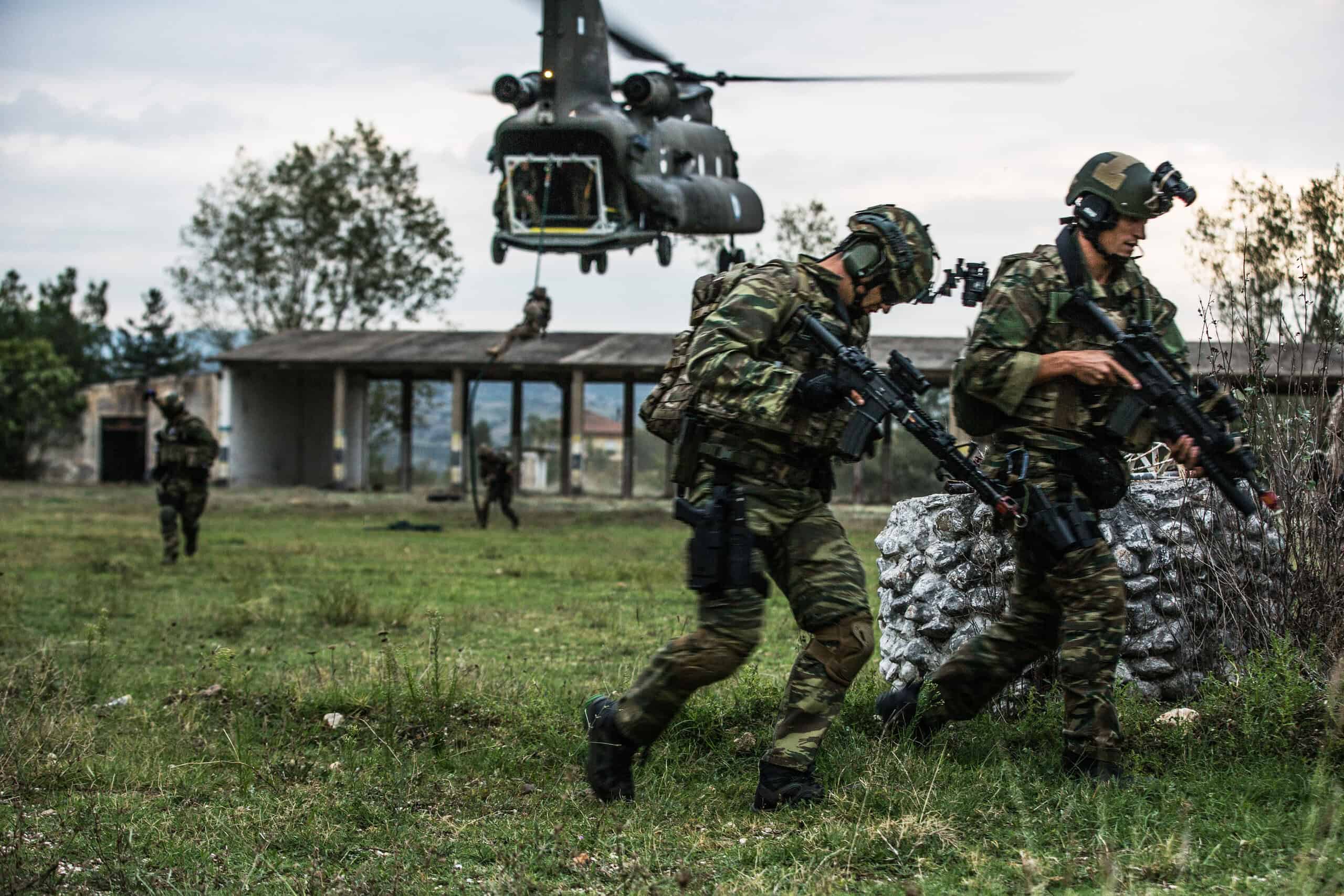
The MH-47 Chinook enables the rapid deployment of larger assault teams and equipment, making it critical for complex operations. Its heavy-lift capability allows multiple elements to arrive simultaneously, reducing delays between insertion and engagement. This synchronization ensures that missions begin with maximum force and coordination.
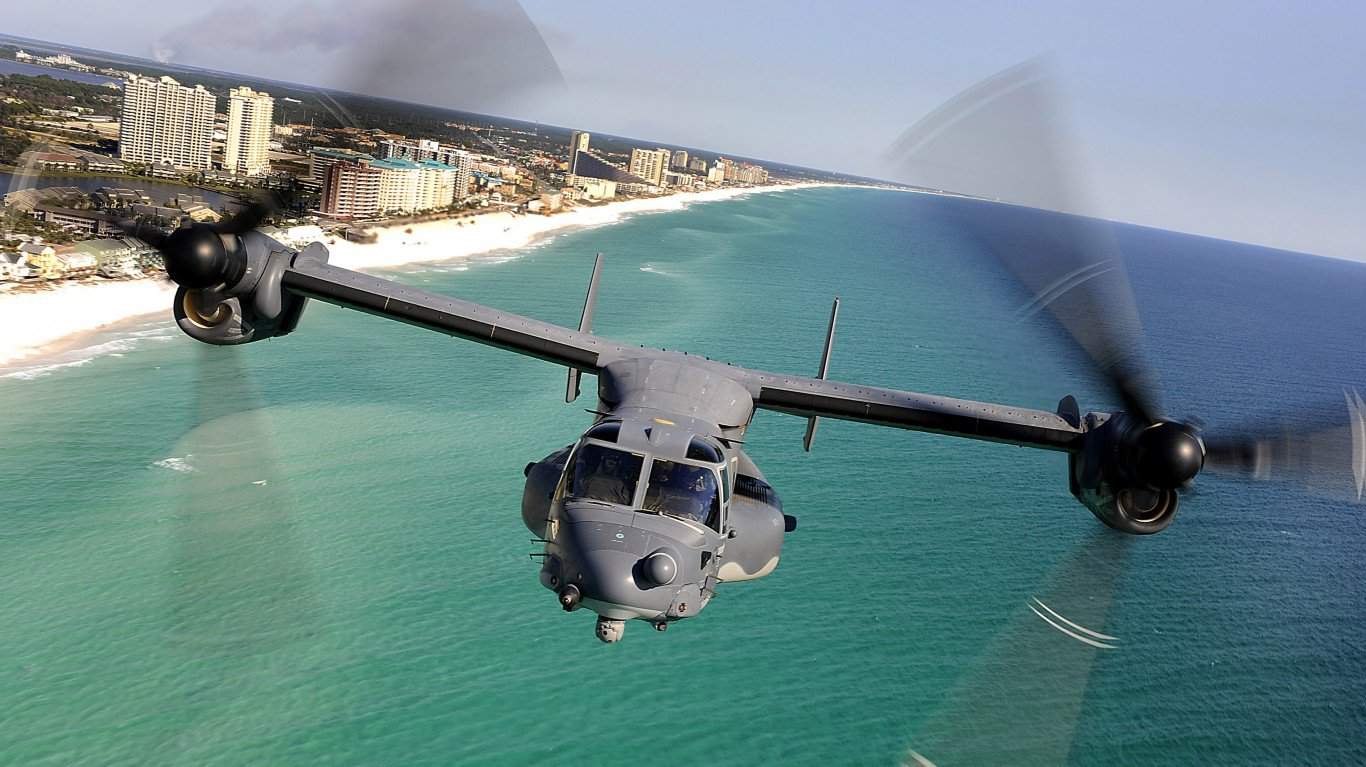
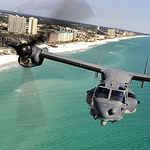
CV-22 Osprey
- Category: Aircraft
- Primary Mission Role: Long-range insertion
- Operational Phase: Insertion
- Speed / Mobility Advantage: Speed + range
- Key Capability: Tiltrotor
- Time Compression Effect: Fast long-range deployment
- Tactical Advantage in Rapid Missions: Extended reach
- Why It’s Critical for Assault & Extraction: Enables distant ops
The CV-22 Osprey combines vertical takeoff with high-speed flight, allowing forces to reach distant targets quickly. Its range and speed reduce transit time, enabling rapid insertion into areas that would otherwise require longer deployment. This capability expands operational reach.
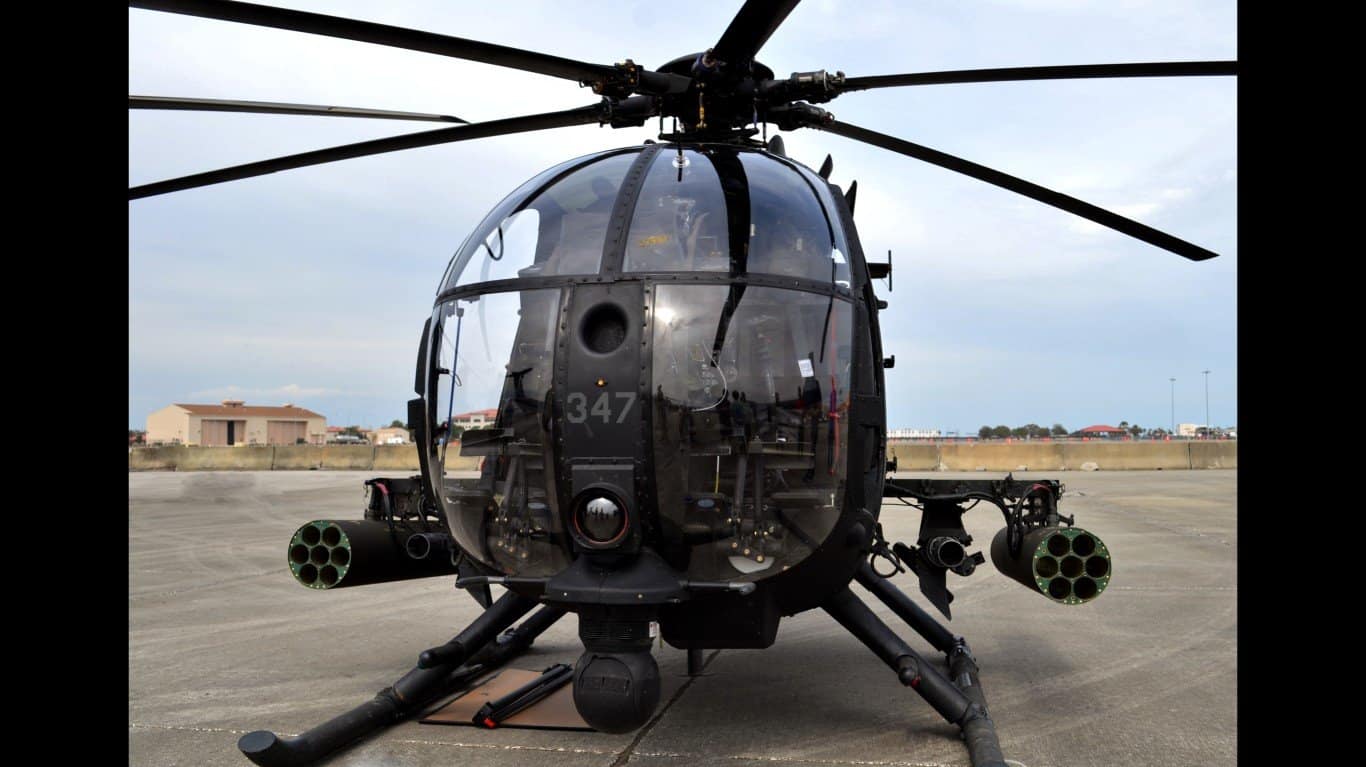
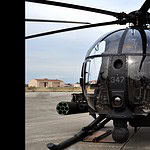
AH-6 Little Bird
- Category: Aircraft
- Primary Mission Role: Light assault
- Operational Phase: Insertion
- Speed / Mobility Advantage: Small size
- Key Capability: Agility
- Time Compression Effect: Quick insert in tight zones
- Tactical Advantage in Rapid Missions: Urban insertion
- Why It’s Critical for Assault & Extraction: Highly maneuverable
The AH-6 Little Bird is designed for precision insertion in confined or urban environments where larger aircraft cannot operate. Its agility allows it to place operators exactly where they are needed, reducing movement time on the ground. This precision insertion supports immediate engagement.
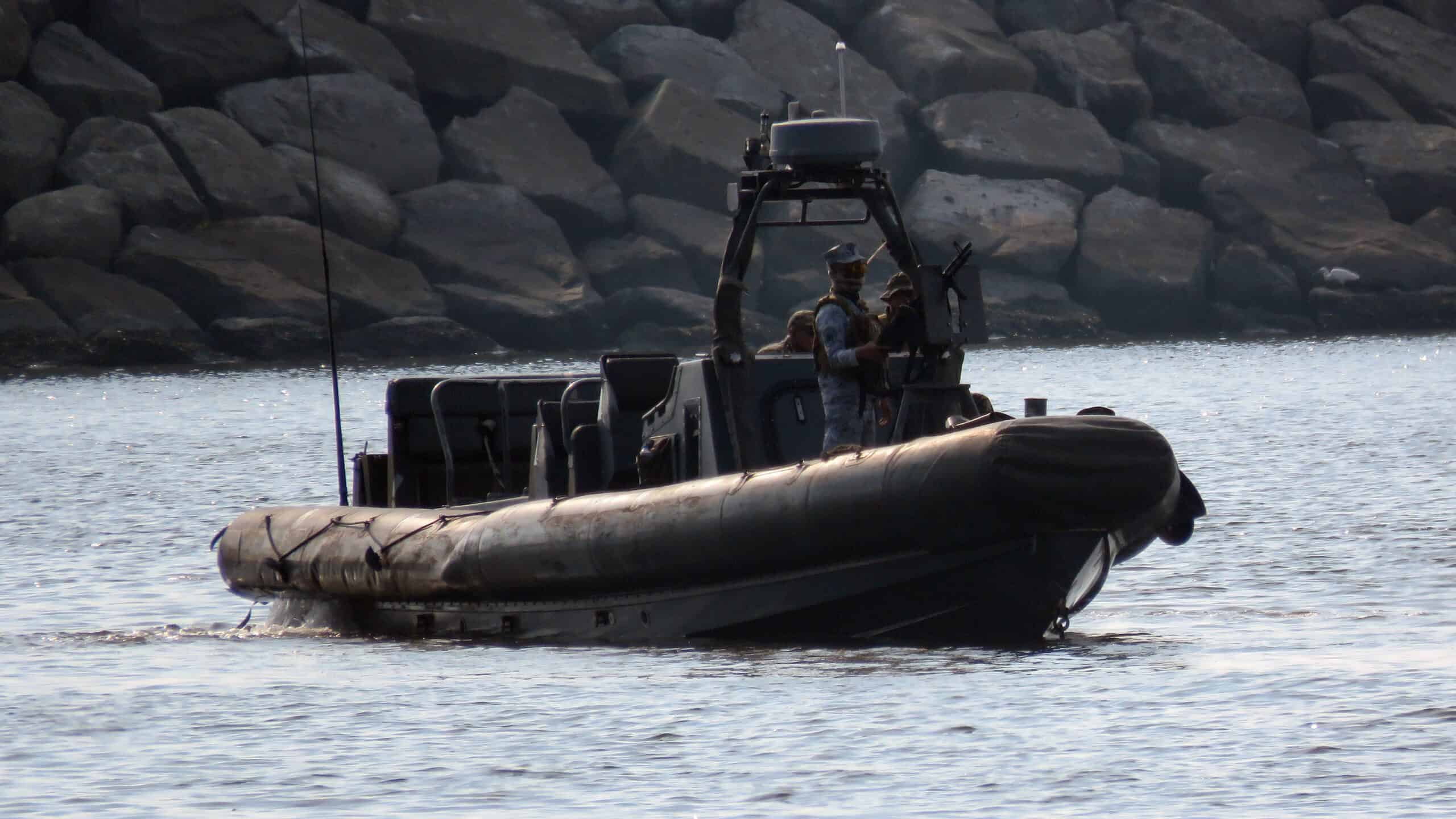
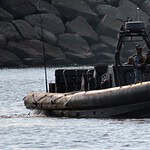
RHIB
- Category: Boat
- Primary Mission Role: Maritime insertion
- Operational Phase: Insertion
- Speed / Mobility Advantage: High speed
- Key Capability: Shallow water
- Time Compression Effect: Fast coastal access
- Tactical Advantage in Rapid Missions: Stealth approach
- Why It’s Critical for Assault & Extraction: Ideal for SEAL ops
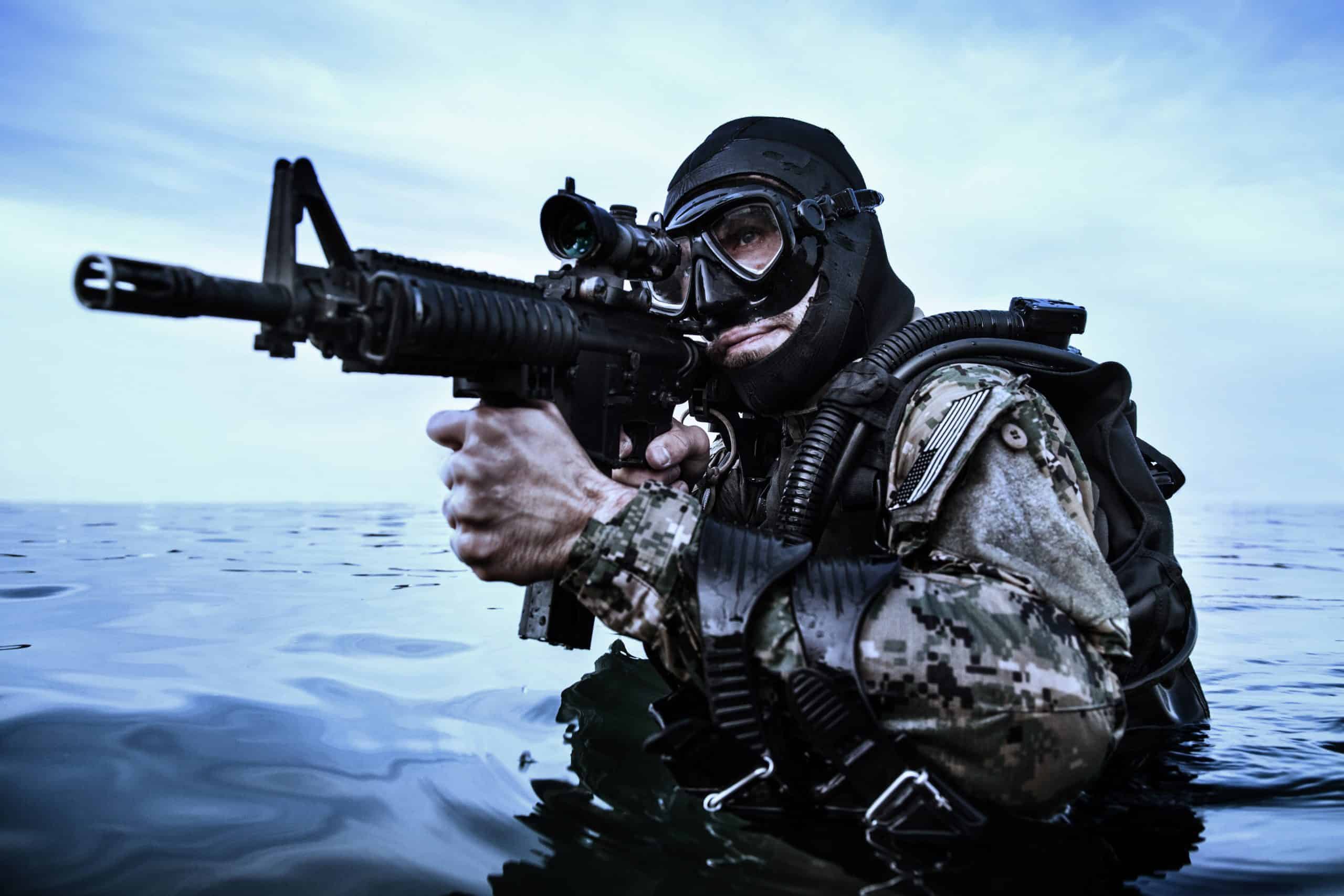
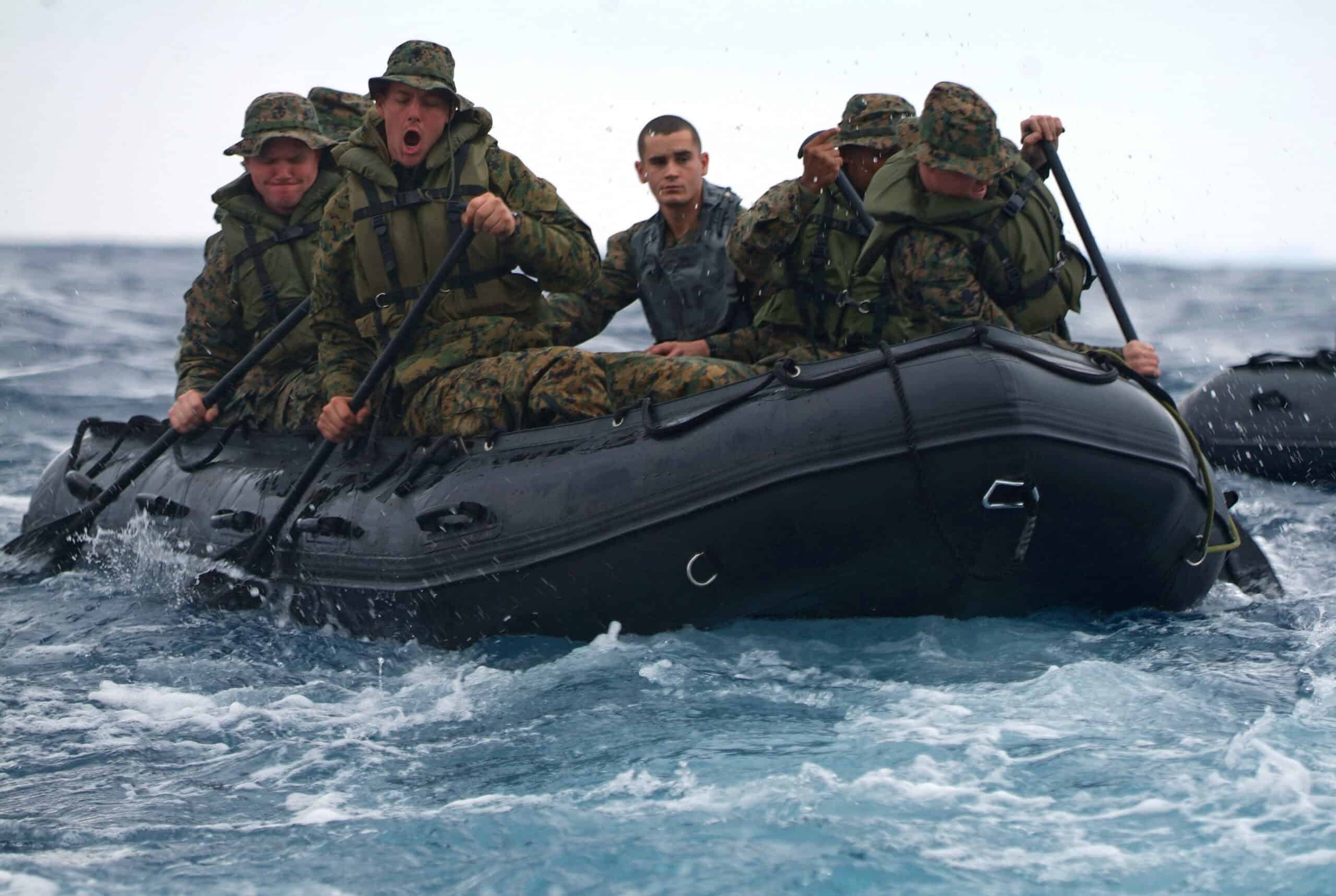
The RHIB provides high-speed maritime insertion, allowing forces to approach targets quickly and with a low profile. Its ability to operate in shallow waters makes it ideal for coastal operations. This speed and flexibility ensure that teams can reach objectives and withdraw before detection.
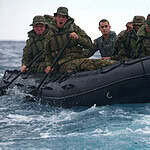
Combat Rubber Raiding Craft
- Category: Boat
- Primary Mission Role: Stealth insertion
- Operational Phase: Insertion
- Speed / Mobility Advantage: Lightweight
- Key Capability: Inflatable
- Time Compression Effect: Quiet insertion
- Tactical Advantage in Rapid Missions: Low signature
- Why It’s Critical for Assault & Extraction: Used for stealth ops
The Combat Rubber Raiding Craft enables stealthy insertion in maritime environments, allowing teams to approach targets quietly. Its lightweight design allows for rapid deployment and retrieval. This capability supports covert operations.
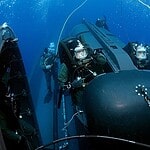
SEAL Delivery Vehicle
- Category: Submersible
- Primary Mission Role: Covert insertion
- Operational Phase: Insertion
- Speed / Mobility Advantage: Underwater
- Key Capability: Submersible
- Time Compression Effect: Hidden approach
- Tactical Advantage in Rapid Missions: Stealth insertion
- Why It’s Critical for Assault & Extraction: Specialized covert tool
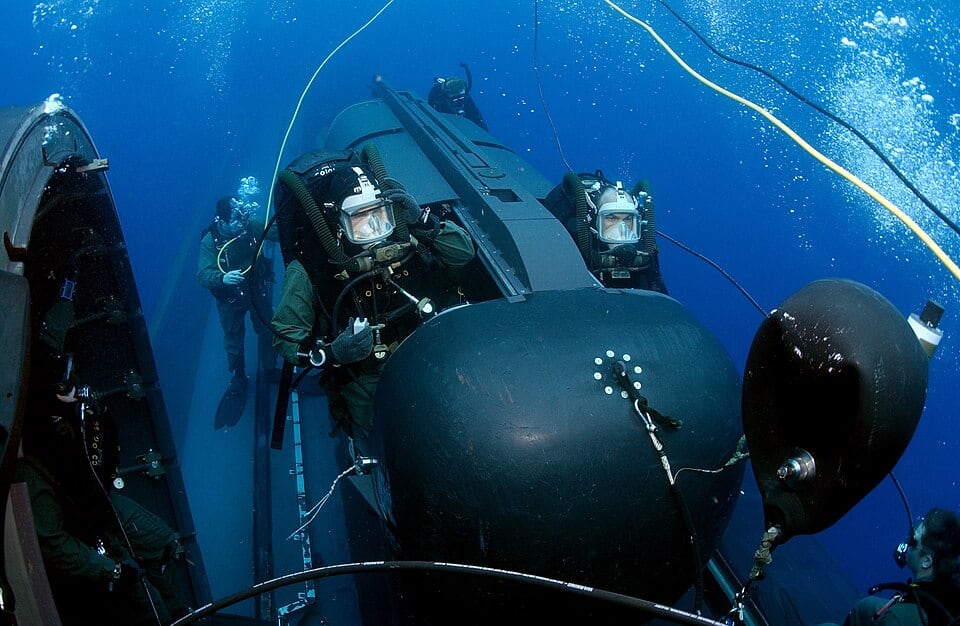
The SEAL Delivery Vehicle allows for covert underwater insertion, enabling teams to approach targets undetected. Its stealth capabilities reduce the risk of early detection, allowing operations to begin at the optimal moment. This hidden approach is critical.
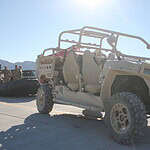
MRZR
- Category: Vehicle
- Primary Mission Role: Ground mobility
- Operational Phase: Movement
- Speed / Mobility Advantage: Lightweight
- Key Capability: All-terrain
- Time Compression Effect: Rapid movement
- Tactical Advantage in Rapid Missions: Fast repositioning
- Why It’s Critical for Assault & Extraction: SOF mobility
The MRZR provides lightweight, all-terrain mobility, allowing teams to move quickly across difficult terrain. Its speed and maneuverability reduce transit time between objectives. This rapid movement supports dynamic operations.
GMV 1.1
- Category: Vehicle
- Primary Mission Role: Assault mobility
- Operational Phase: Movement
- Speed / Mobility Advantage: Speed
- Key Capability: Mounted weapons
- Time Compression Effect: Fast attack movement
- Tactical Advantage in Rapid Missions: Mobile firepower
- Why It’s Critical for Assault & Extraction: Used in raids
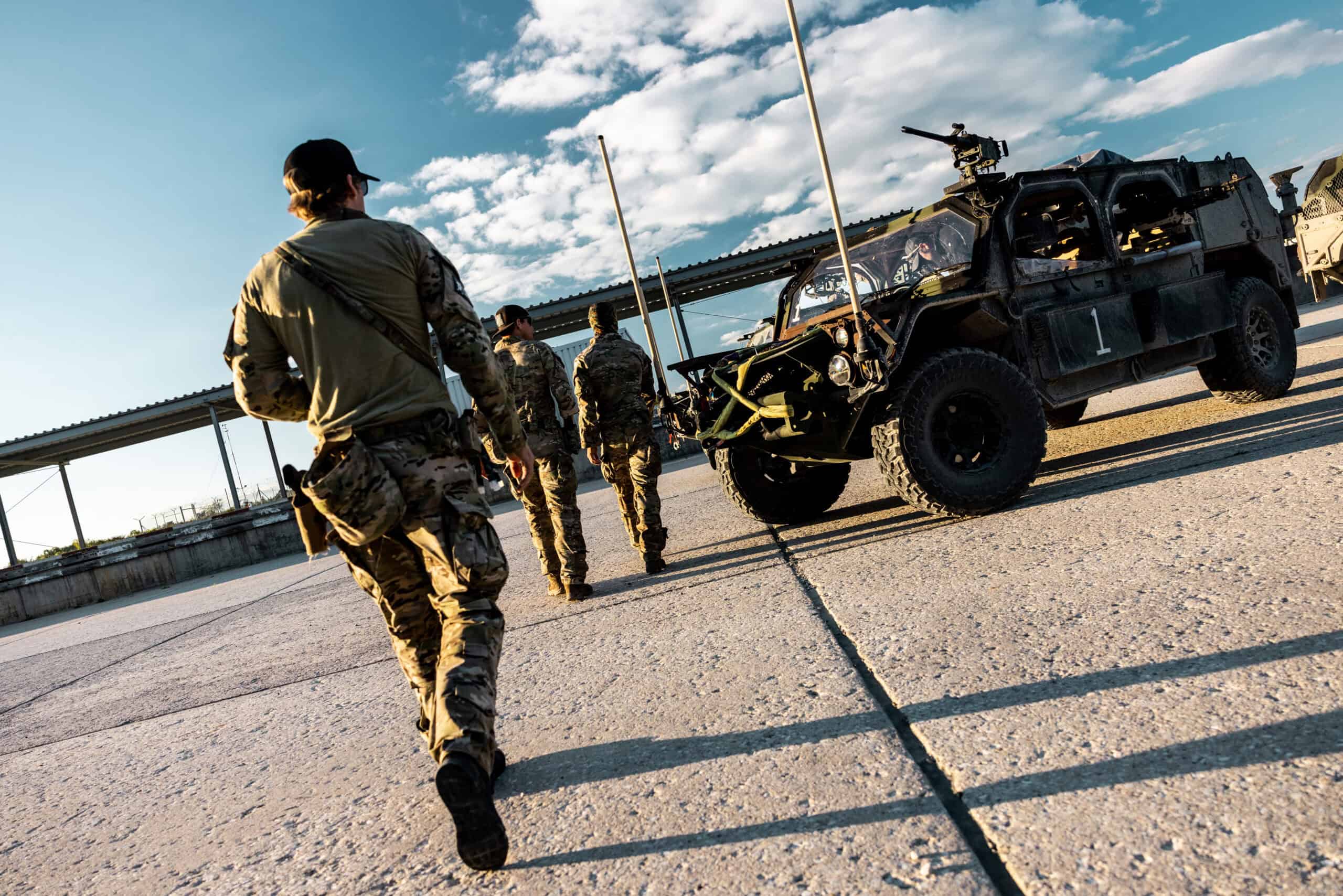
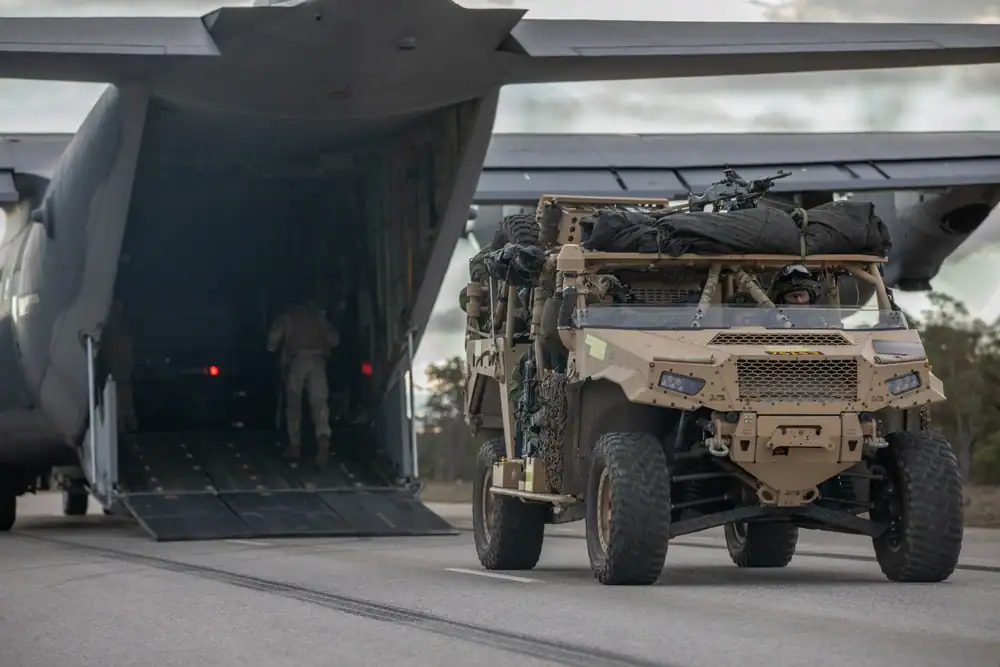
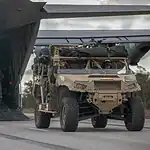
The GMV 1.1 provides special operations forces with a combination of speed, mobility, and mounted firepower, allowing them to transition quickly from movement to assault. Its ability to traverse rough terrain at high speed reduces the time between insertion and engagement. This mobility ensures that teams can reposition rapidly during operations, maintaining momentum and adapting to changing conditions without losing valuable seconds.
Polaris DAGOR
- Category: Vehicle
- Primary Mission Role: Rapid transport
- Operational Phase: Movement
- Speed / Mobility Advantage: High mobility
- Key Capability: Light design
- Time Compression Effect: Quick troop movement
- Tactical Advantage in Rapid Missions: Flexible transport
- Why It’s Critical for Assault & Extraction: Rapid deployment
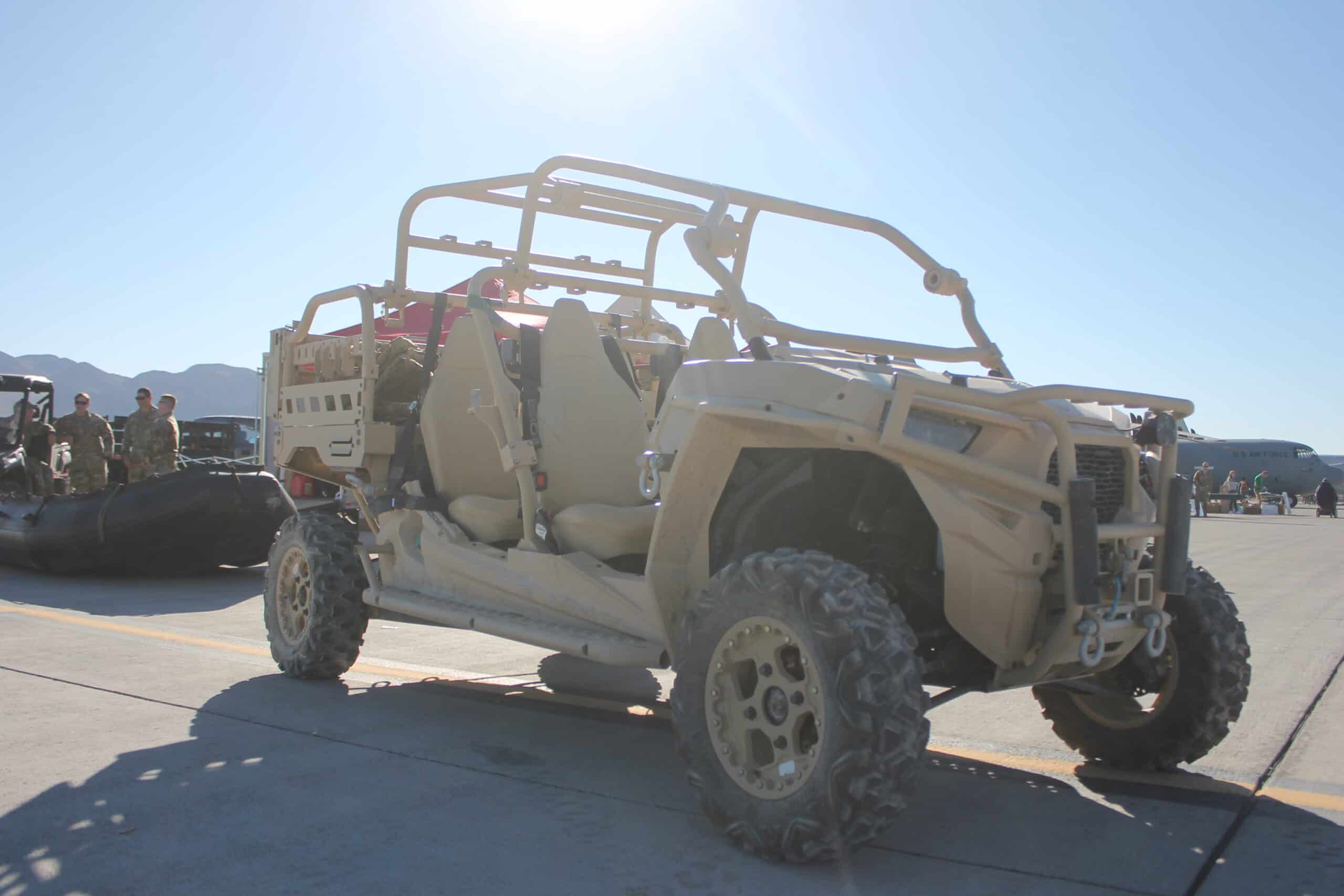
The Polaris DAGOR is designed for rapid transport across diverse environments, carrying multiple operators and equipment at high speed. Its lightweight frame allows for air insertion and immediate mobility upon landing, eliminating delays. This capability ensures that forces can move quickly from insertion points to objectives, maintaining operational tempo and reducing exposure during critical phases of the mission.
Breaching Shotgun
- Category: Weapon
- Primary Mission Role: Entry
- Operational Phase: Entry
- Speed / Mobility Advantage: Immediate action
- Key Capability: Close-range power
- Time Compression Effect: Instant breach
- Tactical Advantage in Rapid Missions: Fast entry
- Why It’s Critical for Assault & Extraction: Critical CQB tool
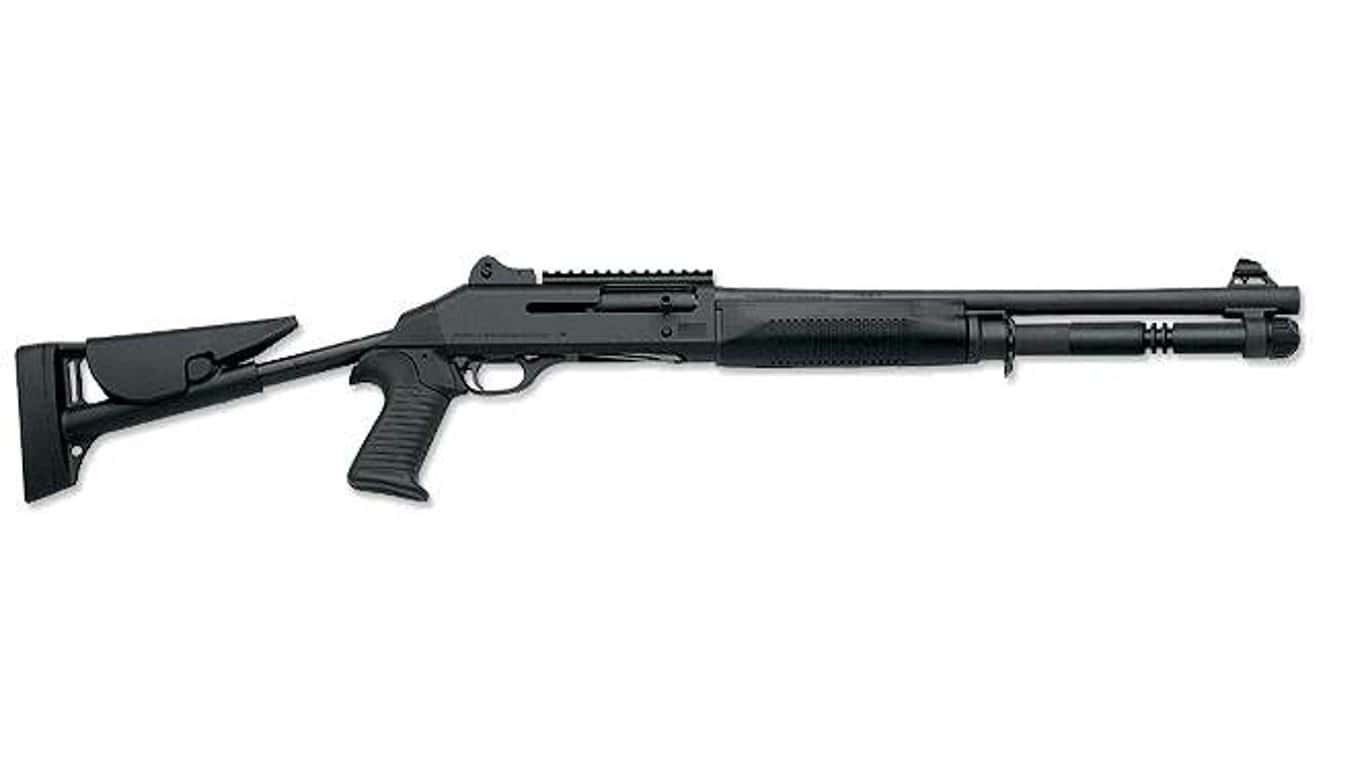
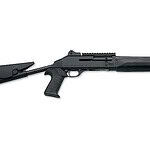
The breaching shotgun enables immediate entry by quickly destroying locks, hinges, or door mechanisms at close range. This eliminates delays that could compromise timing during an assault. By allowing operators to move from approach to entry in seconds, it ensures that the element of surprise is maintained and that the team can transition seamlessly into engagement.
Explosive Breach Charge
- Category: Tool
- Primary Mission Role: Forced entry
- Operational Phase: Entry
- Speed / Mobility Advantage: Instant
- Key Capability: High force
- Time Compression Effect: Simultaneous breach
- Tactical Advantage in Rapid Missions: Shock entry
- Why It’s Critical for Assault & Extraction: Used in raids
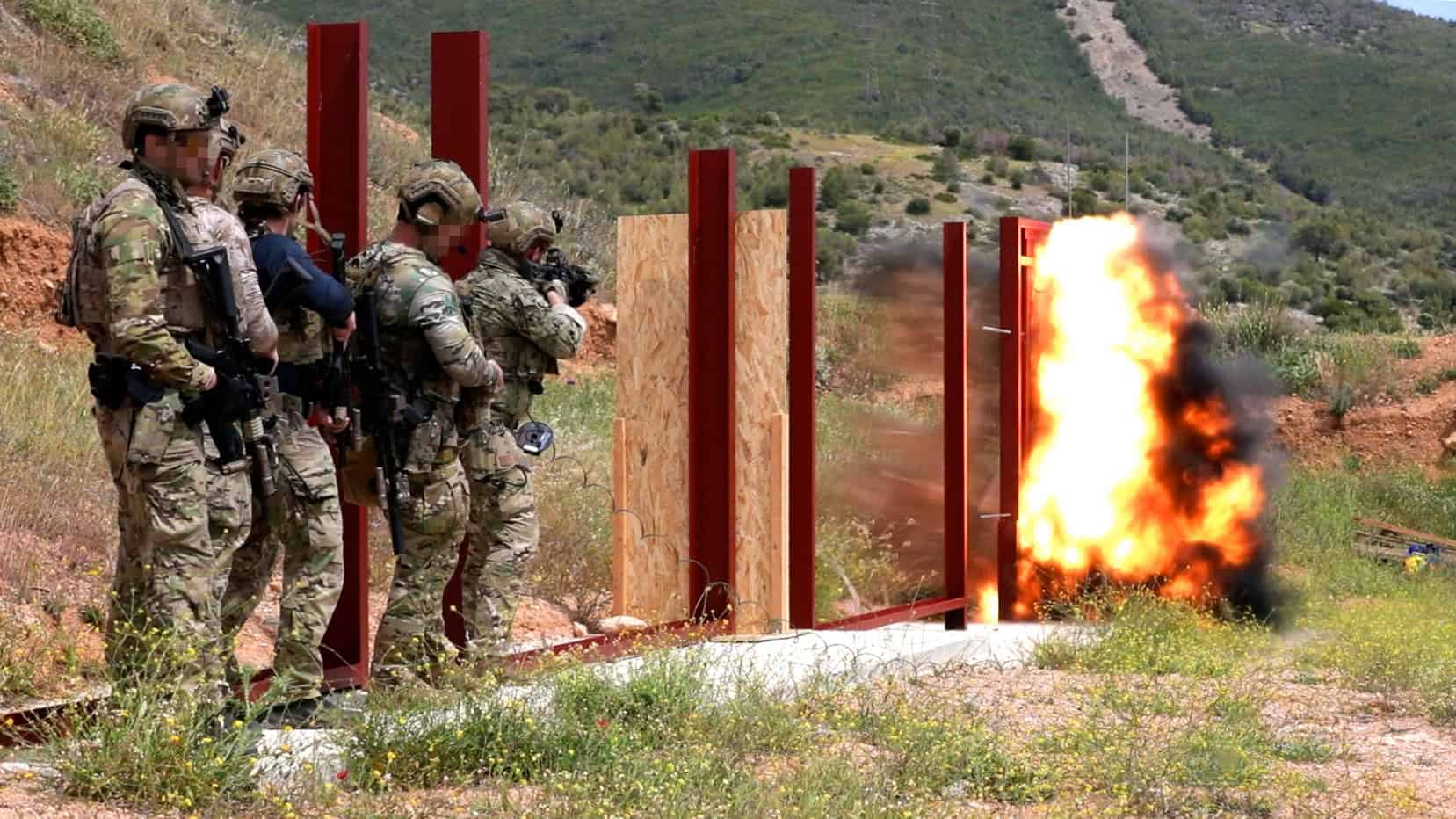
Explosive breaching charges allow for instantaneous entry, enabling multiple operators to breach simultaneously and overwhelm a target. This synchronization is critical in rapid assault missions, where timing must be exact. The ability to create an immediate opening ensures that teams can move from insertion to engagement without hesitation, maximizing shock and minimizing resistance.
Halligan Tool
- Category: Tool
- Primary Mission Role: Manual entry
- Operational Phase: Entry
- Speed / Mobility Advantage: Quick leverage
- Key Capability: Mechanical
- Time Compression Effect: Fast forced entry
- Tactical Advantage in Rapid Missions: Silent breach
- Why It’s Critical for Assault & Extraction: Backup breaching
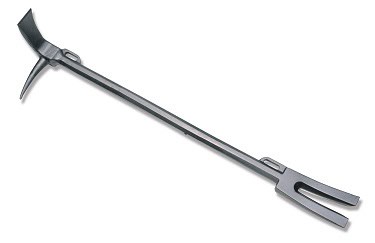
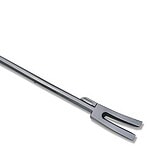
The Halligan tool provides a reliable mechanical breaching option when stealth or controlled entry is required. Its versatility allows operators to force doors, windows, or barriers quickly without the noise of explosives. This ensures that teams can maintain timing while adapting to conditions, supporting both rapid and covert entry during time-sensitive operations.
Bolt Cutters
- Category: Tool
- Primary Mission Role: Barrier removal
- Operational Phase: Entry
- Speed / Mobility Advantage: Speed
- Key Capability: Manual cutting
- Time Compression Effect: Quick access
- Tactical Advantage in Rapid Missions: Low-noise entry
- Why It’s Critical for Assault & Extraction: Simple tool
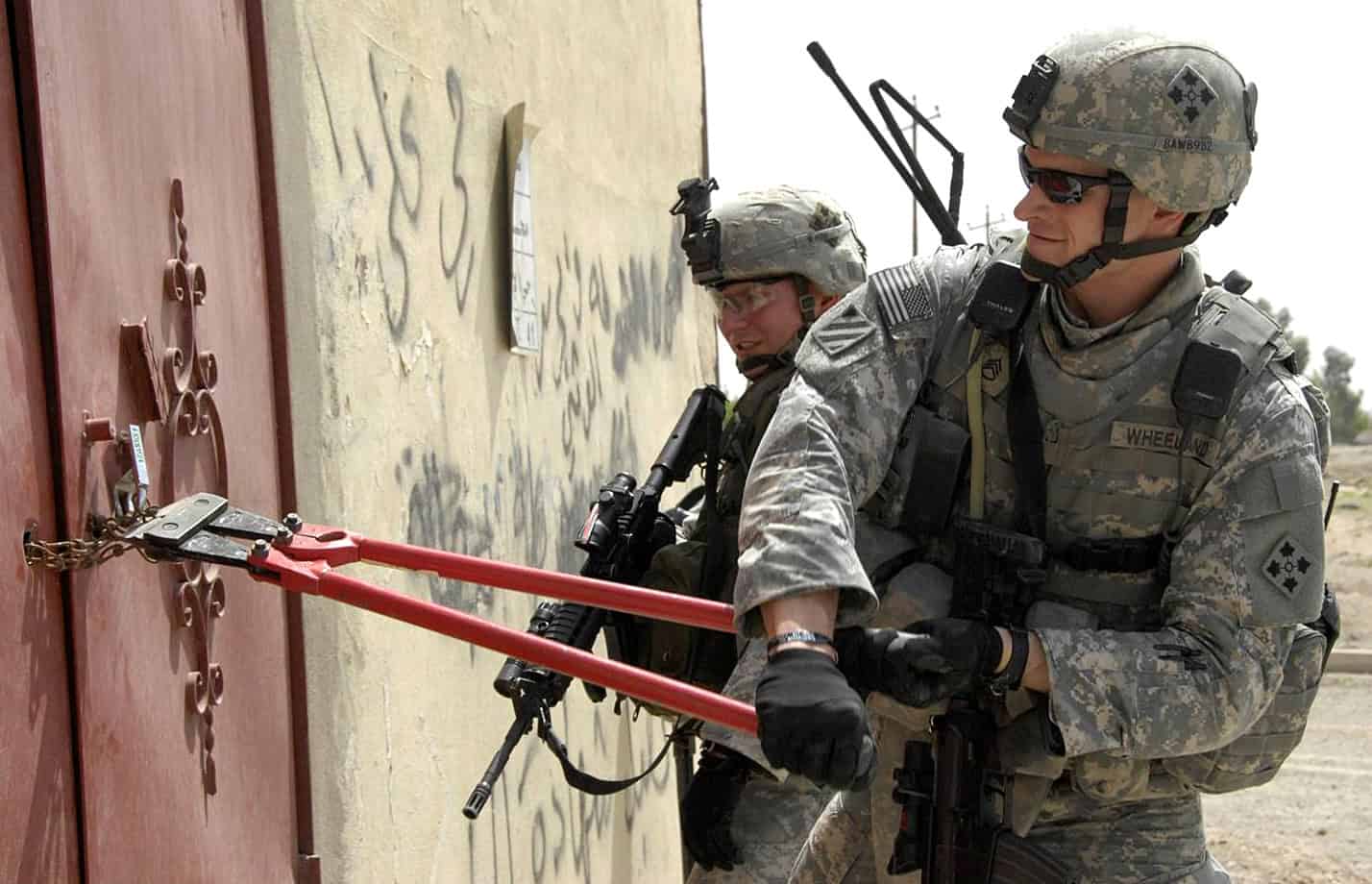
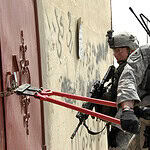
Bolt cutters offer a simple yet effective way to remove obstacles such as locks, chains, or fencing with minimal noise. Their speed and reliability allow operators to bypass barriers quickly without alerting the target. This low-signature capability supports precise timing during covert approaches, ensuring that teams can maintain momentum without compromising the mission.
HK416
- Category: Weapon
- Primary Mission Role: Primary engagement
- Operational Phase: Engagement
- Speed / Mobility Advantage: Reliable
- Key Capability: Fast cycling
- Time Compression Effect: Rapid fire
- Tactical Advantage in Rapid Missions: CQB dominance
- Why It’s Critical for Assault & Extraction: SOF rifle
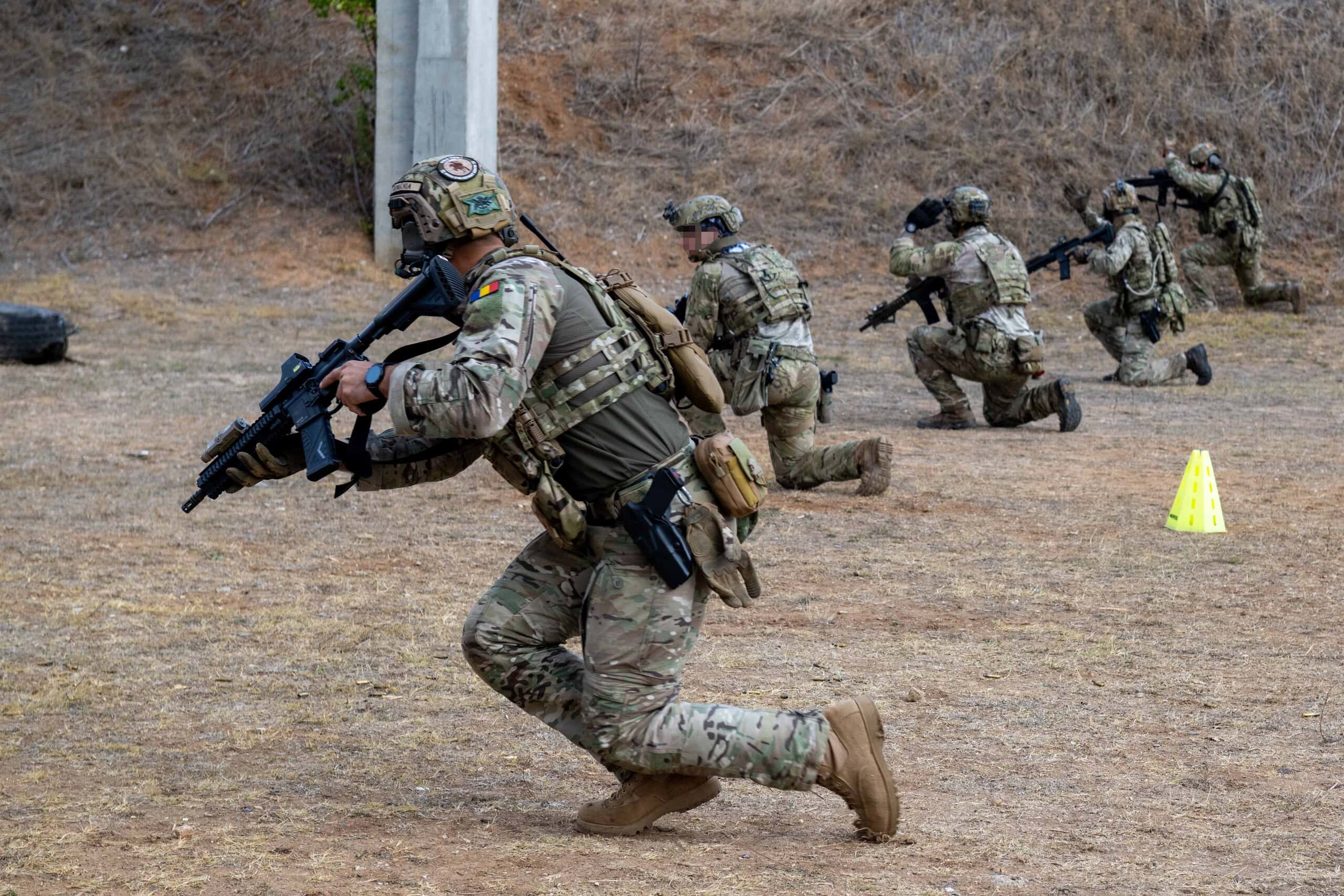
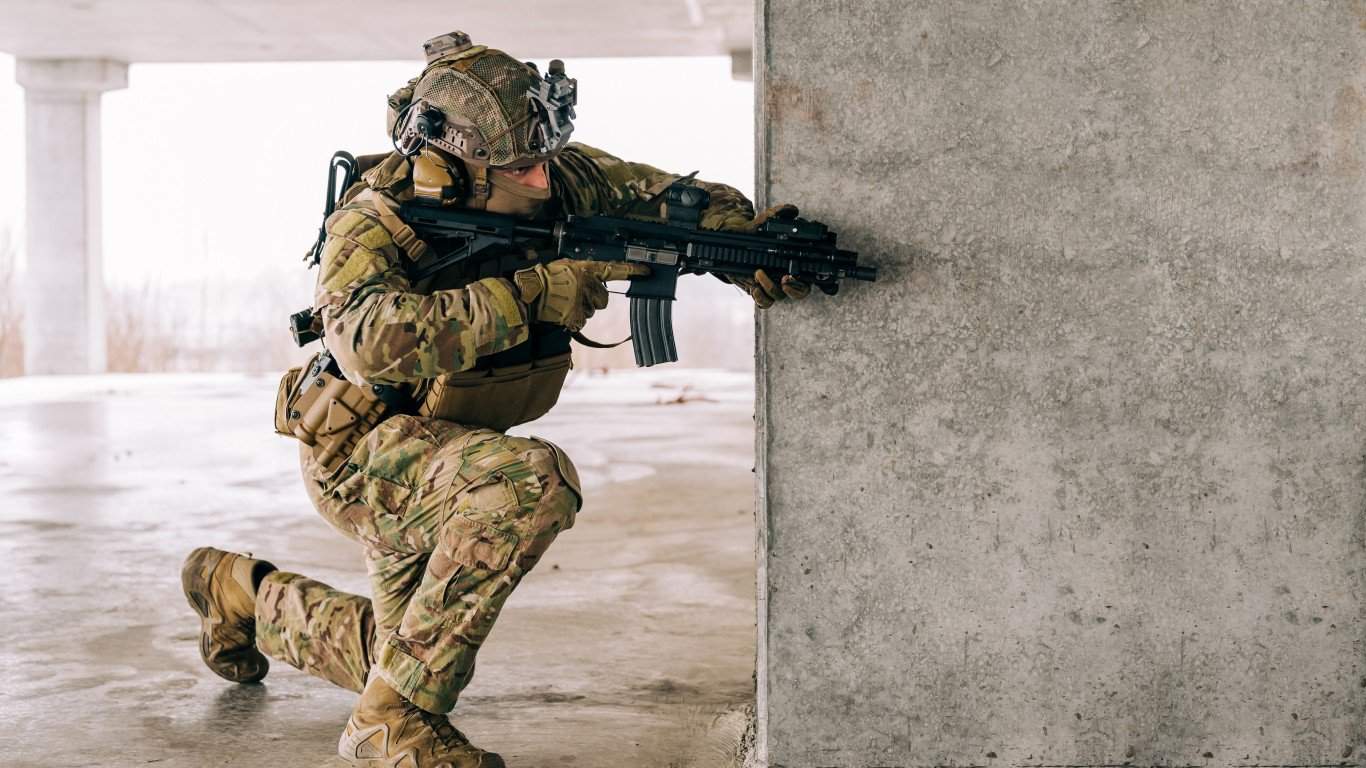
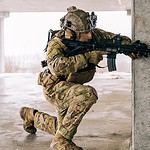
The HK416 is a primary weapon system built for reliability and rapid engagement in close-quarters combat. Its consistent performance ensures that operators can fire quickly and accurately without interruption. This reliability is essential during high-speed assaults, where even minor delays can disrupt timing and coordination, making it a cornerstone of rapid engagement capability.
SIG Sauer MCX
- Category: Weapon
- Primary Mission Role: Suppressed fire
- Operational Phase: Engagement
- Speed / Mobility Advantage: Stealth
- Key Capability: Suppressor-ready
- Time Compression Effect: Quiet engagement
- Tactical Advantage in Rapid Missions: Low signature
- Why It’s Critical for Assault & Extraction: Stealth ops
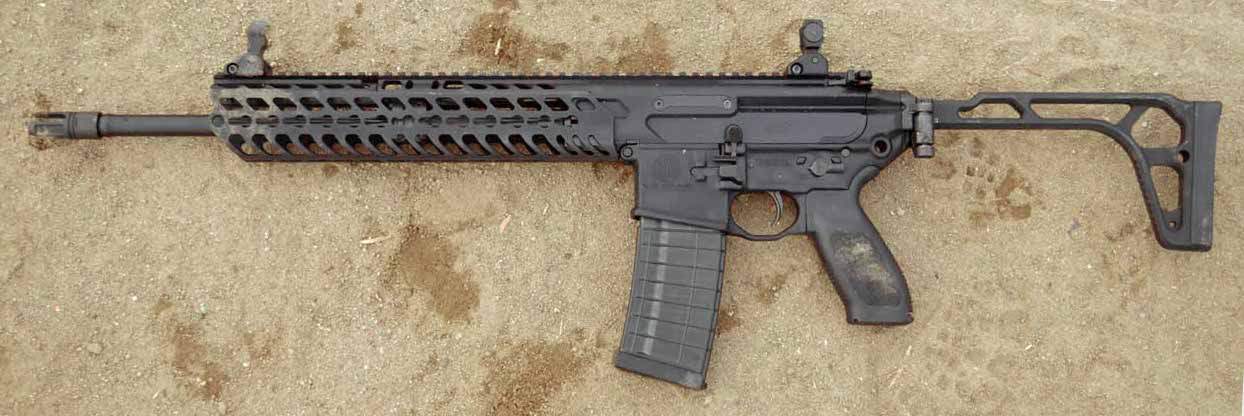
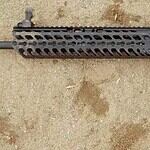
The SIG Sauer MCX is optimized for suppressed operations, allowing operators to engage targets quickly without revealing their position. Its modular design supports rapid configuration changes, ensuring adaptability in dynamic environments. This combination of stealth and speed allows teams to maintain the element of surprise while executing precise engagements under tight time constraints.
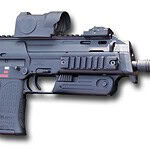
HK MP7
- Category: Weapon
- Primary Mission Role: CQB weapon
- Operational Phase: Engagement
- Speed / Mobility Advantage: Compact
- Key Capability: Lightweight
- Time Compression Effect: Fast handling
- Tactical Advantage in Rapid Missions: Close combat
- Why It’s Critical for Assault & Extraction: Tight spaces
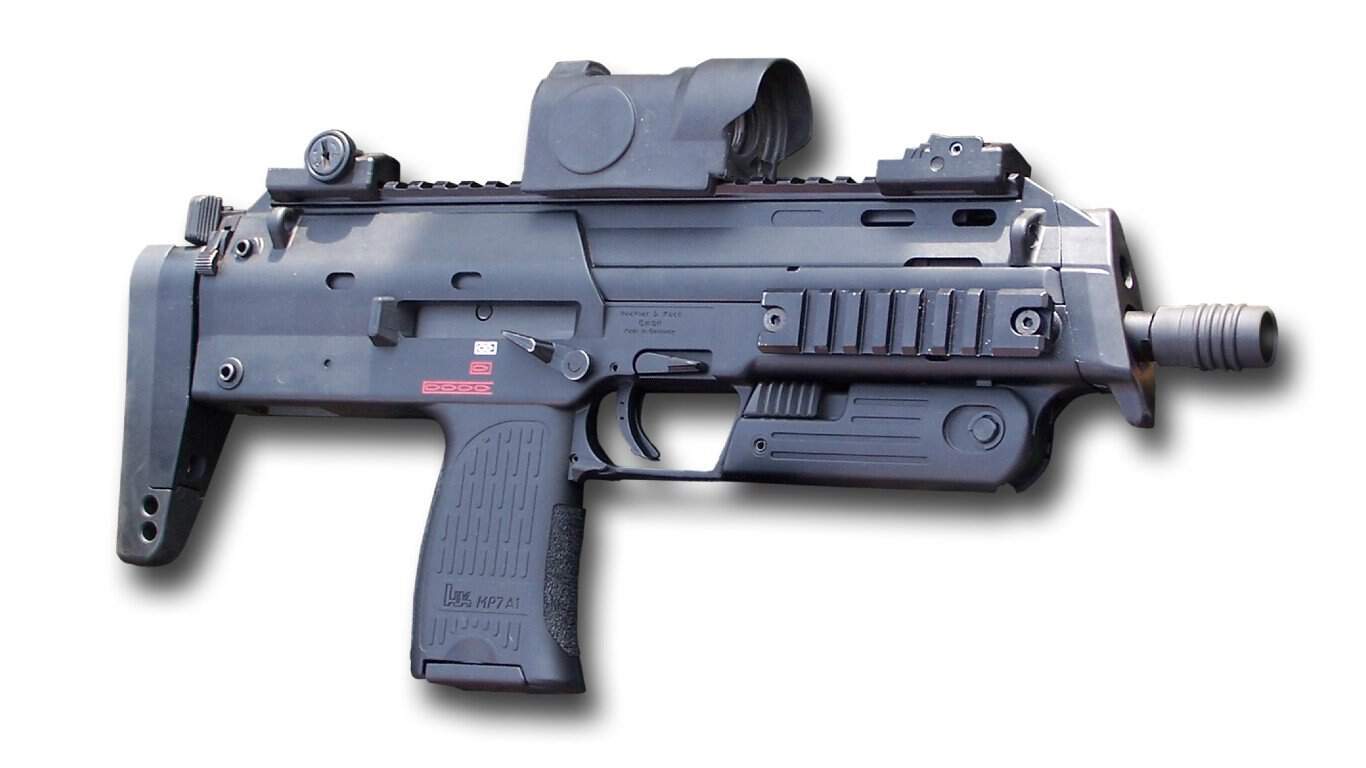
The HK MP7 is designed for close-quarters combat, offering a compact and highly maneuverable platform that excels in confined spaces. Its lightweight design allows operators to move quickly and engage targets without hesitation. This speed and agility are critical during rapid assault missions, where the ability to react instantly can determine success.
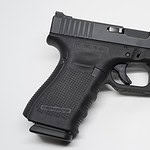
Glock 19
- Category: Weapon
- Primary Mission Role: Sidearm
- Operational Phase: Engagement
- Speed / Mobility Advantage: Immediate use
- Key Capability: Compact
- Time Compression Effect: Quick draw
- Tactical Advantage in Rapid Missions: Backup reliability
- Why It’s Critical for Assault & Extraction: Standard pistol
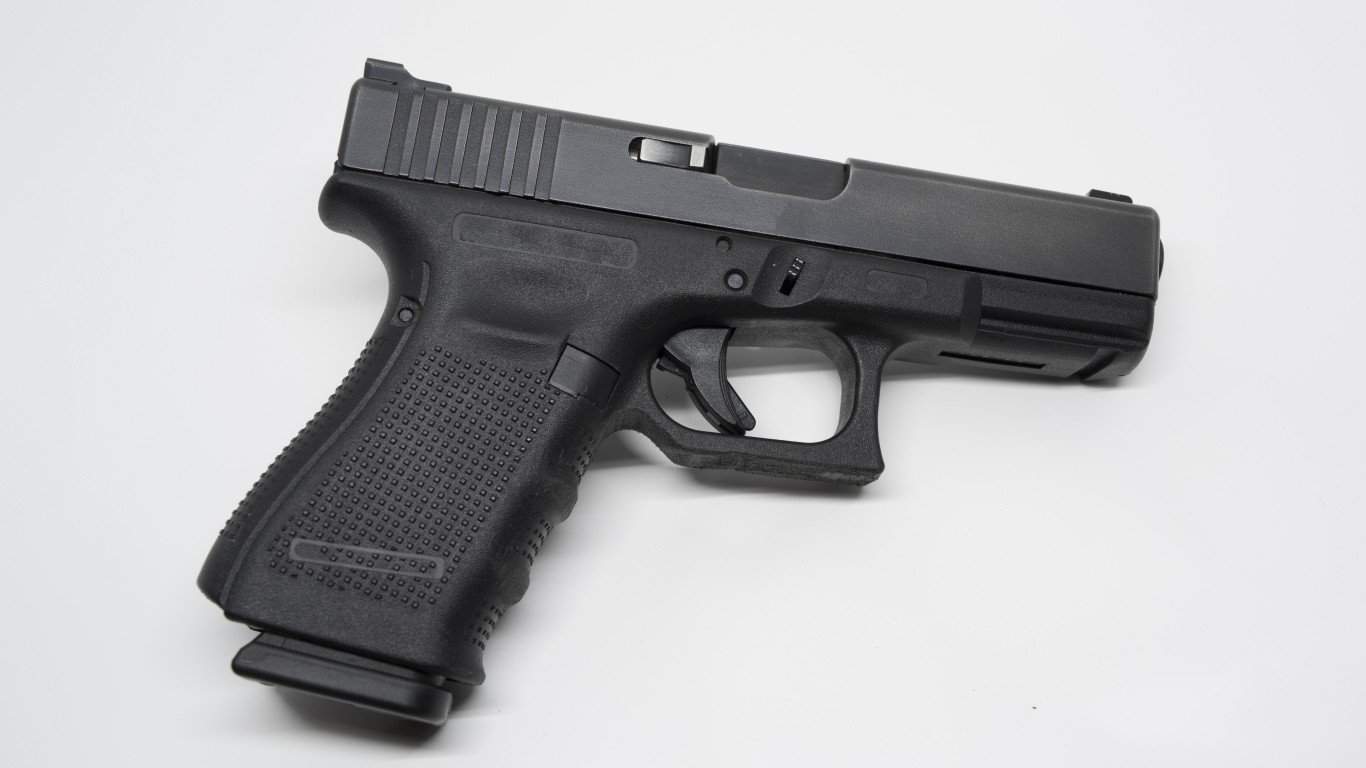
The Glock 19 serves as a dependable sidearm that can be drawn and used immediately when primary weapons are unavailable. Its simplicity and reliability ensure that it functions under pressure, providing a critical backup option. This immediate readiness allows operators to maintain momentum during engagements, ensuring that timing is not disrupted by equipment failure or transition delays.
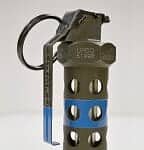
Flashbang
- Category: Tool
- Primary Mission Role: Disorientation
- Operational Phase: Engagement
- Speed / Mobility Advantage: Instant
- Key Capability: Shock effect
- Time Compression Effect: Split-second advantage
- Tactical Advantage in Rapid Missions: Entry dominance
- Why It’s Critical for Assault & Extraction: Key CQB tool
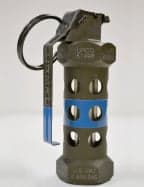
Flashbang grenades create a brief but decisive window of disorientation, allowing operators to gain control of a situation instantly. This split-second advantage is critical during entry and engagement phases, where timing must be exact. By disrupting enemy awareness, flashbangs enable teams to move quickly and decisively, maintaining the tempo of the assault.
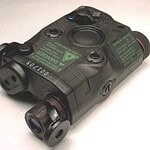
AN/PEQ-15
- Category: Device
- Primary Mission Role: Targeting
- Operational Phase: Engagement
- Speed / Mobility Advantage: Instant aim
- Key Capability: Laser
- Time Compression Effect: Fast targeting
- Tactical Advantage in Rapid Missions: Night accuracy
- Why It’s Critical for Assault & Extraction: Critical optic
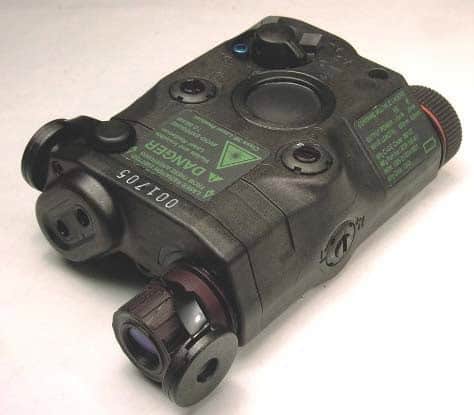
The AN/PEQ-15 provides rapid target acquisition through its infrared laser, allowing operators to engage targets quickly in low-light conditions. This reduces the time needed to aim and fire, supporting immediate action during engagements. Its ability to function seamlessly with night vision systems ensures that timing and accuracy are maintained in darkness.
Night Vision Goggles
- Category: Device
- Primary Mission Role: Visibility
- Operational Phase: Engagement
- Speed / Mobility Advantage: Night ops
- Key Capability: Amplification
- Time Compression Effect: Operate in dark
- Tactical Advantage in Rapid Missions: Night dominance
- Why It’s Critical for Assault & Extraction: Essential gear
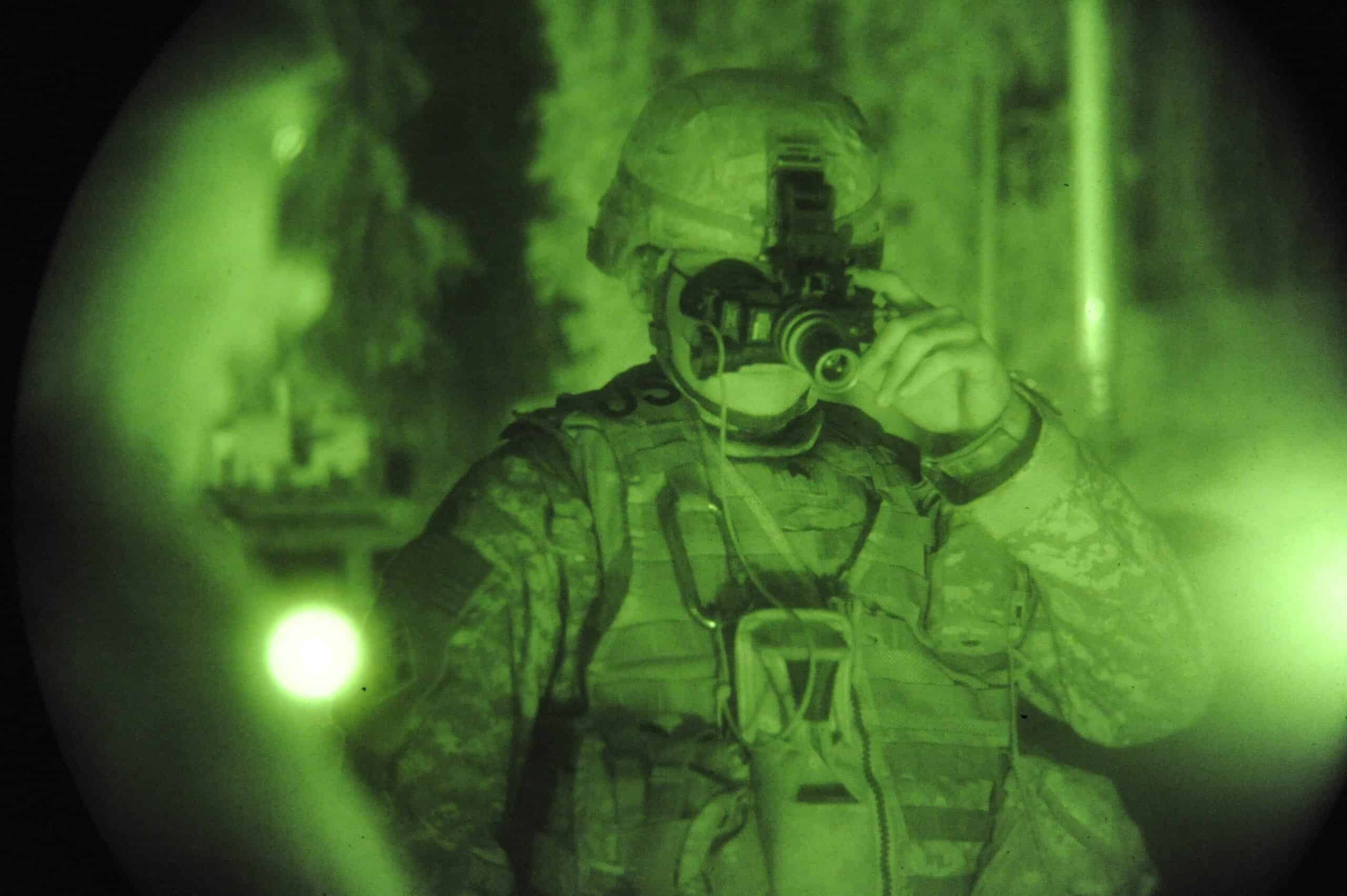
Night vision goggles allow operators to conduct missions in complete darkness, enabling movement and engagement without delay. This capability provides a significant timing advantage by allowing operations to occur when visibility is limited. By eliminating the need for visible light, these systems support stealth and speed in high-risk environments.
Secure Tactical Radios
- Category: Device
- Primary Mission Role: Communication
- Operational Phase: Coordination
- Speed / Mobility Advantage: Real-time
- Key Capability: Encrypted
- Time Compression Effect: Instant comms
- Tactical Advantage in Rapid Missions: Team sync
- Why It’s Critical for Assault & Extraction: Mission critical
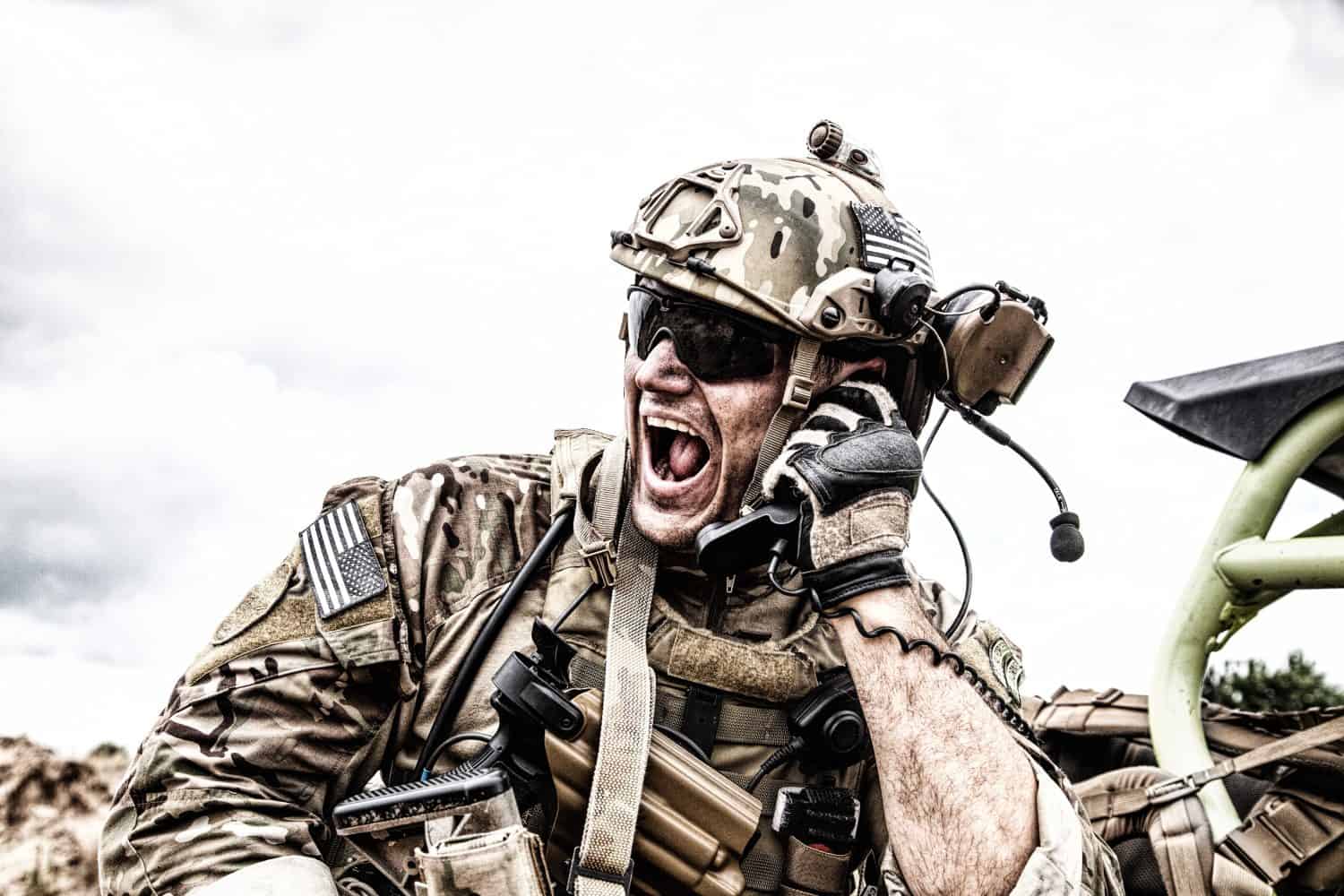
Secure tactical radios enable real-time communication between team members, ensuring that all actions are synchronized. This coordination is essential for executing complex operations where timing must be precise. Instant communication allows teams to adapt quickly to changing conditions, maintaining momentum and ensuring that every phase of the mission is executed as planned.
Fast Rope System
- Category: Device
- Primary Mission Role: Insertion
- Operational Phase: Insertion
- Speed / Mobility Advantage: Immediate descent
- Key Capability: Rope system
- Time Compression Effect: Rapid entry
- Tactical Advantage in Rapid Missions: No landing needed
- Why It’s Critical for Assault & Extraction: Urban ops
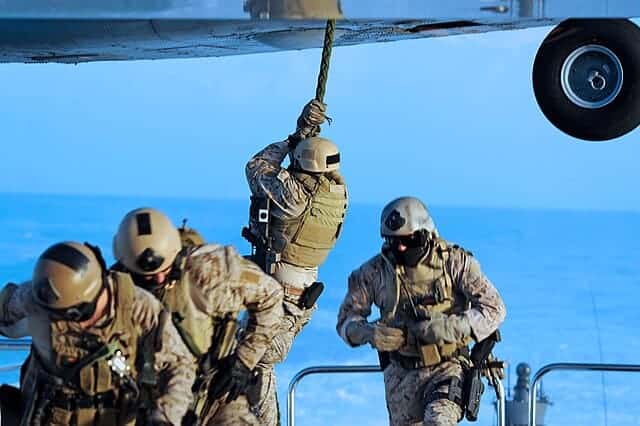
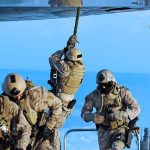
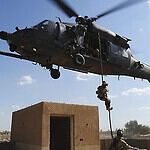
Fast rope systems allow operators to descend rapidly from hovering helicopters without the need for landing. This capability enables insertion in confined or hostile environments where landing is not possible. By reducing insertion time, fast rope systems ensure that teams can move directly from air to ground operations without delay.
Hoist Extraction System
- Category: Device
- Primary Mission Role: Extraction
- Operational Phase: Extraction
- Speed / Mobility Advantage: Quick lift
- Key Capability: Winch
- Time Compression Effect: Fast recovery
- Tactical Advantage in Rapid Missions: Extract under fire
- Why It’s Critical for Assault & Extraction: Rescue tool
Hoist extraction systems enable rapid recovery of personnel from areas where landing is not feasible. This allows teams to be extracted quickly under fire or from difficult terrain, reducing exposure time. The ability to perform immediate extraction ensures that missions can conclude efficiently, maintaining operational tempo and minimizing risk.
Tactical Parachute System
- Category: Device
- Primary Mission Role: Insertion
- Operational Phase: Insertion
- Speed / Mobility Advantage: High altitude
- Key Capability: Parachute
- Time Compression Effect: Rapid deployment
- Tactical Advantage in Rapid Missions: Stealth insertion
- Why It’s Critical for Assault & Extraction: Airborne ops
Tactical parachute systems enable high-altitude insertion, allowing operators to deploy from aircraft at significant distances from the target. This capability supports stealthy approaches and rapid deployment across large areas. By enabling precise landing zones, parachute systems ensure that teams can begin operations quickly upon arrival, maintaining the timing and coordination required for mission success.