






















15 Corporate PR Disasters That Became Historic Nightmares
Every successful company depends on one thing that cannot be manufactured, patented, or purchased overnight. This is known as public trust. While businesses invest heavily in advertising, branding, and customer relationships, all of this can disappear almost instantly when a crisis strikes. Some organizations recover by responding quickly and honestly, while others make matters dramatically worse through poor communication or poor leadership. In many cases, the public remembers the response even more than the original incident itself. Here, History Computer is taking a closer look at public relations failures that became defining events in corporate history, forever changing how businesses prepare for and respond to crises.
Here is a look at some of the worst PR disasters ever:
The Response Can Matter More Than the Mistake
Not every company on this list created the crisis it faced. Johnson & Johnson, for example, became a model for effective crisis management after responding decisively to the Tylenol poisonings, while other organizations suffered lasting reputational damage because they denied responsibility, minimized public concerns, or failed to communicate clearly. Consumers expect honesty, accountability, and empathy during difficult moments, and companies that fall short often discover that public outrage grows far faster than they anticipated. These examples demonstrate that a well-managed response can preserve trust, while a poorly handled one can transform a difficult situation into a legendary public relations disaster.
How the Digital Age Changed Crisis Communications
Corporate crises once unfolded over days or even weeks as newspapers and television stations reported new developments. Today, a single smartphone video, social media post, or leaked document can spread around the world in a matter of minutes. Companies no longer have the luxury of carefully crafting a response before the public forms an opinion. Instead, every statement, interview, and social media post is scrutinized in real time. From viral YouTube videos to controversial advertising campaigns, the speed of modern communication has permanently changed the rules of crisis management, making transparency and quick decision-making more important than ever.
Trust Takes Years to Build... and Moments to Lose
A strong reputation is one of a company's greatest competitive advantages, but it is also one of its most fragile assets. Many of the organizations featured in this article spent decades building loyal customer bases before seeing their credibility tested by a single event. Some recovered through meaningful reforms, sincere apologies, and long-term investments in rebuilding confidence. Others continued to struggle with the consequences for years afterward. Whether the crisis involved environmental disasters, product failures, privacy concerns, or disastrous marketing campaigns, each serves as a reminder that trust must be earned continually and protected at every opportunity.
Tylenol Cyanide Crisis
- Organization: Johnson & Johnson
- Year: 1982
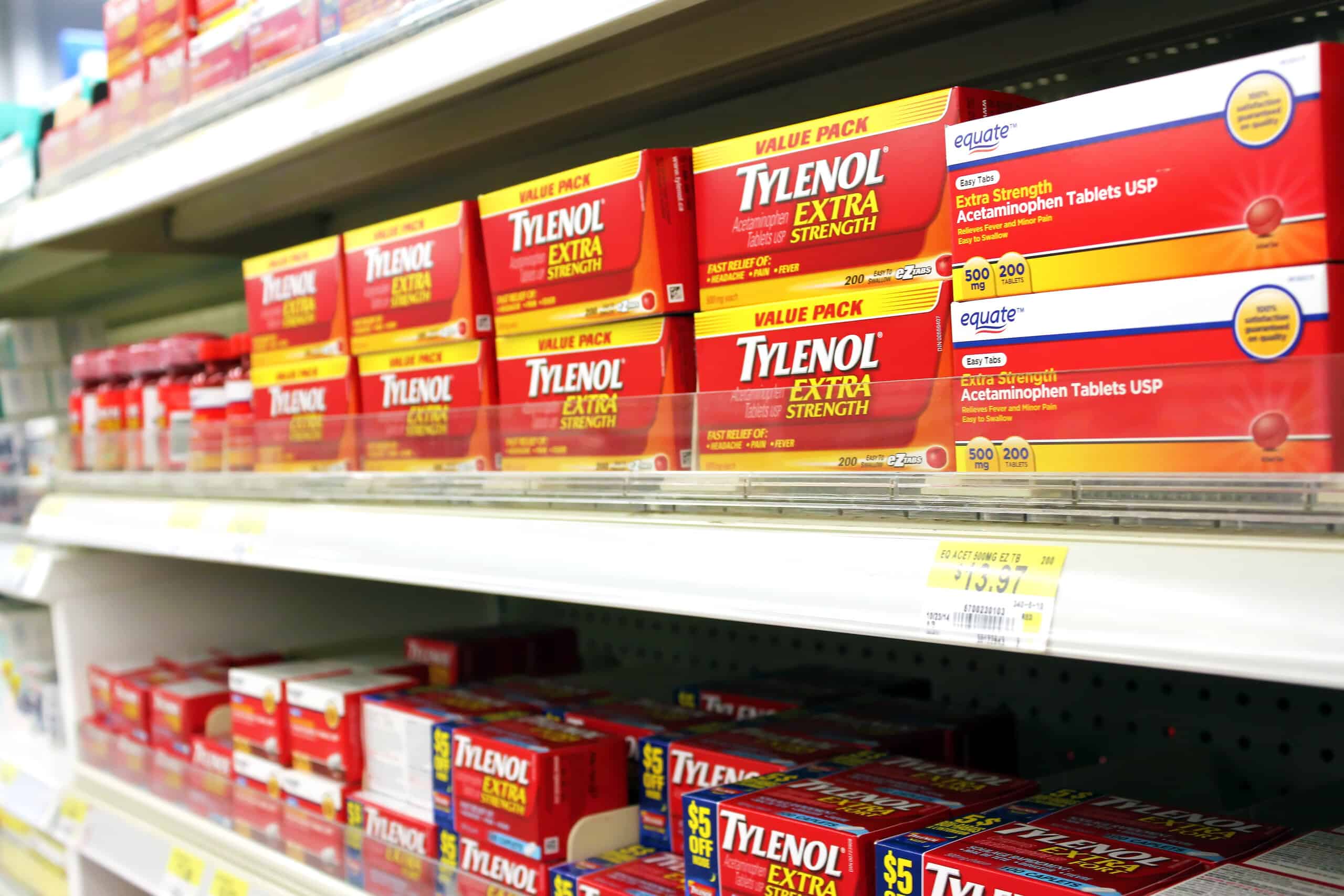
In September 1982, seven people in the Chicago area died after taking Extra-Strength Tylenol capsules that had been secretly laced with cyanide by an unknown criminal. Although Johnson & Johnson was not responsible for the tampering itself, the company immediately recognized that public confidence in its flagship product was at stake. Rather than minimizing the incident, executives halted production, recalled roughly 31 million bottles of Tylenol, and cooperated extensively with law enforcement and the media. The recall cost the company more than $100 million, but its transparency and willingness to prioritize consumer safety ultimately restored public trust. The crisis also led to the widespread adoption of tamper-evident packaging throughout the pharmaceutical industry. Today, the Tylenol response is still considered the gold standard for crisis communication because the company's honesty and decisive action prevented a tragedy from becoming a permanent reputational disaster.
New Coke
- Organization: Coca-Cola
- Year: 1985
After decades of dominating the soft drink industry, Coca-Cola decided to reformulate its signature beverage in response to growing competition from Pepsi. The company launched "New Coke" in April 1985 following favorable blind taste tests, believing consumers would embrace the sweeter recipe. Instead, the decision triggered an emotional backlash unlike anything executives anticipated. Loyal customers viewed the original formula as part of American culture and flooded the company with thousands of complaints, protests, and demands for its return. Rather than celebrating innovation, Coca-Cola found itself defending a decision that alienated its most devoted fans. Less than three months later, the company reintroduced the original formula as Coca-Cola Classic. While Coca-Cola eventually recovered, New Coke remains one of history's most famous marketing and public relations failures, illustrating that customer loyalty often outweighs market research.
Exxon Valdez Oil Spill
- Organization: Exxon
- Year: 1989
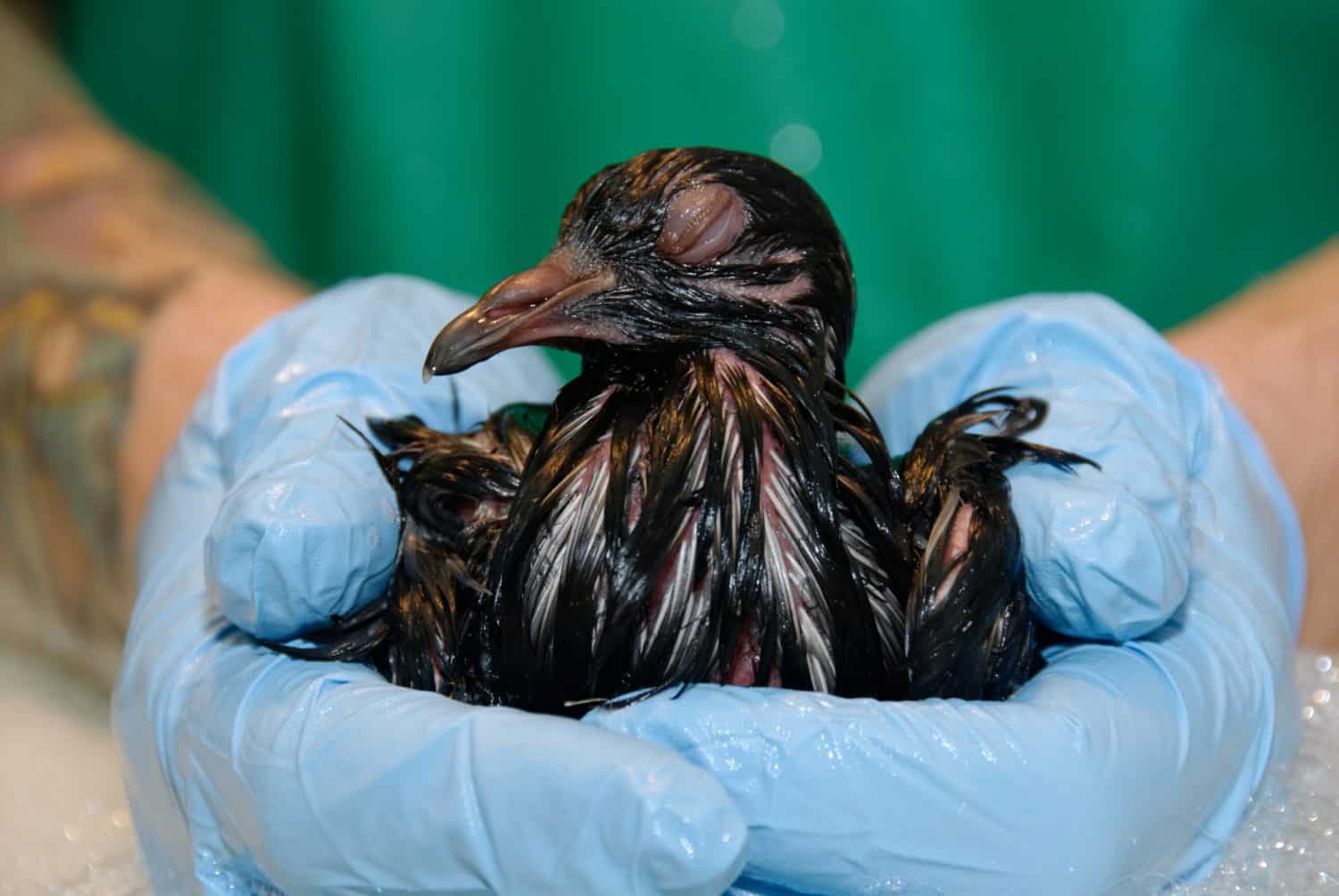
On March 24, 1989, the Exxon Valdez oil tanker struck Bligh Reef in Alaska's Prince William Sound, spilling approximately 11 million gallons of crude oil into one of North America's most pristine marine environments. The environmental devastation quickly became front-page news, but Exxon's public response proved almost as damaging as the spill itself. Company executives were criticized for their slow reaction, limited visibility, and defensive messaging during the critical early days of the crisis. CEO Lawrence Rawl did not immediately travel to Alaska, reinforcing a public perception that the company lacked empathy for affected communities and wildlife. Images of oil-covered seabirds and polluted shorelines dominated television broadcasts while Exxon struggled to regain control of the narrative. The disaster permanently altered expectations for corporate crisis management, demonstrating that timely leadership and visible accountability are essential during environmental emergencies.
BP Deepwater Horizon Oil Spill
- Organization: BP
- Year: 2010
The explosion aboard the Deepwater Horizon drilling rig in April 2010 killed 11 workers and unleashed one of the largest offshore oil spills in history. As millions of barrels of oil flowed into the Gulf of Mexico over several months, BP faced mounting criticism from government officials, environmental groups, and the public. While the environmental damage dominated headlines, CEO Tony Hayward's public comments became a communications disaster of their own. His remark that he wanted to "get my life back" was widely interpreted as insensitive to the families who had lost loved ones and the communities whose livelihoods depended on the Gulf. Combined with shifting estimates of the spill's severity, the statement fueled outrage around the world. BP ultimately spent tens of billions of dollars on cleanup efforts, settlements, and penalties, while the crisis became a defining example of how tone-deaf messaging can magnify an already catastrophic event.
Domino's Pizza YouTube Scandal
- Organization: Domino's Pizza
- Year: 2009
In April 2009, two Domino's Pizza employees uploaded YouTube videos showing themselves intentionally contaminating food that appeared to be destined for customers. Although the prank involved a single franchise location, the videos spread rapidly across the internet, generating millions of views before the company could respond. Domino's initially underestimated the speed at which social media could shape public perception, allowing rumors and outrage to escalate for nearly two days. Once executives realized the scope of the crisis, President Patrick Doyle released a direct video apology, explaining the company's actions and reassuring customers that the employees had been terminated and criminally charged. The response helped stabilize the company's reputation, but the incident forever changed how businesses approach online crises. Today, the Domino's scandal is frequently cited as one of the first major examples of how viral social media can transform an isolated incident into a global public relations emergency.
United Airlines Passenger Removal
- Organization: United Airlines
- Year: 2017
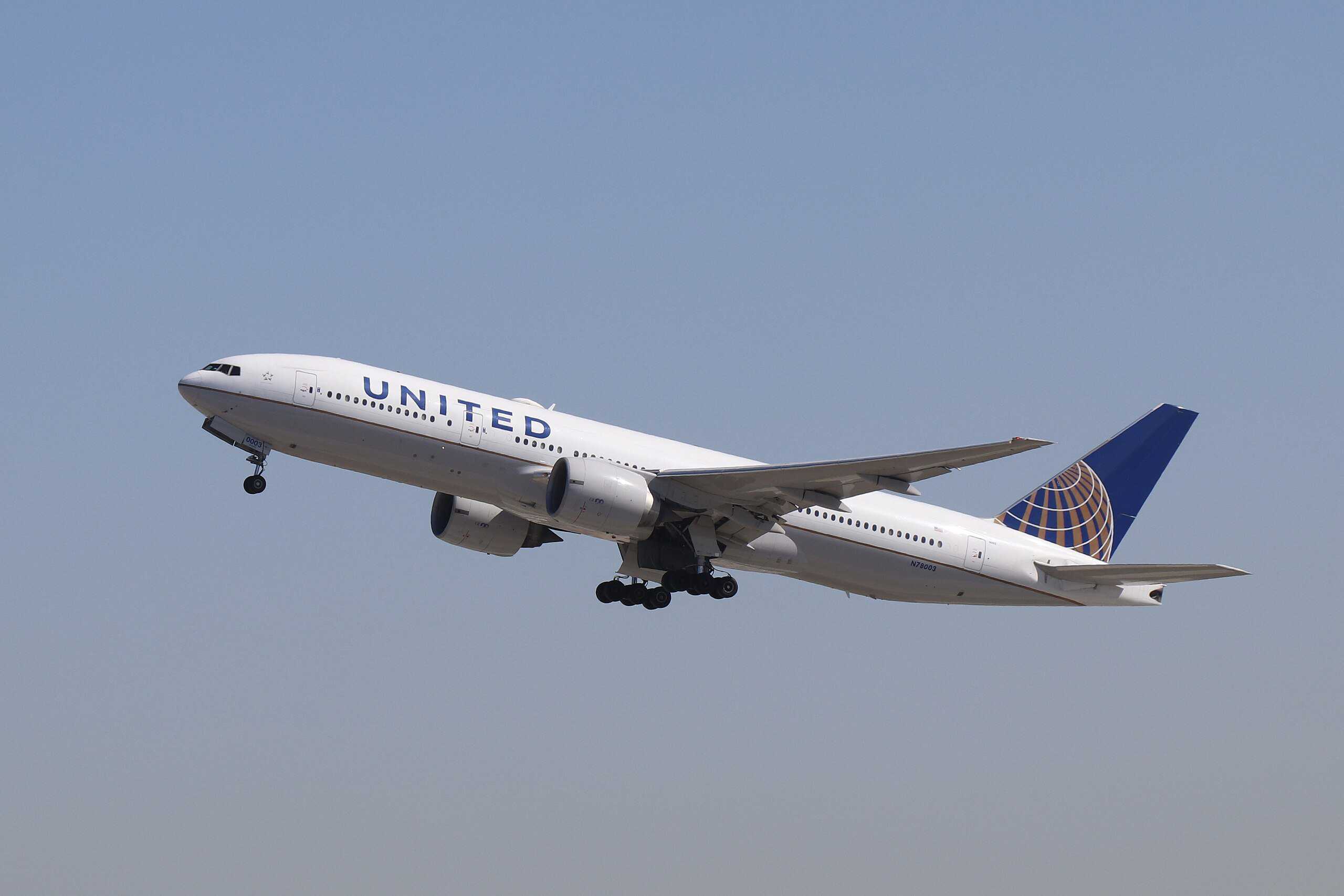
United Airlines found itself at the center of a global firestorm in April 2017 after passenger Dr. David Dao was forcibly removed from an overbooked flight departing Chicago. Videos recorded by fellow passengers showed security officers dragging the bloodied passenger down the aisle, and the footage spread across social media within hours. Rather than immediately expressing concern, United's initial public statement described the incident as "re-accommodating" a customer, language that many viewed as cold, evasive, and detached from what millions had just witnessed. An internal memo from CEO Oscar Munoz also appeared to defend employees before later issuing a more apologetic response. By the time the company acknowledged its mistakes, public outrage had already intensified, and the airline suffered significant reputational damage along with a sharp decline in market value. The incident remains one of the clearest examples of how corporate messaging can amplify a crisis when it fails to reflect public sentiment.
Volkswagen Dieselgate
- Organization: Volkswagen
- Year: 2015
For decades, Volkswagen promoted its diesel-powered vehicles as environmentally friendly alternatives that combined performance with low emissions. That image collapsed in September 2015 when regulators revealed the company had installed software designed to detect emissions testing and temporarily reduce pollution levels during inspections. Under normal driving conditions, many vehicles emitted pollutants far above legal limits. The revelation shattered consumer trust and transformed a respected engineering brand into the focus of one of the largest corporate scandals in automotive history. Volkswagen's early responses were widely criticized as incomplete and overly cautious, allowing speculation and public anger to grow. As investigations expanded across multiple countries, the company ultimately admitted wrongdoing, recalled millions of vehicles, paid tens of billions of dollars in fines and settlements, and saw several executives face criminal charges. Dieselgate demonstrated that years of carefully cultivated brand credibility can disappear almost overnight when honesty is sacrificed for competitive advantage.
Pepsi Kendall Jenner Protest Ad
- Organization: Pepsi
- Year: 2017
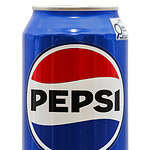
In April 2017, Pepsi released a commercial featuring model Kendall Jenner leaving a fashion shoot to join a street protest before ultimately handing a police officer a can of Pepsi, seemingly resolving tensions between demonstrators and law enforcement. Rather than promoting unity, the advertisement was immediately criticized for trivializing genuine social justice movements and reducing complex issues to a marketing opportunity. Viewers drew comparisons to real-world protests involving racial injustice and accused the company of exploiting activism to sell soft drinks. The backlash spread rapidly across television, newspapers, and social media, forcing Pepsi to pull the advertisement within 24 hours and issue a public apology to both consumers and Jenner. Although the campaign was intended to present Pepsi as a symbol of togetherness, it instead became one of the most infamous advertising failures of the social media era, highlighting the importance of cultural awareness and authenticity in brand messaging.
Equifax Data Breach
- Organization: Equifax
- Year: 2017
Equifax, one of the nation's largest credit reporting agencies, announced in September 2017 that hackers had gained access to the personal information of approximately 147 million Americans. Because consumers typically cannot choose whether companies like Equifax collect their financial data, the breach immediately generated widespread concern. The company's handling of the crisis only deepened the damage. Executives delayed public disclosure for weeks after discovering the intrusion, directed consumers to a confusing standalone website, and initially required arbitration clauses that sparked additional criticism before being withdrawn. Reports that several executives had sold stock shortly after the breach was discovered further fueled public skepticism, even though the company disputed any wrongdoing. Congressional hearings, lawsuits, regulatory penalties, and years of reputational damage followed. The Equifax breach became a defining example of how poor communication can turn a cybersecurity incident into a lasting crisis of public confidence.
Fyre Festival
- Organization: Fyre Media
- Year: 2017
Fyre Festival was promoted as an exclusive luxury music festival in the Bahamas featuring celebrity influencers, gourmet dining, and world-class accommodations. Months of carefully orchestrated social media marketing generated enormous excitement, with high-profile models and influencers helping sell thousands of expensive tickets. When attendees arrived in April 2017, however, they found unfinished disaster-relief tents instead of luxury villas, limited food instead of gourmet meals, and virtually none of the promised entertainment. Photos of cheese sandwiches, soaked luggage, and stranded guests spread across social media in real time, transforming the failed event into an international spectacle. Organizers struggled to communicate with attendees or explain the rapidly deteriorating situation, allowing the public narrative to spiral completely out of their control. Founder Billy McFarland was later convicted of fraud, while the festival became one of history's most recognizable examples of how aggressive marketing cannot compensate for operational failure.
Wells Fargo Fake Accounts Scandal
- Organization: Wells Fargo
- Year: 2016
For years, Wells Fargo promoted itself as one of America's most trusted financial institutions, but that reputation unraveled in 2016 when regulators revealed that employees had opened millions of unauthorized bank and credit card accounts in customers' names. Investigators determined that unrealistic sales quotas and intense internal pressure had encouraged widespread misconduct throughout the organization. Rather than immediately acknowledging systemic failures, company leadership initially portrayed the scandal as the work of a relatively small number of rogue employees. That explanation failed to satisfy customers, regulators, and lawmakers, particularly after congressional hearings exposed deeper cultural problems within the bank. CEO John Stumpf's testimony before Congress further damaged the company's image, leading to his resignation shortly afterward. Wells Fargo ultimately paid billions of dollars in fines and settlements while spending years attempting to rebuild consumer confidence. The scandal demonstrated that minimizing widespread organizational failures often prolongs and intensifies a public relations crisis.
Boeing 737 MAX Crisis
- Organization: Boeing
- Year: 2019
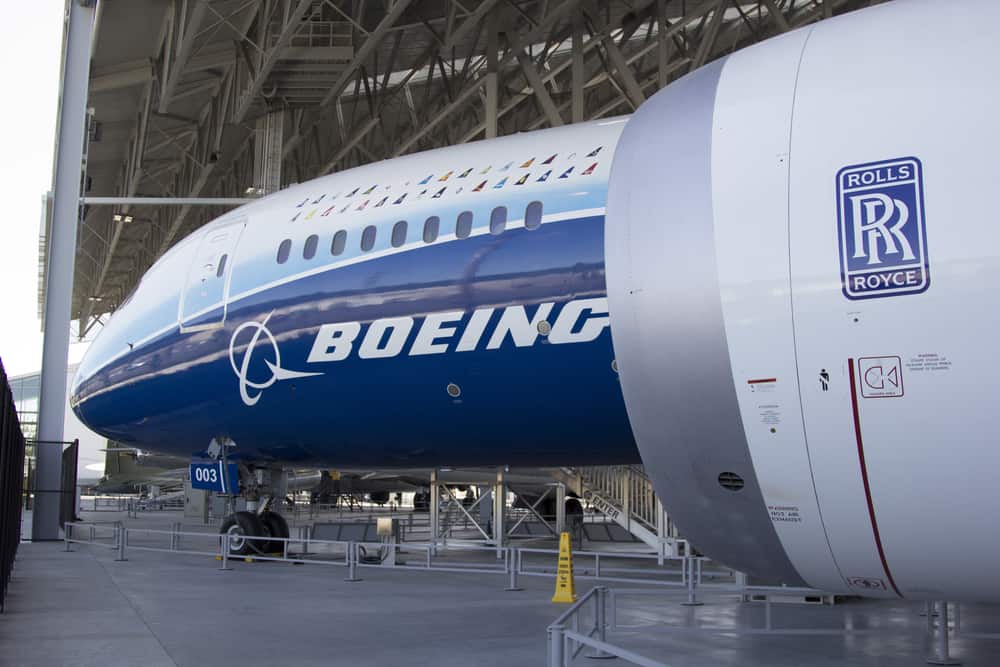
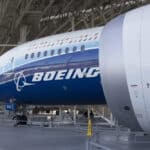
Boeing entered 2019 facing one of the most difficult crises in its history after two fatal crashes involving its new 737 MAX aircraft killed a combined 346 people. As investigators examined the role of the aircraft's MCAS flight control system, Boeing's communications came under increasing scrutiny. Critics argued that the company initially focused too heavily on defending the aircraft's safety rather than openly addressing growing concerns from regulators, airlines, pilots, and the public. As countries around the world grounded the aircraft, Boeing's messaging often appeared reactive instead of transparent, allowing questions about engineering decisions and certification practices to dominate headlines. Internal communications released during subsequent investigations further eroded public trust by revealing concerns that had not been publicly disclosed. The crisis resulted in billions of dollars in financial losses, executive leadership changes, and years of reputational damage. It remains one of the clearest examples of how delayed transparency can compound an already devastating safety crisis.
OceanGate Titan Implosion
- Organization: OceanGate
- Year: 2023
OceanGate spent years promoting its Titan submersible as an innovative way to bring paying customers thousands of feet beneath the Atlantic Ocean to view the wreck of the RMS Titanic. Founder Stockton Rush frequently positioned the company as a disruptor willing to challenge traditional engineering practices, emphasizing innovation over what he sometimes described as unnecessary regulation. That narrative collapsed in June 2023 when Titan lost contact during a dive and was later determined to have suffered a catastrophic implosion, killing all five people aboard. As investigators examined the company's safety practices, earlier interviews, promotional materials, and public statements were revisited with renewed scrutiny. Reports that outside experts had previously expressed concerns about the vessel's design fueled criticism that OceanGate had projected confidence while downplaying legitimate engineering risks. The tragedy transformed the company's public messaging into evidence for investigators and commentators, making it one of the most consequential reputation collapses in recent memory.
Cambridge Analytica Data Privacy Scandal
- Organization: Facebook
- Year: 2018
Facebook's reputation suffered a major blow in 2018 after reports revealed that political consulting firm Cambridge Analytica had obtained personal information from millions of Facebook users without their explicit consent. Although much of the data had been collected through a third-party application years earlier, revelations that Facebook had known about the issue but failed to fully disclose it ignited a global backlash. The controversy raised broader questions about how technology companies collected, shared, and protected user information, leading to the viral #DeleteFacebook movement and investigations on multiple continents. CEO Mark Zuckerberg appeared before the U.S. Congress and European lawmakers to answer questions about the company's privacy practices, while Facebook announced sweeping changes to its platform and developer policies. The scandal fundamentally altered public conversations about digital privacy and demonstrated that trust, once lost, can become extraordinarily difficult for even the world's largest technology companies to regain.
Aqua Teen Hunger Force Boston Marketing Scare
- Organization: Turner Broadcasting / Cartoon Network
- Year: 2007
What began as a creative marketing campaign for the animated television series Aqua Teen Hunger Force quickly became one of the most infamous promotional failures in advertising history. As part of a guerrilla marketing effort, Turner Broadcasting hired a marketing firm to install battery-powered LED displays featuring the show's "Mooninite" characters in several major cities. While the devices had gone largely unnoticed elsewhere, authorities in Boston mistook them for potential explosive devices after they were discovered beneath bridges and other public infrastructure. The city responded with a massive emergency operation that closed roads, disrupted public transportation, and deployed bomb squads before determining the displays were harmless. Public frustration intensified after company representatives initially appeared to treat the situation lightly, reinforcing the perception that they failed to appreciate the seriousness of the disruption. Turner Broadcasting ultimately apologized, paid approximately $2 million to cover the city's costs, and the incident became a lasting reminder that clever marketing campaigns must always account for public perception and unforeseen consequences.
The image featured at the top of this post is ©TY Lim/Shutterstock.com