






20 Jobs That Were Common 100 Years Ago But Have Vanished Today
A century ago, daily life depended on occupations that would seem strange to many people today. Entire industries relied on workers whose jobs have since vanished because of technological innovation, changing consumer habits, and economic transformation. Some delivered ice before refrigeration existed. Others woke workers before alarm clocks became common. These professions were once ordinary parts of everyday life, employing thousands of people and supporting communities across the world. Looking back at these forgotten careers offers a fascinating glimpse into how dramatically work has changed over the past hundred years. Here, History Computer is taking a closer look at these jobs.
Here is a look at jobs that were common 100 years ago but no longer exist:
Knocker-Up
- Why It Mattered: Helped workers arrive on time before alarm clocks were common
- A Day on the Job: Walked neighborhoods tapping on windows with long poles
- What Killed the Profession: Affordable alarm clocks and later smartphones
- Modern Equivalent: Alarm clocks and phone alarms
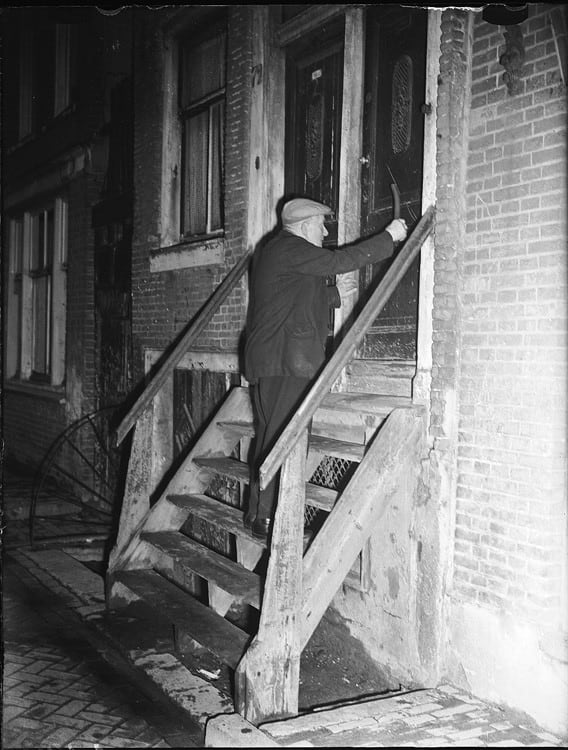
Before alarm clocks became affordable and reliable, many workers depended on a profession that sounds almost unbelievable today: the knocker-up. These individuals earned a living by waking people for work, often before dawn. Armed with long poles, bamboo sticks, or pea shooters, they would tap on windows until the customer responded. The job became particularly common in industrial cities where factory workers needed to arrive on time for strict shifts. Reliability was essential because an overslept worker could lose wages or even employment. The occupation flourished during the nineteenth and early twentieth centuries but rapidly declined as inexpensive alarm clocks became widely available. Today, the knocker-up is remembered as a fascinating example of how entire professions once existed to solve problems now handled by simple technology sitting on a bedside table or smartphone.
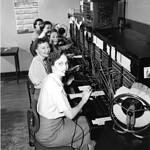
Switchboard Operator
- Why It Mattered: Connected nearly every long-distance and local phone call
- A Day on the Job: Manually routed calls using cords and switchboards
- What Killed the Profession: Automated telephone exchanges
- Modern Equivalent: Telecommunications infrastructure
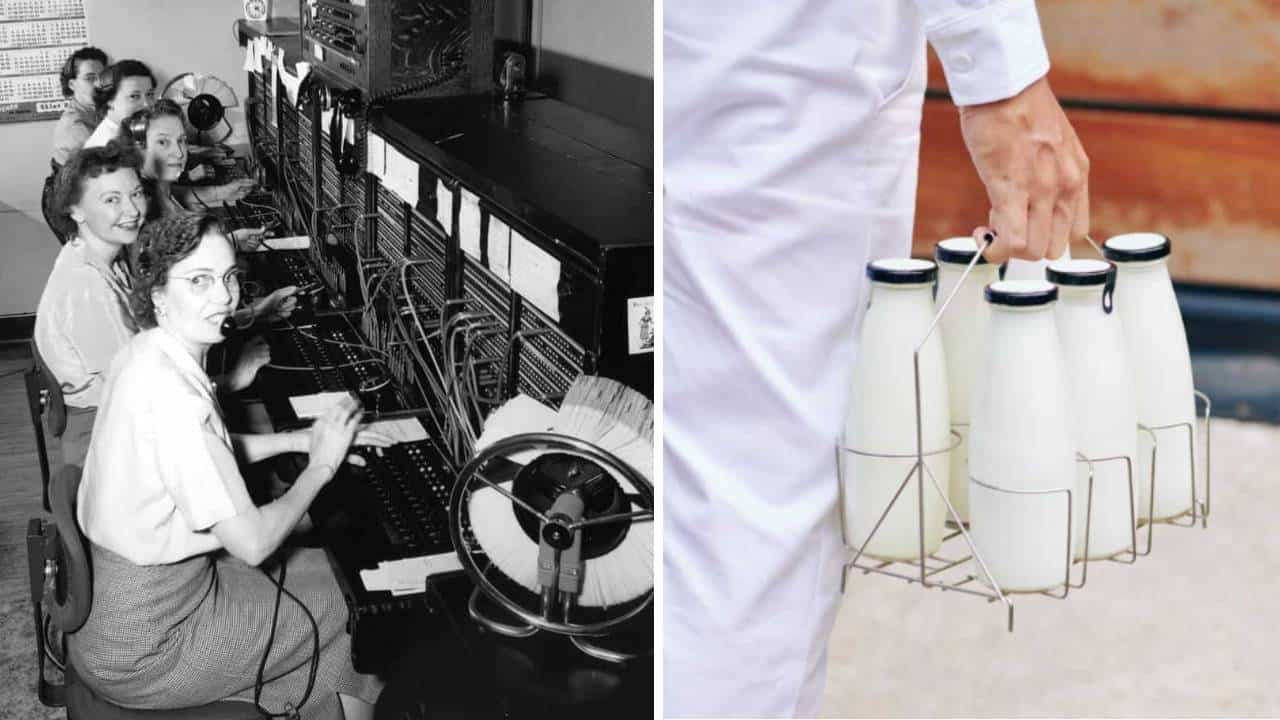
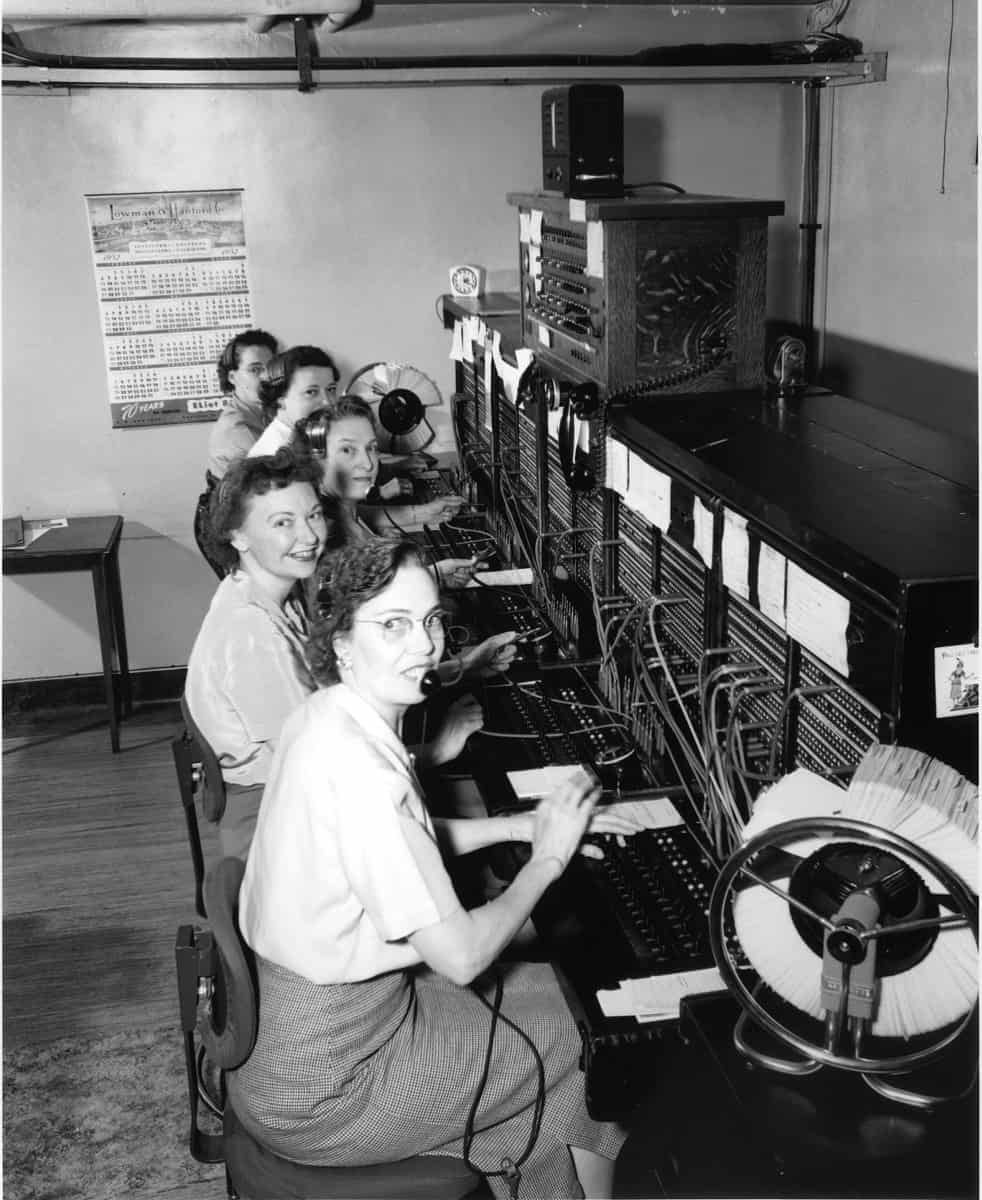
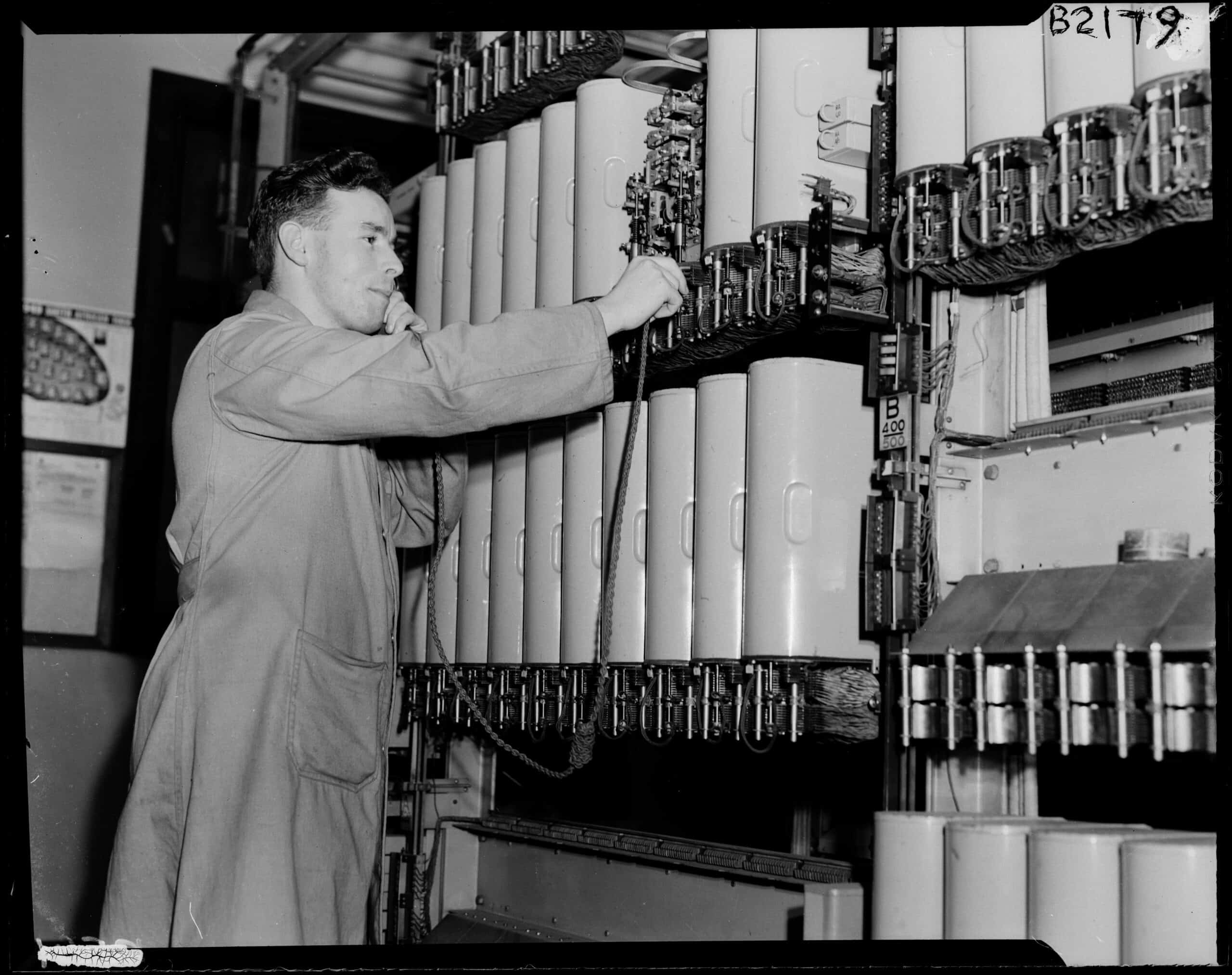
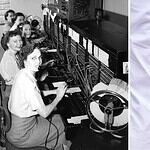
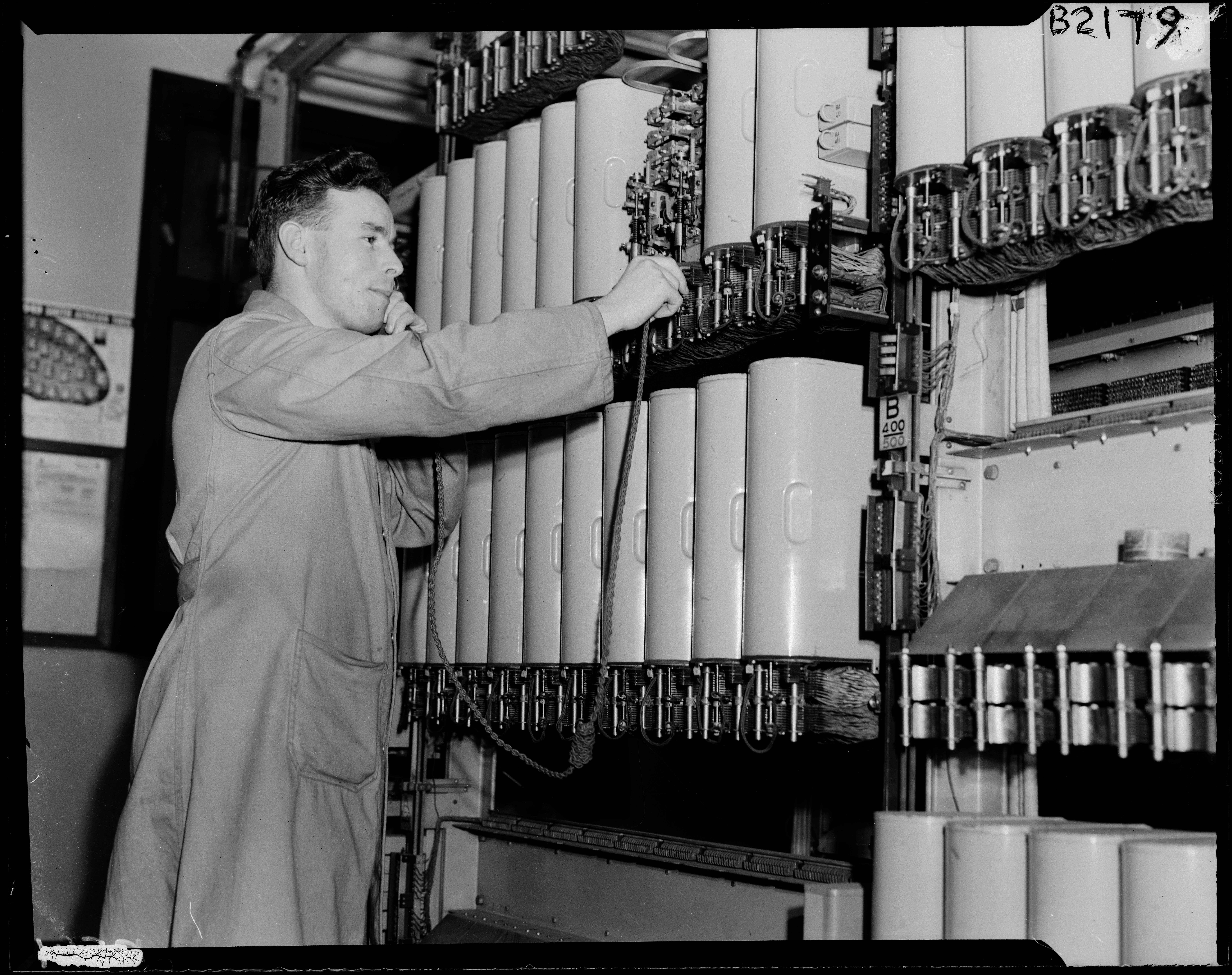
For much of the early twentieth century, making a telephone call required the assistance of a switchboard operator. Before automated exchanges, operators manually connected callers by inserting plugs into switchboards and routing calls to their destinations. The job demanded concentration, speed, and professionalism, especially in busy urban exchanges handling thousands of calls daily. Many operators became familiar voices within their communities and often provided information beyond simple call routing. The profession employed large numbers of workers, particularly women, and became one of the defining office occupations of its era. As telecommunications technology improved, automated switching systems gradually eliminated the need for manual connections. By the late twentieth century, the once-essential occupation had largely disappeared. Switchboard operators played a critical role in building modern communications networks before technology rendered their specialized skills unnecessary.
Lamplighter
- Why It Mattered: Provided public lighting and safety after dark
- A Day on the Job: Lit, extinguished, and maintained street lamps
- What Killed the Profession: Electric street-light systems
- Modern Equivalent: Municipal utility maintenance
Before electric streetlights illuminated cities and towns, public lighting depended on lamplighters. Each evening, these workers walked designated routes carrying ladders and lighting tools, igniting gas or oil lamps that lined streets and public spaces. At dawn, they returned to extinguish the flames and perform maintenance. Their work improved public safety, reduced crime, and made nighttime travel more practical. In many cities, lamplighters became familiar figures whose routines helped define urban life. The profession required consistency because even a few unlit lamps could leave important areas in darkness. As electrical infrastructure expanded during the early twentieth century, manual lighting became unnecessary. Automated electric systems proved cheaper, safer, and more reliable. While a few ceremonial lamplighters remain today for historical demonstrations, the occupation itself disappeared as cities embraced modern lighting technology.
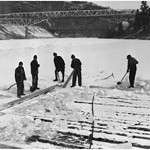
Ice Cutter
- Why It Mattered: Supplied ice for food preservation before refrigeration
- A Day on the Job: Harvested large blocks of ice from frozen lakes
- What Killed the Profession: Mechanical refrigeration
- Modern Equivalent: Commercial refrigeration industry
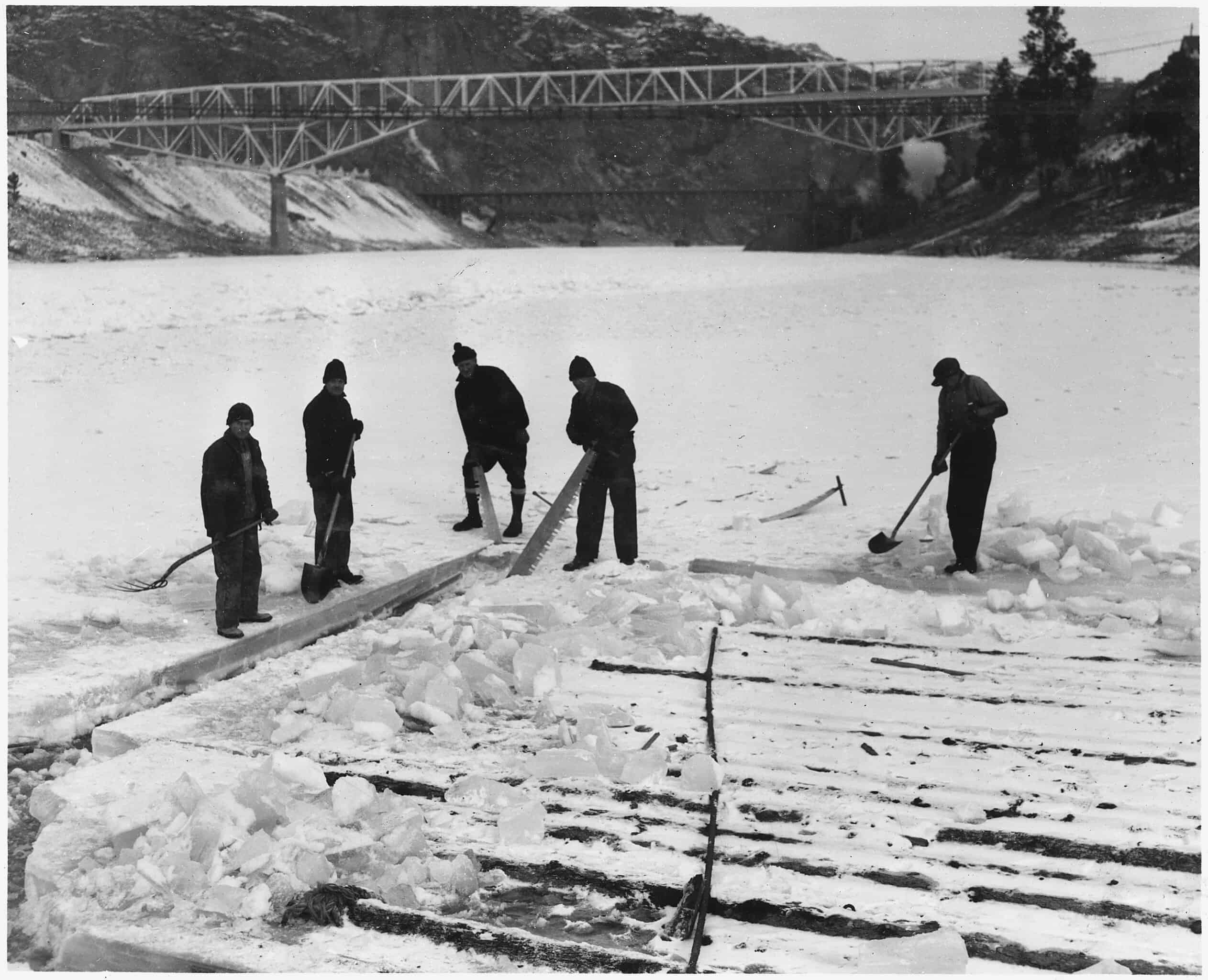
A century ago, refrigeration depended on one of nature's most important winter resources: ice. Ice cutters harvested large blocks of frozen water from lakes and rivers during cold months, storing them in insulated icehouses for use throughout the year. The work was physically demanding and often dangerous, requiring laborers to operate saws and heavy equipment on frozen surfaces. Harvested ice supplied homes, businesses, breweries, and food distributors long before electric refrigeration became common. Entire regional industries developed around the collection, transportation, and storage of natural ice. The invention and widespread adoption of mechanical refrigeration fundamentally changed the market. By the mid-twentieth century, most consumers no longer relied on harvested ice. The disappearance of the profession illustrates how technological innovation can eliminate entire industries while simultaneously improving convenience and public health.
Elevator Operator
- Why It Mattered: Made early elevators safe and usable
- A Day on the Job: Controlled elevator speed and floor selection manually
- What Killed the Profession: Automated elevator controls
- Modern Equivalent: Building operations systems
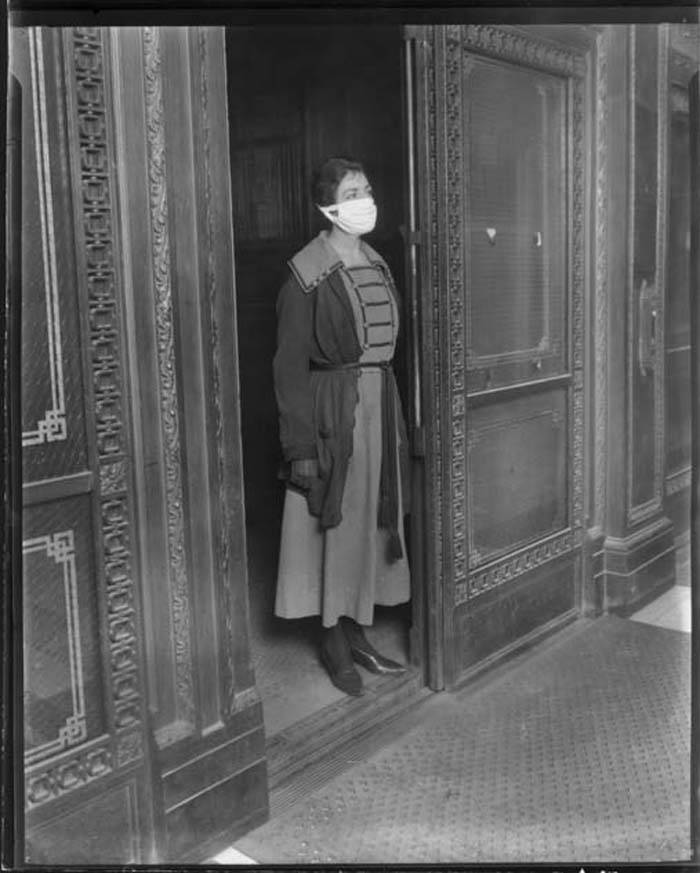
Modern elevator users simply press a button and wait, but early elevators often required trained operators to control them. Elevator operators managed speed, stopped at requested floors, opened and closed doors, and ensured passenger safety. In prestigious office buildings, hotels, and department stores, operators were also expected to provide courteous service and assist visitors. The job demanded attention and precision because early elevator systems lacked many of the automated safeguards present today. Operators became familiar fixtures in urban buildings and represented an important customer-service role. As elevator technology advanced, automatic controls became increasingly reliable and economical. Building owners gradually phased out operators, replacing human oversight with automated systems. Although a few specialty elevators still use attendants, the profession largely vanished as automation transformed vertical transportation.
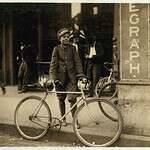
Telegraph Messenger
- Why It Mattered: Delivered urgent communications across communities
- A Day on the Job: Transported telegrams by bicycle or on foot
- What Killed the Profession: Telephones, email, and text messaging
- Modern Equivalent: Courier and communications services
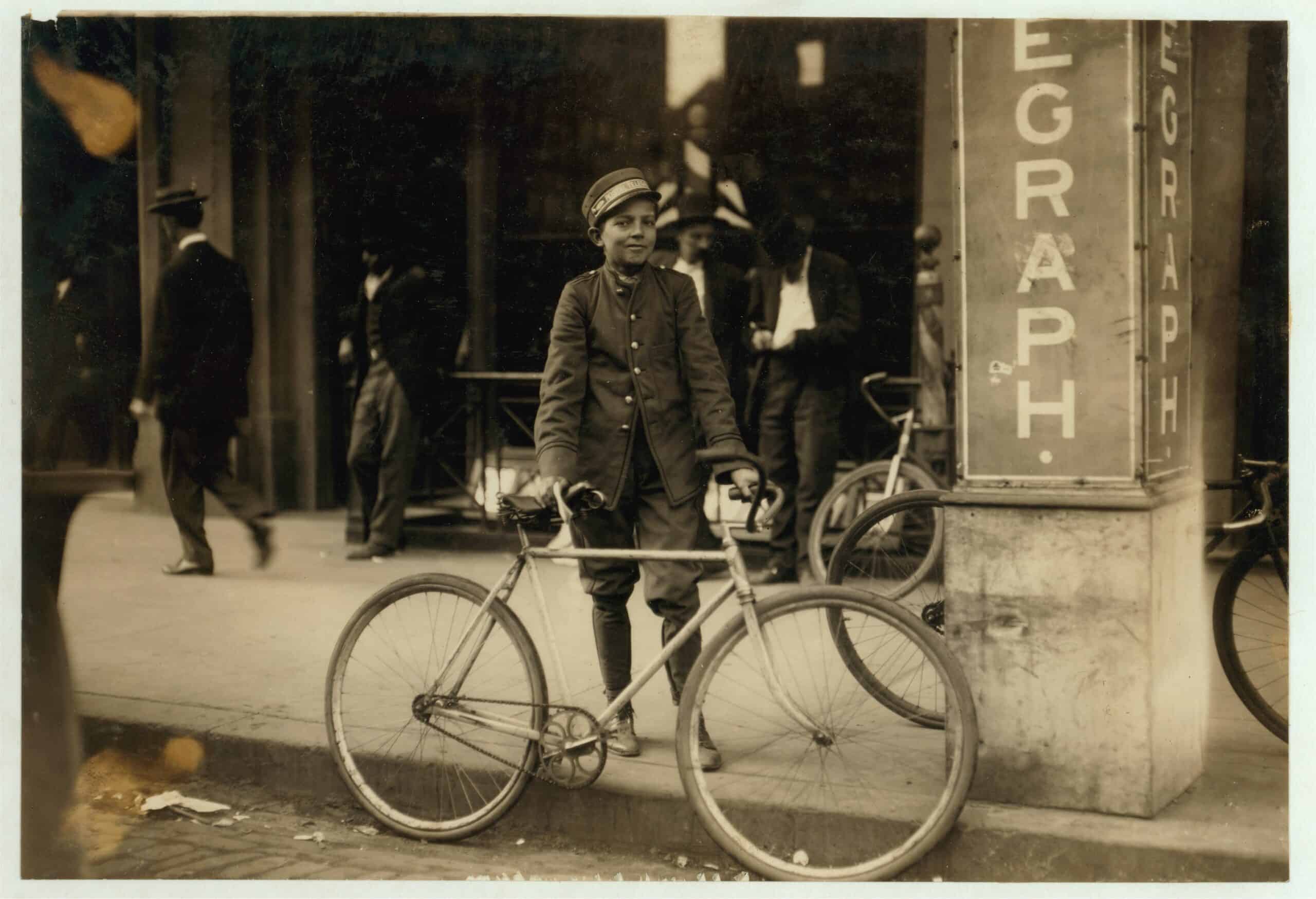
Before telephones became widespread and long before email or text messaging existed, urgent written communication often arrived by telegram. Telegraph messengers were responsible for delivering these messages directly to homes and businesses. Many worked on bicycles or traveled on foot, navigating busy streets to ensure prompt delivery. The arrival of a telegram could signal anything from business news to military updates or family emergencies. Speed and reliability were essential because the value of the service depended on rapid communication. The profession flourished during the late nineteenth and early twentieth centuries but declined as telephones became more accessible. Eventually, digital communications rendered telegram services obsolete. Telegraph messengers played an important role in shrinking distances between people and businesses during a period when rapid communication was becoming increasingly valuable.
Pinsetter
- Why It Mattered: Kept bowling alleys operating efficiently
- A Day on the Job: Reset bowling pins by hand after every frame
- What Killed the Profession: Automatic pinsetting machines
- Modern Equivalent: Automated recreational equipment
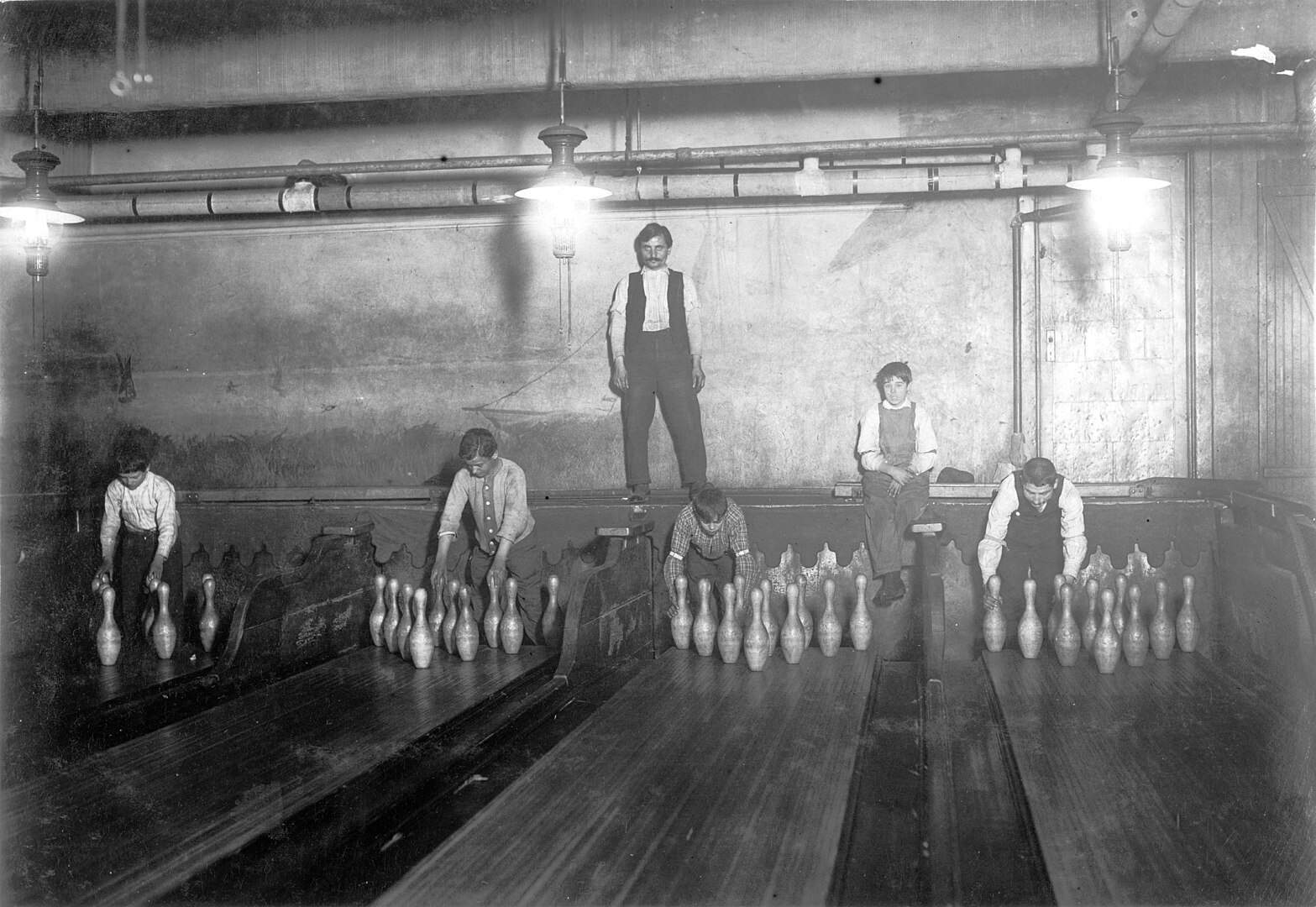
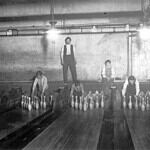
Long before automated machinery transformed bowling alleys, pinsetters performed one of the sport's most repetitive jobs. Usually positioned behind the lanes, these workers manually reset bowling pins after each frame and returned bowling balls to players. The occupation often employed young workers who spent hours in noisy, fast-paced environments. Pinsetters had to move quickly because delays disrupted games and reduced the number of customers an alley could serve. The job was physically demanding and offered limited opportunities for advancement. Everything changed with the introduction of automatic pinsetting machines in the mid-twentieth century. These innovations dramatically improved efficiency and reduced operating costs for bowling centers. Today, most bowlers never think about the workers who once performed the task manually, making pinsetters one of the most recognizable examples of automation replacing human labor.
Milkman
- Why It Mattered: Delivered fresh dairy products directly to households
- A Day on the Job: Made daily home deliveries, often by horse-drawn wagon
- What Killed the Profession: Supermarkets and widespread refrigeration
- Modern Equivalent: Modern grocery delivery services
The milkman was once a familiar figure in neighborhoods across North America and Europe. Delivering fresh milk directly to homes, often before sunrise, these workers played an essential role in daily life. Because refrigeration was limited or nonexistent in many households, milk had to be delivered frequently to ensure freshness. Milkmen often developed strong relationships with customers and became trusted members of their communities. Their deliveries expanded to include cream, butter, eggs, and other dairy products. The widespread adoption of home refrigeration, combined with the growth of supermarkets and modern distribution networks, gradually reduced demand for daily deliveries. While some specialty services still exist, the traditional milkman largely disappeared during the twentieth century. The profession remains an enduring symbol of a more localized and personal era of commerce.
Linotype Operator
- Why It Mattered: Enabled mass newspaper and book production
- A Day on the Job: Operated machines that cast lines of metal type
- What Killed the Profession: Desktop publishing and digital printing
- Modern Equivalent: Graphic design and digital publishing
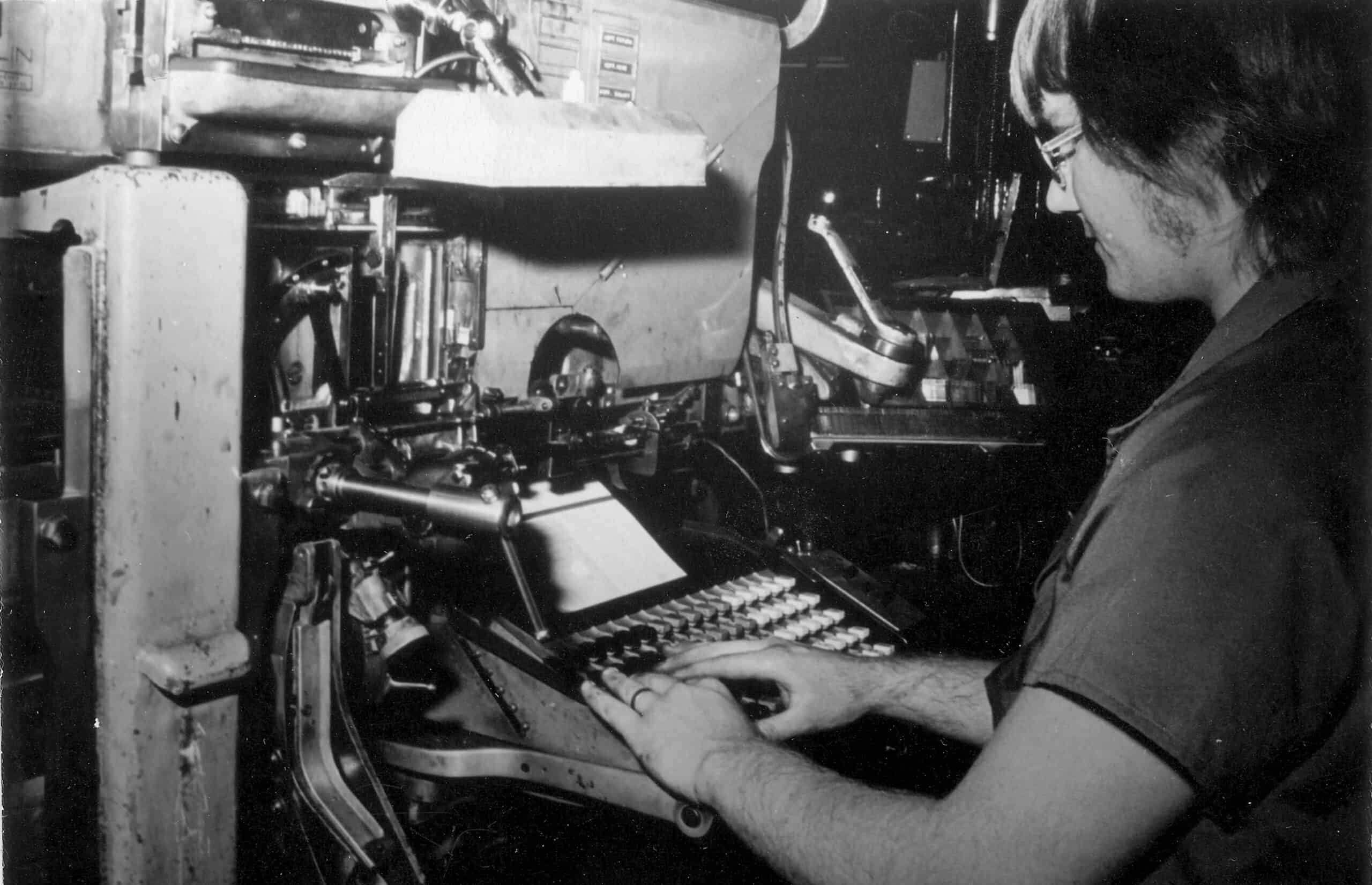
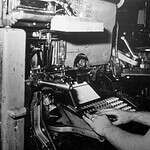
The linotype machine revolutionized newspaper publishing, but it also created a highly specialized profession. Linotype operators used complex machines to cast entire lines of metal type for newspapers, books, and magazines. Mastering the equipment required extensive training because operators had to work quickly while maintaining accuracy. Their skills were essential to the rapid production of printed materials during the late nineteenth and early twentieth centuries. Newspapers relied heavily on linotype operators to meet publication deadlines, making the profession a cornerstone of the publishing industry. The rise of phototypesetting and later digital publishing systems eliminated the need for metal type production. By the end of the twentieth century, most linotype machines had disappeared from active use. The occupation serves as a reminder of how technological change has repeatedly transformed the media industry.
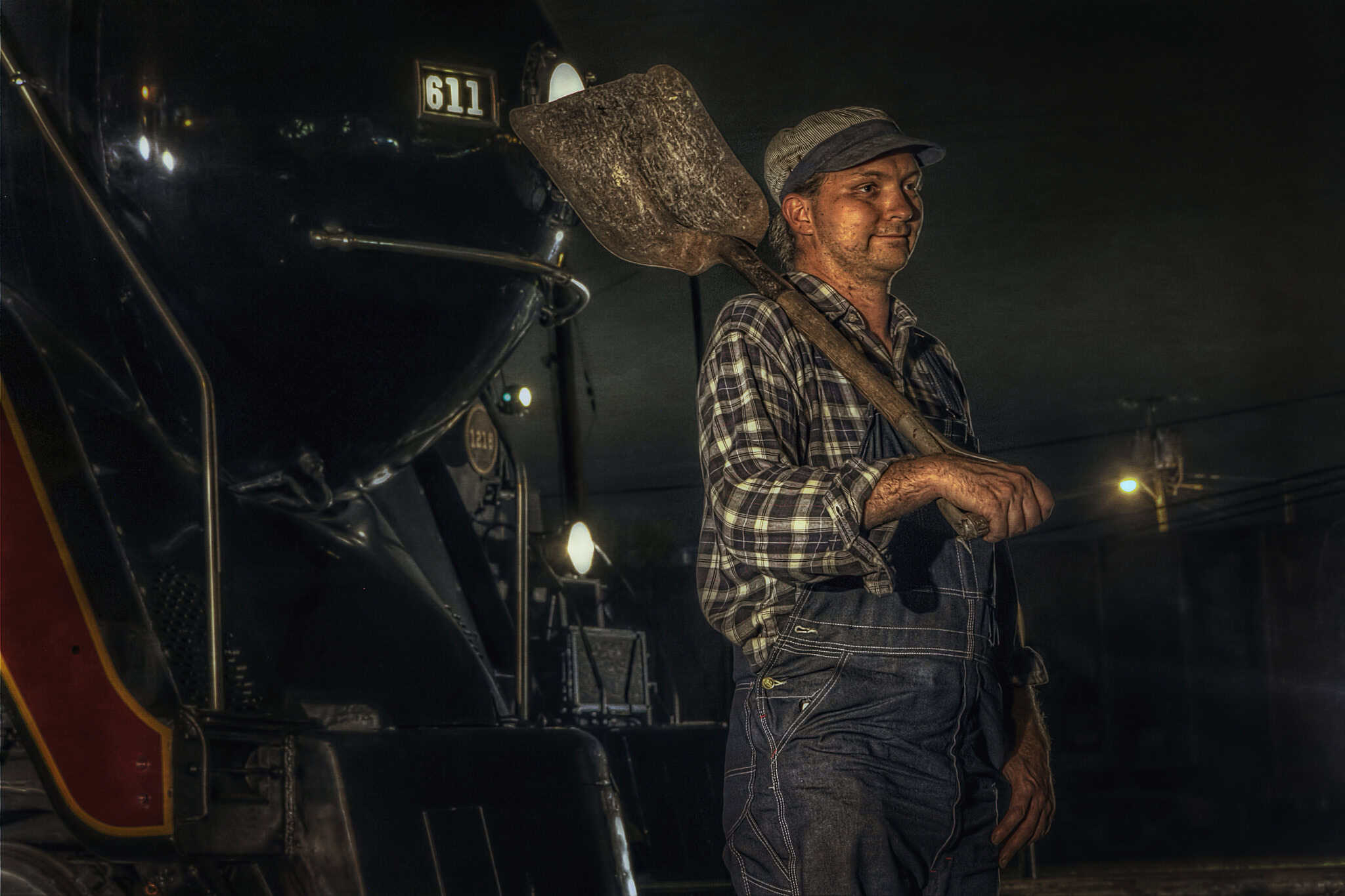
Railroad Fireman
- Why It Mattered: Kept steam locomotives powered
- A Day on the Job: Shoveled coal and maintained boiler pressure
- What Killed the Profession: Diesel and electric locomotives
- Modern Equivalent: Rail engineers and mechanics
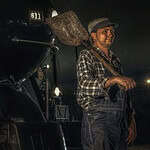
Steam locomotives depended on a constant supply of heat, and railroad firemen provided it. Their primary responsibility was shoveling coal into locomotive fireboxes to maintain the steam pressure needed for operation. The work was physically exhausting, especially on long routes where tons of coal might be consumed during a single journey. Firemen also monitored gauges, assisted engineers, and helped maintain locomotive performance. For many, the position served as a pathway to becoming a locomotive engineer. As diesel and electric locomotives replaced steam engines, the need for firemen disappeared. Modern trains no longer require workers dedicated solely to fueling boilers. The decline of the profession mirrored the broader transformation of rail transportation during the twentieth century and marked the end of one of the railroad industry's most iconic occupations.
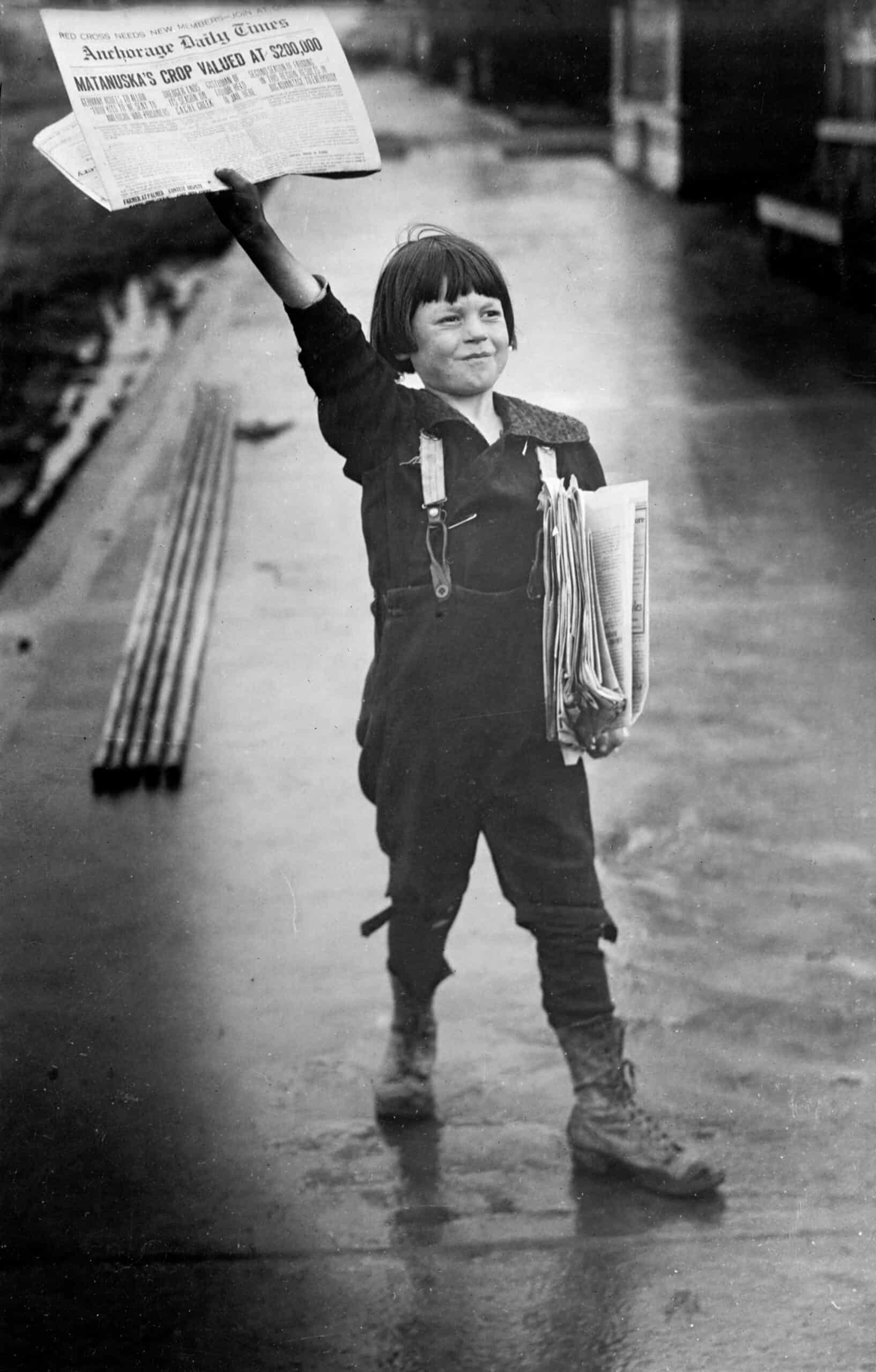
Newsboy
- Why It Mattered: Distributed newspapers to the public
- A Day on the Job: Sold papers on street corners and busy intersections
- What Killed the Profession: Digital media and subscription delivery
- Modern Equivalent: News distribution networks
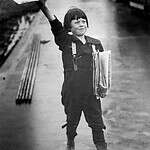
For much of the late nineteenth and early twentieth centuries, newsboys were among the most visible workers in cities and towns. These young vendors stood on street corners, near train stations, and in busy commercial districts selling newspapers to passersby. Their loud calls announcing major headlines became a familiar part of daily life. For many children, the job provided a source of income in an era when youth labor was far more common than it is today. Newsboys played an important role in distributing information, helping newspapers reach large audiences quickly. The profession gradually declined as home delivery services expanded and child labor laws became more restrictive. Later, the rise of television, internet news, and digital subscriptions further reduced demand. The newsboy remains one of the most recognizable symbols of early twentieth-century urban life.
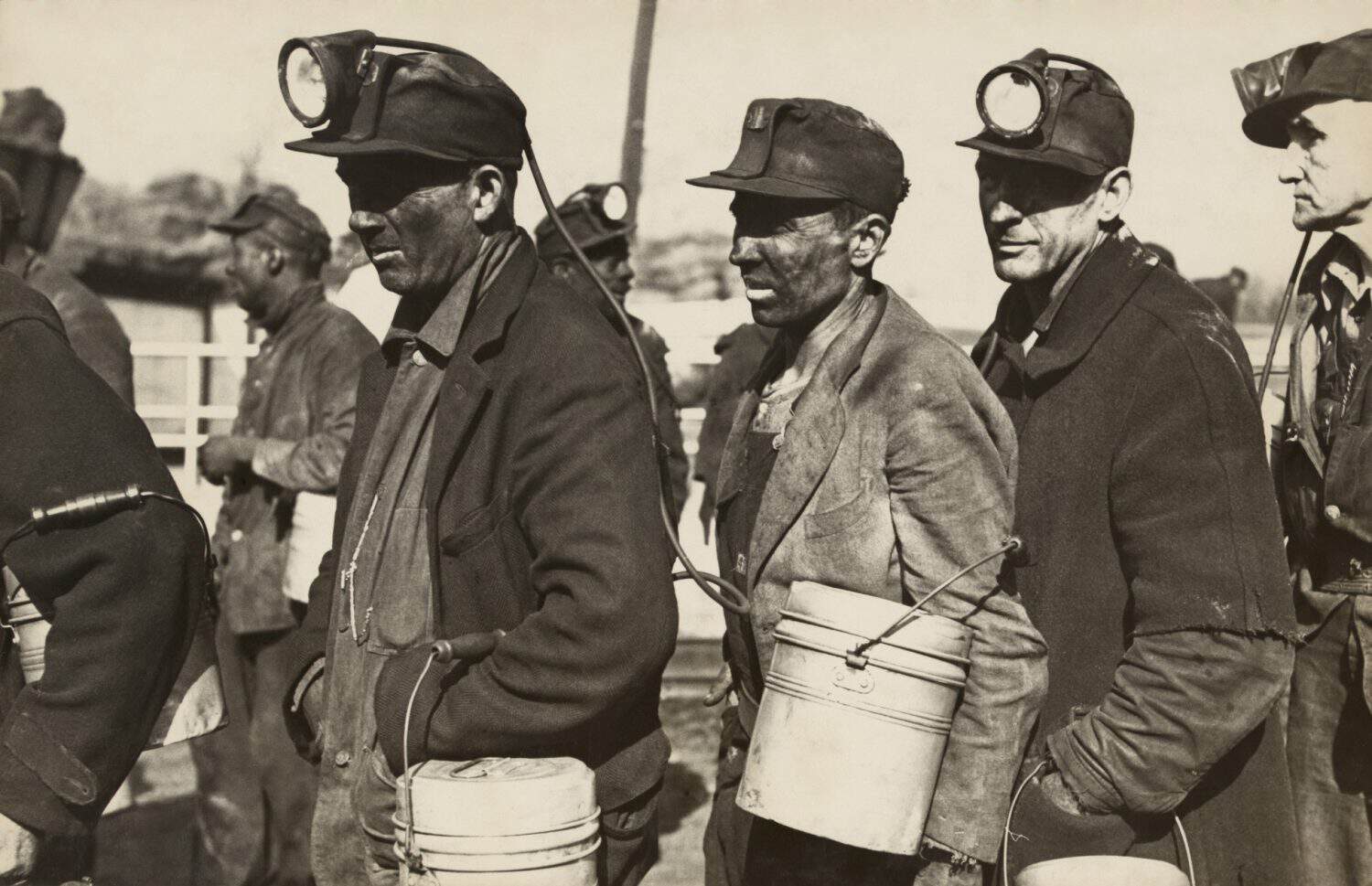
Coal Delivery Worker
- Why It Mattered: Supplied homes and businesses with heating fuel
- A Day on the Job: Delivered coal directly to customers
- What Killed the Profession: Natural gas and electric heating
- Modern Equivalent: Energy distribution services
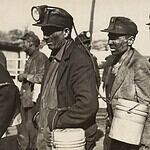
Before natural gas and widespread electric heating, coal served as the primary heating fuel for millions of homes and businesses. Coal delivery workers were responsible for transporting and unloading this essential resource, often carrying heavy loads directly into basements or storage bins. The work was physically demanding, dirty, and often performed in difficult weather conditions. Yet communities depended on these deliveries to stay warm during winter months. Entire businesses revolved around coal distribution, employing large numbers of workers in cities and industrial regions. As cleaner and more convenient heating technologies emerged, coal's dominance declined. Natural gas systems, oil furnaces, and electric heating gradually replaced coal-burning stoves and boilers. The disappearance of the coal delivery worker reflects broader changes in energy consumption and infrastructure throughout the twentieth century.
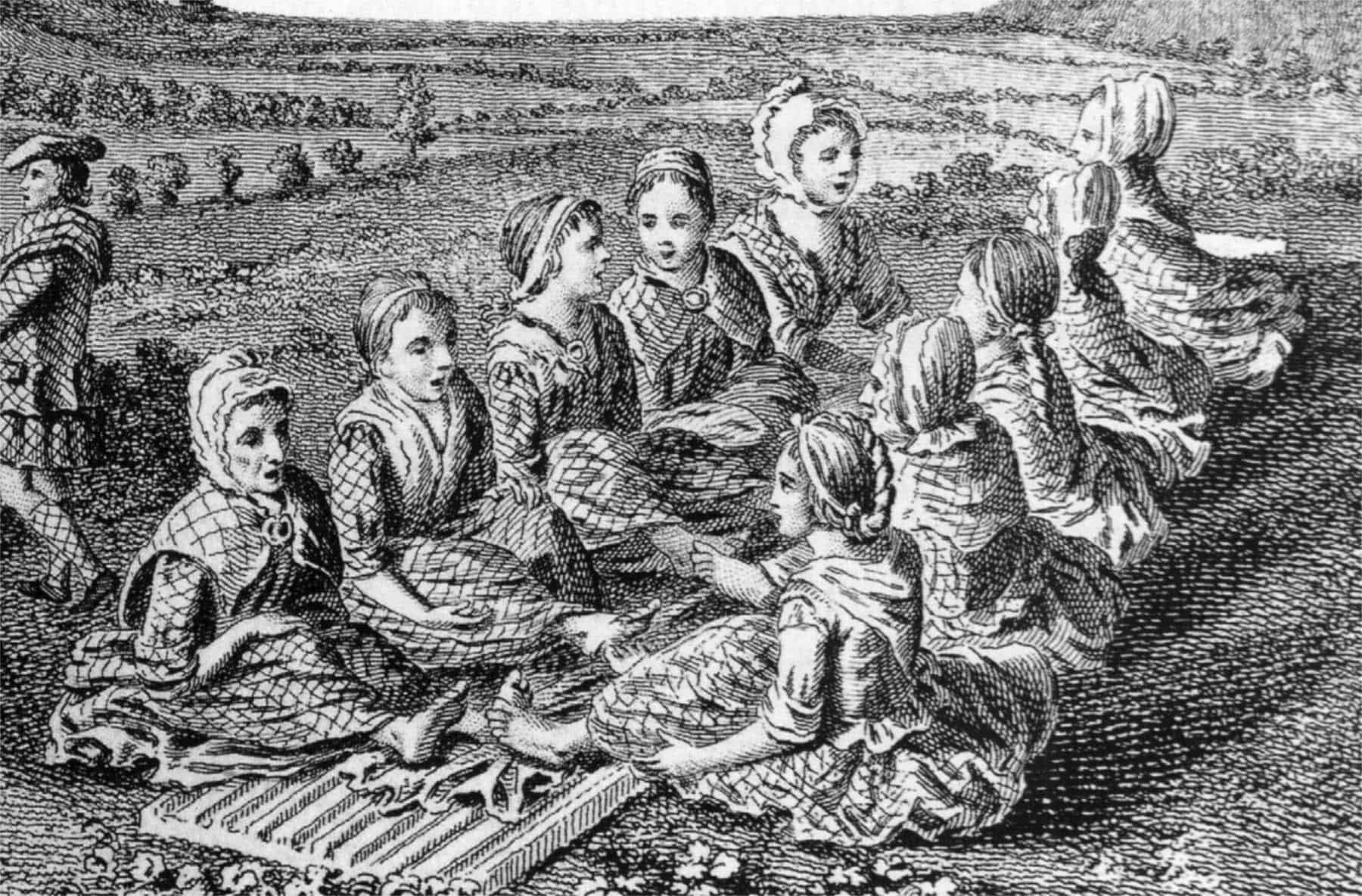
Fuller
- Why It Mattered: Improved the quality of wool textiles
- A Day on the Job: Cleaned and thickened wool cloth during manufacturing
- What Killed the Profession: Modern textile-processing equipment
- Modern Equivalent: Industrial textile production
The profession of fuller dates back centuries, but it remained important in many textile-producing regions well into the early twentieth century. Fullers processed wool fabrics after weaving, cleaning and thickening the material to improve durability and texture. Historically, the work involved washing cloth in solutions designed to remove oils and impurities while tightening the fibers. The process helped produce higher-quality textiles for clothing and other products. As industrialization advanced, specialized machinery increasingly handled tasks that once required skilled manual labor. Modern textile factories use automated equipment capable of performing finishing processes far more efficiently than traditional methods. Although the occupation disappeared, its influence remains embedded within textile manufacturing practices. The fuller represents an important link between traditional craftsmanship and modern industrial production.
Leech Collector
- Why It Mattered: Supplied medicinal leeches for healthcare
- A Day on the Job: Gathered leeches from ponds and wetlands
- What Killed the Profession: Modern pharmaceuticals and medical treatments
- Modern Equivalent: Specialized medical suppliers
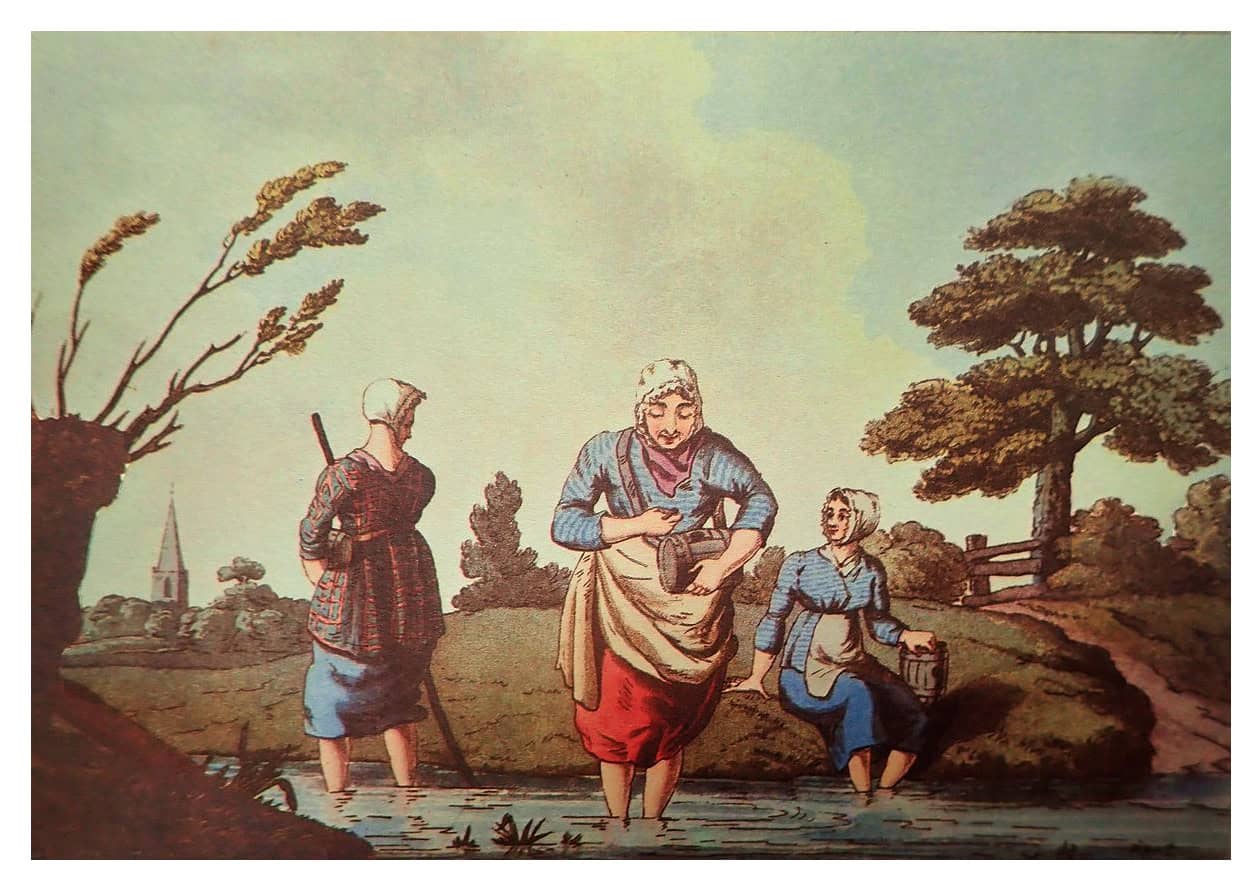
Few occupations seem stranger today than that of the leech collector. During the nineteenth and early twentieth centuries, medicinal leeches were widely used in healthcare, creating demand for workers who gathered them from ponds, marshes, and wetlands. Collectors often waded into water, allowing leeches to attach themselves before removing and storing them for sale. The job could be uncomfortable, unpleasant, and occasionally hazardous. As medical science advanced, bloodletting and similar treatments lost favor, reducing demand for medicinal leeches. Pharmaceuticals, modern surgical techniques, and evidence-based medicine largely replaced the practices that sustained the profession. While leeches still have limited applications in specialized medical procedures today, the large-scale occupation of collecting them has virtually vanished. The profession offers a fascinating glimpse into how dramatically healthcare practices have changed over the past century.
Town Crier
- Why It Mattered: Shared official announcements with the public
- A Day on the Job: Read government notices aloud in public spaces
- What Killed the Profession: Mass media and digital communications
- Modern Equivalent: Public information offices
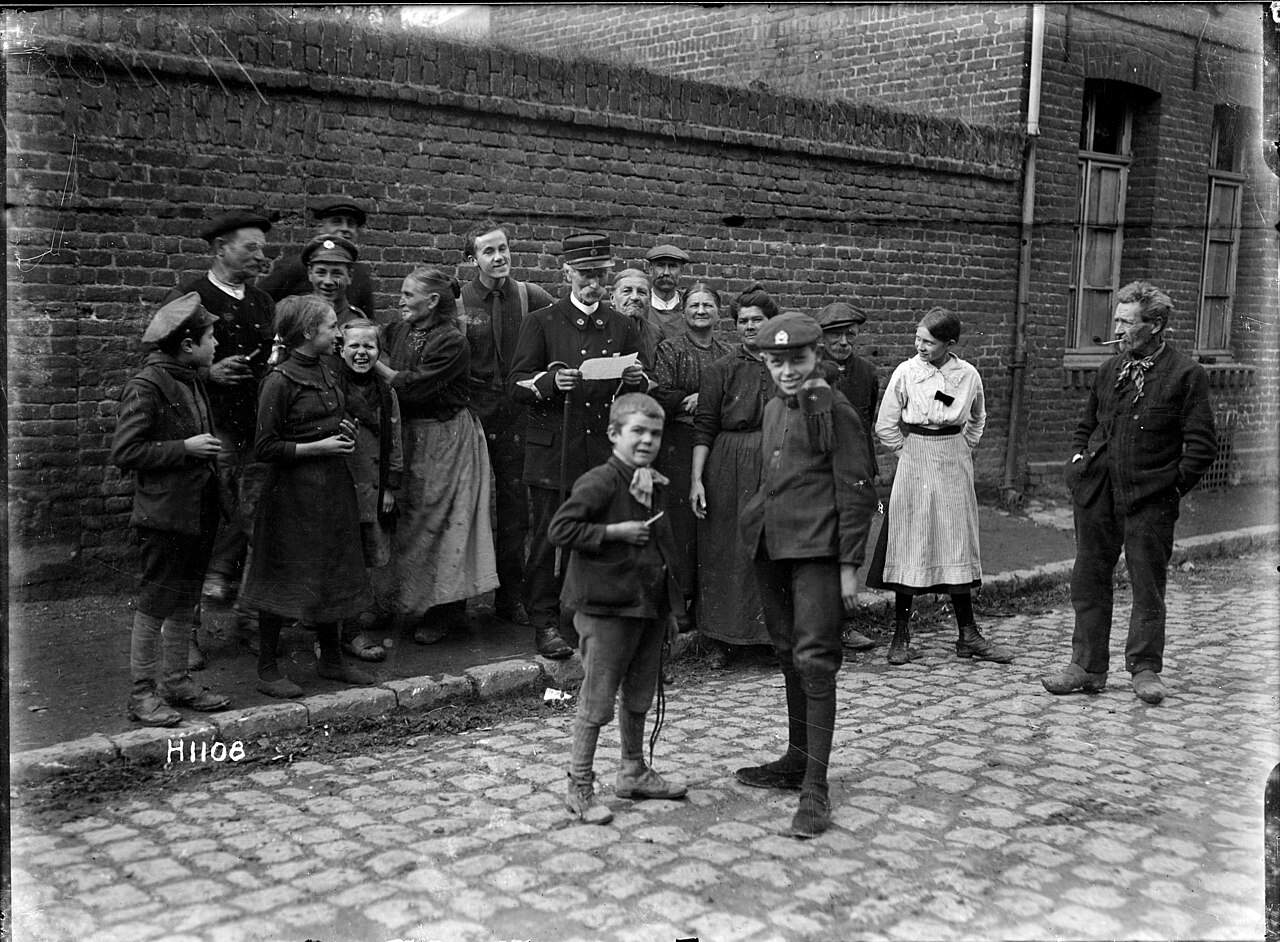
Before newspapers, radio broadcasts, and digital communication, many communities relied on town criers to spread important information. These officials walked through public spaces announcing government notices, local events, legal decisions, and other news. In an era when literacy rates were lower and communication networks were limited, the role provided a practical way to ensure information reached large audiences. Town criers often carried symbols of authority and were recognized as official representatives of local government. As printed media expanded and communication technologies improved, the need for public announcements delivered by individuals declined rapidly. Newspapers, radio stations, and eventually television assumed many of the functions once performed by criers. Today, the profession survives mostly as a ceremonial tradition, offering a reminder of how communities shared information before the age of mass media.
Human Computer
- Why It Mattered: Performed complex calculations for science and engineering
- A Day on the Job: Calculated formulas and data by hand
- What Killed the Profession: Electronic computers
- Modern Equivalent: Data analysts and computer scientists
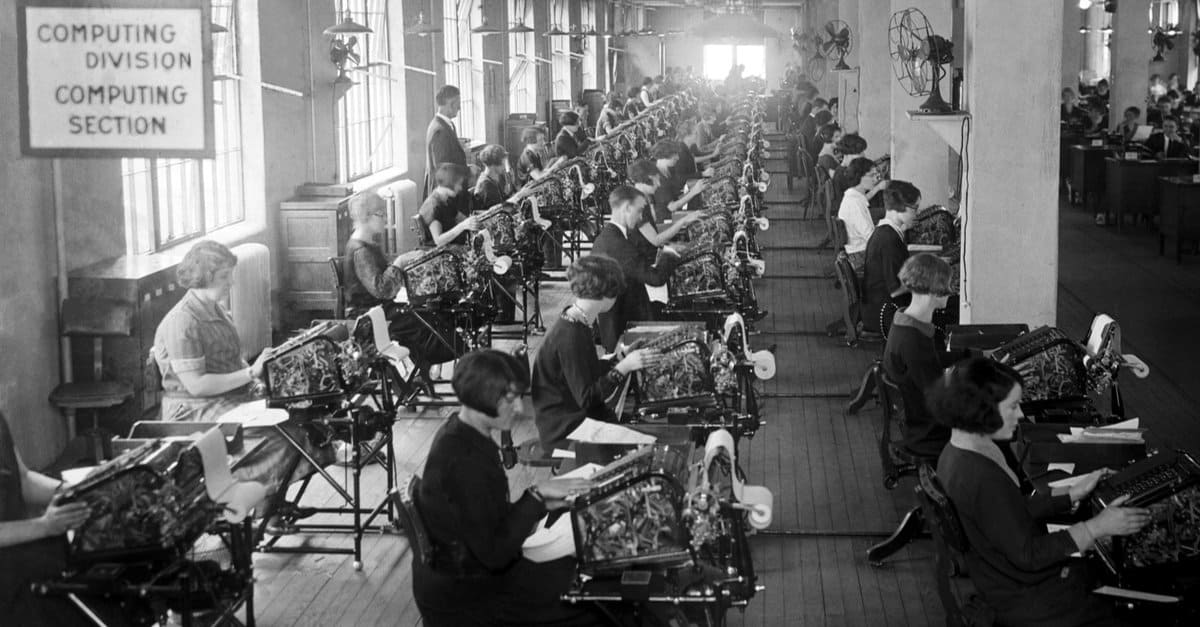
Long before electronic computers transformed science and business, complex calculations were performed by people known as human computers. These workers solved mathematical problems by hand, often using reference tables, mechanical calculators, and carefully documented procedures. Human computers played important roles in astronomy, engineering, finance, and government research. Large organizations sometimes employed entire teams dedicated to performing calculations required for scientific and industrial projects. Accuracy was critical because errors could affect everything from engineering designs to navigation systems. The invention of electronic computers dramatically increased computational speed and reliability, rendering most human computing positions obsolete. Despite their disappearance, these workers laid the foundation for many modern technological achievements. Their contributions remind us that some of the earliest "computing" breakthroughs depended not on machines but on highly skilled people.
Typist Pool Clerk
- Why It Mattered: Produced business correspondence and records
- A Day on the Job: Typed documents for multiple departments
- What Killed the Profession: Personal computers and word-processing software
- Modern Equivalent: Administrative professionals
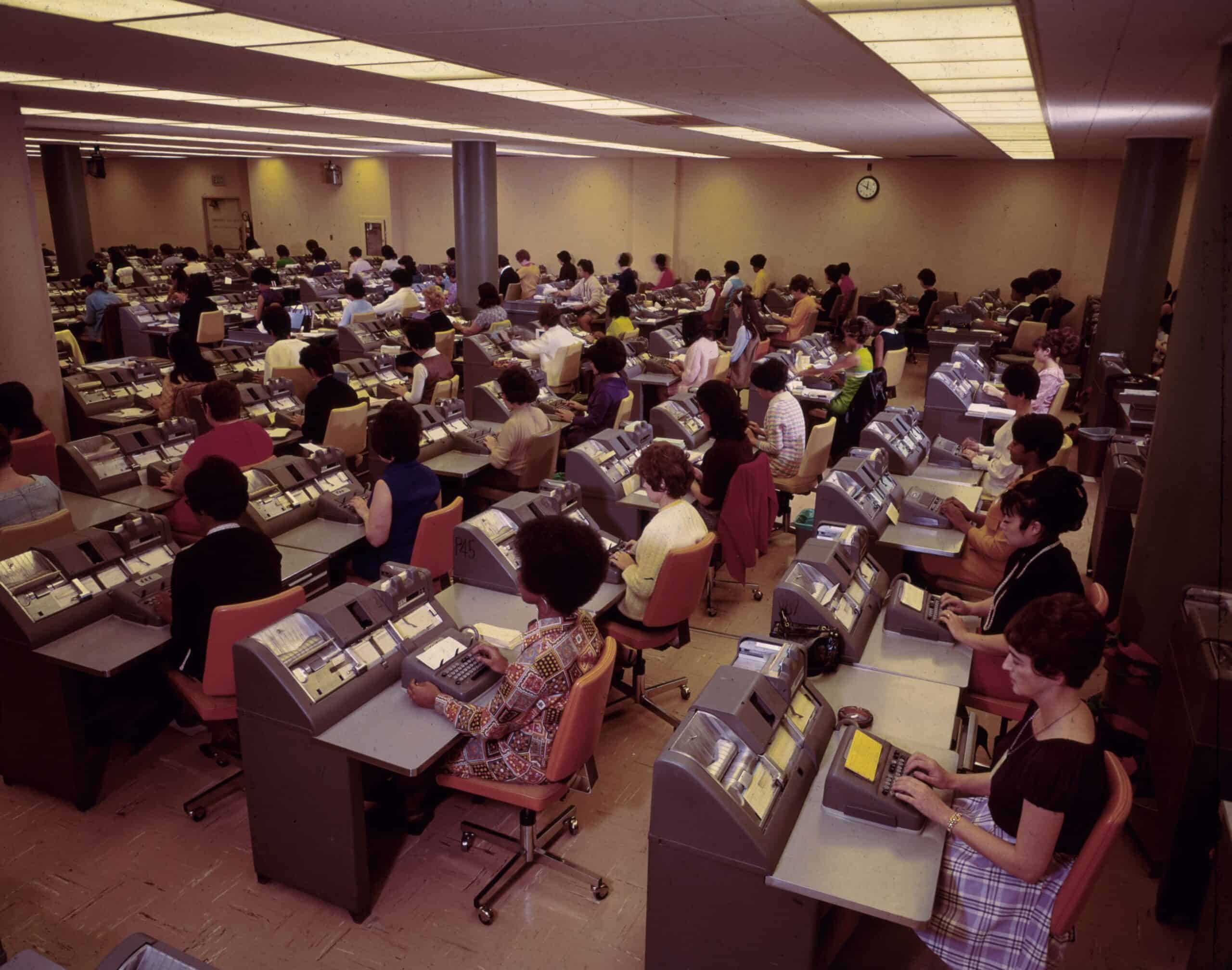
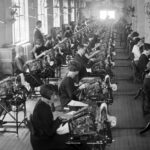
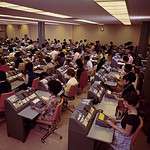
In large offices during the early twentieth century, typing was often centralized within dedicated departments known as typing pools. Typist pool clerks produced correspondence, reports, contracts, and other documents for multiple managers and departments. Using typewriters, carbon paper, and filing systems, they handled much of the administrative work that kept organizations functioning efficiently. The profession required speed, accuracy, and familiarity with business procedures. Typing pools became common in corporations, government agencies, and educational institutions. The introduction of personal computers and word-processing software transformed office work by allowing employees to create and edit their own documents. As a result, centralized typing pools gradually disappeared. The occupation reflects a period when specialized administrative roles were necessary to support information management before digital tools became commonplace.
Factory Timekeeper
- Why It Mattered: Tracked employee attendance and work hours
- A Day on the Job: Recorded shifts and payroll information manually
- What Killed the Profession: Digital time-tracking systems
- Modern Equivalent: HR and workforce management software
Factory timekeepers played a crucial role in industrial workplaces where payroll calculations depended on accurate attendance records. These workers manually tracked employee arrivals, departures, hours worked, and shift schedules. Timekeepers maintained detailed records that determined wages and helped managers monitor productivity. In large factories employing hundreds or even thousands of workers, the position required organization and attention to detail. As businesses adopted mechanical time clocks and later computerized workforce-management systems, manual recordkeeping became increasingly unnecessary. Digital systems now perform many of the functions once handled by timekeepers, often with greater speed and accuracy. The profession illustrates how automation has transformed administrative work, replacing repetitive recordkeeping tasks while allowing organizations to manage labor more efficiently.
Telephone Exchange Manager
- Why It Mattered: Oversaw local communications networks
- A Day on the Job: Managed operators and call-routing operations
- What Killed the Profession: Automated telecom systems
- Modern Equivalent: Telecommunications management
While switchboard operators handled individual calls, telephone exchange managers oversaw the operation of entire communications networks. They supervised staff, maintained service standards, coordinated equipment maintenance, and ensured that local exchanges functioned smoothly. The role was essential during a period when telephone systems relied heavily on human labor and manual connections. Exchange managers played a key part in expanding telecommunications infrastructure as telephone service became increasingly common. Advances in automated switching technology gradually reduced the need for large staffs and manual operations. Modern telecommunications networks operate through sophisticated digital systems requiring far fewer personnel. As a result, the traditional exchange manager position largely disappeared. The profession represents an important chapter in the history of communication and the transition from human-operated networks to automated systems.
Motion Picture Projectionist (Silent-Film Era)
- Why It Mattered: Brought films to audiences before digital cinema
- A Day on the Job: Operated projectors and changed film reels
- What Killed the Profession: Digital projection technology
- Modern Equivalent: Cinema technology specialists
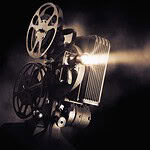
Projectionists were essential to the moviegoing experience during the silent-film era. These workers operated projectors, managed fragile film reels, adjusted equipment, and ensured that screenings ran smoothly. The job required technical skill because early film systems could be temperamental and occasionally dangerous due to the flammability of certain film materials. Projectionists often worked behind the scenes, but their expertise directly affected the audience's experience. During the silent-film era, they frequently coordinated with musicians providing live accompaniment. Technological advances gradually simplified projection systems, and digital cinema ultimately transformed the profession. Modern theaters rely on computerized equipment that requires far less hands-on operation. While projectionists still exist in some specialized settings, the traditional role that once defined cinema exhibition has largely faded into history.