







The Secret White House History Most People Don’t Know
The White House may be one of the most photographed buildings in the world, but there's far more to it than that. For more than two centuries, presidents have added traditions, security upgrades, hidden spaces, and practical innovations that most Americans never get to see. Here. History Computer is taking a closer look at the secrets hidden within the White House, and these are the ones that we only know about.
Here is a look at 15 secrets you might not know about the White House:
The World's Most Famous House
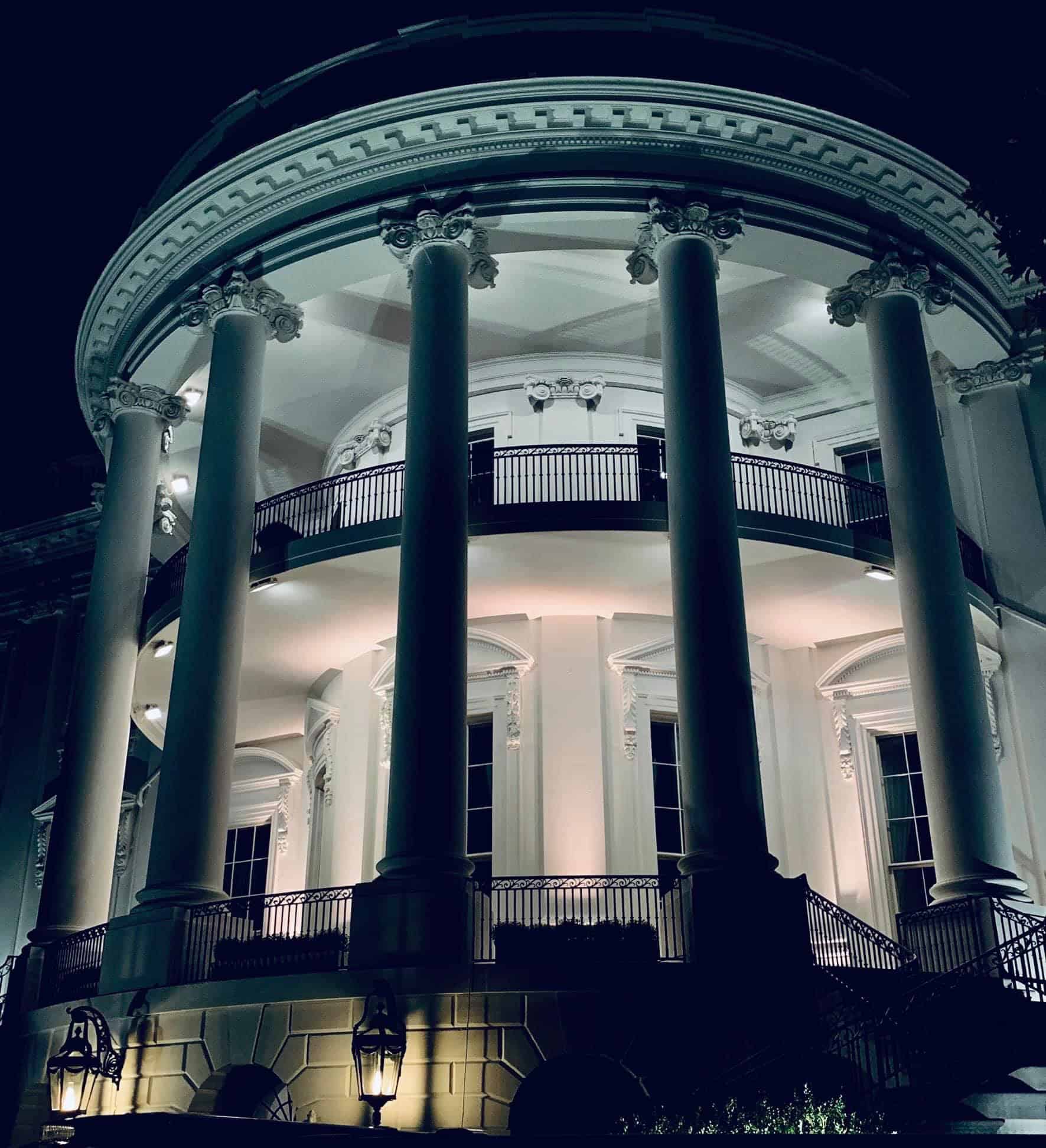
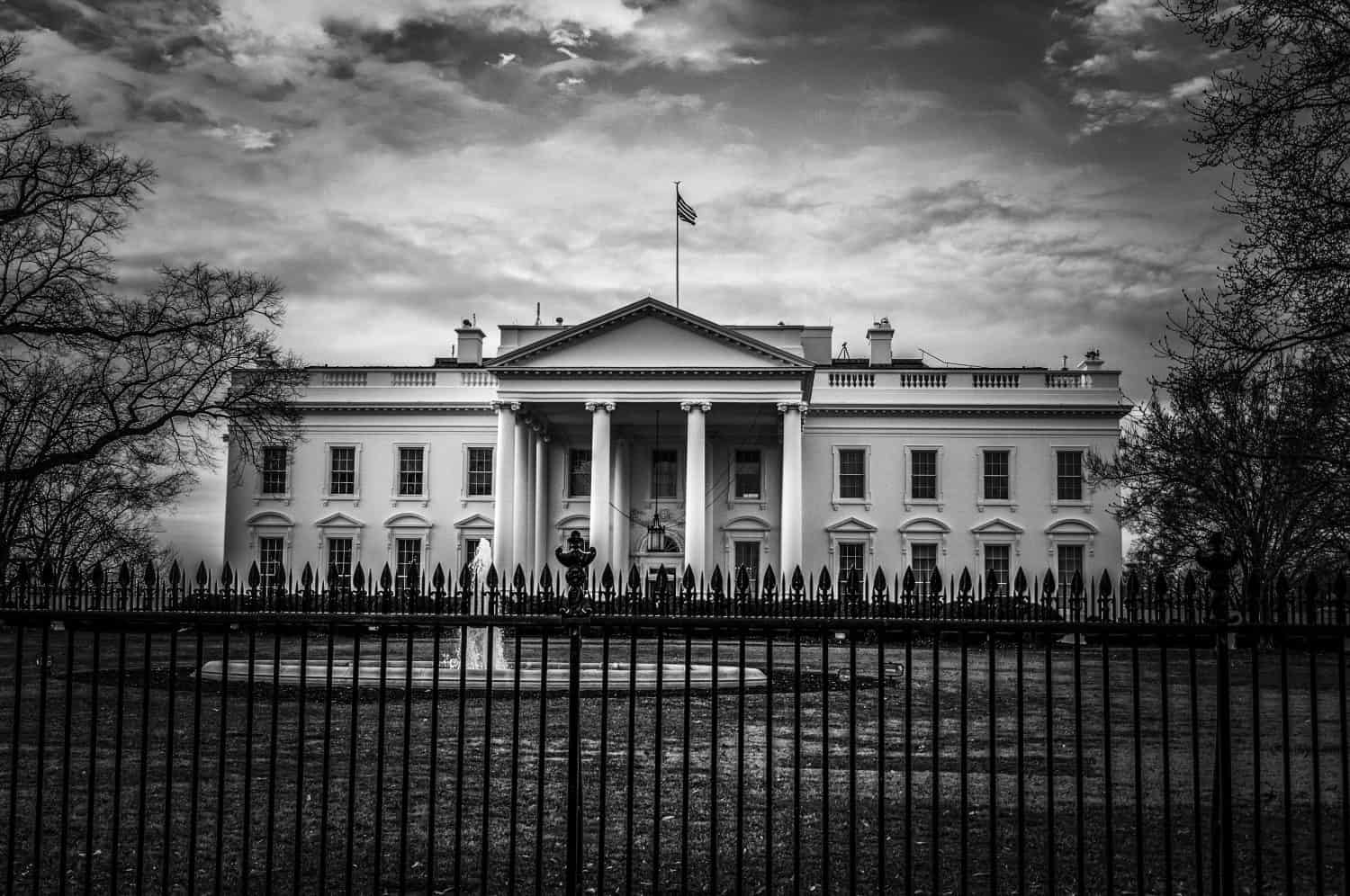
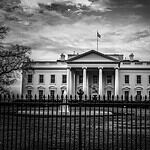
Few buildings are as instantly recognizable as the White House. For more than two centuries, it has served as the official residence of the president of the United States while standing as one of the nation's most enduring symbols of democracy. Millions of visitors have toured portions of the Executive Mansion, and countless more have seen it through news broadcasts, films, and history books. Yet the White House is far more than the iconic structure visible from Pennsylvania Avenue. Behind its familiar columns and historic rooms lies a fascinating world of hidden spaces, behind-the-scenes operations, and carefully guarded traditions that most Americans never have the opportunity to see.
More Than Just the President's Home
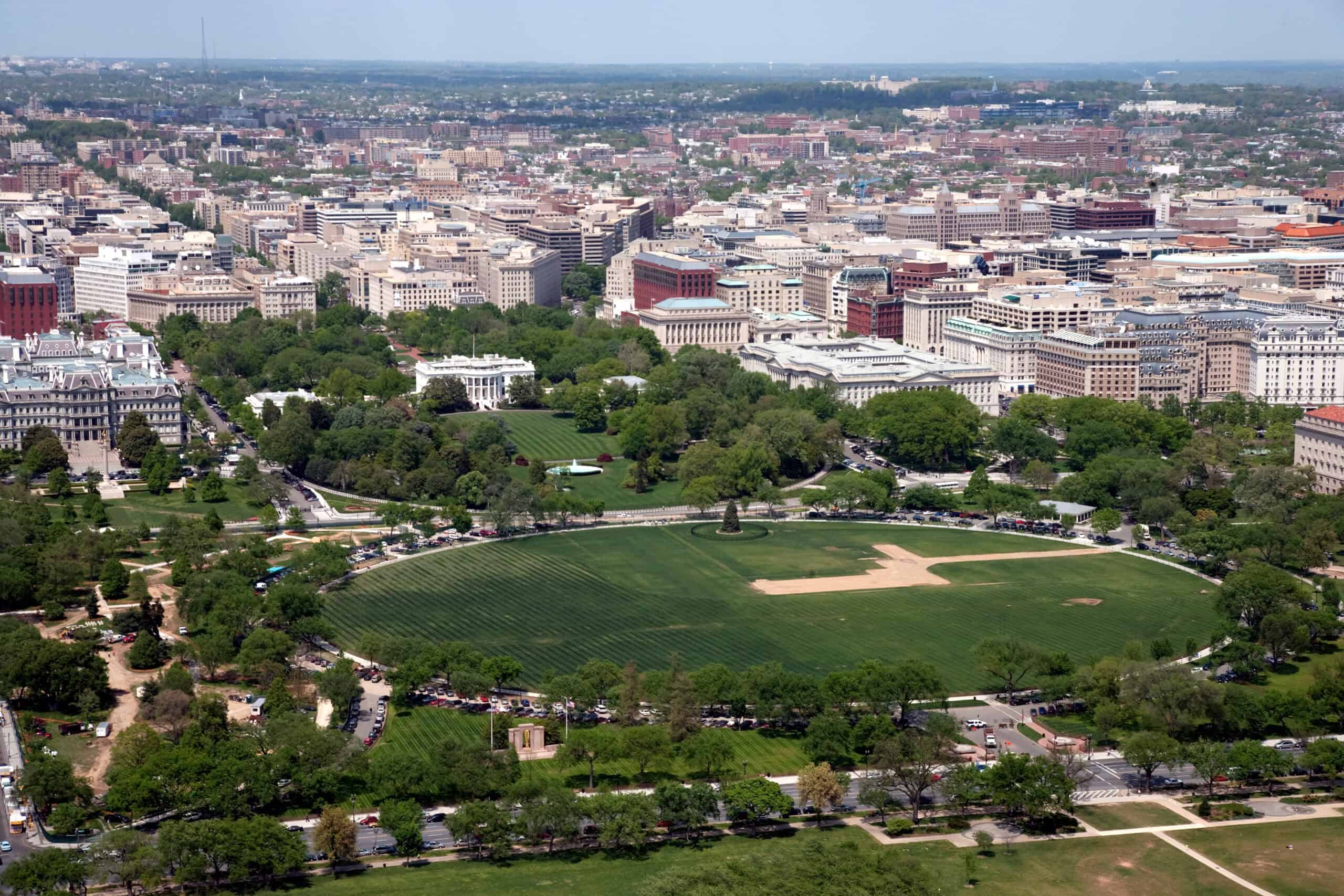
Although many people think of the White House simply as where the president lives, it serves a remarkable number of purposes every single day. It functions simultaneously as a family residence, the headquarters of the executive branch, a diplomatic venue for hosting foreign leaders, a museum preserving American history, and one of the most secure government facilities in the world. Thousands of official meetings, ceremonies, state dinners, and media events take place there each year. Supporting these responsibilities is an enormous team of military personnel, residence staff, engineers, chefs, curators, and security professionals who keep the complex operating around the clock without interrupting the work of the presidency.
Hidden in Plain Sight
Many of the White House's most intriguing features are completely invisible to visitors walking through its public rooms. Beneath the Executive Mansion are secure facilities built to protect the nation's leadership during emergencies, while hidden passageways and restricted workspaces allow staff and the president to move efficiently throughout the complex. Elsewhere, specialized rooms preserve priceless historical artifacts, support military communications, or prepare the White House for major state functions. These little-known features were not created to foster mystery but to solve practical problems involving security, logistics, and government operations. Together, they reveal that the White House is a highly sophisticated workplace concealed within one of America's most recognizable historic buildings.
A Building That Never Sleeps
The White House remains active long after the day's headlines have faded. Behind the scenes, hundreds of people continue working to maintain both the historic building and the daily operations of the presidency. Skilled carpenters, electricians, plumbers, painters, florists, chefs, and housekeepers preserve the Executive Mansion while preparing it for official events that often take months to organize. Secret Service agents and military personnel monitor security twenty-four hours a day, while engineers quietly maintain modern communications and infrastructure hidden within a building that dates back to the eighteenth century. Their combined efforts allow the White House to function as both a historic landmark and a fully operational center of government.
Looking Behind the Curtain
Not every White House secret involves classified documents or hidden bunkers. Some of the most fascinating stories are found in the building's architecture, its daily routines, and the dedicated professionals who quietly keep it running. From underground command centers and secure passageways to presidential traditions and remarkable logistical operations, these little-known facts provide a deeper appreciation for the Executive Mansion than most public tours can offer. Together, they demonstrate that the White House is much more than a symbol of American leadership—it is a living institution that has continually adapted to meet the changing needs of every president while preserving the history and traditions that define the office.
1. The White House Has a Hidden Underground Emergency Operations Center
Although millions of visitors have toured the White House over the years, few realize that one of its most important facilities lies beneath the Executive Mansion. The Presidential Emergency Operations Center (PEOC) is a hardened underground bunker designed to protect the president and key officials during national emergencies, including military attacks and acts of terrorism. Built during World War II and modernized several times since, the facility contains secure communications equipment, conference rooms, and areas where government leaders can continue directing the nation during a crisis. The PEOC became widely known after Vice President Dick Cheney and other senior officials were taken there during the terrorist attacks of September 11, 2001. While many details remain classified, its existence demonstrates the extensive planning that goes into ensuring continuity of government under even the most extreme circumstances.
2. Secret Passageways Allow the President to Move Securely Through the White House
The White House is more than the famous building seen on television—it is part of a much larger and carefully designed complex that includes secure passageways connecting key areas. Over the decades, various underground corridors have been constructed to allow the president and senior officials to move safely between buildings without being exposed to the public or potential threats. Some routes connect the Executive Residence to offices in the West Wing, while others provide protected access during emergencies or heightened security situations. Most of these passageways are never included on public tours, and many details remain intentionally undisclosed for security reasons. Their existence reflects a practical reality: the White House functions not only as a historic home but also as one of the world's most important centers of government, where secure movement is essential.
3. The Entire Interior Was Gutted and Rebuilt During the Truman Renovation
Visitors often assume the White House standing today is largely the same structure occupied by presidents since John Adams moved in during 1800. In reality, almost everything inside the historic walls dates from a massive reconstruction completed during President Harry S. Truman's administration. By the late 1940s, decades of renovations, heavy additions, and structural deterioration had left the building dangerously unstable. Floors sagged, walls cracked, and engineers warned that portions of the residence were at risk of collapse. Between 1948 and 1952, workers completely removed the interior while preserving the exterior sandstone walls. A modern steel framework replaced the original wooden structure, creating a safer and far more functional building while maintaining the White House's familiar historic appearance.
4. The White House Kitchen Can Prepare More Than 1,000 Meals at a Time
Feeding the First Family is only a small part of what the White House culinary staff is expected to accomplish. The Executive Mansion contains multiple professional kitchens capable of preparing meals for everything from intimate family dinners to elaborate state banquets attended by hundreds of world leaders and dignitaries. During major events, the kitchen staff can produce well over 1,000 servings while maintaining restaurant-quality standards and accommodating a wide range of dietary requirements, cultural traditions, and security protocols. Every menu is carefully planned to reflect both American hospitality and the significance of the occasion. Behind the scenes, chefs, pastry specialists, servers, and logistics personnel coordinate with military aides and event planners to ensure every meal is delivered with remarkable precision and flawless timing.
5. The Situation Room Is Actually a Network of Secure Rooms
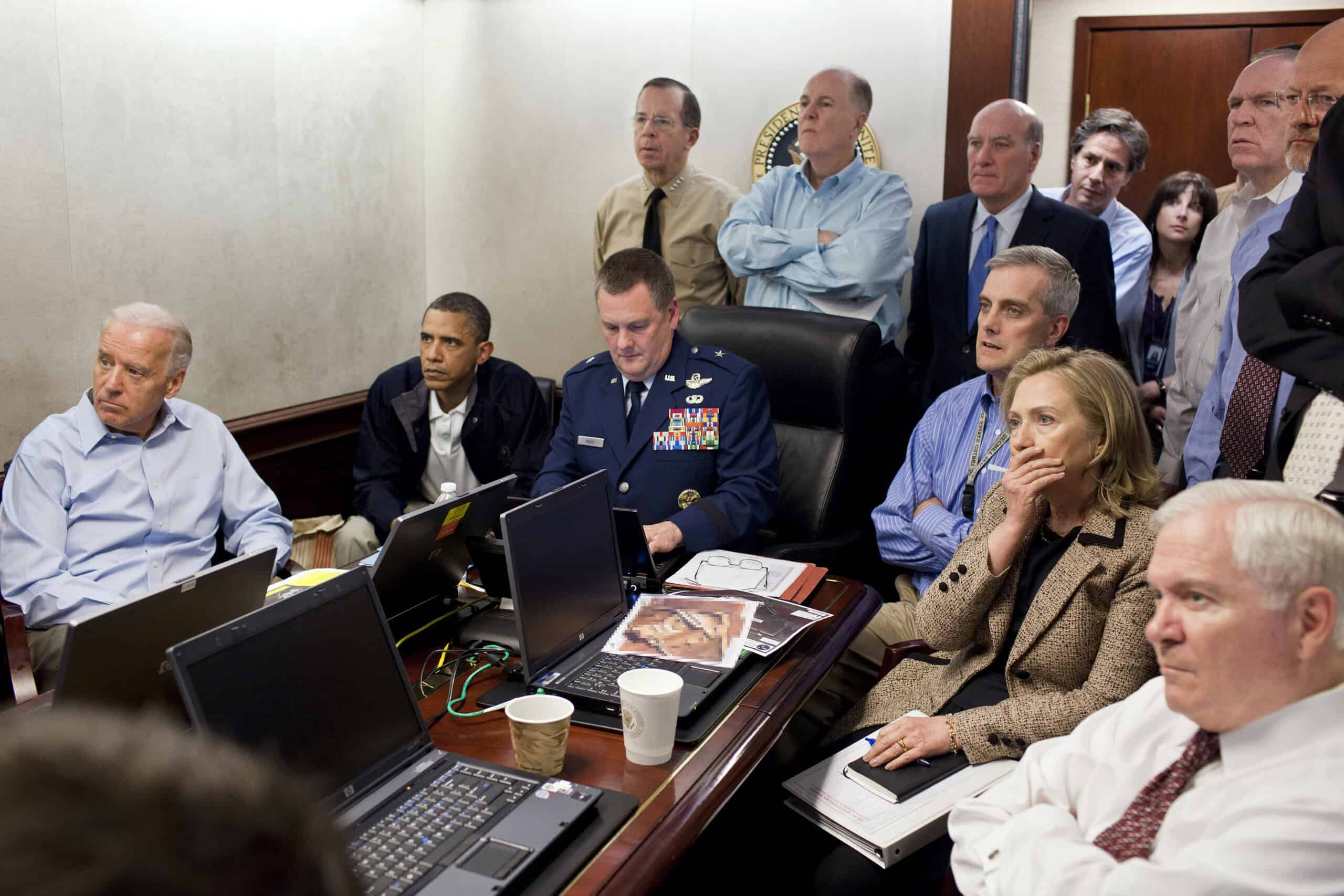
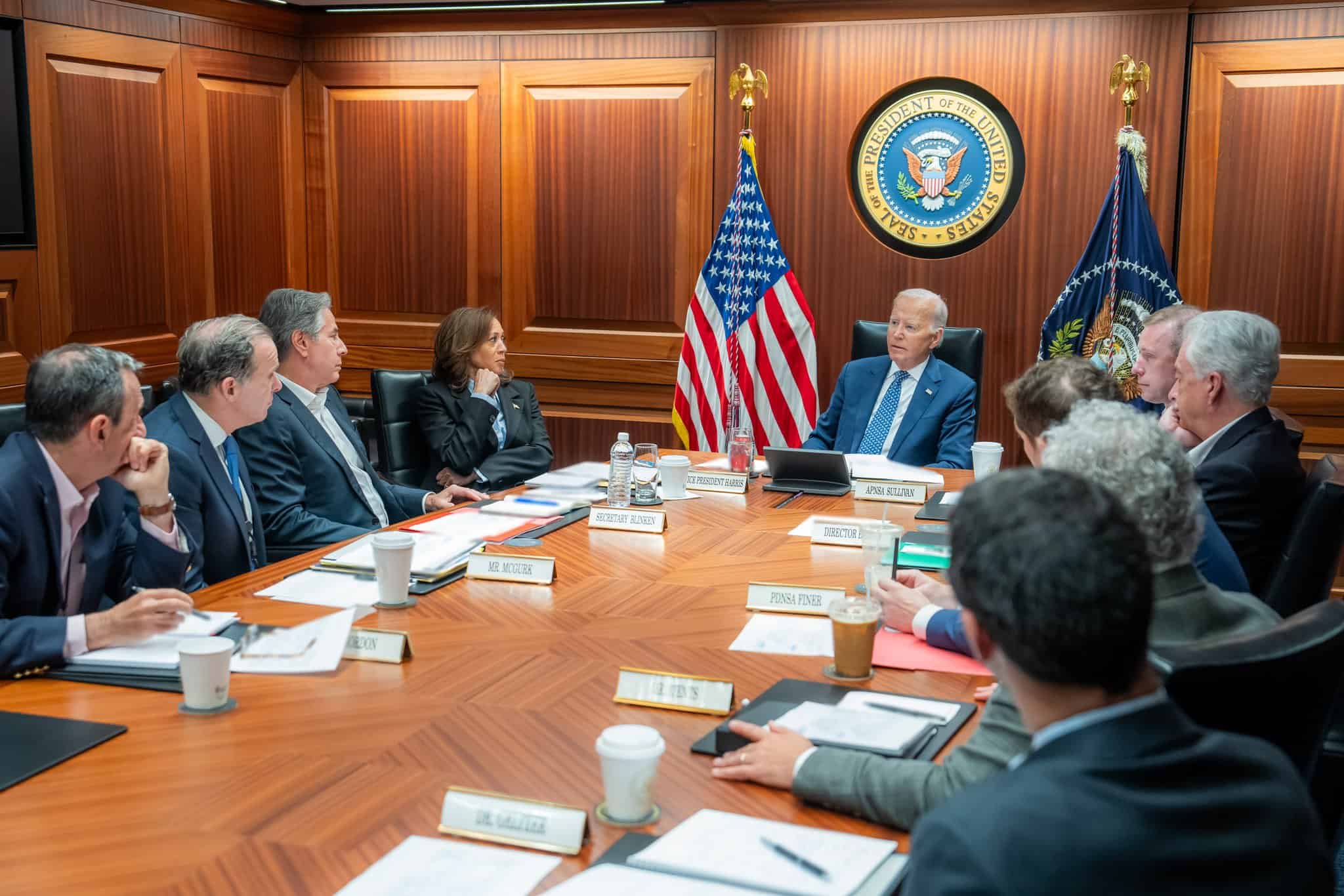
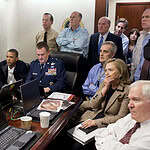
Despite its name, the White House Situation Room is not a single room where presidents gather during international crises. Instead, it is an interconnected suite of secure conference rooms, intelligence workspaces, communications centers, and monitoring facilities located beneath the West Wing. Established in 1961 after the Bay of Pigs invasion exposed weaknesses in White House communications, the complex provides presidents with real-time intelligence, classified video feeds, and direct communication with military commanders and world leaders. Staffed around the clock by military personnel and national security professionals, the Situation Room supports decision-making during everything from natural disasters to military operations. Its understated appearance masks one of the most technologically advanced and continuously operating command centers in the federal government.
6. Every President Redesigns the Oval Office to Reflect Their Style
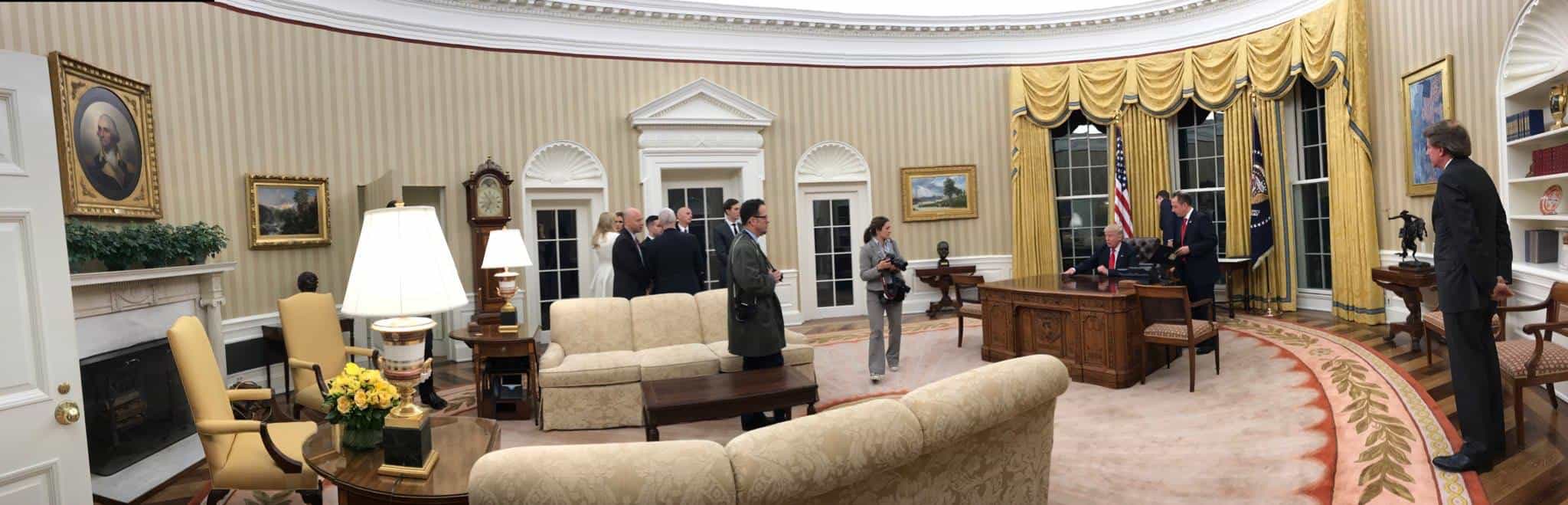
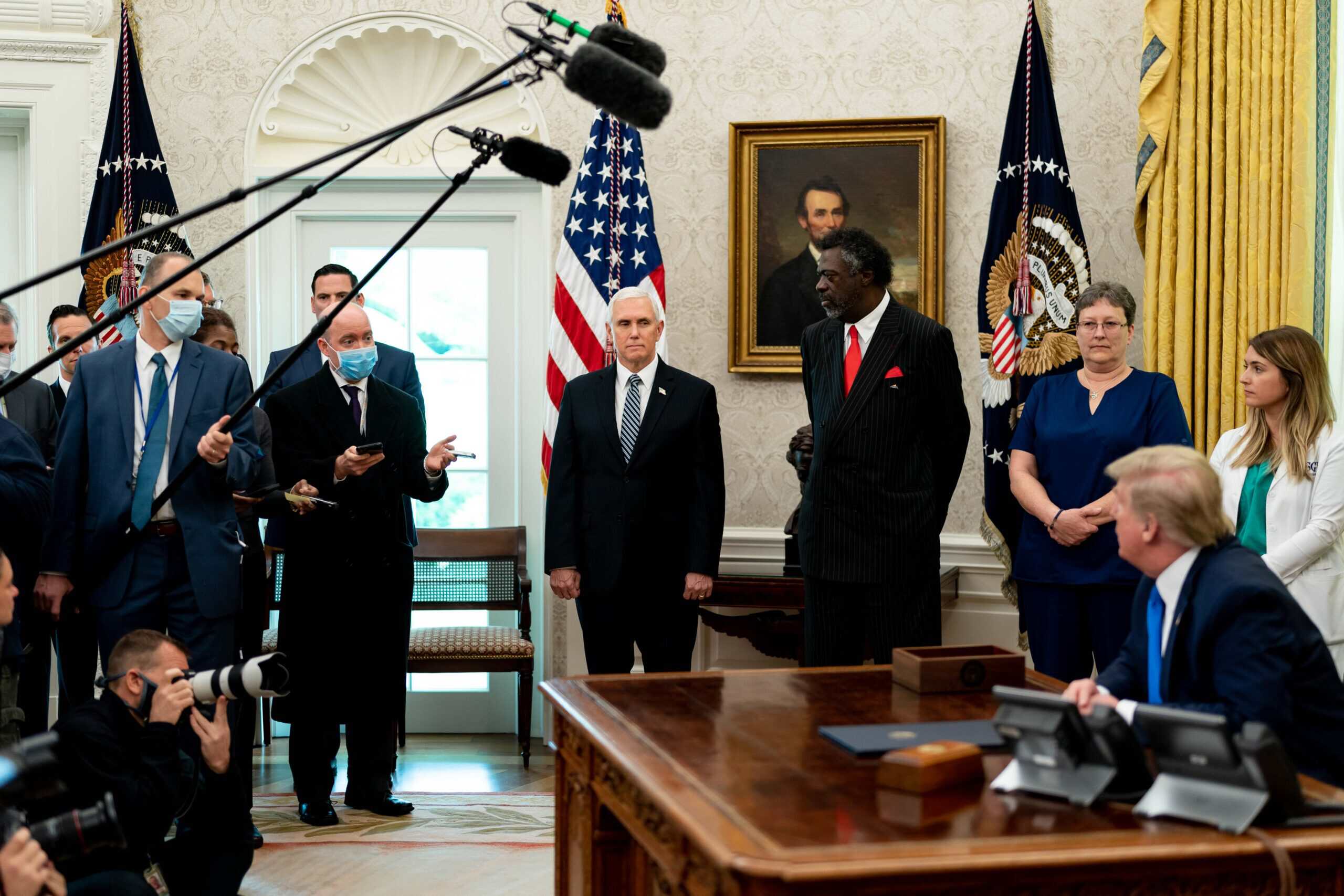
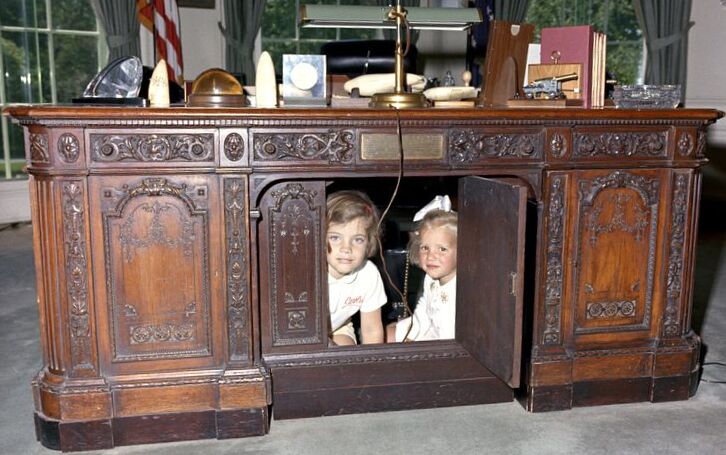
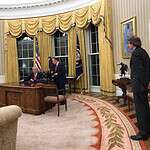
Although the Oval Office is one of the most recognizable rooms in the world, no two presidents have occupied exactly the same version of it. Each incoming administration is given the opportunity to personalize the office while preserving its historical significance. New presidents often select different rugs, draperies, artwork, furniture, and decorative objects that reflect their personal tastes, leadership philosophy, or the image they hope to project. Even the famous Resolute Desk is occasionally replaced with another desk from the White House collection before returning in a later administration. Portraits of former presidents and busts of notable historical figures also change from one presidency to the next. While these modifications may seem subtle, they transform the Oval Office into a workspace that reflects the priorities and personality of its newest occupant while maintaining continuity with more than two centuries of presidential history.
7. There Are Dozens of Rooms the Public Never Gets to See
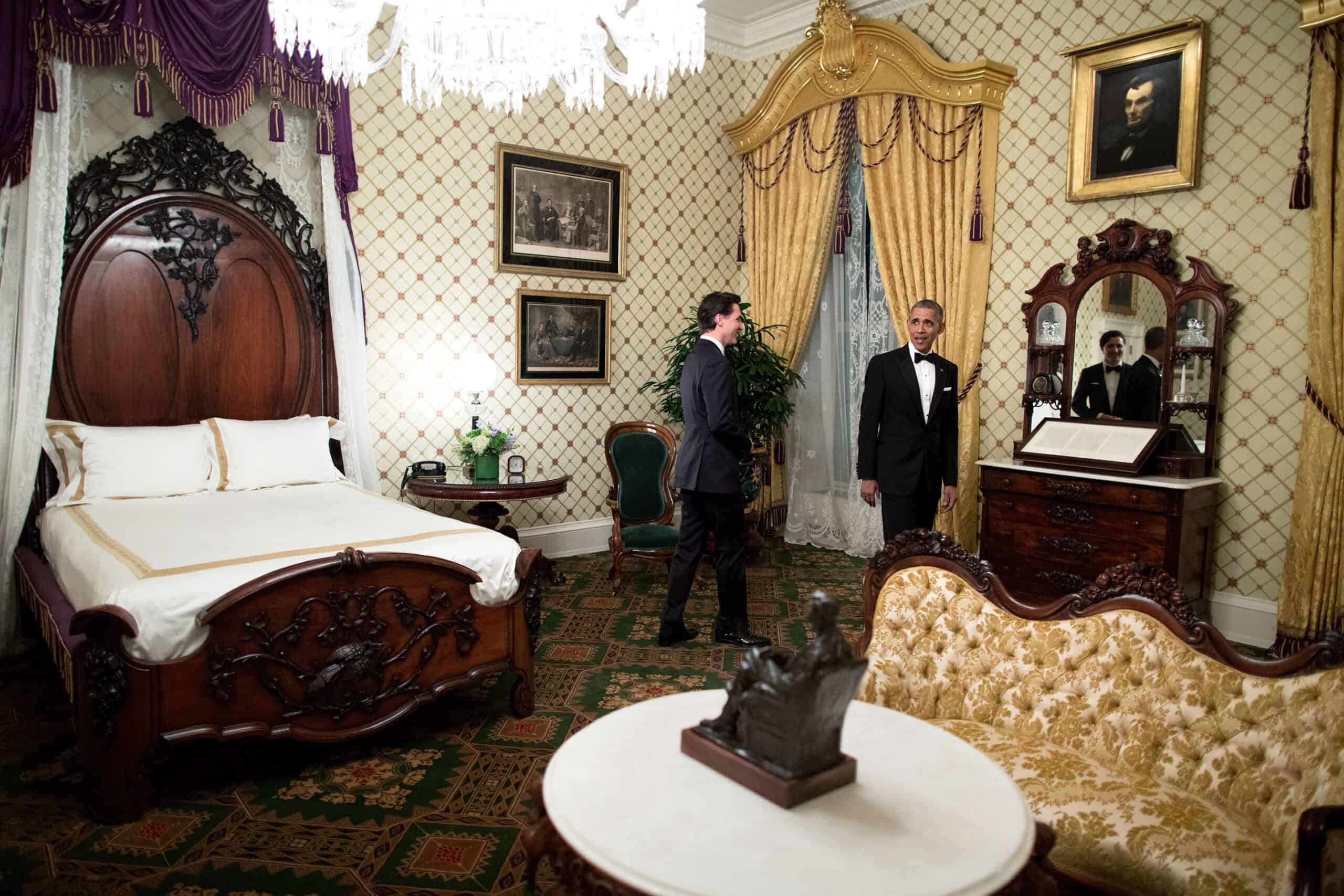
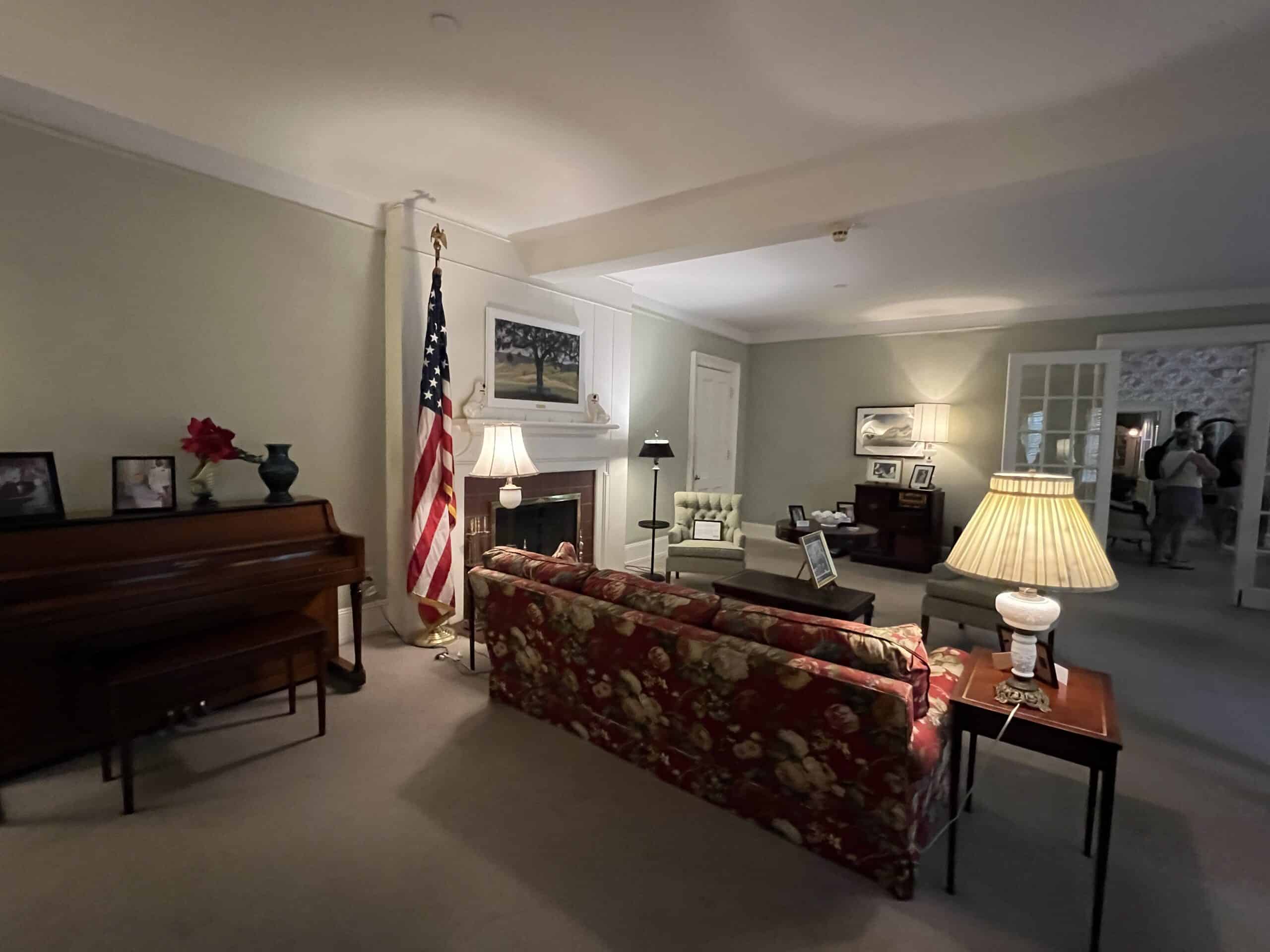
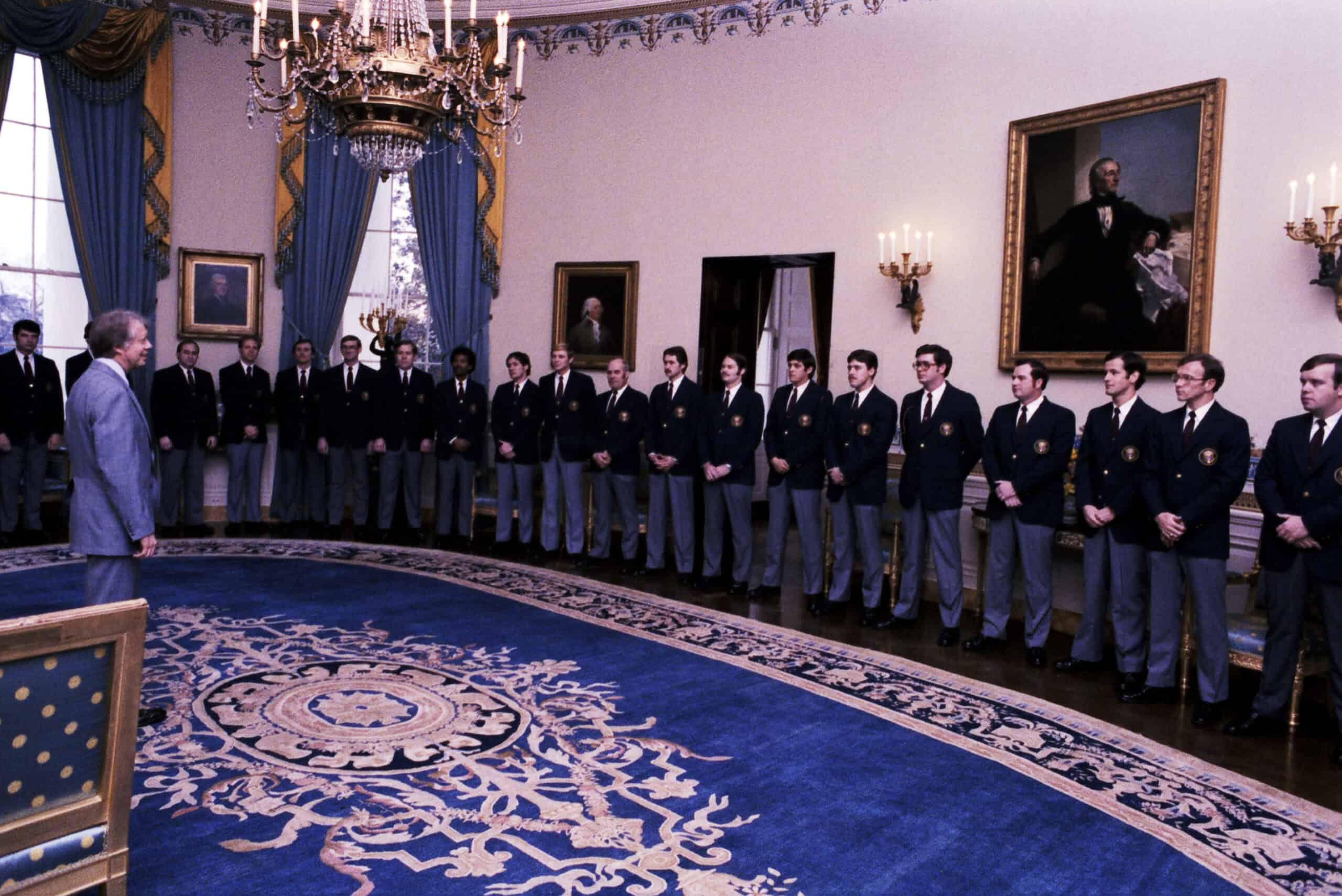
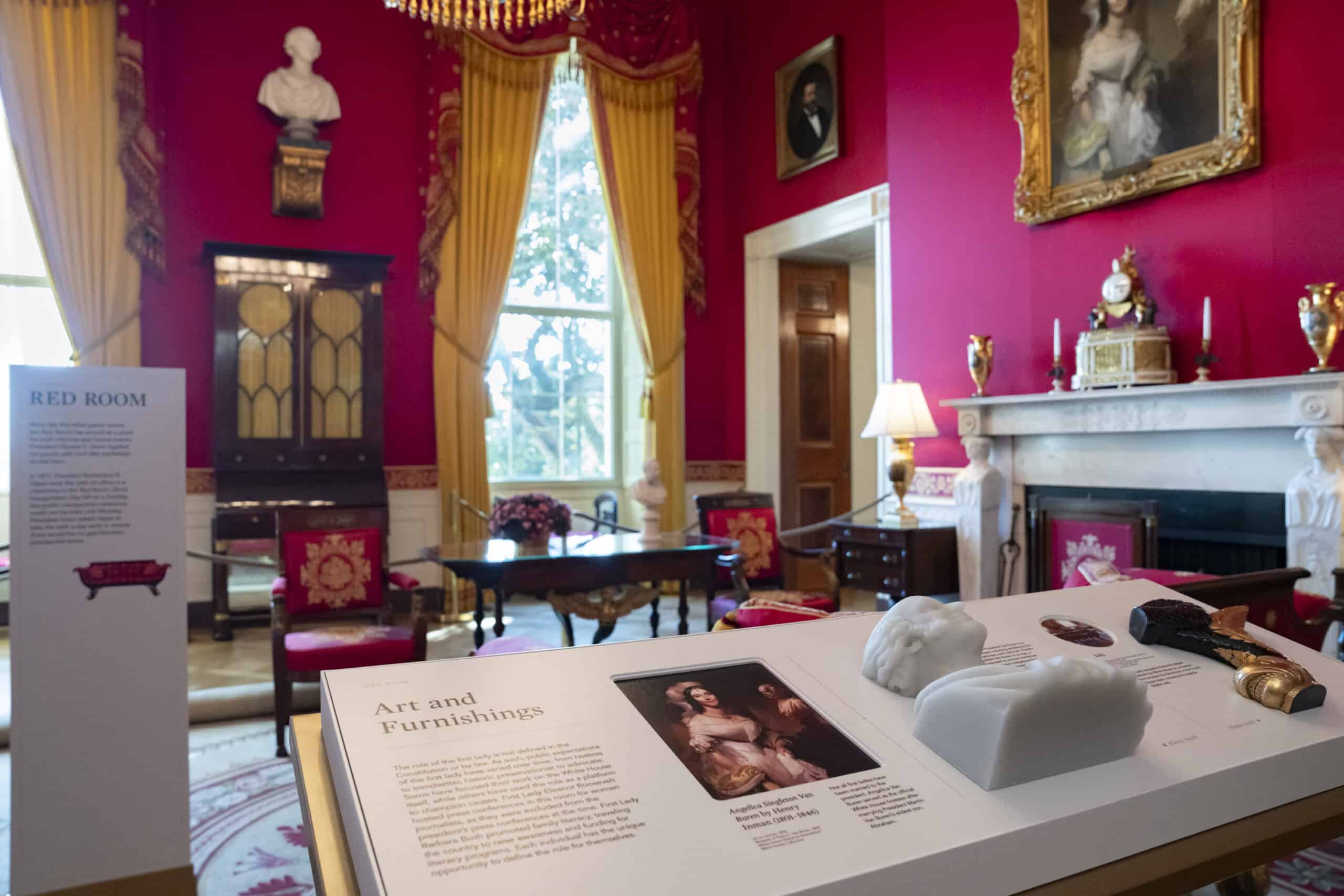
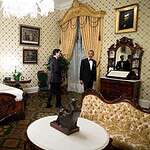
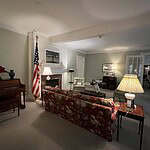
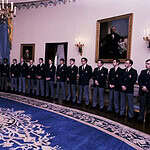
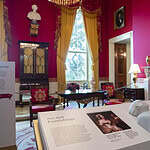
Most visitors experience only a tiny fraction of the White House during a public tour. While the East Room, State Dining Room, and Blue Room are among the best-known spaces, the Executive Residence actually contains 132 rooms spread across six levels. Many of these areas serve as private living quarters for the First Family, offices for senior staff, storage areas for priceless historical collections, or workspaces supporting the daily operation of the presidency. Others include specialized rooms such as the China Room, the Map Room, the Diplomatic Reception Room, and the Music Room, each with its own unique history and purpose. Because the White House functions simultaneously as a museum, government headquarters, ceremonial venue, and private residence, much of its interior remains permanently closed to the public despite the building's worldwide fame.
8. The White House Maintains Its Own Full-Time Florist and Greenhouse Operations
Fresh flowers appear throughout the White House almost every day, but few people realize they are managed by a dedicated floral team working behind the scenes. The White House employs professional florists who design arrangements for state dinners, diplomatic receptions, holiday celebrations, press events, and countless official ceremonies. Their work begins long before guests arrive, with careful planning that considers seasonal flowers, color coordination, historical traditions, and even the preferences of visiting dignitaries. Supporting this effort are greenhouse facilities and carefully maintained gardens that supply many of the plants used throughout the Executive Mansion. Every arrangement must meet exceptionally high standards because it serves not only as decoration but also as part of the image the United States presents to visitors from around the world.
9. A Private Presidential Movie Theater Has Been Used for Decades
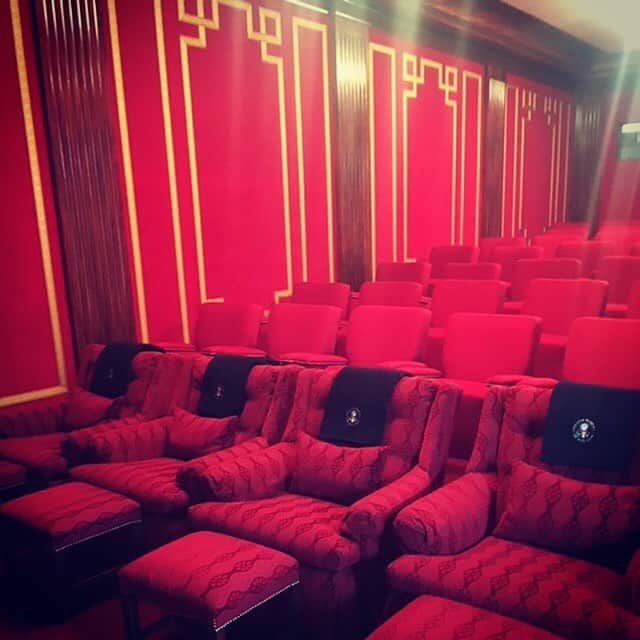
Tucked away inside the White House is a private movie theater that has entertained presidents, their families, and invited guests for generations. Officially known as the White House Family Theater, the room was established during Franklin D. Roosevelt's administration and later expanded into the comfortable screening space used today. Modern projection and sound systems allow newly released films, historical documentaries, and recorded speeches to be viewed without leaving the Executive Mansion. While the theater is often associated with recreation, it has also been used to preview official productions and review historical footage. Presidents from both political parties have enjoyed private screenings there, making it one of the few places where the commander in chief can briefly step away from the demands of the office without ever leaving the security of the White House.
10. Hidden Security Features Protect the Building Around the Clock
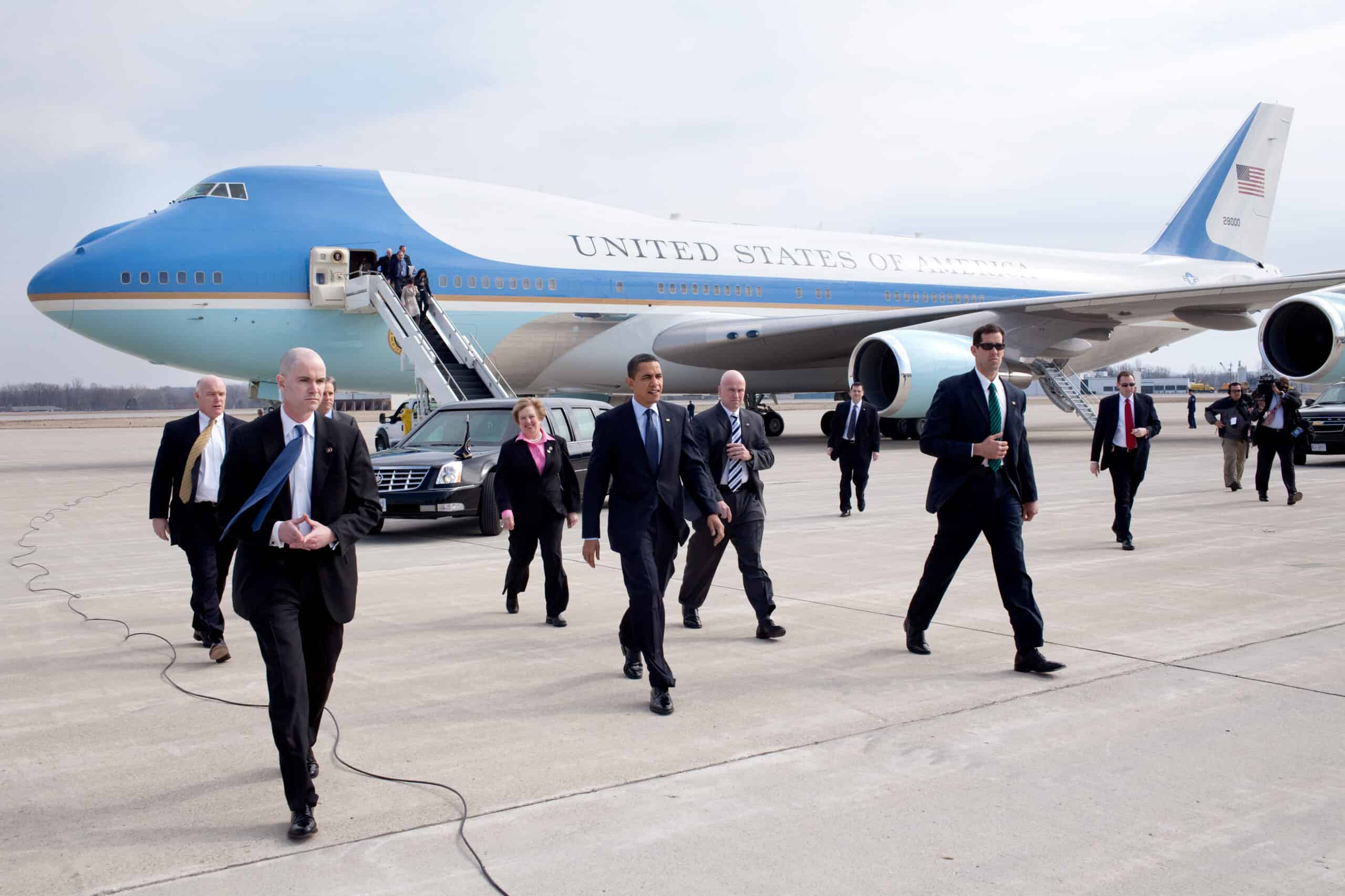
Much of the White House's security is deliberately designed to go unnoticed. While visitors can easily spot the fences and the uniformed Secret Service officers, countless additional protective measures remain concealed throughout the grounds and the building itself. Advanced surveillance systems, reinforced construction materials, ballistic-resistant windows, sophisticated communications equipment, and multiple layers of electronic monitoring all work together to safeguard the president, the First Family, and the historic residence. Uniformed officers, plainclothes agents, and specialized response teams continuously patrol both visible and restricted areas, coordinating with intelligence agencies and local law enforcement when necessary. Although many specific capabilities remain classified, the White House has evolved into one of the most secure buildings in the world, blending historic architecture with constantly updated technology designed to address modern threats without diminishing the landmark's iconic appearance.
11. The White House Has Its Own Carpenter, Electricians, Plumbers, and Paint Shop
Keeping the White House in pristine condition is a full-time job that extends far beyond routine housekeeping. Behind the scenes, a permanent team of skilled tradespeople—including carpenters, electricians, plumbers, painters, and other maintenance specialists—works every day to preserve one of America's most historic buildings. Their responsibilities range from repairing aging infrastructure and restoring antique woodwork to installing modern technology without compromising the building's historic character. Because the White House serves as both a working office and a residence occupied every day of the year, many repairs must be completed quickly and often outside public view. Their craftsmanship ensures that the Executive Mansion remains functional for the president while preserving the appearance and architectural integrity that millions of visitors recognize around the world.
12. The Executive Mansion Houses Thousands of Historic Artifacts in Storage
Only a fraction of the White House's historic treasures are on public display at any given time. Behind closed doors, the Executive Mansion maintains an extensive collection of furniture, paintings, sculptures, china, textiles, and decorative objects that have accumulated over more than two centuries of American history. Many pieces once belonged to former presidents or were acquired specifically because of their historical significance. Others are carefully preserved until they are needed for exhibitions, official events, or future administrations. Professional curators and conservators oversee the collection, documenting every item and ensuring that delicate artifacts are protected from damage caused by light, humidity, or everyday use. This vast collection allows each administration to furnish the White House while preserving countless pieces of America's presidential heritage for future generations.
13. The White House Roof Is One of the Most Secure Locations in America
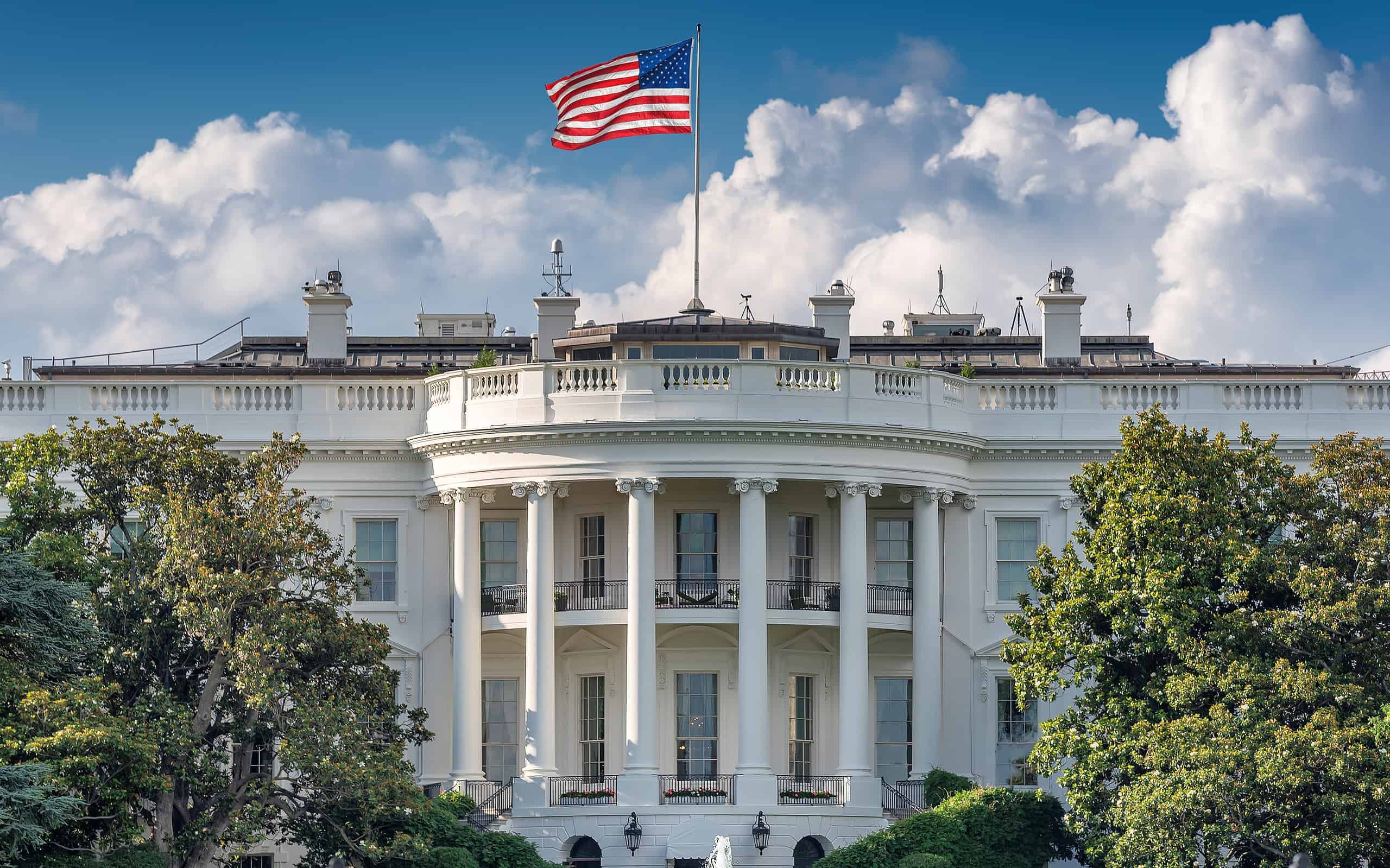
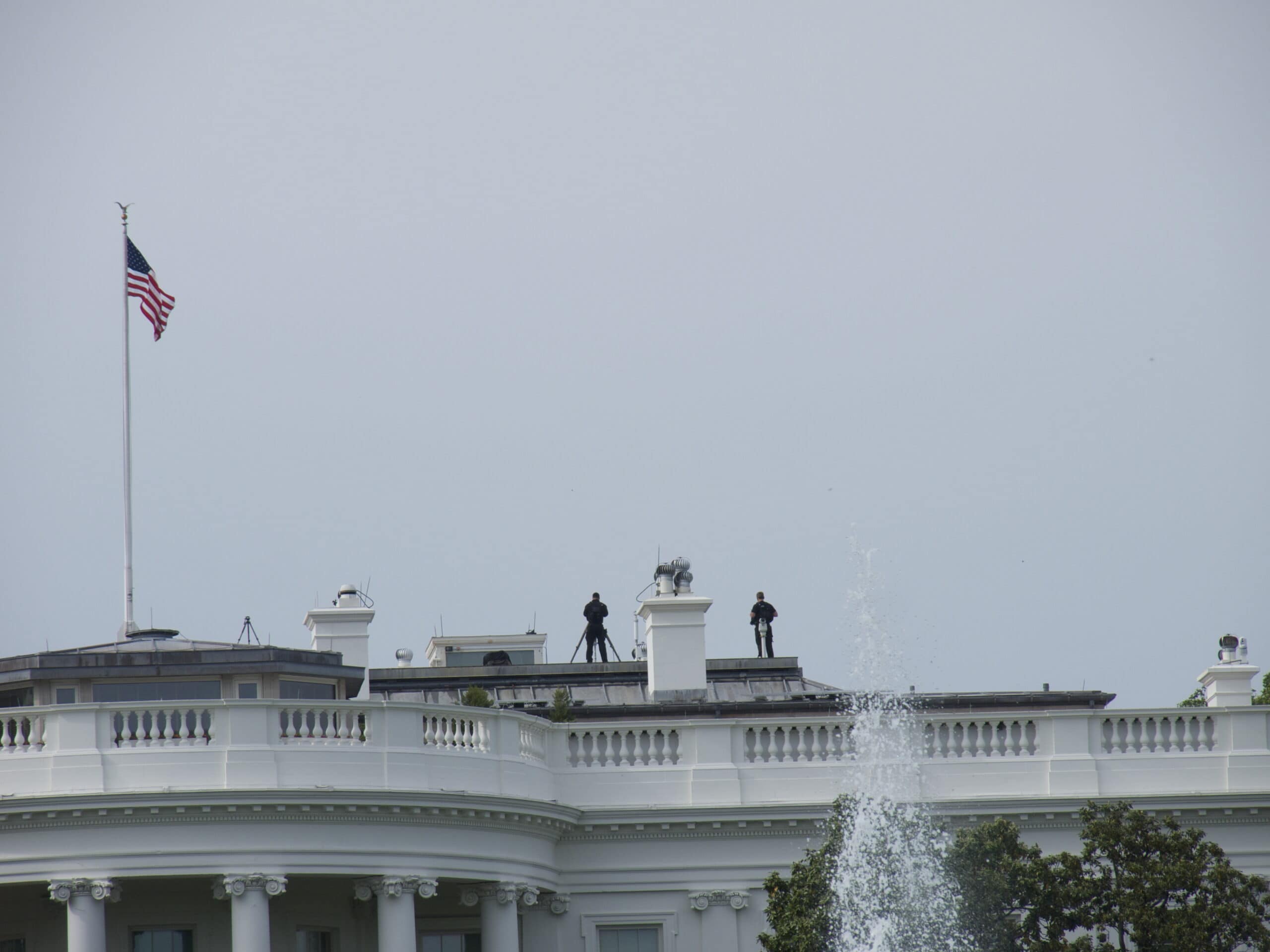
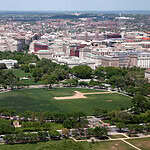
To most visitors, the White House roof appears unremarkable, but it is actually one of the most closely protected areas in the United States. While security officials rarely discuss specific capabilities, it is widely understood that the rooftop plays an important role in the Executive Mansion's overall defense strategy. Observation positions, surveillance equipment, communications systems, and rapid-response personnel can all be deployed there when circumstances require. During major public events or heightened security alerts, specially trained teams monitor the surrounding area from elevated vantage points while coordinating with aircraft, local law enforcement, and military assets. The roof's strategic position provides an unobstructed view of the White House grounds and nearby approaches, making it a critical component of the layered security system that protects the president without being obvious to the millions of people who pass by each year.
14. Presidents Have Emergency Escape Routes That Are Rarely Discussed Publicly
Protecting the president has always required preparing for events that everyone hopes will never occur. As a result, the White House complex includes carefully planned emergency evacuation procedures and secure routes designed to move the president and other key officials away from danger if the Executive Mansion ever comes under serious threat. While many details remain classified for obvious security reasons, historians and government officials have confirmed the existence of protected passageways and contingency plans developed over decades of evolving security concerns. These routes are only one part of a much broader continuity-of-government strategy that includes secure transportation, alternate command locations, and coordinated responses from multiple federal agencies. Their existence reflects the reality that safeguarding the nation's chief executive requires planning for even the most unlikely emergencies.
15. Every New First Family Quietly Makes Hundreds of Changes Before Moving In
The public often sees a new president walking into the White House on Inauguration Day, but few realize how much work has taken place behind the scenes before that moment arrives. During the transition between administrations, an enormous team of residence staff, curators, decorators, engineers, movers, and maintenance specialists transforms the Executive Mansion in just a matter of hours. Personal furniture, family photographs, clothing, books, and treasured keepsakes belonging to the incoming First Family are carefully installed while the belongings of the departing family are packed and removed. At the same time, offices are reorganized, communications systems are updated, security procedures are adjusted, and living spaces are customized to meet the needs of the new occupants. It is one of the most remarkable moving operations in the world, completed with extraordinary speed, precision, and discretion every four or eight years.
The image featured at the top of this post is ©Public Domain / Wikimedia Commons / Original