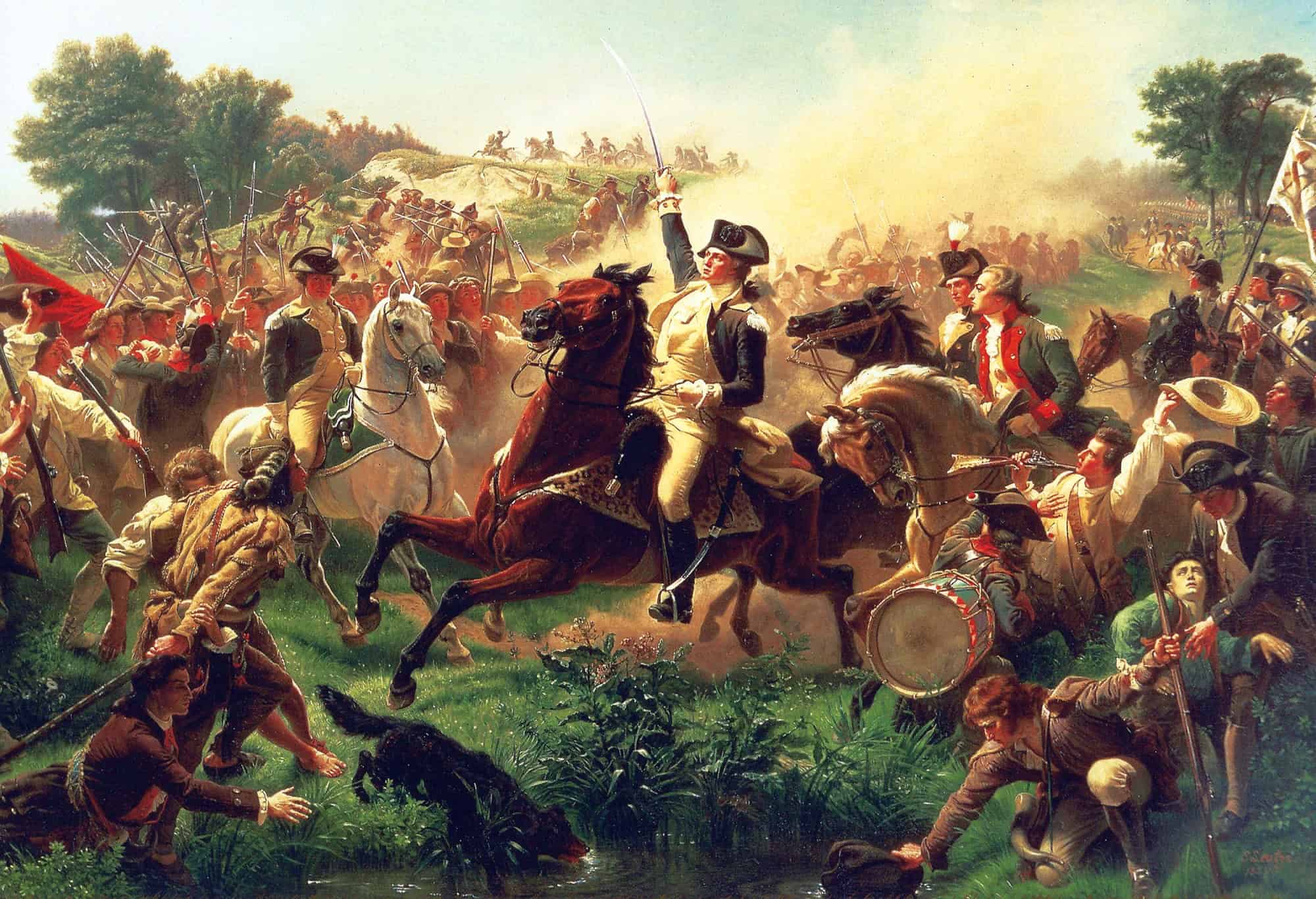

Throughout military history, the size of an army is generally seen as the main means of victory. For some of the most profound victories in history, it wasn’t numbers that won the day, but pure tactical acumen. When a commander faces an adversary that outnumbers them by a huge margin, the room for errors disappears. Pure strategy, like the ability to use the terrain, psychology, and standards of battle, are the only means of success.
Today, we’re looking at battles where impossible wins were achieved through tactical innovation and exploiting an enemy force.
Battle of Cannae
©"hannibal in fresco" by antmoose is licensed under BY 2.0. – Original / License
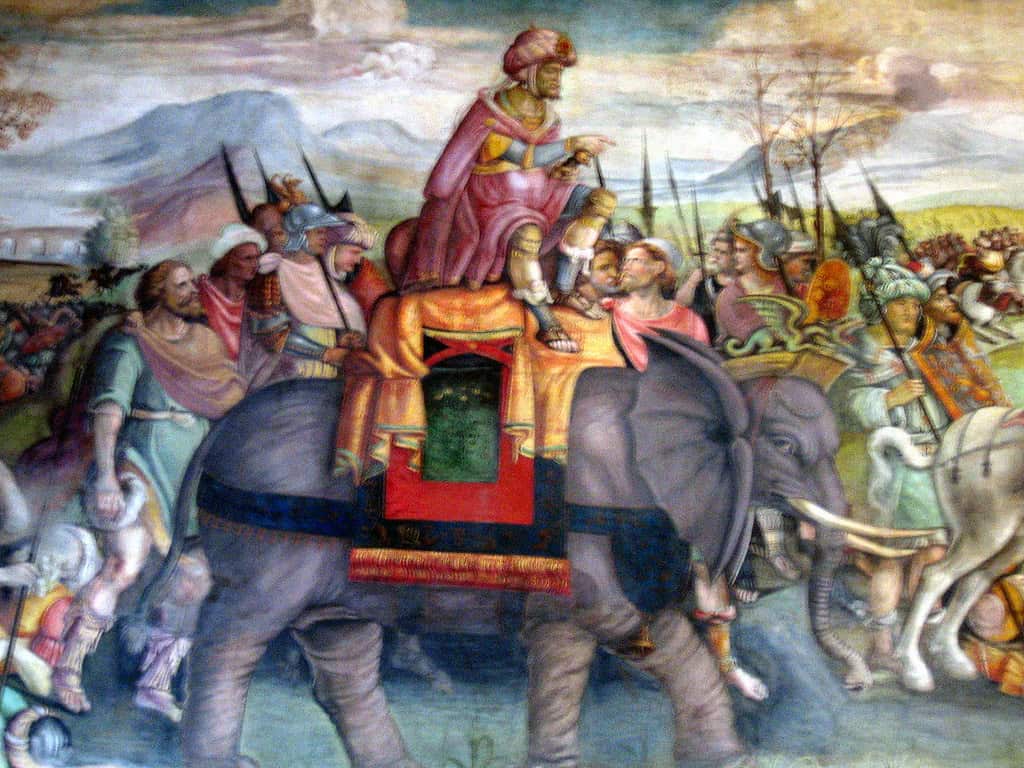
If you spend any time studying military strategy, you’re likely to see a mention of this masterclass by Hannibal Barca of Carthage. The Second Punic War saw the Romans facing off with Carthage, often fielding far larger armies than the Carthaginians. During the Battle of Cannae in 216 BC, the Romans would use 80,000 men, compared to Hannibal’s 50,000. The Roman battle order of the day was typical, using their superior numbers to form a deep infantry block and smash through the Carthaginian center through sheer force.
Hannibal was familiar with Roman tactics, and expected this. He could use the Romans’ strength against them. He positioned his most reliable troops, African and Gallic infantry, in a thin formation bulging toward the Roman line. As the legions closed in and pushed forward, the center intentionally gave way, drawing the Romans deeper in. What followed was a delicate maneuver. If the center broke too quickly, the Romans would surge forward. If they stayed firm for too long, the Romans wouldn’t over-commit.
The Romans thought they were winning, but they were being pulled into place to get smashed to pieces. As they drew into the center, Hannibal’s cavalry took the sides before completing a double envelopment of the Roman formation. Elite Carthaginian soldiers on the flanks turned inwards. The Roman soldiers were so tightly packed they couldn’t swing a sword, and were cut down in droves. Hannibal killed the Romans to nearly the last man, showing that a smaller, flexible force could capitalize on enemy momentum where superior numbers became a liability.
Battle of Agincourt
©"9th open Archeon Longbow shoot" by hans s is licensed under BY-ND 2.0. – Original / License
Few battles show the importance of knowing and exploiting terrain like the Battle of Agincourt in 1455. King Henry V of England saw his army trapped in northern France. His troops were exhausted, ill, and numbered between 6,000 and 9,000 depending on which source you trust. The only thing between him and a safe return to England was a French force numbering between 20,000 and 30,000, complete with thousands of heavily armed knights.
The French forces were confident, as they were the dominant military force of the day, and a bedraggled, sickly English force couldn’t hope to stand in the way of a cavalry charge. Henry picked his ground wisely, positioning his army in an optimal position at the narrowest part of the field. The French couldn’t capitalize on their numerical advantage, only being able to bring up a handful of men to bear at a time. The French command also suffered from somewhat murky chains of command, with counts and other nobles vying for the first charge, which resulted in a chaotic, uncoordinated assault.
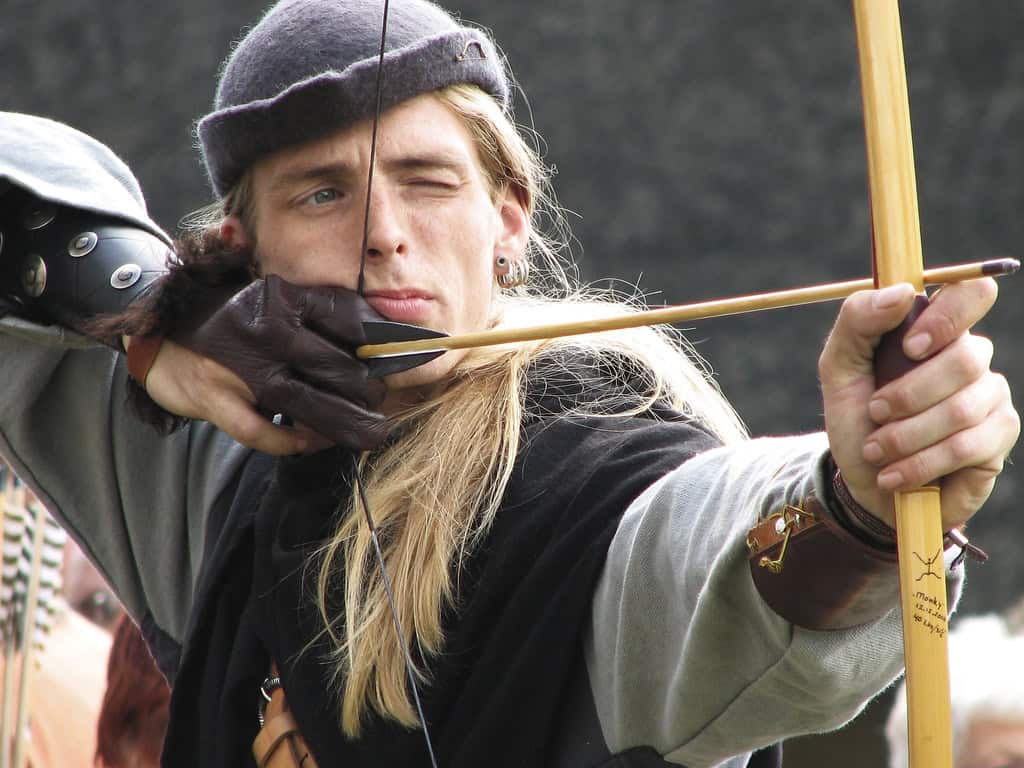
Recent rains had turned the freshly plowed land into a morass of deep, sucking mud. French knights charged, but were bottlenecked by the terrain. English longbowmen rained a hail of arrows that killed horse and rider alike, sending a wave of panic down the line. The French vanguard, wearing the finest armor money could buy, struggled through the mud only to be met with English light infantry that were much quicker on their feet. French knights and soldiers died en masse, leading to some of the French forces having to climb over the bodies of their comrades. English emerged from the battle as the top power of Europe.
Battle of Narva
©"Battle of narva" by Örebro01 is licensed under BY-SA 4.0. – Original / License
The Great Northern War saw 18-year-old King Charles XII of Sweden facing an insurmountable challenge. Russian forces led by Peter the Great laid siege to fortress of Narva, with a force of around 40,000 men. Charles arrived to the battlefield with a relief force of around 10,000 men. For any casual military history buff, you’d be forgiven for thinking Charles was doomed from the start. The Russians were a modern fighting force, and among the largest in the whole of Europe.
Charles knew the Russians lacked any meaningful battle experience, and he knew the weather. A blinding blizzard set in on the day of the battle, with wind and snow blowing directly into the Russian fortifications. Rather than waiting for the storm to abate, Charles launched an immediate offensive. The snow and wind blinded the Russian artillery. Their officers were unable to see the advancing Swedish columns until it was too late.
The Swedes used the blinding storm as a literal fog of war, appearing out of white-out conditions directly on top of Russian firing lines. Musket fire rang out suddenly, with Swedish infantry only firing when they saw the whites of their enemies’ eyes. This bold tactic resulted in a complete collapse of Russian morale. Their lines broke, and thousands drowned attempting to cross the Narva River as they routed.
Battle of Chancellorsville
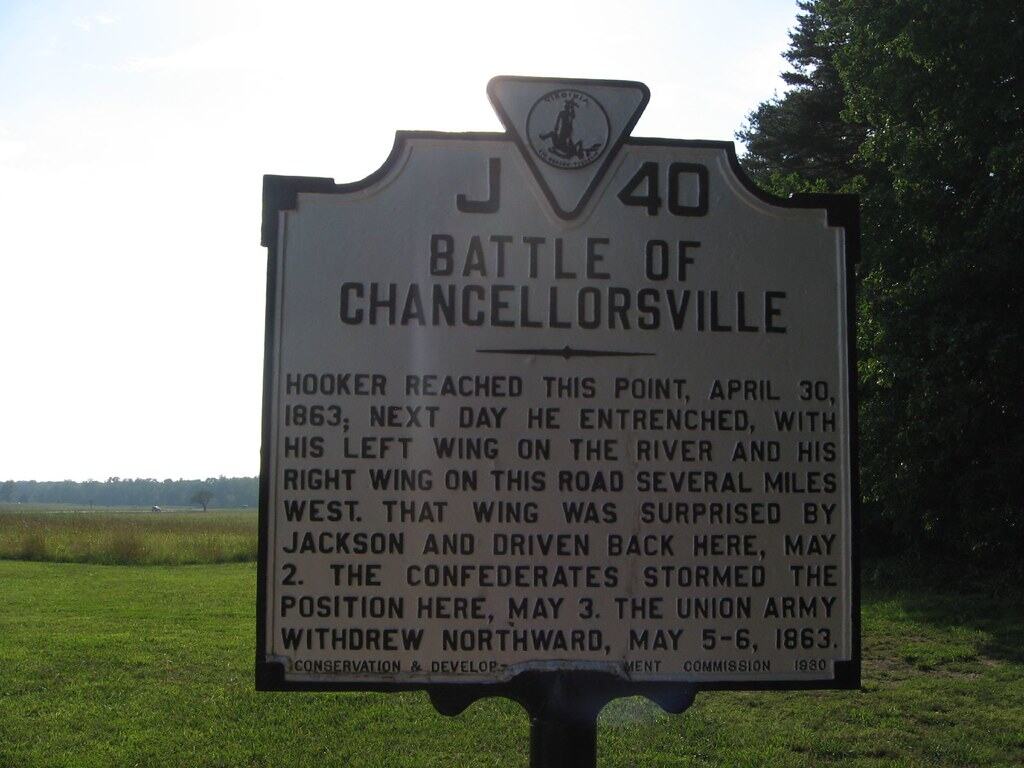
©"Battle of Chancellorsville, Virginia Historical Marker No. J-40, Battle of Chancellorsville, Fredericksburg and Spotsylvania National Military Park, Virginia" by Ken Lund is licensed under BY-SA 2.0. – Original / License
The Battle of Chancellorsville is often held as General Robert E Lee’s finest hour, and for good reason. Lee was tasked with defeating General Joseph Hooker, the commander of the Army of the Potomac. Hooker had 130,000 men at his disposal, with Lee only able to secure around 60,000 men. The Army of the Potomac successfully outflanked Lee, and the Union Army rightfully had the Confederates dead to rights. Hooker would famously claim, “May God have mercy on General Lee, for I will have none.”
Lee went against any sort of conventional battle planning and split his smaller force. A skeleton crew was left to hold the front, and around 28,000 men were given to Stonewall Jackson to complete a grueling 12-mile march to strike the Union’s right flank. Thousands of men moved through dense undergrowth, escaping notice from the Union scouts.
The Army of the Potomac believed the Confederates were defeated. Subsequently, they were caught off guard as they tucked into dinner. The right flank collapsed, and Lee’s gamble paid off. Hooker was known as a cautious but capable commander, and the sheer audacity of the flanking maneuver caused a complete retreat of Union forces.
Battle of Hastings
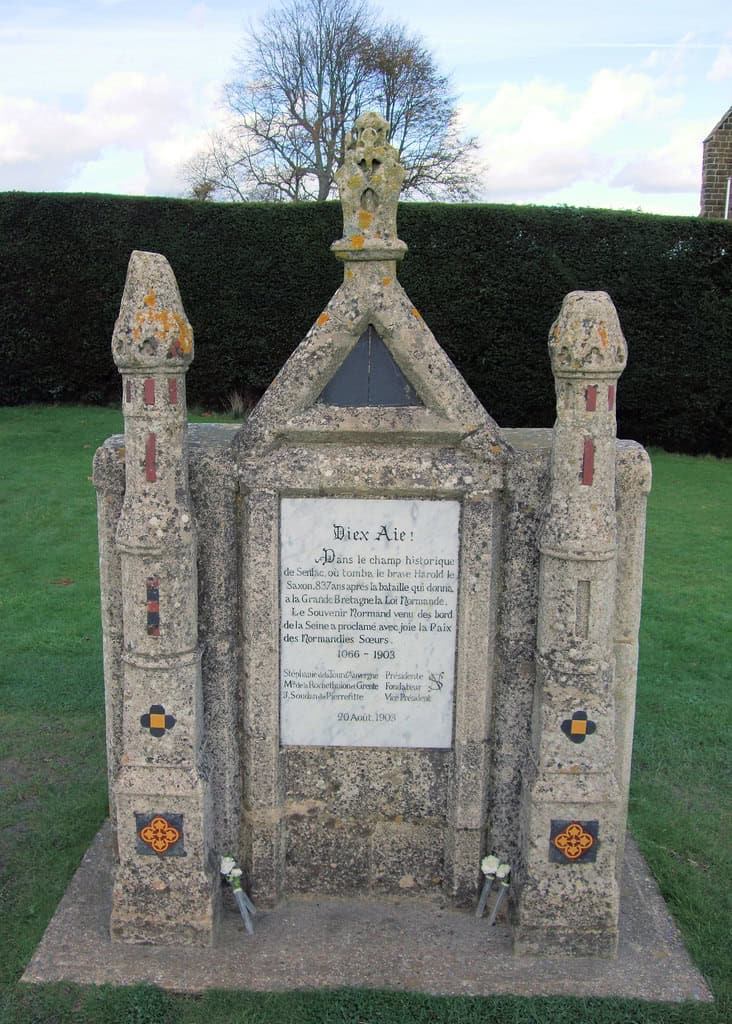
©"Stone Commemorating The Battle Of Hastings 1066, Battle, East Sussex." by Jim Linwood is licensed under BY 2.0. – Original / License
Numerically speaking, the Battle of Hastings was roughly equal. Harold Godwinson’s shield wall proved to be a massive thorn in William the Conqueror’s side. Assault after assault saw the Norman forces repulsed, with archers and cavalry doing little to thin their numbers. Charges by the famed Norman knights did little to gain ground.
William decided to pull back. Historians debate whether the first retreat was accidental or planned, but William was quick to notice what was happening. The English, seeing the “routing” Normans, broke ranks and gave chase down the hill. The die was cast, and William had a path toward victory.
Once the English were on flat ground, the Normans cut them down. This feigned retreat kept happening throughout the day. The English ranks grew thinner and thinner with each retreat. By nightfall, the shield wall was a shadow of its former self. Harold Godwinson would die from an arrow to the eye. Pure strategy turned a stalemate into a complete upheaval for the English.
Conclusion
Military history simply shows us that numerical superiority is just one variable when it comes to the order of battle. Strategy is a superiority of its own, and out-manning your enemy means nothing if you don’t have the discipline and force to back that up. As today’s battles show, you don’t need a miracle to win the day, just a cool head and the right conditions.
The image featured at the top of this post is ©Emanuel Leutze, Public domain, via Wikimedia Commons – License / Original