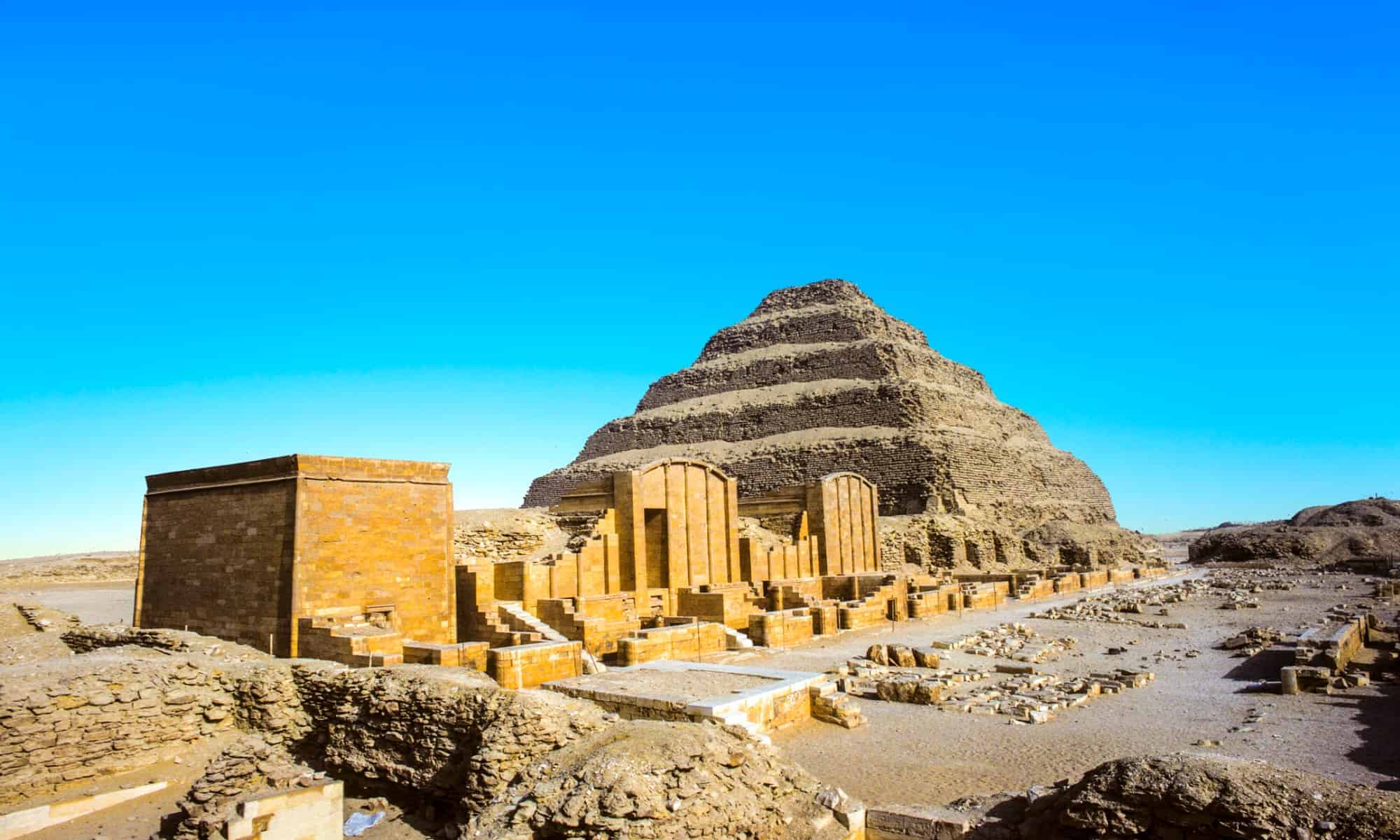

Nearly 4,700 years ago, ancient Egyptian builders created something the world had never seen: a monumental stone pyramid rising above the desert at Saqqara. Built for King Netjerikhet, better known as Djoser, the six-tiered structure transformed the traditional flat mastaba tomb into a design that influenced Egypt’s most famous monuments.
Yet the Step Pyramid is only the beginning. Beneath it is a maze of shafts, galleries, ceremonial rooms, and a burial chamber 92 feet underground. Around it stands a funerary complex filled with false doors, ritual courts, and structures meant for eternity. These facts reveal why Djoser’s pyramid remains one of history’s architectural breakthroughs.
10. It Has Survived for Nearly 4,700 Years
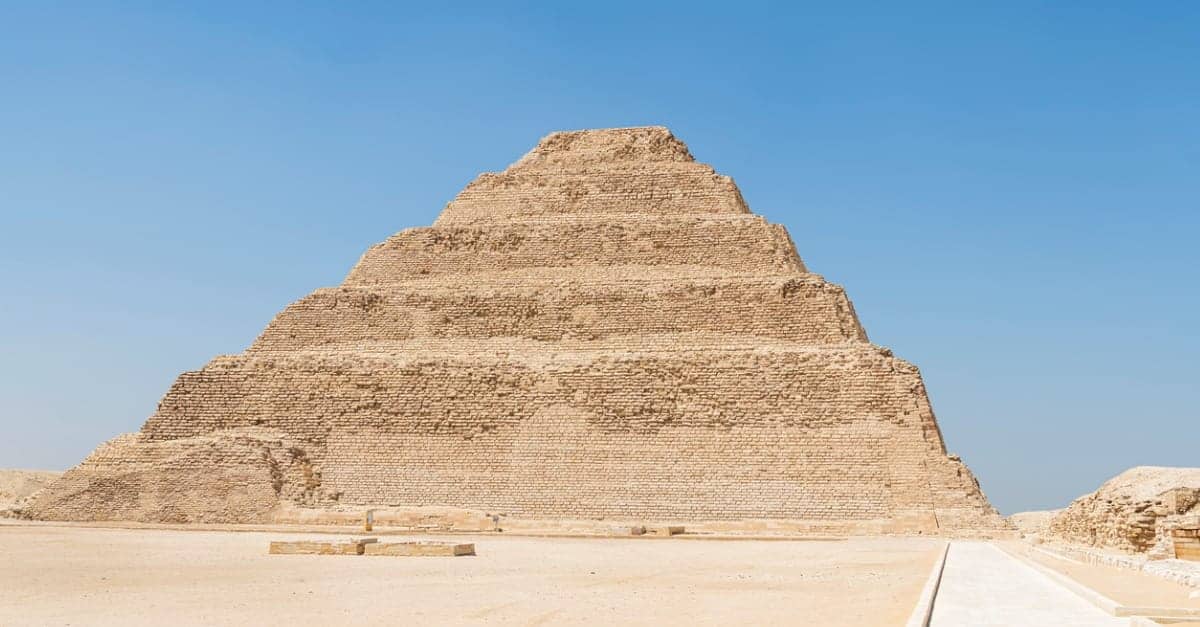
The Pyramid of Djoser was built during Egypt’s Third Dynasty, most likely in the 27th century BCE, making it close to 4,700 years old. It originally rose about 204 feet and was faced with smooth, bright Tura limestone. Much of that outer casing disappeared long ago, but the limestone core and six-step profile have endured through thousands of years of wind, sand, earthquakes, and human activity.
The monument stands at Saqqara, about 25 miles southwest of Cairo. This vast necropolis served ancient Memphis and contains tombs spanning more than 3,000 years of Egyptian history. Djoser’s pyramid is its most recognizable landmark, but it shares the desert with numerous mastabas, temples, and later royal pyramids.
9. Other Pharaohs Built Pyramids at Saqqara
Djoser’s monument was not the only royal pyramid constructed at Saqqara. Hundreds of years later, Fifth and Sixth Dynasty rulers also chose the necropolis for their funerary complexes. Among them were Unas, Teti, Pepi I, and Merenre I. The Pyramid of Unas is especially significant because its burial chamber contains the earliest known Pyramid Texts, religious spells intended to help the king reach the afterlife.
Saqqara forms part of the UNESCO property known as Memphis and its Necropolis, inscribed on the World Heritage List in 1979. That status recognizes its global importance and obligates Egypt to protect and manage it, although it does not make the site automatically immune from damage or development pressure.
8. Imhotep’s Medical Reputation Came Much Later
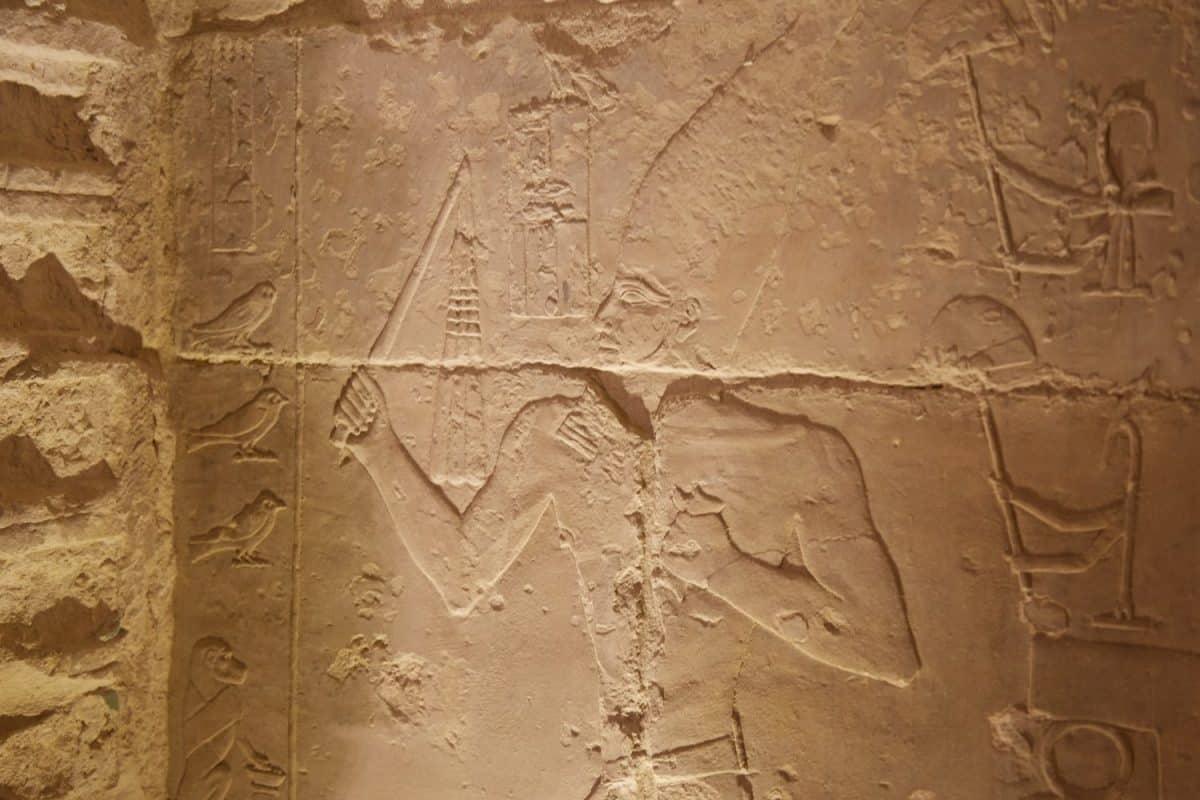
Imhotep, a powerful official in Djoser’s court, is credited with directing the Step Pyramid’s design. His achievement was so extraordinary that his name and titles appeared on the base of a statue of the king, a rare honor for a nonroyal person. He helped turn forms previously made from mud brick, wood, and reeds into an enormous architectural landscape built largely from stone.
Imhotep is also widely described as an early physician, but the surviving evidence is more complicated. Contemporary inscriptions establish him as a high-ranking administrator and master builder, not clearly as a doctor. His reputation for medicine, wisdom, and healing developed centuries later, eventually leading Egyptians to deify him and Greeks to associate him with Asclepius.
7. It Introduced an Entirely New Pyramid Design
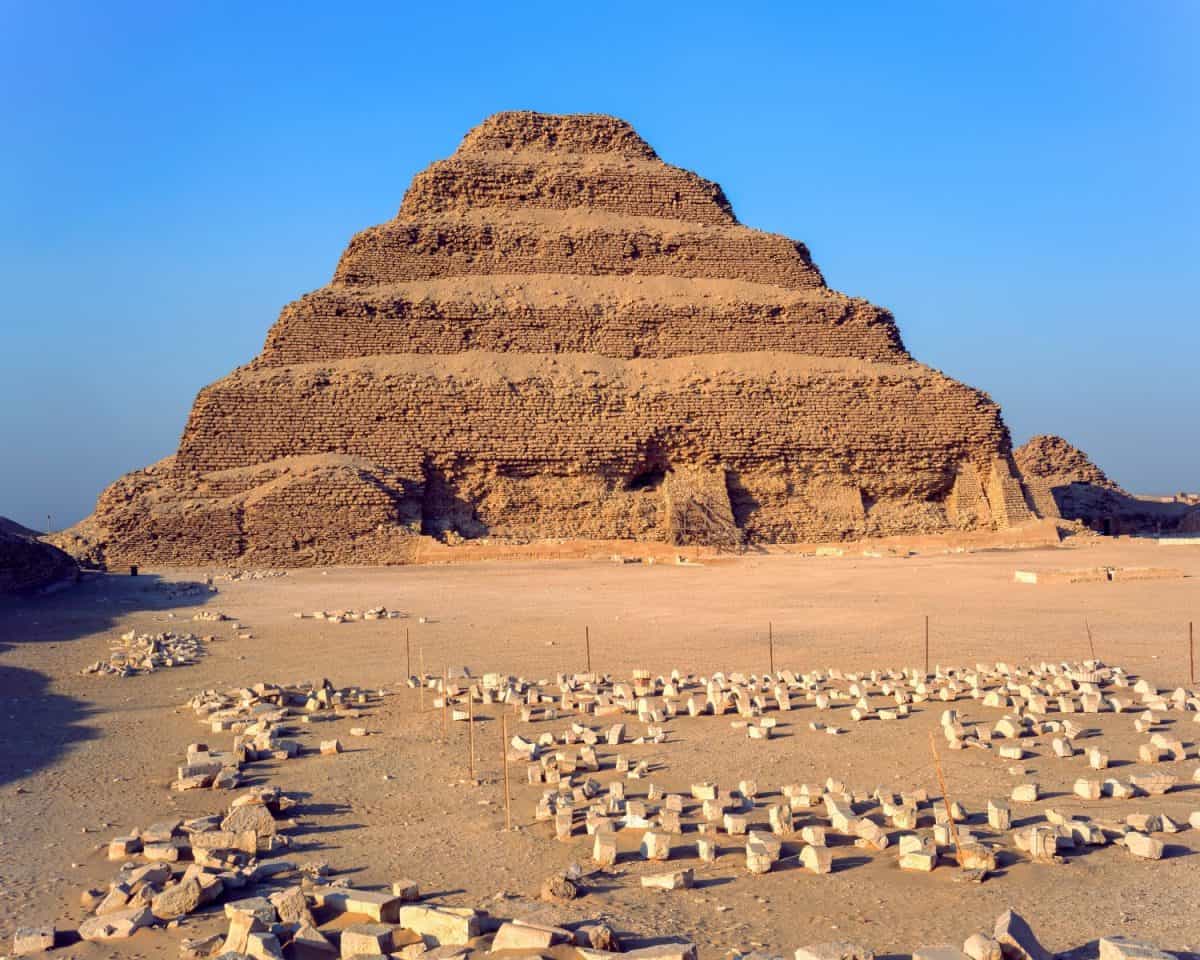
Before Djoser’s reign, elite Egyptians lay beneath rectangular, flat-roofed structures called mastabas. The Step Pyramid began in that familiar form, but its plan changed repeatedly during construction. Successive expansions created six diminishing levels, producing the stepped silhouette that still rises over Saqqara. At approximately 204 feet tall when completed, it dwarfed anything previously built there.
This was not yet the smooth-sided pyramid seen later at Dahshur and Giza, but it provided the essential bridge. By enlarging a mastaba into a towering stone monument, Imhotep and Djoser’s builders introduced a new visual language for royal power, rebirth, and eternity. Later architects refined the idea into the true pyramids recognized around the world.
6. A Hidden Maze Lies Beneath the Pyramid
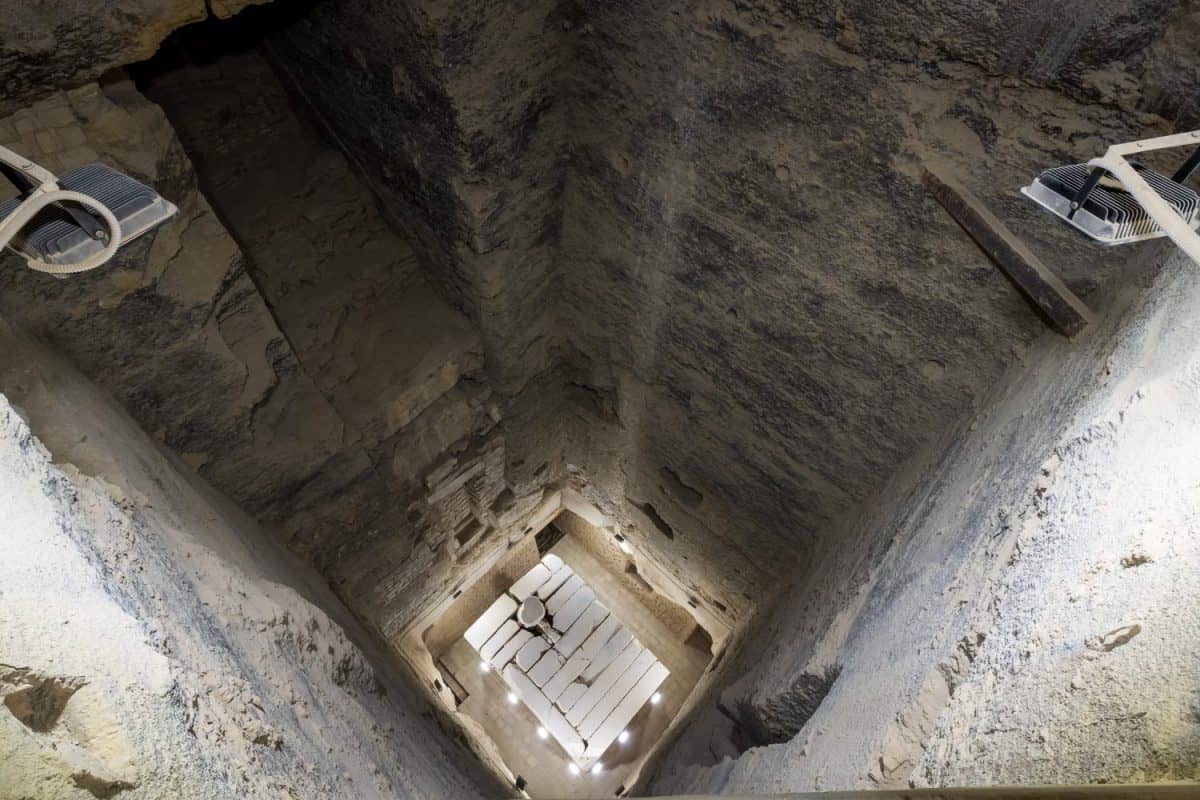
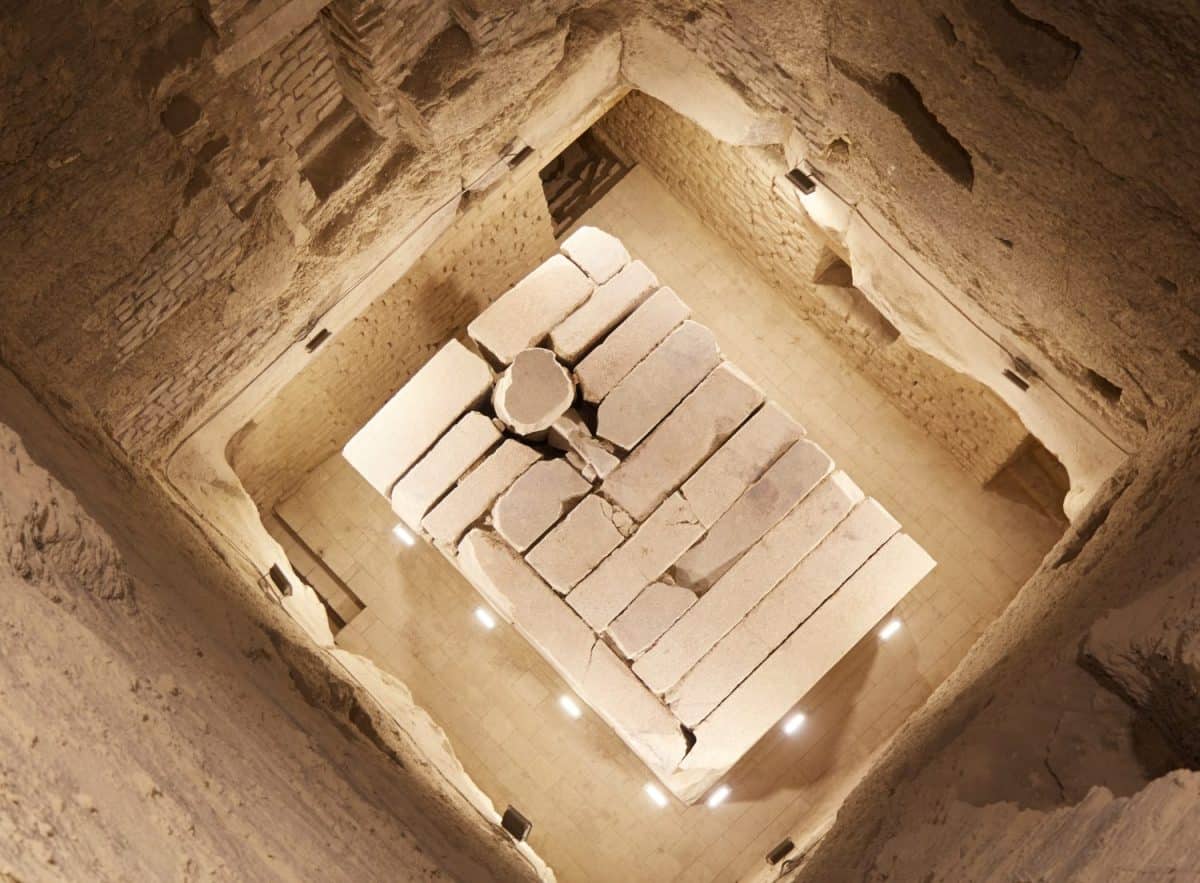
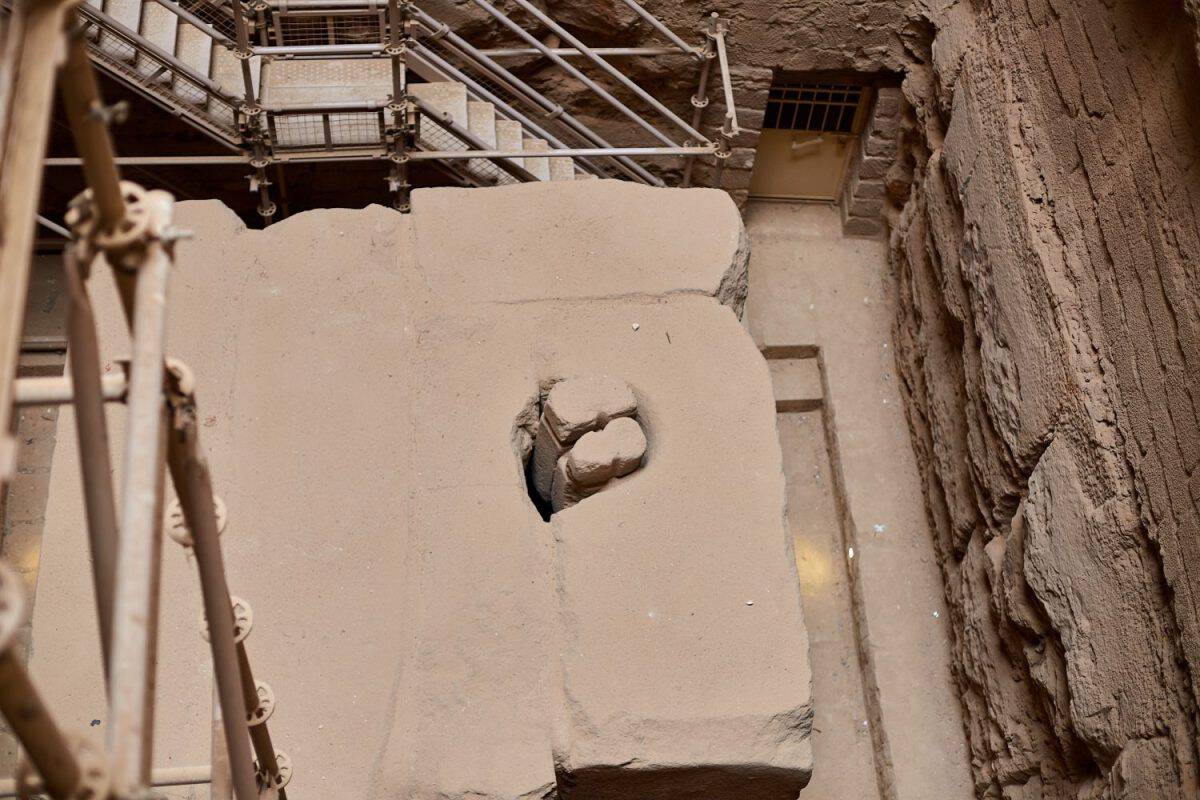
The visible pyramid conceals an underground world far more complicated than its exterior suggests. Beneath the structure lies a network of shafts, passages, galleries, storerooms, and ceremonial apartments surrounding a central burial shaft. Djoser’s granite burial chamber sits roughly 92 feet, or 28 meters, below the pyramid, where it could be sealed beneath an immense weight of stone.
Some subterranean walls were covered with blue-green faience tiles arranged to resemble the reed matting used in a royal palace. Relief panels show Djoser performing rituals connected with his kingship. The maze also contained subsidiary shafts associated with royal family burials and grave goods, although ancient robbers reached much of the complex before modern archaeologists.
5. Archaeologists Found Around 40,000 Stone Vessels
One of the most astonishing discoveries beneath the pyramid was a cache of approximately 40,000 stone vessels and fragments. They include bowls, plates, jars, and containers made from alabaster, granite, limestone, and other hard stones. Producing so many finely shaped objects without modern machinery required remarkable skill and patience.
Many vessels were already old when Djoser ruled. Inscriptions preserve the names of earlier First and Second Dynasty kings, suggesting that at least part of the collection was moved from older royal settings. Scholars still debate exactly why it was gathered beneath the pyramid, but the cache turned Djoser’s subterranean galleries into an extraordinary archive of Egypt’s earliest royal craftsmanship.
4. The Pyramid Is Only One Part of a 37-Acre Complex
The Step Pyramid was only the centerpiece of a much larger funerary landscape. Djoser’s enclosure covered about 37 acres and contained courtyards, chapels, ceremonial buildings, underground passages, and mostly solid structures created for symbolic rather than everyday use. Many stone details imitate wooden beams, bundled reeds, mats, and other perishable materials, as if the king’s earthly palace had been rebuilt to last forever.
Important features include the mortuary temple, the sealed serdab that held a statue of Djoser, the South Tomb, and courts linked to the Heb-Sed jubilee that renewed a king’s authority. The House of the North represented Lower Egypt, while the House of the South represented Upper Egypt, reflecting Djoser’s rule over the united kingdom.
3. Fourteen Entrances Were Designed to Fool Intruders
A towering limestone wall once separated Djoser’s sacred complex from the desert. It stood about 34 feet high and stretched for more than a mile around the enclosure. Its recessed panels imitated a royal palace facade, while monumental doorways added another layer of deception. Fourteen entrances were false; only one doorway near the southeast corner admitted visitors.
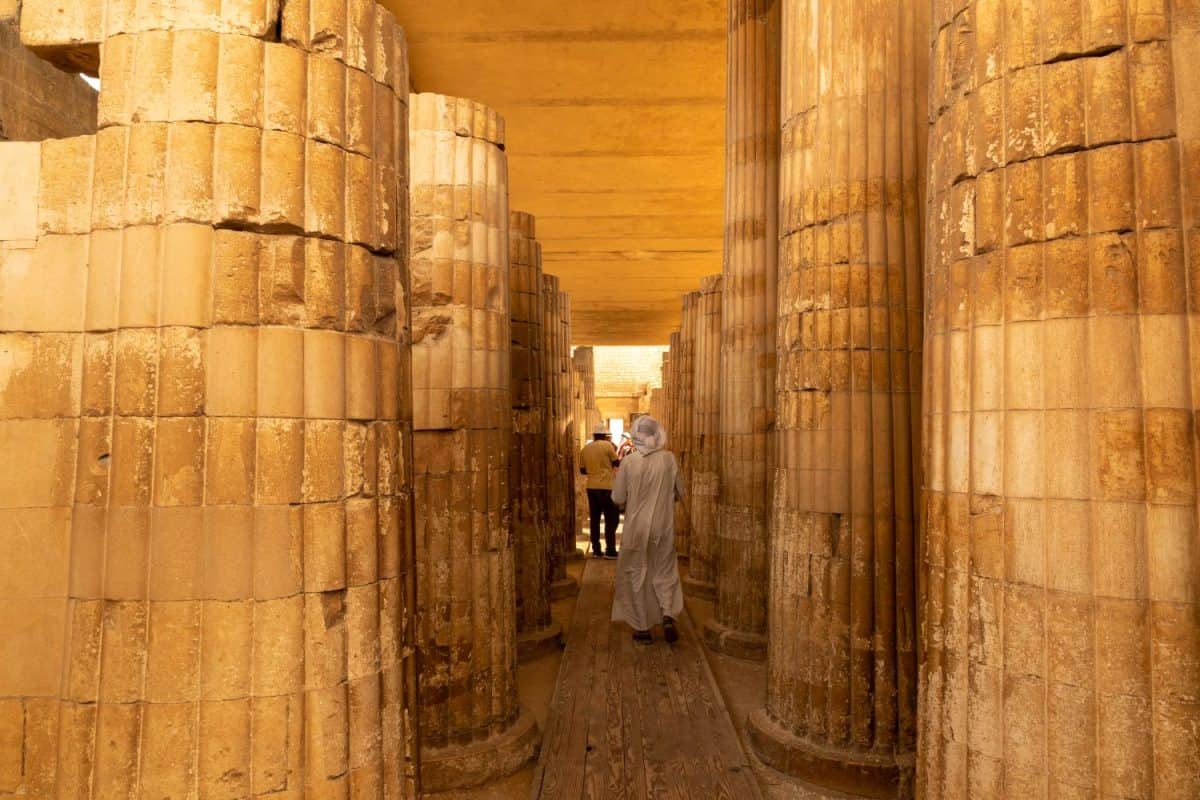
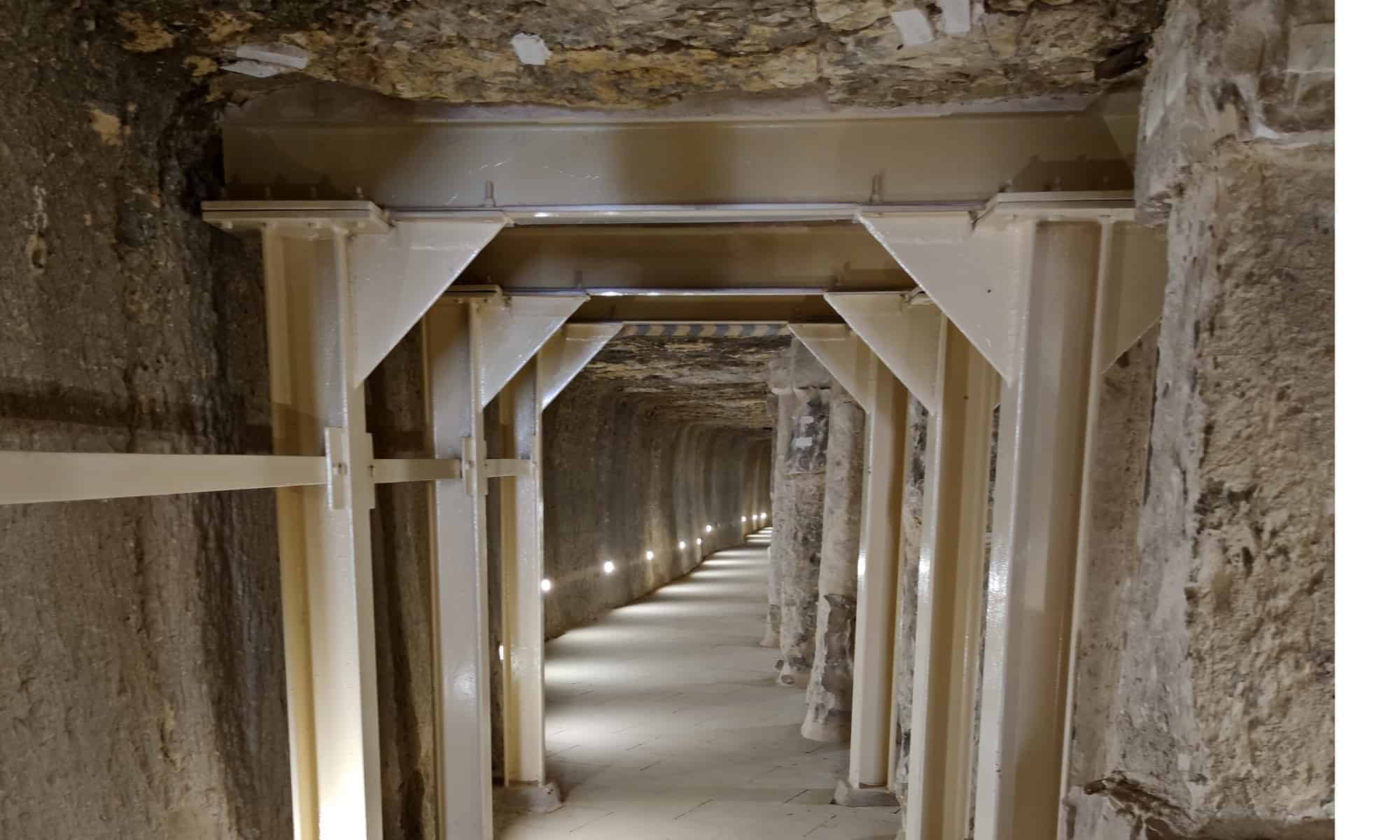
Modern visitors pass through a restored colonnaded corridor whose stone ceiling and columns imitate logs and bundled reeds. Egypt reopened the pyramid’s interior in 2020 after extensive conservation, and current visitor information lists separate tickets for the pyramid and South Tomb. Hours, prices, and accessible areas can change, so travelers should check official details before arriving.
2. A 14-Year Project Helped Save It From Collapse
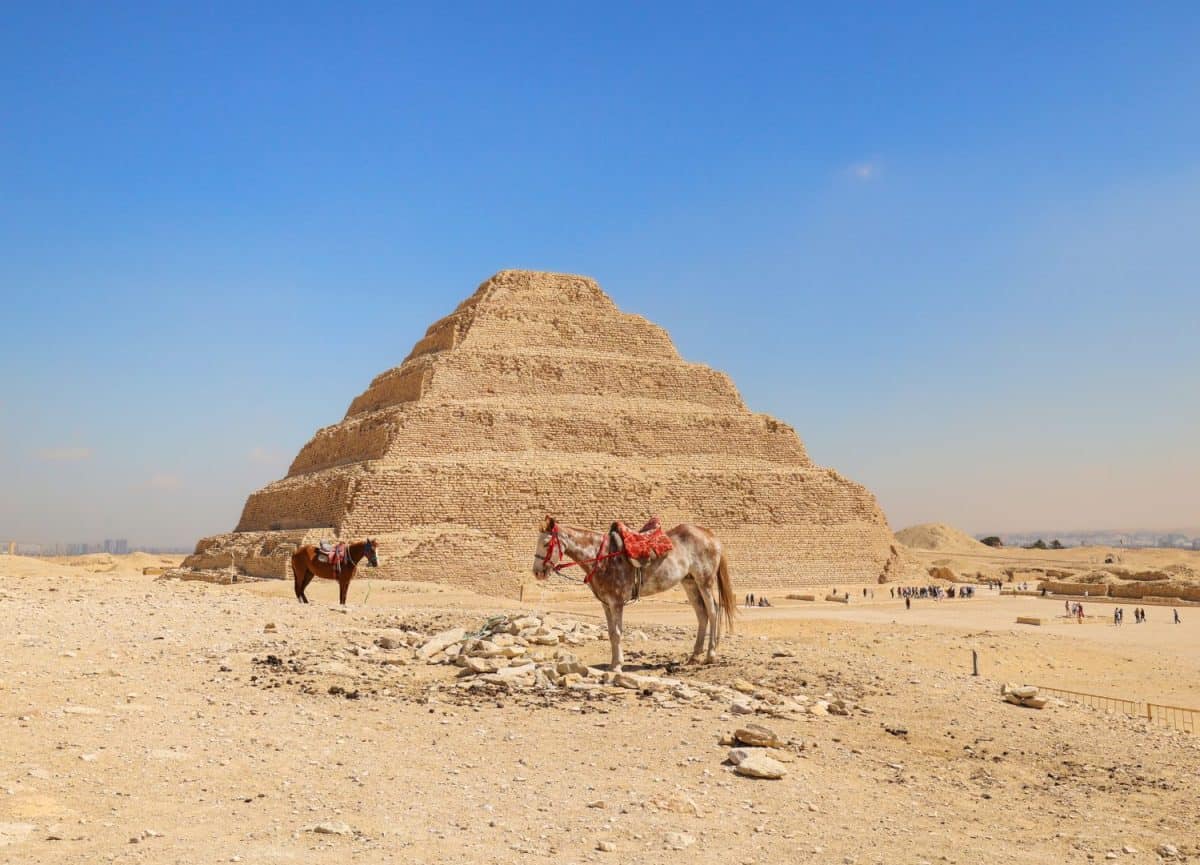
By the early 2000s, instability inside the Step Pyramid had created concerns about collapse. Egypt began a conservation project in 2006, paused work during political upheaval in 2011, and resumed it later. Specialists stabilized ceilings, repaired interior and exterior masonry, conserved the stone sarcophagus, and improved routes toward the burial shaft.
The pyramid reopened in March 2020 after a project lasting nearly 14 years. Egypt reported a cost of 104 million Egyptian pounds, approximately $6.6 million at the time. The work did not make the monument indestructible, but it reduced immediate structural risks and made controlled public access possible again. Conservation remains an ongoing responsibility for a building that has survived almost five millennia.
1. Millions Have Explored It in a Famous Video Game
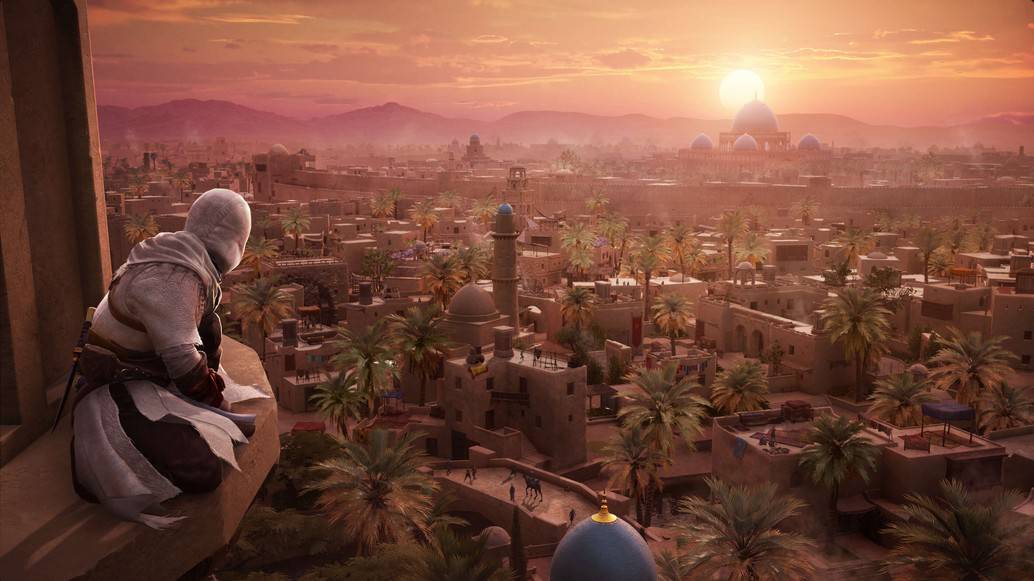
The Step Pyramid appears in Assassin’s Creed Origins, Ubisoft’s 2017 game set in a fictionalized Ptolemaic Egypt. Players can travel through Saqqara Nome, locate the Tomb of Djoser, and explore a puzzle-filled interpretation of its underground passages. It contains loot, silica, and an ancient tablet that awards an ability point when discovered.
The game takes liberties because its story occurs more than 2,000 years after Djoser’s reign and turns the tomb into an adventure space. Even so, its inclusion gives many players a digital introduction to Egypt’s first pyramid. Ubisoft also used the game world for Discovery Tour: Ancient Egypt, an educational mode that removes combat and lets users explore reconstructed sites through guided historical tours.
The image featured at the top of this post is ©iStock.com/Meinzahn