


The Incredible Story of America’s Most Successful WWII Submarine
In the months after Pearl Harbor, American submarines became one of the few forces capable of striking deep inside Japanese-controlled waters. Operating far from friendly bases, their crews hunted warships, tankers, troop transports, and cargo vessels carrying the fuel and raw materials that sustained Japan’s expanding empire. By the end of World War II, U.S. submarines were credited with destroying 54.6 percent of the Japanese naval and merchant tonnage sunk by American forces.
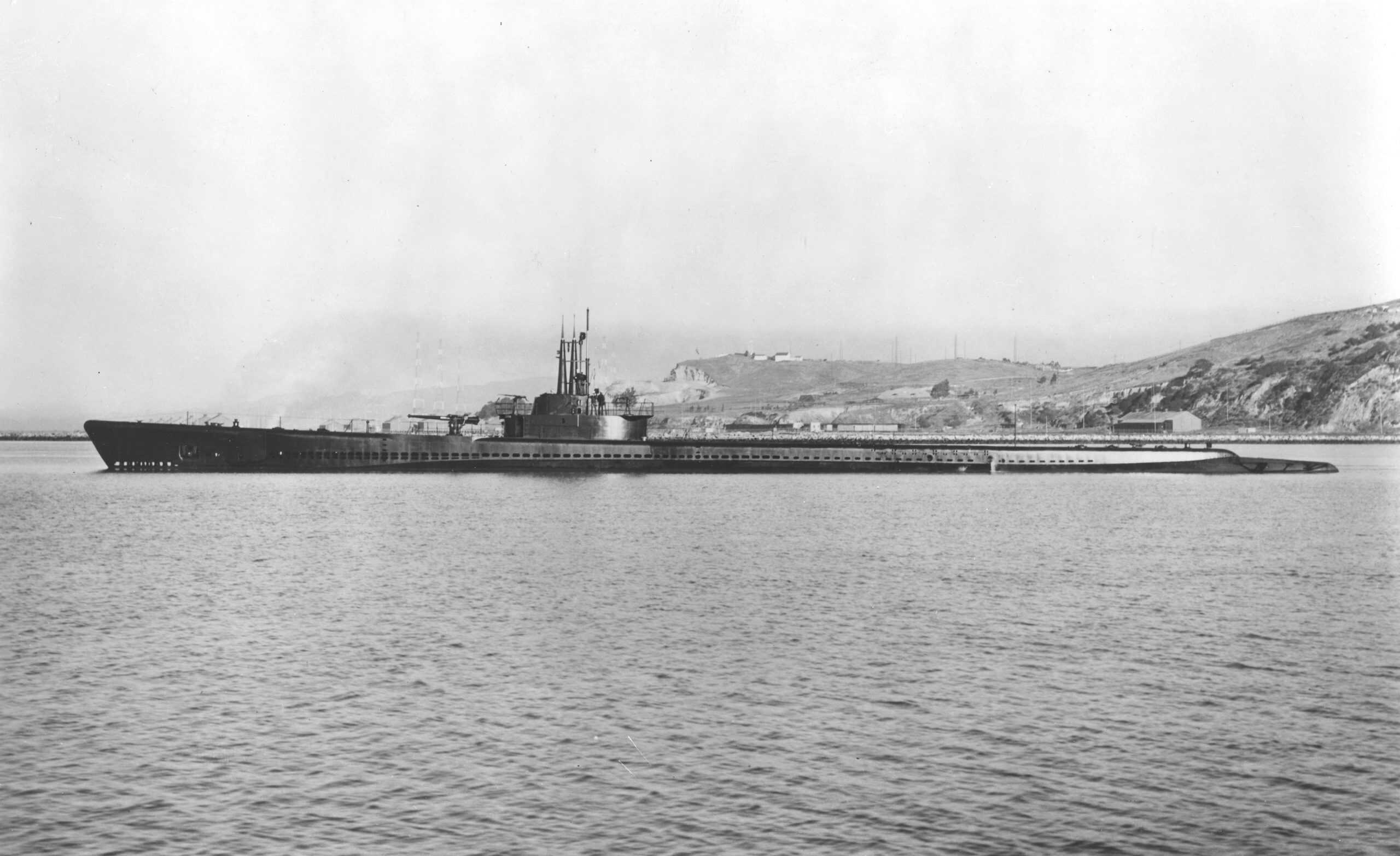
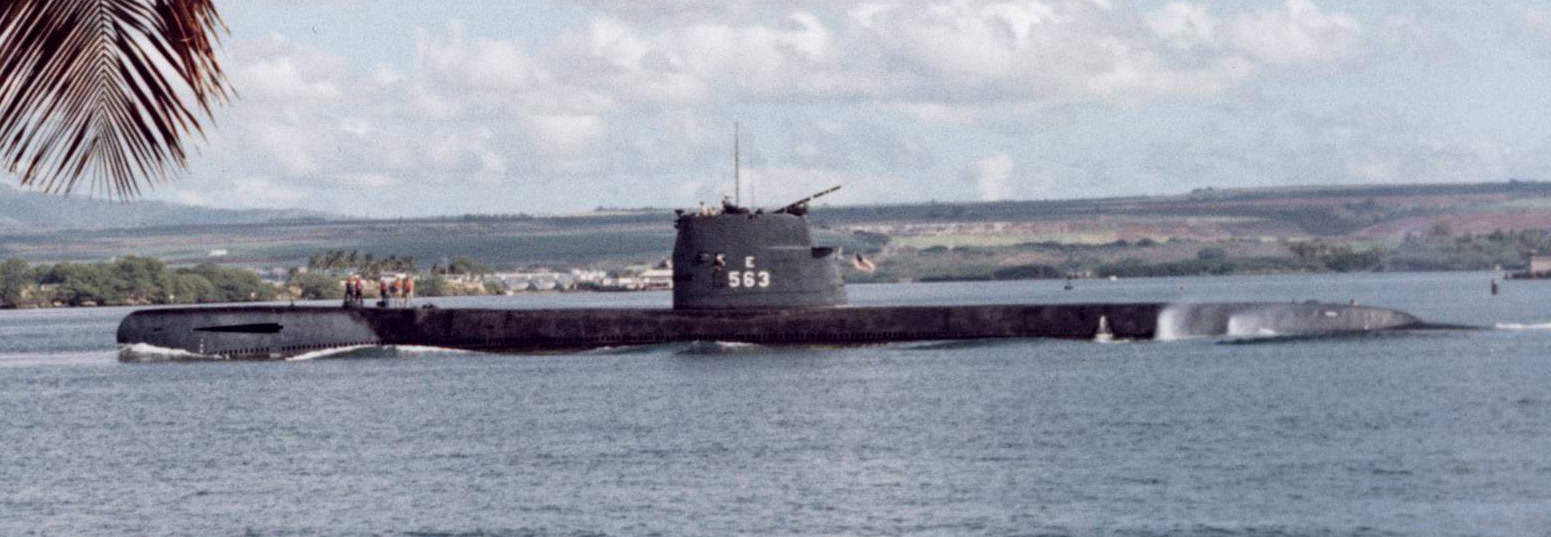
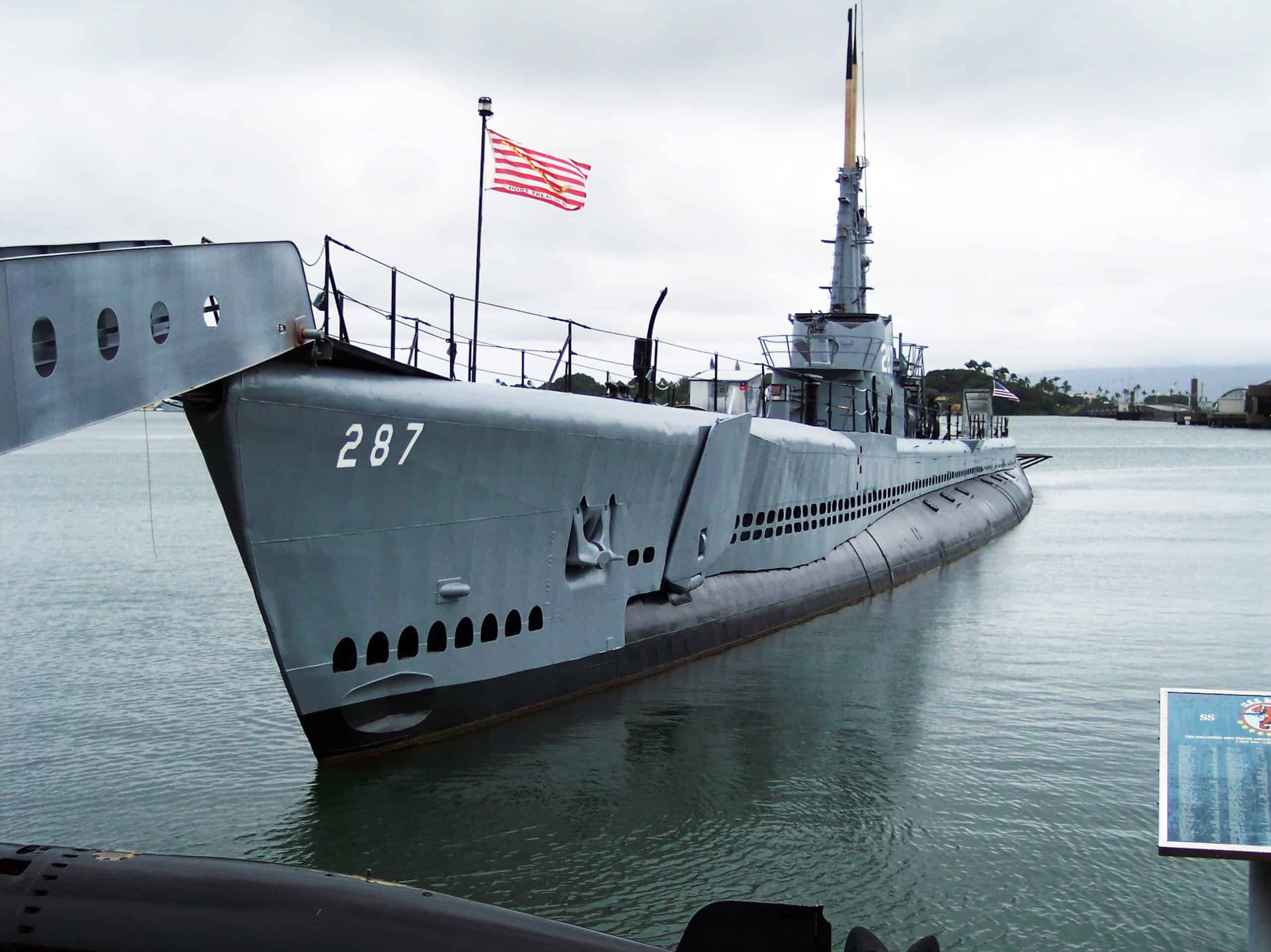
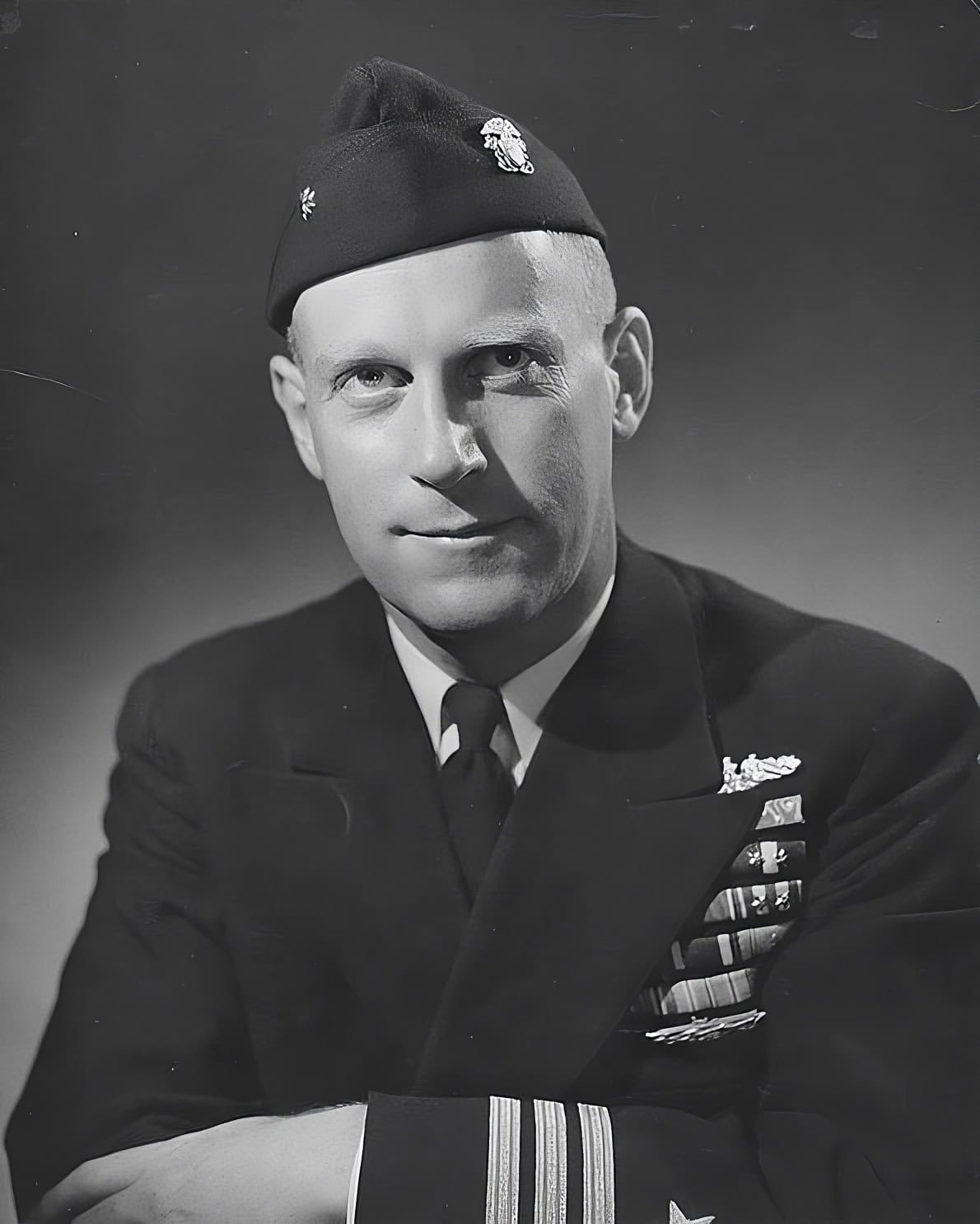
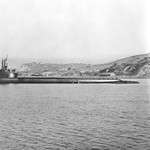
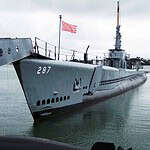
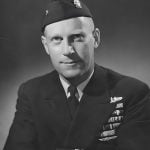
Few boats embodied that dangerous campaign more dramatically than USS Tang. Commissioned in October 1943 under Lieutenant Commander Richard H. O’Kane, the Balao-class submarine completed five war patrols in less than a year. Later historical analysis credited Tang with sinking 33 ships totaling 116,454 tons, placing it first among American submarines in both ships and tonnage destroyed. Its extraordinary record, however, came with a devastating ending: during its final patrol in October 1944, Tang was sunk when its own torpedo malfunctioned and circled back toward the submarine
Construction
- The USS Tang was handed over to the Navy on November 30, 1943.
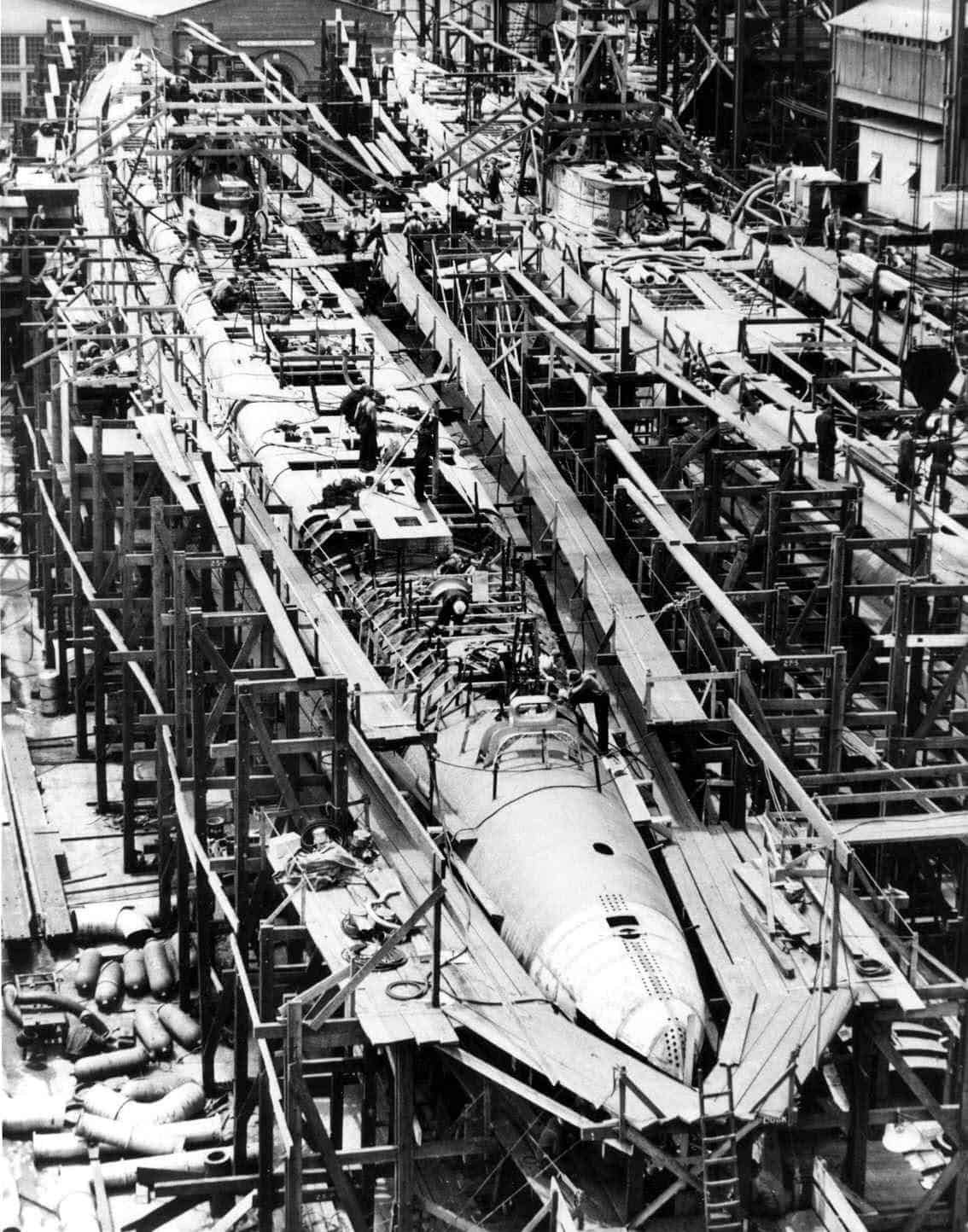
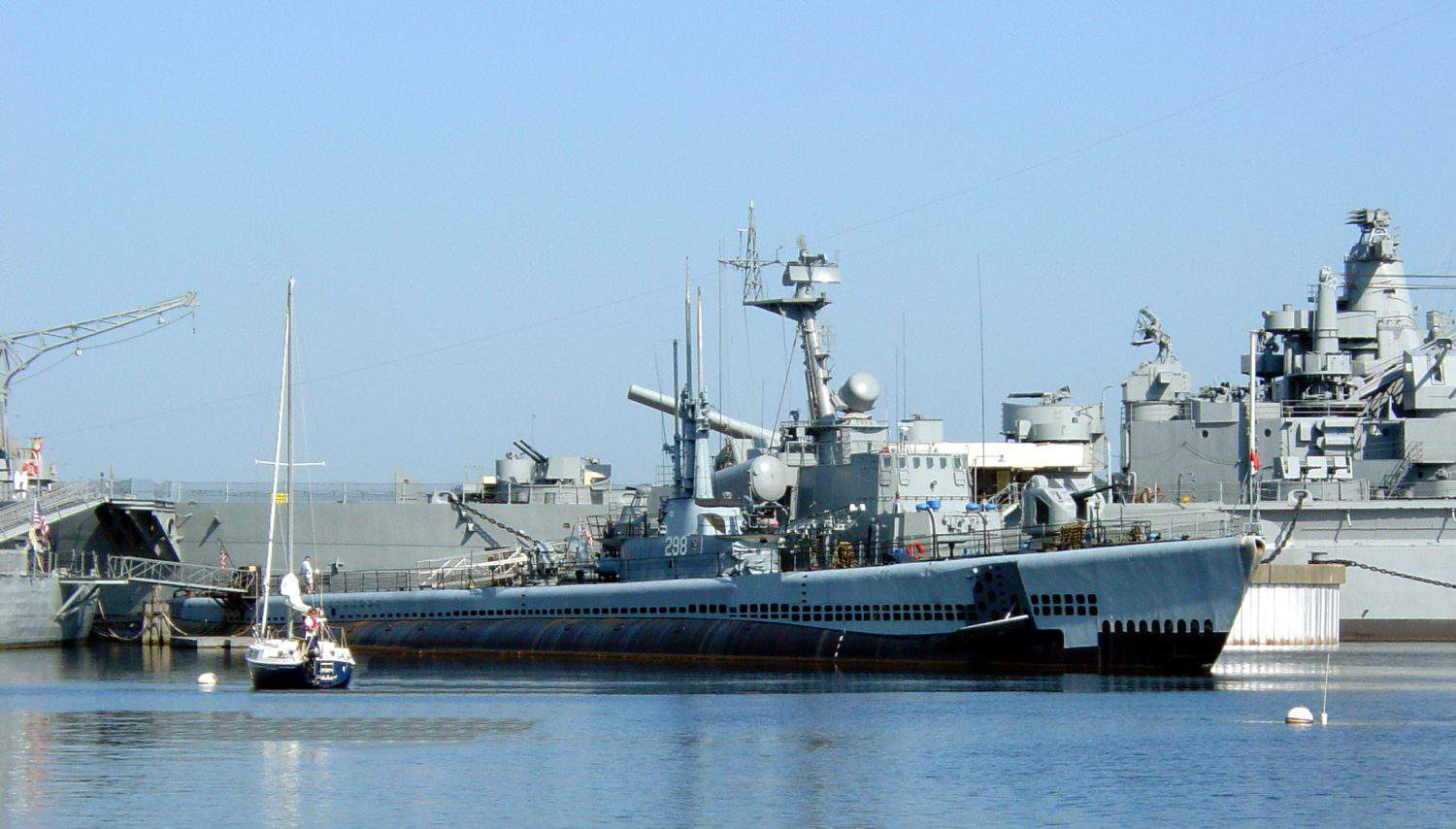
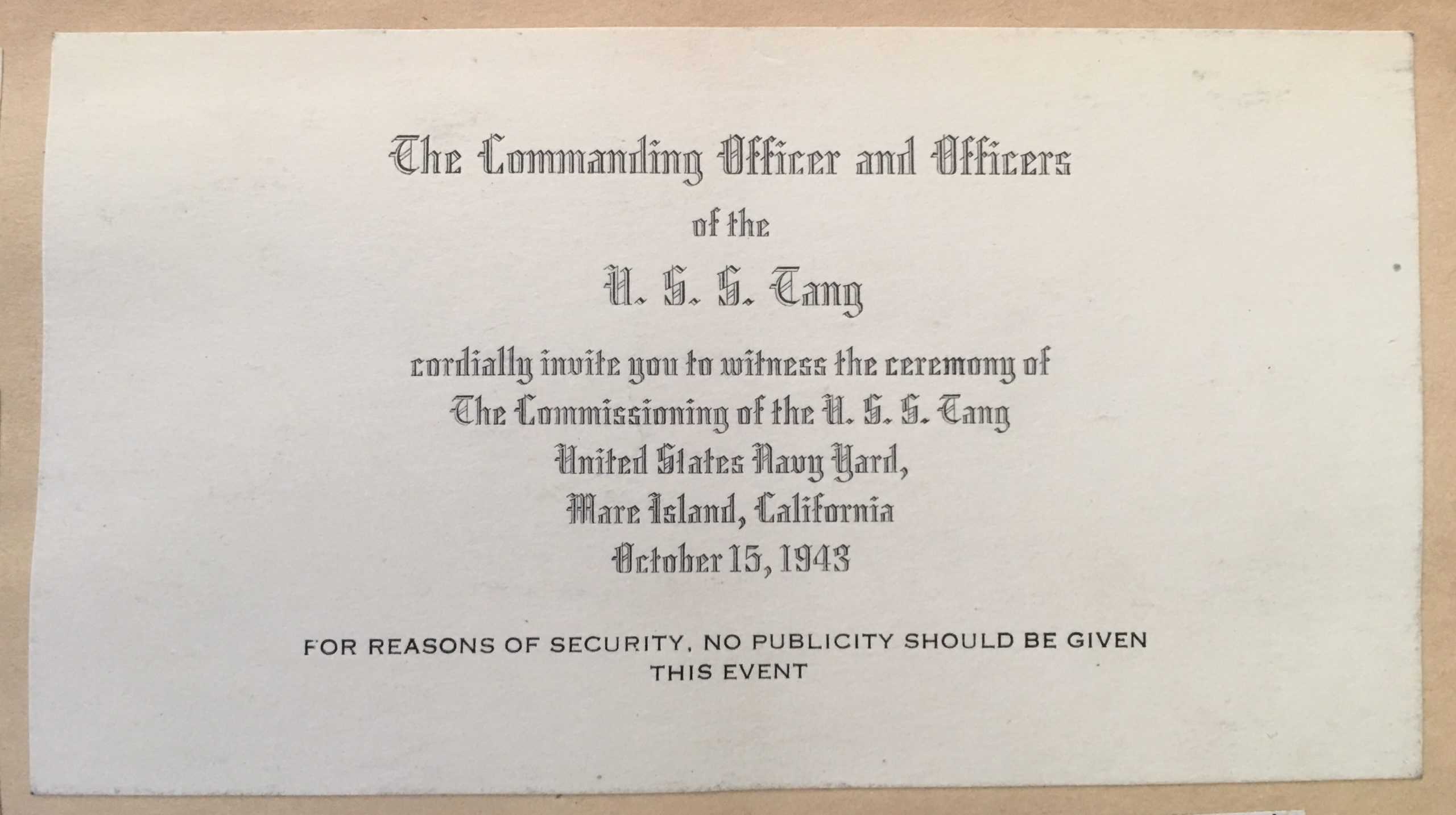
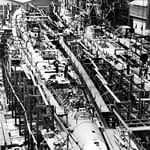
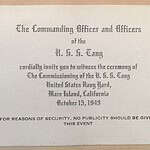
The USS Tang was built in the Mare Island Naval Shipyard as part of a massive outfitting of the US Navy with Balao-class submarines. The contract to begin building the Tang was awarded on December 15, 1941. The ship was completed and commissioned on October 15, 1943, with Lieutenant Commander Richard O’Kane on hand.
The War in the Pacific
The construction of the USS Tang came hot off the heels of the United States declaring war on Japan and the rest of the Axis powers. As Japan was primarily a naval force, the United States would have to bring the Pacific fleet up to par and outclass the Japanese at their specialty. This proved to a bloody and gruesome conflict, despite massive victories for the United States.
First War Patrol
- The USS Tang's first war patrol took it to the Carolinas and Mariana Islands.
The USS Tang went on its first war patrol after departing Pearl Harbor on January 22, 1944. On the morning of February 17, 1944, the USS Tang attacked a Japanese convoy, which returned fire with five depth charges. When the convoy's escort left, the Tang fired three torpedoes at the convoy, sinking the Gyoten Maru.
Continued Convoy Attacks
- The Tang scored 16 hits out of 24 torpedoes on its first war patrol.
The rest of the Tang’s first war patrol continuously hunted Japanese convoys. On February 22nd, the Tang attacked the Fukuyama Maru, almost completely blowing up. The following morning, the Tang attacked another convoy escort, the Yamashimo Maru, sinking it within minutes. The rest of the Tang's first war patrol saw the Tang sink two more ships.
Second War Patrol
- The Tang's second war patrol saw no battles.
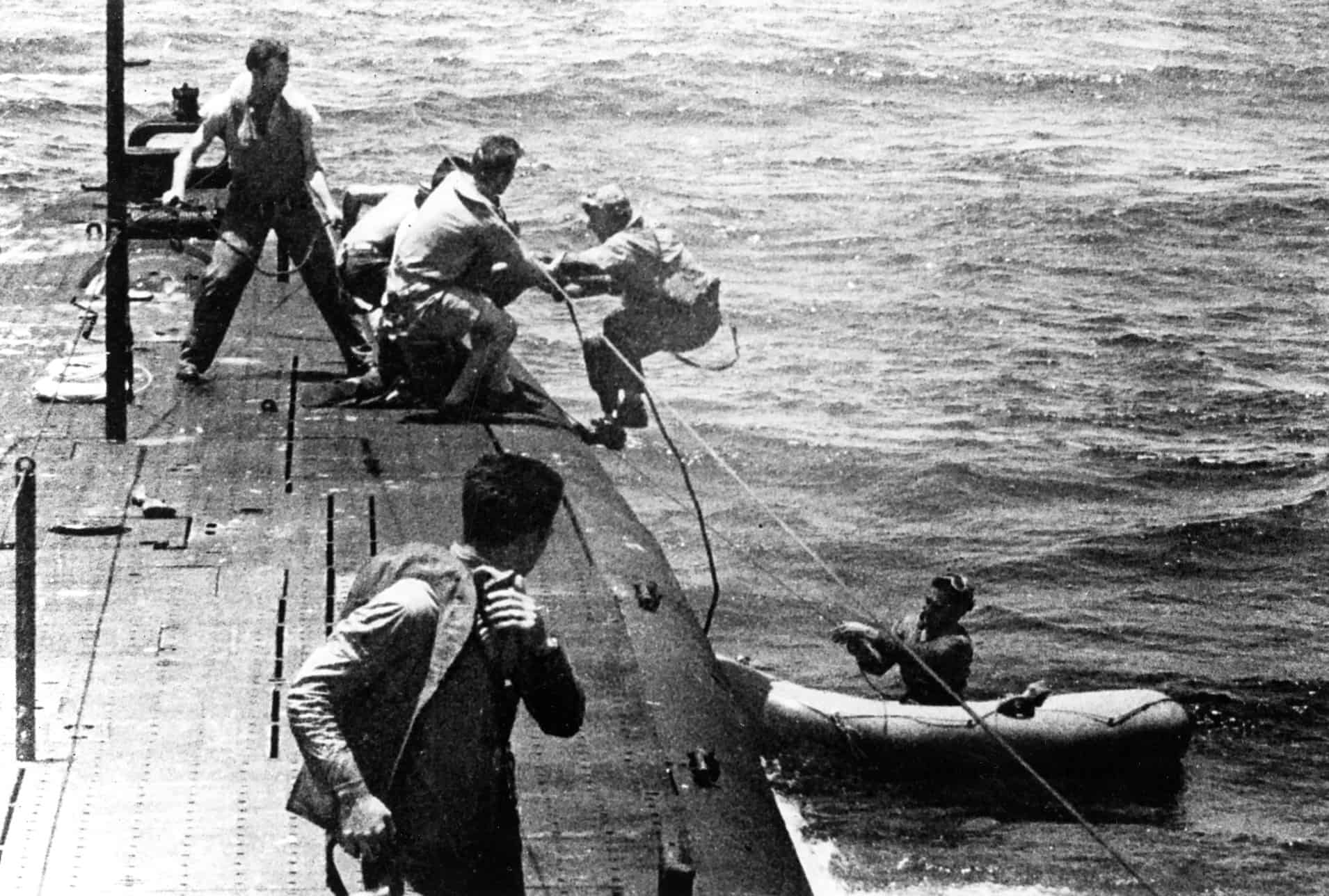
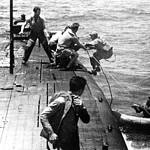
Beginning its second war patrol on March 16, 1944, the Tang was sent to the waters around Palau Islands, Davao Gulf, and Truk. During this war patrol, the Tang saw five total surface contacts but was out of range each time. Instead, the Tang focused on rescuing downed airmen. The Tang rescued 22 airmen and held them on board until they returned to Hawaii at the end of their patrol.
Third War Patrol
- The USS Tang was credited with 10 kills at 39,160 tons on its third war patrol.
Leaving Pearl Harbor on June 8, 1944, the USS Tang was sent to the East China and Yellow Sea areas. It wouldn’t take long before, on June 24, the Tang saw a convoy of six ships guarded by 16 escorts. Firing three torpedoes twice at two different ships, the Tang sank both, though later Japanese reports indicated a total of four ships were sunk.
Sinking the Nikkin Maru
- A single torpedo sunk the Nikkin Maru.
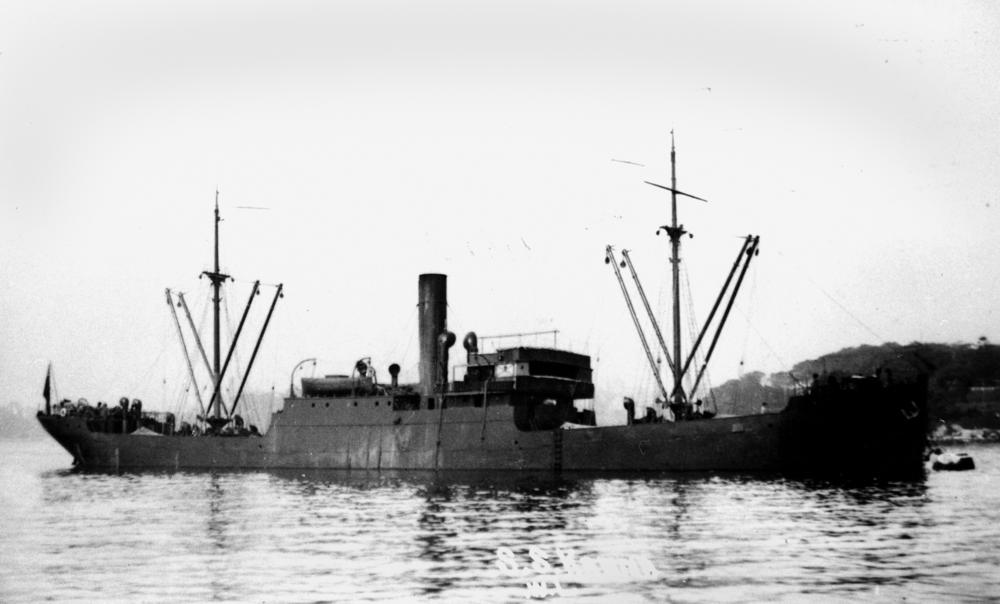
After its June 24th success, the Tang stayed in the same waters. Then, on June 30, it came across another cargo ship without an escort. While avoiding depth charges, the Tang surfaced and launched a single torpedo to destroy the Nikkin Maru and its transport ship, which led to the death of 3,200 Japanese soldiers. The following morning, the Tang sank another cargo ship, the Yamaoka Maru, for a total war patrol of 10 ships and 39,160 tons destroyed.
Fourth War Patrol
- The Tang had multiple kills on its fourth war patrol before returning to Pearl Harbor.
Conducted from July 31 to September 3, the USS Tang’s fourth war patrol began in the coastal waters off Honshu. It took only 11 days of patrolling the area before the Tang located and sank the freighter Roko Maru and another unnamed freighter. In total, it had fired three torpedoes only to submerge and evade a depth charge attack that lasted 38 minutes.
Return to Pearl Harbor
- One of the Tang's largest kills was the Tsukushi maru at 8,135 tons.
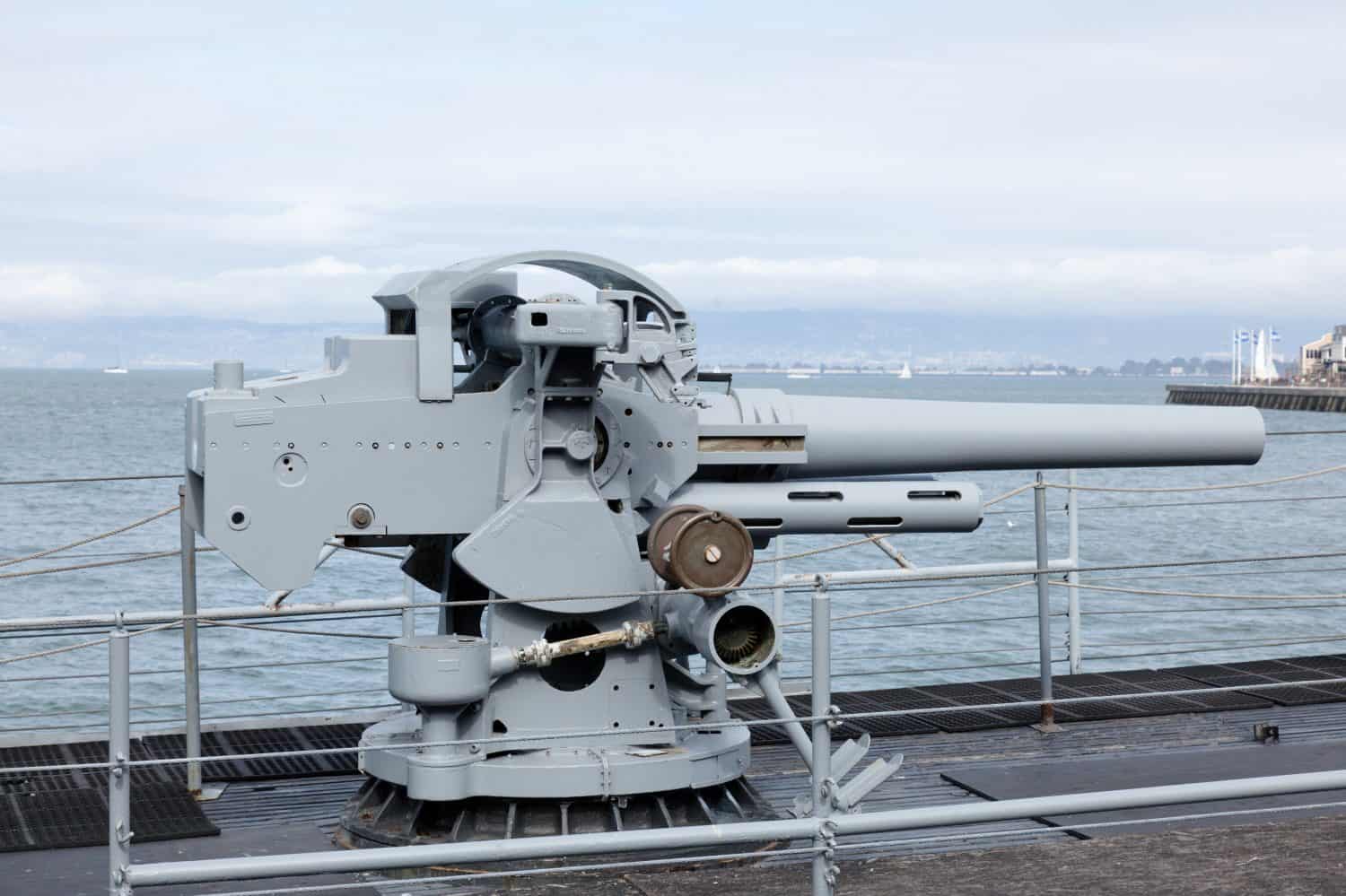
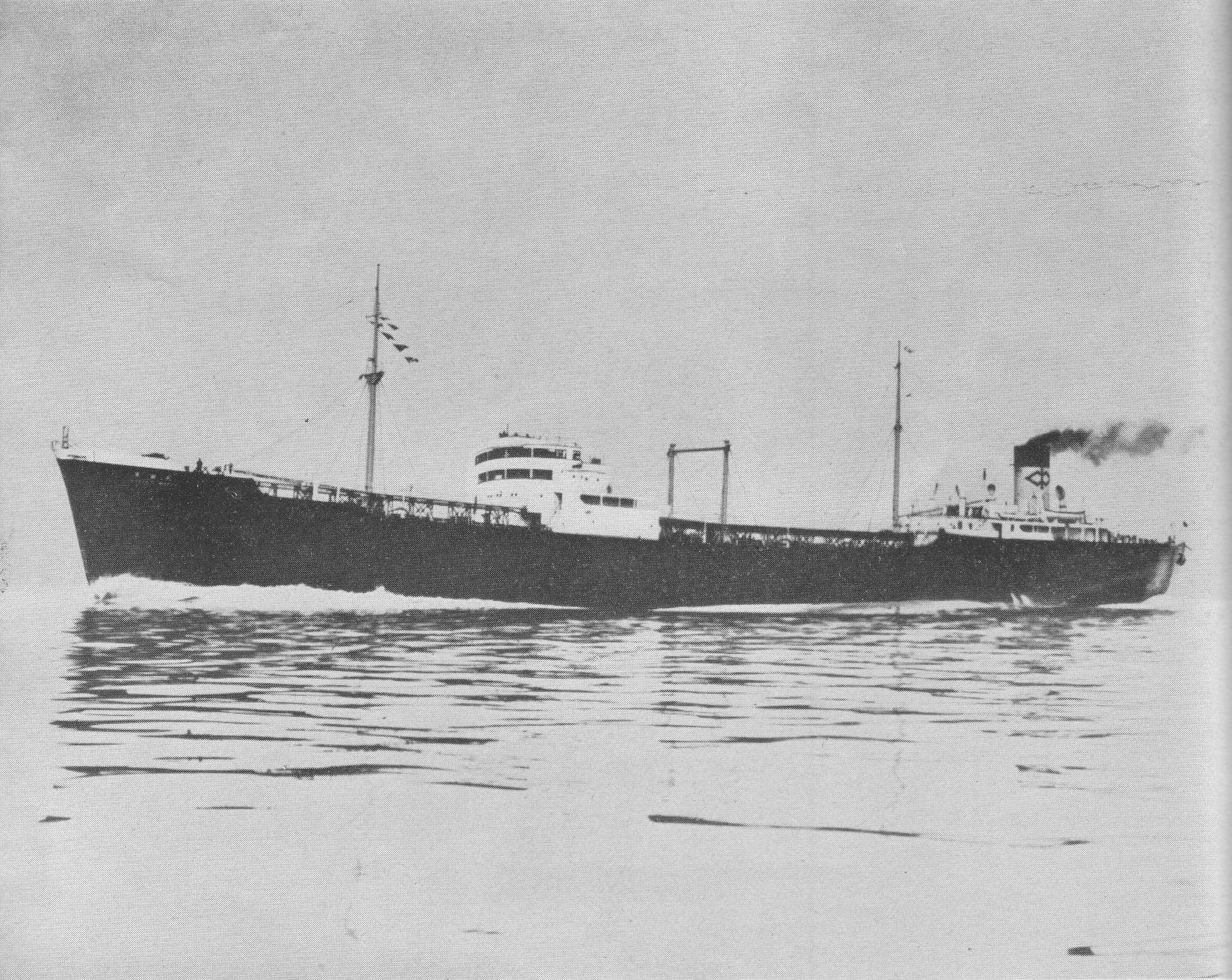
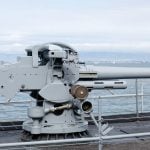
Fast forward to August 14th, when the Tang attacked a Japanese patrol boat with just its deck gun. The ship was successfully hit eight times, while another Japanese patrol boat was sunk a week later. Three torpedoes were fired when the USS Tang spotted another Japanese patrol boat. The barrage sank the Tsukushi Maru and one additional tanker.
Fifth War Patrol
- The USS Tang's fifth war patrol began on September 24, 1944.
On its fifth and final war patrol starting September 24, 1944, the USS Tang was refitted and sent back to sea with the Formosa Strait as its destination. Its first success during its fifth war patrol came on the night of October 10, when it sank two cargo ships, the Joshu Go and Oita Maru. Over the next week and a half, the Tang would patrol and sink another destroyer along with multiple escorts and freighters.
Last Combat Actions
- The USS Tang used its second-to-last torpedo to sink a Japanese transport.
On the morning of October 24, 1944, the Tang was patrolling waters at periscope depth. Upon making radar contact with a large convoy, the Tang's first targets were two transports and a tanker. Two ships were destroyed, with one transport dead in the water. Having given away its position, the Tang moved to escape retaliatory attacks. To finish off the transport, the Tang loaded its second-to-last torpedo and successfully sank the ship.
Final Torpedo
- The last torpedo from the USS Tang misfired and turned back to the submarine.
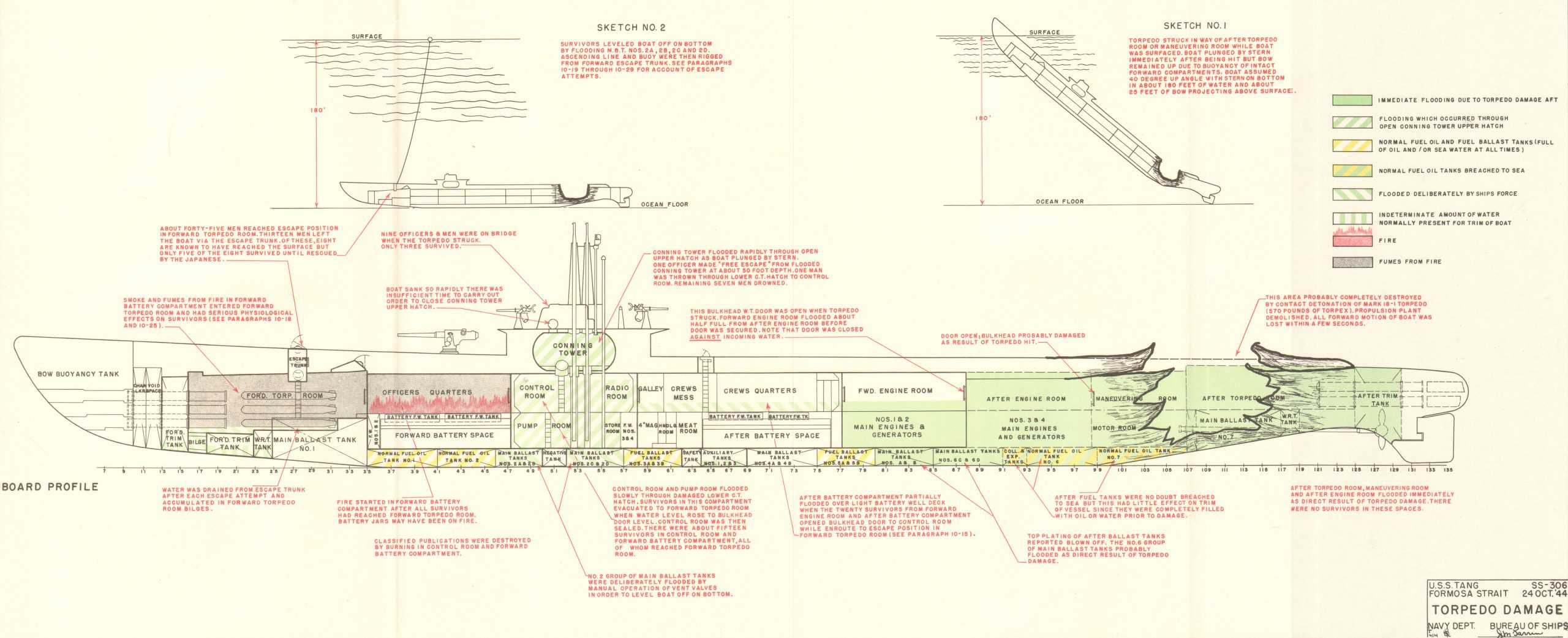
While still in the same target area, the 24th and last torpedo of the Tang’s fifth war patrol was loaded and fired. Unfortunately, the Mark 18 torpedo malfunctioned and circled back toward the Tang, striking the after torpedo room just 20 seconds after it was fired. Three compartments were immediately flooded, and half the crew died instantly.
USS Tang Sinks
- Half of the USS Tang's sailors died instantly.
With the Tang sinking, survivors attempted to reach the forward escape trunks. Japanese patrol boats were still dropping depth charges while attempting to confirm the Tang was gone. Having landed on the ocean floor 180 feet below the surface, only 13 men made it to the forward torpedo room and escaped hatches. Ironically, as the submarine was longer than the water's depth, its bow stuck out.
Survivors
- Commander O'Kane was one of 9 survivors who made it off the submarine.
According to the surviving commander, 29 men made it to an escape position in total, but many were too injured. As the first four men entered escape trunks, they used Momsen Lungs to reach the surface. While 13 men could escape the submarine, only nine made it to the surface. At the same time, a torpedo door gasket failed and exploded, suffocating the remaining crew on board.
War Success
- The USS Tang has been credited with sinking 33 ships.
Among the survivors, Commander O’Kane and his crew were taken to Japanese POW camps, where they remained until the war ended. After the war, O’Kane was awarded the Medal of Honor, while the Tang was awarded four battle stars and two Presidential Unit Citations. The Tang was ultimately credited with sinking 33 ships totaling 116,454 tons.
The image featured at the top of this post is ©Sailor Imran/Shutterstock.com