
Europe’s Oldest Churches Still Standing After Centuries of Change
Across Europe, a handful of churches have stood for more than 1,500 years, surviving long after the Roman Empire disappeared and centuries before many of the continent's castles, cathedrals, and kingdoms came into existence. These remarkable buildings were constructed during Christianity's earliest centuries, when the faith was transforming from a persecuted religion into one of the dominant forces shaping European civilization.
The doors of these churches have welcomed emperors, kings, crusaders, pilgrims, reformers, and countless generations of worshippers. While many ancient structures have been lost to war, natural disasters, or even time itself, these churches stand as extraordinary links to a world that feels so distant. Here, History Computer is taking a closer look at these historic landmarks that helped shape nearly two thousand years of European history.
Here is a look at the oldest churches in Europe:
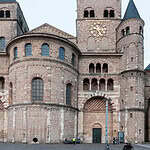
Cathedral of Trier
- Country: Germany
- Completed: c. 340
- Architectural Style: Late Roman / Early Christian
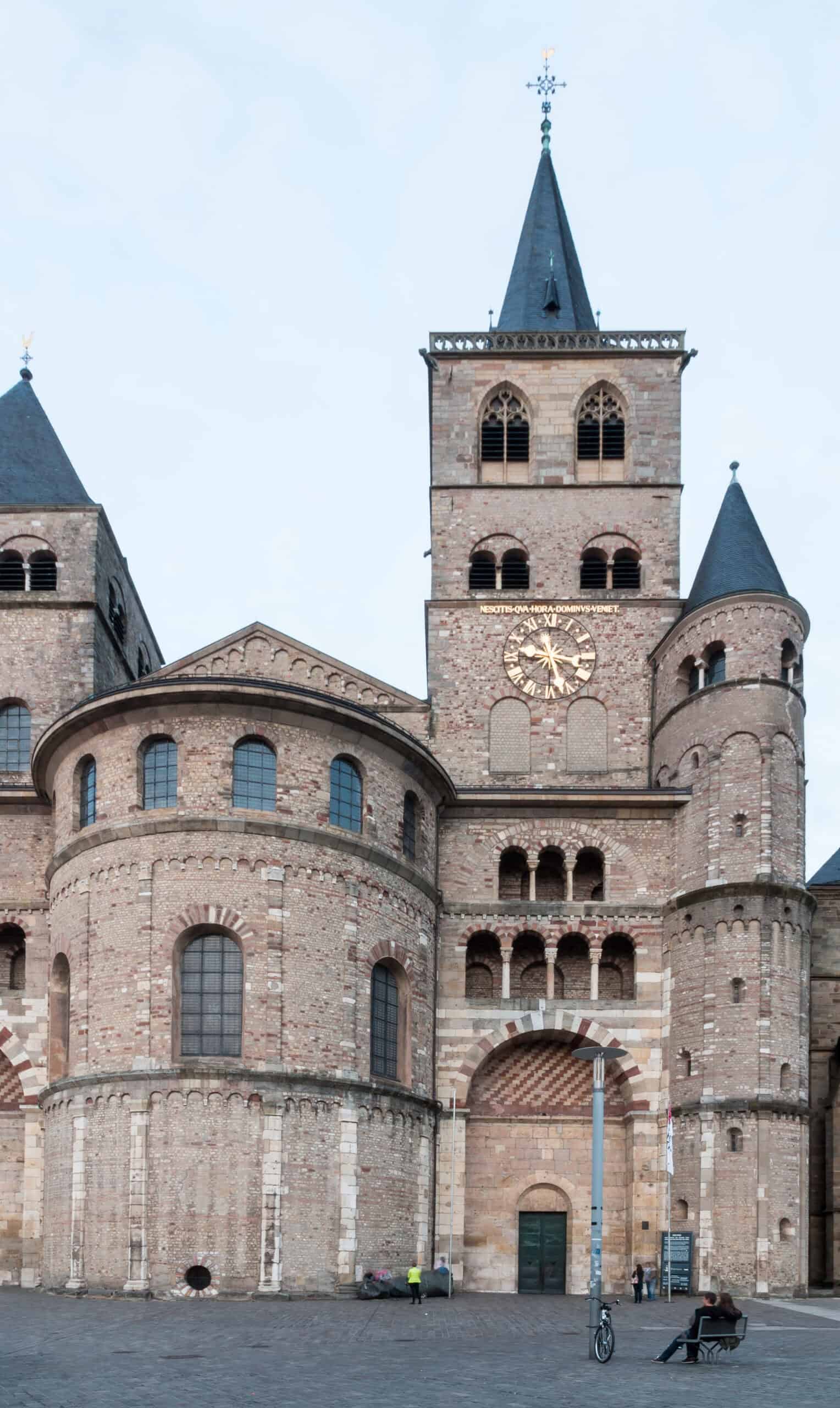
Widely regarded as Germany's oldest cathedral, the Cathedral of Trier traces its origins to the reign of Emperor Constantine the Great in the early fourth century. Tradition holds that Constantine's mother, Helena, played an important role in establishing one of the first major Christian churches north of the Alps. Construction began around A.D. 340 atop the remains of an imperial palace, creating a monumental complex unlike anything else in the Roman provinces. Although portions of the cathedral have been rebuilt following wars, fires, and centuries of expansion, significant sections of the original Roman brickwork still survive within its massive walls. The cathedral has served continuously as a place of Christian worship for nearly 1,700 years, witnessing the collapse of the Western Roman Empire, the rise of the Holy Roman Empire, the Reformation, and two world wars. Today, it stands as both a UNESCO World Heritage Site and one of Europe's most remarkable surviving examples of early Christian architecture.
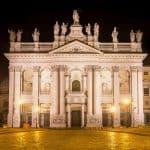
Archbasilica of Saint John Lateran
- Country: Italy
- Completed: 324 (later rebuilt)
- Architectural Style: Early Christian
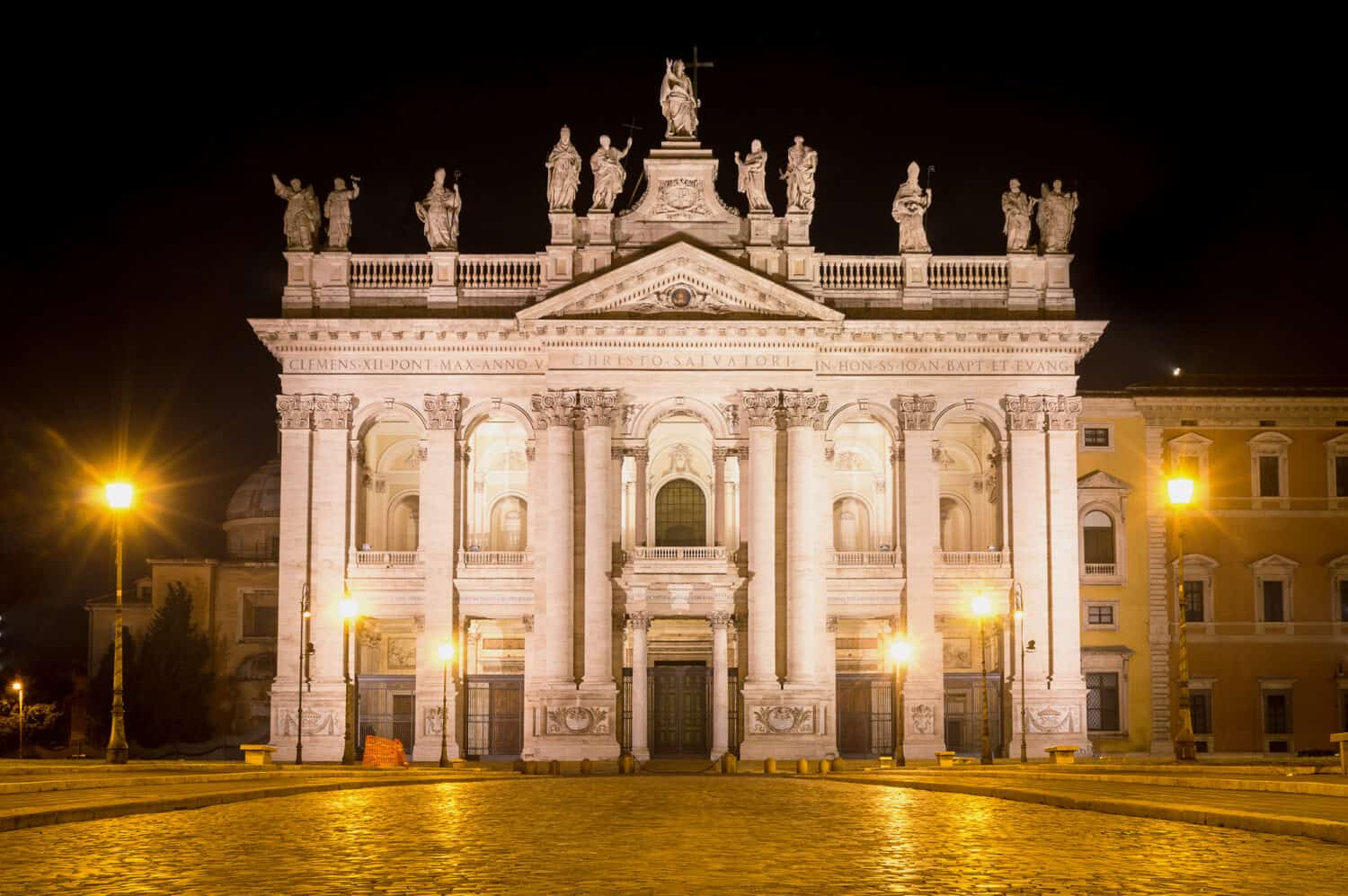
Although many people assume St. Peter's Basilica is the Pope's principal church, that distinction actually belongs to the Archbasilica of Saint John Lateran. Consecrated during the reign of Constantine the Great in A.D. 324, it became the first public Christian basilica built after Christianity gained legal recognition within the Roman Empire. For nearly a thousand years it served as the primary residence of the popes and the spiritual center of Western Christianity before the papacy eventually relocated to the Vatican. The church visible today reflects numerous renovations following fires, earthquakes, and centuries of rebuilding, yet its ancient origins remain central to its significance. Saint John Lateran carries the title "Mother and Head of All Churches of the City and the World," underscoring its importance within Roman Catholic tradition. Beyond its religious role, the basilica symbolizes Christianity's dramatic transition from a persecuted faith to the official religion of an empire, marking one of the most significant turning points in European history.
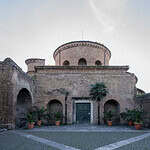
Santa Costanza
- Country: Italy
- Completed: c. 350
- Architectural Style: Late Roman / Early Christian
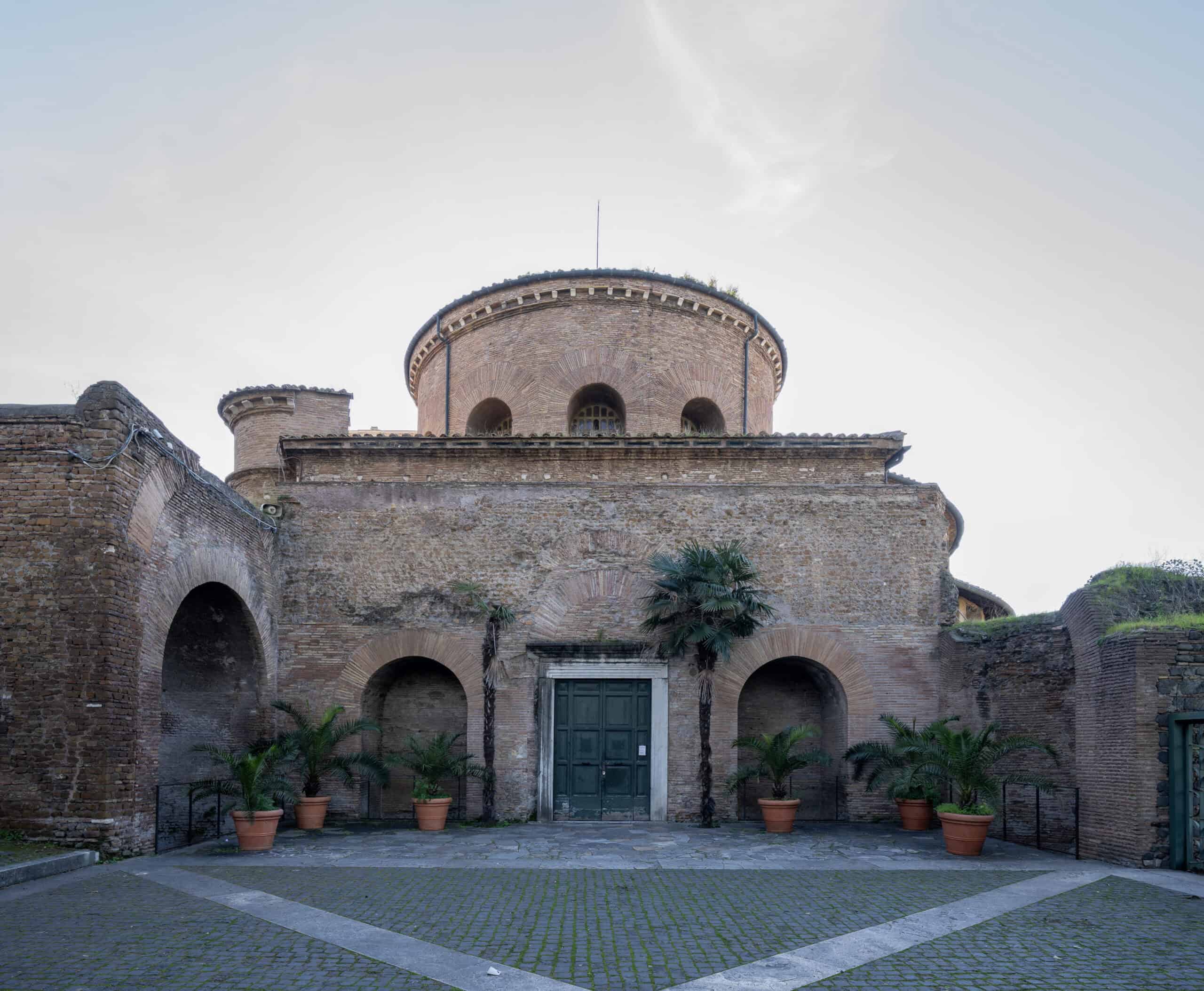
Originally constructed around A.D. 350 as the mausoleum of Constantina, the daughter of Emperor Constantine the Great, Santa Costanza later became one of Rome's most distinctive early Christian churches. Unlike the long rectangular basilicas common during the period, the building features a remarkable circular design inspired by Roman imperial mausoleums. Its graceful ambulatory, ring of paired columns, and domed central space reveal how early Christian architects adapted classical Roman forms for sacred purposes. Even more impressive are the mosaics that decorate portions of the interior, many of which rank among the oldest surviving Christian mosaics in Europe. Interestingly, several decorative scenes incorporate grapevines, birds, and harvest imagery that blend Christian symbolism with artistic traditions inherited from the Roman world. Over the centuries, Santa Costanza survived political upheaval, invasions, and changing architectural tastes while remaining largely intact. Today it offers visitors a rare opportunity to experience the transition between late Roman architecture and the emerging artistic identity of early Christianity.
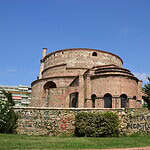
Rotunda of Saint George
- Country: Greece
- Completed: Late 4th century (church conversion)
- Architectural Style: Late Roman / Byzantine
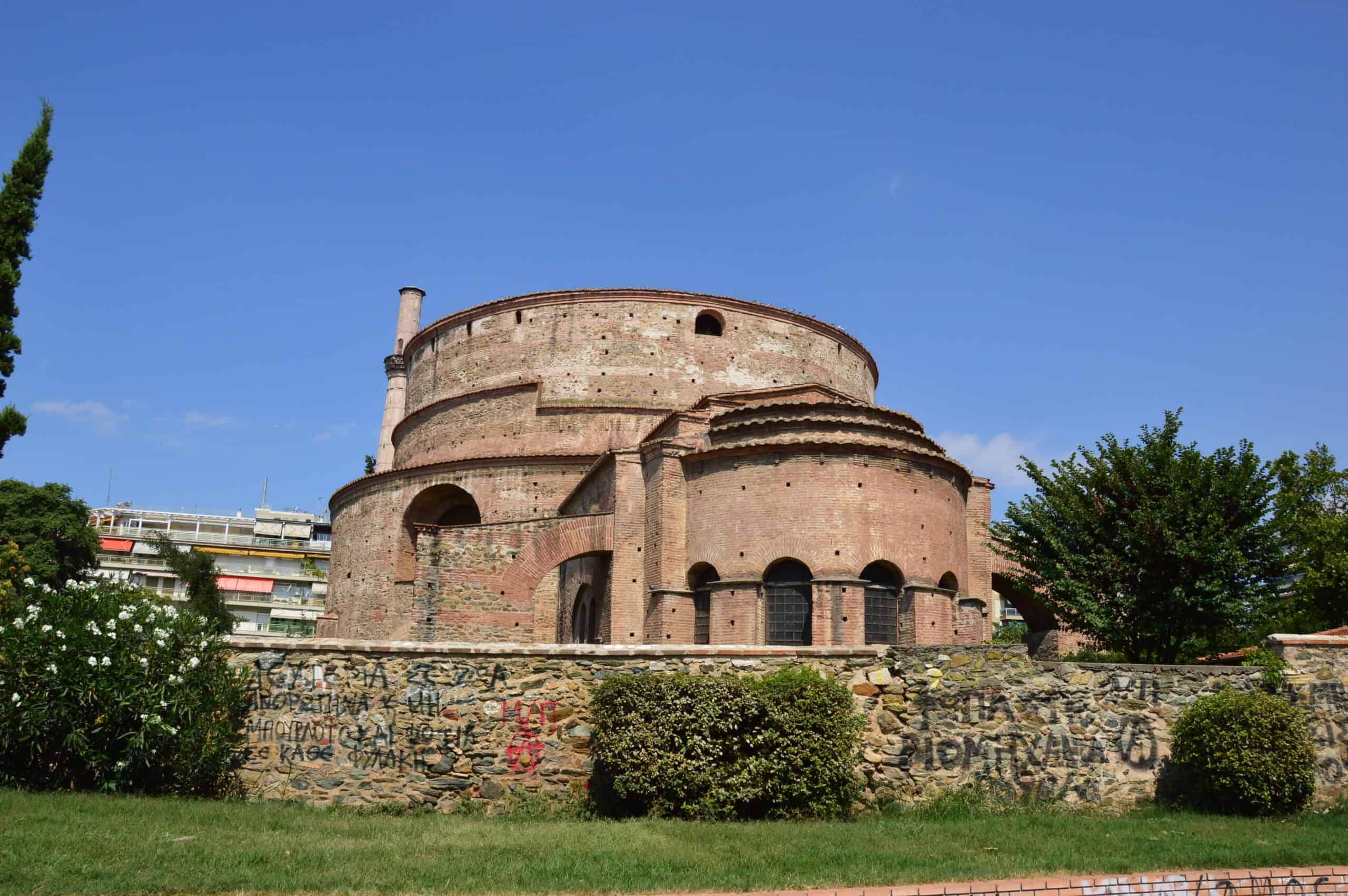
Standing in the heart of Thessaloniki, the Rotunda of Saint George has experienced one of the most remarkable histories of any religious building in Europe. Originally constructed around A.D. 306 by Emperor Galerius, the massive circular structure was likely intended as either a mausoleum or a temple before being converted into a Christian church during the late fourth century. That transformation made it one of the oldest surviving churches anywhere in the Christian world. Over the following centuries, the Rotunda served as a Byzantine church, an Ottoman mosque, and eventually returned to Christian use after Greece regained control of the city. Despite these dramatic changes, extraordinary early Christian mosaics still decorate sections of its soaring dome, offering a glimpse into the artistic achievements of the Byzantine Empire. The building's survival through earthquakes, invasions, religious transitions, and nearly seventeen centuries of history makes it one of Europe's most extraordinary architectural treasures and a unique symbol of Thessaloniki's layered cultural heritage.
Basilica of Santa Sabina
- Country: Italy
- Completed: 422–432
- Architectural Style: Early Christian Basilica
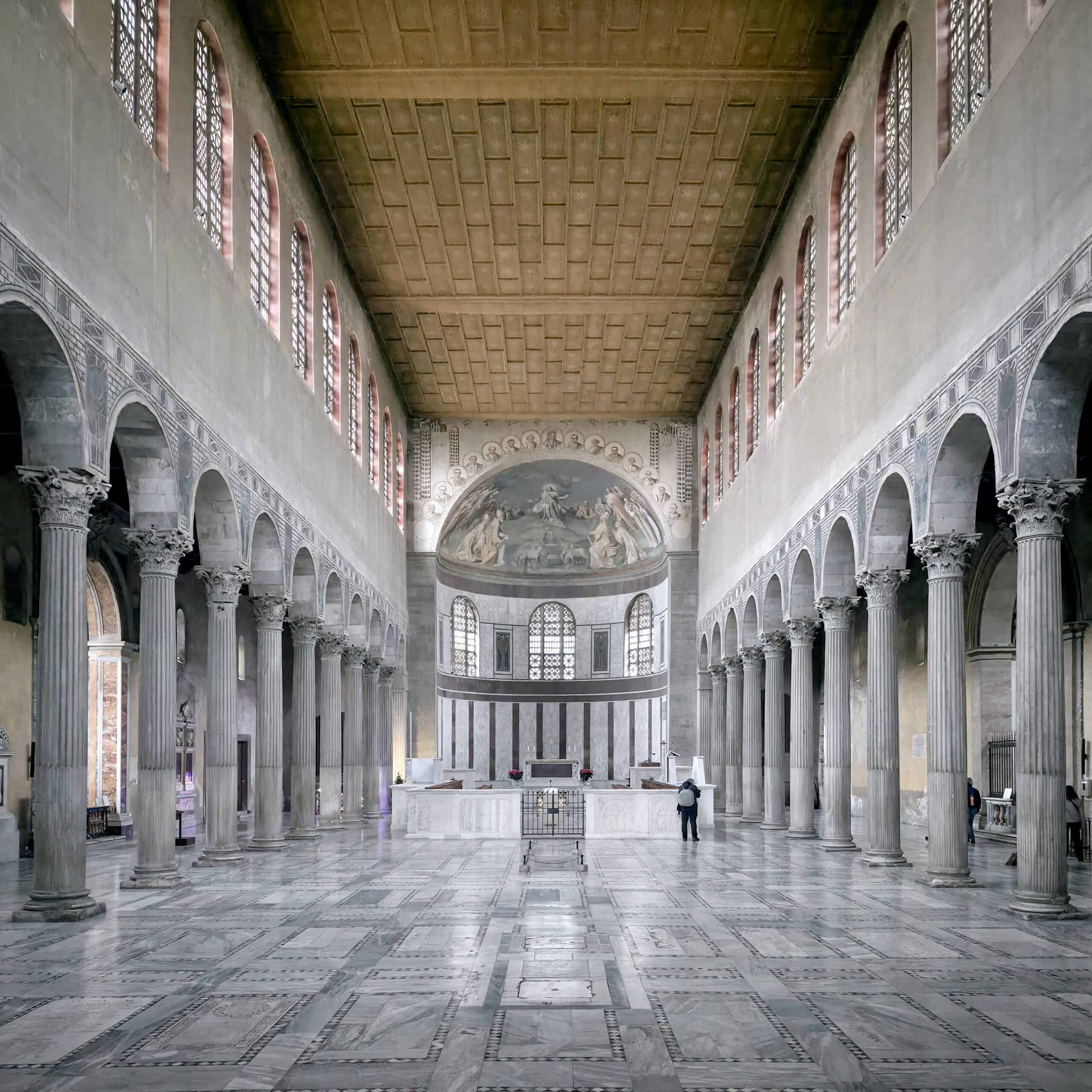
Completed between A.D. 422 and 432 atop Rome's Aventine Hill, the Basilica of Santa Sabina is widely regarded as one of the finest preserved examples of an early Christian basilica. Unlike many ancient churches that underwent extensive medieval or Baroque remodeling, Santa Sabina retains much of its original fifth-century appearance. Visitors today still encounter the long central nave, elegant rows of Corinthian columns, clerestory windows, and simple architectural proportions that characterized early Christian worship. Among its greatest treasures are the enormous wooden entrance doors, which date to the church's original construction and contain one of the earliest known depictions of the Crucifixion in Christian art. Throughout its history, Santa Sabina has served as an important center of Dominican religious life while remaining remarkably faithful to its ancient design. Its understated beauty offers historians an invaluable glimpse into how Christians worshipped during the final years of the Western Roman Empire, making it one of Europe's most authentic surviving churches from antiquity.
Mausoleum of Galla Placidia
- Country: Italy
- Completed: c. 425–450
- Architectural Style: Late Roman
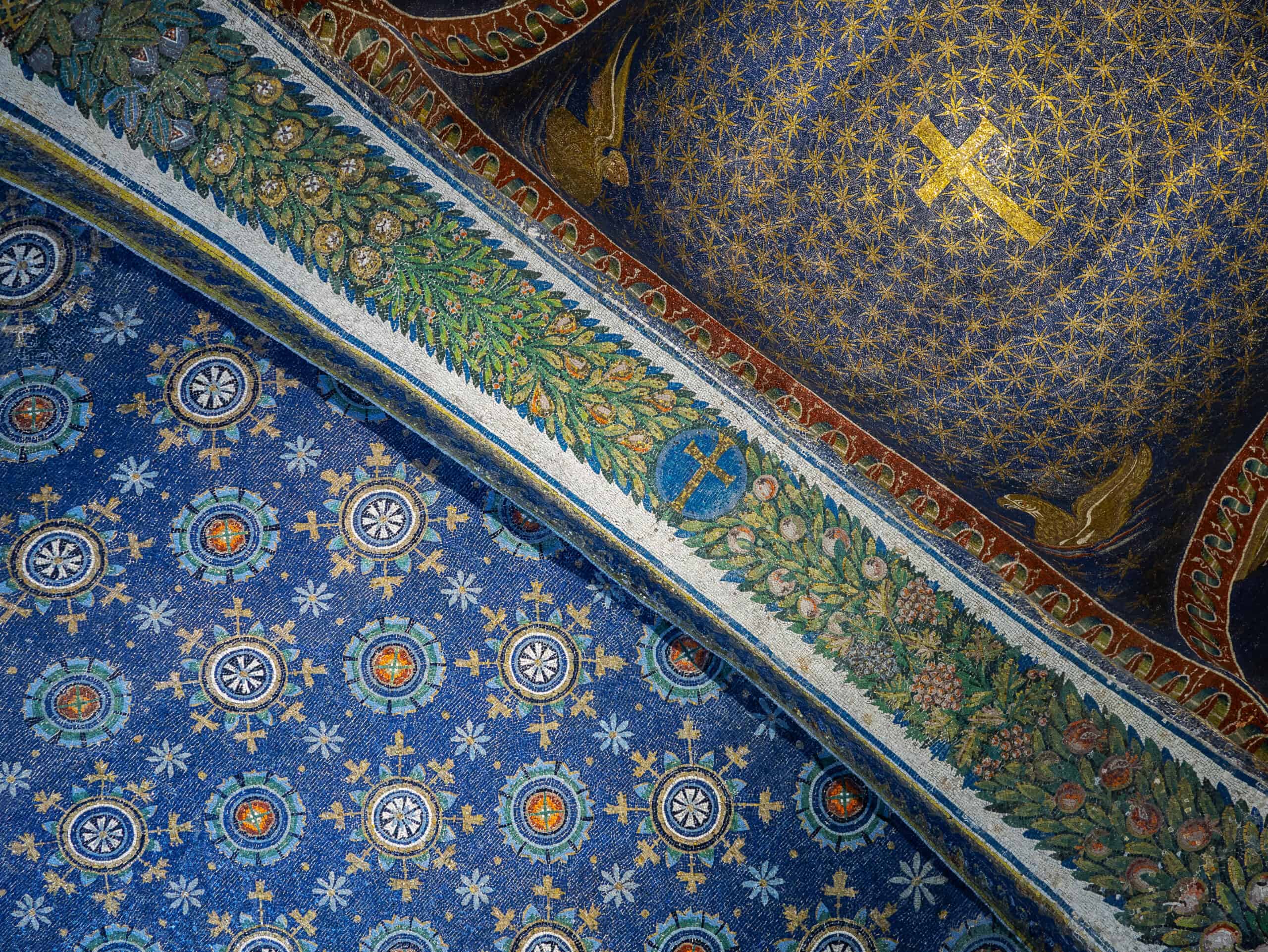
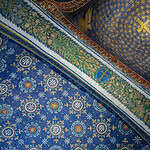
Despite its name, the Mausoleum of Galla Placidia was likely built as a chapel rather than the final resting place of the Roman empress whose name it bears. Constructed around A.D. 425–450 in Ravenna, the modest brick exterior gives little indication of the artistic masterpiece hidden within. Step inside, however, and visitors are greeted by one of the finest collections of early Christian mosaics anywhere in the world. The deep blue ceiling appears to shimmer with hundreds of golden stars, while intricate biblical scenes and symbolic imagery decorate nearly every surface. The mosaics have survived in remarkable condition thanks to the building's compact design and centuries of careful preservation. Ravenna served as the capital of the Western Roman Empire during this period, making the chapel an important example of the city's political and religious importance. More than 1,500 years after its construction, the Mausoleum of Galla Placidia remains one of the greatest surviving artistic achievements of late antiquity and a masterpiece of early Christian architecture.
Basilica of San Lorenzo Maggiore
- Country: Italy
- Completed: 4th–5th century
- Architectural Style: Early Christian
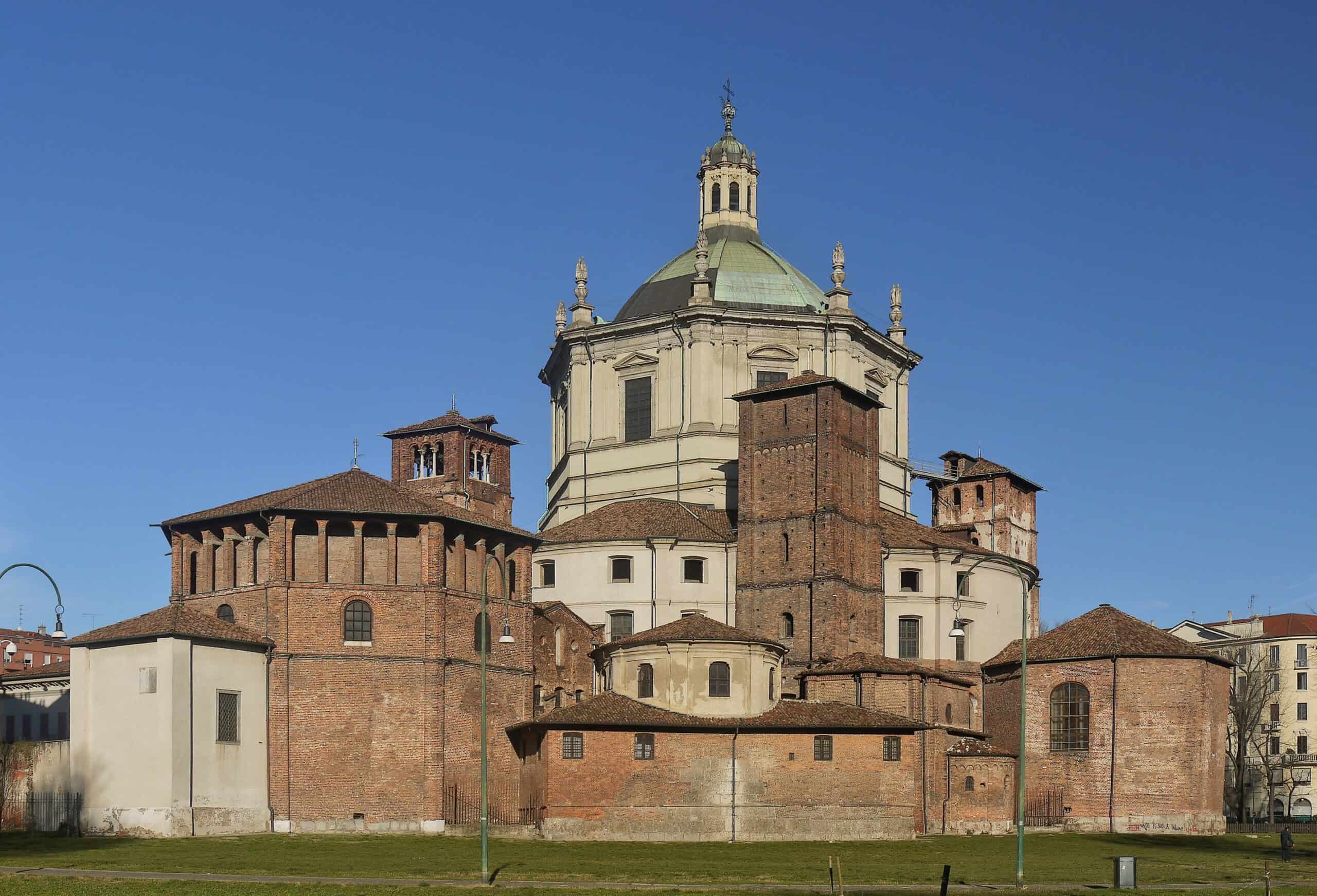
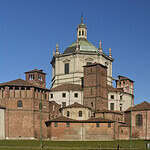
The Basilica of San Lorenzo Maggiore stands among Milan's oldest and most architecturally innovative churches. Construction began during the late fourth or early fifth century, making it one of the earliest monumental Christian buildings in northern Italy. Unlike the traditional basilica layout adopted by many churches of the period, San Lorenzo features a centralized plan inspired by Roman imperial architecture. Massive columns salvaged from earlier Roman buildings support an ambitious domed interior that reflected the engineering skill of the late Roman world. Although fires, earthquakes, and structural failures led to numerous repairs and alterations over the centuries, substantial portions of the original church remain visible today. Outside the basilica, the famous Columns of San Lorenzo—sixteen towering Roman columns relocated from an ancient structure—provide another reminder of Milan's imperial past. The church represents a fascinating transitional moment in European architecture, where Roman engineering, Christian worship, and emerging Byzantine influences combined to create one of the continent's most enduring sacred spaces.
Cathedral of Saint Domnius
- Country: Croatia
- Completed: 4th century conversion
- Architectural Style: Late Roman / Early Christian
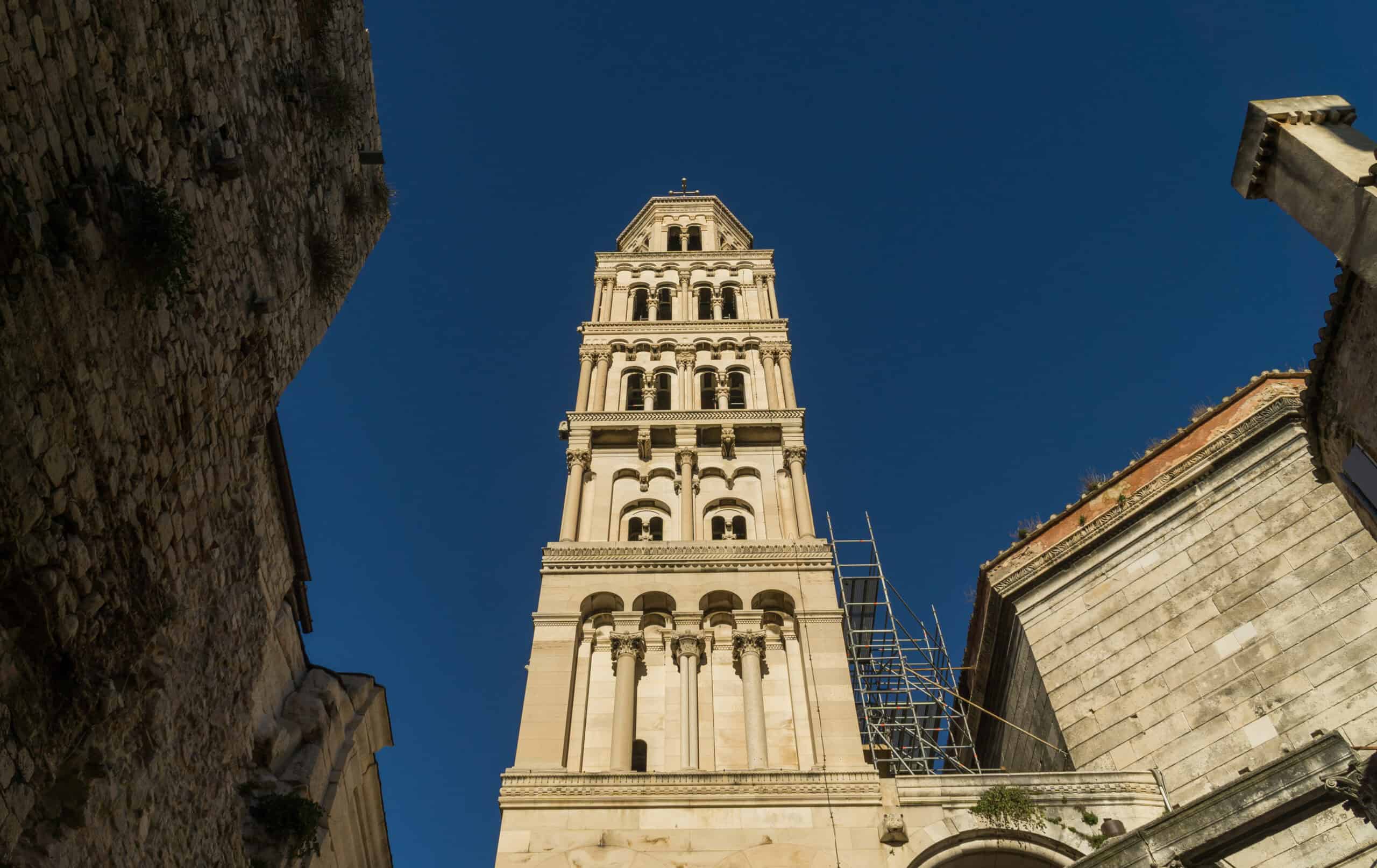
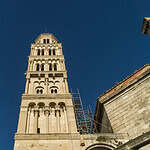
The Cathedral of Saint Domnius in Split possesses one of the most unusual origins of any church in Europe. Rather than being constructed as a church, the building began life in the early fourth century as the mausoleum of the Roman emperor Diocletian—the very ruler remembered for launching one of Christianity's most severe persecutions. Following the collapse of Roman authority, local Christians converted the imperial tomb into a cathedral dedicated to Saint Domnius, a bishop whom Diocletian himself had ordered executed. The irony is remarkable: a monument built to honor Christianity's persecutor eventually became one of Christianity's oldest continuously used cathedrals. Much of the original Roman structure survives, including its octagonal walls, granite columns, elaborate capitals, and soaring dome. Medieval additions such as the Romanesque bell tower complement rather than overshadow the ancient core. Today, the cathedral remains the spiritual heart of Split while standing as one of the world's finest examples of how Roman imperial architecture was transformed into Christian sacred space.
Basilica of Sant'Apollinare Nuovo
- Country: Italy
- Completed: c. 505
- Architectural Style: Byzantine
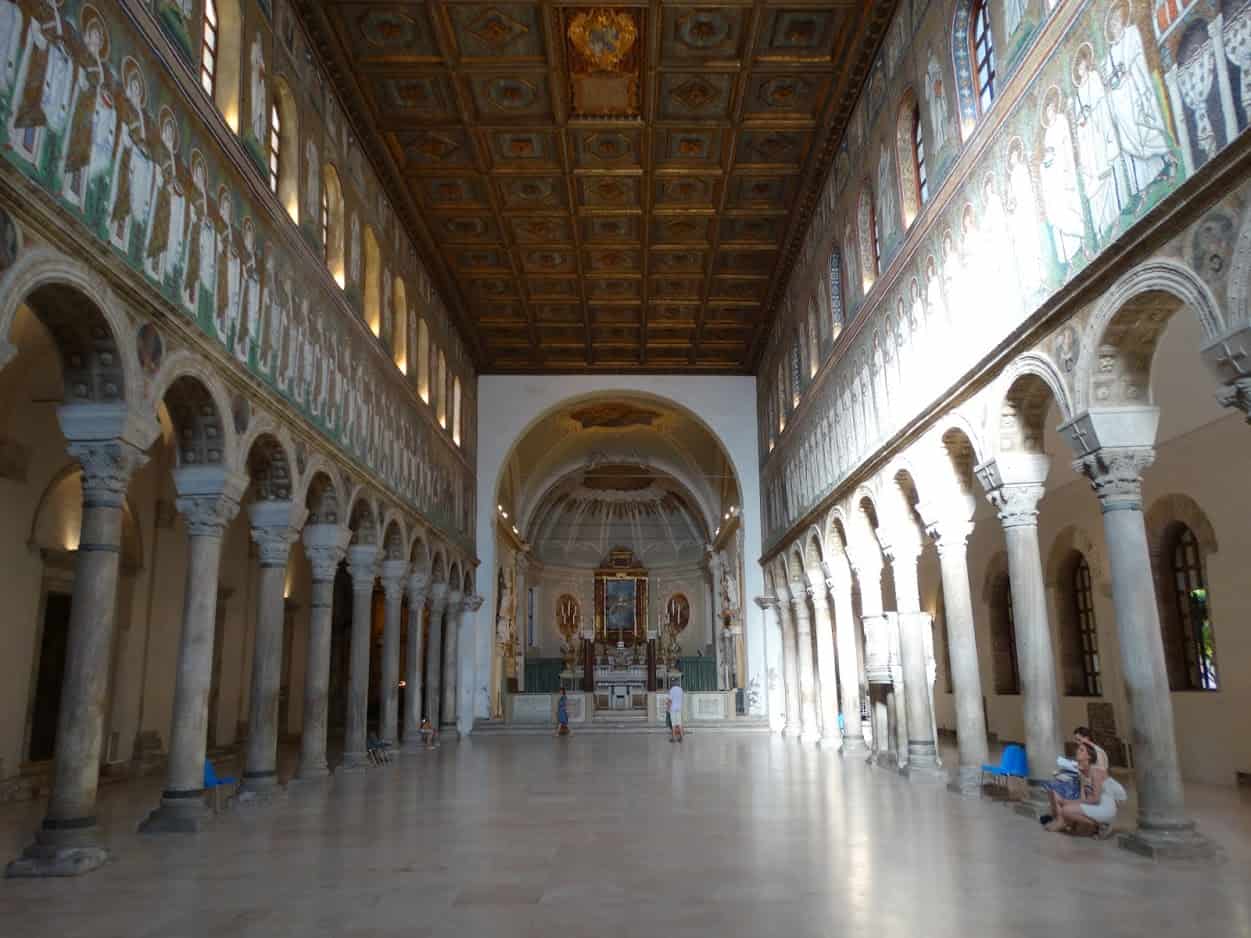
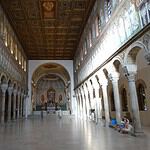
Originally commissioned around A.D. 505 by Theodoric the Great, king of the Ostrogoths, the Basilica of Sant'Apollinare Nuovo ranks among Ravenna's greatest architectural treasures. The church initially served the Arian Christian community before Emperor Justinian's Byzantine forces reclaimed the city and rededicated it to orthodox Christianity. During that transition, portions of the original decorative program were altered, yet the basilica retained one of the world's most spectacular collections of early Byzantine mosaics. Along both sides of the nave, magnificent processions of saints, martyrs, and virgins advance toward Christ and the Virgin Mary in scenes that have captivated visitors for more than fifteen centuries. The mosaics not only demonstrate extraordinary artistic skill but also preserve valuable insights into religious and political changes during the final years of antiquity. Although the church's exterior is relatively simple, its interior remains one of the finest surviving examples of early Christian art. Sant'Apollinare Nuovo continues to illustrate Ravenna's unique role as a bridge between the Roman and Byzantine worlds.
Basilica of Saint Demetrios
- Country: Greece
- Completed: 5th–7th century
- Architectural Style: Byzantine
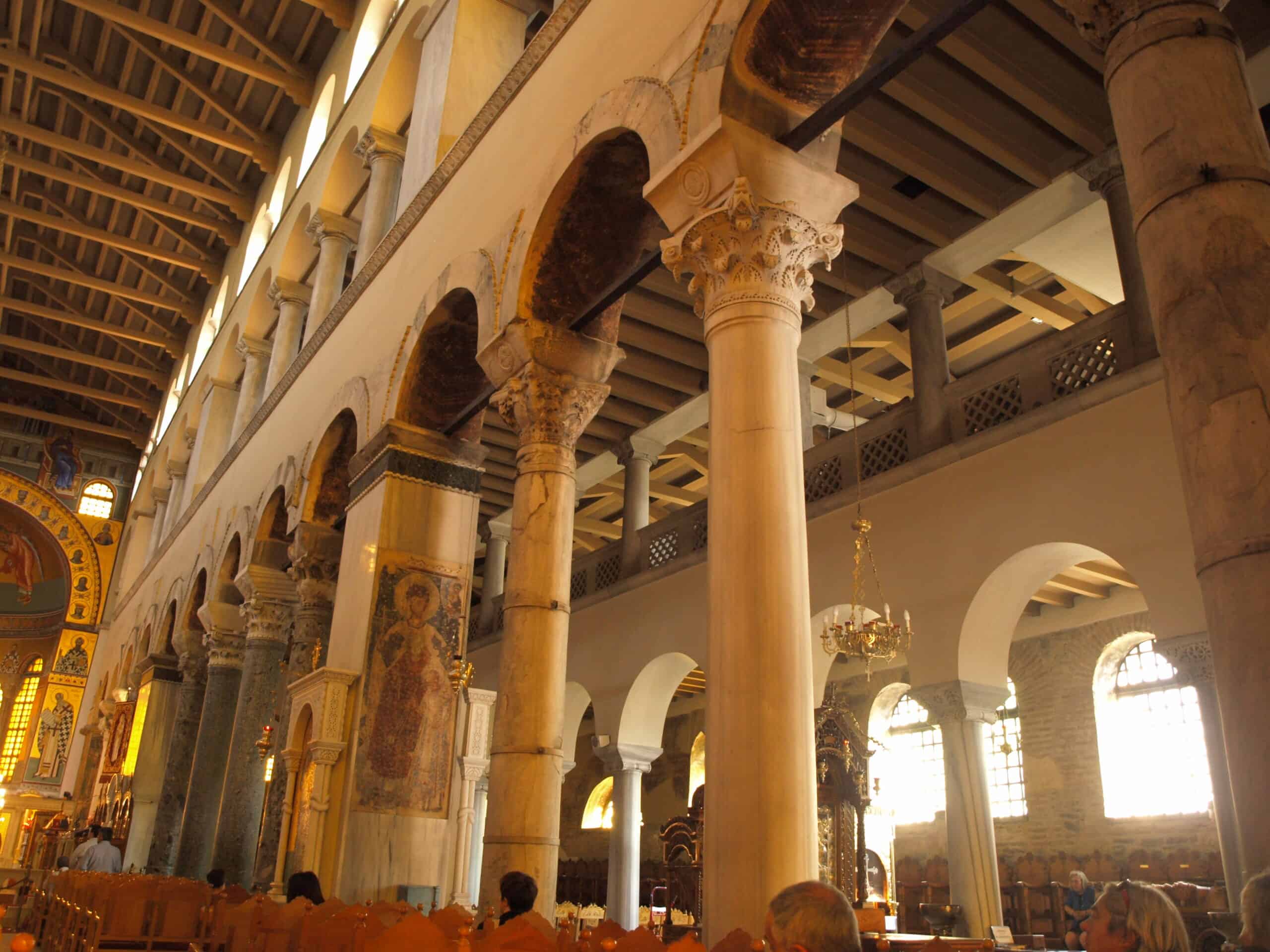
Dedicated to Thessaloniki's patron saint, the Basilica of Saint Demetrios has stood at the spiritual center of the city for well over 1,500 years. The first church was constructed during the fifth century over the traditional site of Saint Demetrios' martyrdom, though fires and subsequent rebuilding shaped much of the structure seen today. Throughout the Byzantine era, the basilica became one of the empire's most important pilgrimage destinations, drawing worshippers who believed the saint protected the city from invasion and disaster. The church preserves remarkable early Christian and Byzantine mosaics depicting Saint Demetrios alongside bishops, officials, and worshippers, offering rare glimpses into religious life during the early Middle Ages. During Ottoman rule, the basilica was converted into a mosque before returning to Christian use in the twentieth century. Despite repeated destruction—including a devastating fire in 1917—careful restoration has preserved its ancient character. Today, Saint Demetrios remains one of Greece's most significant churches and a lasting symbol of Thessaloniki's rich Christian heritage.
Basilica of San Vitale
- Country: Italy
- Completed: 526–547
- Architectural Style: Byzantine
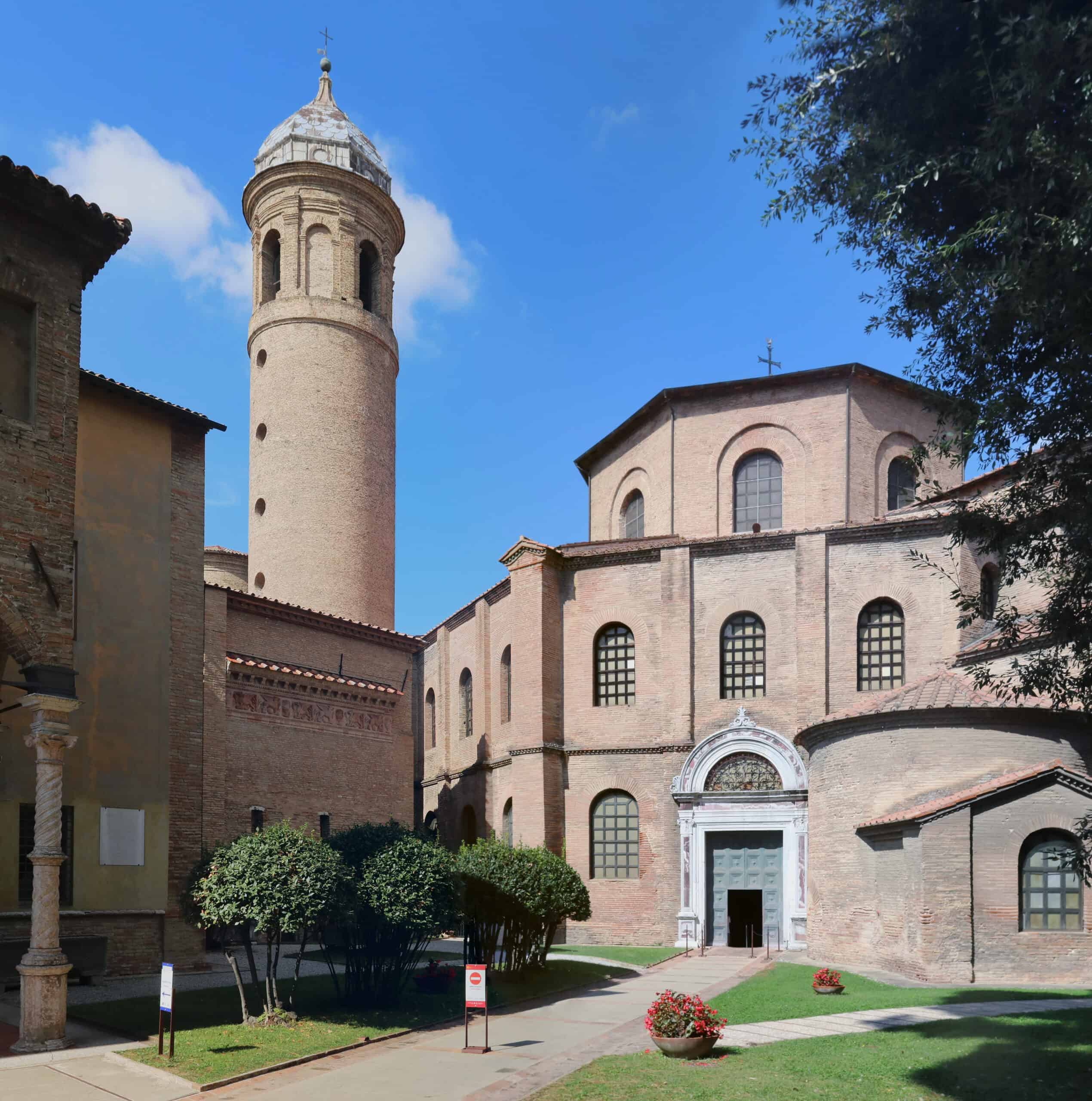
Completed in A.D. 547, the Basilica of San Vitale is widely regarded as one of the greatest masterpieces of Byzantine architecture in Western Europe. Located in Ravenna, the church was constructed during a period when the city served as the western capital of the Byzantine Empire under Emperor Justinian I. Unlike the long rectangular layout of many early Christian basilicas, San Vitale features an elegant octagonal design crowned by a soaring dome that creates an extraordinary sense of openness and light. The church is best known for its breathtaking mosaics, particularly the iconic panels depicting Emperor Justinian and Empress Theodora with members of their courts. These vibrant images are among the most famous works of Byzantine art ever created, providing historians with invaluable insights into sixth-century imperial life, fashion, and religious symbolism. Despite earthquakes, political upheaval, and the passage of nearly fifteen centuries, San Vitale remains remarkably well preserved. It continues to stand as one of Europe's greatest surviving monuments to the artistic and spiritual achievements of the Byzantine world.
Euphrasian Basilica
- Country: Croatia
- Completed: 553
- Architectural Style: Byzantine
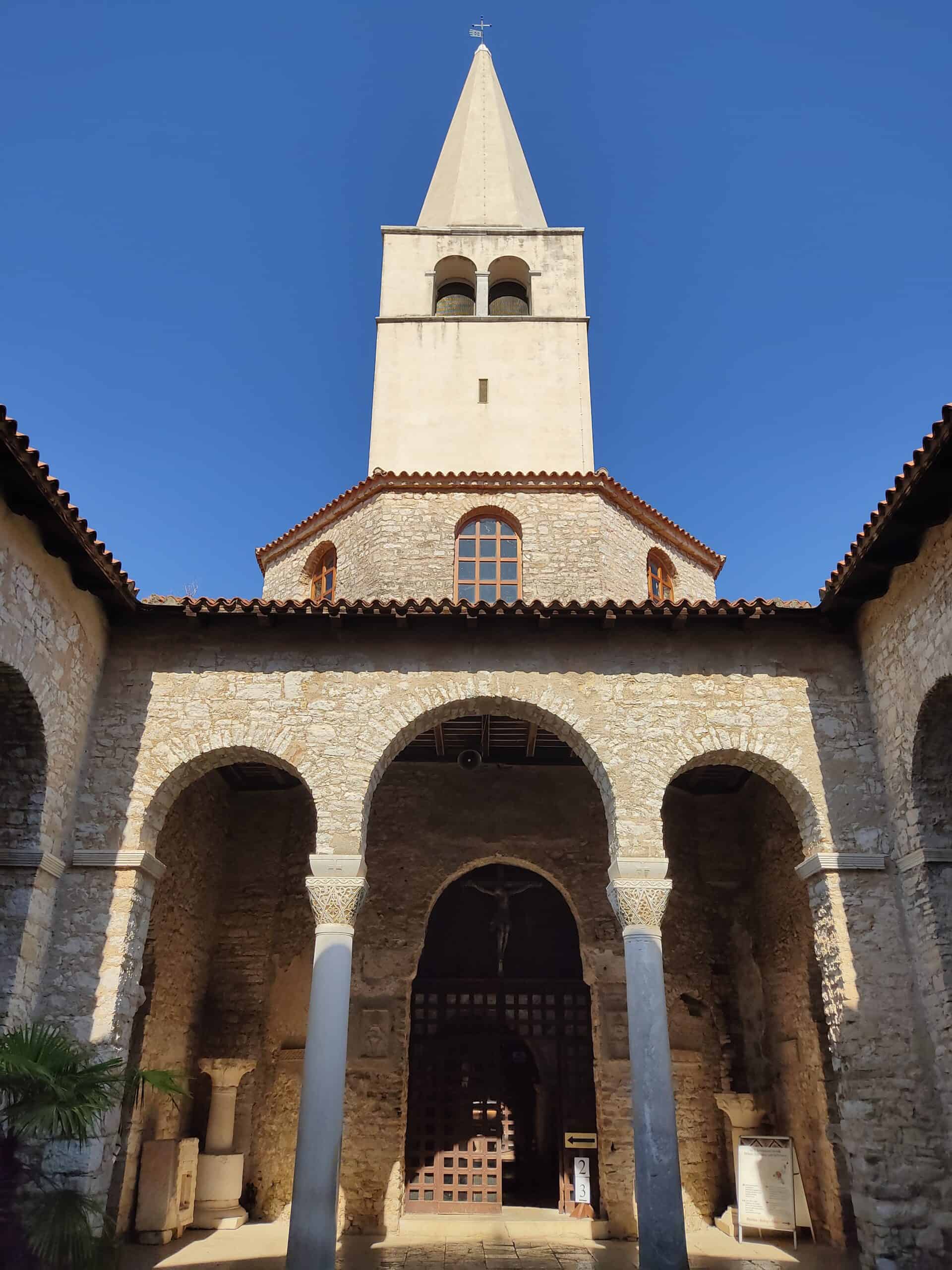
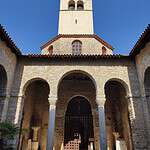
Situated in the coastal city of Poreč, Croatia, the Euphrasian Basilica represents one of the finest surviving examples of early Byzantine church architecture outside Italy. Completed around A.D. 553 under Bishop Euphrasius, the basilica was built atop the remains of earlier Christian churches dating back to the fourth century, reflecting centuries of continuous worship on the same sacred site. What makes the complex especially remarkable is its exceptional level of preservation. Visitors can still experience not only the basilica itself but also the adjoining baptistery, bishop's palace, atrium, and impressive bell tower, creating one of Europe's most complete early Christian church complexes. The glittering gold mosaics that adorn the apse are considered masterpieces of Byzantine art, featuring vivid depictions of the Virgin Mary, Christ, saints, and Bishop Euphrasius himself. Designated a UNESCO World Heritage Site, the Euphrasian Basilica offers an extraordinary window into sixth-century Christian life and remains one of Croatia's greatest historical and architectural treasures.
Basilica of Sant'Apollinare in Classe
- Country: Italy
- Completed: 549
- Architectural Style: Byzantine
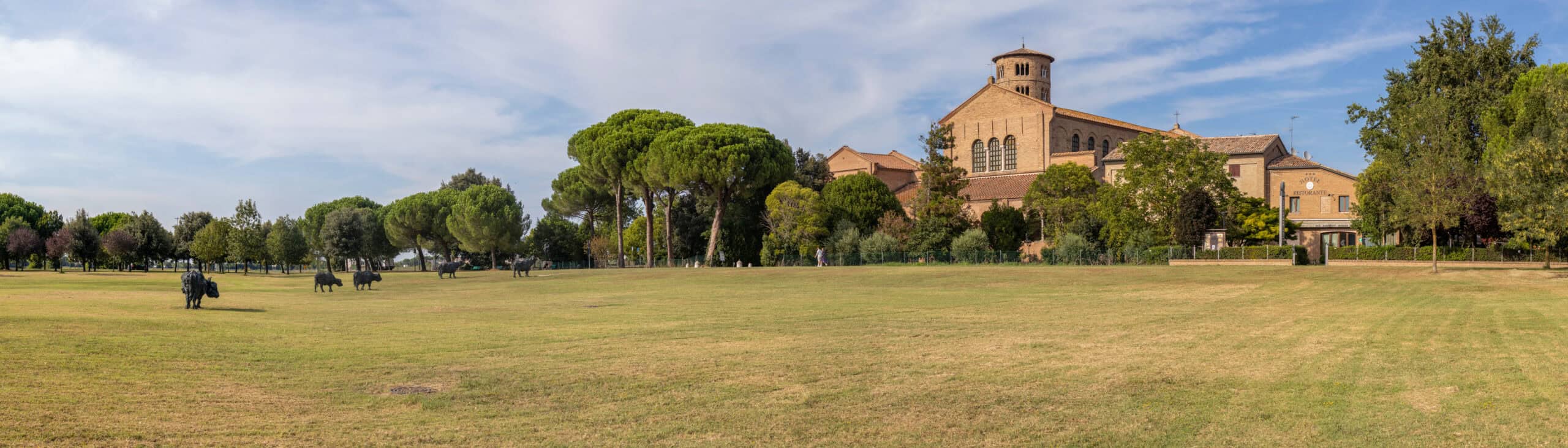
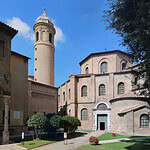
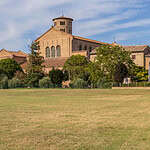
Just outside Ravenna stands the Basilica of Sant'Apollinare in Classe, one of the most celebrated surviving churches of the Byzantine era. Consecrated in A.D. 549 near the ancient Roman port of Classe, the church was dedicated to Saint Apollinaris, Ravenna's first bishop and patron saint. Its plain brick exterior reflects the restrained style common to many early Christian churches, but inside lies one of Europe's greatest artistic treasures. The immense apse mosaic portrays Saint Apollinaris standing in prayer amid a lush green landscape beneath a magnificent jeweled cross representing Christ's Transfiguration. Rich in symbolism and extraordinary in craftsmanship, the mosaic has inspired artists and historians for centuries. The basilica's spacious nave, elegant marble columns, and harmonious proportions further demonstrate the sophistication of Byzantine architecture. Because the surrounding port eventually declined and the area remained relatively untouched by later urban development, Sant'Apollinare in Classe has survived with much of its original character intact, offering visitors an unusually authentic glimpse into sixth-century Christian worship.
Basilica of Aquileia
- Country: Italy
- Completed: Original 4th century
- Architectural Style: Early Christian / Romanesque
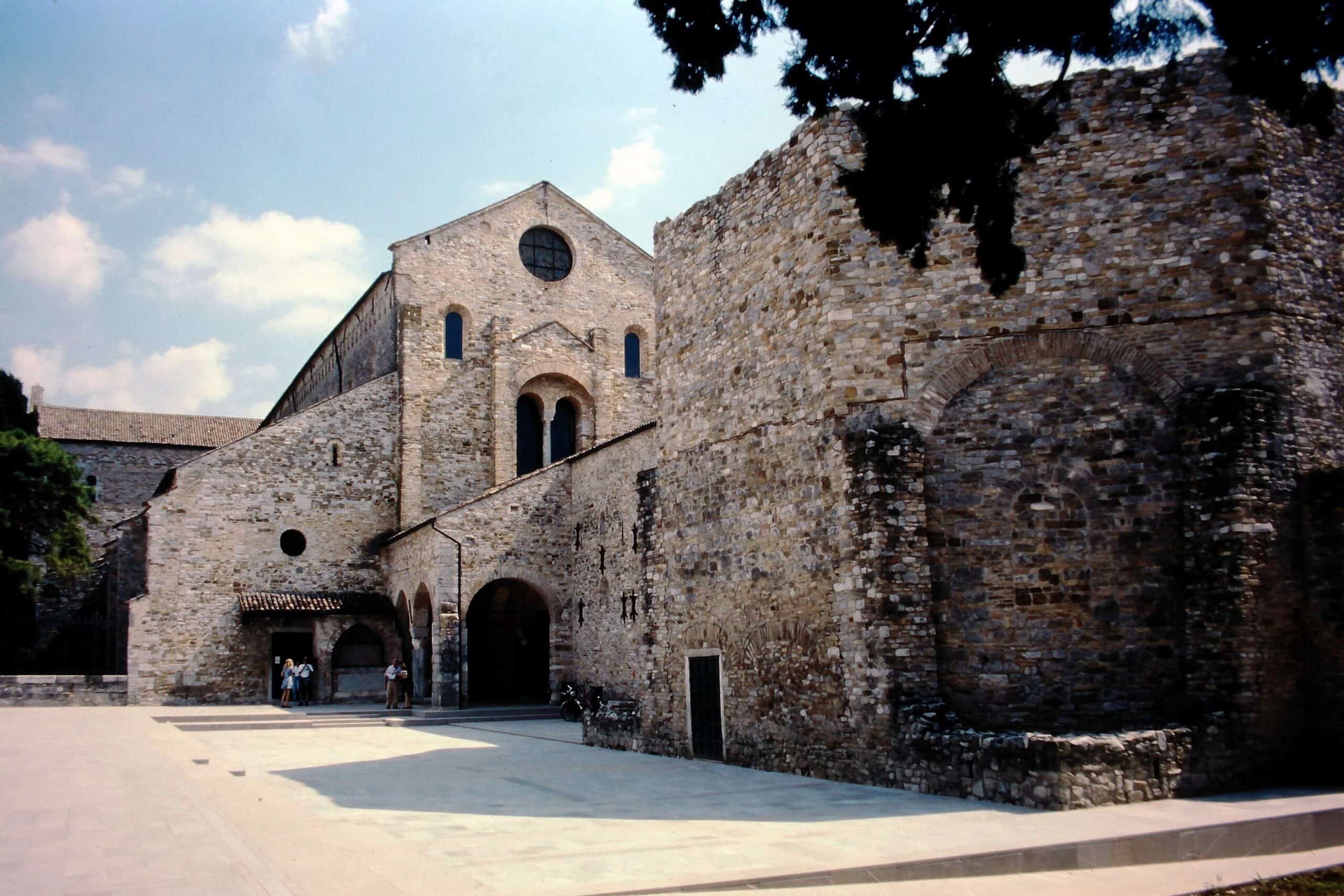
The Basilica of Aquileia occupies one of the most important sites in the history of early Christianity in northern Italy. The first church on this location was constructed shortly after Christianity gained legal recognition under Emperor Constantine in the early fourth century, making it one of the oldest organized Christian centers in Europe. Although the basilica was rebuilt during the eleventh century following invasions and earthquakes, it carefully preserved one of its greatest treasures: an enormous fourth-century mosaic floor covering more than 8,000 square feet. Considered among the largest and best-preserved early Christian mosaics in the world, the intricate artwork depicts biblical scenes, symbolic animals, marine life, and allegorical imagery that reveal the beliefs and artistic traditions of the early Church. Excavations beneath the present basilica have uncovered additional remains of the original Constantinian complex, allowing historians to trace the site's development across seventeen centuries. Together, these features make Aquileia one of Europe's most significant links to Christianity's earliest architectural heritage.
Church of Panagia Acheiropoietos
- Country: Greece
- Completed: Mid-5th century
- Architectural Style: Early Byzantine
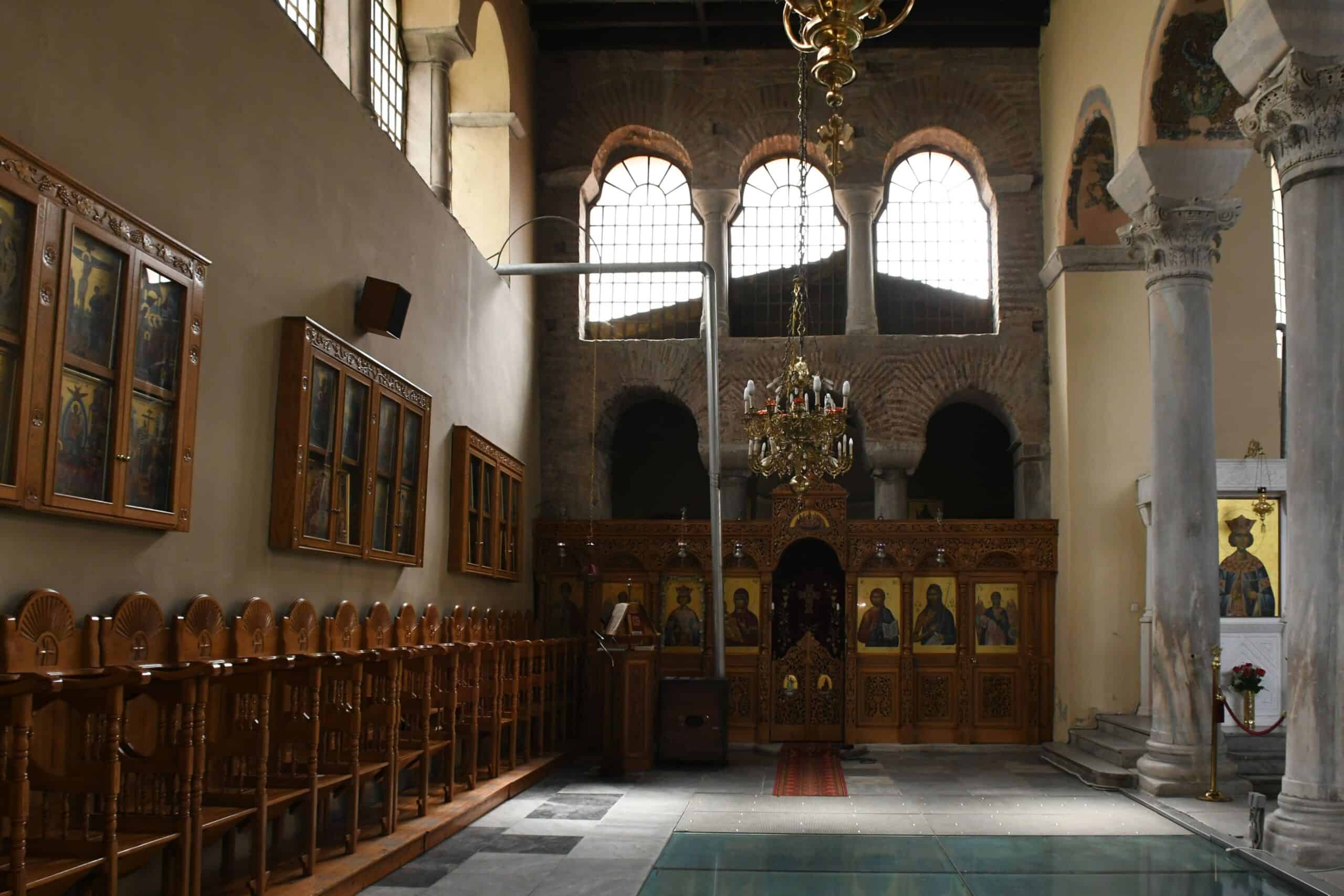
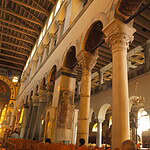
The Church of Panagia Acheiropoietos in Thessaloniki is among the oldest surviving Byzantine churches in Greece and one of the finest examples of an early Christian basilica still standing. Constructed during the middle of the fifth century, the church was built atop the remains of Roman baths, reflecting the gradual transformation of the ancient city from a Roman provincial center into a major hub of Byzantine Christianity. Its spacious three-aisled basilica, elegant marble colonnades, and beautifully carved capitals have survived with remarkable integrity despite centuries of political and religious change. During the Ottoman period, the church was converted into a mosque after the conquest of Thessaloniki in 1430, but many of its original Christian architectural features remained intact. Following Greece's independence, it was restored as a church and carefully preserved for future generations. Today, Panagia Acheiropoietos provides historians and visitors with one of the clearest surviving examples of fifth-century church design, illustrating the architectural traditions that would influence Byzantine churches for centuries to come.
The image featured at the top of this post is ©NateBergin / Wikimedia Commons – License / Original