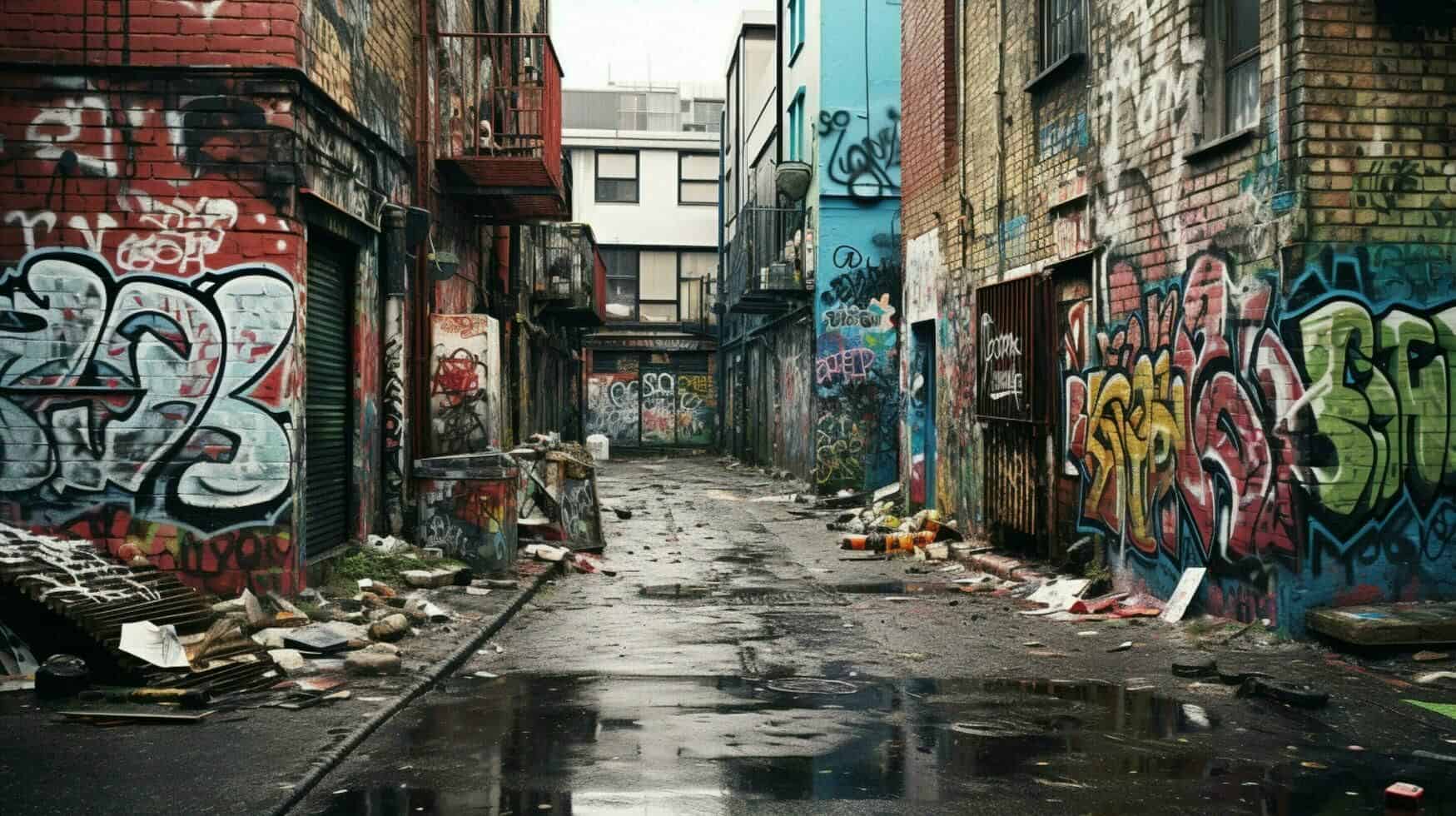

American cities never stand still, but some transformations are so dramatic that longtime residents barely recognize the places they once knew. Industrial decline, technology booms, rising housing costs, natural disasters, tourism and redevelopment have altered neighborhoods from coast to coast. In many cases, the landmarks remain while the people, businesses and everyday rhythms surrounding them have changed. These cities are not ruined, and several are showing real signs of renewal. Still, each has lost or reshaped part of the identity that once made it unmistakable. Here are 10 American cities whose modern versions look and feel remarkably different from their past.
Portland, Oregon
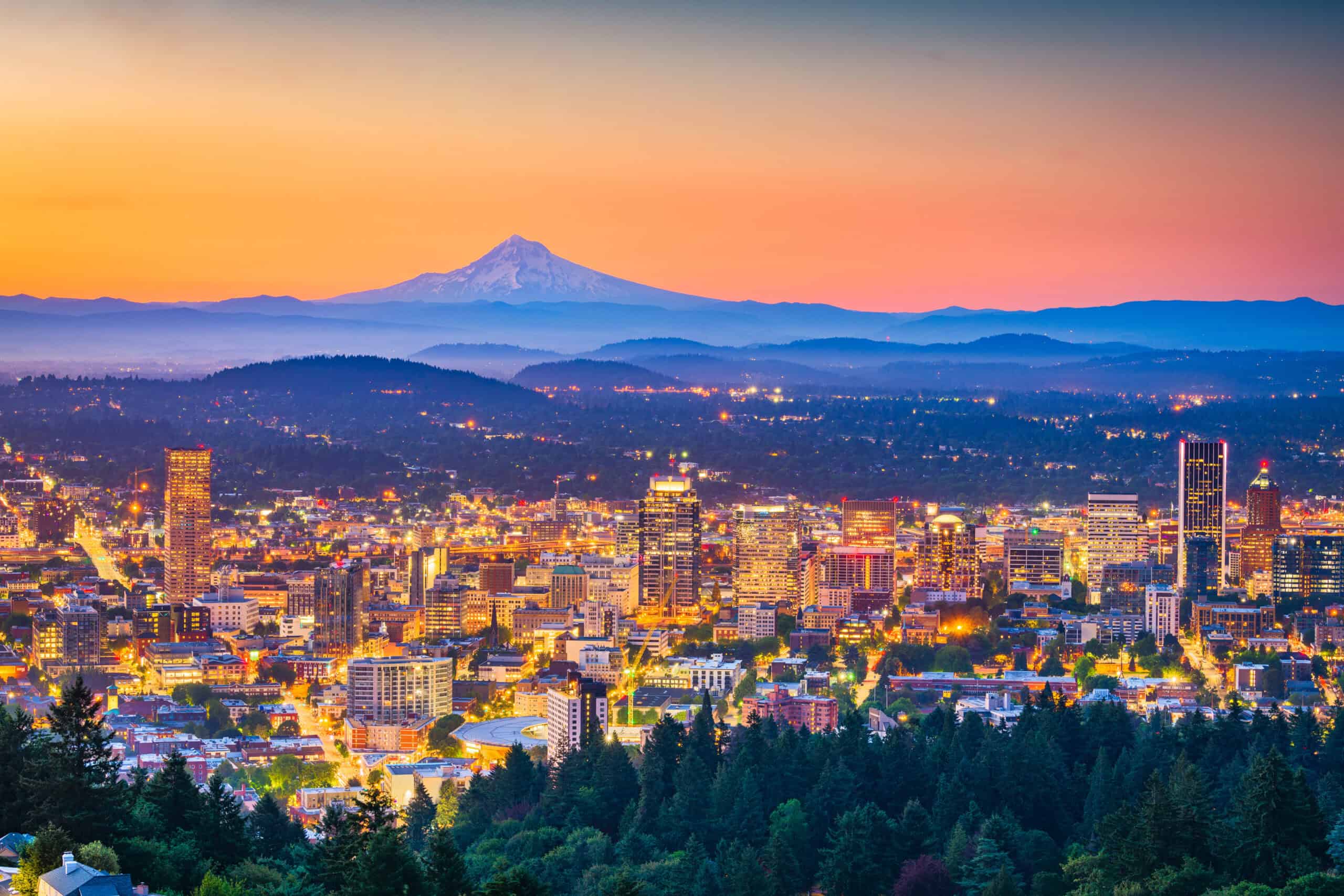
Portland built its modern reputation on independent bookstores, food carts, neighborhood businesses and a proudly unconventional culture. That identity survives, but downtown Portland endured a steep loss of office workers and foot traffic after 2020, leaving vacancies that changed the area’s energy. Oregon’s 2020 drug decriminalization measure became part of the debate over addiction and public disorder, although lawmakers recriminalized possession of small amounts in September 2024. The picture is not simply one of collapse. A January 2026 Portland Metro Chamber poll found that 47% of regional voters thought the area was on the wrong track, yet it also recorded improving perceptions of downtown conditions, crime and nighttime safety.
San Francisco, California
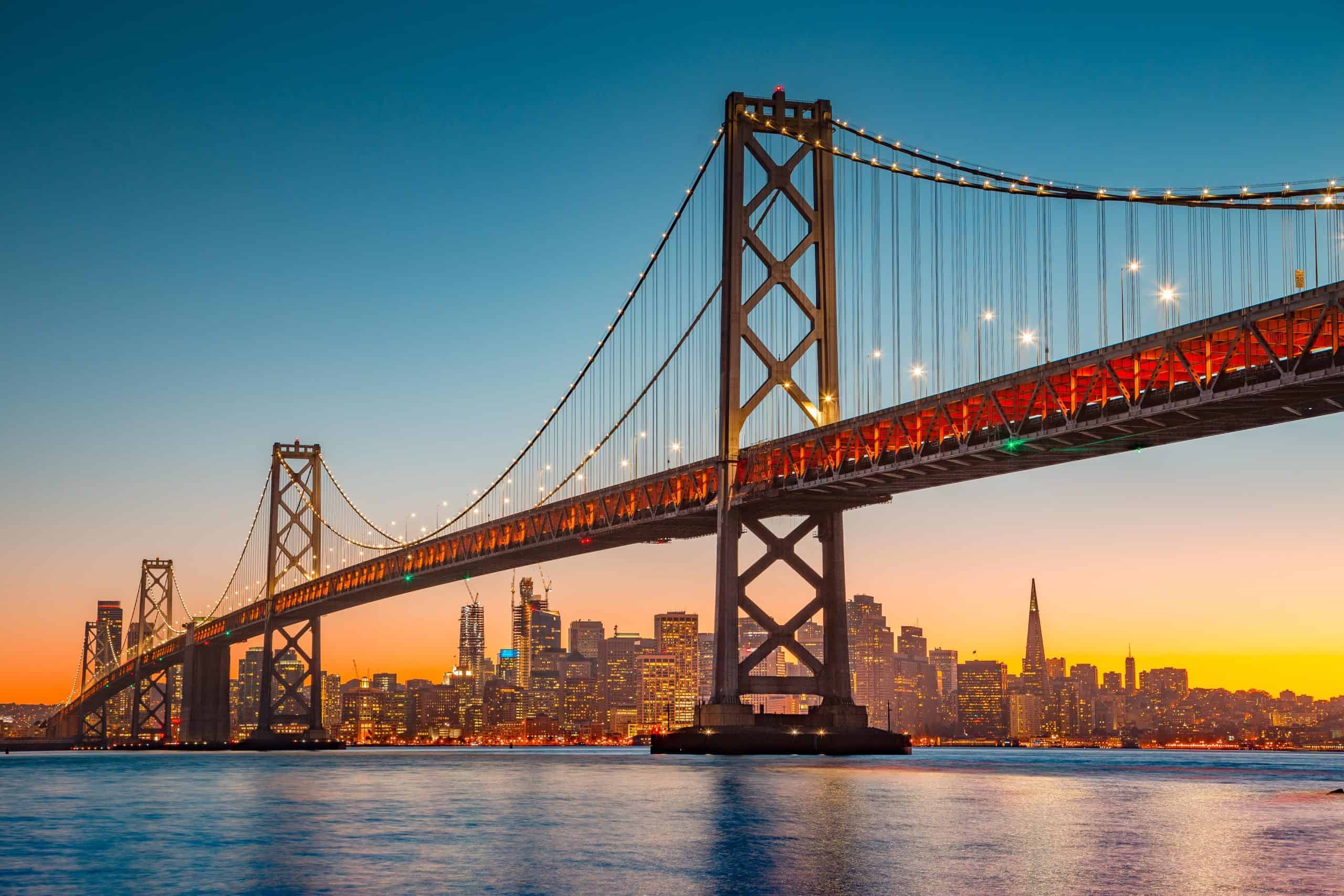
San Francisco became a refuge for generations of people who challenged convention, from Beat writers and 1960s counterculture figures to LGBTQ activists and artists. Neighborhoods such as the Haight, the Castro and the Mission developed identities strong enough to influence the nation. The technology boom created extraordinary wealth, but it also intensified a housing shortage that made it difficult for many residents and creative communities to remain. The Mission’s Latino population declined over decades as rents and home values climbed, while longtime shops and gathering places gave way to more expensive businesses. San Francisco still has its hills, architecture and activist spirit, but access to that culture increasingly depends on who can afford to stay.
New Orleans, Louisiana
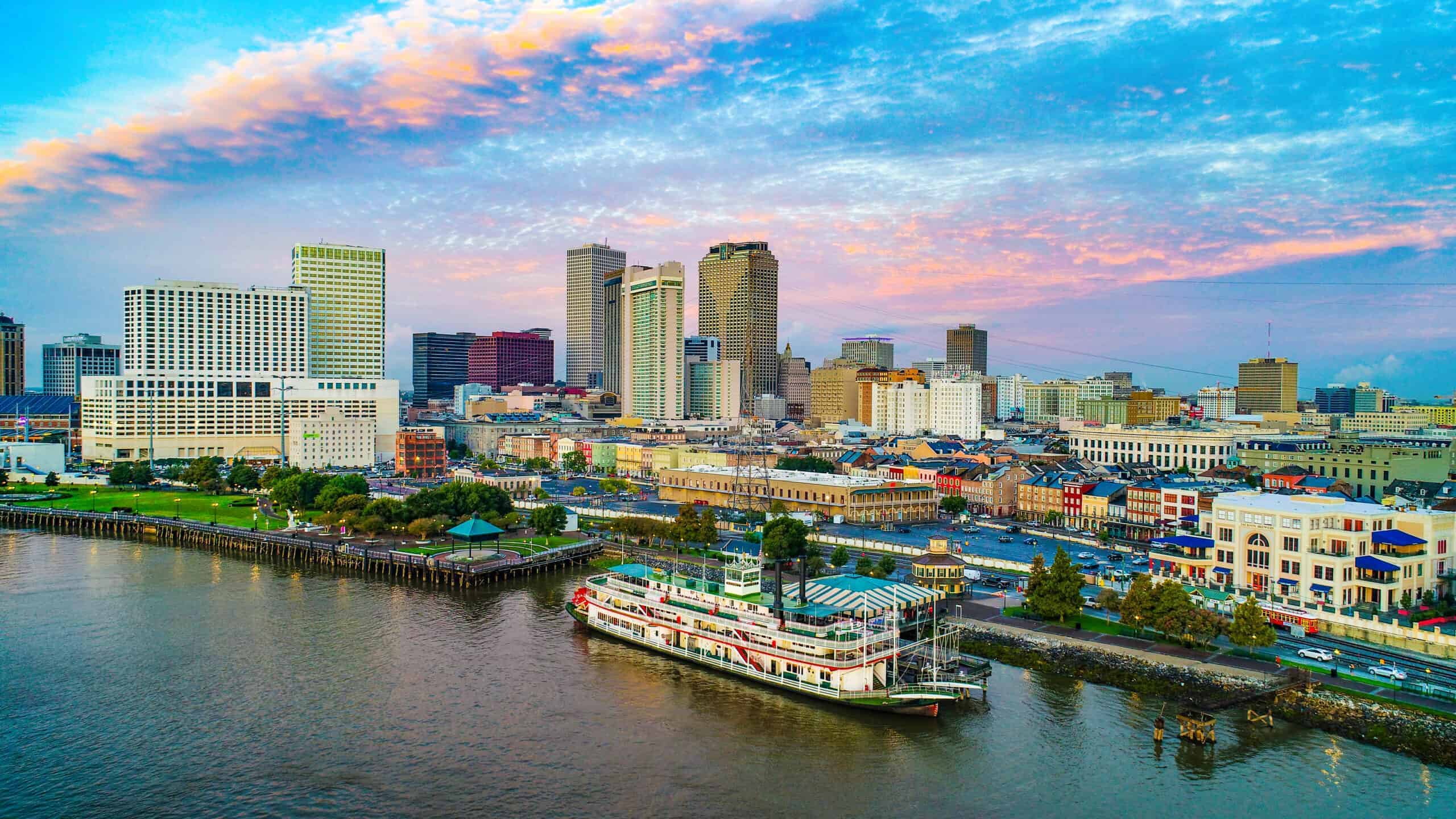
New Orleans has influenced American music, food and culture far beyond its size, yet two powerful forces have reshaped the city. Hurricane Katrina displaced hundreds of thousands of people in 2005, and many residents never returned. Tourism then reached a record 19.75 million visitors in 2019, supporting jobs while increasing pressure on neighborhoods. The spread of short-term rentals converted some homes into visitor accommodations and fueled arguments over housing availability and neighborhood character. The French Quarter is not simply a district of rentals and souvenir shops, and communities such as Tremé and Mid-City still carry traditions. Even so, a smaller post-Katrina population and visitor-driven economy have changed who gets to call New Orleans home.
Asheville, North Carolina
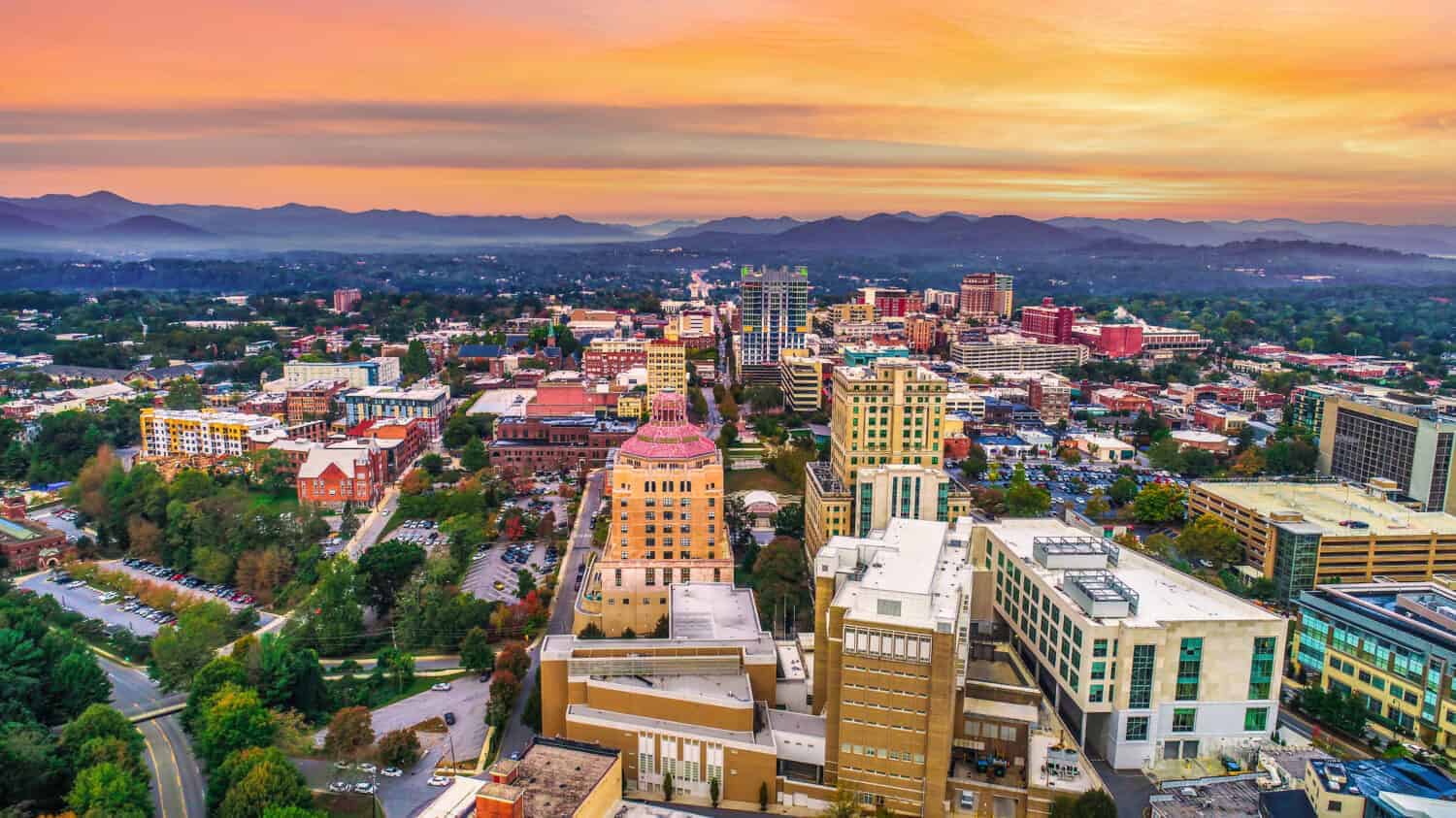
Asheville’s appeal grew from Appalachian craft traditions, Art Deco architecture, independent businesses and mountain scenery. Artists helped transform former industrial spaces along the French Broad River into the River Arts District, while breweries and restaurants turned the city into a travel destination. Popularity brought jobs and investment, but housing costs rose faster than many local wages, making it harder for artists and service workers to remain near the communities they helped create. Hurricane Helene added a devastating new chapter in September 2024 when flooding damaged the River Arts District and nearby areas. Asheville is rebuilding, but the city emerging from tourism, growth and disaster cannot be exactly the one residents remember.
Chicago, Illinois
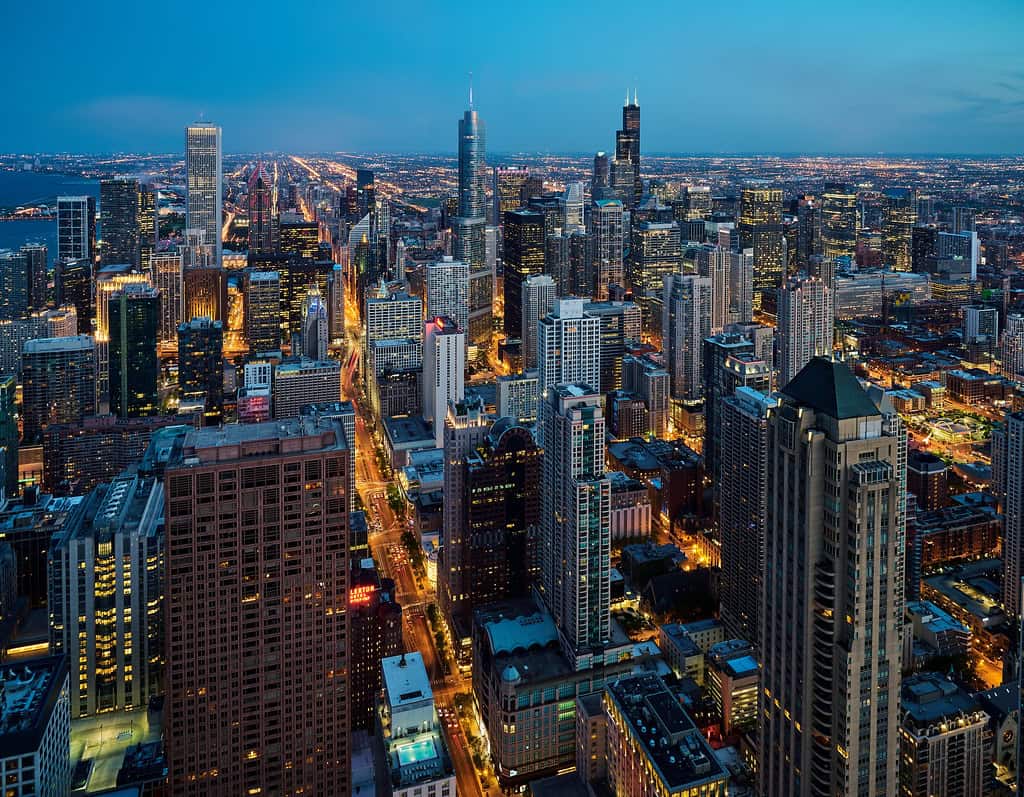
Chicago’s identity was forged by industry, immigration and distinct neighborhoods connected by food and civic pride. That city remains visible along the lakefront and in communities across the North, West and South sides, but its fortunes have become increasingly uneven. The loss of factories and other major employers drained jobs and investment from many neighborhoods, while segregation helped concentrate the damage. Cook County lost residents during the early 2020s before returning to growth in later estimates, illustrating a more complicated story than a simple exodus. Chicago is still one of America’s great cities, yet vacant lots, population decline in some areas and sharp neighborhood disparities reveal how much of the old industrial city has disappeared.
New York City, New York
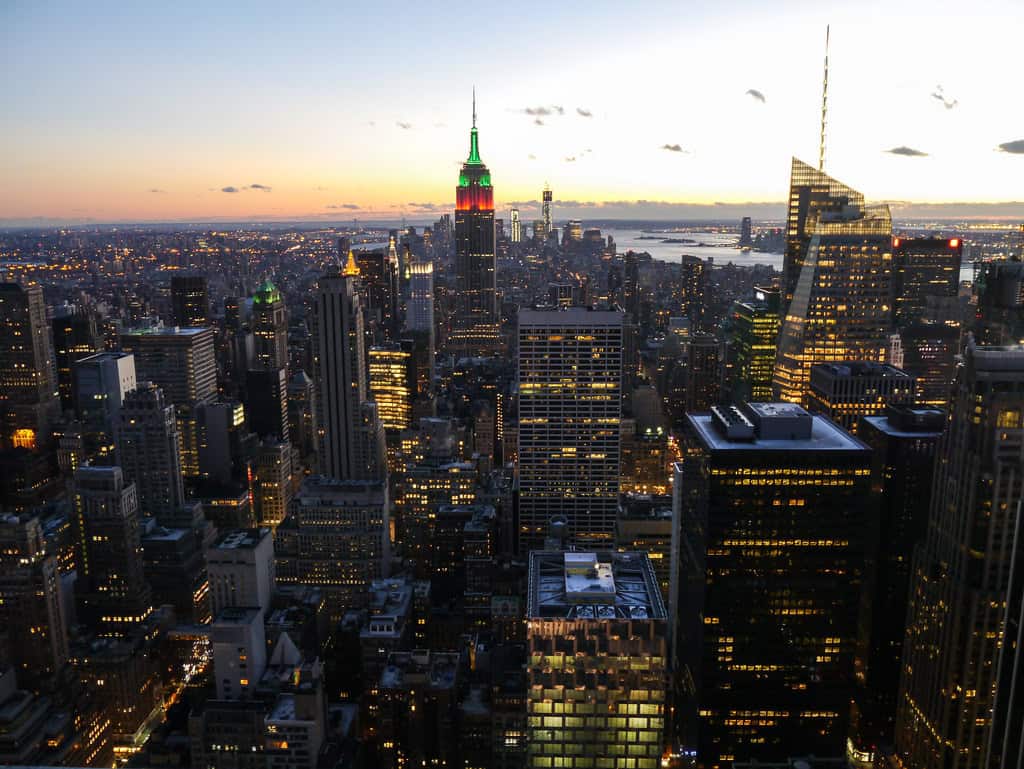
New York has reinvented itself repeatedly, but its promise was that newcomers could arrive with little money and still find a foothold. That possibility has narrowed as housing costs have climbed across Manhattan, Brooklyn and Queens. The pandemic emptied offices and accelerated population loss, although later Census estimates showed the city gaining residents again. The deeper change is visible on neighborhood streets, where rising rents have pushed out family shops, music venues and residents with decades of local history. The East Village, Harlem and other famous enclaves remain unmistakably New York, but wealthier and more standardized versions of them have replaced many of the inexpensive spaces where the city’s next cultural movement once began.
Seattle, Washington
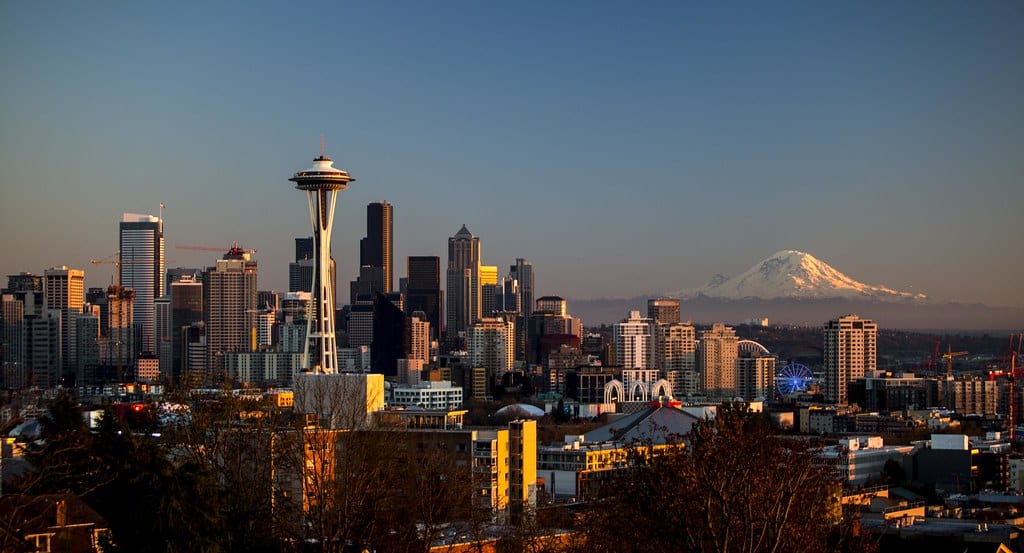
Seattle once projected the image of a port city where musicians, artists and local businesses could flourish beside Boeing and the maritime trade. Capitol Hill became a center of nightlife and LGBTQ culture, Fremont cultivated its eccentric reputation, and inexpensive spaces helped support the grunge era. The arrival and rapid expansion of technology companies brought high-paying jobs and transformed the skyline around Amazon’s South Lake Union campus. It also intensified demand for housing and contributed to displacement in communities facing development pressure. Seattle’s creative culture survives, but luxury apartments, corporate offices and soaring costs have made the city feel less accessible than the rain-soaked countercultural place many residents remember.
Baltimore, Maryland
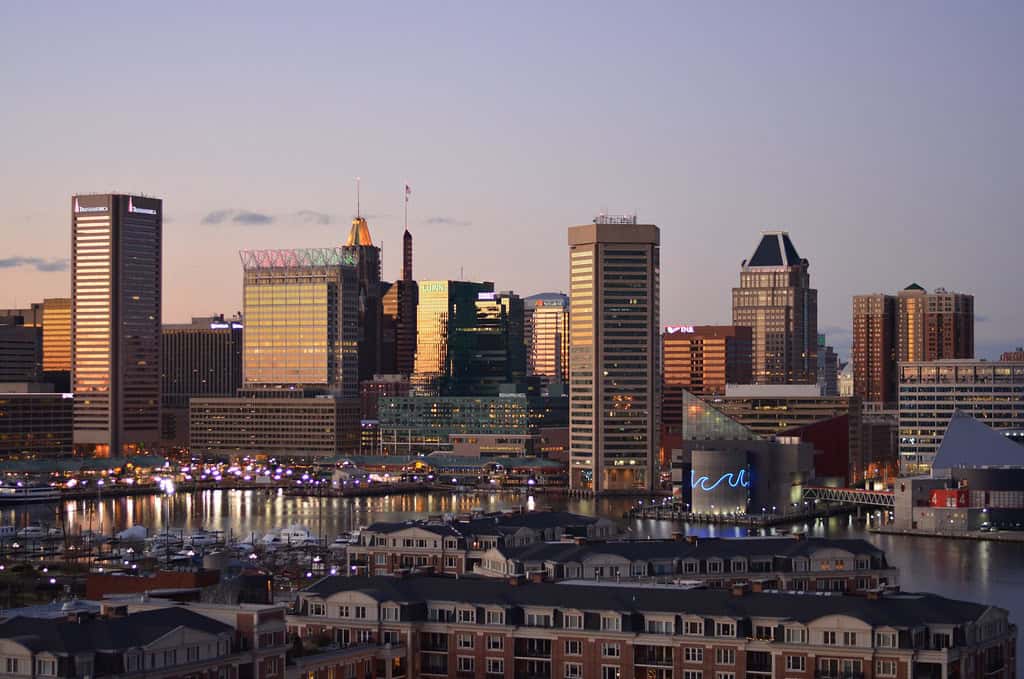
Baltimore’s “Charm City” nickname emerged from a 1970s tourism campaign, but it suited a place known for rowhouses and working waterfronts. Decades of industrial decline, suburbanization and racial segregation weakened many neighborhoods. The 2020 Census counted about 35,000 fewer residents than in 2010, continuing a decline from the city’s mid-century peak. Violence and vacant properties remain serious problems, while the Inner Harbor has lost several attractions and entered another period of redevelopment. That is not the whole story: Hampden, Pigtown and other communities retain unmistakable character. Still, Baltimore’s smaller population and uneven recovery make today’s city very different from the bustling port and factory center it once was.
Los Angeles, California
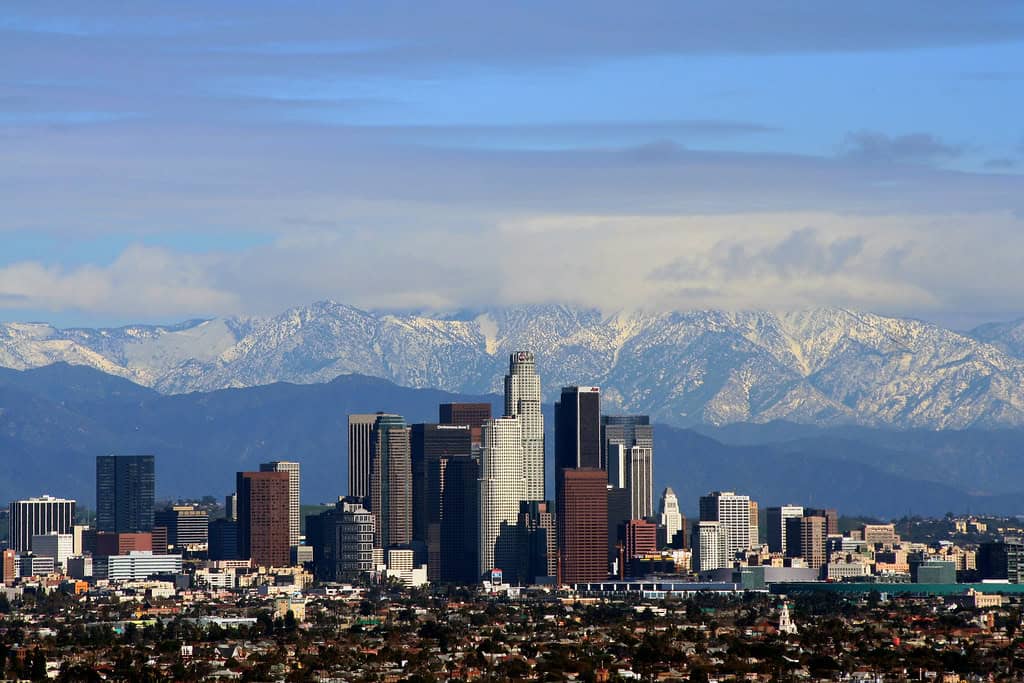
Los Angeles has never possessed a single identity. It has been a film capital, a center of car and surf culture, a destination for immigrants and a patchwork of neighborhoods that felt like separate cities. Rising property values changed that patchwork as working-class families, musicians and small businesses faced displacement in places such as Echo Park, Highland Park and Silver Lake. Then the January 2025 fires brought physical destruction on a vast scale. The Palisades Fire destroyed 6,837 structures, while the Eaton Fire devastated much of neighboring Altadena. Rebuilding will restore homes and businesses, but it cannot guarantee the return of every displaced community. For many Angelenos, the fear is that recovery will accelerate changes already underway.
Savannah, Georgia
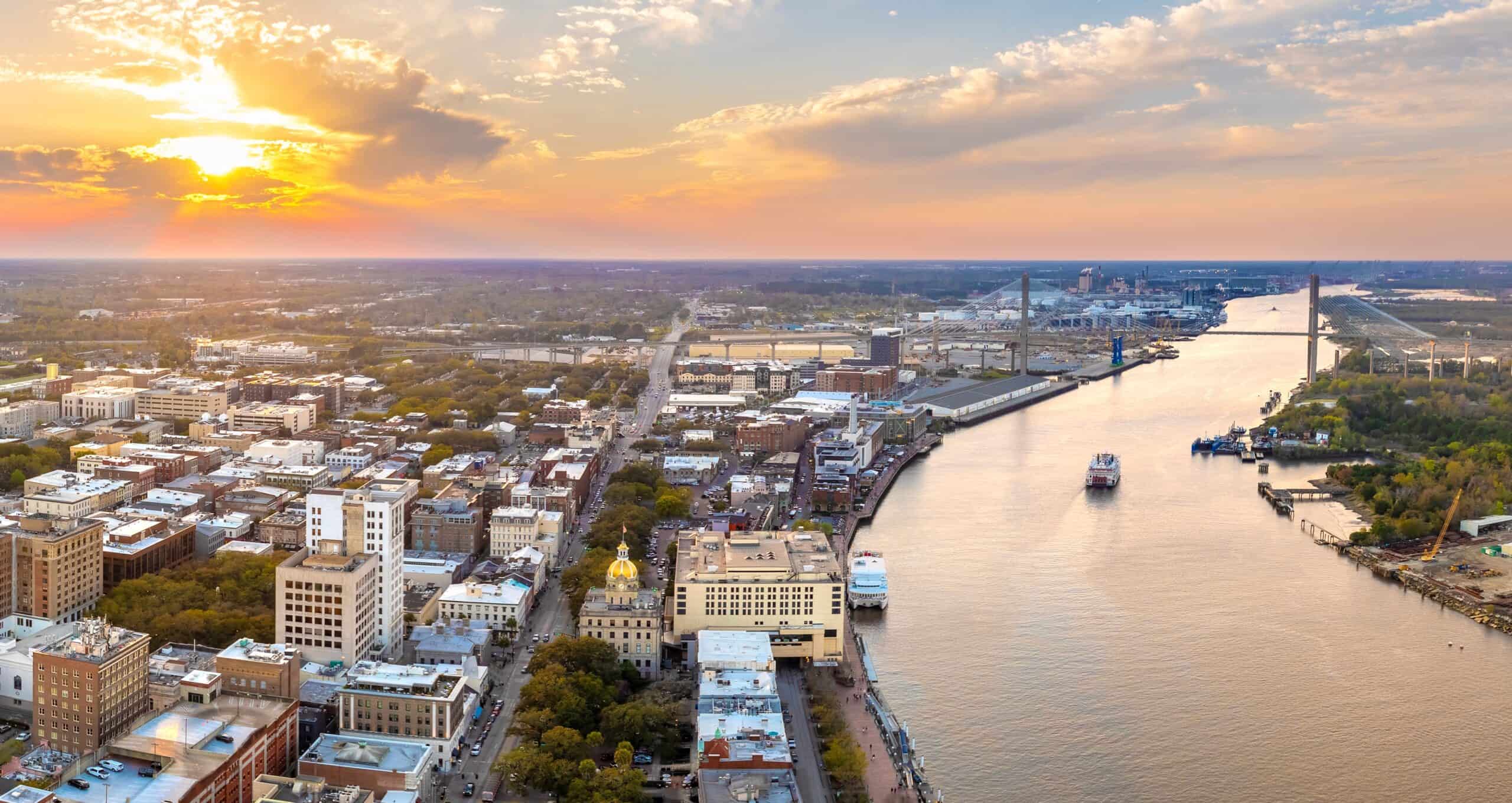
Savannah’s plan of shaded squares, moss-draped oaks and historic architecture gives the city an atmosphere few American destinations can match. Its beauty also turned it into a tourism magnet, bringing investment while placing pressure on central residential blocks. Vacation rentals became common enough that Savannah created an overlay district, certificate requirements and a 20% cap on non-owner-occupied short-term rentals in parts of the Downtown and Victorian districts. Those rules show how seriously the city takes the tension between tourism and neighborhood life. Savannah remains visually stunning, but a center filled with visitors, rentals and high-end restaurants can feel very different from the slower, more residential city longtime locals recall.