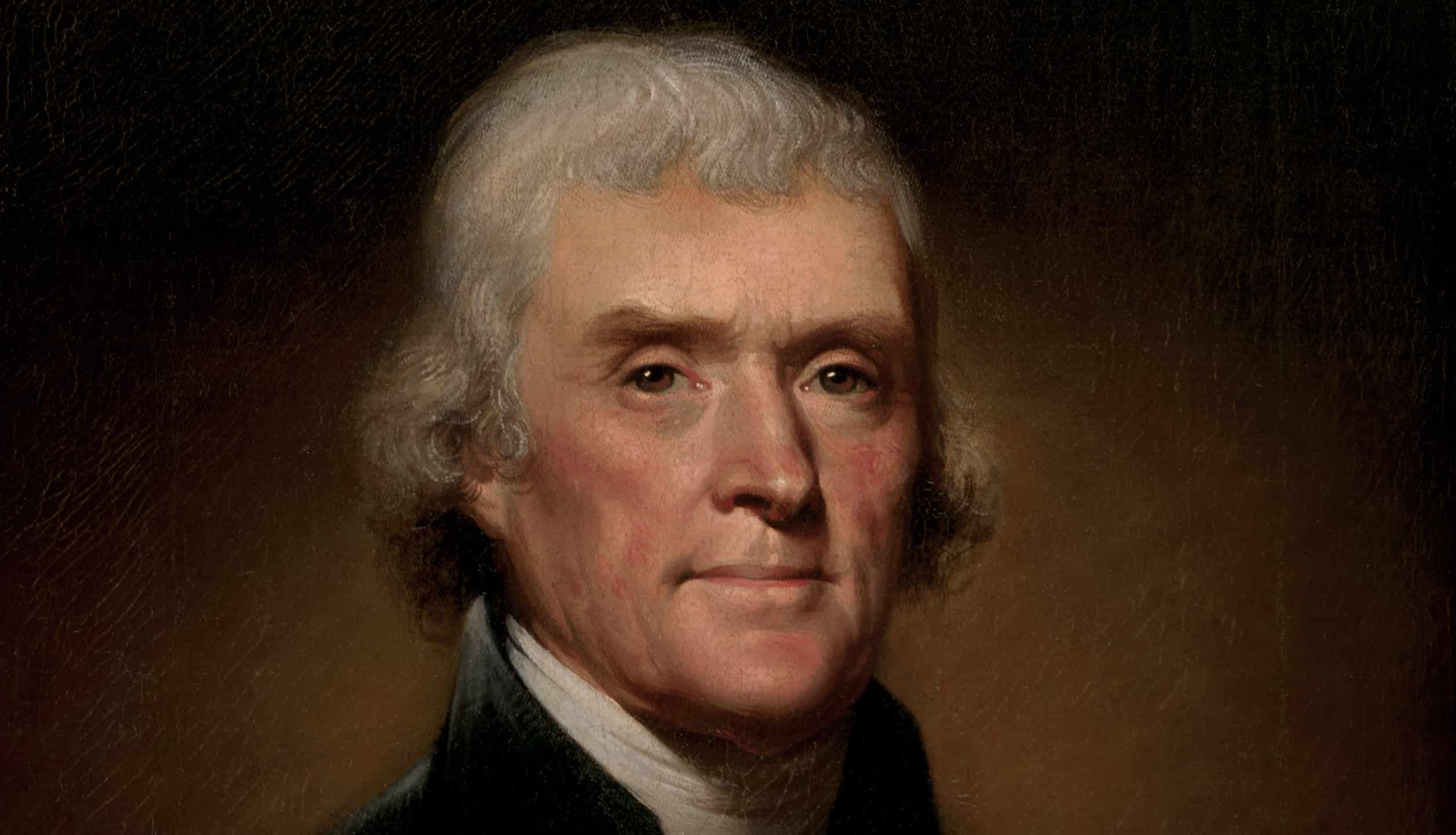

The earliest days of American politics are somewhat lionized, mythologized through years of disconnection and remembered best by monuments, patriotic works, and so forth. The narrative fed by textbooks suggests that the earliest days of the American experiment were guided by high-minded ideals. Sadly, the reality of American politics in its earliest days isn’t too dissimilar to the discourse we see daily in 2026. With fragile reputations and institutions in their infancy, the first years of the American Republic regularly engaged in calculated smear attacks, media manipulation, and other deceptive tactics.
Between the ratification of the Constitution and the start of the American Civil War, political factions discovered that gaining control of the narrative was as valuable as winning an election. Financial ruin, conspiracies, and explosive scandals threatened to upset the fragile political order of the day. Rather than operate based solely on transparency, some of the earliest American politicians engaged in cover-ups that seem shockingly modern.
Reynolds Pamphlet
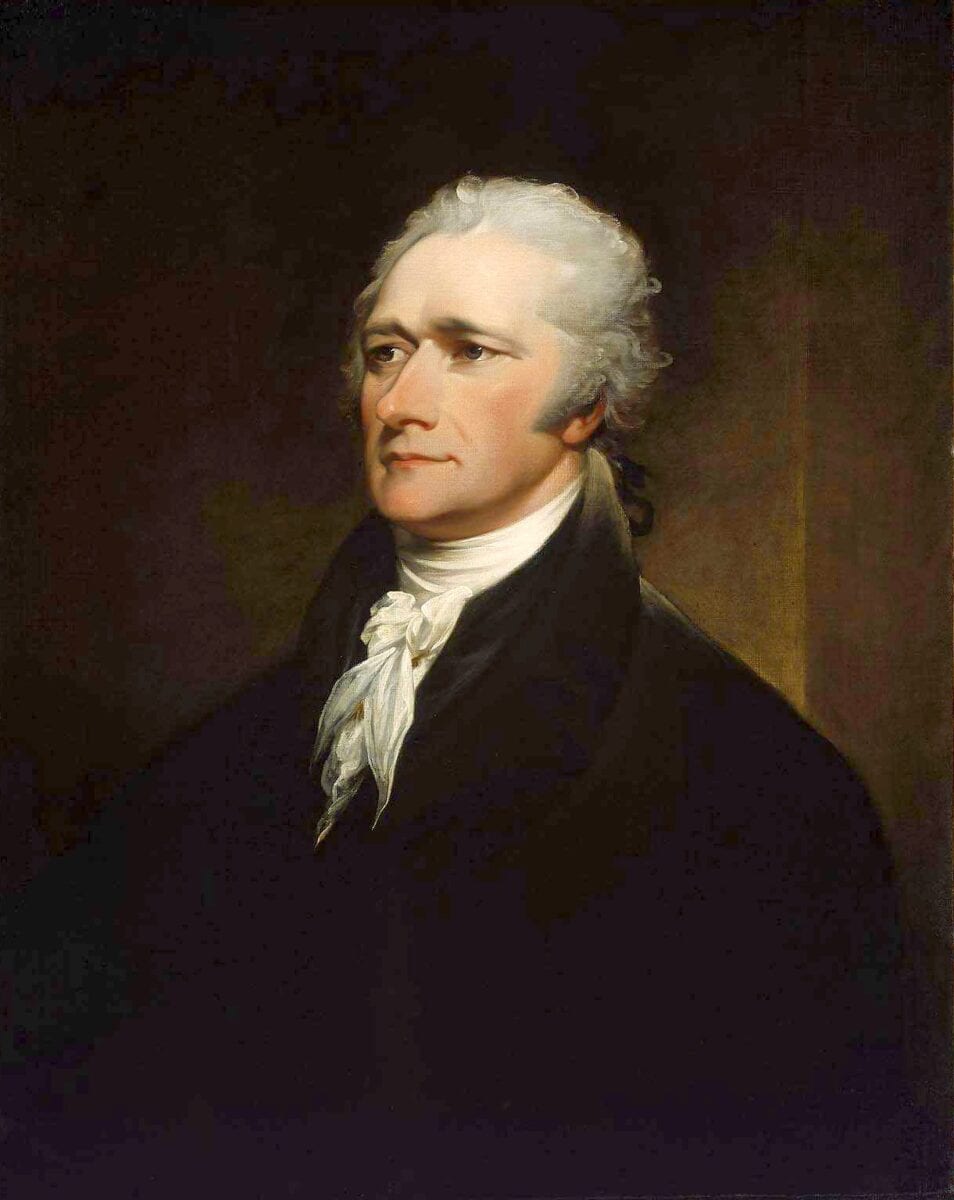
©John Trumbull, Public domain, via Wikimedia Commons – Original / License
Our first cover-up starts in the summer of 1797. Alexander Hamilton, the former Secretary of the Treasury and the architect of the Federal Reserve, took a rather shocking step forward. Hamilton published a 97-page document detailing a sordid, multi-year extramarital affair with Maria Reynolds. To your casual voter, this might appear to be an act of radical honesty or a bizarre public breakdown of sorts. However, the reality behind the Reynolds Pamphlet was a calculated cover-up intended to distract from an accusation of systemic corruption in the United States Treasury.
The story starts far earlier, when James Reynolds, Maria’s husband, began blackmailing Hamilton. Payments were demanded to keep the affair a secret, and Hamilton complied for years in a series of covert transactions. In 1792, James Reynolds was arrested for an unrelated scheme involving fraudulent veteran pensions. Reynolds needed leverage and began disclosing proof of illicit financial speculation on Hamilton’s part to the likes of James Monroe. Reynolds alleged that Hamilton was using public funds to manipulate the market and pad his wallet.
When confronted by Monroe and other investigators, Hamilton panicked. If the American public believed the Treasury Secretary was corrupt, the entire financial system of the United States was in jeopardy. Any loss of confidence could see the whole of the economy collapse, just as the country was getting started in earnest.
Hamilton initially confessed to the lesser crime, in this case, adultery, and the secret was held. However, rumors of financial corruption were exposed by journalist James Thomson Callender in 1797. Hamilton ended up going public, letting everything out in the open, including the clandestine payments to Reynolds over the years. The financial system ultimately was left intact, but Hamilton’s reputation was shattered and prevented any ambitions toward seeking a higher office.
Reynolds-Sayre Plot
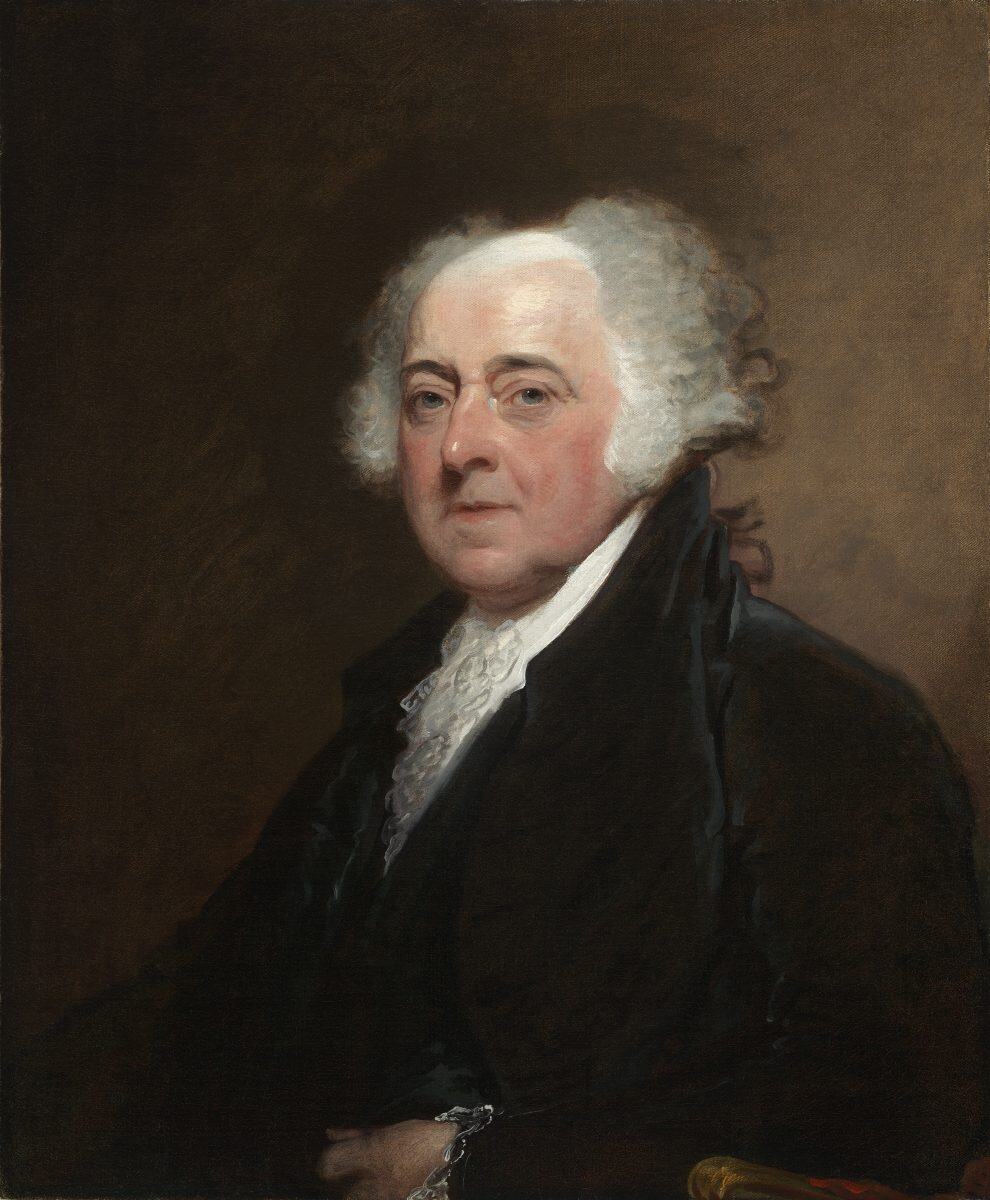
Toward the end of the 18th century, the United States found itself embroiled in a quasi-war with revolutionary France. French privateers seized American merchant ships, and the administration of President John Adams was under intense pressure. On one side, you had the High Federalists, who wanted an open declaration of war against the French. On the other side, you had the Democratic-Republicans, led by Thomas Jefferson, who thought that Adams was manufacturing a crisis to expand the powers of the federal government.
Adams dispatched 3 envoys to Paris in 1797. Rather than being received by official diplomats, the American envoys were met by agents of French Foreign Minister Charles-Maurice de Talleyrand. The agents demanded an exorbitant bribe of $250,000 and a massive low-interest loan before negotiations were to take place. To their credit, the envoys flatly refused this offer and began sending communications back to Philadelphia detailing the extortion.
Adams was faced with a dilemma. If he published these communications, the public outrage would mean a war with France was a foregone conclusion. The young United States Navy couldn’t begin to be prepared for a full-scale war with one of Europe’s great powers. If Adams conducted a cover-up, his political opponents would likely accuse him of hiding evidence of France seeking peace. Adams had to navigate a precarious situation with targeted suppression. The communications were withheld from Congress and the public, while naval defenses were quietly built up behind the scenes.
The Democratic-Republicans sprang into action, embarking on a vicious press campaign accusing Adams of hiding documents that would vindicate France. Calling Adams’ bluff resulted in a rather surprising outcome. By 1798, the naval build-up was completed, and Adams released everything to Congress. This resulted in a massive outpouring of American patriotism and ultimately proved Adams was in the clear when navigating such a delicate diplomatic situation.
Burr Conspiracy
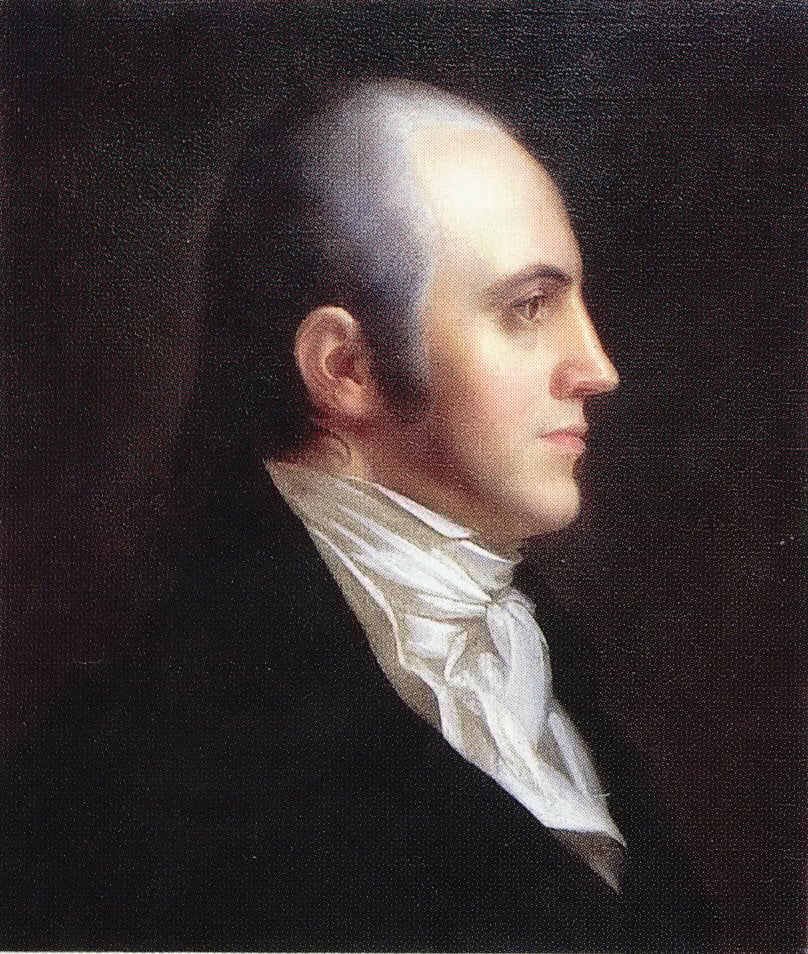
©Fom the New York Historical Society / https://en.wikipedia.org/wiki/public_domain – Original / License
1805 saw one of the darkest chapters in early American politics. The alleged treason of Aaron Burr came as a shock to many. Following a duel with Alexander Hamilton, which saw Hamilton killed, Burr found himself dropped from the vice-presidential ticket by Thomas Jefferson. Burr was left destitute, and his political reputation was in tatters. With nothing left, Burr turned his sights toward the vast, poorly developed western territories of North America.
Burr traveled down the Ohio and Mississippi Rivers, seeking wealthy backers, purchasing plots of land, assembling his own private militia. His exact intentions remain a subject of intense historical debate, but contemporary historiography speculates that Burr was looking to detach the western states from the Union or was planning an illegal invasion of Spanish Mexico to establish his own political body.
For over a year, President Thomas Jefferson would receive increasingly alarming reports surrounding Burrs’ activities. Oddly, Jefferson did nothing in response. He continually ignored warnings and minimized the threat posed by his former running mate. Historians speculate that this cover-up was done to protect the reputation of the Democratic-Republican Party. The party had run on a platform of western expansion, and the thought of a former scion of the party illegally seceding was enough to throw the party’s reputation into the trash.
Commanding general of the United States Army, James Wilkinson, was tightly involved with the whole affair. In 1806, he saw the writing on the wall and turned on Burr to save himself. Wilkinson sent an altered, sensationalist letter to Jefferson, which spurred the administration into action. An order was issued for Burr’s arrest. Burr was arrested for treason in 1807, but the initial stages of the trial drew up further complications as the defense demanded all documents and correspondence from General Wilkinson. Jefferson ultimately used executive privilege, keeping these state secrets from the judiciary.
Eaton Affair
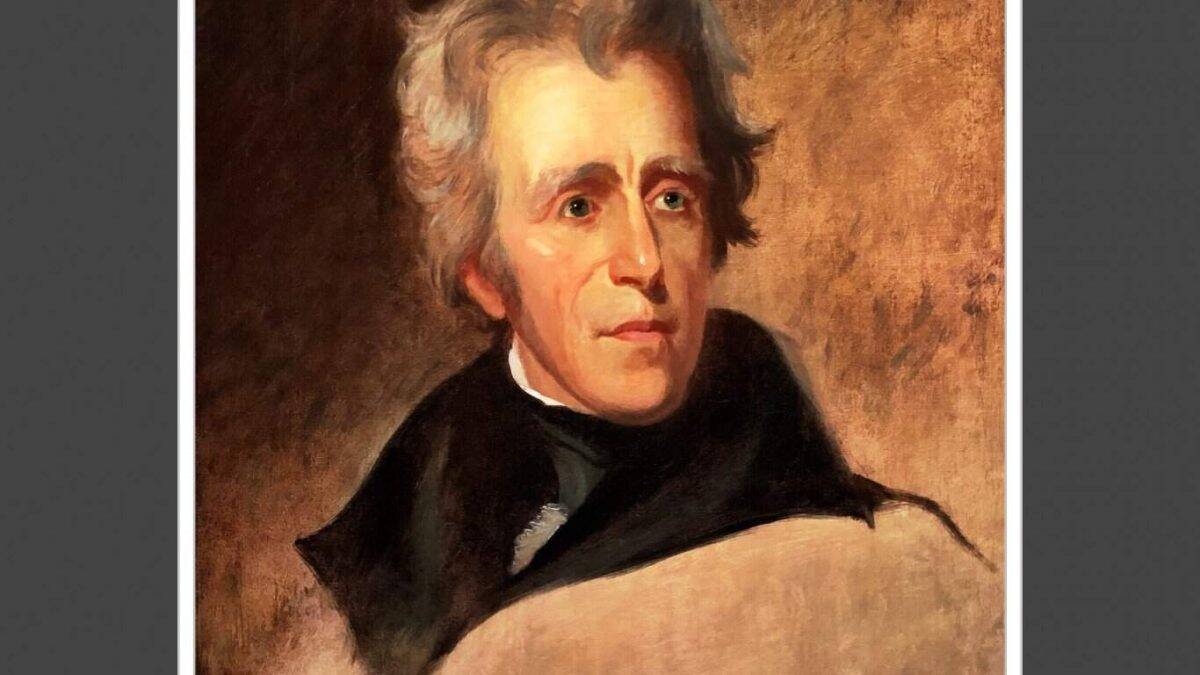
When Andrew Jackson won the presidency in 1829, he ran on the promise of cleaning Washington of corruption and returning power to the common voter. His first term ended up derailed by a bizarre cover-up that is known to history as the Eaton Affair. It centered on Peggy O’Neill, who married Jackson’s close friend and Secretary of War, John Eaton. O’Neill’s first husband, a naval purser, died under mysterious circumstances, which was thought to be a suicide due to Peggy’s infidelity with Eaton.
A committee led by Floride Calhoun, the wife of Vice President John Calhoun, coordinated a social boycott of the Eatons. The wives of American politicians refused to attend events where Peggy was present, denied her entry into their homes, and treated her as a social pariah. Jackson, whose wife Rachel died just before his inauguration, took the boycott deeply personally. He saw Peggy Eaton as a victim of the political machine.
Most of Jackson’s first term was spent attempting to get his cabinet to accept Peggy Eaton. He called meetings, produced affidavits on her behalf, and devoted quite a bit of his energy toward this. This ended up being a massive cover-up of a complete structural collapse of the executive branch. The cover-up also exposed a fundamental policy division headed by John Calhoun. The Nullification Crisis asserted that South Carolina could void federal laws, something Jackson saw as treasonous.
This had a rather interesting conclusion. Martin Van Buren and John Eaton both resigned, leaving Jackson free to demand the resignation of all pro-Calhoun cabinet members. Jackson purged the entirety of his administration, which likely saved the Union in the process.
Conclusion
If there’s any lesson we can take from these early cover-ups, it is that governing a new nation is a difficult task. The earliest American politicians had to control the narrative, and in many cases, losing control of the media would’ve resulted in disaster. Thankfully, these cover-ups didn’t break the young nation, but instead forged boundaries that held for American governance.
The image featured at the top of this post is ©Rembrandt Peale / Public domain – License / Original