






The Holy See Traces Its Origins to the Roman Empire
Long before modern Italy existed, the institution now known as the Holy See was taking shape within the Roman Empire. Unlike a traditional kingdom, it is not a hereditary monarchy tied to one royal family. The Holy See is the central governing authority of the Catholic Church, headed by the pope, and Catholic tradition traces the papal office to Saint Peter and Christianity’s earliest years in Rome.
Comparing the ages of monarchies requires care. Some commonly cited dates mark legendary founders, precursor states, or later restorations rather than the beginning of an uninterrupted modern government. The entries below distinguish tradition from documented history and note major breaks or dynastic changes. Together, they show why the Holy See, although not technically a kingdom, is often counted among the world’s oldest continuously operating institutions.
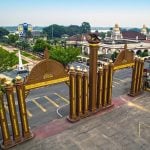
11. Kelantan Monarchy (Traditionally Dated to 1267 CE)
Kelantan is a state within Malaysia, not an independent country. Its ruler, Sultan Muhammad V, has reigned since September 2010 and is the 29th sultan in the state’s official royal succession. As sultan, he is Kelantan’s constitutional ruler and head of Islam in the state.
Traditional royal histories date Kelantan’s monarchy to 1267, although the early succession is not documented as securely as its modern history. Kelantan became a tributary of Siam and later came under British influence after the Anglo-Siamese Treaty of 1909 transferred Siamese rights over the state to Britain. It subsequently joined the Federation of Malaya in 1948, became part of independent Malaya in 1957, and entered Malaysia in 1963. It was not annexed by Malaysia in 1909.
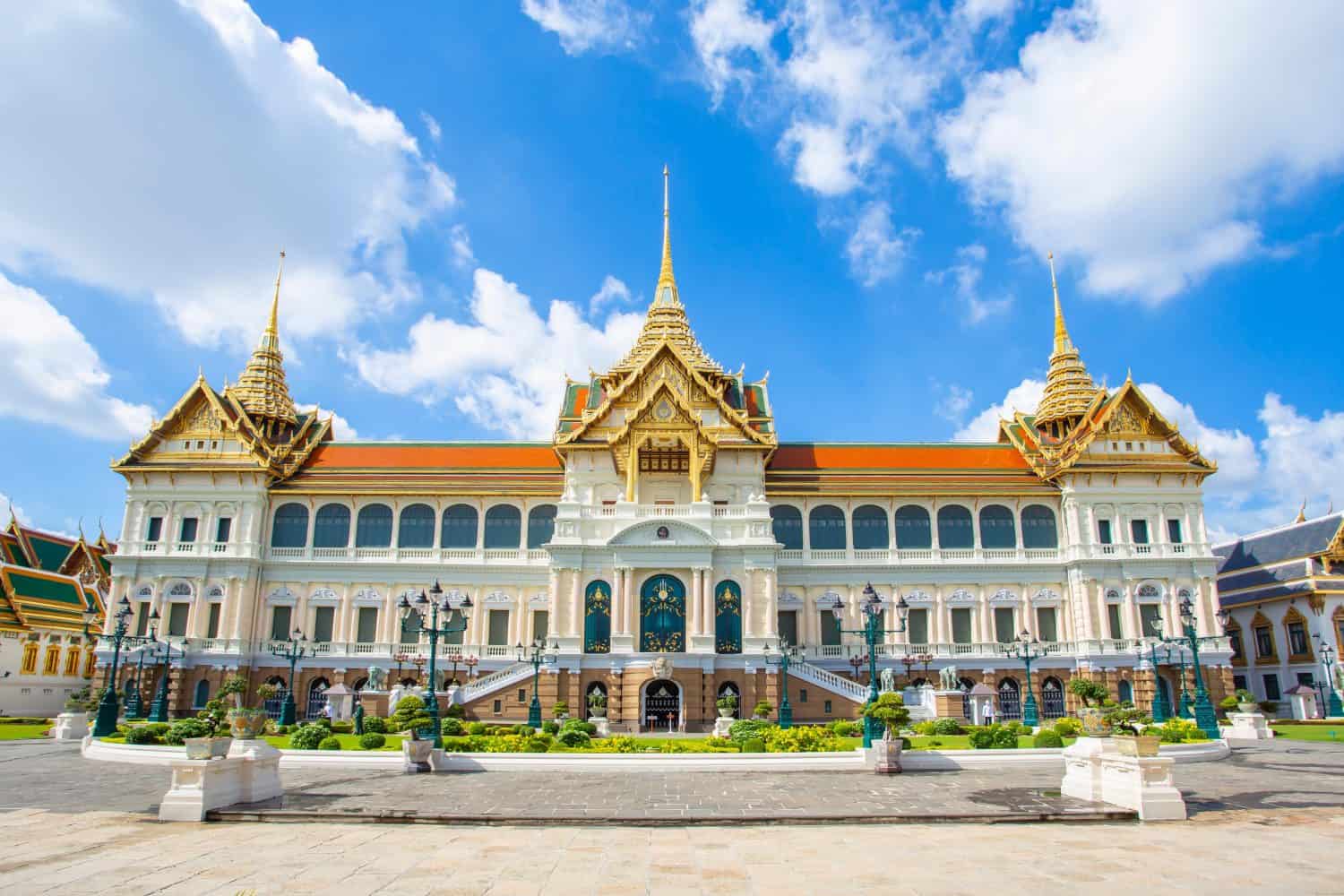
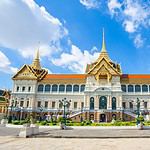
10. Thai Monarchy (Sukhothai Founded in 1238 CE)
The conventional founding date of the Sukhothai Kingdom is 1238. Sukhothai is often described as the first major independent Thai kingdom, but modern Thailand did not descend from it through one unchanged state or dynasty. The country’s royal history also includes the kingdoms of Ayutthaya and Thonburi. The present Chakri dynasty began in 1782 with the establishment of Bangkok as the royal capital.
King Maha Vajiralongkorn, also known as Rama X, succeeded his father in 2016 and was crowned in 2019. Thailand is a constitutional monarchy, although the crown retains formal constitutional functions and considerable institutional influence. Section 112 of Thailand’s Criminal Code provides severe penalties for defaming, insulting, or threatening the king, queen, heir apparent, or regent. Contrary to a frequently repeated claim, the statute does not extend that protection to royal pets.
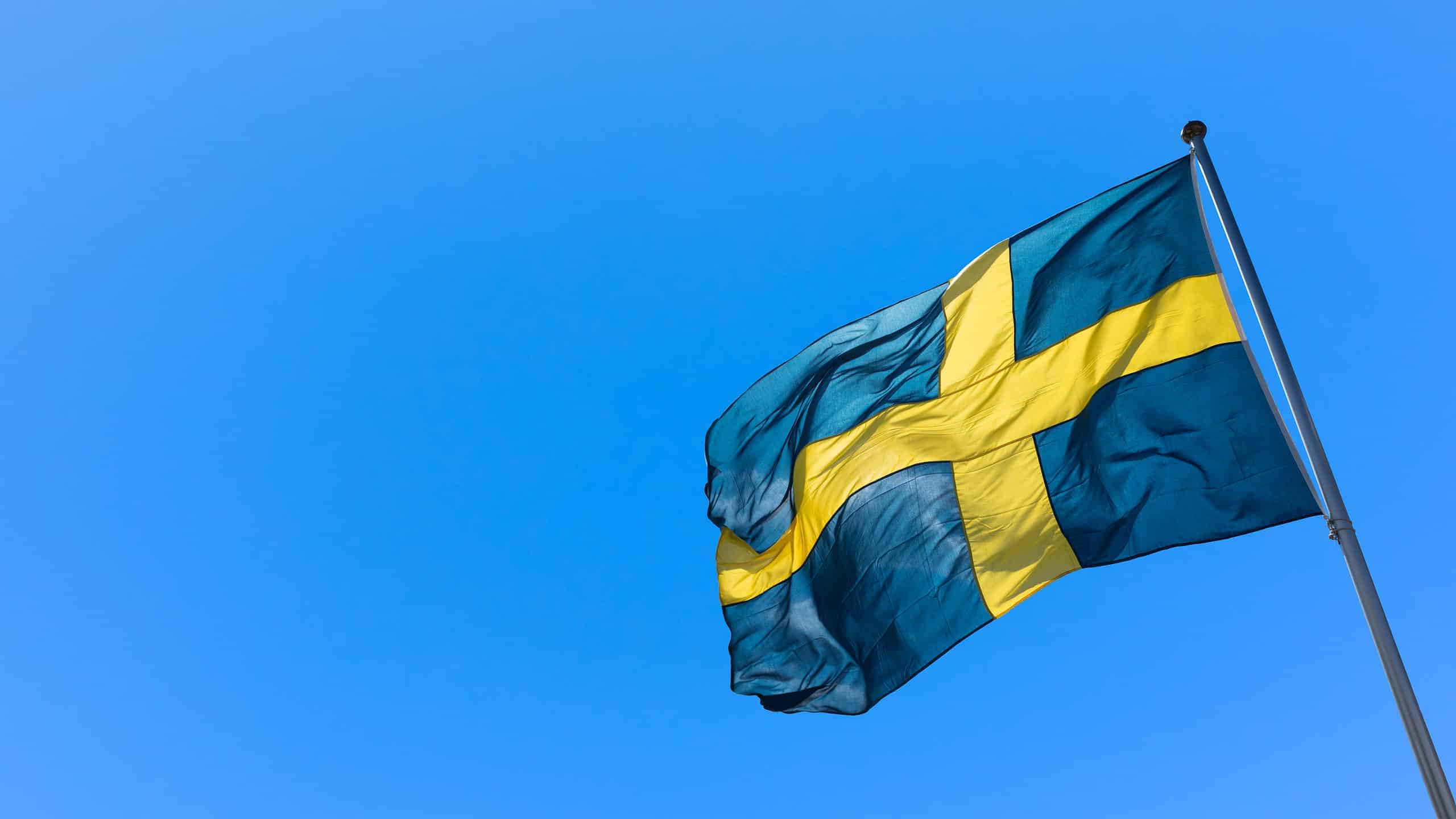
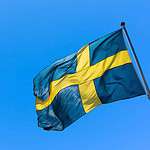
9. Swedish Monarchy (About 970 CE)
Scandinavian sources describe Swedish rulers before the 10th century, but many of those accounts blend history with legend. Sweden’s conventional list of monarchs begins with Eric the Victorious, who ruled from about 970 to 995. He is the earliest Swedish king in a consecutive succession to be attested by multiple independent sources, although the precise extent of his realm remains uncertain.
Sweden is now a constitutional monarchy. King Carl XVI Gustaf has occupied the throne since September 1973, but the 1974 Instrument of Government, which took effect in 1975, removed the monarch’s remaining political powers. The king serves as a nonpartisan head of state and performs ceremonial and representative duties.
8. Norwegian Monarchy (Traditional Date: 872 CE)
Norwegian tradition associates the kingdom’s unification with Harald Fairhair and his victory at the Battle of Hafrsfjord, often dated to 872. Historians debate both the battle’s exact date and how much territory Harald actually controlled, and Norway’s political consolidation was a gradual process. The country later entered long unions with Denmark and Sweden before becoming fully independent in 1905 and choosing Prince Carl of Denmark as King Haakon VII.
King Harald V has reigned since January 1991. Norway’s constitution assigns the crown formal responsibilities, including presiding over the Council of State and serving as commander-in-chief, but political authority is exercised by the elected government. In practice, the monarch’s role is primarily ceremonial and representative.
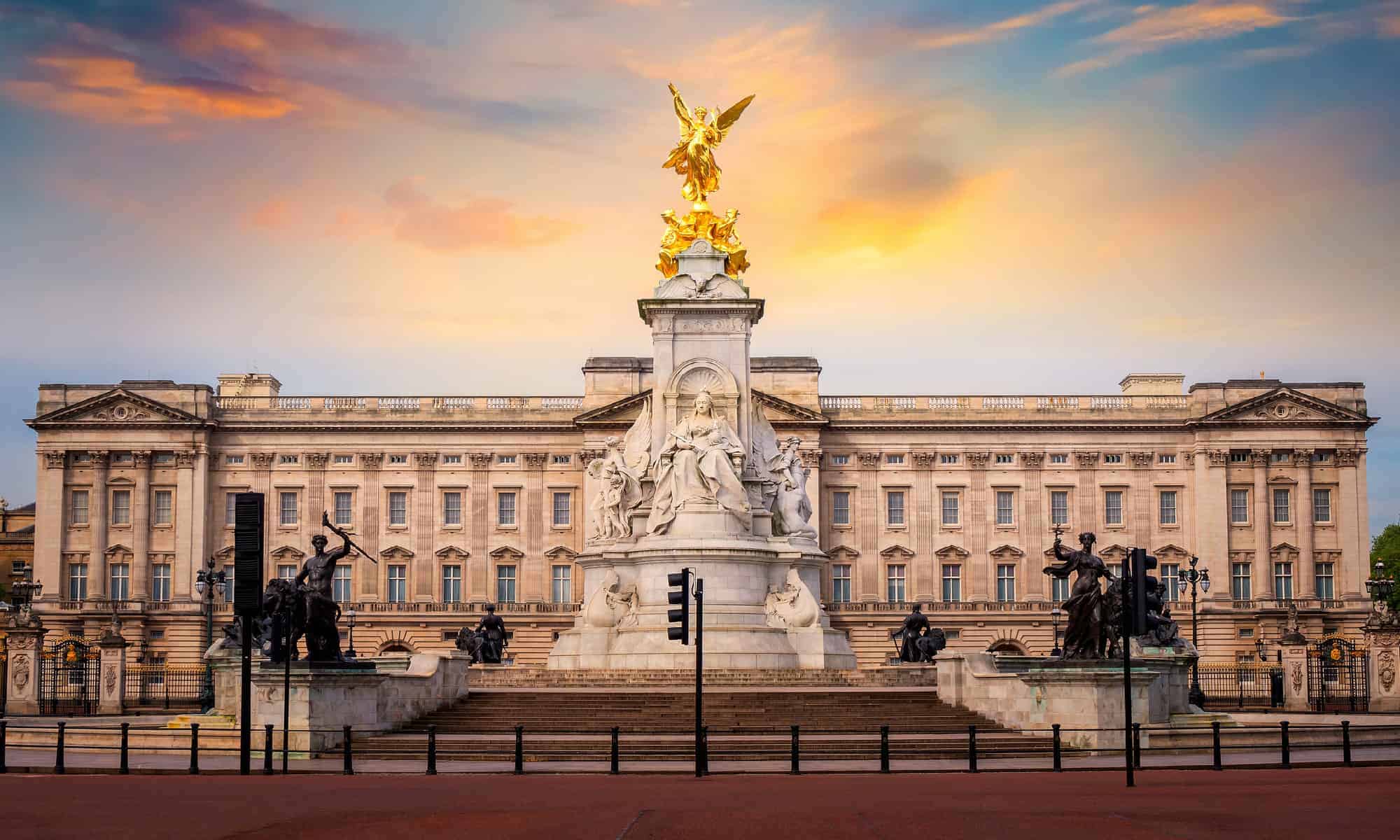
7. English and British Monarchy (England United by 927 CE)
Alfred the Great became king of Wessex in 871, not king of a united England or Britain. His descendants continued expanding the kingdom, and Athelstan is generally recognized as the first king to rule all of England after taking York in 927. William the Conqueror’s victory in 1066 replaced England’s ruling dynasty and transformed its political order, but it did not create the United Kingdom.
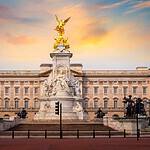
The Kingdom of Great Britain was formed by the union of England and Scotland in 1707. The United Kingdom of Great Britain and Ireland followed in 1801, and the state adopted its present name after most of Ireland left the union. The royal house has been called the House of Windsor since 1917.
King Charles III acceded to the throne in September 2022. The United Kingdom is a constitutional monarchy: the king performs formal constitutional duties, including appointing the prime minister and granting royal assent, but he is expected to remain politically impartial and act in accordance with law and constitutional convention.
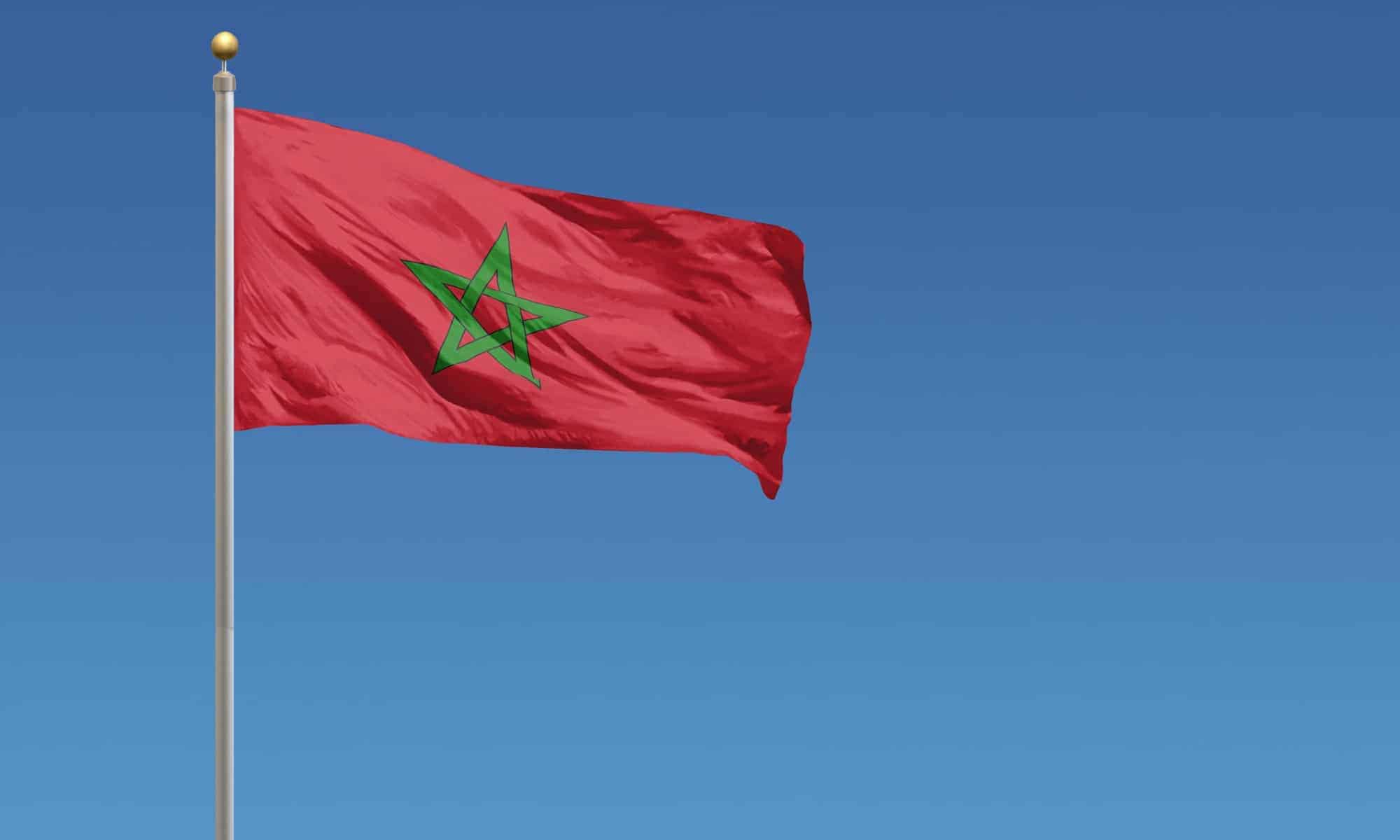
6. Moroccan Monarchy (Idrisid State Founded in 788 CE)
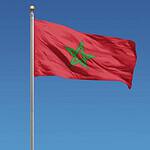
Idris I established the Idrisid state in Morocco in 788. That date marks an important origin point for Moroccan statehood, but it does not represent an uninterrupted reign by one dynasty. Several dynasties followed the Idrisids. The current Alaouite dynasty consolidated power under Sultan Moulay al-Rashid in the 1660s.
Morocco became a French protectorate in 1912, while Spain administered separate zones, but the sultanate remained in place. The country regained independence in 1956. King Mohammed VI has reigned since July 1999. Morocco’s 2011 constitution defines the country as a constitutional, democratic, parliamentary, and social monarchy, yet the king retains extensive formal authority, including powers involving the government, armed forces, religious affairs, and key judicial institutions.
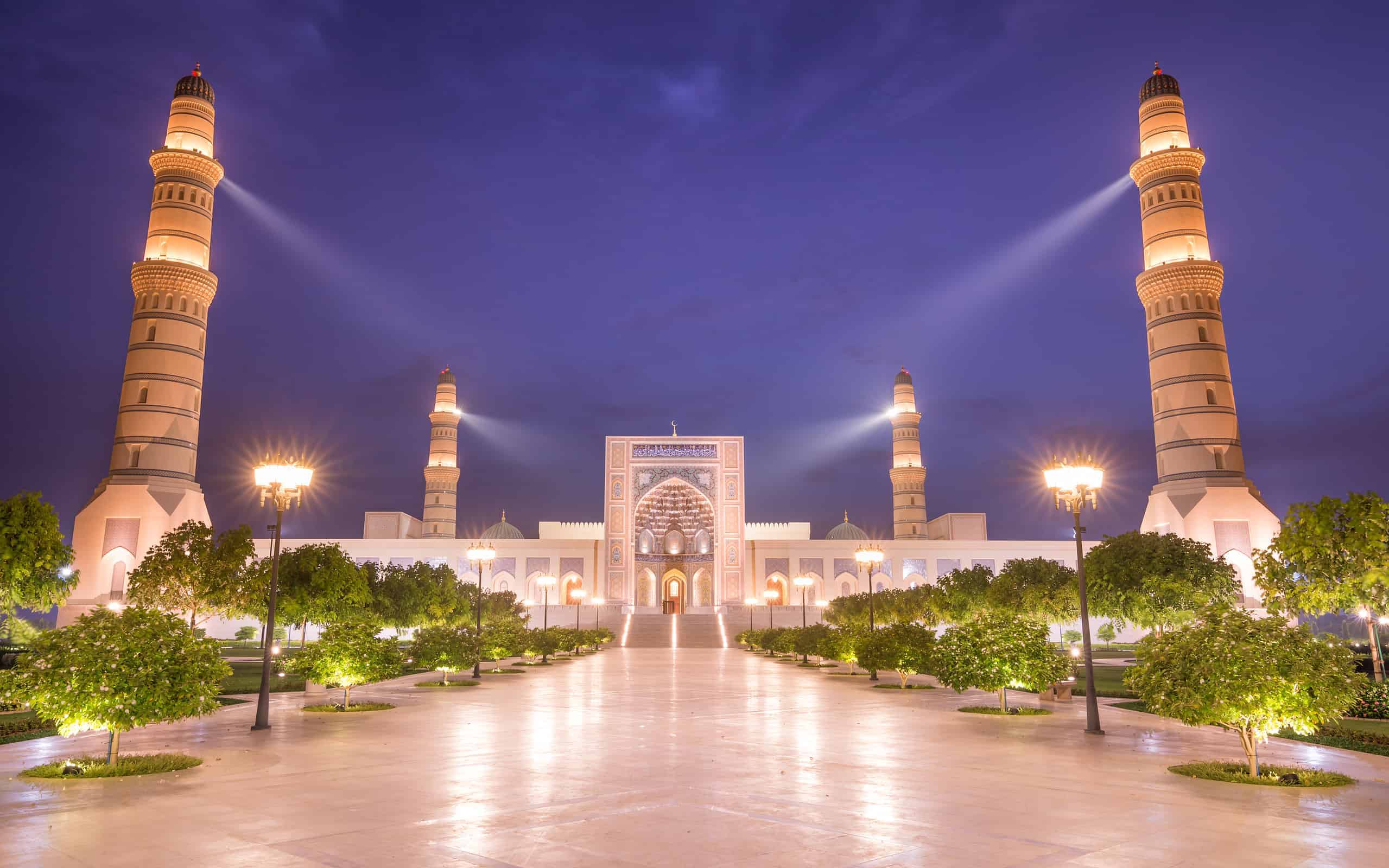
5. Omani Monarchy (Al Bu Said Dynasty Founded in 1744 CE)
The modern Omani monarchy does not date to 751. That year is traditionally associated with the selection of Oman’s first Ibadi imam, an office distinct from the later sultanate. The present state traces its ruling dynasty to Ahmad bin Said, who founded the Al Bu Said dynasty in 1744. Members of that dynasty have ruled Oman ever since, although the ruler’s title and the state’s territory have changed over time.
Sultan Haitham bin Tarik succeeded Sultan Qaboos bin Said on January 11, 2020. Oman is an absolute monarchy in which the sultan is head of state and supreme commander of the armed forces. The country also operates under a Basic Law and has a Council of Oman and a judicial system, so it is more accurate to describe these institutions and the sultan’s constitutional authority than to claim that the royal family simply ignores the law.
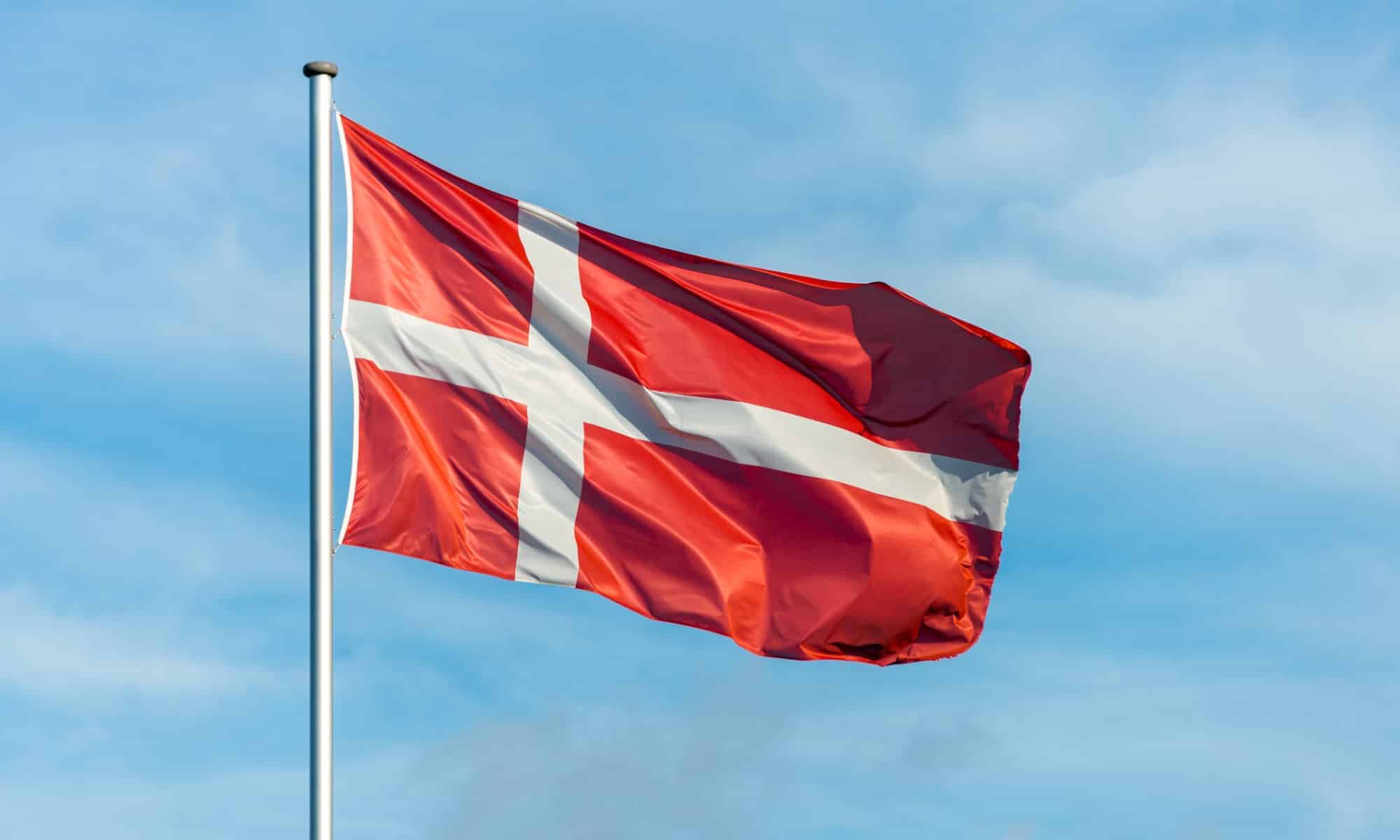
4. Danish Monarchy (Documented Since the 10th Century CE)
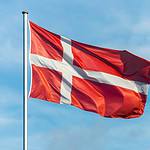
Claims that Denmark’s monarchy began in 710 rely on legendary or poorly documented rulers. The country’s securely documented royal line begins in the 10th century with Gorm the Old, who ruled by about 936 and is named on the Jelling stones. His son Harald Bluetooth later claimed to have united Denmark and Norway and converted the Danes to Christianity.
Denmark became a constitutional monarchy in 1849. King Frederik X acceded to the throne on January 14, 2024, after Queen Margrethe II abdicated following a reign of 52 years. The king is the country’s head of state, but his functions are governed by the constitution and carried out through ministers responsible to parliament.
3. Imperial House of Japan (Traditional Date: 660 BCE)
Japan’s traditional imperial chronology begins on February 11, 660 BCE, with Emperor Jimmu, who is described in Japan’s earliest chronicles as a descendant of the sun goddess Amaterasu. Jimmu’s reign and the 660 BCE date are legendary rather than verifiable history. February 11 is nevertheless observed as National Foundation Day. The Japanese title tennō is commonly translated as “heavenly sovereign,” not “emperor of heaven.”
Historical evidence for Japan’s early emperors becomes substantially firmer in the sixth century, and Emperor Kinmei’s reign is traditionally dated from 539 to 571. Japan’s official imperial genealogy lists 126 emperors. The current emperor is Naruhito, the 126th emperor, who acceded to the throne on May 1, 2019. His younger brother Fumihito is the crown prince and first in line to the throne, not the reigning emperor.
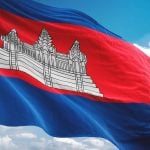
2. Cambodian Monarchy (Ancient Roots; Restored in 1993)
Cambodia’s royal tradition reaches back to the ancient kingdoms of mainland Southeast Asia, but there is no firm historical basis for assigning the modern Cambodian monarchy a precise founding date of 68 CE. Chinese accounts describe rulers in the region during the first centuries CE, while the Khmer Empire is conventionally dated from the reign of Jayavarman II in the early ninth century. These early states were not one continuously operating modern monarchy.
The National Assembly removed Prince Norodom Sihanouk as head of state in March 1970, and the Khmer Republic was proclaimed that October. The extent of United States involvement in Sihanouk’s removal remains disputed, so it should not be presented as an established U.S.-backed coup. Cambodia’s 1993 constitution restored the monarchy after decades of war and upheaval.
Cambodia is an elective constitutional monarchy in which the king “reigns but does not govern.” The Royal Council of the Throne chooses a new king from eligible members of the royal family. The council selected Norodom Sihamoni on October 14, 2004, after his father abdicated, and he was crowned on October 29.
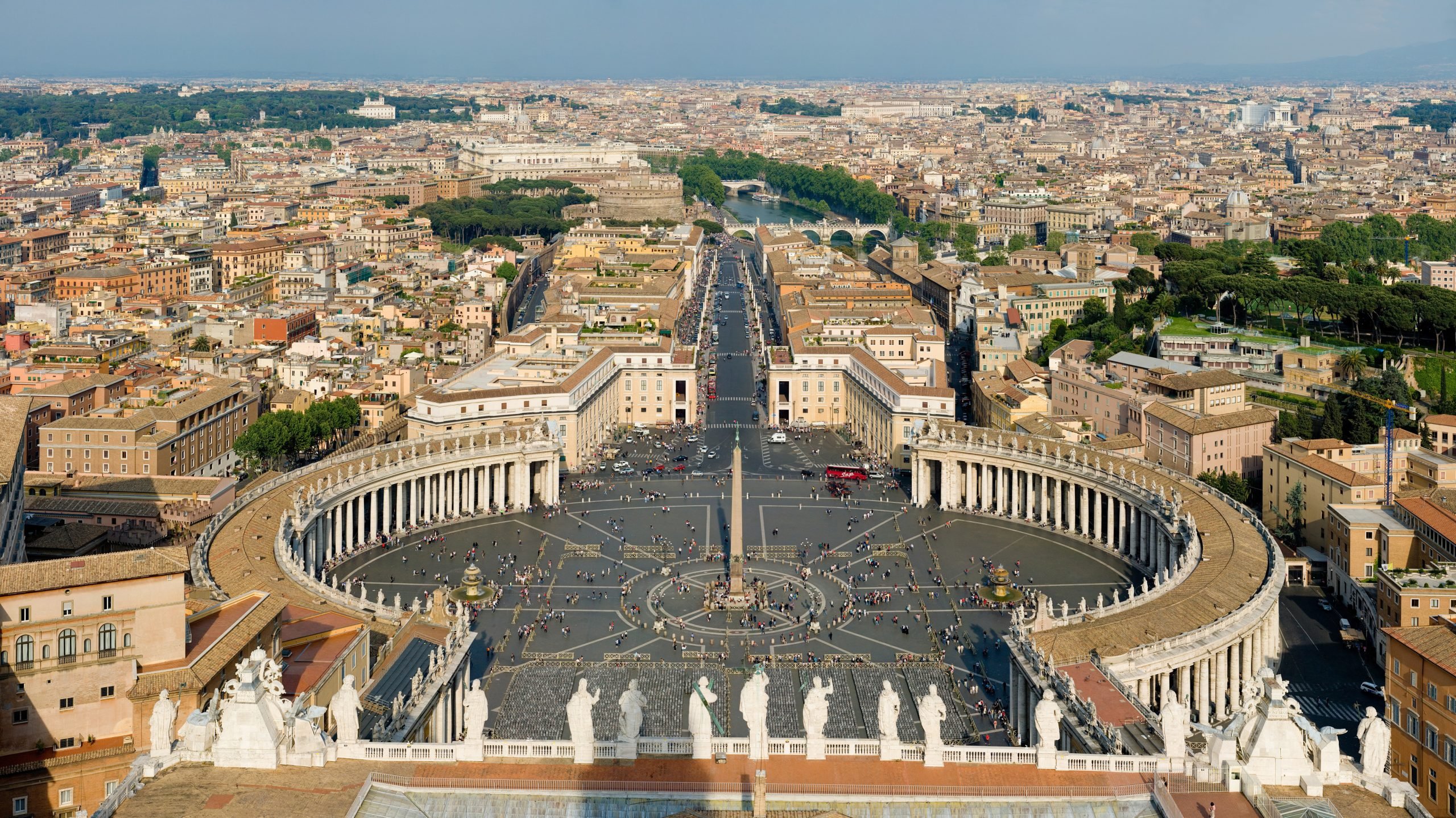
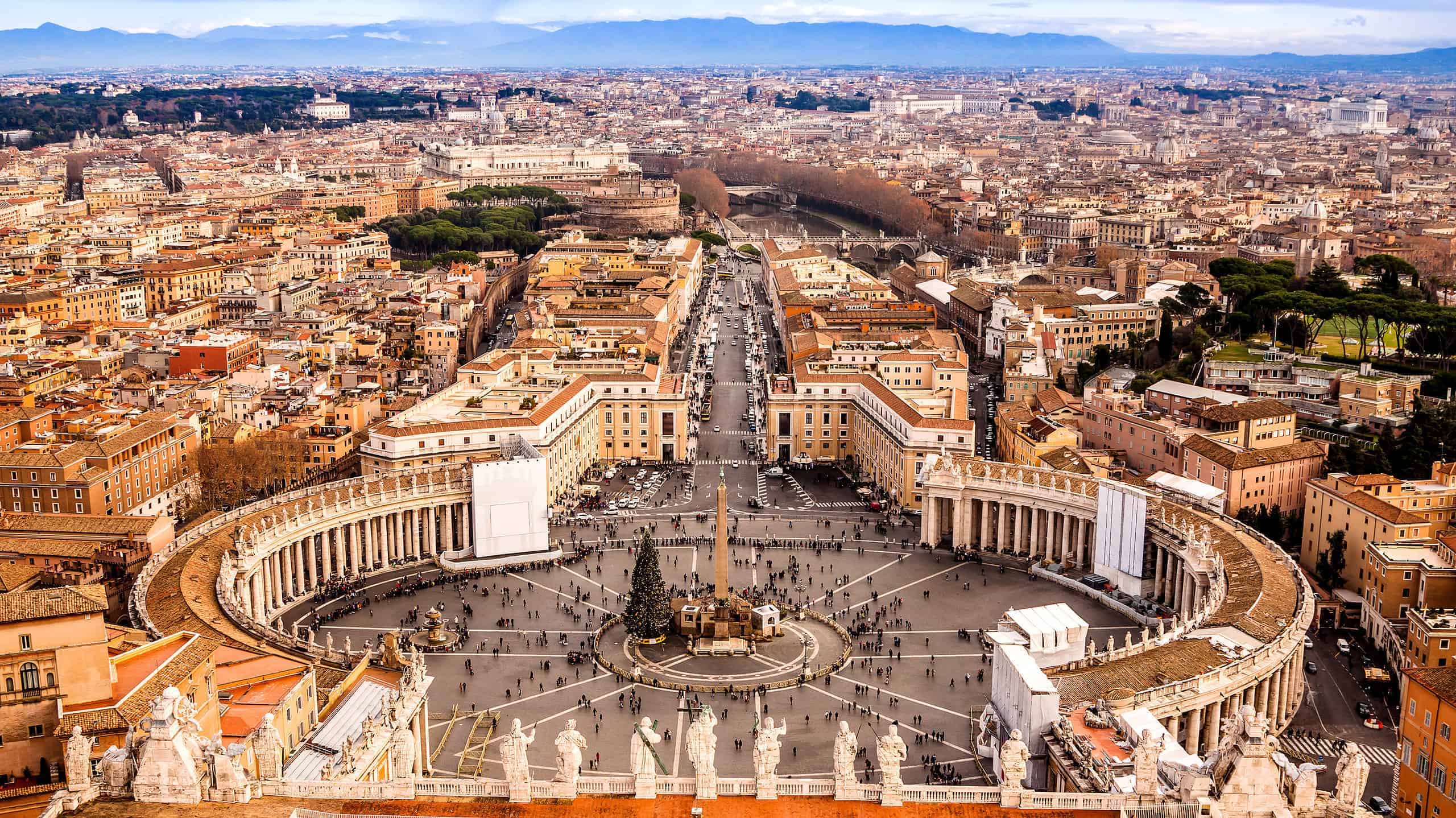
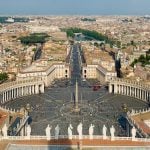
1. The Holy See (Roots in the First Century CE)
The Holy See is the central governing authority of the Catholic Church and a sovereign entity under international law. It is distinct from Vatican City, the independent state created by the Lateran Treaty in 1929 to guarantee the Holy See’s independence. Vatican City is generally described as an absolute elective monarchy because the pope exercises supreme legislative, executive, and judicial authority over the state.
Catholic tradition recognizes Saint Peter as the first bishop of Rome and each pope as his successor, although the papacy developed into its later institutional form over centuries. The popes’ territorial rule is conventionally dated to 756, when Pepin the Short’s land grants helped establish the Papal States. The Kingdom of Italy annexed Rome in 1870, ending the Papal States, but the Holy See continued to function without sovereign territory until the Lateran Treaty created Vatican City. The pope is elected by the College of Cardinals and serves as both head of the Holy See and sovereign of Vatican City.
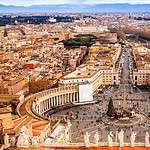
The image featured at the top of this post is ©"St Peter's Square, Vatican City - April 2007" by Diliff is licensed under BY-SA 3.0. – License / Original