









10 Top-Secret Government Projects That Fueled Conspiracy Theories
There's a reliable pattern in American history. The government does something behind its citizens' backs and denies it for years, but eventually the documents come out. When the papers become declassified, the damage is already done. People who knew something was going on are proven right, and the rest of us learn that "paranoid" and "right" are not mutually exclusive concepts.
Below are ten examples of real secret projects that took place in U.S. territory, all confirmed by congressional investigation or declassified records.
MK-Ultra
From 1953 to 1973, the CIA conducted a project aimed at determining the feasibility of controlling human behavior by using psychotropic substances along with hypnotic and psychological techniques. People were injected with LSD and other mind-altering substances, sometimes without their knowledge or consent. Experiments were carried out in hospitals and prisons, and even run through universities. The agency also created a brothel in San Francisco where men under the influence of hallucinations were monitored.
The program came to light through Senate hearings in the 70s, though by then CIA director Richard Helms had already ordered almost all of the operation's archives burned. A few financial documents managed to escape destruction because they were stored in the wrong place, but the holes in the archive have done much more for conspiracy theory than any real data could do. When the government conducts mind control research and then tells you it burned the archives, people will fill in the missing details themselves, usually with colorful detail.
Operation Northwoods
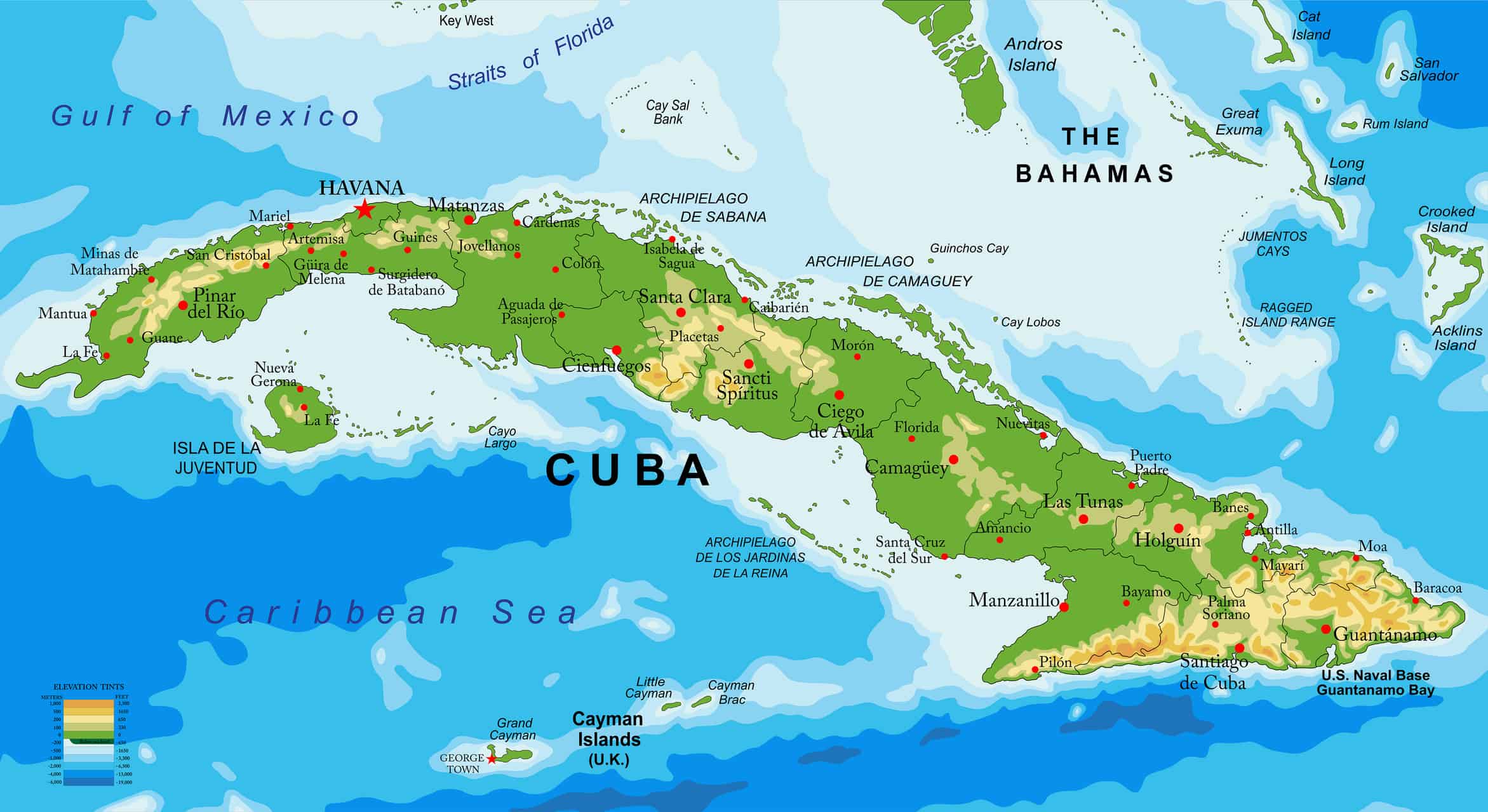
Operation Northwoods was a proposal drafted in 1962 by the Joint Chiefs of Staff aimed at manufacturing a pretext for attacking Cuba. It involved staging fake terrorist attacks against the United States and orchestrating violence in American cities that would then be pinned on Fidel Castro. This would be done to build up public support for a military attack against Cuba, making it seem like Americans were struck first. The proposal was accepted by the Joint Chiefs and forwarded to the then Defense Secretary, Robert McNamara. President Kennedy turned down the proposal.
The documents were not declassified until 1997. For anyone who believed that governments conduct attacks against their own countries, Northwoods became the smoking gun that changed a conspiracy theory into an officially documented fact.
The Tuskegee Syphilis Study
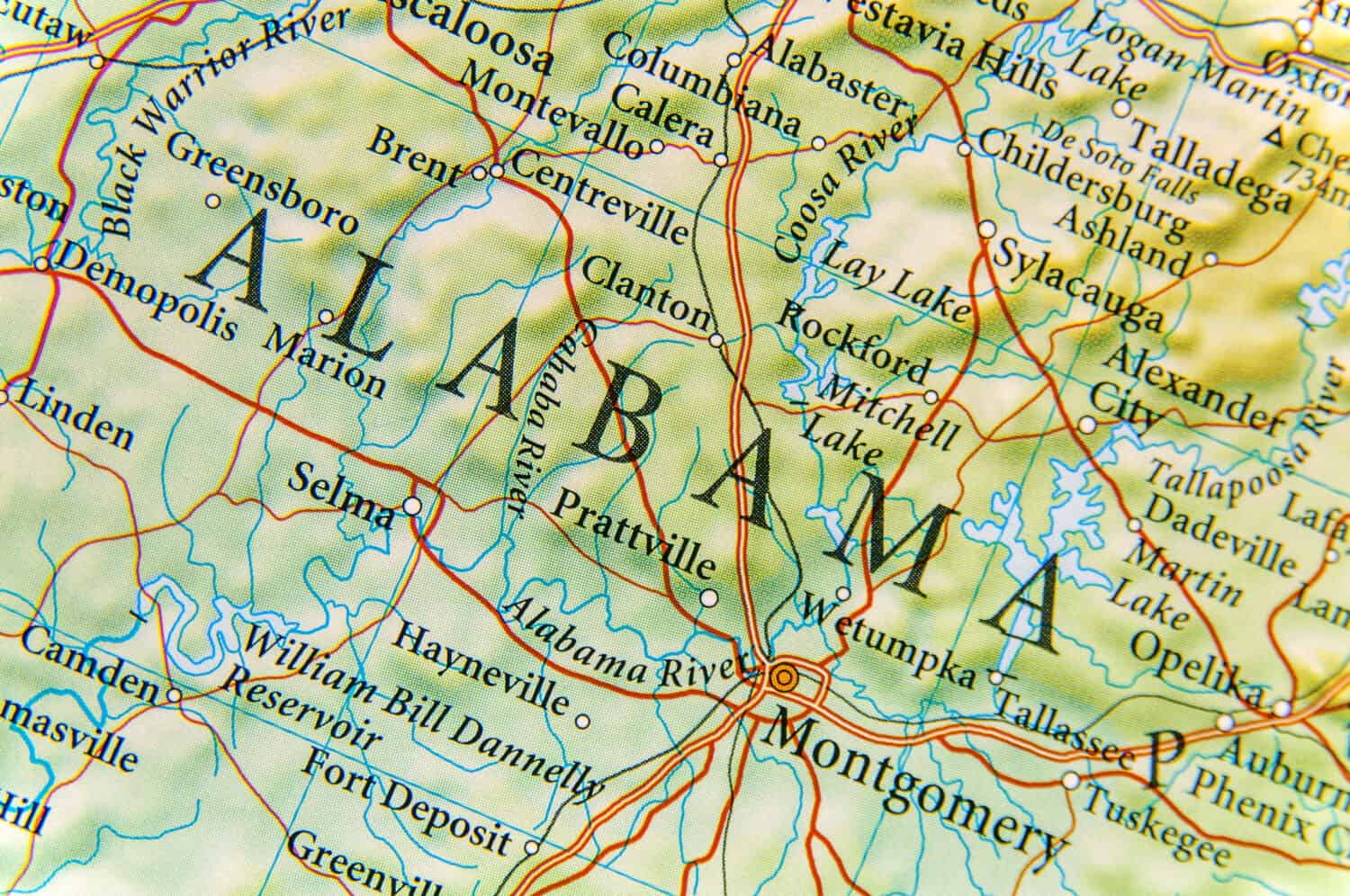
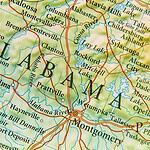
From 1932 to 1972, the U.S. Public Health Service conducted a study on about 400 black men in Alabama with syphilis, examining the course of the disease. It took forty years for the experiment to be disclosed by a whistleblower in 1972. None of the men in the study knew what they had. They believed they were undergoing treatment for "bad blood." The men were kept ignorant and deprived of any kind of treatment. They were also actively prevented from getting help elsewhere, and even infected their families as a result.
In the 1940s, when penicillin became the cure for syphilis, it was withheld from the participants since the very purpose of the experiment was to examine the course of the disease without medication.
The Tuskegee experiment is the single biggest reason why the Black community doesn’t trust public health officials, and this mistrust affected everything from HIV research to vaccination programs.
COINTELPRO
In 1956, the FBI began an undercover program to spy on and disrupt political groups within the United States. The targets were civil rights groups and black nationalist groups. Agents spread disinformation and forged letters meant to break up marriages and other alliances. One such letter sent out by the FBI encouraged Martin Luther King Jr. to commit suicide.
COINTELPRO was uncovered in 1971 when activists broke into the FBI office in Media, Pennsylvania, and released the documents to the press. This information confirmed what many activists had long suspected. They were being monitored, and the government was trying to take down their movement from within.
Operation Sea-Spray
For six days in September 1950, the US Navy released clouds of bacteria above San Francisco from a ship in the ocean. This experiment aimed to examine the way in which an agent could disperse in a major urban area during biological warfare. Monitoring suggested nearly all of the city's 800,000 residents would have inhaled the bacteria, which the military assumed would not cause any harm.
Several weeks after this experiment, eleven patients were admitted to a Stanford hospital with a very unusual urinary tract infection. One of them, Edward Nevin, died. The experiment remained unknown to the public until 1976. The Nevin family tried to sue the government, but failed.
Sea-Spray was one of many open-air experiments carried out by the U.S. military in American cities from 1949 to 1969, and its exposure gave lasting weight to the idea that the government treats its own population as a test population.
The Plutonium Injection Experiments
During the years 1945 to 1947, researchers involved with the Manhattan Project injected 18 hospitalized patients with plutonium to study how the body absorbed and processed radioactive material. Informed consent was not sought from any of these individuals nor were they aware of what was being done to them. These individuals had been identified by the researchers as terminal patients, although many lived for years to come while suffering the effects of the plutonium injections.
Radiation tests involving human subjects continued through the 1970s, using prisoners, cancer patients, and disabled children who happened to be among the poor and unlikely to question anything. Most of this information did not become public until 1993, when journalist Eileen Welsome released the names and stories of the plutonium subjects in the Albuquerque Tribune, winning a Pulitzer Prize for her work. Her reporting caught the attention of Energy Secretary Hazel O'Leary, and President Clinton then formed an advisory committee to document radiation testing of Americans, which reached into the thousands.
The idea of government scientists quietly injecting hospital patients with plutonium may seem like a fictional horror story. This really happened and helped fuel a long-lasting belief that the nuclear program regarded human lives as mere data points.
Operation Mockingbird
For many years before any concrete evidence existed, people claimed that the CIA made connections with journalists to control their reporting. This was confirmed when documents were declassified, and an investigation by the Senate in 1975 revealed that the CIA had been forming contacts with journalists and editors from various mainstream media organizations, using them to place stories and influence how events were reported at home and abroad. Parts of it remain classified, which is part of why the theories persist.
During the Cold War era, some of the news reports that people received were influenced by an intelligence agency. Mockingbird is why allegations about how "the media is controlled" reach back to the CIA so often.
The Gulf of Tonkin Incident
In August 1964, the United States government declared that North Vietnamese forces had attacked American destroyers in the Gulf of Tonkin. Then Congress passed the resolution "Gulf of Tonkin", giving the right to the president to escalate military activity in Vietnam. The declaration of the second attack was used as an excuse for starting a war that resulted in the deaths of many.
The declassified papers and a study done in 2005 by the National Security Agency showed that there had almost definitely been no second attack at all. The information was misread and then announced with a confidence that the evidence did not support.
Project MK-Naomi and the Hidden Toxin Stockpile
Concurrently with the development of MK-Ultra, the Central Intelligence Agency conducted another project called MK-Naomi. The latter was jointly developed by the agency and the biological warfare laboratory of the U.S. Army located in Fort Detrick. This laboratory helped create and store poisonous materials and diseases. In late 1969, following the instructions of President Nixon to destroy the entire stockpile of biological weapons, the CIA secretly kept a cache of some of these poisons anyway, including about 11 grams of shellfish toxin and vials containing a poison created from cobra venom.
The secret storage of the deadly materials became known during the investigations conducted by the Church Committee in 1975. This committee exposed a dart gun designed by the CIA that could shoot frozen toxin pellets that would melt inside the victim's body, leaving no traces. The mere existence of such a weapon, one which was kept despite a direct presidential order, proved one of the darkest conspiracy theories to be true.
Operation LAC and the Zinc Cadmium Sulfide Tests
During the 50s and 60s, the U.S. Army sprayed zinc cadmium sulfide, a luminous chemical powder, on populated areas to track the dispersal of chemicals in the event of a chemical or biological attack on American soil.
Among the most heavily contaminated areas was a low-income public housing project in St. Louis that consisted overwhelmingly of poor Black residents. These individuals were not informed of the substance that was being released in their area and the reasons behind it.
This information became public knowledge in the 1990s through an investigation by Congress. While the government assured its citizens that the substance used in the tests was completely harmless, individuals from the areas where the tests were done began to report health problems over the years that followed.
The tendency to choose poor, minority neighborhoods to conduct tests is common when it comes to government experiments. It kept happening, and each time, the people affected were the last to find out.
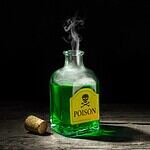
The image featured at the top of this post is ©Stokkete/Shutterstock.com