





The Fighter Jets NATO Relies On to Control the Skies Over Europe
NATO’s ability to maintain air superiority in Europe is more than just a numbers game. From stealth-driven F-35s to battle-tested F-16s and Eurofighter Typhoons, the alliance has built one of the most advanced and layered air combat networks in the world. As tensions continue to simmer along Europe’s eastern edge, these aircraft are not just tools of defense—they are the backbone of NATO’s deterrence strategy and a clear signal of its ability to dominate the skies. Here, History Computer is taking a closer look at NATO aircraft.
To determine the fighter jets used by NATO to maintain its air superiority, History Computer reviewed various historical and military sources. We included supplemental information for each aircraft regarding the manufacturer, primary role, NATO operators, and ultimately why each is so important to NATO air superiority operations.
Here is a look at the fighter jets NATO depends on for air superiority in Europe:
NATO’s Air Superiority Isn’t Built on One Jet
NATO’s ability to control the skies over Europe is not dependent on a single aircraft, but rather a layered and interconnected network of fighter jets spread across multiple countries. From stealth platforms like the F-35 to proven multirole aircraft like the F-16 and Eurofighter Typhoon, the alliance relies on a diverse mix of capabilities. This structure ensures flexibility, redundancy, and resilience, allowing NATO to respond to threats across different regions and operational environments. Instead of relying on one dominant platform, NATO’s strength comes from how these aircraft complement each other, creating a system where weaknesses in one area are offset by strengths in another.
Fifth-Generation Fighters Are Changing the Battlefield
The introduction of fifth-generation fighters such as the F-35 and F-22 has fundamentally shifted how NATO approaches air superiority. These aircraft are designed to operate in highly contested environments, using stealth and advanced sensors to detect and engage threats before being seen. Their ability to share data across the battlefield enhances coordination among allied forces, making them force multipliers that extend the effectiveness of the entire NATO air fleet. As more NATO countries adopt these platforms, the alliance is steadily moving toward a more networked and intelligence-driven model of warfare, where information dominance becomes just as important as firepower.
Europe’s Air Defense Still Depends on Proven Workhorses
While newer aircraft are reshaping modern warfare, NATO still relies heavily on fourth-generation and upgraded fighters to maintain day-to-day air security. Aircraft like the F-16, Rafale, and Eurofighter Typhoon perform critical roles in air policing, interception, and deterrence missions. Their widespread deployment across NATO ensures that the alliance can maintain continuous coverage of European airspace, responding quickly to potential threats and maintaining a constant state of readiness. These aircraft may lack stealth, but their reliability, speed, and advanced weapon systems make them indispensable in maintaining a persistent air defense presence.
Geography Shapes NATO’s Airpower Strategy
NATO’s air superiority strategy is heavily influenced by Europe’s geography, with different aircraft playing key roles in specific regions. Fighters stationed in Eastern Europe focus on deterrence and rapid response near potential flashpoints, while those in the north are optimized for Arctic and Baltic operations. In the south, aircraft are positioned to address threats in the Mediterranean. This geographic distribution ensures that NATO can project airpower effectively across all fronts. By aligning aircraft capabilities with regional demands, NATO is able to maximize its operational efficiency and maintain a balanced defensive posture.
Interoperability Is NATO’s Greatest Advantage
One of NATO’s greatest strengths is its ability to integrate aircraft from multiple countries into a unified fighting force. Through shared standards, joint exercises, and compatible systems, NATO fighters can operate seamlessly together in combat scenarios. This interoperability allows the alliance to combine the strengths of different aircraft into a cohesive airpower strategy, ensuring that NATO can maintain air superiority even against highly capable adversaries. It is this level of coordination and integration that ultimately sets NATO apart, turning a collection of national air forces into a single, highly effective combat network.
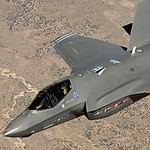
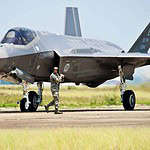
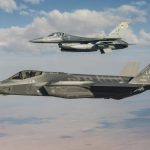
F-35A Lightning II
- Primary NATO Operators: US, UK, Italy, Netherlands, Norway, Denmark, Poland, Belgium
- Manufacturer: Lockheed Martin
- Generation: 5th
- Primary Role: Multirole
- Estimated Total NATO Fleet: ~600
- Top Speed: Mach 1.6
- Key Air-to-Air Systems: AIM-120 AMRAAM, AIM-9X, AESA radar
- Strategic Role in NATO: Stealth penetration / first-day-of-war
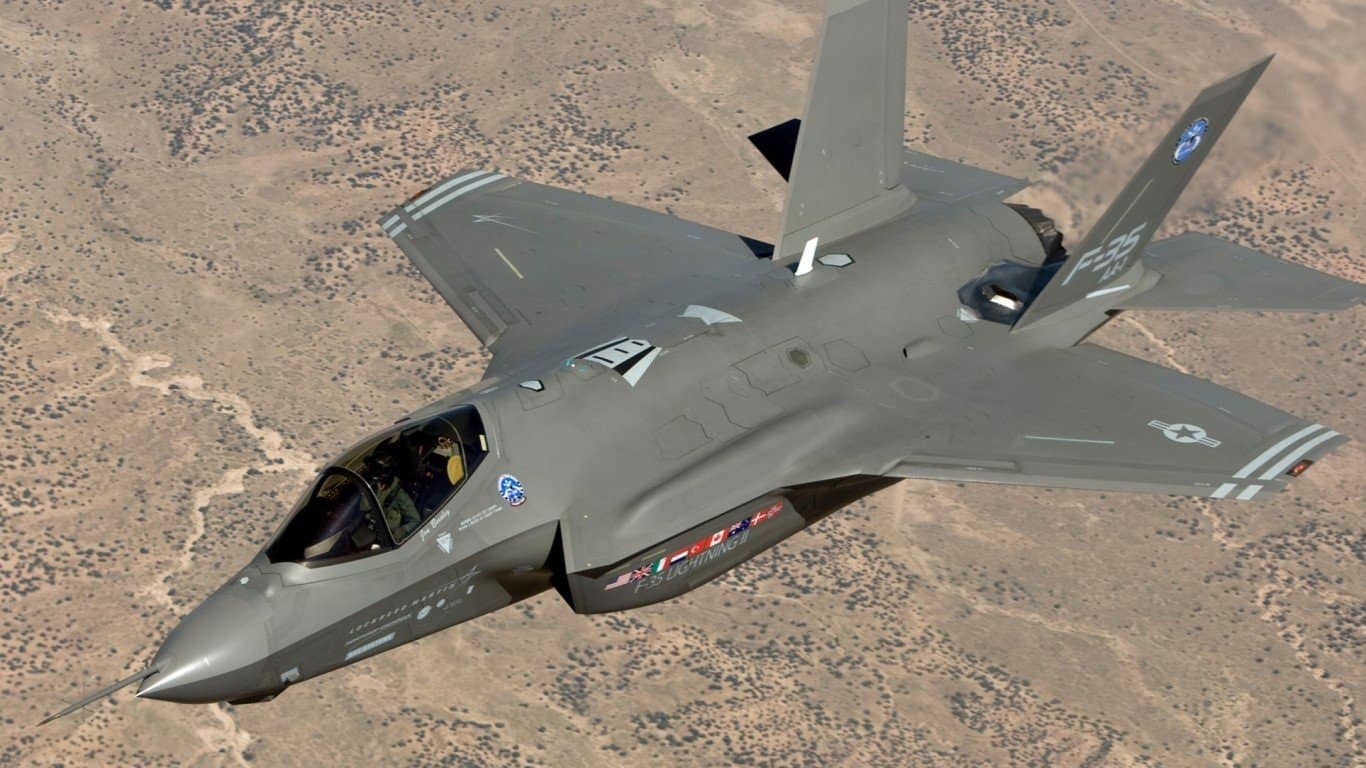
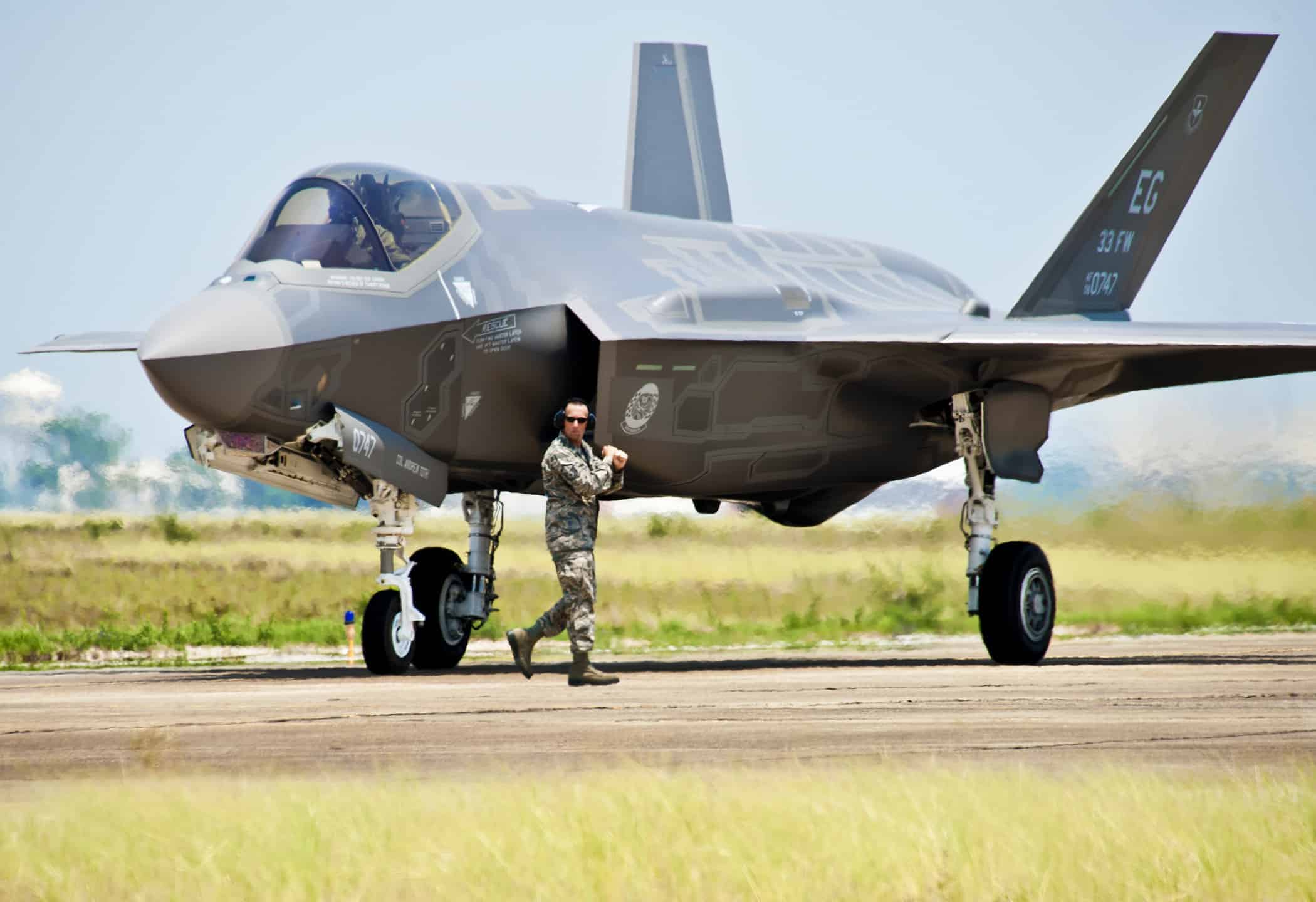
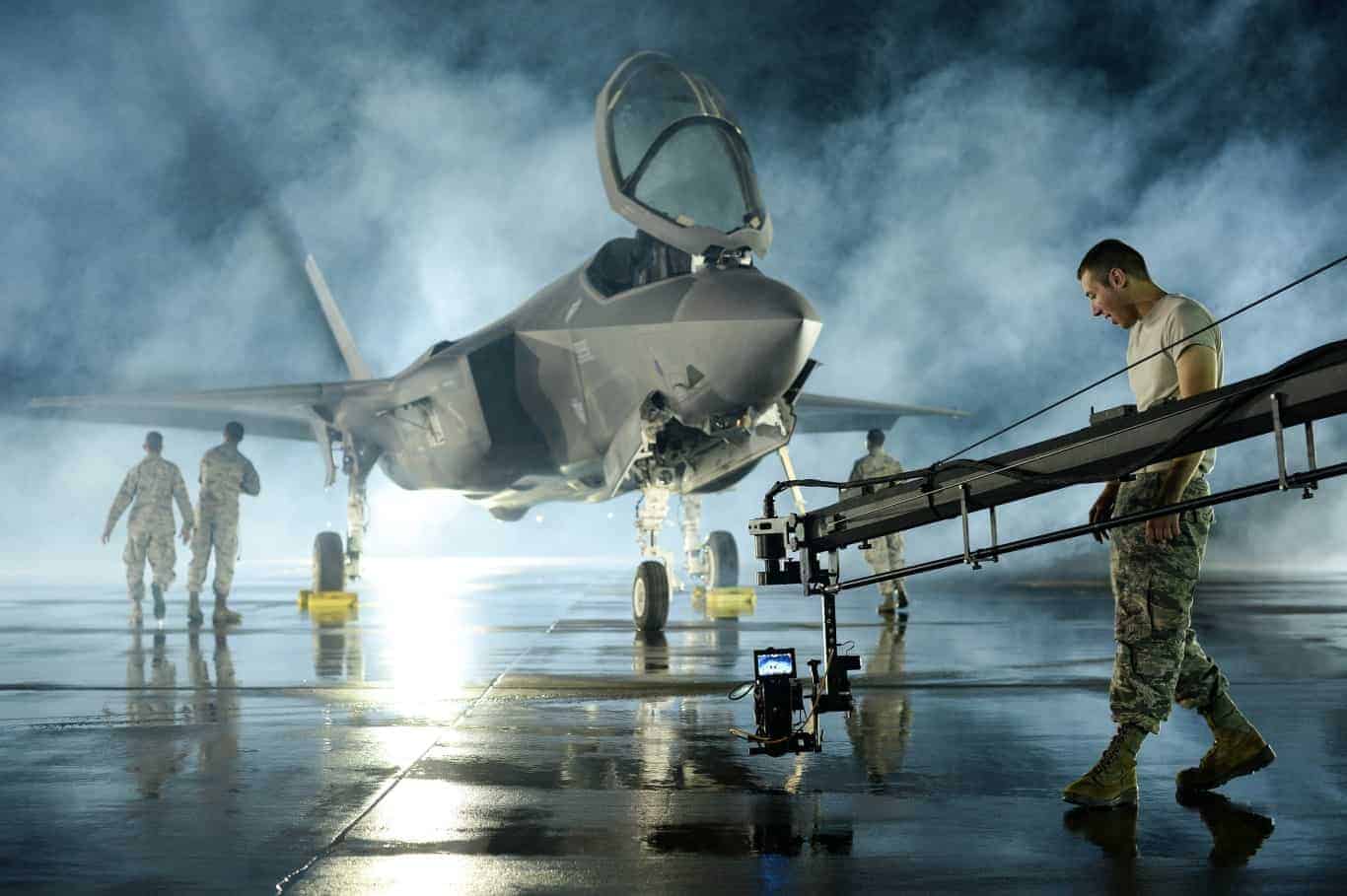
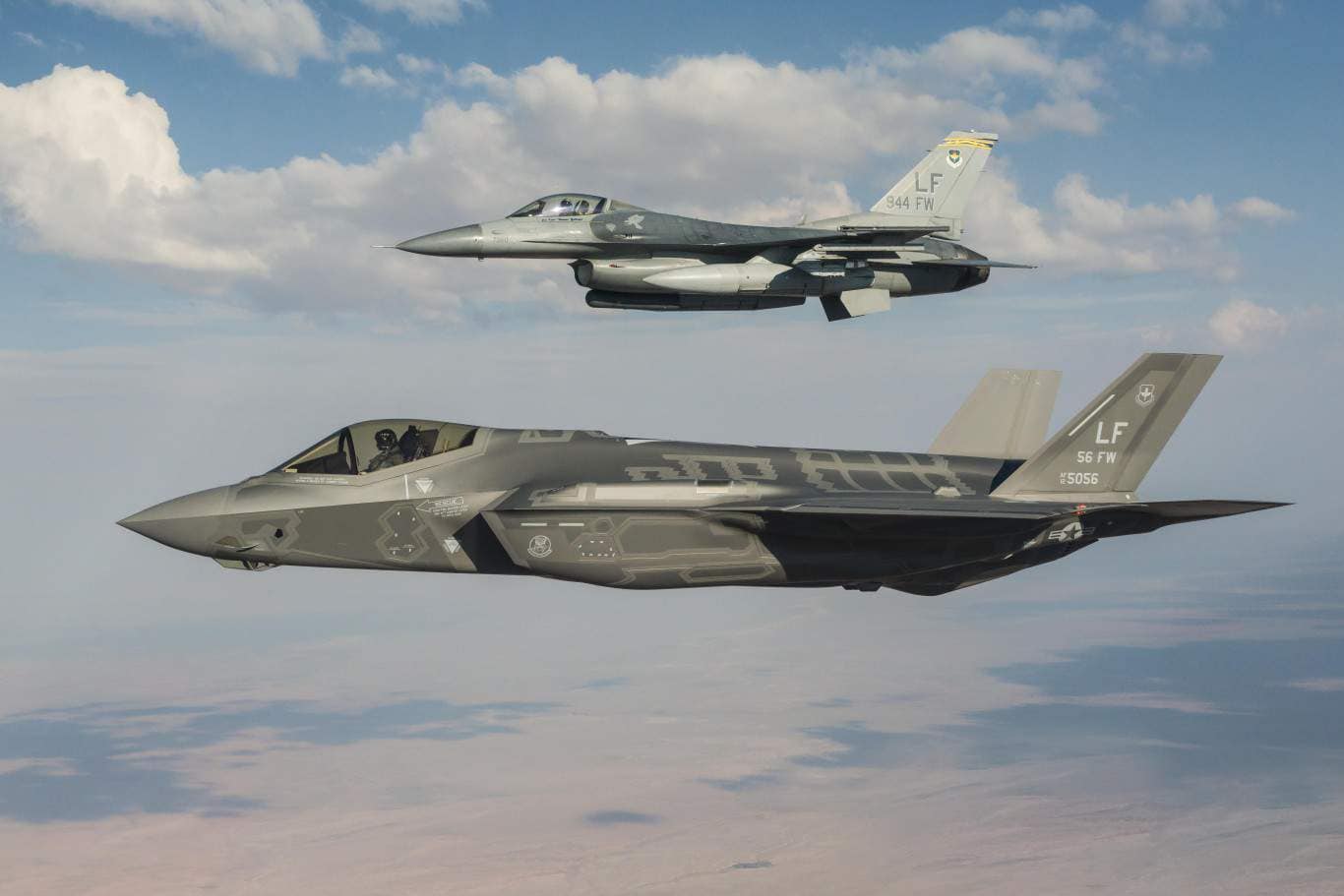
The F-35A is rapidly becoming the cornerstone of NATO’s air superiority strategy in Europe, primarily due to its stealth, sensor fusion, and ability to operate in contested environments. Its widespread adoption across multiple NATO countries creates a unified, interoperable fleet capable of sharing real-time battlefield data. This aircraft is critical for first-day-of-war operations, where it can penetrate advanced air defenses and neutralize enemy assets before they become a threat, ensuring NATO maintains control of the skies from the outset.
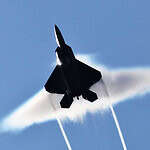
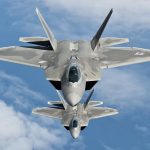
F-22 Raptor
- Primary NATO Operators: USA (rotational in Europe)
- Manufacturer: Lockheed Martin
- Generation: 5th
- Primary Role: Air Superiority
- Estimated Total NATO Fleet: ~180
- Top Speed: Mach 2.25
- Key Air-to-Air Systems: AIM-120, AIM-9X, advanced stealth sensors
- Strategic Role in NATO: Air dominance / deterrence
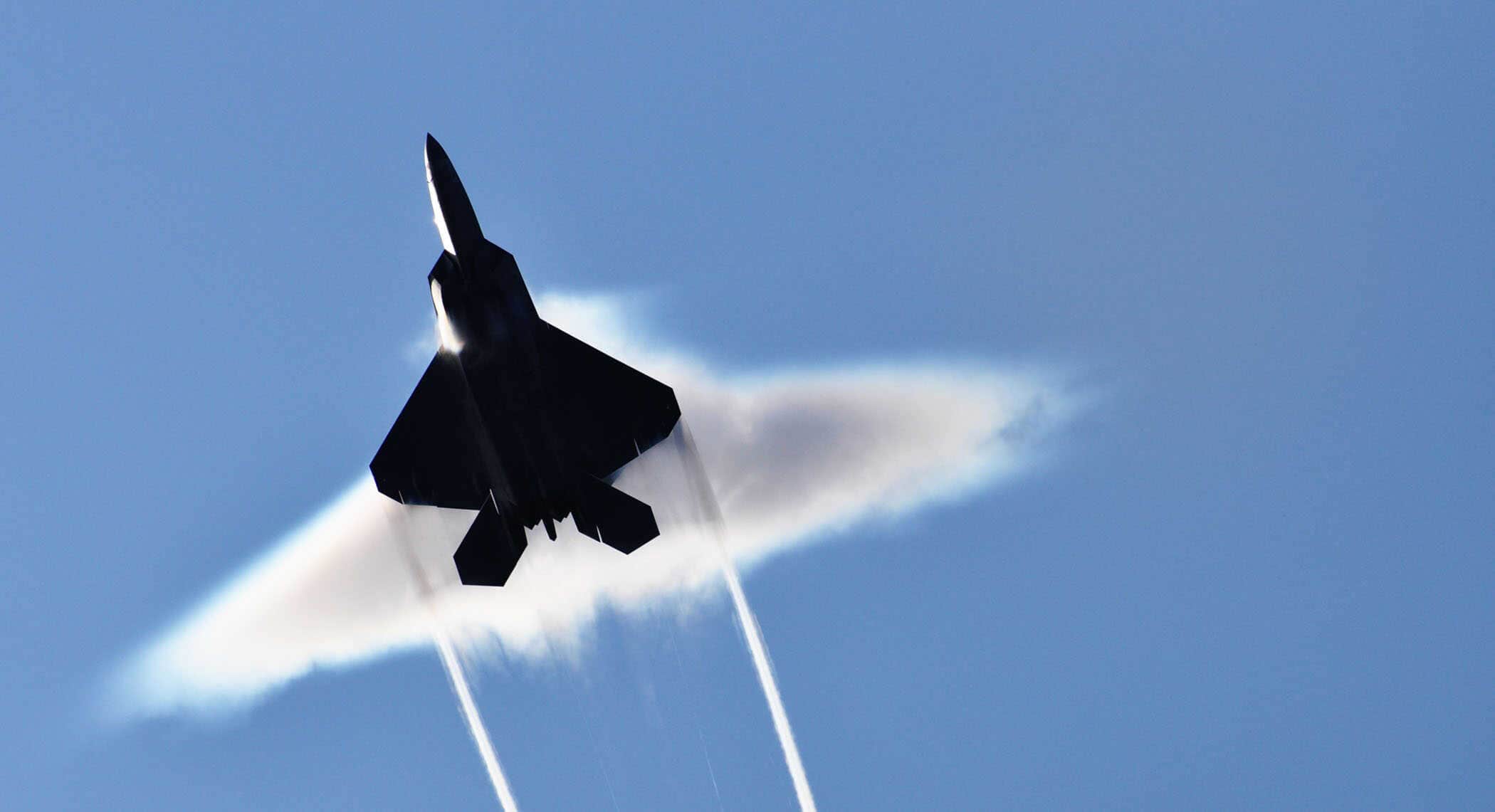
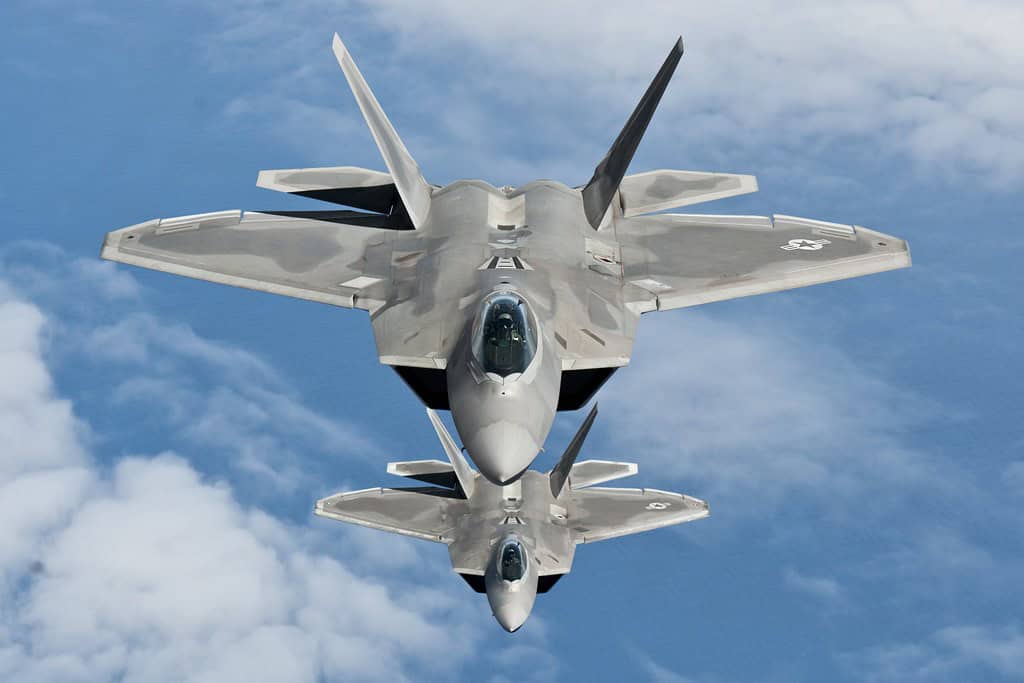
Although not permanently based in Europe, the F-22 Raptor plays a critical deterrent role through rotational deployments. As one of the most advanced air superiority fighters ever built, it provides unmatched stealth, speed, and maneuverability. Its presence signals NATO’s ability to rapidly escalate air dominance capabilities in response to emerging threats. The F-22 excels at eliminating high-value targets and controlling contested airspace, making it a key asset in maintaining a technological and tactical edge over potential adversaries.
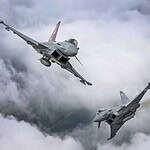
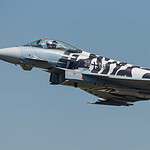
Eurofighter Typhoon
- Primary NATO Operators: UK, Germany, Italy, Spain
- Manufacturer: Eurofighter GmbH
- Generation: 4.5
- Primary Role: Multirole
- Estimated Total NATO Fleet: ~500
- Top Speed: Mach 2.0
- Key Air-to-Air Systems: Meteor, AIM-120, IRIS-T, AESA radar
- Strategic Role in NATO: Air policing / QRA / European backbone
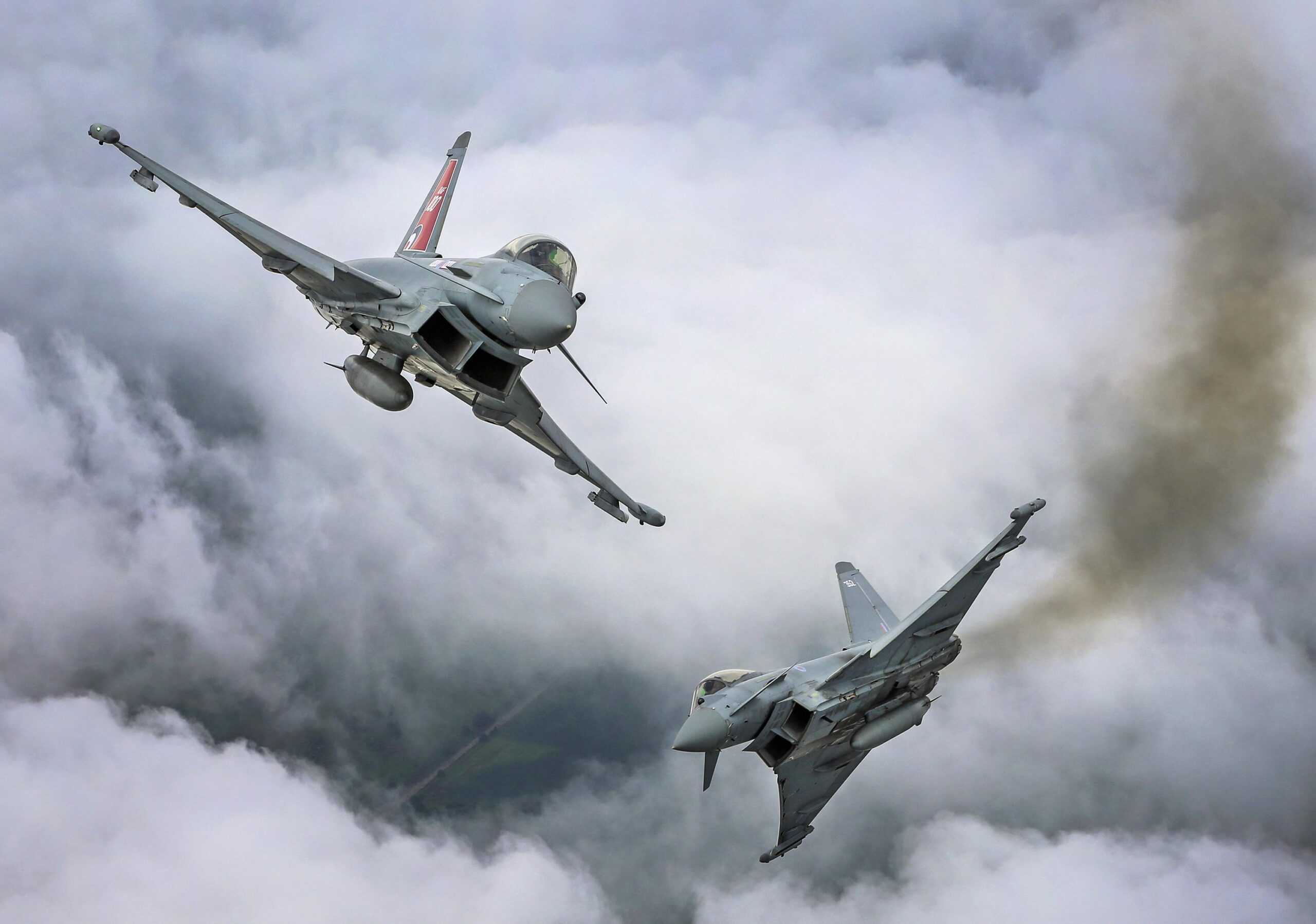
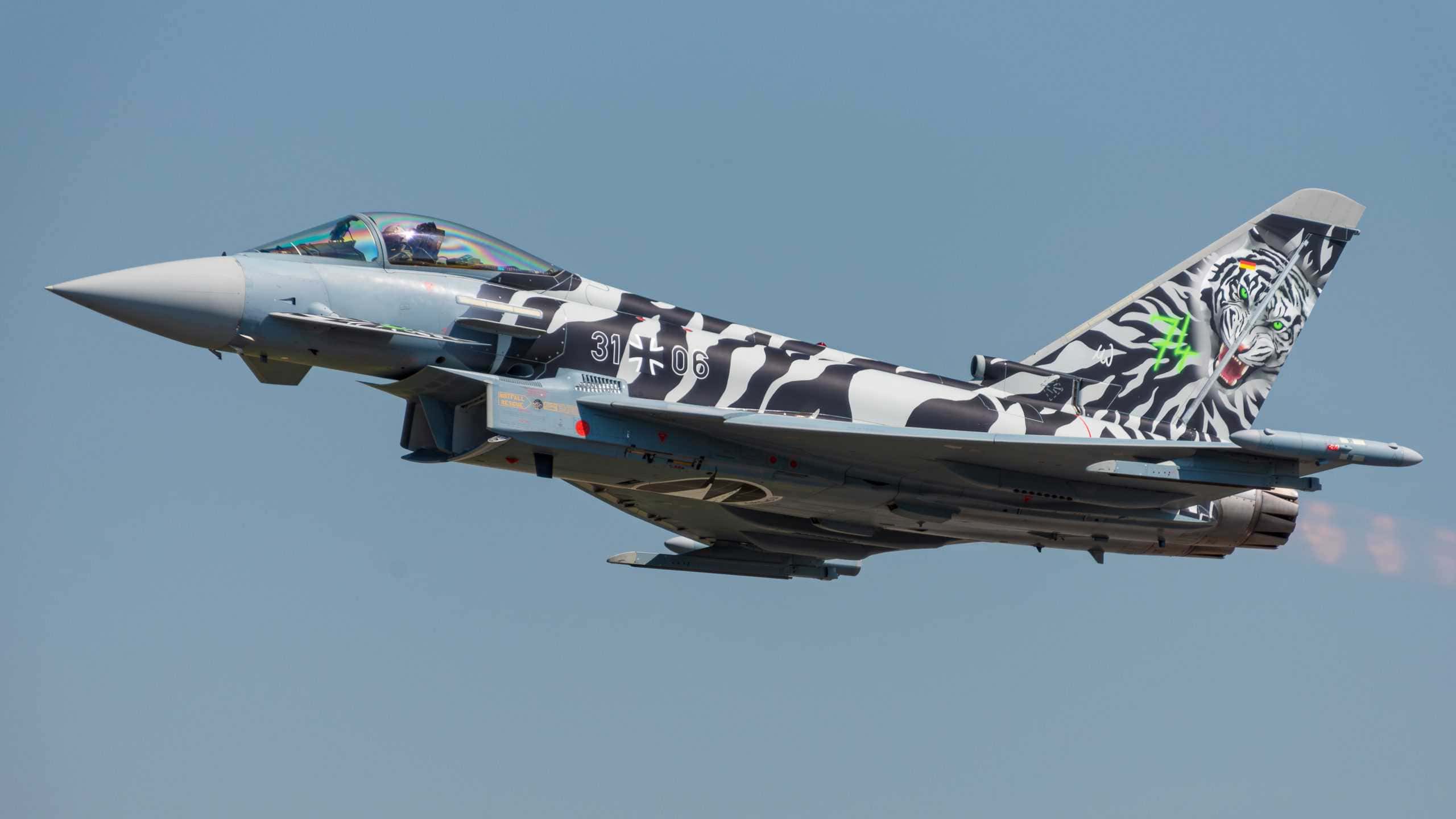
The Eurofighter Typhoon serves as the backbone of NATO’s European air policing and quick reaction alert missions. Its speed, agility, and advanced missile systems, particularly the Meteor, make it highly effective in air-to-air combat. Operated by multiple major NATO members, the Typhoon ensures consistent coverage across Europe’s airspace. Its role in intercepting unidentified aircraft and responding to threats in real time makes it indispensable for maintaining continuous air superiority across NATO’s core territories.
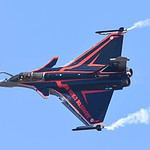
Dassault Rafale
- Primary NATO Operators: France
- Manufacturer: Dassault Aviation
- Generation: 4.5
- Primary Role: Multirole
- Estimated Total NATO Fleet: ~250
- Top Speed: Mach 1.8
- Key Air-to-Air Systems: Meteor, MICA, AESA radar
- Strategic Role in NATO: Nuclear deterrence / multirole dominance
France’s Rafale is one of the most versatile fighters in NATO, capable of executing both air superiority and strike missions with equal effectiveness. Its integration into France’s nuclear deterrence strategy adds another layer of strategic importance. Equipped with advanced avionics and long-range missiles, the Rafale ensures France can independently and jointly contribute to NATO air dominance. Its flexibility allows it to operate across a wide range of missions, reinforcing NATO’s ability to respond to diverse threats in European airspace.
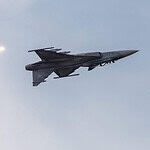
Saab JAS 39 Gripen C/D
- Primary NATO Operators: Czech Republic, Hungary
- Manufacturer: Saab
- Generation: 4.5
- Primary Role: Multirole
- Estimated Total NATO Fleet: ~40
- Top Speed: Mach 2.0
- Key Air-to-Air Systems: Meteor, IRIS-T, PS-05 radar
- Strategic Role in NATO: NATO air policing / cost-efficient defense
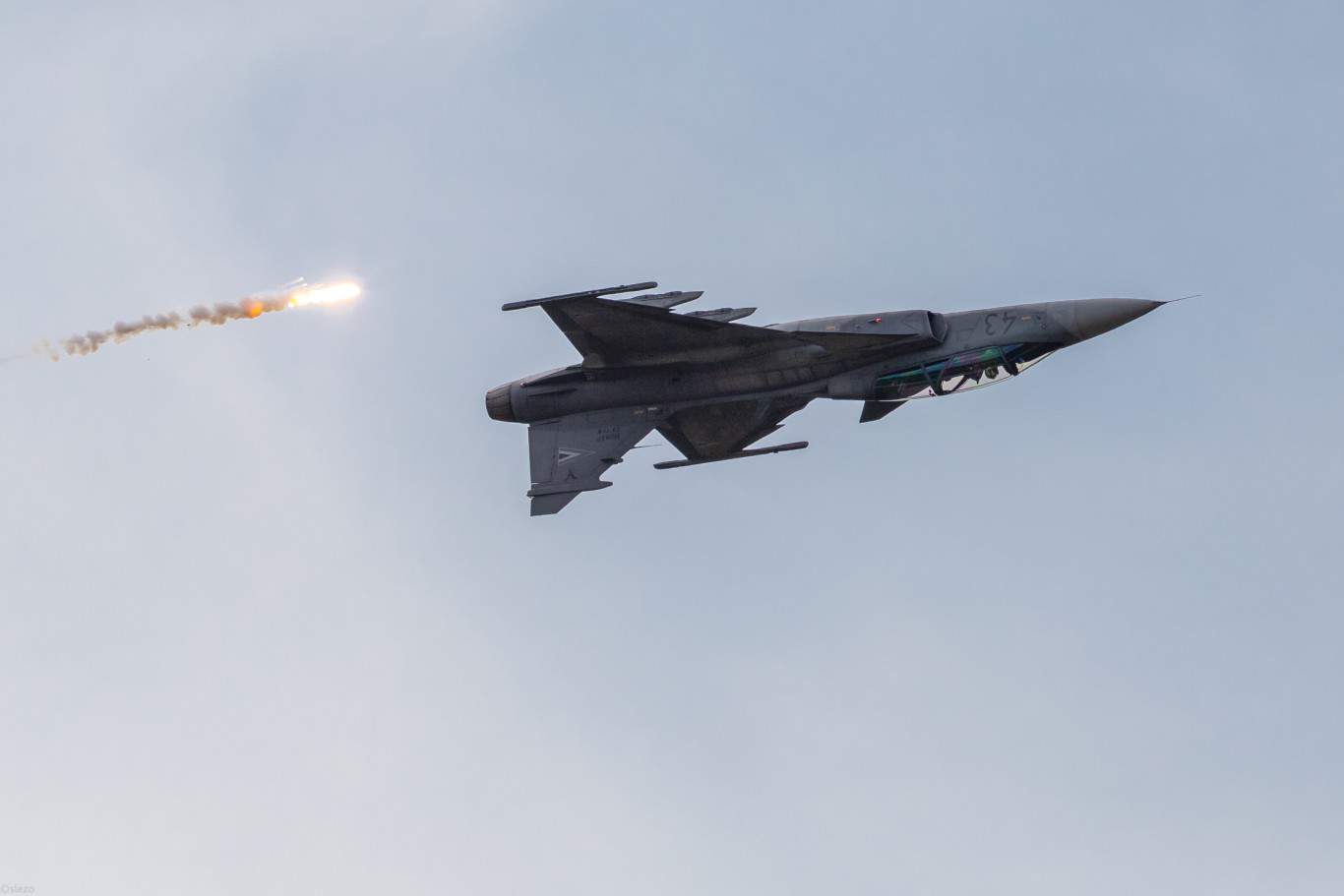
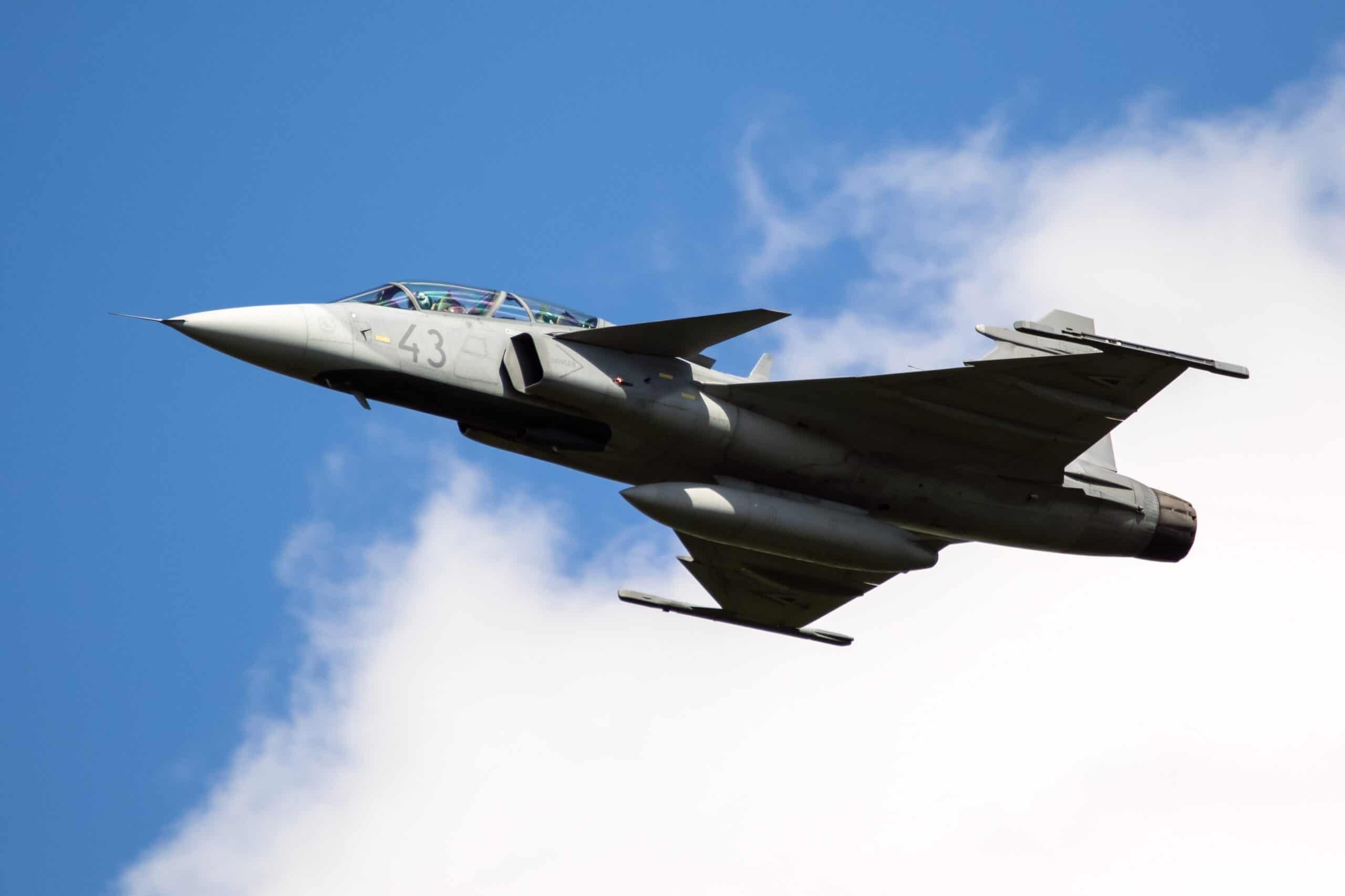
The Gripen C/D is a cost-effective yet highly capable fighter that plays a vital role in NATO’s smaller air forces, particularly in Central Europe. Its ability to operate from short and dispersed runways enhances survivability in a high-threat environment. Despite its smaller size, the Gripen is equipped with advanced air-to-air missiles and modern avionics, allowing it to effectively contribute to air policing and defense missions. Its efficiency and adaptability make it a key component in NATO’s distributed airpower strategy.
Saab JAS 39 Gripen E/F
- Primary NATO Operators: Sweden (NATO integration)
- Manufacturer: Saab
- Generation: 4.5
- Primary Role: Multirole
- Estimated Total NATO Fleet: ~60
- Top Speed: Mach 2.0
- Key Air-to-Air Systems: Meteor, IRIS-T, AESA radar
- Strategic Role in NATO: Next-gen Nordic defense
The next-generation Gripen E/F represents a significant upgrade in capability, with improved radar, electronic warfare systems, and extended range. As NATO expands its integration with Nordic countries, this aircraft strengthens the alliance’s northern defensive posture. Its advanced sensors and network-centric capabilities allow it to operate seamlessly alongside other NATO assets, enhancing situational awareness and coordination. The Gripen E/F ensures that even smaller fleets can deliver high-end performance in maintaining regional air superiority.
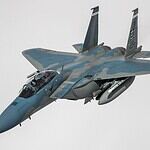
F-15E Strike Eagle
- Primary NATO Operators: USA (Europe-based)
- Manufacturer: Boeing
- Generation: 4.5
- Primary Role: Strike Fighter
- Estimated Total NATO Fleet: ~200
- Top Speed: Mach 2.5
- Key Air-to-Air Systems: AIM-120, AIM-9X, AESA radar
- Strategic Role in NATO: Deep strike / air superiority support
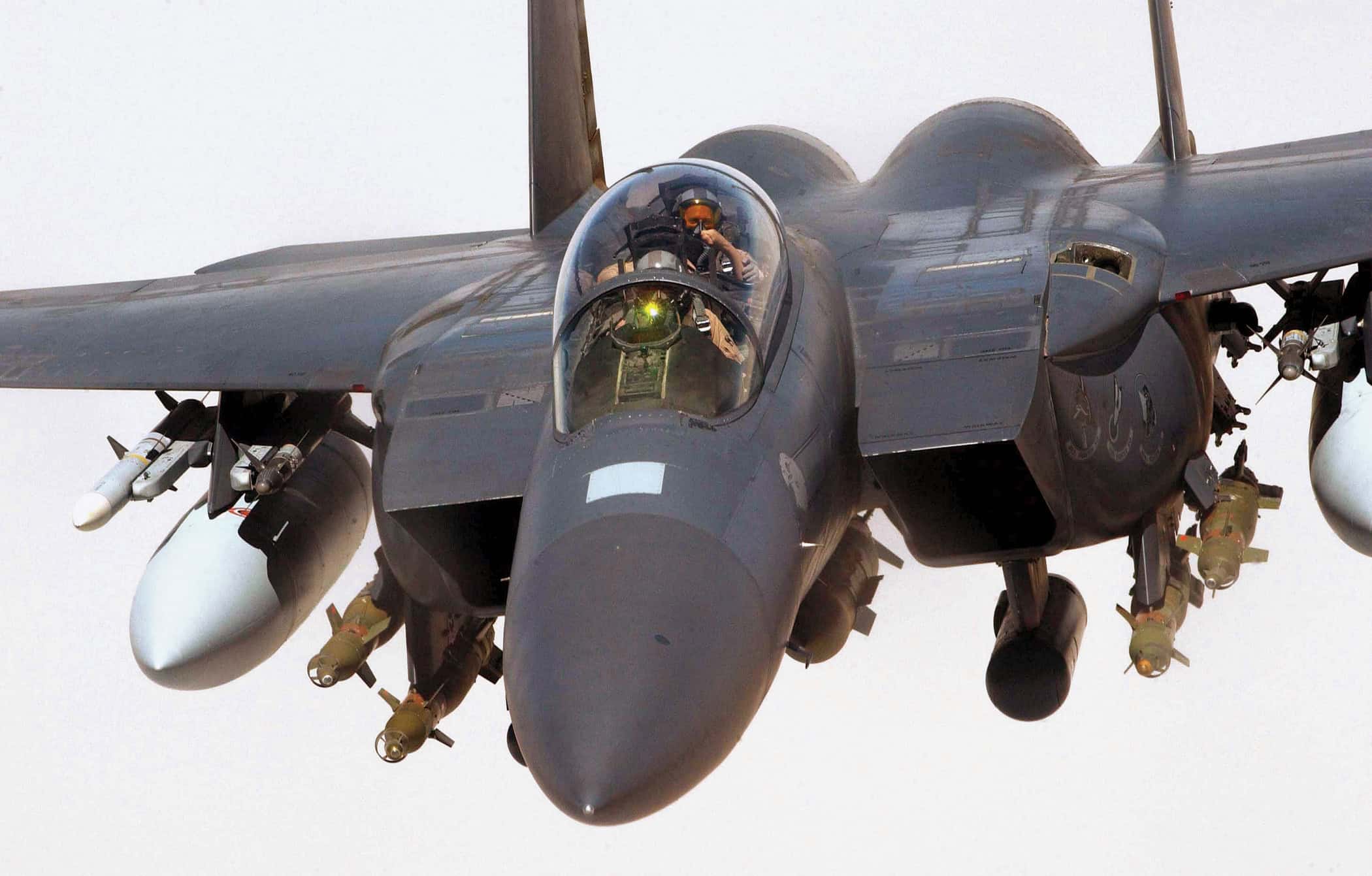
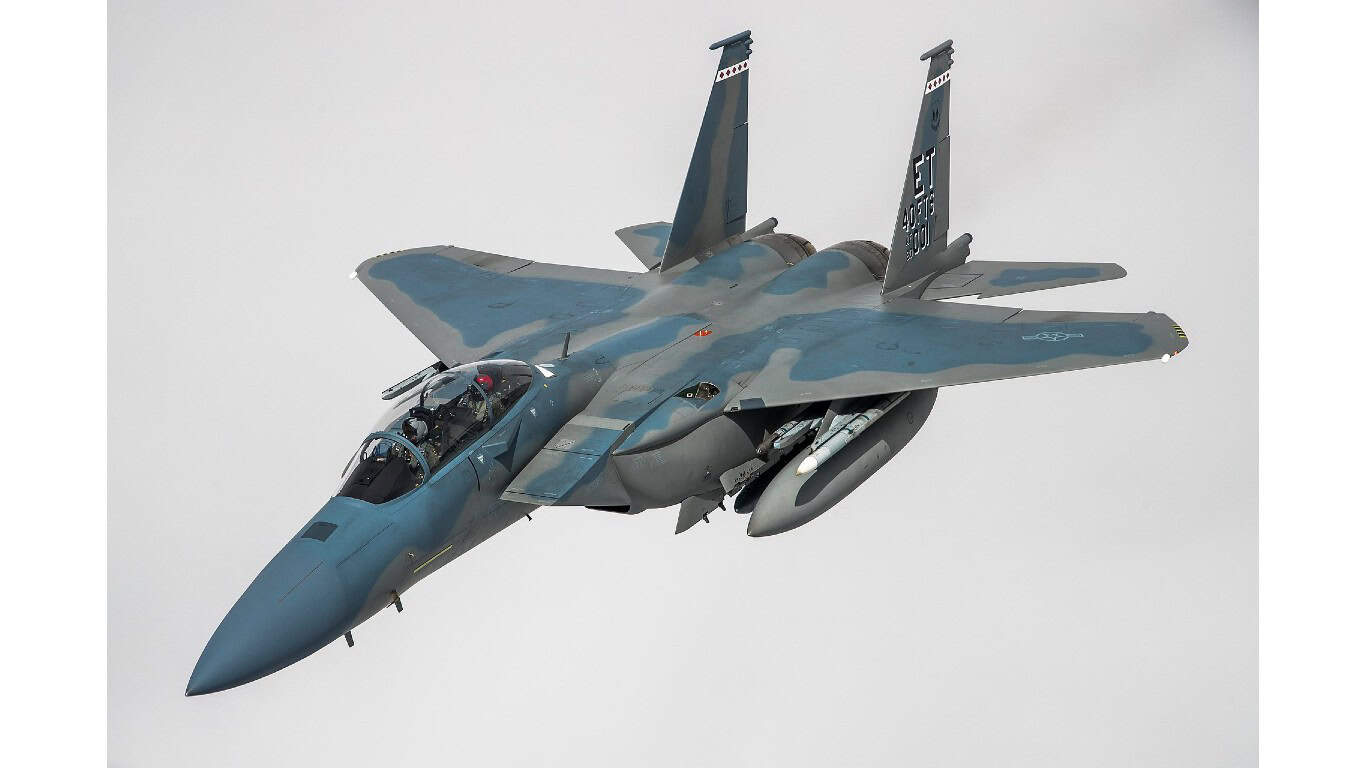
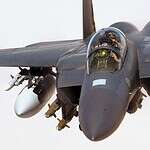
The F-15E Strike Eagle provides NATO with a powerful combination of air superiority and deep strike capability. Based in Europe with the U.S. Air Force, it can rapidly engage both aerial and ground targets, supporting broader air dominance missions. Its speed, payload capacity, and advanced targeting systems allow it to operate effectively in contested environments. The Strike Eagle plays a key supporting role in suppressing enemy defenses and ensuring that NATO fighters can operate freely across the battlespace.
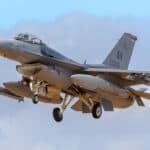
F-16 Fighting Falcon
- Primary NATO Operators: Multiple NATO countries
- Manufacturer: Lockheed Martin
- Generation: 4th
- Primary Role: Multirole
- Estimated Total NATO Fleet: ~1000
- Top Speed: Mach 2.0
- Key Air-to-Air Systems: AIM-120, AIM-9, AESA (modernized)
- Strategic Role in NATO: Backbone multirole fighter
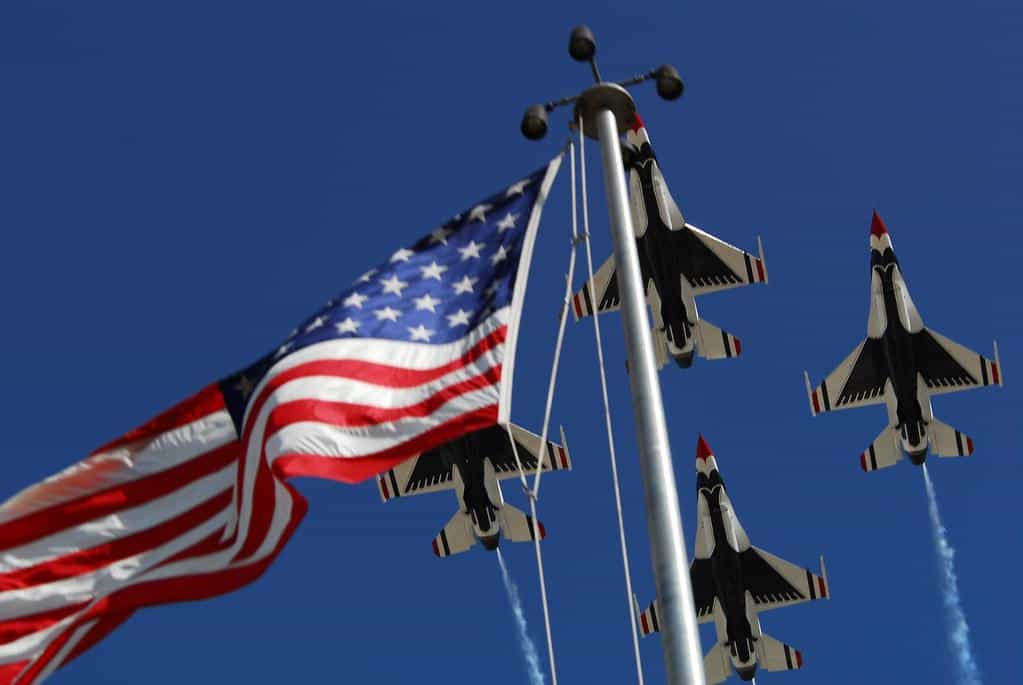
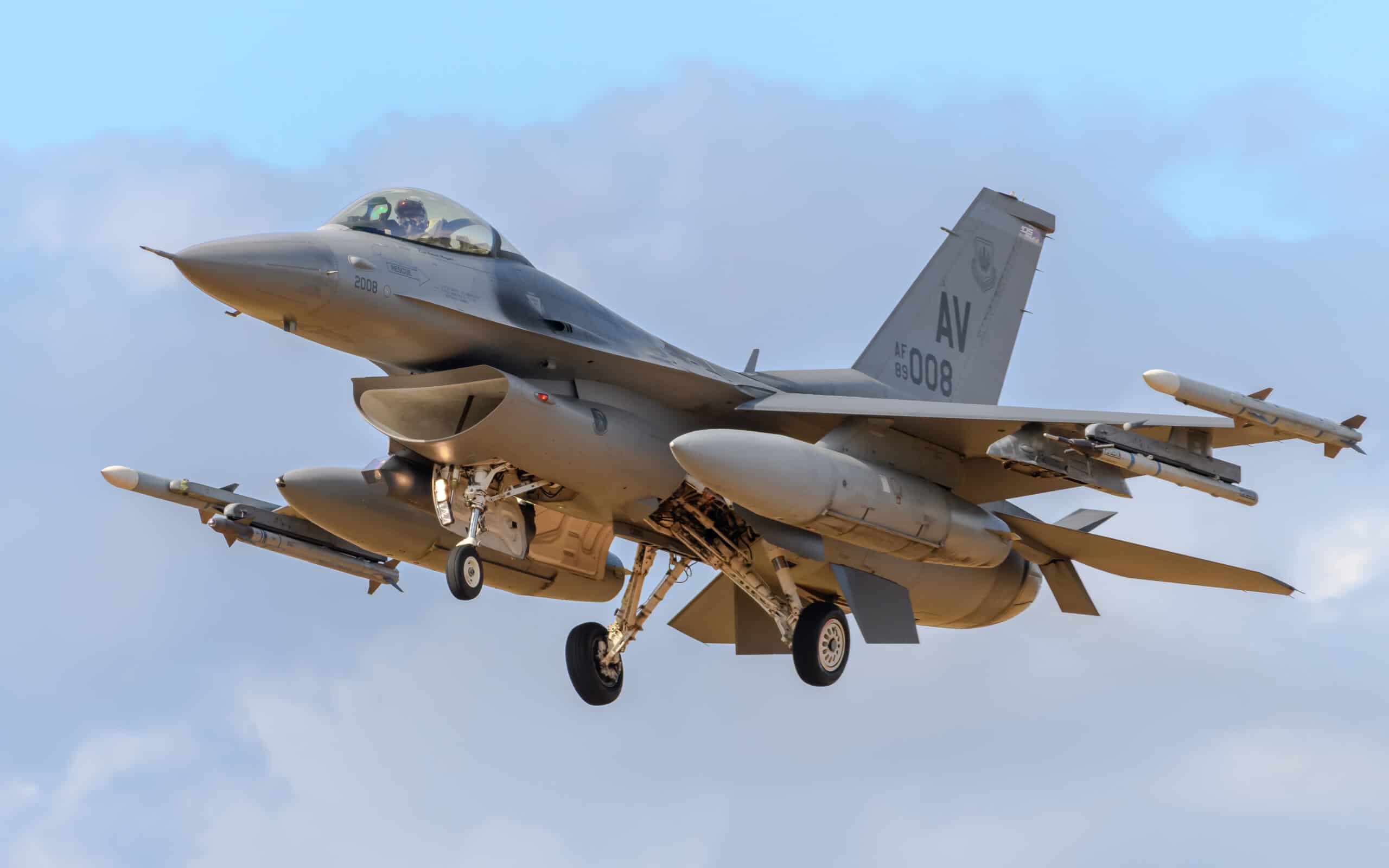
The F-16 remains one of the most widely used fighter jets within NATO, forming the backbone of many member states’ air forces. Its versatility, reliability, and continuous upgrades have kept it relevant for decades. With modernized avionics and advanced missile systems, the F-16 continues to perform both air superiority and multirole missions effectively. Its large numbers ensure that NATO can maintain sustained air operations across multiple regions simultaneously, making it a critical pillar of the alliance’s airpower structure.
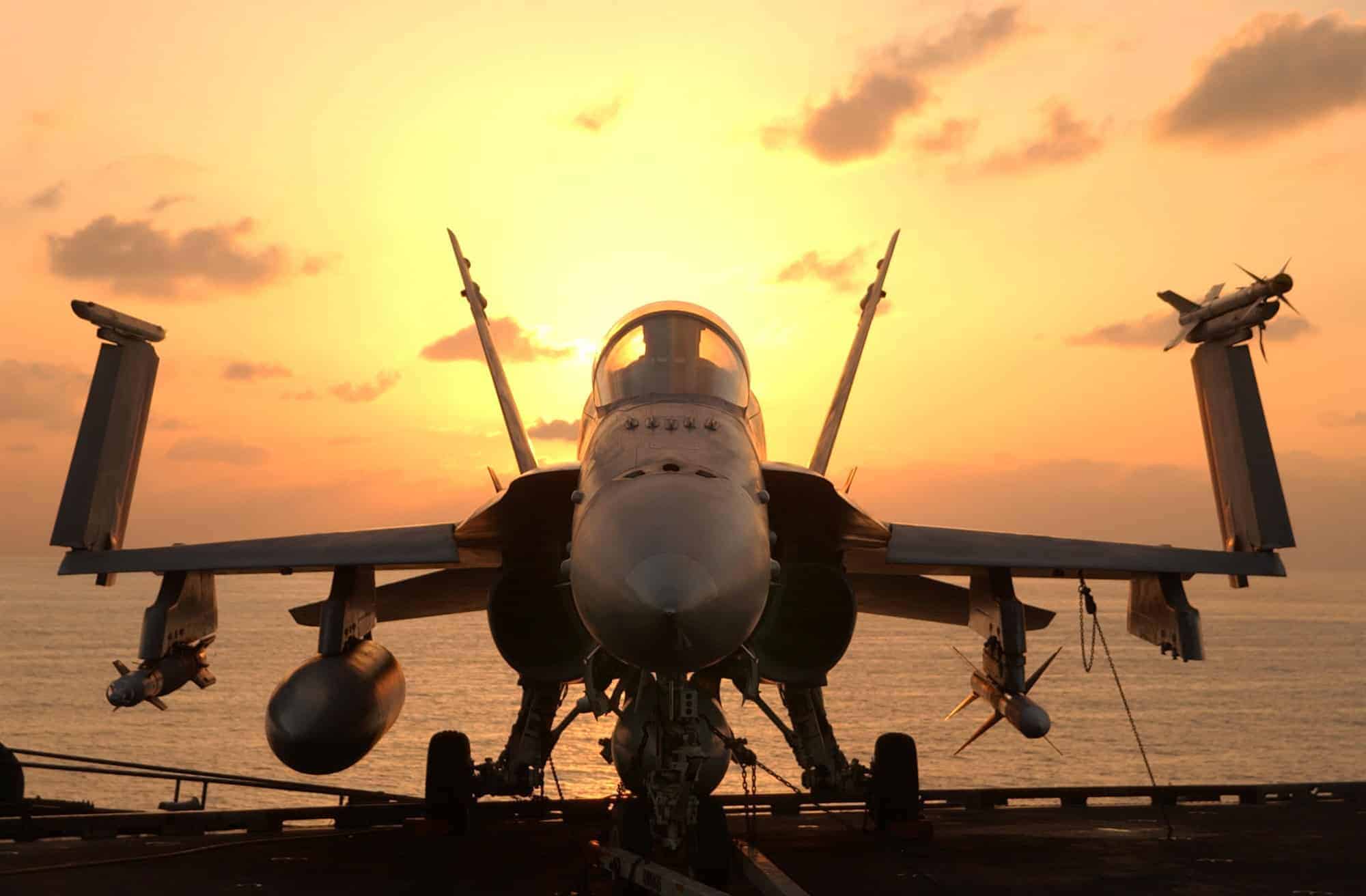
F/A-18C/D Hornet
- Primary NATO Operators: Spain, Finland
- Manufacturer: Boeing
- Generation: 4th
- Primary Role: Multirole
- Estimated Total NATO Fleet: ~150
- Top Speed: Mach 1.8
- Key Air-to-Air Systems: AIM-120, AIM-9, radar
- Strategic Role in NATO: Regional defense / multirole
The F/A-18C/D Hornet continues to serve as a reliable multirole platform for NATO countries such as Spain and formerly Finland. Its ability to perform both air-to-air and air-to-ground missions makes it a flexible asset in regional defense. While not as advanced as newer fighters, the Hornet still contributes to maintaining airspace security and supporting joint operations. Its continued use highlights NATO’s layered approach, where legacy platforms still play meaningful roles alongside more advanced aircraft.
F/A-18E/F Super Hornet
- Primary NATO Operators: USA (deployments)
- Manufacturer: Boeing
- Generation: 4.5
- Primary Role: Multirole
- Estimated Total NATO Fleet: ~500
- Top Speed: Mach 1.8
- Key Air-to-Air Systems: AIM-120, AIM-9X, AESA radar
- Strategic Role in NATO: Carrier-based power projection
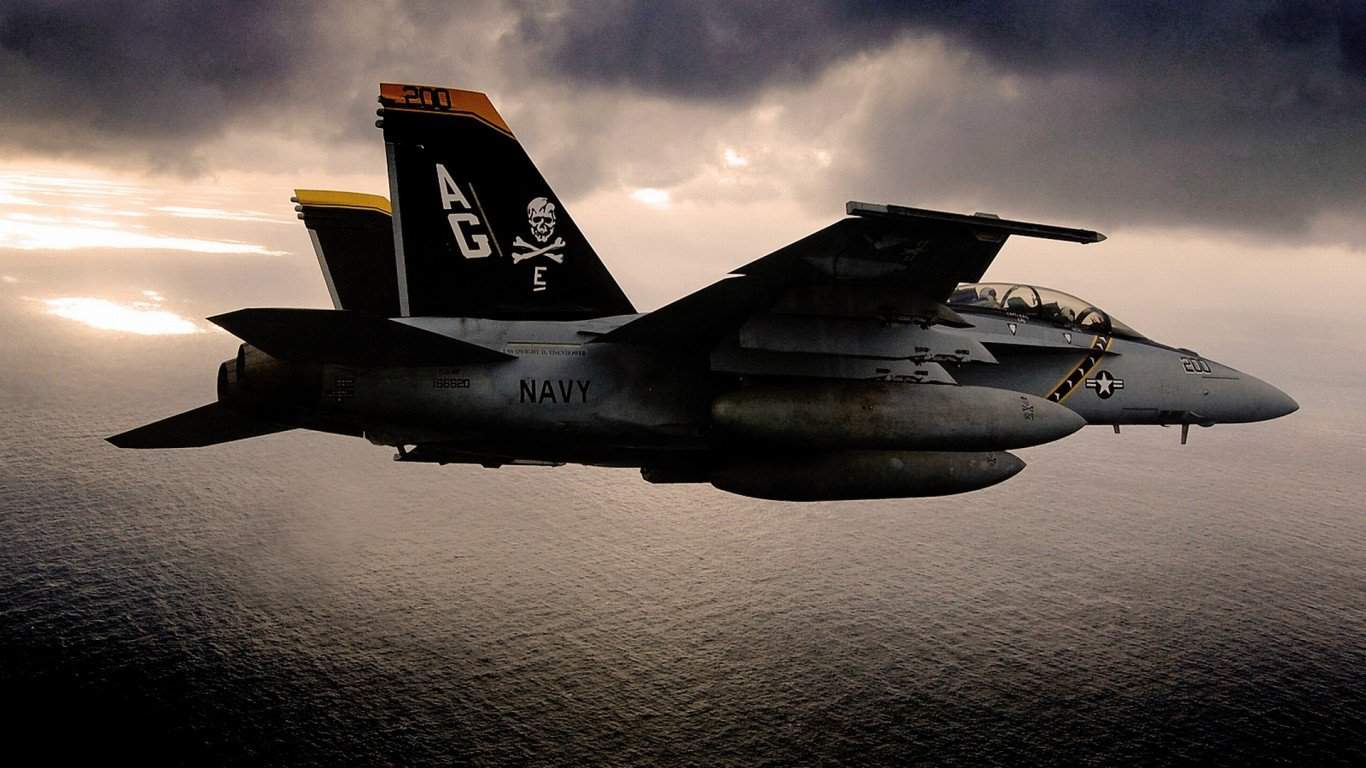
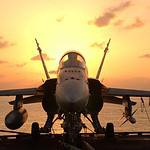
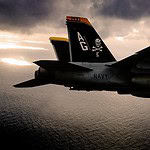
The Super Hornet extends NATO’s airpower reach through U.S. Navy deployments in European waters. Operating from aircraft carriers, it provides a mobile and flexible air superiority capability that can be positioned wherever needed. Its advanced radar and weapons systems allow it to engage both aerial and surface threats effectively. The Super Hornet’s presence ensures that NATO can project power beyond land-based airfields, maintaining control of key maritime and coastal regions.
Panavia Tornado IDS
- Primary NATO Operators: Germany, Italy
- Manufacturer: Panavia
- Generation: 4th
- Primary Role: Strike Fighter
- Estimated Total NATO Fleet: ~150
- Top Speed: Mach 2.2
- Key Air-to-Air Systems: AIM-9, legacy radar
- Strategic Role in NATO: Strike / legacy deterrence
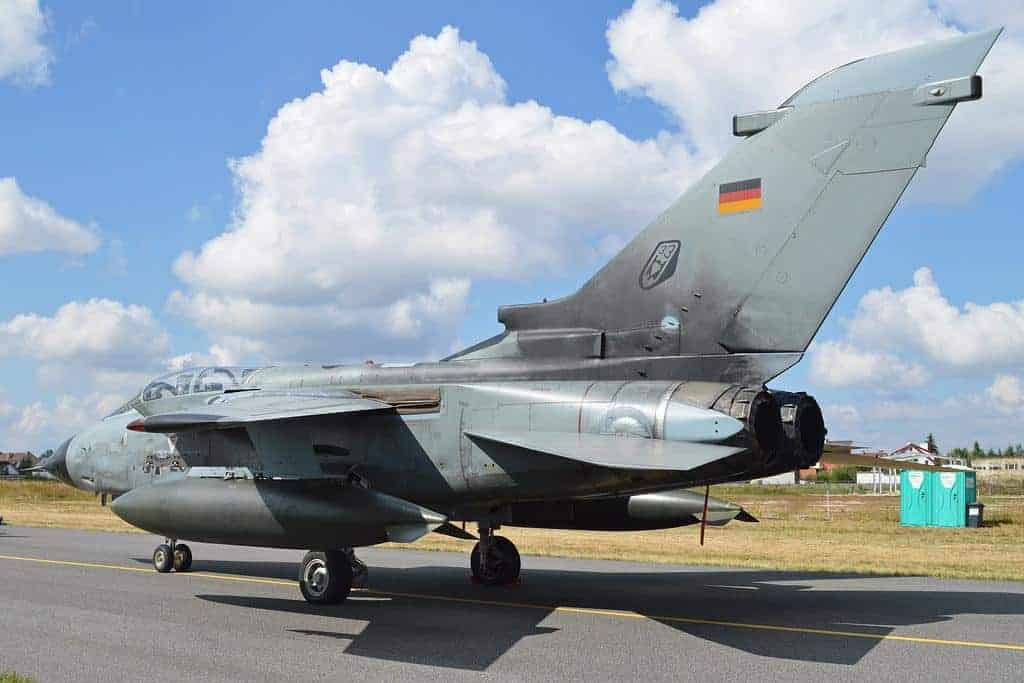
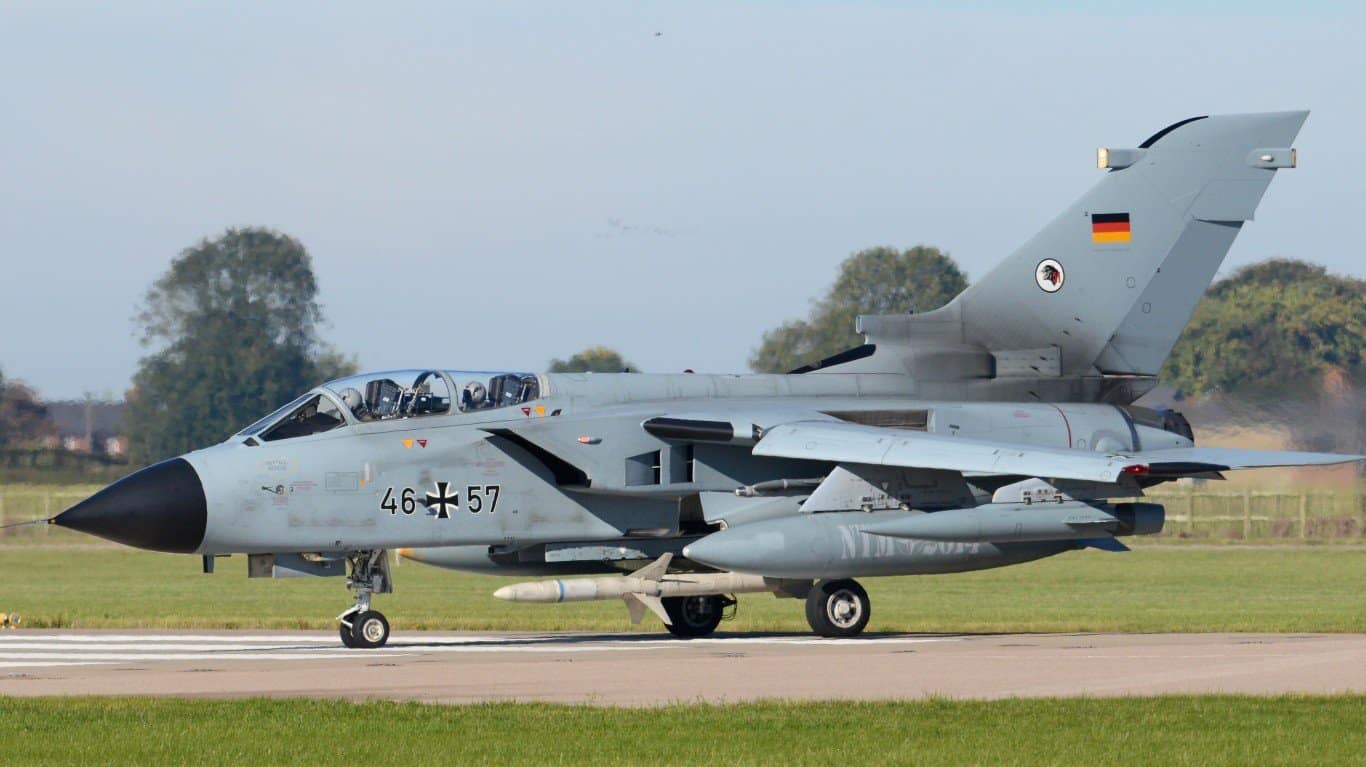
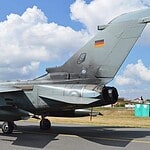
The Tornado IDS, while aging, still contributes to NATO operations through its strike capabilities. Its role in delivering precision munitions and supporting ground operations indirectly supports air superiority by weakening enemy defenses. As it phases out of service, it represents a transitional platform that has historically played a significant role in NATO’s air campaigns. Its continued limited use underscores the importance of maintaining layered capabilities during periods of modernization.
F-35B Lightning II
- Primary NATO Operators: UK, USMC (Europe deployments)
- Manufacturer: Lockheed Martin
- Generation: 5th
- Primary Role: Multirole/STOVL
- Estimated Total NATO Fleet: ~70
- Top Speed: Mach 1.6
- Key Air-to-Air Systems: AIM-120, AIM-9X, AESA radar
- Strategic Role in NATO: Carrier and expeditionary operations
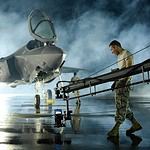
The F-35B brings a unique advantage to NATO through its short takeoff and vertical landing (STOVL) capability, allowing it to operate from smaller carriers and forward-deployed bases. This flexibility is particularly valuable in Europe, where dispersed operations are key to survivability. By enabling airpower projection from unconventional locations, the F-35B ensures NATO can sustain air superiority even if major airbases are compromised, adding a resilient and adaptable layer to the alliance’s overall air combat strategy.
Panavia Tornado ECR
- Primary NATO Operators: Germany, Italy
- Manufacturer: Panavia
- Generation: 4th
- Primary Role: Electronic Combat
- Estimated Total NATO Fleet: ~60
- Top Speed: Mach 2.2
- Key Air-to-Air Systems: Anti-radiation missiles, EW suite
- Strategic Role in NATO: SEAD / electronic warfare
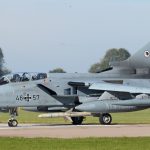
The Tornado ECR specializes in suppression of enemy air defenses (SEAD), a mission critical to achieving air superiority. By targeting radar systems and surface-to-air missile sites, it creates safer conditions for other NATO aircraft to operate. This electronic warfare capability is essential in modern conflict, where advanced air defenses pose significant challenges. The Tornado ECR’s role highlights how air superiority is not just about dogfighting, but also about disabling the systems that threaten control of the air.
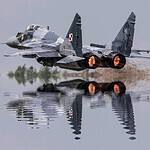
MiG-29 Fulcrum
- Primary NATO Operators: Poland
- Manufacturer: Mikoyan
- Generation: 4th
- Primary Role: Air Superiority
- Estimated Total NATO Fleet: ~30
- Top Speed: Mach 2.25
- Key Air-to-Air Systems: R-73, R-27, radar
- Strategic Role in NATO: Legacy Eastern Bloc integration
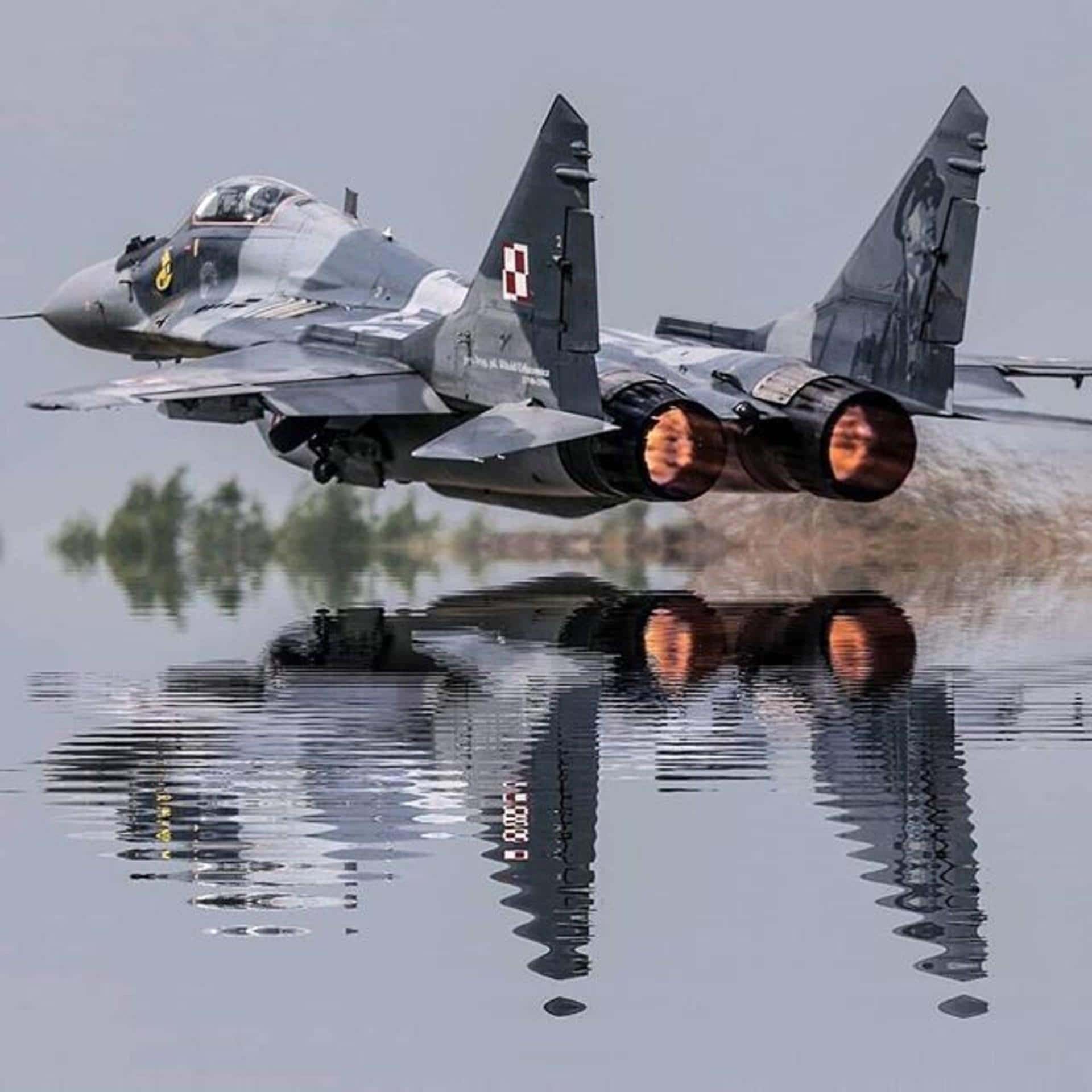
The MiG-29 represents a legacy platform still in limited use within NATO, particularly in Poland. While not as advanced as Western fighters, it provides a bridge between older Soviet-era systems and modern NATO aircraft. Its presence highlights the alliance’s efforts to integrate diverse equipment into a unified defense structure. The MiG-29 continues to contribute to air policing and training, ensuring that NATO maintains operational readiness during ongoing modernization efforts.
F-16V Viper
- Primary NATO Operators: Greece (upgrading)
- Manufacturer: Lockheed Martin
- Generation: 4.5
- Primary Role: Multirole
- Estimated Total NATO Fleet: ~80
- Top Speed: Mach 2.0
- Key Air-to-Air Systems: AIM-120, AESA radar
- Strategic Role in NATO: Modernized air superiority
The F-16V upgrade significantly enhances the capabilities of existing F-16 fleets, bringing them closer to modern standards. With improved radar, avionics, and weapons integration, the Viper variant ensures that NATO can extend the service life of its most widely used fighter. This modernization is critical for maintaining air superiority without requiring immediate replacement. The F-16V demonstrates how upgrades can deliver near-next-generation performance, strengthening NATO’s overall air combat capability.
F-15EX Eagle II
- Primary NATO Operators: USA (future deployments)
- Manufacturer: Boeing
- Generation: 4.5
- Primary Role: Multirole
- Estimated Total NATO Fleet: ~100 planned
- Top Speed: Mach 2.5
- Key Air-to-Air Systems: AIM-120, advanced avionics
- Strategic Role in NATO: Future reinforcement
The F-15EX represents the next evolution of the proven Eagle platform, offering increased payload capacity, advanced avionics, and improved survivability. While not yet widely deployed in Europe, it is expected to play a role in reinforcing NATO’s airpower in the future. Its ability to carry large numbers of air-to-air missiles makes it a powerful force multiplier. The F-15EX ensures that NATO can maintain overwhelming firepower in contested environments, complementing stealth aircraft in a high-low mix strategy.
F-35A Block 4
- Primary NATO Operators: Multiple NATO
- Manufacturer: Lockheed Martin
- Generation: 5th
- Primary Role: Multirole
- Estimated Total NATO Fleet: ~future
- Top Speed: Mach 1.6
- Key Air-to-Air Systems: Enhanced sensors, AIM-120
- Strategic Role in NATO: Capability evolution
The Block 4 upgrade for the F-35A introduces enhanced sensors, expanded weapons compatibility, and improved data processing capabilities. These upgrades will significantly increase the aircraft’s effectiveness in future conflicts. As NATO continues to adopt the F-35, the Block 4 configuration will become central to its air superiority strategy. It ensures that the platform remains ahead of evolving threats, providing a long-term solution for maintaining technological dominance in European airspace.
Dassault Mirage 2000-5
- Primary NATO Operators: France, Greece
- Manufacturer: Dassault Aviation
- Generation: 4th
- Primary Role: Multirole
- Estimated Total NATO Fleet: ~100
- Top Speed: Mach 2.2
- Key Air-to-Air Systems: MICA missiles, radar
- Strategic Role in NATO: Supplementary air defense
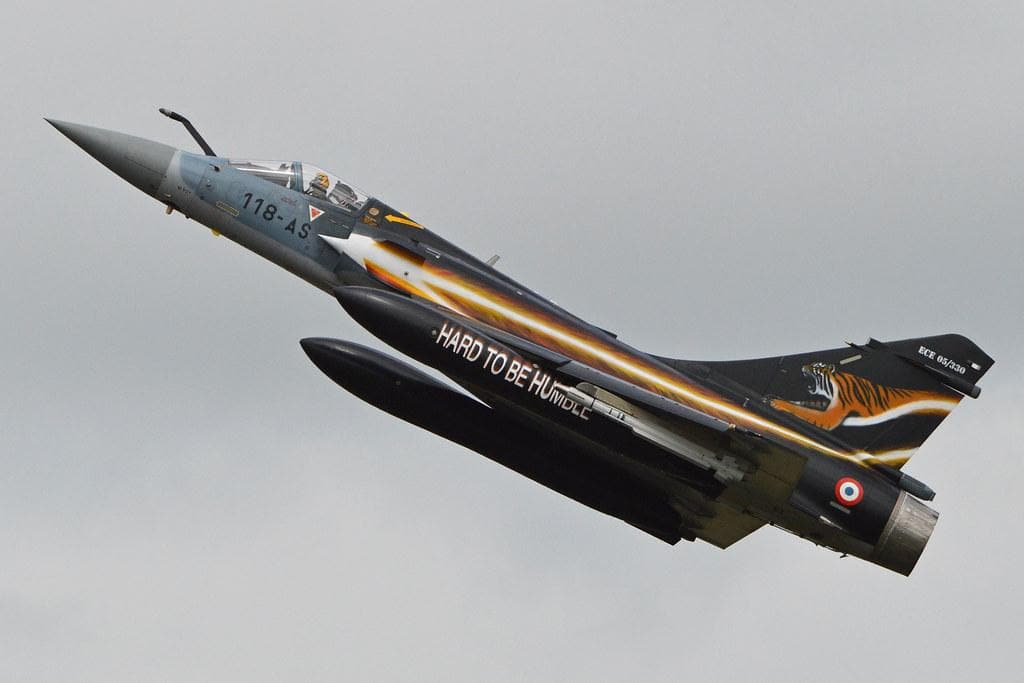
The Mirage 2000-5 continues to serve as a capable multirole fighter within NATO, particularly for France and Greece. While older than newer platforms, it has been upgraded with modern avionics and weapons systems, allowing it to remain effective in air defense roles. Its presence adds depth to NATO’s fighter fleet, ensuring that multiple layers of capability are available. The Mirage 2000-5 demonstrates how legacy aircraft can still contribute meaningfully to modern air superiority missions.
F-4F Phantom II ICE
- Primary NATO Operators: Germany (recently retired)
- Manufacturer: McDonnell Douglas
- Generation: 3rd
- Primary Role: Interceptor
- Estimated Total NATO Fleet: ~50
- Top Speed: Mach 2.2
- Key Air-to-Air Systems: AIM-120 upgrade
- Strategic Role in NATO: Legacy NATO interceptor
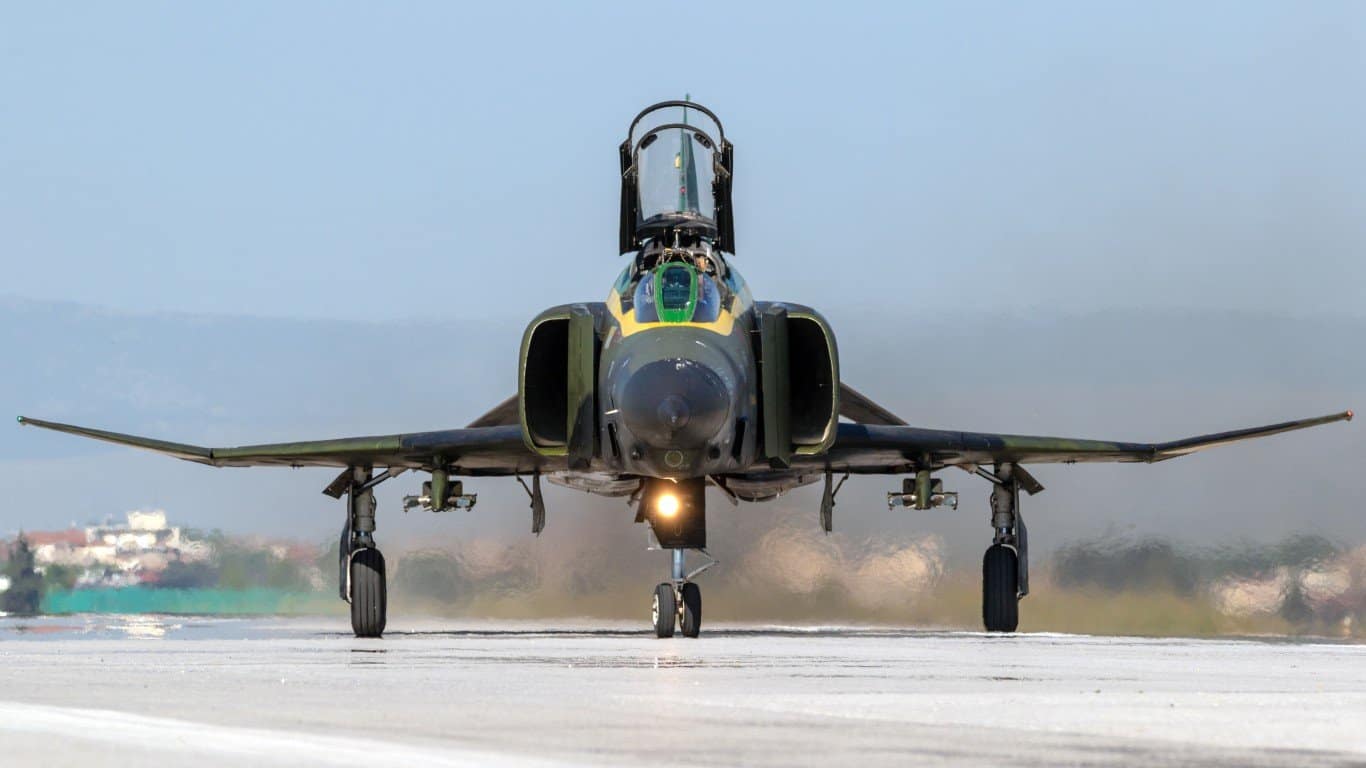
The upgraded F-4F Phantom II, particularly in its ICE configuration, extended the service life of a Cold War-era aircraft into the modern era. While now retired, its role in NATO’s air defense structure was significant for decades. The integration of modern missiles and radar systems allowed it to remain relevant longer than expected. Its legacy underscores the importance of adaptability and modernization in maintaining air superiority over extended periods.
CF-18 Hornet
- Primary NATO Operators: Canada (NATO deployments)
- Manufacturer: McDonnell Douglas
- Generation: 4th
- Primary Role: Multirole
- Estimated Total NATO Fleet: ~80
- Top Speed: Mach 1.8
- Key Air-to-Air Systems: AIM-120, AIM-9
- Strategic Role in NATO: Expeditionary NATO support
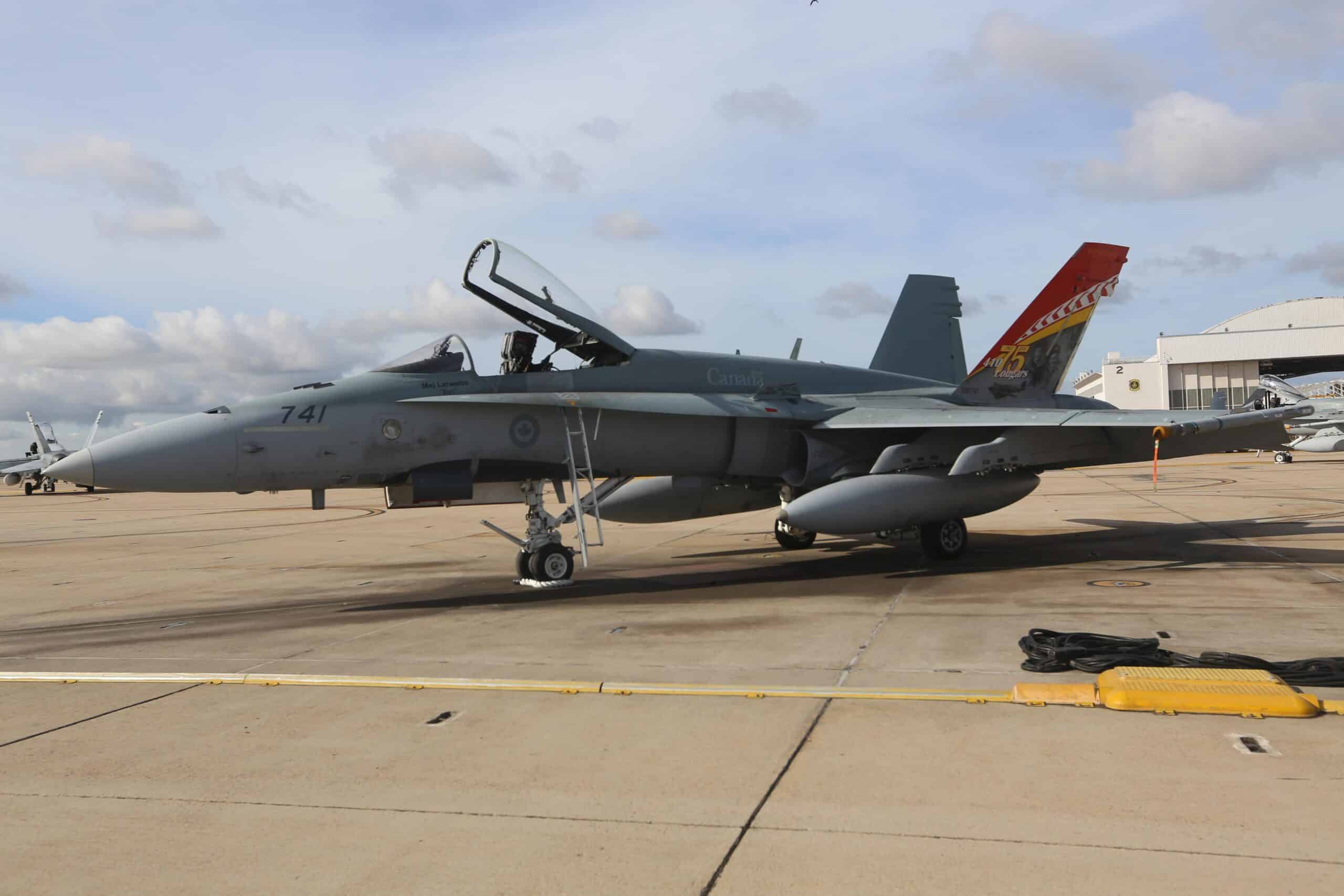
Canada’s CF-18 Hornet contributes to NATO operations through deployments to Europe, reinforcing allied airpower when needed. Its participation in air policing missions demonstrates NATO’s collective defense approach, where non-European members play key roles. While aging, the CF-18 remains a capable multirole fighter with proven performance. Its integration into NATO operations highlights the alliance’s ability to pool resources and maintain air superiority through coordinated multinational efforts.
The image featured at the top of this post is ©Public Domain / Wikimedia Commons