

























The Systems Israel Uses to Intercept Massive Missile Attacks
Missile defense has entered a new era where the challenge is no longer stopping a single incoming threat, but managing overwhelming volumes of them at once. Israel has become a case study in how to handle this reality, building a layered network of sensors, interceptors, command systems, and civil defenses designed to function under extreme pressure. The result is not just a shield, but a coordinated system that can detect, prioritize, and respond to mass missile attacks in real time. Here, History Computer is taking a closer look at the tech behind this defense system.
To determine the technologies used by Israel to counter mass missile attacks, History Computer reviewed various historical and military sources. We included supplemental information for each regarding the defense layer, technology type, primary role in missile defense, key advantage, and ultimately how it works as part of a larger defense network.
Here is a look at the technologies behind Israel’s ability to counter mass missile attacks:
Why is this Important?
Understanding how Israel counters mass missile attacks offers a clear look at where modern warfare is heading. Success is no longer defined by firepower alone, but by the ability to detect, manage, and respond to overwhelming threats in real time. As missiles and drones spread rapidly across regions like the Middle East, Eastern Europe, and Asia, large-scale saturation attacks are becoming a defining tactic for both state and non-state actors.
What makes Israel’s approach especially notable is that it doesn’t rely on a single breakthrough system. Instead, it uses a deeply integrated network that combines early detection, automation, interception, and civilian protection. This layered strategy reflects a broader shift in military thinking, where defense, coordination, and resilience are just as critical as offensive power. For readers, it offers insight into not just how one country handles constant high-volume threats, but how future conflicts may be fought—and survived—around the world.
The Reality of Modern Missile Warfare
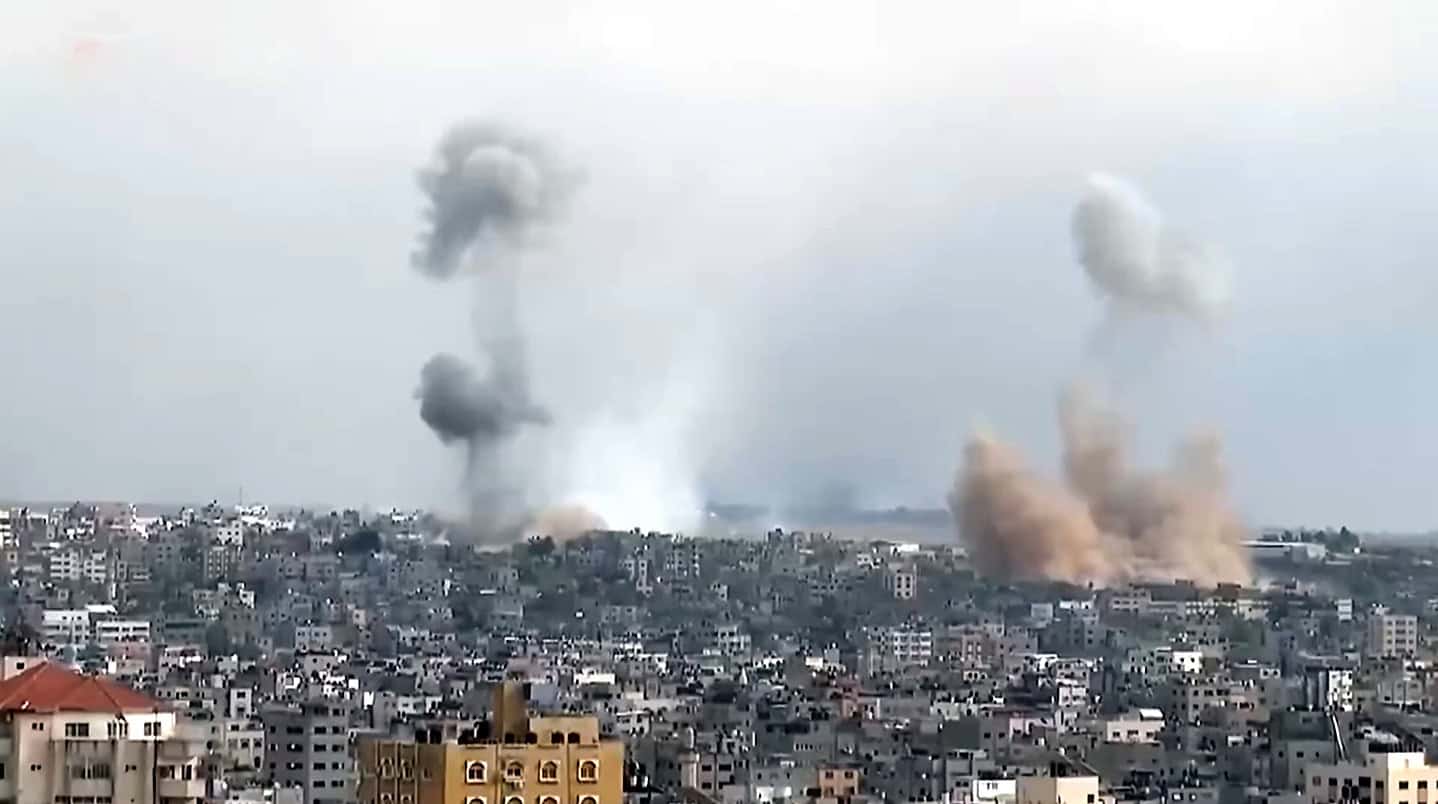
Modern missile warfare is no longer defined by isolated strikes, but by high-volume, coordinated barrages designed to overwhelm defenses. Adversaries increasingly rely on saturation tactics, launching rockets, ballistic missiles, cruise missiles, and drones simultaneously to create chaos and strain defensive systems. The challenge is no longer simply intercepting a single incoming threat—it is managing hundreds of projectiles at once, each with different trajectories, speeds, and intended targets.
Why Traditional Defense Systems Fall Short
Traditional air defense systems were built for limited engagements, not the sustained pressure of modern saturation attacks. Interceptors are expensive and finite, meaning that a defense force cannot afford to engage every incoming projectile indiscriminately. At the same time, human operators cannot process the sheer volume of incoming data fast enough to respond effectively. Without automation and prioritization, even advanced systems can be quickly overwhelmed under the weight of a mass attack.
Israel’s Layered Defense Strategy
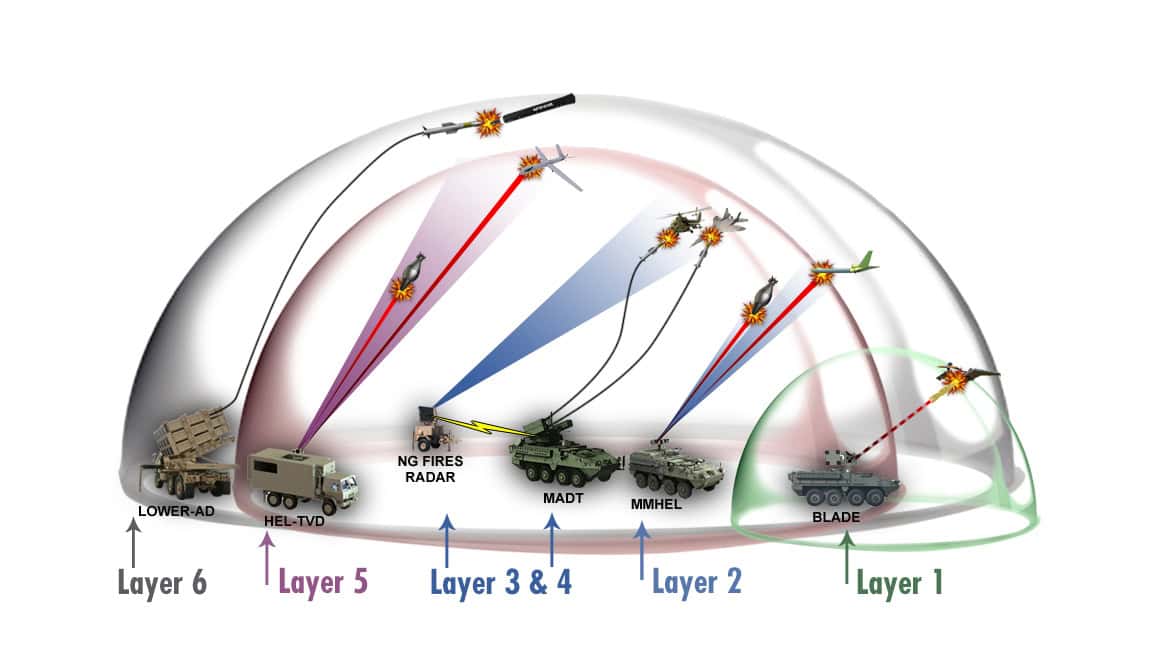
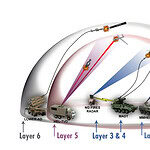
Israel addresses this challenge through a layered defense strategy that distributes responsibility across multiple systems. Rather than relying on a single interceptor, different layers are assigned to specific ranges and threat types, from short-range rockets to long-range ballistic missiles. This structure ensures that no single system bears the full burden of defense, allowing Israel to absorb and respond to complex, multi-directional attacks more effectively.
The Power of Integration and Automation
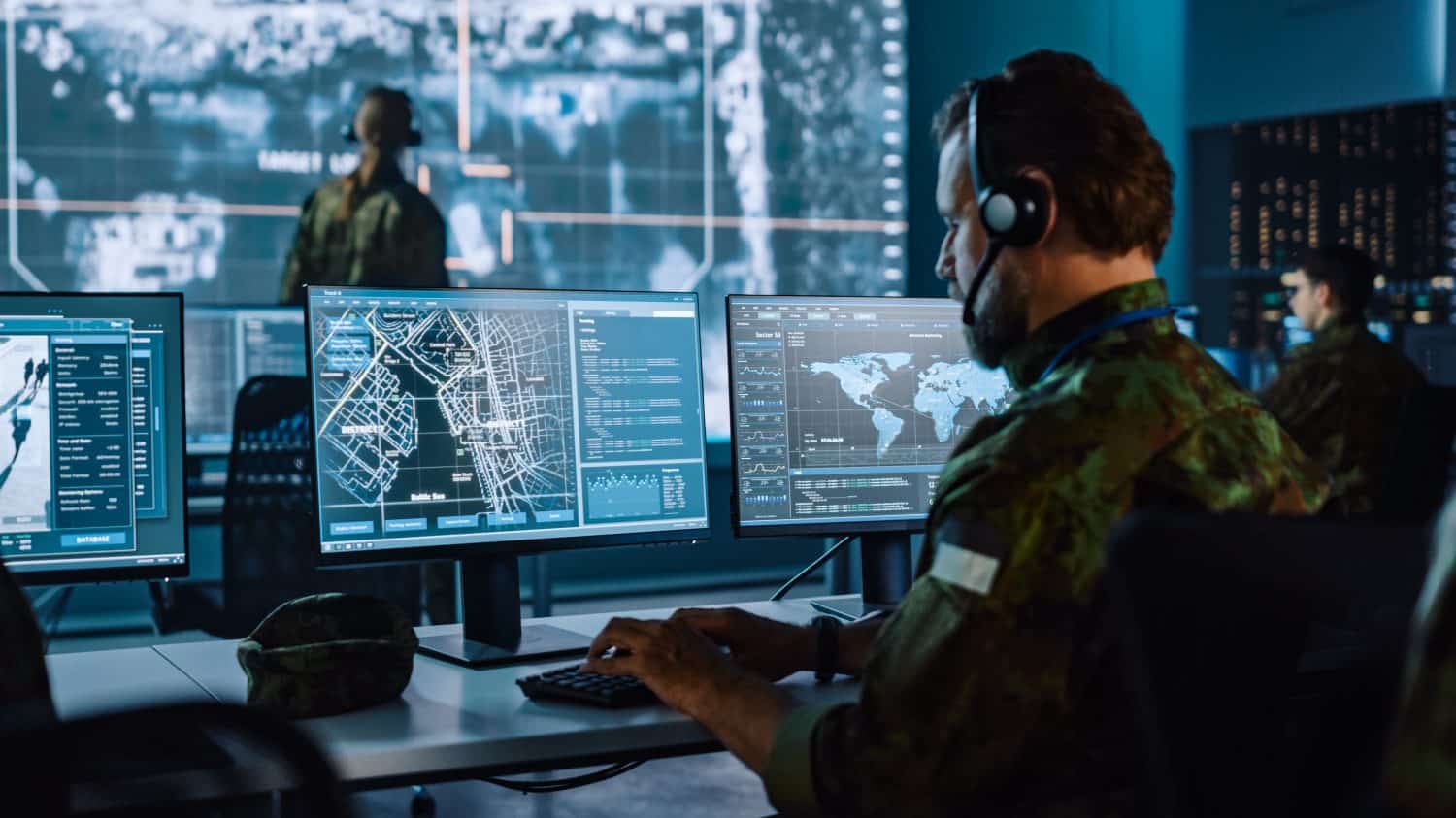
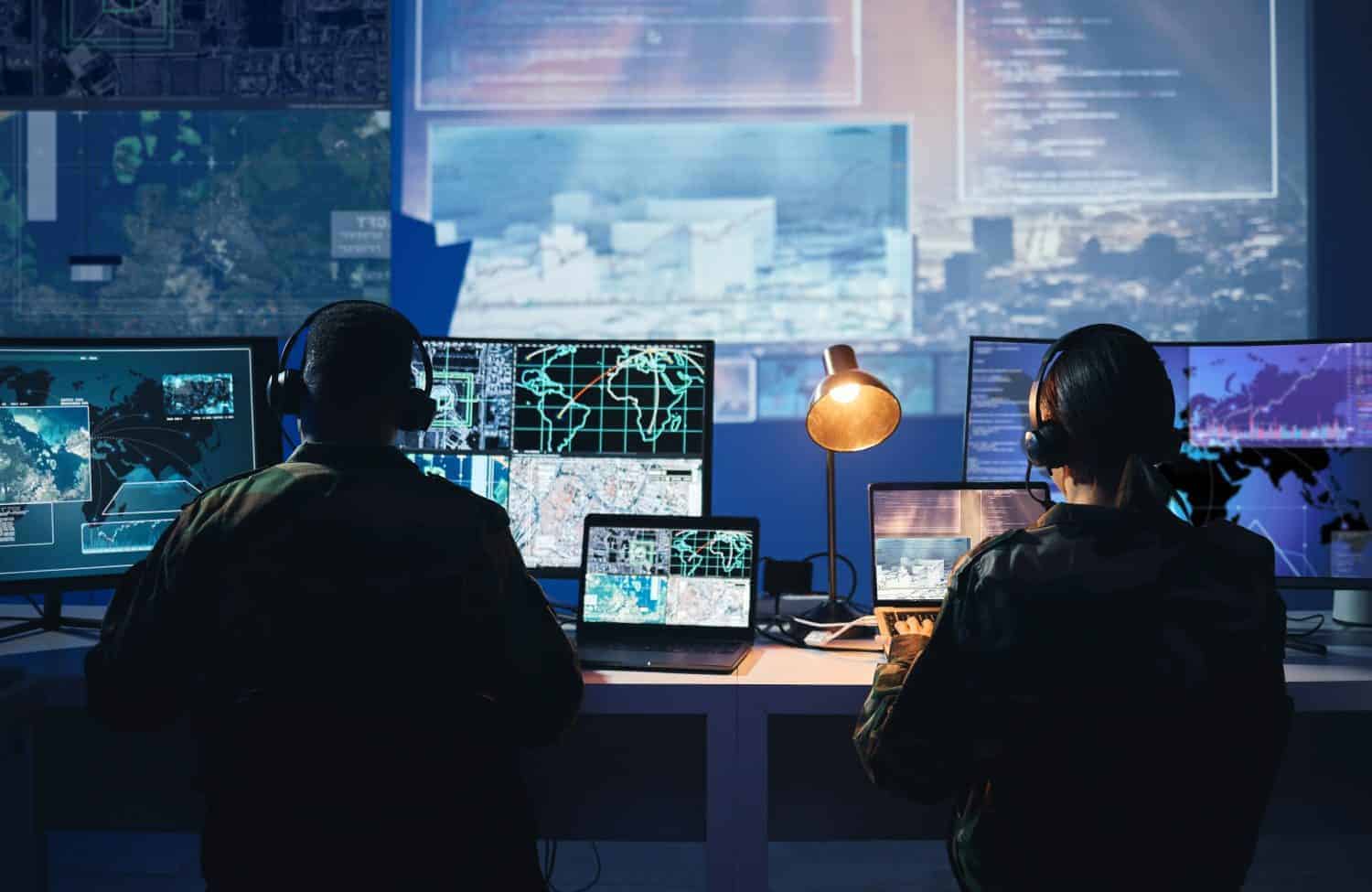
The effectiveness of Israel’s missile defense lies in its ability to integrate sensors, interceptors, and command systems into a unified network. Real-time data sharing allows for immediate situational awareness, while automated systems determine which threats to intercept, which to ignore, and which defensive layer should respond. This level of integration transforms what would otherwise be an overwhelming attack into a structured and prioritized defense problem.
Defense Is More Than Interception
Missile defense is not solely about destroying incoming threats—it is also about minimizing their impact. Israel’s approach incorporates civil defense systems such as early warning alerts, reinforced shelters, and hardened infrastructure to protect civilians when interceptions are not possible. This broader strategy ensures that even when missiles penetrate defensive layers, the overall system remains resilient, allowing the country to withstand prolonged periods of sustained attack.
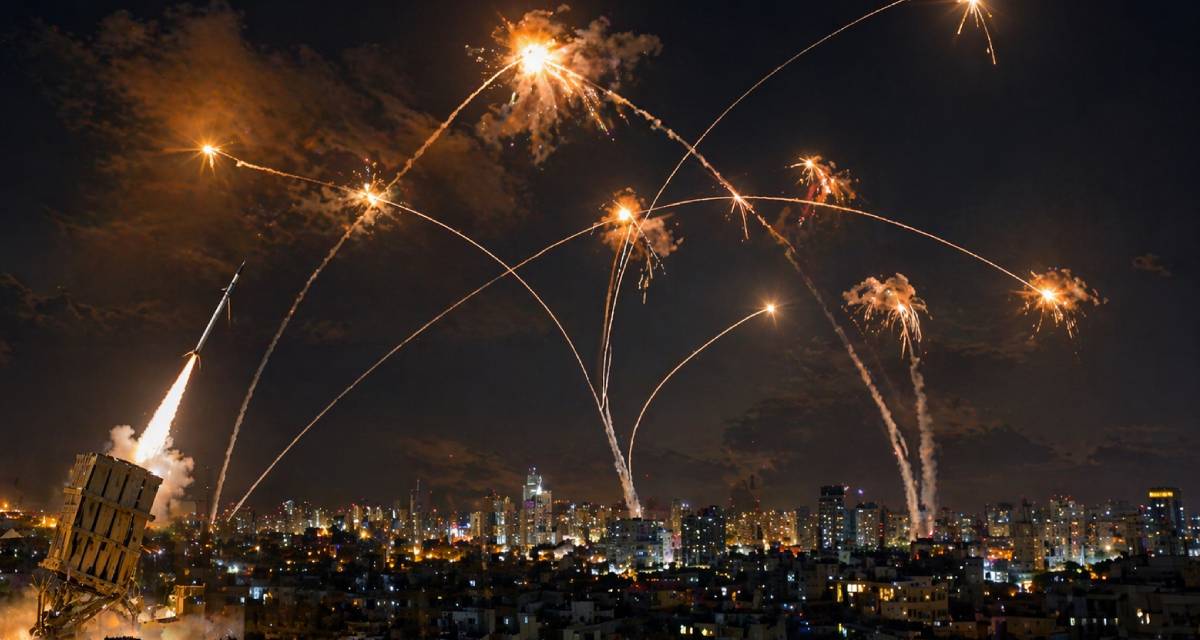
Iron Dome
- Defense Layer: Short-Range Intercept
- Technology Type: Air Defense System
- Primary Role in Missile Defense: Intercepts short-range rockets
- Threat Type Countered: Short-range rockets
- Operational Function in a Mass Attack: Engages high volumes selectively to reduce interceptor waste
- Key Advantage: Cost-effective interception
- System Integration Role: Linked to radar and BMC systems
- Developer or Operator: Rafael / IDF
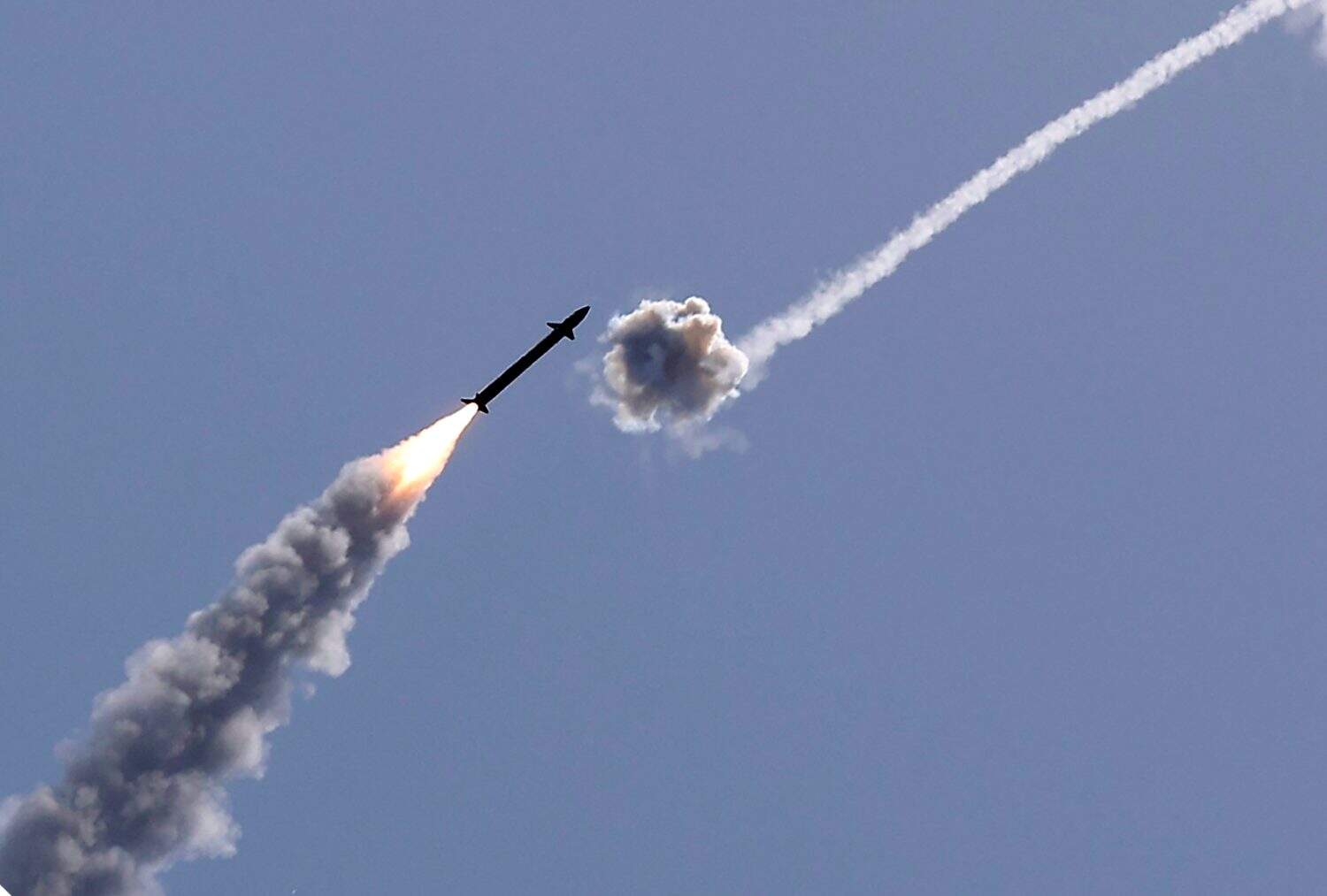
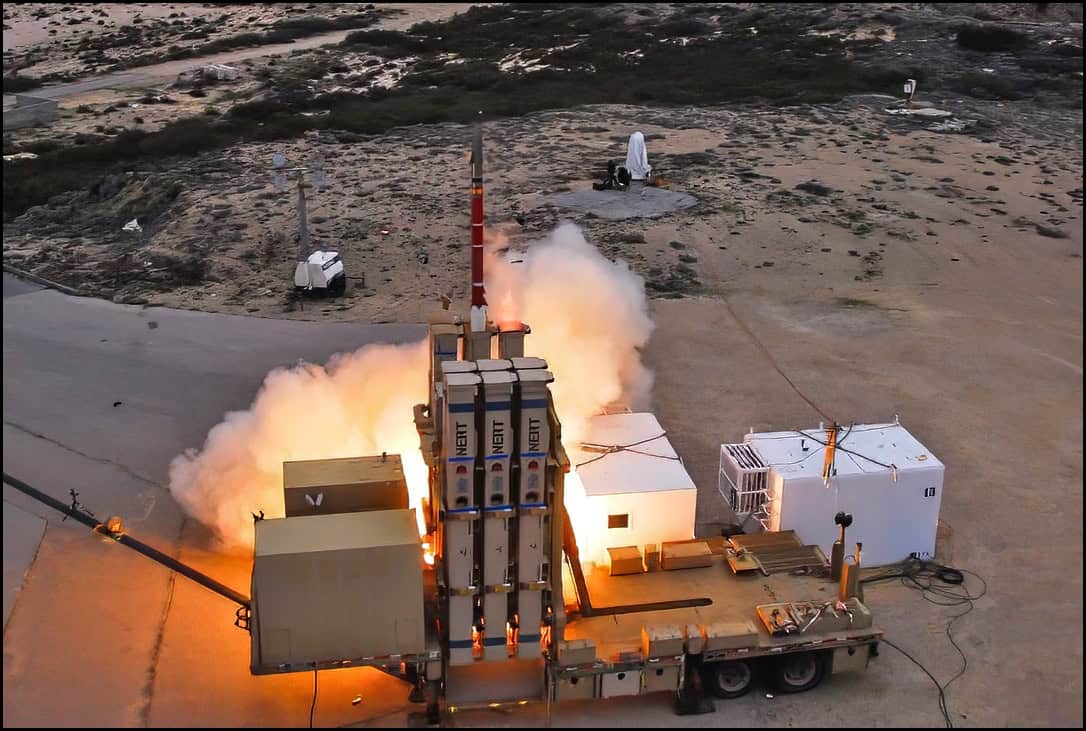
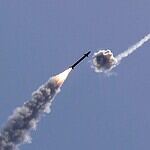
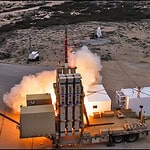
Iron Dome serves as the backbone of Israel’s short-range defense layer, designed specifically to handle large volumes of incoming rockets. Its defining strength is selective interception, using real-time trajectory analysis to ignore threats headed for open areas. This allows it to conserve interceptors and remain effective even during saturation attacks, where hundreds of projectiles may be launched within minutes.
Tamir Interceptor Missile
- Defense Layer: Short-Range Intercept
- Technology Type: Interceptor
- Primary Role in Missile Defense: Destroys incoming rockets
- Threat Type Countered: Short-range rockets
- Operational Function in a Mass Attack: Rapid-response intercept during saturation
- Key Advantage: High maneuverability
- System Integration Role: Guided via Iron Dome system
- Developer or Operator: Rafael / IDF
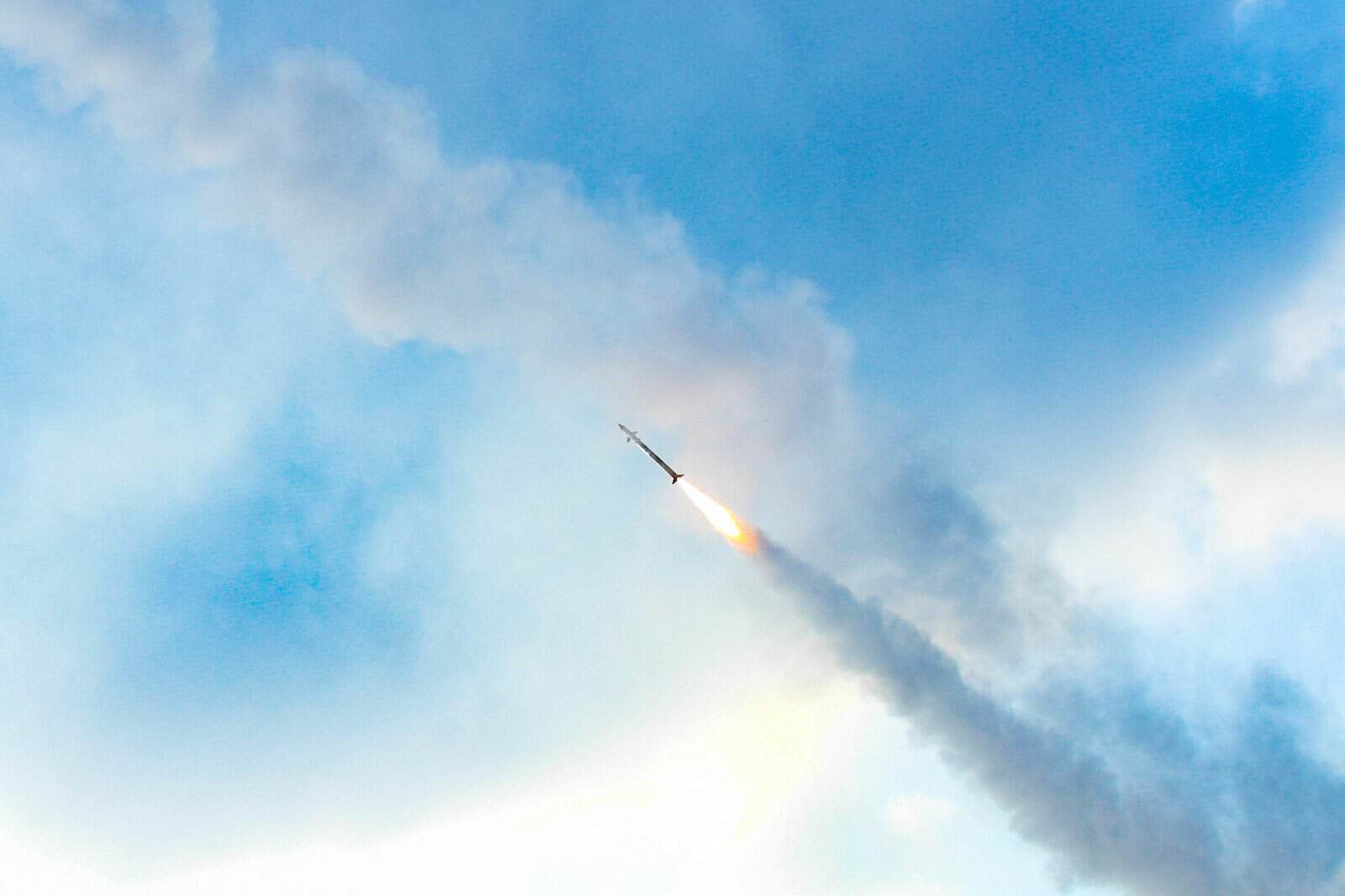
The Tamir interceptor is the kinetic backbone of Iron Dome, engineered for rapid response and high maneuverability against short-range threats. During mass attacks, its speed and guidance allow for quick engagement of multiple targets in succession. Its relatively lower cost compared to larger interceptors also makes it viable for sustained use during prolonged rocket barrages.
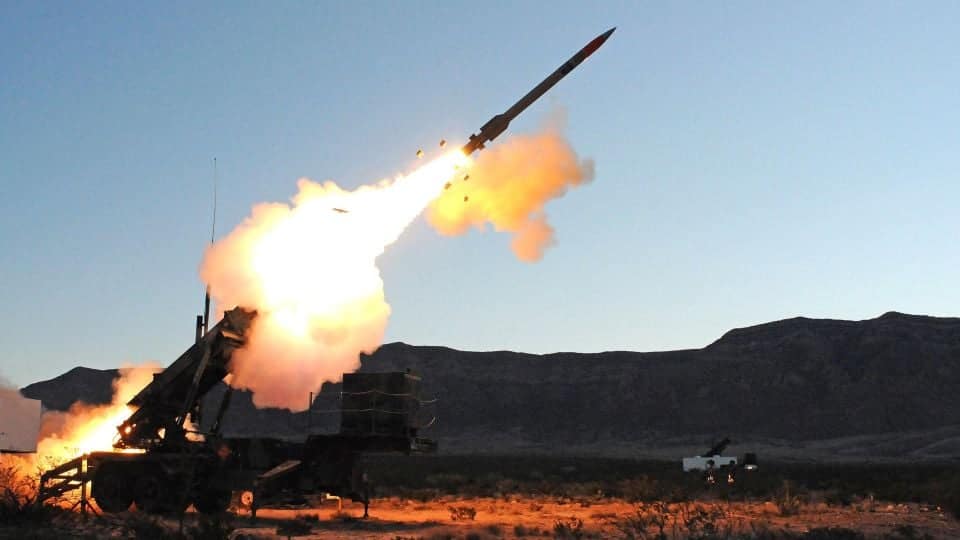
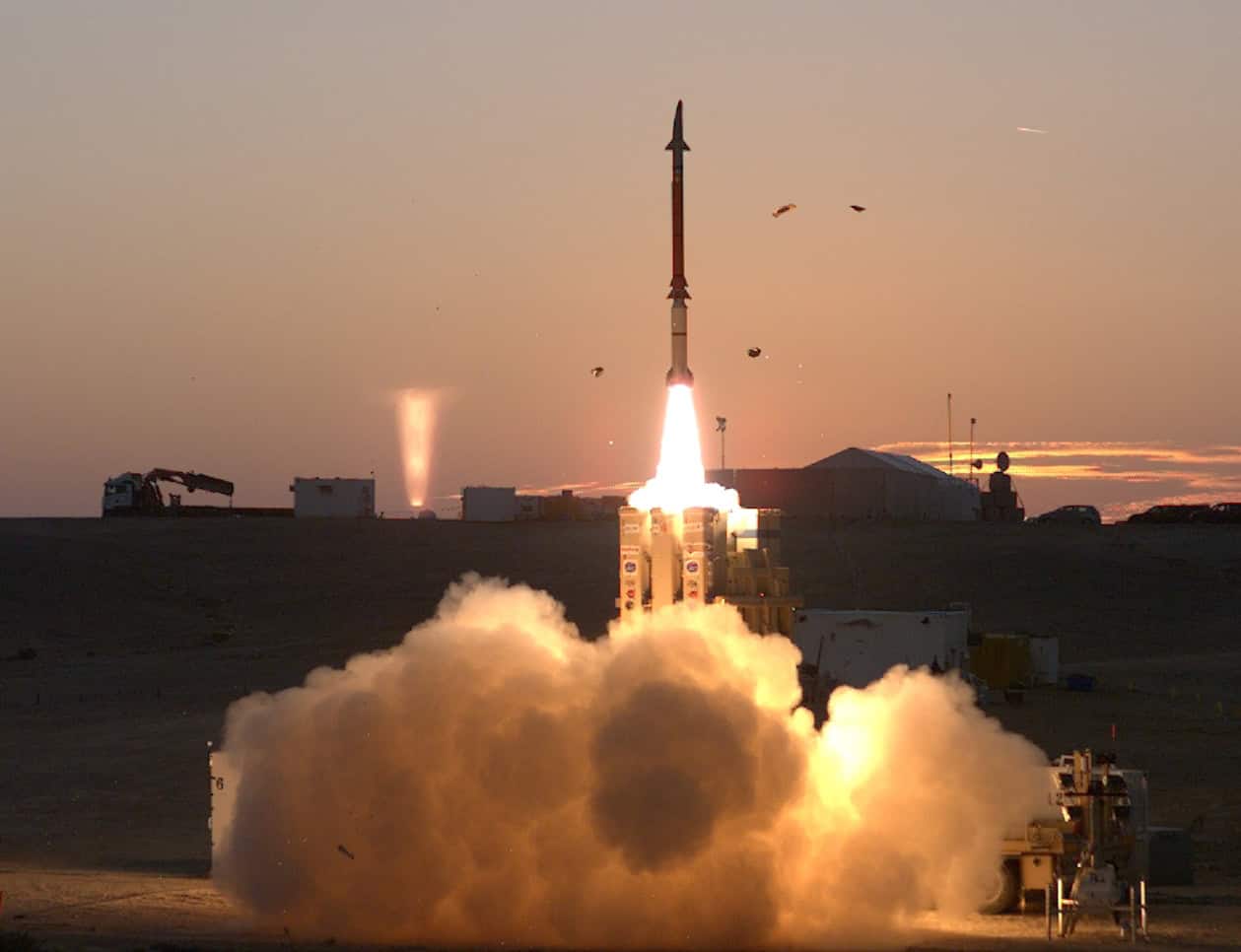
David’s Sling Weapon System
- Defense Layer: Medium-Range
- Technology Type: Air Defense System
- Primary Role in Missile Defense: Intercepts medium-range threats
- Threat Type Countered: Ballistic/cruise missiles
- Operational Function in a Mass Attack: Covers gap between Iron Dome and Arrow
- Key Advantage: Multi-mission capability
- System Integration Role: Integrated with national defense network
- Developer or Operator: Rafael / IAI / IDF
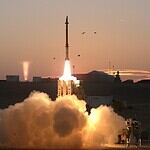
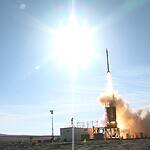
David’s Sling fills the critical gap between short-range and long-range missile defense, targeting more advanced threats like heavy rockets and cruise missiles. In a mass attack scenario, it prevents mid-tier threats from overwhelming higher-end systems, ensuring that more strategic interceptors are reserved for long-range ballistic missiles.
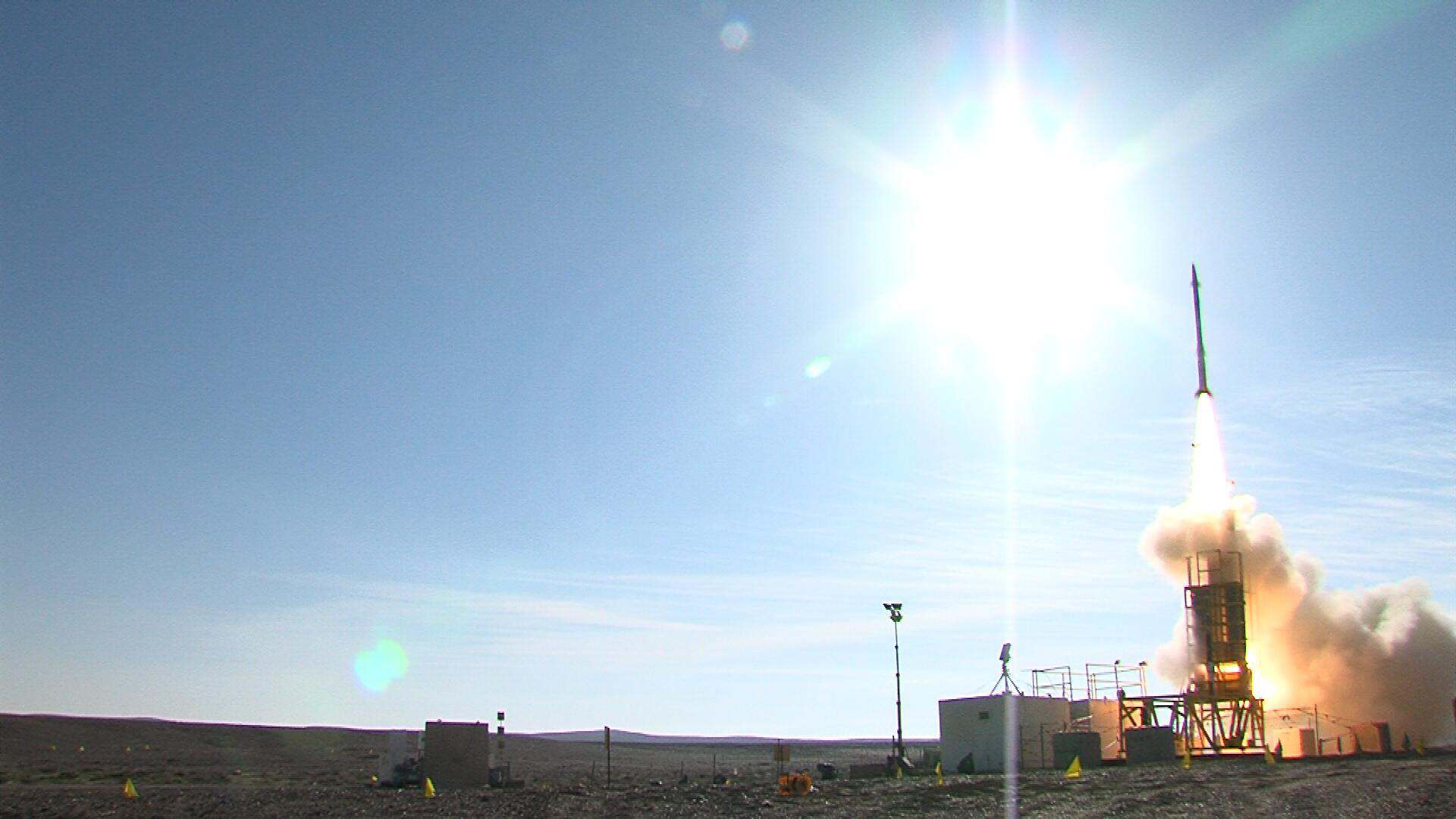
Stunner Interceptor
- Defense Layer: Medium-Range
- Technology Type: Interceptor
- Primary Role in Missile Defense: Precision interception of advanced threats
- Threat Type Countered: Ballistic/cruise missiles
- Operational Function in a Mass Attack: Handles complex trajectories under load
- Key Advantage: Dual-seeker accuracy
- System Integration Role: Linked to David’s Sling
- Developer or Operator: Rafael / IAI
The Stunner interceptor is designed for precision engagement of maneuvering or complex threats, using advanced dual-seeker technology. In high-volume attack scenarios, its accuracy reduces the likelihood of missed interceptions, which is critical when multiple incoming targets must be neutralized quickly without wasting valuable interceptor inventory.
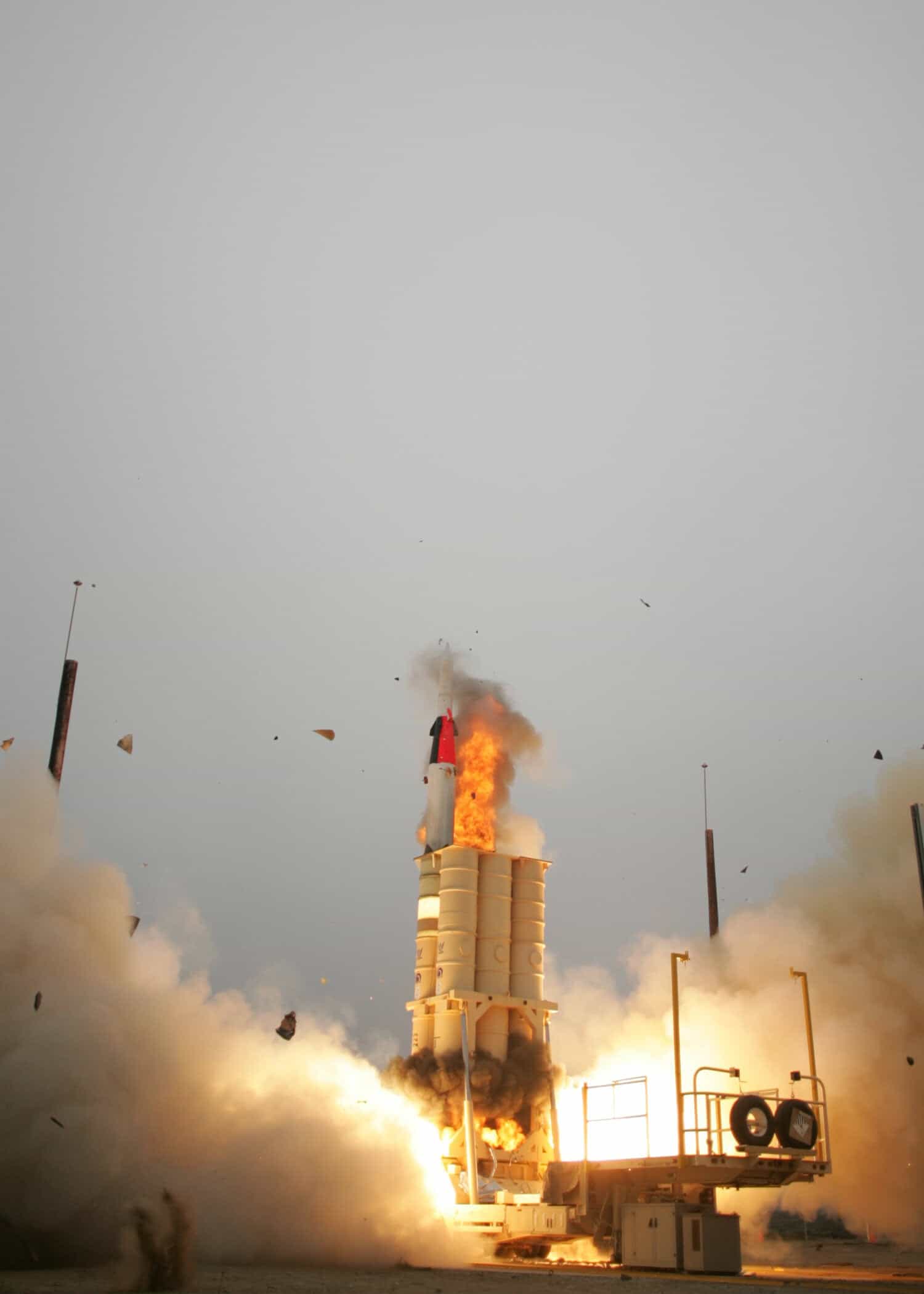
Arrow 2
- Defense Layer: Long-Range
- Technology Type: Ballistic Missile Defense
- Primary Role in Missile Defense: Intercepts ballistic missiles in upper atmosphere
- Threat Type Countered: Ballistic missiles
- Operational Function in a Mass Attack: Provides upper-layer defense in mass attack
- Key Advantage: Proven reliability
- System Integration Role: Integrated with radar and BMC
- Developer or Operator: IAI / IDF
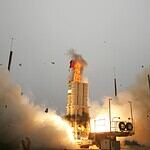
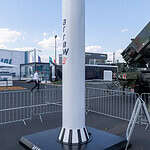
Arrow 2 provides an upper-tier defense layer by intercepting ballistic missiles in the upper atmosphere. During mass attacks, it helps thin out long-range threats before they descend, reducing pressure on lower-tier systems. Its presence ensures that Israel can engage high-speed ballistic missiles earlier in their trajectory, buying time and preserving downstream capacity.
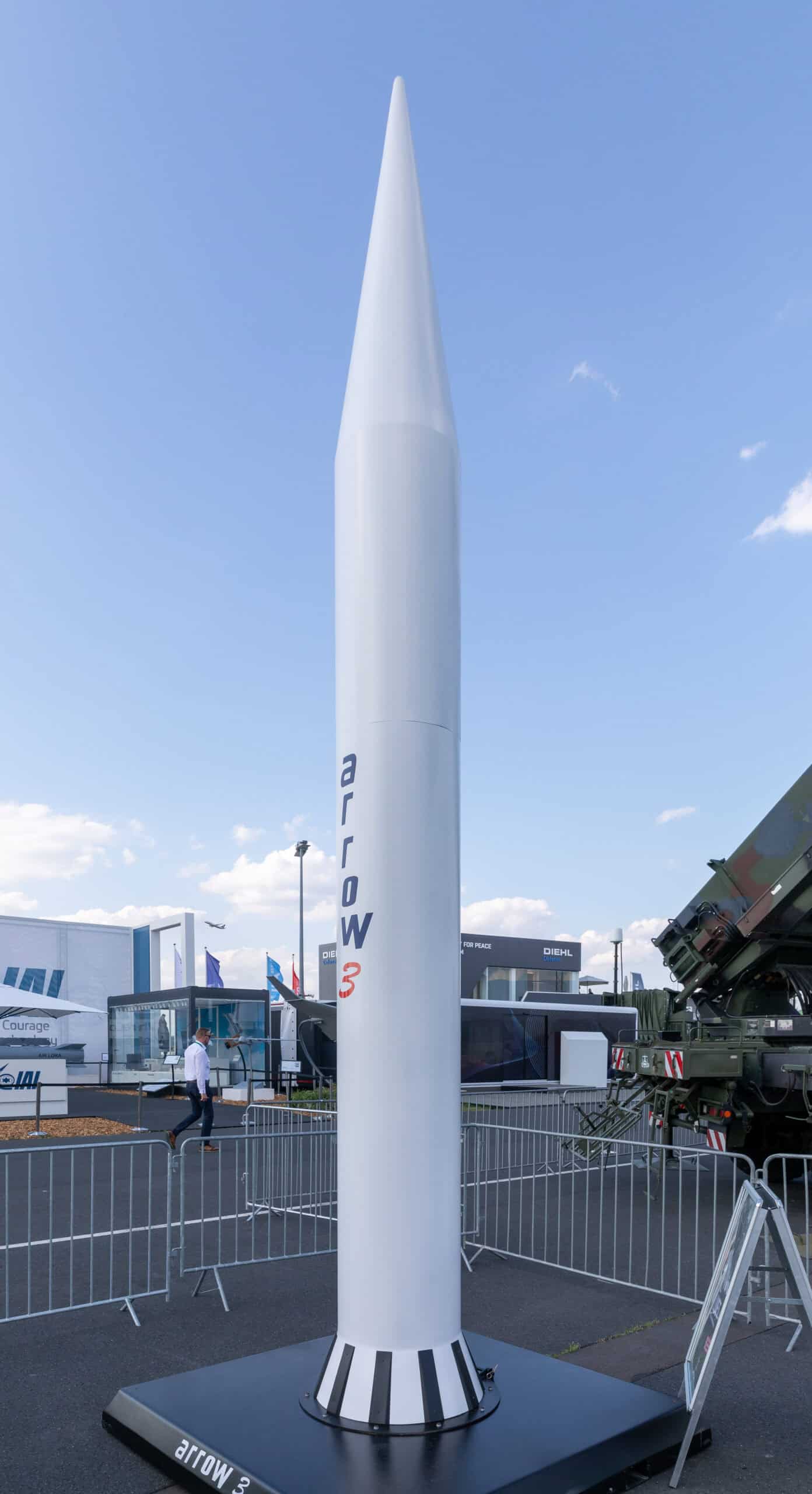
Arrow 3
- Defense Layer: Exo-Atmospheric
- Technology Type: Interceptor
- Primary Role in Missile Defense: Destroys ballistic missiles in space
- Threat Type Countered: Ballistic missiles
- Operational Function in a Mass Attack: Intercepts before reentry during large attacks
- Key Advantage: Exo-atmospheric kill capability
- System Integration Role: Networked with Green Pine radar
- Developer or Operator: IAI / IDF
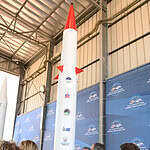
Arrow 3 extends Israel’s defensive reach into space, intercepting ballistic missiles before they reenter the atmosphere. In a saturation scenario, this exo-atmospheric capability is critical because it removes threats at the earliest possible stage, preventing multiple layers from being overwhelmed simultaneously and reducing the cascading burden on lower systems.
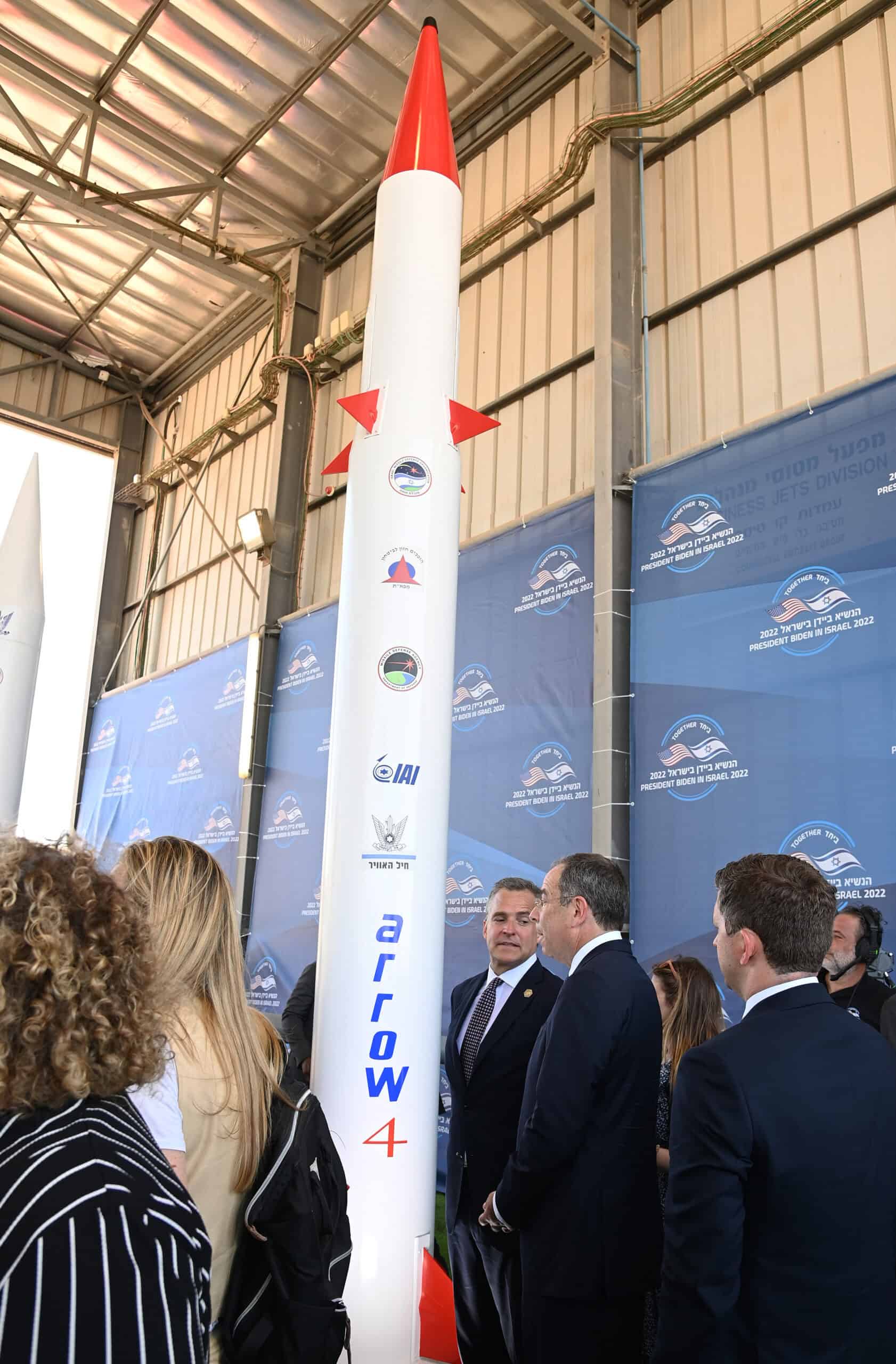
Arrow 4
- Defense Layer: Next-Gen
- Technology Type: Interceptor
- Primary Role in Missile Defense: Advanced ballistic missile interception
- Threat Type Countered: Advanced ballistic threats
- Operational Function in a Mass Attack: Future response to evolving saturation threats
- Key Advantage: Improved discrimination
- System Integration Role: Planned integration with Arrow system
- Developer or Operator: IAI
Arrow 4 represents the next evolution in Israel’s upper-tier missile defense, designed to counter emerging threats such as maneuverable reentry vehicles and hypersonic systems. Its future role in saturation scenarios will be to maintain interception effectiveness against increasingly complex missile profiles, ensuring that Israel’s top defensive layer remains viable under evolving threats.
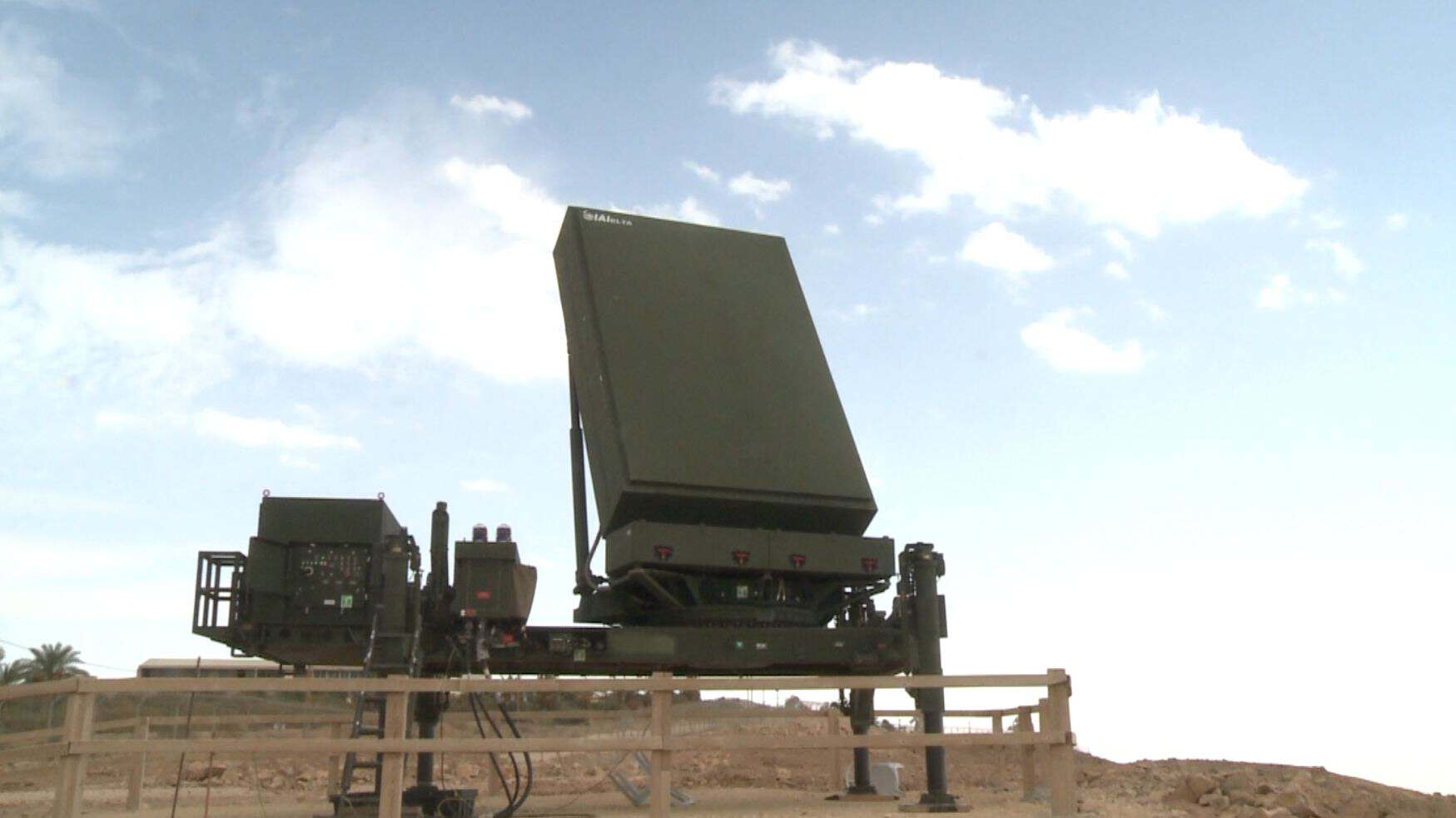
EL/M-2084 Radar
- Defense Layer: Detection
- Technology Type: Radar
- Primary Role in Missile Defense: Tracks incoming threats
- Threat Type Countered: Rockets, artillery, missiles
- Operational Function in a Mass Attack: Tracks hundreds of targets simultaneously
- Key Advantage: Multi-target tracking
- System Integration Role: Feeds Iron Dome and others
- Developer or Operator: IAI Elta
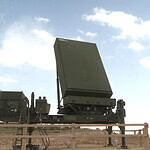
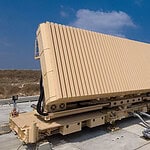
The EL/M-2084 radar is a cornerstone of Israel’s detection capability, capable of tracking hundreds of targets simultaneously. In a mass attack, its ability to rapidly detect, classify, and track incoming threats enables the entire defense network to function efficiently, ensuring that interception decisions are based on accurate, real-time data.
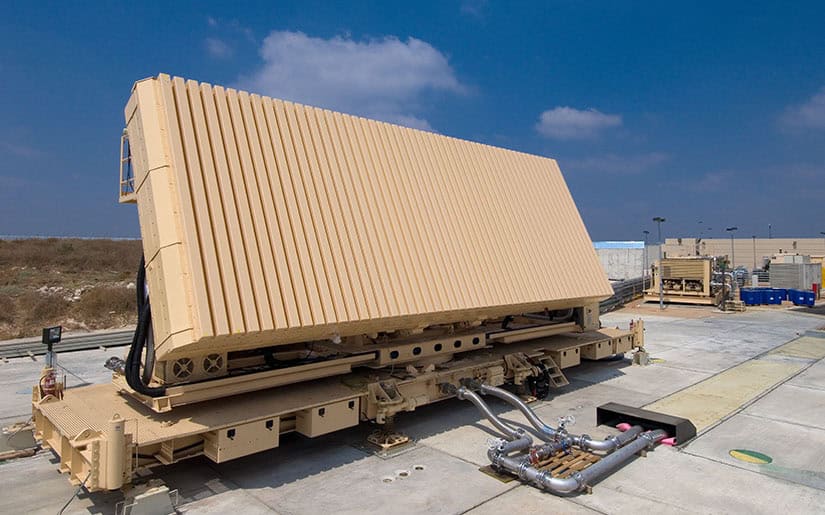
Green Pine Radar
- Defense Layer: Detection
- Technology Type: Radar
- Primary Role in Missile Defense: Long-range missile detection
- Threat Type Countered: Ballistic missiles
- Operational Function in a Mass Attack: Early warning for high-volume attacks
- Key Advantage: Long detection range
- System Integration Role: Supports Arrow system
- Developer or Operator: IAI
Green Pine radar provides long-range detection of ballistic missile threats, offering early warning and tracking data for upper-tier interceptors. In large-scale attacks, this early detection is essential for extending reaction time, allowing Israel’s defense systems to prepare and engage threats before they approach critical targets.
Citron Tree
- Defense Layer: Command & Control
- Technology Type: BMC System
- Primary Role in Missile Defense: Manages interception decisions
- Threat Type Countered: All threats
- Operational Function in a Mass Attack: Coordinates intercept priorities under saturation
- Key Advantage: Automated decision-making
- System Integration Role: Core BMC node
- Developer or Operator: IDF
Citron Tree is the decision-making engine behind Israel’s missile defense network, determining which threats to engage and when. In mass attack scenarios, its automation is crucial, as human operators cannot manually process hundreds of incoming trajectories. It ensures that interceptors are allocated efficiently, preventing system overload.
Golden Almond
- Defense Layer: Command & Control
- Technology Type: C2 System
- Primary Role in Missile Defense: Coordinates national missile defense
- Threat Type Countered: All threats
- Operational Function in a Mass Attack: Central command during mass attack
- Key Advantage: System-wide coordination
- System Integration Role: Links all defense layers
- Developer or Operator: IDF
Golden Almond serves as a higher-level command system that coordinates multiple defense layers into a unified response. During large-scale attacks, it ensures that each layer operates in sync, preventing duplication of effort and ensuring that no single system becomes overwhelmed by the volume of incoming threats.
IAMD Network
- Defense Layer: Command & Control
- Technology Type: Network
- Primary Role in Missile Defense: Integrates all defense systems
- Threat Type Countered: All threats
- Operational Function in a Mass Attack: Ensures real-time coordination
- Key Advantage: Seamless integration
- System Integration Role: Connects sensors and shooters
- Developer or Operator: IDF
Israel’s IAMD network links all sensors, interceptors, and command systems into a single operational picture. In saturation scenarios, this integration allows for seamless data sharing and coordinated responses, ensuring that threats are addressed by the most appropriate system without delay or redundancy.
BMC4I Architecture
- Defense Layer: Command & Control
- Technology Type: Network/System
- Primary Role in Missile Defense: Manages data and communication
- Threat Type Countered: All threats
- Operational Function in a Mass Attack: Processes massive data flows
- Key Advantage: High-speed data fusion
- System Integration Role: Backbone of defense network
- Developer or Operator: IDF
The BMC4I framework acts as the digital backbone of Israel’s missile defense, handling communication, data processing, and operational coordination. In mass attacks, it enables rapid data flow between sensors and interceptors, ensuring that decisions are made quickly and accurately across the entire defensive network.
Trajectory Prediction Algorithms
- Defense Layer: Support
- Technology Type: Software
- Primary Role in Missile Defense: Predicts impact points
- Threat Type Countered: Rockets, missiles
- Operational Function in a Mass Attack: Prioritizes threats during saturation
- Key Advantage: Accuracy and speed
- System Integration Role: Feeds BMC systems
- Developer or Operator: IDF
Trajectory prediction software determines where incoming projectiles will land, enabling prioritization of threats. During large barrages, this capability is essential for triage, ensuring that only missiles headed toward populated or strategic areas are intercepted, preserving resources for sustained defense.
Threat Discrimination Software
- Defense Layer: Support
- Technology Type: Software
- Primary Role in Missile Defense: Determines which threats to intercept
- Threat Type Countered: Rockets, missiles
- Operational Function in a Mass Attack: Prevents interceptor waste
- Key Advantage: Efficiency under load
- System Integration Role: Integrated with Iron Dome
- Developer or Operator: IDF
Threat discrimination systems refine the decision-making process by distinguishing between dangerous and non-threatening projectiles. In saturation scenarios, this prevents the wasteful use of interceptors, allowing the defense system to remain effective even when faced with overwhelming numbers of incoming rockets.
Red Alert System
- Defense Layer: Civil Defense
- Technology Type: Warning System
- Primary Role in Missile Defense: Warns civilians of incoming threats
- Threat Type Countered: Rockets, missiles
- Operational Function in a Mass Attack: Provides seconds of warning during attacks
- Key Advantage: Rapid alerts
- System Integration Role: Connected to detection systems
- Developer or Operator: IDF Home Front Command
The Red Alert system provides immediate warning to civilians when incoming threats are detected. While it does not intercept missiles, it plays a crucial role in reducing casualties during mass attacks by giving people critical seconds to reach shelter, making it a vital component of the overall defense strategy.
Mobile Alert Apps
- Defense Layer: Civil Defense
- Technology Type: Software
- Primary Role in Missile Defense: Delivers real-time alerts
- Threat Type Countered: Rockets, missiles
- Operational Function in a Mass Attack: Expands warning reach
- Key Advantage: Wide accessibility
- System Integration Role: Linked to warning network
- Developer or Operator: IDF Home Front Command
Mobile alert applications extend the reach of Israel’s warning systems, delivering real-time notifications directly to civilians. In high-volume attack scenarios, these apps ensure that warnings are distributed quickly and widely, even as attack patterns shift, enhancing public safety and resilience.
Mamad Safe Rooms
- Defense Layer: Civil Defense
- Technology Type: Infrastructure
- Primary Role in Missile Defense: Protects civilians
- Threat Type Countered: All threats
- Operational Function in a Mass Attack: Reduces casualties during attacks
- Key Advantage: Widespread deployment
- System Integration Role: Part of civil defense strategy
- Developer or Operator: Government of Israel
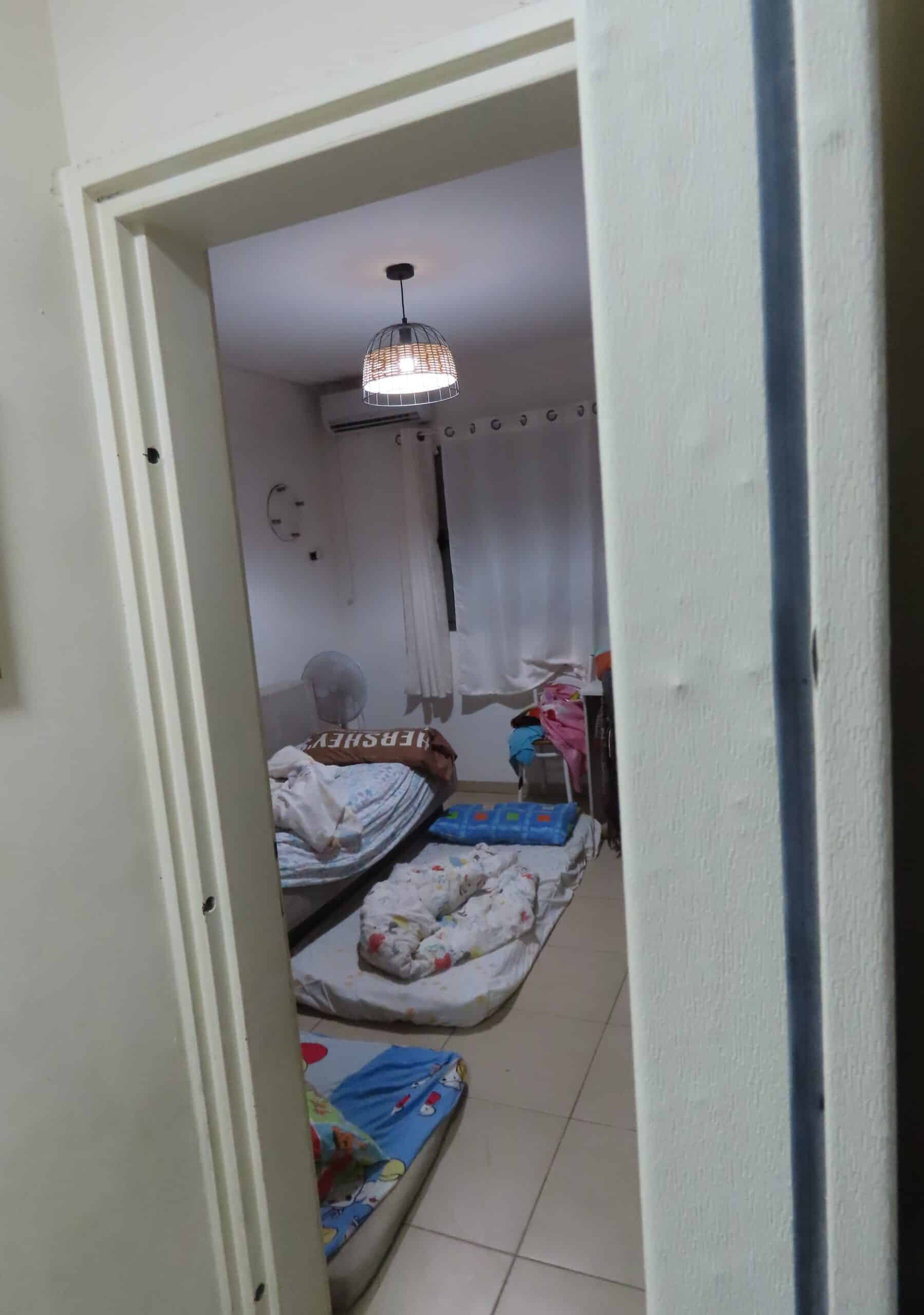
Mamad safe rooms are built into homes across Israel, providing immediate protection during missile attacks. Their widespread presence allows civilians to respond quickly to warnings, reducing casualties and ensuring that the population can endure prolonged periods of sustained rocket fire.
Public Shelters
- Defense Layer: Civil Defense
- Technology Type: Infrastructure
- Primary Role in Missile Defense: Mass protection spaces
- Threat Type Countered: All threats
- Operational Function in a Mass Attack: Absorbs population during attacks
- Key Advantage: High capacity
- System Integration Role: Integrated into urban planning
- Developer or Operator: Government of Israel
Public shelters provide large-scale protection for communities, especially in dense urban areas. During mass attacks, they serve as critical fallback options for those without immediate access to private protection, helping maintain civilian safety and societal continuity under sustained bombardment.
Hardened Command Bunkers
- Defense Layer: Support
- Technology Type: Infrastructure
- Primary Role in Missile Defense: Ensures command continuity
- Threat Type Countered: All threats
- Operational Function in a Mass Attack: Maintains operations during attacks
- Key Advantage: Resilience
- System Integration Role: Supports military command
- Developer or Operator: IDF
Hardened bunkers ensure that military leadership and command systems remain operational during missile attacks. In saturation scenarios, this continuity is essential, as the effectiveness of the entire defense network depends on uninterrupted command and control capabilities.
Sensor Fusion Systems
- Defense Layer: Detection
- Technology Type: Software/System
- Primary Role in Missile Defense: Combines multiple sensor inputs
- Threat Type Countered: All threats
- Operational Function in a Mass Attack: Improves tracking accuracy
- Key Advantage: Enhanced situational awareness
- System Integration Role: Feeds BMC network
- Developer or Operator: IDF
Sensor fusion technology combines data from multiple detection systems into a unified operational picture. During mass attacks, this improves accuracy and reduces uncertainty, allowing for better tracking and faster decision-making across the entire defense network.
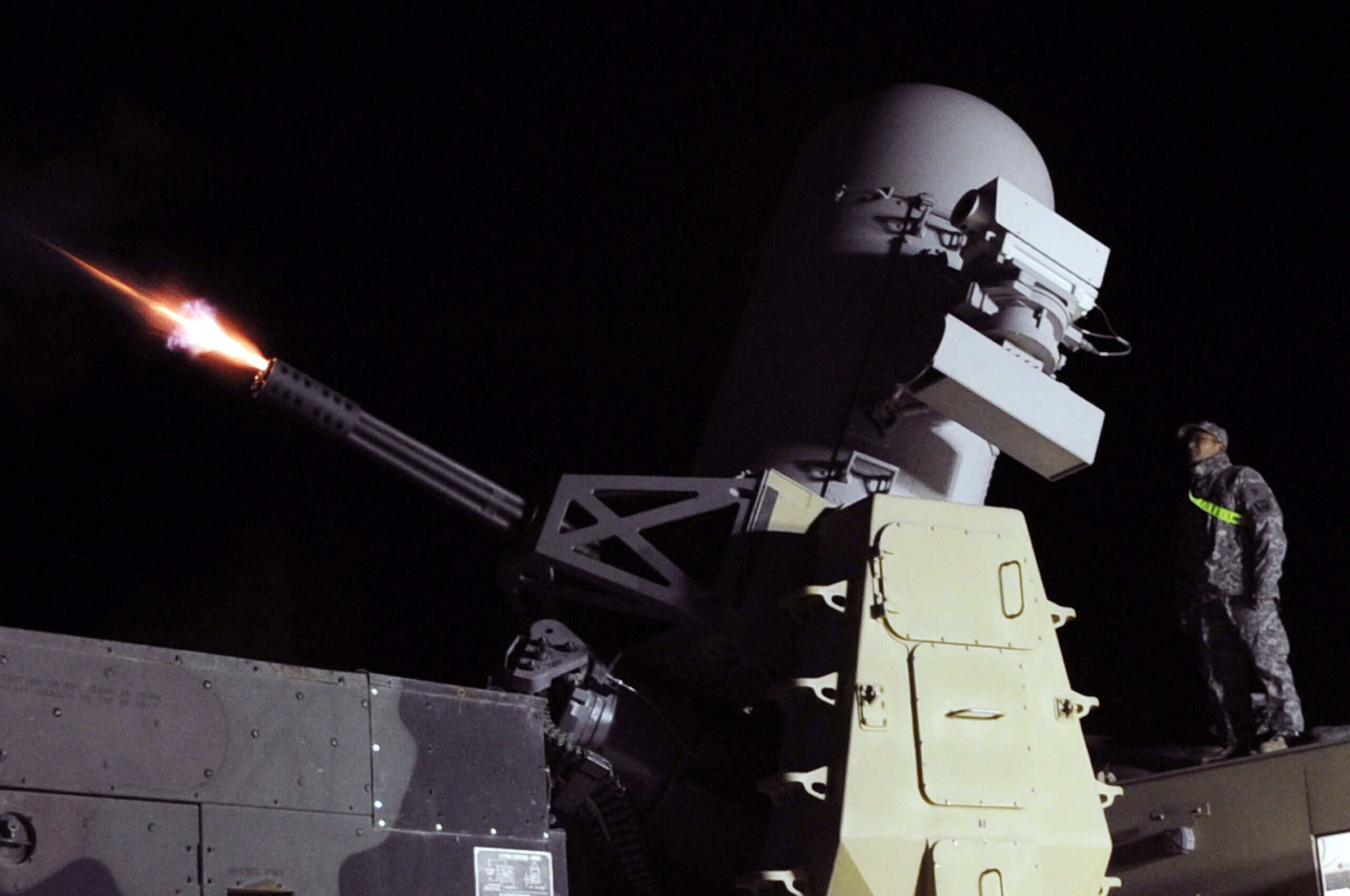
C-RAM Integration
- Defense Layer: Support
- Technology Type: Defense System
- Primary Role in Missile Defense: Counter rockets and artillery
- Threat Type Countered: Rockets, artillery
- Operational Function in a Mass Attack: Adds redundancy in defense
- Key Advantage: Layered defense support
- System Integration Role: Integrated with air defense
- Developer or Operator: IDF
The C-RAM integration layer adds redundancy to Israel’s defensive architecture by providing additional interception capability against rockets and artillery. In high-volume scenarios, this extra layer helps absorb pressure on primary systems, improving overall resilience.
Electronic Warfare Systems
- Defense Layer: Support
- Technology Type: EW System
- Primary Role in Missile Defense: Disrupts guidance systems
- Threat Type Countered: Missiles, drones
- Operational Function in a Mass Attack: Reduces effectiveness of incoming threats
- Key Advantage: Non-kinetic defense
- System Integration Role: Supports layered defense
- Developer or Operator: IDF
Electronic warfare systems offer a non-kinetic method of disrupting incoming threats by interfering with guidance systems. During saturation attacks, this can reduce the effectiveness of enemy missiles and drones without expending interceptors, preserving resources for critical engagements.
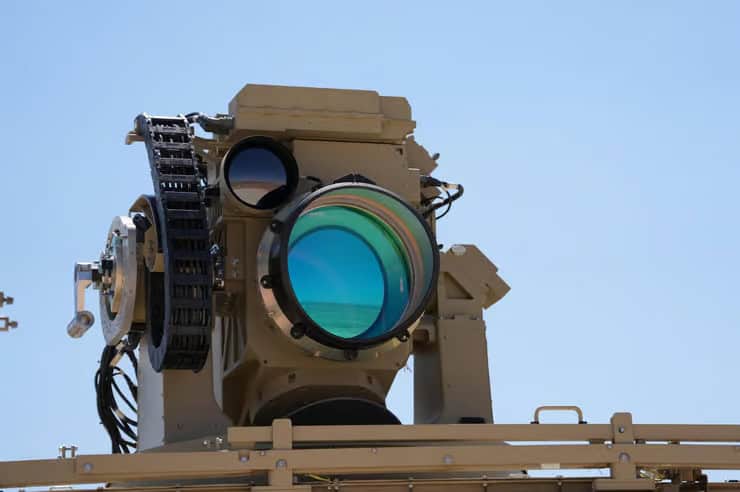
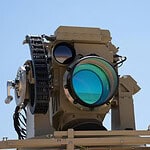
Iron Beam
- Defense Layer: Emerging
- Technology Type: Laser System
- Primary Role in Missile Defense: Intercepts threats with laser
- Threat Type Countered: Rockets, drones
- Operational Function in a Mass Attack: Low-cost defense in saturation
- Key Advantage: Cost-per-shot advantage
- System Integration Role: Will integrate with Iron Dome
- Developer or Operator: Rafael
Iron Beam represents a potential game-changer in countering mass attacks by offering a near-zero cost per shot. In saturation scenarios, where interceptor costs and inventory become limiting factors, directed energy weapons could provide a sustainable solution for engaging large numbers of low-cost threats.