












8 Famous Masterpieces That Were Attacked by Vandals
Great works of art can survive wars, revolutions, and centuries of changing tastes, yet sometimes the greatest threat is a single person standing a few feet away. Famous paintings and sculptures have been slashed, sprayed, struck, and smeared with food. The motives have ranged from political protest and social activism to anger, obsession, and a desire for attention.
Many of these attacks lasted only seconds, but their consequences endured for years. Museums faced difficult restorations, tighter security, and renewed debates over how closely the public should be allowed to approach cultural treasures. Some masterpieces escaped permanent damage thanks to protective glass, while others still carry the scars. These eight works reveal what happened, why they became targets, and whether the art itself survived.
8. Sunflowers
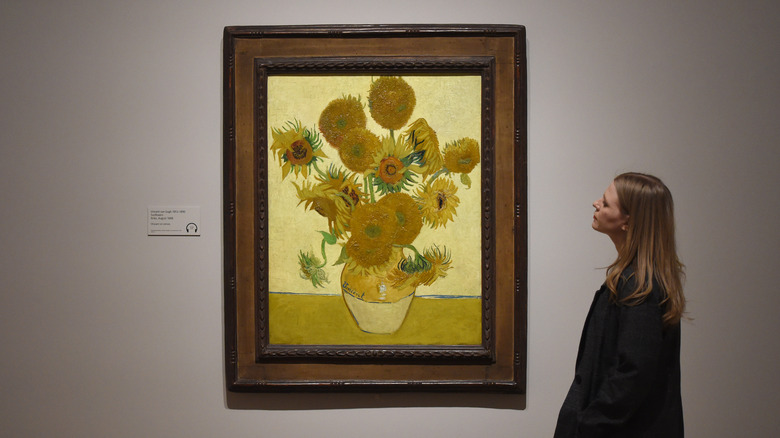
Van Gogh painted this version of Sunflowers in Arles, France, as part of a series intended to decorate the room where his friend Paul Gauguin would stay.
- Type of art: Painting
- Created by: Vincent van Gogh
- Finished: 1888
- Market status: Not for sale; no reliable public valuation
- Current location: National Gallery collection; currently on loan to the Philadelphia Museum of Art
Soup Attacks in 2022 and 2024
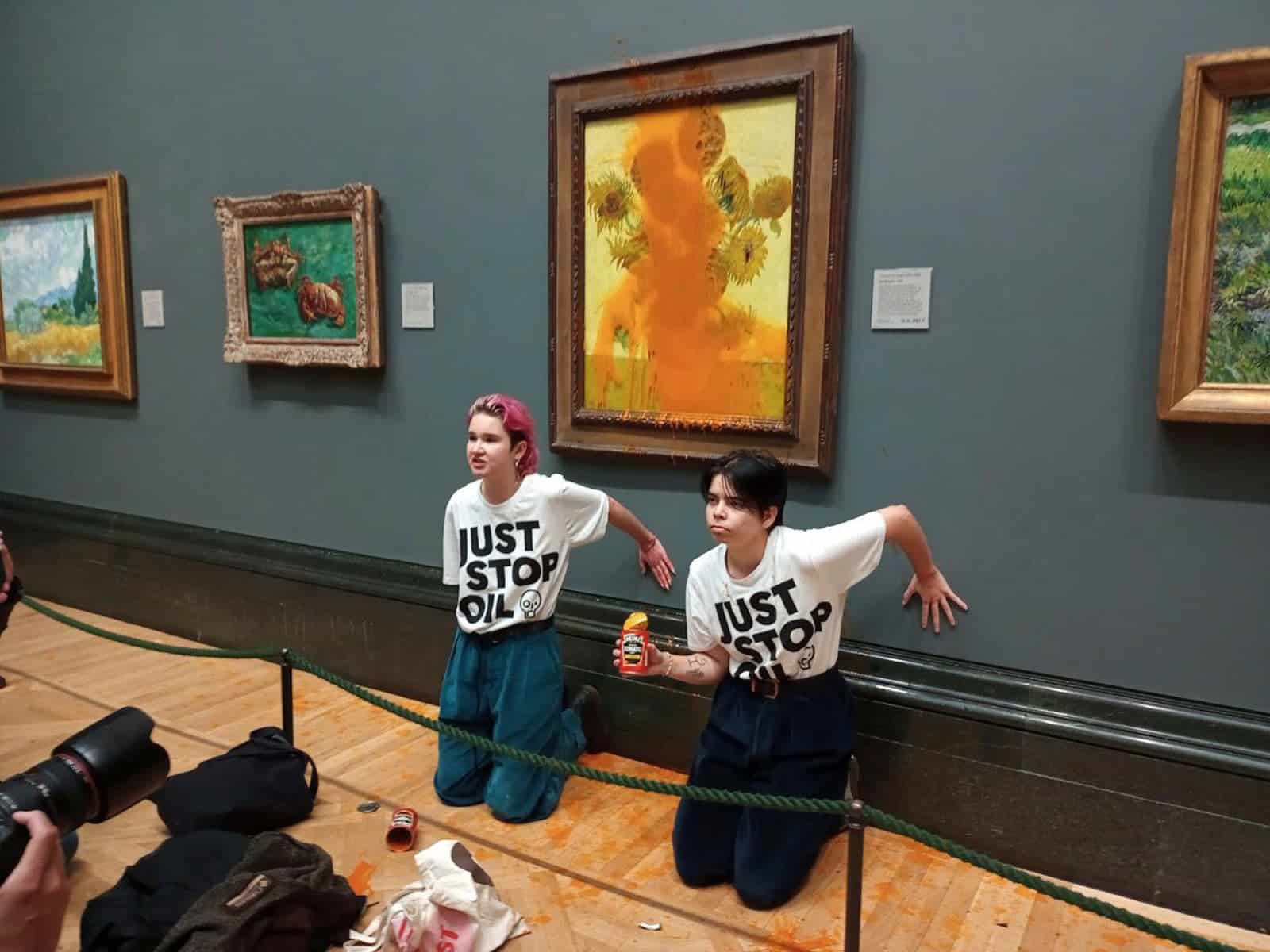
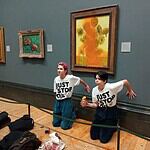
On October 14, 2022, Just Stop Oil activists Phoebe Plummer and Anna Holland threw tomato soup at the glass protecting Sunflowers, then glued their hands to the wall below it. They were calling for an end to new oil and gas projects in the United Kingdom. The painting was unharmed, although the antique frame sustained minor damage.
The scene repeated itself on September 27, 2024. Three activists threw soup over the National Gallery's 1888 Sunflowers and an 1889 version on loan from the Philadelphia Museum of Art. Both paintings were behind glass. Conservators examined them, found no damage, and returned them to the exhibition that same day.
7. The Rokeby Venus
The Toilet of Venus, better known as The Rokeby Venus, is the only surviving female nude by Diego Velázquez.
- Type of art: Painting
- Created by: Diego Velázquez
- Finished: 1647–1651
- Market status: Not for sale; no reliable public valuation
- Current location: National Gallery, London
Attacked More Than a Century Apart
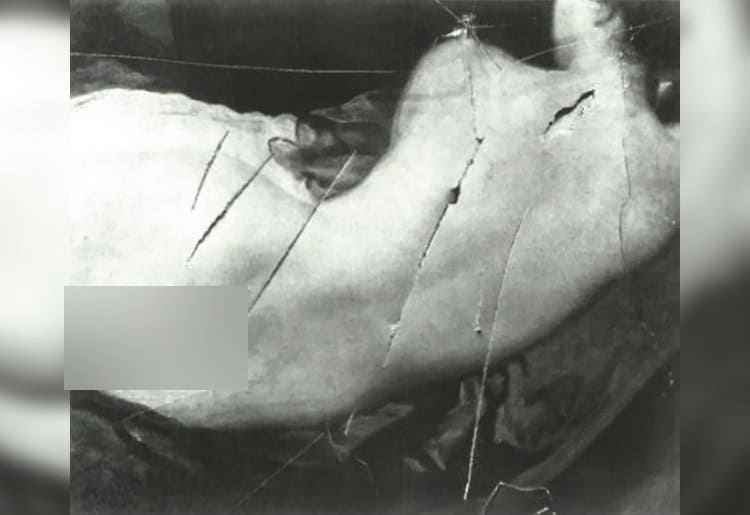
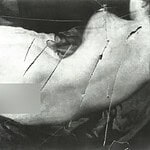
On March 10, 1914, suffragette Mary Richardson used a meat cleaver to cut eight gashes across the canvas, most of them over Venus's back. Richardson said the attack was a protest against the arrest of suffrage leader Emmeline Pankhurst the previous day. The badly damaged painting was repaired and returned to display.
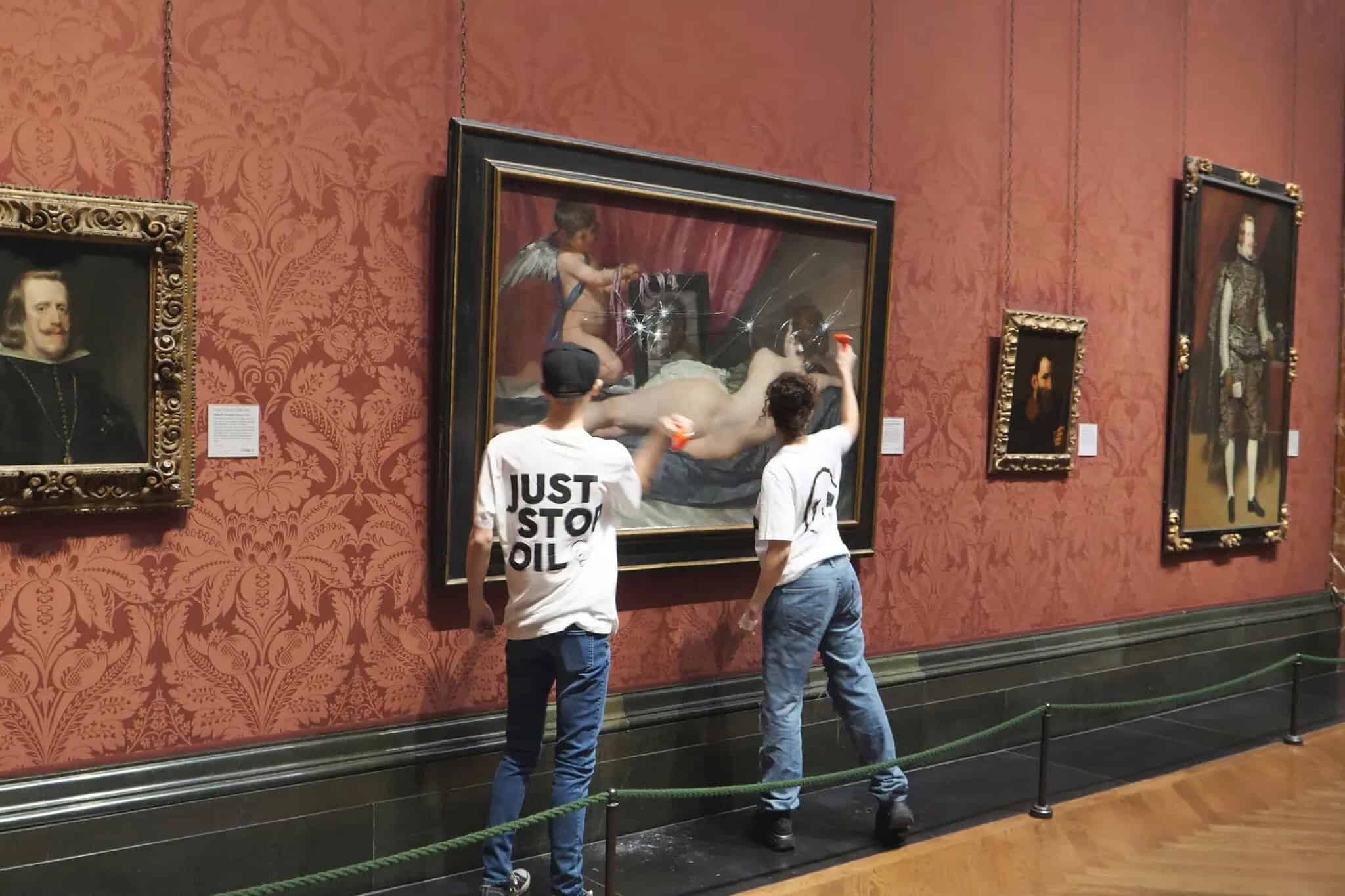
More than a century later, on November 6, 2023, two Just Stop Oil activists struck the painting's protective glazing with emergency rescue hammers. The glass took most of the force, but the National Gallery reported minor damage to the painting's surface. After conservation treatment and the installation of new glazing, The Rokeby Venus returned to view on December 1.
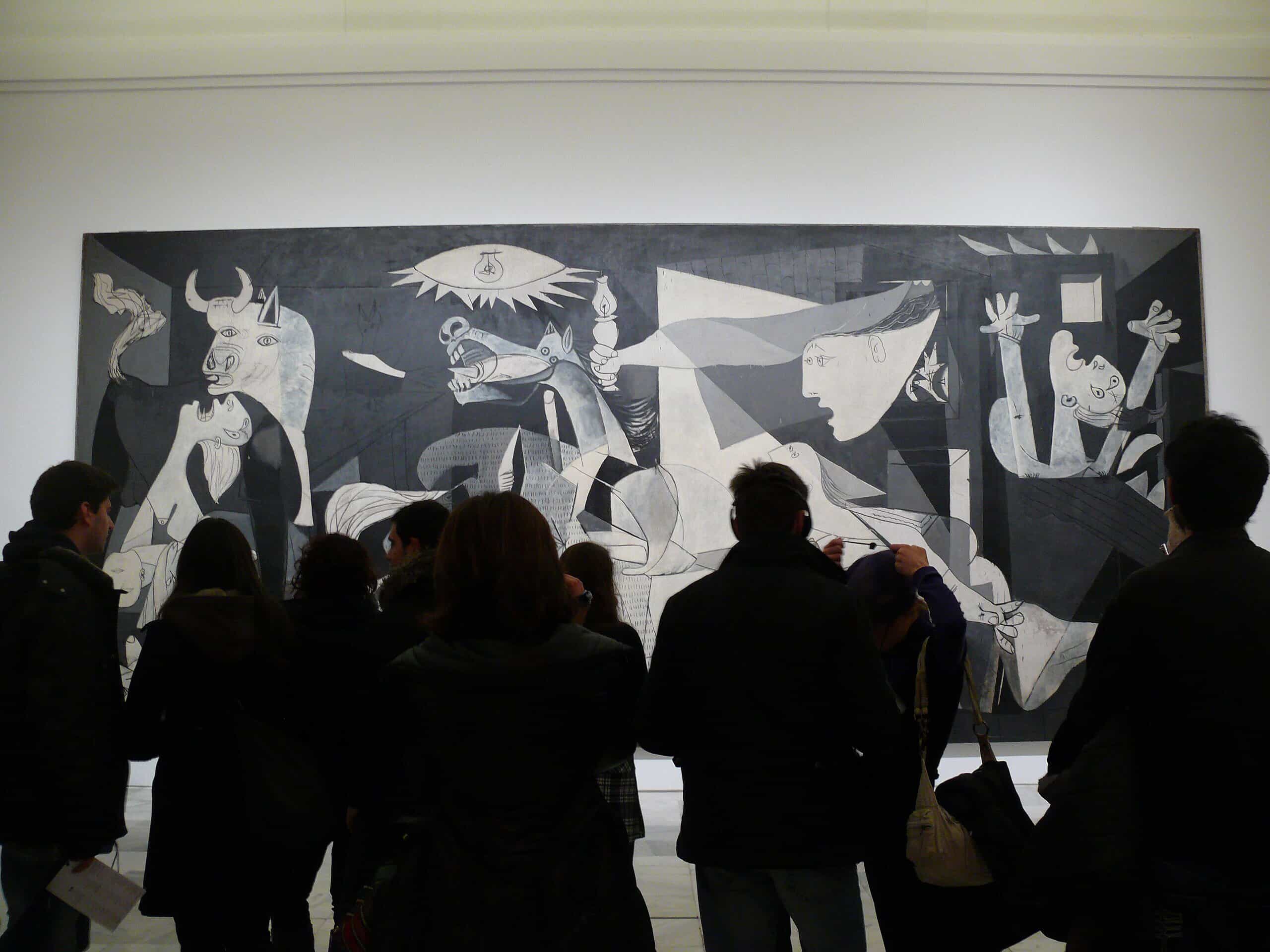
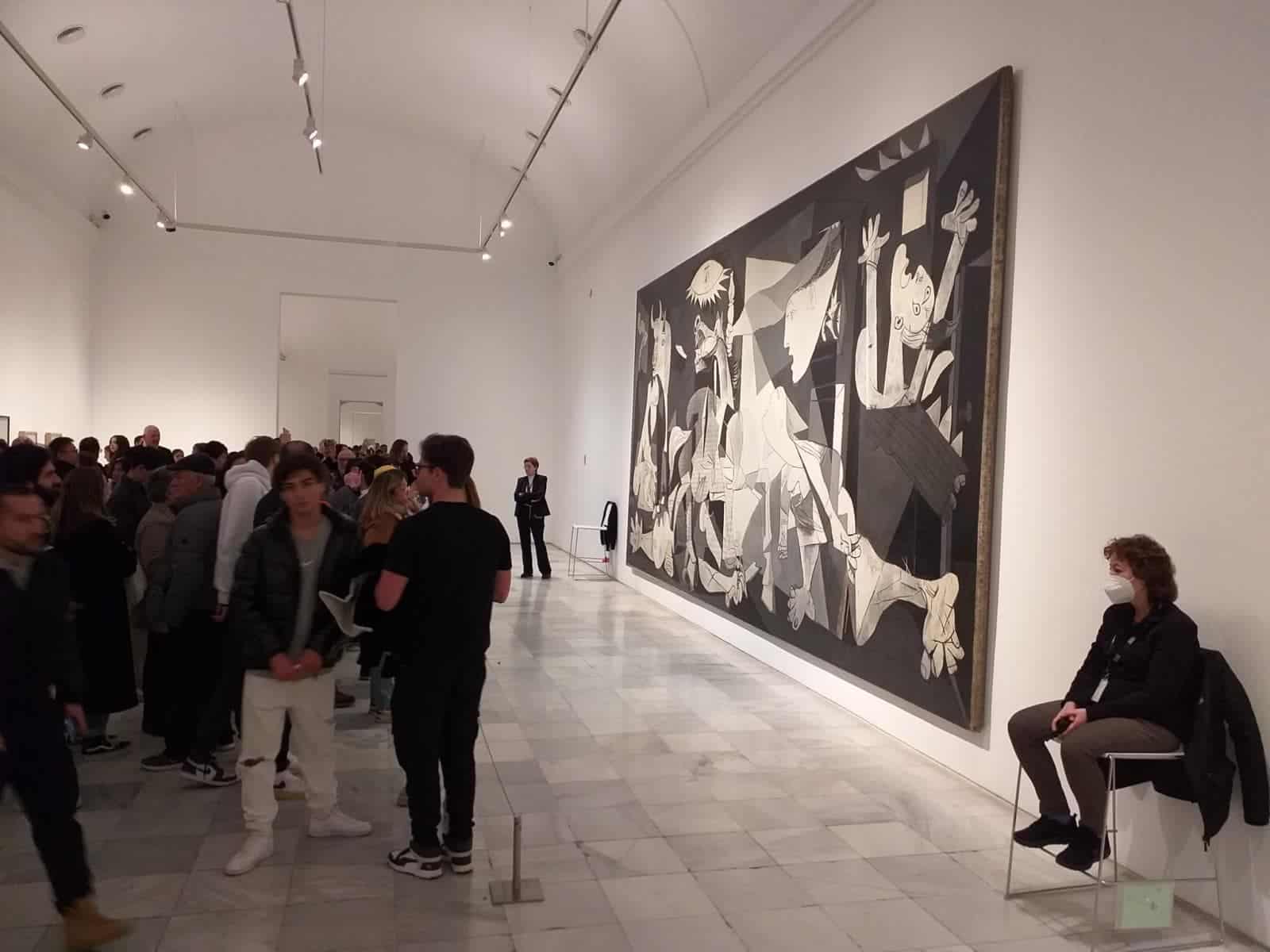
6. Guernica
- Type of art: Painting
- Created by: Pablo Picasso
- Finished: 1937
- Market status: Not for sale; no reliable public valuation
- Current location: Museo Nacional Centro de Arte Reina Sofía, Madrid
Three Words in Red Paint
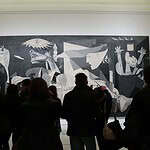
Picasso painted Guernica for the Spanish Pavilion at the 1937 Paris International Exposition after German and Italian aircraft bombed the Basque town of Gernika in support of Francisco Franco's forces. At roughly 11.5 feet tall and 25.5 feet wide, the enormous black-and-white canvas became one of the world's most recognizable images of civilian suffering in war.
On February 28, 1974, while Guernica was housed at New York's Museum of Modern Art, artist Tony Shafrazi spray-painted the words "KILL LIES ALL" across it in red. The act came one day after a federal judge ordered the release on bail of Lt. William Calley, the only U.S. service member convicted for killings in the 1968 My Lai massacre. A protective varnish applied four years earlier allowed conservators to remove the paint with minimal damage.
5. The Portland Vase
- Type of art: Vase
- Created by: Unknown
- Finished: Late 1st century B.C. to early 1st century A.D.
- Market status: Not for sale; considered culturally priceless
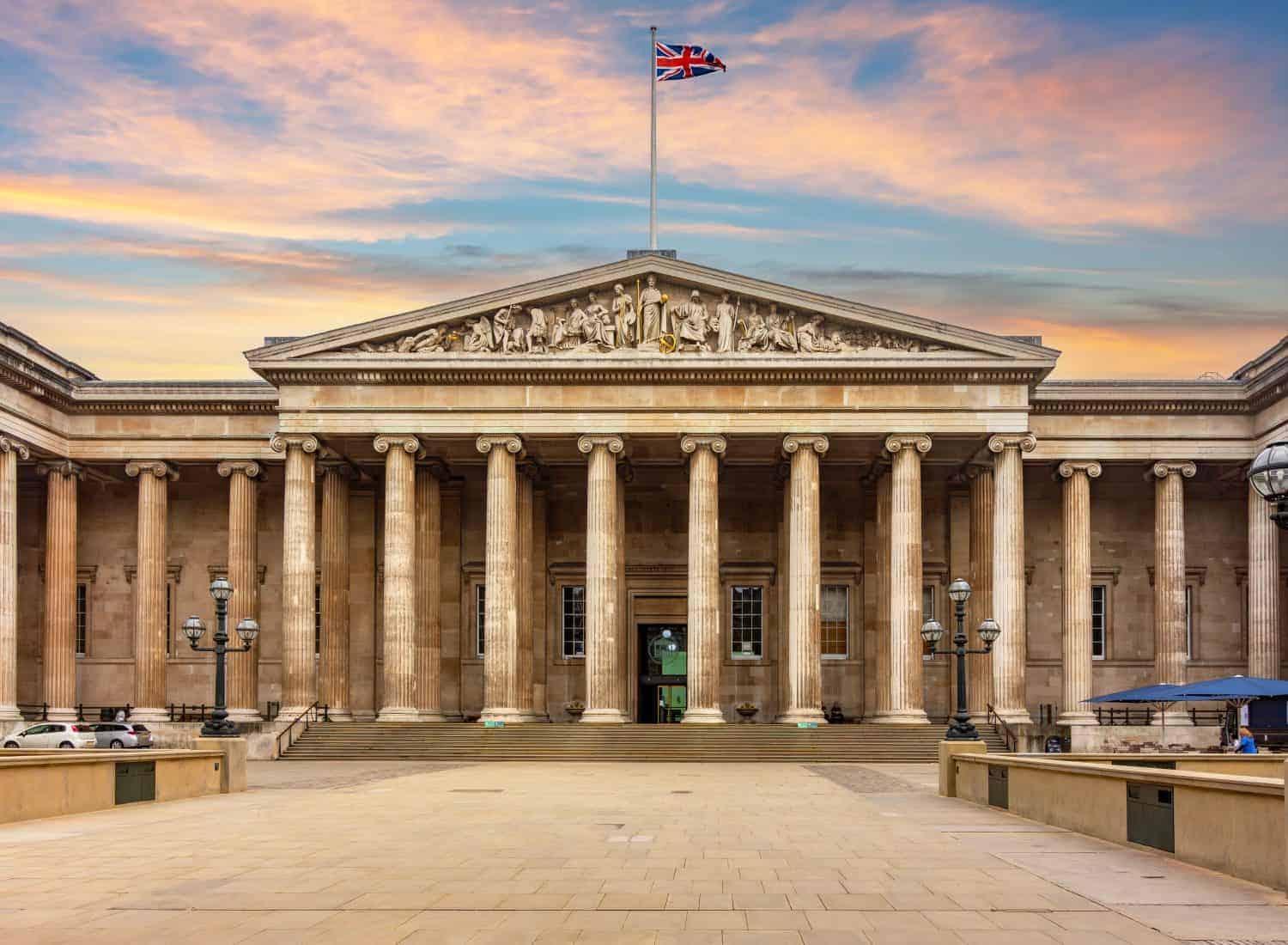
- Current location: British Museum, London
Smashed and Restored
The Portland Vase is one of the best-known surviving examples of Roman cameo glass. The dark blue vessel stands just under 10 inches high, with white glass figures carved in relief around its body. Its original discovery site and the meaning of its two scenes remain uncertain. The vase was first securely documented in the collection of Cardinal Francesco Maria del Monte around 1600, although later accounts said it had been found in a tomb near Rome.
On February 7, 1845, William Lloyd smashed the vase at the British Museum after hurling a hard object through its display case. Restorer John Doubleday painstakingly reassembled the shards that year, though dozens of small fragments could not be placed. J.W.R. Axtell rebuilt it again in 1948–1949. In 1988–1989, British Museum conservators Nigel Williams and Sandra Smith dismantled the aging repair and reconstructed the vase over nine months using more stable materials.
4. The Burlington House Cartoon
- Type of art: Charcoal and white chalk drawing on paper, mounted on canvas
- Created by: Leonardo da Vinci
- Finished: About 1506–1508
- Market status: Not for sale; no reliable public valuation
- Current location: National Gallery, London
Shotgun Attack
In July 1987, Robert Cambridge fired a sawn-off shotgun at Leonardo's drawing from about seven feet away. The blast broke through its protective glazing and tore a hole roughly six inches wide through the paper. The damage was especially alarming because the work, assembled from several joined sheets, is Leonardo's only surviving large-scale drawing.
National Gallery conservators flattened the damaged area, removed and sorted loose fragments, attached a new support, and carefully returned surviving pieces of paper to their original positions. The repair stabilized the cartoon, but it didn't erase every trace of the attack. Up close, the damaged area can still be seen.
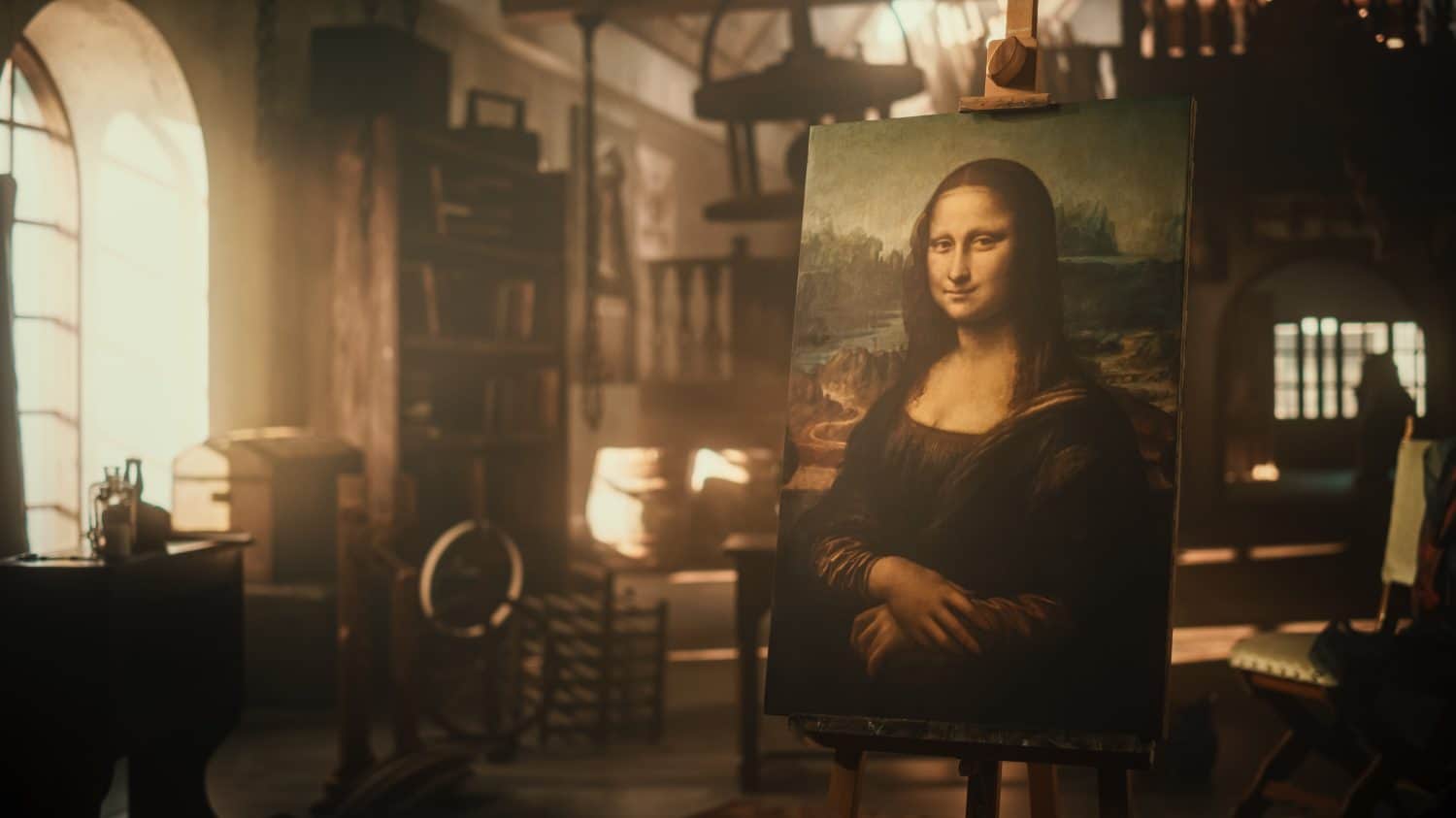
3. The Mona Lisa
- Type of art: Painting
- Created by: Leonardo da Vinci
- Finished: 1503–1519
- Market status: Not for sale; assessed at $100 million for insurance in 1962
- Current location: Louvre Museum, Paris
Rocks, Paint, Cake, and Soup
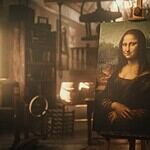
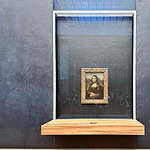
The Mona Lisa has faced a surprising number of attacks. In 1956, a visitor threw a stone that broke the protective glass and chipped paint near the figure's left elbow. During the painting's 1974 exhibition at the Tokyo National Museum, disability rights activist Tomoko Yonezu sprayed red paint toward it to protest restrictions that excluded disabled visitors who required assistance. The glass protected the painting.
More recent attempts have been messy but unsuccessful. A visitor threw a ceramic cup at the case in 2009. In May 2022, a man smeared cake over the glass while calling attention to environmental destruction. On January 28, 2024, two members of the French group Riposte Alimentaire threw soup at the protective glazing as part of a protest about food policy. The painting was unharmed in each incident.
2. The Night Watch
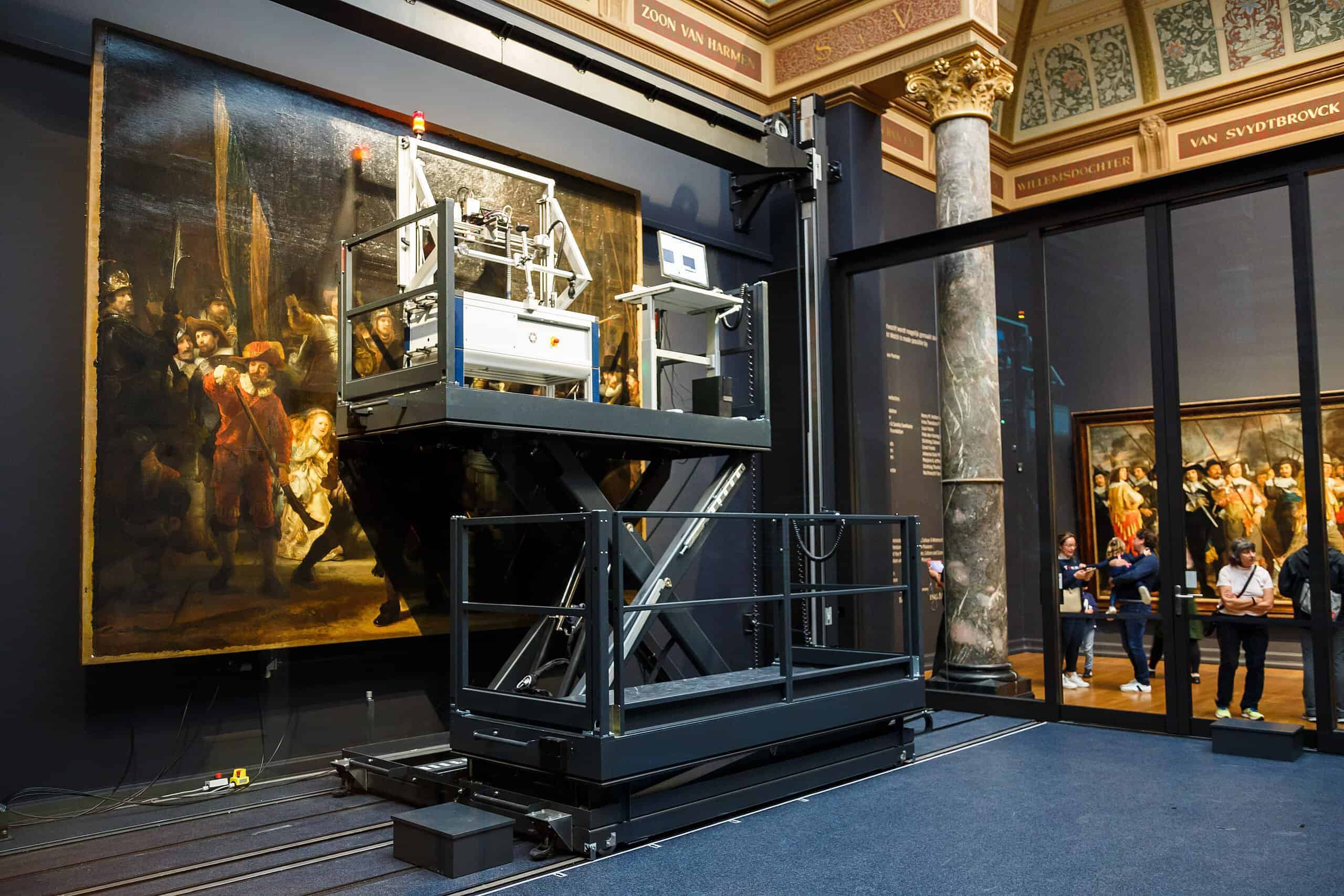
The Night Watch is one of Rembrandt's most famous pieces.
- Type of art: Painting
- Created by: Rembrandt van Rijn
- Finished: 1642
- Market status: Not for sale; no reliable public valuation
- Current location: Rijksmuseum, Amsterdam
Multiple Attacks
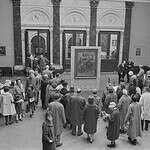
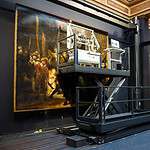
The Night Watch has survived three documented attacks since 1911. The worst came on September 14, 1975, when 38-year-old Wilhelmus de Rijk slashed the canvas 12 times with a serrated knife. Some cuts went through the paint and canvas, and one left a triangular flap hanging from the work. A team of conservators repaired the tears and returned the painting to view in 1976.
The painting was attacked with a knife once before, in 1911, although that attempt did not penetrate the paint layer. On April 6, 1990, another man sprayed sulfuric acid onto the surface. Guards immediately diluted it with water, limiting the damage to the varnish. The Rijksmuseum began the public research and conservation project known as Operation Night Watch in 2019.
1. Michelangelo's Pietà
- Type of art: Marble sculpture
- Created by: Michelangelo di Lodovico Buonarroti Simoni
- Finished: 1498–1499
- Market status: Not for sale; considered culturally priceless
- Current location: St. Peter's Basilica, Vatican City
1972 Vandalism
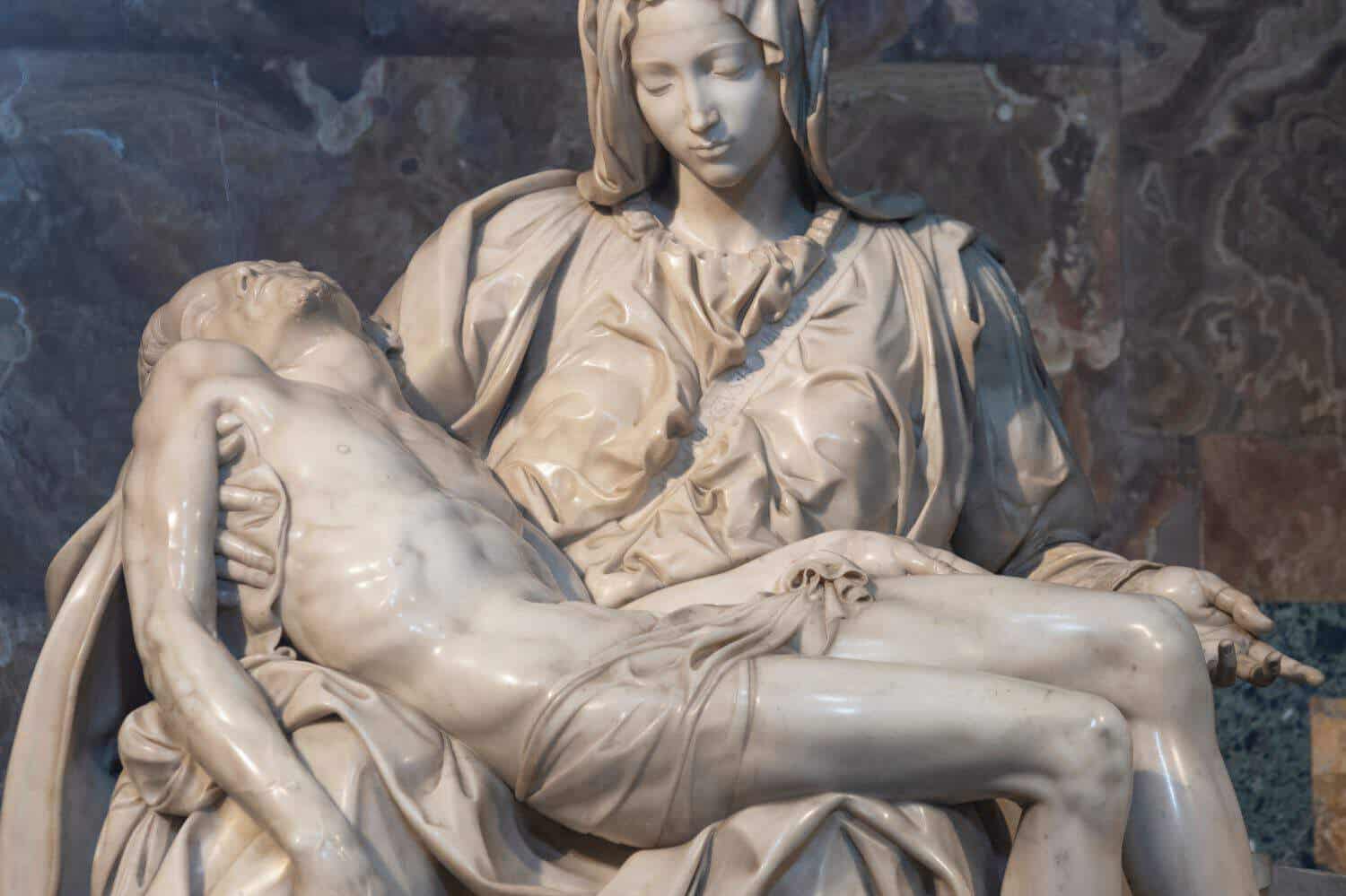
The 1972 attack caused serious damage to the Pietà.
On May 21, 1972, László Tóth climbed over the railing in St. Peter's Basilica and struck the Pietà 15 times with a hammer while claiming to be Jesus Christ. The blows broke the Virgin Mary's left arm and damaged her nose, left eyelid, and veil. Bystanders gathered scattered marble fragments before Vatican conservators began the painstaking repair.
Plaster casts made before the attack helped conservators reconstruct the damaged features with remarkable precision, and the restored sculpture was publicly presented in 1973. A protective barrier installed after the attack was replaced in 2024 with nine highly transparent panes engineered to resist both bullets and repeated blows from hammers or axes.
The image featured at the top of this post is ©KTLA News 9