
The Most Expensive Weapons in Military History
Modern weapons are not expensive simply because of the materials used to build them. Their true cost can include decades of research, specialized manufacturing, software development, testing, maintenance, training, and the support systems required to keep them operational. For the largest defense programs, the total investment can reach hundreds of billions of dollars across an entire fleet and its lifetime.
Those enormous price tags are usually tied to a promise of greater range, speed, survivability, precision, or technological advantage. Some programs delivered capabilities that reshaped military strategy, while others became famous for delays, overruns, or disappointing results. Here are the most expensive weapons in military history and what governments actually received for the money.
F-35 Lightning II
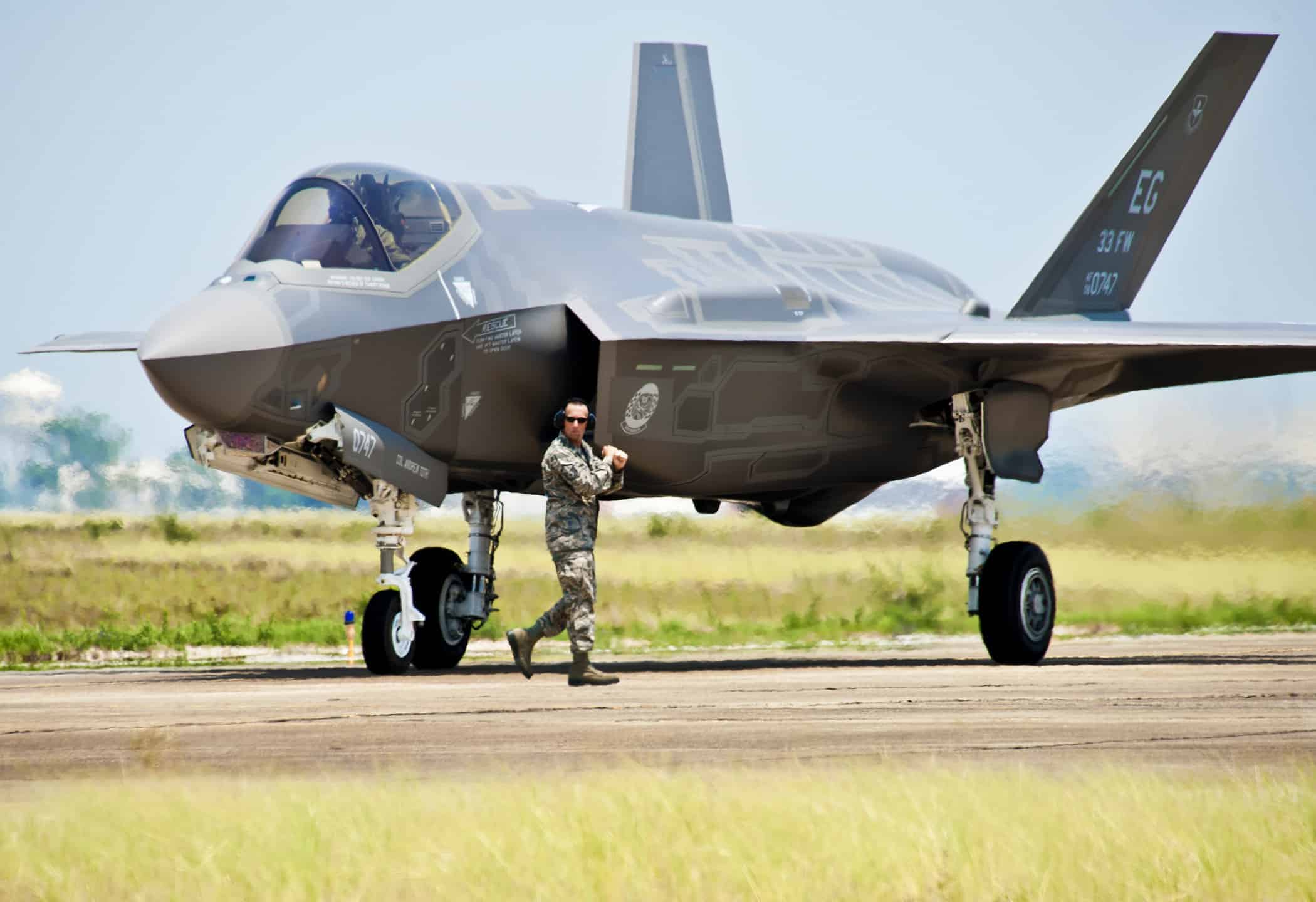
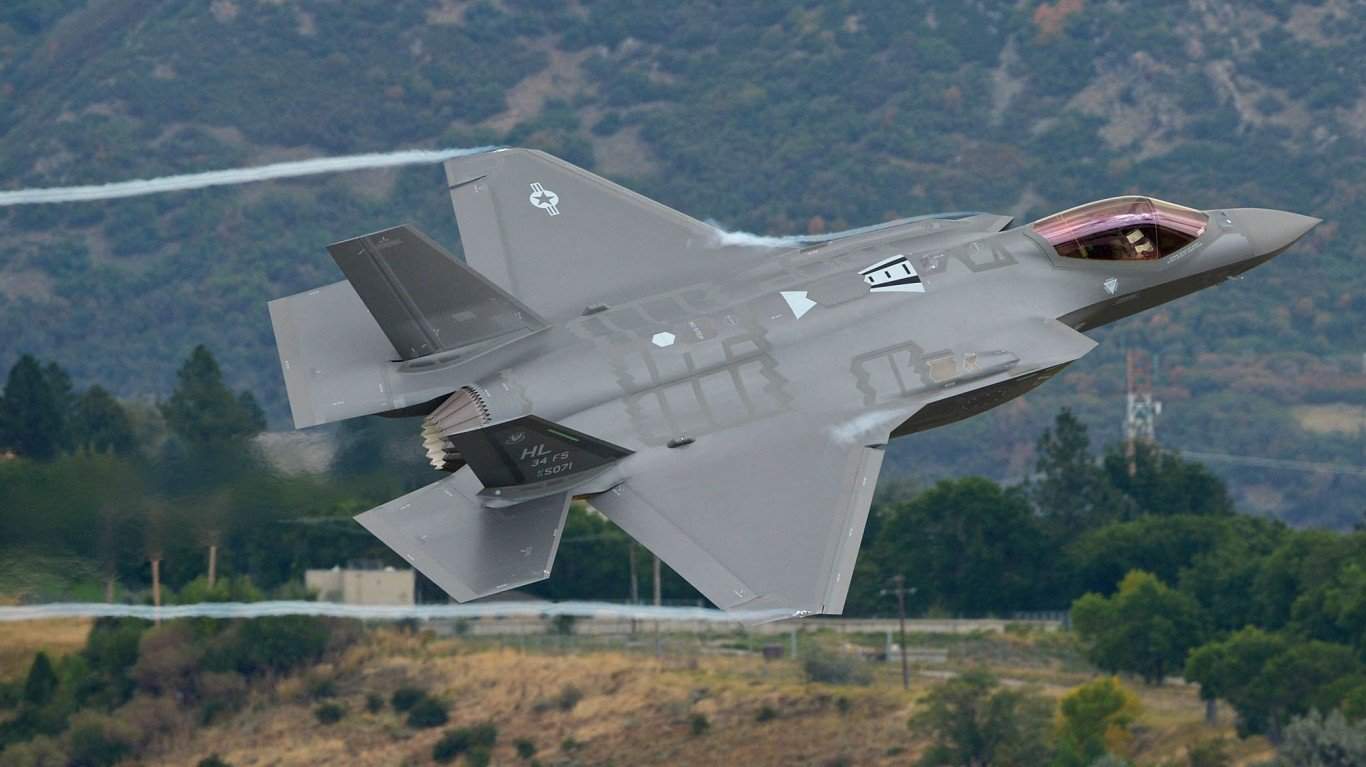
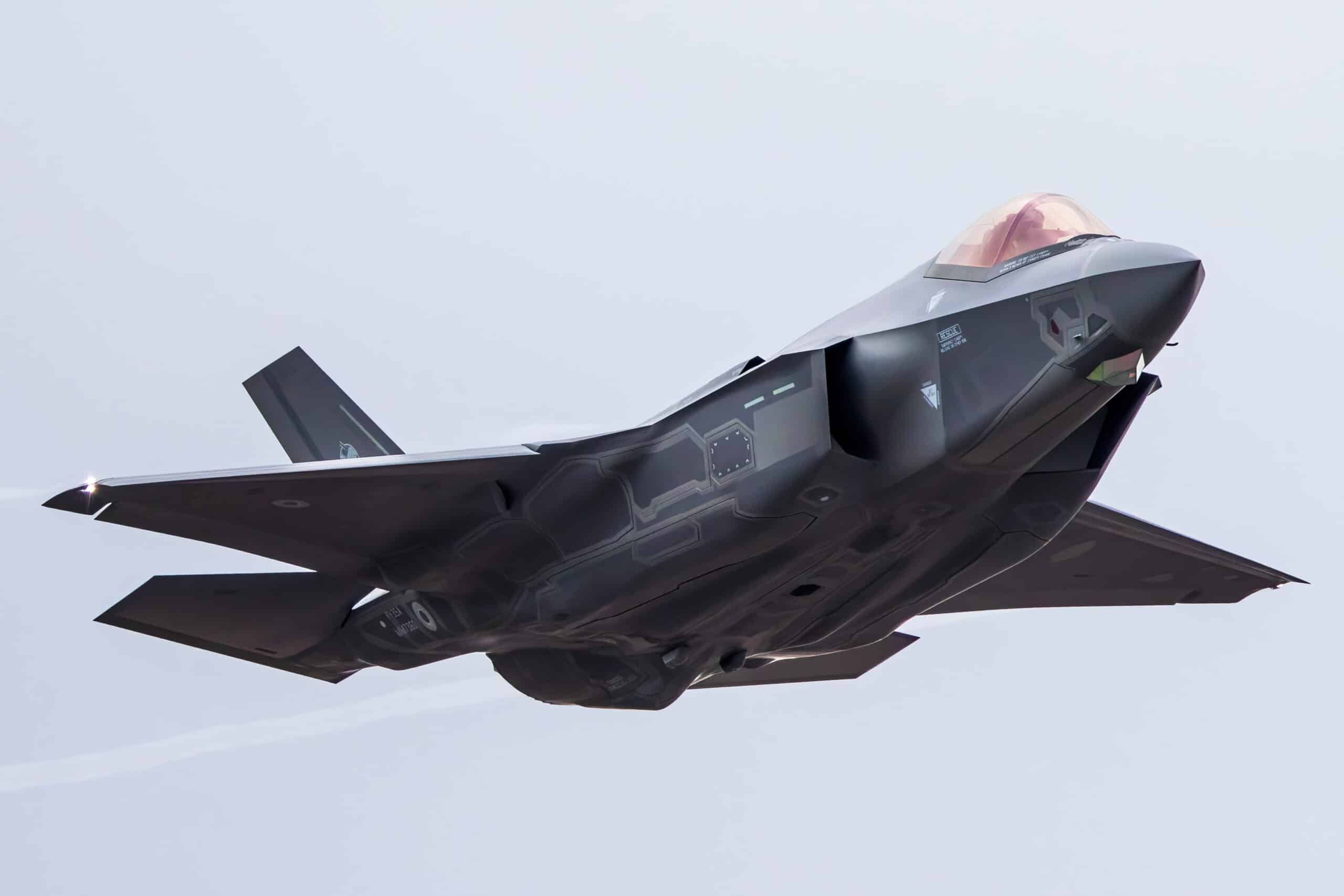
Starting us off is the most expensive military weapon ever devised, the F-35 Joint Strike Fighter Program. When everything is tallied up, from development to procurement and the expected decades of operation and maintenance, you're looking at a total cost of around 1.7 trillion dollars. This is the most expensive defense program ever undertaken by any nation, even accounting across the whole of the United States' history.
That said, the aircraft is a technological marvel. It blends supersonic flight with stealth. The Lightning is a multi-role fighter capable of using conventional runways, aircraft carriers, and short takeoff strips, depending on the variant. Each comes equipped with bleeding-edge sensor fusion systems, giving pilots full awareness of their surroundings, gaining a near-complete view of everything around the aircraft.
F-35 (Continued)
The ballooning cost of the F-35 is the direct result of ambition. During the 1990s, legacy aircraft in the American fleet and its allies were scheduled for replacement. The F-35 was designed with the express purpose of encompassing numerous roles, allowing for a single common platform shared across NATO. Along the way, there have been developmental delays, technological failures, and the complexity introduced from working on multiple variants at the same time.
However, the F-35 has been introduced to air fleets. It currently serves the United States, the United Kingdom, Japan, Israel, and other client states.
Gerald R. Ford-Class Aircraft Carriers
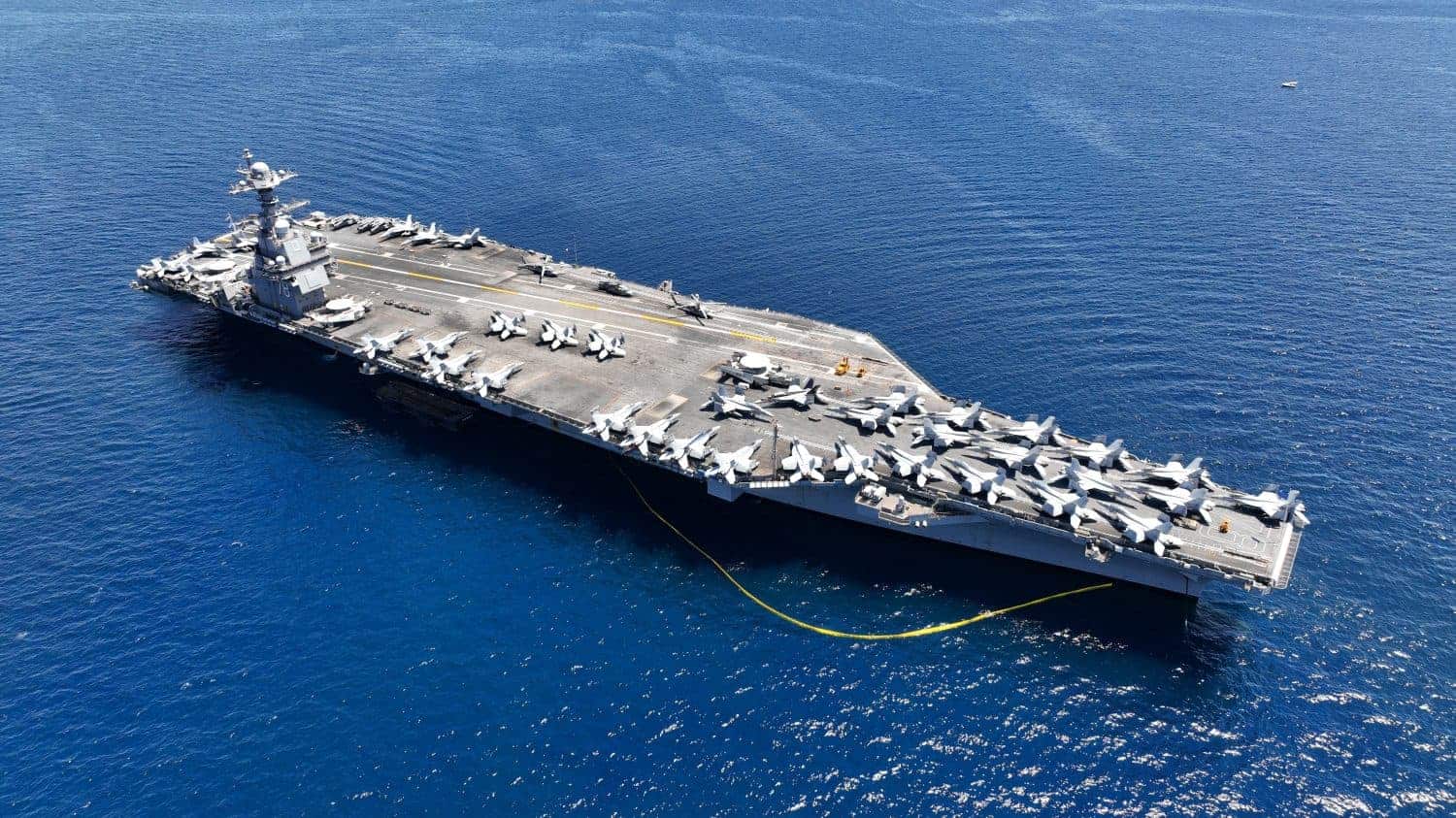
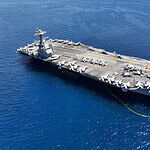
A modern aircraft carrier isn't just a mere military weapon. When you get down to it, these are massive instruments of force projection. Any modern carrier is capable of projecting force across any corner of the world in a matter of days. This is clearly seen in the Gerald R. Ford-class carriers, the most expensive ever built. With a price tag approaching 13 billion dollars per ship, it's the most expensive warship ever built.
The lead ship, the USS Gerald R. Ford, is bristling with bleeding-edge technology. This is part of the near-extortionate costs. It comes equipped with electromagnetic catapults, advanced arresting gear, and a new nuclear reactor design. The ship also comes with a new superstructure design, along with advanced radar systems.
As you might expect, debuting so many new improvements can lead to problems. The Ford-class has been delivered years later than initially expected. However, it is likely to serve the United States Navy well into the next century. The growing pains might be worth the wait.
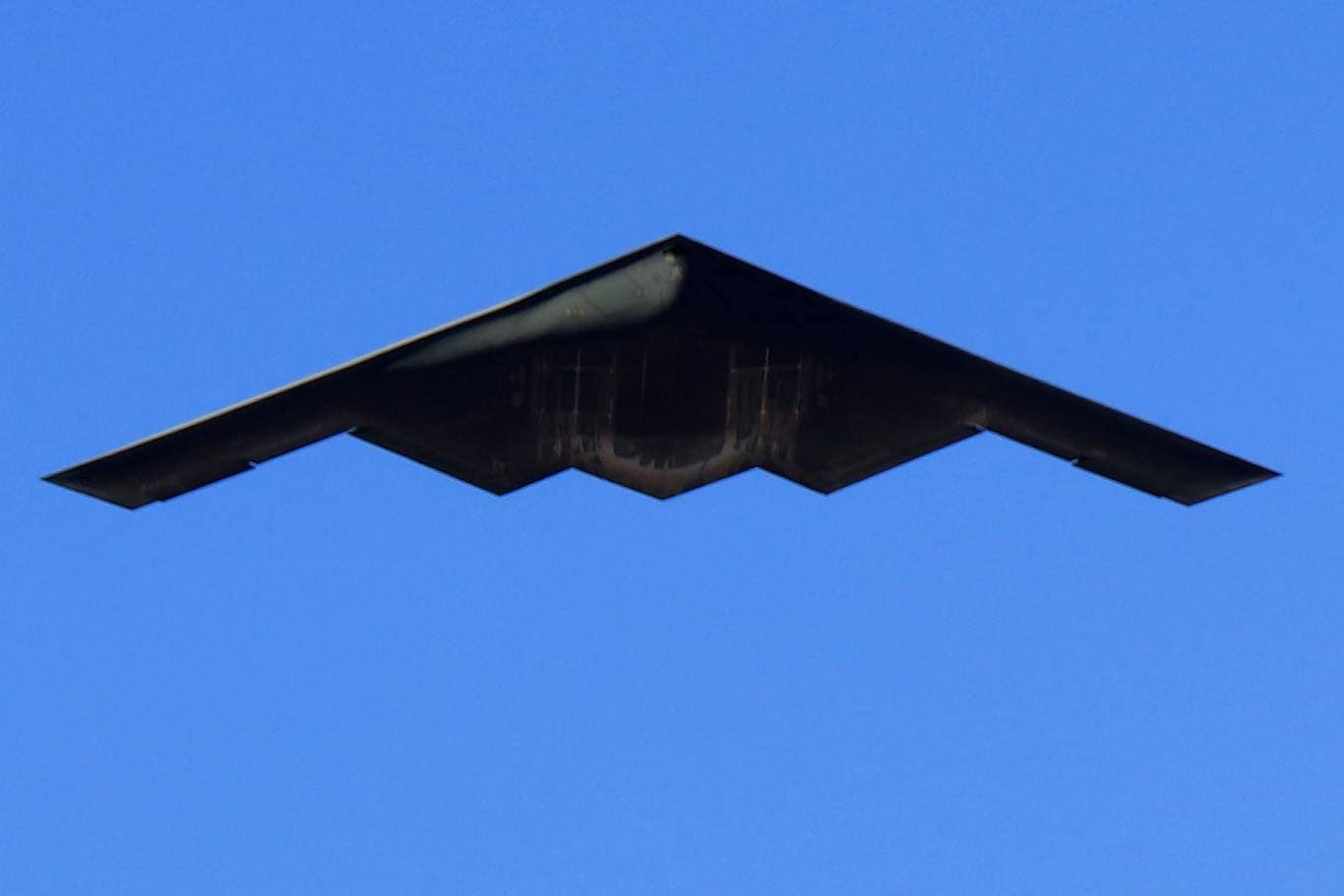
B-2 Spirit Stealth Bombers
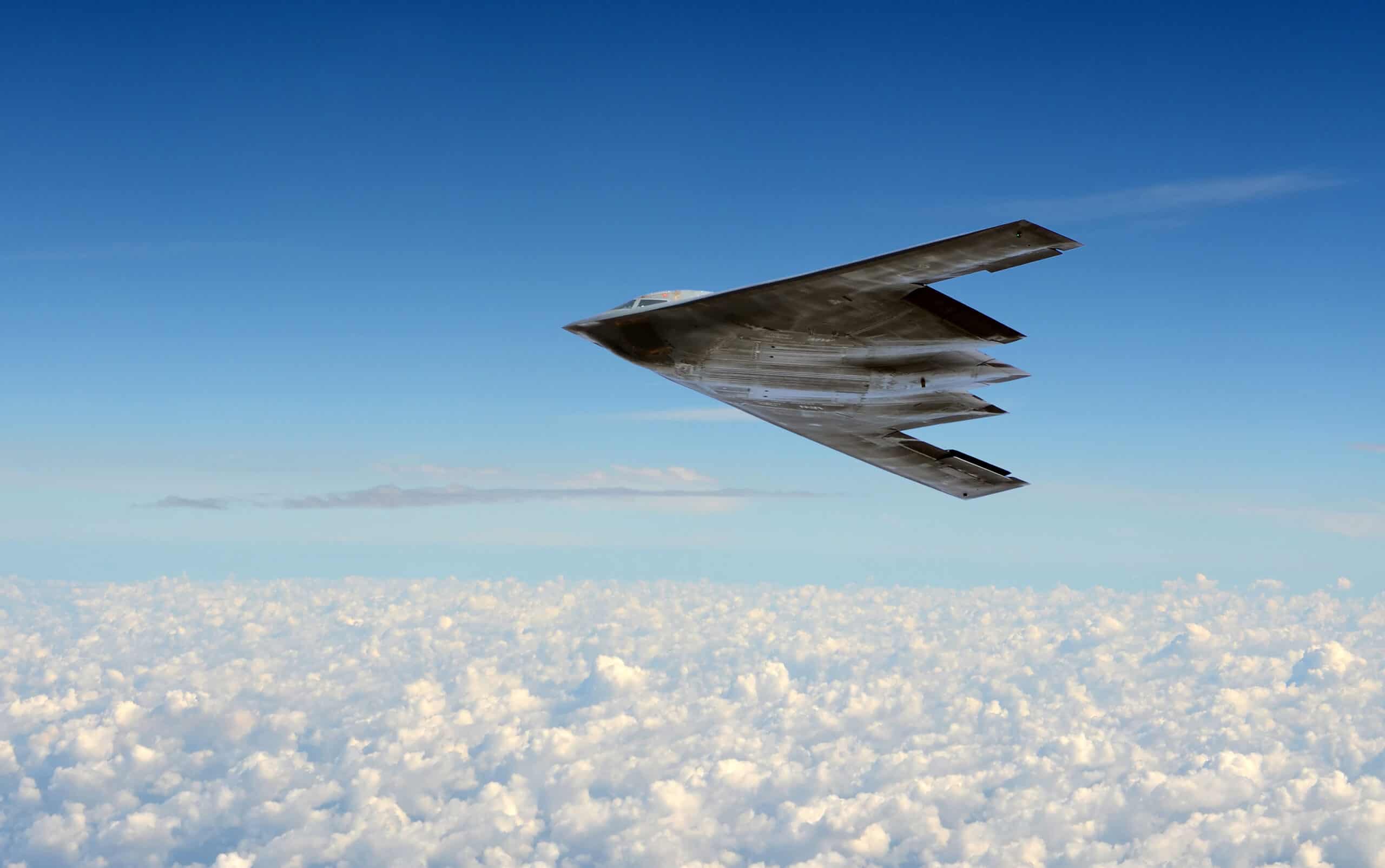
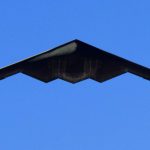
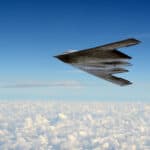
If looking at sheer unit cost, few aircraft are going to match up to the B-2. We can certainly point to the extreme expenses seen with things like naval vessels. Throughout much of history, those have certainly been the most expensive considerations for any military. At a staggering 2.1 billion dollars per aircraft, the B-2 remains the most expensive aircraft ever built.
Originally designed in the final years of the Cold War, the B-2 was intended to penetrate Soviet air defenses and deliver nuclear weapons. The flying wing design, low radar cross-section, and operational payload were a genuine revolution in the burgeoning stealth technology seen in the late 80s and early 90s.
B-2 (Continued)
Its price was driven originally by the cost of the exotic materials and manufacturing processes needed for its radar-absorbent surface. Further costs were driven up by the rather cruel economics at play with the program's cancellation. The B-2 was initially intended to have 132 production aircraft. The post-Cold War drawdown and budget slashes saw the final production number at 21 units. As such, each of these vehicles has an enormous cost associated with it, as economies of scale were never developed.
That cost is still quite high to this day, as each aircraft requires air-controlled hangars, intensive maintenance, and a highly specialized support infrastructure. Flying a B-2 costs 130,000 per hour, something that isn't likely to change anytime soon.
Virginia-Class Submarines
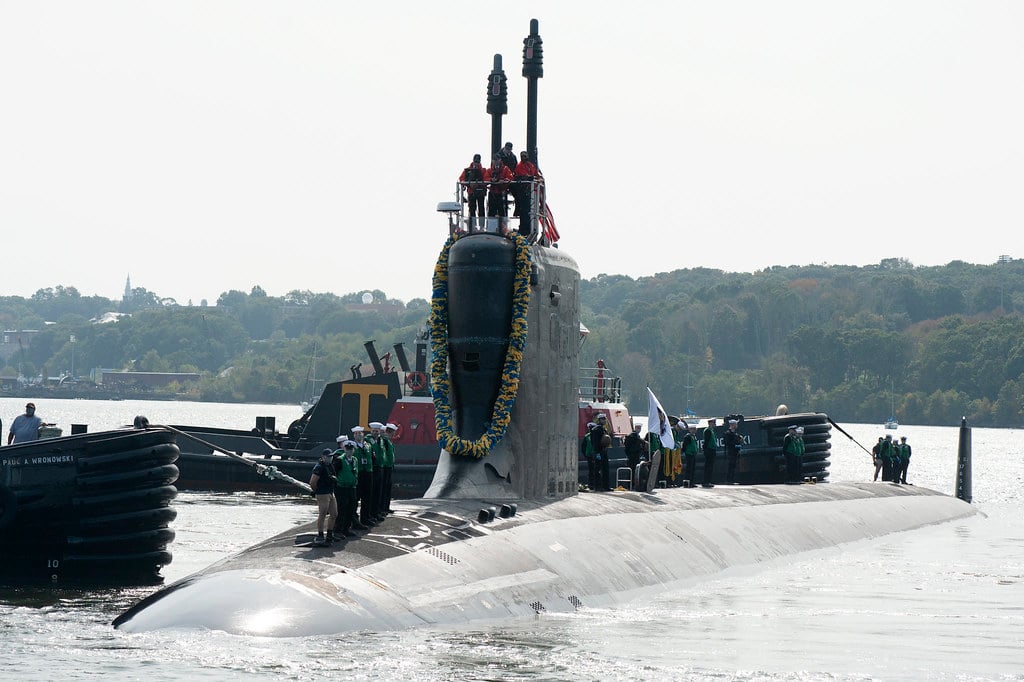
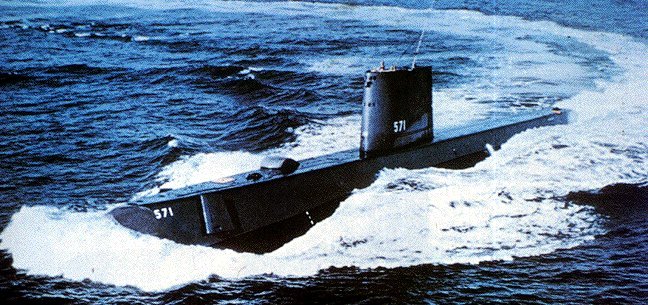
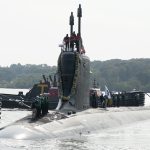
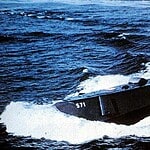
While the Cold War might have officially ended in 1991, an arms race has been taking place underneath the surface of the world's seas. Nuclear-powered attack submarines represent a decisive show of force for any nation. The Virginia-class, with an estimated cost of 3.4 billion dollars per hull, is one of the most advanced to ever be launched. In terms of submarines, the Virginia-class is one of the most expensive ever fielded, but for good reason.
Each of these vessels can operate for months at a time without having to resurface. The crew of around 135 can operate without the need to refuel, making their exact position unknown to antagonistic forces.
Virgina Class (Continued)
Further, these submarines are capable of launching cruise missiles at ground targets, hunting and destroying other enemy naval vessels, conducting special forces insertions, and gathering intelligence.
The Virginia-class is a comprehensive stealth platform that acts as the tip of the United States Navy's spearhead. As both Chinese and Russian submarine activity increases across the world's oceans, this one investment is being conducted to meet rising demand. Further, the Virginia-class is expected to be delivered to the Australian Navy through the AUKUS agreement, making for strategic deployment across the major waterways of the world.
Zumwalt-Class Destroyers
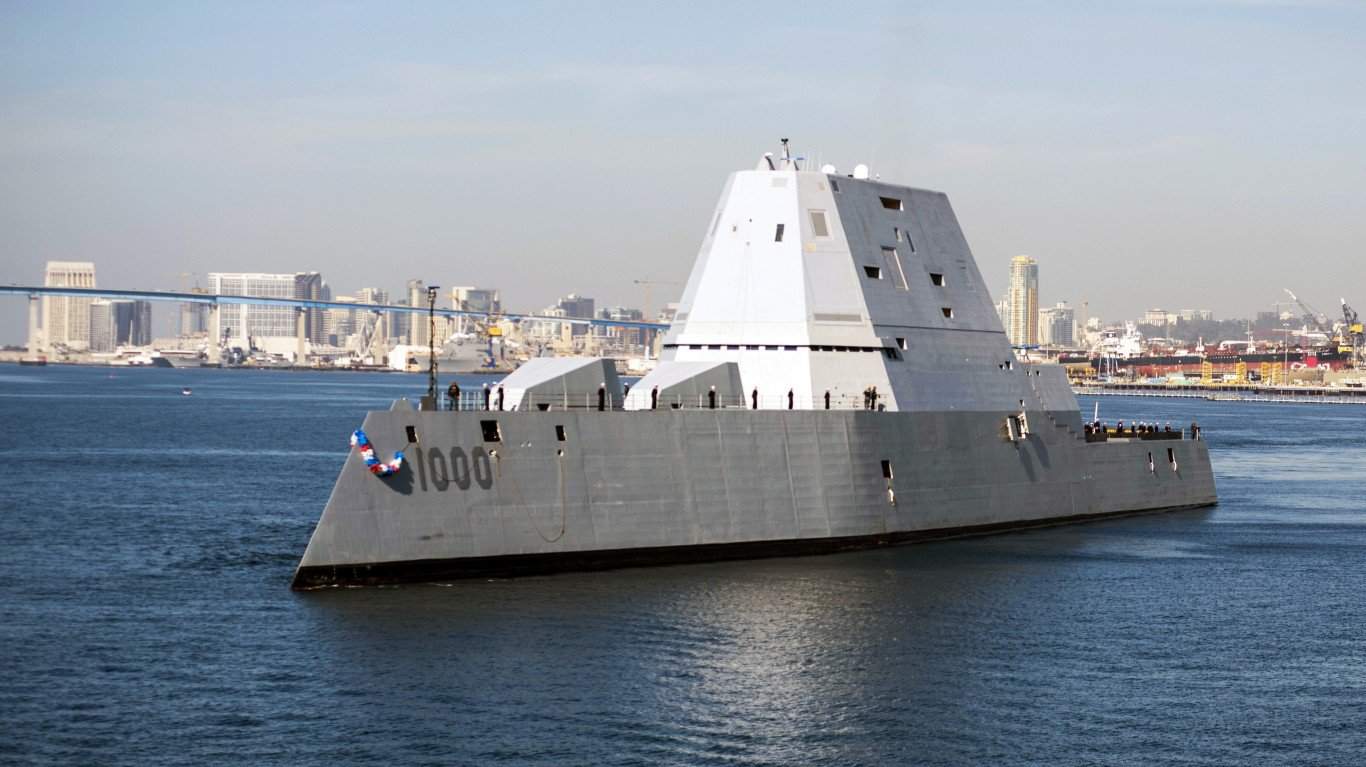
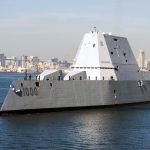
With an estimated cost of around 8.2 billion dollars per ship, the Zumwalt-class destroyer represents the cost of ambition. At the heart of it, the next-generation destroyer was designed for a future that never came. Stealthy, heavily automated, and originally intended to come equipped with an electromagnetic railgun, the Zumwalt-class fell victim to the same sort of program cancellations that saw the B-2's costs spiral out of control.
The destroyer's main gun, the electromagnetic railgun, had a staggering cost of around 1 million dollars per round, making it far too expensive for common use. A planned production run of 32 ships was cut to 3. As we touched upon with the B-2, there was no time to develop economies of scale, so production bore the brunt of the highly expensive handful of vessels produced.
However, it isn't all lost for the Zumwalt-class, as the handful of ships in the United States Navy fleet are being converted to use hypersonic missiles. The railgun was the product of early 21st-century thinking, before the ubiquity and cost-reduction of things like anti-ship missiles. As a missile boat, the Zumwalt-class's advanced technology will make it a force to be reckoned with. That said, you can't help but wonder if the enormous expenditure for each of these vessels could have been spent elsewhere.
The image featured at the top of this post is ©U.S. Air Force photo by Samuel King Jr. / CC0 – License / Original