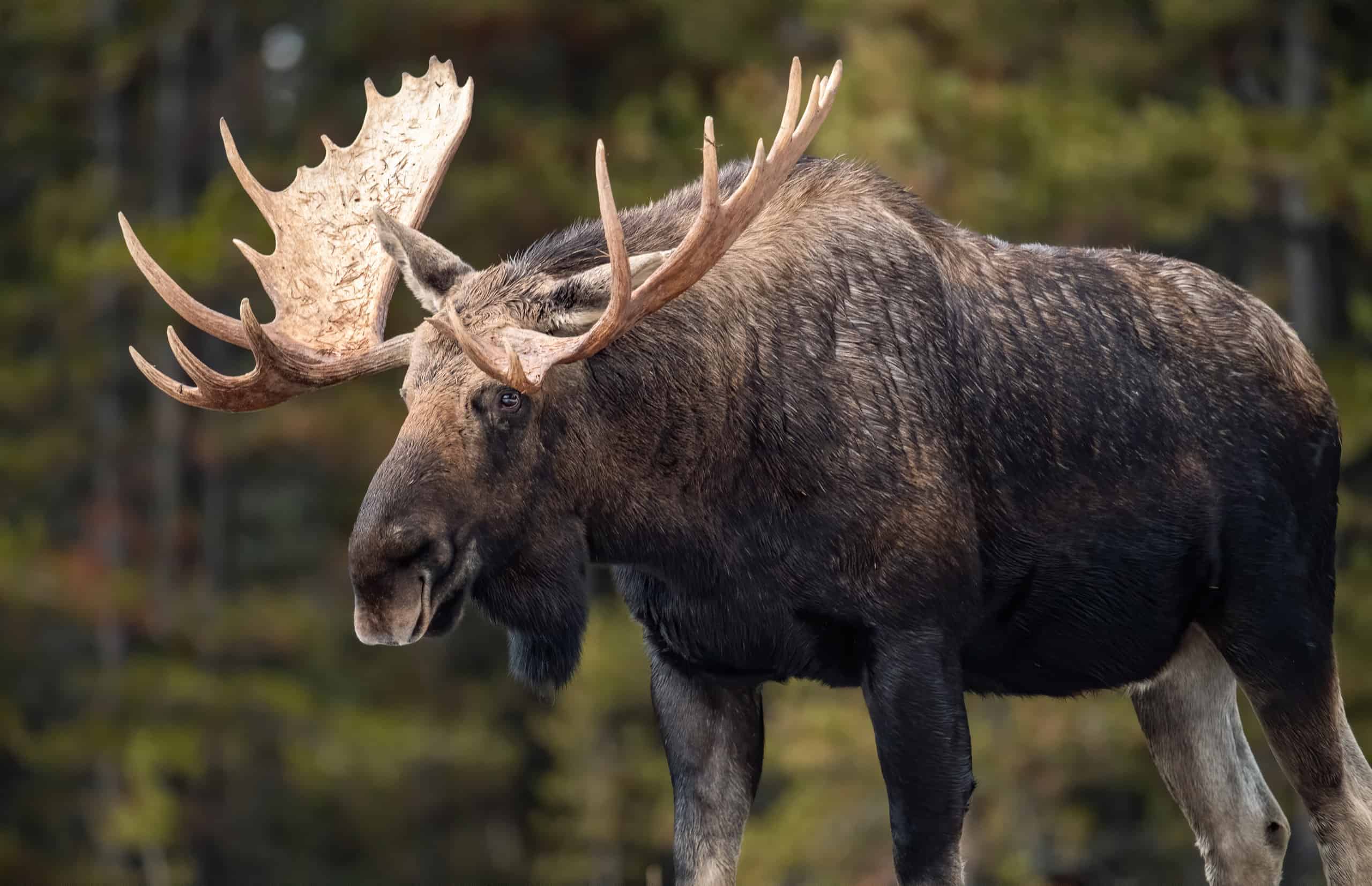

Moose hunting is legal in more of the United States than many people realize, but access is anything but simple. Only 12 states currently offer regulated seasons, and most tags are distributed through lotteries, limited drawings, or special permits. Here is where moose hunting is allowed and what makes each state’s system different for applicants.
Before You Apply for a Moose Hunt
Moose hunting regulations can change from one season to the next, including tag numbers, hunt boundaries, legal animals, weapon rules, reporting deadlines, and residency restrictions. In nearly every state on this list, a standard hunting license is not enough by itself. Hunters generally need a species-specific permit awarded through a lottery, limited draw, raffle, auction, or controlled-hunt system. Some states also impose lifetime limits or long waiting periods after a successful hunt. Applicants should always review the current state wildlife agency guidebook and confirm unit-specific rules before buying travel, lodging, or equipment.
Alaska

Alaska offers the broadest range of moose-hunting opportunities in the country and supports the largest moose found in North America. Depending on the game management unit, hunters may encounter general-season harvest tickets, registration hunts, drawing permits, targeted hunts, or subsistence programs. Some opportunities are open to nonresidents, while others are reserved for qualifying Alaska residents. Legal-animal rules can vary sharply by area, including antler width, brow-tine counts, or bull-only restrictions. Because the state is so large, season dates and access conditions differ widely, making careful unit-level planning essential.
Maine
Maine has the largest moose population in the Lower 48 and one of the nation’s most competitive permit systems. A hunter cannot simply purchase a tag over the counter. Most permits are issued through an annual lottery, with additional opportunities distributed through auctions and designated hunting-lodge allocations. Maine issued 3,705 permits through its 2026 lottery, and at least 90 percent of permits are generally reserved for residents. Hunters apply by wildlife management district, season, and permit type. A successful permit holder may name a subpermittee, but the pair shares a single-moose bag limit. The state also divides opportunities among bull and antlerless permits.
New Hampshire
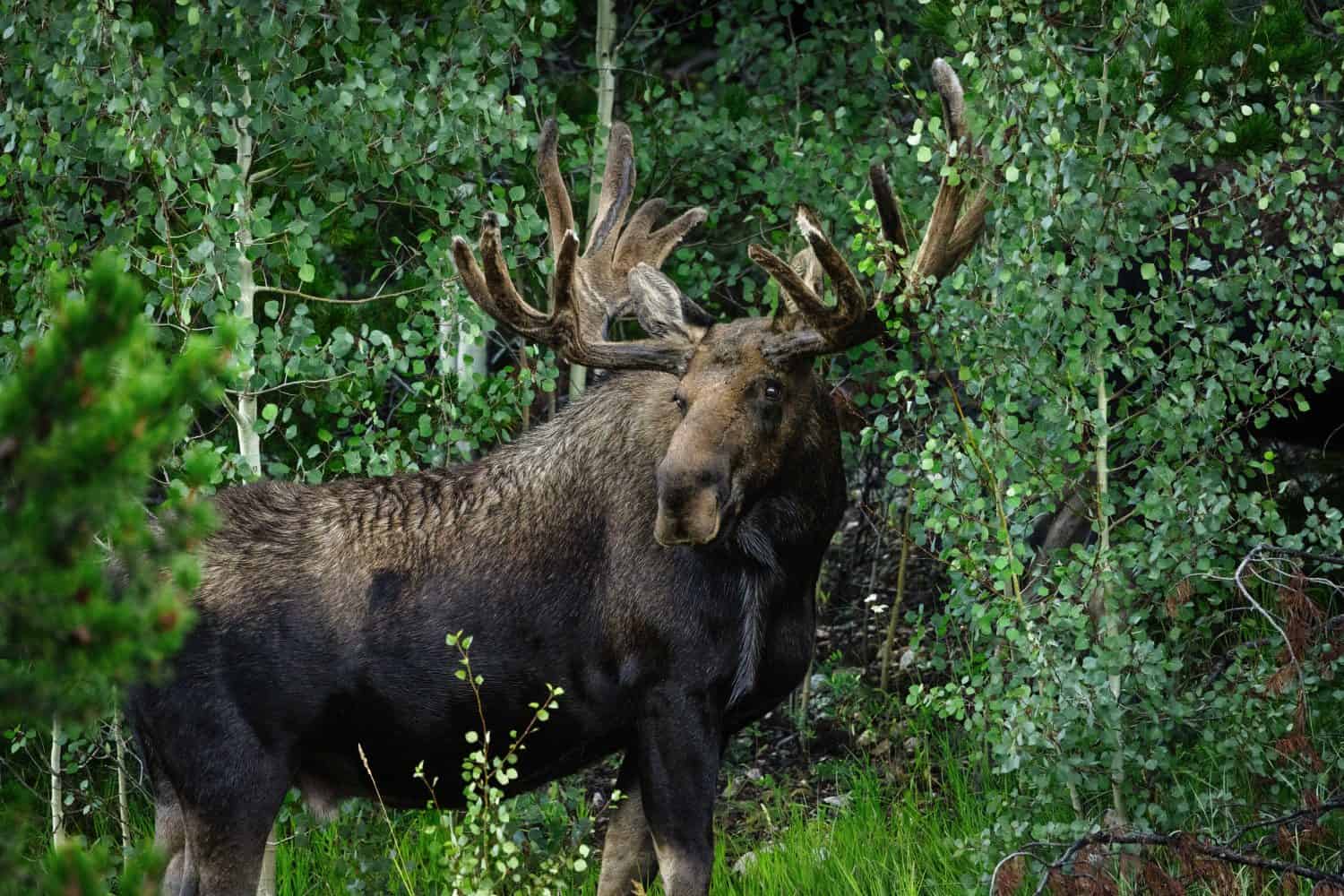
New Hampshire’s moose season is brief, closely managed, and restricted to hunters who draw a permit for a specific wildlife management unit. The 2026 season runs for nine consecutive days, from October 17 through October 25. Applicants are selected through a computerized lottery, and unsuccessful applicants can build bonus points that improve their odds in later drawings. Permit numbers remain limited because the state manages harvest carefully around population conditions, habitat, and winter-tick pressure. Successful hunters must carry the required license and permit, hunt only within the assigned unit, and register the animal after harvest.
Washington
Washington allows moose hunting only through highly limited special permits rather than a general season. Most opportunities are concentrated in the northeastern part of the state, where Washington’s moose population is strongest. The Department of Fish and Wildlife issues a small number of drawing permits for designated hunt areas, seasons, and legal-animal categories. A standard big-game license and moose tag are required before applying. Washington treats its drawn “any moose” opportunity as a once-in-a-lifetime harvest for most hunters, although separate auction and raffle rules can create exceptions. Drawing odds are typically difficult because demand greatly exceeds permit supply.
Idaho

Idaho manages moose as a controlled-hunt species, so hunters must apply for a limited tag tied to a specific hunt area and season. Both residents and nonresidents may apply, although nonresident participation is capped. Idaho’s lifetime rules are unusual: a hunter may legally harvest one antlered moose and one antlerless moose during a lifetime, provided the proper tags are drawn. Leftover tags can occasionally create another chance through a late drawing, but those opportunities are rare. Idaho also offers a small number of Super Hunt tags. Because moose numbers vary by region, tag levels and hunt boundaries are adjusted as managers respond to population trends.
Montana
Montana offers tightly controlled moose hunting for the Shiras subspecies found across parts of the state’s western mountains and river valleys. Hunters generally apply for a limited license through the annual drawing and select a specific hunting district. Residents and nonresidents can pursue permits, but the number available is small compared with demand, making many districts extremely difficult to draw. Montana also offers moose opportunities through its SuperTag lottery and certain special programs. Season dates, legal-animal rules, and district boundaries can differ, so applicants must match the license to the correct area. Harvest reporting and inspection requirements may also apply.
Wyoming

Wyoming distributes moose licenses by hunt area, season, and license type, with separate drawings for residents and nonresidents. State law allocates 90 percent of available licenses to residents and 10 percent to nonresidents. Bull or any-moose licenses are generally much harder to draw than cow or calf opportunities. Wyoming’s Type 1 moose license is considered once in a lifetime, while hunters who receive a Type 4 cow or calf license must wait five years before receiving another Type 4 license. Preference points can improve drawing position over time, but even applicants with many points may face long odds in the state’s most desirable Shiras moose areas.
Colorado
Colorado’s moose hunt is entirely limited-entry, with every license distributed through the primary draw. The state’s Shiras moose population has expanded well beyond the northern parks where animals were first established, creating hunting opportunities across several mountain regions. Applicants choose specific hunt codes based on unit, season, sex, and method of take. Colorado now enforces a lifetime bag limit of one antlered moose. Anyone who has harvested a bull may not later apply for another antlered or either-sex license, apart from narrow exceptions such as certain auction or raffle tags. Preference points matter, and many premier hunts require years of applications.
Nevada
Nevada is the newest and smallest moose-hunting destination on this list. The state approved its first modern moose season after animals naturally expanded into northeastern Nevada from neighboring populations. Opportunities remain extraordinarily limited. For 2026, wildlife officials recommended only three antlered moose tags for the combined Area 6, 7, 8, and 10 management region, reflecting a population estimated at roughly 130 adults. The hunt is managed through Nevada’s big-game drawing system, and the limit is one animal per tag. With so few licenses and a young population, applicants should expect difficult odds and closely monitored seasons that may change as biologists gather more data.
North Dakota

North Dakota offers a resident-only moose lottery and treats a successful license as a once-in-a-lifetime opportunity. The state authorized 296 moose licenses for the 2026 season, with permits distributed across designated units and license types. Applicants must meet North Dakota residency requirements and apply before the annual lottery deadline. Because a person who receives a moose license cannot enter the lottery for that species again, drawing a tag carries unusual importance. The state’s moose range is strongest in northern and western areas, although animals also occur elsewhere. Hunters must follow unit boundaries, season dates, identification rules, and mandatory reporting requirements.
Utah
Utah classifies bull moose permits as once-in-a-lifetime big-game permits. Hunters apply through the state drawing, use species-specific bonus points, and select limited-entry units with established season dates and weapon types. Receiving a bull moose permit through the drawing ends future eligibility for that permit category, even if the hunter does not ultimately harvest an animal. Utah separately offers antlerless moose permits when biologists determine that local population control is needed. Those hunts follow a different application guidebook and are not treated exactly like bull permits. Harvest reporting is mandatory, and applicants should consult the current hunt planner for boundaries and unit conditions.
Vermont
Vermont continues to allow moose hunting, but the opportunity is confined to a small portion of the state and is designed primarily as a population-management tool. For 2026, the Fish and Wildlife Board approved 85 permits in Wildlife Management Unit E in the northeastern corner of Vermont. The allocation includes 65 either-sex permits and 20 antlerless permits. Officials use the hunt to reduce moose density and lessen the effects of winter ticks, which can severely weaken animals. Permits are awarded through a lottery, and both residents and nonresidents may apply. No regular moose permits are offered in the rest of the state because populations remain below management thresholds.
The image featured at the top of this post is ©Harry Collins Photography/Shutterstock.com