



33 Iconic Weapons That Defined World War II
World War II accelerated weapons development on a scale the world had never seen. Although the Axis powers scored dramatic early victories, their success was not based on technology alone. Training, tactics, preparation, surprise, and operational coordination were equally important. As the war continued, the Allies gained the advantage by combining increasingly capable weapons with overwhelming industrial production.
Every major combatant produced weapons that became closely associated with the conflict. Germany fielded the Panther tank, Messerschmitt Bf 109 fighter, MG 42 machine gun, 88mm gun, and a formidable U-boat fleet. Some were technically advanced, while others earned their reputations through widespread use, battlefield effectiveness, or the fear they inspired.
The Soviet Union answered Germany’s 1941 invasion with weapons designed for brutal conditions and mass production. The T-34 tank, Katyusha rocket launcher, and PPSh-41 submachine gun became symbols of the Red Army’s recovery and eventual drive toward Berlin.
Meanwhile, the United States transformed its enormous industrial capacity into what President Franklin D. Roosevelt called the “Arsenal of Democracy.” American factories produced tens of thousands of M4 Sherman tanks, P-51 Mustang fighters, B-17 Flying Fortress bombers, M1 Garand rifles, and other weapons used across multiple theaters.
Britain’s Hurricane and Spitfire helped defeat the Luftwaffe during the Battle of Britain, while Japan’s agile Mitsubishi A6M Zero initially outperformed many Allied fighters in the Pacific. From rifles and machine guns to tanks, aircraft, warships, and artillery, these 33 iconic weapons helped define how World War II was fought—and how it is remembered today.
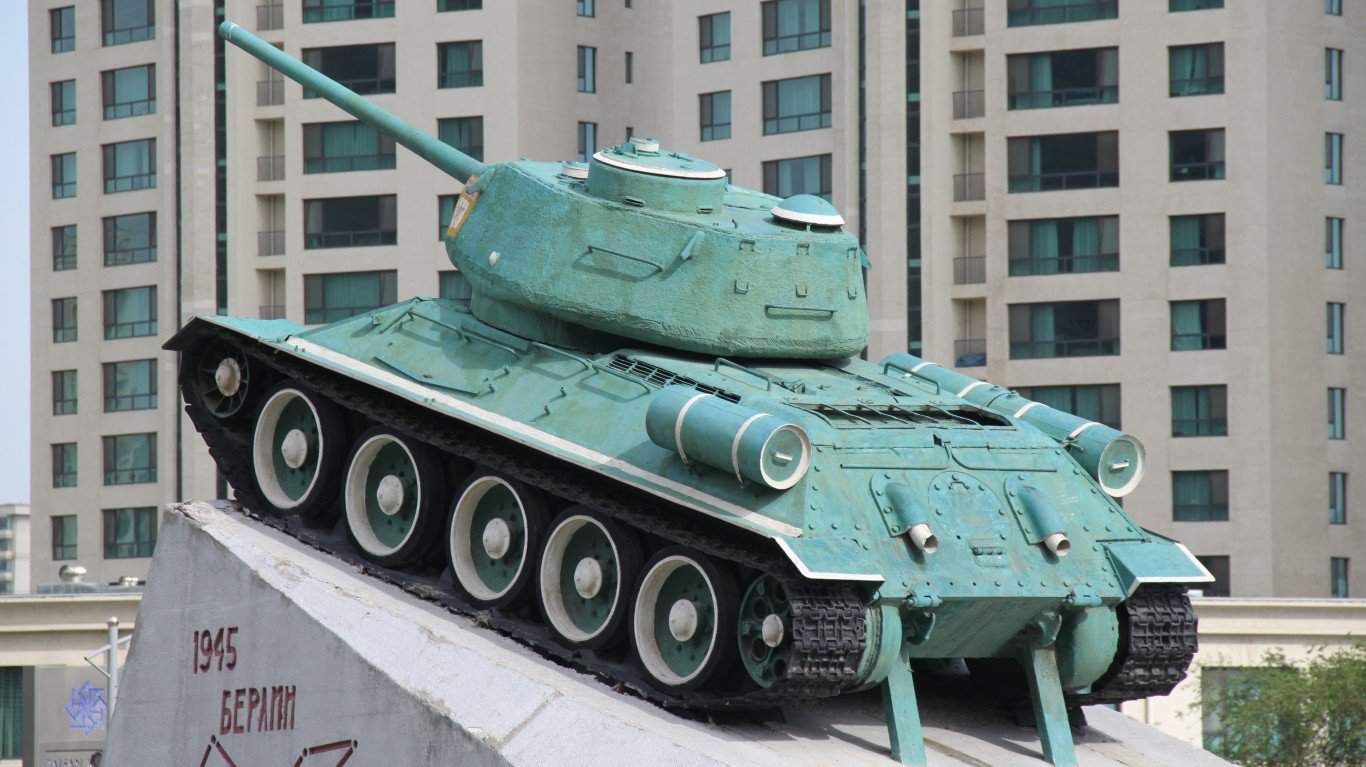
T-34 tank
Used by: Soviet Union
The T-34, popularly known as the "Stalin tank," was a heavily armored Soviet workhorse used extensively during World War II. Its effectiveness in the Battle of Kursk in 1943 earned it its reputation as an unstoppable force. A perfect blend of mobility, firepower, and armor, it was the scourge of Nazi Germany and a cornerstone of the Soviet victory.
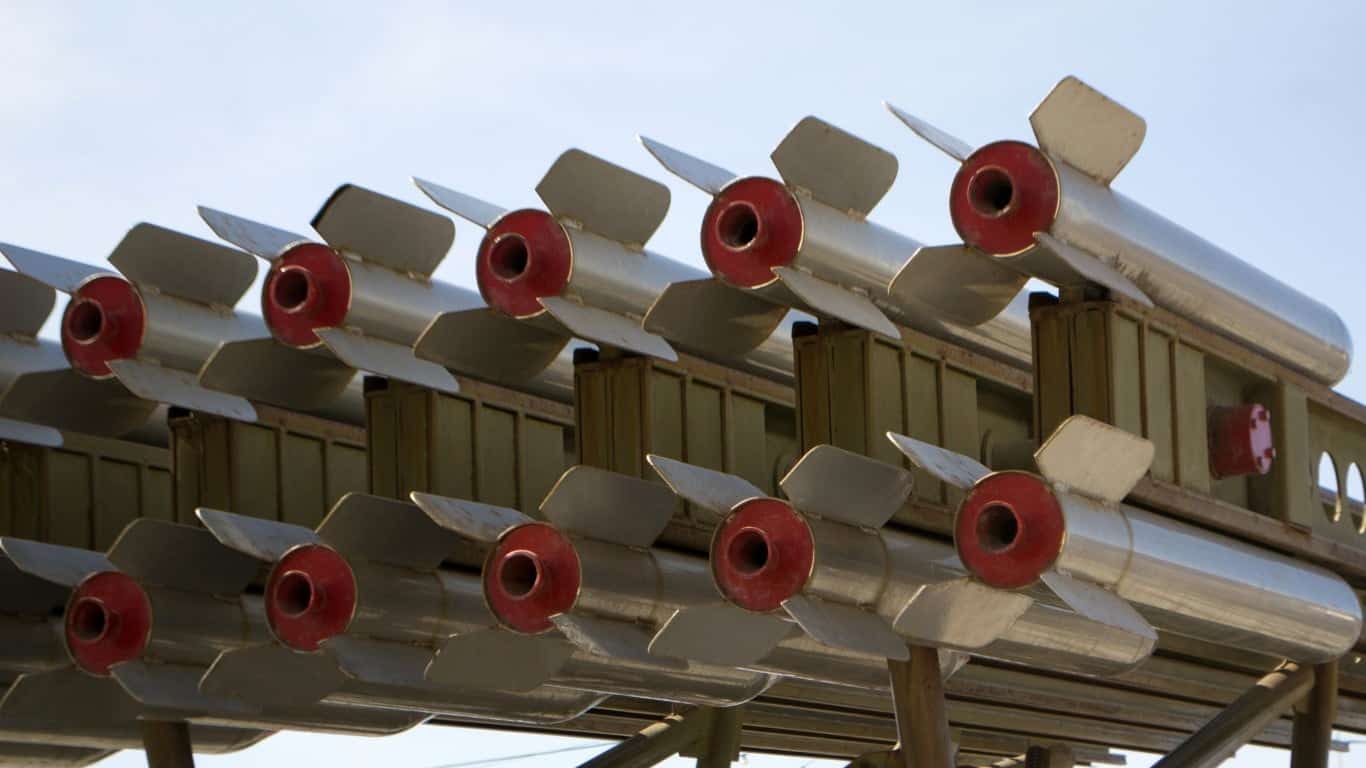
Katyusha rocket launcher
Used by: Soviet Union
The Katyusha rocket launcher was a multiple-rocket launcher, nicknamed "Stalin's Organ" because of the shrill sound it made in flight. It was highly mobile and could launch up to 16 rockets in a single salvo. Widely used in the siege of Berlin and other battles, over 500,000 Katyushas were produced during the war. Its rapid fire and destructive power made it a feared weapon of the time, though it was relatively fragile, took a long time to load, and was less accurate than conventional rocket launchers.
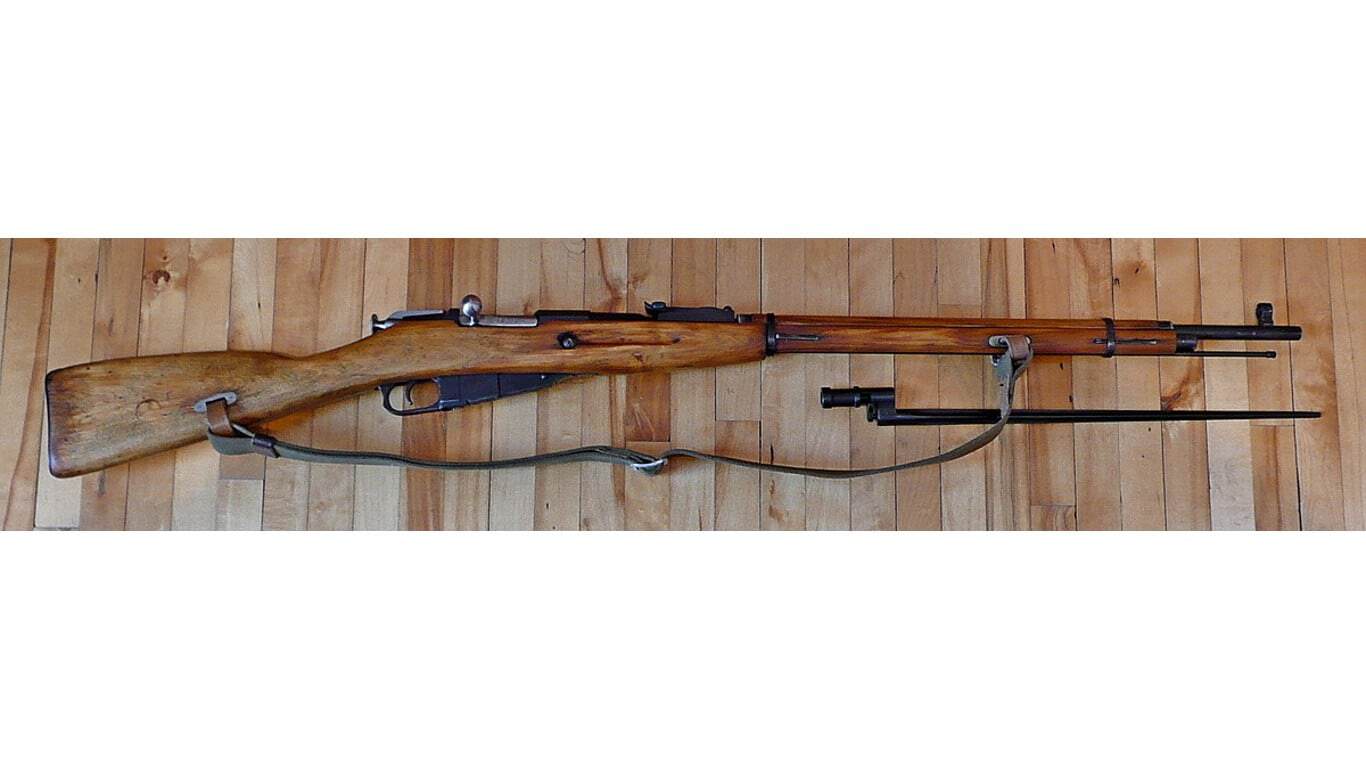
Mosin-Nagant Model 1891 rifle
Used by: Soviet Union
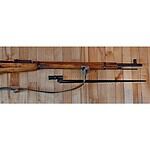
The Mosin-Nagant Model 1891 rifle, nicknamed the "Three-Line Rifle" by the Soviets, was the primary firearm used by the Soviet Union in World War II. More than 37 million were made between 1891 and 1967, and the rifle was highly popular among soldiers due to its rugged nature and long-range accuracy. It saw extensive use in the Battle of Stalingrad, where its effectiveness in close-quarters combat earned it a reputation as a formidable weapon.
PPSh-41 submachine gun
Used by: Soviet Union
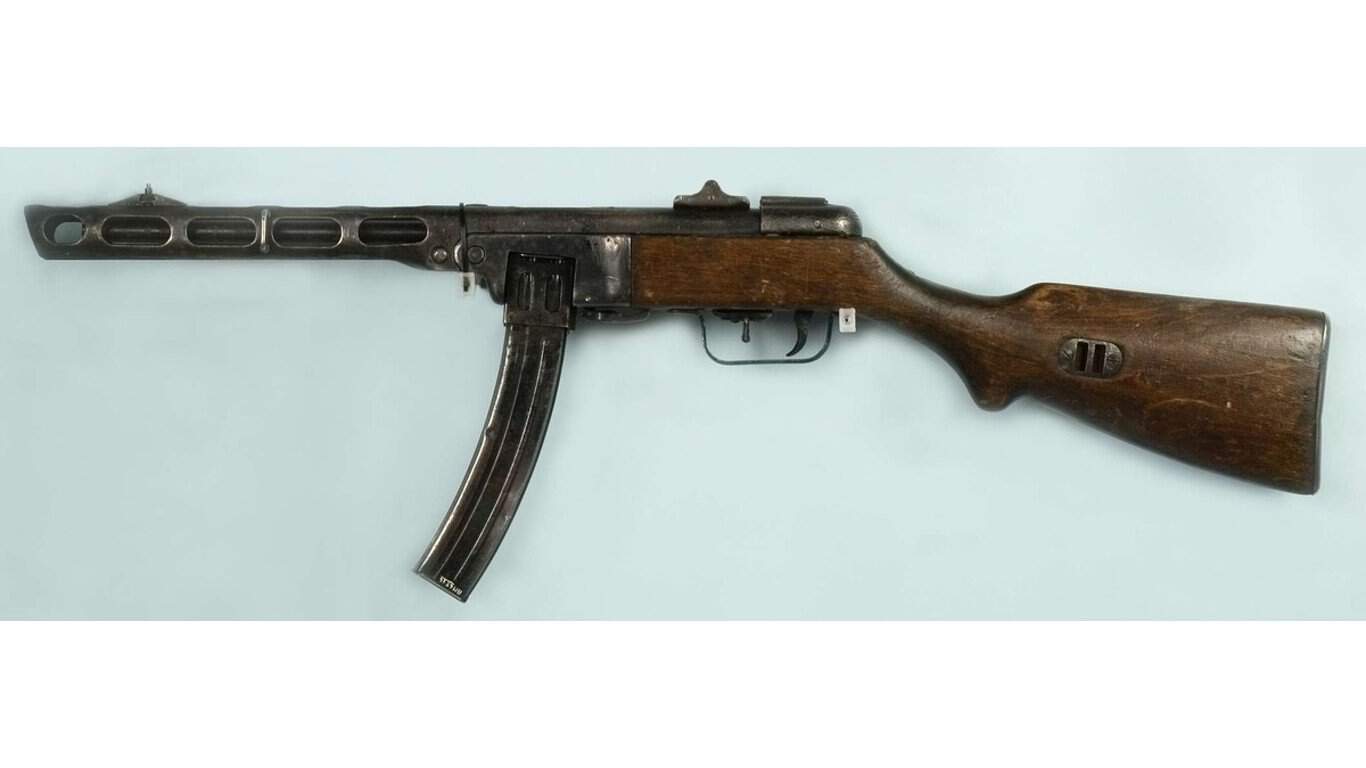
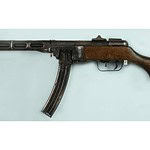
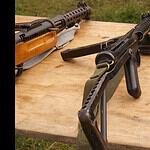
The PPSh-41 submachine gun was one of the most widely produced submachine guns in history, with more than 6.5 million units made. Nicknamed the "Burp Gun" due to its distinctive sound, the PPSh-41 was a favorite of the Soviet infantry, famously seeing action in the Battle of Stalingrad. This compact and reliable gun was known for its high rate of fire and large magazine capacity. Though it was phased out after WWII, it is still used today in regional conflicts around the world.
Panzer VI Tiger tank
Used by: Nazi Germany
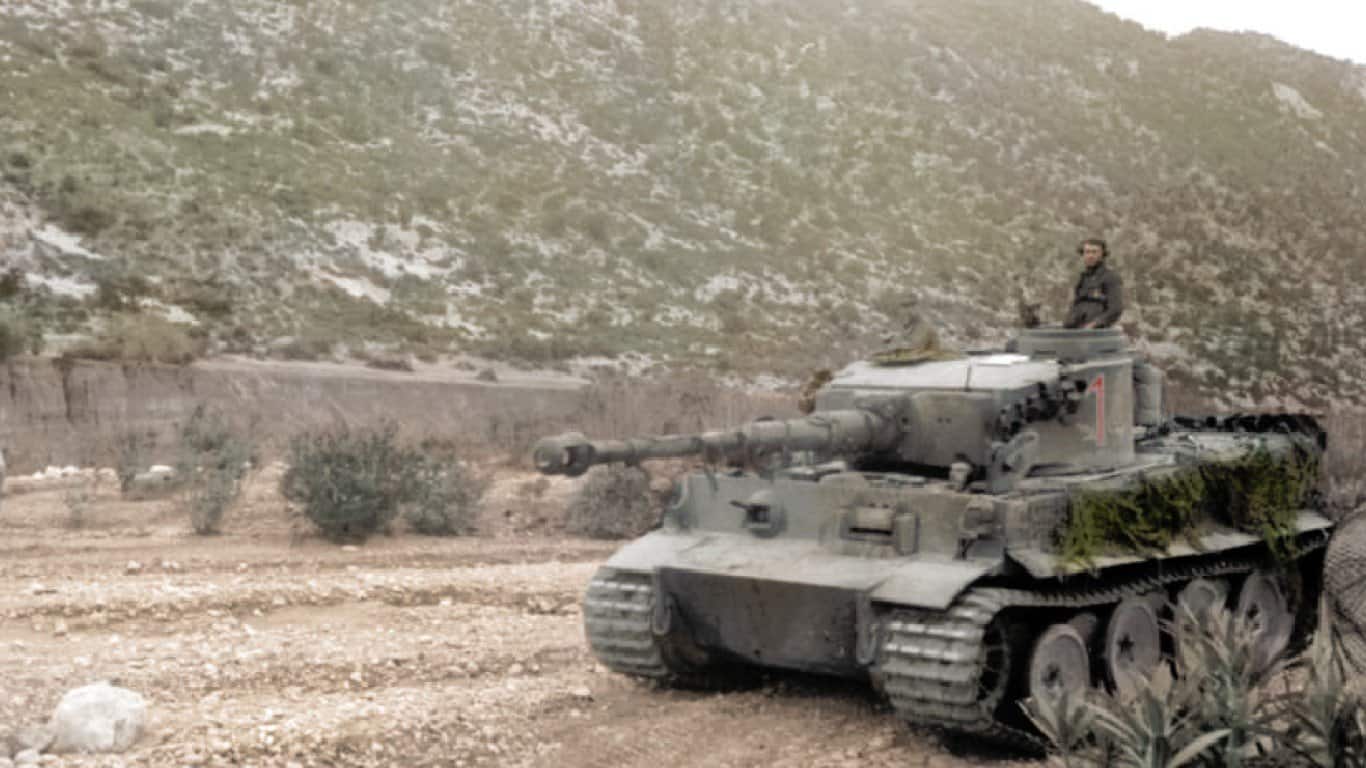
Nicknamed the "King Tiger" and "Royal Tiger," the Panzer VI Tiger was used by German forces to devastating effect. Production statistics show more than 1,400 units were made, with 500 sent to the Eastern Front, where it successfully engaged the T-34 and KV-1 tanks of the Soviets. It was highly popular, even becoming a symbol of German military might.
Panther IV and V tanks
Used by: Nazi Germany
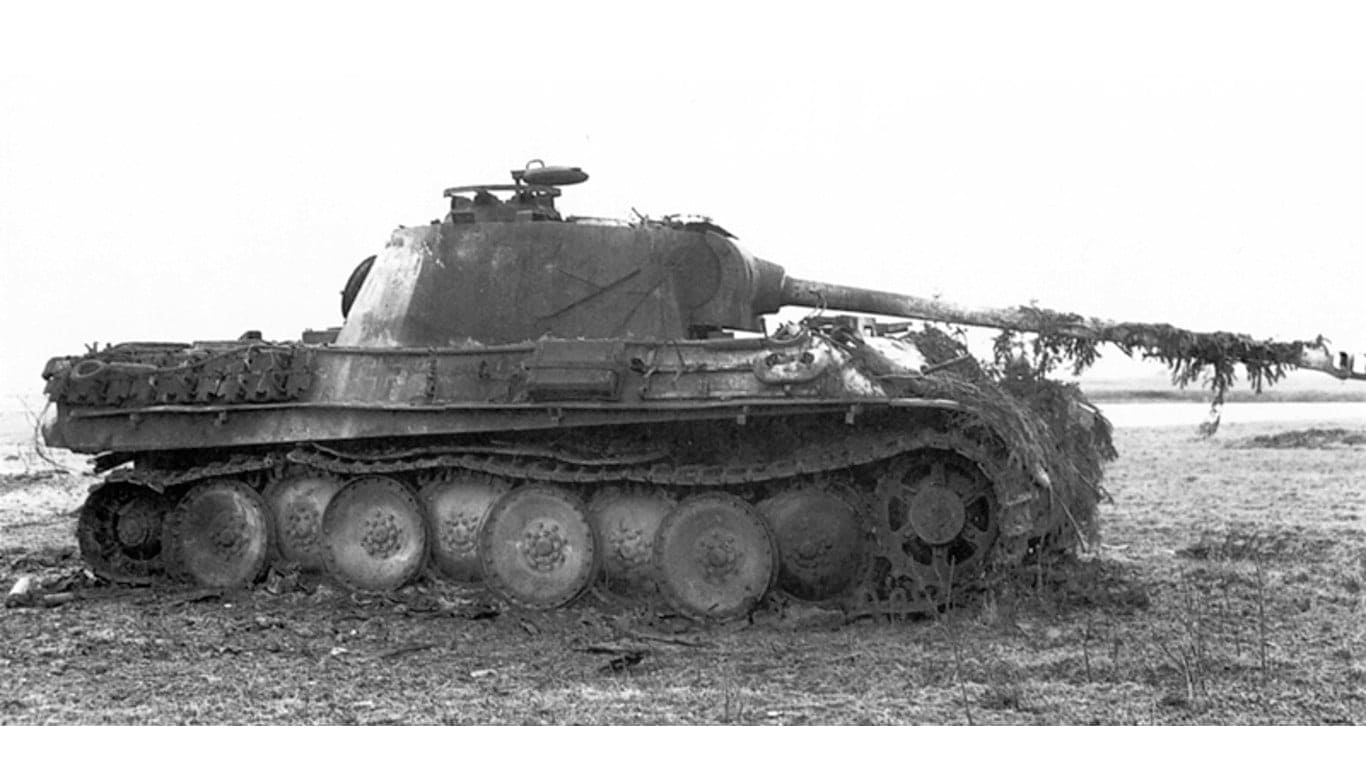
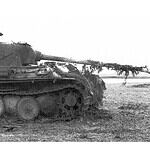
The Panther IV and V tanks, nicknamed "the Cat" and "the Panther", respectively, were among the most popular and successful German tanks, with thousands produced. The Panther IV was especially notable for its performance at the Battle of Kursk; the Panther V was a later model with improved armor and firepower. Together, they formed an integral part of the Nazi war effort.
Messerschmitt Bf 109 fighter aircraft
Used by: Nazi Germany
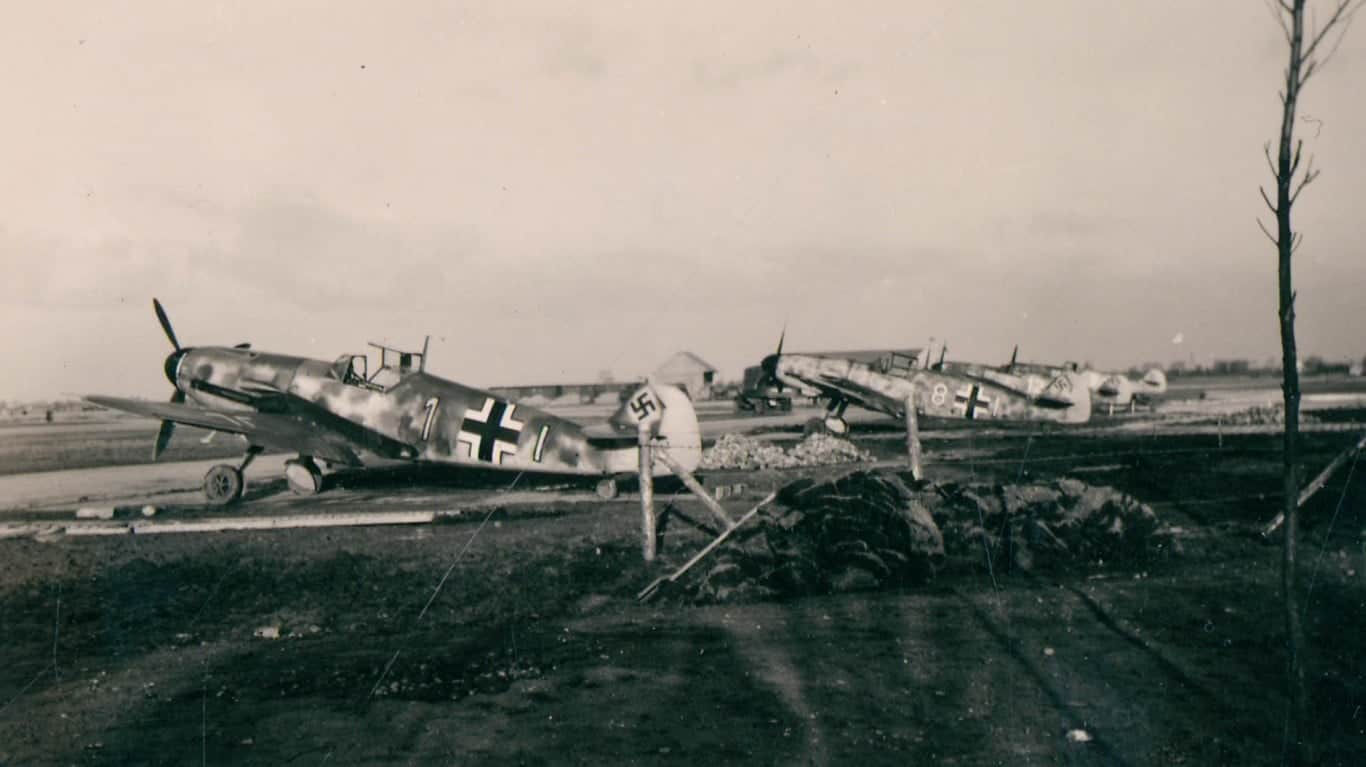
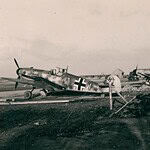
The Messerschmitt Bf 109 was the most widely produced fighter aircraft not only of the war but of all time, with more than 34,000 manufactured. Commonly referred to as the "Me 109", it was one of the first true modern fighters and saw action in every theater of the conflict, including the Battle of Britain. Its speed and maneuverability made it a formidable opponent and earned it a place alongside the Focke-Wulf Fw 190 at the heart of Germany's fearsome aerial war effort.
MG-42 machine gun
Used by: Nazi Germany
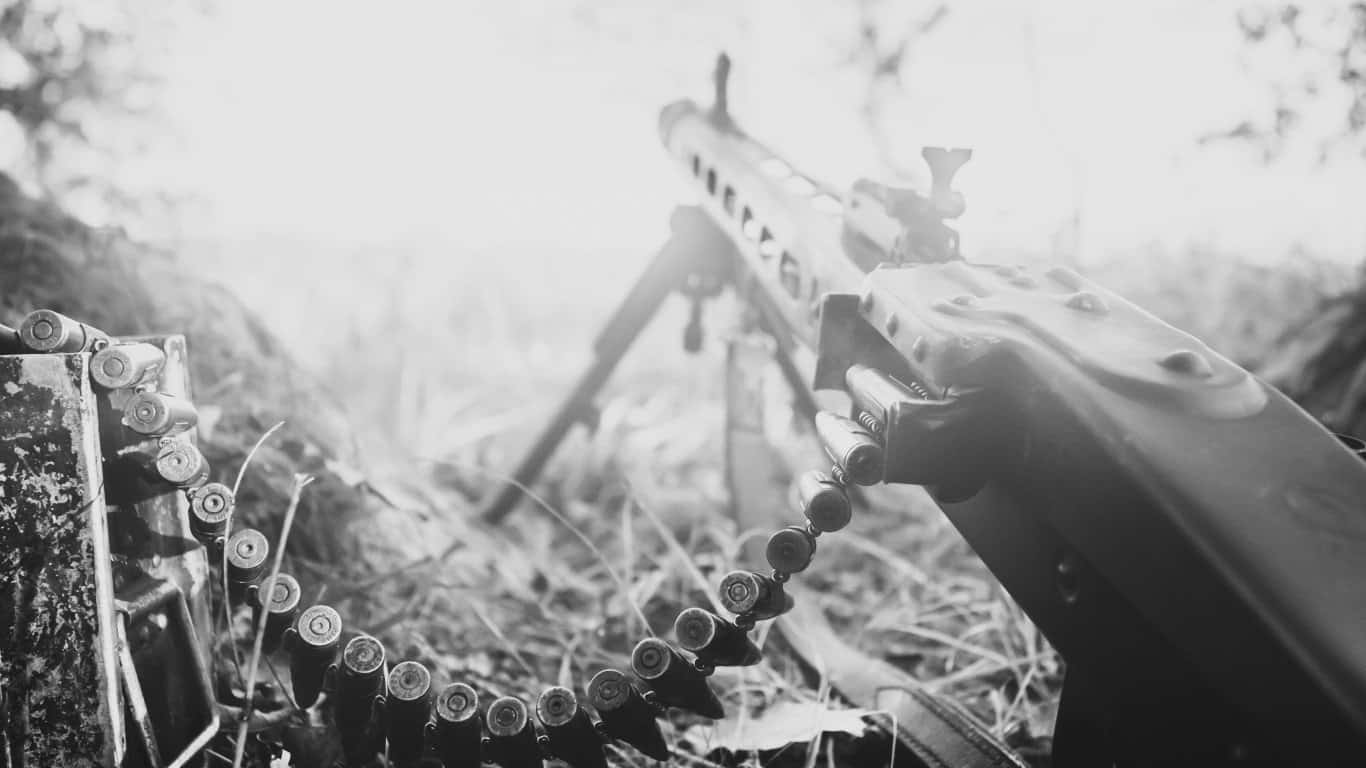
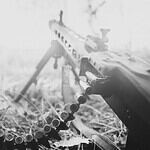
The MG-42 was a revolutionary machine gun, often referred to as "Hitler's Buzzsaw'," that was very accurate and had an incredibly high rate of fire at up to 1,200 rounds per minute. Production of the weapon began in 1942, and some 400,000-plus were built before the war's end. It was a popular weapon among troops, and used on both the Eastern and Western Fronts.
U-Boat submarine
Used by: Nazi Germany
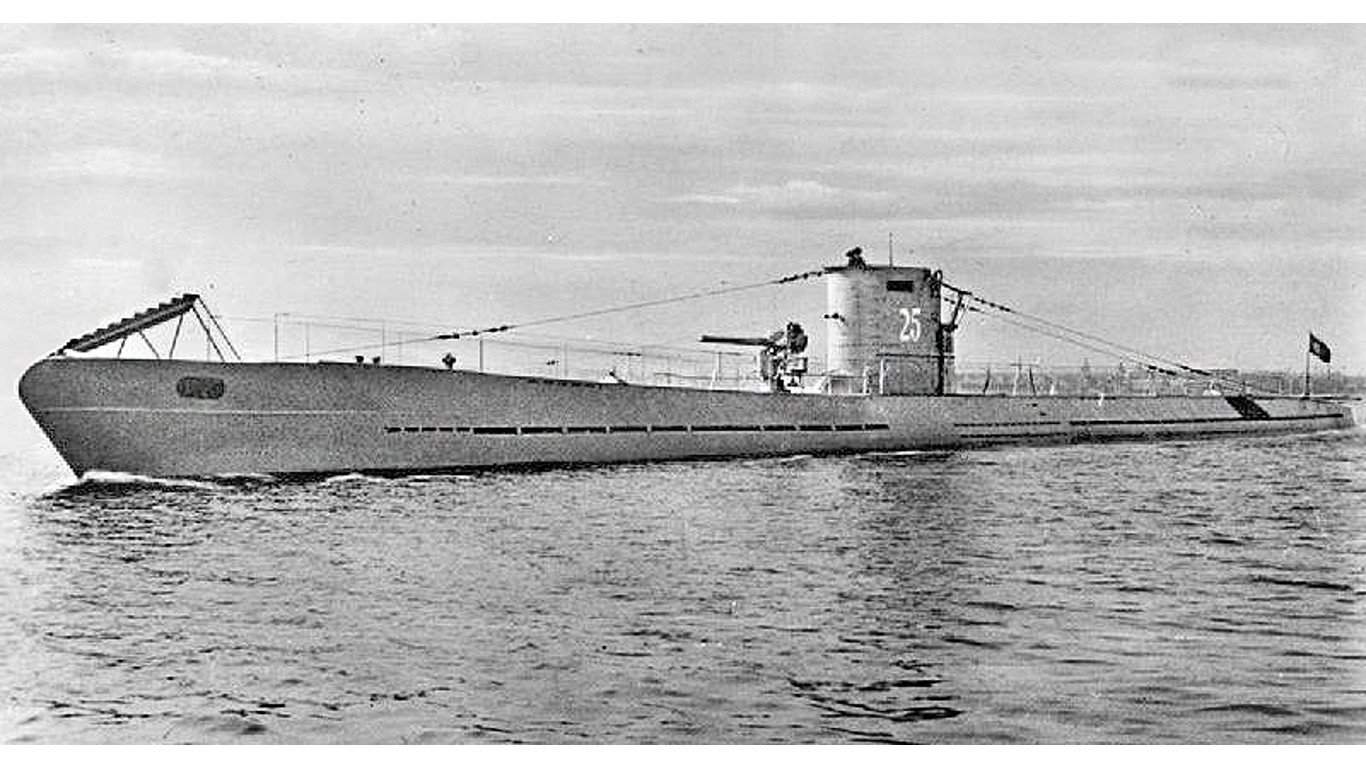
The earliest U-boats (short for "Unterseeboot," or undersea boat) were built in the 1850s, and later models served in World War I. Some 1,162 updated models were constructed between 1935 and 1945 and became some of Germany's most feared weapons in World War II. Known as "The Gray Wolves," these vessels - which often traveled in groups called "wolfpacks" - wreaked havoc on Allied forces, sinking 2,779 ships. They were also integral to German success in the so-called Battle of the Atlantic - the non-stop efforts of the Germans to interrupt British shipping - destroying thousands of tons of cargo.
Luger pistol
Used by: Nazi Germany
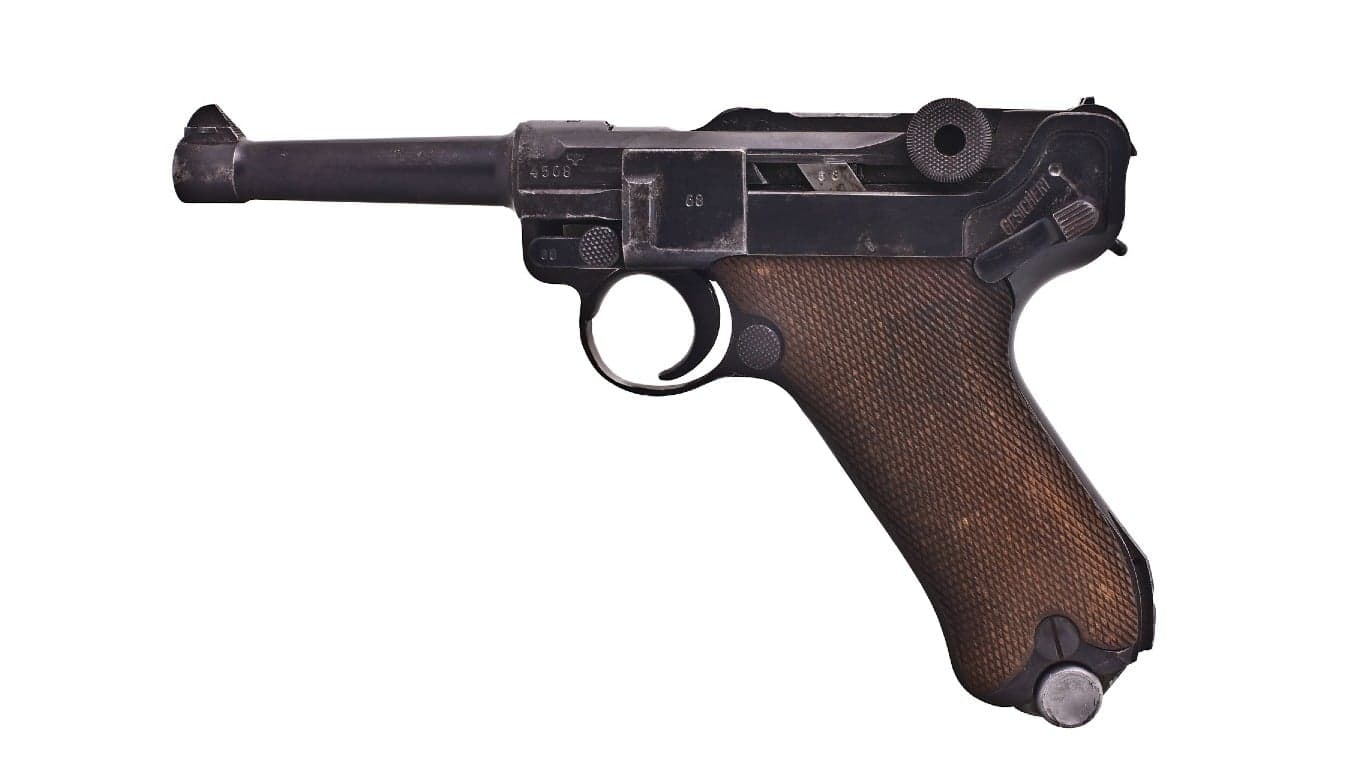
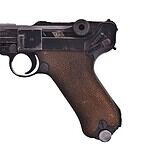
The Luger pistol was a popular semi-automatic sidearm, nicknamed the "the people's pistol." It was produced in large numbers, with over two million being manufactured between 1900 and 1945. It was a reliable and efficient weapon, whose precision and accuracy were well-suited to the demands of the war, making it a favorite among German troops.
V-1 flying bomb
Used by: Nazi Germany
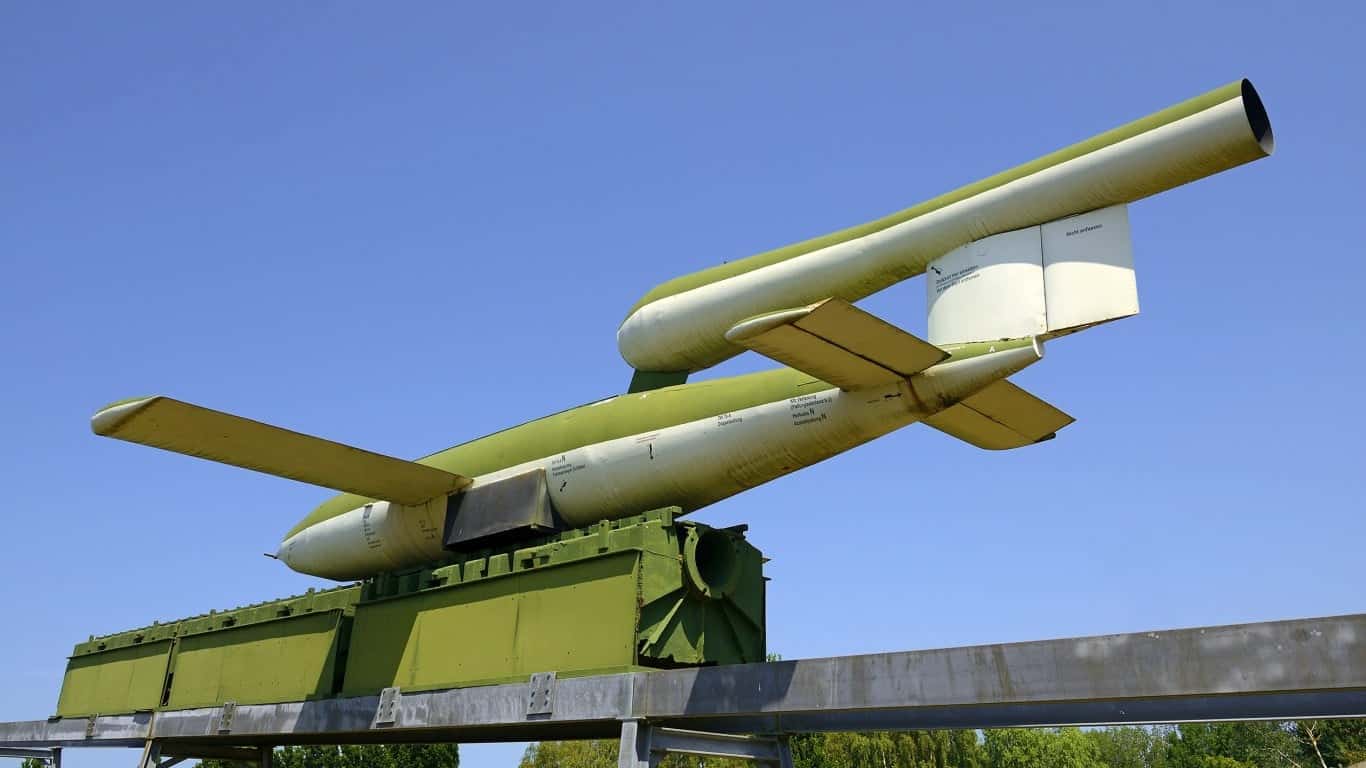
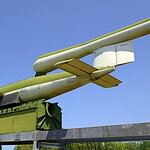
The Nazis utilized the V-1 Flying Bomb, nicknamed "the Buzz Bomb" or "Doodlebug," against Britain in 1944, allowing for long-range attacks on London and other targets. Over 30,000 were produced, and Its popularity and success caused the Allies to prioritize its destruction, leading to the implementation of Operation Diver, involving improved positioning of anti-aircraft guns and technological advances which made them more effective.
V-2 rocket
Used by: Nazi Germany
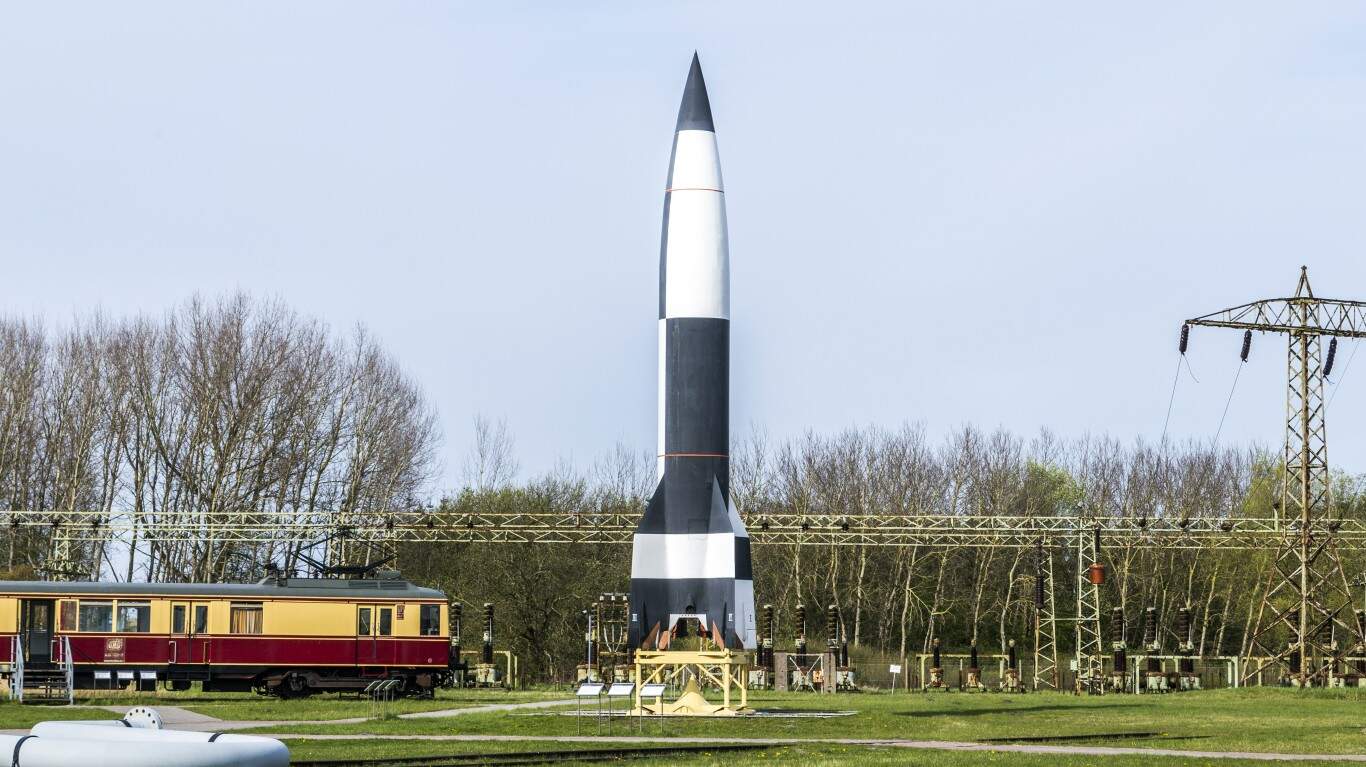
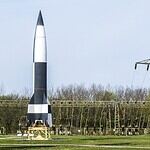
The successor to the V-1, the V-2 was the world's first supersonic long-range ballistic missile operated by a guidance system. Over 3,000 rockets were launched beginning in the fall of 1944, primarily targeting London and eventually Antwerp. With their devastating power, they caused significant destruction and loss of life, and were resistant to defensive efforts by the British.
Panzerfaust anti-tank weapon
Used by: Nazi Germany
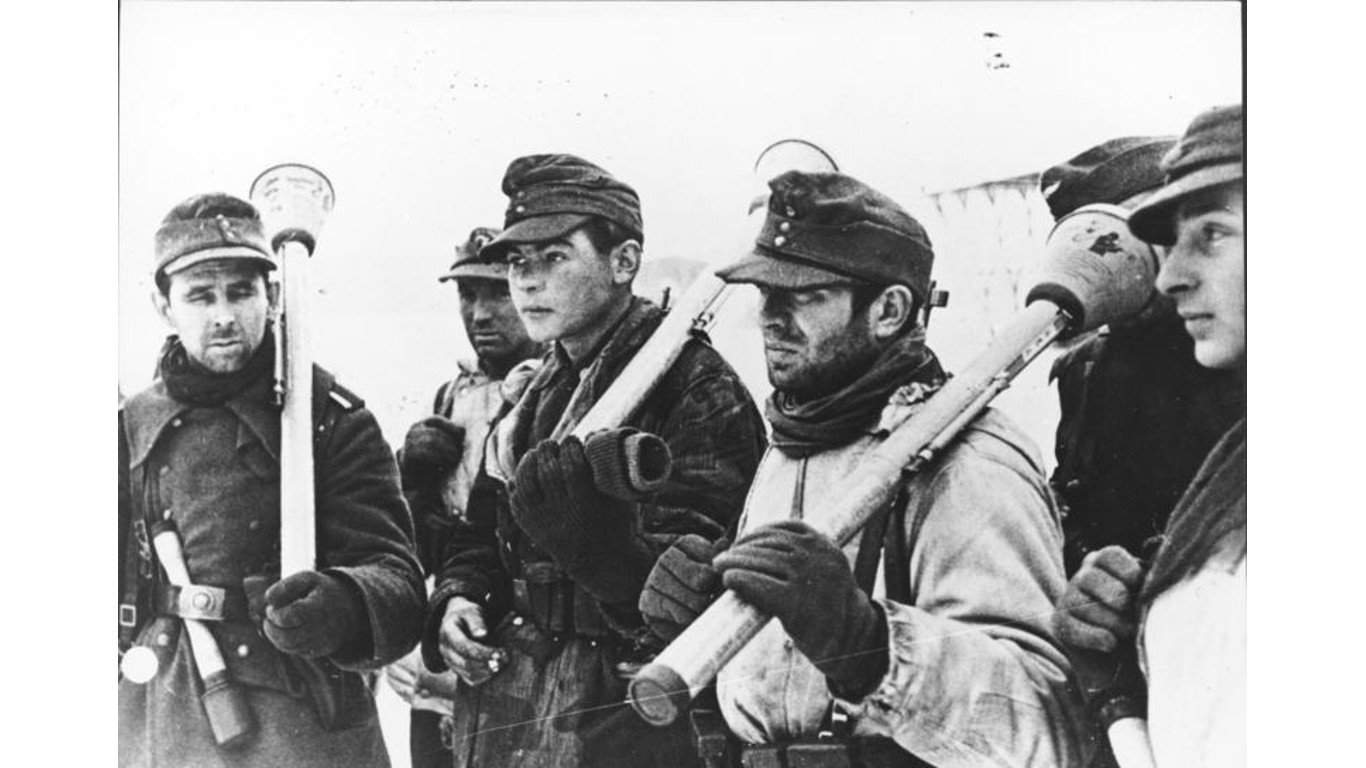
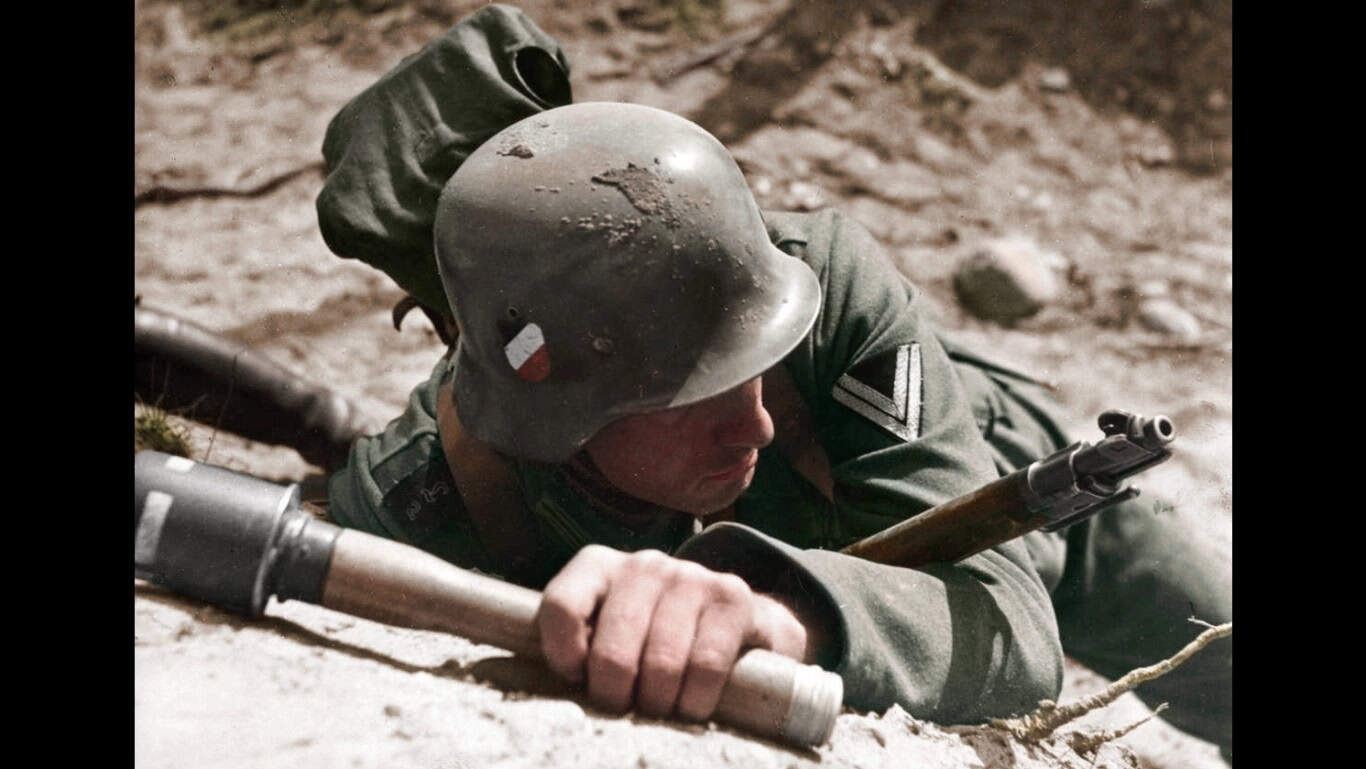
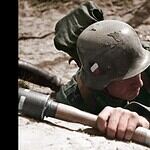
The Panzerfaust was a single-shot, recoilless German anti-tank weapon. Nicknamed the "poor man's tank killer", it was lightweight, easy to use, and highly effective. Produced in the millions, the Panzerfaust played a major role in the Battle of the Bulge, sealing the fate of many Allied tanks. Its simple design and devastating power made it a favorite among German troops.
MP40 submachine gun
Used by: Nazi Germany
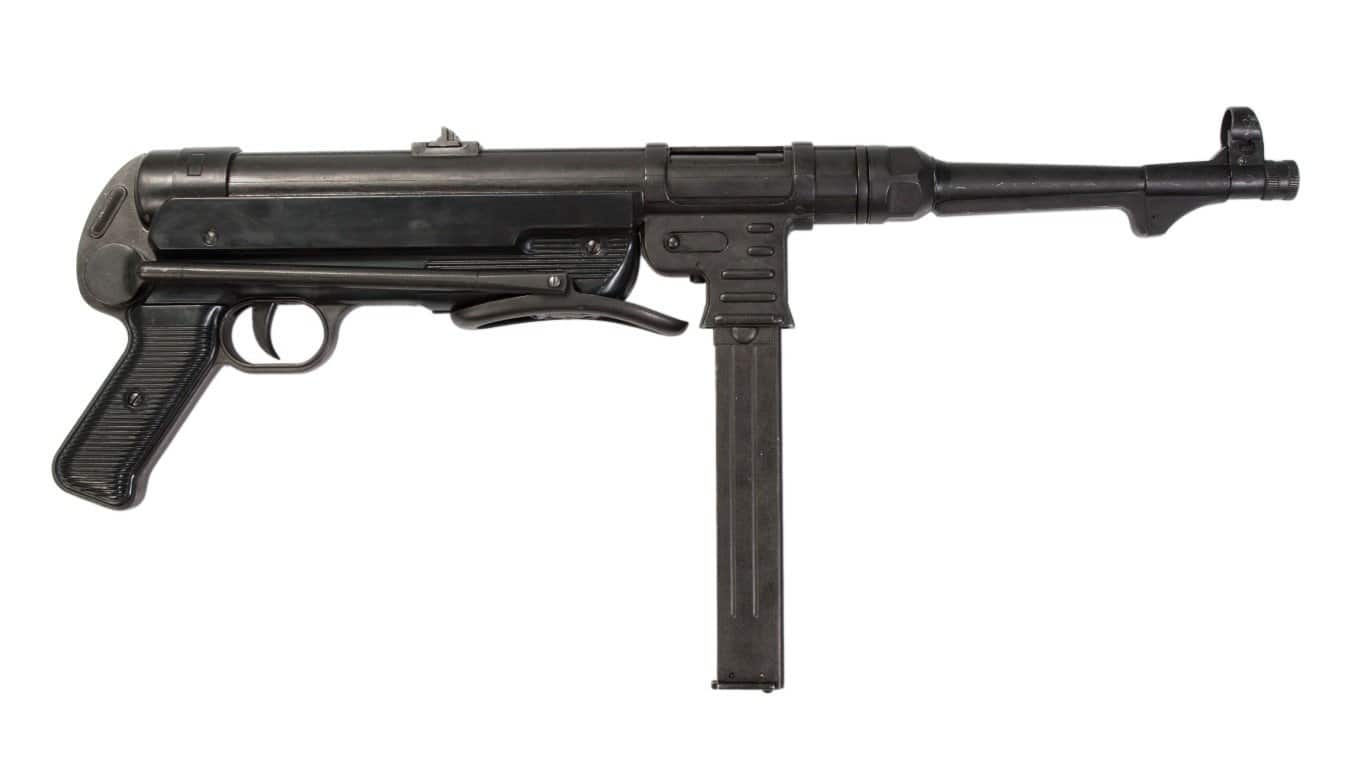
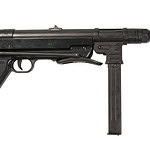
The MP40 submachine gun, commonly known as the Schmeisser (after the designer of one of its predecessors), was a favored weapon among Nazi troops. It was produced in vast numbers, with well over a million made between 1938 and 1945. Its popularity was due to its lightweight construction and reliability in battle, allowing troops to move quickly and engage enemies with great accuracy. It was used in many of the major battles of World War II, proving to be an essential part of the Nazi's war effort.
88 mm anti-aircraft and anti-tank gun
Used by: Nazi Germany
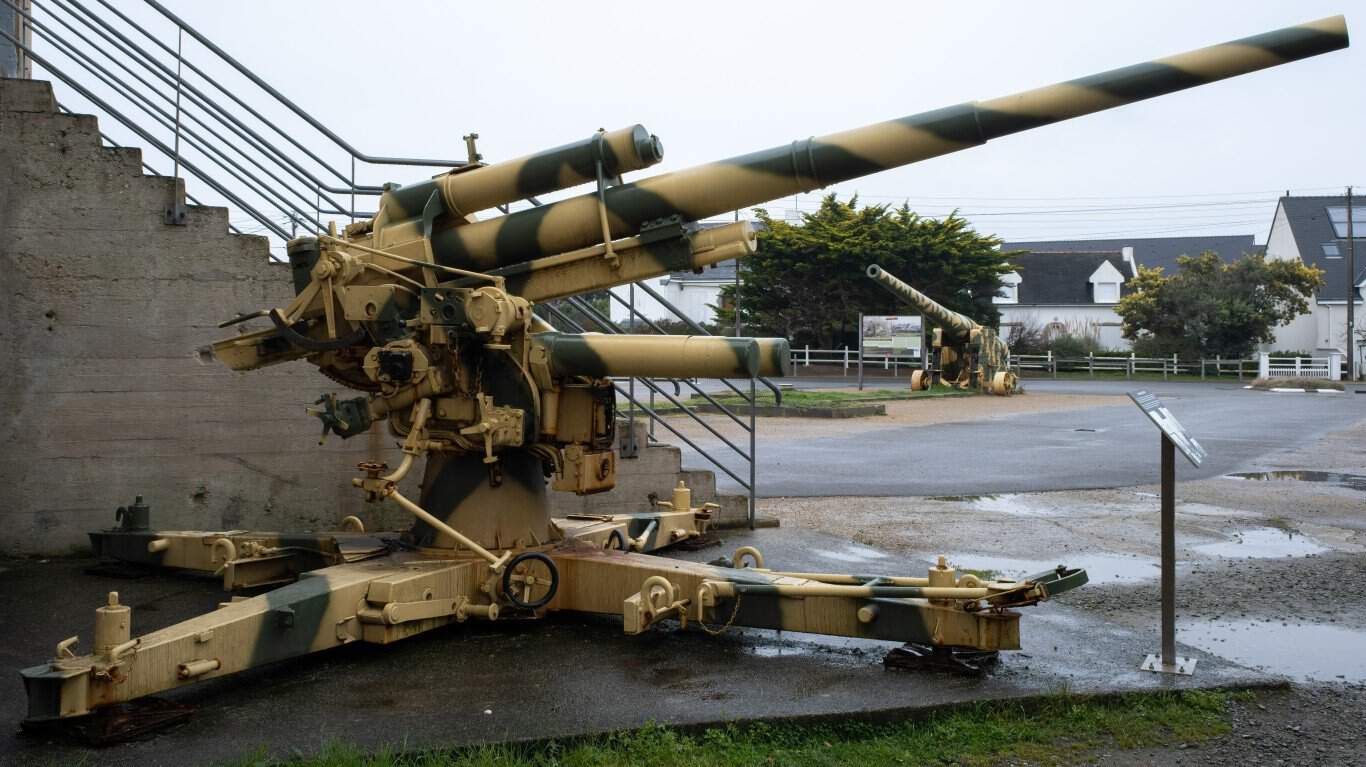
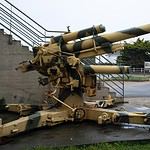
The 88mm gun - officially the 8.8 cm Flak - was originally developed in the 1930s as an anti-aircraft weapon, but it was soon realized that it functioned equally well against tanks - especially when equipped with armor-piercing rounds. Its accuracy and power proved invaluable in countless battles, ranging from the Siege of Leningrad to the Battle of the Bulge.
M24 hand grenade
Used by: Nazi Germany
An updated version of the Stielhandgranate or "stick hand grenade" first developed by the Germans during World War i, the M24 - nicknamed "the potato masher" by the British for its shape - was a popular and highly effective weapon, with over four million produced. Used in several major battles, including the Battle of Stalingrad, it proved to be reliable and destructive.
M1 Garand rifle
Used by: United States
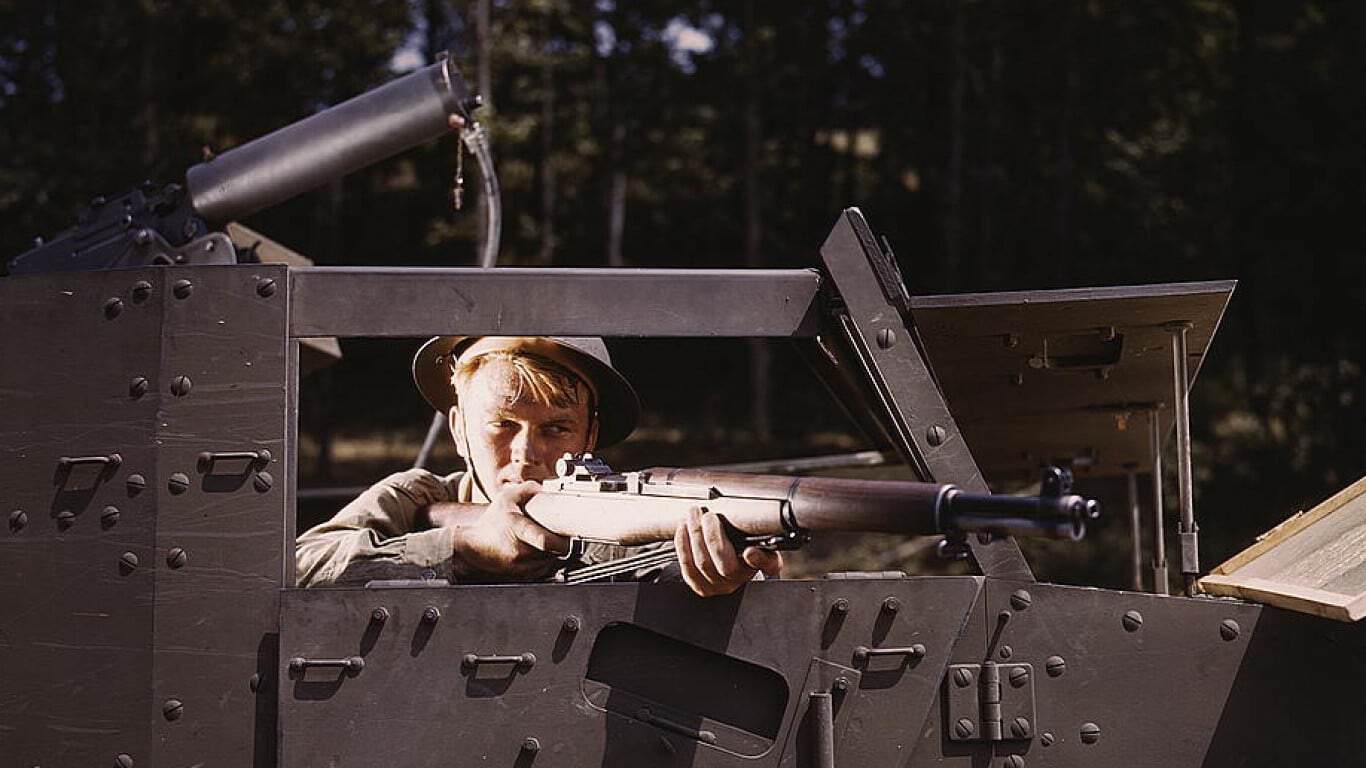
The M1 Garand, which General George S. Patton called "the greatest battle implement ever devised," was an autoloading semi-automatic rifle whose firepower, accuracy and reliability made it a key weapon in the field. About more than five million were produced, and it was utilized by every branch of the U.S. armed forces. After World War II, it saw service during the Korean War.
M2 Browning machine gun
Used by: United States
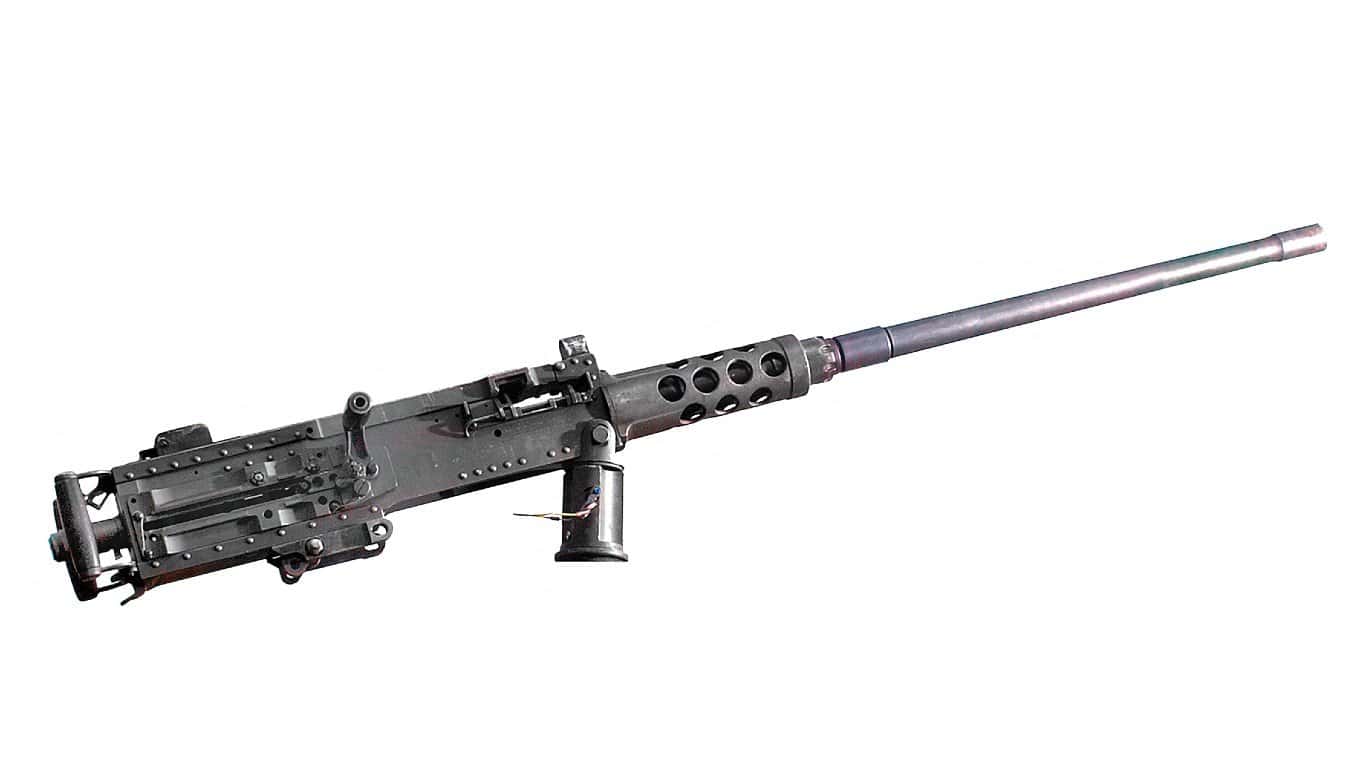
Designed during World War I by famed gunsmith John Browning, the M2 Browning .50-cal machine gun, nicknamed the "Ma Deuce," saw action in major World War Ii offensives, including the Battle of the Bulge and the invasion of Iwo Jima, and it and its successors have been used around the world and in virtually every major conflict since then - including the Korean and Vietnam wars and the war in Afghanistan.
P51 Mustang long-range fighter
Used by: United States
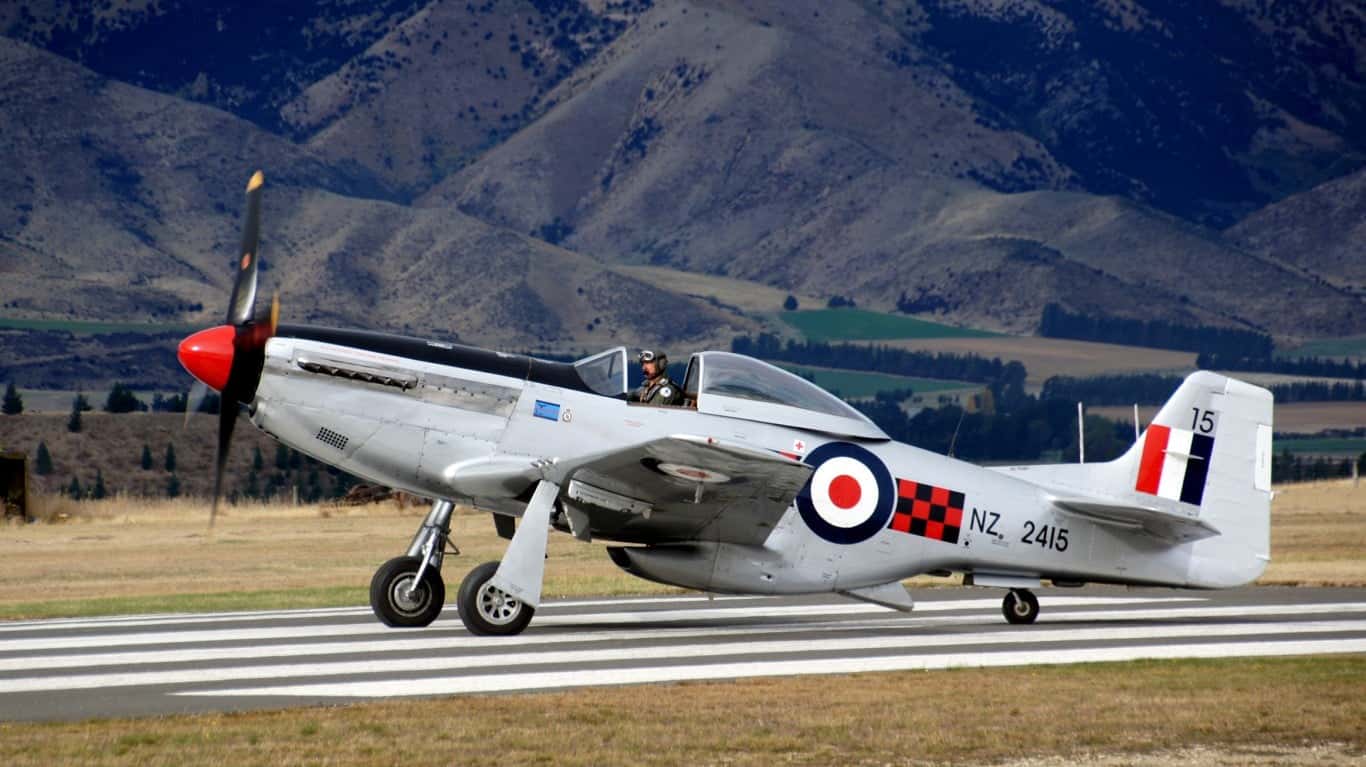
The P51 Mustang was a long-range fighter-bomber popularly known as the "Cadillac of the Skies." Used by Britain's Royal Air Force and the air forces of Canada and New Zealand as well as the U.S. Army Air Forces, it is still remembered fondly by veterans and aviation enthusiasts alike as a powerful and maneuverable aircraft, capable of carrying serious firepower and flying at high speeds.
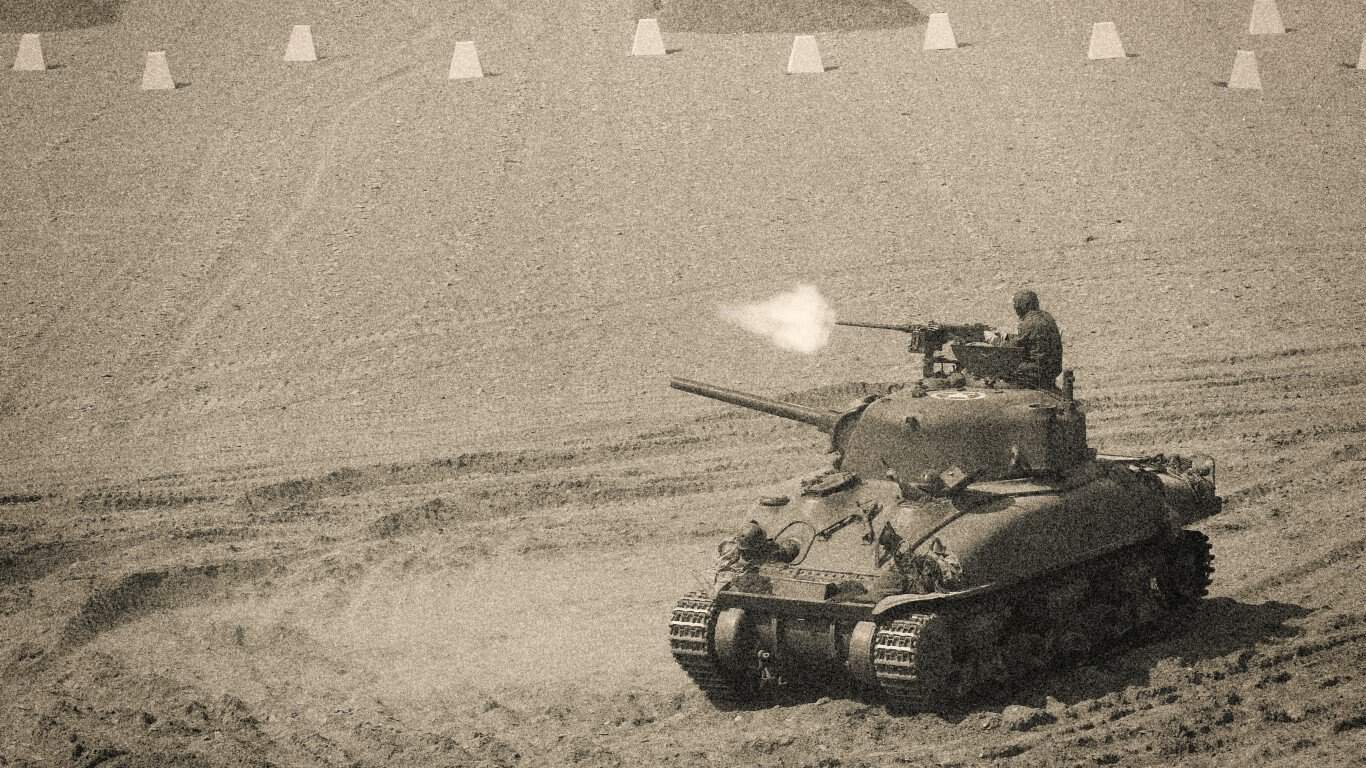
M4 Sherman tank
Used by: United States
The M4 Sherman was a medium tank widely used by the U.S. and our British allies during the war. Produced in huge numbers - over 49,000 were built - this popular vehicle saw battle in North Africa, Italy, Normandy, and elsewhere. It was favored for its durability and adaptability and its superior armaments. Until various upgrades were introduced to make it less vulnerable, however, it was prone to catching fire when hit, earning it the sardonic nicknames "Zippo" or "Ronson" (popular brands of cigarette lighter), or, by the Germans, "Tommycooker" ("Tommy" being slang for a British soldier).
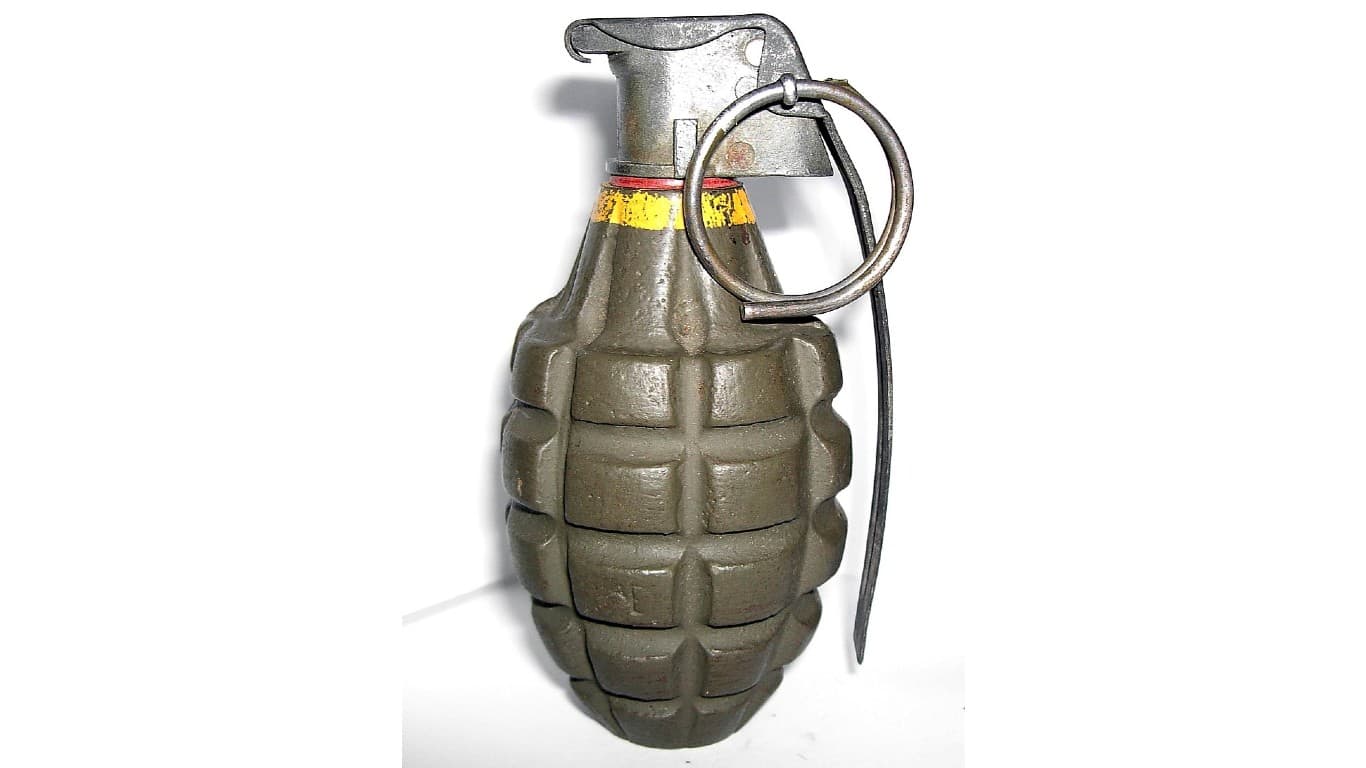
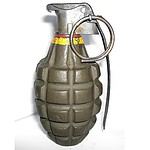
Mk 2 'Pineapple' hand grenade
Used by: United States
The Mk 2, a fragmentation grenade, was introduced in 1918. and stayed in use until 1969. A powerful, reliable, and widely used anti-personnel weapon during World War II, it was known as "the pineapple," due to the appearance of its grooved exterior. Over its lifespan, more than 20 million were produced - at least six million of those during the war.
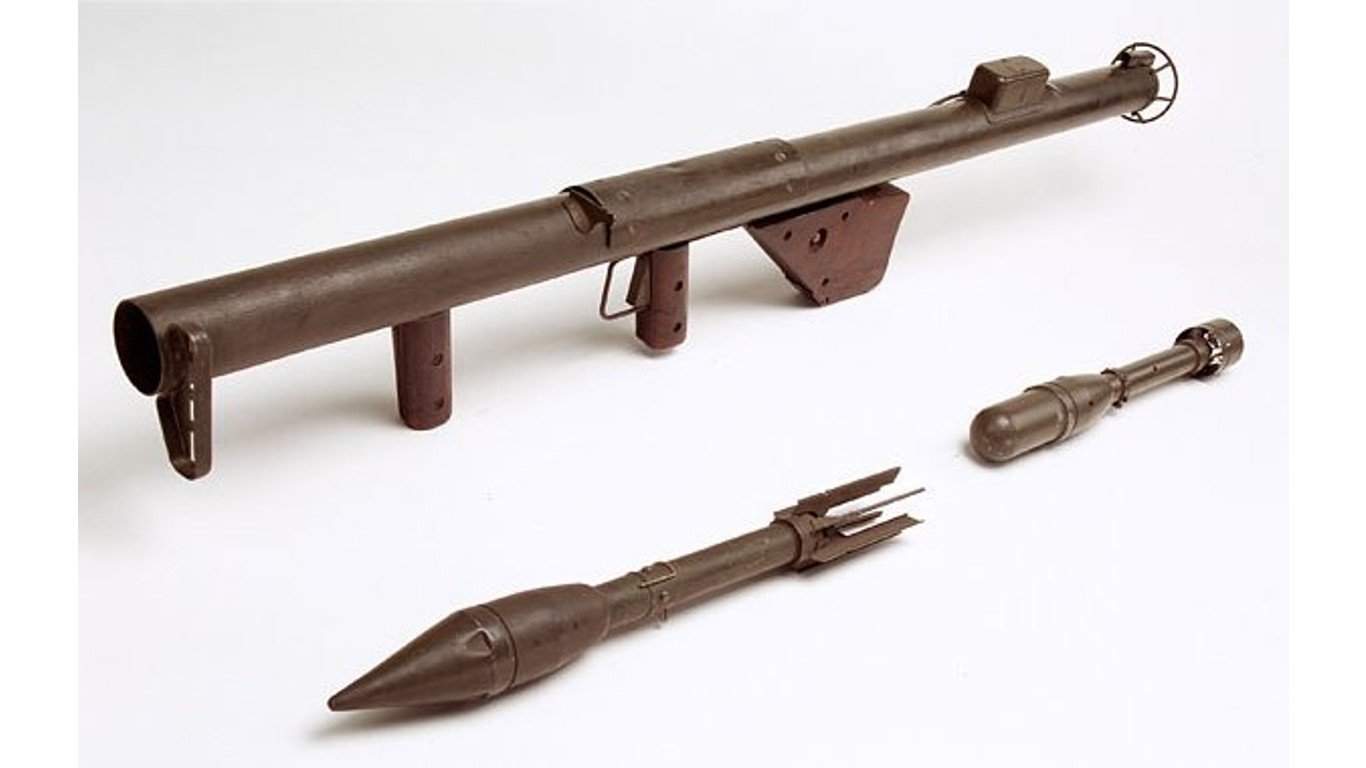
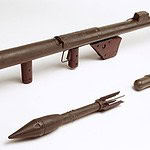
Bazooka
Used by: United States
A portable recoilless anti-tank rocket launcher, the bazooka - sometimes called "the stovepipe" - was a significant weapon during World War II, used against not just tanks but bunkers and machine-gun nests as well. Though it was developed by the U.S., the Germans produced their own version after capturing some examples from the Americans, and Japan fielded a similar rocket launcher late in the war. Though the term "bazooka" originally applied to a specific weapon, designated the M1, it later came to be used generically for any shoulder-launched anti-tank weapon.
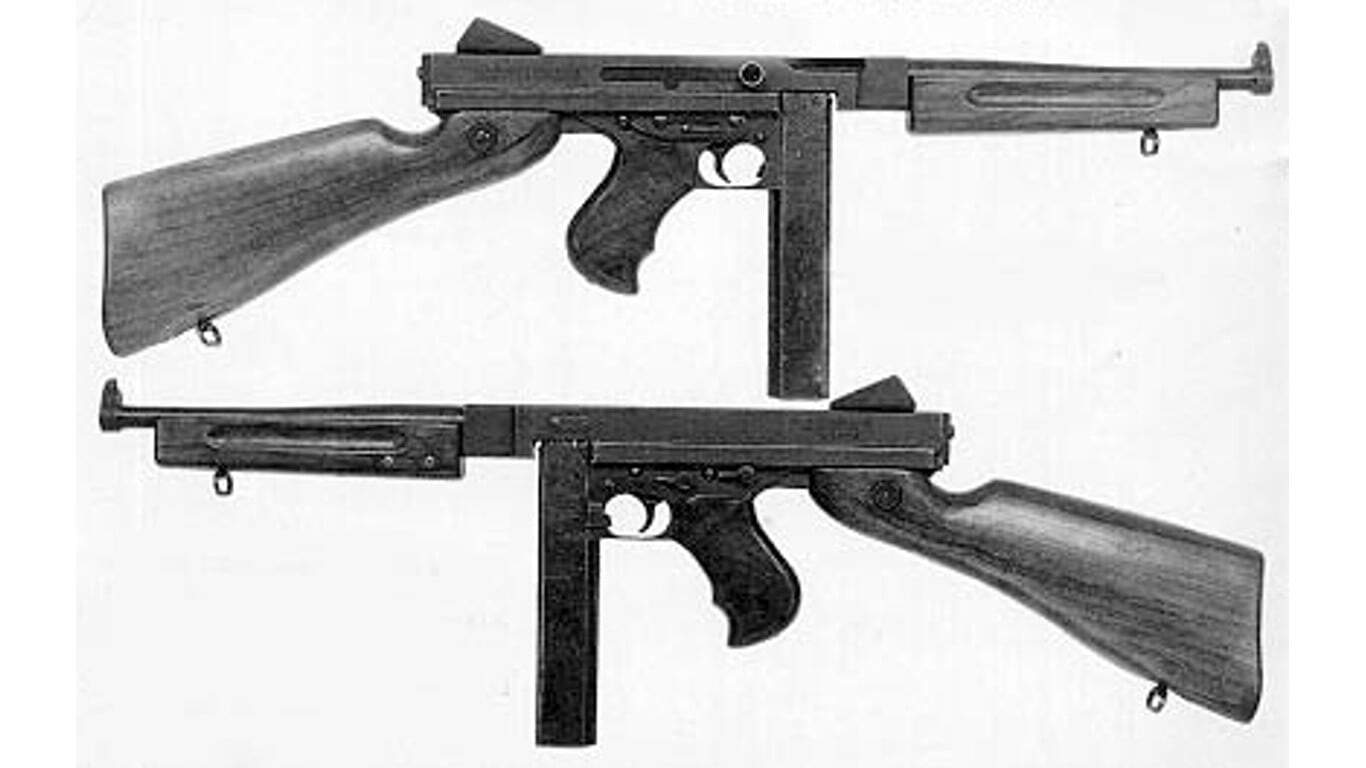
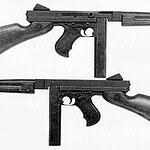
Thompson M1A1 submachine gun
Used by: United States
Though often associated with Prohibition-era gangsters (it was dubbed "the Chicago typewriter" after its use in the notorious St. Valentine's Day Massacre), the light and dependable M1A1, or Tommy gun, was popular among U.S. forces during World War II. More than a million-and-a-half were produced and the guns were used in many significant battles, including the Battle of the Bulge and Battle of Okinawa.
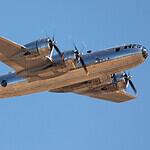
B-29 Superfortress airplane
Used by: United States
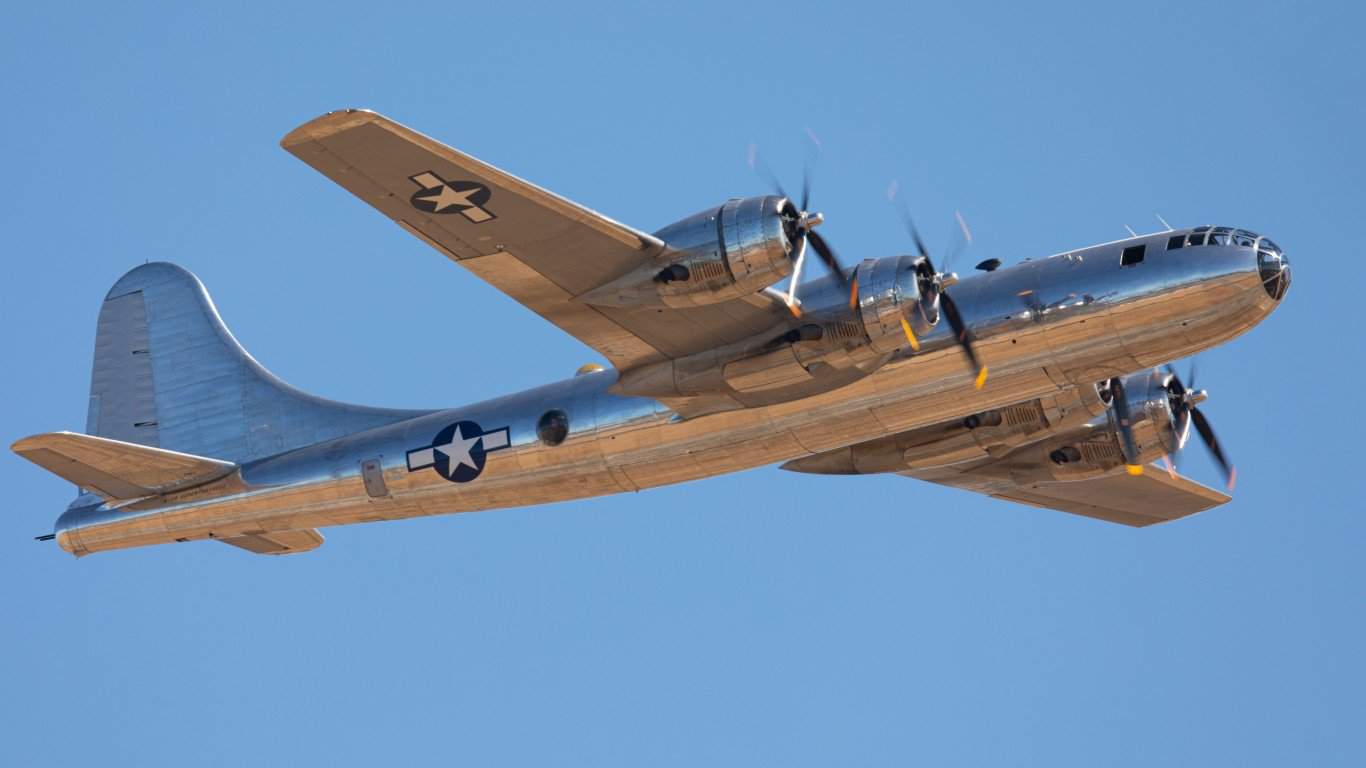
The B-29 Superfortress was a powerful four-engine American bomber used widely during World War II. Nicknamed the "Super" and "Forts", it was the most advanced and most expensive aircraft of its time. More than 4,000 were produced, and the plane was instrumental in the Allied victory, notably in the Pacific Theater, where it conducted incendiary bombing raids culminating in the dropping of atomic bombs on Hiroshima and Nagasaki.
B-17 Flying Fortress heavy bomber aircraft
Used by: United States
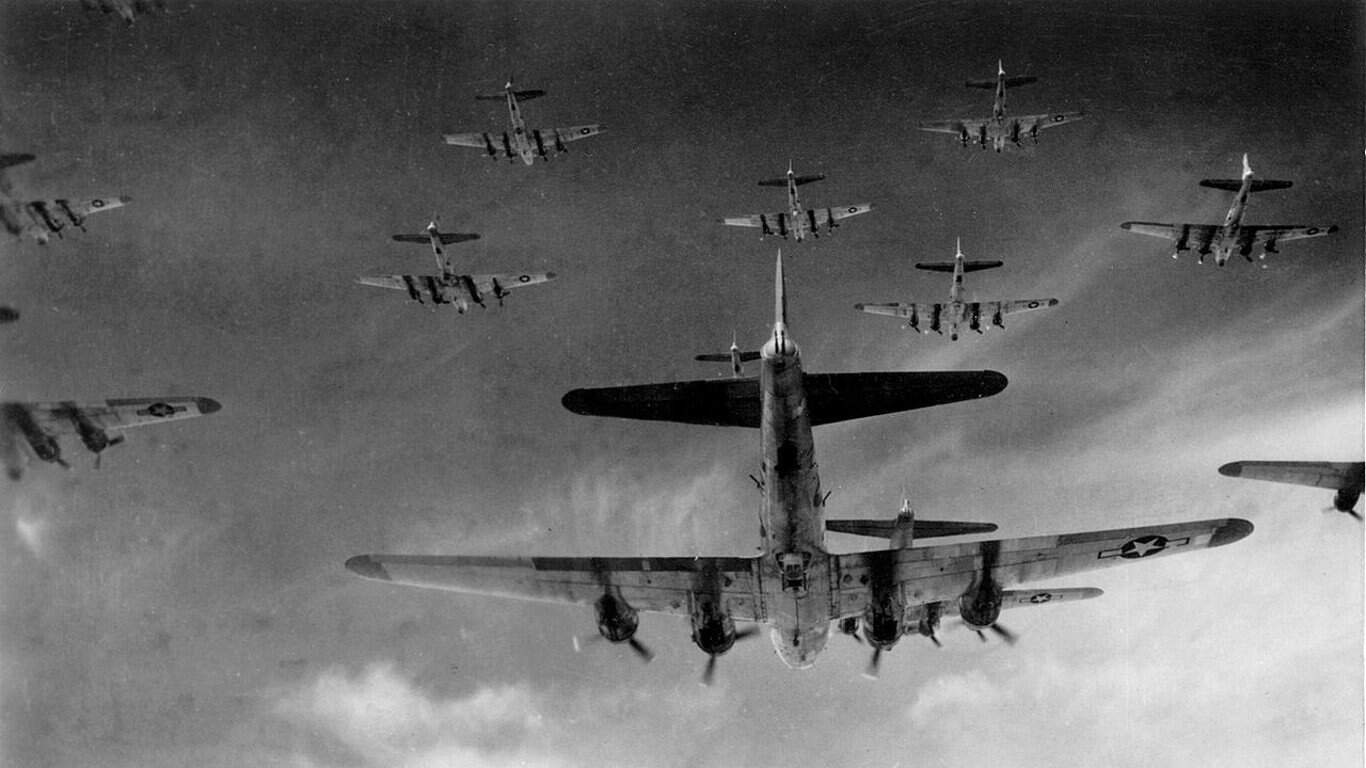
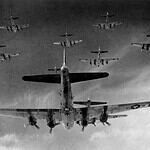
The predecessor of the B-29, the B-17 Flying Fortress was the other iconic heavy bomber used by the U.S. during World War II. It saw frequent use in both Europe and the Pacific (though its performance was disappointing at the Battle of Midway, it scored success in the Battle of the Bismarck Sea), and its impressive defensive armament and payload capabilities led to its legacy as one of the most important aircraft to serve in the conflict.
M101 howitzer
Used by: United States
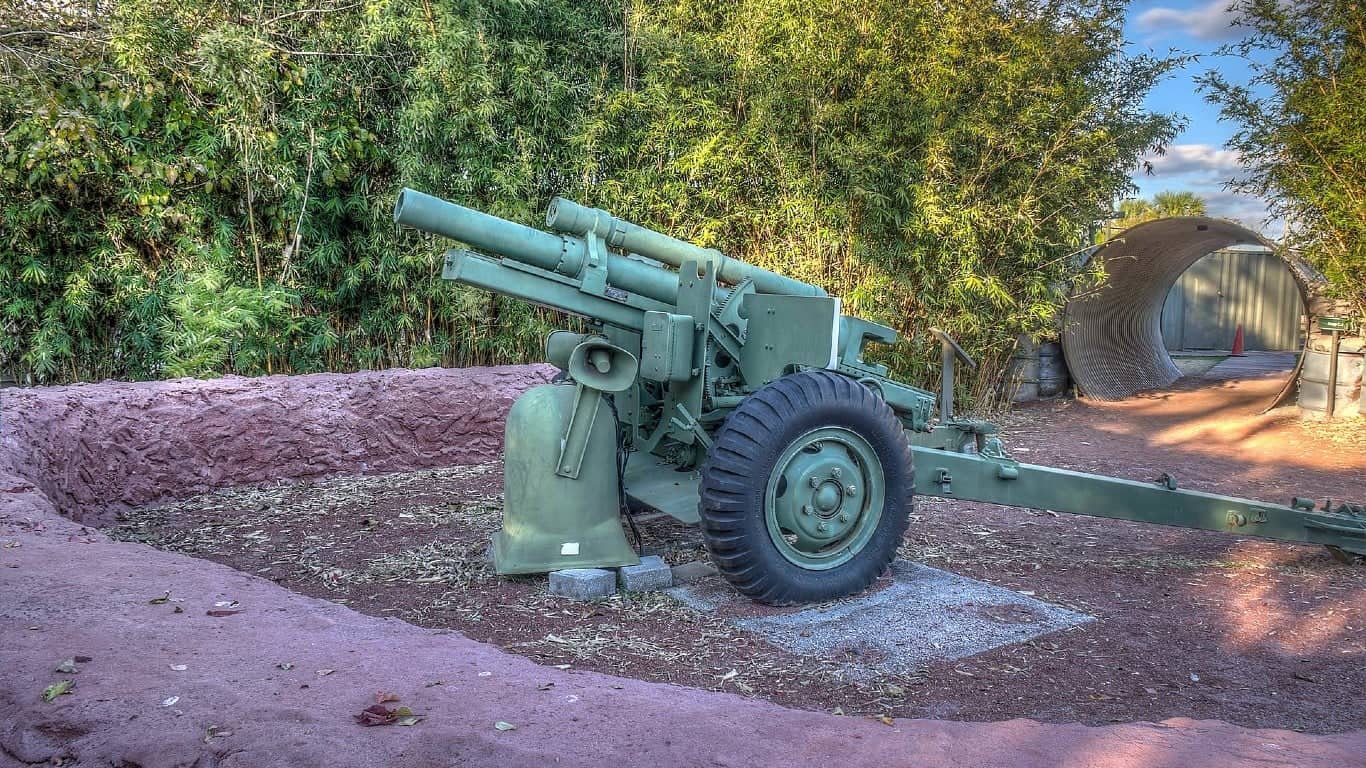
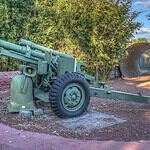
The M101 howitzer is a towable American 105mm light field artillery piece with a range of about seven miles, first produced in 1941 and used extensively by the United States in World War II. Over 15,000 were made during the conflict, and the guns saw action in numerous battles, including the Battle of the Bulge and Battle of Okinawa, displaying their effectiveness and reliability as a decisive weapon. After the war, it continued to be utilized in Korea and especially Vietnam, and is still sometimes used today by the National Guard.
Atomic bomb
Used by: United States
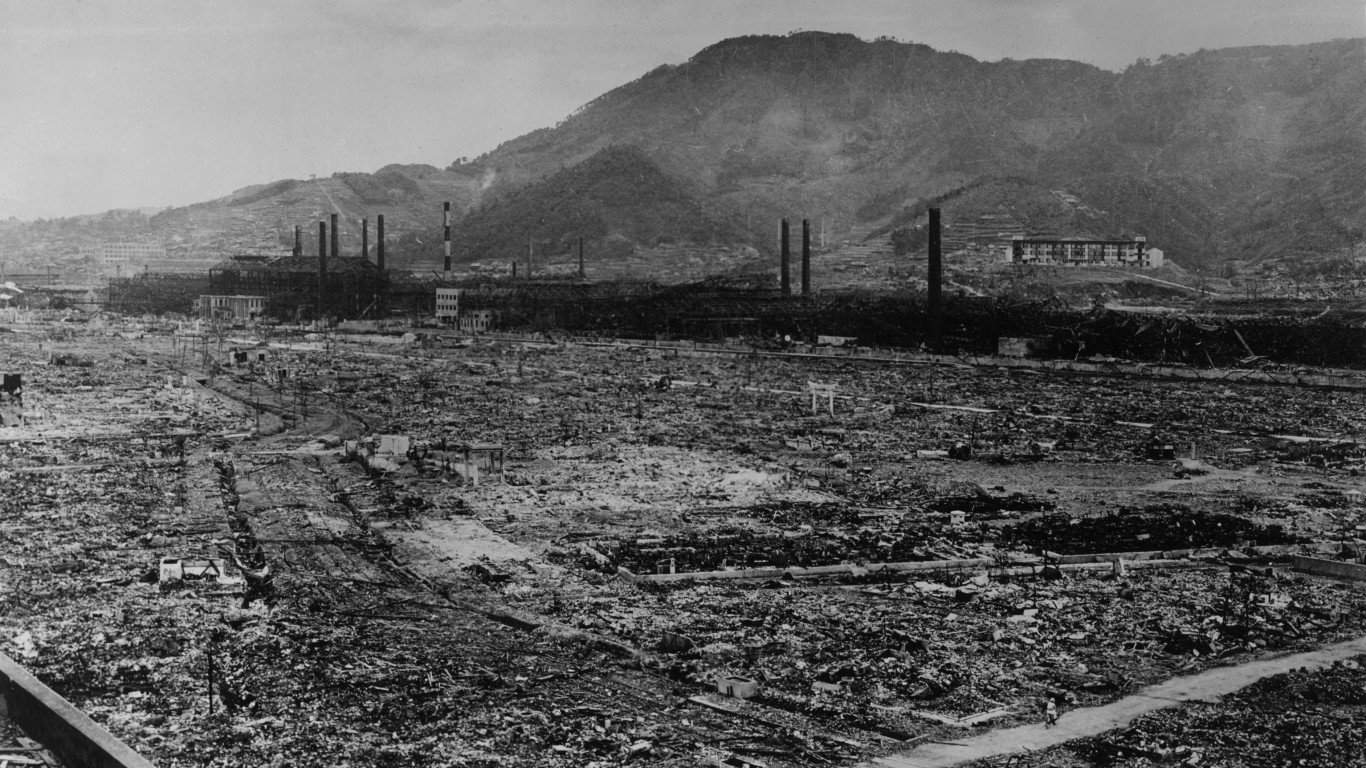
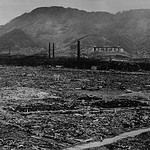
The atomic bombs dropped on the Japanese cities of Hiroshima and Nagasaki during World War II remain the only nuclear weapons ever used in warfare. Nicknamed "Little Boy" and "Fat Man," respectively, the bombs were produced at the Los Alamos Laboratory in New Mexico. On Aug. 6, 1945, a uranium fission bomb was dropped on Hiroshima, followed by a plutonium fission bomb three days later on Nagasaki. Both cities were immediately devastated, suffering a death toll of over 200,000 people between them. The atomic bomb is widely considered the most destructive weapon ever used.
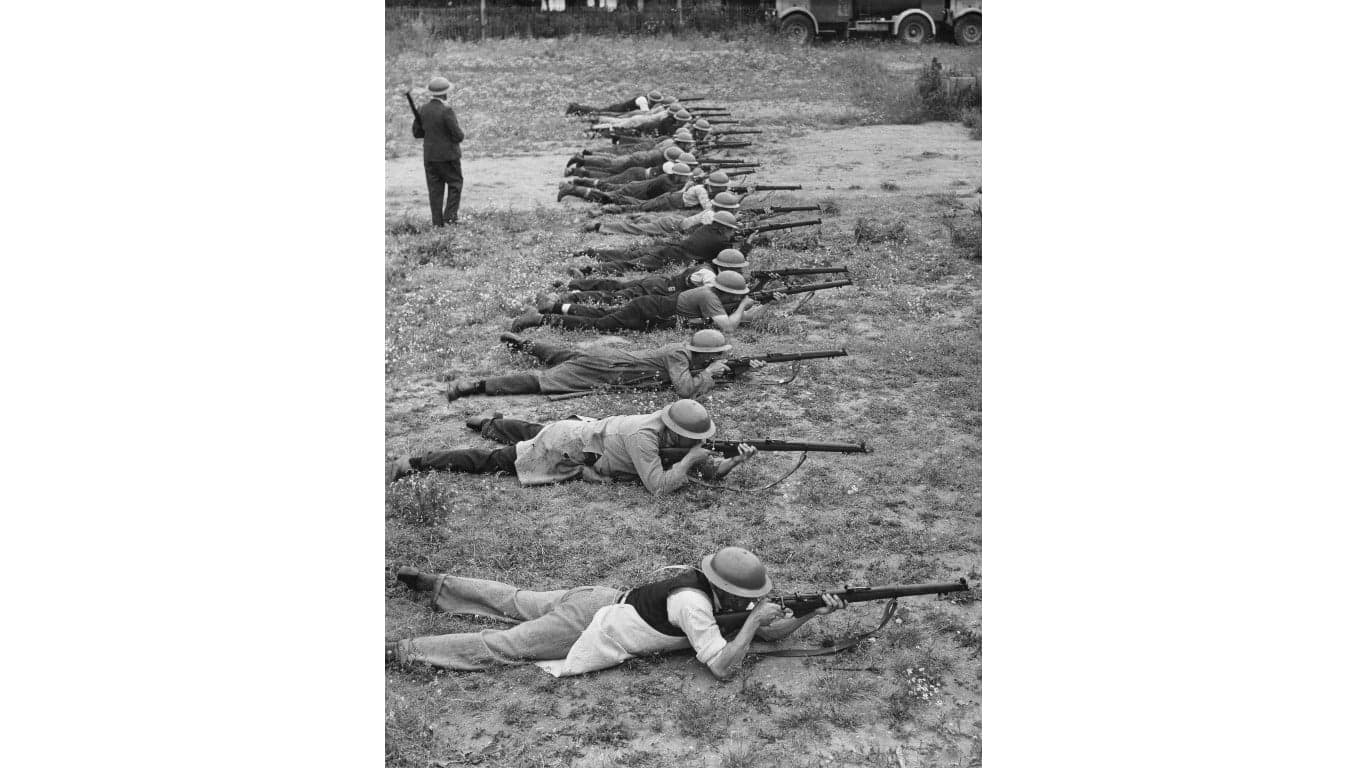
Lee-Enfield rifle
Used by: Great Britain
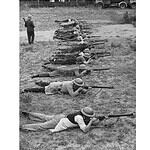
The Lee-Enfield rifle was widely used by Great Britain and the armed forces of the Commonwealth nations during both world wars. More than a dozen variants were produced, beginning in 1895. A version of the short-magazine Lee-Enfield (nicknamed the "Smelly" for its initials - S.M.L.E.) was used during World War II, as were several later iterations. Over 17 million were produced in all between 1895 and 1956. Its exceptional accuracy and reliability helped it gain favor among the British forces, and it was used in many major battles, including the Battle of Dunkirk.
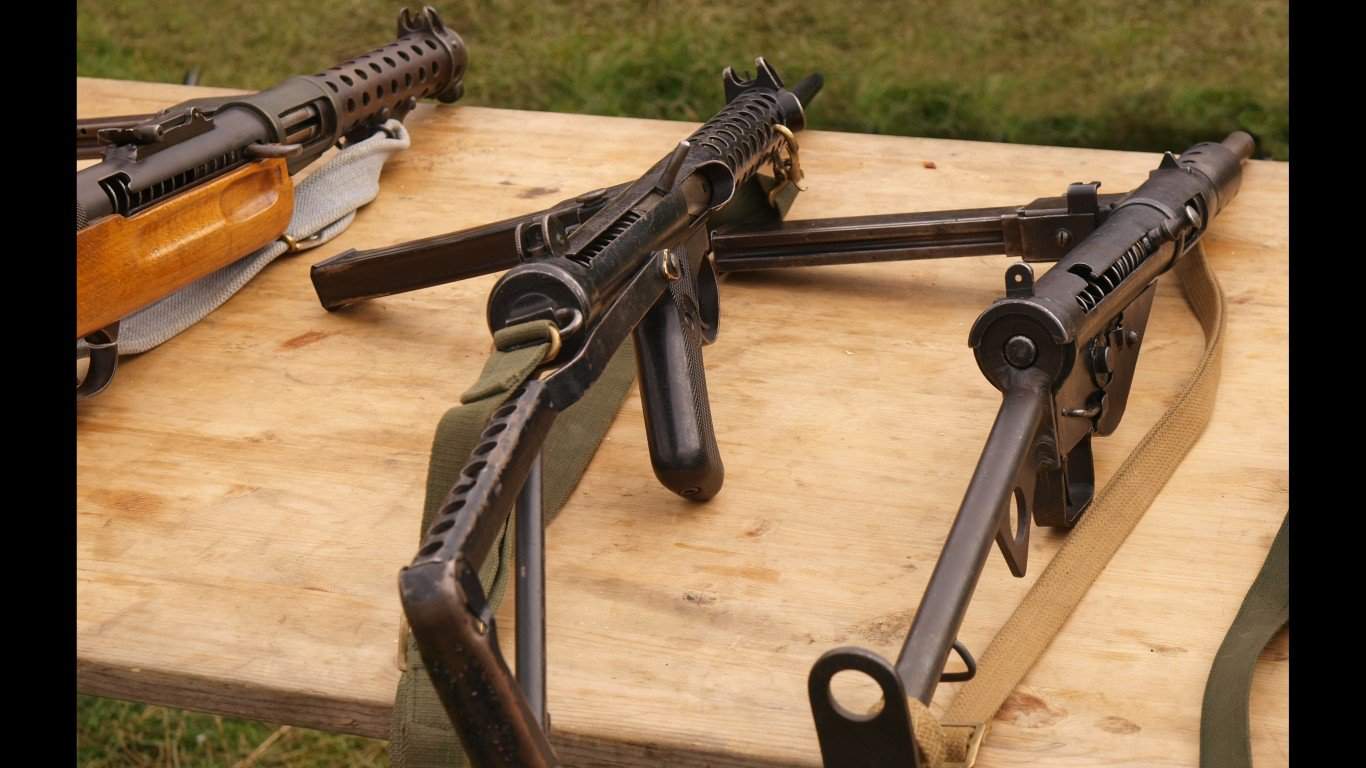
Sten submarine machine gun
Used by: Great Britain
The Sten machine guns (there were numerous variations) were popular British weapons used extensively during the war. Sometimes called "the Stench" or "Plumber's Nightmare" (because it was made of roughly welded metal tubing), the Sten was mass-produced in the millions, and saw widespread use by British and Commonwealth forces in Europe, North Africa, and the Pacific Theater.
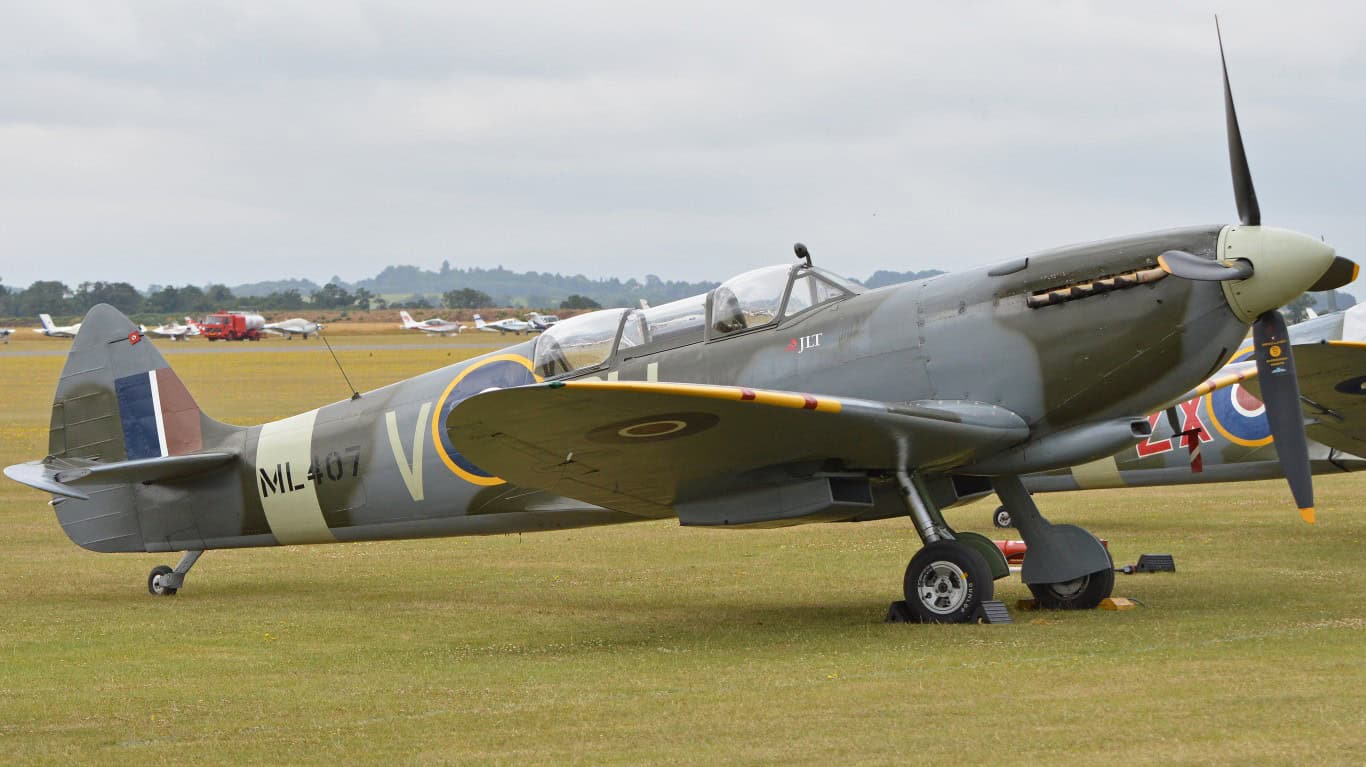
Supermarine Spitfire fighter
Used by: Great Britain
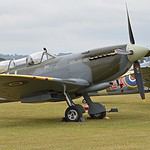
The Supermarine Spitfire was a legendary single-seat fighter aircraft used by Great Britain and its allies. "The Spit," as it was affectionately known, was renowned for its agility and speed. It became an iconic symbol of the Allied victory, playing a crucial role in the Battle of Britain. Over 22,000 were built, making it the most widely produced British fighter of the war.
Hawker Hurricane fighter
Used by: Great Britain
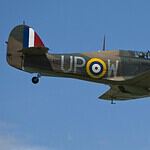
Another British single-seat fighter, the Hawker Hurricane was less famous than the Supermarine Spitfire, but was very effective against the Luftwaffe, and flew in many major engagements of the war, including the Battle of Britain. One iteration, converted to a fighter-bomber, because know as the "Hurribomber," while another one was dubbed "the flying can opener."
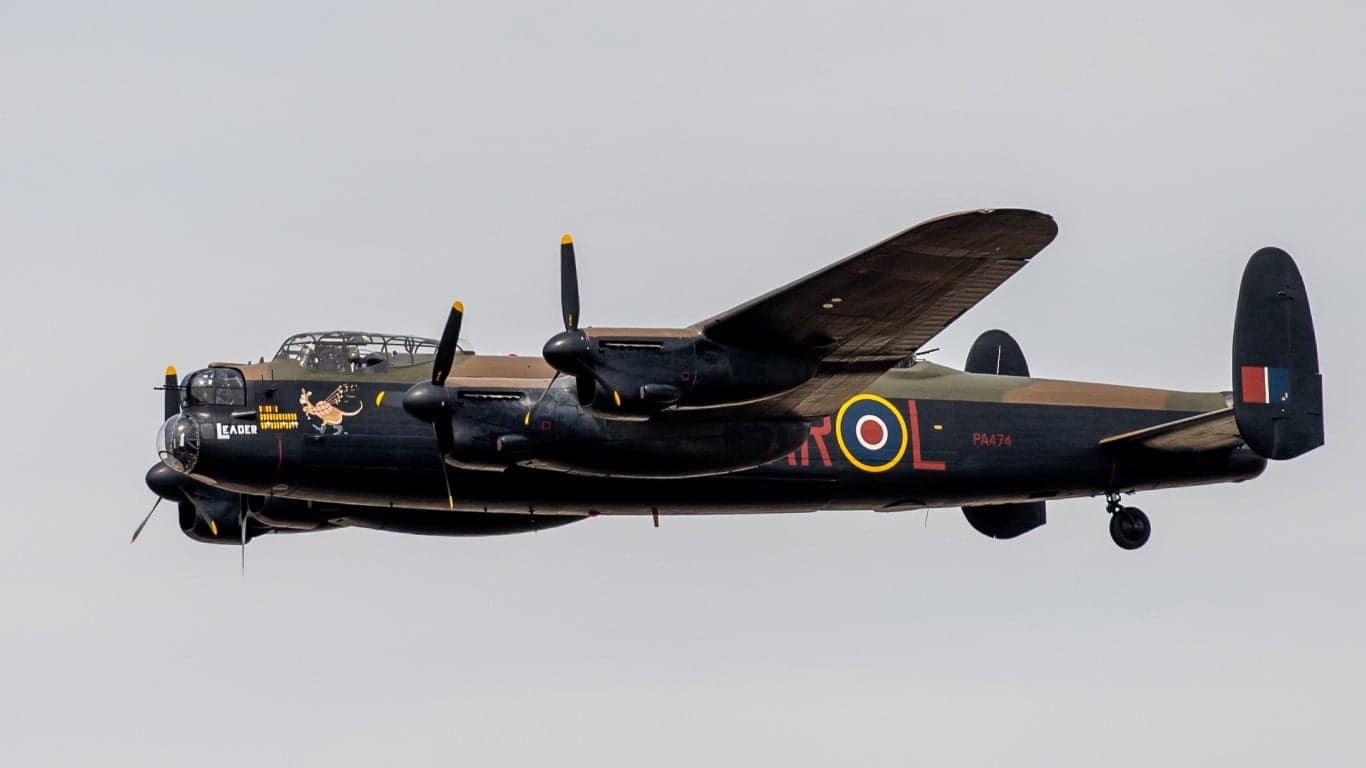
Avro Lancaster heavy bomber
Used by: Great Britain
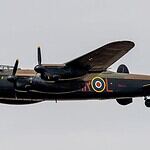
The Avro Lancaster was one of the most popular bombers of its era, used most notably for nighttime bombing raids over Nazi-held areas and for the famous Dambusters Raid (Operation Chastise) of 1943, which destroyed major dams in Germany, flooding the Ruhr and Eder valleys. The plane's impressive size, payload, and range meant it could take on the most challenging missions.
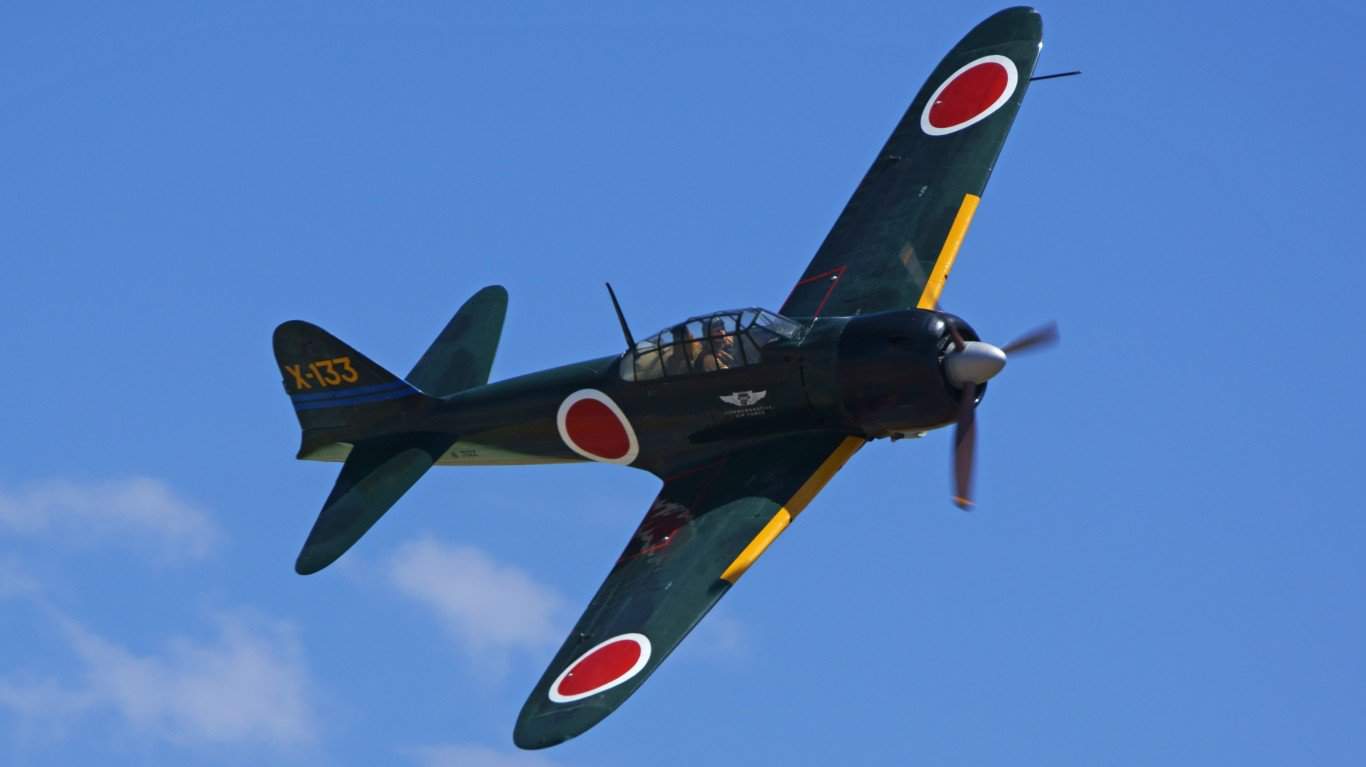
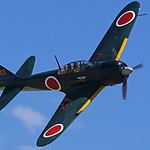
Mitsubishi A6M Zero fighter
Used by: Japan
The Zero was an iconic Japanese warplane during World War II, nicknamed "Hamp" and "Hamp-Ki". Produced in the thousands, these planes were used in major battles such as the Battle of Midway and the Battle of the Philippine Sea, and was one of the planes used by Japan's suicidal kamikaze pilots. With its powerful engines and reliable construction, the Zero was an effective tool in Japanese hands and a formidable foe for Allied forces - often doing battle with its U.S.-made equivalent, the Lockheed P-38.
The image featured at the top of this post is ©Public Domain / Wikimedia Commons