


15 Wild West Myths Most People Still Believe
The Wild West has a mythology problem. Not a small one. That period, which spans the years from about 1865 to 1890, has been so thoroughly processed through dime novels, Wild West arena shows, and a century of Hollywood films that very little of the real Wild West remains. What most people imagine when they think of the frontier has been created by entertainers, not by historians.
These aren't minor corrections either. In many cases, the "fact" and the actual reality are near opposites. These are 15 historical “facts” about the wild west that people get completely wrong.
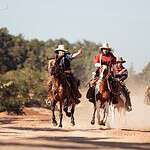
Cowboys Wore Cowboy Hats
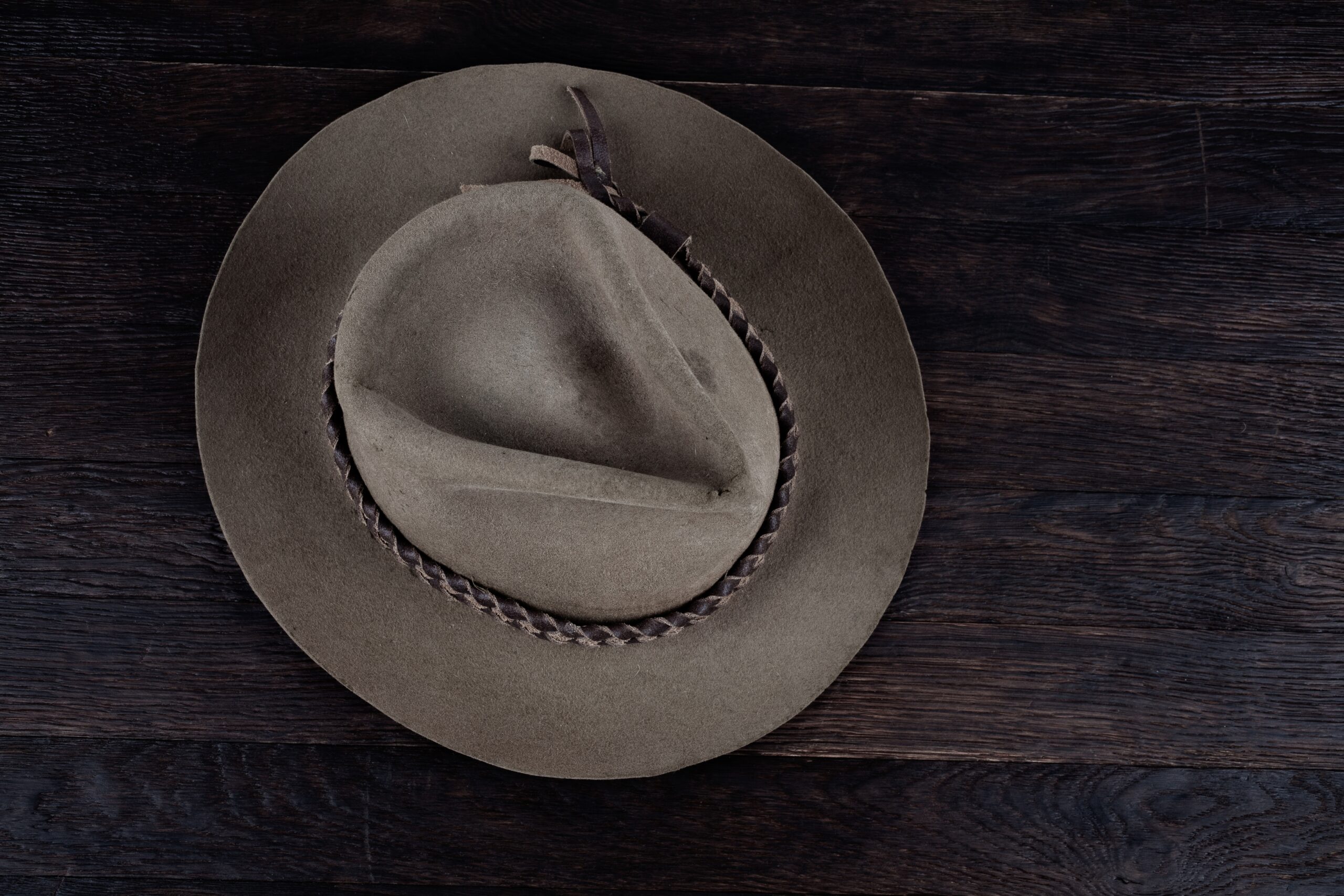
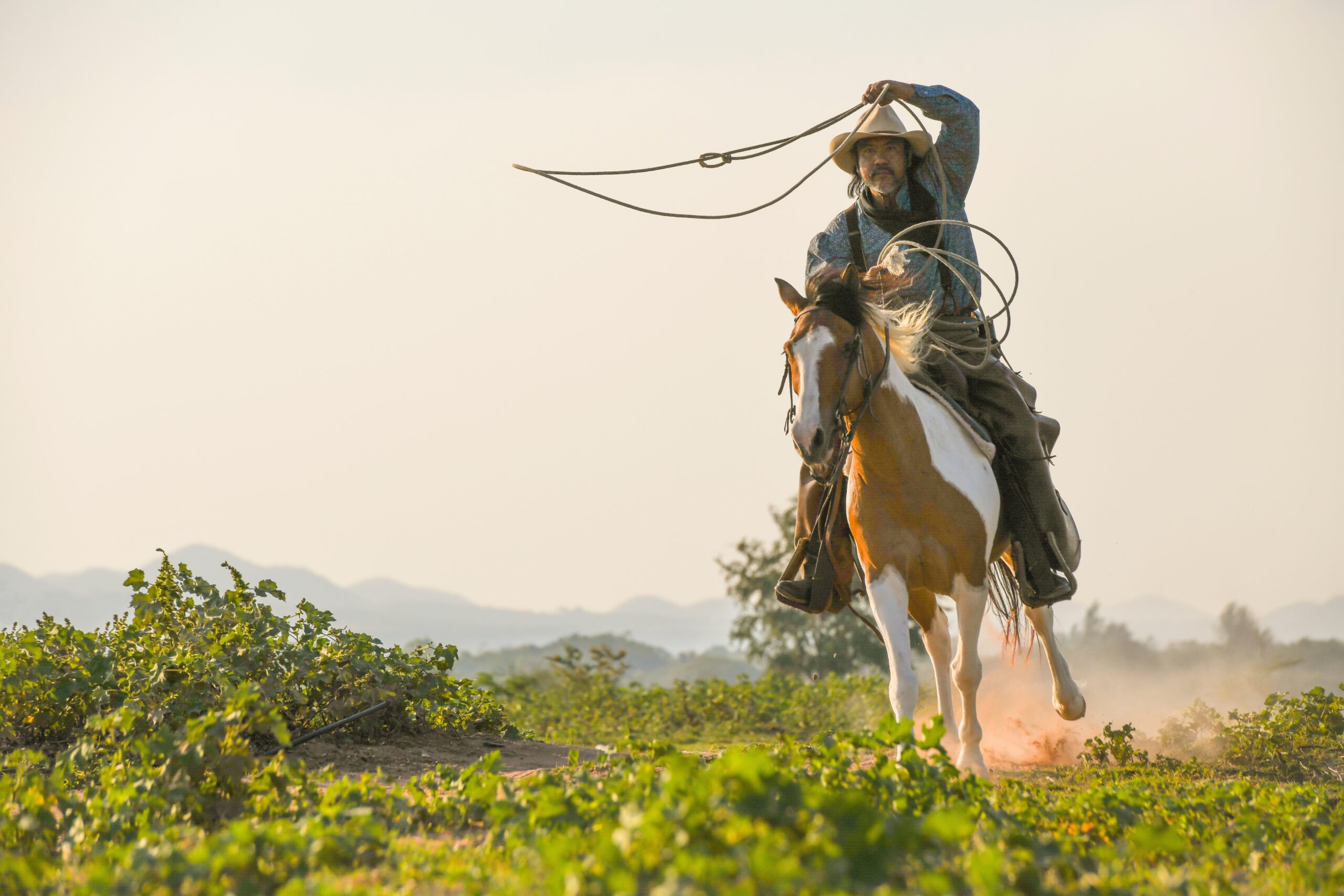
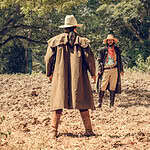
The wide-brimmed Stetson is so emblematic that it has become synonymous with the Wild West. It just looks right. In 1957, the reporter and historian Lucius Beebe went through thousands of period photos and published his findings: the true Western hat was not the Stetson at all, but rather the bowler, the same rounded British derby worn by city gents and European railroad workers. Bat Masterson wore a bowler. So did Butch Cassidy, the Sundance Kid, and most of the Wild Bunch. Wild Bill Hickok was photographed wearing a flat-brimmed "pancake" hat.
Stetson invented his "Boss of the Plains" in 1865, but he didn't win out until Buffalo Bill began to wear it in his arena tours well after the cattle era was already closing. The cowboy hat stuck, just not with the real cowboys.
The Wild West Was Constantly Violent
By Hollywood standards, Tombstone was basically a war zone. History says otherwise. Tombstone’s worst year on record had five homicides. Historian Robert Dykstra spent years combing through arrest records in the five main cattle towns in Kansas and found only about 15 documented gunfights over ten years in Dodge City. More people are killed in the first 15 minutes of the 1969 movie "The Wild Bunch" than were killed in Dodge City's first 15 years of existence. Most Western towns prioritized order because commerce depended on it. Violence was bad for business back then, but it became extremely profitable for Hollywood.
Frontier Towns Had No Gun Laws
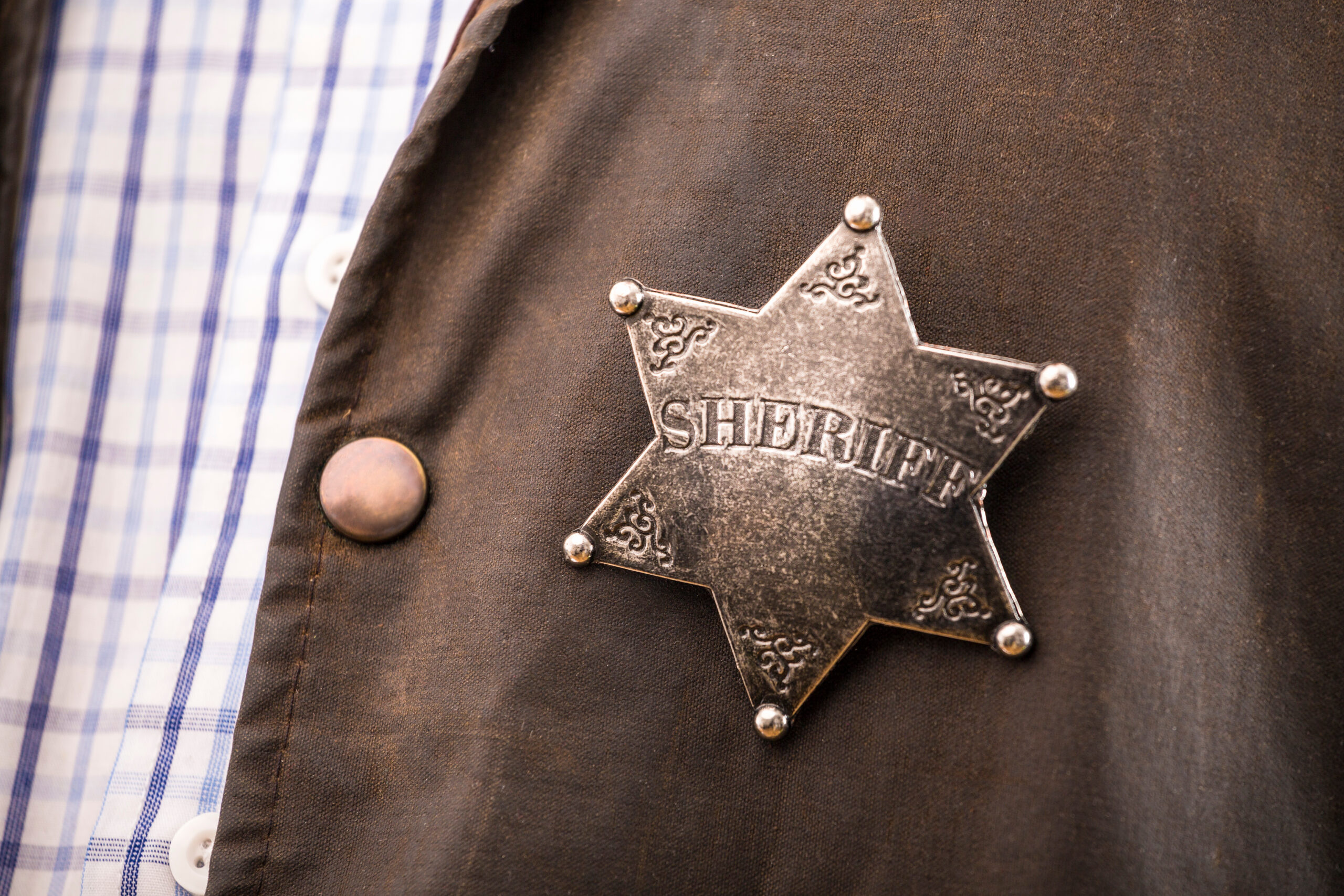
The Wild West has a reputation for lawlessness. It’s so embedded in our minds that most people assume everyone carried a pistol everywhere, always. Two such towns that are infamous in American folklore are Tombstone and Dodge City. Both had ordinances requiring any visitor to check their firearms at the sheriff's office upon arrival. The fight at the O.K. Corral took place specifically because Marshal Virgil Earp was attempting to enforce one of those laws. In fact, on the same day that the famous gunfight took place, a judge had fined one of the men killed in the gunfight $25 for carrying a gun in the town. The most famous gun battle in American history started over a gun control ordinance.
Bank Robbery Was a Frontier Staple
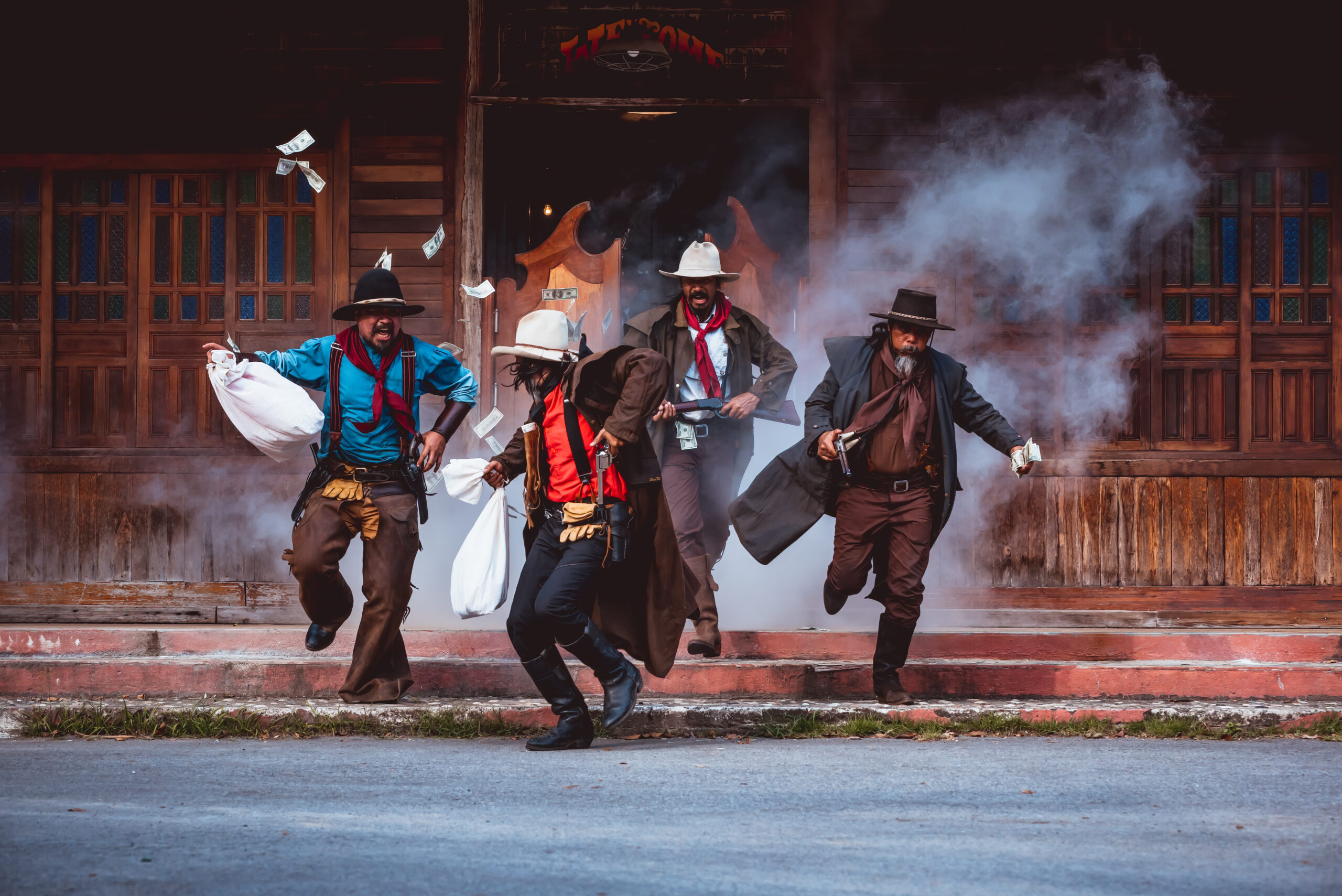
The picture of masked riders galloping into town to loot the local vault has become so ingrained that it’s taken at face value. Researchers discovered only a few dozen confirmed bank robberies during a period of about 40 years across 15 Western states. Modern American cities routinely see more in a single year. Jesse James and Butch Cassidy made their names by robbing trains and stagecoaches, but they rarely robbed banks. The image stuck because dime novelists needed a set piece and history didn't supply one that was as visually striking.
Cowboys Were White
In the classic Western movies of Hollywood, white cowboys dominated the casts on all sides of every conflict, with a few rare exceptions. The reality for the cowboy workforce was quite different. In the period after the Civil War, about one quarter of cowboys were African-American, many of them formerly enslaved men who found ranch work to be one of the few industries willing to pay them wages and judge them by skill rather than by color.
By the end of the nineteenth century, about one-third of cowboys were Mexican vaqueros. The vaqueros did not simply join cowboy culture; they invented it. The words "rodeo," "lasso," "stampede," and "ranch" are all derived from Spanish. The techniques American cowboys used came directly from Mexican cattle herders, whose tradition stretched back to Spanish colonial ranching in the sixteenth century.
The Pony Express Was a Pillar of the Frontier
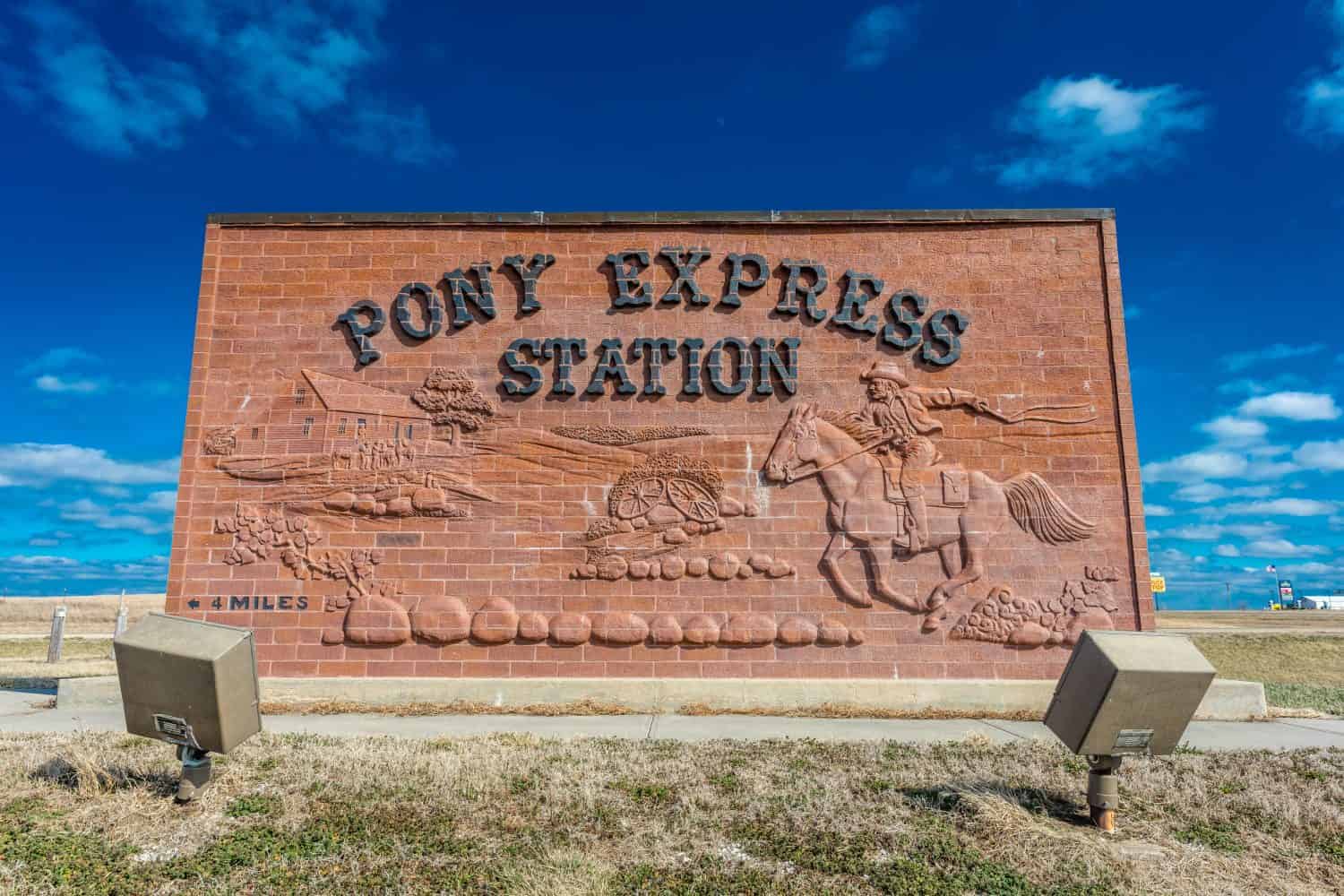
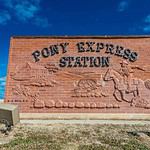
One of the institutions most strongly associated with the image of the Wild West is the Pony Express, consisting of bold young riders covering 1,900 miles across open land, moving from coast to coast and delivering mail in just 10 days. The Pony Express ran from April 1860 to October 1861. Eighteen months. It was never profitable. They lost money on every letter carried, and investors lost around $200,000 from the whole endeavor. Telegraph lines were completed between the east and west coasts on October 24, 1861, and the Pony Express announced its closure two days later. The operation that became one of the defining symbols of the American frontier lasted less than most mediocre Western TV shows.
The O.K. Corral Was a Heroic Standoff
The Gunfight at the O.K. Corral is, without a doubt, the most notorious gun battle in America's history. Ironically, it didn’t even happen at the O.K. Corral. This battle actually occurred in a narrow alley beside a photography studio about 30 feet from the corral. It lasted 30 seconds. Immediately following it, Wyatt Earp and Doc Holliday were charged with murder, not celebrated. The county sheriff led the legal effort against them, and the battle received very little historical notice for decades, until the publication of Stuart Lake's biography of Earp in 1931. In the book, it was reframed as a heroic defense of law and order. The reality is far less climactic.
Billy the Kid Killed 21 Men
21 kills by age 21, one kill for each year of his life. Billy the Kid said it himself. Historians, however, put the actual total somewhere between four and nine, with most estimates landing closer to four. Quite a few of the murders credited to Billy happened during the Lincoln County War, a chaotic multi-faction conflict where sorting out who shot whom was difficult to say the least. He was dangerous. Just not as dangerous as he wanted people to believe. Billy had every reason to inflate the number and dime novelists had every reason to take it at face value.
Saloon Girls Were Prostitutes
Saloon and dance hall girls were a recognized professional class in frontier towns. They were dancers and singers whose job was to keep men in the establishment buying drinks. These women received salaries along with commissions, and a good dancer could earn more in one evening than a miner or a ranch hand in an entire week.
Most had no economic incentive to be prostitutes since dancing paid better. The two occupations existed alongside each other in frontier towns, sometimes even in nearby establishments. As one saloon girl who was propositioned and called a whore reportedly responded: "I don't mind the black eye, but he called me a whore."
The Wild West Era Lasted for Generations
The mythology of the Wild West feels like something that lasted for generations. In reality, the period extended from the end of the Civil War in 1865 until about 1890, when the frontier was formally declared closed. Twenty-five years. The first major Western movie, "The Great Train Robbery," came out in 1903, well after the era it depicted was already over. John Ford's most celebrated Western movies were made in the 1940s and 50s. The television era of Western shows reached its peak in the 50s and 60s. The cultural phenomenon of the Wild West outlasted the real Wild West by many decades.
Cowboys Were Lone Gunslingers
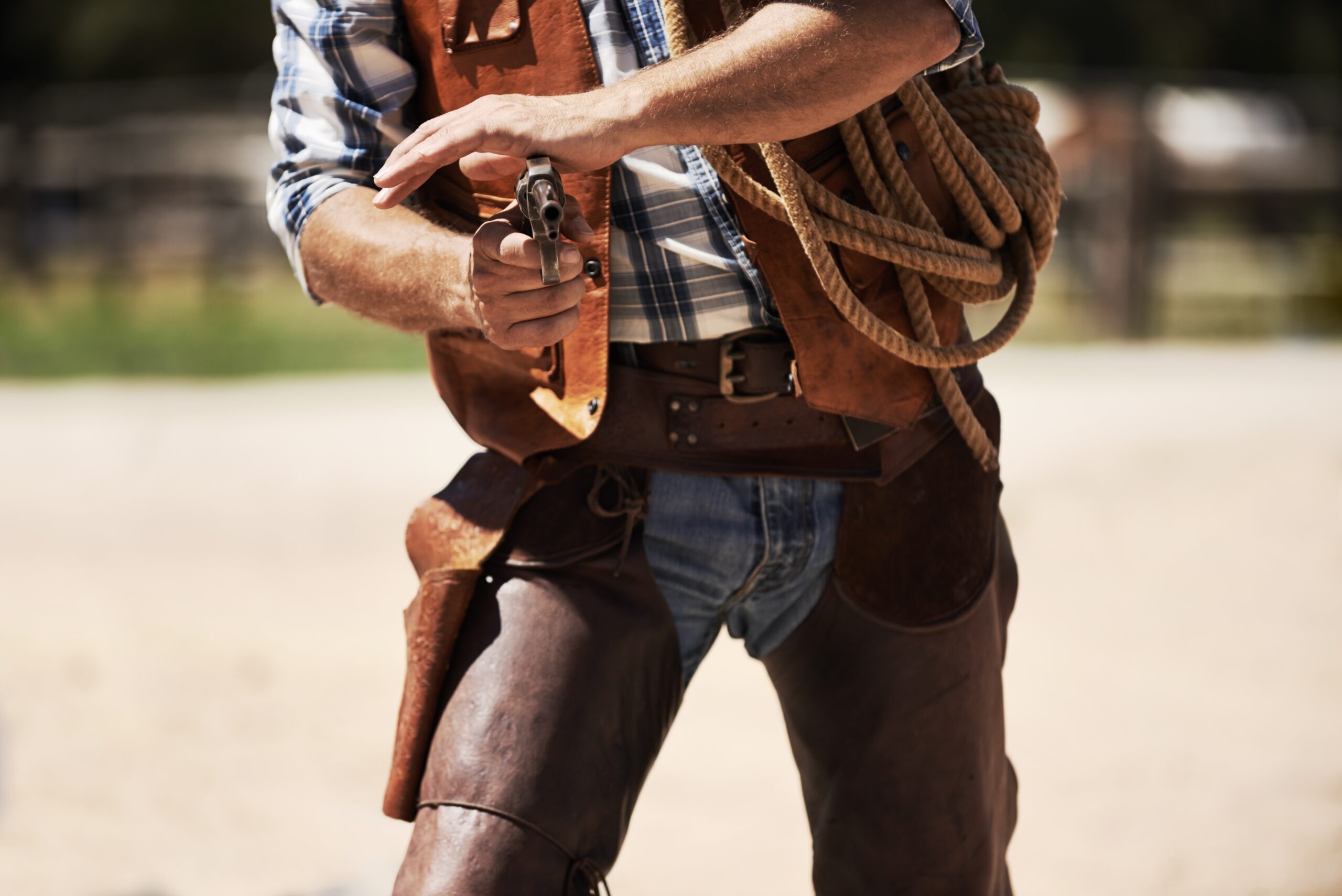
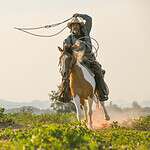
The romantic image of the cowboy is an individualist one: a lone gunslinger with a horse and a personal code, answering to nobody but himself. In reality, the profession was that of an agricultural worker. Cowboys were hired hands who worked to herd cattle, brand livestock, maintain fences, and ride long, grinding hours in exchange for modest wages.
It was seasonal work done in harsh conditions, and most cowboys spent months at a stretch on the trail with almost no interaction with towns at all. The visit to the saloon after a long ride was a rare occasion, not a lifestyle. The association of "cowboy" and "outlaw gunslinger" that we see in popular culture comes, like so many other things on this list, from dime novels that needed heroes and villains in the same story.
Quick-Draw Duels Were a Regular Occurrence
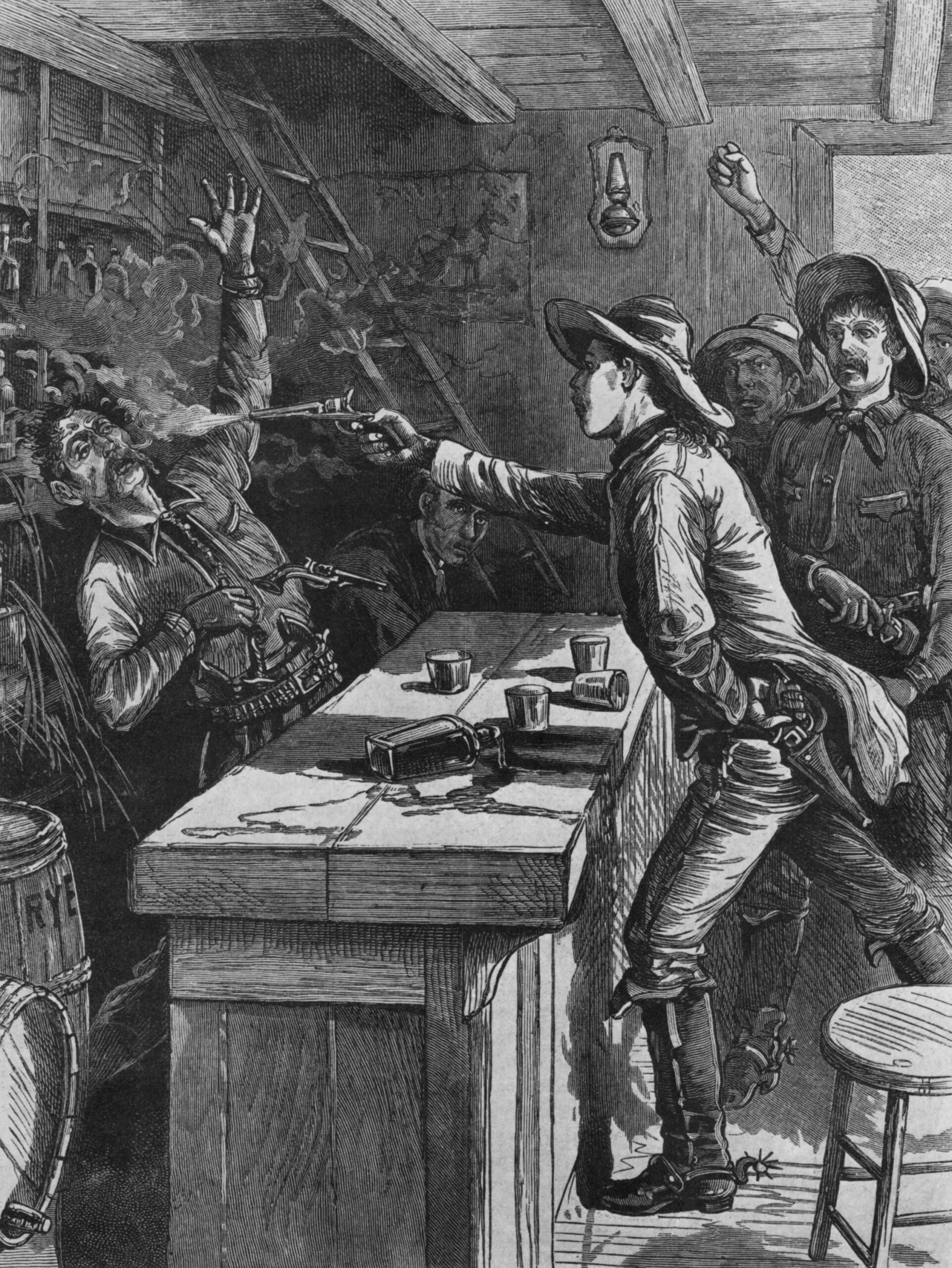
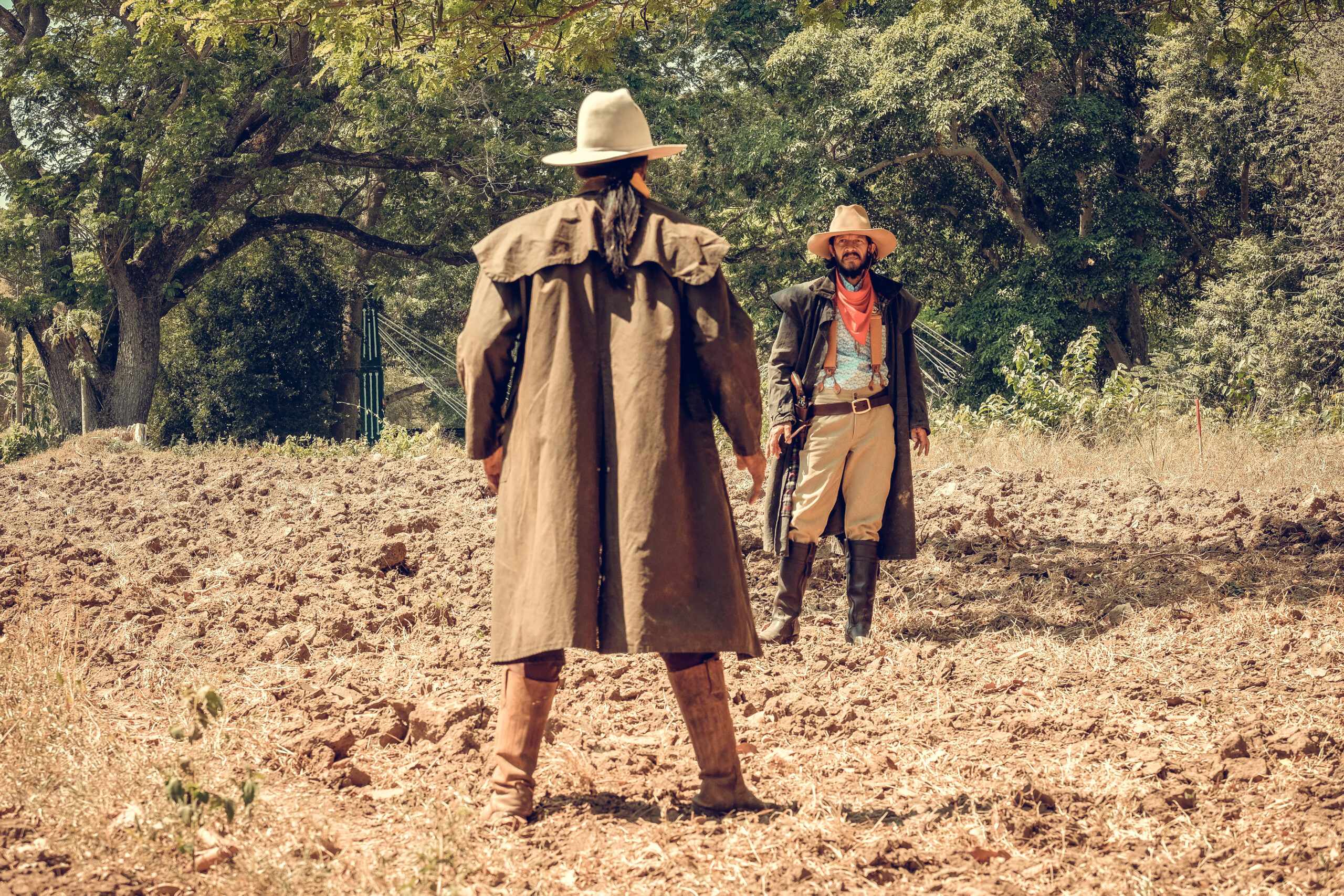
Two men standing facing each other in the street at midday, both waiting for the other to draw, so they could draw faster. This is the quintessential scene from this genre. It was a rare occurrence. So much so that individual instances became famous on the spot. The 1865 duel between Wild Bill Hickok and Davis Tutt in Springfield, Missouri is recognized by most historians as the first documented quick-draw standoff in the American West.
Yale historian John Mack Faragher confirmed that this kind of structured face-off almost never happened, and that Hickok's case became the stuff of legend precisely because it was an anomaly. Real gunfights took place at night in saloons after a disagreement got heated. Usually, when someone was drunk.
Native Americans Were a Unified Hostile Force
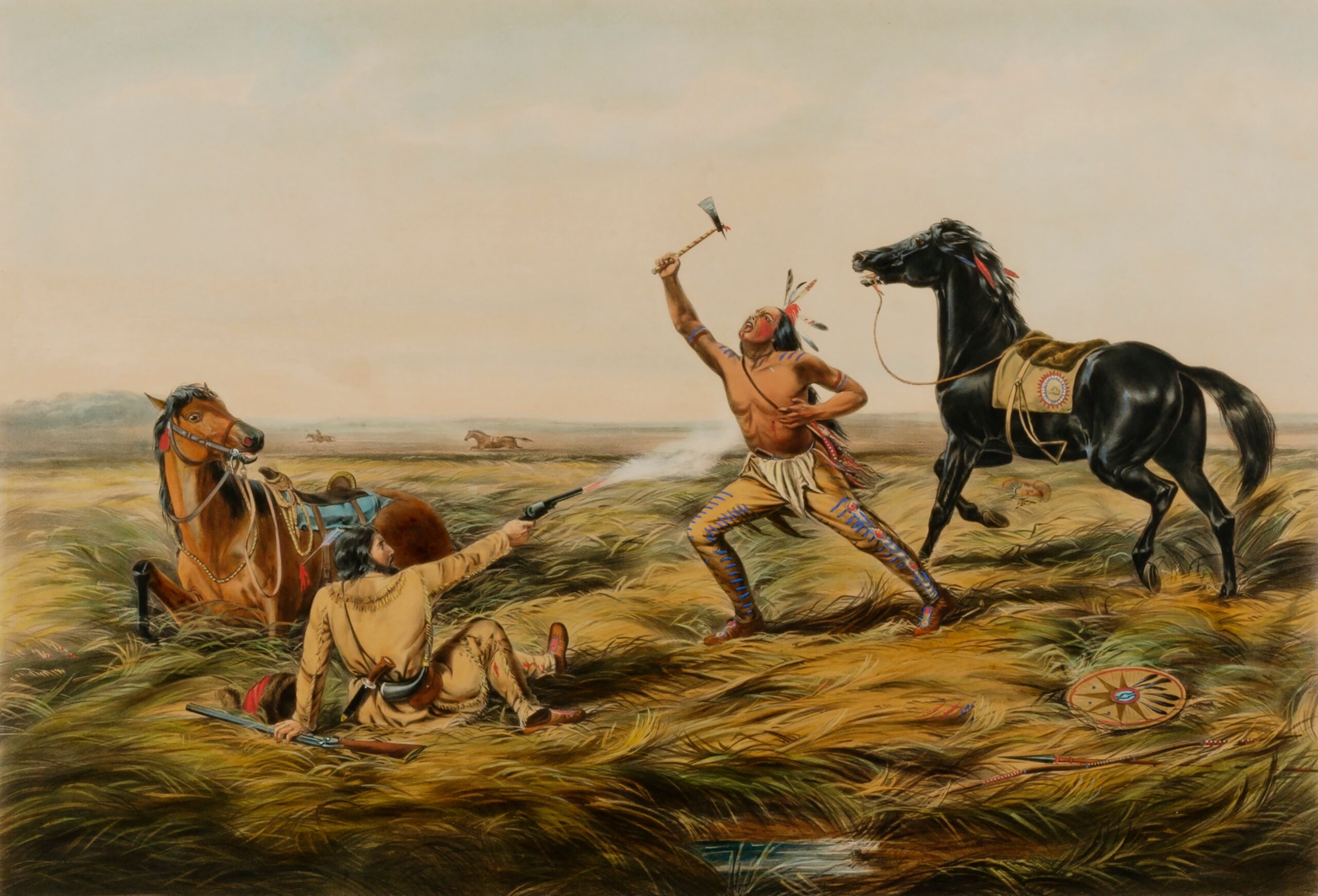
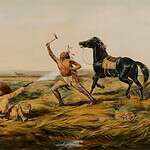
Hollywood's standard treatment of Native Americans in Westerns reduced dozens of distinct nations and cultures to a single category. The arrow-slinging enemy on horseback. In reality, the situation across the frontier period was much more complex. Many Native groups engaged in sustained trade with settlers. They worked on cattle drives and negotiated political relationships with the U.S. government for decades before those relationships collapsed.
The portrayal of Indigenous peoples as a monolithic aggressor also systematically erased the U.S. government's role in driving conflict. The Western film didn't just get the tone wrong. It reassigned the aggressor.
The U.S. Army Never Had a Camel Corps
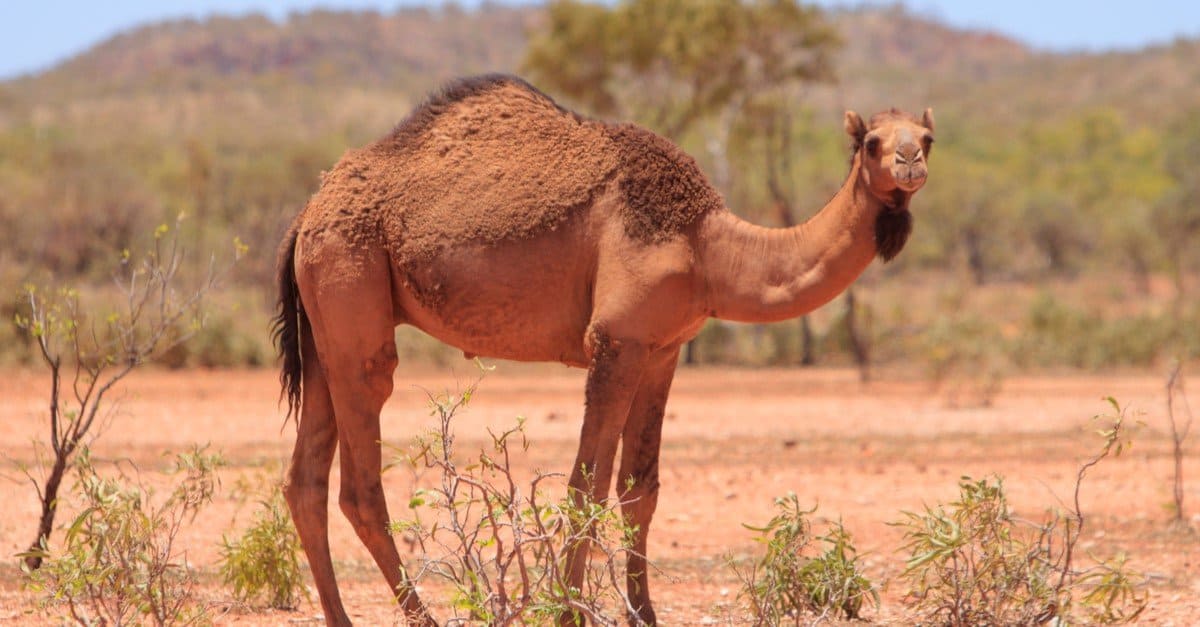
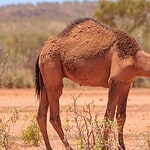
Horses and maybe an odd mule. That’s what most people think of when imagining frontier-era American army forces. But in 1856, the U.S. Army imported 33 camels from Egypt and Tunisia as part of a formal experiment to test whether they could be more effective in the desert Southwest than horses. They proved quite successful. They were stronger, required less water, and handled tough terrain better than the horses could. A second shipment raised the number to 66 later on.
The program ended because of the Civil War, and the camels were eventually sold or released. For years after, travelers in Texas and the desert Southwest reported encountering feral camels wandering the deserts. The U.S. Army ran a camel operation in the Wild West. Weirdly enough, Westens never picked up on it.
Wyatt Earp Was a Frontier Hero
The reputation of Wyatt Earp as the defining lawman of the Old West rests almost entirely on a single source: "Wyatt Earp: Frontier Marshal," the 1931 biography written by Stuart Lake, who worked closely with Earp before his death in 1929.
Wyatt Earp was portrayed in the book as a heroic officer and the central figure in the aforementioned fight at O.K. Corral. The truth isn’t as flattering. Contemporary documents from the 1880s reveal that Earp spent significant portions of his frontier years running gambling operations and saloons, not enforcing the law, and faced fraud allegations in multiple states. His makeover into an American icon was built on a hagiography he helped write.
The image featured at the top of this post is ©APChanel/Shutterstock.com