




12 Historic Revolvers That Helped Define the American West
The American West was shaped by rapid expansion, conflict, and the need for reliable personal weapons, and revolvers quickly became central to that reality. As technology evolved from cap-and-ball designs to cartridge systems, these firearms played a critical role in both daily life and moments of confrontation. The revolvers on this list are defined not just by their design, but by how widely they were used and the role they played in shaping frontier culture. Over time, they became enduring symbols of a transformative era in American history. Here, History Computer is taking a closer look at these revolvers.
To determine the revolvers that defined the American West, History Computer reviewed various historical and military sources. We included supplemental information for each revolver regarding the manufacturer, year introduced, primary users, role in the Old West, and ultimately what made each so iconic.
Here is a look at the historic revolves that defined the American West:
Why Are We Covering This?
Understanding the revolvers that helped define the American West offers insight into how a single type of weapon became central to one of the most formative periods in U.S. history. These revolvers were not just tools—they were part of daily life, used for survival, protection, and the enforcement of order in a rapidly changing environment. Their widespread use and association with both real events and legendary figures have made them lasting symbols of the frontier. For readers, this topic provides a deeper look at how history, technology, and storytelling combined to shape the enduring image of the Old West.
The Sidearm of the American West
Revolvers were the defining personal weapon of the American frontier, carried by lawmen, outlaws, cowboys, and settlers alike. Their compact design and ease of use made them ideal for close encounters, where speed often determined the outcome. In a region marked by uncertainty and rapid change, having a reliable sidearm was essential for survival. These revolvers became everyday tools for those living on the frontier, shaping how people protected themselves and interacted with one another. They were often one of the few pieces of equipment a person relied on daily, making familiarity with the weapon critical. Over time, this constant use helped cement the revolver’s role as a central element of frontier life.
A Time of Rapid Change
The American West developed during a period of significant technological change in firearms. Early cap-and-ball revolvers gradually gave way to cartridge-based designs, which were faster to reload and more reliable in the field. These advancements allowed users to respond more effectively in high-pressure situations. As revolvers evolved, they influenced not only how conflicts were fought, but also how individuals approached personal defense and law enforcement on the frontier. The shift in technology also reflected the broader pace of change occurring across the region. This period of innovation helped define the tools that would become closely associated with the West.
Tools of Both Law and Lawlessness
Revolvers in the Old West were used by both those who enforced the law and those who challenged it. Sheriffs, marshals, and deputies relied on them to maintain order, while outlaws and gunfighters used the same weapons to resist authority. This dual role blurred the line between law and lawlessness, creating a complex and often volatile environment. The widespread use of these revolvers made them central to the daily realities of frontier life. In many cases, the difference between lawful and unlawful use came down to circumstance rather than the weapon itself. This shared reliance further reinforced the revolver’s place at the center of Western history.
From Real History to Western Mythology
Many revolvers became closely associated with famous figures and events, from legendary gunfights to well-known lawmen and outlaws. Over time, these stories were amplified through books, films, and folklore, turning historical weapons into cultural icons. The image of a revolver became synonymous with the American West, representing both its challenges and its enduring appeal. This blend of fact and myth has helped preserve their legacy. As these stories were retold, the revolvers themselves took on a larger symbolic meaning. They became shorthand for the spirit of independence and conflict that defined the era.
The Revolvers That Defined an Era
The revolvers on this list represent more than just tools of the frontier—they reflect the innovation, survival, and identity of the American West. Each played a role in shaping how people lived, fought, and enforced order during a formative period in U.S. history. Their influence extends beyond their time, continuing to shape modern perceptions of the West. Today, they remain powerful symbols of a defining era. Their continued presence in media and historical discussion keeps their legacy alive. In many ways, they serve as lasting reminders of the challenges and transformations that defined the frontier.
Colt Single Action Army
- Manufacturer: Colt
- Year Introduced: 1873
- Type: Cartridge, Single-action
- Primary Users: Lawmen, outlaws, civilians
- Role in the Old West: Sidearm
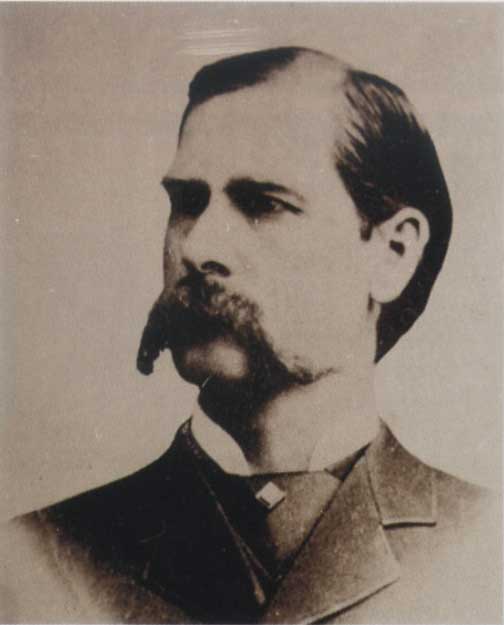
- Notable Associations: Wyatt Earp, frontier lawmen
- What Made It Iconic: Reliability, widespread use
- Cultural Legacy: Western films, folklore
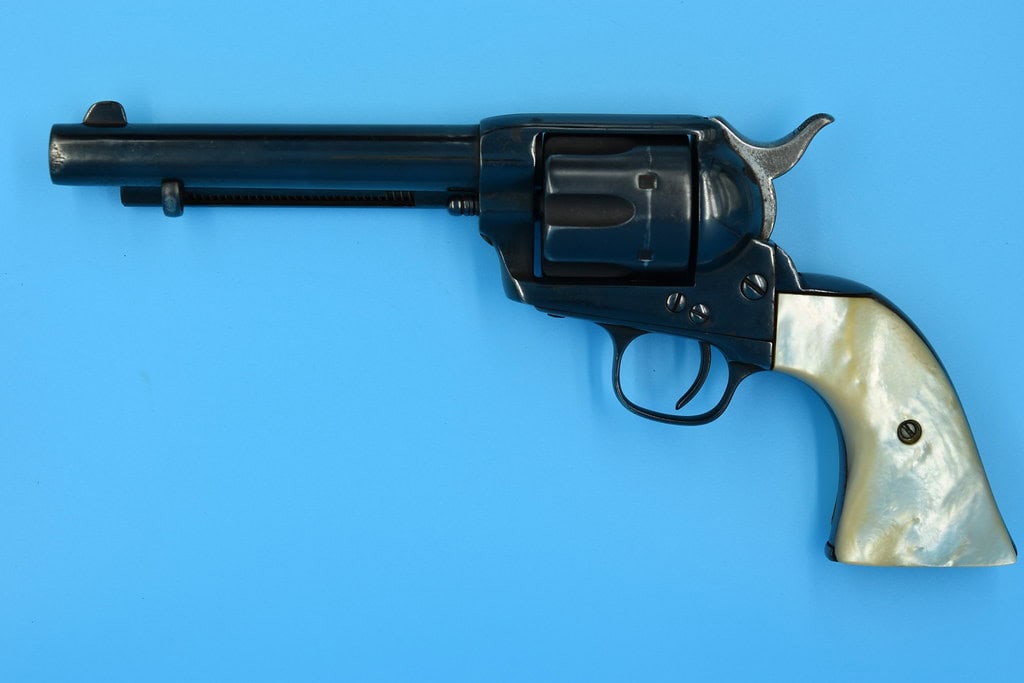
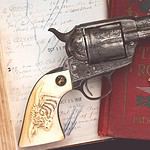
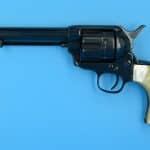
The Colt Single Action Army stands as the most iconic revolver of the American West, earning its reputation through widespread use by lawmen, outlaws, and civilians alike. Introduced in 1873, it arrived at the perfect moment during westward expansion, offering reliability and stopping power in a rugged, simple design. Its association with figures like Wyatt Earp and its frequent appearance in Western films cemented its legendary status. More than just a firearm, it became a symbol of frontier justice, self-reliance, and the lawless yet defining nature of the Old West.
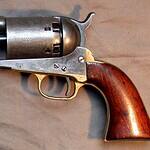
Colt 1851 Navy
- Manufacturer: Colt
- Year Introduced: 1851
- Type: Cap-and-ball, Single-action
- Primary Users: Civilians, soldiers
- Role in the Old West: Sidearm
- Notable Associations: Wild Bill Hickok
- What Made It Iconic: Balance, accuracy
- Cultural Legacy: Old West imagery
The Colt 1851 Navy Revolver gained prominence before the widespread adoption of cartridge revolvers, becoming a trusted sidearm for civilians and gunfighters. Known for its balance and accuracy, it was famously carried by Wild Bill Hickok, further elevating its status in Western lore. Its widespread use during the mid-19th century helped bridge the gap between earlier firearms and the more advanced revolvers that followed. Its presence in both real-world history and storytelling has made it one of the defining weapons of the frontier era.
Colt 1860 Army
- Manufacturer: Colt
- Year Introduced: 1860
- Type: Cap-and-ball, Single-action
- Primary Users: Cavalry, soldiers
- Role in the Old West: Military sidearm
- Notable Associations: Civil War soldiers
- What Made It Iconic: Power, military use
- Cultural Legacy: Historical depictions
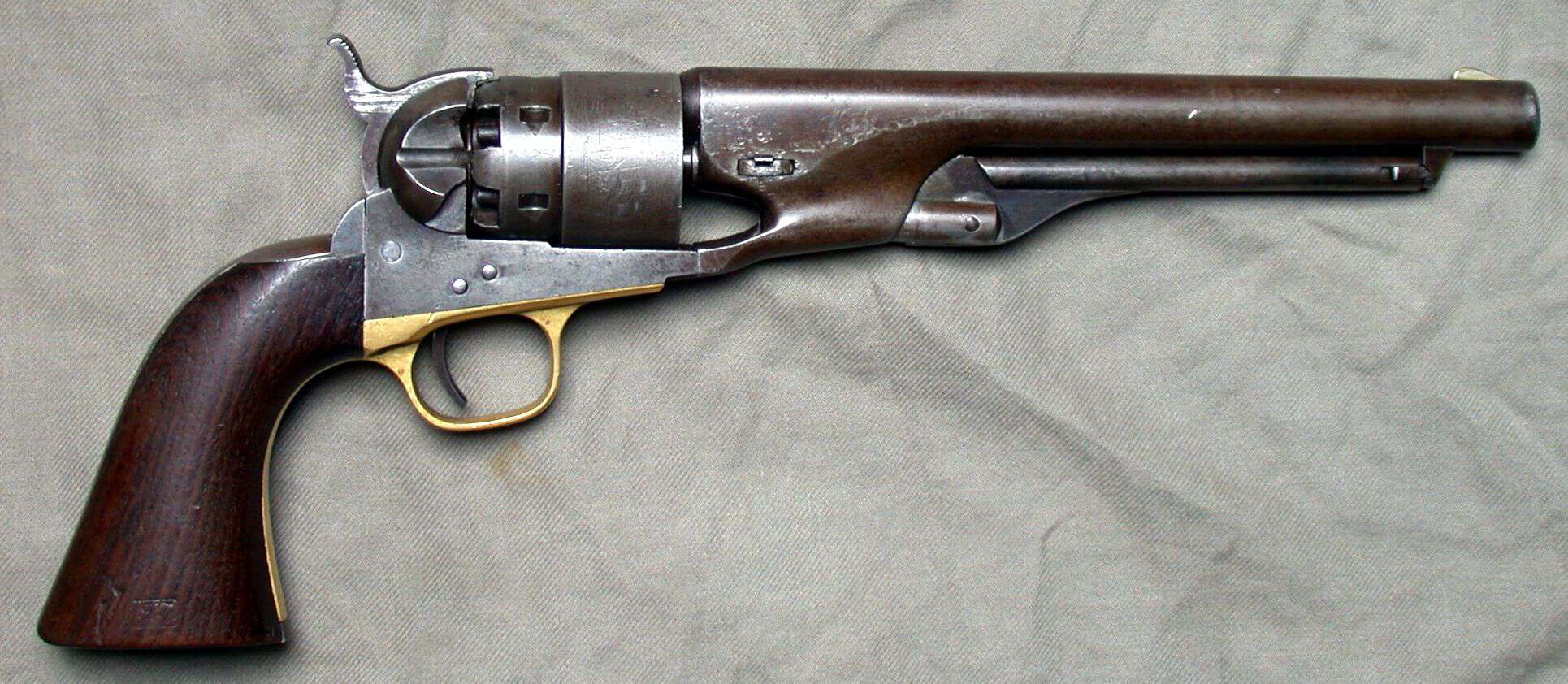
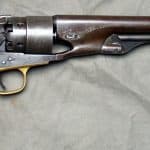
The Colt 1860 Army Revolver played a critical role during the Civil War and continued to influence frontier life as soldiers moved westward after the conflict. Its increased power and improved design made it a preferred sidearm for cavalry units. As veterans carried these revolvers into the expanding frontier, the weapon became closely tied to the transition from organized warfare to the rugged individualism of the Old West, helping shape both its reality and mythology.
Remington Model 1858
- Manufacturer: Remington
- Year Introduced: 1858
- Type: Cap-and-ball, Single-action
- Primary Users: Soldiers, civilians
- Role in the Old West: Sidearm
- Notable Associations: Civil War use
- What Made It Iconic: Durability
- Cultural Legacy: Western reenactments
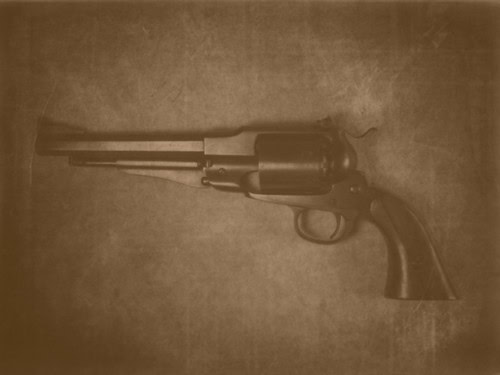
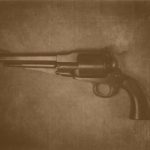
The Remington Model 1858 earned a reputation for durability and strength, making it a reliable alternative to Colt designs. Its solid frame provided improved stability, and it was widely used during the Civil War before finding its way into frontier life. Many users valued its ability to withstand heavy use, making it a practical choice in harsh conditions. Its role in both military service and civilian life helped solidify its place as a defining revolver of the era.
Smith & Wesson Model 3
- Manufacturer: Smith & Wesson
- Year Introduced: 1870
- Type: Cartridge, Top-break
- Primary Users: Lawmen, cavalry
- Role in the Old West: Sidearm
- Notable Associations: Russian contracts
- What Made It Iconic: Fast reload
- Cultural Legacy: Historic revolver evolution
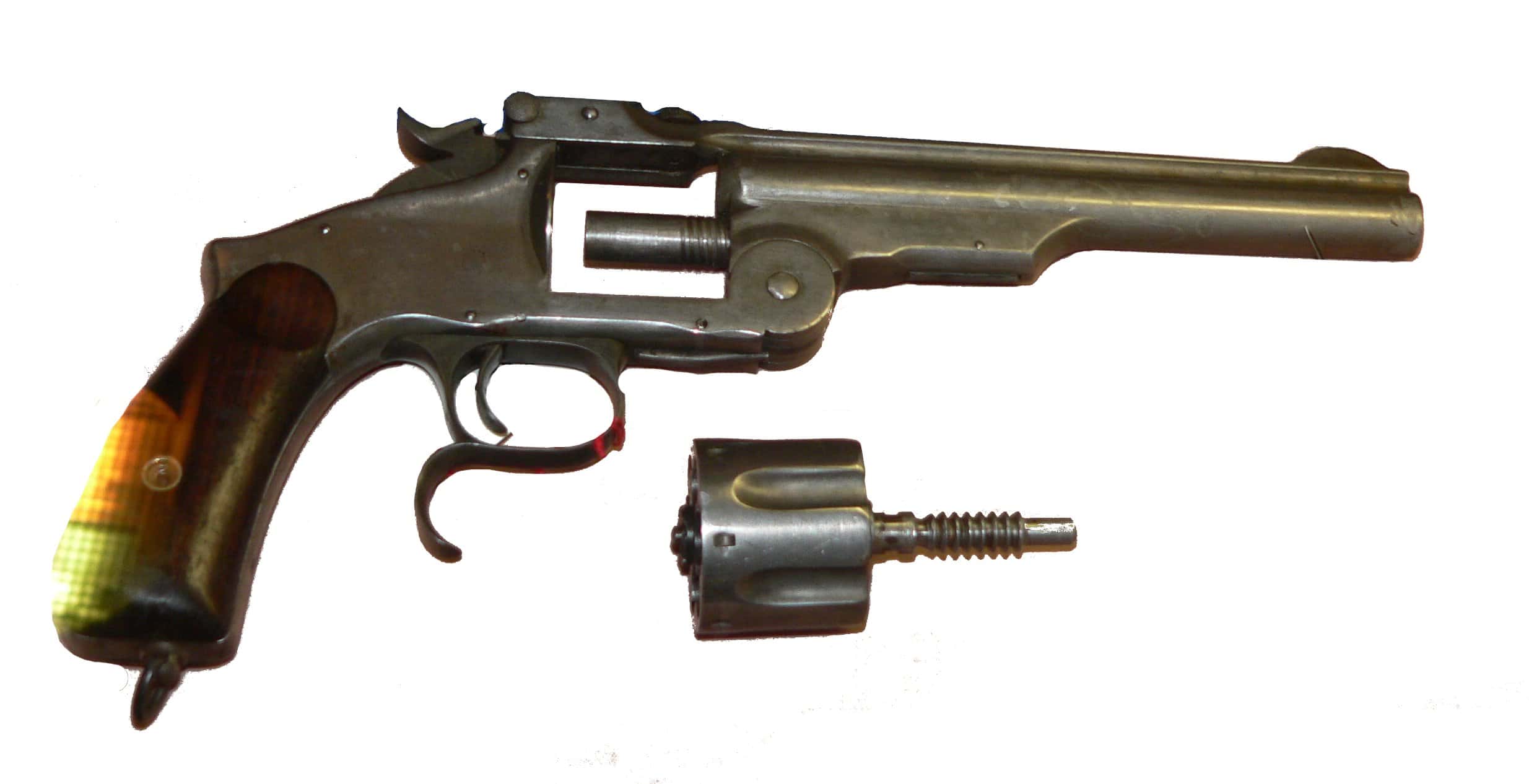
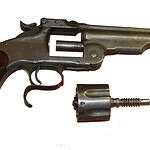
The Smith & Wesson Model 3 represented a major technological leap with its top-break design, allowing for faster reloading compared to earlier revolvers. This innovation made it particularly appealing to cavalry units and law enforcement. Its adoption in both domestic and international markets expanded its influence. In the context of the American West, it symbolized the shift toward more advanced and efficient firearms, marking a turning point in revolver evolution.
Smith & Wesson Schofield
- Manufacturer: Smith & Wesson
- Year Introduced: 1875
- Type: Cartridge, Top-break
- Primary Users: Cavalry
- Role in the Old West: Military sidearm
- Notable Associations: US Cavalry
- What Made It Iconic: Quick reload
- Cultural Legacy: Western lore
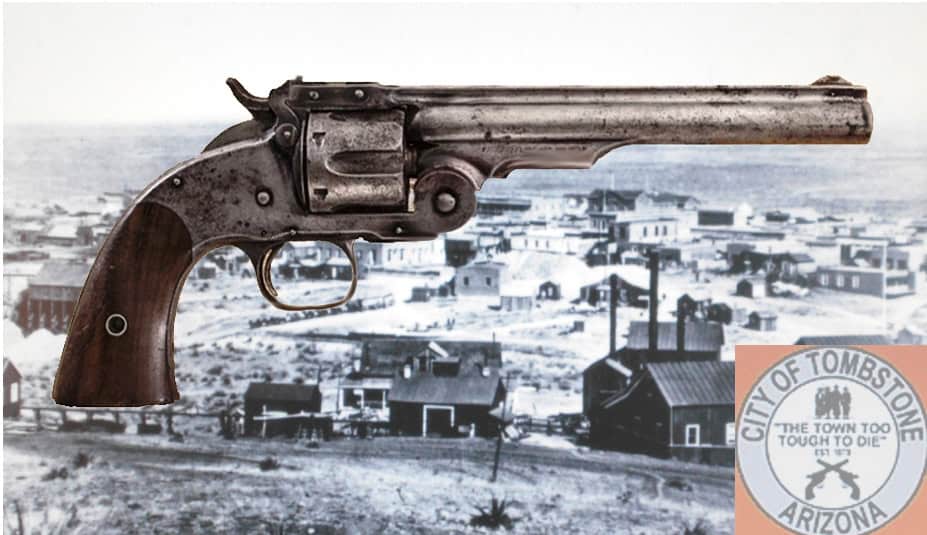
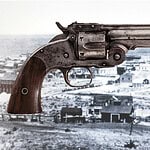
The Smith & Wesson Schofield became closely associated with the U.S. Cavalry, offering a faster reload system that was ideal for mounted troops. Its ability to be operated with one hand gave it a practical advantage in combat. Although its service life was relatively short, its connection to cavalry operations and frontier military presence made it a recognizable symbol of the era. Its inclusion in Western stories and historical accounts has preserved its legacy.
Colt Walker Revolver
- Manufacturer: Colt
- Year Introduced: 1847
- Type: Cap-and-ball, Single-action
- Primary Users: Texas Rangers
- Role in the Old West: Sidearm
- Notable Associations: Samuel Walker
- What Made It Iconic: Power
- Cultural Legacy: Early West expansion
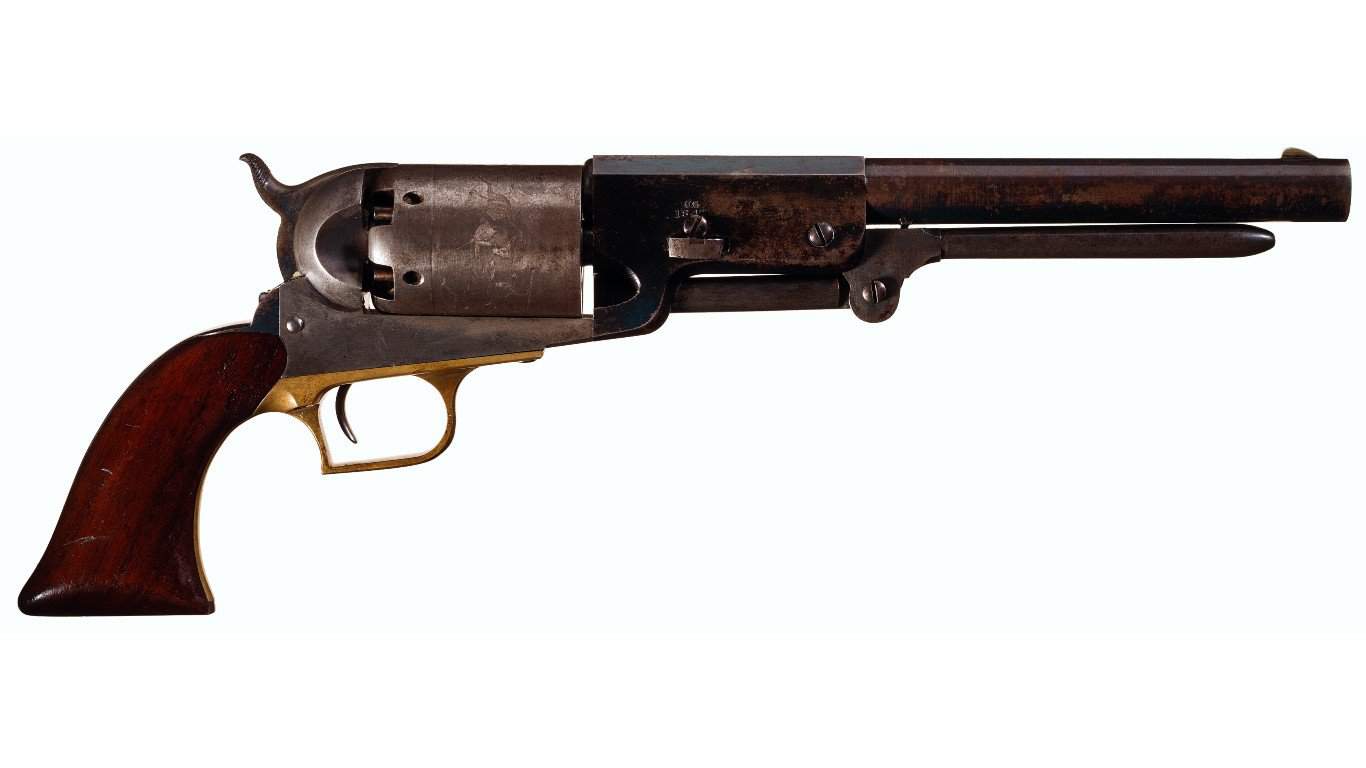
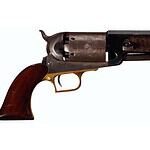
The Colt Walker Revolver was one of the most powerful handguns of its time, developed in collaboration with Texas Ranger Samuel Walker. Its size and firepower made it a formidable weapon on the frontier. Though produced in limited numbers, its impact on early Western expansion was significant. It represents the rugged and experimental nature of early firearm development in the American West, helping set the stage for later revolver designs.
Colt Dragoon
- Manufacturer: Colt
- Year Introduced: 1848
- Type: Cap-and-ball, Single-action
- Primary Users: Military
- Role in the Old West: Sidearm
- Notable Associations: US Army
- What Made It Iconic: Improved design
- Cultural Legacy: Frontier history
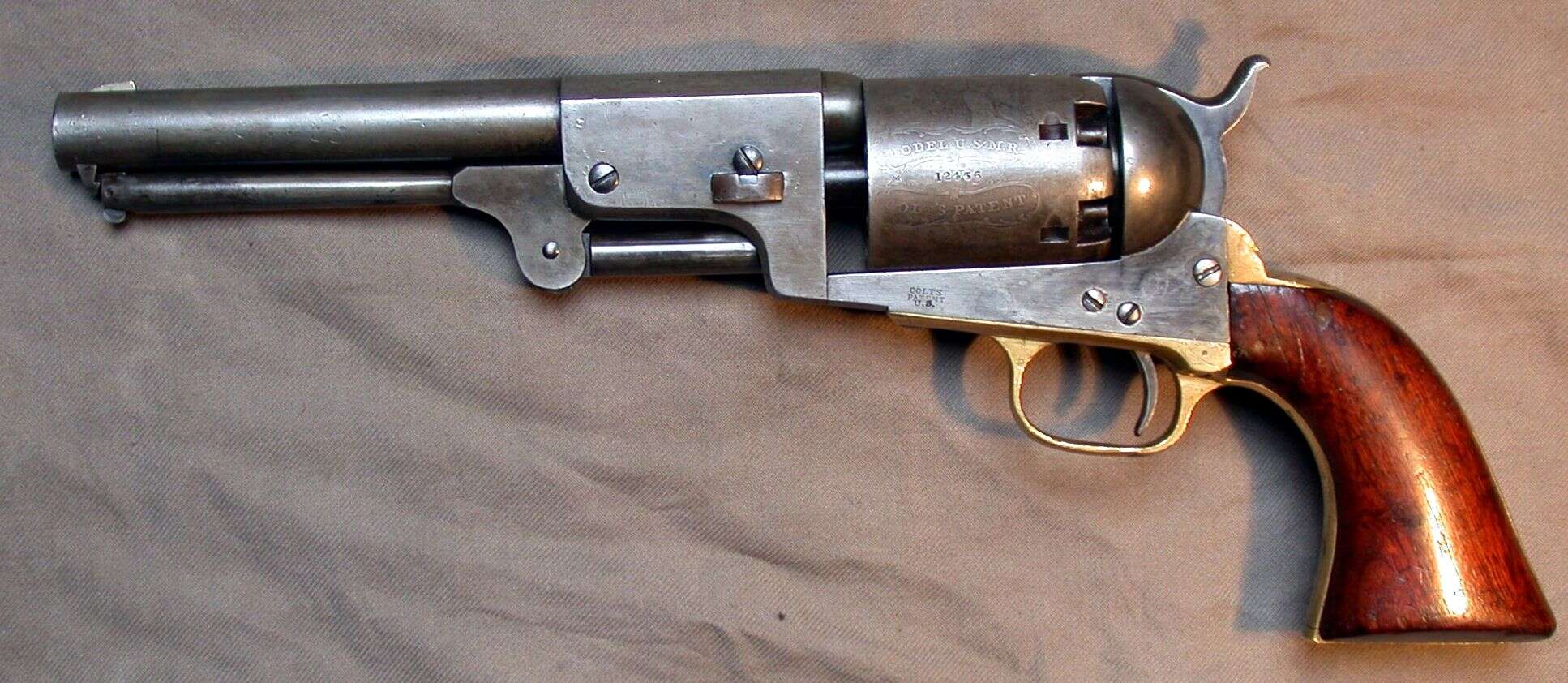
The Colt Dragoon Revolver improved upon the Walker design, offering better handling and reliability. Used by the U.S. military, it became a key sidearm during early frontier expansion. Its role in bridging the gap between early revolvers and more refined designs makes it historically significant. As a weapon carried during a formative period of westward movement, it contributed to the evolving identity of the American frontier.
Colt 1877 Lightning
- Manufacturer: Colt
- Year Introduced: 1877
- Type: Cartridge, Double-action
- Primary Users: Civilians, outlaws
- Role in the Old West: Sidearm
- Notable Associations: Billy the Kid
- What Made It Iconic: Early DA revolver
- Cultural Legacy: Western myths
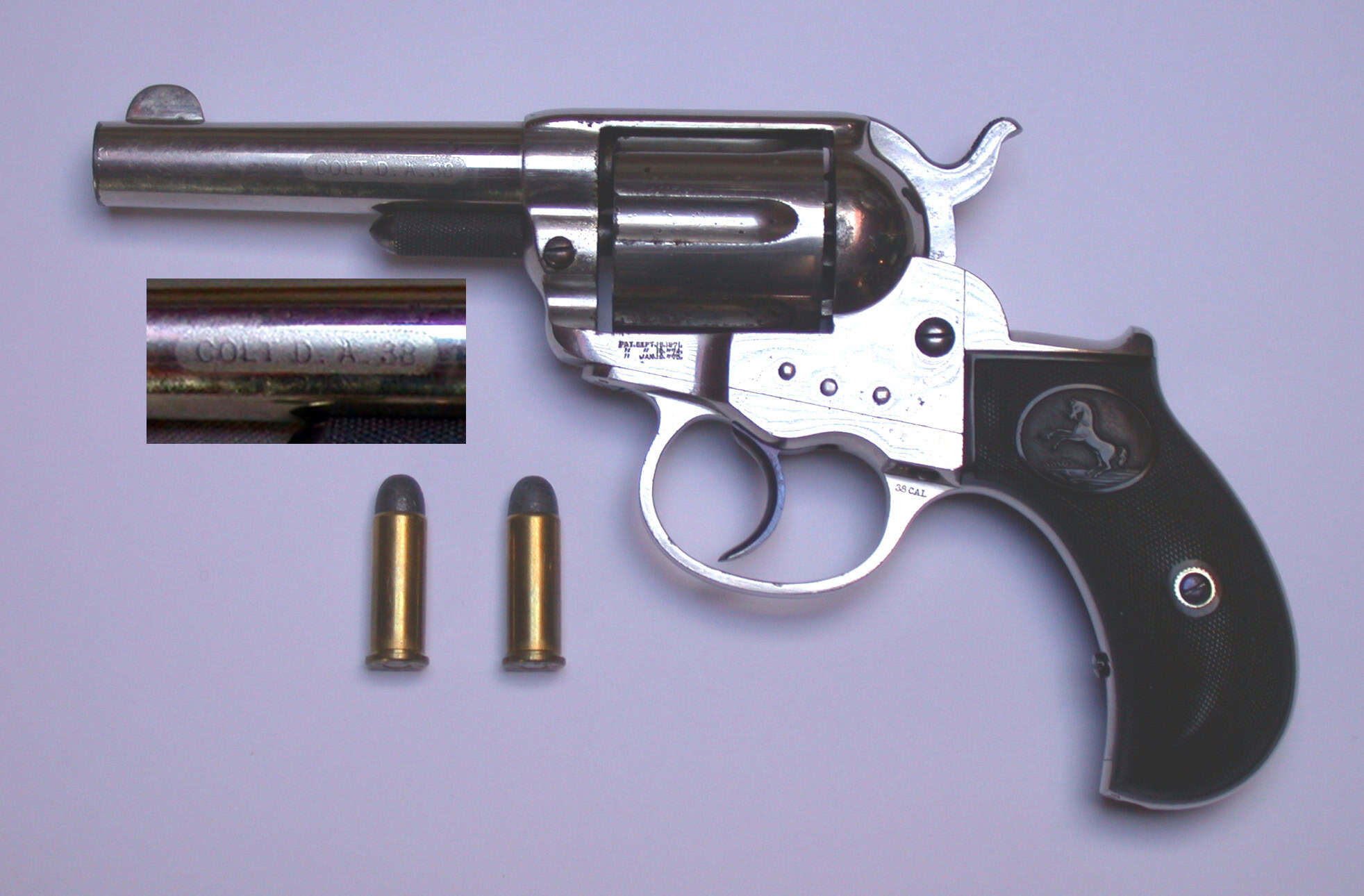
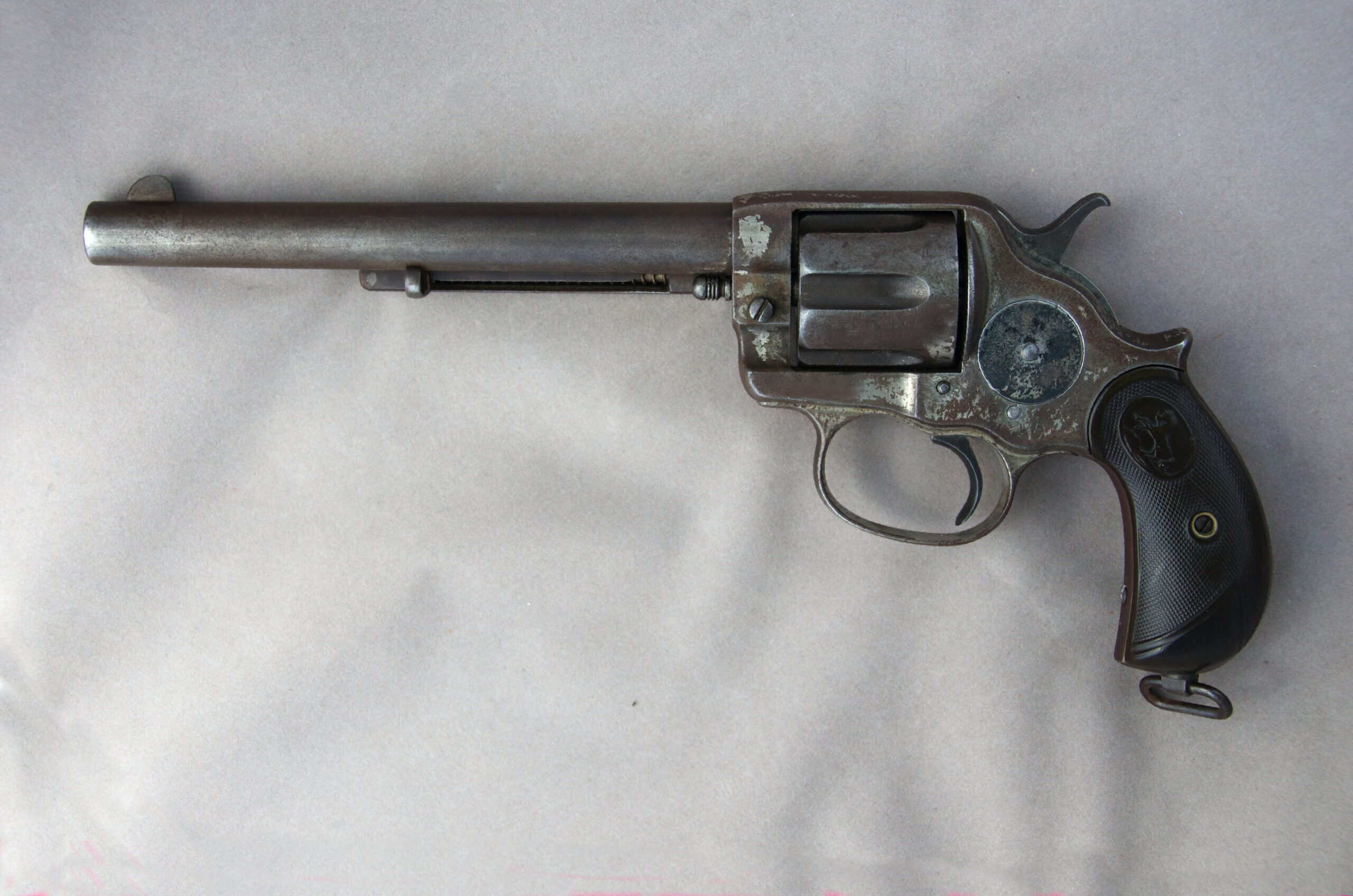
The Colt 1877 Lightning was one of Colt’s first successful double-action revolvers, offering faster firing capability compared to single-action designs. It was reportedly used by figures like Billy the Kid, adding to its notoriety. While mechanically more complex, its association with outlaws and its role in the evolution of revolver technology helped secure its place in Western history.
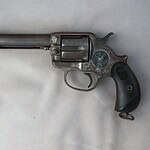
Colt 1878 Frontier
- Manufacturer: Colt
- Year Introduced: 1878
- Type: Cartridge, Double-action
- Primary Users: Lawmen, civilians
- Role in the Old West: Sidearm
- Notable Associations: Frontier use
- What Made It Iconic: Improved DA
- Cultural Legacy: Historic firearms evolution
The Colt 1878 Frontier built on earlier double-action designs, providing improved reliability and performance. It was used by both civilians and law enforcement, reflecting the diverse roles revolvers played in the West. Its design represents the ongoing refinement of firearm technology during the period, contributing to the broader narrative of innovation and adaptation on the frontier.
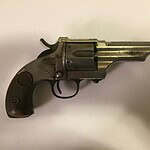
Merwin & Hulbert Revolver
- Manufacturer: Merwin & Hulbert
- Year Introduced: 1870s
- Type: Cartridge, Single-action
- Primary Users: Civilians
- Role in the Old West: Sidearm
- Notable Associations: Frontier markets
- What Made It Iconic: Unique design
- Cultural Legacy: Collector interest
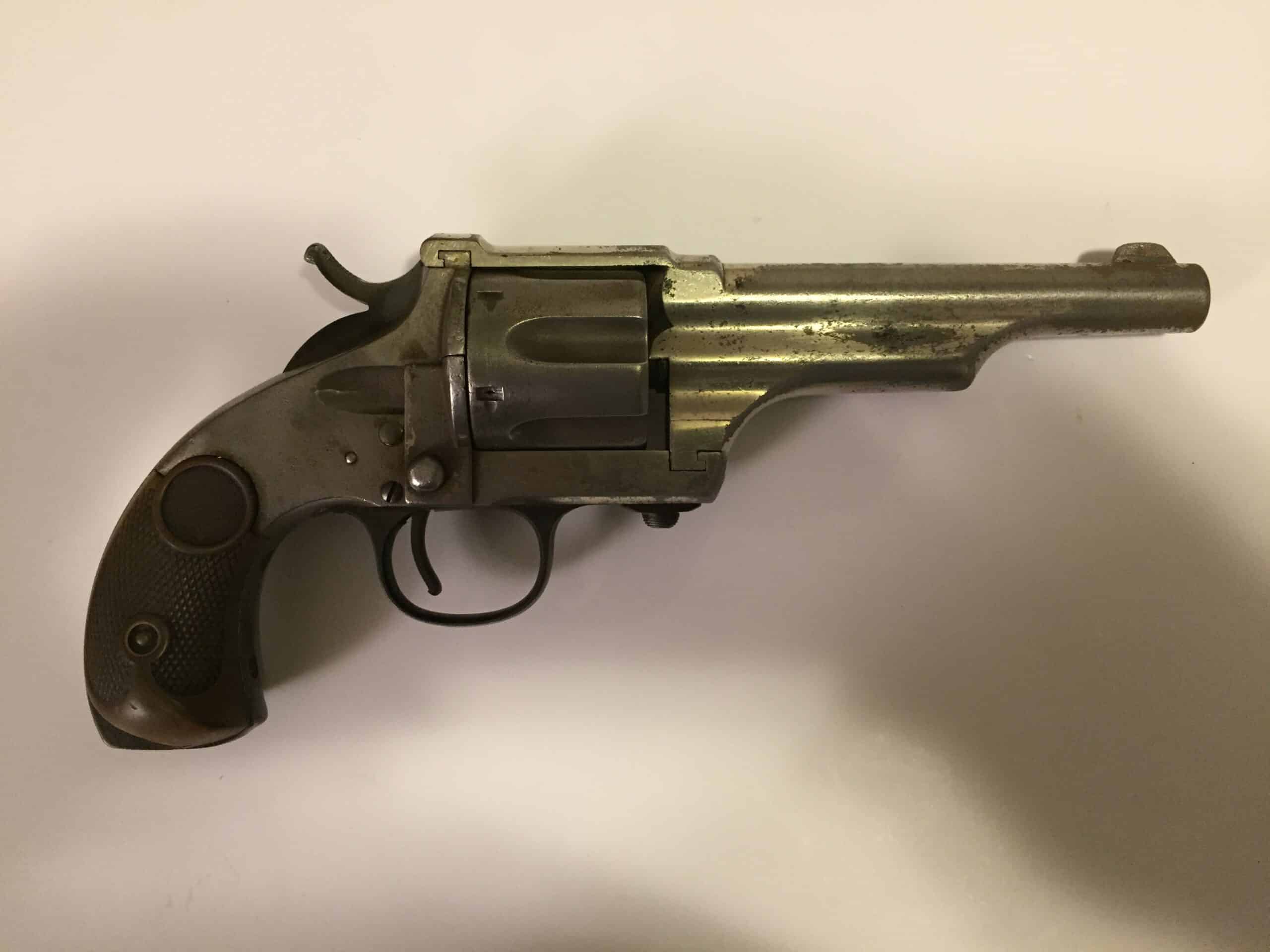
The Merwin & Hulbert Revolver stood out for its unique design, which allowed for partial extraction of spent cartridges. Though less widely known than Colt or Smith & Wesson models, it gained a reputation for quality and innovation. Its presence in frontier markets and among civilian users highlights the diversity of firearms in the Old West, offering a glimpse into lesser-known but still influential designs.
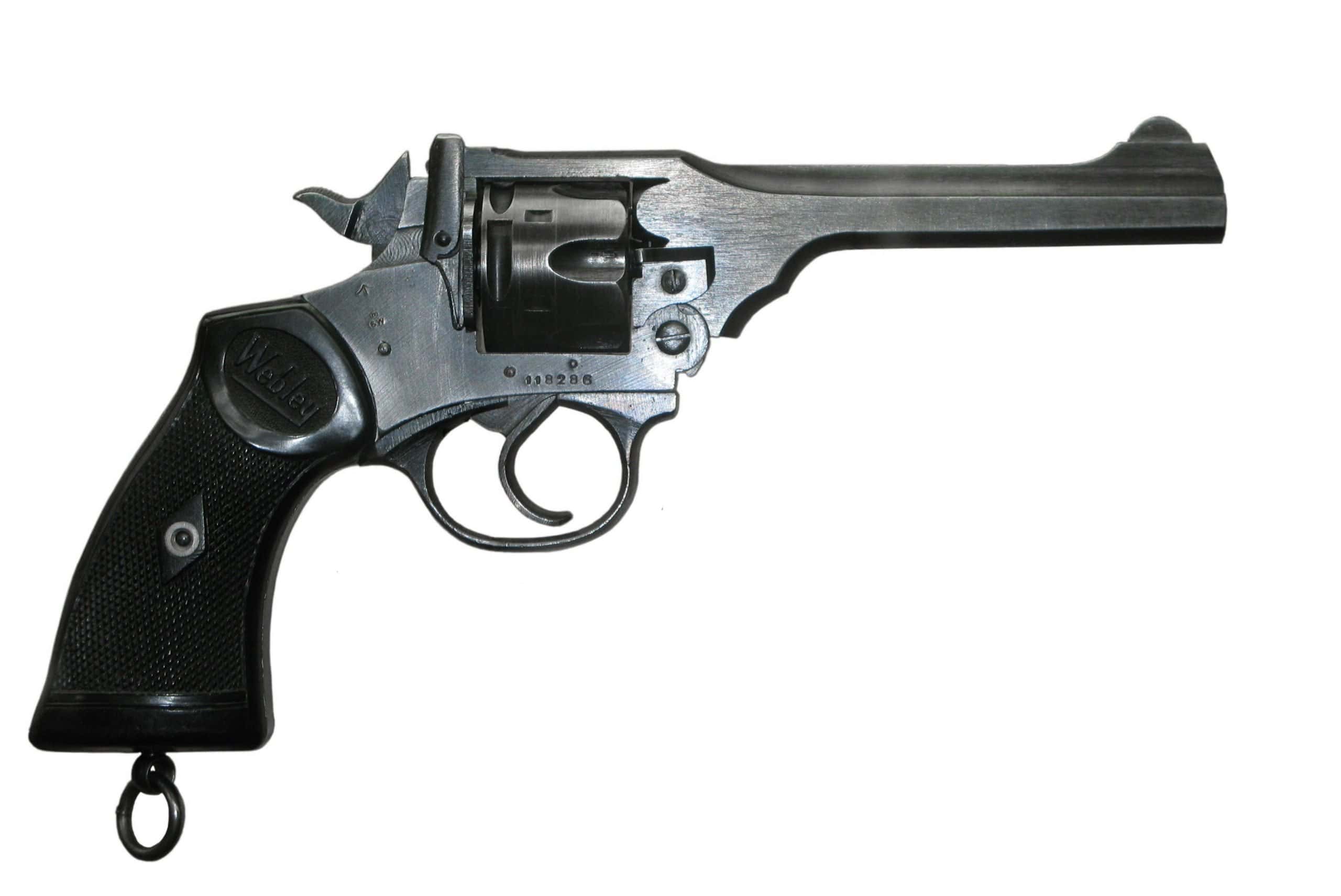
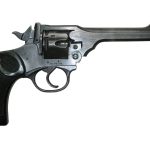
Webley Revolver
- Manufacturer: Webley
- Year Introduced: 1887
- Type: Cartridge, Double-action
- Primary Users: Soldiers
- Role in the Old West: Sidearm
- Notable Associations: British Empire presence
- What Made It Iconic: Reliability
- Cultural Legacy: Global Western influence
The Webley Revolver represents the global influence of revolver design during the late 19th century. While primarily associated with the British Empire, its presence in frontier regions and among imported firearms adds an international dimension to the story of the American West. Its durability and top-break design made it a practical weapon, and its inclusion reflects the broader exchange of technology and ideas during the era.
The image featured at the top of this post is ©Hmaag / Wikimedia Commons – License / Original