

The Semi-Auto Rifle That Gave American Troops a Major Edge in World War II
When the United States entered World War II after the attack on Pearl Harbor in December 1941, the country rapidly expanded its military production on a massive scale. Factories that had once built cars, appliances, and consumer goods were converted to produce tanks, aircraft, ships, ammunition, and firearms. This manufacturing surge became one of America’s greatest advantages, allowing the U.S. military to equip millions of service members and supply Allied forces across multiple theaters of war.
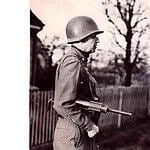
One weapon that stood out was the semi-automatic rifle carried by many American troops. At a time when several major armies still relied heavily on bolt-action rifles, U.S. soldiers benefited from a firearm that could fire more quickly without manually cycling the bolt after every shot. That advantage gave American infantrymen greater firepower in combat and helped change expectations for what a standard service rifle could do on the modern battlefield.
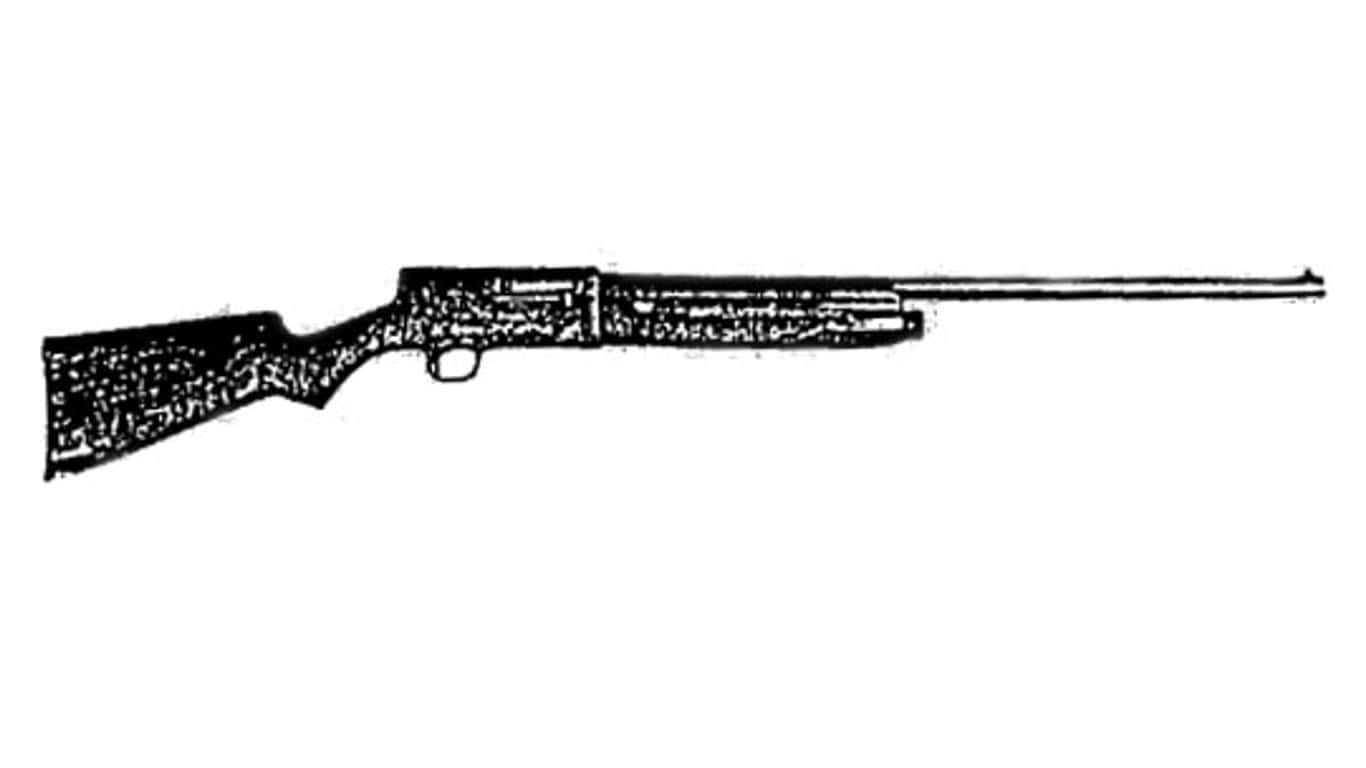
14. Remington Model 11
- Weapon type: Shotgun
- Caliber: 12 gauge, 16 gauge
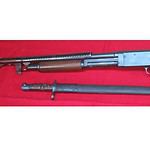
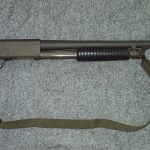
As soon as the Remington Model 11 was introduced as a semi-automatic shotgun with a five-round capacity, it became a hit in both Europe and the Pacific. Long-barreled versions were used for training anti-aircraft personnel, while the short-barreled model was used for guard duty. Initially, the Model 11 was introduced into the armed forces as a way to make up for a weapons shortfall in the early days of the war.
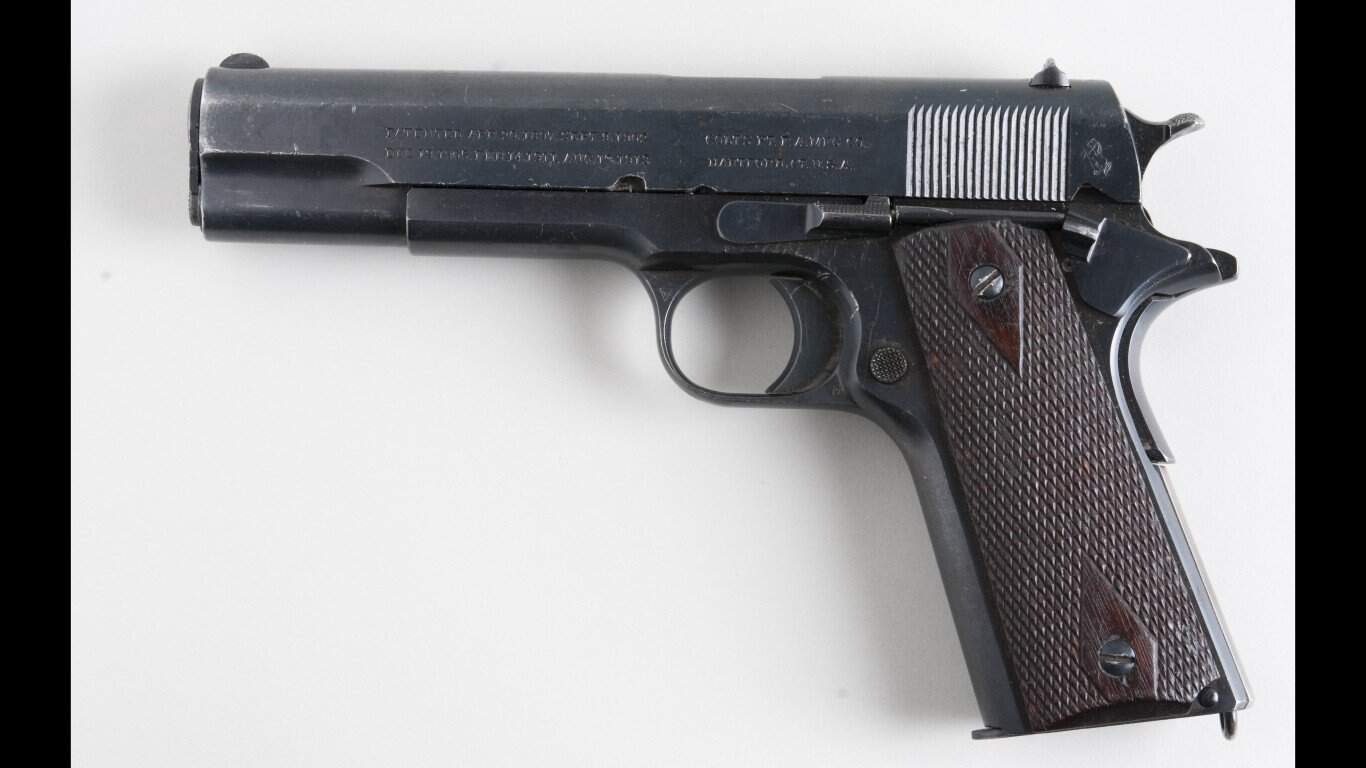
13. Colt M1911
- Weapon type: Pistol
- Caliber: .45 ACP
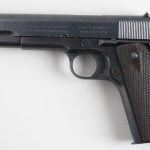
One of the most iconic and popular handguns ever made is the 1911. Though the original M1911 is associated with Colt, many other manufacturers – including Ithaca, Remington, Savage, and the Springfield Armory – bought the development rights to assist with production.
More than 19 million M1911 are estimated to have been produced in the years leading up to and during WWII. The semi-automatic pistol, chambered for .45 caliber ammunition, was the standard-issue sidearm for the U.S. military from 1911 to 1986.
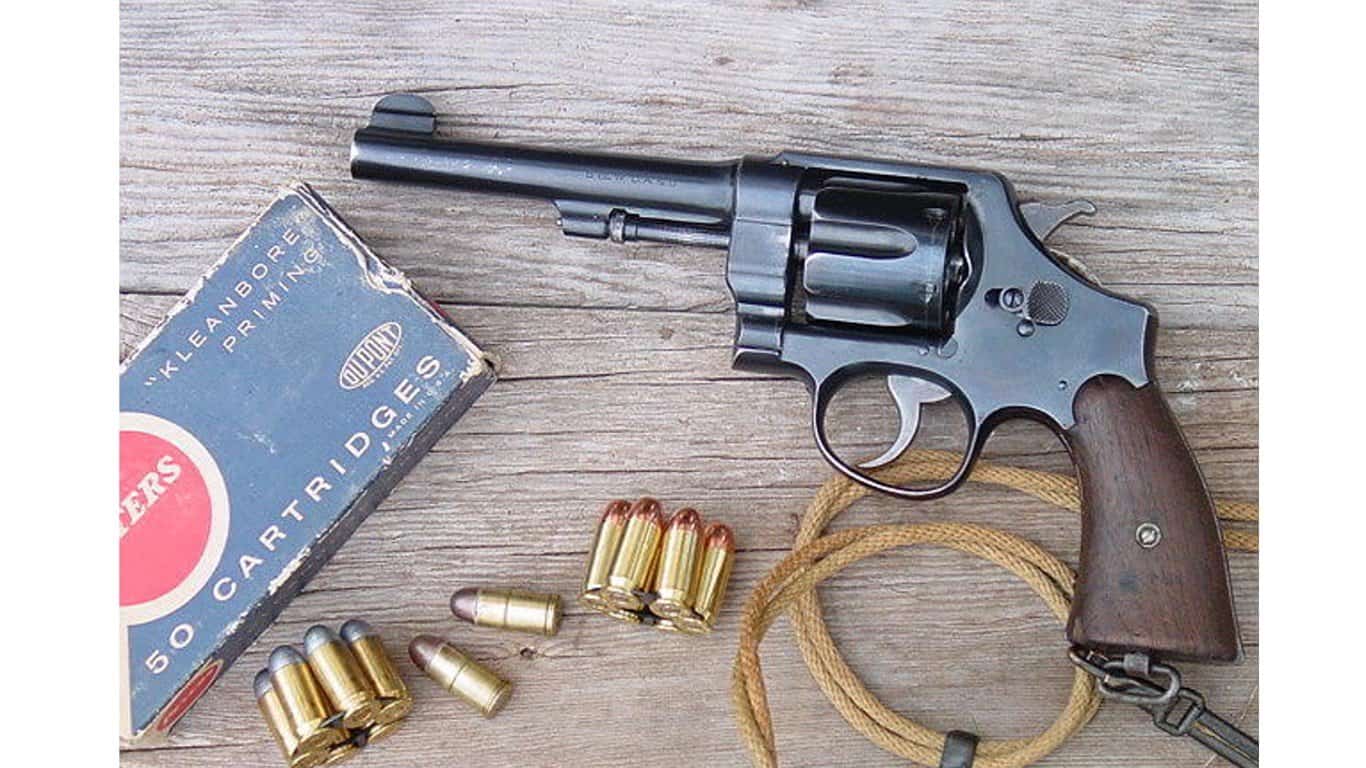
12. Smith & Wesson M1917
- Weapon type: Revolver
- Caliber: .38 Special
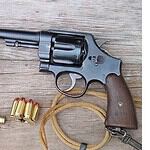
When the United States entered the Second World War, all service branches faced a handgun shortage, but with most M1911s going to the Army, the Navy was especially disadvantaged. As a result, the Navy contracted Smith & Wesson to produce a version of its 1917 revolver.
The new M1917s were chambered for .38 Special ammunition, had a 4-inch barrel, a non-reflective blue finish, and – known as the "Victory model" – a serial number that began with the letter "V." S&W produced some 900,000 of these revolvers for the U.S. government, many of which were carried by Naval and Marine aviators.
11. M1 Garand
- Weapon type: Rifle
- Caliber: .30-06
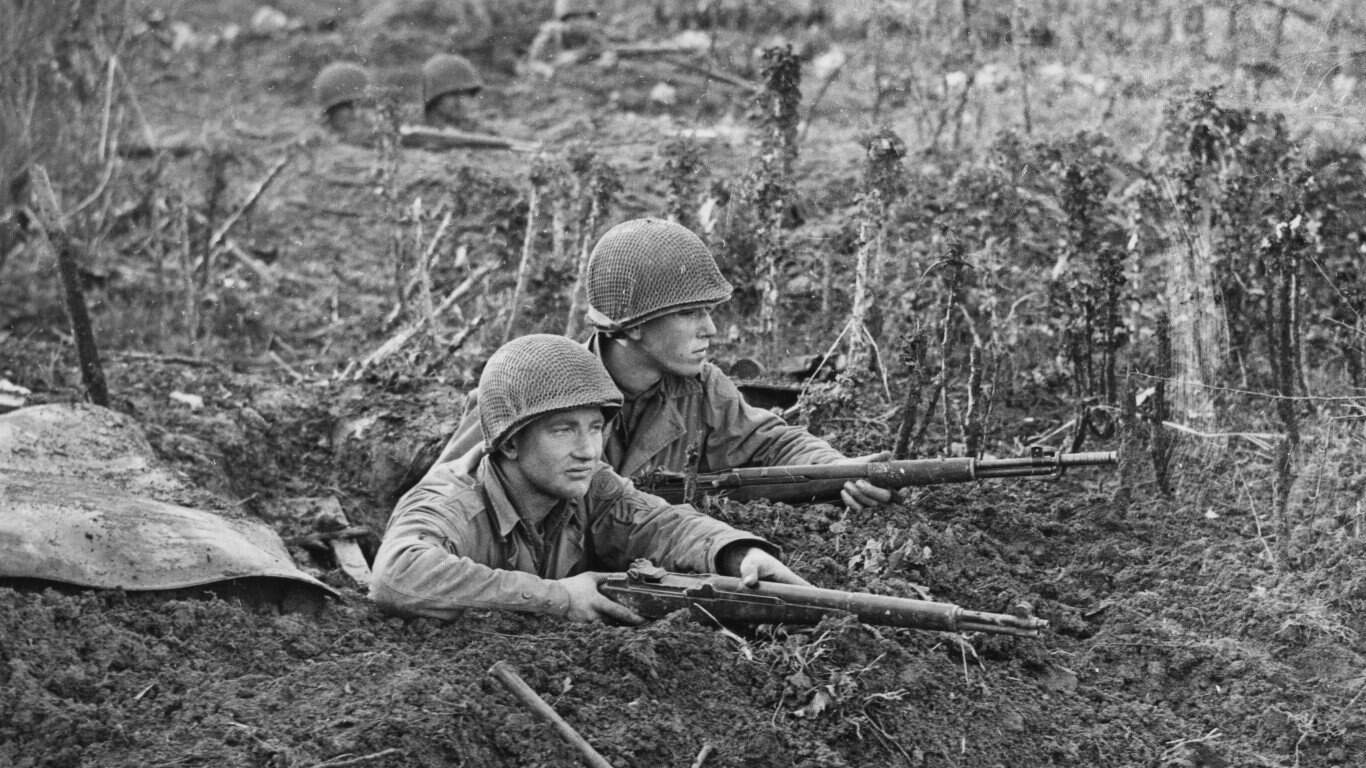
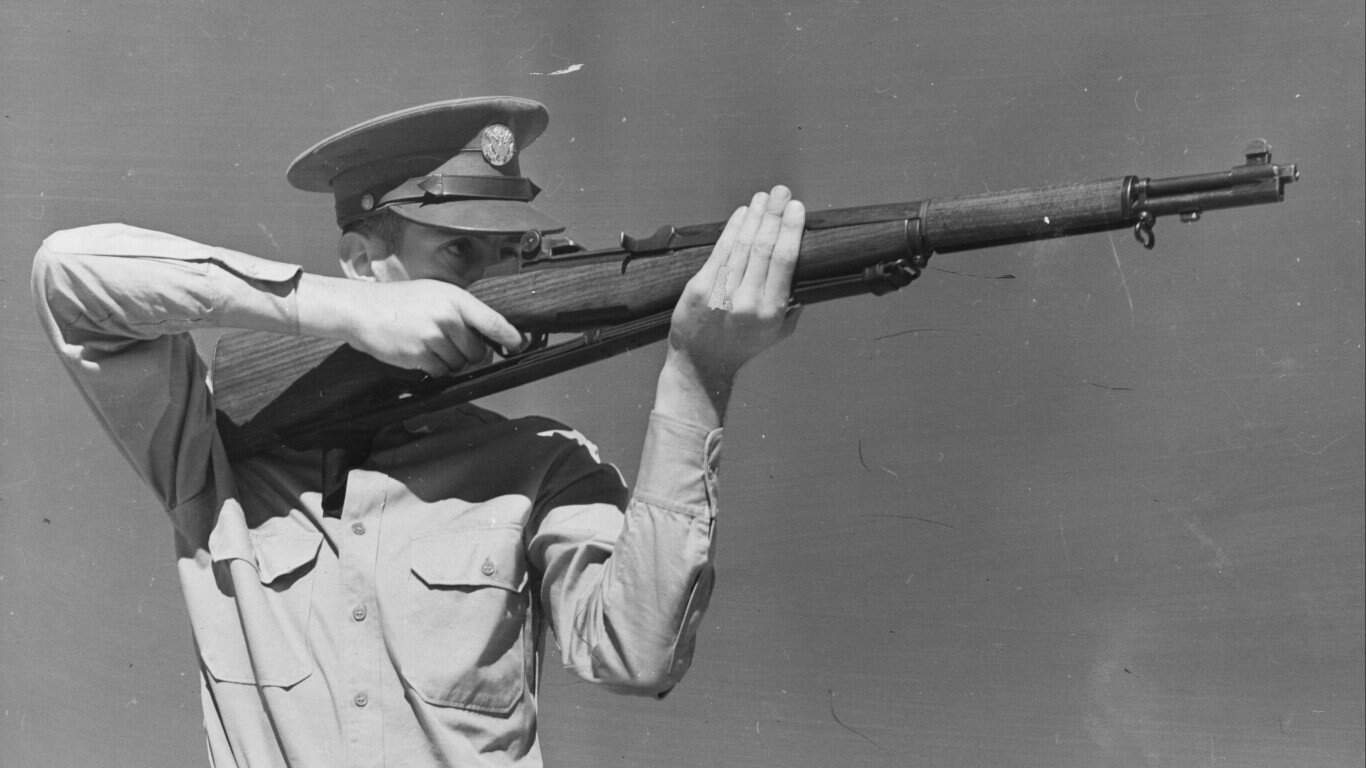
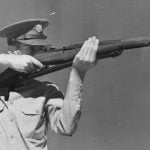
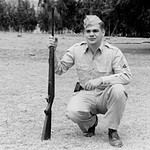
The M1 Garand was the standard U.S. Army infantry rifle during the Second World War when an estimated 5.4 million were manufactured. Gen. George S. Patton, commander of the U.S. Third Army, described it as "the greatest battle implement ever devised." The M1 Garand gave the U.S. military a significant advantage over the Axis powers.
While the German and Japanese military still used bolt-action rifles, the M1 Garand was semiautomatic with an eight-round capacity. Chambered for .30-06 ammunition, the rifle also packed a punch. Carried by every branch of the military, it could be accessorized with a bayonet or grenade launcher.
10. M1 Carbine
- Weapon type: Rifle
- Caliber: .30 carbine
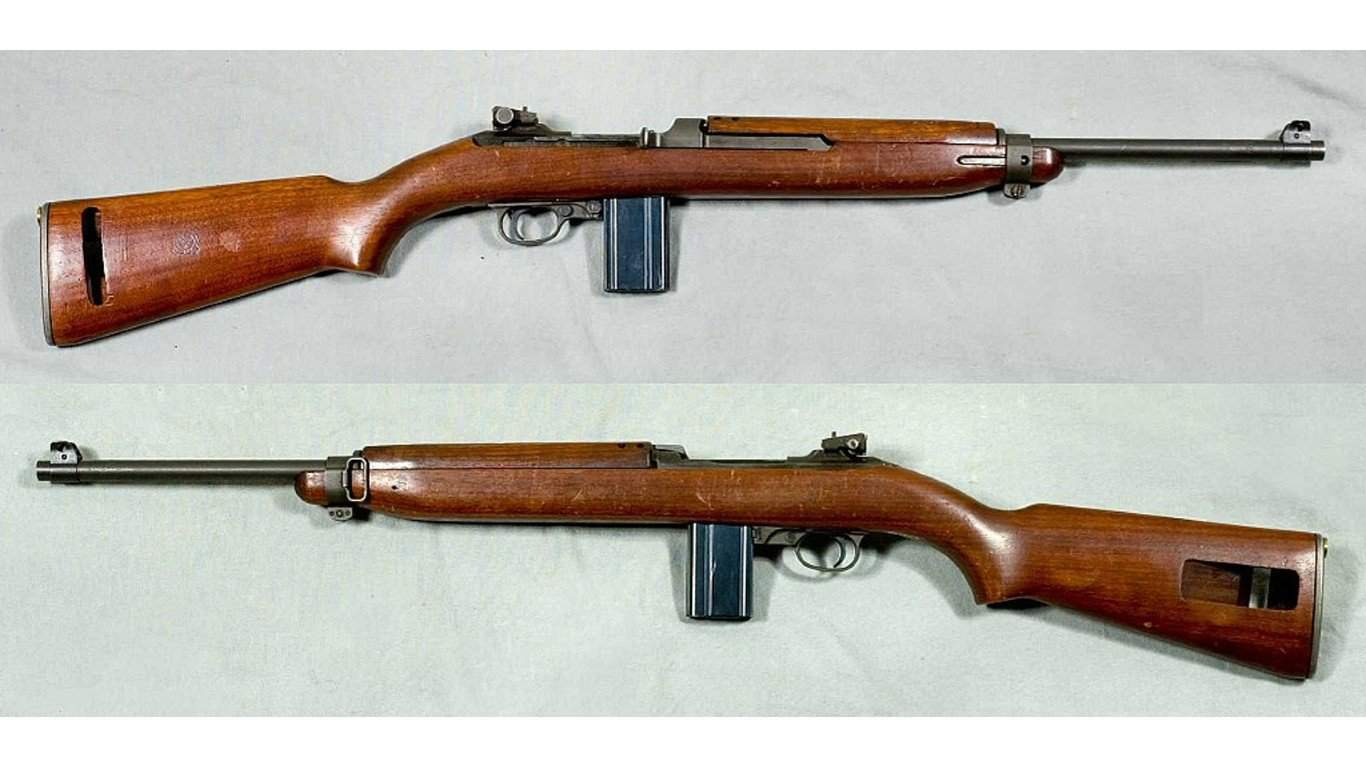
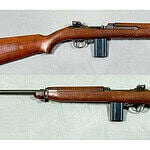
During World War II, the M1 Carbine was used by American soldiers for whom a full-size rifle would be too cumbersome. Shorter and weighing about half as much as the 9.5-pound M1 Garand, it was used by paratroopers, support staff, radio operators, mortarmen, and soldiers navigating the jungle terrain of some Pacific islands.
The M1 Carbine was chambered for a light .30 caliber round. Though it was far less potent than the M1 Garand, it offered greater range, accuracy, and firepower than a handgun.
9. M1903 Springfield
- Weapon type: Rifle
- Caliber: .30-06
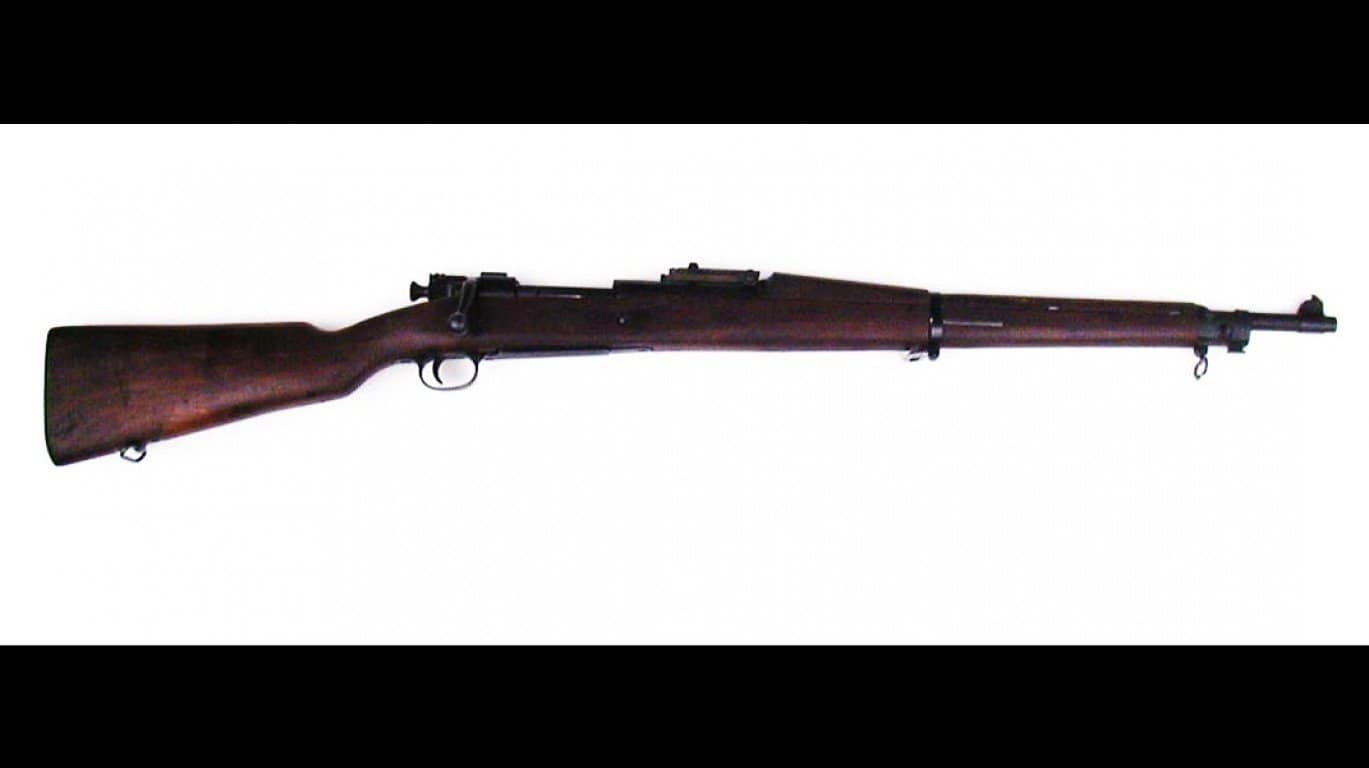
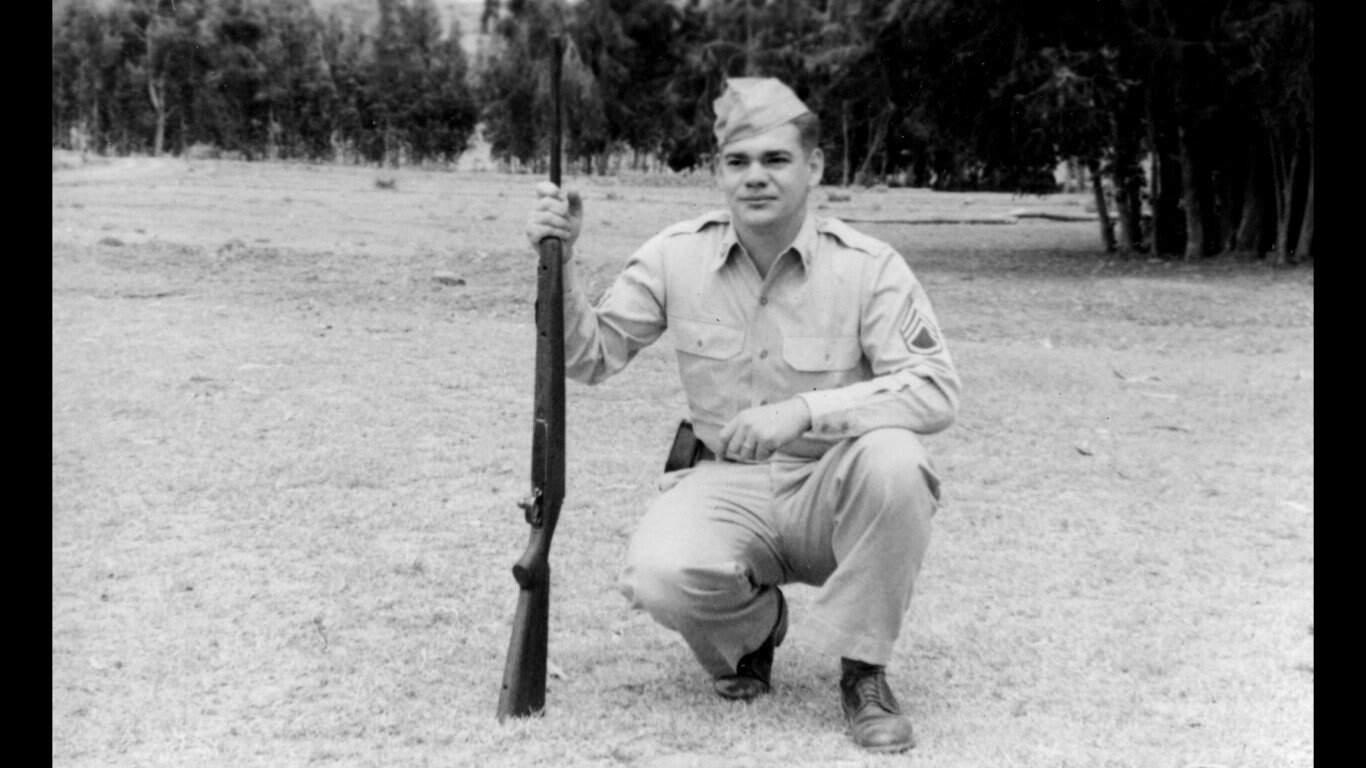
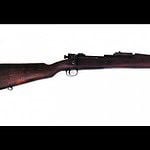
In the early days of American involvement in World War II, the M1903 Springfield, a bolt-action rifle, was issued to some American troops as production of the preferred M1 Garand was ramping up. As a result, the M1903 was used by Marines in Wake Island and Guadalcanal and GIs in North Africa.
Variations of the M1903 were used throughout the war, most notably as sniper rifles. Highly accurate, the rifle was practical without a scope up to 656 yards—and in some extreme cases, as much as 2,500 yards.
8. Winchester Model 70
- Weapon type: Rifle
- Caliber: .30-06
When Winchester shipped nearly 400 of its bolt-action Model 70 rifles to the U.S. Marine Corps only months after the U.S. entered the Second World War, the military brass deemed them unsuitable for the battlefield. The lack of sling swivels, limited part availability, and questions about the guns' sturdiness were the reasons for the rejection.
Though some officers may not have liked the Winchester Model 70, many Marine marksmen disagreed. Compared to the standard-issue M1903 Springfield rifles, the Model 70 was lighter and more accurate, with an improved action and highly adjustable trigger. Ultimately, limited numbers of the Model 70 were used in the Pacific by Marine snipers throughout the war.
7. Winchester Model 1897
- Weapon type: Shotgun
- Chambered in: 12 gauge & 16 gauge
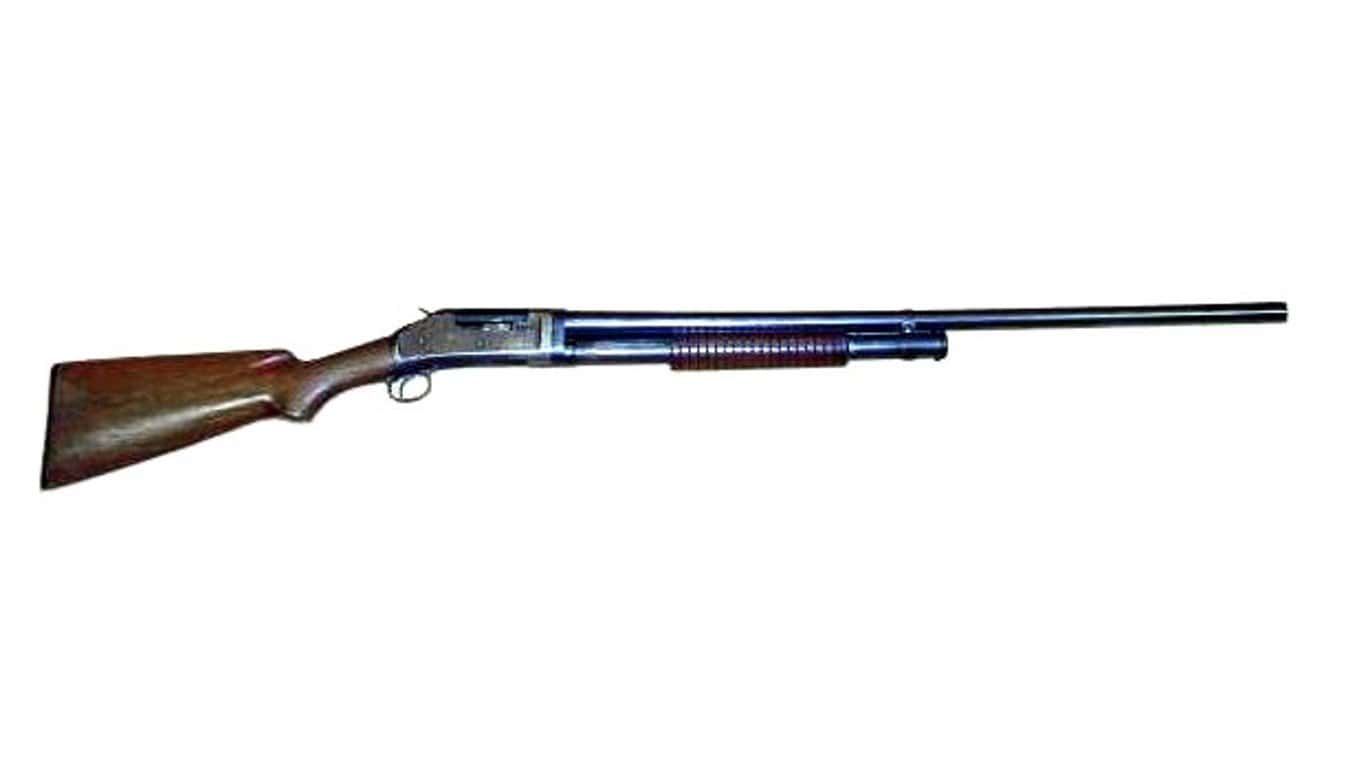
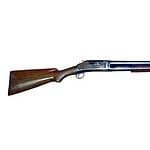
Widely used for clearing trenches in the First World War, the Winchester Model 1897 – a pump–action shotgun—was also used in WWII. The gun was used by both the U.S. Army and Marine Corps during the war, though its use dwindled in favor of the updated Model 1912.
6. Winchester Model 1912
- Weapon type: Shotgun
- Chambered in: 12 gauge, 16 gauge
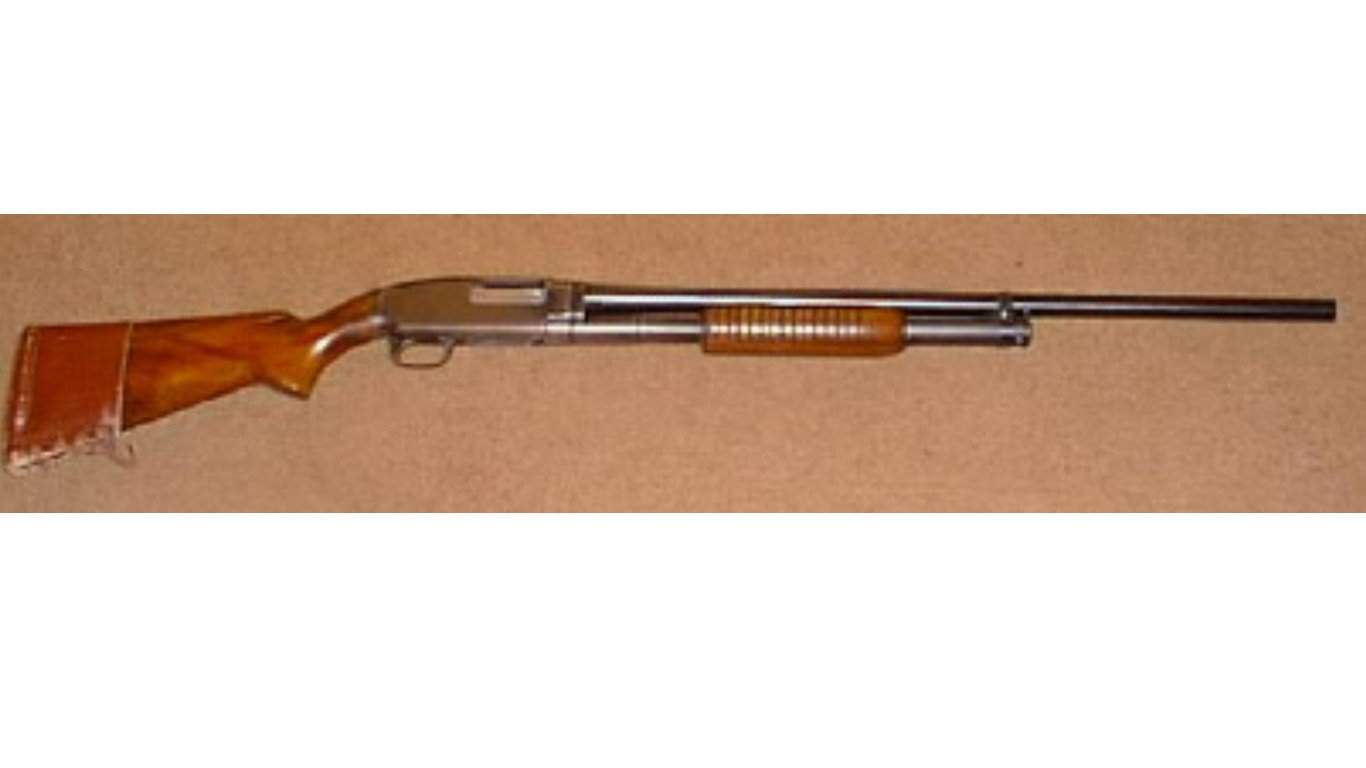
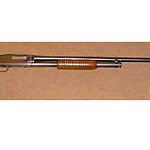
The U.S. government bought an estimated 80,000 Winchester Model 1912 shotguns during WWII. The Model 1912, or simply Model 12, was a pump-action shotgun with a six-round tubular magazine typically chambered for 12 gauge shells. Every branch of the U.S. military used this deadly short-range weapon, which Marines particularly favored in the Pacific theater.
5. Stevens Model 520/620
- Weapon type: Shotgun
- Chambered in: 12 gauge
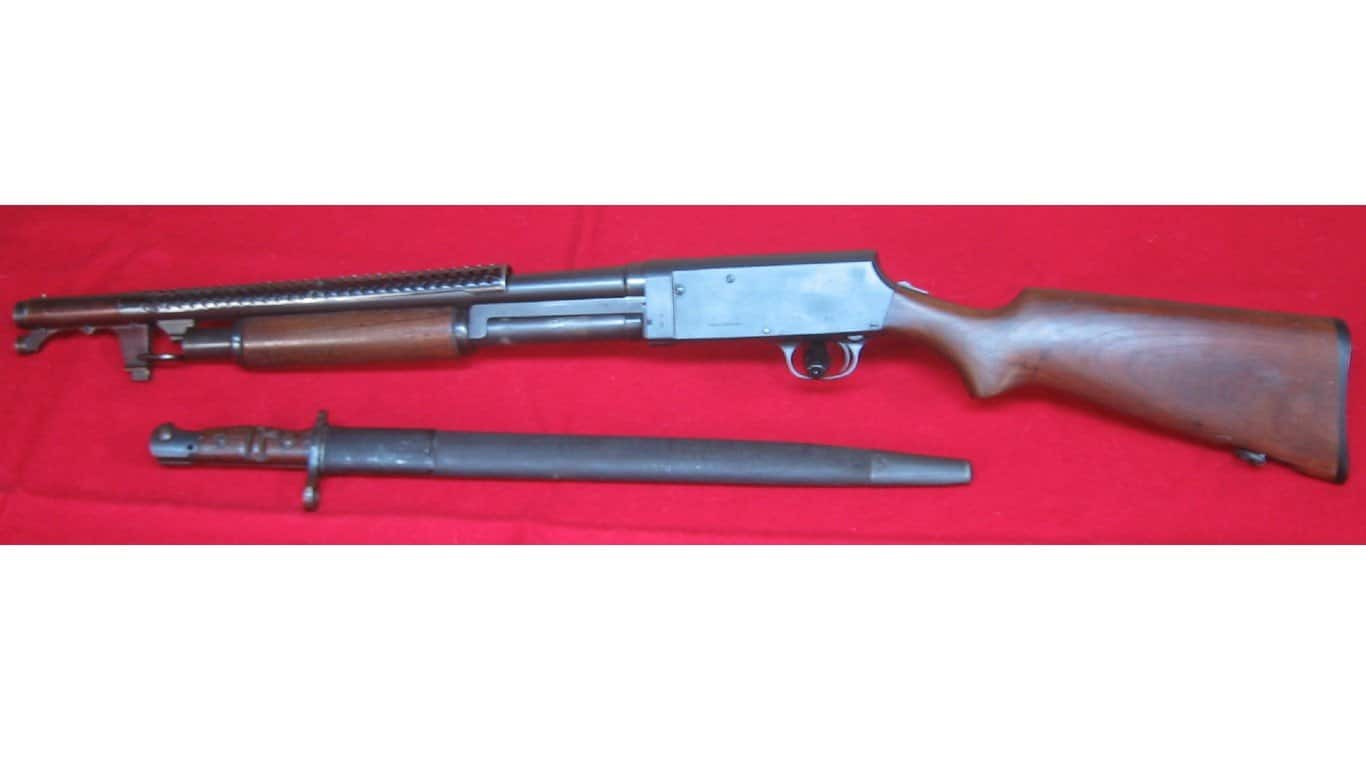
The Stevens Model 520 and its slightly newer and more streamlined 620 variant were pump-action shotguns. The type used by the U.S. military in WWII was typically chambered for 12 gauge ammunition and often featured a heat shield over the barrel. They were designated for use as trench guns, riot guns, and training guns. Slightly over 45,000 of these guns were produced during the war.
4. Ithaca 37
- Weapon type: Shotgun
- Chambered in: 12 gauge
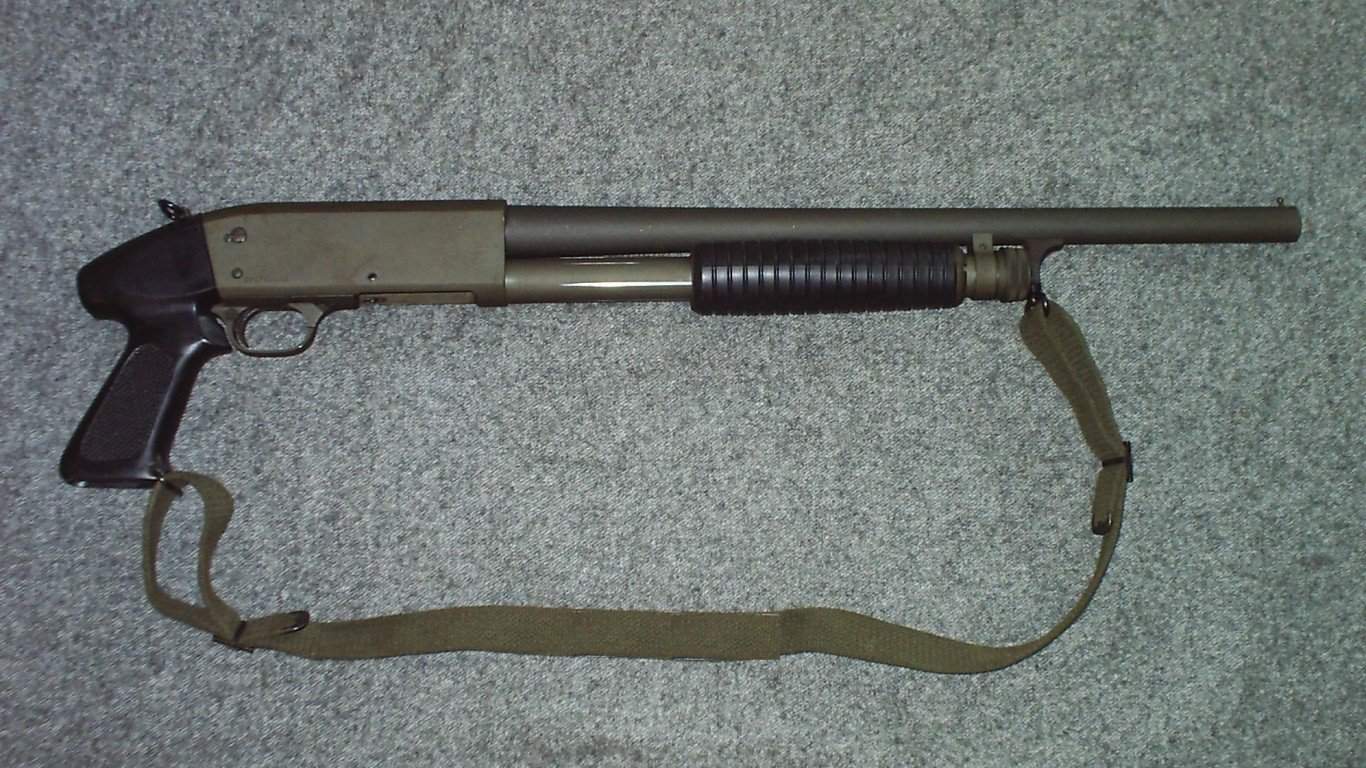
One month before the Japanese bombed Pearl Harbor, the U.S. government ordered 1,420 Ithaca 37 shotguns to shore up a diminishing supply of combat shotguns. The 37 was a pump-action shotgun with a six-round capacity, a ventilated heat shroud over the barrel, a bayonet mount, and swivel studs for a sling.
When Ithaca began filling the orders as the U.S. entered the war, 18-inch and 20-inch barrel versions of the 37 were in high demand in the dense jungles of the Pacific theater. The guns were also used by guards at U.S. bases in Europe.
3. M1 Thompson
- Weapon type: Submachine gun
- Caliber: .45 ACP
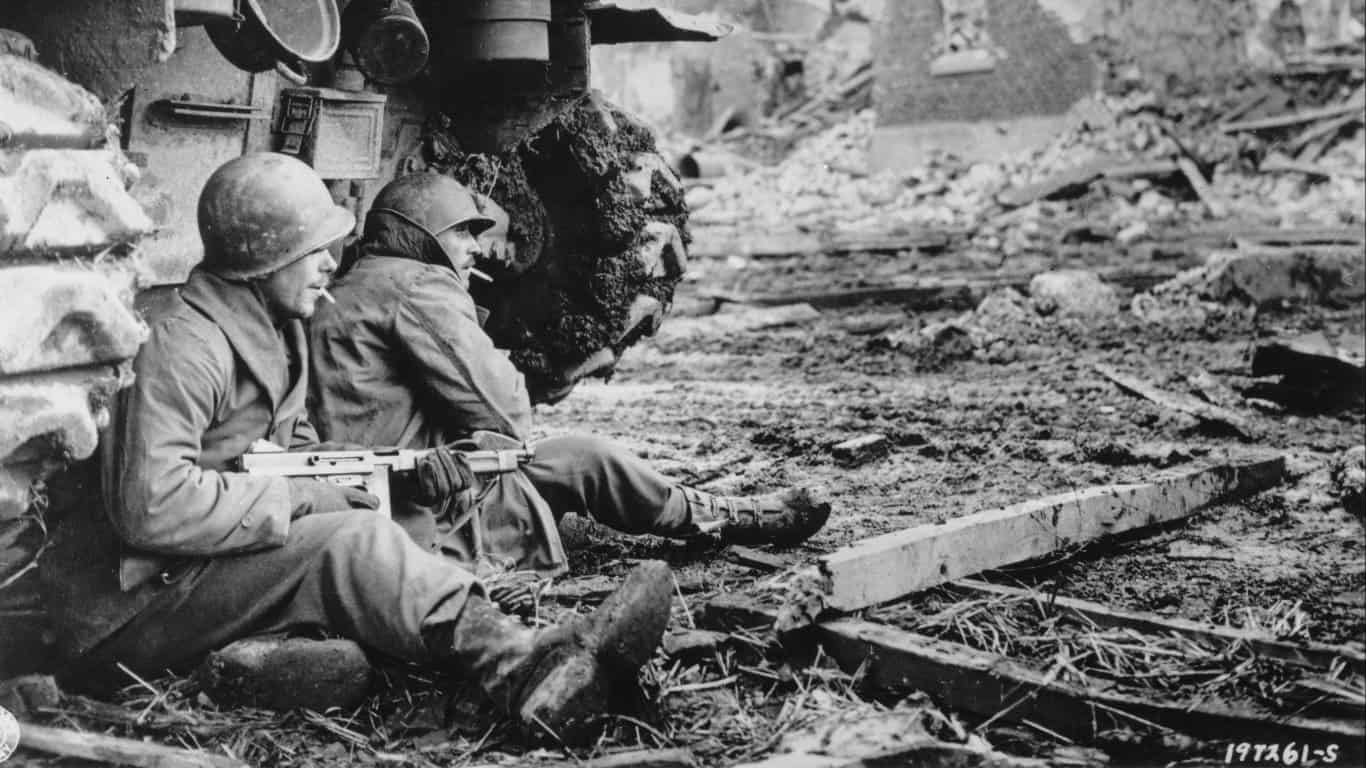
The M1 Thompson, also known as the Tommy Gun, was a fully automatic submachine gun that gained infamy during the Prohibition Era as a favorite among gangsters. However, over 1.5 million Tommy Guns were distributed to American and Allied troops during the war.
The type commonly used by the American military featured a 30-round box magazine and a firing rate of several hundred rounds per minute. Chambered for .45 ACP ammunition, the Thompson was practical and effective in close-quarters combat.
2. M50 Reising
- Weapon type: Submachine gun
- Caliber: .45 ACP
The M50 Reising was perhaps the most hated firearm American troops used in the Second World War. Lighter, more accurate, and cheaper to produce than the M1 Thompson, the M50 Reising was a promising piece of hardware—at least on paper. However, several shortcomings far outweighed any positives. With a complicated design, the firearm was difficult to maintain and prone to jamming, particularly in sandy or muddy conditions.
Early in the war, the U.S. Marine Corps authorized 4,200 M50 Reising submachine guns for each division. As a result, the guns were widely used by Marine Raiders and paratroopers in Guadalcanal. According to some accounts, the 1st Marine Raider Battalion commander ordered his troops to toss their M50s in the rivers on Guadalcanal, recommending they use the bolt-action Springfield 1903 instead.
1. M3 "Grease Gun"
- Weapon type: Submachine gun
- Caliber: .45 ACP
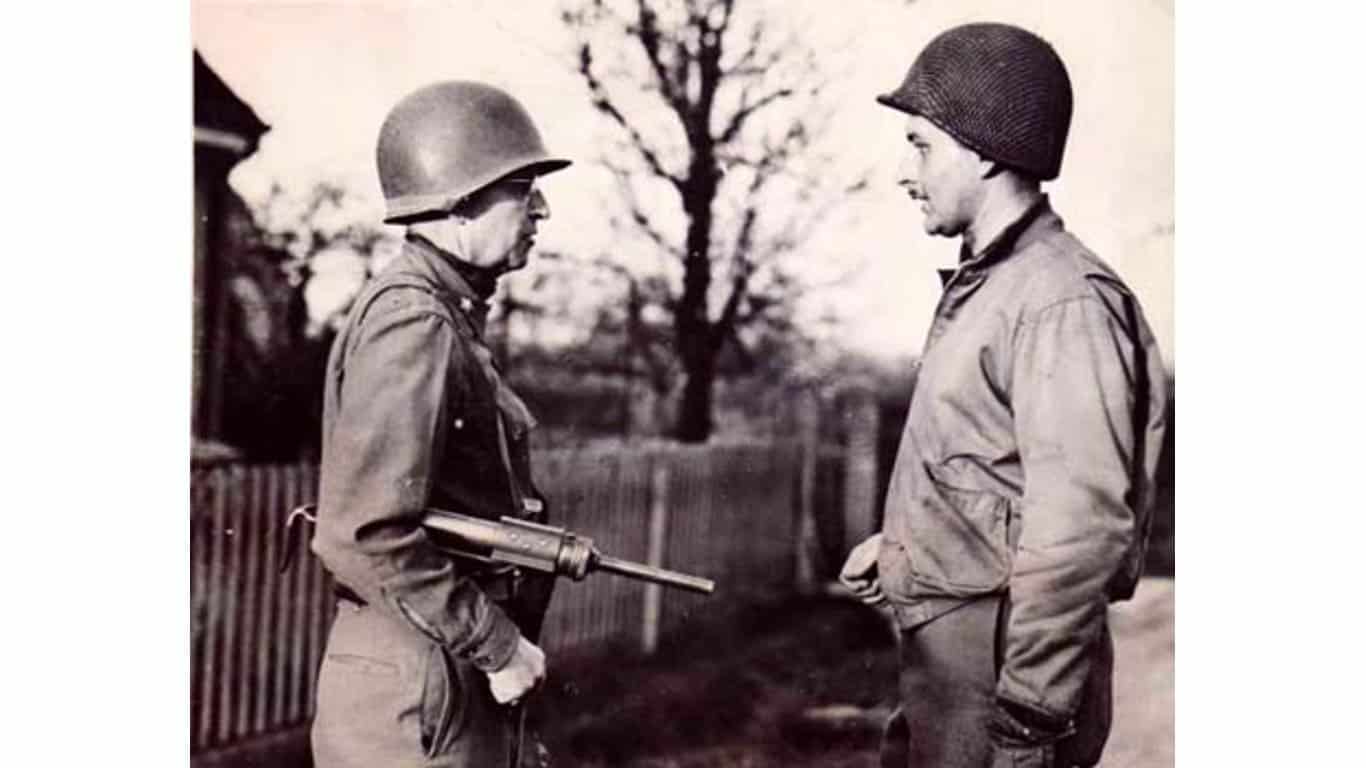
The M3 submachine gun, or "Grease Gun," as it was commonly known, was developed by General Motors and introduced in 1944 as a replacement for the M1 Thompson. Despite initial resistance, partially due to the gun's rather austere appearance, Grease Guns held several advantages over the Tommy Gun, both from a government and battlefield perspective.
For one, Grease Guns were cheap, costing less than half as much to produce as Thompsons. They could also be manufactured faster. Soldiers in the field benefited from the gun's shorter and lighter design and slowed fire rate, allowing for greater accuracy and ammunition conservation. Grease Guns were also easier to reload, disassemble, and clean than the Thompson.
The image featured at the top of this post is ©Fred Ramage / Hulton Archive via Getty Images