














These Are the Special Operations Tools Used When Seconds Matter
When it comes to special operations, timing is everything. The difference between success and failure often comes down to seconds, and the tools these units rely on are built around that reality. Whether it’s breaching a door, coordinating an entry, or engaging a target, every piece of equipment is designed to keep operations moving at exactly the right pace. Here, History Computer is taking a closer look at the tools Special Operations uses when timing is everything.
To determine the tools used by Special Operations when timing is everything, History Computer reviewed various historical and military sources. We included supplemental information for each tool regarding the category, primary function, operational phase, speed or reaction benefit, and ultimately the tactical impact on the operation.
When seconds decide the outcome, special operations forces rely on tools built for speed, precision, and flawless coordination. These elite units don’t just move fast, they move with exact timing, using specialized gear that allows them to act in perfect sync during the most critical moments of a mission. Every piece of equipment is chosen to eliminate hesitation and keep operations running seamlessly under pressure.
From advanced communication systems and breaching tools to precision weapons and rapid mobility platforms, these tools are designed to give operators a decisive edge. Taking a closer look reveals how modern missions are executed with incredible efficiency, where the right gear, used at the right second, can mean the difference between success and failure.
Here is a look at the tools Special Operations use when timing is everything:
When Seconds Decide the Mission
Special operations missions are often defined by timing, where even a delay of a few seconds can determine success or failure. These operations require precise coordination, rapid execution, and the ability to act at exactly the right moment. Speed alone is not enough—actions must be synchronized and deliberate. The tools used by special operations forces are designed to ensure that every movement, decision, and engagement happens with exact timing, allowing missions to unfold as planned under extreme pressure.
Synchronization Is Everything
In complex operations, success depends on the ability of teams to operate in perfect coordination. Entry points must be breached simultaneously, targets engaged at the same moment, and extraction executed without delay. Communication and timing tools ensure that every operator is aligned, enabling multiple actions to occur at once. This level of synchronization reduces confusion, maintains momentum, and ensures that the mission proceeds according to plan.
Speed Without Control Is Failure
While speed is essential in close-quarters combat, it must be paired with control and precision. Rapid movements and quick engagements can create opportunities, but without accuracy and discipline, they can lead to mistakes. The tools used by special operations forces are designed to support fast yet controlled action, allowing operators to engage targets effectively while minimizing risk. This balance is critical in high-pressure environments.
Seeing and Acting Before the Enemy
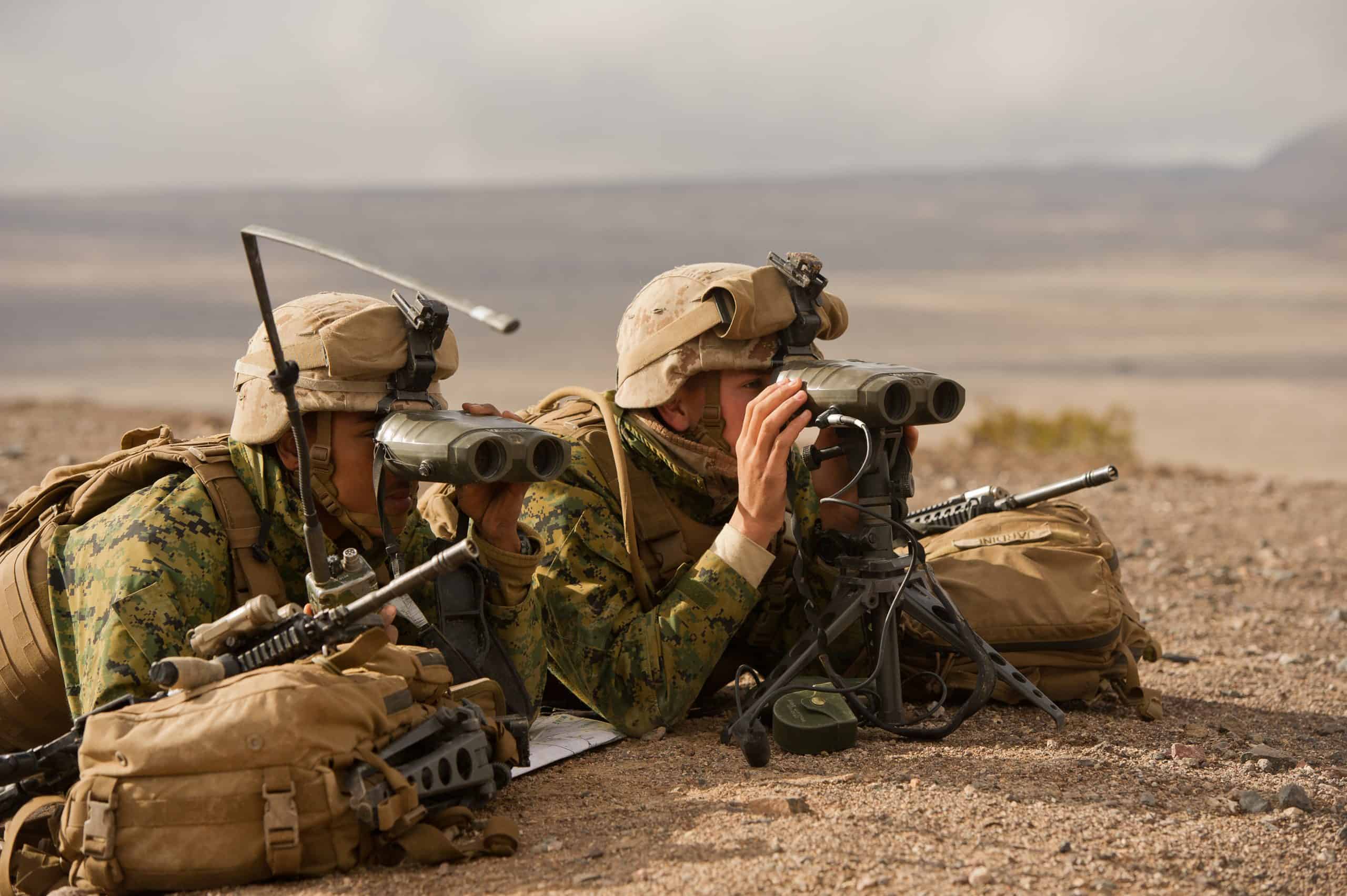
The ability to gather information and act on it quickly provides a decisive advantage in special operations. Tools such as night vision devices, thermal optics, and drones allow operators to detect threats and plan actions before being detected themselves. This compresses the time between observation and action, enabling forces to strike first and maintain control of the situation.
Technology That Compresses Time
Modern technology has significantly reduced the time required to make decisions and execute actions on the battlefield. Advanced targeting systems, secure communication devices, and rapid mobility platforms allow special operations forces to operate at a faster tempo than ever before. These tools eliminate delays and ensure that missions can be carried out with speed and precision, redefining what is possible in time-sensitive operations.
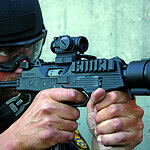
HK416
- Category: Weapon
- Primary Function: Primary rifle
- Operational Phase: Engagement
- Timing Advantage: Speed
- Key Capability: Reliable cycling
- Speed or Reaction Benefit: Fast follow-up shots
- Tactical Impact in Time-Sensitive Missions: Rapid room clearing
- Why Special Operations Forces Rely on It: Trusted for CQB reliability
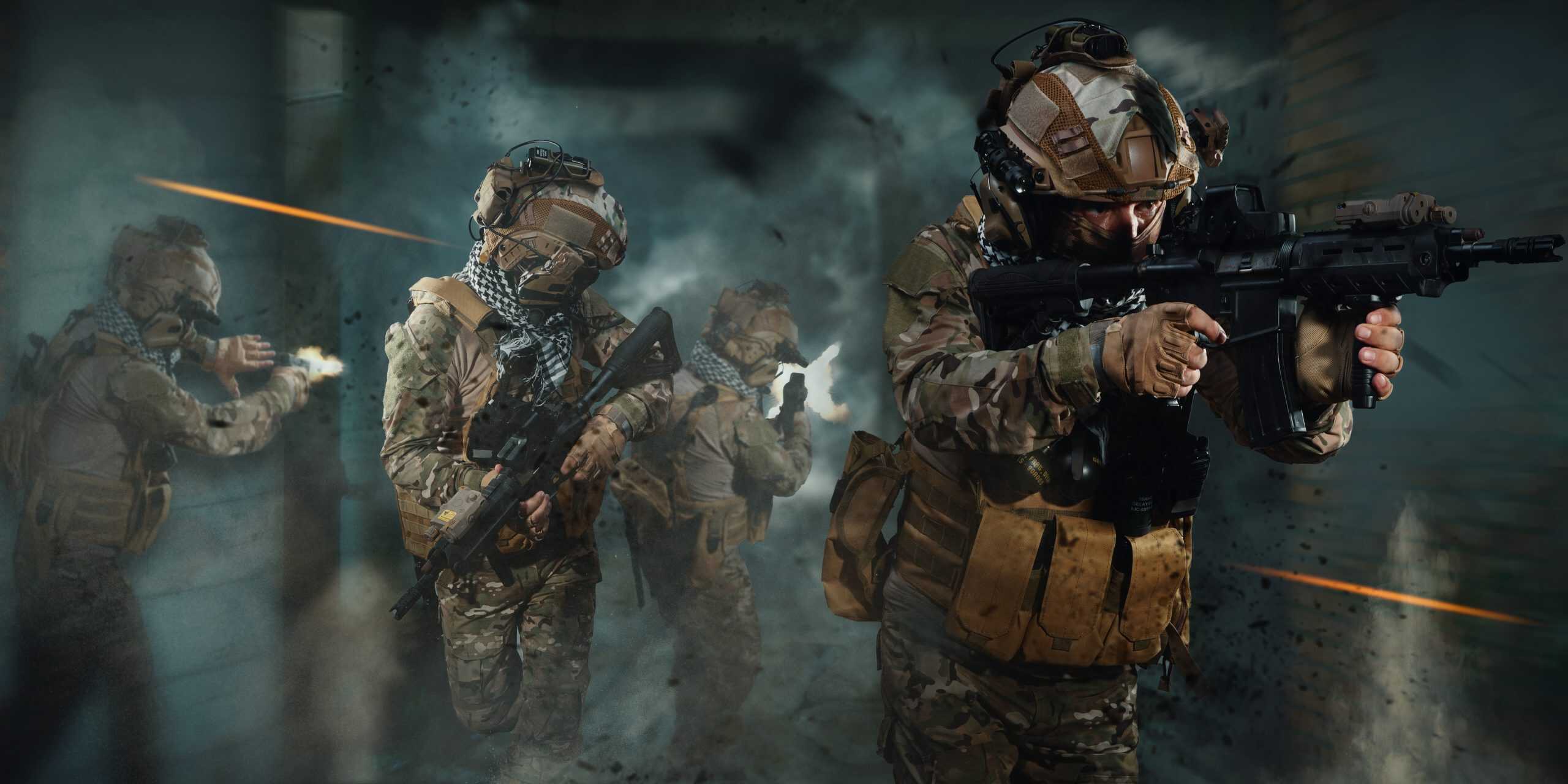
The HK416 is trusted by special operations forces for its reliability and rapid cycling under high-stress conditions. In time-sensitive missions, operators cannot afford malfunctions or delays. Its consistent performance allows for fast follow-up shots and controlled engagement in close quarters, making it a cornerstone of high-speed operations where every second matters.
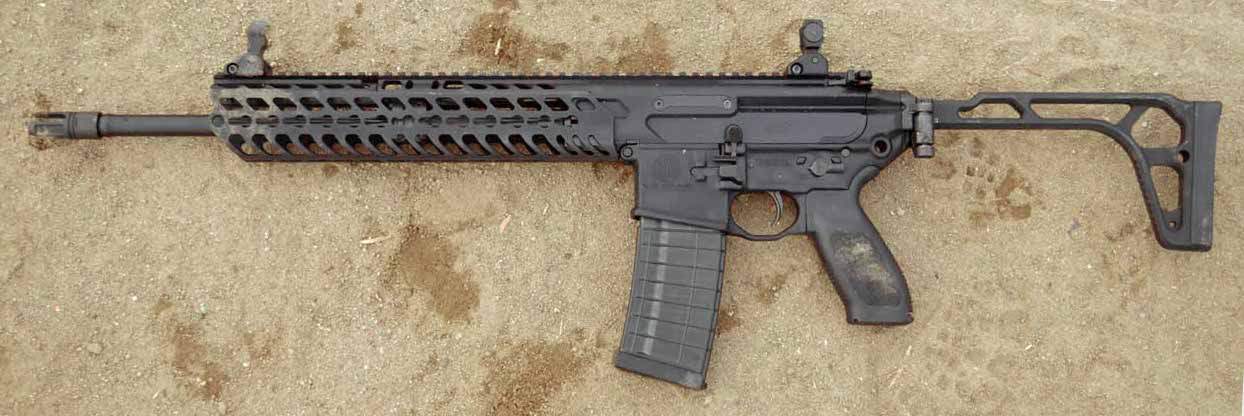
SIG Sauer MCX
- Category: Weapon
- Primary Function: Modular rifle
- Operational Phase: Engagement
- Timing Advantage: Stealth timing
- Key Capability: Suppressor-ready
- Speed or Reaction Benefit: Low signature fire
- Tactical Impact in Time-Sensitive Missions: Silent takedowns
- Why Special Operations Forces Rely on It: Preferred for suppressed ops
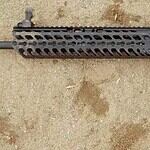
The SIG MCX is designed for suppressed operations, allowing operators to engage targets without compromising timing through noise or detection. Its modularity enables rapid configuration changes, ensuring adaptability in dynamic environments. This combination of stealth and flexibility makes it ideal for missions where precise timing and low visibility are critical.
FN SCAR
- Category: Weapon
- Primary Function: Combat rifle
- Operational Phase: Engagement
- Timing Advantage: Speed
- Key Capability: High reliability
- Speed or Reaction Benefit: Quick target engagement
- Tactical Impact in Time-Sensitive Missions: Flexible combat use
- Why Special Operations Forces Rely on It: Used across SOF missions
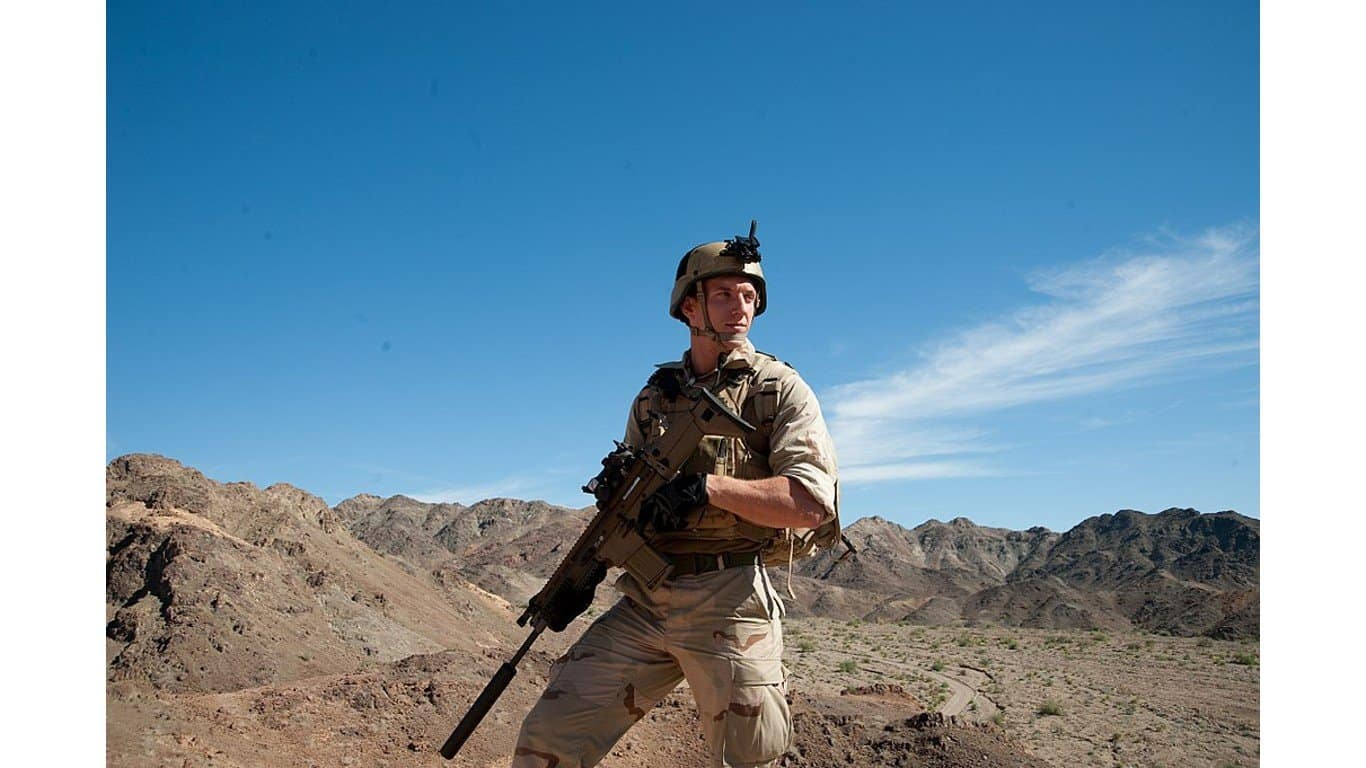
The FN SCAR provides a balance of power, reliability, and adaptability, making it effective in a wide range of mission scenarios. Its ability to perform consistently under varied conditions ensures that operators can maintain momentum during fast-paced operations. This reliability supports rapid engagement and sustained action.
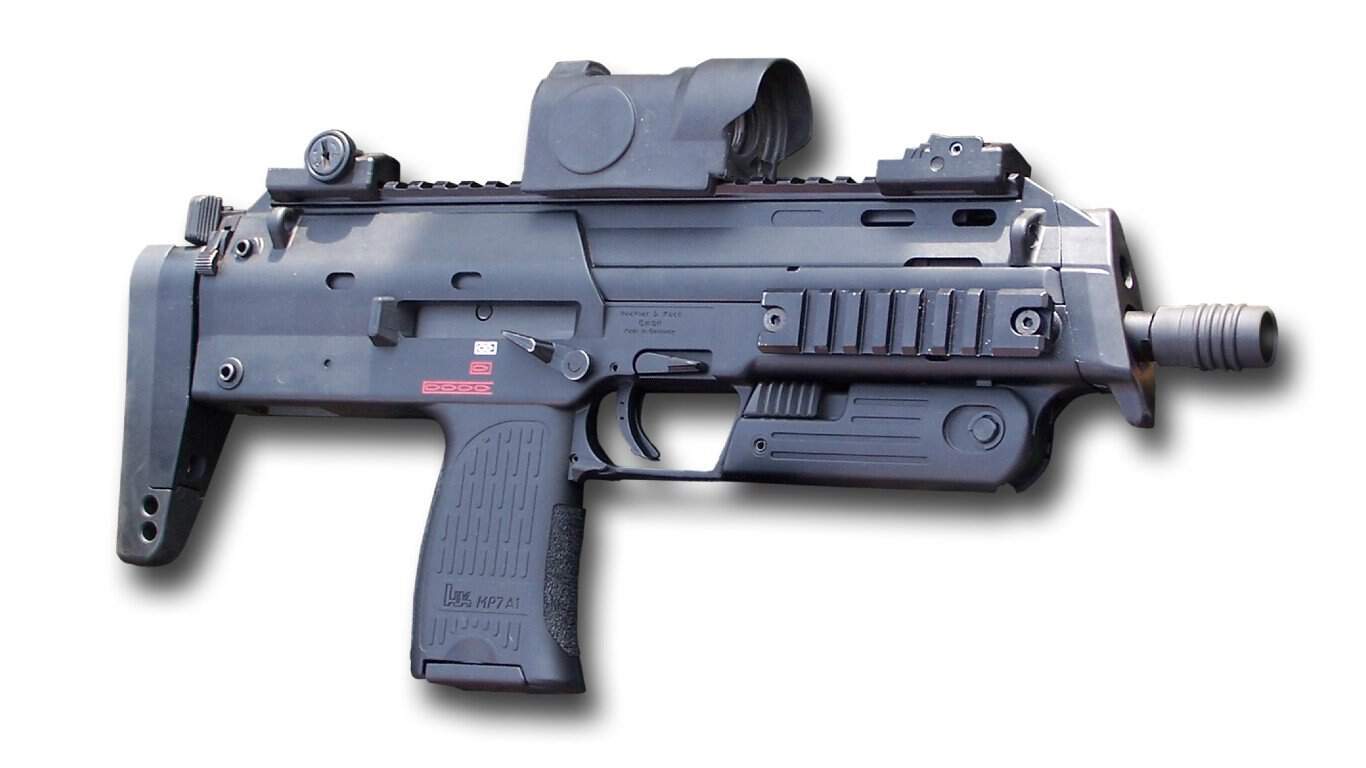
HK MP7
- Category: Weapon
- Primary Function: PDW
- Operational Phase: Engagement
- Timing Advantage: Speed
- Key Capability: Compact size
- Speed or Reaction Benefit: Fast handling
- Tactical Impact in Time-Sensitive Missions: Close-quarters dominance
- Why Special Operations Forces Rely on It: Ideal for confined spaces
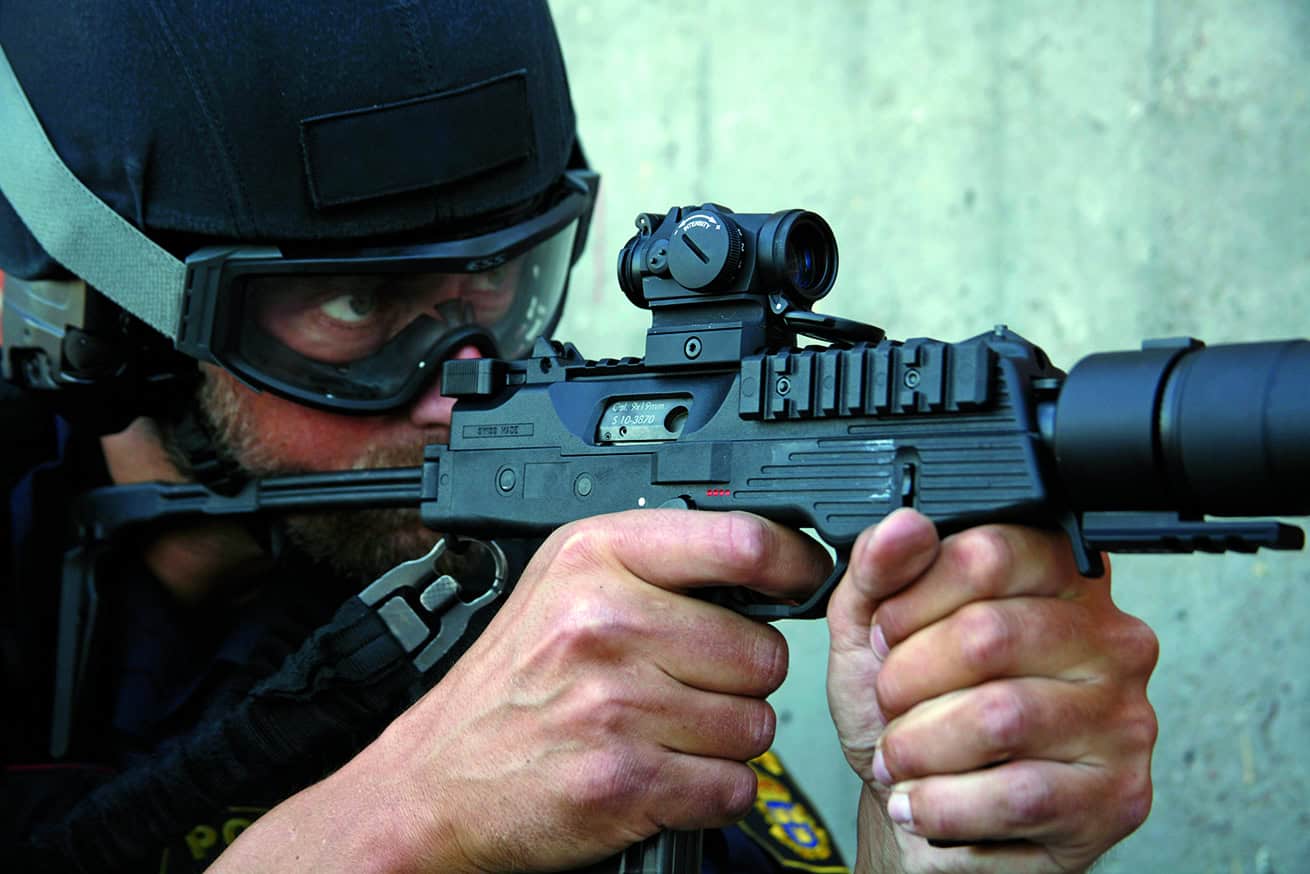
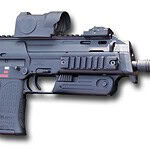
The HK MP7’s compact design allows for exceptional maneuverability in confined spaces, enabling operators to move quickly and engage targets without delay. Its controllability ensures accurate fire during rapid engagements, making it a key tool in close-quarters combat where speed and precision are essential.
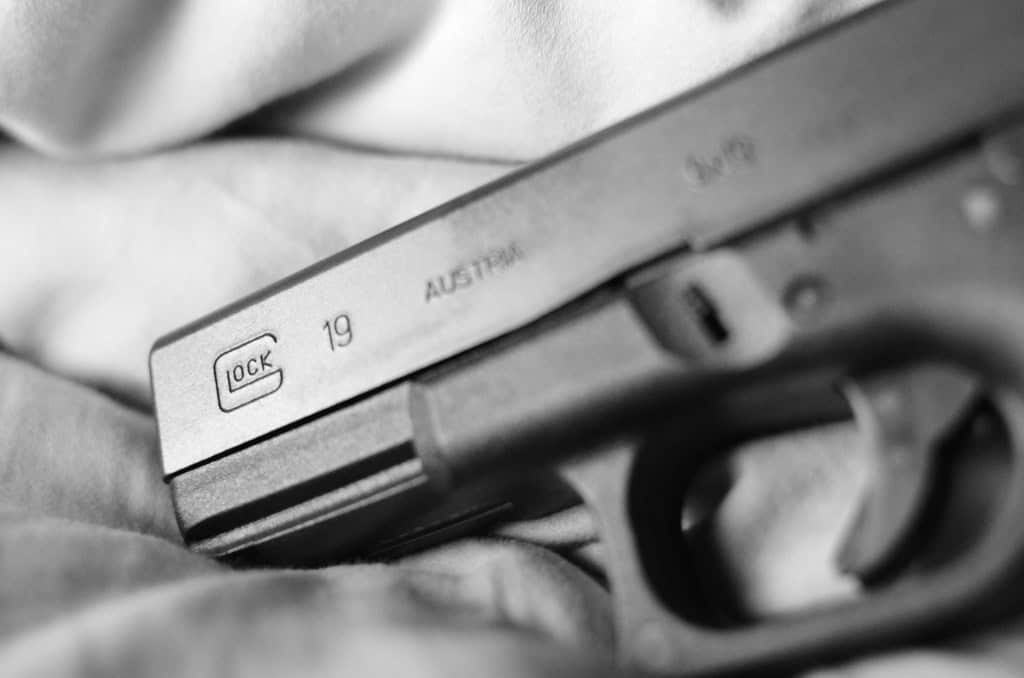
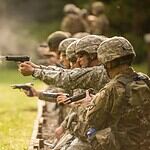
Glock 19
- Category: Weapon
- Primary Function: Sidearm
- Operational Phase: Engagement
- Timing Advantage: Immediate response
- Key Capability: Lightweight
- Speed or Reaction Benefit: Quick draw
- Tactical Impact in Time-Sensitive Missions: Backup weapon reliability
- Why Special Operations Forces Rely on It: Standard sidearm choice
The Glock 19 serves as a dependable sidearm that can be deployed instantly when primary weapons are unavailable. Its simplicity and reliability ensure that it performs when needed, providing a critical backup option during high-pressure moments. This immediate readiness supports continuous action.
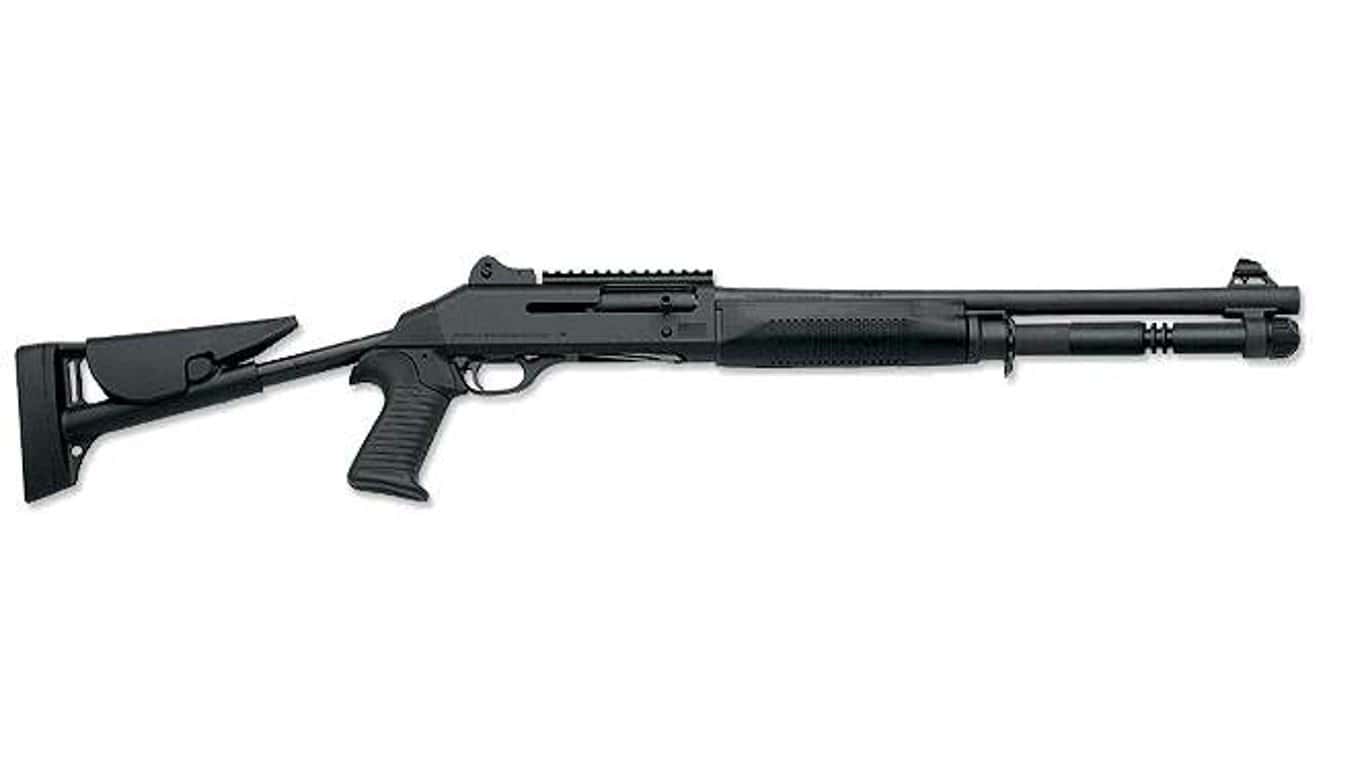
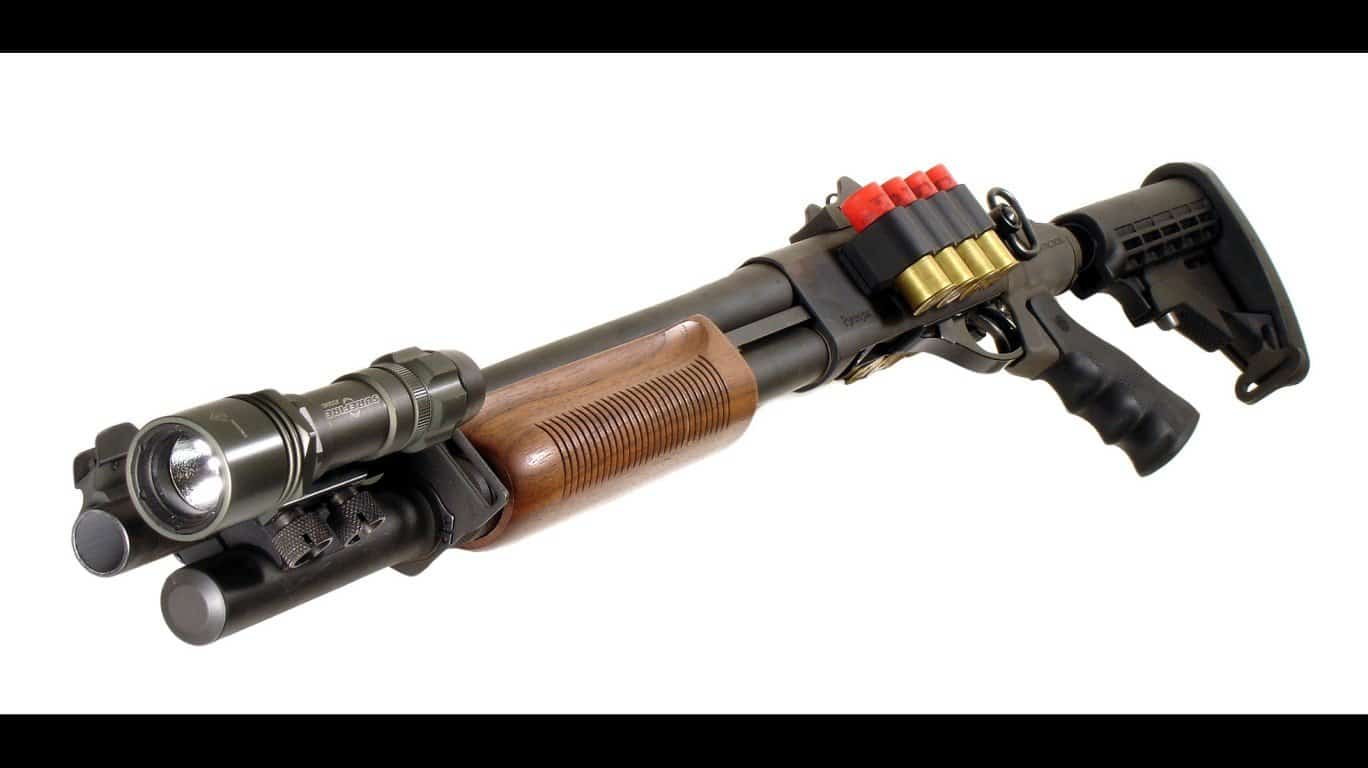
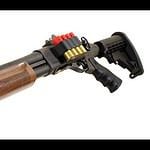
Breaching Shotgun
- Category: Breaching Tool
- Primary Function: Door breaching
- Operational Phase: Breach
- Timing Advantage: Immediate action
- Key Capability: Close-range power
- Speed or Reaction Benefit: Instant entry
- Tactical Impact in Time-Sensitive Missions: Rapid breach execution
- Why Special Operations Forces Rely on It: Critical entry tool
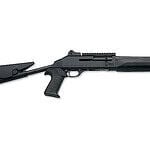
The breaching shotgun enables immediate entry into secured spaces, eliminating delays caused by locked doors or barriers. Its ability to quickly disable entry points ensures that teams can maintain momentum during operations. This rapid access is critical for synchronized assaults.
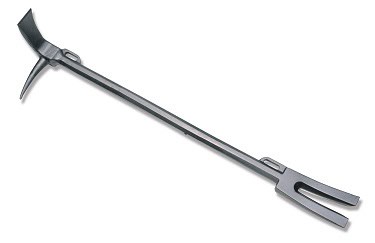
Halligan Tool
- Category: Breaching Tool
- Primary Function: Forcible entry
- Operational Phase: Breach
- Timing Advantage: Speed
- Key Capability: Mechanical leverage
- Speed or Reaction Benefit: Quick forced entry
- Tactical Impact in Time-Sensitive Missions: Silent breach option
- Why Special Operations Forces Rely on It: Essential for flexibility
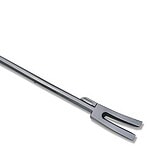
The Halligan tool provides a reliable mechanical option for forced entry, allowing operators to breach doors quietly when necessary. Its versatility ensures that teams can adapt to different situations without losing time, supporting both stealth and speed in entry operations.
Explosive Breach Charge
- Category: Breaching Tool
- Primary Function: Forced entry
- Operational Phase: Breach
- Timing Advantage: Instant timing
- Key Capability: High force
- Speed or Reaction Benefit: Simultaneous entry
- Tactical Impact in Time-Sensitive Missions: Shock entry effect
- Why Special Operations Forces Rely on It: Used for coordinated breaches
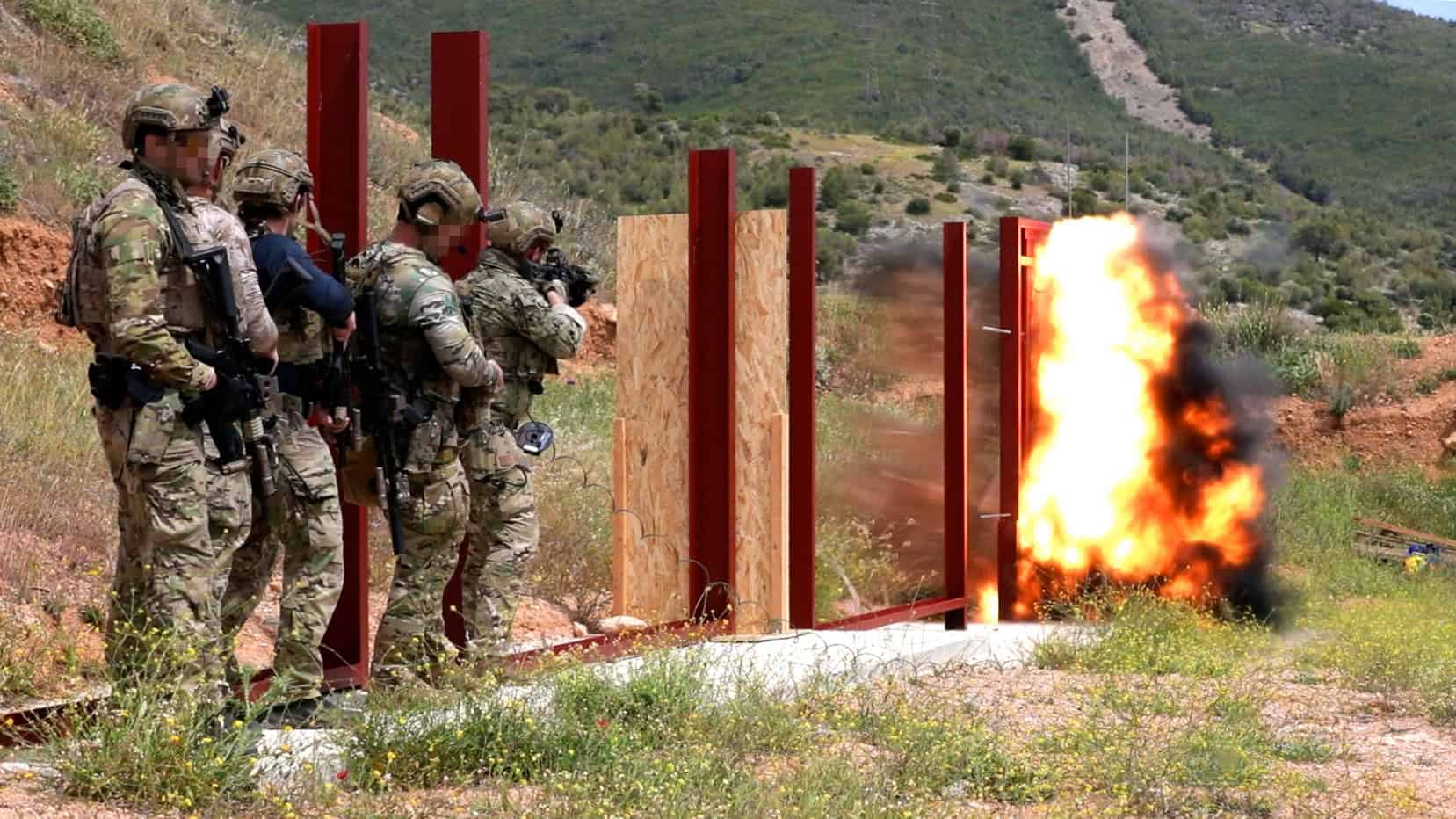
Explosive breaching charges allow for instantaneous entry, enabling multiple operators to enter a structure simultaneously. This synchronization is essential for overwhelming targets and maintaining control. The speed and impact of explosive entry create a decisive advantage in time-sensitive missions.
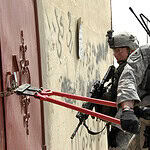
Bolt Cutters
- Category: Breaching Tool
- Primary Function: Cutting barriers
- Operational Phase: Breach
- Timing Advantage: Speed
- Key Capability: Manual cutting
- Speed or Reaction Benefit: Quick access
- Tactical Impact in Time-Sensitive Missions: Low-noise entry
- Why Special Operations Forces Rely on It: Simple but effective
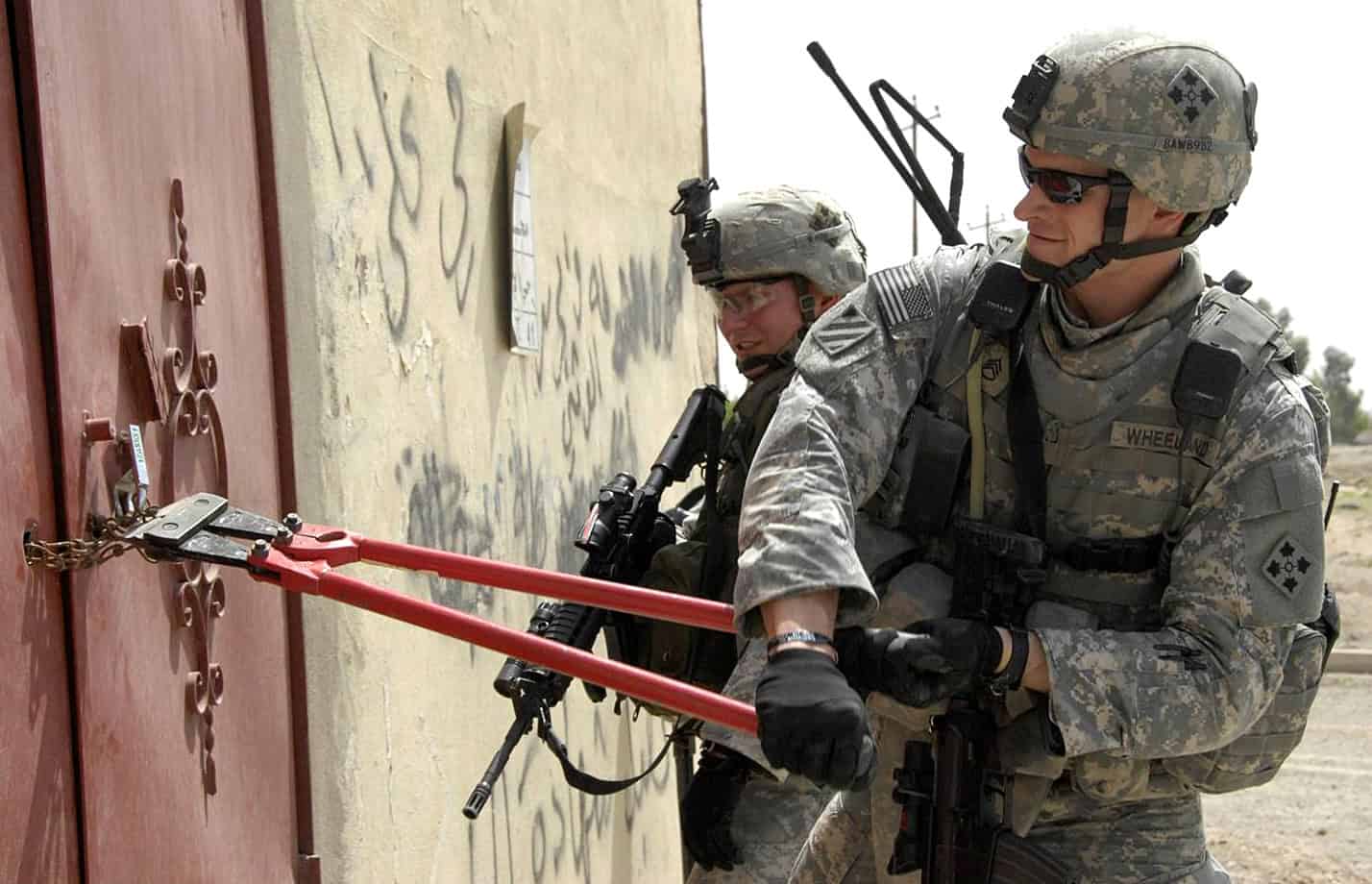
Bolt cutters offer a simple and effective method for quickly removing barriers such as locks or fencing. Their low-noise operation makes them ideal for stealthy approaches, allowing teams to maintain timing without alerting targets. This balance of speed and discretion is critical.
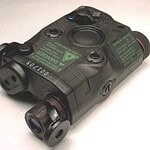
AN/PEQ-15
- Category: Optic
- Primary Function: Laser targeting
- Operational Phase: Engagement
- Timing Advantage: Instant targeting
- Key Capability: IR laser
- Speed or Reaction Benefit: Fast aiming
- Tactical Impact in Time-Sensitive Missions: Night precision
- Why Special Operations Forces Rely on It: Essential for night ops
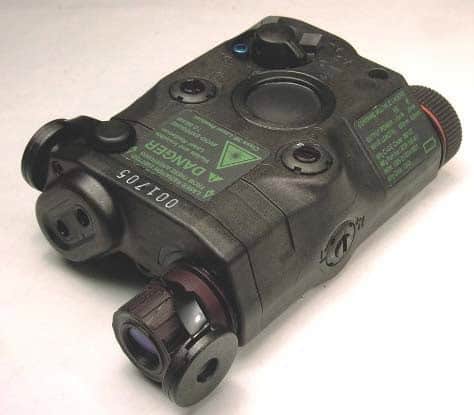
The AN/PEQ-15 provides instant target acquisition through its infrared laser, enabling operators to engage targets quickly and accurately in low-light conditions. This capability reduces the time needed to aim and fire, supporting rapid engagement during night operations.
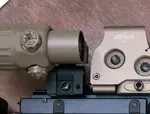
EOTech Holographic Sight
- Category: Optic
- Primary Function: Target acquisition
- Operational Phase: Engagement
- Timing Advantage: Speed
- Key Capability: Wide field of view
- Speed or Reaction Benefit: Quick sight picture
- Tactical Impact in Time-Sensitive Missions: Fast engagement
- Why Special Operations Forces Rely on It: Improves CQB speed
The EOTech sight allows for quick target acquisition with a wide field of view, enabling operators to engage multiple targets rapidly. Its design supports fast transitions between targets, enhancing performance in dynamic environments where speed is critical.
Aimpoint Micro T-2
- Category: Optic
- Primary Function: Red dot sight
- Operational Phase: Engagement
- Timing Advantage: Speed
- Key Capability: Always-on optic
- Speed or Reaction Benefit: Instant readiness
- Tactical Impact in Time-Sensitive Missions: Rapid aiming
- Why Special Operations Forces Rely on It: Reliability under pressure
The Aimpoint Micro T-2 is always ready for use, eliminating delays associated with activating optics. Its reliability and clarity ensure that operators can engage targets instantly, supporting rapid decision-making and action.
Weapon-Mounted Light
- Category: Optic
- Primary Function: Illumination
- Operational Phase: Engagement
- Timing Advantage: Immediate visibility
- Key Capability: High lumen output
- Speed or Reaction Benefit: Target ID speed
- Tactical Impact in Time-Sensitive Missions: Clears dark rooms
- Why Special Operations Forces Rely on It: Critical in CQB
Weapon-mounted lights provide immediate illumination, allowing operators to identify targets quickly in dark environments. This reduces hesitation and ensures accurate engagement, which is essential for maintaining timing during close-quarters operations.
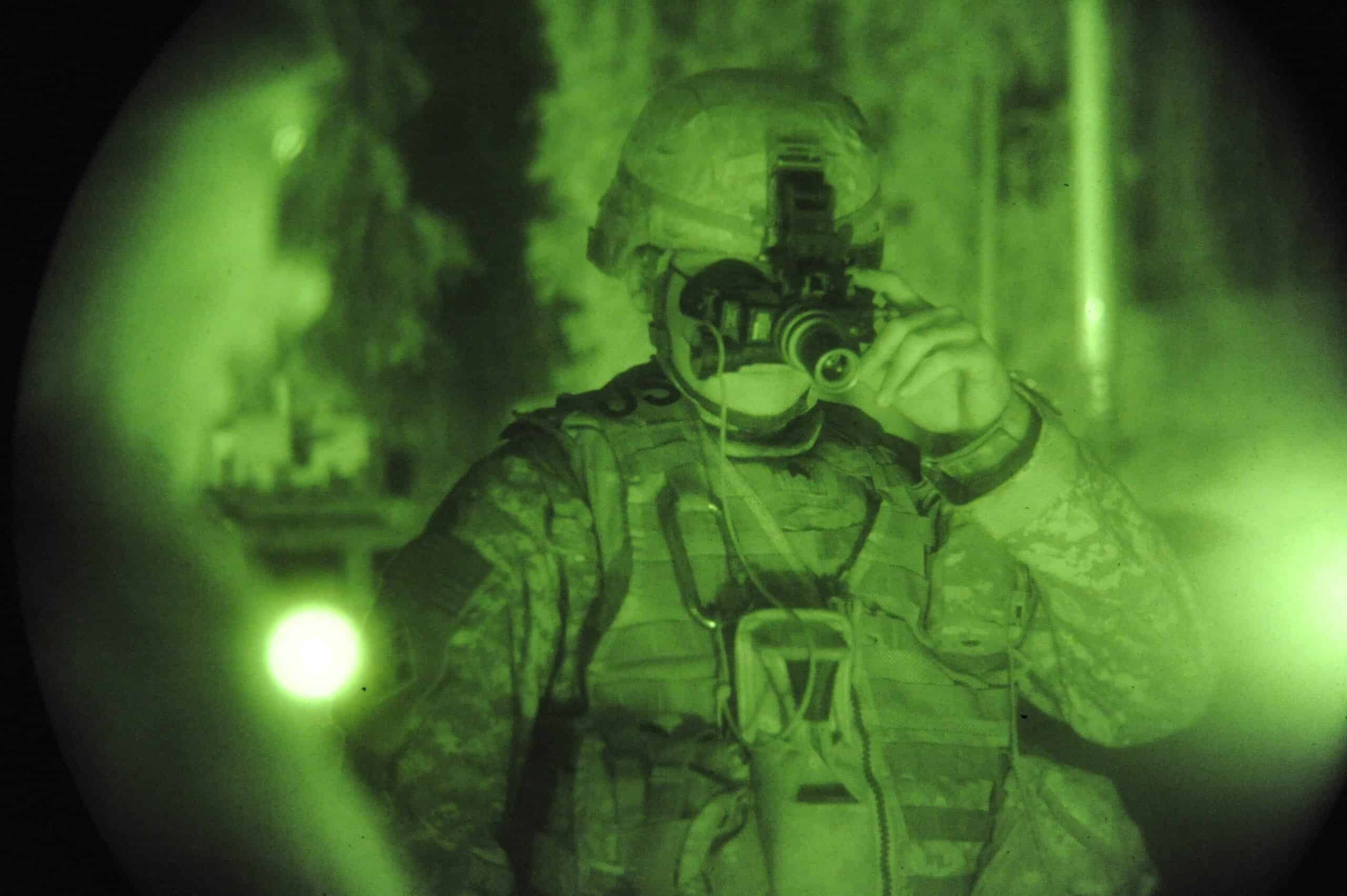
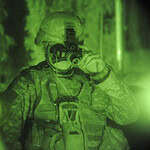
Night Vision Goggles
- Category: Optic
- Primary Function: Low-light vision
- Operational Phase: Surveillance
- Timing Advantage: Stealth timing
- Key Capability: Amplified vision
- Speed or Reaction Benefit: Operate in darkness
- Tactical Impact in Time-Sensitive Missions: Night dominance
- Why Special Operations Forces Rely on It: Defines night ops
Night vision goggles enable operations in complete darkness, allowing teams to act when visibility is limited. This capability provides a timing advantage by enabling movement and engagement when opponents are less prepared.
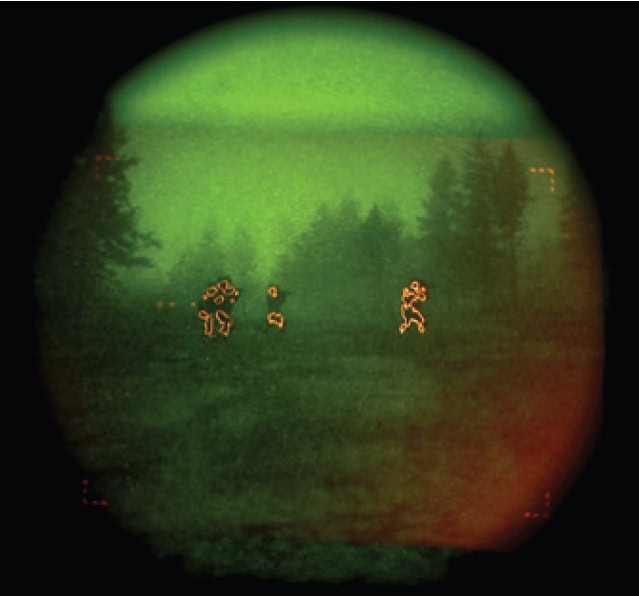
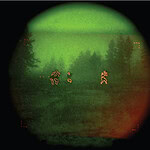
Thermal Scope
- Category: Optic
- Primary Function: Heat detection
- Operational Phase: Surveillance
- Timing Advantage: Detection speed
- Key Capability: Thermal imaging
- Speed or Reaction Benefit: Find hidden targets
- Tactical Impact in Time-Sensitive Missions: Enhanced detection
- Why Special Operations Forces Rely on It: Used for overwatch
Thermal scopes detect heat signatures, allowing operators to locate hidden targets quickly. This reduces the time needed to search and identify threats, supporting rapid decision-making in complex environments.
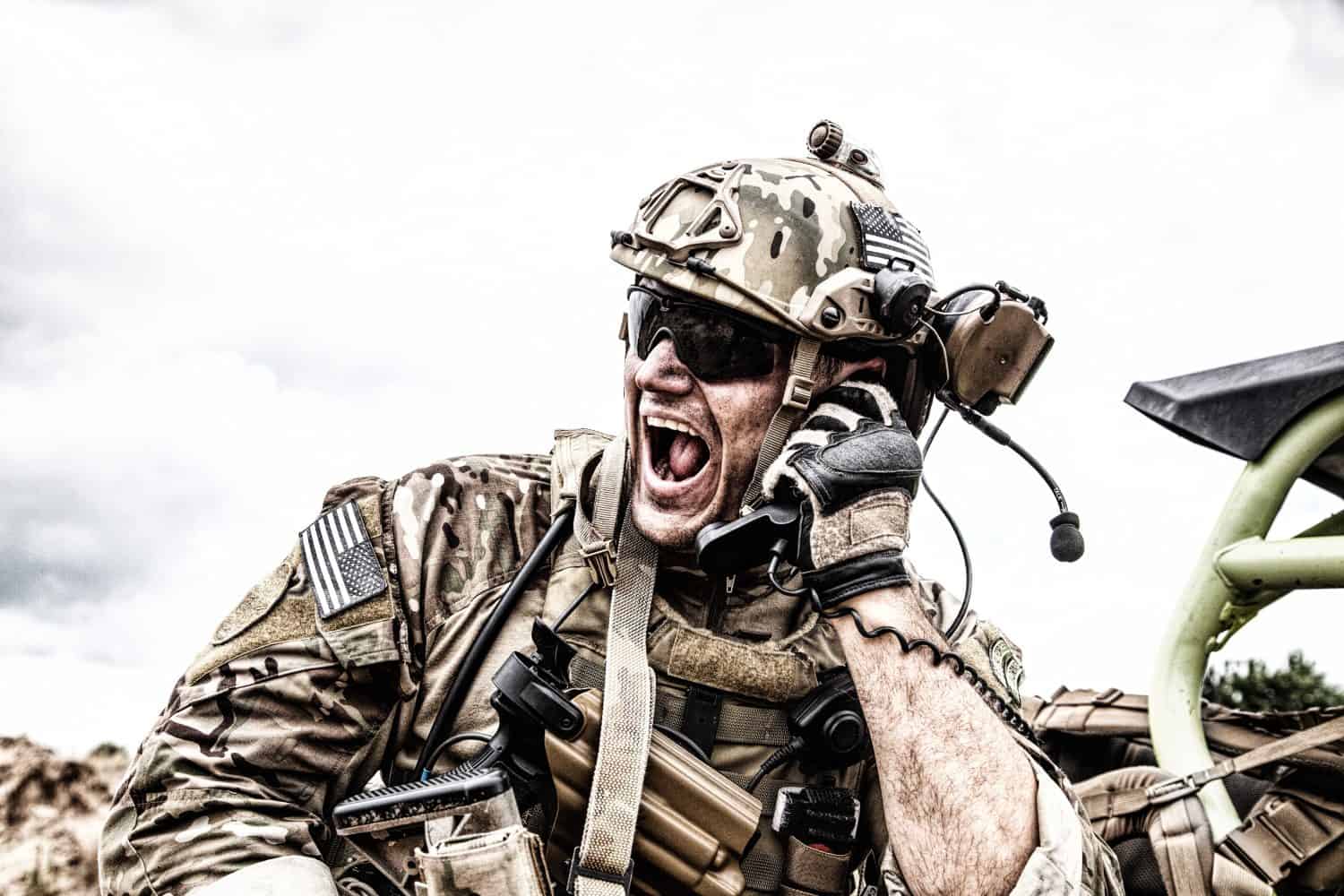
Secure Tactical Radio
- Category: Comms
- Primary Function: Communication
- Operational Phase: Coordination
- Timing Advantage: Synchronization
- Key Capability: Encrypted comms
- Speed or Reaction Benefit: Real-time updates
- Tactical Impact in Time-Sensitive Missions: Coordinated actions
- Why Special Operations Forces Rely on It: Mission-critical comms
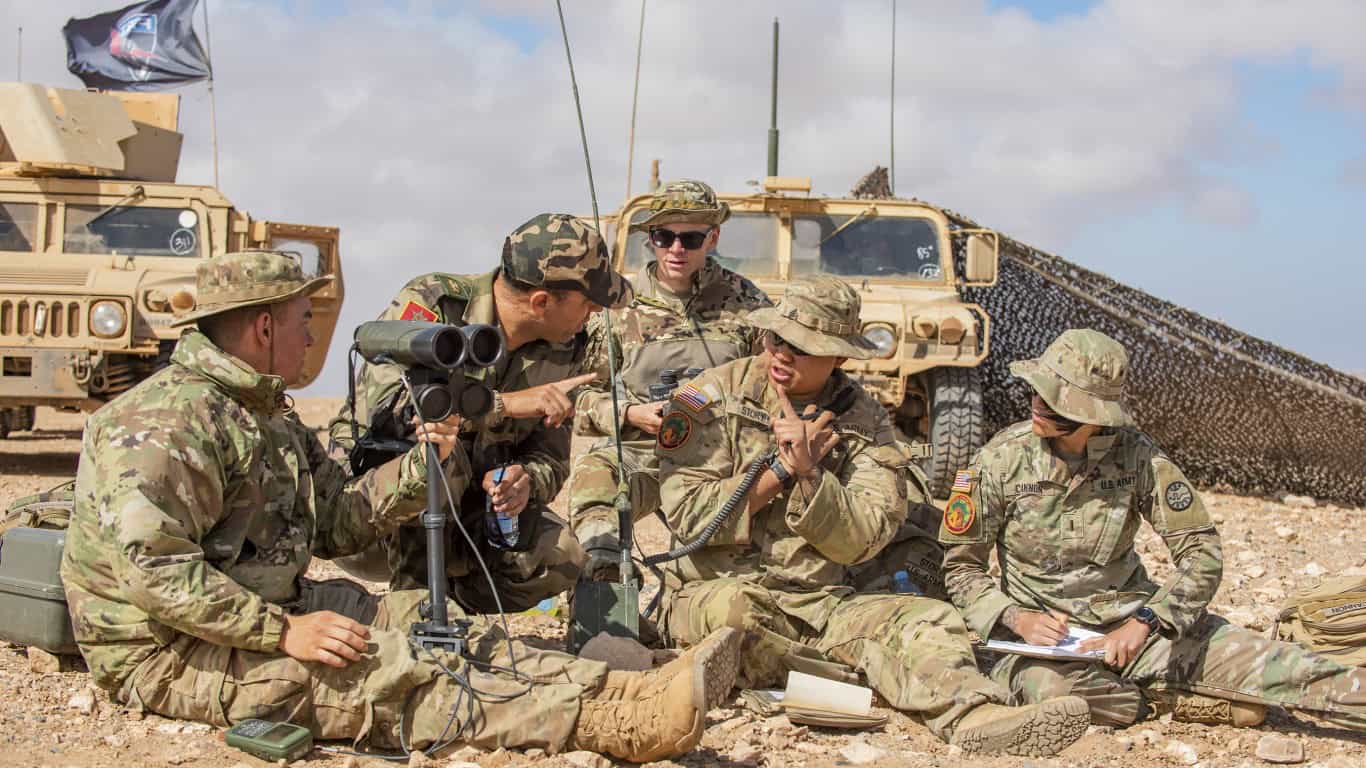
Secure radios enable real-time communication, ensuring that all team members are synchronized during operations. This coordination is essential for executing complex plans where timing must be precise.
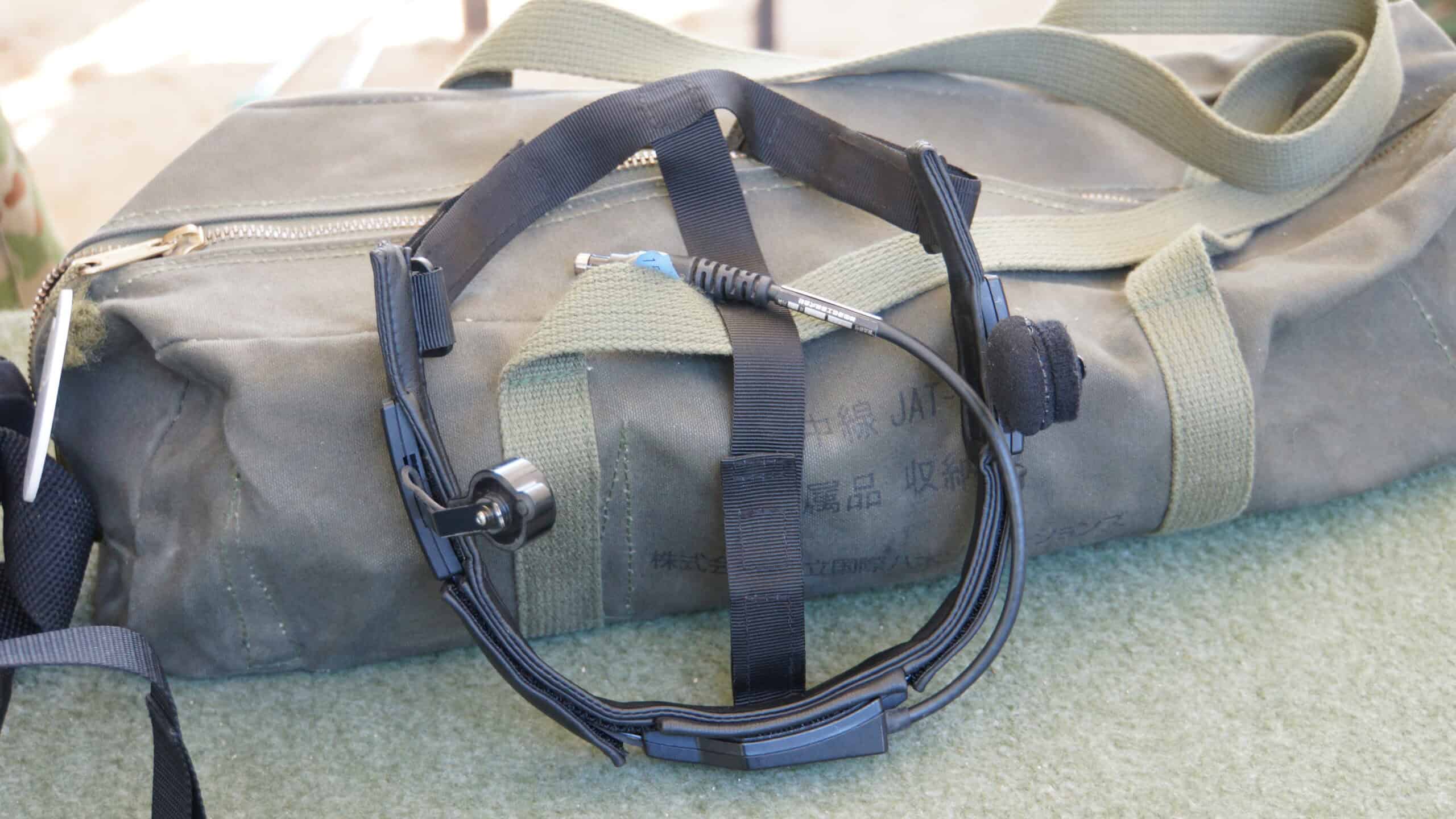
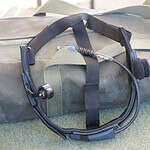
Bone Conduction Headset
- Category: Comms
- Primary Function: Audio comms
- Operational Phase: Coordination
- Timing Advantage: Continuous comms
- Key Capability: Hands-free audio
- Speed or Reaction Benefit: Instant communication
- Tactical Impact in Time-Sensitive Missions: Maintains awareness
- Why Special Operations Forces Rely on It: Used in dynamic ops
Bone conduction headsets allow operators to receive communications without blocking ambient sound. This ensures continuous awareness while maintaining coordination, supporting rapid responses to changing conditions.
MH-60 Black Hawk
- Category: Mobility
- Primary Function: Insertion platform
- Operational Phase: Insertion
- Timing Advantage: Rapid deployment
- Key Capability: Helicopter mobility
- Speed or Reaction Benefit: Fast insertion
- Tactical Impact in Time-Sensitive Missions: Quick deployment
- Why Special Operations Forces Rely on It: SOF staple aircraft
The MH-60 Black Hawk provides rapid insertion and extraction capabilities, allowing teams to deploy quickly and efficiently. Its speed and reliability ensure that operations can begin and end on precise timelines.
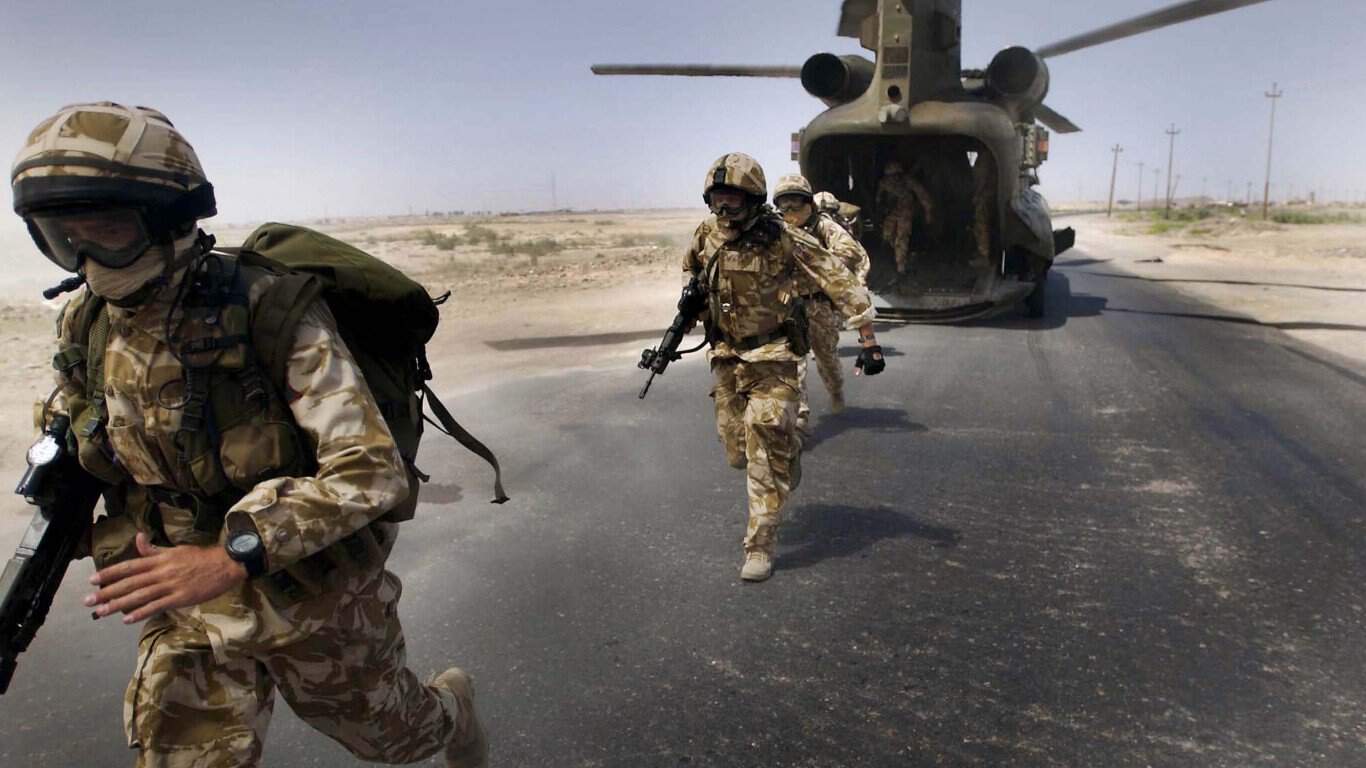
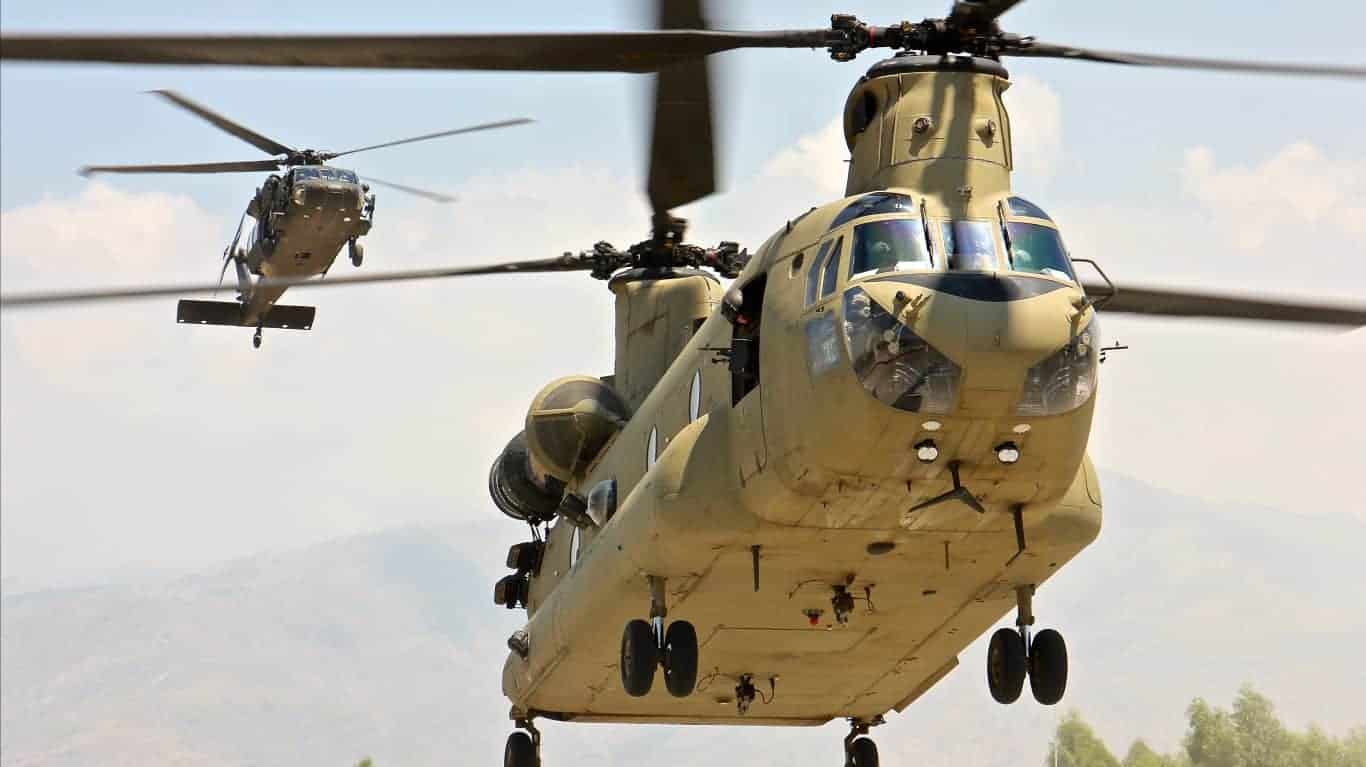
MH-47 Chinook
- Category: Mobility
- Primary Function: Heavy insertion
- Operational Phase: Insertion
- Timing Advantage: Speed
- Key Capability: Heavy lift
- Speed or Reaction Benefit: Mass deployment
- Tactical Impact in Time-Sensitive Missions: Rapid troop movement
- Why Special Operations Forces Rely on It: Large-scale insertion
The MH-47 Chinook enables the rapid deployment of larger teams and equipment, supporting complex operations. Its capacity and speed ensure that forces can be positioned quickly, maintaining operational tempo.
CV-22 Osprey
- Category: Mobility
- Primary Function: Tiltrotor transport
- Operational Phase: Insertion
- Timing Advantage: Range + speed
- Key Capability: Vertical + forward flight
- Speed or Reaction Benefit: Long-range insertion
- Tactical Impact in Time-Sensitive Missions: Fast deployment
- Why Special Operations Forces Rely on It: Expands reach
The CV-22 Osprey combines vertical lift with high-speed flight, allowing for long-range insertion with minimal delay. Its versatility supports rapid deployment across diverse environments.
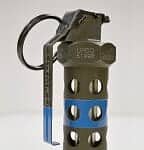
Flashbang Grenade
- Category: Effect
- Primary Function: Stun device
- Operational Phase: Engagement
- Timing Advantage: Split-second advantage
- Key Capability: Disorientation
- Speed or Reaction Benefit: Immediate control
- Tactical Impact in Time-Sensitive Missions: Entry dominance
- Why Special Operations Forces Rely on It: Key CQB tool
Flashbang grenades create a brief but decisive window of disorientation, allowing operators to gain control of a situation instantly. This split-second advantage is critical during entry operations.
Tactical Wristwatch
- Category: Timing Tool
- Primary Function: Time sync
- Operational Phase: Coordination
- Timing Advantage: Synchronization
- Key Capability: Precise timing
- Speed or Reaction Benefit: Coordinated actions
- Tactical Impact in Time-Sensitive Missions: Synced operations
- Why Special Operations Forces Rely on It: Ensures timing accuracy
A synchronized wristwatch ensures that all team members operate on the same timeline. This coordination is essential for executing simultaneous actions.
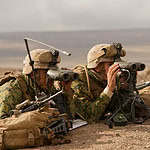
Laser Rangefinder
- Category: Targeting
- Primary Function: Distance measurement
- Operational Phase: Engagement
- Timing Advantage: Precision timing
- Key Capability: Accurate range
- Speed or Reaction Benefit: Faster targeting
- Tactical Impact in Time-Sensitive Missions: Improves shot timing
- Why Special Operations Forces Rely on It: Used in precision ops
Laser rangefinders provide precise distance measurements, allowing for accurate targeting. This reduces the time needed to adjust fire, supporting rapid engagement.
Micro UAV Drone
- Category: Surveillance
- Primary Function: Recon drone
- Operational Phase: Surveillance
- Timing Advantage: Pre-strike timing
- Key Capability: Live feed
- Speed or Reaction Benefit: Real-time intel
- Tactical Impact in Time-Sensitive Missions: Informs timing
- Why Special Operations Forces Rely on It: Critical for planning
Micro UAVs provide real-time reconnaissance, allowing teams to gather intelligence before acting. This information enables precise timing of operations.
Fiber Optic Camera
- Category: Surveillance
- Primary Function: Under-door camera
- Operational Phase: Surveillance
- Timing Advantage: Stealth timing
- Key Capability: Flexible camera
- Speed or Reaction Benefit: See before entry
- Tactical Impact in Time-Sensitive Missions: Reduces uncertainty
- Why Special Operations Forces Rely on It: Used before breach
Fiber optic cameras allow operators to see inside structures before entry, reducing uncertainty and enabling better planning. This preparation ensures that actions are executed at the optimal moment.
The image featured at the top of this post is ©Getty Images / Getty Images