




7 Historic Sites That Could Disappear Forever
Some of the world's most iconic landmarks are slowly fading away in the tides of time, losing battles to Mother Nature or being worn down by the millions of feet that come to admire them. The sheer weight of tourism is taking its toll, alongside time itself.
Some of these places have stood for thousands of years, but that does not make them permanent. Piece by piece, they may be gone in the future, and photos will be all that's left. If any of them are on your bucket list, the clock is running out. Here are the 7 historical places you should visit before they are gone.
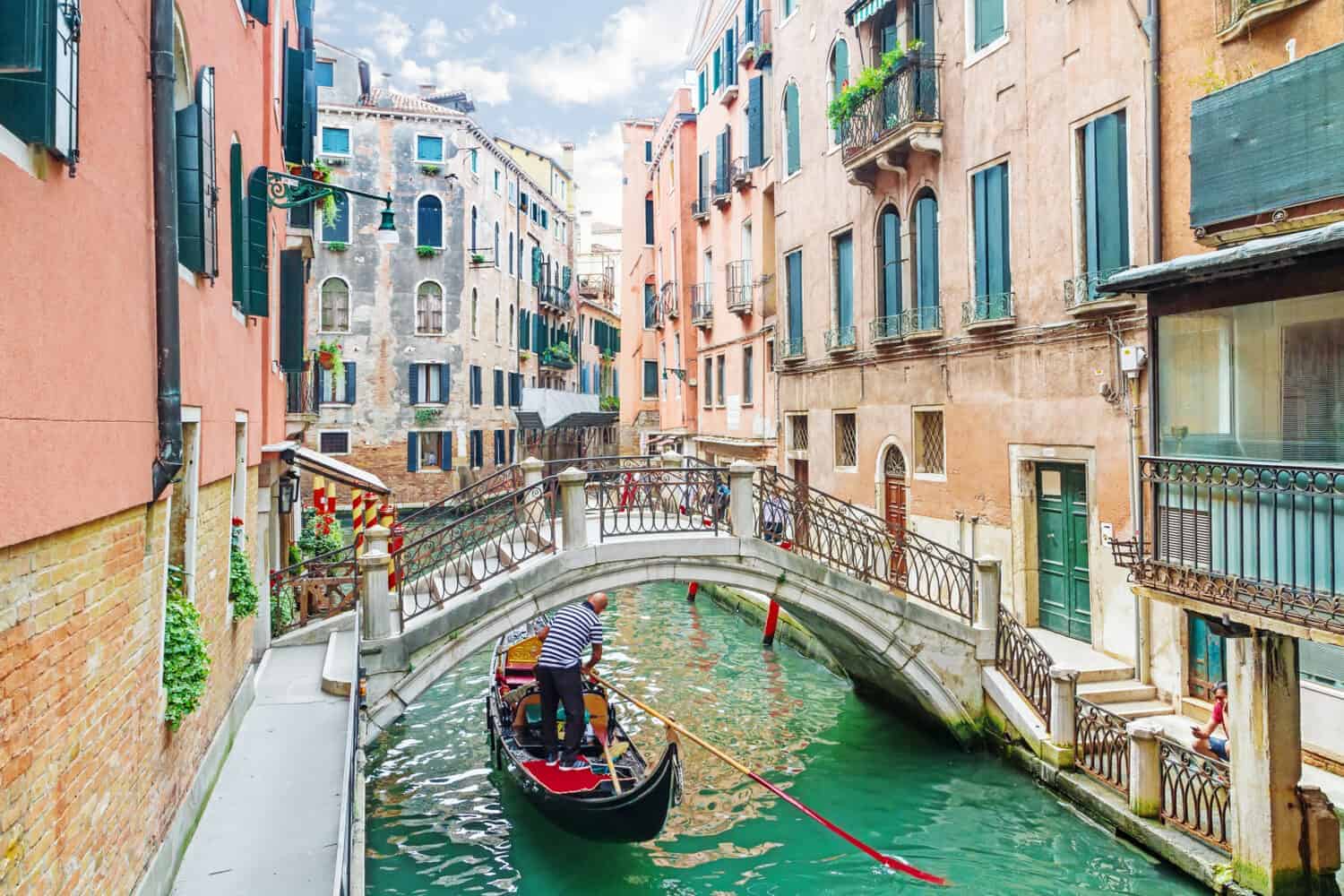
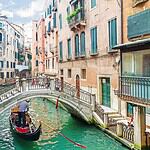
Venice, Italy
Sea levels near Venice have risen by 30 centimeters over the last 130 years. Part of that is the city itself slowly sinking under its own weight, and the other part of it is the sea actually rising. In 2019, a single storm flooded more than 80% of the historic center at once, sending water pouring across St. Mark's Square and into shops and ground-floor homes.
A huge underwater barrier, known as MOSE, has been erected to hold back the worst of the tides. It works, at least for now, but experts say it can only buy time. Raising it too often would choke off the lagoon and strangle the port, so it stays down for the smaller floods that keep getting more frequent. Its beautiful canals have their days counted. The only debate is how long they still have left.
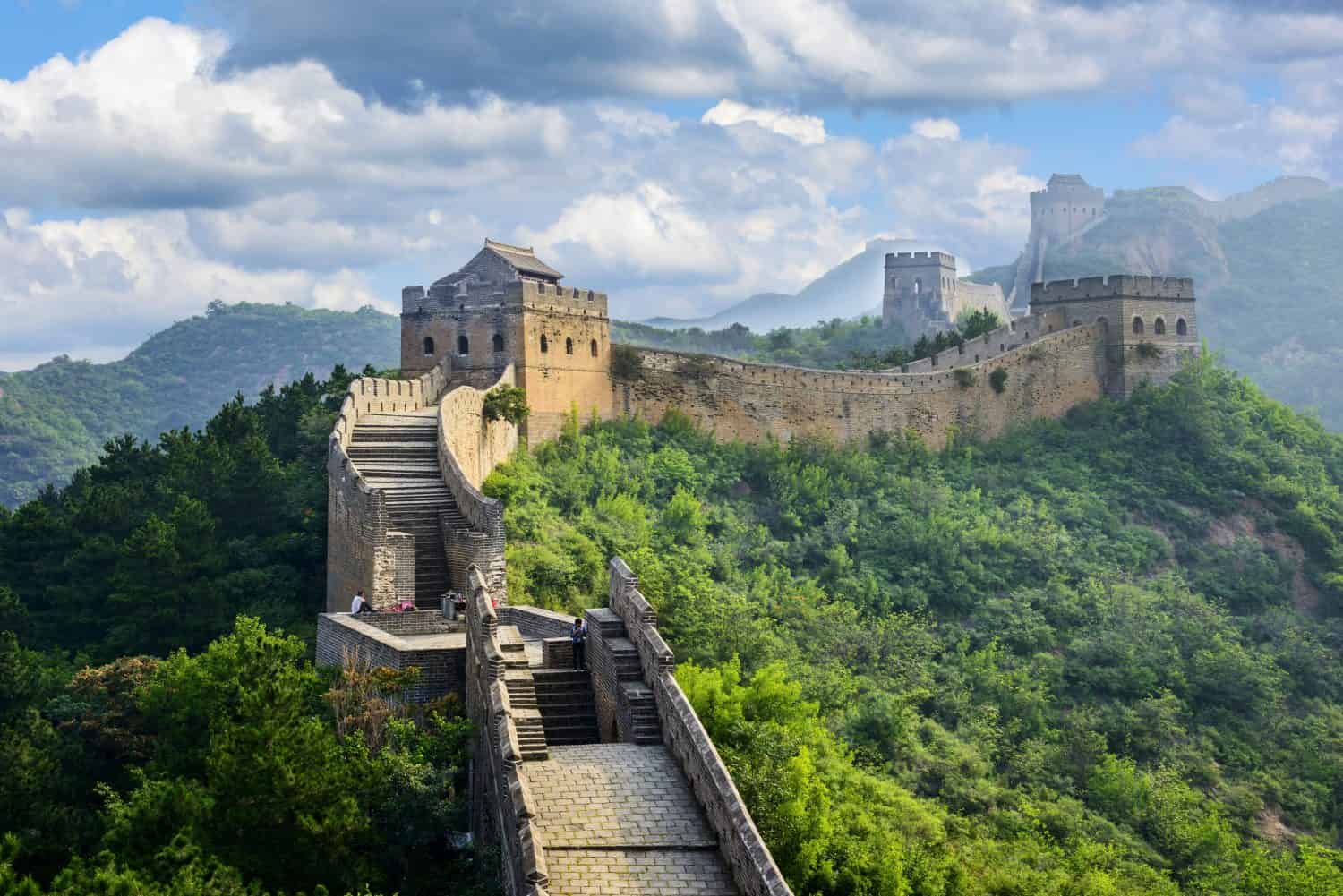
The Great Wall of China
The Great Wall is a patchwork of fortifications built over roughly 2,300 years, stretching more than 13,000 miles across some of China's harshest terrain. About 30% of the best-known Ming Dynasty sections have already crumbled, and only around 8% of the entire structure remains in good shape.
Restored areas around Beijing are doing well. It's the "wild wall," an unpatrolled area stretching miles and miles, that's disappearing the fastest, its stone slowly turning back into dirt mounds.
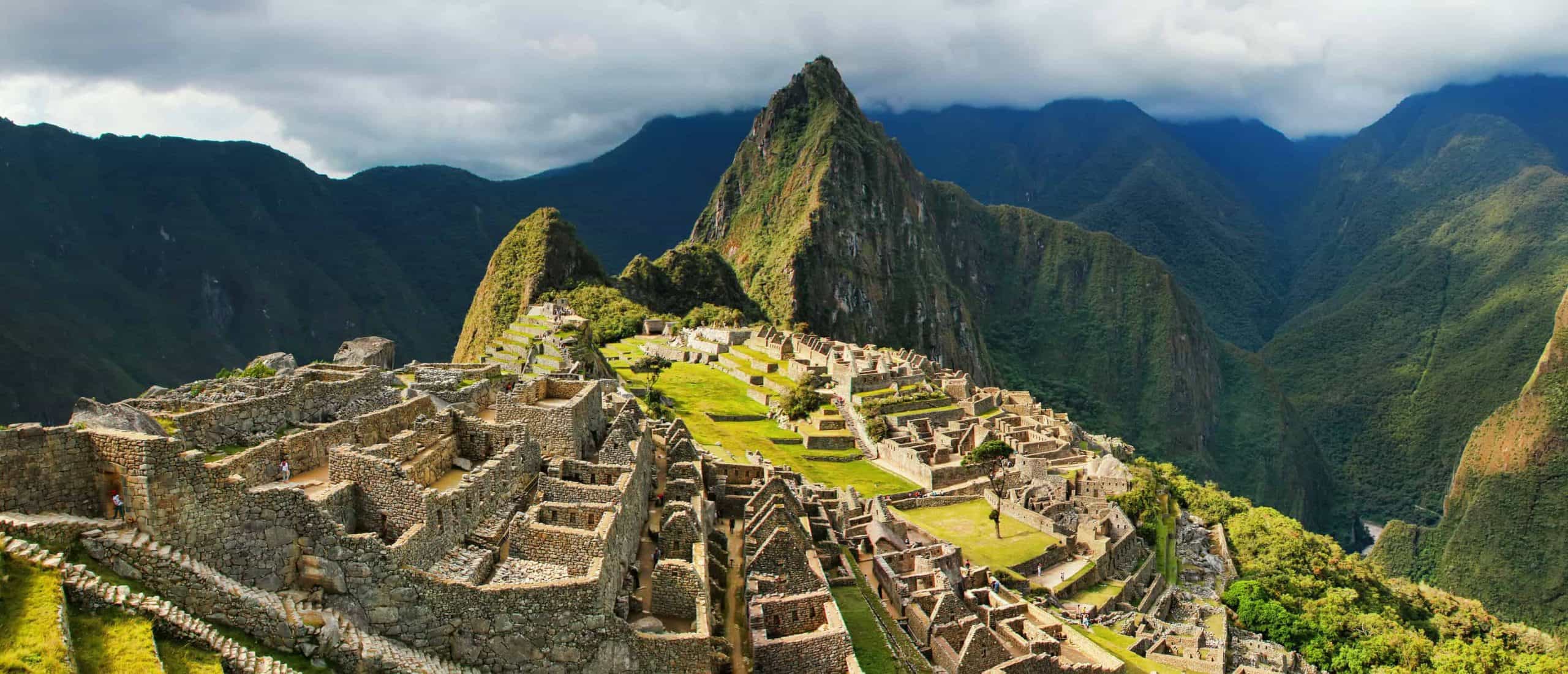
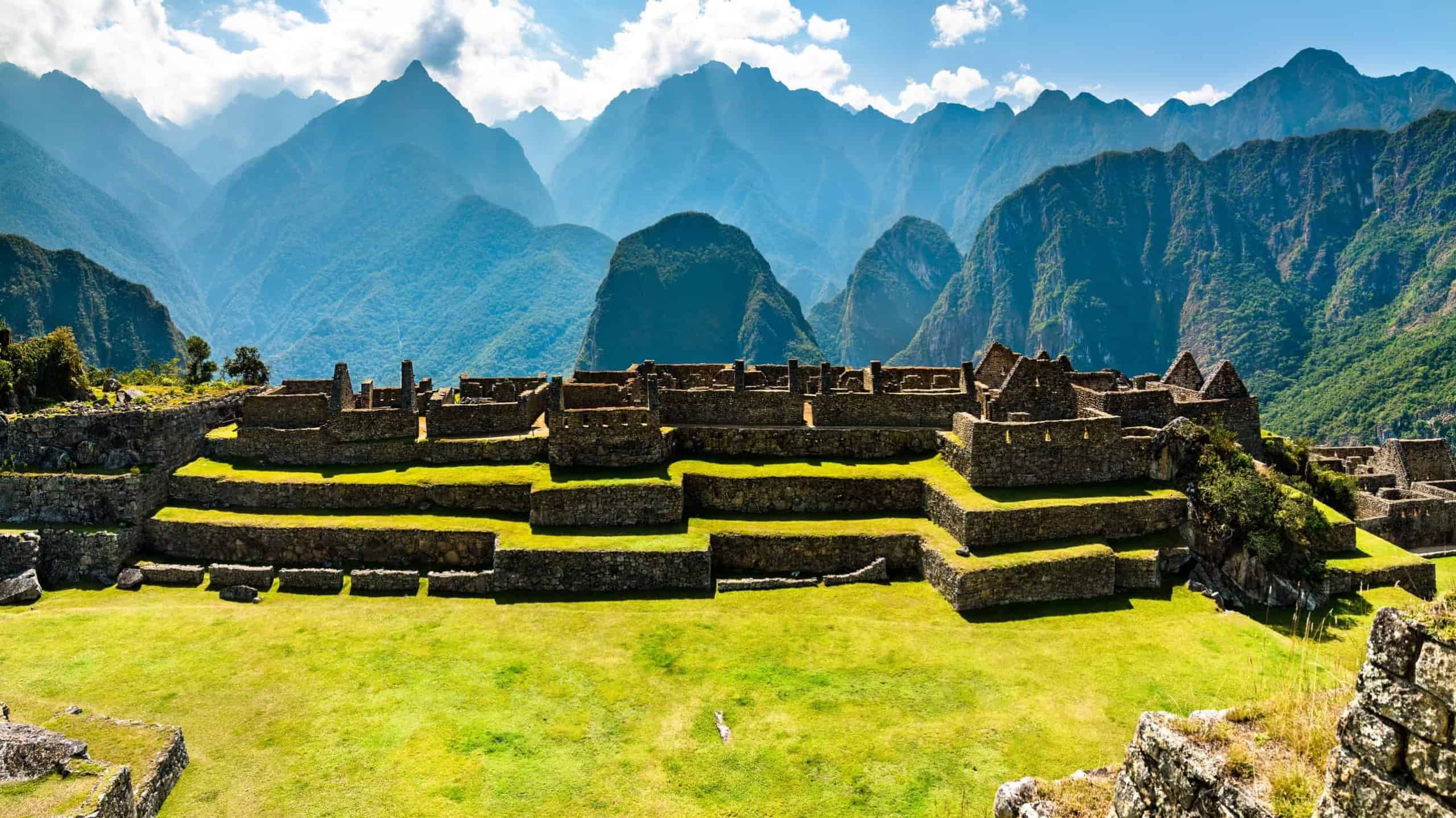
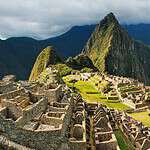
Machu Picchu, Peru
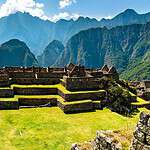
Up to 1.5 million people climb through this 15th-century Incan citadel every year, and the stonework is starting to show scenes of wear and tear. Mountain landslides caused by unpredictable climates are not helping either.
The government of Peru has already limited the number of tourists per day, and closed certain paths. Today's tourists visiting Machu Picchu are seeing it as much reduced compared with what it was ten years ago.
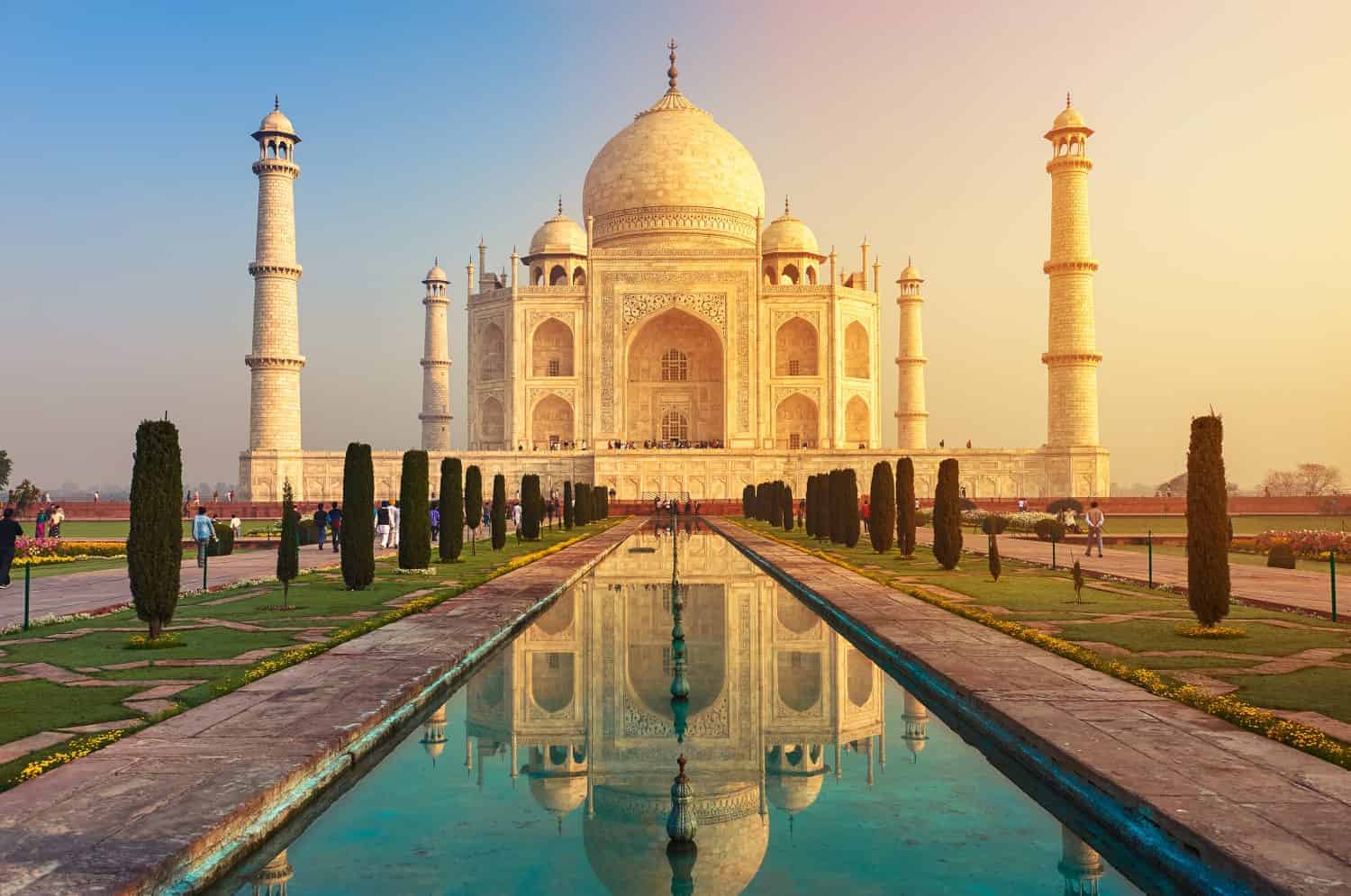
The Taj Mahal, India
Agra's air pollution regularly pushes fine particulates into the air, provoking an acidic reaction that is robbing the Taj Mahal of its original white color. Salt, together with the airborne pollution particles and moisture coming off a polluted Yamuna river, is slowly turning this wonder of the world yellow and green.
The other problem is structural. The marble began to crack after unusually heavy rain twice this decade, in 2020 and again in 2024.
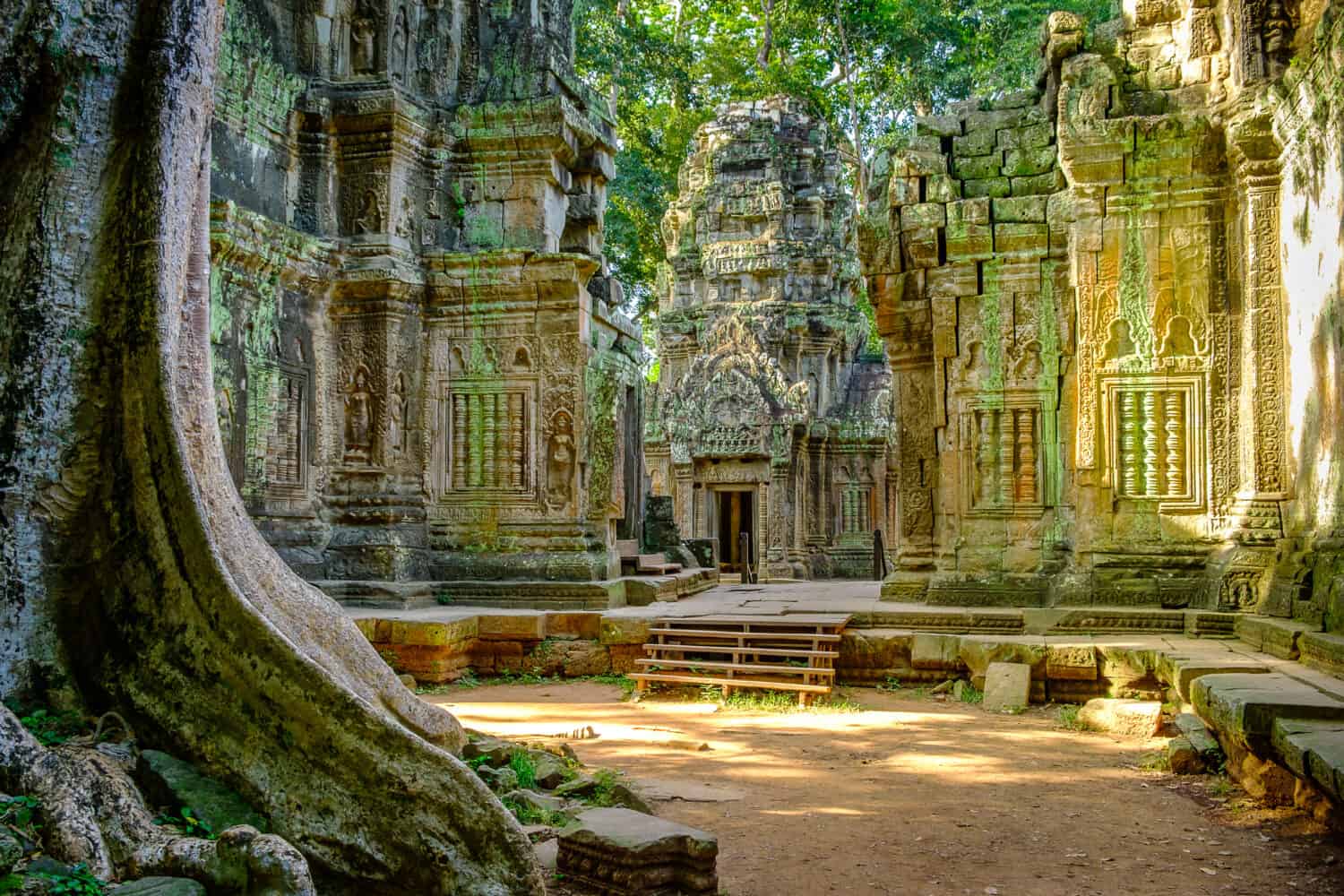
Ta Prohm, Cambodia
This mystical 12th-century Buddhist monastery near Angkor Wat is recognizable for fans of the 2001 film Tomb Raider, as Angelina Jolie filmed some of the movie's scenes with the temple in the background.
It's the one major site at Angkor that was deliberately never cleared of jungle. The huge silk-cotton trees and strangler figs have been growing on top of and interweaving with the stones. These very same trees are now the temple's biggest problem and its biggest support. But if they were to be cut down, parts of the temple would probably be torn apart in the process. So conservationists are left preserving the ruin and the roots as one.
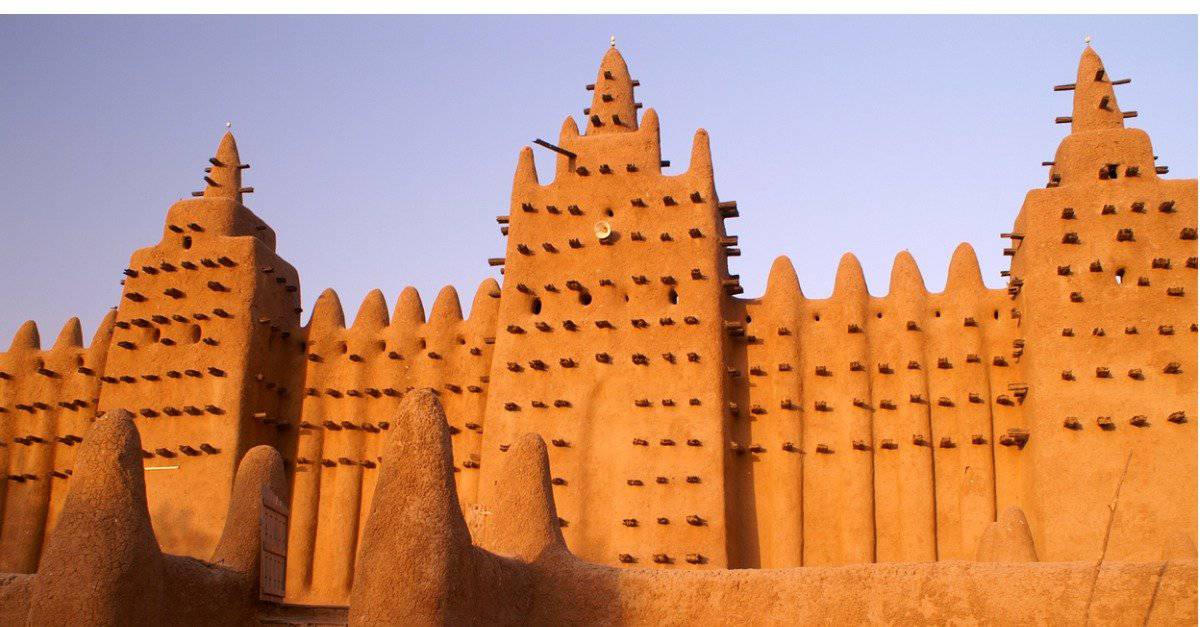
Timbuktu, Mali
Once a center of Islamic scholarship with hundreds of thousands of ancient manuscripts, this Saharan city is now squeezed between an advancing desert and decades of armed conflict.
When extremist groups occupied Timbuktu in 2012, local archivists smuggled tens of thousands of manuscripts out of the city by donkey cart and boat to keep them out of militant hands.
Unfortunately, some of the city's most valuable history has been lost to war and neglect.
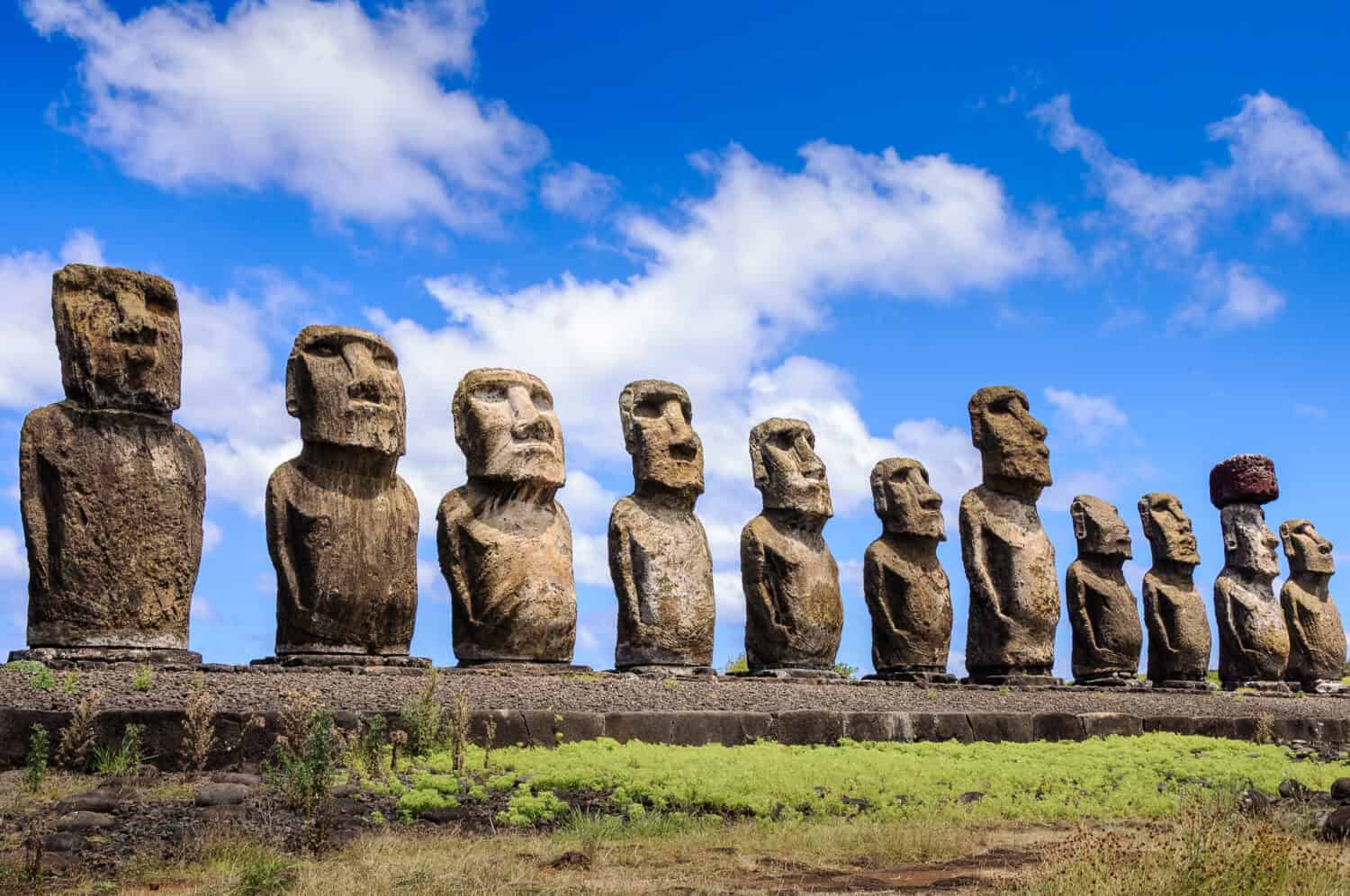
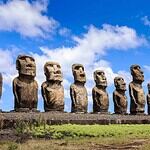
Moai of Easter Island (Rapa Nui)
Nearly all of these huge stone statues were intentionally toppled by rival clans during a time of internal conflict during the late 1700s and early 1800s. Almost everything tourists see standing today, including the famous row at Ahu Tongariki, was re-erected by archaeologists in the 20th century.
Now the ones still standing face a newer threat. A lot of them are standing on shorelines where sea level rise and coastal erosion are undercutting the ground beneath them.
The image featured at the top of this post is ©Don Mammoser/Shutterstock.com