



21 Countries That Don’t Have an Army and How They Stay Protected
Most countries treat a standing army as a basic part of national defense, but not every sovereign state has one. That contrast is especially striking when compared with the world’s largest active-duty militaries. Global Firepower’s 2026 estimates list China at about 2.03 million active personnel, India at about 1.43 million, and the United States at about 1.33 million, though military manpower figures can vary by source and methodology.
At the other end of the spectrum are countries that operate without a traditional standing army. Widely cited lists identify 21 sovereign states without armed forces or without a standing army, but the details differ sharply from country to country. Some rely on police forces, coast guards, or limited paramilitary units for internal security. Others depend on formal defense agreements, regional security systems, or long-standing relationships with larger powers. Iceland, for example, has no standing army but is a NATO member, while the Marshall Islands, Micronesia, and Palau rely on the United States for defense through Compacts of Free Association.
This History Computer list looks at 21 countries that do not maintain a conventional army and explains how each one handles national defense, border security, maritime patrols, and emergency response. In some cases, protection comes from a treaty. In others, it comes from a coast guard, national police force, regional alliance, or informal arrangement with a neighboring country. Together, these examples show that military strength is not always measured by troop counts, tanks, or fighter jets. Geography, diplomacy, alliances, and history can shape a country’s security strategy just as much as a traditional army.
St. Vincent and the Grenadines
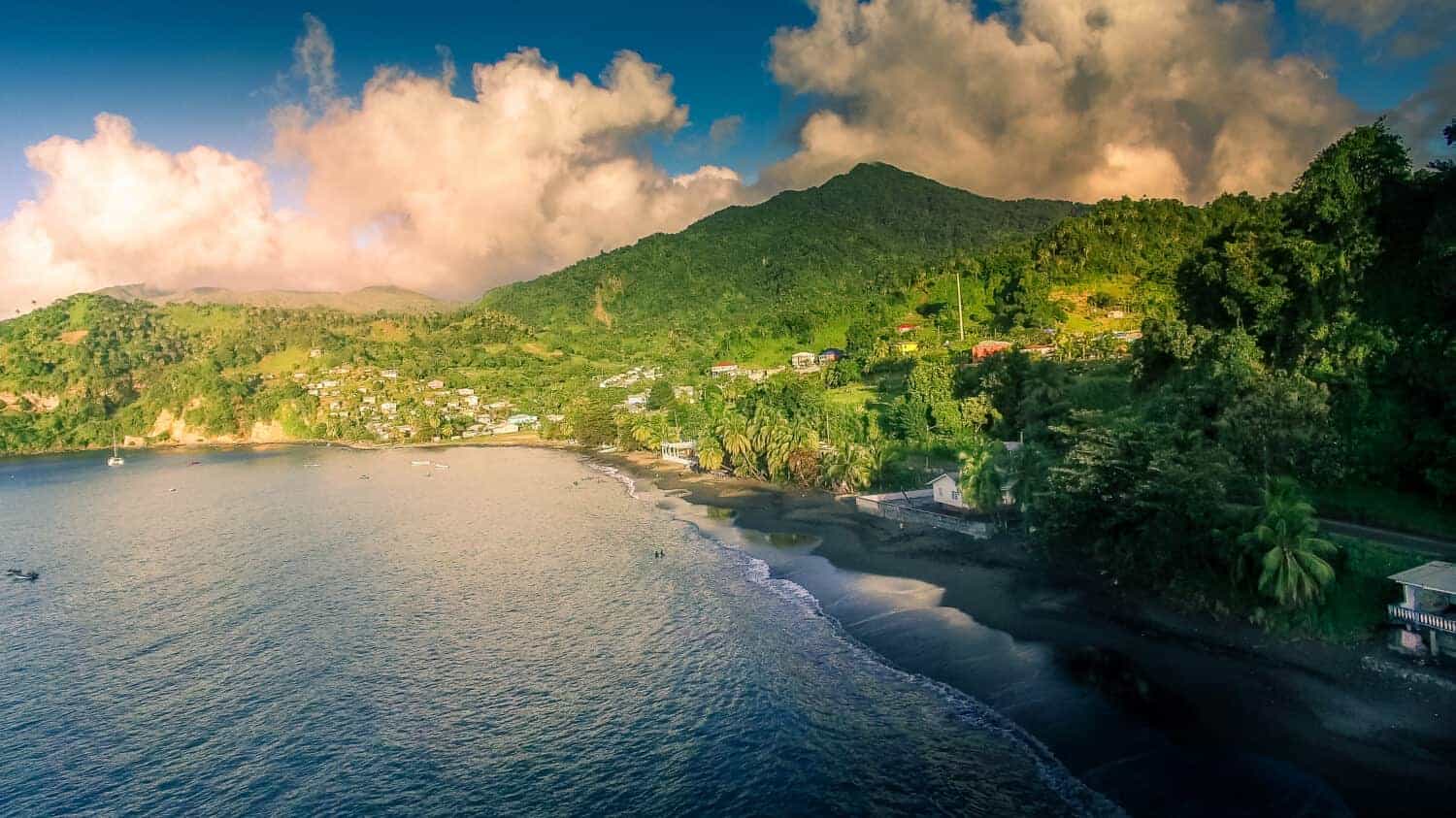
Like St. Lucia, St. Vincent and the Grenadines is a member of the Regional Security System in the Caribbean Sea. The police operate a Special Service Unit and the Coast Guard for internal security in and around the islands.
Vanuatu
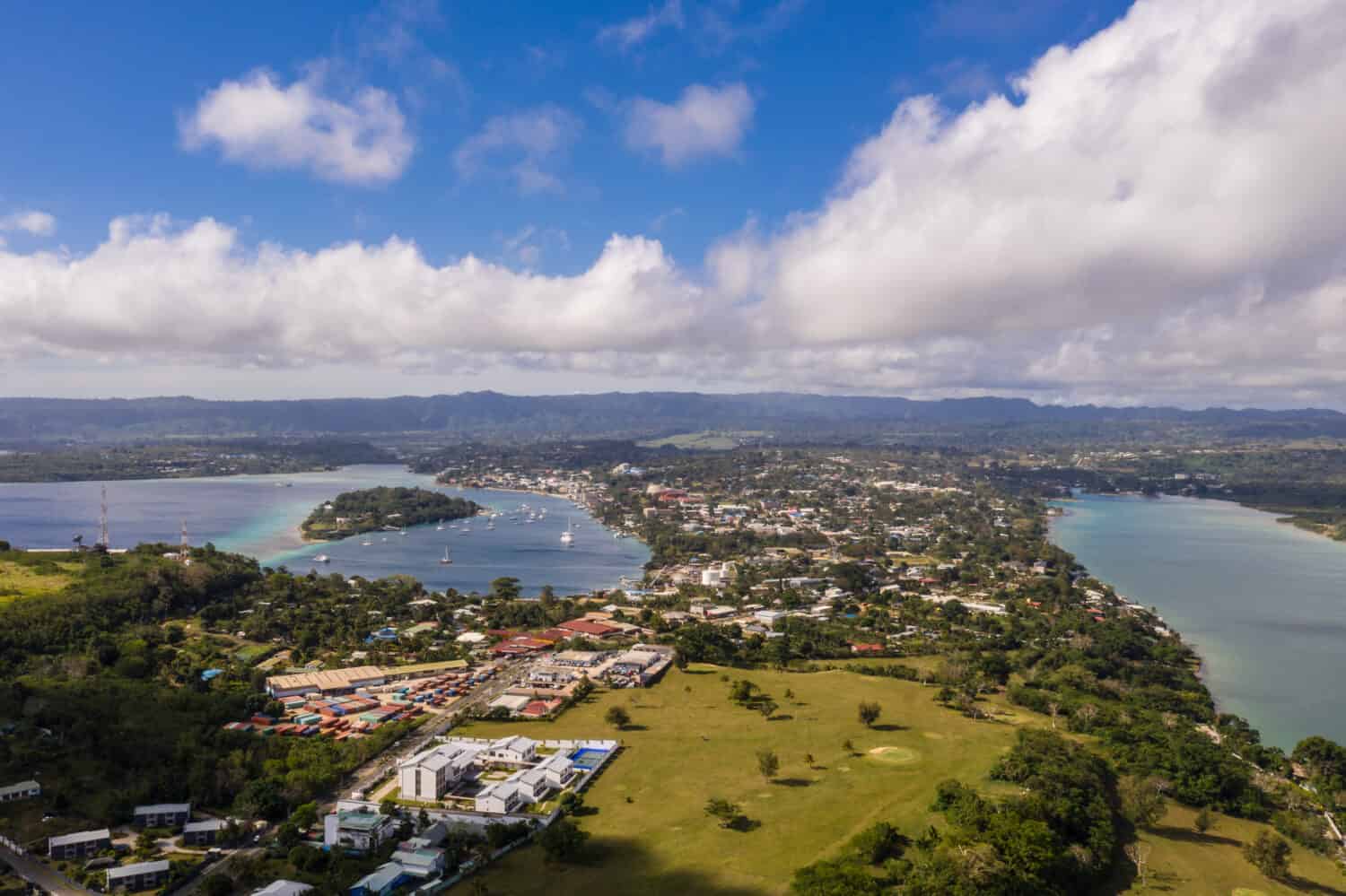
An island country, Vanuatu is located in a region of the Western Pacific that is not a major area of international conflict. Although it has no army, its police force does manage a paramilitary force for internal security.
Tuvalu
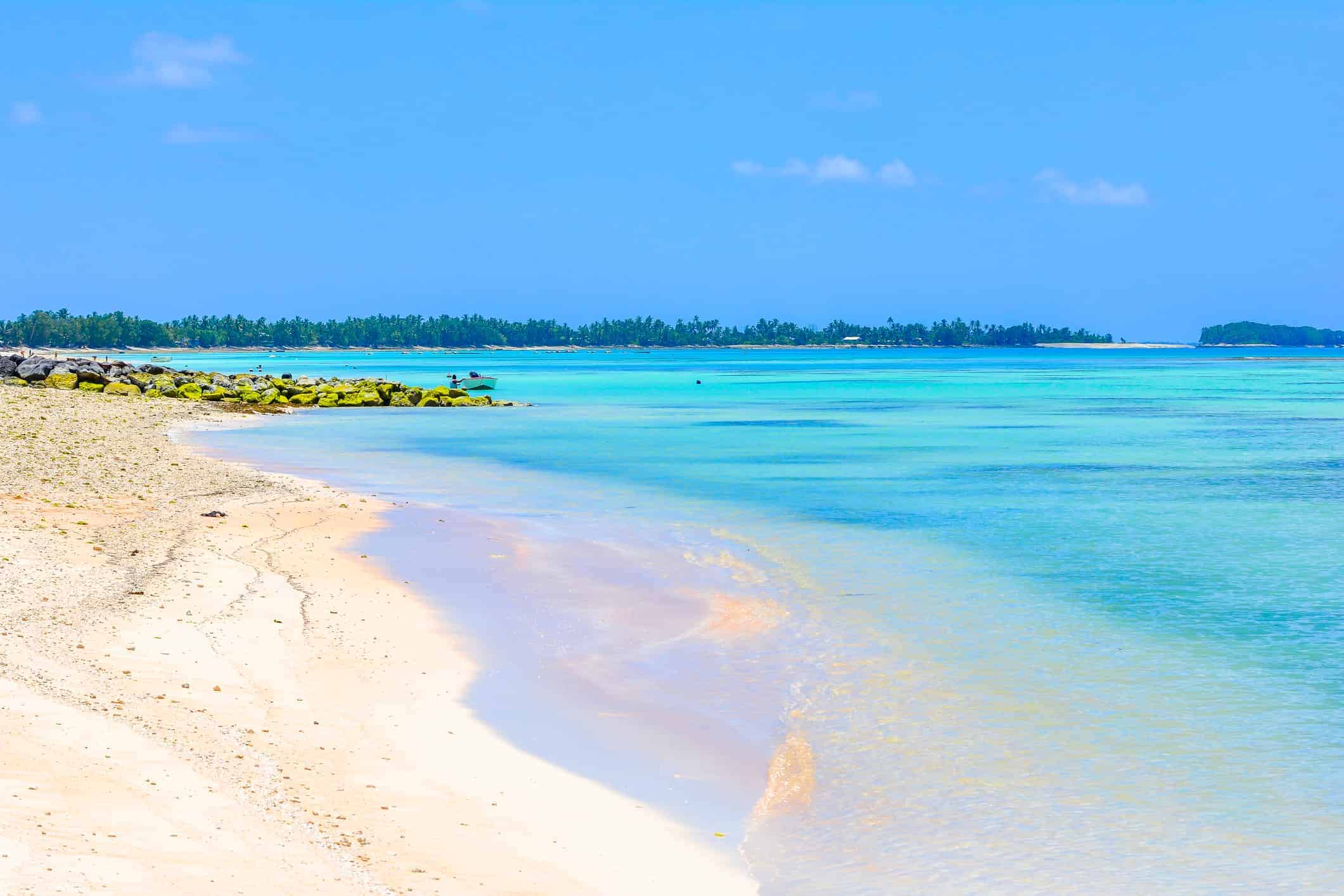
Tuvalu has a small police force, a Maritime Surveillance Unit, and a patrol boat to manage its internal security and keep an eye on the surrounding waters. The country has never had its own military. As recently as 2023, Australia signed a pact with Tuvalu to provide for its defense.
Iceland
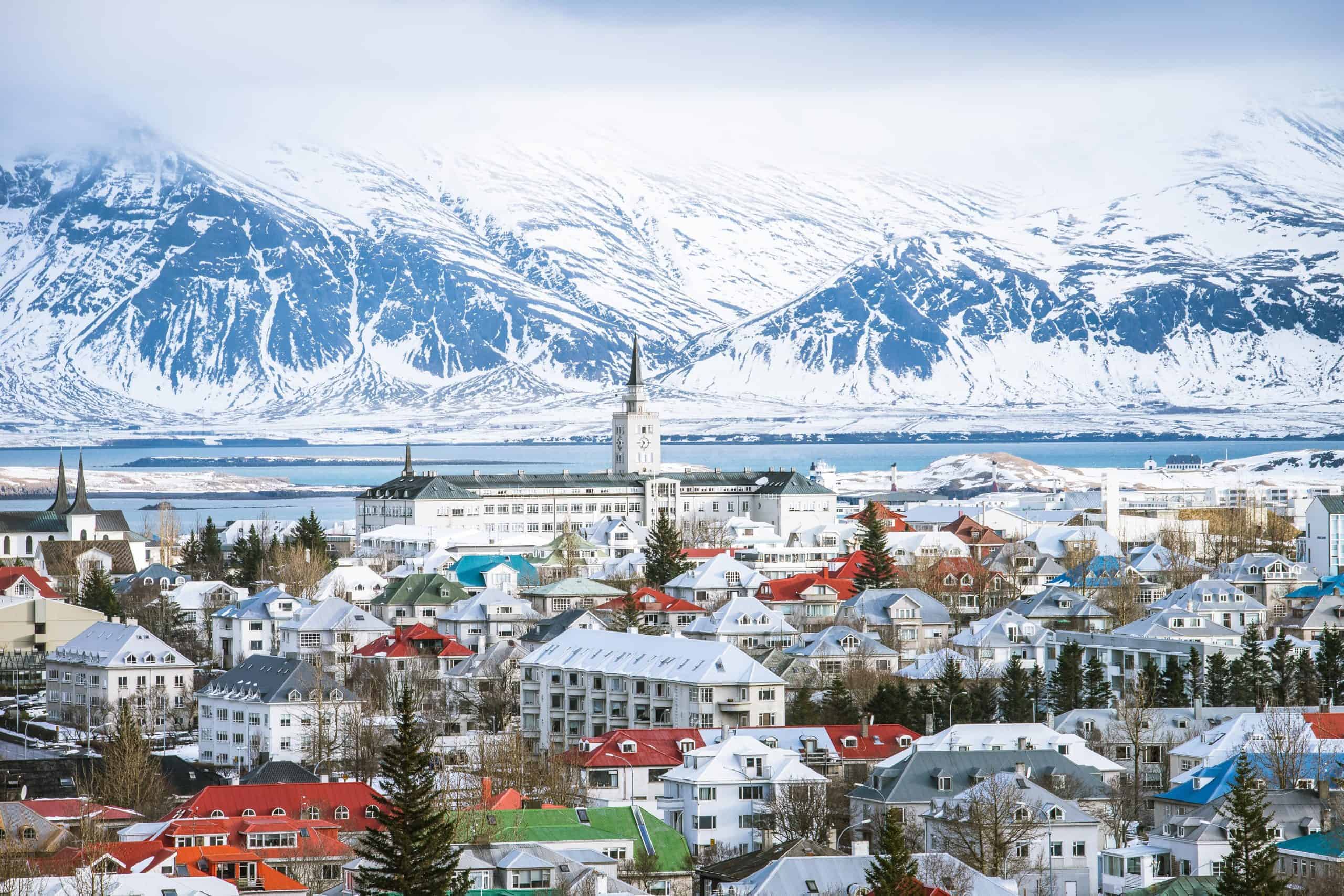
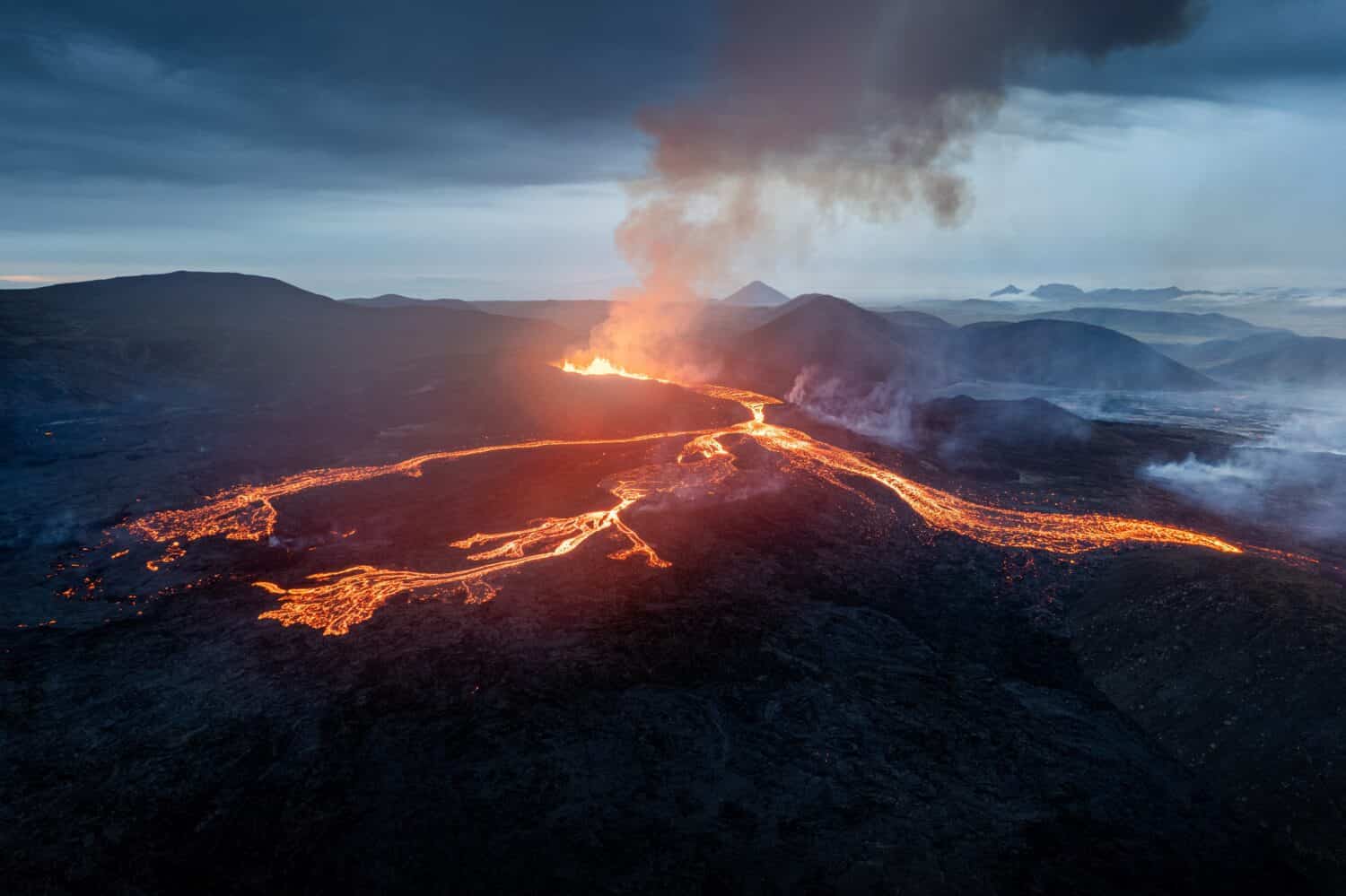
Since 1869, Iceland has been a country without an army. Located just south of the Arctic Circle, Iceland has generally been too remote to be threatened by stronger enemies. During the Cold War, however, it became important as a forward base for the United States to detect Soviet naval movements and missile launches. Iceland is a member of NATO and the U.S. had forces based there from 1951-2006. Iceland has a Crisis Response Unit, a Coast Guard, and a police force to handle internal emergencies.
Kiribati
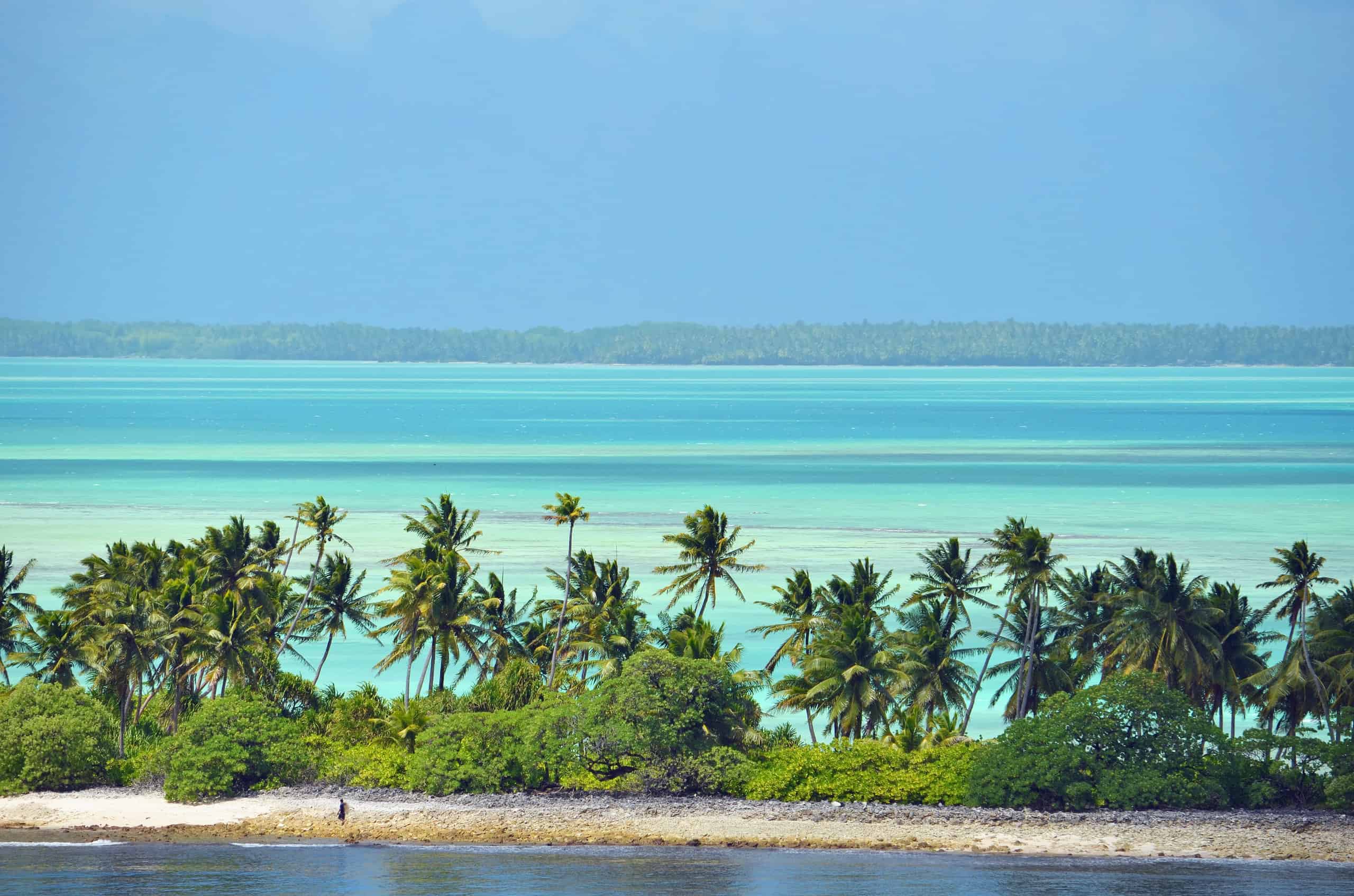
Kiribati is a Central Pacific country consisting of 33 islands and atolls widely scattered over 1.3 million square miles of ocean. It has a police force with small arms and one patrol boat. Australia and New Zealand have promised to assist the country if it has a national defense emergency.
Solomon Islands
The Solomon Islands were a site of fierce fighting between the Allies and the Japanese in World War II. After the war, the Solomons disbanded their military forces. Today they have a large police force, a Maritime Surveillance Unit, and two patrol boats. These forces proved to be insufficient when ethnic fighting broke out in the early 21st century, leading to intervention by neighboring countries in 2003. They continued to assist the islands until 2017.
Panama
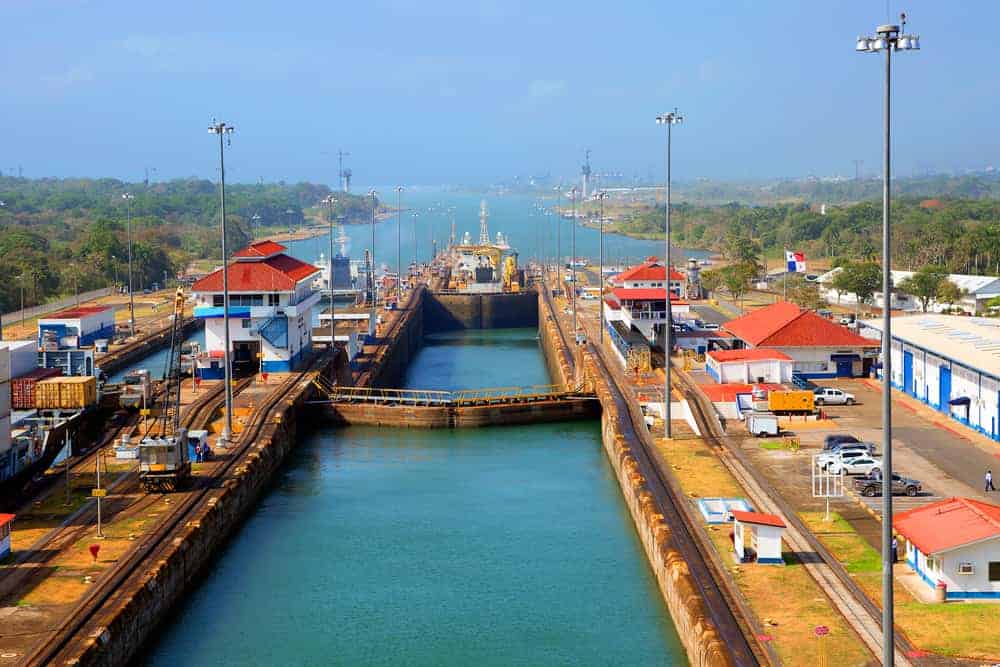
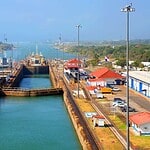
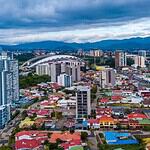
Like Grenada, Panama abolished its army after being invaded by the United States. In 1989, American military intervention removed General Manuel Noriega from leadership and restored democratic government. Now, internal security services are provided by the police, border service, aeronaval service, and an institutional protective force. In the event of a major security threat that Panama could not handle, it is safe to say the United States would intervene to safeguard the Canal.
Andorra
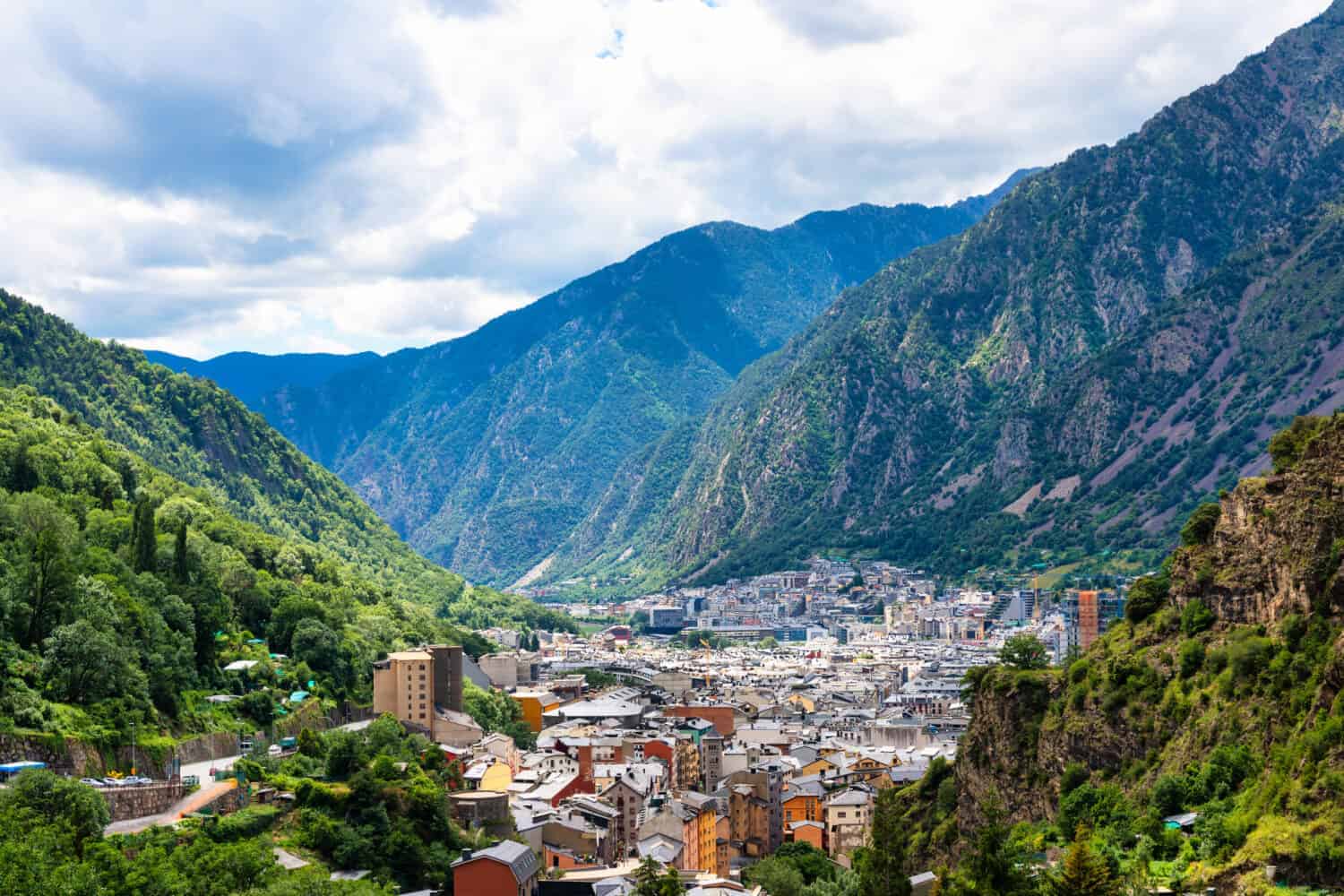
Andorra is a small landlocked country in the Pyrenees Mountains, surrounded by France and Spain, which have both signed treaties to protect the micro nation. The country's police have a special forces unit for counter-terrorism activities.
Nauru
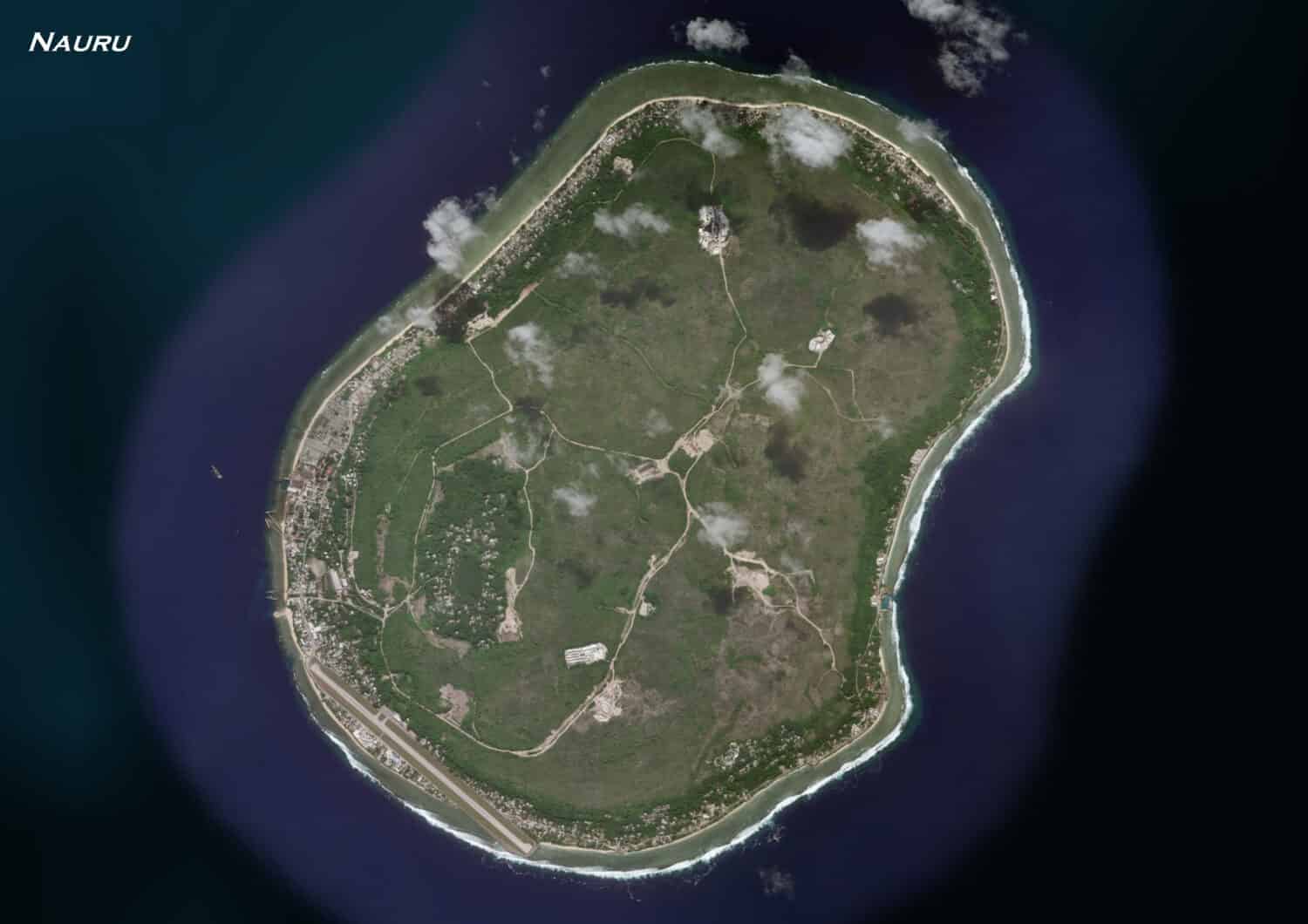
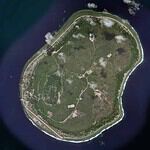
Nauru is a tiny Pacific country consisting of only one island. Australia has used Nauru as a detention facility for processing immigrants and has pledged to provide international defense for the island. Nauru maintains a relatively large police force to handle internal security.
Mauritius
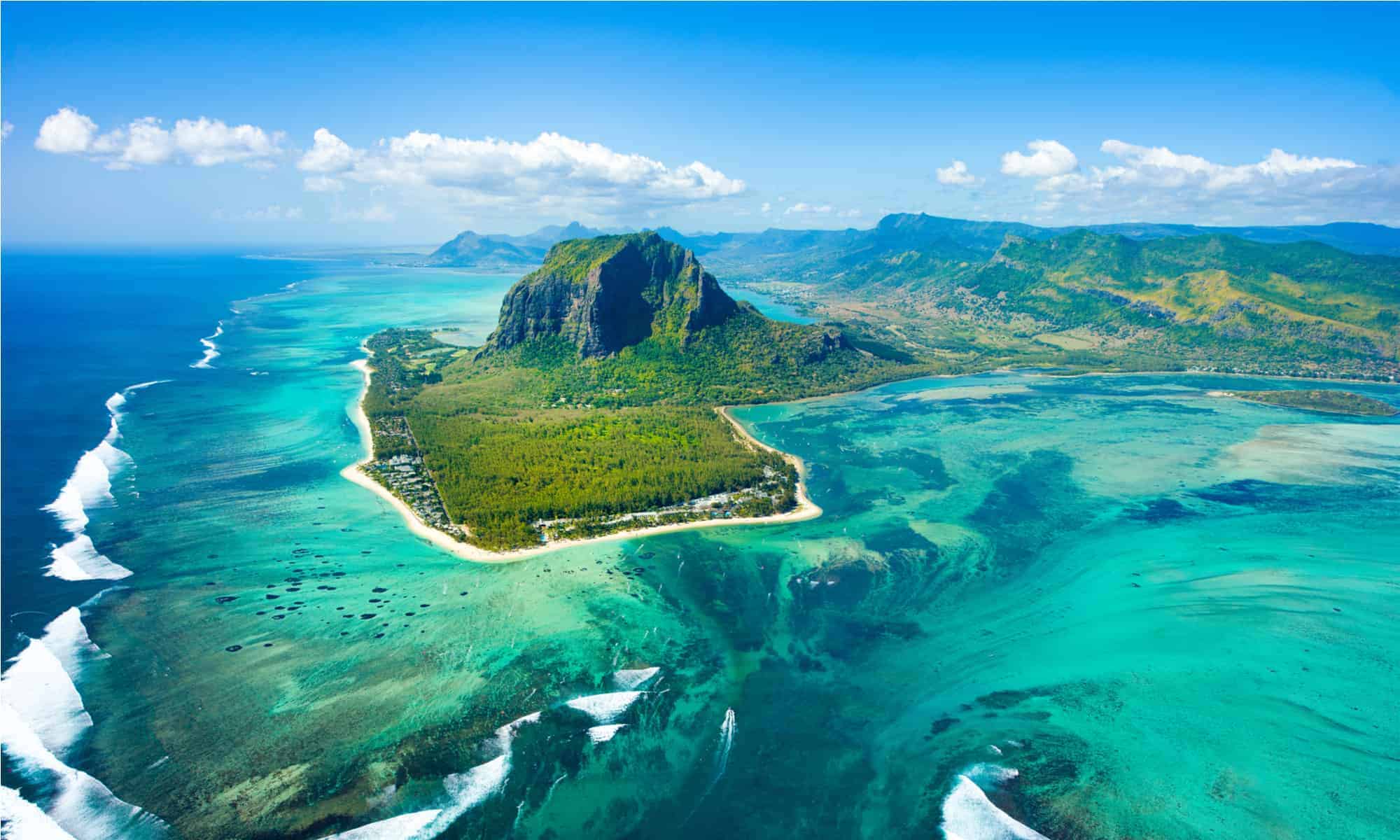
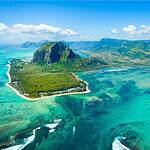
Mauritius is an island country off the coast of East Africa. It has never had its own army, but it does have a robust internal security force of police and a coast guard consisting of about 20,000 personnel. In 2023 the media revealed that India is building an air base in the country. Mauritius claims the island of Diego Garcia, where the United States leases a highly strategic base. Mauritius has offered to extend a 99-year lease to the U.S. if the island is recognized as their legal territory. Ultimately, Mauritius is aligned with India and the U.S., two countries that are working to limit Chinese influence in the region.
St. Lucia
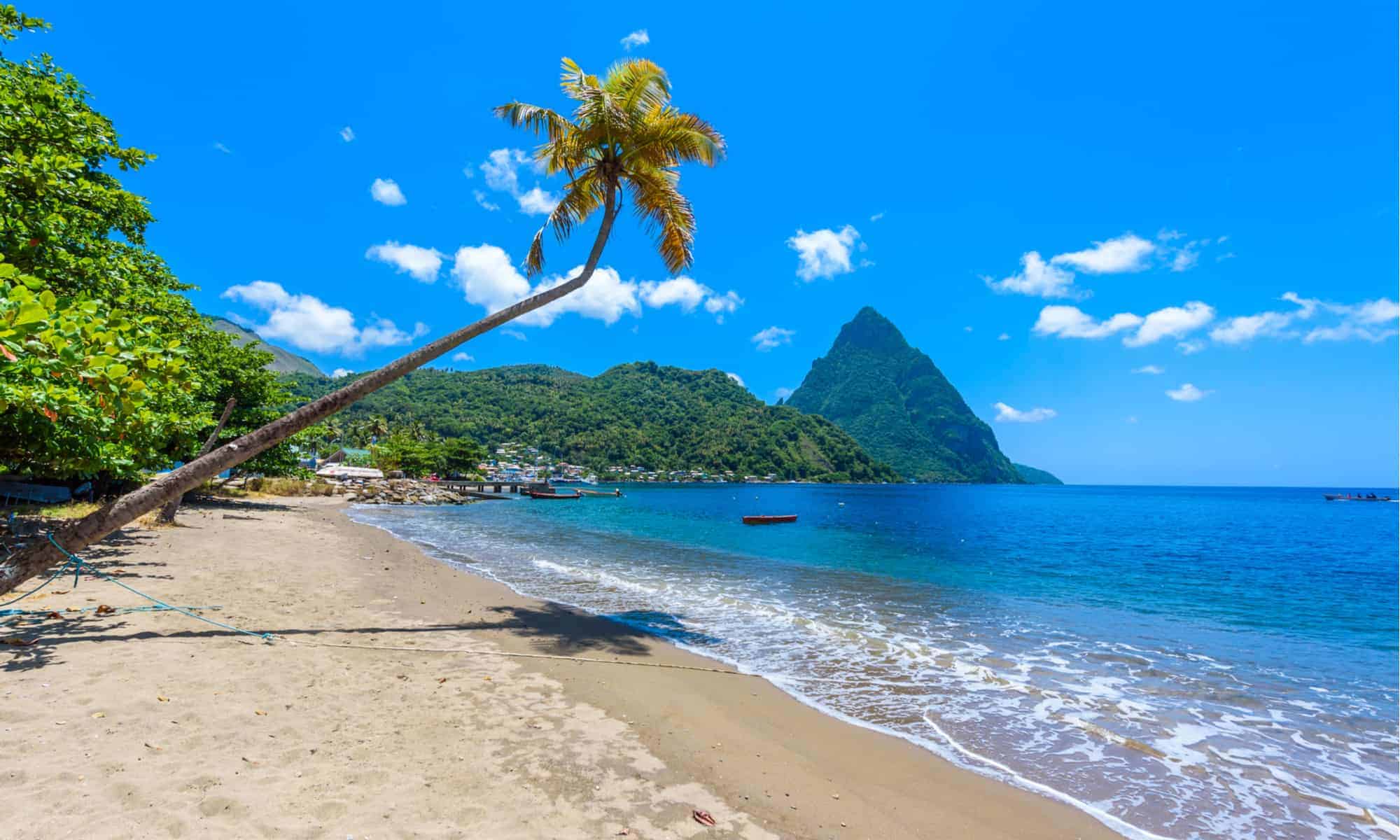
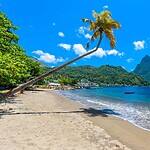
St. Lucia is a signatory to the Regional Security System with other Caribbean islands for international defense. Ultimately, the United States and Canada are the guarantors of defense and stability in the region. St. Lucia's police manage two small paramilitary forces: the Special Service Unit and the Coast Guard.
Monaco
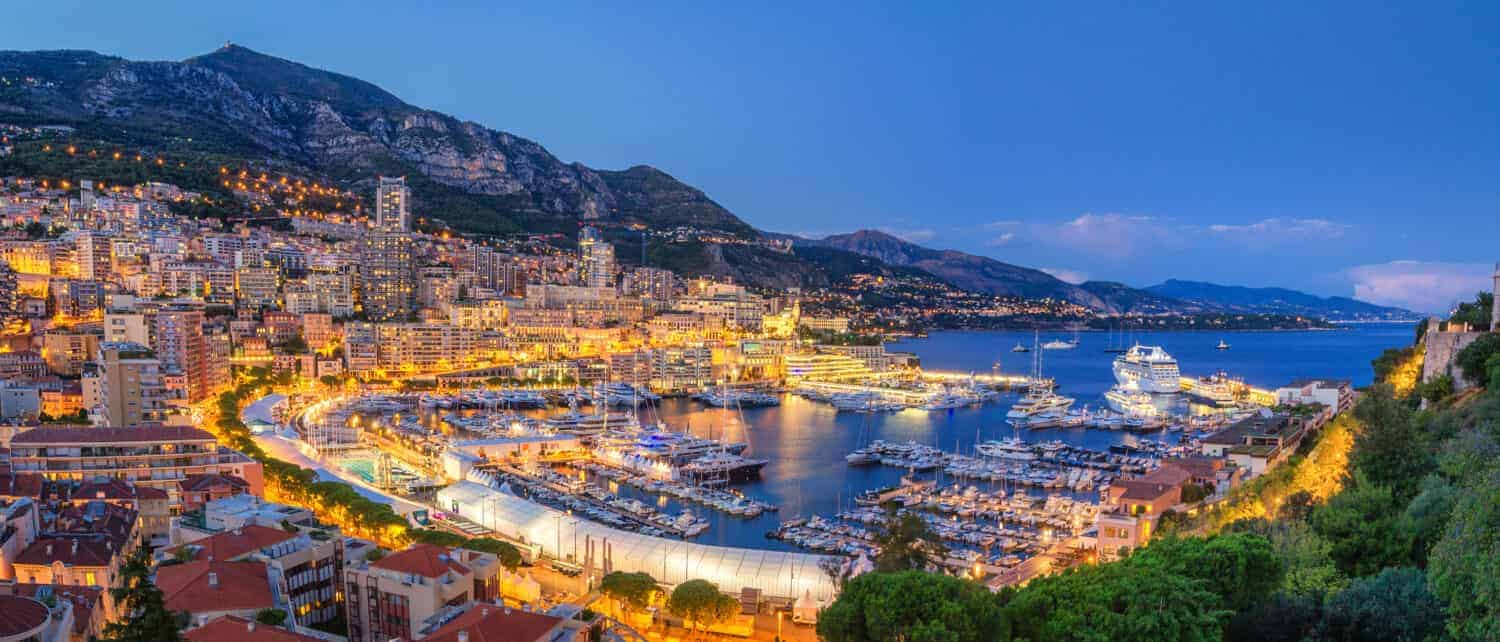
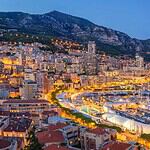
Monaco is a wealthy micronation on the Riviera, surrounded on three sides by France, and positioned on the Mediterranean Sea. It gave up its army in the 1600s and entrusted its defense to France. It has its own police, a security detail to protect the monarch and other government officials, and a unit for civil defense and firefighting.
Samoa
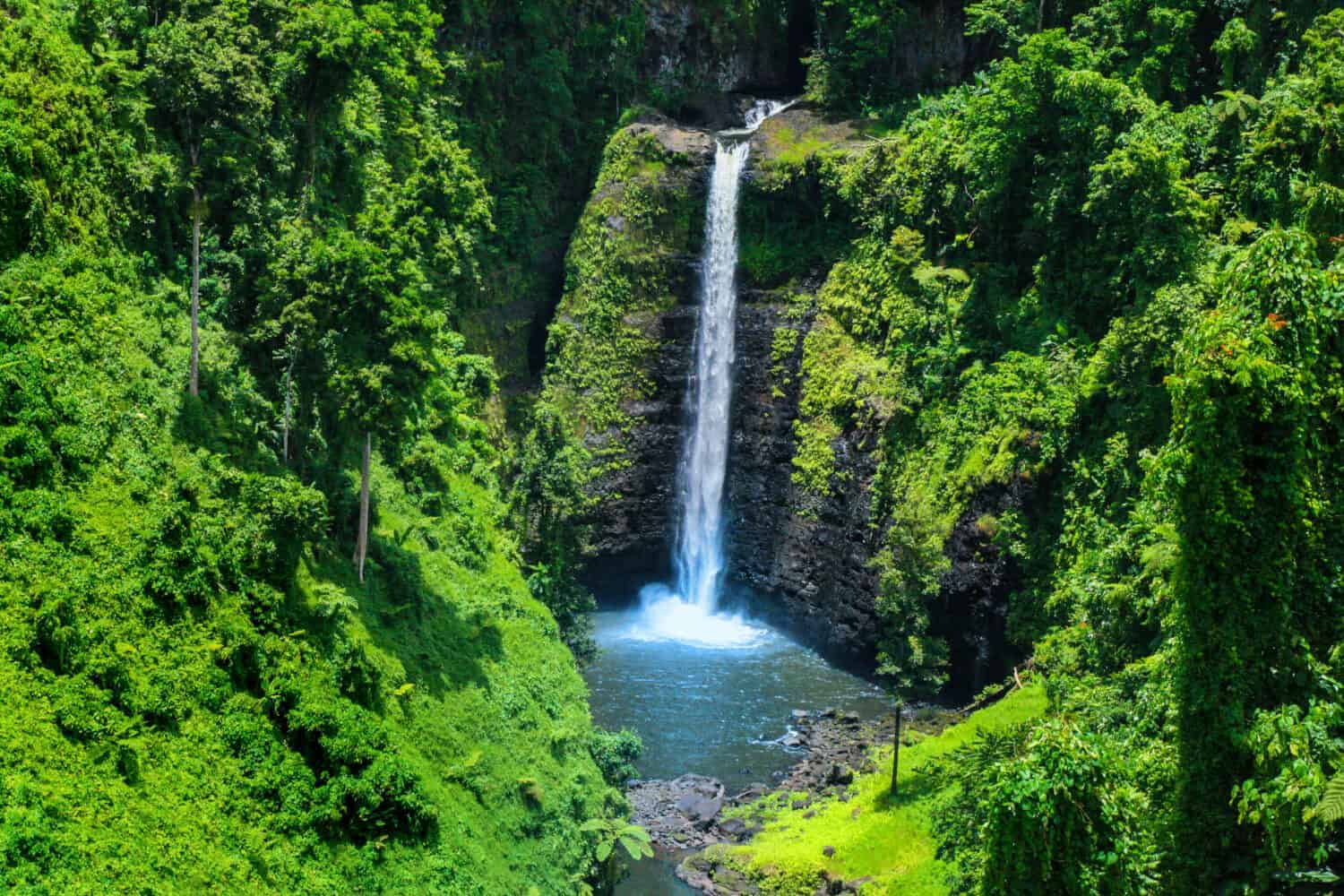
Samoa has never had a military. They have a small police force and a Maritime Surveillance Unit with small arms and a patrol boat. Samoa has had a Treaty of Friendship with New Zealand since 1962. One of the terms of the treaty is that New Zealand will defend Samoa in the event of an emergency.
Liechtenstein
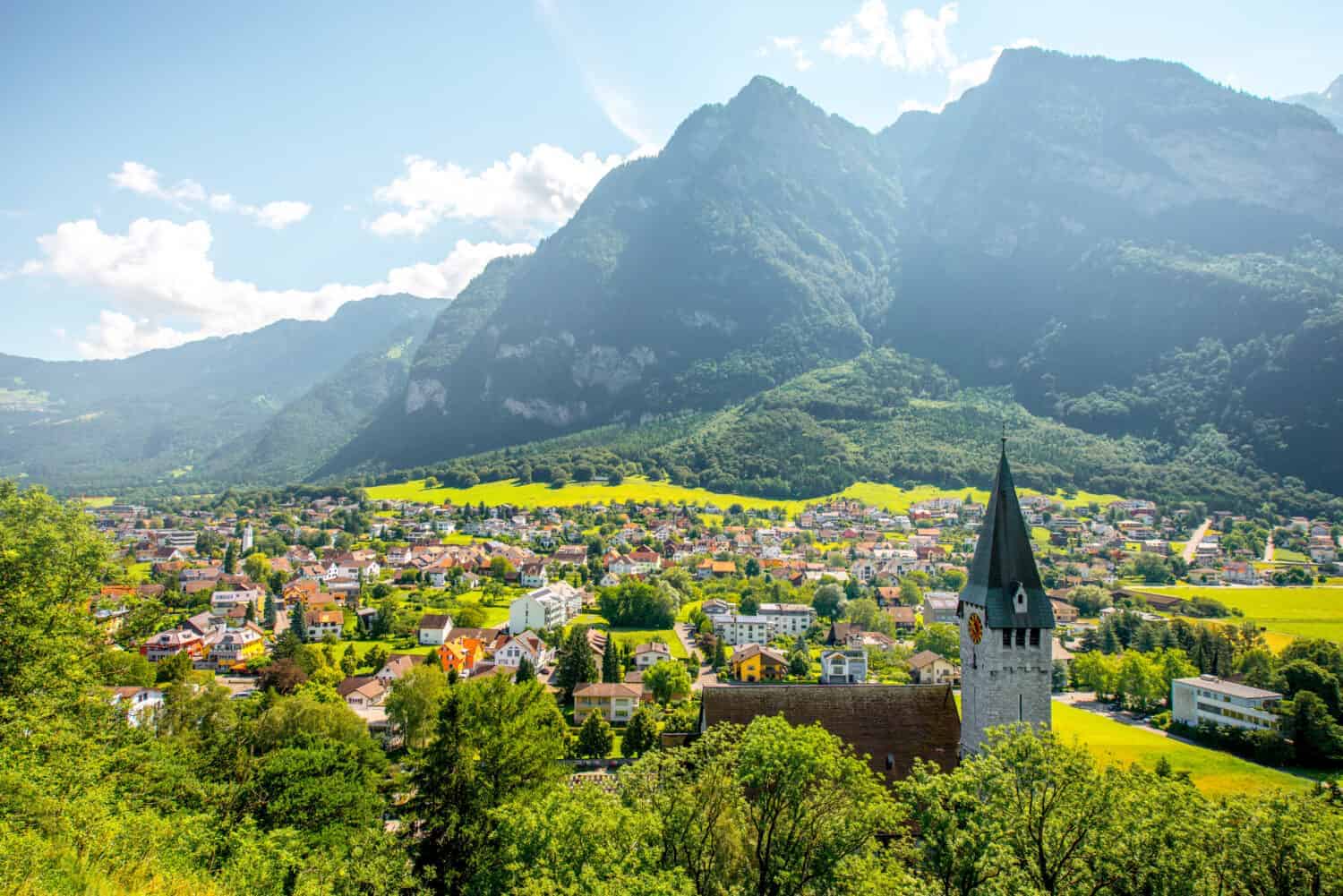
Liechtenstein has not been at war since 1866 and abolished its army two years later to save money. By law, they only permit a national army during wartime. The country has a police force for internal security. Switzerland and Austria, which surround the country, provide for its international defense.
Costa Rica
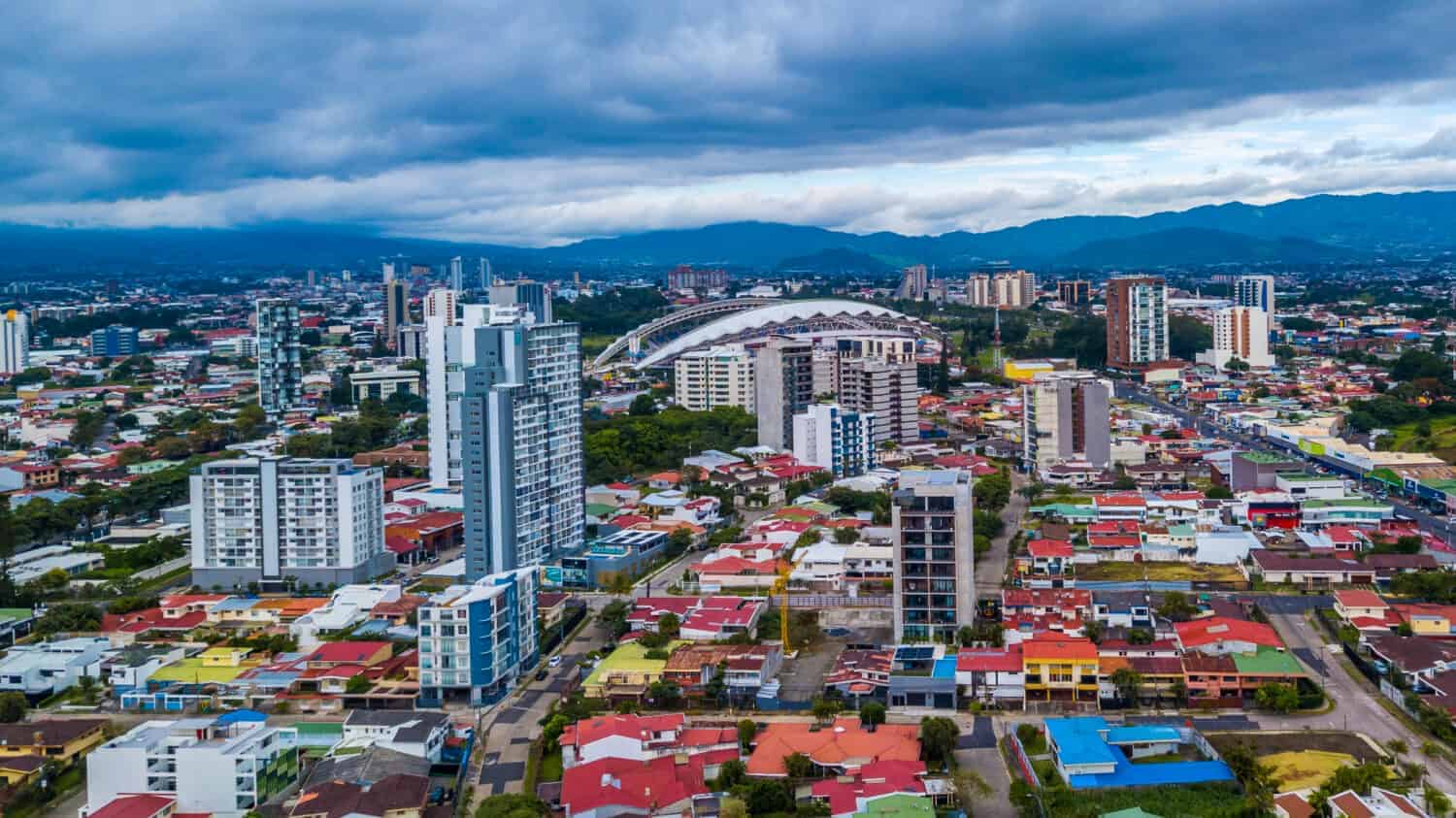
After a civil war in the mid 1900s, Costa Rica constitutionally abolished its military in 1949. The Public Force is the name of the country's police force. They provide internal security and operate some unarmed aircraft for surveillance purposes.
Marshall Islands
The Marshall Islands has never had its own military. The police, armed with small weapons, provide internal security, and they have one patrol boat. The United States agreed to defend the country under the terms of a Compact of Free Association.
Micronesia
Like the Marshall Islands, Micronesia has entrusted its defense to the United States under the terms of a Compact of Free Association. The police take care of internal security, and the country has three patrol boats.
Grenada
The United States invaded Grenada in 1983 to overthrow a Marxist government. Grenada's army was disbanded the same year and since then the island country has used police for its internal security. Grenada participates in the Regional Security System, in which several island nations in the Caribbean, backed by the U.S. and Canada, have pledged to assist one another in the event of an attack.
Palau
The United States defends Palau under a Compact of Free Association. Palau's police have small arms and operate two patrol boats for maritime security.
Dominica
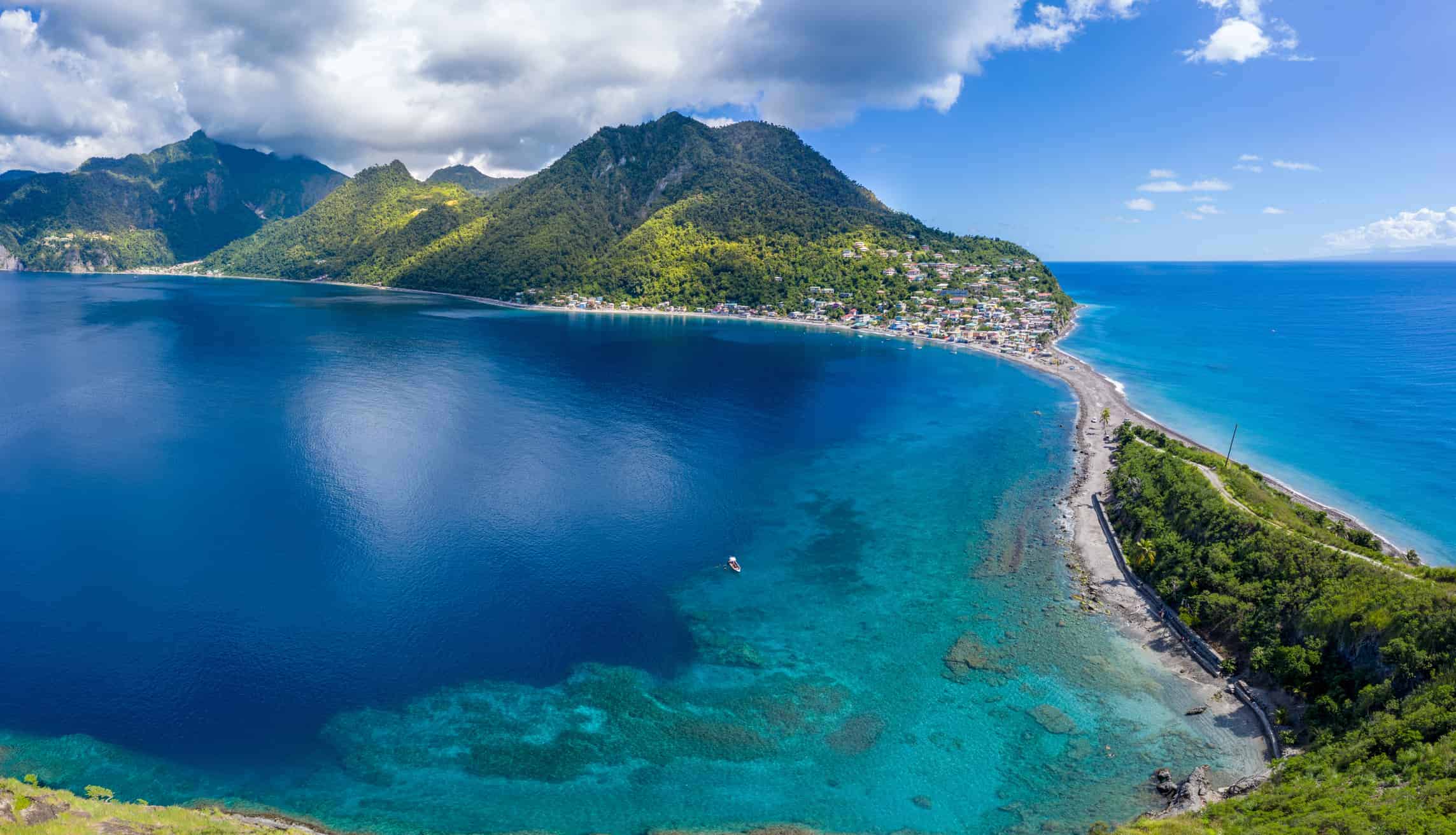
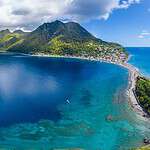
One of the most exotic countries without an army is Dominica, which abolished its standing army in 1981. The police force operates a coast guard and a special forces unit.
Vatican City
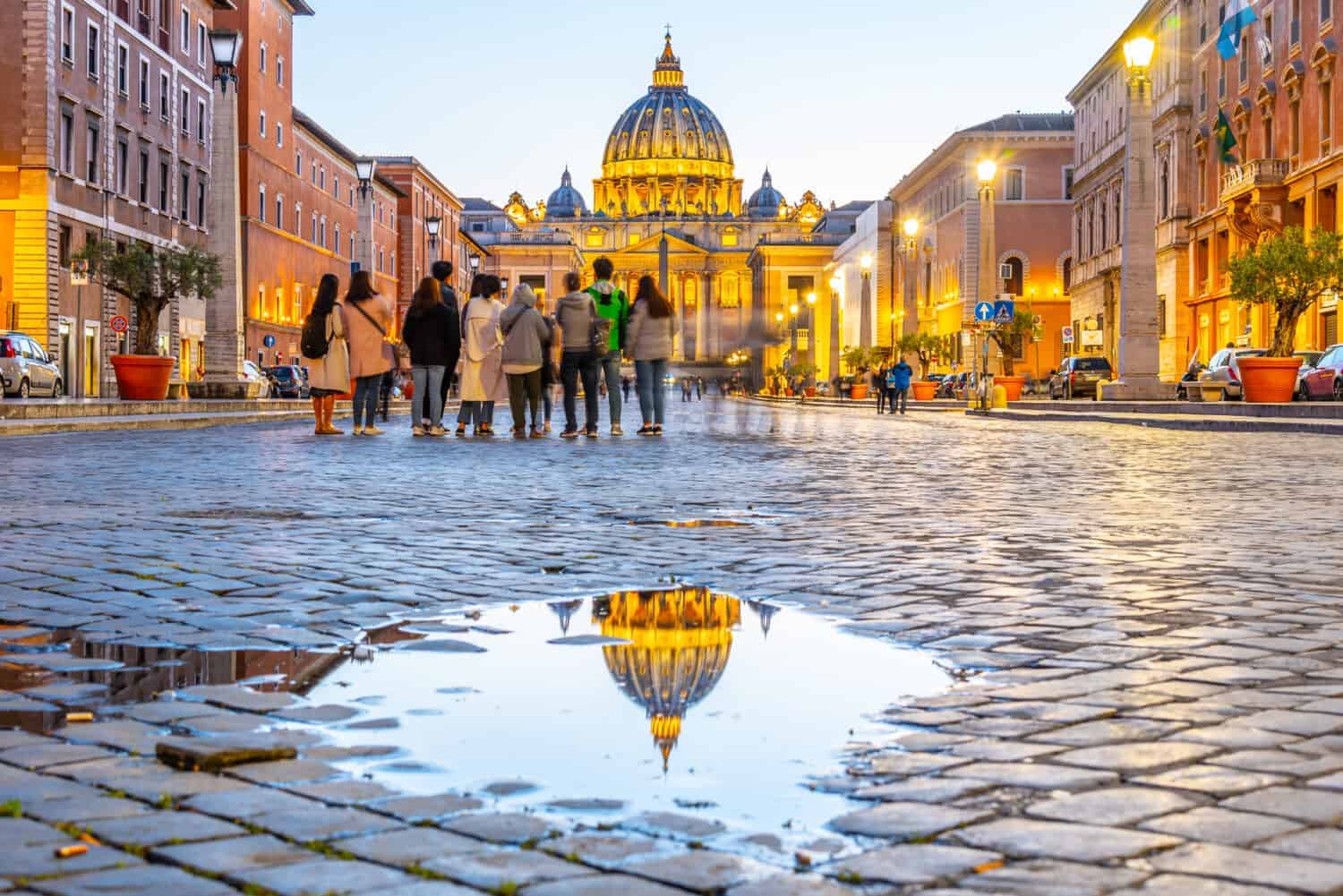
Although Vatican City has only 0.17 square miles and is surrounded by the city of Rome, it is recognized as a fully independent nation. As the headquarters of the Roman Catholic Church and the home of the Pope, it has great international influence. Special Swiss military units help guard the country. The Vatican is officially neutral, so it cannot sign a defense treaty with Italy. However, Italy would certainly come to the aid of this tiniest country in the middle of its own capital city.
The image featured at the top of this post is ©patpongs / iStock via Getty Images