


From Targeting to Impact: How WWII Bombing Missions Worked
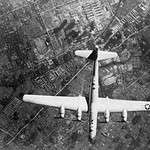
Most people imagine a World War II bombing mission as a simple sequence. Normally, a bomber flies over enemy territory, opens its bomb bay doors, and releases its payload. In reality, that dramatic moment represented only the culmination of a carefully orchestrated operation that had been unfolding for hours, or even days.
Before a single engine started, intelligence officers selected the target, meteorologists studied the weather, mechanics prepared the aircraft, and armorers loaded thousands of pounds of explosives. Once airborne, crews still had to assemble into massive formations, rendezvous with fighter escorts, navigate hostile skies, and survive enemy defenses before the bombardier could even begin the final bomb run. Every stage relied on the success of the one before it. Here, History Computer is breaking down the process of what a WWII bombing run looks like.
Here is a look at what happened between takeoff and bomb impact in WWII bombing missions:
1. Mission Briefing
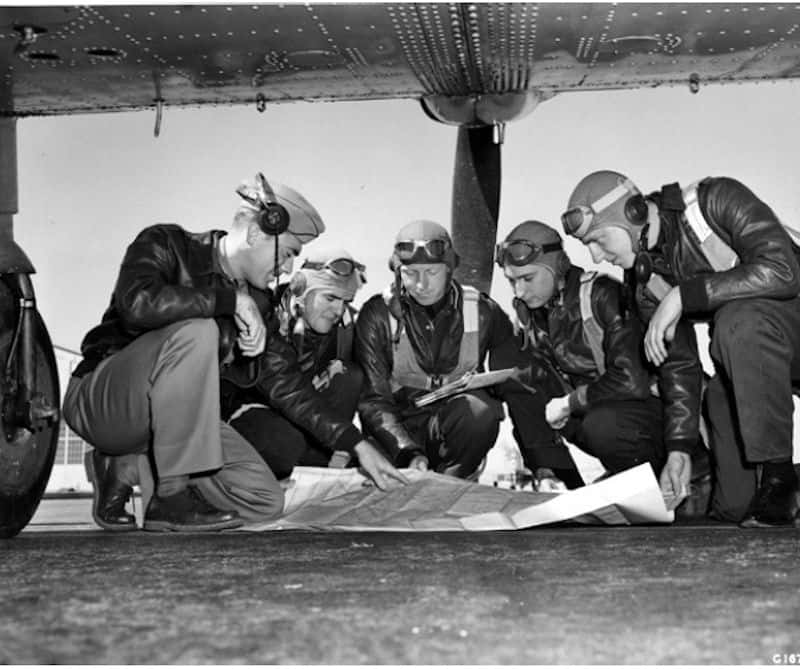
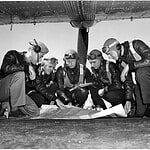
Every bombing mission began long before an aircraft's engines were started. Aircrews gathered in a secure briefing room, often before dawn, where maps, aerial reconnaissance photographs, and intelligence reports were unveiled after remaining hidden behind curtains or covered boards until the last possible moment. Commanders outlined the target, planned route, expected weather, estimated enemy fighter strength, and known anti-aircraft defenses. Crews also learned emergency procedures, rally points, and alternate airfields in case they could not return home. For many airmen, the briefing was the first indication of how dangerous the coming mission might be. Once the meeting ended, there was little time left for conversation. The objective had been assigned, every crew member understood his responsibilities, and the countdown to takeoff had effectively begun.
2. Target Selection
By the time the crews entered the briefing room, the target had already been selected through an extensive planning process that often began days earlier. Allied commanders worked alongside intelligence analysts, reconnaissance specialists, and strategic planners to identify objectives that would have the greatest impact on the enemy's ability to wage war. Factories producing aircraft or tanks, oil refineries, railroad marshaling yards, submarine pens, bridges, and transportation hubs frequently topped the list. Planners weighed the military value of each objective against expected losses, weather forecasts, aircraft range, and available fighter escorts. Reconnaissance photographs and intercepted intelligence helped determine the target's current condition and whether previous raids had achieved their goals. Choosing the wrong objective could waste hundreds of aircraft, thousands of bombs, and the lives of countless airmen, making target selection one of the mission's most consequential decisions.
3. Weather Forecast
Weather could determine whether an entire bombing mission succeeded or failed before a single aircraft ever left the ground. Specialized meteorological teams studied cloud cover, visibility, wind speeds at multiple altitudes, icing conditions, turbulence, and forecasted weather across both the outbound and return routes. Strong crosswinds could throw bombs far off target, while thick cloud layers might completely obscure the objective, especially during daylight precision bombing campaigns. Poor weather could also interfere with bomber formations and make rendezvous with fighter escorts far more difficult. In some cases, missions were postponed or canceled entirely despite weeks of planning. Accurate forecasting became so important during World War II that meteorologists were considered an essential part of the war effort, providing information that directly influenced operational decisions and ultimately helped determine whether a bombing mission could proceed safely and effectively.
4. Bomb Loading
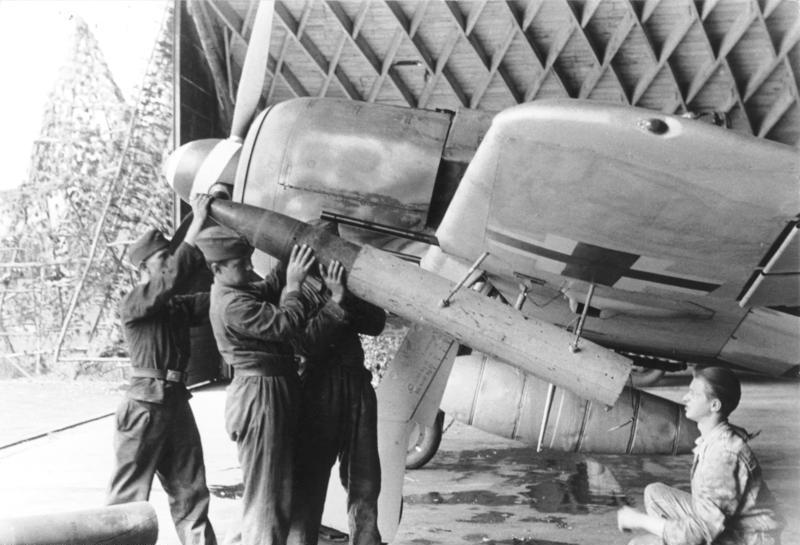
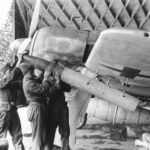
While the flight crews attended their briefing, armorers and ground crews were already hard at work preparing the aircraft for combat. Bombs were transported from nearby storage bunkers and carefully lifted into the bomb bay using specialized hoists and loading equipment. Every weapon had to be positioned correctly and secured to its release mechanism before electrical connections and suspension hardware were inspected. The bomb load varied according to the mission, ranging from high-explosive bombs intended to destroy hardened structures to incendiary bombs designed to ignite widespread fires in industrial areas or cities. Loading thousands of pounds of explosives required precision and patience, as even a minor mistake could jeopardize the aircraft or prevent the bombs from releasing properly once over the target.
5. Fusing the Bombs
After the bombs had been loaded, armorers installed and configured the fuzes that would ultimately determine when each weapon exploded. These devices were among the most critical components of any bomb, controlling whether it detonated instantly upon impact, after a short delay, or at a predetermined altitude in the case of specialized airburst fuzes. For safety, bombs remained unarmed while the aircraft sat on the ground. Many Allied bombs relied on mechanical arming systems that required the bomb to fall a certain distance or for a small propeller arming vane to rotate a specified number of times in the airflow before the fuze became active. This safeguard greatly reduced the risk of accidental explosions during loading, taxiing, or takeoff, ensuring the bombs would only become lethal after safely leaving the aircraft.
6. Aircraft Inspection
With the bombs secured and the fuzes prepared, mechanics and flight crews turned their attention to the aircraft itself. A heavy bomber represented thousands of individual components that all had to function flawlessly if the crew hoped to survive the mission. Mechanics inspected engines for fluid leaks, examined propellers for damage, checked hydraulic systems, and verified that landing gear, flight controls, and electrical equipment operated correctly. They also ensured the aircraft carried sufficient fuel, oil, oxygen bottles, ammunition, and emergency supplies for the long flight ahead. Once the ground crews completed their work, the pilot and flight engineer conducted their own walk-around inspection, verifying critical systems one final time. Discovering a problem on the ground was inconvenient; discovering one over occupied Europe could quickly become a matter of life and death.
7. Crew Preparation
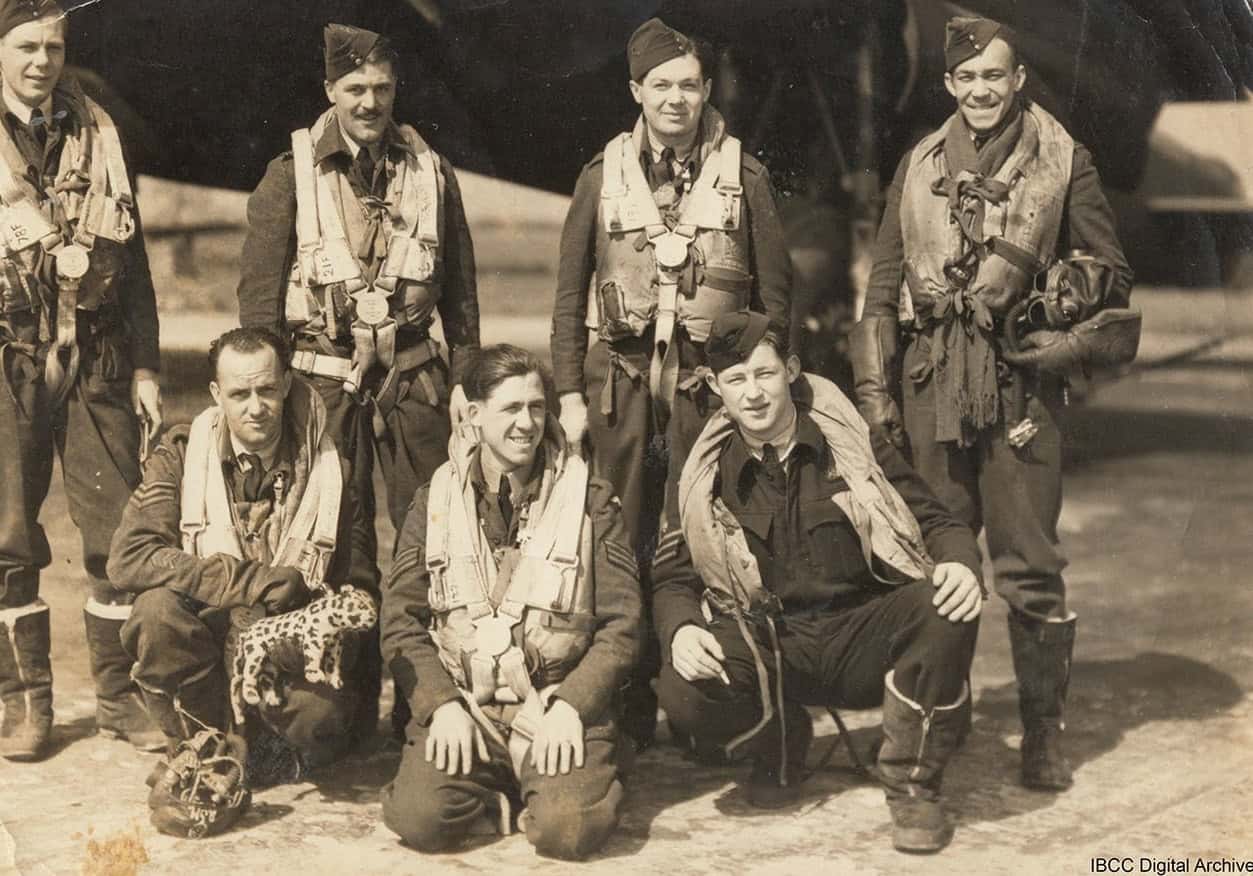
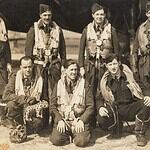
Although the aircraft was nearly ready, the mission could not begin until the crew was equally prepared. Each airman gathered his flight gear, including a parachute, Mae West life vest, oxygen mask, heated flying suit, helmet, goggles, gloves, and personal survival equipment. Crews expected temperatures well below freezing at bombing altitude, making electrically heated clothing essential during missions that often lasted eight hours or more. Gunners checked their weapons and ammunition, navigators organized maps and charts, radio operators tested communications equipment, and bombardiers carefully inspected the Norden bombsight that would guide the aircraft during the final approach. Before climbing aboard, many crews shared quiet conversations, smoked cigarettes, wrote final notes home, or simply reflected in silence, fully aware that not every bomber taking off that morning would return.
8. Taxi and Takeoff
Once every crew member was aboard and the engines had been started, the bomber slowly taxied toward the runway in a carefully organized procession. Ground controllers coordinated dozens or even hundreds of aircraft departing within a relatively short period, ensuring that each heavy bomber entered the runway at precisely the right time. Fully loaded with fuel, ammunition, and several tons of bombs, these aircraft required nearly every foot of available runway to become airborne. Pilots gradually advanced the throttles to full power while carefully correcting for engine torque and crosswinds as the bomber accelerated. After reaching flying speed, the aircraft lifted from the runway and began climbing toward its assigned altitude. The most dangerous phase of the mission had already begun, as engine failures or mechanical problems immediately after takeoff often proved catastrophic for heavily loaded bombers.
9. Forming Bomber Formations
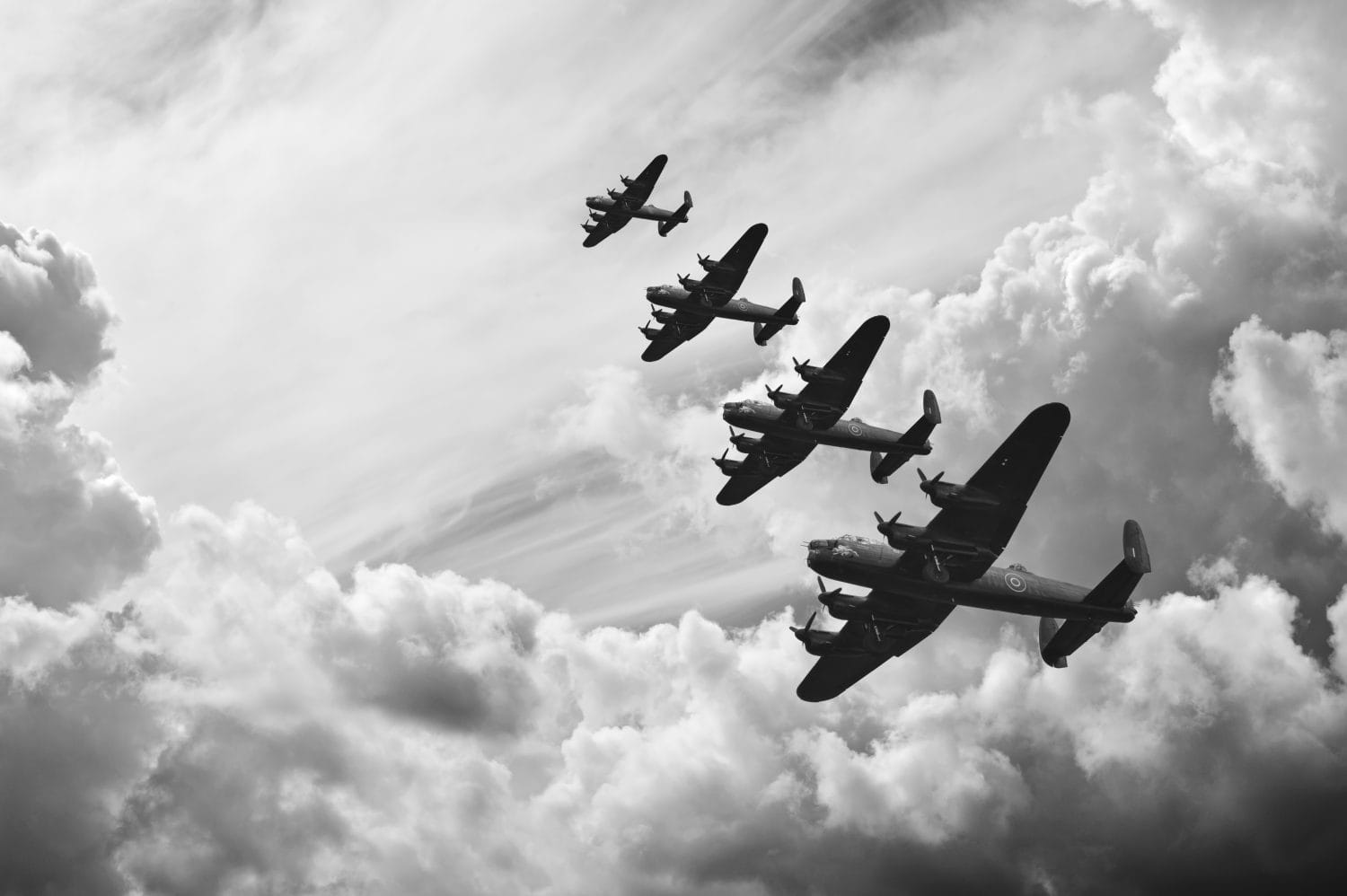
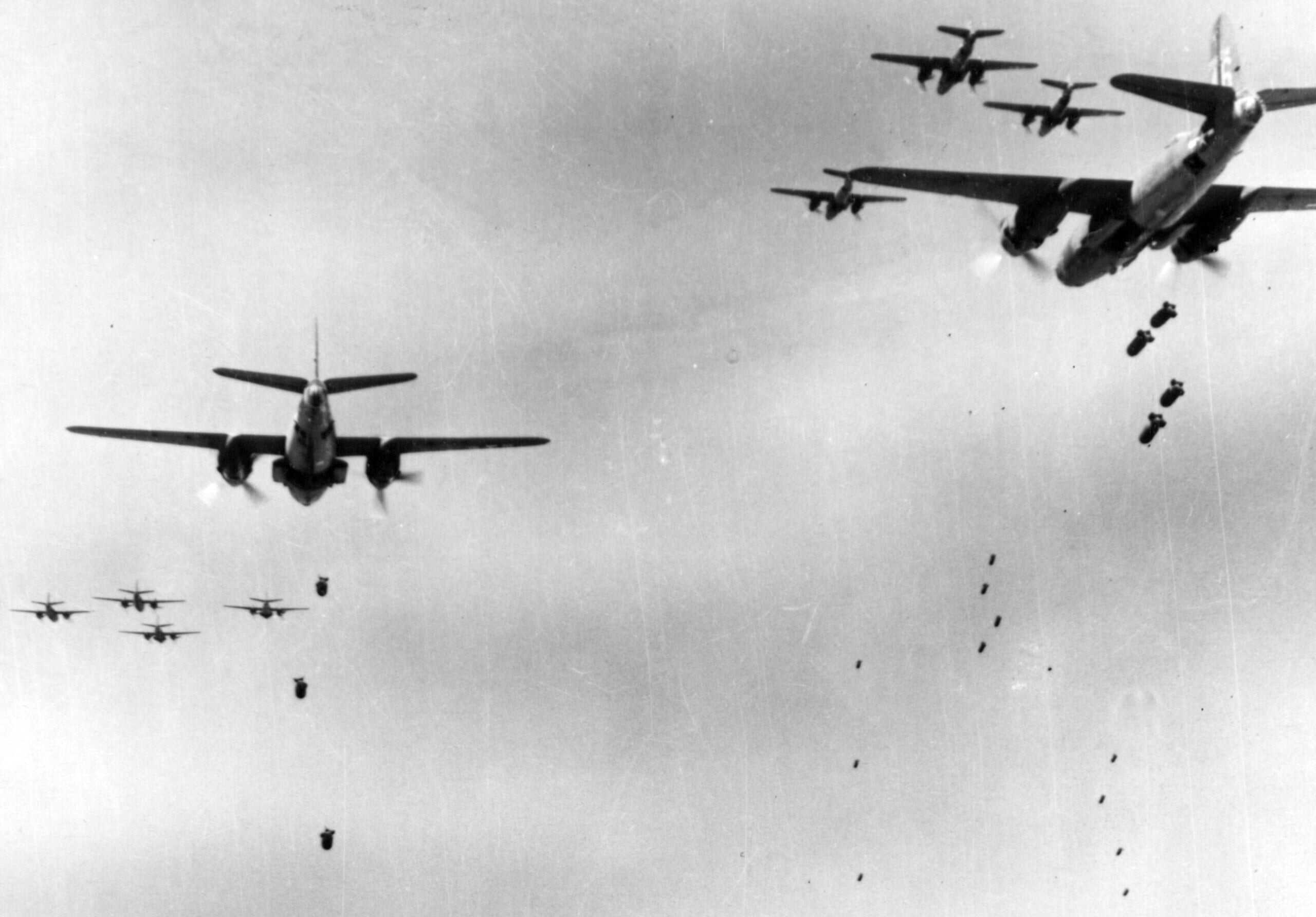
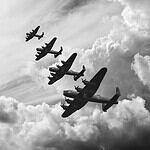
Reaching the air was only the beginning. Rather than flying directly toward the target, bombers spent considerable time assembling into carefully planned formations over designated rendezvous points. Individual squadrons joined larger groups, which then combined into massive bomber streams that sometimes stretched for miles across the sky. Tight formations served several important purposes. They concentrated defensive firepower, allowing multiple aircraft to support one another against attacking fighters, while also simplifying navigation and command throughout the mission. Maintaining formation required exceptional flying skill, as pilots often held their positions only a few dozen feet from neighboring aircraft despite turbulence, clouds, and changing weather conditions. A single mistake could trigger a devastating midair collision, making formation flying one of the most demanding tasks of the entire mission.
10. Fighter Escort Rendezvous
As the bomber stream approached enemy territory, it was joined by one of the mission's most valuable assets: fighter escorts. Aircraft such as the P-47 Thunderbolt, P-38 Lightning, and later the long-range P-51 Mustang met the bombers at predetermined locations before accompanying them toward the target. Earlier in the war, many bombers had been forced to continue deep into occupied Europe without continuous fighter protection, leaving them vulnerable to concentrated attacks by German interceptors. The arrival of long-range escorts dramatically changed the balance of the air war. Fighter pilots engaged enemy aircraft before they could organize effective attacks, disrupting formations of interceptors and reducing bomber losses. Their presence allowed bomber crews to focus more fully on maintaining formation and reaching the target, knowing they no longer faced the Luftwaffe alone.
11. Navigation to the Target
With the bomber formation assembled and fighter escorts in position, the long journey to the target truly began. Navigators worked continuously to keep the aircraft on its assigned course using dead reckoning, magnetic compasses, radio beacons when available, celestial navigation, and careful observations of rivers, coastlines, railroads, and other recognizable landmarks. Even a slight navigational error could cause an entire formation to drift miles off course, potentially missing the target or flying into unexpected concentrations of enemy defenses. Changing winds at high altitude demanded constant course corrections, while radio silence often prevented crews from simply asking for assistance. The navigator's calculations influenced every stage of the mission, ensuring the bomber reached the target at the correct altitude, heading, and precisely scheduled time alongside the rest of the formation.
12. Enemy Radar Detection
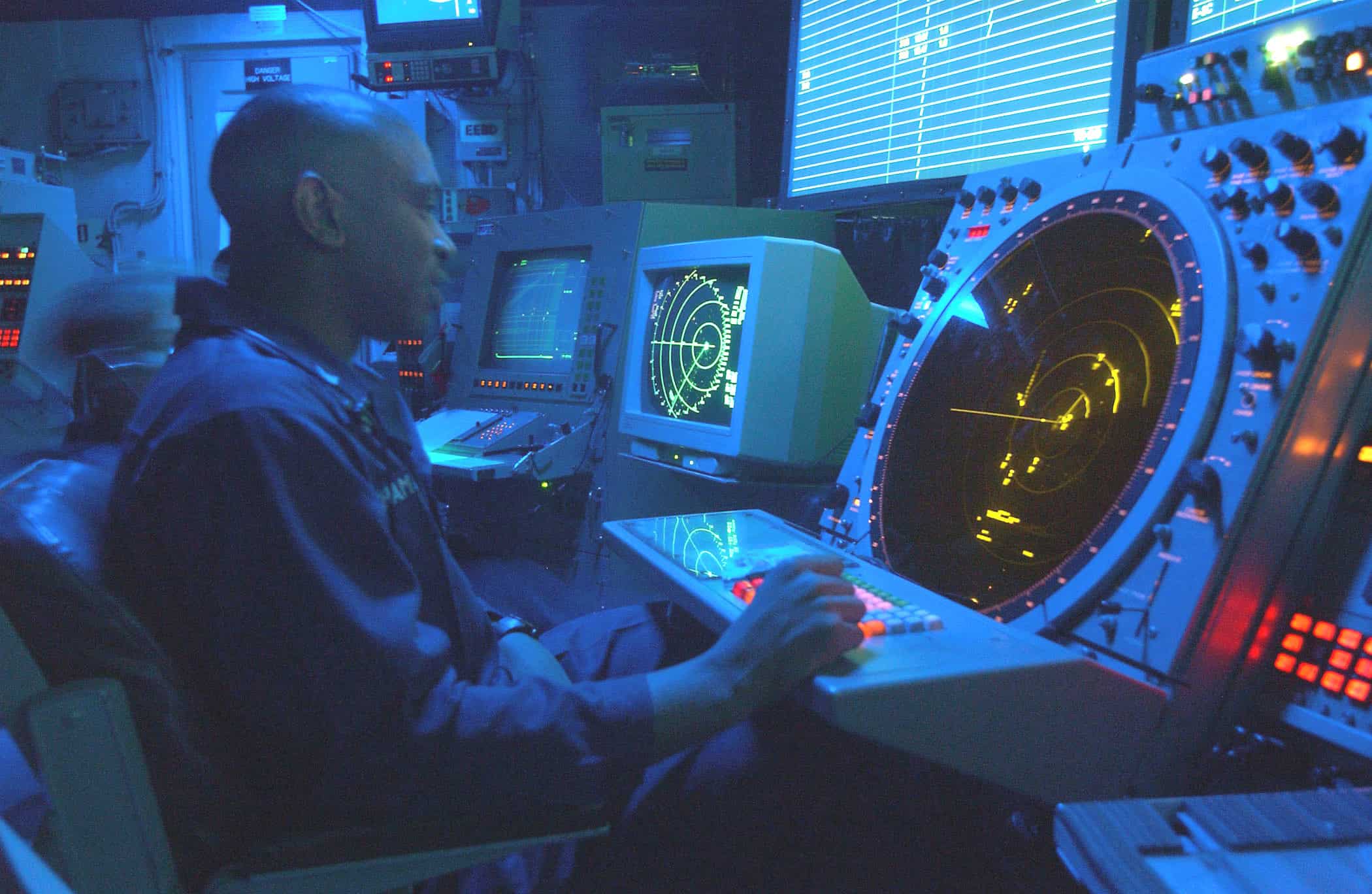
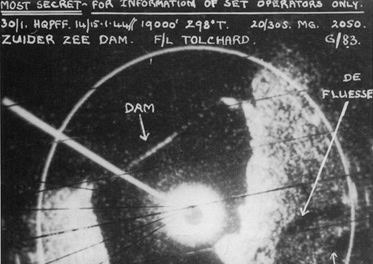
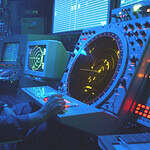
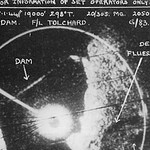
Long before Allied bombers appeared over their objectives, German air defense networks were already tracking their progress. Powerful radar stations stationed along the European coastline detected incoming aircraft while they were still many miles away, allowing commanders to estimate the bombers' direction, altitude, and approximate strength. Information flowed rapidly through an integrated command network that alerted anti-aircraft batteries, fighter squadrons, searchlight crews, and civilian authorities. Airfields scrambled interceptor aircraft while flak commanders prepared firing solutions well before the bombers entered range. Although Allied forces employed electronic countermeasures, radar-jamming equipment, and strips of aluminum foil known as "Window" or "Chaff" to confuse enemy operators, German radar remained an effective early-warning system throughout much of the war. By the time the bombers approached the target, defenders were usually waiting.
13. Flak Defenses
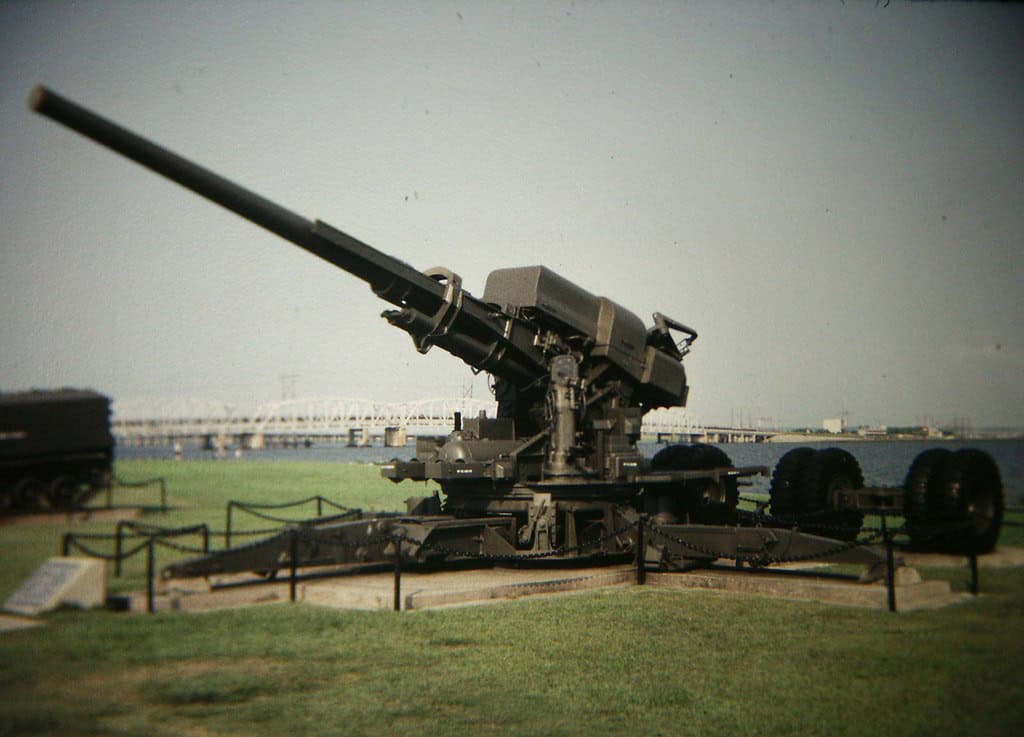
As the bombers pushed deeper into enemy territory, they encountered one of the greatest dangers of the entire mission: concentrated anti-aircraft fire, commonly known as flak. Heavy guns positioned around cities, factories, rail yards, and military installations fired shells designed to explode at predetermined altitudes, filling the sky with thousands of jagged steel fragments. Unlike enemy fighters, flak could not be outmaneuvered or driven away. Bomber crews often had no choice but to maintain their assigned formation while flying directly through expanding black clouds of exploding shells. Even a near miss could shatter windows, sever hydraulic lines, damage engines, or injure crew members with high-speed shrapnel. Pilots fought the instinct to evade every explosion, knowing that breaking formation could increase the risk of collision or leave neighboring bombers more vulnerable to attack.
14. Bombardier Takes Control
During the final minutes before reaching the target, responsibility for the aircraft shifted from the pilot to the bombardier. Once the bomber entered the carefully planned bomb run, the pilot maintained a stable flight path while the bombardier used the Norden bombsight to make increasingly precise calculations based on altitude, airspeed, wind direction, and the movement of the target below. The Norden's mechanical computer continuously refined the aiming solution as the aircraft closed the remaining distance. During the final seconds, the bombsight was connected to the aircraft's autopilot, allowing the bombardier to make small steering corrections that kept the bomber perfectly aligned with the aiming point. Every movement had to remain smooth and deliberate, as sudden maneuvers could ruin the calculations and send the bombs hundreds of feet off target.
15. Bomb Bay Doors Open
Only moments before reaching the release point, the bomb bay doors swung open beneath the aircraft, exposing thousands of pounds of explosives to the rushing air. Although this step lasted only a short time, it carried significant consequences. Opening the doors dramatically increased aerodynamic drag, slowing the bomber and making it more difficult to maintain formation. The exposed bomb bay also created additional vibration and turbulence just as the bombardier required the aircraft to remain as steady as possible. Pilots resisted the temptation to maneuver, even while flak bursts erupted nearby, because any abrupt change in altitude or heading could compromise the bombing solution. Once the doors opened, there was effectively no turning back. The aircraft was fully committed to completing the bomb run and releasing its deadly payload.
16. Bomb Release
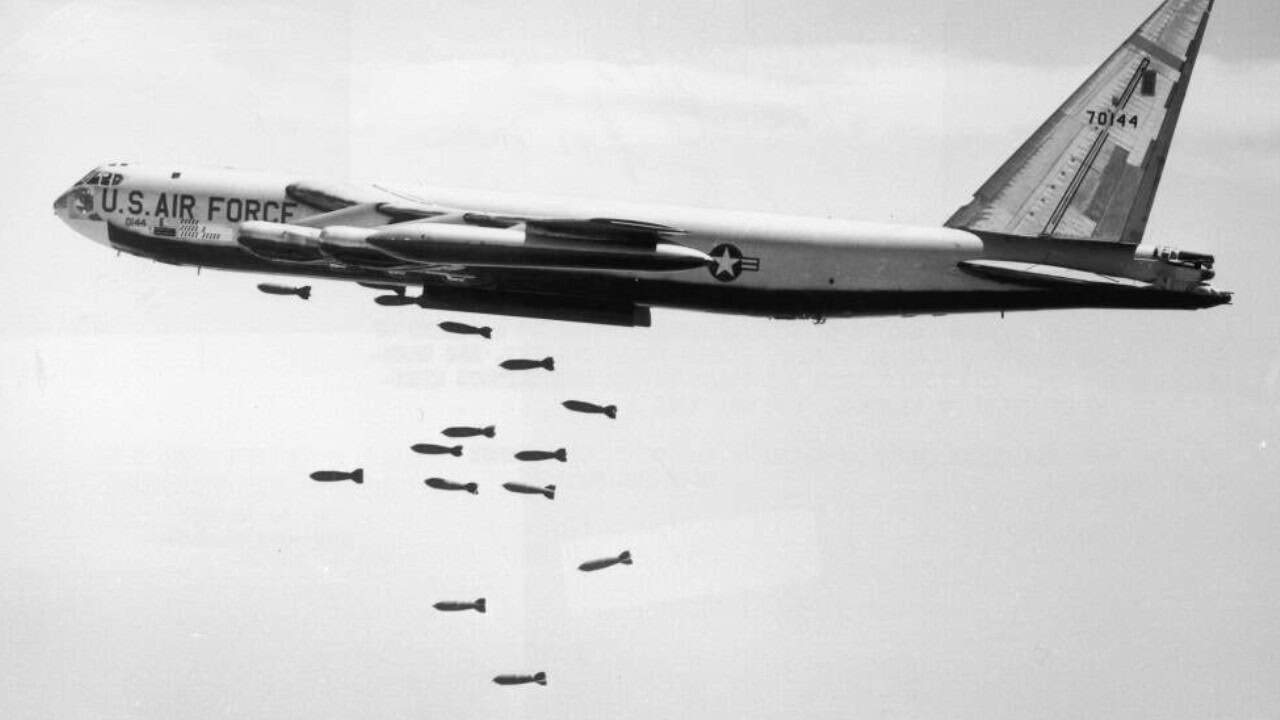
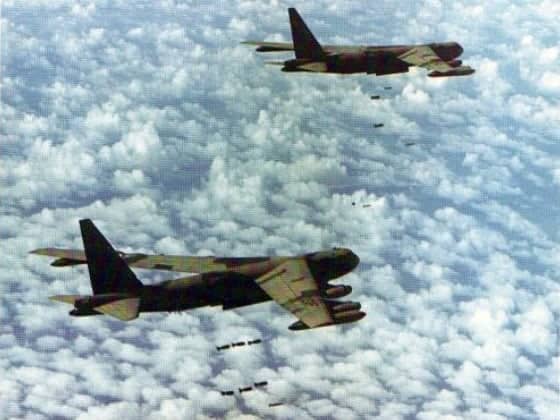
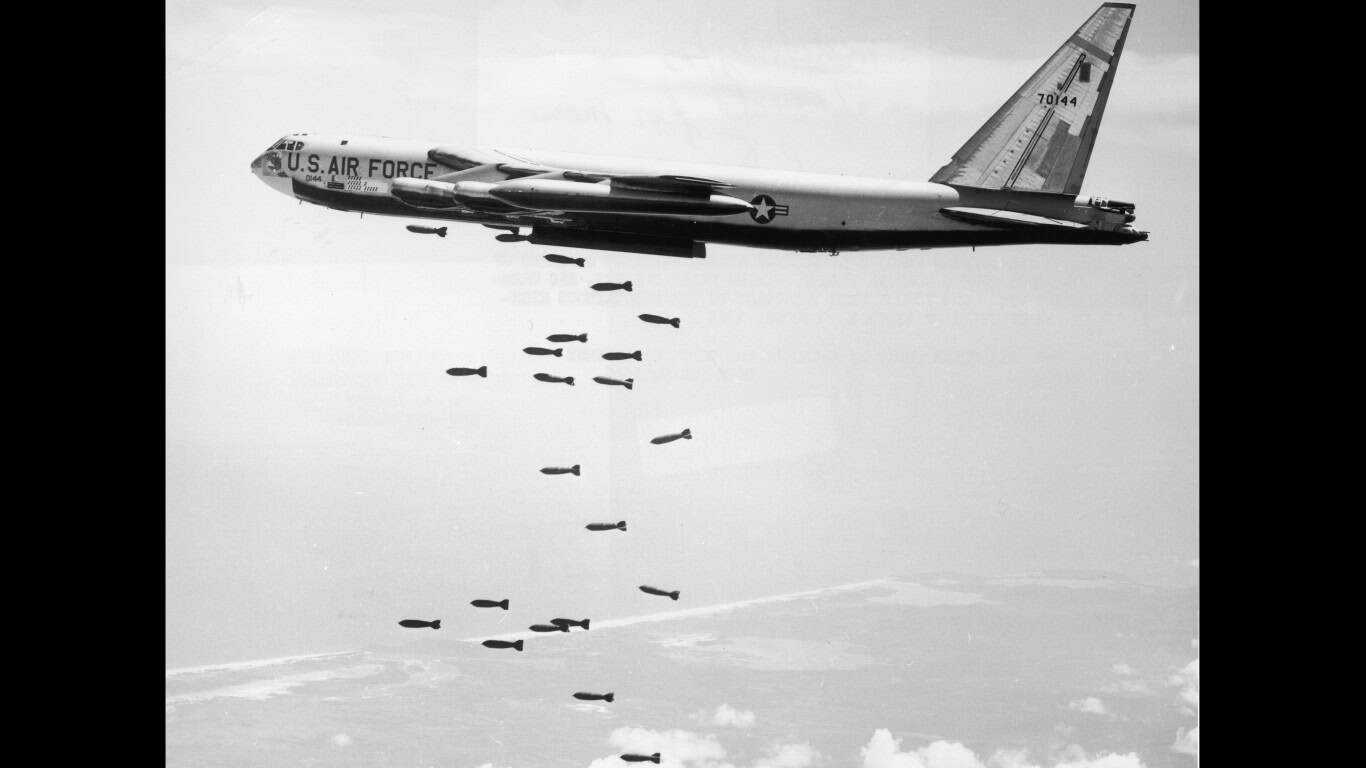
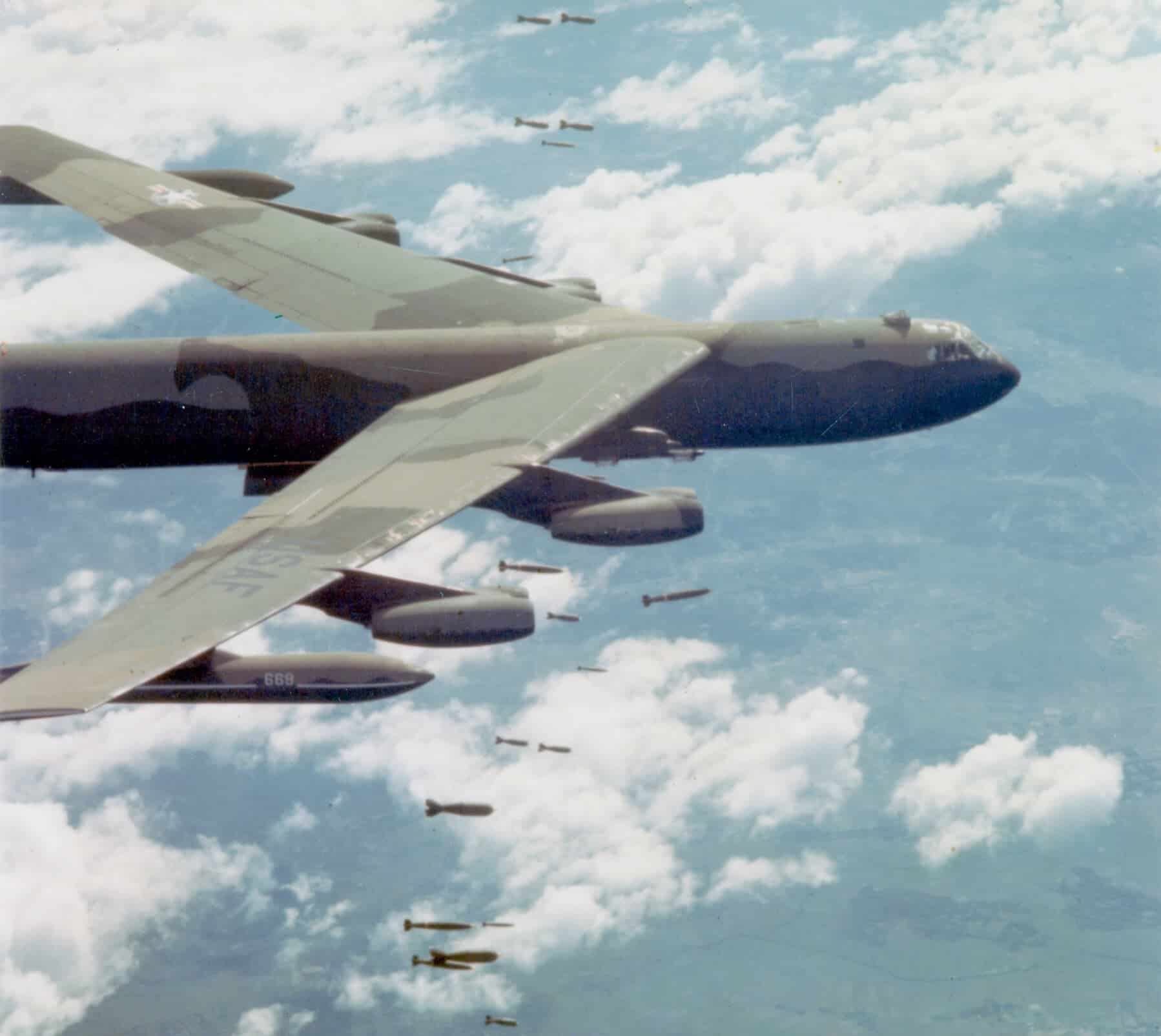
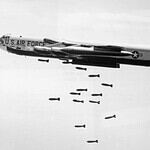
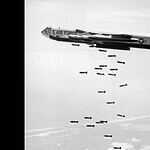
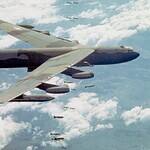
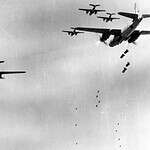
At the precise moment calculated by the Norden bombsight, the bombardier triggered the bomb release mechanism. Rather than dropping every bomb manually, the aircraft's release system automatically released the payload at the exact point the bombsight determined would place the bombs on target. As thousands of pounds of explosives suddenly left the aircraft, the bomber became noticeably lighter, often causing its nose to pitch upward unless the pilot corrected for the change. The bombardier immediately confirmed a successful release while the pilot began closing the bomb bay doors and initiating the carefully planned turn away from the target. For the crew, their role in delivering the bombs had ended. The outcome of the mission now depended entirely on the laws of physics and whether the calculations made during the bomb run had been correct.
17. Bombs Fall Toward the Target
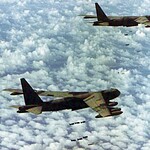
Once released, the bombs followed an unpowered ballistic path toward the ground. Although many people imagine bombs falling straight down, they actually continued traveling forward at nearly the same speed as the bomber while gravity gradually pulled them earthward. Their trajectory depended on several factors, including release altitude, aircraft speed, wind direction, air density, and the bomb's aerodynamic design. From typical bombing altitudes of 20,000 to 30,000 feet, a bomb could take close to a minute to reach the ground, giving both the bomber and the target considerable time to continue moving before impact. During this descent there was nothing the crew could do to alter the bomb's course. If the calculations had been accurate, the bombs would strike their intended objective. If not, the opportunity to correct the mistake had already passed.
18. Fuse Activation
As the bombs descended, their fuzes transitioned from a safe condition to a fully armed state. Most Allied bombs used mechanical arming systems designed specifically to prevent accidental explosions aboard the aircraft. Small arming vanes mounted on the nose or tail rotated rapidly in the airflow after release, gradually unscrewing themselves until the internal firing mechanism became active. Other designs relied on elapsed time or a specific number of vane rotations before completing the arming sequence. Only after this process was finished could the bomb detonate as intended. Depending on the mission, armorers had configured the fuze for instantaneous detonation, a short delay that allowed the bomb to penetrate structures before exploding, or, in specialized cases, an airburst above the target. This careful engineering balanced safety for the crew with maximum destructive effect once the weapon reached its destination.
19. Detonation
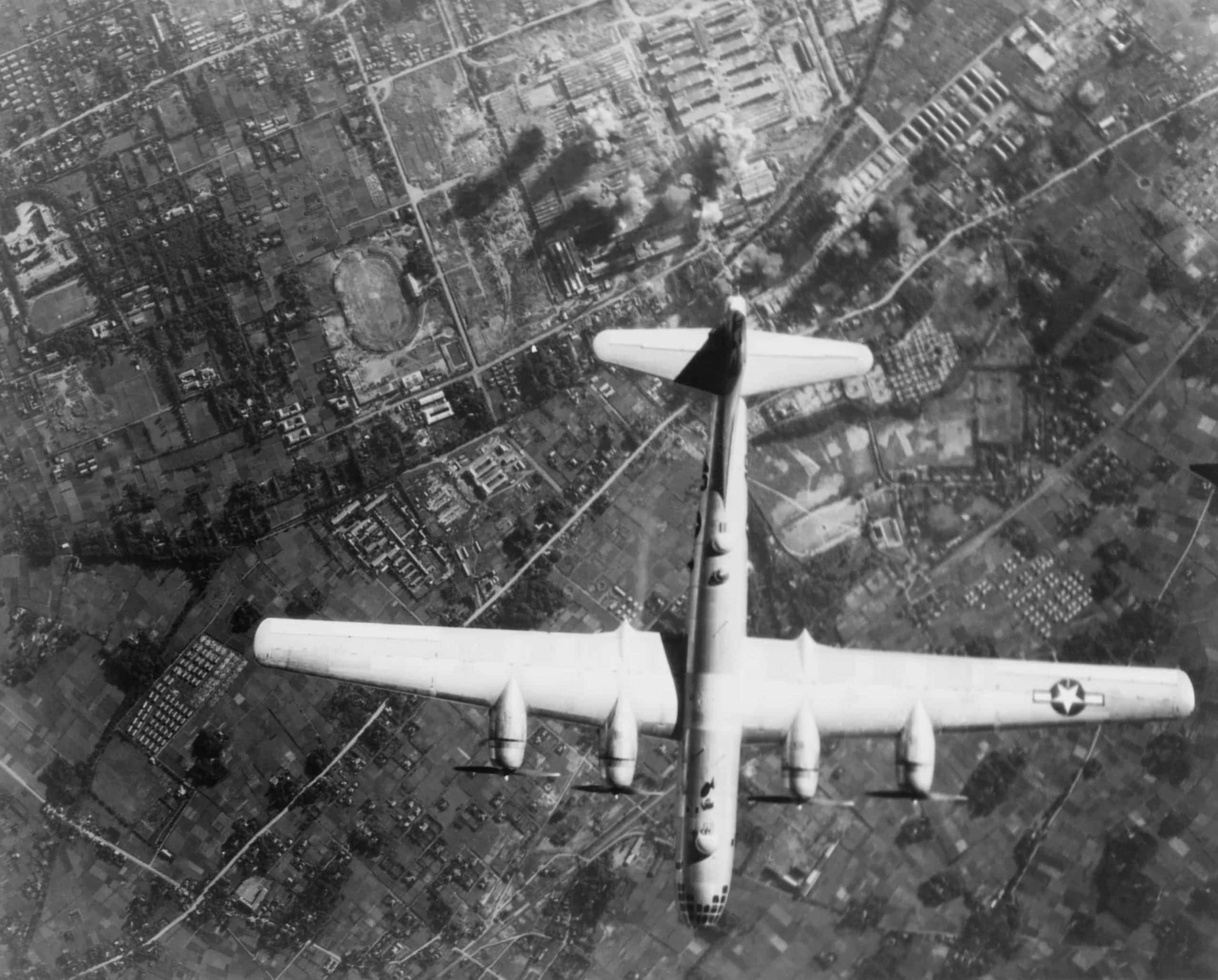
When the armed bomb finally struck the target, the fuze initiated the explosive train that detonated the bomb's main charge. The resulting explosion released an enormous amount of energy in a fraction of a second, producing a powerful blast wave, intense heat, and thousands of high-velocity fragments that spread outward in every direction. The exact effects depended on the bomb's design. High-explosive bombs shattered buildings, damaged factories, and cratered rail lines, while incendiary bombs ignited widespread fires that could quickly spread through industrial districts or densely built urban areas. Delayed-action bombs often exploded seconds after impact, collapsing structures from below and creating additional hazards for rescue crews. After weeks of planning and hours of flying, the mission's objective had been fulfilled in a matter of milliseconds.
20. Damage Assessment and Return Home
Although the bombs had fallen, the mission was far from over. As the bomber formation turned away from the target, cameras mounted aboard many aircraft photographed the impact area while crew members recorded visible fires, smoke columns, and structural damage. These observations, combined with post-mission reconnaissance flights, helped intelligence officers determine whether the objective had been destroyed or would require another attack. The return journey remained extremely dangerous. Enemy fighters often pursued the withdrawing bombers, damaged aircraft struggled to maintain altitude, and crews faced the possibility of fuel shortages, worsening weather, or mechanical failures after hours of continuous flight. Only after crossing back into friendly territory did the immediate danger begin to fade. When the wheels finally touched the runway, the mission officially ended, but the information gathered from that day's operation would immediately begin shaping the planning for the next bombing raid.