




















20 Things Americans Once Got for Free That Now Cost a Fortune
There was a time when traveling across America came with a few perks that did not feel like perks at all. They were simply part of the experience. Airlines served full meals, checked bags went into the cargo hold without a second thought, and passengers might even get a free deck of playing cards to pass the time. Need a phone number? Directory assistance could help. Want to spend a day outdoors? A trip to a national park did not always come with today’s fees, reservations, and extra costs.
Over time, many of those little conveniences disappeared behind a paywall. It did not happen all at once. A small charge here, a service fee there, and eventually Americans found themselves paying for things that once felt included, ordinary, or even automatic. What used to be part of daily life slowly became another line item on the bill.
Some of it came from rising costs. Some of it came from changing technology, shrinking profit margins, and companies realizing they could charge separately for things people still needed. Whatever the reason, the result is hard to miss: plenty of things Americans once got for free now cost real money, and in some cases, a small fortune. Here are 20 everyday examples that show just how much has changed.
Checking a Bag at the Airport
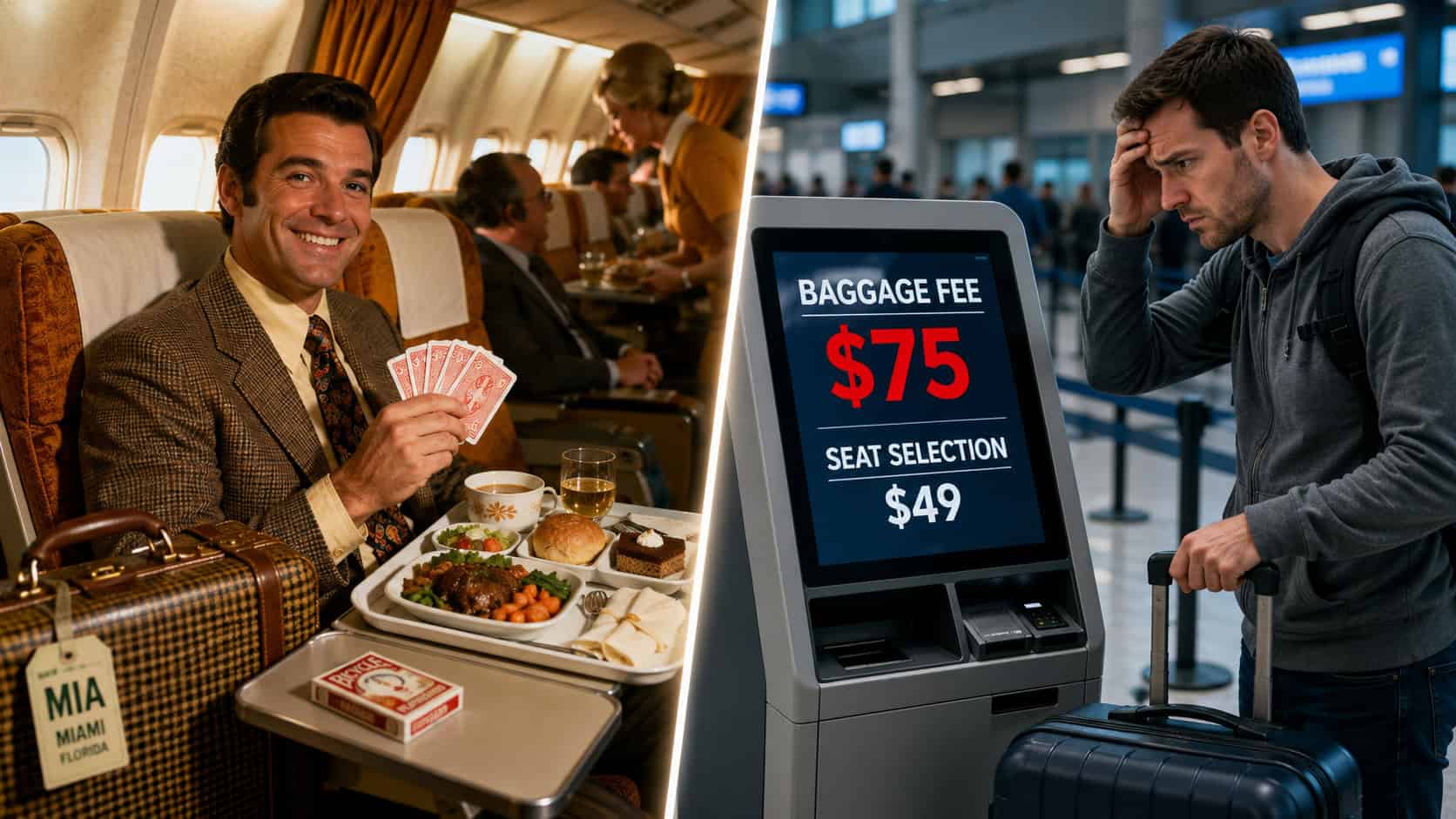
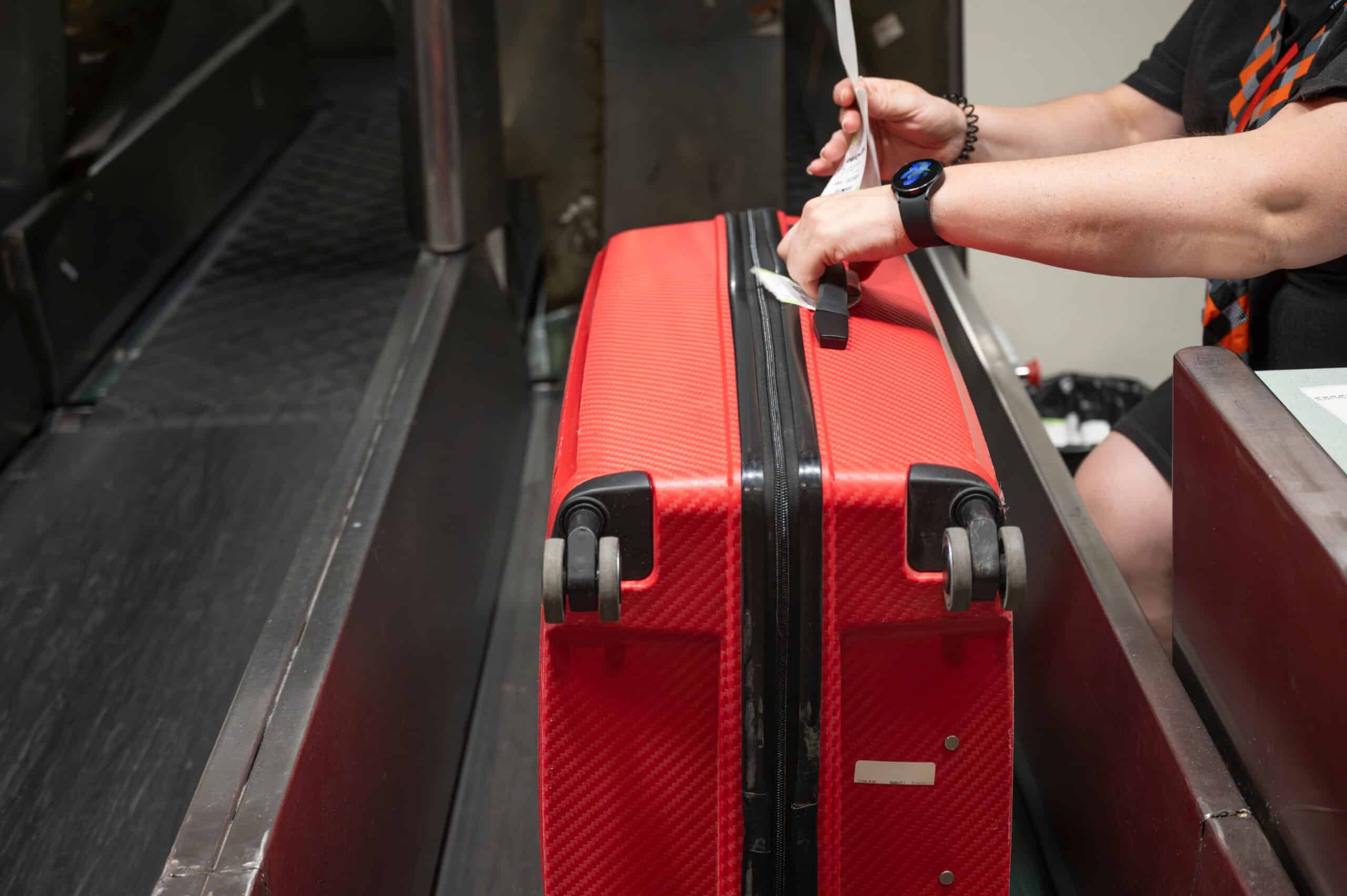
Before May 2008, checking a bag was simply part of buying a plane ticket. American Airlines changed that when it became the first major carrier to charge for the first checked bag. Other airlines were watching and, within weeks, most of the industry had followed suit. At first, it was a small $15 fee, but that number has been going up steadily ever since. By 2025, airlines in America earned approximately $5.5 billion in one year just from charging you to check your bags. Today, the major carriers charge between $40 and $50 for something that used to be free less than 20 years ago.
ATM Withdrawals
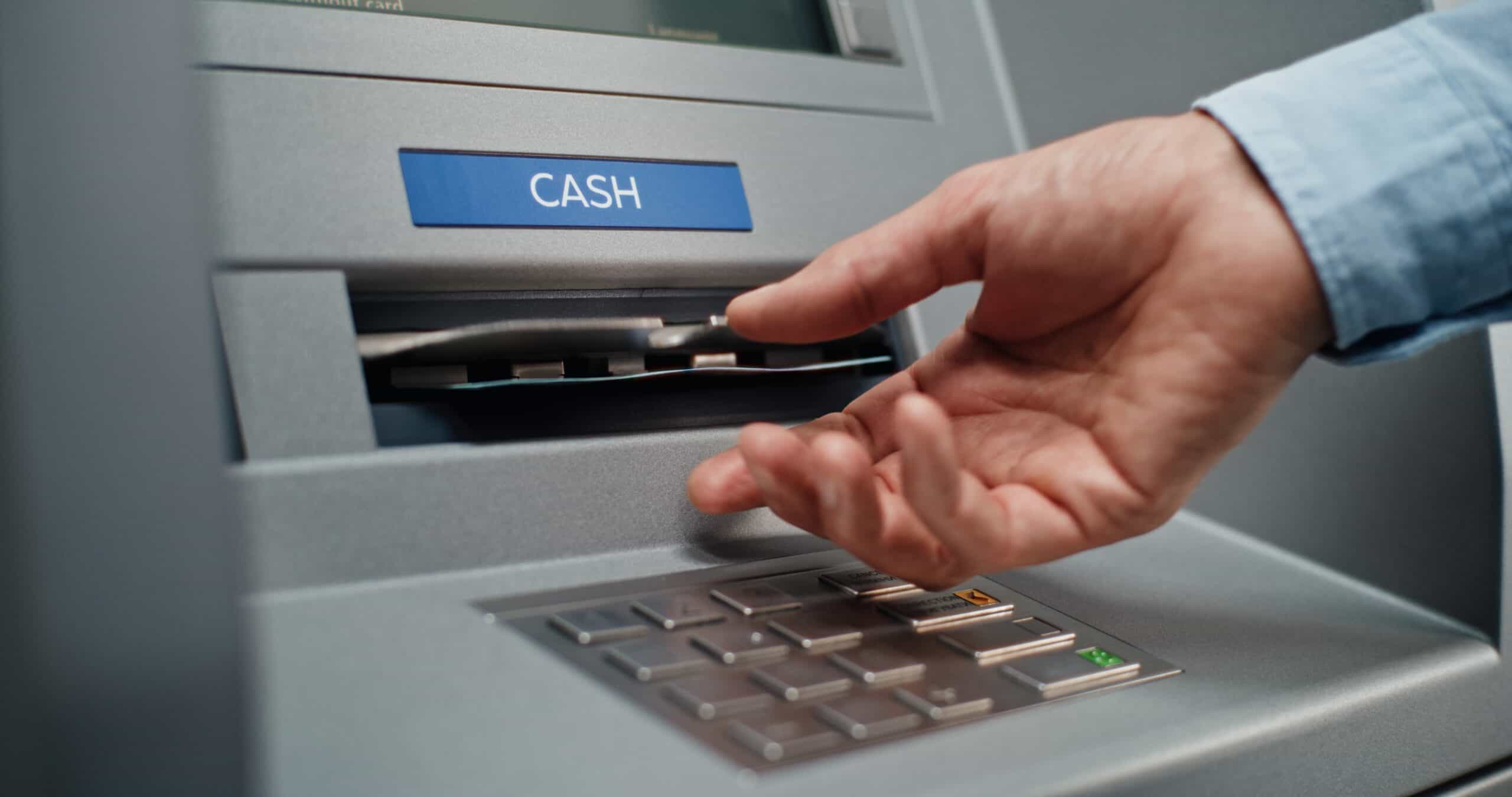
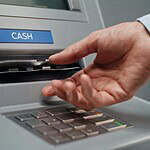
ATM surcharges used to be prohibited by the two largest ATM networks, Cirrus and Plus. But in 1996, the restriction was lifted and banks started introducing additional fees for using ATM machines. Nowadays, it costs $4.86 on average to withdraw cash from another bank's ATM. The machine was supposed to make banking more convenient. For a lot of people, it also made it way too expensive.
In-Flight Meals
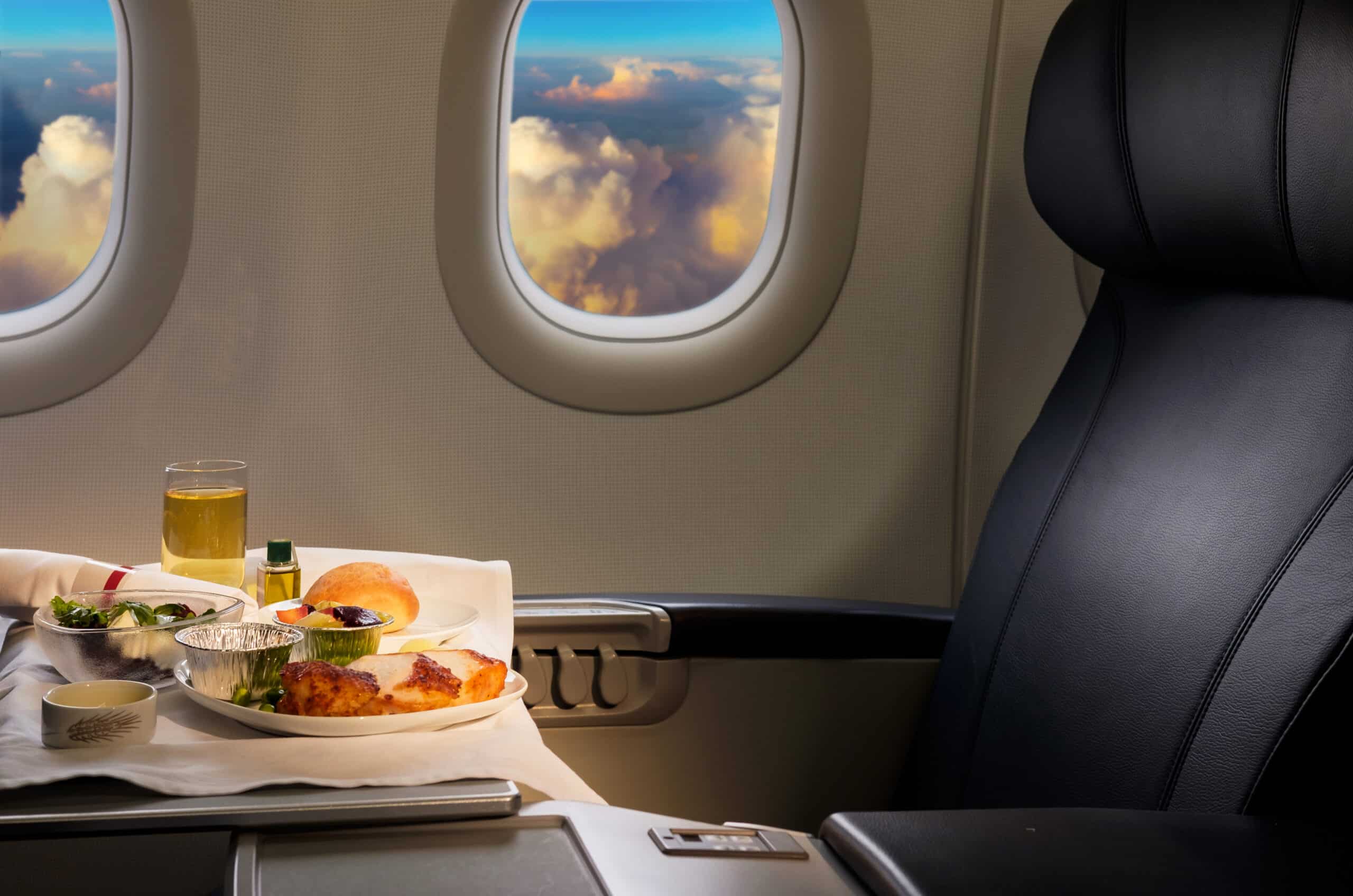
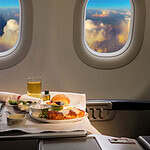
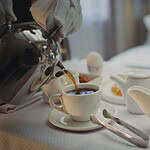
Cross-country flights used to include a free meal. It wasn’t just a sandwich either. You would get a hot main dish, bread rolls, a small dessert, and proper silverware. Continental Airlines was the last major airline company in the United States to abandon its practice of providing free meals on domestic flights in 2010. Nowadays, unless you are in first class, you’ll have to cough up at least $12 for a decent snack.
National Park Admission
Established back in 1916, the National Park Service was originally free. But sadly, the days of driving freely through national parks are long gone. Entry tickets are now priced at $35 per car. And that’s if you’re a U.S. citizen. In 2026, they added a surcharge of $100 for foreign visitors in 11 of the country's most popular parks.
Hotel Wi-Fi and Amenities
Access to the pool, access to the gym, a free newspaper, local phone calls. These used to be standard services included in the price when renting a hotel room. But in the late 90s, "resort fees" became a thing, and what had previously been included in the room rate became an extra charge, first at high-end hotels, then everywhere else.
Even the most ordinary hotels adopted this practice. The average resort fee is around $35 per night nationally. At high-end places like the Las Vegas MGM resorts, the fee is around $55 per night. The FTC now requires hotels to disclose these fees clearly under its junk fees rule, but that doesn’t change the fact that these things used to be free.
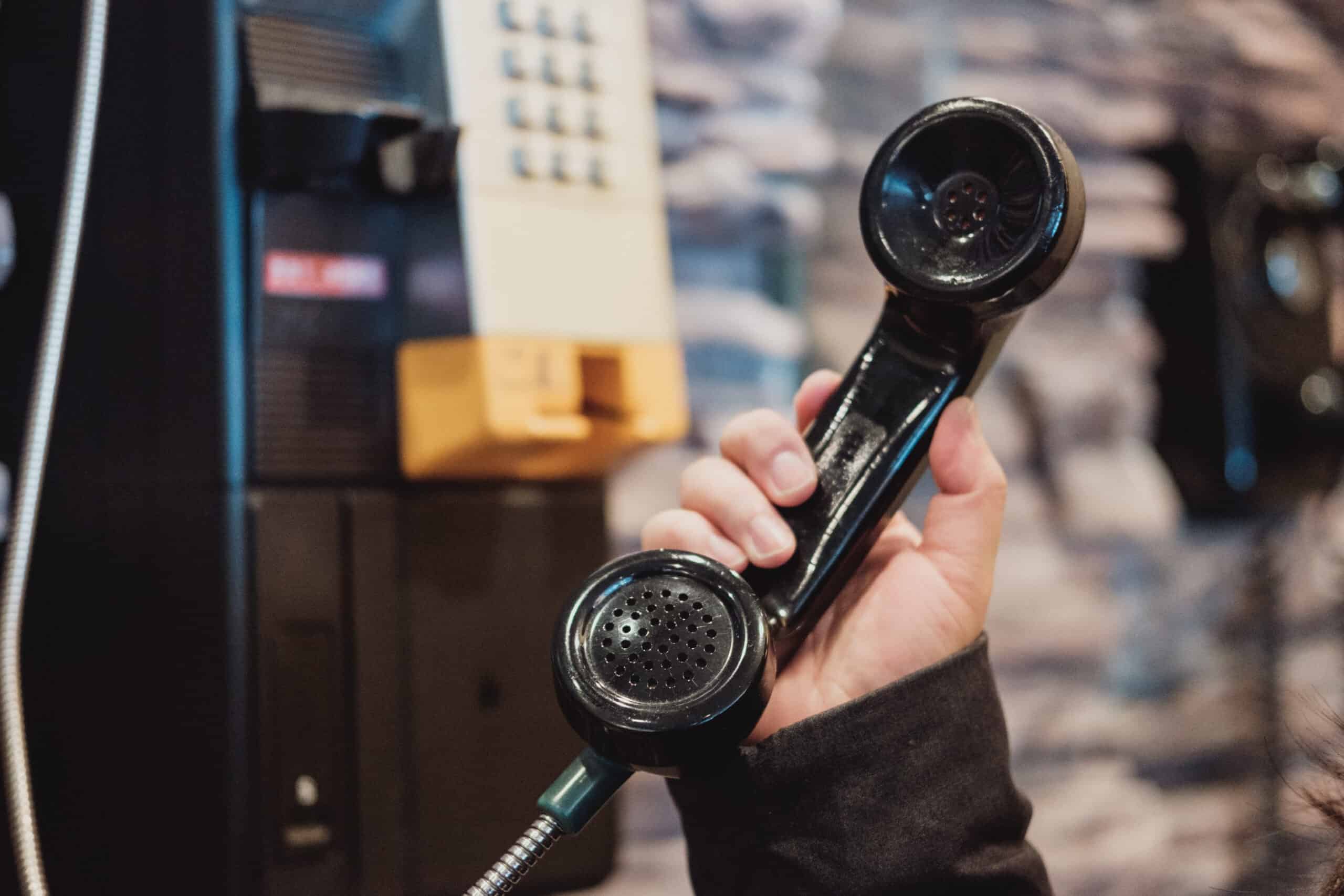
Directory Assistance
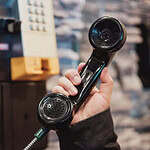
Without the internet, getting someone's phone number meant calling 411, which was a free service built into the phone system. That changed in the 1990s. Although most people will just look up whatever number they need on the internet, those who choose the old-fashioned way will pay a fee of around $1.99 or more. Same information, but now you pay for not being tech-savvy.
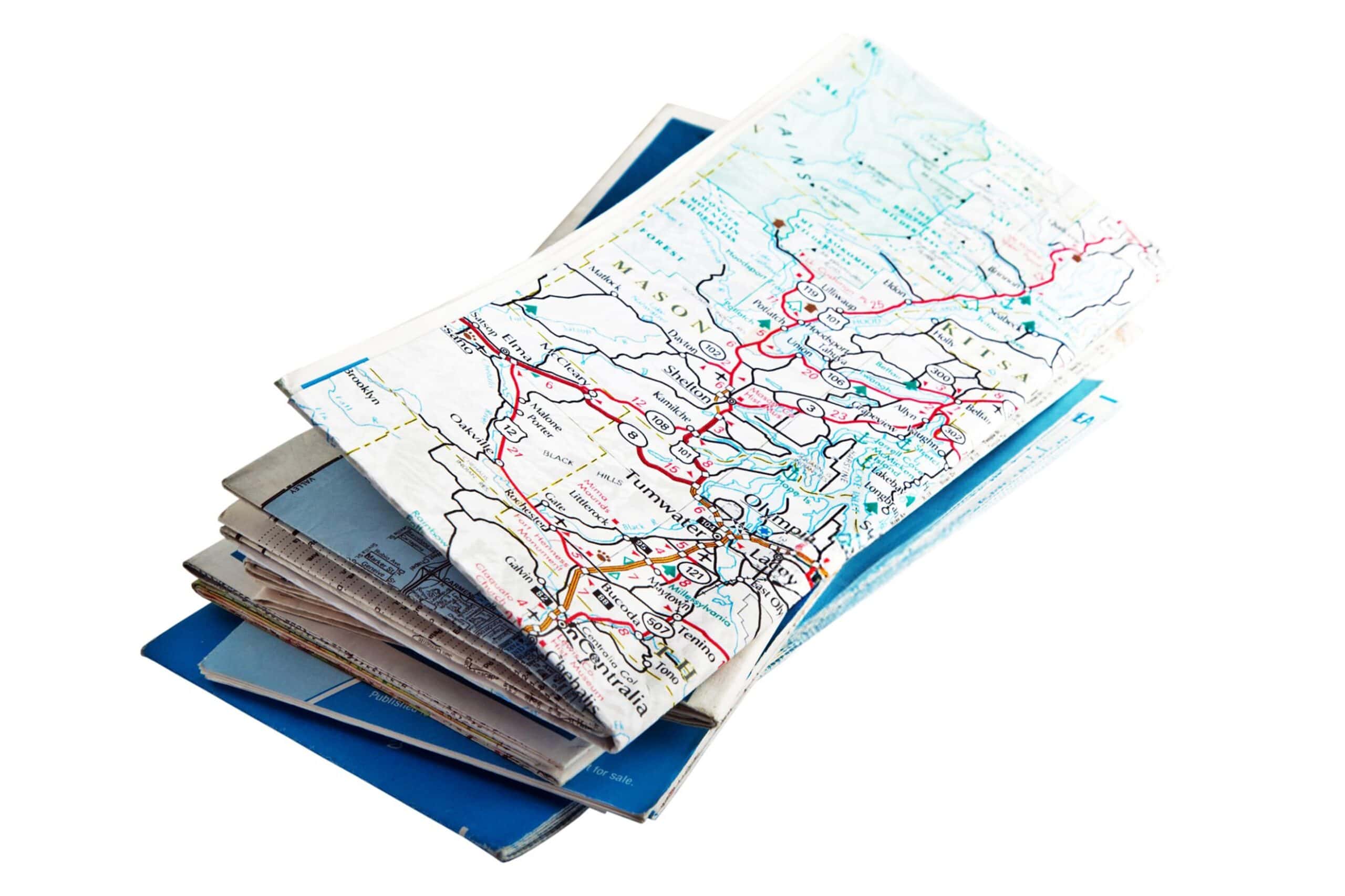
Paper Road Maps
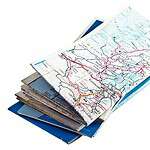
You used to be able to pick these up at gasoline stations, rest areas, and state welcome centers. They used to be free, too. It’s basically the same model as directory assistance. Since you can just look up the address on your phone, the printed version is now considered premium and will cost you around $6 to $10. Of course, there’s a certain appeal to paper maps that phone apps will never match.
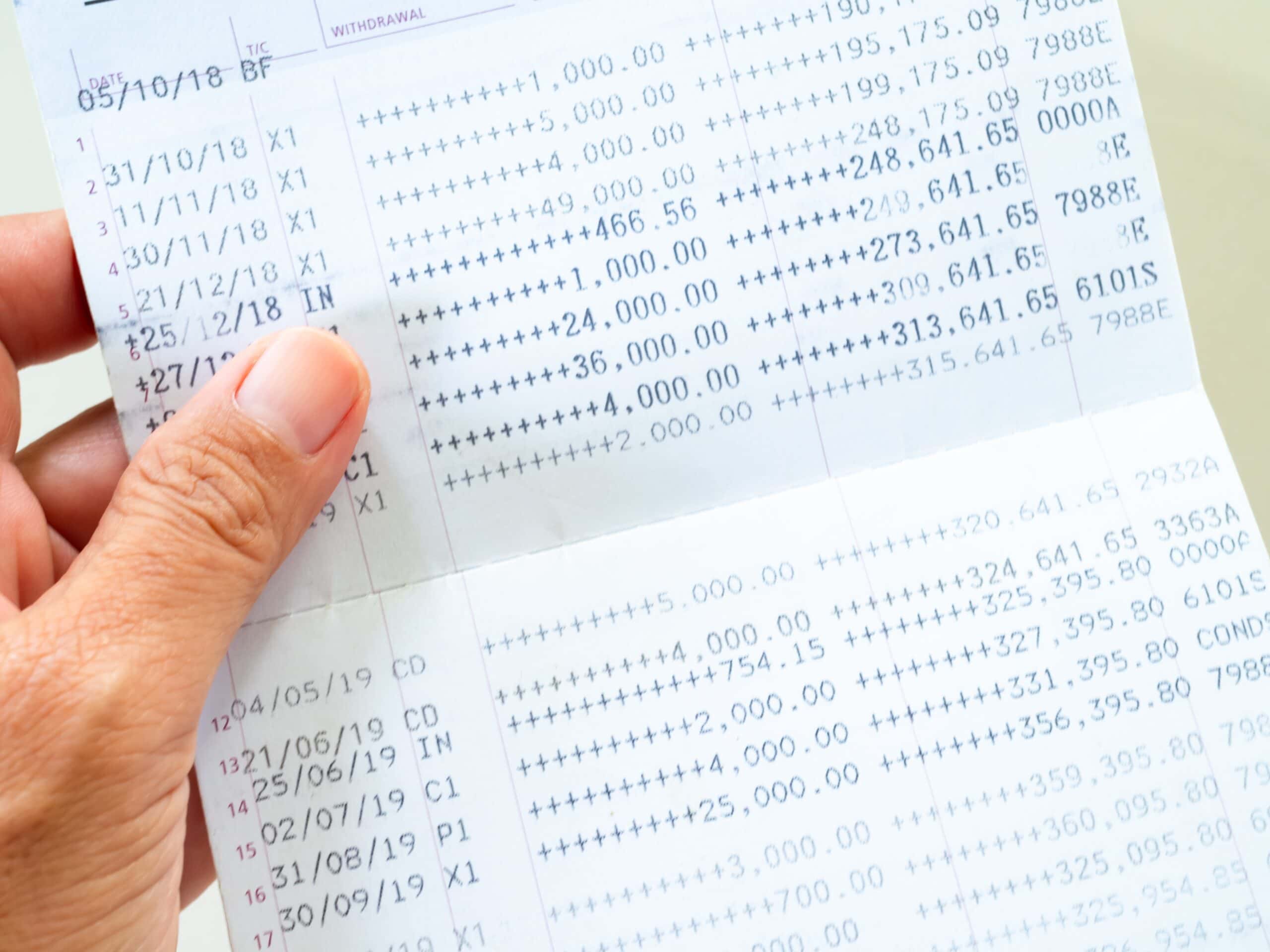
Paper Bank Statements
Banks used to mail you a statement every month, and you wouldn’t even think twice about it. It was just part of having an account. Now, they’ll charge anywhere from $1 to $5 per month if you want a paper statement instead of a digital one. It doesn't sound like much, but you are essentially paying for documentation regarding money that you own in a bank account that you paid for.
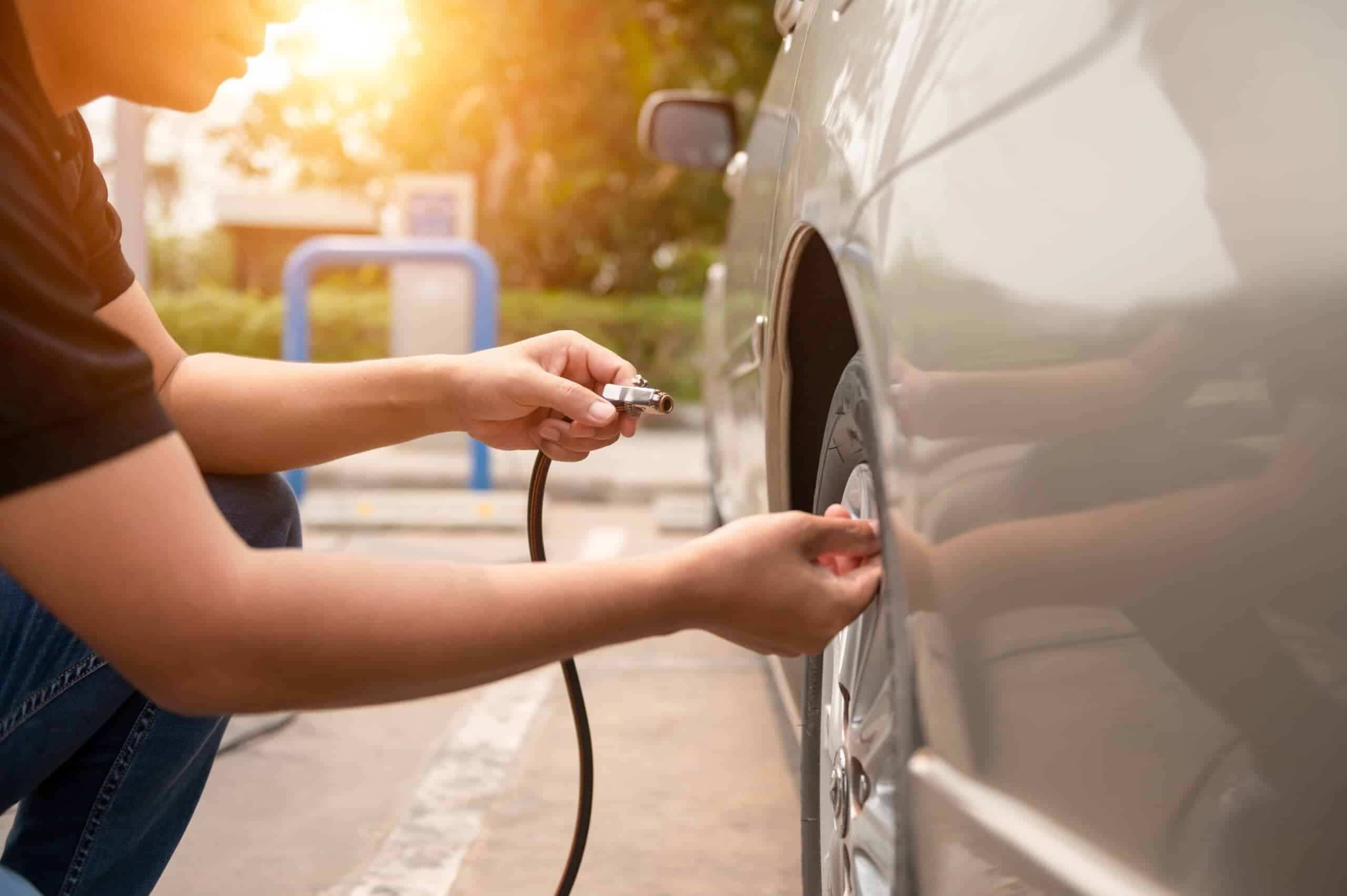
Tire Air at Gas Stations
This one will take some people by surprise. Gas stations used to give away compressed air for free, just like the squeegee and paper towels at the pump. Some places still do, but that has been changing slowly since the 1990s. Nowadays, a lot of compressed air machines at gas stations require you to pay $1.50 or more.
California and Connecticut are among a handful of states that have passed legislation making it mandatory for gas stations to offer customers free compressed air if they buy gas, but in other places, you will be paying for air, compressed air, but air nonetheless.
Credit Card Surcharges
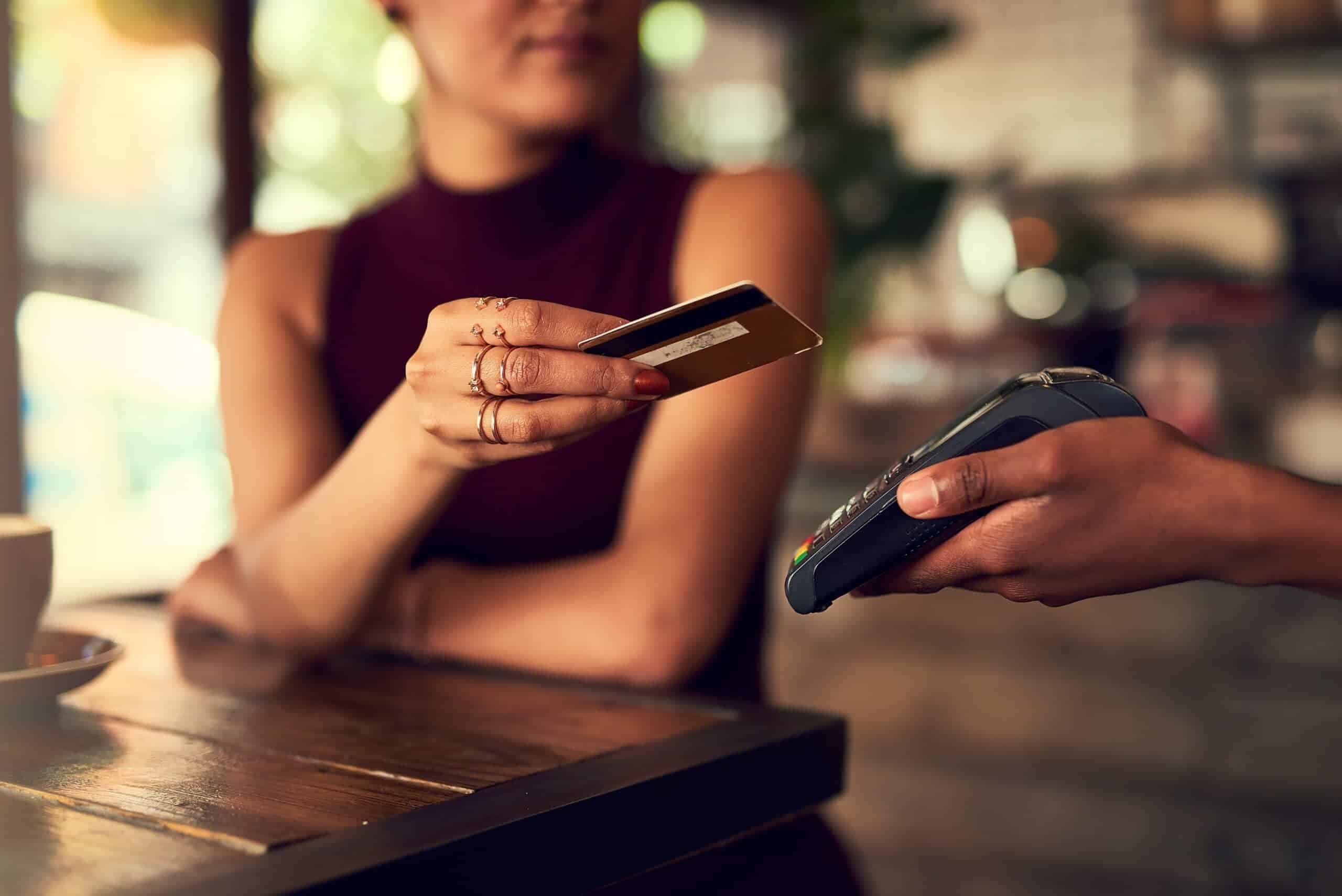
For decades, merchants were contractually prohibited from charging customers extra for paying by card. All of that was overturned in 2013 by a legal settlement, however, and now it is not uncommon to be charged an additional 3% or 4% on your purchases when you pay using a credit card, at restaurants, small merchants, and other places. Essentially, you are being charged a fee to pay your bill in a particular fashion, which would have seemed like a strange joke twenty years ago.
Hotel Room Service
Just like the other amenities, room service used to be included in the price tag when you checked into a full-service hotel. You dialed up the kitchen, and they brought you your food. You tipped the person bringing your meal. The arrangement was clear, and everybody was happy. At least we thought so. Now, most hotels include an additional flat delivery fee for room service, apart from the marked-up prices on the things you’re ordering. For instance, Royal Caribbean charges $7.95 for room service, regardless of order size, plus gratuity. Tipping is still expected. It probably always will be.
Prescription Bags and Pill Containers
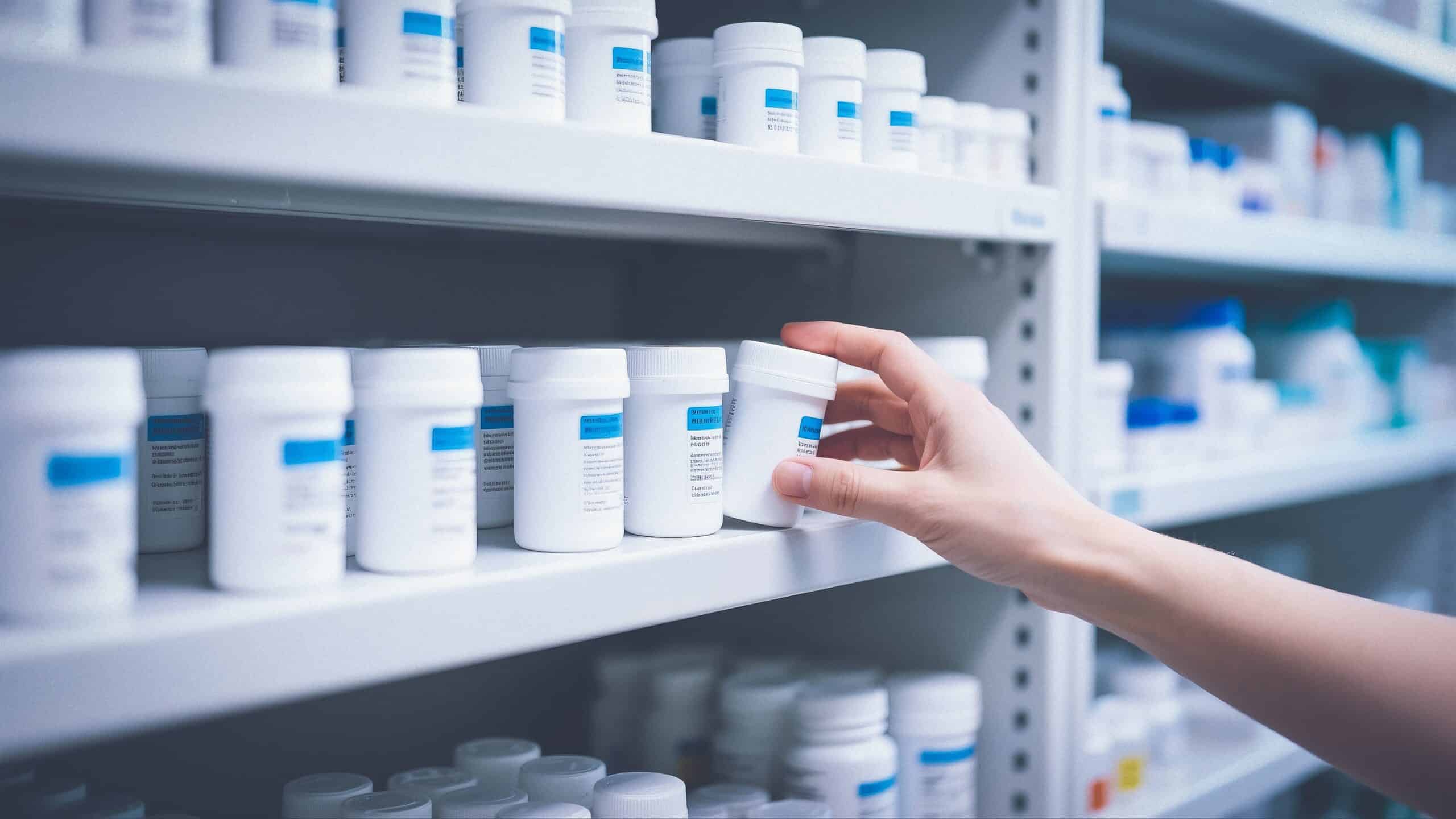
Prescriptions used to come in pill bottles and prescription bags, all at no additional cost. It was one of those things that felt so normal we didn't even think it could someday end. Now, some pharmacies will charge for bags depending on the state tax for plastic bags, and some also charge for pill bottles based on how the medication is packaged. That fee isn't too high now, but it probably won't stay low for a long time.
Buying a Ticket Without Additional Fees
The cost of a concert ticket in the 1980s or 1990s was simply whatever price was printed on it. Ticketmaster began adding service fees, handling fees, and facility fees that became normalized through the 2000s and 2010s. By the time Congress started holding hearings on the matter in the early 2020s, it was common to see a $40 ticket reach $70 or more by checkout. Some states have since passed laws requiring full price disclosure upfront, but the fees are still there.
Basic TV Channels
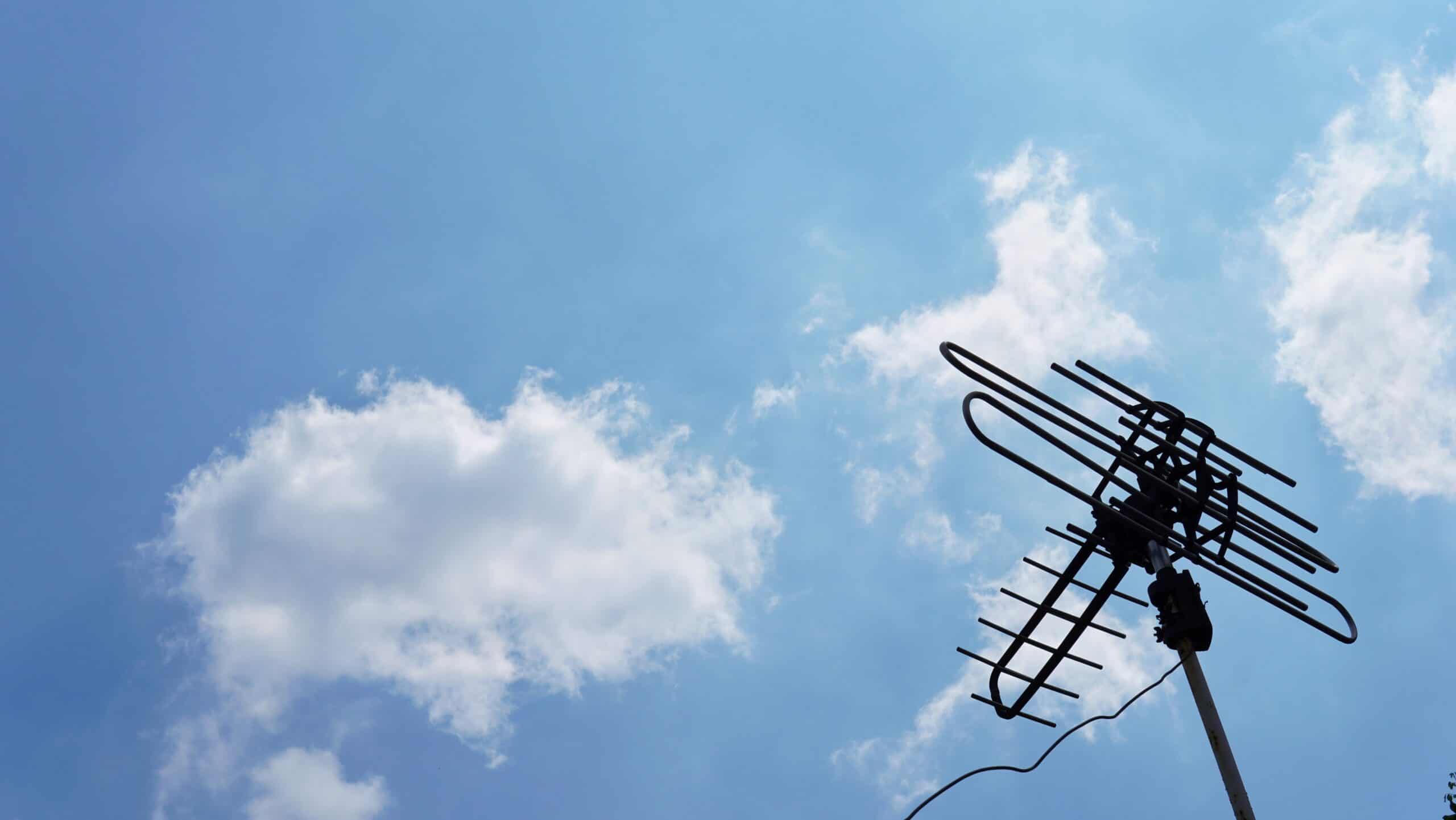
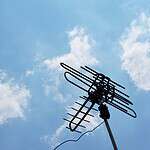
The major broadcast networks, ABC, NBC, CBS, PBS, and Fox, are technically still free with an antenna. But the list of channels you can access for free keeps shrinking. Regional sports programming, which used to come with a basic cable package, now lives behind sports tiers or separate apps. Local news affiliates are moving content behind streaming paywalls. The free tier still exists, but it covers way less ground than it used to.
Doctor's Office Admin Fees
Calling your doctor's office to request a prescription refill, a referral letter, or a copy of your medical records used to be part of the service. It was included in what you paid for the appointment. Now, many practices charge administrative fees for exactly these things, anywhere from $10 to $50, depending on what you need. You already paid for the visit. The paperwork that comes with it is apparently extra.
Printing at the Library
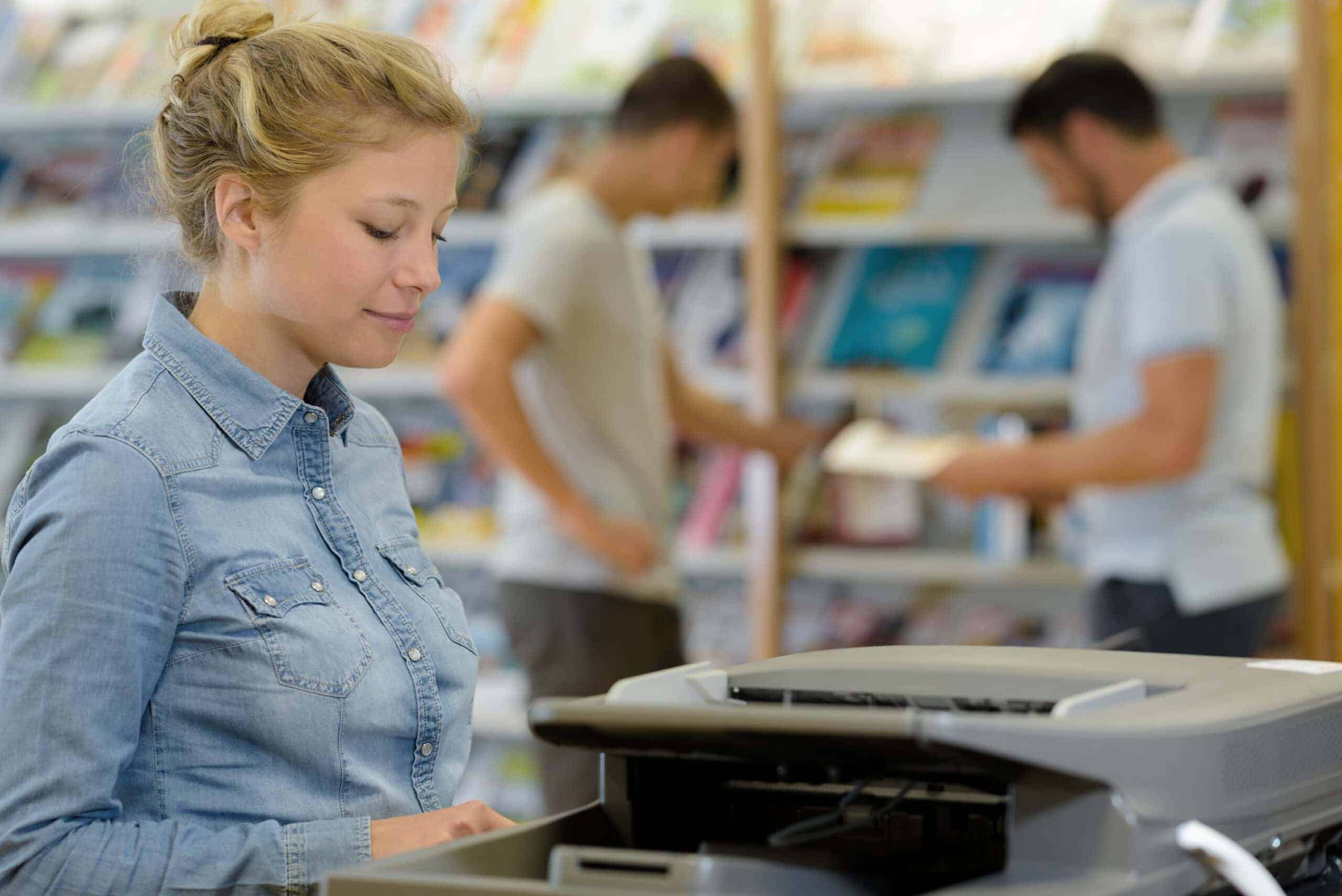
Public libraries are free, and so is borrowing books. Printing used to be free, too. But most libraries now charge between 10 and 25 cents per page for black and white, and some branches charge 50 cents or more for color. It's a small fee, but it's more than zero, and it adds up when you need more than one or two pages printed out.
Checking Into a Flight
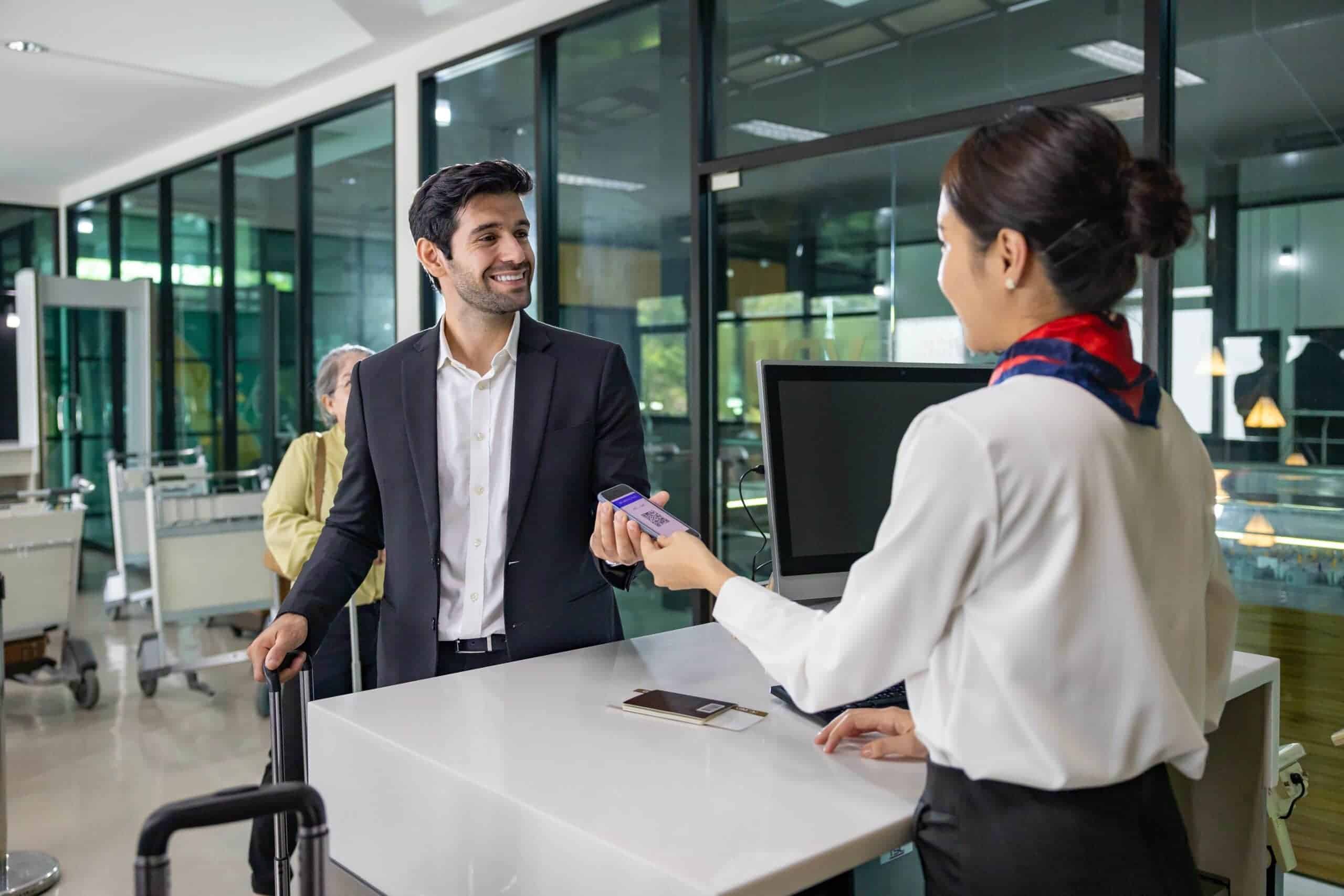
In the early days, checking into a flight meant going to the counter and handing your ticket to the agent. It was just one of the many services offered by the airline. Then came kiosks and web check-ins. Several airlines have since introduced charges for checking in through an agent, especially for those on very restrictive ticket categories. Budget carriers have been the most radical about it, charging for things most passengers assume are included until they read the fine print.
Calling Customer Service
Calling a business and speaking to a real person used to be free by default. You called, someone answered, they helped you. It used to be free because being able to use the service is a logical requirement for paying for said service. That logic no longer holds up, apparently, and these days, many businesses charge extra to connect you to a live representative. Others reserve human support exclusively for paying customers.
The 800-number that used to be a universal courtesy has become a tiered service. The worst part is that even when you pay to speak to customer service, your data is probably going to be collected and used somewhere along the way.
Verified Identity Online
Before Twitter started to charge users for its blue check verification, it was a completely free way for users to prove they were who they said they were. When Elon Musk bought Twitter in 2022, verification became a paid subscription service costing $8 a month. Several other sites have followed suit and made it a paid premium subscription with extra visibility or additional trust signals. Verification, which used to be an identity signal validated by the platform itself, is now a paid service, though it no longer carries the same meaning it once did.
In-Game Content
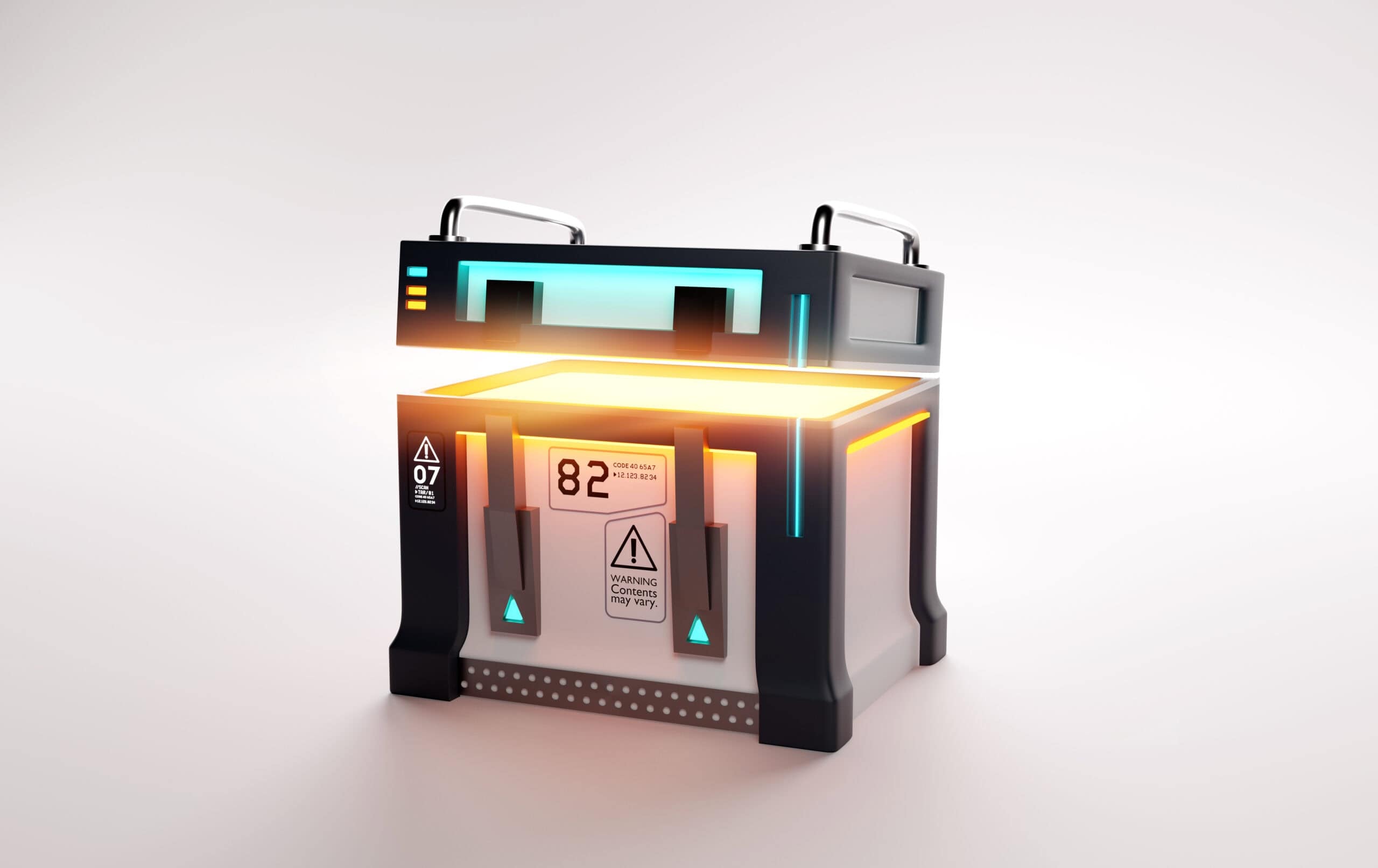
In earlier days of gaming, downloadable content and video game expansions used to be free. Game developers offered them to players as a gesture of gratitude for buying the game. In the 2010s, things were flipped totally upside down. Now, a lot of AAA games come with content that can only be unlocked with a credit card, either from the game itself or from loot boxes, season passes, and battle passes. Games now cost $60, and that’s just the price of entry. The industry now generates billions annually from in-game purchases, much of it from content that would have shipped on the disc twenty years ago.