
History’s Shortest War Was Over in 38 Minutes
War has been part of human history for thousands of years. Some of the earliest recorded conflicts took place in ancient Mesopotamia, where rival kingdoms fought over land, water, power, and control of valuable territory. More than 5,000 years later, many of those same causes still appear in conflicts around the world. Borders, resources, political control, and old rivalries have continued to push nations toward violence.
Most wars are remembered as long, brutal struggles that reshape entire societies. They can last for years or even decades, leaving behind destroyed cities, displaced families, collapsed economies, and generations of political consequences. History is filled with examples of conflicts that dragged on far longer than anyone expected, often becoming harder to end the longer they continued.
Yet not every war followed that pattern. Some conflicts burned out almost as quickly as they began. A few lasted only days, hours, or, in the most famous case, less than an hour. These short wars were still destructive and often deadly, but their brief timelines make them stand out in the much larger history of human conflict.
The shortest wars in history often came from sudden invasions, failed rebellions, collapsing governments, colonial disputes, or military showdowns that ended before they could expand into something larger. In some cases, one side was overwhelmed almost immediately. In others, diplomacy, surrender, or political reality brought the fighting to a rapid close.
To identify the briefest wars in history, 24/7 Tempo reviewed historical and educational sources, including the Historical Association, History Today, History Guild, and other references. The wars listed here lasted less than six months in total, with some ending in a matter of days and one famously ending in just 38 minutes.
Anglo-Zanzibar War
- War duration: 38 Minutes
- Dispute between: the Island Sultanate of Zanzibar and the British Empire
- Date: August 27, 1896
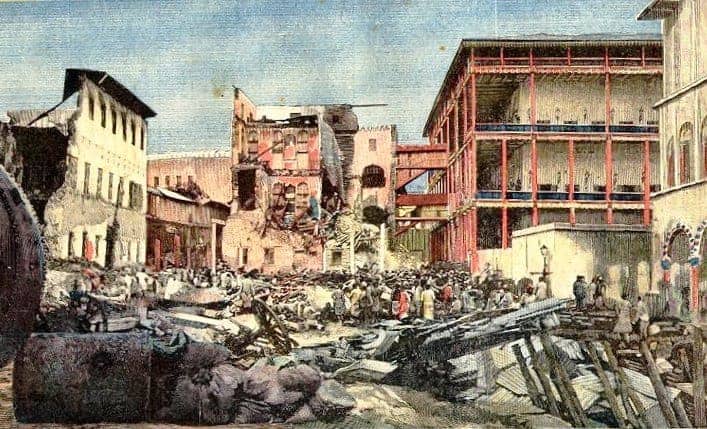
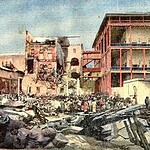
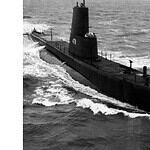
- The Island Sultanate of Zanzibar and the British Empire engaged in a quick battle when the British Empire chose their preferred successor to the throne following the death of the Sultan of Zanzibar. This didn’t sit well with Zanzibari Prince Khālid ibn Barghash who felt he should be the next Sultan, which resulted in British imperial cruisers arriving and firing on his position.
- Prince Khālid surrounded his palace with 3,000 guards and the war began. British Rear Admiral Harry Rawson attempted to de-escalate the situation by giving the Prince a choice – surrender their weapons and evacuate the palace or they would be at the mercy of British firepower. The Prince called their bluff, and the palace was shortly engulfed in flames.
- The British ceased fire within 38 minutes of firing back and forth. The Zanzibar soldiers sustained 500 casualties. The British sustained one. Khālid surrendered. That afternoon, Britain’s choice, Ḥamud ibn Moḥammed, became the new Sultan.
The Football War
- War duration: 100 hours
- Dispute between: El Salvador and Honduras
- Date: July 14, 1969
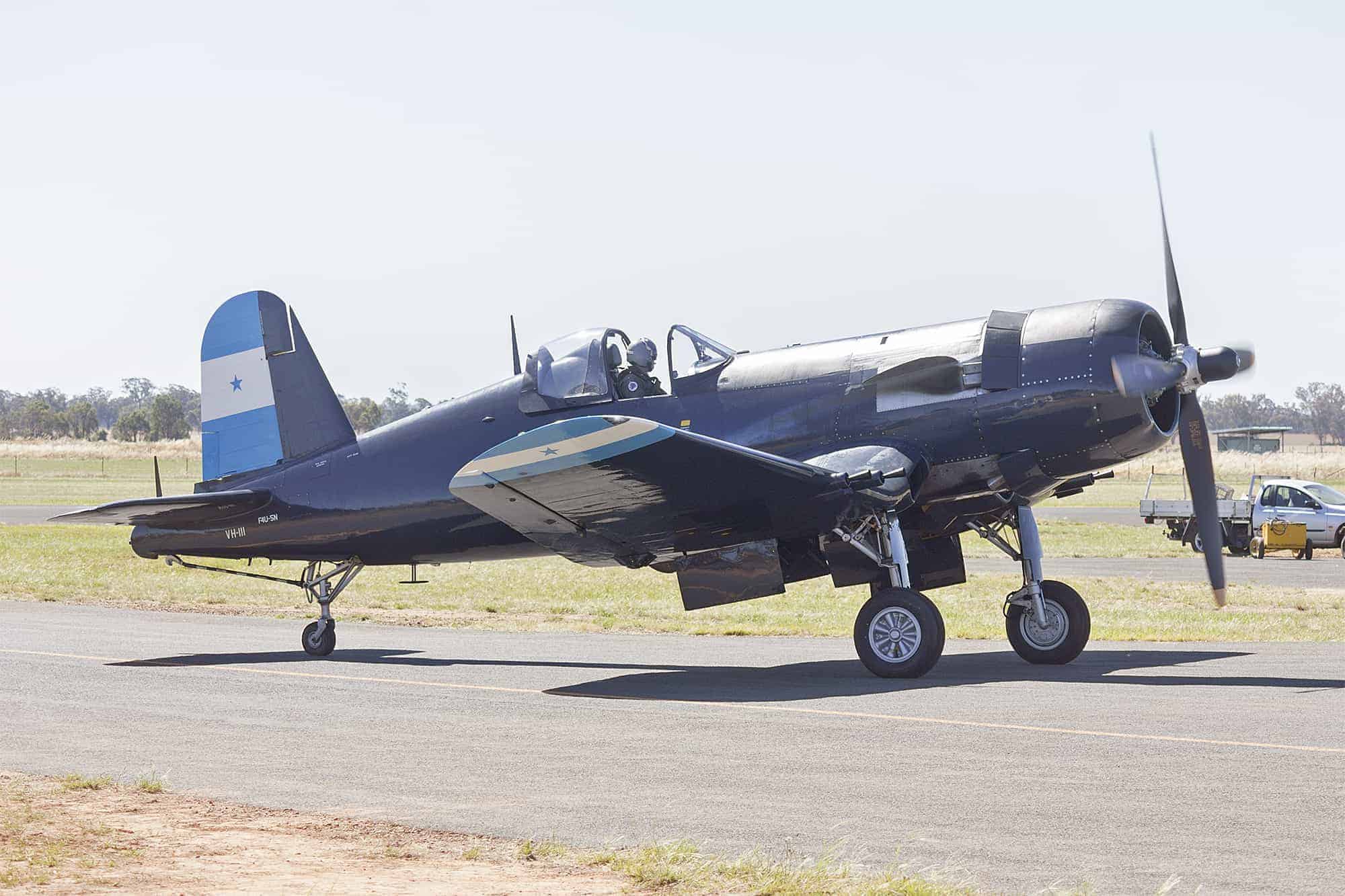
- The conflict began between El Salvador and Honduras during a 1970 FIFA World Cup qualifier, and although it may have started with a game of football, or soccer as it’s known in the U.S., the Football War, also known as the 100 Hours War, was truly fought over land reform and immigration.
- The Salvadoran Air Force launched an attack against Honduras and began the invasion of their country. On June 18th, the Organization of American States requested the Hondurans to arrange a ceasefire, which they did, and it was over after 100 hours. Although the war was officially over, it wasn’t until 1980 that Honduras and El Salvador signed a peace treaty.
The Russo-Georgian War
- War duration: 5 Days
- Dispute between: Georgia and Russia
- Date: August 8th, 2008
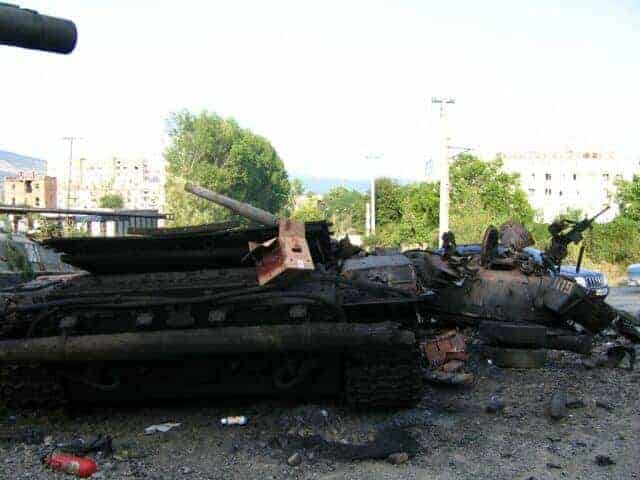
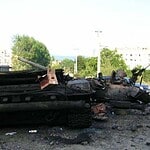
- While issues between Russia and Georgia began in the early 90s when the two countries were newly independent nations after the breakup of the U.S.S.R., it came to a head when Georgia was close to joining NATO (North Atlantic Treaty Organization). They weren’t yet under the organization’s defense agreement. Georgian troops were ordered to capture the South Ossetian capital of Tskhinvali. Russia responded by leading air strikes on these troops. NATO, along with the U.S. and Great Britain, called for a cease-fire, which came on August 12th, with Russia halting its advancements into Georgia.
The Six-Day War
- War duration: 6 Days
- Dispute between: Coalition of Arab States and Israel
- Date: June 5, 1967
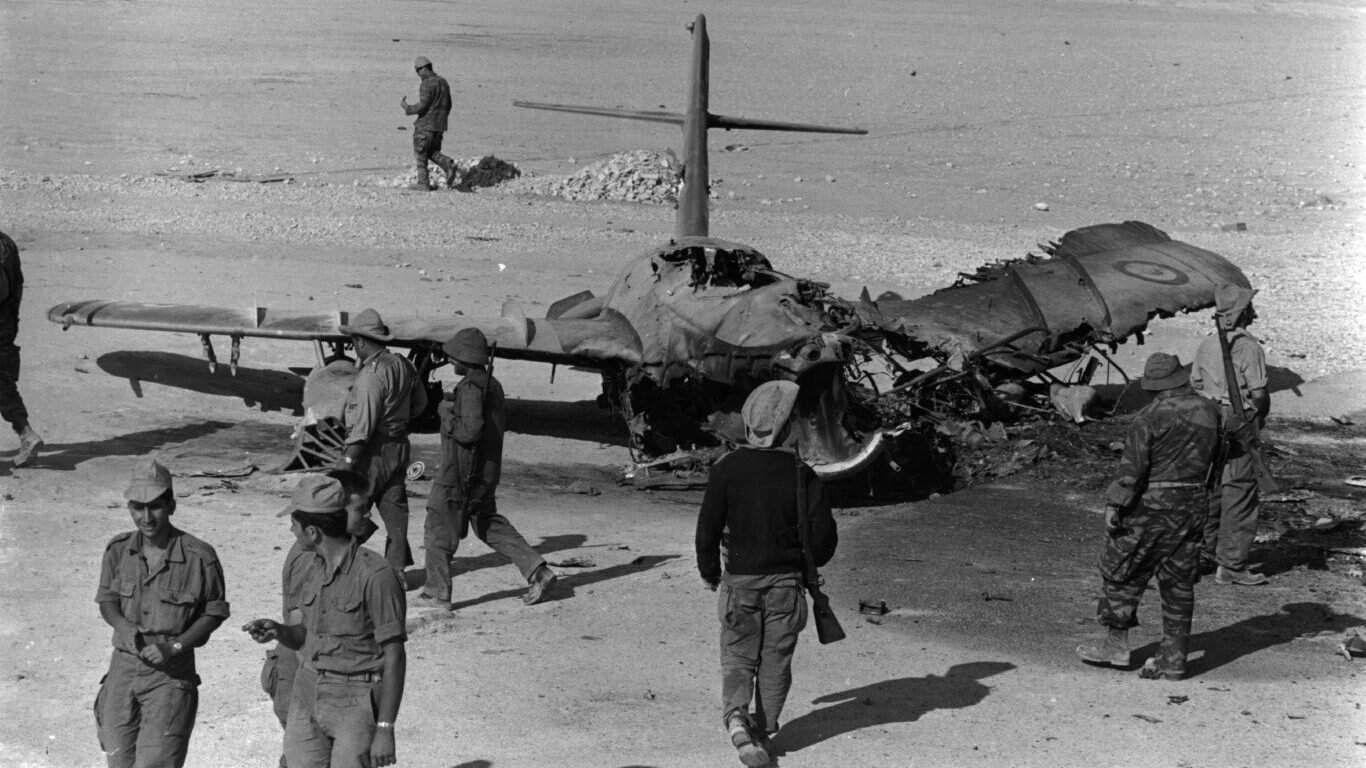
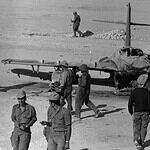
- War broke out between the Coalition of Arab States and Israel in what became the Six-Day War (also known as the 1967 Arab–Israeli War, or Third Arab–Israeli War), when existing tensions escalated after Israel launched an airstrike against Egypt. In addition to the Egyptian Air Force being nearly wiped out by the attack, 15 UN peacekeepers were killed, which resulted in Jordan and Syria attacking Israel.
- On June 10th, Israel claimed victory and acquired new land comprised of the Gaza Strip and the West Bank of the Jordan River. To this day, the ramifications are felt as a result of the Six-Day War and conflicts have continued, including the currently-ongoing 2023 Israel–Hamas war.
The Ten-Day War
- War duration: 10 Days
- Dispute between: Yugoslavia and Slovenia
- Date: June 27 to July 7, 1991
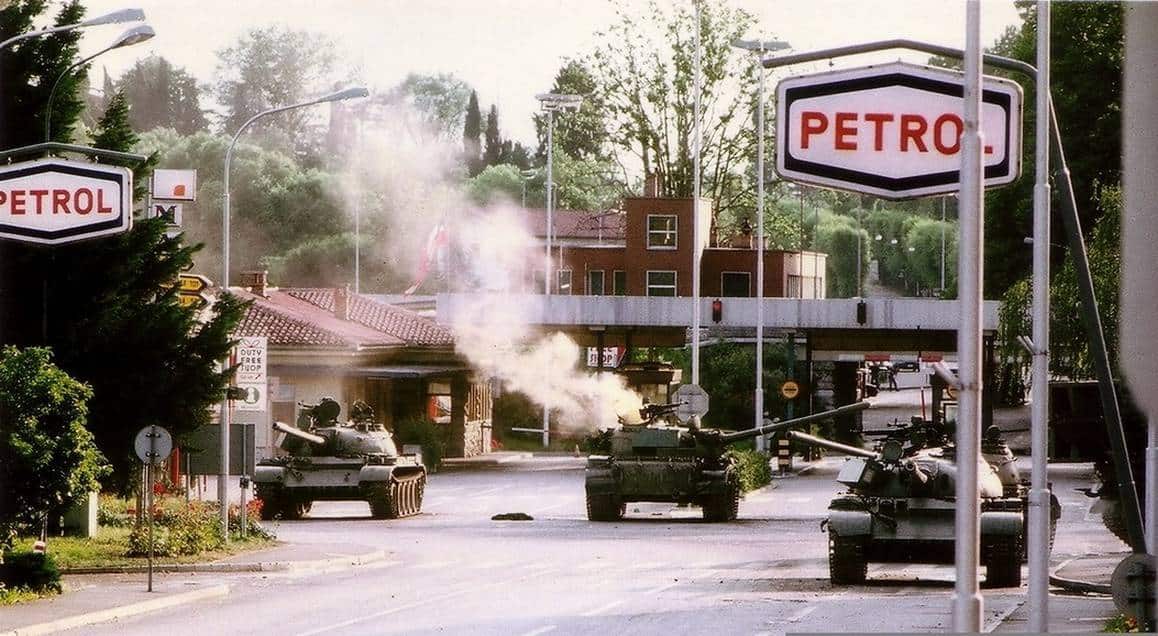
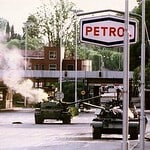
- The Ten-Day War, also known as the Slovenian War of Independence resulted in Slovenia declaring independence from Yugoslavia on June 25. The Yugoslavian government was unhappy with this declaration and began advancing its troops toward the Slovenian border. The war began when the first JNA officer fired a shot. The ensuing battle continued for the next 10 days, ending when both countries signed the Brioni Accords or the Brioni Declaration.
The Indo-Pakistani War
- War duration: 13 Days
- Dispute between: India and Pakistan
- Date: December 1971
- Also known as the Third India-Pakistan War, this conflict began because of the Bangladesh Liberation War which started when the Pakistani Army declared Bangladesh’s independence from Bangladesh. The conflict between Bengalis and the Pakistani Government led Bengalis to seek refuge in India, which caused Pakistan to begin preemptive aerial strikes on various airfields in India.
- India retaliated and quickly overwhelmed and dominated Pakistan with a coordinated attack via air, land, and sea. By December 16th of the same year, Pakistan had lost close to 10,000 troops and had to surrender. This altercation also marked the end of the Bangladesh Liberation War revolution.
The Serbo-Bulgarian War
- War duration: 14 Days
- Dispute between: Bulgaria and Serbia
- Date: November 1885
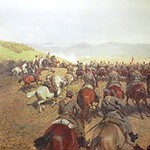
- Bulgaria declared unification with the province of Eastern Rumelia, planting the seeds of war as early as September of that same year. Serbia feared the loss of influence in the area, causing them to declare war on Bulgaria. The Serbian army had the support of Austria-Hungary and was the larger and stronger force but the Bulgarian army also had many advantages. Austria-Hungary officials feared an elevated conflict and threatened intervention if Bulgaria didn’t call a ceasefire. The two sides agreed to stop the fighting, and the war ended.
The Armeno-Georgian War
- War duration: 24 Days
- Dispute between: Armenia and Georgia
- Date: December 7, 1918
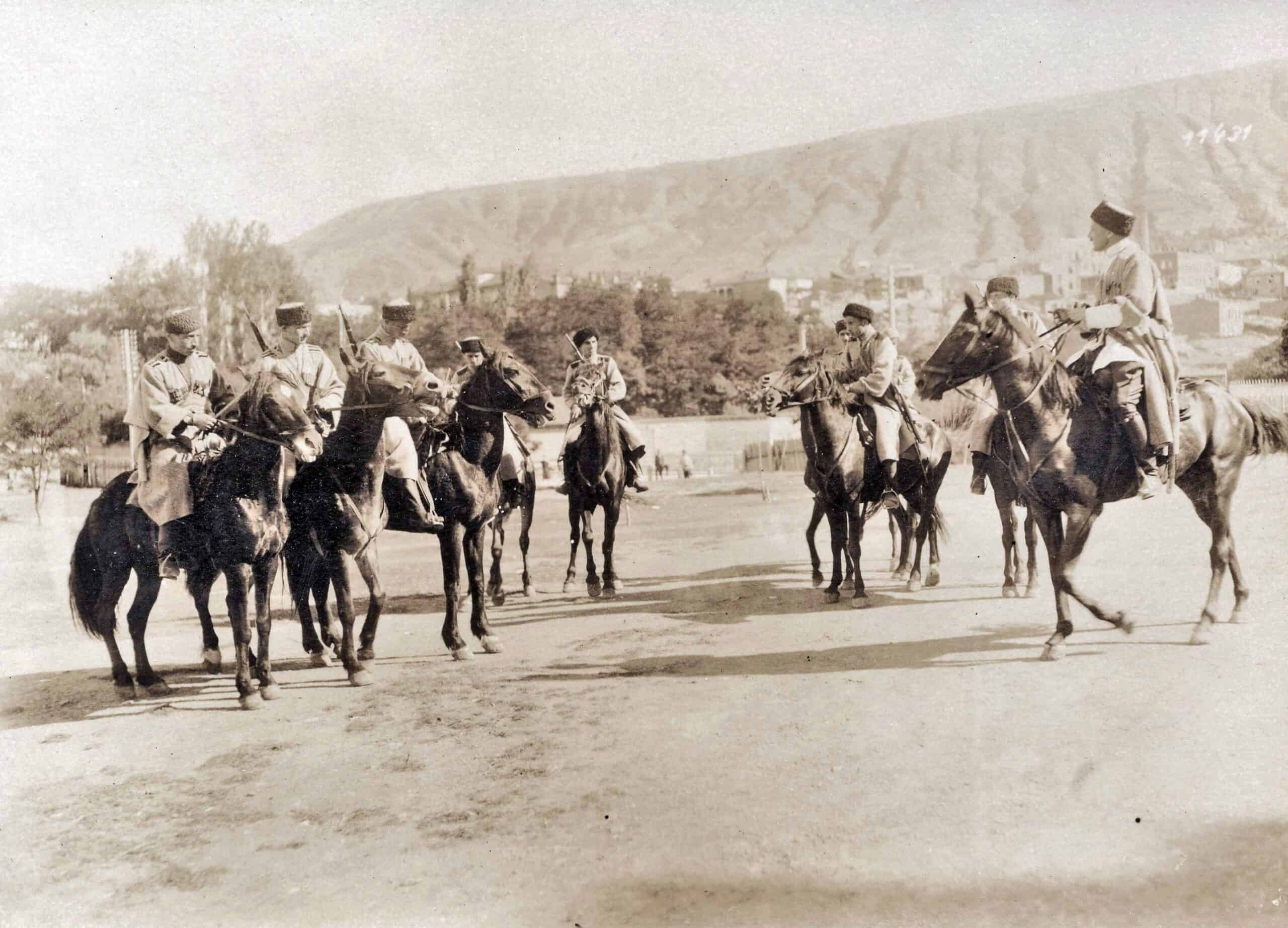
- The Armeno-Georgian War occurred after World War I when Armenia and Georgia were liberated from the Russian Empire. A territorial dispute led to the conflict, which was for the control of the territories of the Borchalo, Javakheti, and Lori districts that were formerly part of the Russian Empire. The areas, largely populated by Armenians, were controlled by Georgia and the tension between the two new nations came to a head. After many losses on both sides, the war ended resulting in the Lori province becoming a neutral zone, later splitting between the two states.
The image featured at the top of this post is ©Peter Božič, CC BY 3.0 , via Wikimedia Commons