
The wealthiest pirates in history did not leave bank statements behind, so exact modern net-worth rankings should be treated as estimates rather than settled fact. What can be documented is often more dramatic: captured treasure fleets, hijacked merchantmen, raids on fortified ports, and fortunes large enough to alarm empires.
This countdown keeps the original order while separating legend from the record. It includes privateers and corsairs as well as pirates because governments often authorized violence they condemned in their enemies. From Calico Jack’s brief Caribbean run to Samuel Bellamy’s doomed Whydah, these raiders seized prizes that made them famous and put navies on their trail.
19. Calico Jack
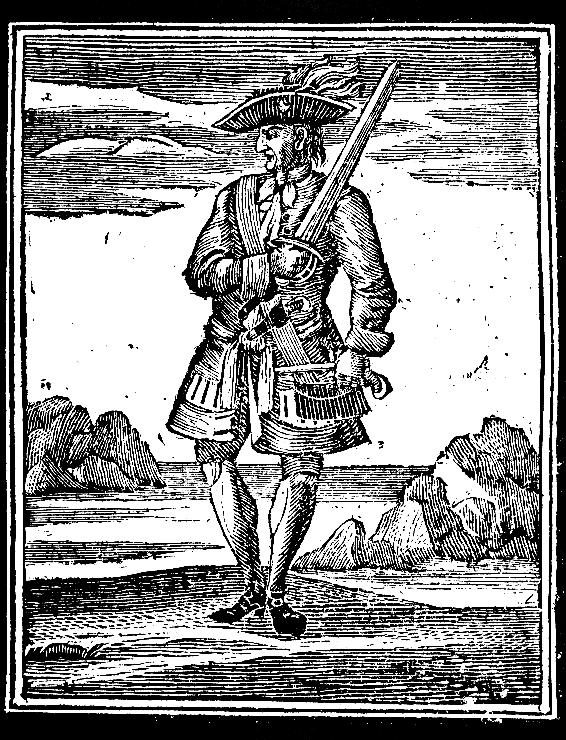
John Rackham, better known as Calico Jack, operated in Caribbean waters during a brief career that ended in 1720. His nickname probably came from the colorful calico clothing associated with him, not from a fabulous fortune. Rackham is remembered most for sailing with Anne Bonny and Mary Read, two of the best-known women from the Golden Age of Piracy. Jamaican privateer Jonathan Barnet captured the crew near Jamaica in October 1720. Rackham and the male crew members were convicted of piracy and hanged. Bonny and Read received temporary stays after stating they were pregnant. No reliable record supports a precise modern-dollar value for Rackham’s loot, and his fame rests far more on his crew than on documented wealth.
18. Edward Low
Edward “Ned” Low went from poverty in England to commanding a small pirate flotilla during one of the Atlantic’s most violent criminal careers. Active mainly from 1721 to 1724, he and his crews ranged from New England and the Caribbean to the Azores and West Africa. Historical accounts credit them with taking at least 100 vessels, including fishing boats and merchant ships, although many prizes were robbed and burned rather than retained. Low became notorious for torturing prisoners, a reputation supported by testimony and contemporary reports but magnified by later pirate literature. His final fate remains uncertain. Stories variously have him executed in Martinique, lost at sea, or living on after disappearing from the record.
17. Charles Vane
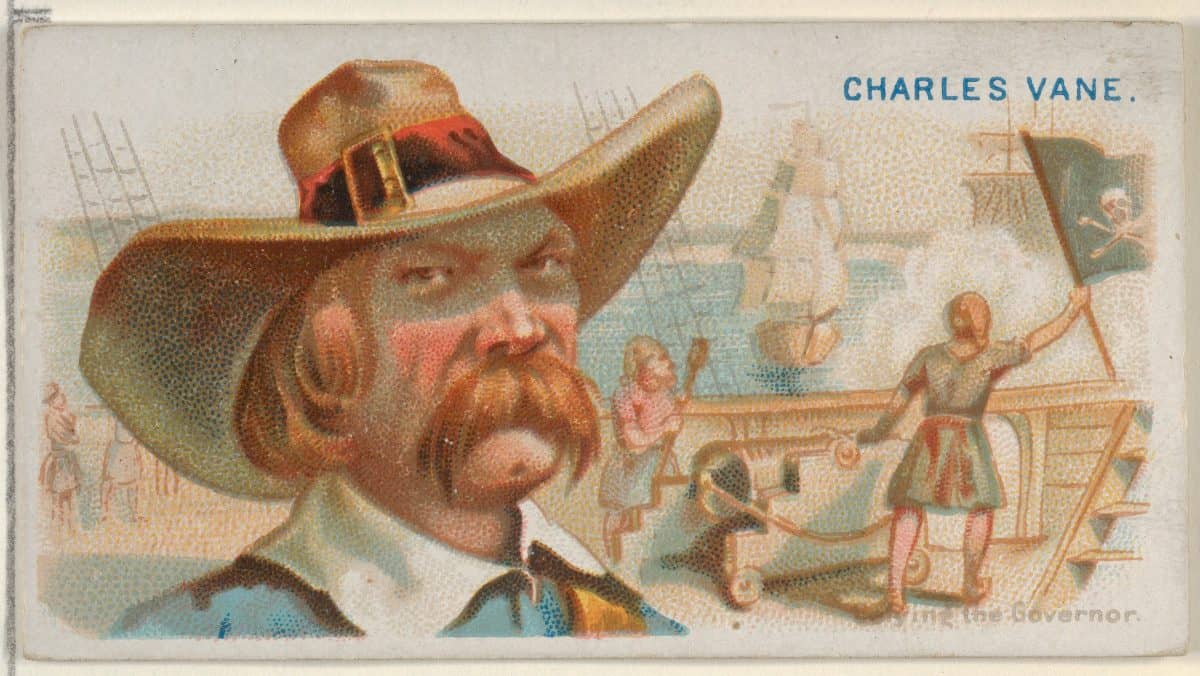
Charles Vane was one of the most defiant members of the pirate community based at Nassau in the Bahamas. When Governor Woodes Rogers arrived in 1718 to restore British control and offer pardons, Vane escaped by sending a burning vessel toward the governor’s ships. He resumed raiding, but his refusal to attack a larger French warship later angered his crew. They voted him out and placed John Rackham in command. A hurricane eventually wrecked Vane’s vessel in the Bay Islands, where he was recognized and arrested after trying to hide his identity. He was taken to Jamaica, convicted of piracy, and hanged at Port Royal in March 1721. Reports of cruelty shaped his legend, but no dependable evidence supports a precise modern net worth.
16. Richard Worley
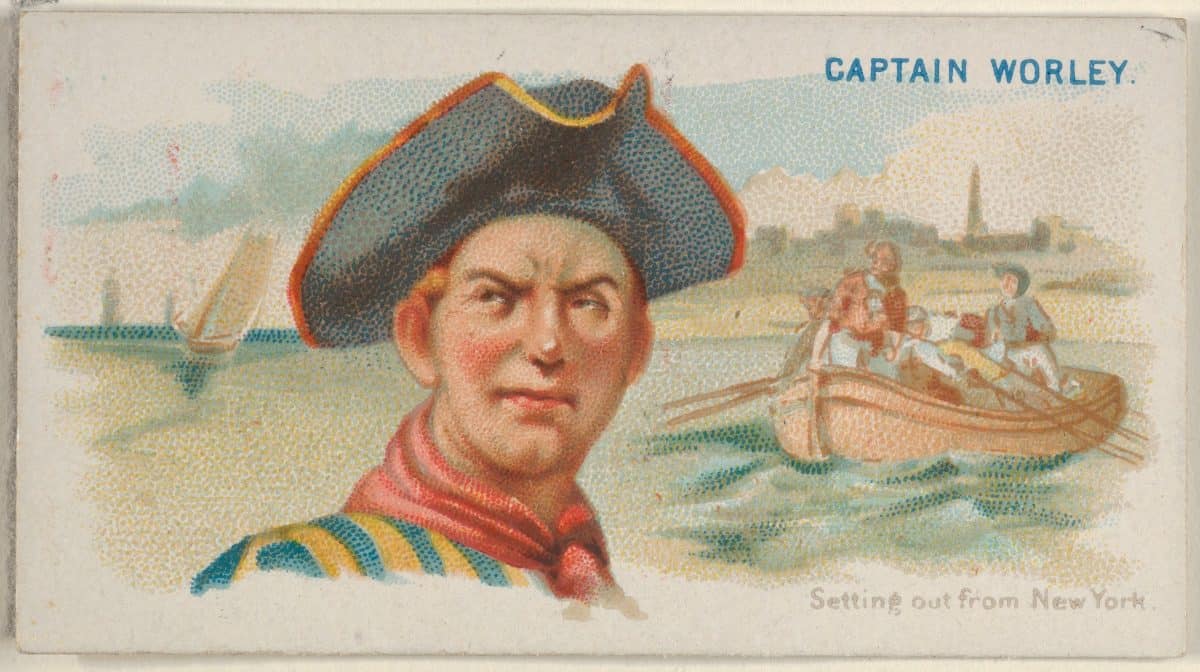
Richard Worley’s career was short, chaotic, and far less lucrative than later rankings suggest. He left New York in 1718 with a small boat and about eight men. One of their first recorded crimes was the theft of household goods from a vessel on the Delaware River, an attack colonial authorities initially blamed on Blackbeard. Worley expanded his force through later captures and appeared off Charles Town, where Governor Robert Johnson organized armed ships to confront the pirates. South Carolina’s force defeated the group in late 1718, and surviving crew members were tried and condemned. The episode shows how quickly a small coastal gang could become a colonial emergency, but there is no sound basis for assigning Worley a multimillion-dollar fortune.
15. Stede Bonnet
Stede Bonnet earned the name “Gentleman Pirate” because he began as a prosperous Barbados landowner, not an experienced sailor. In 1717 he purchased and armed the sloop Revenge, hired a crew, and set out on an occupation he barely understood. After Bonnet was wounded, Blackbeard effectively took control of his vessel and men. Bonnet later received a royal pardon, then returned to piracy under an alias and renamed his ship Royal James. South Carolina forces captured him after a fierce battle in the Cape Fear River. He escaped custody briefly but was recaptured, convicted, and hanged at White Point in Charles Town on December 10, 1718. His documented story is remarkable enough without an unsupported modern fortune attached to it.
14. Howell Davis
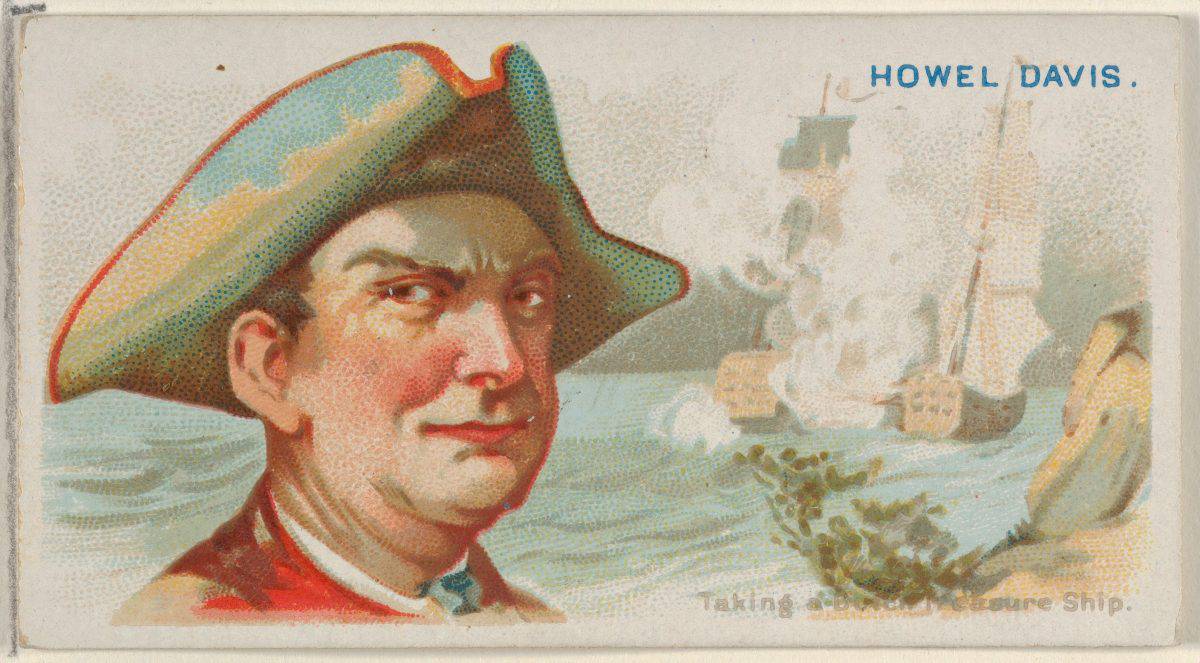
Welsh pirate Howell Davis packed an extraordinary number of schemes into a career lasting only about 11 months. He entered piracy after Edward England captured the slave ship Cadogan, on which Davis served as an officer. Davis later commanded his own vessels and became known for using false identities, forged authority, and negotiation before resorting to gunfire. Records credit him with capturing 15 British and French ships while operating in the Caribbean and along West Africa. His boldest deception targeted the governor of Príncipe in 1719, but officials discovered the plan and ambushed him. Davis was shot and killed on June 19. His crew then elected Bartholomew Roberts, who would become far more successful, as its new captain.
13. François Le Clerc
François Le Clerc, known as Jambe de Bois or “Wooden Leg,” was a French privateer whose raids hit Spanish possessions decades before the classic Golden Age of Piracy. After losing part of a leg in combat, he continued commanding attacks and was often described as one of the first men to board an enemy vessel. In 1553 his forces struck Santa Cruz de La Palma in the Canary Islands. The following year, Le Clerc and allied captains sacked Santiago de Cuba, occupied it for weeks, and reportedly carried away 80,000 pesos in treasure. Because he operated with French authorization during imperial conflicts, “corsair” or “privateer” is more precise than pirate. Exact modern valuations of his proceeds are speculative.
12. Edward England
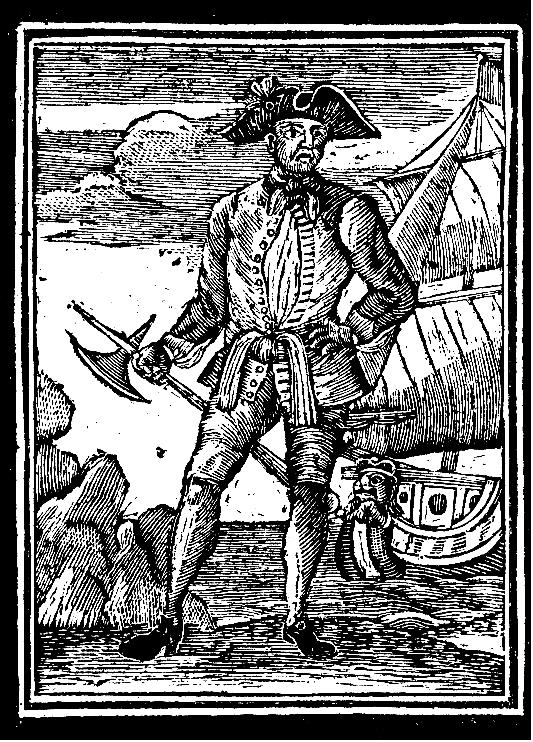
Irish-born Edward England became an unusual figure among Golden Age pirates because even hostile accounts described him as reluctant to kill captives. He commanded several ships, including the Pearl, which he renamed Royal James, and later the Dutch-built Fancy. In 1720 his company fought the East India Company ship Cassandra near the Comoros. England spared its captain, James Macrae, after a costly battle, a decision that enraged harder-line members of his crew. They removed England from command and marooned him with several companions on Mauritius. The castaways eventually built a small boat and reached Madagascar, where England died in poverty around 1721. His fate directly contradicts claims that he retired with a verified multimillion-dollar fortune.
11. Samuel Burgess
Samuel Burgess moved between piracy, privateering, commerce, and the trafficking of enslaved people. He was connected to William Kidd’s crew in 1690 and returned to New York a few years later, where merchant Frederick Philipse employed him on voyages to Madagascar. Those expeditions traded supplies and weapons for gold and enslaved captives, making Burgess part of a brutal network serving pirate settlements. He later commanded the Margaret, lost the vessel and its cargo to the East India Company, and faced a piracy conviction in London before obtaining a pardon. Burgess eventually returned to Madagascar and served as a quartermaster. Accounts say he was poisoned there around 1716, but no audited record establishes his personal fortune.
10. Edward “Blackbeard” Teach
Edward Teach, also recorded as Thatch, built a terrifying brand that became more durable than his actual pirate career. In 1717 he captured the French slave ship La Concorde, renamed it Queen Anne’s Revenge, and armed it as his flagship. His flotilla blockaded Charles Town in May 1718, seizing vessels and hostages until authorities supplied a chest of medicine. Soon afterward, Queen Anne’s Revenge ran aground near Beaufort, North Carolina. Blackbeard accepted a pardon but was accused of returning to piracy. Royal Navy Lieutenant Robert Maynard killed him in a close fight at Ocracoke on November 22, 1718. Archaeology has recovered thousands of objects from his flagship, but no evidence confirms the enormous personal treasure often assigned to him.
9. Sir Henry Morgan
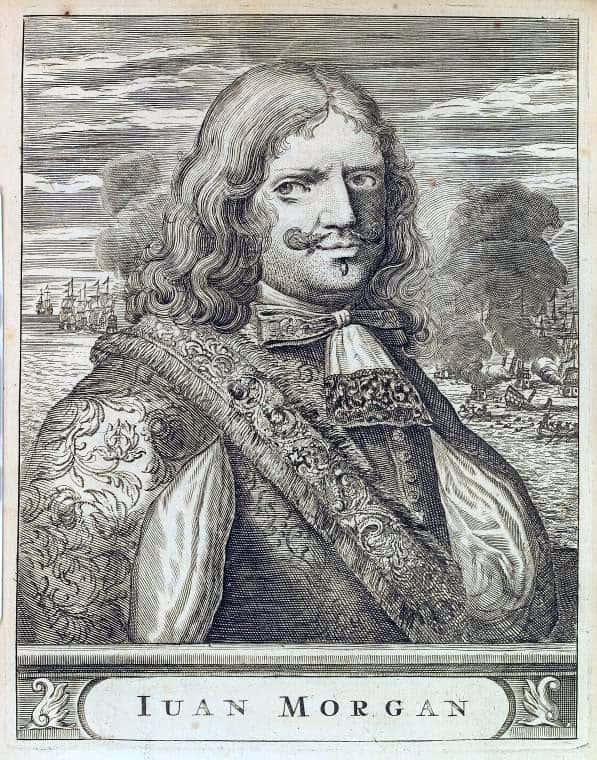
Sir Henry Morgan was a 17th-century Welsh privateer, not a 16th-century pirate. Operating with English support from Jamaica, he led major attacks on Spanish territory, including Puerto Príncipe, Portobelo in 1668, Maracaibo in 1669, and Panama in 1671. The Panama expedition became controversial because England and Spain had recently agreed to peace, prompting officials to send Morgan to London. Rather than being convicted, he won royal favor, was knighted in 1674, and returned to Jamaica as lieutenant governor. Morgan invested proceeds and political influence in sugar plantations worked by enslaved laborers. He unquestionably became wealthy, but modern dollar estimates cannot be verified and should not be treated as audited net worth.
8. John Halsey
Boston-born John Halsey began as a licensed privateer during Queen Anne’s War, commanding the brigantine Charles against French and Spanish shipping. After his commission expired, he crossed the line into piracy and sailed toward Madagascar and the Red Sea. In August 1707, Halsey attacked a group of British merchant ships despite being heavily outgunned. He captured two vessels carrying cash and cargo reportedly valued at about £50,000, one of the clearest period figures connected to anyone in this ranking. His success did not last. A hurricane devastated his ships after he returned to Madagascar in 1708, and he died of fever soon afterward. Contemporary accounts remembered him as unusually courteous to prisoners and respected by his crew.
7. Thomas White
Thomas White’s path into piracy is unusually tangled because surviving accounts disagree about when he became a willing participant. He had commanded the merchant ship Marigold before French pirates captured it off West Africa in 1698. White later appeared with crews led by George Booth, John Bowen, Thomas Howard, John Halsey, and Nathaniel North across Madagascar, the Red Sea, and the wider Indian Ocean. After North left him and about 30 men ashore in Madagascar, White obtained another vessel and led raids of his own through 1706. He divided the proceeds and eventually returned to Madagascar, where he died in 1708. The record supports a long association with successful pirate companies, but not the precise $23.3 million fortune sometimes attributed to him.
6. Jean Fleury
Jean Fleury, also called Jean Florin, was a French naval officer and privateer whose greatest capture exposed Spain’s growing Atlantic vulnerability. In 1522, or 1523 according to some chronologies, his squadron intercepted three Spanish ships near the Azores and Cape St. Vincent. Two were taken with treasure, artworks, and exotic goods sent from Hernán Cortés’s conquest of Mexico for Emperor Charles V. Fleury also seized another vessel arriving from Santo Domingo. The spectacular loss helped demonstrate why Spain needed better-protected treasure convoys. A Basque squadron finally captured Fleury in 1527, and Spanish authorities executed him. The cargo was immensely valuable, but converting it into a precise modern personal net worth would be misleading.
5. Bartholomew “Black Bart” Roberts
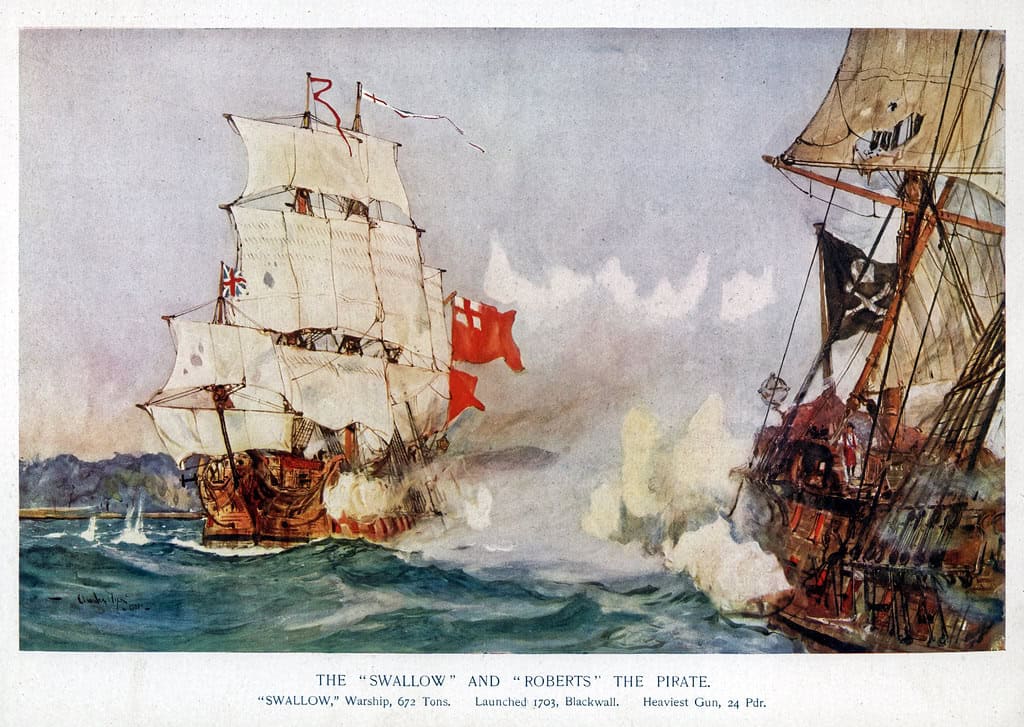
Bartholomew Roberts was born John Roberts in Wales and was forced into Howell Davis’s pirate crew in 1719. After Davis was killed, the crew elected Roberts captain. Over the next three years he raided shipping from Brazil and the Caribbean to Newfoundland and West Africa. Royal Museums Greenwich credits him with taking well over 400 vessels, making him the most successful Golden Age pirate by number of prizes. That total included many small fishing and merchant boats, not hundreds of treasure galleons. Roberts was killed by grapeshot while fighting HMS Swallow off Cape Lopez on February 10, 1722. His crew honored his request for burial at sea, and 52 captured pirates were later sentenced to hang after a major Admiralty trial.
4. John Bowen
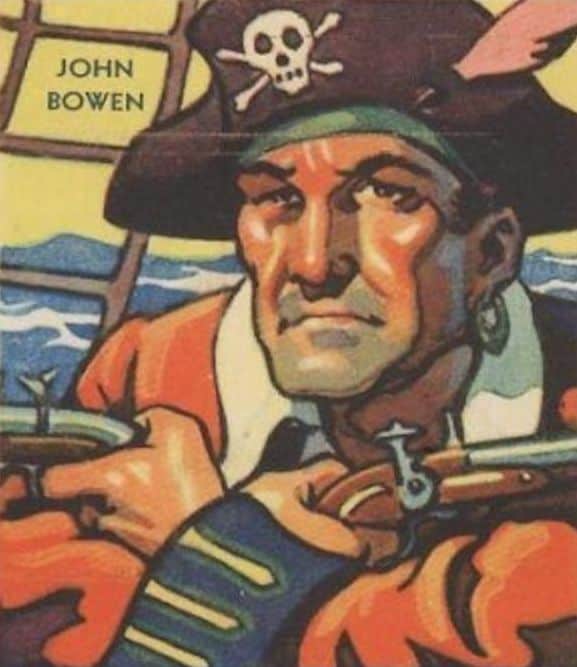
John Bowen’s origins are uncertain, although he is often described as a Creole or Bermudian sailor. His documented pirate career unfolded in the Indian Ocean from about 1700 to 1704. After Captain George Booth was killed at Zanzibar, Bowen took command of the Speaker and attacked shipping from the Arabian Sea to India’s Malabar Coast. The Speaker wrecked off Mauritius in January 1702, but Bowen and most of his company survived and escaped in another vessel. He later worked with Thomas Howard, captured the East Indiaman Pembroke, and seized Indian ships in the Red Sea. Period accounts credit the company with very large prizes. Bowen retired on Bourbon, now Réunion, but died of an intestinal illness within months, leaving no reliable modern net-worth figure.
3. Thomas Tew
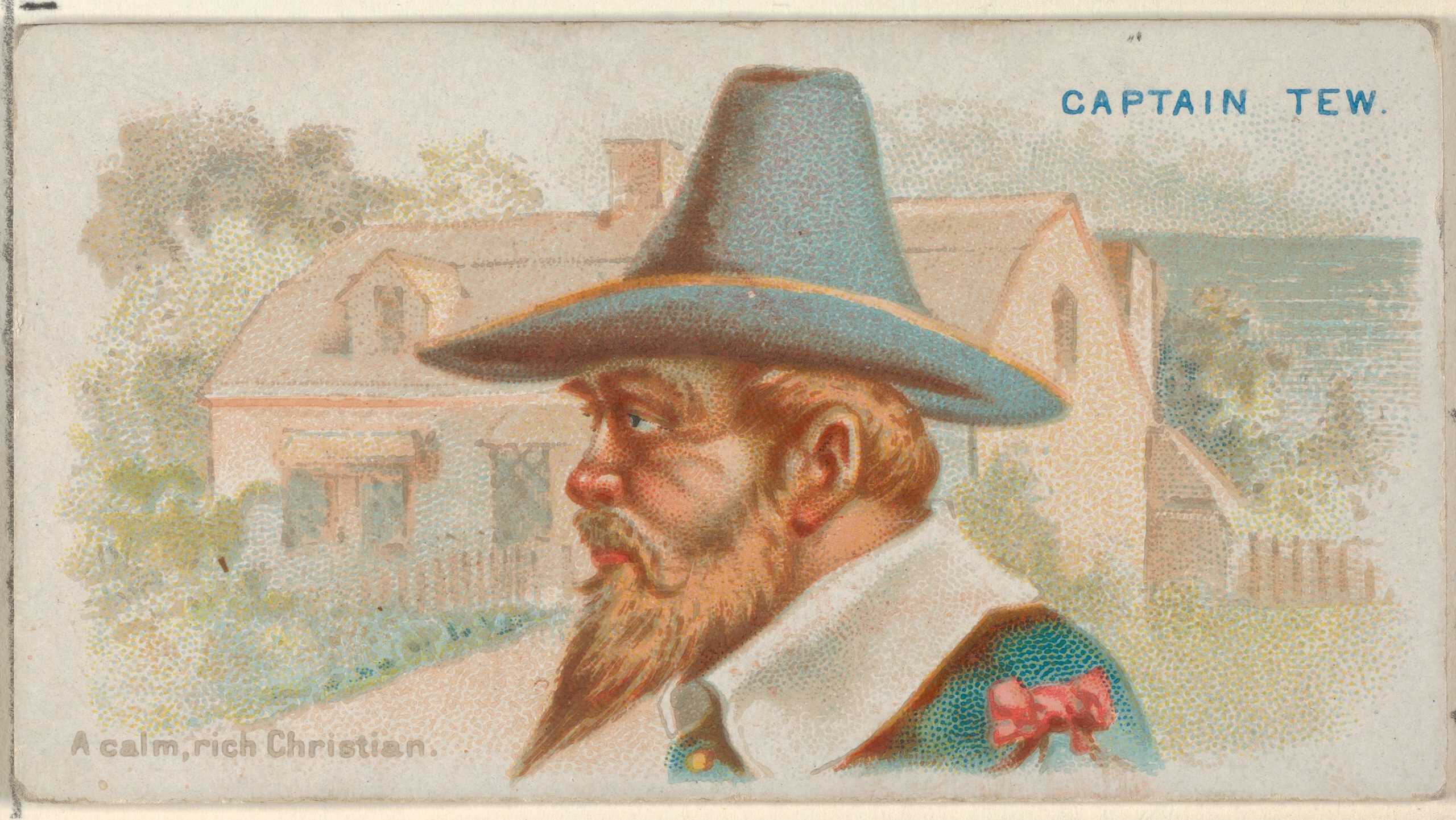
Thomas Tew became known as the Rhode Island Pirate after turning a privateering voyage into one of the first runs along the Pirate Round. Sailing from Newport in 1692 aboard the Amity, he abandoned his authorized mission and headed around Africa to the Red Sea. There his crew captured a richly laden ship and returned to Rhode Island with a large haul in 1694. Tew set out again the following year and joined other pirate captains, including Henry Every, in pursuing a Mughal convoy. During an attack on a ship generally identified as Fateh Muhammed, a cannon shot killed Tew before the prize was secured. His first voyage was highly profitable, but the exact size of his personal share and modern conversions approaching $150 million remain estimates, not established fact.
2. Sir Francis Drake
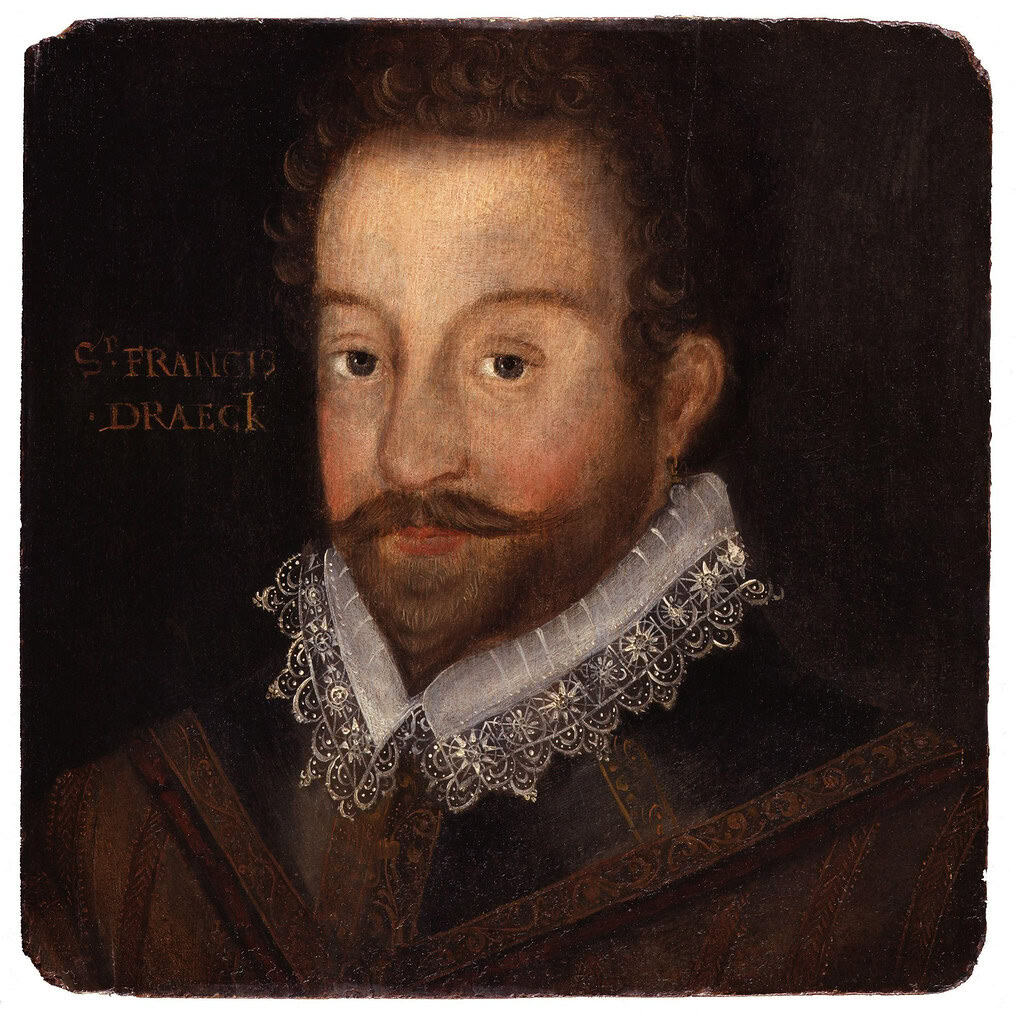
Sir Francis Drake was celebrated in Elizabethan England as an explorer and licensed privateer, while Spain regarded him as a pirate. From 1577 to 1580, Drake completed the second circumnavigation of the globe and the first led by an English captain. His Golden Hind raided Spanish ports and shipping in the Pacific, most famously capturing the treasure ship Nuestra Señora de la Concepción, known as Cacafuego. Queen Elizabeth I knighted him in 1581. Drake later served as vice admiral and second in command under Lord Howard during the 1588 Spanish Armada campaign. He also participated in early English slave-trading voyages with John Hawkins, an essential part of his record. His prizes generated extraordinary returns, but a precise modern net worth is not verifiable.
1. Samuel “Black Sam” Bellamy
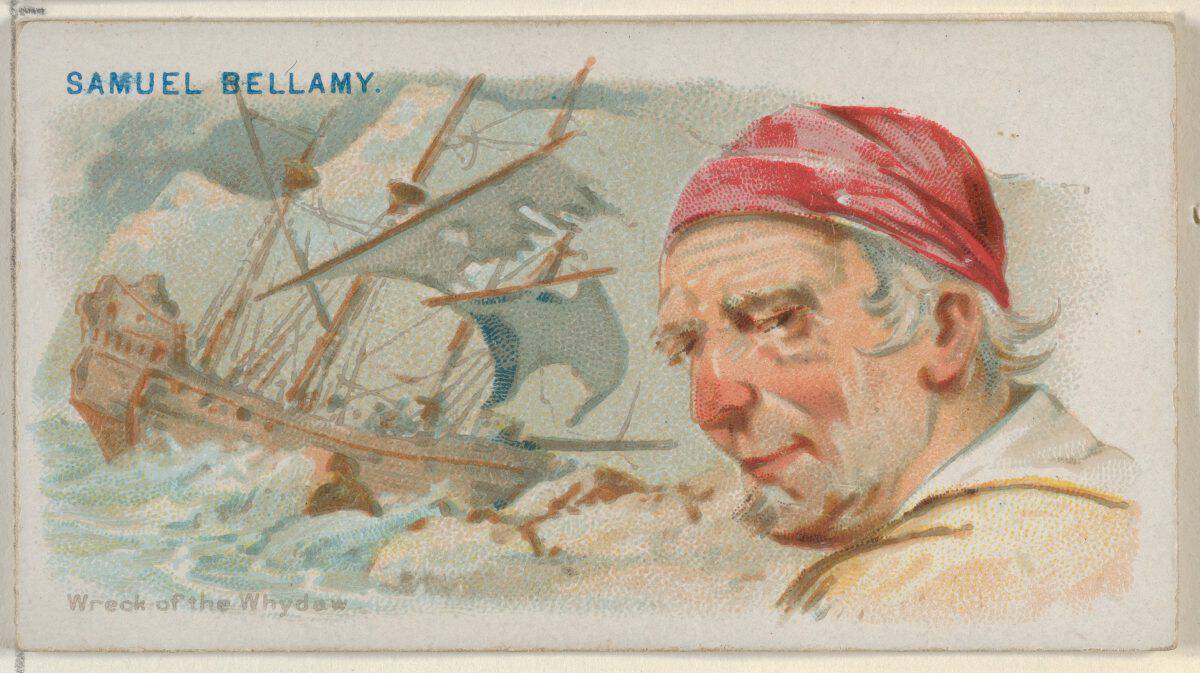
Samuel “Black Sam” Bellamy captured more than 50 ships during a career lasting only about two years, which explains his billing as the Golden Age’s wealthiest pirate. His greatest prize was Whydah Gally, an English slave ship taken in February 1717 after it had exchanged enslaved Africans in the Caribbean for valuable cargo. Bellamy converted Whydah into his flagship and sailed north along the American coast. On April 26, 1717, a storm drove the ship onto shoals near Wellfleet, Massachusetts, killing Bellamy and nearly everyone aboard. Explorer Barry Clifford located the wreck in 1984, and its inscribed bell authenticated it. Recovered coins and artifacts prove the crew carried treasure, although modern estimates of Bellamy’s fortune still vary widely.
The image featured at the top of this post is ©donfiore/Shutterstock.com