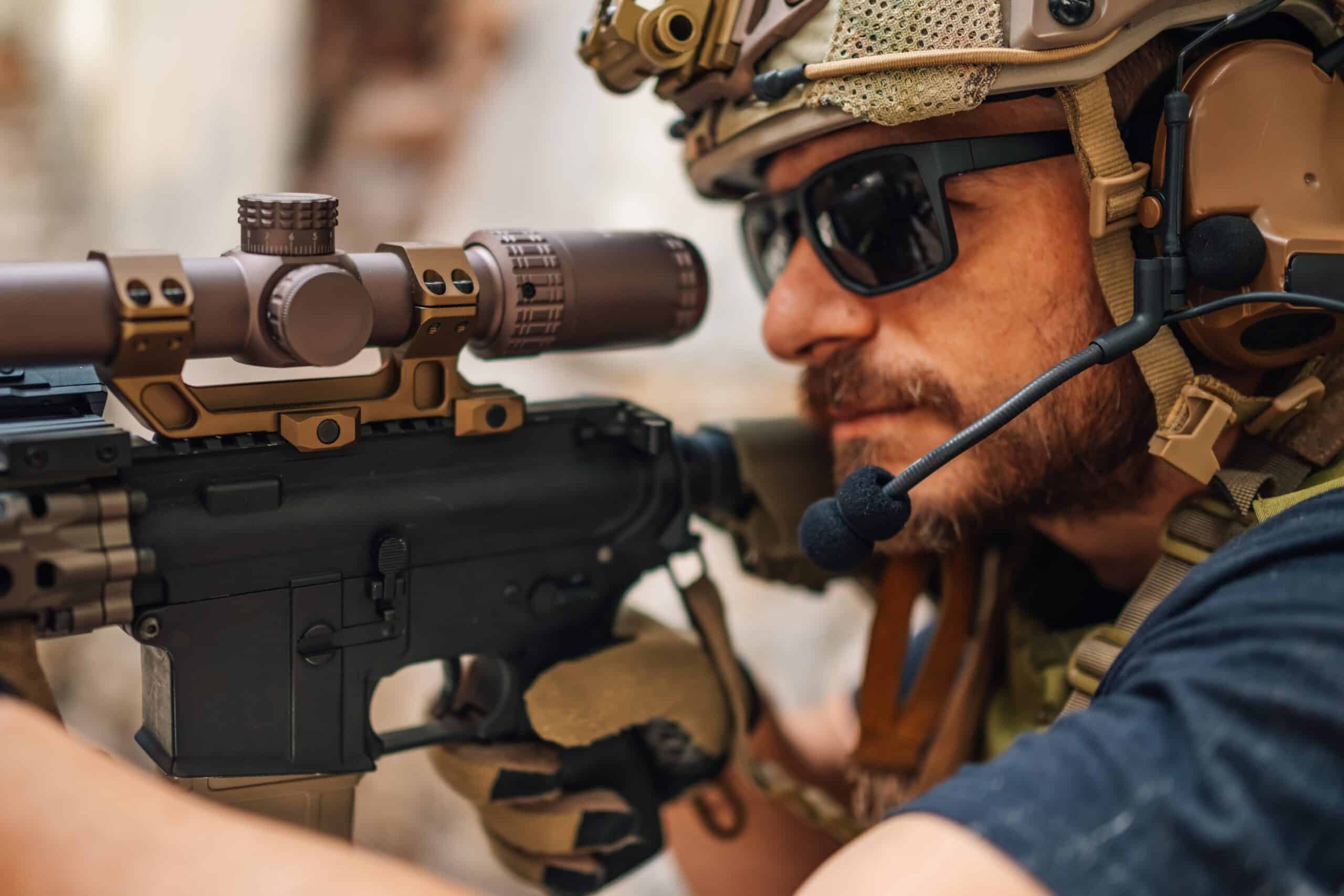

A firearm can look formidable in a display case and still become a completely different machine in the field. Heavy recoil, unfamiliar controls, demanding maintenance, rapid ammunition use, and highly specialized roles have all separated competent users from frustrated ones. Some of the weapons below rewarded expert training with remarkable performance. Others remained difficult because their design imposed real limits that practice could only partly overcome. These 30 firearms show why accuracy, reliability, and firepower depend on far more than specifications. The person, crew, doctrine, and conditions behind the trigger often mattered just as much as the weapon itself.
Why Skill Can Matter as Much as Design
©Public Domain / Wikimedia Commons
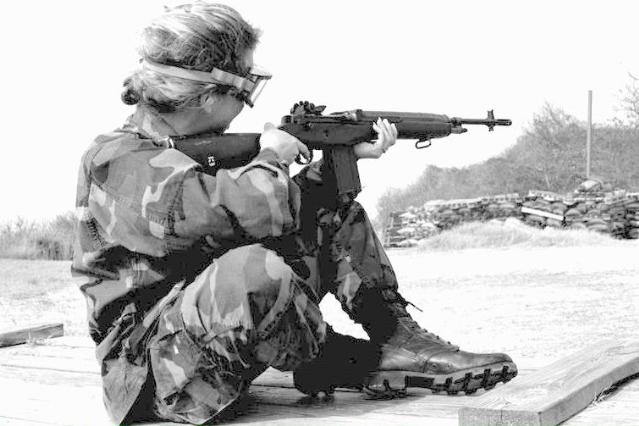
A weapon with greater range, a larger cartridge, or a faster rate of fire does not automatically make every user more effective. Those advantages can introduce new burdens, including harder recoil, heavier ammunition, more complicated range estimation, and stricter maintenance. A trained marksman or well-drilled gun crew can manage those demands because each action has been practiced until it becomes routine. A less experienced user may fire too quickly, misread the weapon’s role, or lose time correcting a malfunction. That gap explains why the same firearm can earn glowing reports from specialists and complaints from troops who received little time to learn its strengths and limitations.
The Difference Between Qualification and Mastery
©Public Domain / Wikimedia Commons – Original
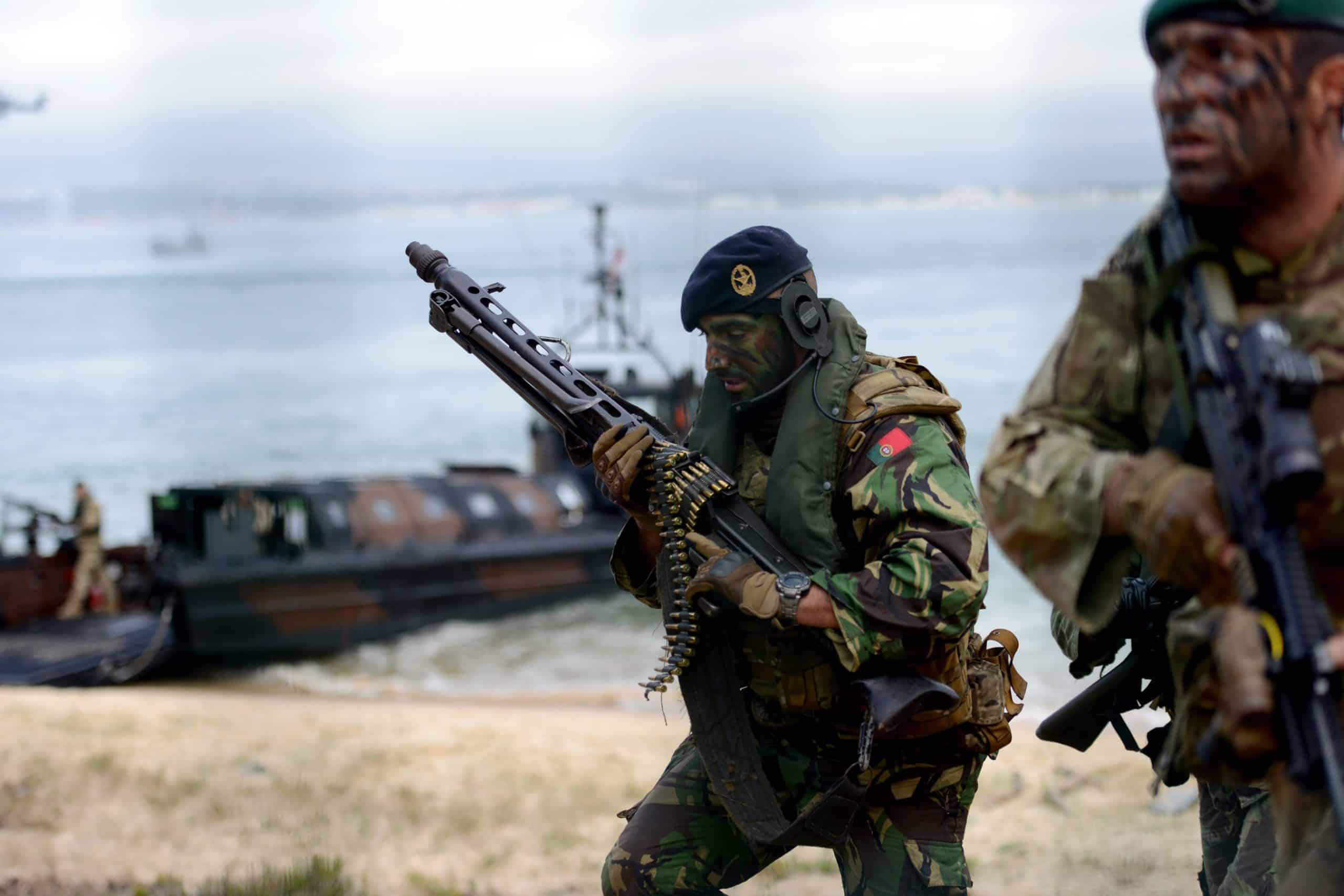
Basic qualification proves that a person can safely operate a weapon and meet a defined shooting standard. Mastery goes much further. It includes diagnosing stoppages under pressure, judging distance and wind, controlling the rate of fire, protecting sensitive components, and knowing when the firearm is the wrong tool for a particular task. That distinction is especially important with sniper rifles, crew-served machine guns, bullpups, and unusual personal-defense weapons. Many entries here were not issued only to elite troops, and some were used successfully by ordinary conscripts. The common thread is that their best performance required more familiarity, discipline, or specialized instruction than their appearance suggested.
When Training Was Only Part of the Problem
©Public Domain / Wikimedia Commons – Original
It is tempting to blame every disappointing weapon on poor instruction, but history is rarely that simple. Training could reduce errors and help users work around quirks, yet it could not erase excessive weight, fragile parts, awkward controls, or a defective production run. The British L85A1, for example, had documented reliability problems before its major A2 upgrade. The American .30-06 version of the Chauchat also suffered from problems that careful handling could not fully cure. A fair comparison therefore separates a demanding but capable design from a genuinely compromised one. Expert users often achieved better results, but their success should not be treated as proof that the underlying firearm was faultless.
Doctrine Could Decide Whether a Weapon Worked
©Public Domain / Wikimedia Commons
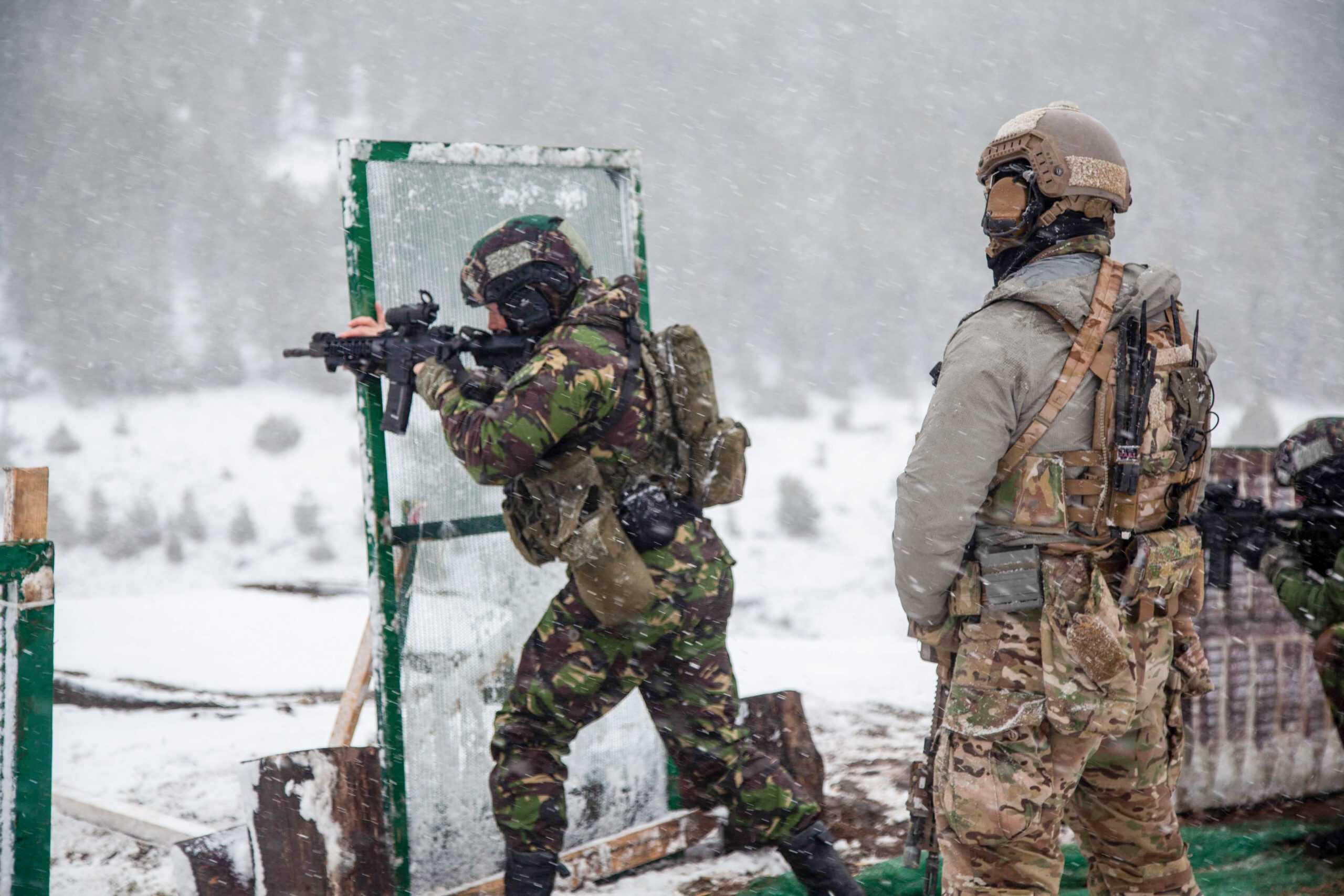
Several firearms on this list made sense only when used within the doctrine that shaped them. The Dragunov SVD was built to extend a squad’s reach, not to duplicate a Western bolt-action sniper system. The RPK supported a rifle squad but was not a substitute for a belt-fed general-purpose machine gun. Suppressed weapons such as the AS Val and VSS Vintorez were optimized for specialized work at comparatively short ranges. When users expected these arms to perform outside those roles, weaknesses became obvious. Training mattered because it taught not only how to shoot, but also where a weapon belonged in the unit, what targets it should engage, and when its limitations called for a different choice.
Why Specialists Extracted Better Performance
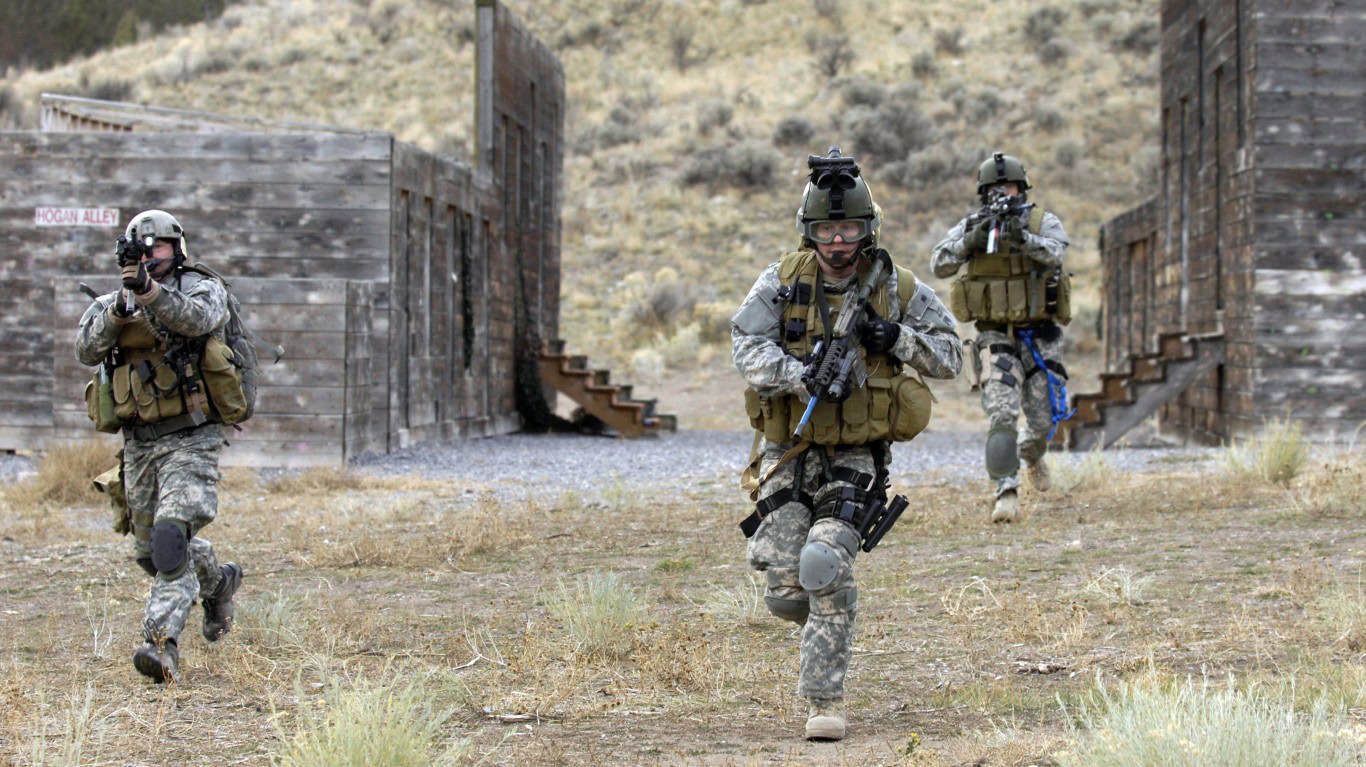
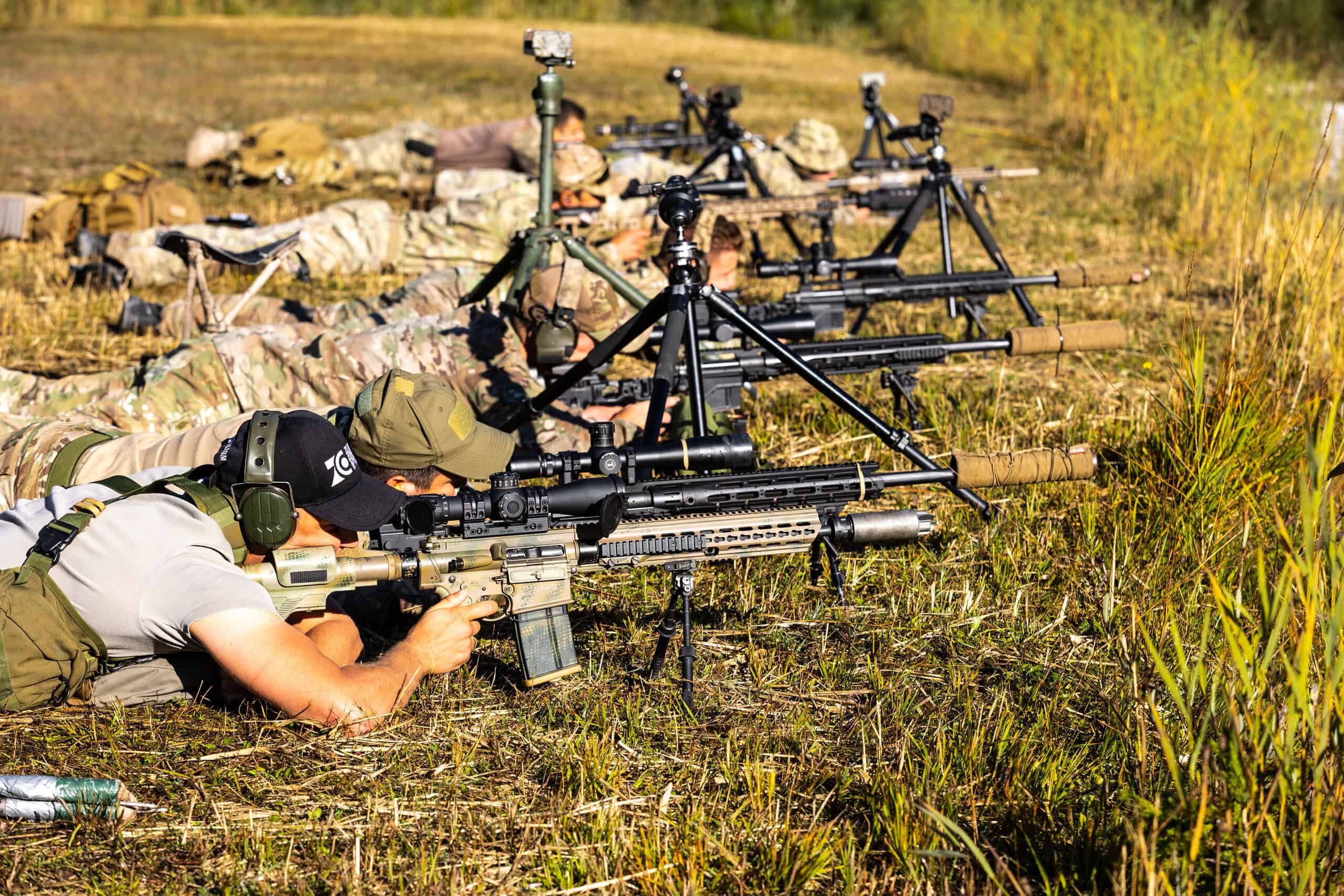
Specialists did not transform difficult firearms through talent alone. They typically received more ammunition for practice, better instruction, stronger maintenance support, and more time with the same equipment. Sniper teams learned to combine range data, weather observations, and communication between shooter and spotter. Machine-gun crews rehearsed barrel changes, ammunition handling, target commands, and stoppage drills. Close-quarters units repeated reloads and movement until unconventional controls no longer felt unfamiliar. Those advantages created consistency. The firearm did not become lighter, simpler, or more reliable, but the people using it became less likely to expose its weaknesses at the worst possible moment.
The Real Cost of a Training-Intensive Firearm
©Ministry of Defence of the Russian Federation / Wikimedia Commons – Original / License
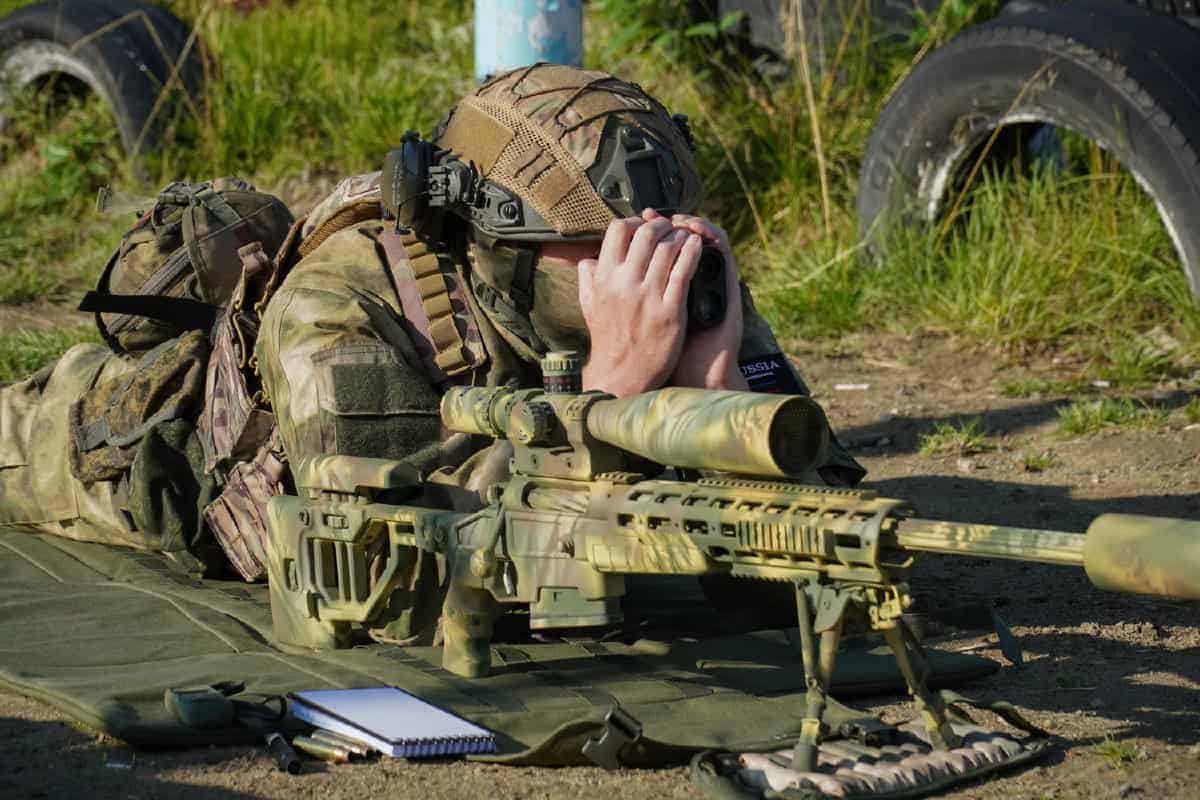
The purchase price is only one part of a weapon’s cost. A demanding system may require specialist instructors, additional ammunition, replacement barrels, optics, armorers, range time, and recurring practice to keep skills from fading. It can also complicate supply when it uses a cartridge or spare parts that are not common across the rest of the force. Militaries accept those expenses when the weapon provides a capability they cannot obtain more simply, such as long-range anti-materiel fire or compact suppressed shooting. Problems arise when a specialized firearm is distributed without the support that made it attractive during testing. In that situation, impressive specifications can become an expensive promise that ordinary units struggle to fulfill.
Barrett M82 and M107
©Stocktrek Images / Stocktrek Images via Getty Images
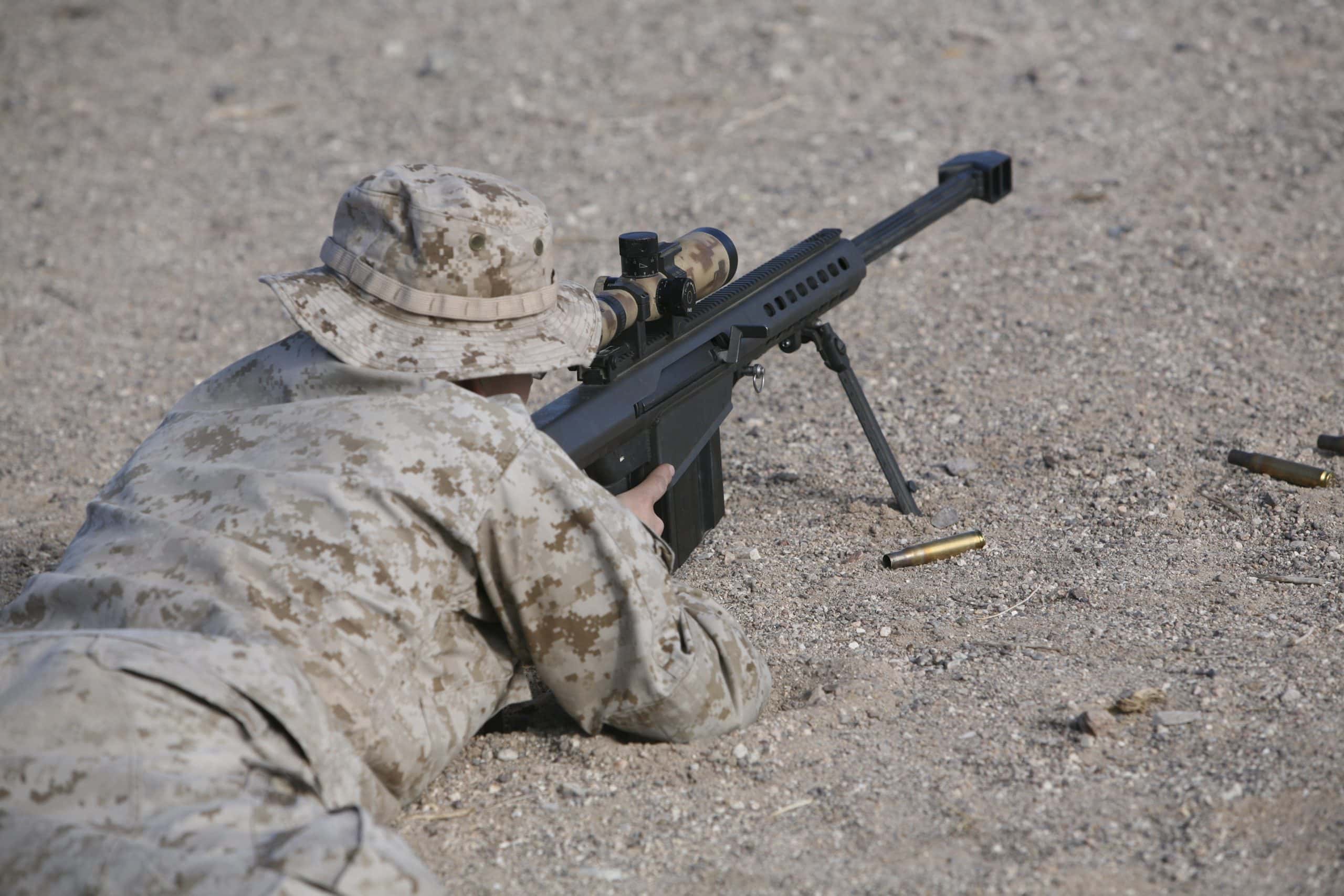
The semiautomatic Barrett M82 family gave military teams a portable way to engage light materiel and personnel with .50-caliber ammunition at long range. The U.S. Army lists the scoped M107 at 28.5 pounds unloaded and describes it as capable of precise, rapid fire to 2,000 meters. Its recoil-operated action and large muzzle brake reduce felt recoil, so the challenge is not simply brute force. The real burden comes from its length, weight, blast, ammunition, target identification, and the ballistic judgment required at distance. A trained sniper team can plan a firing position and use the rifle deliberately. Handing it to an average rifleman does not instantly produce 2,000-meter accuracy or a practical patrol weapon.
McMillan TAC-50
©MathKnight, CC BY-SA 3.0 , via Wikimedia Commons
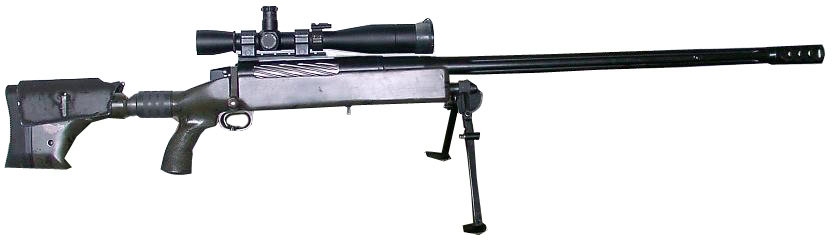
The bolt-action TAC-50 is a .50 BMG precision rifle associated most famously with Canadian military snipers. It has been used in exceptionally long engagements, but those results were products of an entire team rather than proof that the rifle makes distance easy. At extreme range, small errors in wind calls, air density, range measurement, rifle setup, or shooting position can move a bullet far from the intended point. The TAC-50 is also long and heavy, while its ammunition adds a substantial load. Experienced teams use careful observation, stable firing positions, verified data, and disciplined follow-up procedures. Without that supporting skill, its power and mechanical accuracy remain impressive qualities that a shooter may be unable to convert into a hit.
Accuracy International AXMC
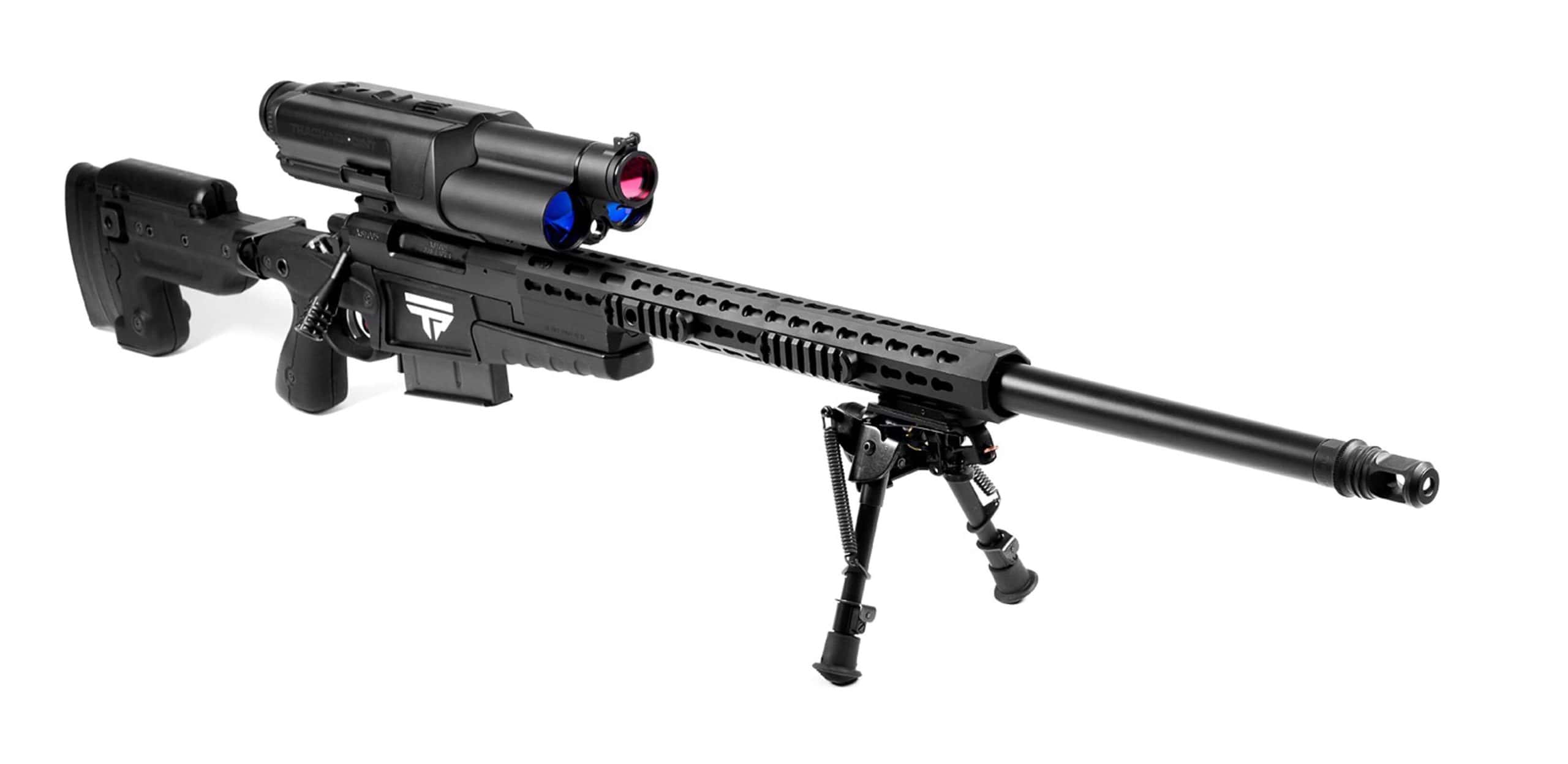
Accuracy International designed the AXMC as a modular precision rifle that can be configured for multiple cartridges, commonly including .338 Lapua Magnum, .300 Winchester Magnum, and 7.62 NATO with the appropriate conversion components. That flexibility is valuable to a trained unit, but it creates responsibilities that a fixed-caliber rifle avoids. The shooter or armorer must install the correct barrel, bolt, and magazine, confirm torque and configuration, re-zero the optic, and maintain accurate ballistic data for each load. The rifle itself is not unusually unreliable or confusing when kept in one setup. Its learning curve appears when a team tries to exploit the full modular system without disciplined records, tools, and confirmation firing.
CheyTac M200 Intervention
©Public Domain / Wikimedia Commons
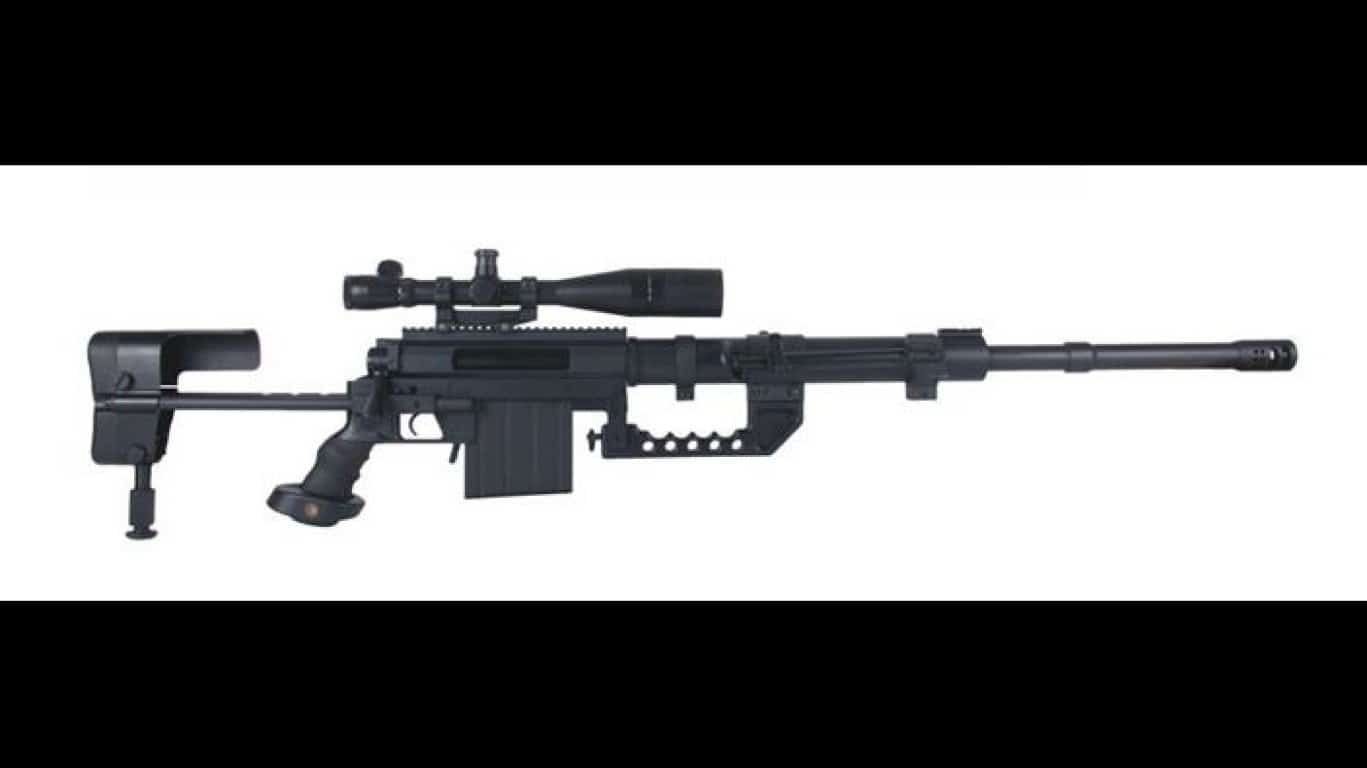
The CheyTac M200 was built around the .408 CheyTac cartridge and a long-range system pairing the rifle with specialized ammunition and ballistic data. Its distinctive appearance made it famous, but the more important story is how much preparation is needed to exploit its range. The shooter must measure distance, account for changing wind along the bullet’s path, verify muzzle velocity and atmospheric conditions, and maintain a stable position behind a large bolt-action rifle. None of those tasks is solved by the cartridge alone. In capable hands, the M200 can deliver impressive precision. Without advanced instruction and reliable data, it is a costly, heavy system whose theoretical reach can greatly exceed practical ability.
Heckler and Koch PSG1
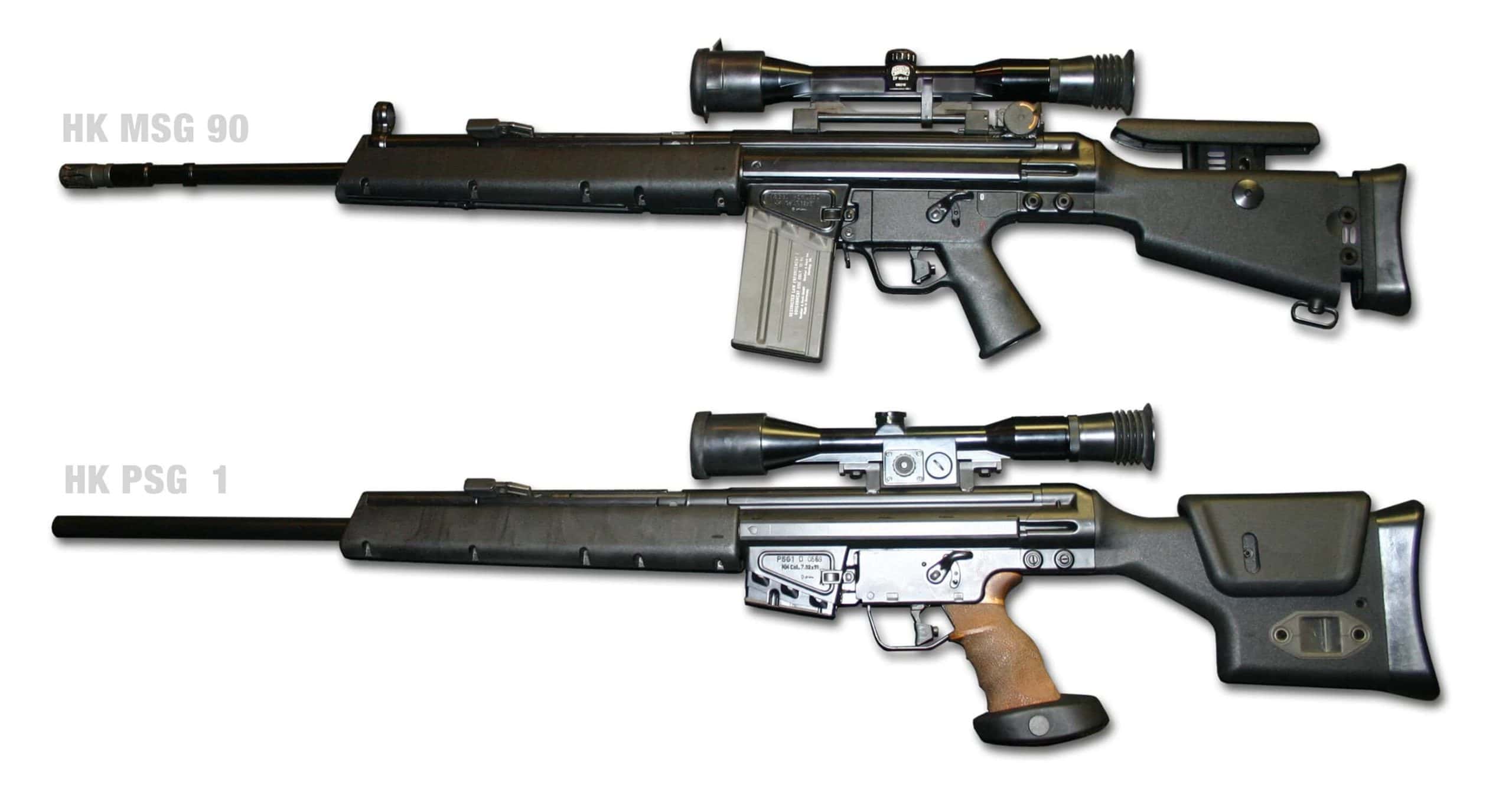
The PSG1 was developed as a highly accurate semiautomatic rifle for police and counterterrorism use, where a carefully placed shot could matter more than battlefield ruggedness or ease of mass issue. Its roller-delayed action, adjustable stock, specialized trigger, and substantial weight supported precision from prepared positions. Those qualities also made it expensive and less attractive as a military sniper rifle carried over rough terrain. The PSG1 did not punish an untrained shooter through uncontrollable recoil, but its advantages were easy to waste. A specialist who understood position, trigger control, optics, and maintenance could justify the design. An ordinary user gained little from its precision if the mission and training did not demand it.
Dragunov SVD
©zim286 / iStock via Getty Images
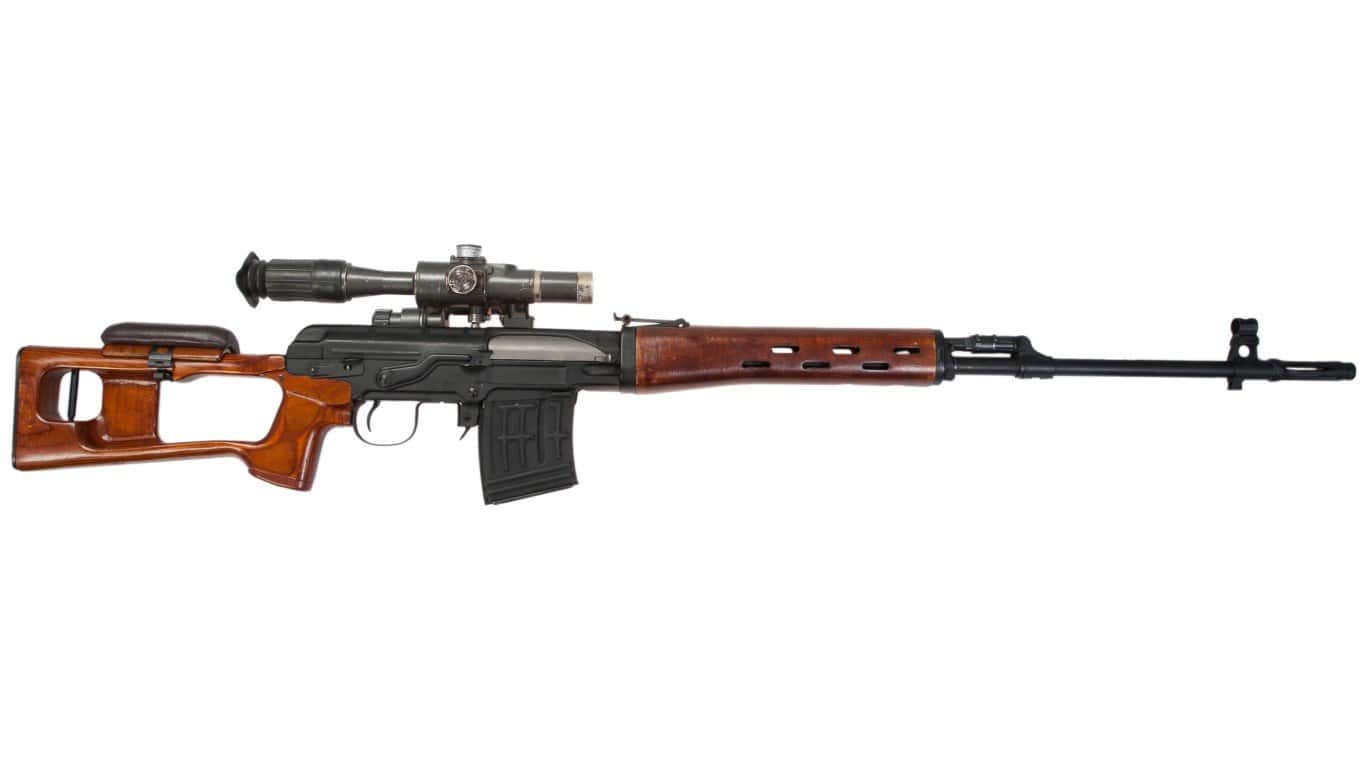
The Soviet SVD is often called a sniper rifle, but its original role was closer to what many militaries now call a designated marksman rifle. Chambered for 7.62x54mmR and normally fitted with a PSO-1 optic, it was meant to extend the effective reach of an infantry squad while retaining semiautomatic fire. That distinction shapes how the weapon should be judged. It was not designed to match the smallest groups of a heavy Western bolt-action precision rifle. A trained marksman used it to identify and engage important targets beyond normal rifle range, then continued moving with the squad. Users who expect extreme-range precision or ignore its optic, ammunition, and zeroing procedures can mistake a doctrinal mismatch for a defective design.
M60
©zim286 / iStock via Getty Images
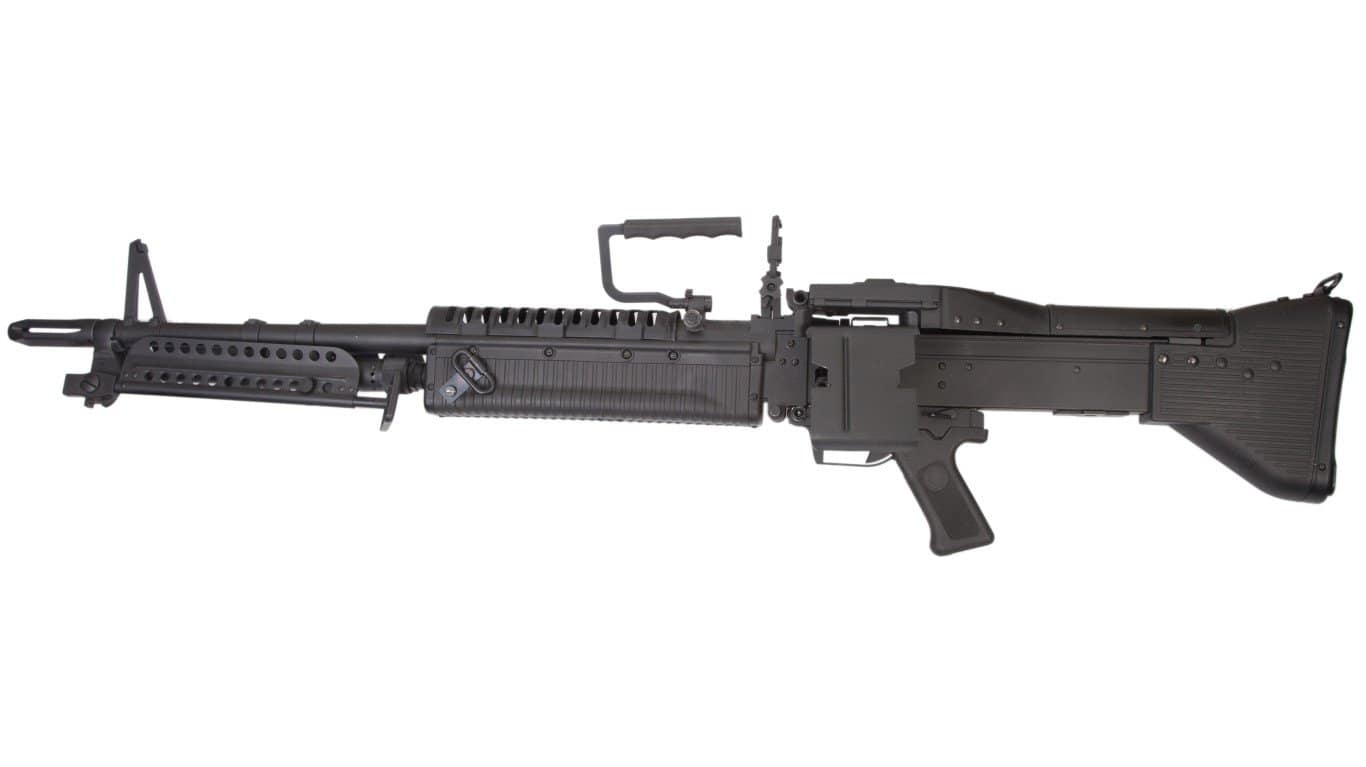
The M60 gave American units a belt-fed 7.62 NATO machine gun that one soldier could carry, but effective employment was still a team effort. A trained crew had to select useful positions, feed ammunition cleanly, control bursts, watch barrel temperature, and maintain the gun. Early versions had real design and durability weaknesses, including parts that could be installed incorrectly and a barrel-change arrangement less convenient than later systems. Those flaws cannot be blamed entirely on inexperienced troops. Disciplined crews still got more from the weapon because they understood its firing schedule and upkeep. The M60’s history combines a demanding role, uneven training, and mechanical shortcomings that later variants tried to correct.
MG42 and MG3
©ArjanL / iStock Editorial via Getty Images
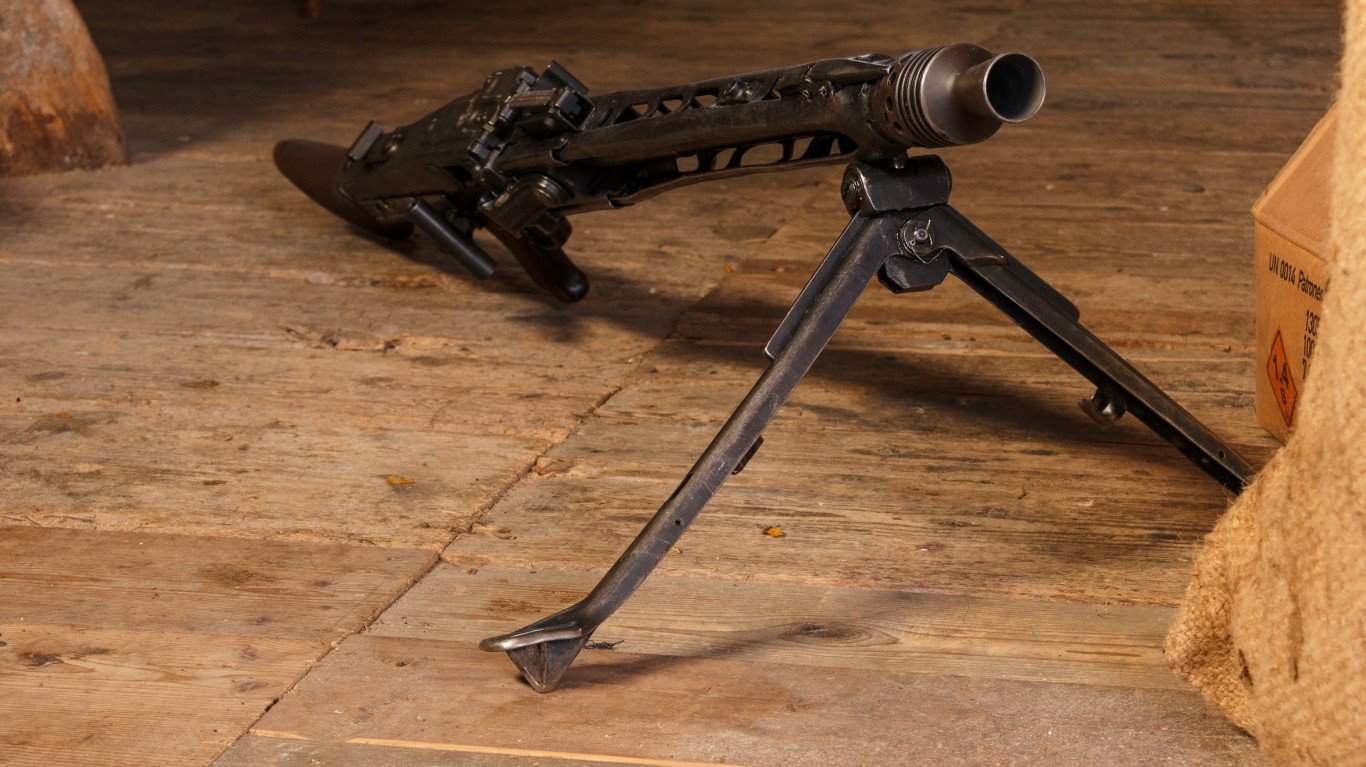
The German MG42 became famous for a cyclic rate that could reach roughly 1,200 rounds per minute, depending on configuration. Its postwar descendant, the MG3, retained the same basic recoil-operated concept while using 7.62 NATO ammunition. Such speed created powerful bursts but made fire control essential. A crew that held the trigger too long could consume belts rapidly, overheat the barrel, and reveal its position without gaining much more suppression. German doctrine assigned clear crew roles and emphasized barrel changes and ammunition supply. The weapon was not reserved for elite soldiers, but it rewarded drill. Its fearsome reputation came from coordinated crews who converted a very high firing rate into short, purposeful bursts.
Mk 48
©Public Domain / Wikimedia Commons
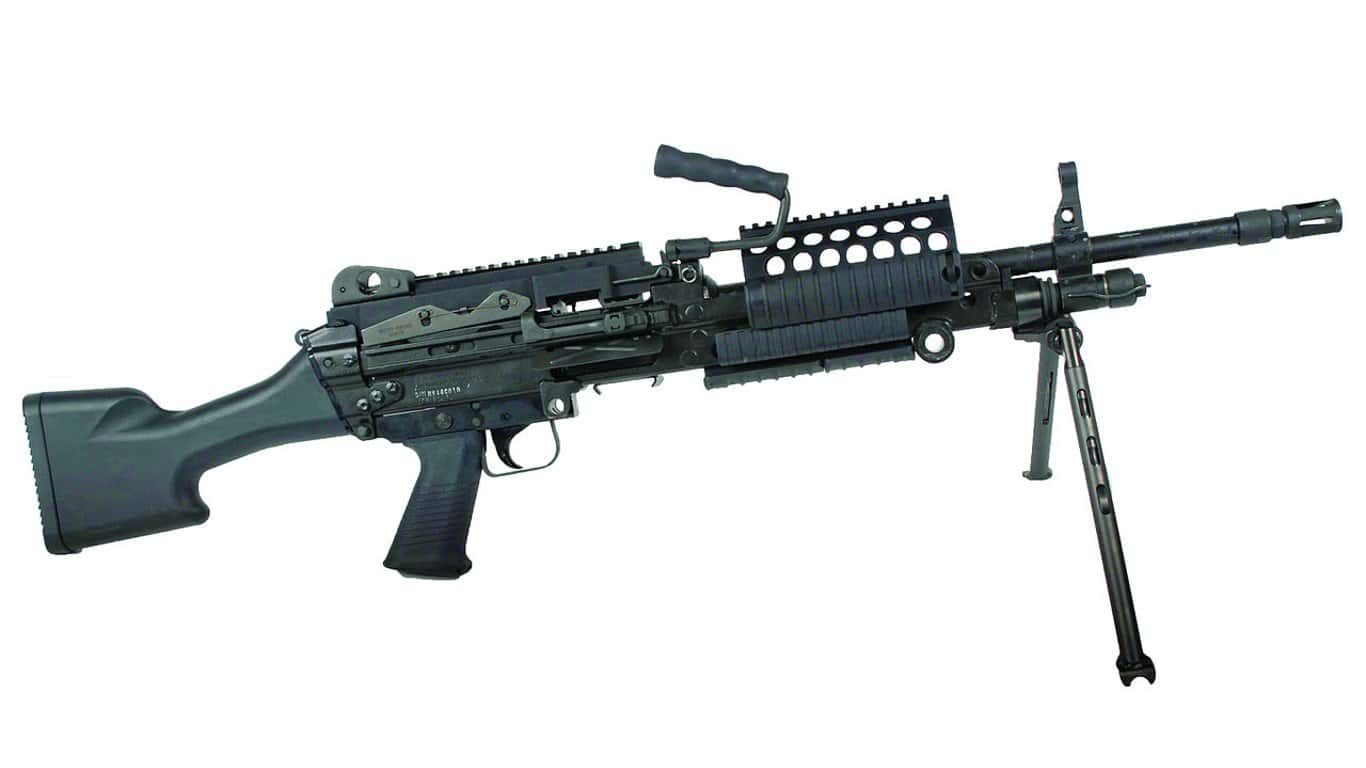
The Mk 48 is a lightweight, belt-fed 7.62 NATO machine gun developed for U.S. special operations forces. It provides more range and power than a 5.56mm light machine gun while weighing less than many traditional general-purpose guns. That tradeoff does not remove the burden of the larger cartridge. Ammunition becomes heavy quickly, recoil is stronger, and a small team must balance fire support against mobility. Skilled gunners use position, burst length, barrel management, and ammunition planning to preserve its advantages. The Mk 48 is not beyond an ordinary soldier’s ability, but it was created for units able to support its training and supply demands. Without discipline, its portability can be canceled by the belts needed to keep it firing.
Browning M2
©General Staff of the Armed Forces of Ukraine – Генеральний штаб ЗСУ / CC BY 4.0 / Wikimedia Commons – Original / License
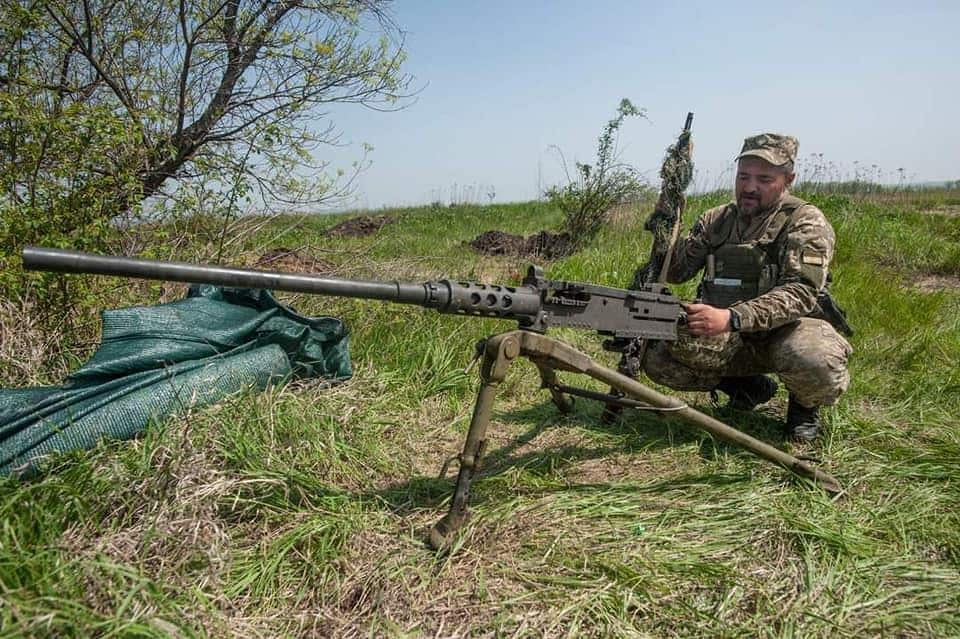
The Browning M2 has served for more than a century because its .50-caliber firepower remains useful against personnel, light vehicles, small boats, and other targets. The classic M2 required crews to set and check headspace and timing after installing a barrel. A mistake could cause a malfunction or unsafe condition, making setup and maintenance training essential. The Army’s M2A1 upgrade addressed that burden with fixed headspace and timing and a quick-change barrel, making the gun faster and safer to operate. The weapon is also extremely heavy, with the receiver and barrel alone weighing more than 80 pounds. Its durability does not make it simple; success depends on a crew that can mount, load, aim, maintain, and move it correctly.
Chauchat
©Public Domain / Wikimedia Commons – Original
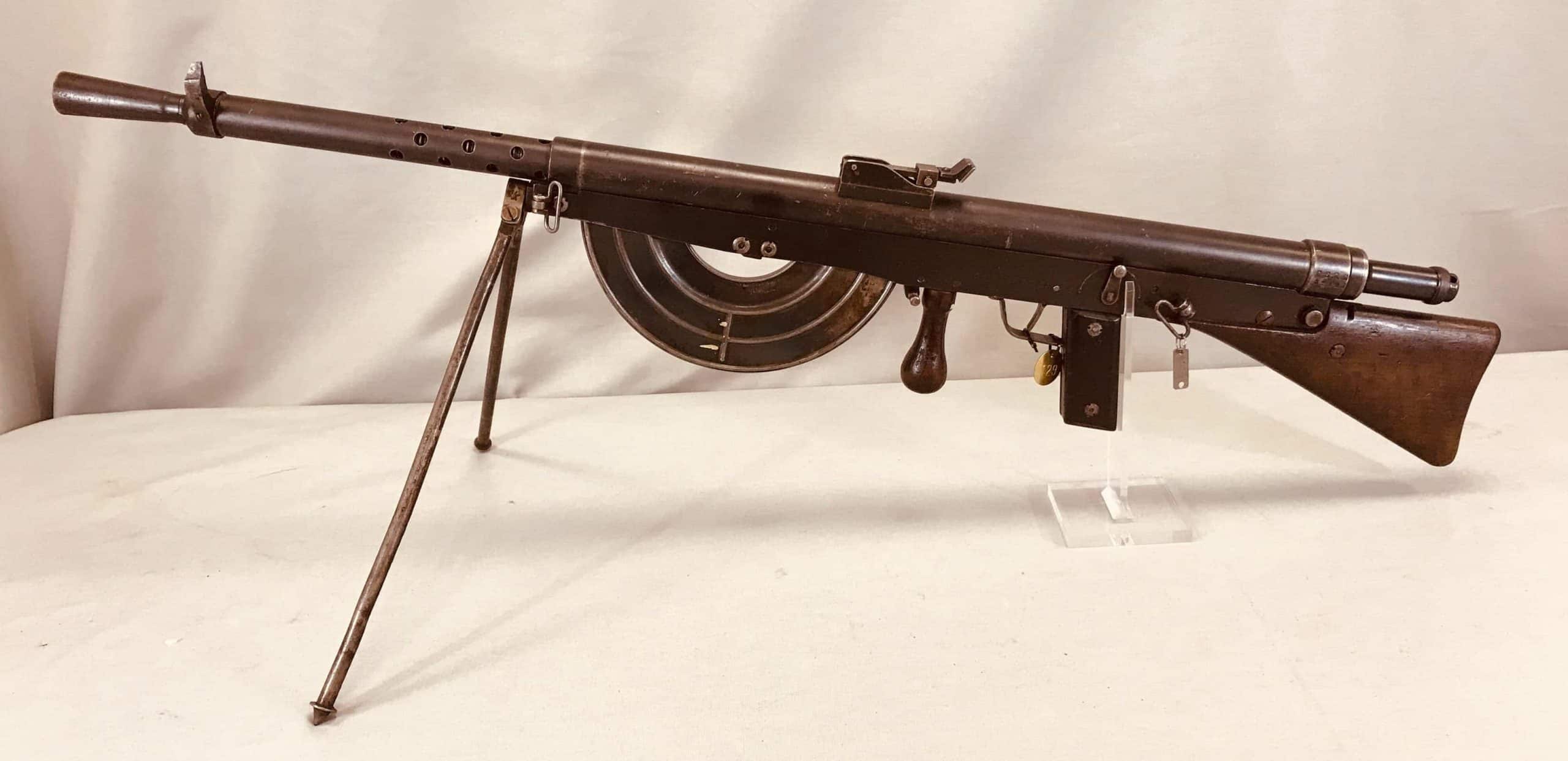
The French CSRG M1915, better known as the Chauchat, deserves a more careful verdict than its online reputation receives. It was a lightweight automatic rifle for mobile supporting fire, not prolonged machine-gun bursts. In its original 8mm Lebel chambering, troops used it effectively despite an awkward long-recoil action and open-sided magazines that admitted dirt. The American .30-06 M1918 version was far more troublesome because of manufacturing and dimensional problems, and instruction could not repair those defects. Burst control, magazine care, and cleaning improved results with the French model, but it still had real limitations. The lesson is not that skill rescued a perfect design, but that doctrine and caliber version changed the experience.
RPK
©Public Domain / Wikimedia Commons
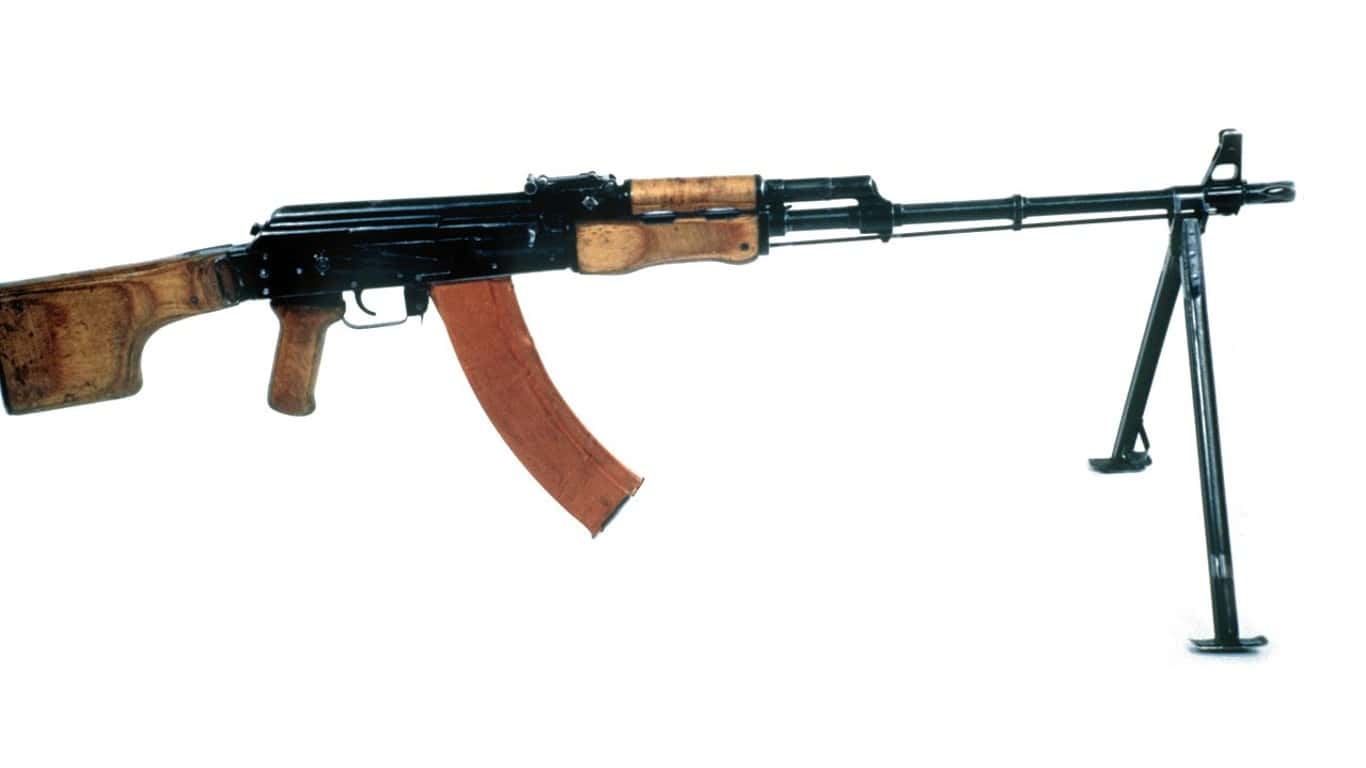
The RPK adapted the Kalashnikov system into a squad automatic weapon with a longer, heavier barrel, bipod, and higher-capacity magazines. Familiar controls made it relatively easy for AK-trained soldiers to operate, so it was not an elite-only firearm. The challenge was understanding what it could not do. Because it fed from magazines and lacked the quick-change barrel of a general-purpose machine gun, it could not maintain the same volume of fire as a belt-fed weapon. A trained automatic rifleman used short bursts, changed magazines intelligently, and supported the squad’s movement. Someone who treated the RPK like an unlimited machine gun risked overheating the barrel, exhausting ammunition, and finding its limits at the wrong time.
M14 in Automatic Fire

The M14 combined a traditional layout with the powerful 7.62 NATO cartridge and selective fire. In semiautomatic mode, trained shooters could use its range and accuracy effectively. Fully automatic fire was another matter. The rifle’s weight, conventional stock, and strong cartridge produced muzzle rise that made long bursts difficult to keep on target, especially from unsupported positions. The U.S. military often restricted the selector on standard rifles, while designated automatic riflemen received added equipment or instruction. Skill improved stance and burst control, but it could not repeal physics. Experienced users treated automatic fire as a limited option rather than the normal mode, making restraint more valuable than an attempt to overpower the recoil.
FN FAL in Automatic Fire
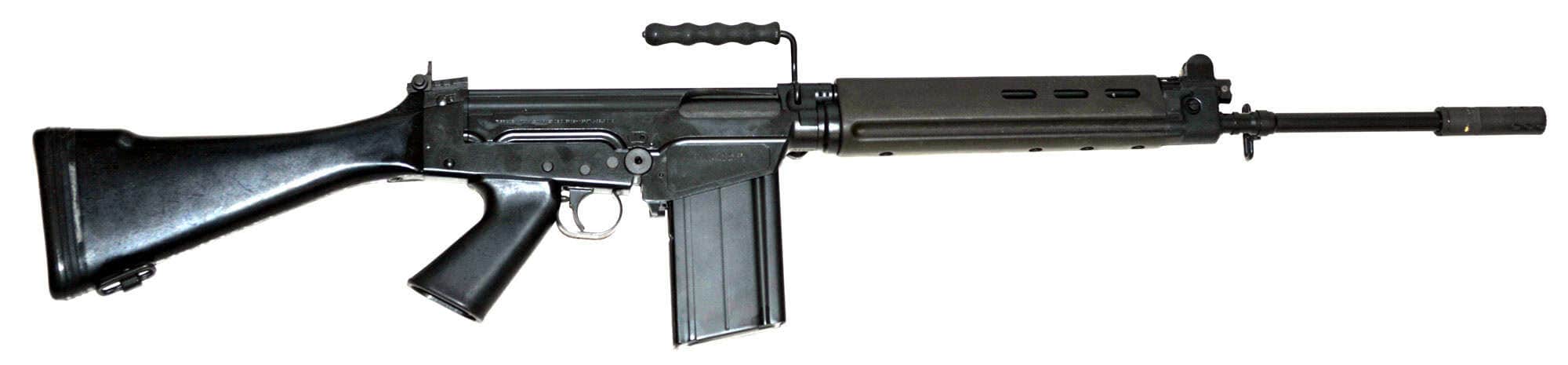
The FN FAL became one of the defining 7.62 NATO rifles of the Cold War and served in dozens of countries. Many versions offered selective fire, but the full-power cartridge made automatic bursts hard to control from the shoulder. Some nations, including Britain with the semiautomatic L1A1, decided that accurate single shots were more useful for most infantry work. A trained FAL user also needed to understand its adjustable gas system, which could be tuned for conditions and ammunition but caused problems when set incorrectly. None of this made the rifle ineffective in ordinary hands. It did mean that its best qualities appeared when troops emphasized marksmanship, maintained the gas system, and resisted wasting ammunition on dramatic but inaccurate automatic fire.
Heckler and Koch G3
©Joe Loong, CC BY-SA 2.0 , via Wikimedia Commons – Original / License
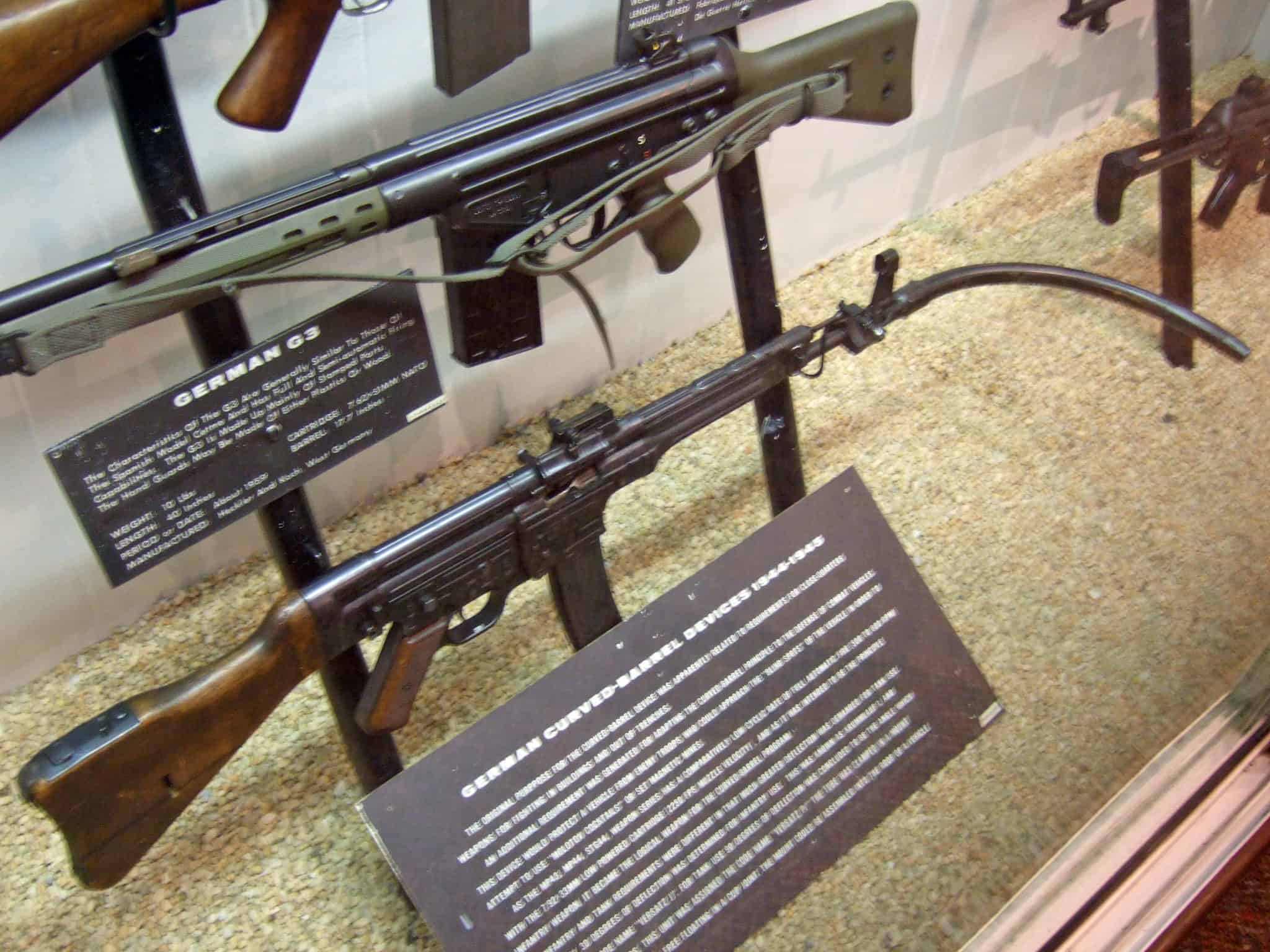
The G3 used a roller-delayed blowback action and 7.62 NATO ammunition in a rugged rifle adopted by West Germany and many other nations. Its reliability and construction made it suitable for broad military issue, not just specialists. The learning curve appeared in recoil management and automatic fire. The G3’s impulse can feel sharp, and full-power shots expose weak stance, poor stock placement, or a tendency to jerk the trigger. Trained troops gained more from accurate semiautomatic fire and reserved bursts for narrow circumstances. Familiarity also helped with the charging handle, sights, and reloads. The G3 was not too advanced for regular soldiers, but it was unforgiving of sloppy fundamentals and unrealistic expectations about full-auto control.
FN SCAR-H
©Mama Bear and Papa Bear by simonov / BY-SA 2.0 (https://creativecommons.org/licenses/by-sa/2.0/) – Original / License
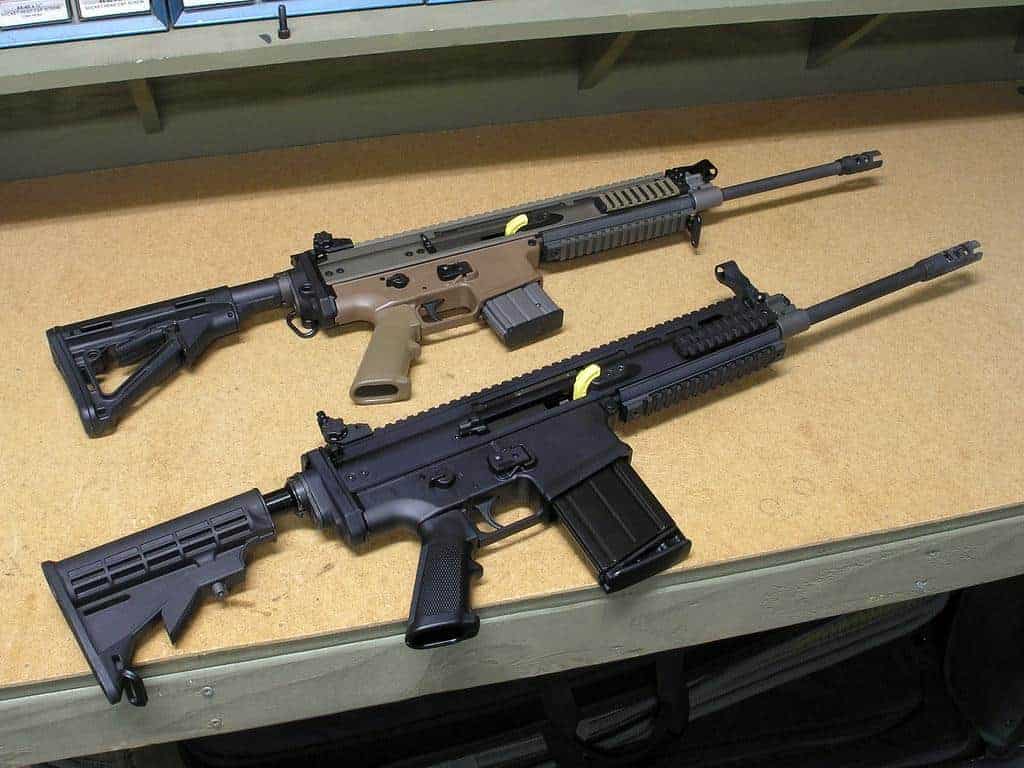
The SCAR-H, known in U.S. service as the 7.62mm Mk 17, was developed for special operations forces seeking more reach and energy than a 5.56mm carbine. Its adjustable stock, optics rails, and modern controls make it friendlier than many older battle rifles. The challenge is balancing those features with 7.62 NATO recoil, heavier magazines, and a larger ammunition load. Skilled users build stable positions, manage follow-up shots, and configure accessories for the mission instead of adding needless weight. The SCAR-H does not require superhuman ability, and semiautomatic fire is manageable. Its value appears most clearly in units that can train for precision, maintain multiple configurations, and plan around heavier ammunition.
Early AK-12 Variants
©aleks0649 / iStock via Getty Images
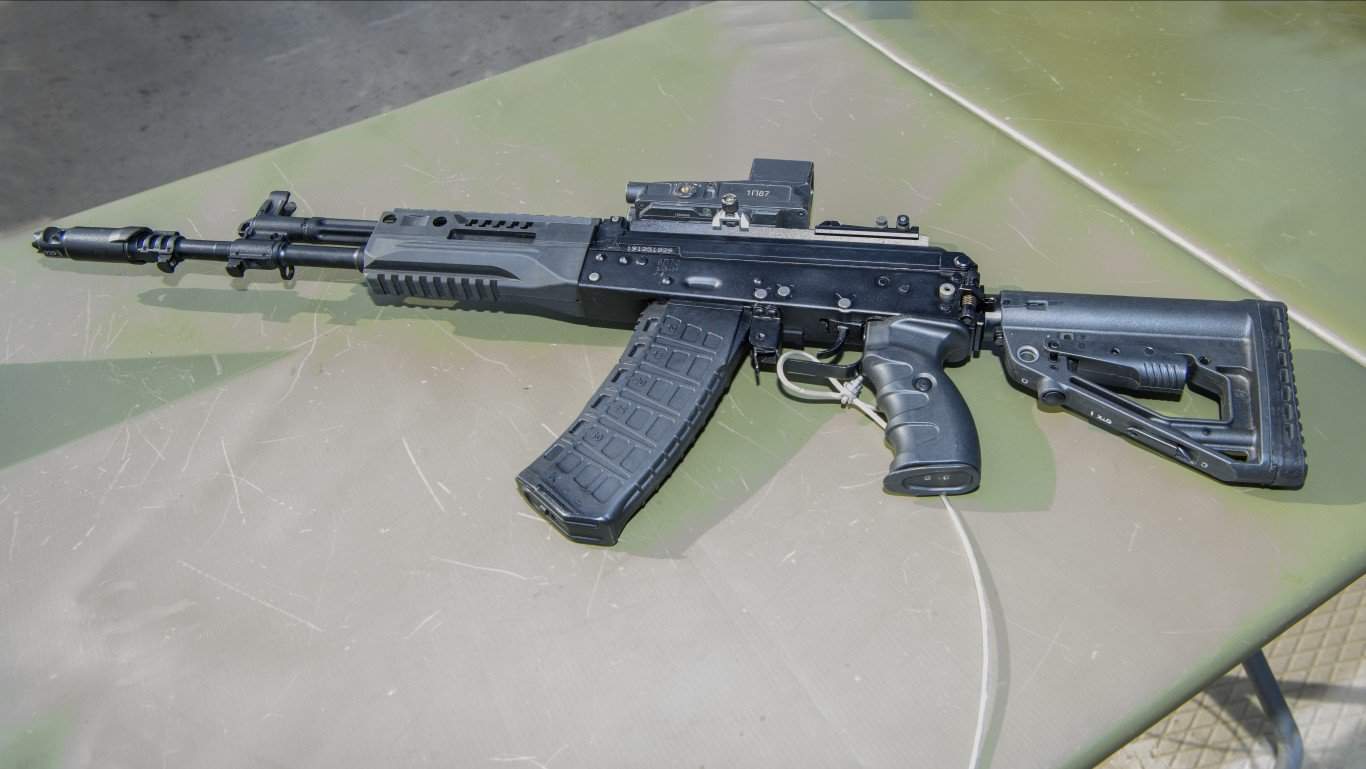
The name AK-12 covers several prototypes and production revisions, making sweeping claims risky. Early competition models displayed ambitious features, but the version adopted by Russia in the late 2010s returned to a conventional Kalashnikov layout. Later combat feedback produced more changes to controls and accessories. The problem was not that average soldiers could not operate the rifle. New features had to provide enough benefit to justify unfamiliarity, cost, and added parts across a huge force. Focused instruction helped troops adapt, but later simplification suggests designers knew training should not carry the entire burden. The AK-12 story is one of continual compromise between novelty and practical mass issue.
FN F2000
©Public Domain / WIkimedia Commons – Original
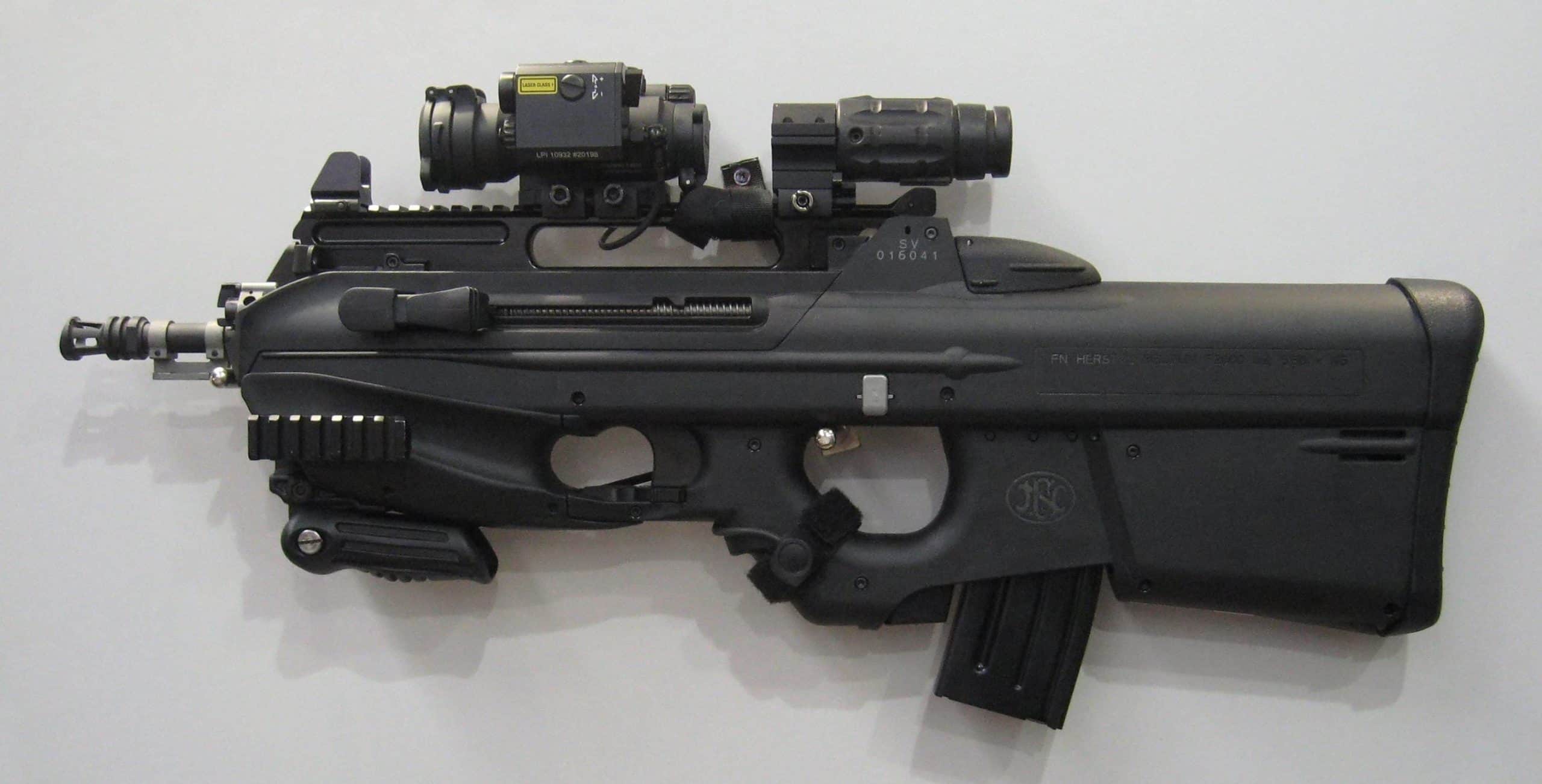
The FN F2000 placed a 5.56mm rifle inside a compact bullpup with ambidextrous controls and a forward-ejection system that carried cases through a tube near the front. Those ideas helped left-handed shooting and work in tight spaces, but created an unfamiliar manual of arms. Checking the chamber and clearing some stoppages were less direct than on a conventional rifle, and the enclosed body could make the mechanism feel mysterious to a new user. Soldiers could learn it through repetition, as Slovenian forces and other adopters showed. The difficulty was institutional as much as personal: armorers, instructors, and troops all needed familiarity with a system that shared fewer habits with the rifles they already knew.
Steyr AUG
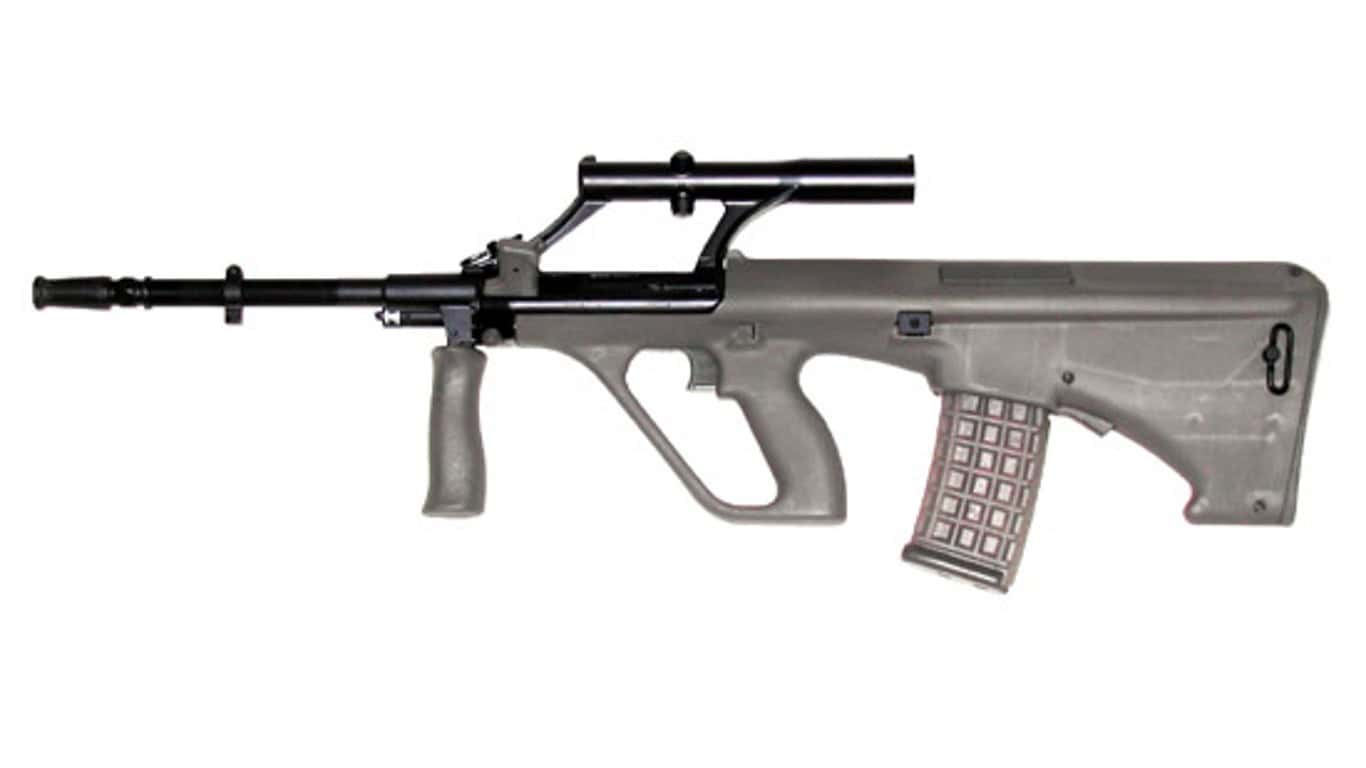
The Steyr AUG looked futuristic when Austria adopted it in the late 1970s, combining a bullpup layout, polymer housing, quick-change barrel, and integrated optic. Decades of service show it was usable by regular troops, including conscripts, when backed by consistent training. Its challenge was unfamiliarity rather than exceptional recoil or fragility. The magazine sits behind the firing hand, the controls differ from conventional rifles, and some versions use a progressive trigger to select semiautomatic or automatic fire. Repetition makes those features routine, but soldiers switching platforms may initially fumble reloads or fire selection. The AUG proves an unconventional design can become ordinary once an army builds doctrine around it.
L85A1
©Public Domain / Wikimedia Commons – Original
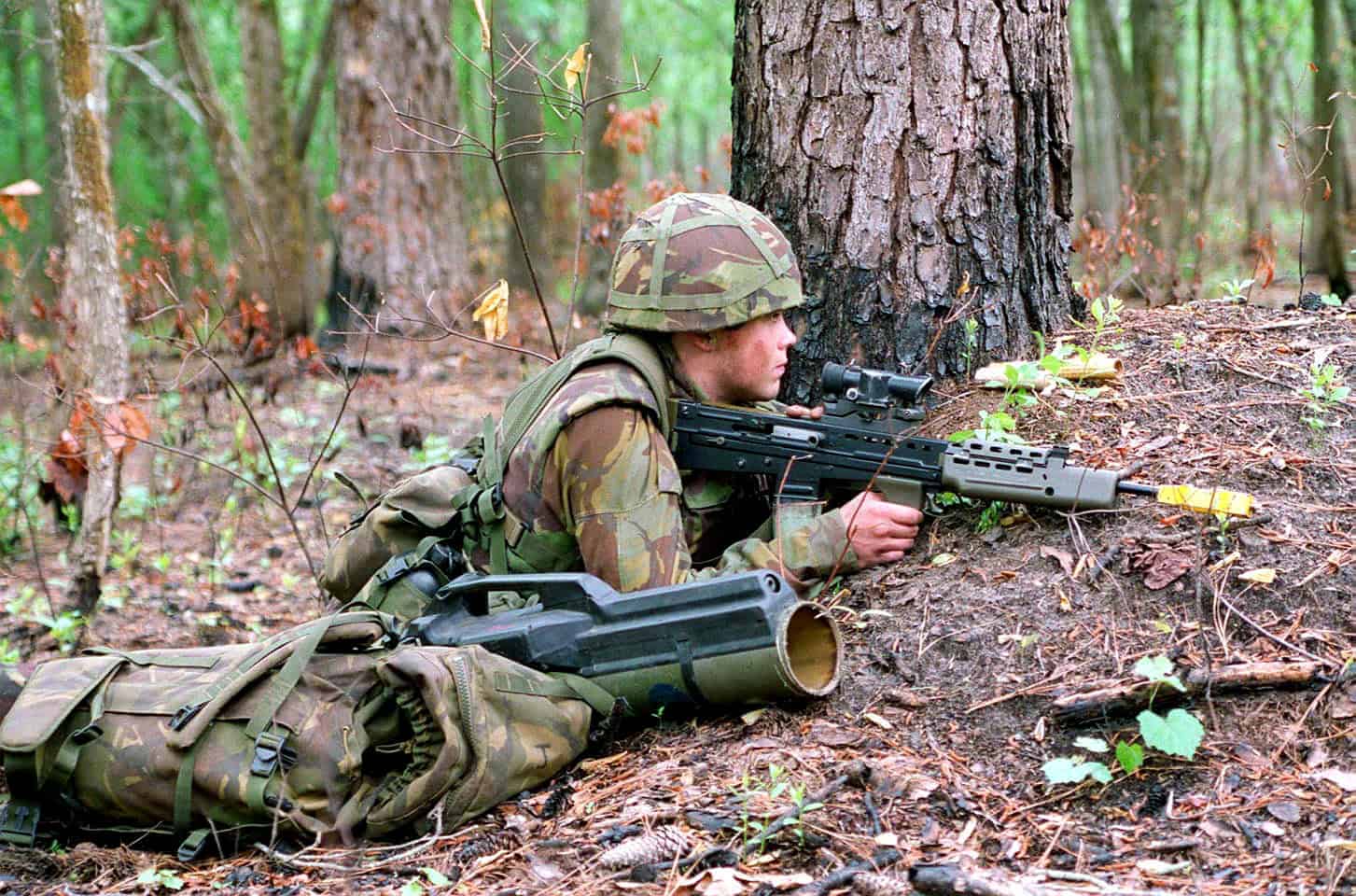
The British L85A1 shows why demanding maintenance does not fully explain a bad reputation. Early rifles suffered documented reliability, durability, and ergonomic problems that became especially visible in harsh conditions. Careful cleaning and correct drills could reduce stoppages, but troops could not train away weak components or production faults. A major rebuild by Heckler and Koch produced the L85A2, replacing or redesigning many parts and greatly improving reliability. The bullpup layout and SUSAT optic still required familiarization, but soldiers could learn those features normally. The A1 sets a limit on this article’s premise: expert users can work around flaws, yet engineering changes may be the only honest solution.
Tavor TAR-21
©File:IWI-Tavor-TAR-21w1.jpg by MathKnight / BY 3.0 (https://creativecommons.org/licenses/by/3.0/) – Original / License
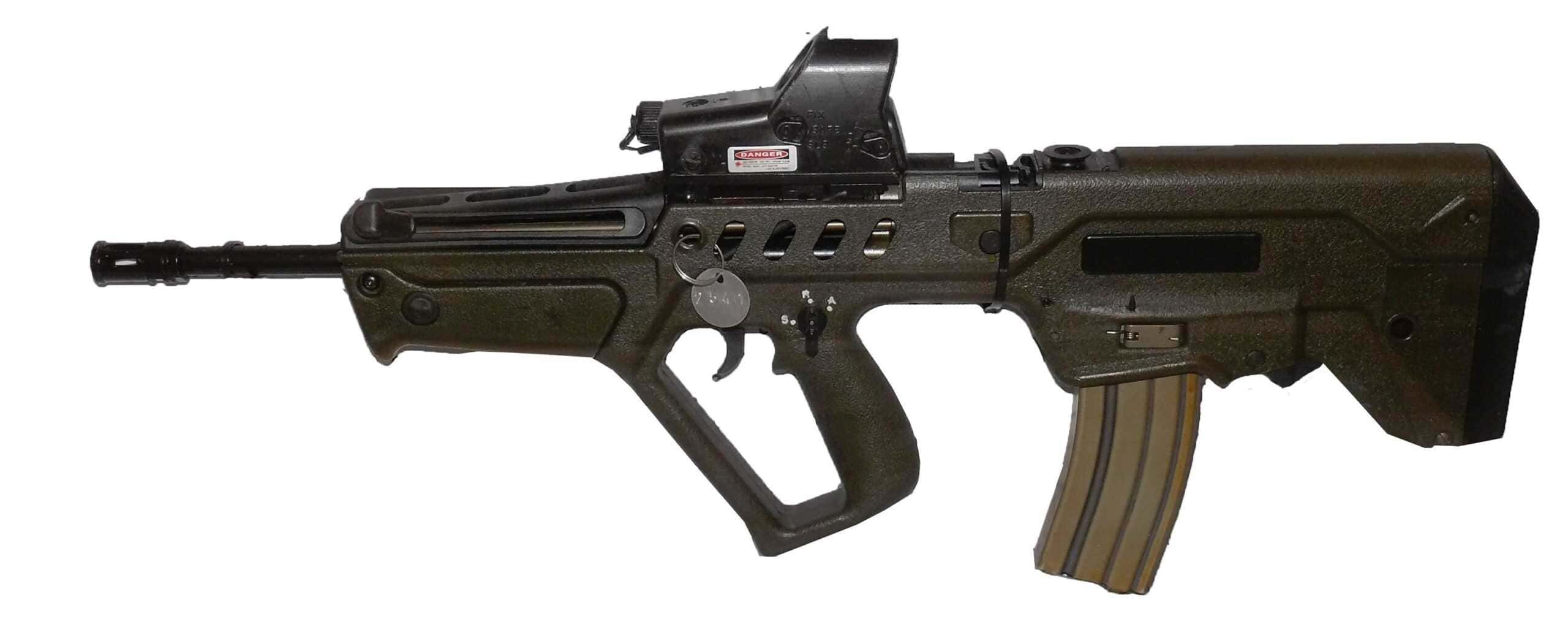
The Tavor TAR-21 was designed around Israel’s need for a compact service rifle suited to vehicles and urban terrain while retaining a full-length barrel. Moving the action and magazine behind the grip shortens the weapon, but changes reloads, balance, malfunction clearance, and shoulder transitions. Those differences can feel awkward to anyone trained only on a conventional rifle. Israeli forces issued the Tavor beyond elite units, showing it did not require rare ability. It required platform-specific repetition. Troops who practiced magazine changes, close-quarters movement, sling use, and sight offset could exploit its compactness. Users who treated it as a shorter M4 risked carrying old habits into a different layout.
Heckler and Koch G11
©Marcus Burns, CC BY 3.0 , via Wikimedia Commons – Original / License
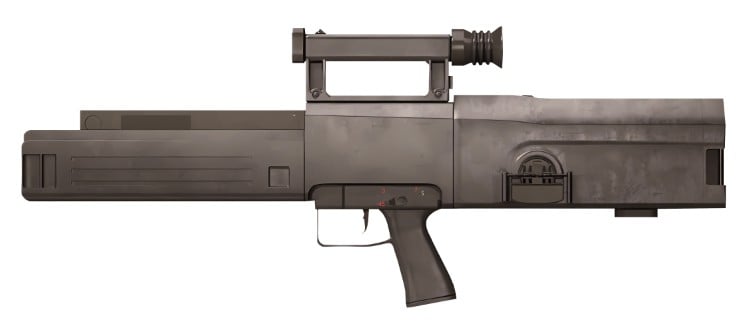
The G11 was a West German experimental rifle built around 4.73mm caseless ammunition and a rotating chamber. Its three-round hyperburst was meant to send several projectiles downrange before recoil moved the shooter’s aim significantly. Test personnel could learn the controls, so marksmanship was not the main obstacle to adoption. The larger challenge was supporting a new ammunition and operating system across an army. Caseless cartridges raised concerns involving heat, sealing, storage, and manufacturing, while the mechanism was far more complicated than familiar service rifles. German reunification, cost, and changing requirements helped end the program. The G11 demanded expertise from engineers and logisticians more than elite reflexes from the person firing it.
AS Val
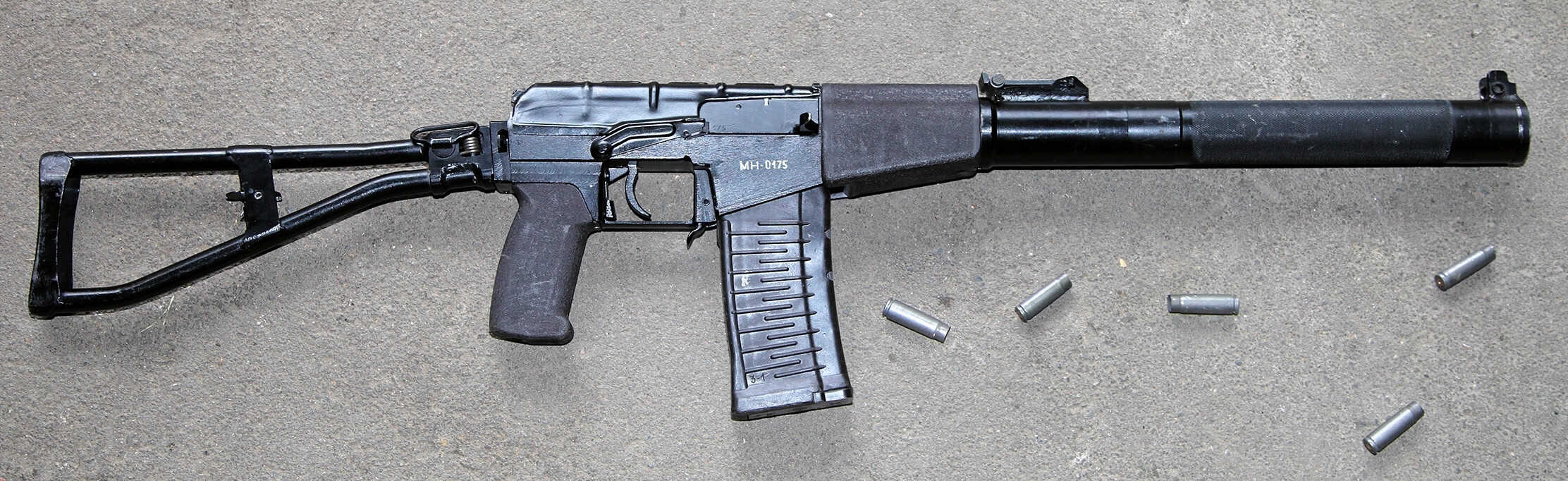
The Soviet AS Val pairs an integral suppressor with heavy 9x39mm ammunition designed to retain energy at subsonic velocity. It was built for reconnaissance and special-purpose units that valued a compact, quiet weapon at short and medium ranges. The cartridge follows a more curved trajectory than high-velocity rifle ammunition, so range estimation and sight settings grow important with distance. The suppressor requires maintenance, and ammunition supply can limit sustained use. Within its intended envelope, the Val offers selective fire and more discretion than a conventional rifle. Outside it, users may overestimate its reach or consume scarce magazines too quickly. Training matters because its strengths are inseparable from its narrow mission.
VSS Vintorez
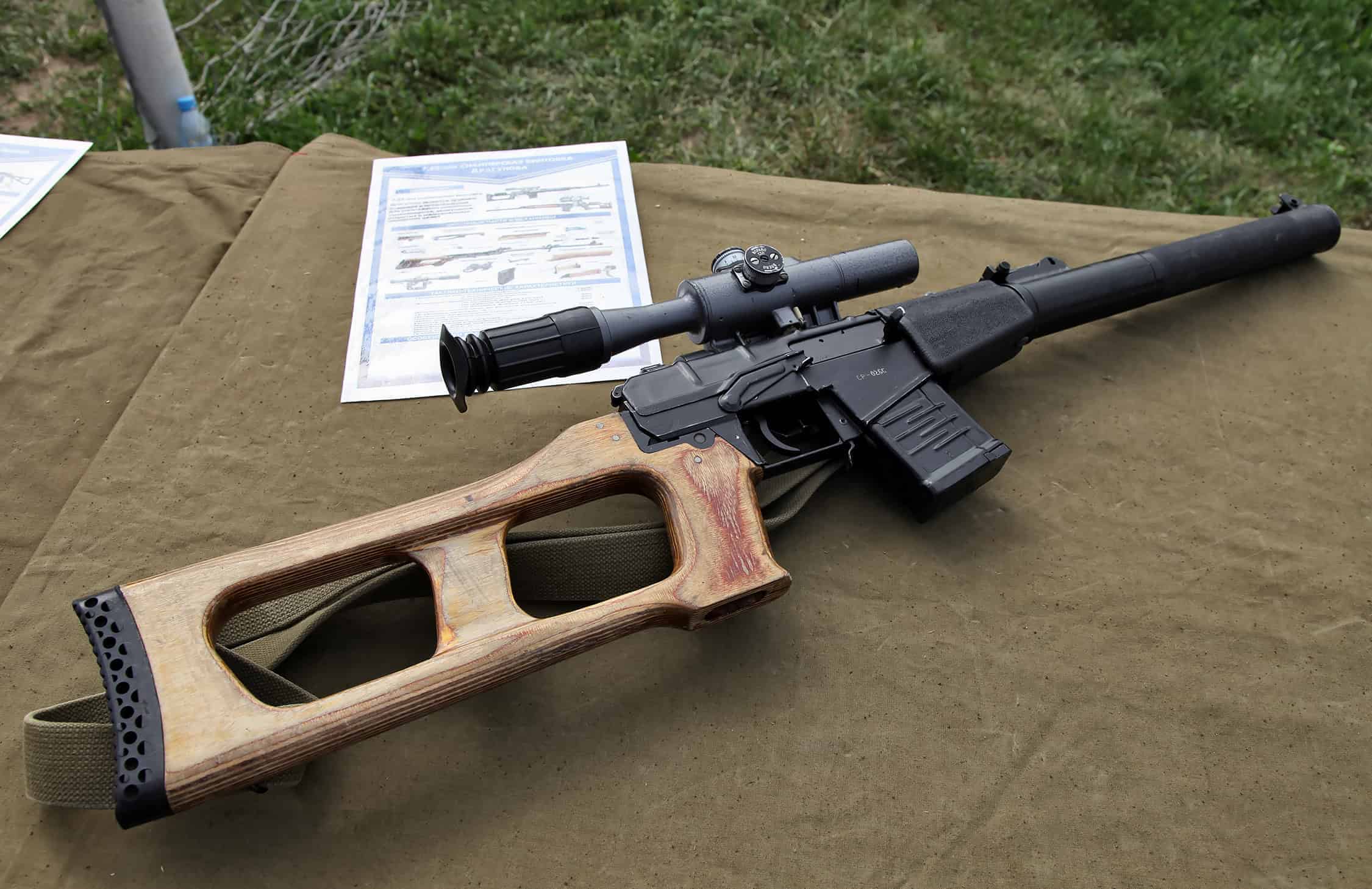
©Vitaly V. Kuzmin / CC BY-SA 4.0, / Wikimedia Commons – Original / License
The VSS Vintorez shares the AS Val’s 9x39mm family and integrally suppressed concept but was configured for precision with a wooden stock and optic. Calling it a conventional sniper rifle creates the wrong expectations. Its subsonic projectile sacrifices a flat trajectory for reduced sound, making it useful at limited distances where stealth matters more than extreme reach. An operator must know the trajectory, estimate range, maintain the suppressor, and choose positions that preserve concealment. The rifle can be effective in reconnaissance or special operations, but it is not a universal replacement for a full-power precision rifle. Mastery means accepting its boundaries and arranging the mission around them instead of forcing long-range performance from it.
Heckler and Koch MP7
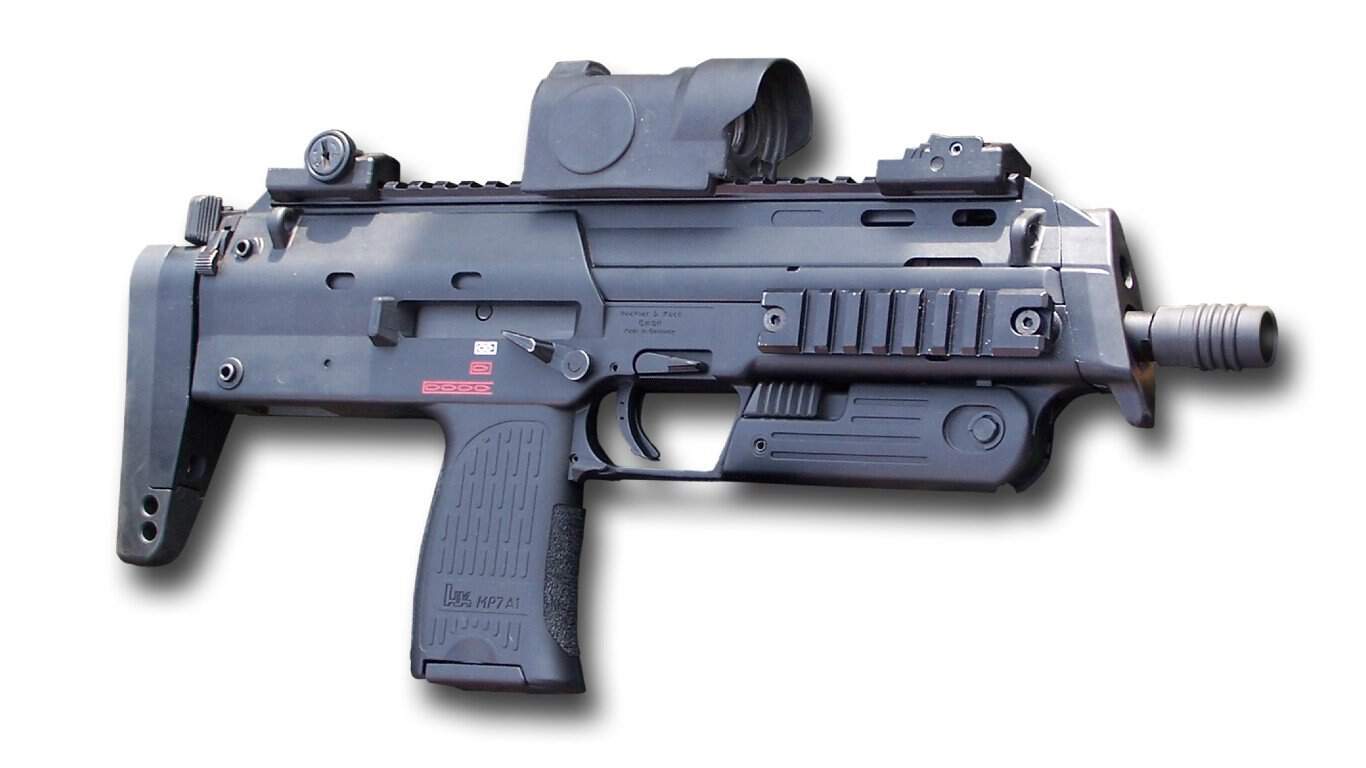
The MP7 is a compact personal-defense weapon chambered for the high-velocity 4.6x30mm cartridge. Heckler and Koch lists an effective range up to 200 meters and emphasizes the round’s ability to defeat body armor with appropriate steel-core ammunition. The firearm is light, has modest recoil, and accepts 20, 30, or 40-round magazines, so it is not physically punishing. Its training burden comes from role and judgment. Users must understand ammunition type, realistic range, compact handling, and the limits of a small projectile rather than assuming it performs like a rifle. Its high cyclic rate also rewards short bursts. Specialized units can exploit its portability, while an uninformed user may confuse easy handling with unlimited capability.
MP5SD
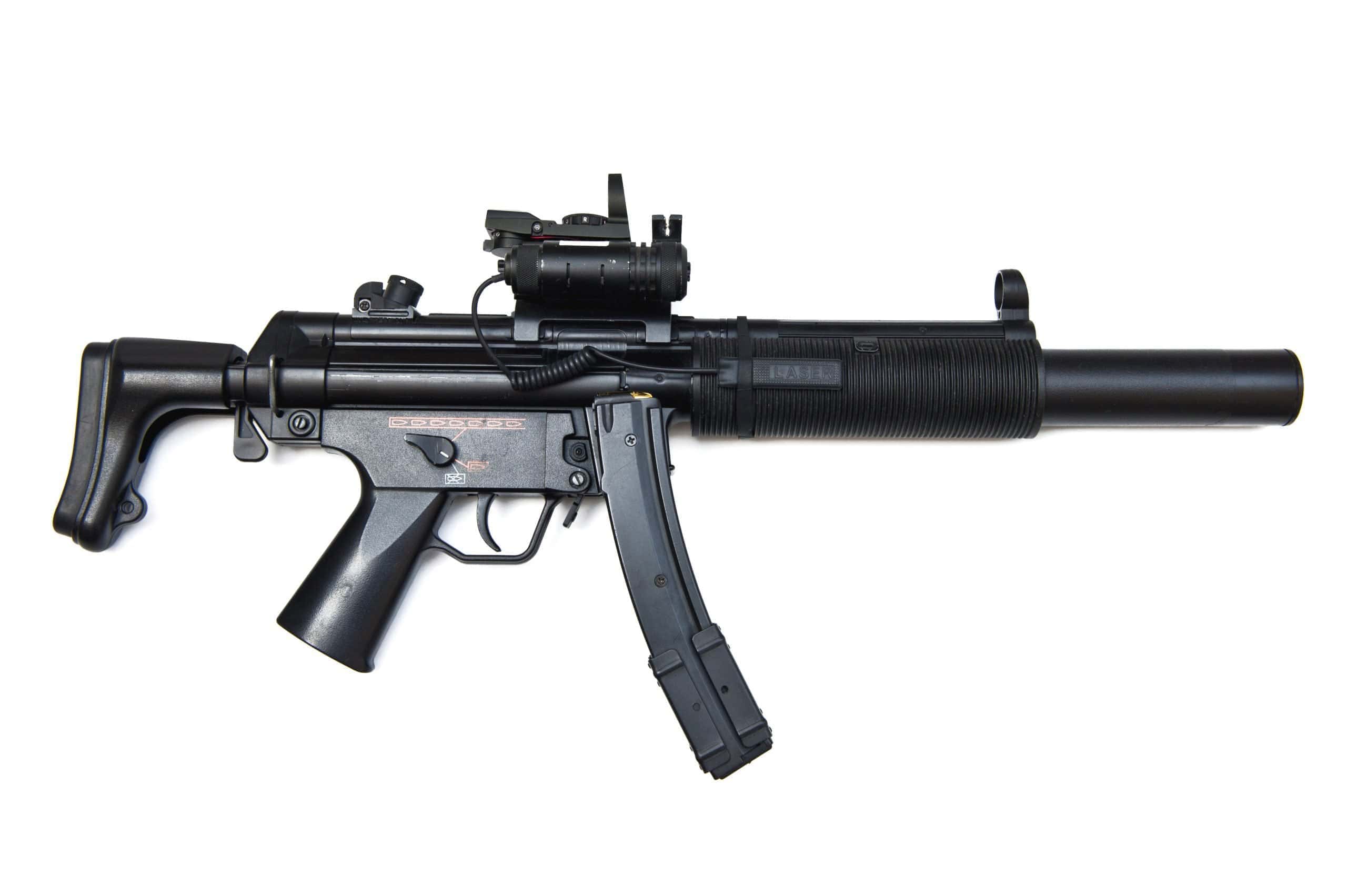
©Vudhikrai Sovannakran / iStock via Getty Images
The MP5SD uses an integral suppressor and a ported barrel that reduces standard 9mm ammunition to subsonic velocity. That gives specialized units sound reduction without relying only on dedicated subsonic loads. The tradeoff is lower velocity and a system requiring attention to maintenance, ammunition behavior, and realistic distance. Its roller-delayed action makes the weapon accurate and controllable, so ordinary shooters are unlikely to find it difficult at the range. Operational mastery is different. Counterterrorism and special operations users train for low-light identification, controlled bursts, precise placement, and the fact that suppressed does not mean silent. The MP5SD rewards judgment and mission discipline more than strength.
SIG P210
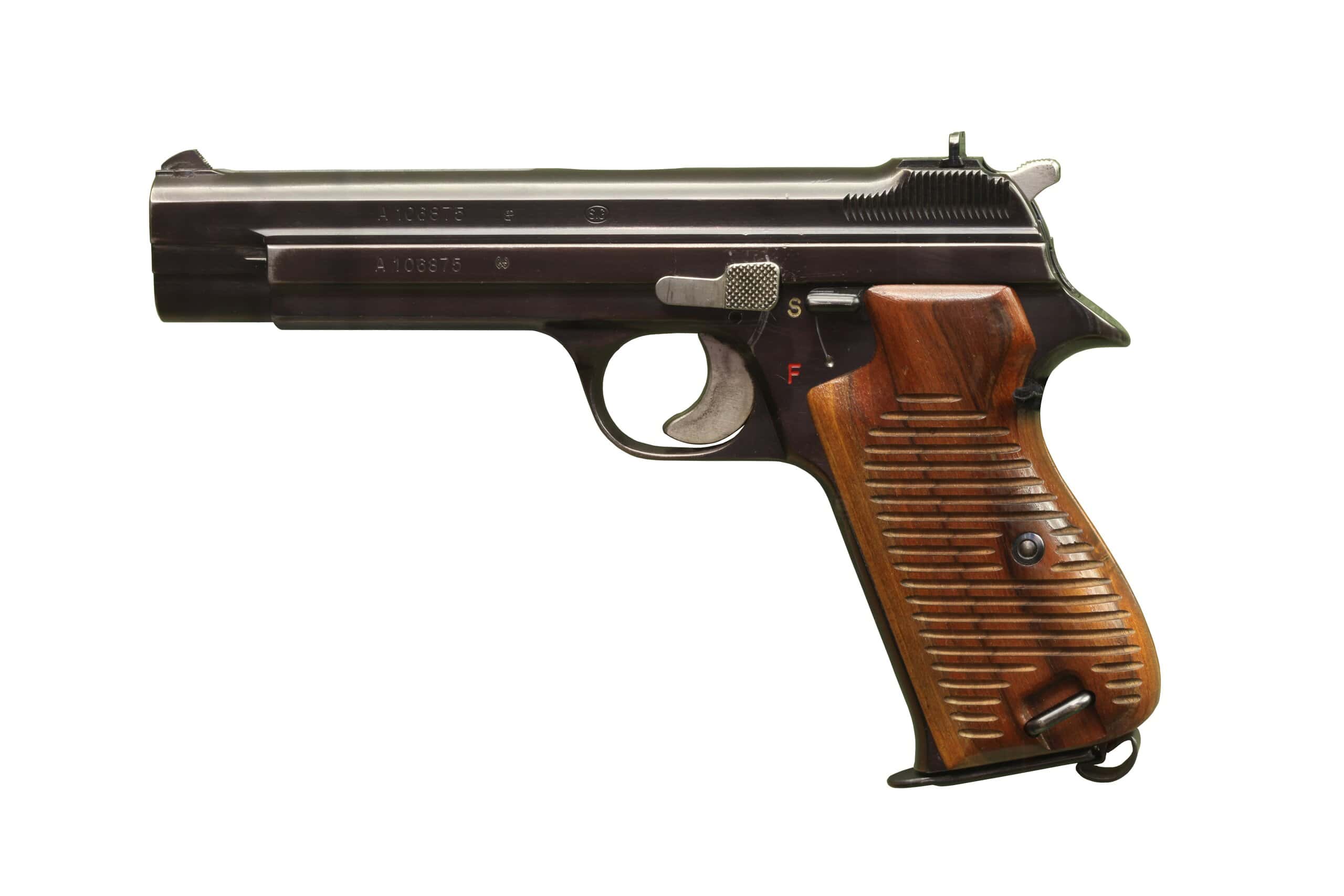
The SIG P210 earned a reputation for mechanical accuracy, excellent fit, and a crisp single-action trigger. Switzerland adopted the military model as the Pistole 49, and Denmark used versions of the design. It was a service sidearm for regular forces, not an elite-only handgun, but many soldiers could not exploit all of its precision. Accurate pistol shooting demands consistent grip, sight alignment, and trigger control, and a superior barrel cannot compensate for weak fundamentals. The single-action system also requires understanding its safety and carry procedure. The P210 was not violent or unreliable, yet its premium accuracy delivered little advantage unless the shooter trained enough to keep human error smaller than the pistol’s potential.
FN Five-seveN
©arinahabich / iStock via Getty Images
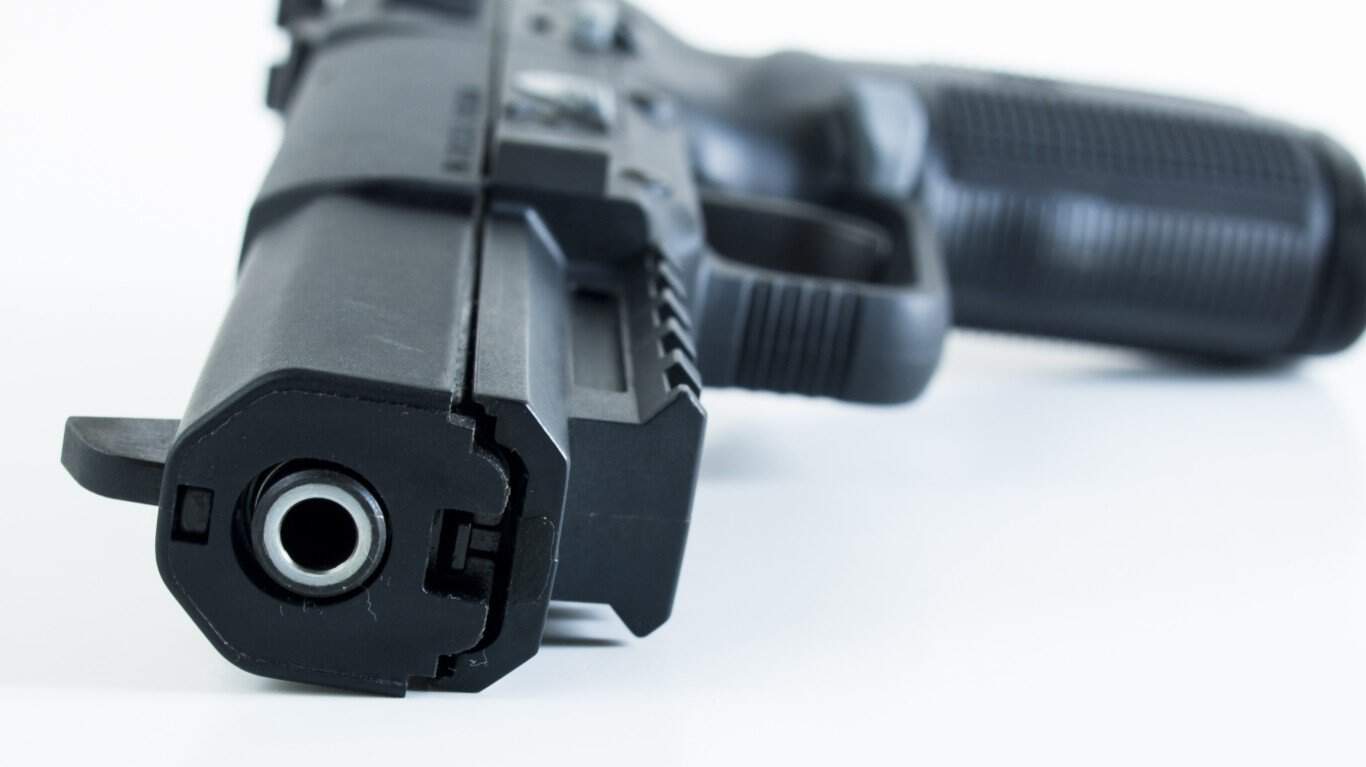
The FN Five-seveN was developed around the 5.7x28mm cartridge used by the P90 personal-defense weapon. It offers a 20-round standard magazine, light recoil, and a relatively flat trajectory for a handgun. Certain restricted ammunition was designed to penetrate soft body armor, but performance varies by load, and the pistol should not be reduced to a claim that it favors penetration over every other effect. Low recoil can help trained shooters place rapid follow-up shots, while the unusual cartridge requires sound ammunition selection and realistic expectations. The Five-seveN is not hard to operate. Expertise lies in understanding what a given load can do, maintaining accountability for every shot, and resisting mythology around its caliber.
Desert Eagle
©2014- Desert Eagle .50 Action Express Semi-Automatic Pistol, Prague, Czech Republic ( Ank Kumar ) 03 by Ank Kumar / BY-SA 4.0 (https://creativecommons.org/licenses/by-sa/4.0/) – Original / License
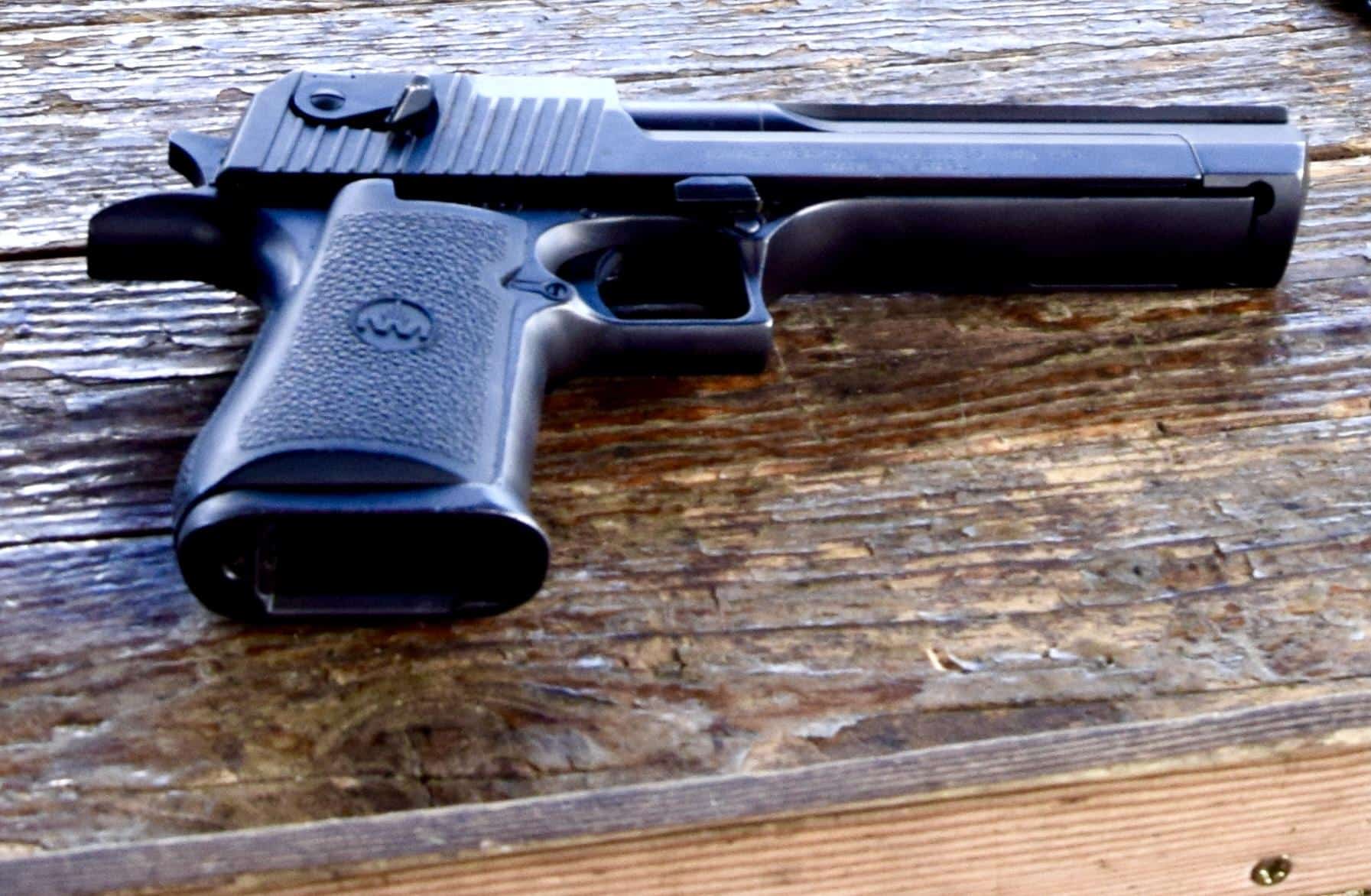
The Desert Eagle is an outlier because it was not adopted as a standard military sidearm or created for elite doctrine. It is a large, gas-operated semiautomatic pistol offered in powerful cartridges, best known through film, games, target shooting, and hunting. Its size makes the grip difficult for some hands, while its weight, muzzle blast, and recoil punish inconsistent technique. The gas system also depends on appropriate ammunition and a firm platform for reliable cycling. An experienced shooter can operate it accurately, but practice does not make it a sensible general-purpose service pistol. Its inclusion shows the difference between mastery and usefulness: experts can control a specialized firearm without proving that soldiers ever needed it.
Thompson Submachine Gun
©Public Domain / Wikimedia Commons – Original
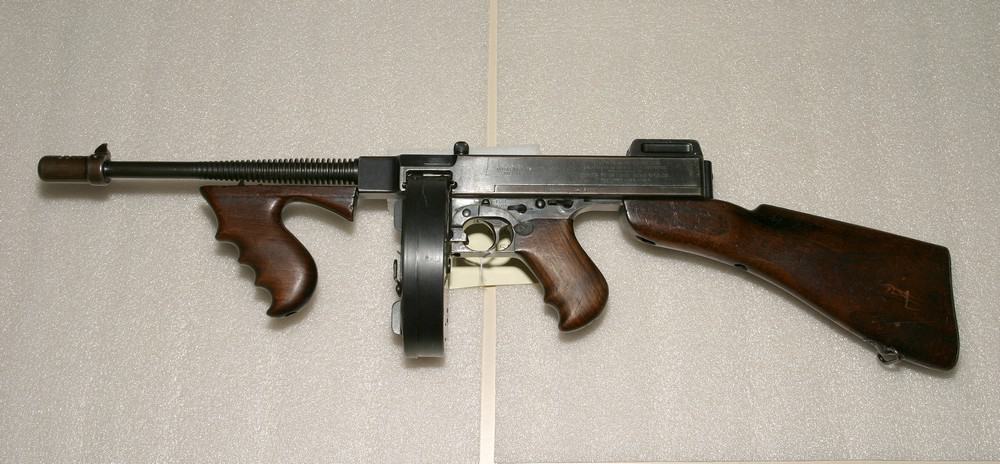
The Thompson delivered controllable .45 ACP automatic fire and earned a fearsome reputation with police, criminals, commandos, and Allied troops. It was also heavy. Depending on the model, it could weigh around 10 pounds before ammunition, making it burdensome beside later guns such as the M3 and Sten. Weight reduced muzzle movement, but tired users on long marches and slowed handling in tight spaces. Trained assault troops learned to carry it efficiently, fire short bursts, and work within the limited reach of pistol ammunition. The Thompson was not too complicated for regular soldiers, and simplified wartime models were widely issued. Its challenge came from managing weight and ammunition while using its close-range firepower at the right moment.
The image featured at the top of this post is ©Zamrznuti tonovi/Shutterstock.com