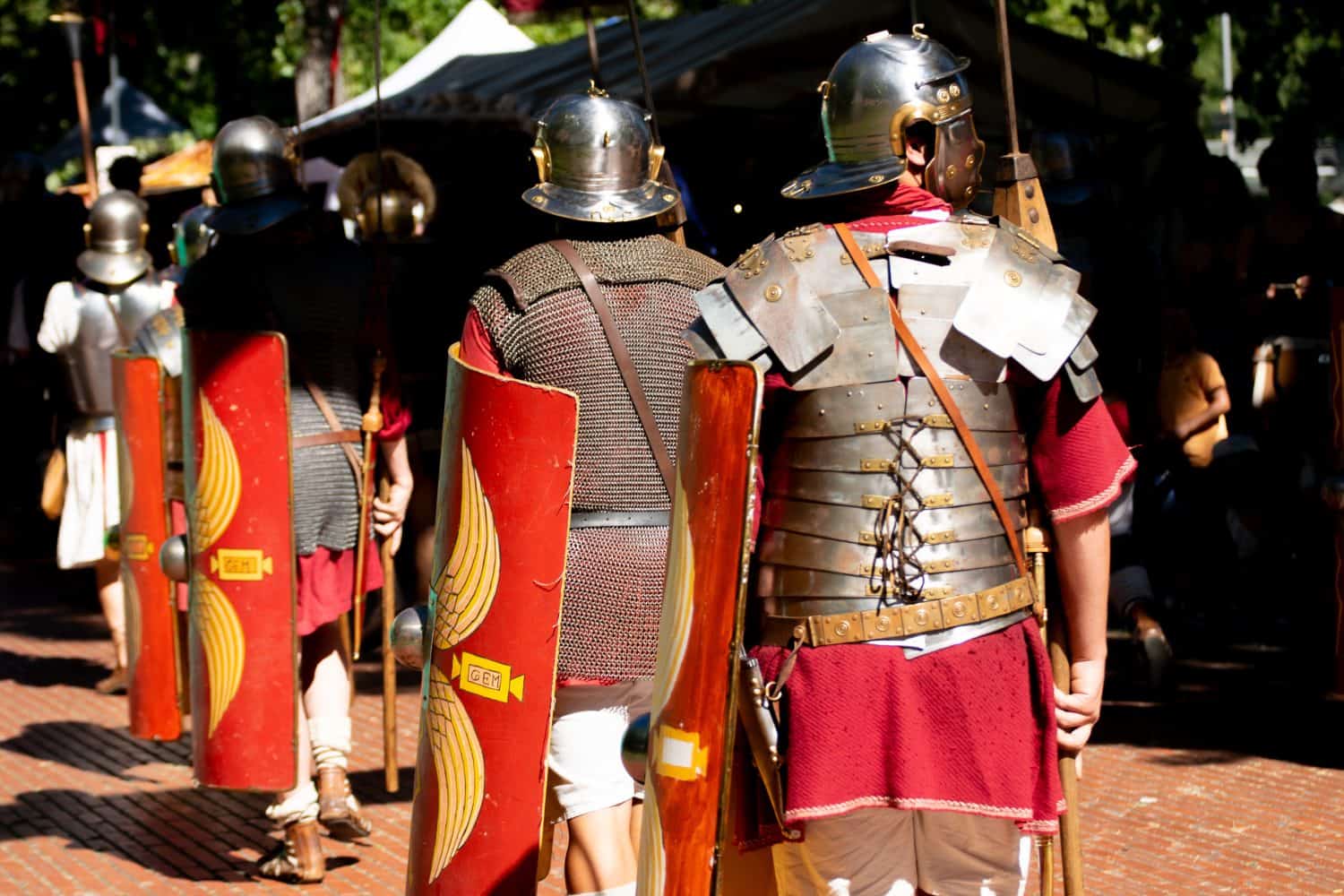

History is seen as a linear progression of technology, with things like spears being replaced by muskets, or cavalry giving way to battle tanks. The tools used in warfare evolve at a breakneck pace, but the geography and psychology of combat remain somewhat consistent. Even looking at the defensive measures taken at the time of this writing, you can certainly see a thread of thinking that traces back to the likes of Sun Tzu or Alexander the Great.
Part of the enduring nature of these tactics is the simple fact that human nature hasn’t changed throughout the ages, nor has the terrain. A mountain pass is going to be a bottleneck regardless of whether it’s defended by a phalanx of hoplites or dedicated machine gun teams. A panicked, collapsing flank is still a vulnerability, even if infantry fighting vehicles have largely replaced archers at the back of a formation. So, with that in mind, let’s look at those military tactics that are well-worn but still applicable to modern thinking.
The Phalanx
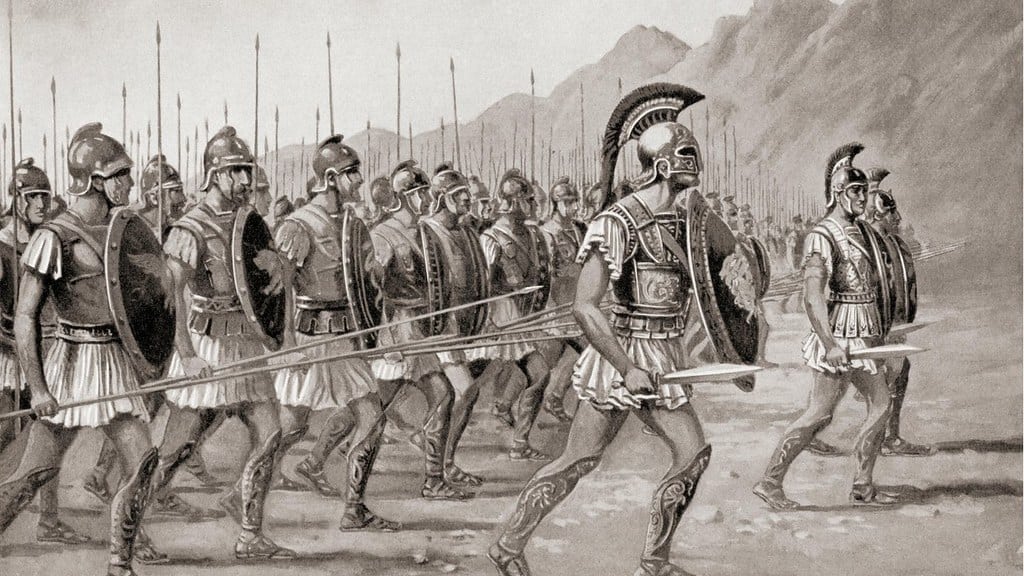
©"The Macedonian Phalanx" by Pouazity is licensed under PDM 1.0. – Original / License
One of the most iconic formations of the ancient world is the Greek phalanx, a dense block of infantry with overlapping spears and a shield wall at the center. The core principle of the phalanx was one of mutual protection, as the hoplite to your right covered your unshielded side.
The modern era sees an adaptation of sorts of the phalanx in the form of combined arms warfare. A phalanx is vulnerable along its flanks, just as a modern armored fighting vehicle is vulnerable without infantry support. The idea of mutual support is just as relevant today as it was when the Greeks were waging war, but now is executed with the likes of air support, infantry, and armor. A modern unit still makes use of a formation that’s quite reminiscent of the phalanx, as the box formation provides 360-degrees of security against ambushes and drone strikes. An Athenian commander might not recognize the weapons, but they’d certainly recognize the intent.
Double Envelopment
©Gilmanshin/Shutterstock.com
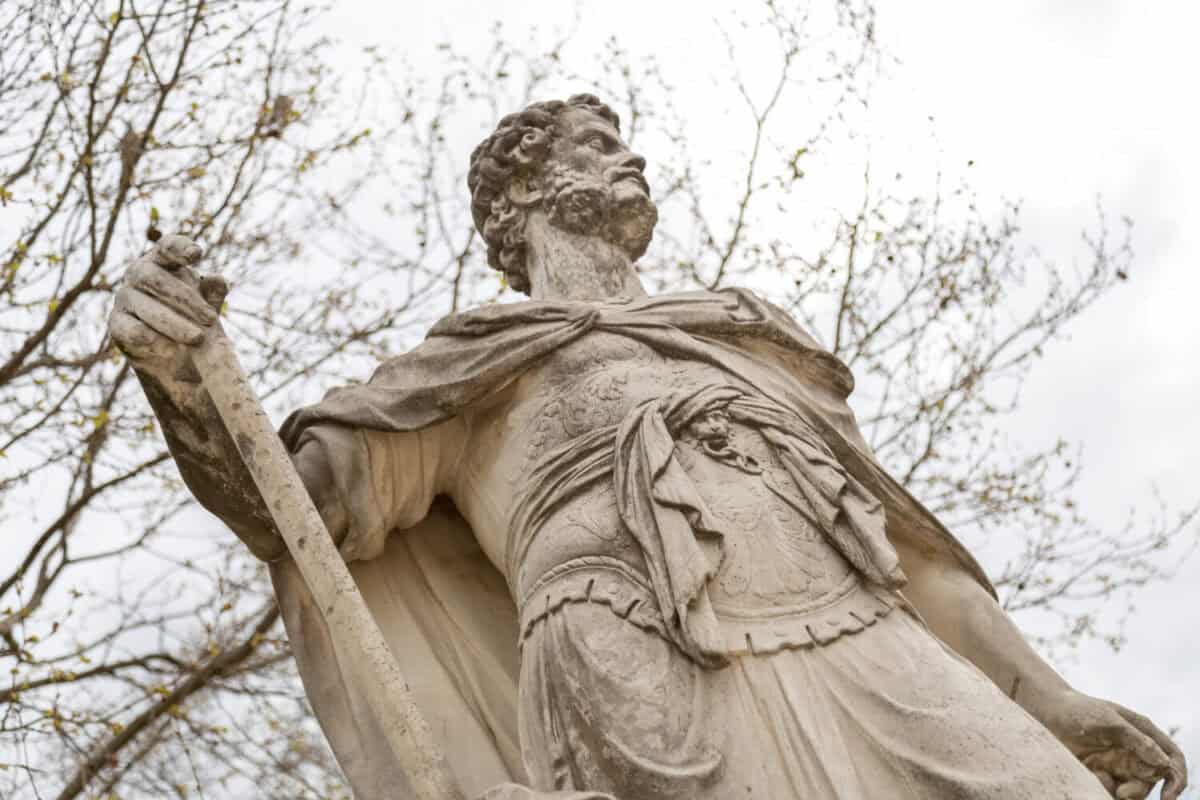
Hannibal Barca achieved what is seen as the textbook example of a double envelopment at the Battle of Cannae. A weakened center led the Romans to a false sense of security, letting his elite infantry and cavalry to close their means of retreat. This double envelopment saw the legions killed to nearly the last man, and is still just as effective today.
In modern parlance, we often call this a pincer movement, and it still is a decisive engagement. We saw its application on a massive scale throughout the 20th century, like during the Battle of Kiev in 1941. A textbook double envelopment conducted with German tanks and air support saw the largest double envelopment in human history successfully utilized.
The logic behind it remains unchanged, as modern commanders use fixing forces, like a weak center, to keep the enemy in place, while more nimble forces swing around to cut the enemy off from its support structures. What might start as an offensive ends up turning into a chaotic pocket.
Feigned Retreats
©Maykova Galina/Shutterstock.com
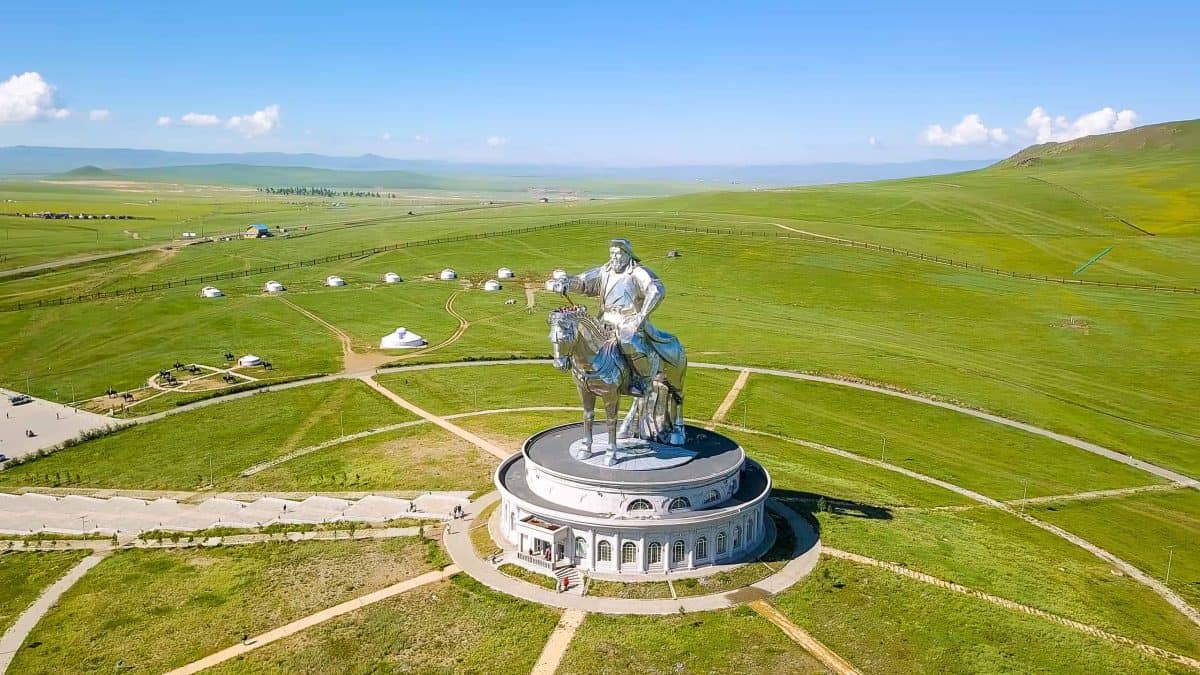
Feigned retreats are one of the most psychologically damaging tactics to execute on an enemy force. Famously, we’ve seen it in use from the likes of William the Conqueror during the Battle of Hastings, where a series of feigned retreats whittled down Harold Godwinson’s forces. Genghis Khan notably employed the tactic, making use of it to draw out his enemies from more defensively advantageous positions. Once the enemy breaks rank to give chase, the counter-attack is sprung and the pursuers are cut down where they stand.
The modern era has seen the use of feigned retreats in a more technologically sophisticated manner. Decoy operations, like high volumes of radio traffic, signal a retreat, drawing enemy artillery and air strikes to an idealized location. Once these high-value strategic assets are committed, the strike force launches an offensive. The lure has changed, but the intent certainly hasn’t.
Scorched Earth
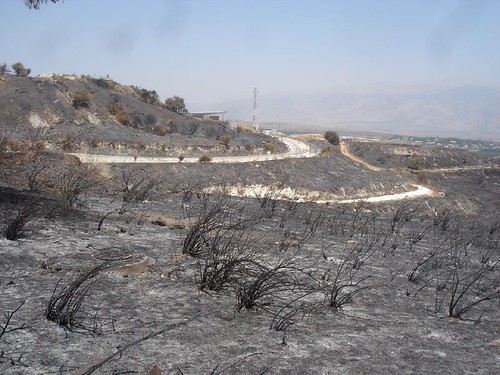
©"Scorched earth" by dlisbona is licensed under BY 2.0. – Original / License
Scorched earth, or the concept of denying assets to an invading force is one of the oldest military tactics in the book. The Scythians practiced it against Darius the Great and the Persians. They burned crops, poisoned wells, and destroyed vital infrastructure like bridges to force the Persians to rely on supply lines that grew increasingly strained with each passing mile.
The modern context largely hasn’t changed the idea of scorched earth, but the aims have changed. Modern forces aren’t just blowing up forces, sabotaging ammunition stores, and so on, but depriving the enemy of any infrastructure needed to conduct operations. This includes the likes of wiping local servers, disabling telecommunication hubs, and depriving the supply of utilities to an advancing force. It isn’t quite as dramatic as torching a field of wheat, but it is just as damaging to any army.
Indirect Approach
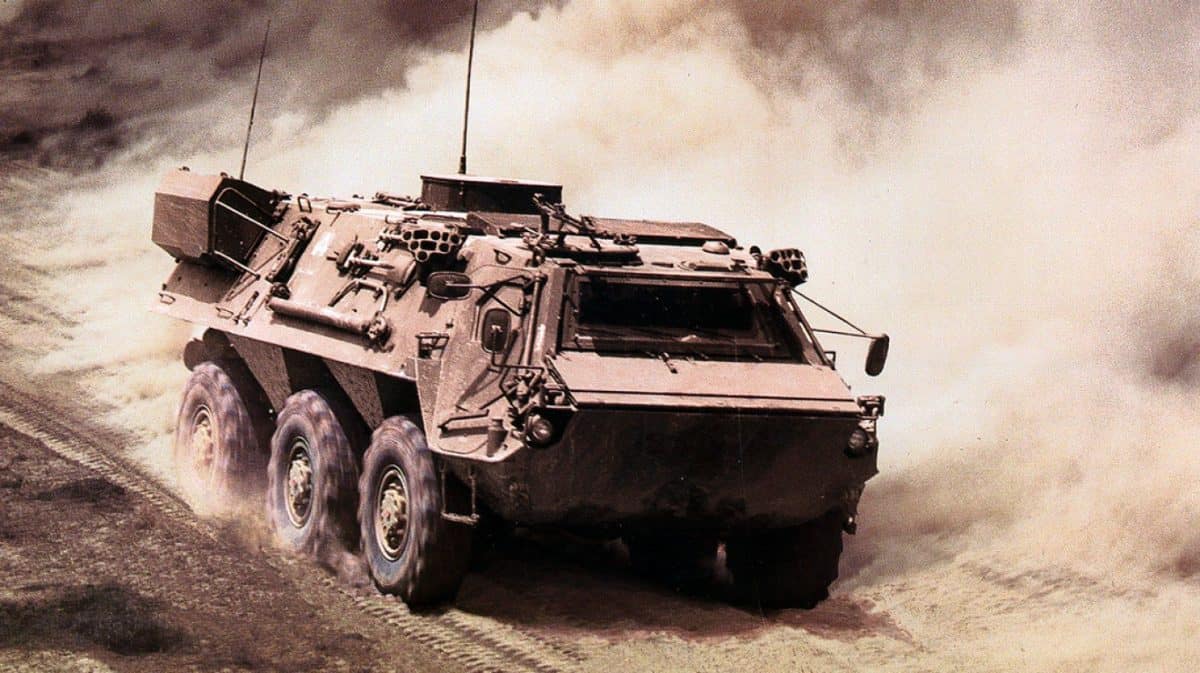
Sun Tzu opined that “The supreme art of war is to subdue the enemy without fighting.” The idea is more relevant today than it was when Sun Tzu wrote The Art of War, especially when looking at the tactics and tools available. The ancient means of indirect warfare often meant weakening an enemy through the use of misinformation, encouraging dissent, and bribing away soldiers and commanders.
The modern era takes this to its devastating natural conclusion, with massive propaganda campaigns, social media influencing, and other sophisticated operations weakening enemy morale before a single shot is fired. By the time the war goes from cold to hot, the social and political cohesion of the enemy force is eroded. The mind of the enemy is still one of the most potent weak points you can attack, regardless of the era.
Siege Warfare
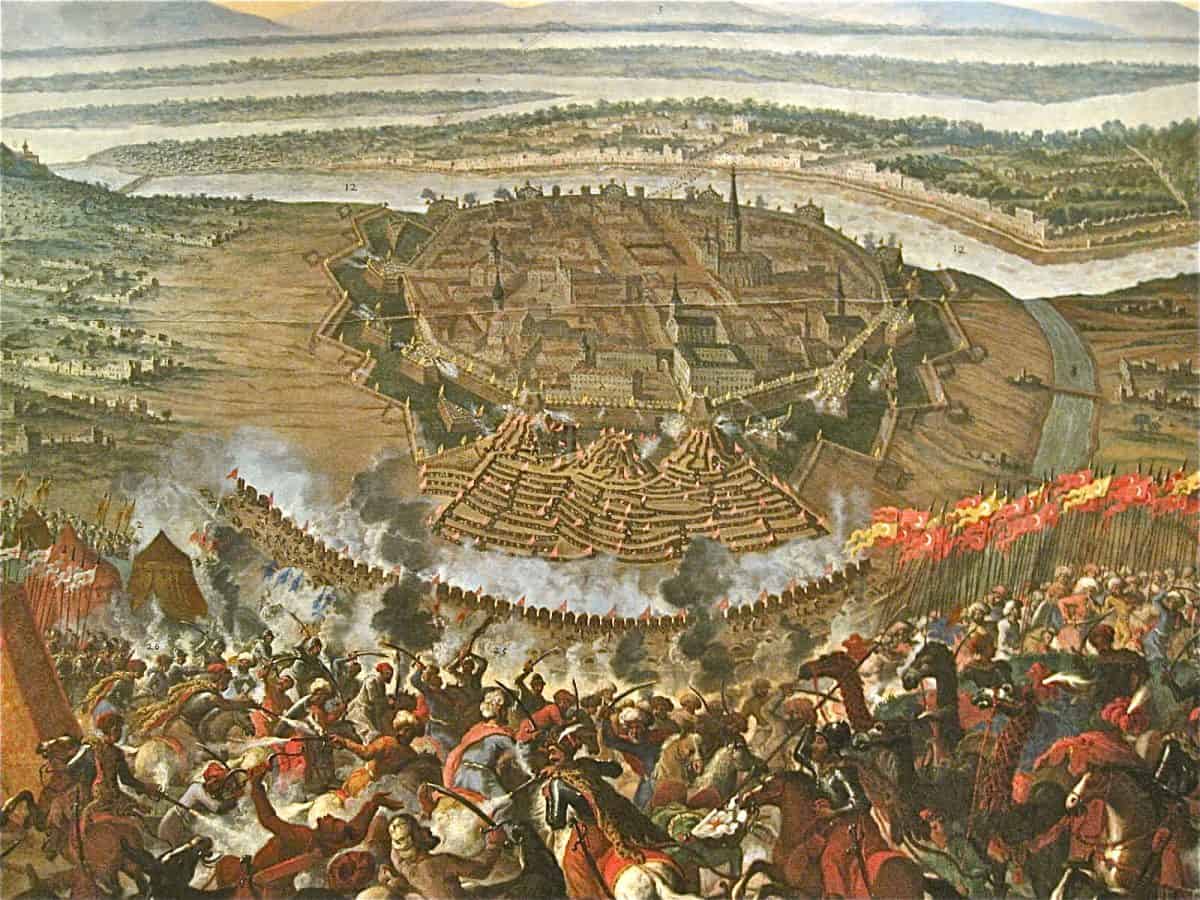
©"The Turkish Siege of Vienna" by Tyssil is licensed under BY-SA 3.0. – Original / License
The sieges of cities like Troy and Masada seem like relics of an ancient way of doing things, but the siege is still just as potent now as it was in the ancient world. While we’ve moved past the use of catapults and ballista, the military tactics behind any modern siege seem positively barbaric when you get down to it. It often takes the form of urban combat, with the encirclement of a city and depriving them of things like power and water are using the same general logic you’d see with a sapper from the Roman empire.
The defensive measures against the modern siege are largely unchanged as well. Sapping and the use of underground tunnels are just as potent today as they were when the order of the day was spears and arrows. Underground tunnels bypass satellite imagery and modern surveillance networks, all while allowing guerrillas to launch surprise attacks.
Attrition
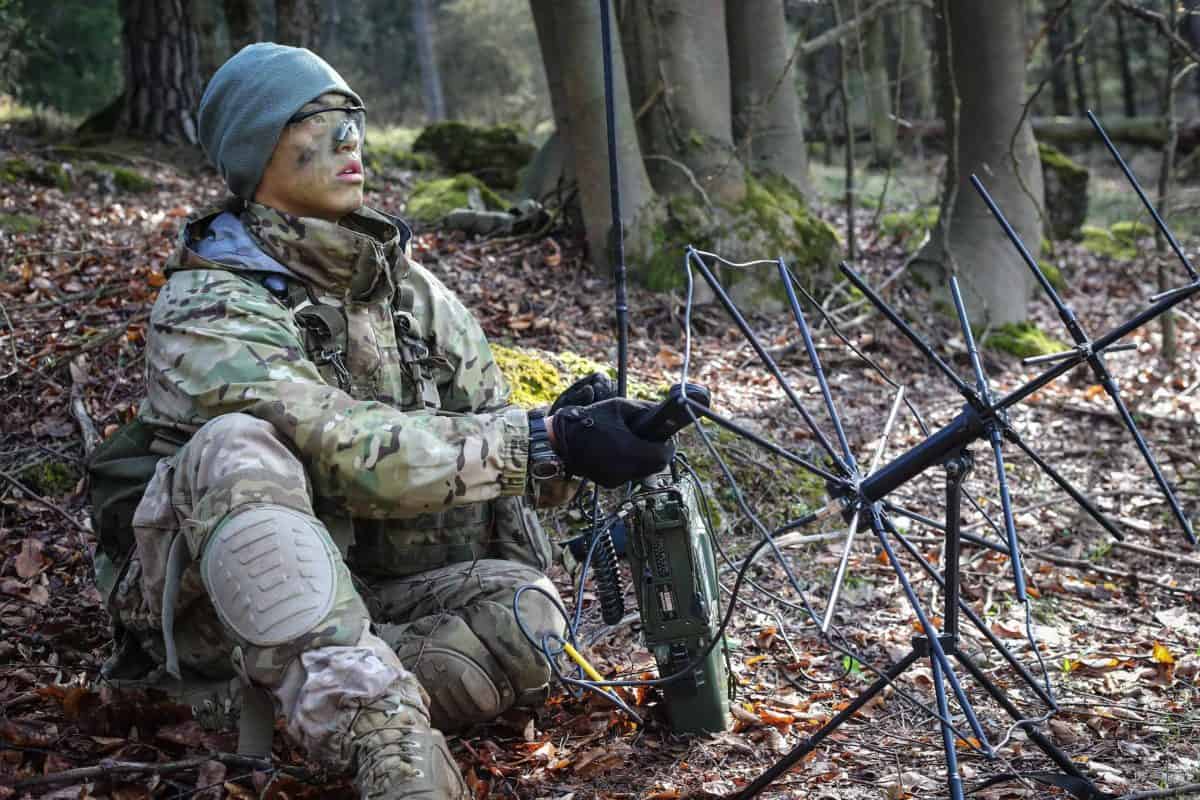
The Fabian Strategy, named aptly after Fabius Maximus, was a defensive doctrine developed to avoid direct, large-scale battles against the Carthaginians. Fabius knew he couldn’t defeat Hannibal Barca in open combat, so he bled the Carthaginians dry slowly, through small skirmishes and harassed supply lines.
This is a hallmark of asymmetric warfare, and is still just as relevant today as it was during the Second Punic War. Smaller, less-equipped forces can hit and run superior forces, using their knowledge of the terrain to mask their movements. The goal isn’t to win a decisive, singular battle, but to make the cost of staying so high that the invader leaves.
Logistics
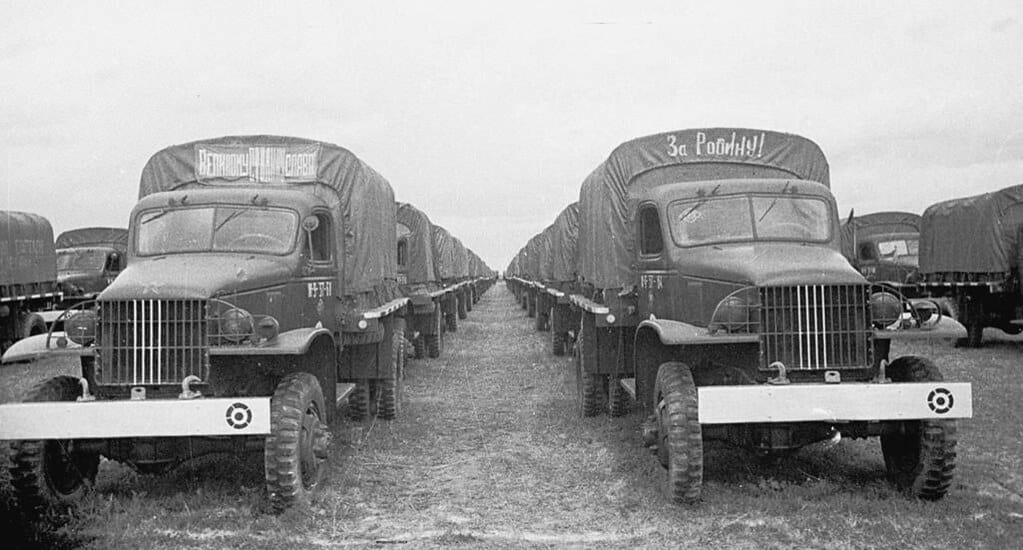
©"A flurry of Chevrolets G7107 ceded to the USSR under the Lend-Lease program. These trucks played a decisive role in improving the Red Army's logistics, from 1942." by WWII in View is licensed under PDM 1.0. – Original / License
An army, no matter the era, is useless without adequate supplies. Alexander the Great’s campaigns were fought and won on the backbone of logistics. The ancient Romans developed roads to furnish their legions with adequate supplies, establishing depots along the way so they could resupply as they marched. Logistics are a necessary evil, and how wars are won.
Supply lines remain a potent weakness for a modern force, just as they were thousands of years ago. Severing lines of communication, depriving a force of meals, and making sure fuel stores dwindle is just as effective today as it was when the Romans ruled Europe.
Conclusion
The military tactics of the ancient world have adapted with the times, but the core intent behind all of them largely remains the same. Whether you’re contending with spear and shield or a T-72 battle tank, the idea behind any of these tactics is simply to win the engagement, minimize losses, and make sure you end the war in favorable position. They’re timeless for a good reason, and that isn’t likely to change anytime soon.
The image featured at the top of this post is ©VicVa/Shutterstock.com