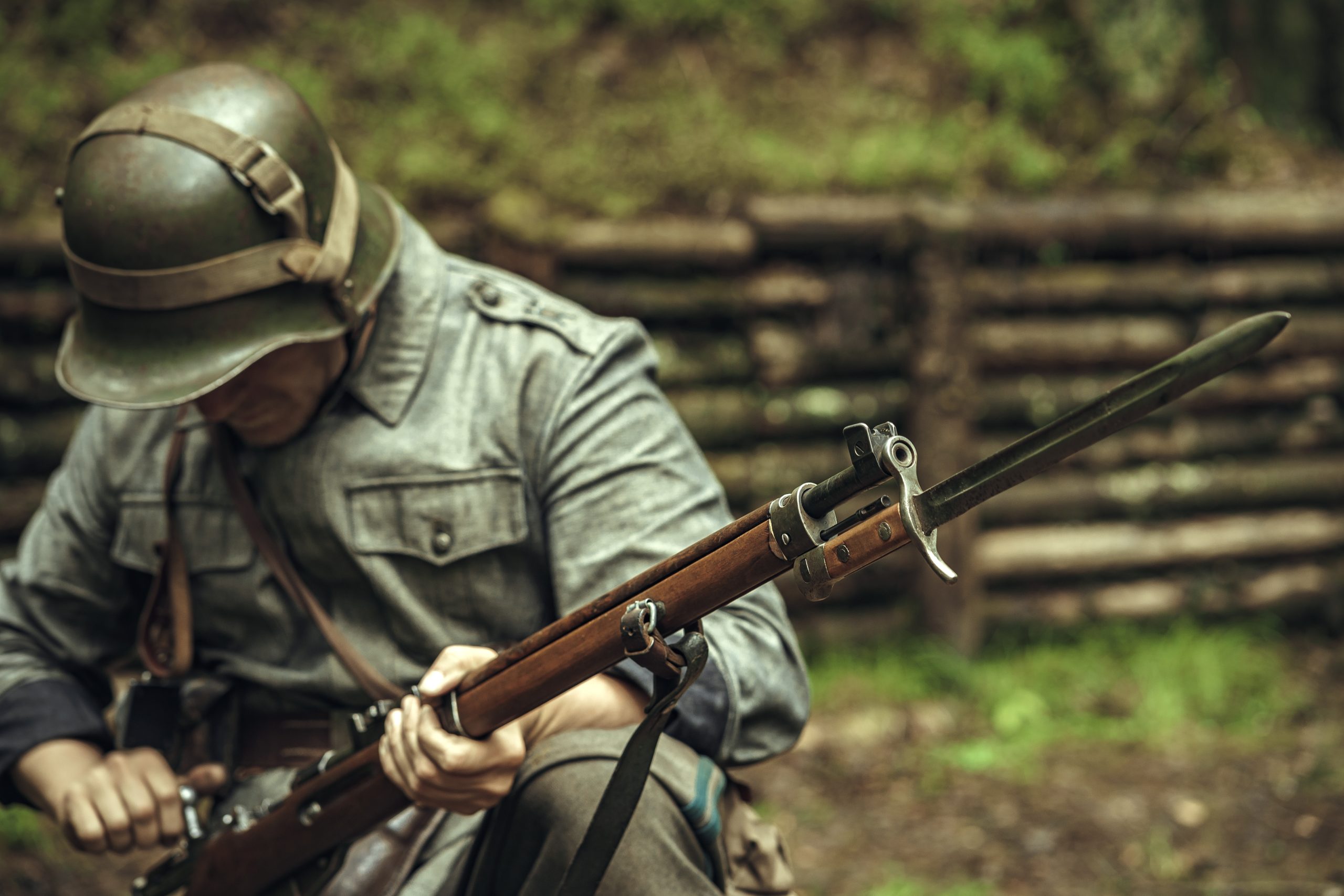

Military history is riddled with weapons systems failing to live up to the reality of the situation on the battlefield. This can be brought about by sudden, rapid advances in contemporary technologies, legal and ethical considerations, or the simple failures of planning that contact with the enemy can bring. In some cases, it can take a weapon that has performed admirably in combat for decades and render it seemingly obsolete overnight. This isn’t because a weapon lacks lethal potential, but because of shifts in doctrine, operational strategy, and more often than not, logistics. Ultimately, the goal of any weapons platform is to provide some sort of edge over a peer adversary. We’ll be looking at a range of weapons systems that most militaries around the world have stopped using, along with the reasons behind their retirement.
Battle Rifles
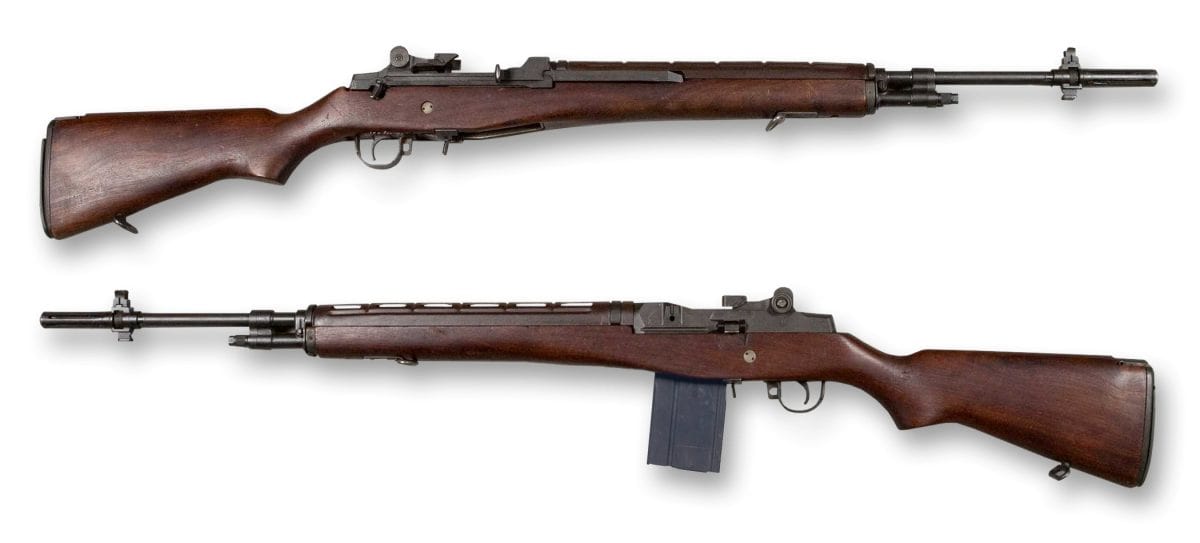
©"M14 rifle – USA – 7,62x51mm – Armémuseum noBG" by Armémuseum (The Swedish Army Museum) is licensed under BY-SA 4.0. – Original / License
The wake of the Second World War saw some fairly definite shifts in the then future of small arms development. In the Soviet Union, the intermediate cartridge would prove to be king, first seeing use in the SKS carbine before gaining more renown as the primary caliber of the Avtomat Kalashnikova family of rifles from the 1950s well into the 1970s. In the West, particularly with the nations that made up the fledgling NATO agreement, standardization was beginning to take place for the sake of commonality of weapons platforms. This ostensibly would’ve reduced logistical burden. Unlike in the Soviet Union, American engineers began centering their efforts around a full-power rifle cartridge. The first true battle rifle to be adopted by any Western nation would be the Belgian FN FAL, which saw its service starting in 1953.
Originally, the FN FAL was chambered for .280 British, an intermediate cartridge based upon some of the same findings the Soviets arrived at in the wake of World War 2. However, the United States had a lot more sway over NATO standards, and the full-power 7.62×51 NATO would become the de facto cartridge for all members of the treaty organization. On paper, this was a boon, as it offered a similar ballistic profile to the likes of the .30-06 of the M1 Garand while offering a flatter trajectory. However, the war planning of the 1950s wouldn’t account for the wars the United States would face in the coming decade.
The M14, the main American battle rifle, would soon find itself on the chopping block as the fighting heated up with the United States’ involvement in the Vietnam War. The M14 offered up ample accuracy, plenty of power, and excellent range, as you might expect from 7.62 NATO. However, the nature of warfare was changing for the infantry, and it began to favor volume of fire, with lighter, smaller cartridges allowing more controllable volleys. By 1965, the M14 was on the way out, and the new M16 was the standard battle implement of the American military. If anything, the battle rifle showed that engineers were preparing for the last war, while not considering the technological advances in the years since the passing of World War 2.
Anti-Tank and Support Weaponry
©Public Domain / Wikimedia Commons – Original
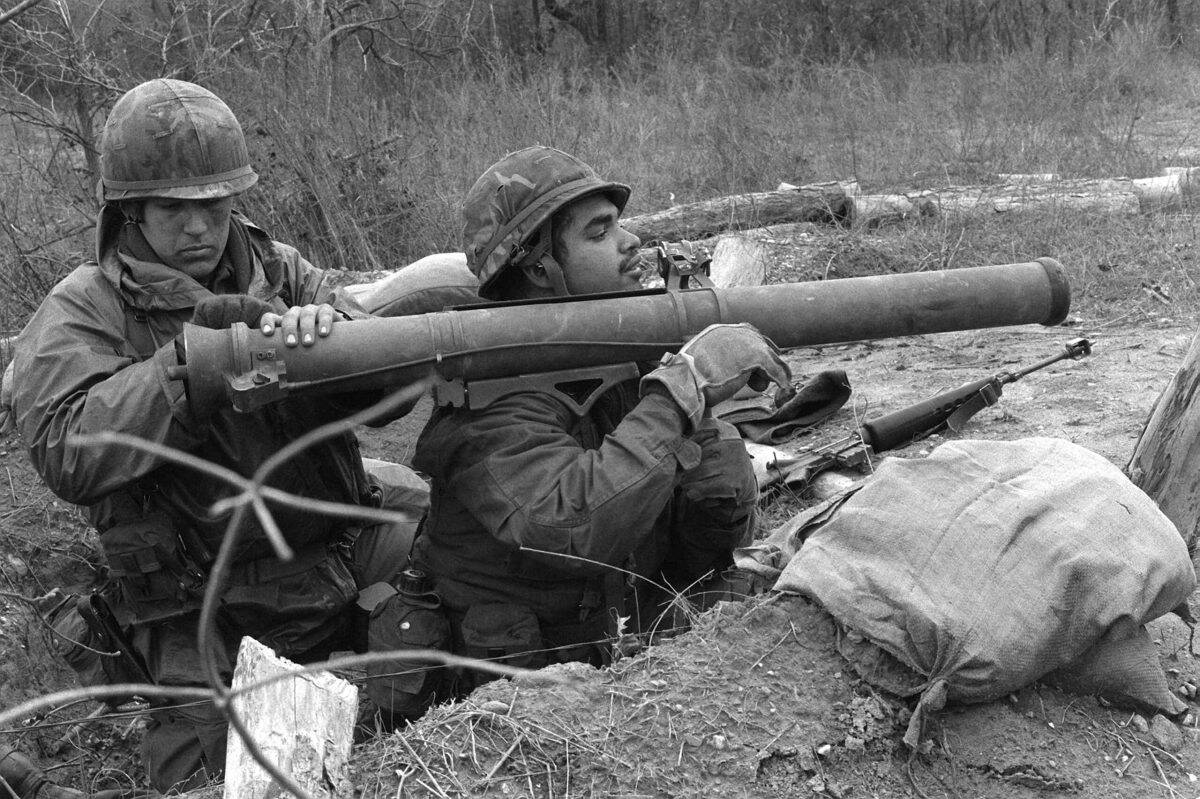
When we consider the changes that take place on the battlefield, especially since the end of the Second World War, this is definitely felt in how infantry approach defeating armor. Historically, they made use of dedicated anti-tank rifles, large-bore bolt actions that could defeat the thinner armor plates of the earliest tanks. However, by the 1940s, given the advent of sloped armor and advancing metallurgy, these were largely ineffective with the exception of specialized use cases. This would give way to emplaced weapons like the M20 recoilless rifle, which was plenty to take on the German tanks in the Western Front.
Just a few short years later, during the American involvement in the Korean War, those same recoilless rifles proved to be ineffective against armored vehicles. Naturally, this leads to the need for more potent anti-tank weaponry, like the M47 Dragon, a wire-guided anti-tank missile that could be shoulder-fired by your standard infantry squad. Tanks kept improving, and the approach of exposing an infantryman to any degree of fire from an armored vehicle, especially a more modern platform like the T-72 used by the Soviets and their benefactors, would call for more robust, reliable weaponry.
Platforms like the recoilless rifle and M47 Dragon have largely gone by the way side, giving way to weapons platforms like the FGM-148 Javelin. The Javelin has proven to be highly effective against even the most modern armored vehicles, as seen by the many used in the Russo-Ukrainian War that started in 2022. It isn’t a matter of defeating the armor, countermeasures, and defenses of a modern tank. But rather, finding the most effective means of approach while being fire-and-forget. The Javelin’s top attack setting has proven to be difficult for armor to counter.
Incendiary Weapons
Incendiary weapons can provoke a visceral, gut-wrenching response when thinking back on their use. Their heyday was the World Wars, and later the Korean and Vietnam Wars. The flamethrower was effective against entrenched, fortified positions. Dedicated flamethrowing tanks proved to be highly potent, making short work of even the most dedicated defensive emplacements. That said, by 1978, they were largely removed entirely from the American military’s inventory.
This was before the rise of legal considerations, with more practical reasoning being used to pull them back. Modern combat wasn’t the best arena for the flamethrower, given its indiscriminate method of attack and the dangers it poses to both the target and its operator. Efforts to replace these weapons platforms would lead to the development of specialized platforms like the M202 FLASH, a rocket-fired incendiary launcher that did away with the effects of the traditional flamethrower. However, when these entered service in the late 1970s, they saw limited use. By the 1980s, it had been largely left to rot in storage.
The flamethrower and its offshoots were an effective psychological weapon, but their decline is the direct result of changing battlefield priorities and ethical norms. The name of the game wasn’t centered around striking fear anymore, but rather near surgical precision while minimizing the potential for collateral damage where possible.
Chemical Agents

©"WWI Gas Mask" by Luz28 is licensed under CC0 1.0. – Original / License
A few of the platforms we’ve covered so far were largely rendered obsolete due to shifting priorities in war planning. That said, few have the same sort of notoriety and infamy as chemical agents. They are banned outright from use, with the Geneva Protocol of 1925 prohibiting the use of chemical and biological weapons in war. The sole conflict they were involved in during the modern era, the First World War, showed the true horror and destructive potential of these weapons. The lessons of the Great War have remained at the heart of how we’ve considered these weapons in the century since the passing of the Geneva Protocol. The later Chemical Weapons Convention, signed in 1993 and made effective in 1997, applies to 193 parties of the United Nations.
This doesn’t just outright ban the use of these weapons, but calls for their destruction along with vigorous methods of verification to ensure they never see use again. We’re still dealing with the aftershocks of this sort of planning, with the last of the American chemical weapon stockpiles, including M55 rockets laden with nerve agents, being destroyed as recently as 2023. It seems that the use of chemical weapons remains a chapter that should remain closed, with stockpiles once deemed vital for national defense being shuttered.
Bayonets and Close-Quarters Arms
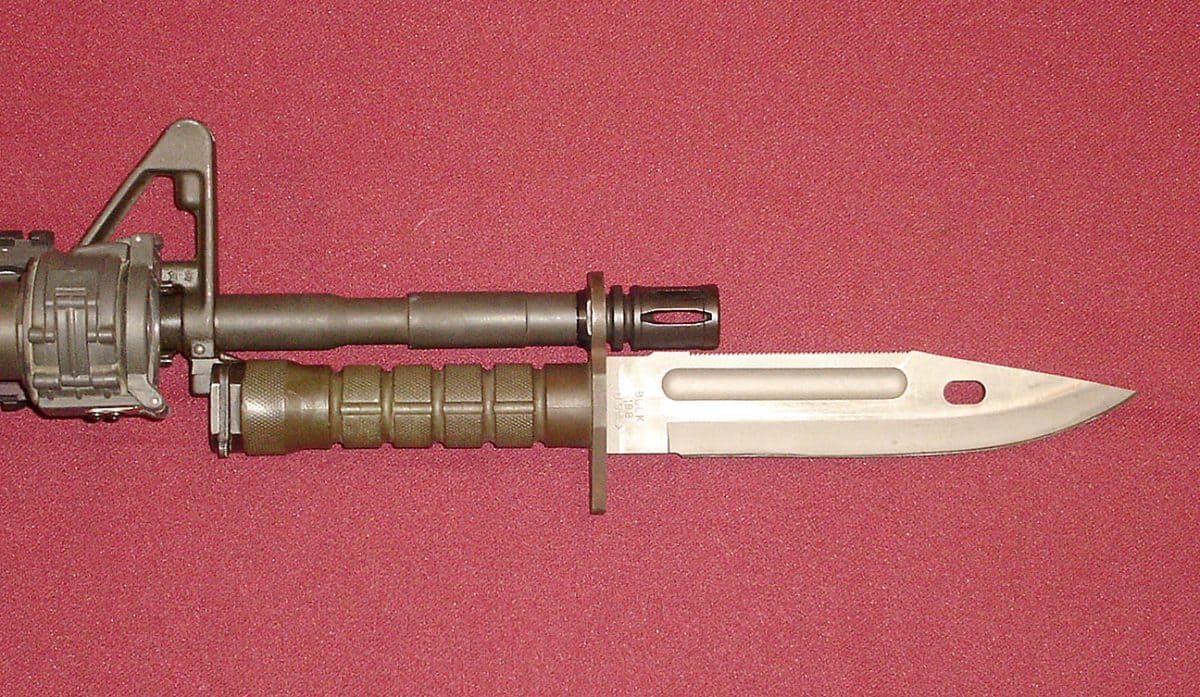
©"US-Military-M9-Bayonet" by Curiosandrelics is licensed under BY-SA 3.0. – Original / License
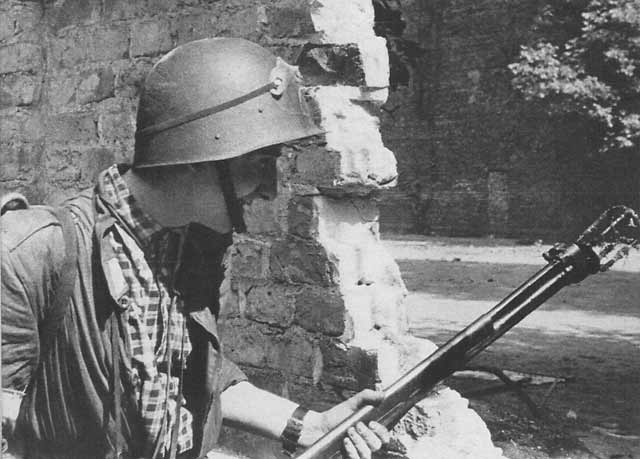
Some weapons platforms simply become obsolete due to the changes seen in combat tactics. For much of the use of firearms, it was supposed that infantry would fire their volleys, close in with affixed bayonets, and make use of their muskets and rifles like pikes. For centuries, this was an effective means of waging war, but the industrialization of warfare would largely see this fall by the wayside. Accurate artillery, repeating rifles, and true automatic weapons like machine guns saw the bayonet become an outmoded way of waging war. Bayonets are still issued, serving in limited roles for ceremonial purposes or as multi-purpose tools. Their use as a main weapon of war has largely gone the way of the dinosaur.
Similarly, the age of the cavalry and dragoon has largely sunsetted thanks to mechanized warfare. Before the rise of things like tanks, infantry fighting vehicles, and armored personnel carriers, it was expected that cavalry would make use of sabers, lances, and pistols. This was seen as recently as the First World War, with the early fighting in the Western Front making use of tactics that wouldn’t be out of place during Napoleon’s heyday. The traditional cavalry charges of the First World War were a slaughterhouse, with wave after wave of men getting mown down by machine guns and concentrated fire. Eventually, tanks and helicopters would fill the same void left by cavalry. A proud tradition going back centuries was rendered moot by technological advances, industrialization, and even tactical doctrine proving to be ineffective.
Conclusion
If there are any lessons we can take from looking at the platforms that were retired, the discontinuation of these weapons is a larger symptom of how warfare is waged. Technological advancement is a recurring theme, as weapons of war become more lethal, and outdated ways of thinking can lead to catastrophe. However, we also see the shifts in ethics and legal considerations when considering highly effective weapons platforms like incendiary and chemical weapons. Ultimately, the way a military fights is a balance of ethics, cost, effectiveness, and the strategic context when considering what to keep and what to jettison. When all is said and done, it tells us quite a bit about history and society alike, alongside giving important context to military decisions of the past.
The image featured at the top of this post is ©Svetliy/Shutterstock.com