
The Missiles That Changed the Balance of Military Power
Over the past century, missile technology has transformed how wars are fought. Advances in propulsion, guidance systems, and targeting have allowed militaries to strike faster, farther, and with greater precision than ever before. From early ballistic missiles to modern hypersonic systems, these weapons have reshaped strategy by enabling long-range strikes deep into enemy territory.
In many cases, guided missiles have supplemented or replaced traditional artillery for high-impact operations. This slideshow takes a closer look at the missile systems that shifted the balance of military power and how they changed modern warfare.
Missile Technology Transformed Modern Warfare
Over the past century, missiles have become some of the most powerful and influential weapons ever created. Advances in rocket propulsion, guidance systems, and warhead technology gave militaries the ability to strike targets at distances that were once unimaginable. From the first long-range rockets of World War II to today's hypersonic weapons, missile systems have repeatedly transformed how nations project power and wage war.
Missiles Expanded the Reach of Military Force
Missiles dramatically expanded the reach of military force. Before their rise, attacking distant targets usually required aircraft, artillery, or large formations moving into position. Missile systems changed that by allowing armies, air forces, and navies to launch strikes from hundreds or even thousands of miles away. That shift altered strategic planning and gave states new ways to threaten enemies far beyond the front line.
Ballistic Missiles Redefined Global Deterrence
Ballistic missiles reshaped global deterrence more than almost any other class of weapon. Once intercontinental systems entered service during the Cold War, nuclear warheads could be delivered across continents in a matter of minutes. This created an entirely new strategic reality, one built around the threat of immediate retaliation and the terrifying logic of mutually assured destruction.
Precision Missiles Changed Battlefield Strategy
Precision missiles also changed the battlefield itself. Cruise missiles, guided anti-ship weapons, and modern standoff strike systems allow militaries to destroy specific targets with remarkable accuracy. Rather than relying only on mass bombing or close-range assaults, commanders can now use missiles to hit infrastructure, ships, command centers, and air defenses with much greater precision and reduced risk.
These Missiles Helped Shift the Balance of Military Power
The missiles on this list represent some of the most important turning points in modern military history. Each one introduced a new capability that forced rival nations to adapt, whether through new defenses, new doctrines, or new weapons of their own. Together, they show how missile technology repeatedly changed the balance of military power around the world.
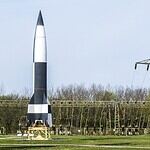
V-2 Rocket
- Country of origin: Germany
- Manufacturer: Peenemünde Army Research Center
- Missile type: Ballistic missile
- Year introduced to service: 1944
- Maximum range: 320 km
- Launch platform: Ground launcher
- Strategic role: Strategic bombardment
- Strategic impact: First long-range guided ballistic missile
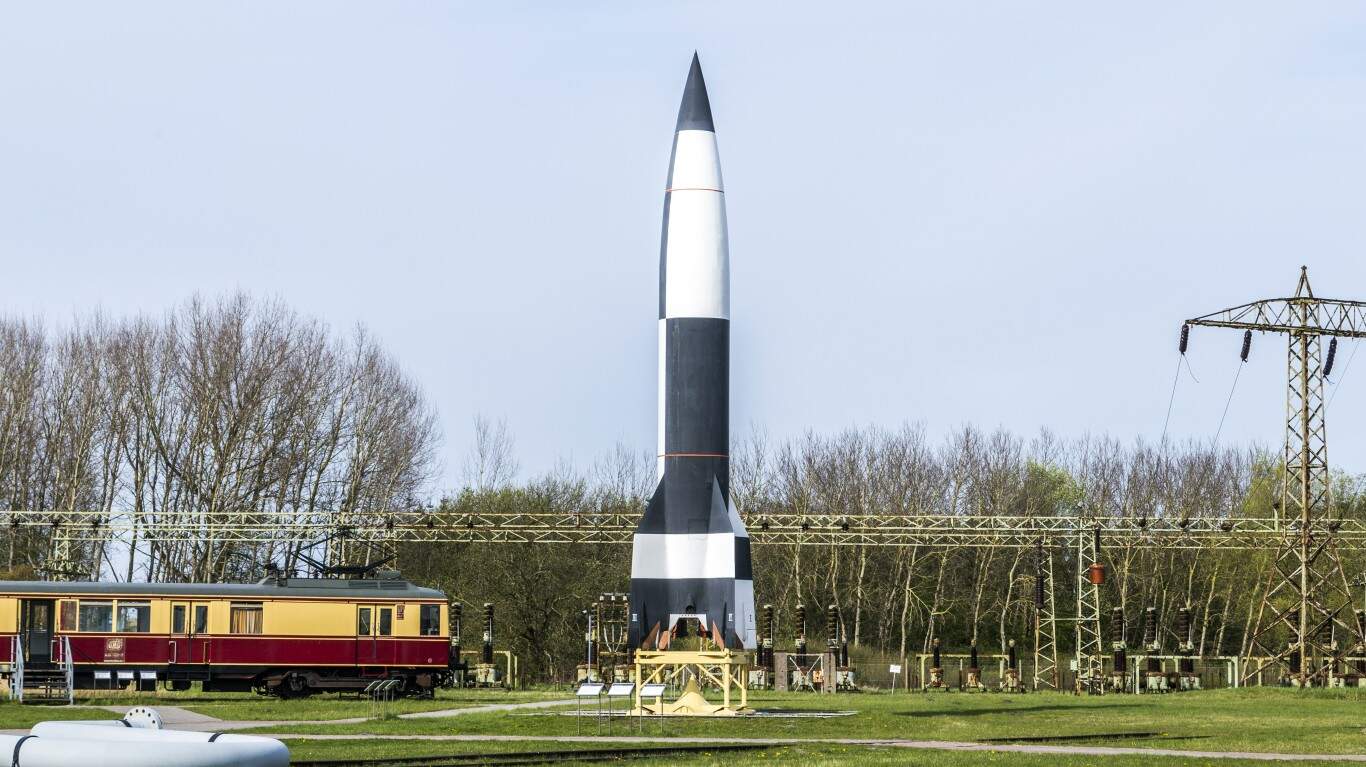
The German V-2 rocket was the world's first long-range guided ballistic missile and a technological breakthrough during World War II. Developed under Wernher von Braun, it demonstrated that rockets could strike distant targets at supersonic speeds. Although inaccurate by modern standards, the V-2 laid the foundation for both modern missile technology and the space programs that followed.
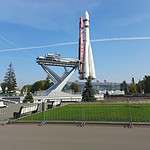
R-7 Semyorka
- Country of origin: Soviet Union
- Manufacturer: OKB-1 (Sergei Korolev)
- Missile type: Intercontinental ballistic missile
- Year introduced to service: 1957
- Maximum range: 8,800 km
- Launch platform: Silo / launch pad
- Strategic role: Nuclear deterrence
- Strategic impact: First operational ICBM
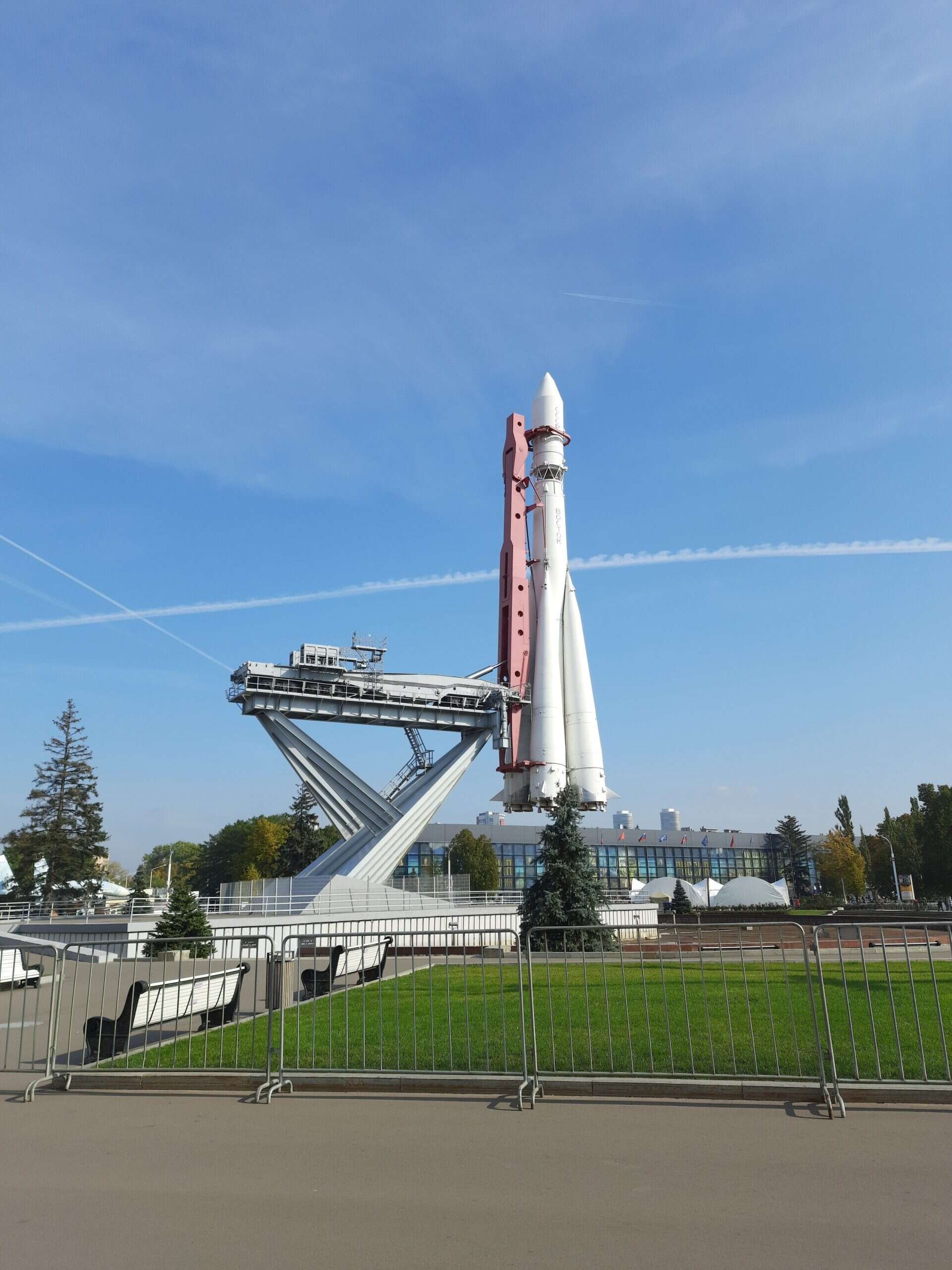
The Soviet R-7 Semyorka became the first operational intercontinental ballistic missile and marked a turning point in Cold War nuclear strategy. With the ability to deliver nuclear warheads across continents, it fundamentally changed global deterrence calculations. The R-7 also became famous as the rocket that launched Sputnik, linking missile development with the beginning of the space race.
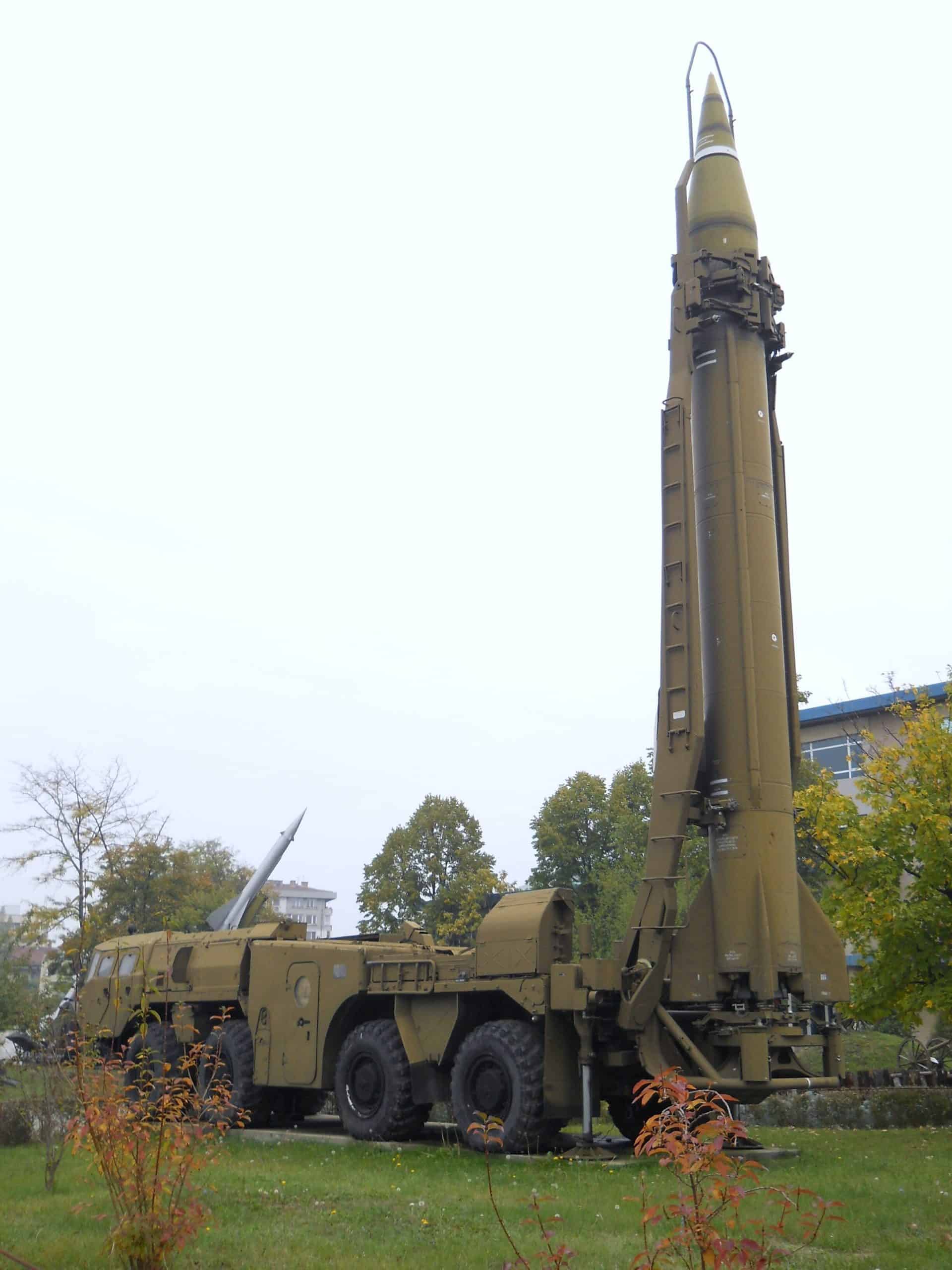
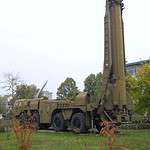
SCUD-B
- Country of origin: Soviet Union
- Manufacturer: Makeyev Design Bureau
- Missile type: Short-range ballistic missile
- Year introduced to service: 1964
- Maximum range: 300 km
- Launch platform: Mobile launcher
- Strategic role: Tactical strike
- Strategic impact: Spread missile technology worldwide
The SCUD-B short-range ballistic missile became one of the most widely exported missile systems of the Cold War. Simple, mobile, and relatively inexpensive, it allowed many countries to develop missile strike capabilities. Its use in conflicts such as the Iran–Iraq War and the Gulf War demonstrated how ballistic missiles could influence regional warfare.
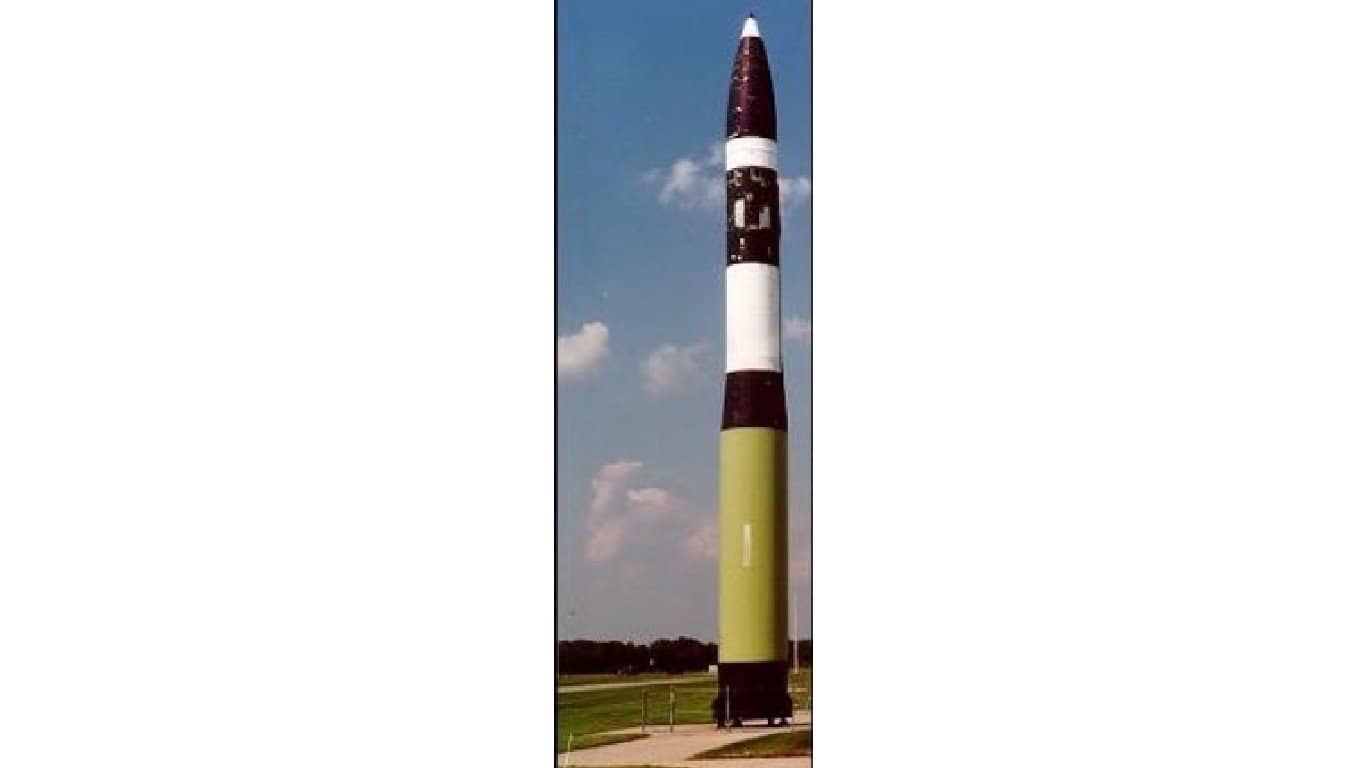
LGM-30 Minuteman
- Country of origin: United States
- Manufacturer: Boeing
- Missile type: Intercontinental ballistic missile
- Year introduced to service: 1962
- Maximum range: 13,000 km
- Launch platform: Silo
- Strategic role: Nuclear deterrence
- Strategic impact: First solid-fuel ICBM enabling rapid launch
The LGM-30 Minuteman introduced solid-fuel rocket technology to intercontinental ballistic missiles, allowing the United States to maintain missiles in a constant state of readiness. Unlike earlier liquid-fueled rockets, the Minuteman could be launched quickly from underground silos. This capability strengthened the credibility of U.S. nuclear deterrence during the Cold War.
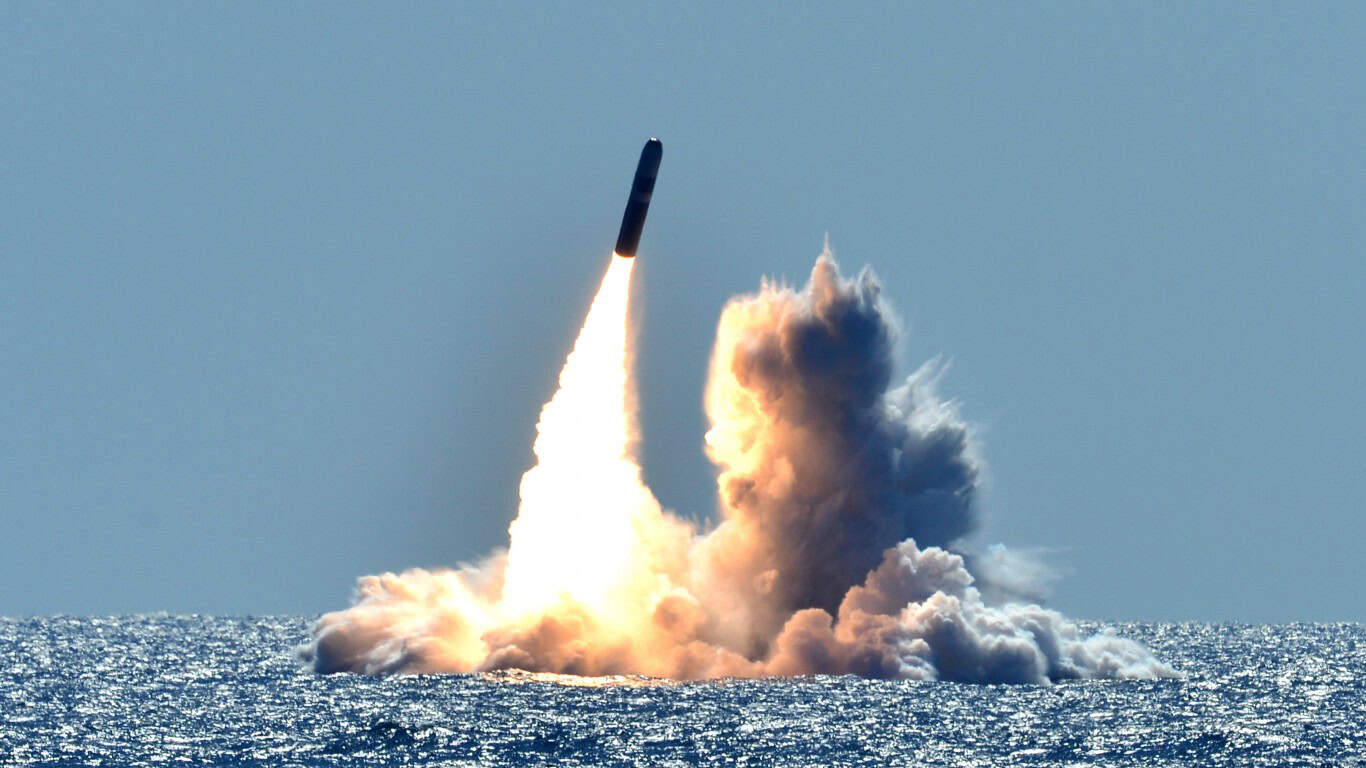
Trident II D5
- Country of origin: United States
- Manufacturer: Lockheed Martin
- Missile type: Submarine-launched ballistic missile
- Year introduced to service: 1990
- Maximum range: 12,000+ km
- Launch platform: Submarine
- Strategic role: Strategic nuclear deterrence
- Strategic impact: Highly accurate SLBM strengthening nuclear triad
The Trident II D5 is one of the most accurate submarine-launched ballistic missiles ever developed. Deployed aboard ballistic missile submarines, it forms a critical part of the United States' nuclear triad. Its combination of long range and precision allows it to serve as a powerful deterrent capable of striking targets across the globe.
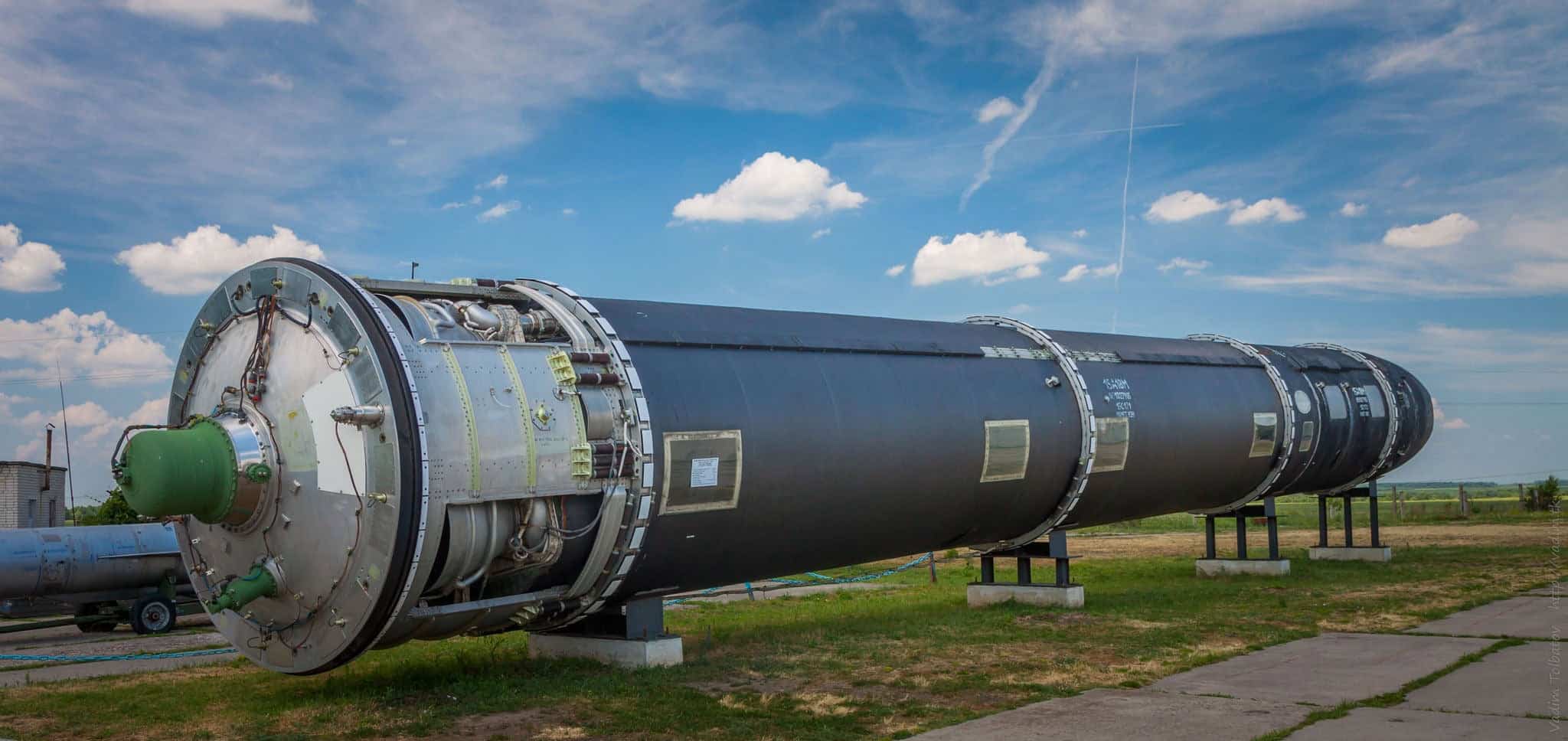
R-36M (SS-18 Satan)
- Country of origin: Soviet Union
- Manufacturer: Yuzhnoye Design Bureau
- Missile type: Intercontinental ballistic missile
- Year introduced to service: 1975
- Maximum range: 16,000 km
- Launch platform: Silo
- Strategic role: Nuclear deterrence
- Strategic impact: Large MIRV missile capable of multiple warheads
The Soviet R-36M, known in the West as the SS-18 Satan, was one of the largest and most powerful intercontinental ballistic missiles ever built. Designed to carry multiple nuclear warheads, it represented the peak of Cold War missile escalation. Its massive payload and range made it a central component of Soviet nuclear strategy.
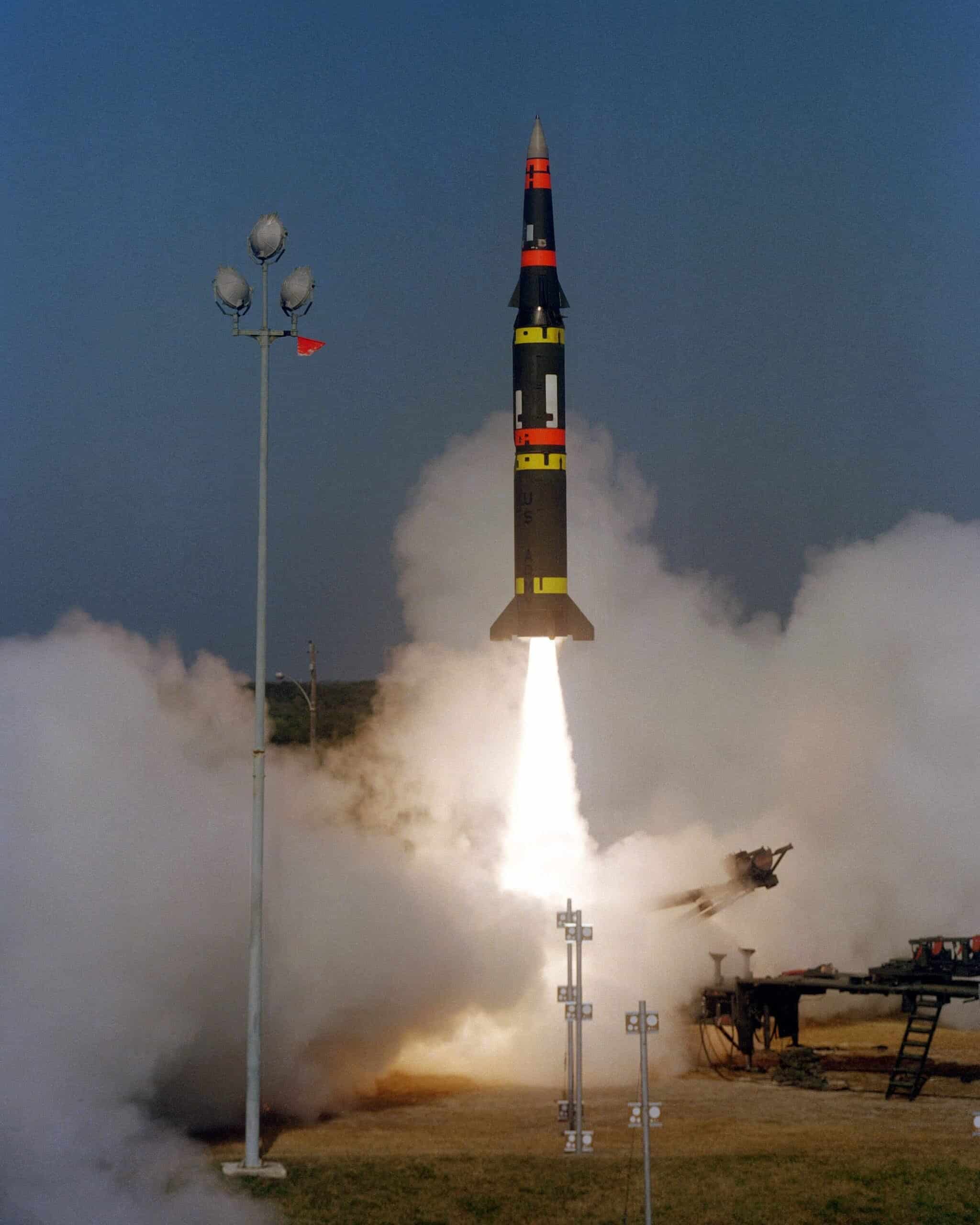
Pershing II
- Country of origin: United States
- Manufacturer: Martin Marietta
- Missile type: Intermediate-range ballistic missile
- Year introduced to service: 1983
- Maximum range: 1,770 km
- Launch platform: Mobile launcher
- Strategic role: Nuclear strike
- Strategic impact: Highly accurate IRBM deployed in Europe
The Pershing II intermediate-range ballistic missile introduced advanced guidance systems that dramatically improved missile accuracy. Deployed by the United States in Europe during the Cold War, it was capable of striking targets deep within Soviet territory. Its presence became a major factor in arms control negotiations between the superpowers.
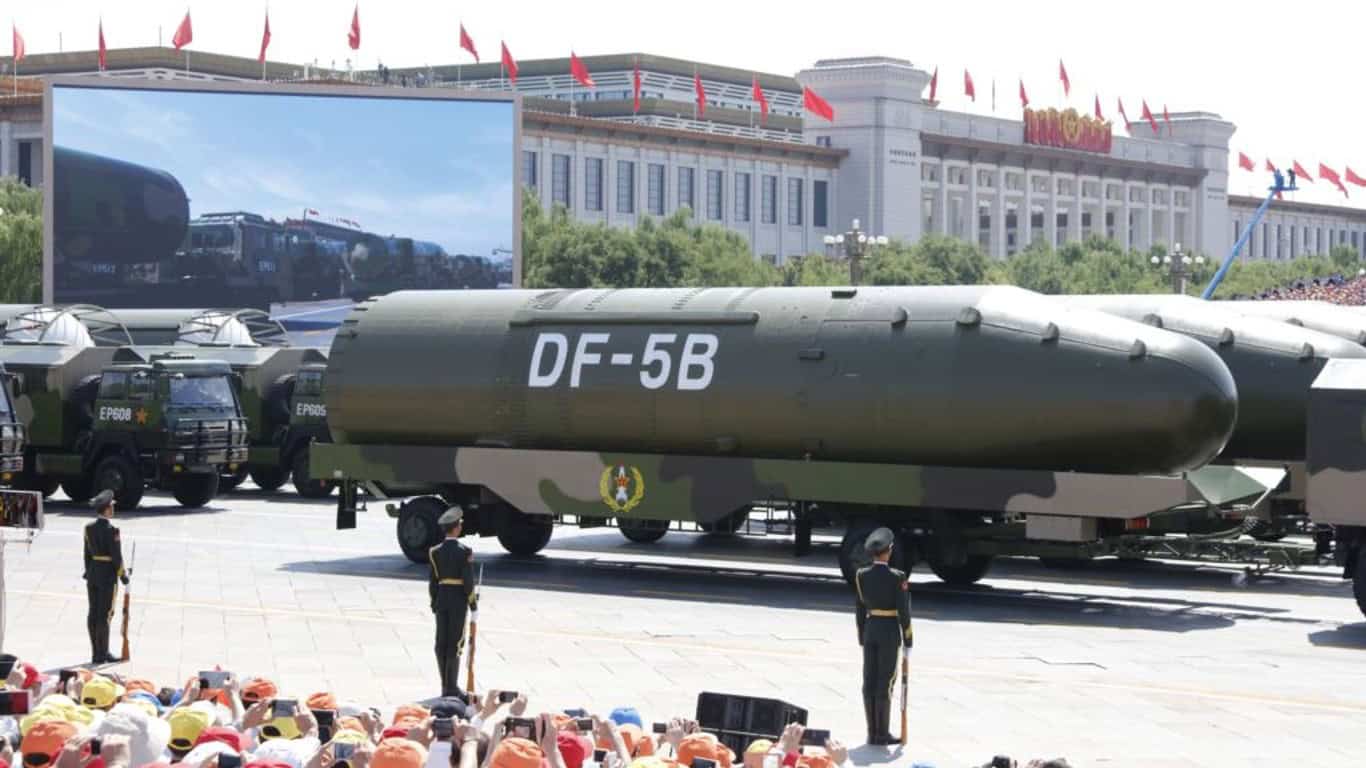
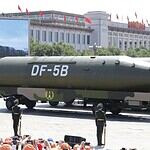
DF-5
- Country of origin: China
- Manufacturer: China Aerospace Science and Technology Corp
- Missile type: Intercontinental ballistic missile
- Year introduced to service: 1981
- Maximum range: 12,000 km
- Launch platform: Silo
- Strategic role: Strategic nuclear deterrence
- Strategic impact: China's first true ICBM
The DF-5 intercontinental ballistic missile represented China's entry into the ranks of long-range nuclear missile powers. Capable of reaching targets thousands of miles away, it provided China with a credible nuclear deterrent. The missile played a key role in establishing China's strategic missile force during the late Cold War.
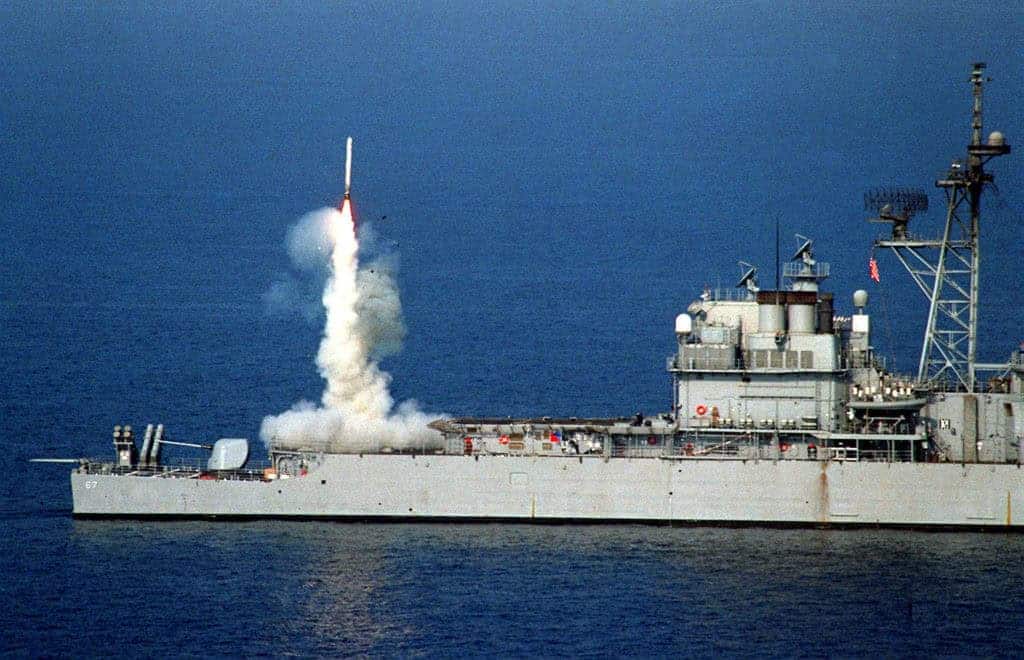
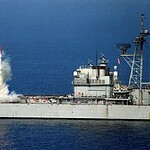
Tomahawk
- Country of origin: United States
- Manufacturer: Raytheon
- Missile type: Cruise missile
- Year introduced to service: 1983
- Maximum range: 1,600 km
- Launch platform: Ship / submarine
- Strategic role: Precision strike
- Strategic impact: Enabled long-range precision warfare
The Tomahawk cruise missile revolutionized modern warfare by enabling highly accurate strikes against distant targets. Launched from ships or submarines, it can fly hundreds of miles while following terrain to avoid detection. Its extensive use in conflicts since the 1990s demonstrated the growing importance of long-range precision strike weapons.
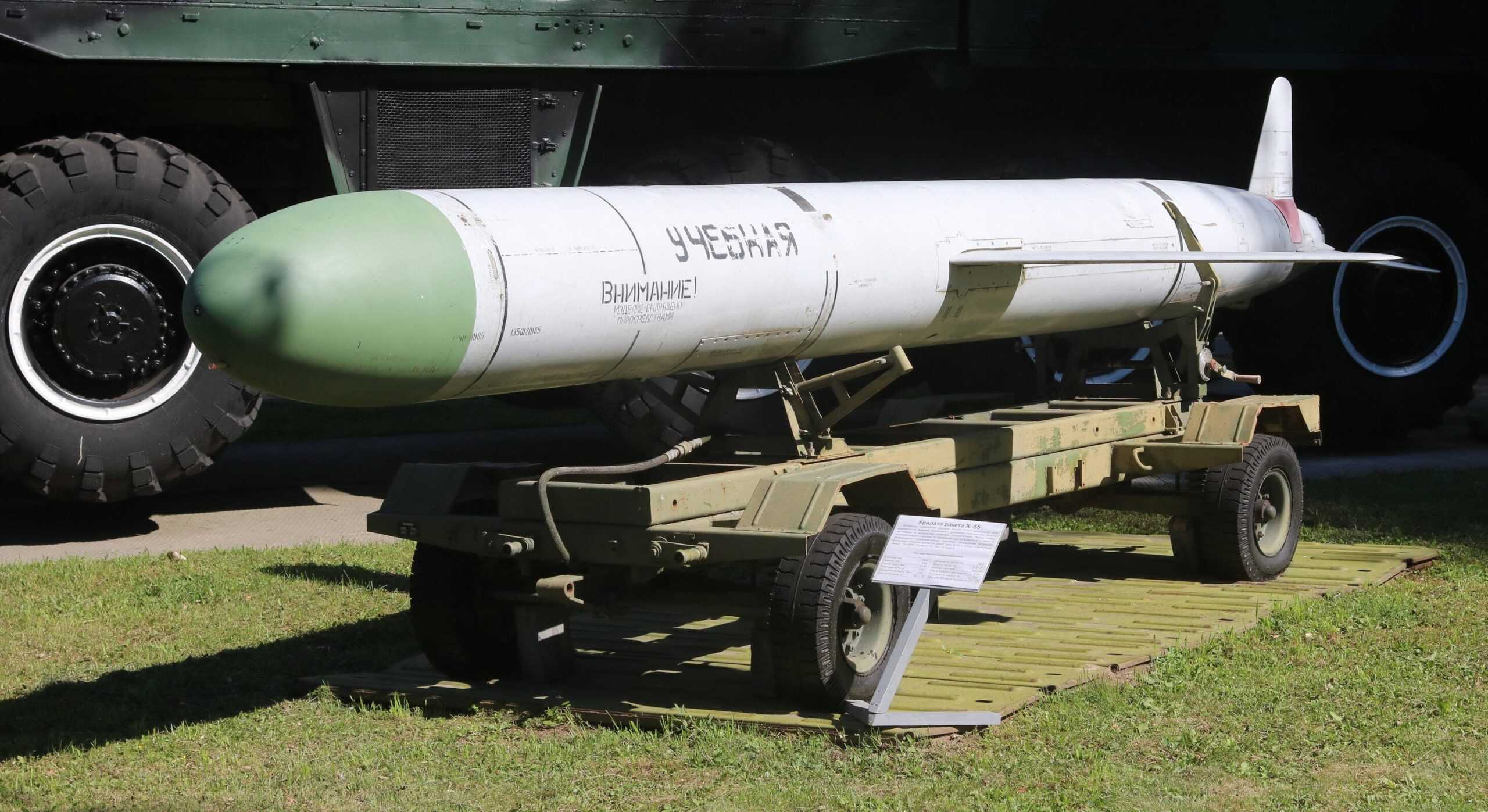
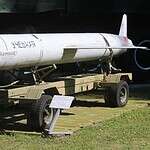
Kh-55
- Country of origin: Soviet Union
- Manufacturer: Raduga Design Bureau
- Missile type: Air-launched cruise missile
- Year introduced to service: 1984
- Maximum range: 2,500 km
- Launch platform: Aircraft
- Strategic role: Nuclear strike
- Strategic impact: Penetration of Western air defenses
The Soviet Kh-55 air-launched cruise missile was designed to penetrate NATO air defenses during the Cold War. Carried by strategic bombers, it allowed aircraft to launch nuclear weapons from far outside enemy airspace. This capability expanded the reach and survivability of Soviet strategic bomber forces.
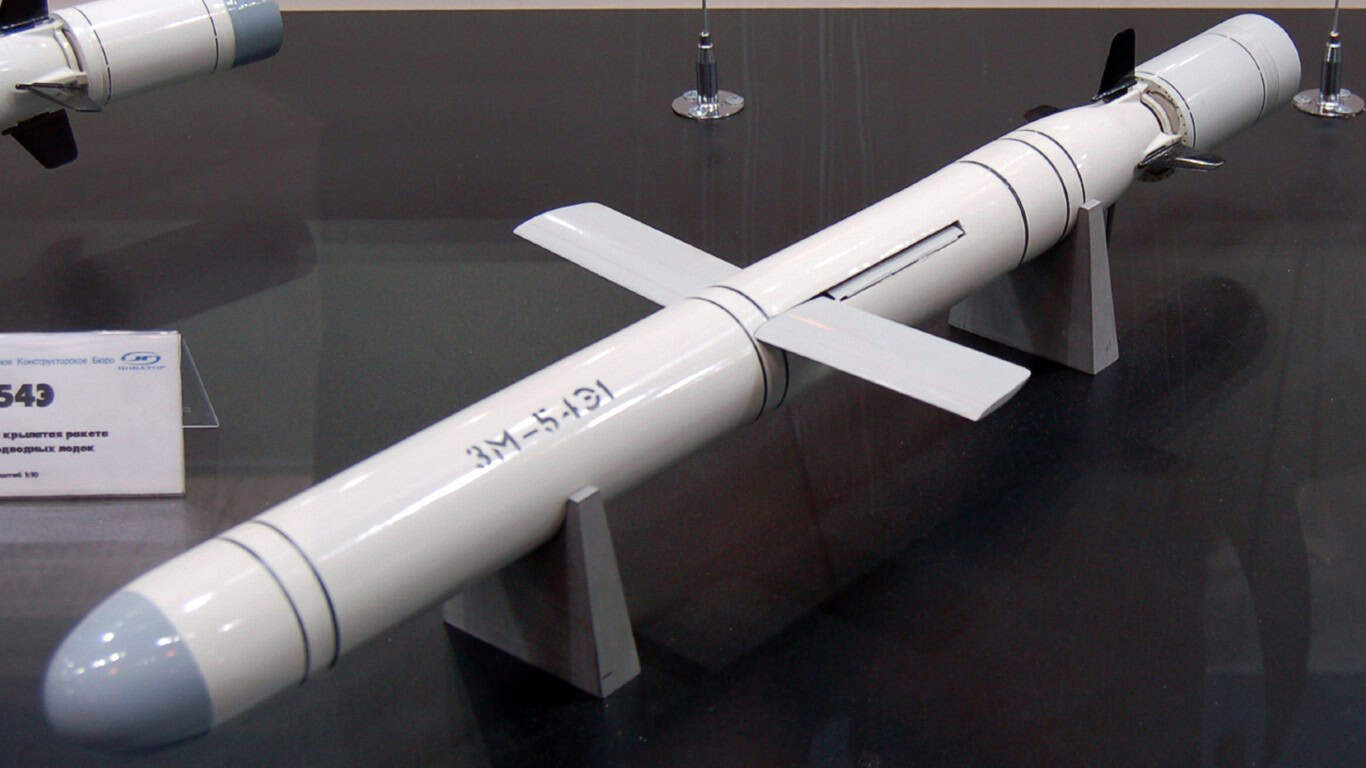
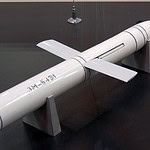
Kalibr
- Country of origin: Russia
- Manufacturer: Novator Design Bureau
- Missile type: Cruise missile
- Year introduced to service: 2012
- Maximum range: 1,500–2,500 km
- Launch platform: Ship / submarine
- Strategic role: Precision strike
- Strategic impact: Demonstrated long-range cruise strike capability
The Russian Kalibr cruise missile gained global attention when it was used in long-range strikes during conflicts in the Middle East. Capable of traveling over a thousand miles, it demonstrated that modern cruise missiles could deliver precision strikes from ships and submarines far from the battlefield.
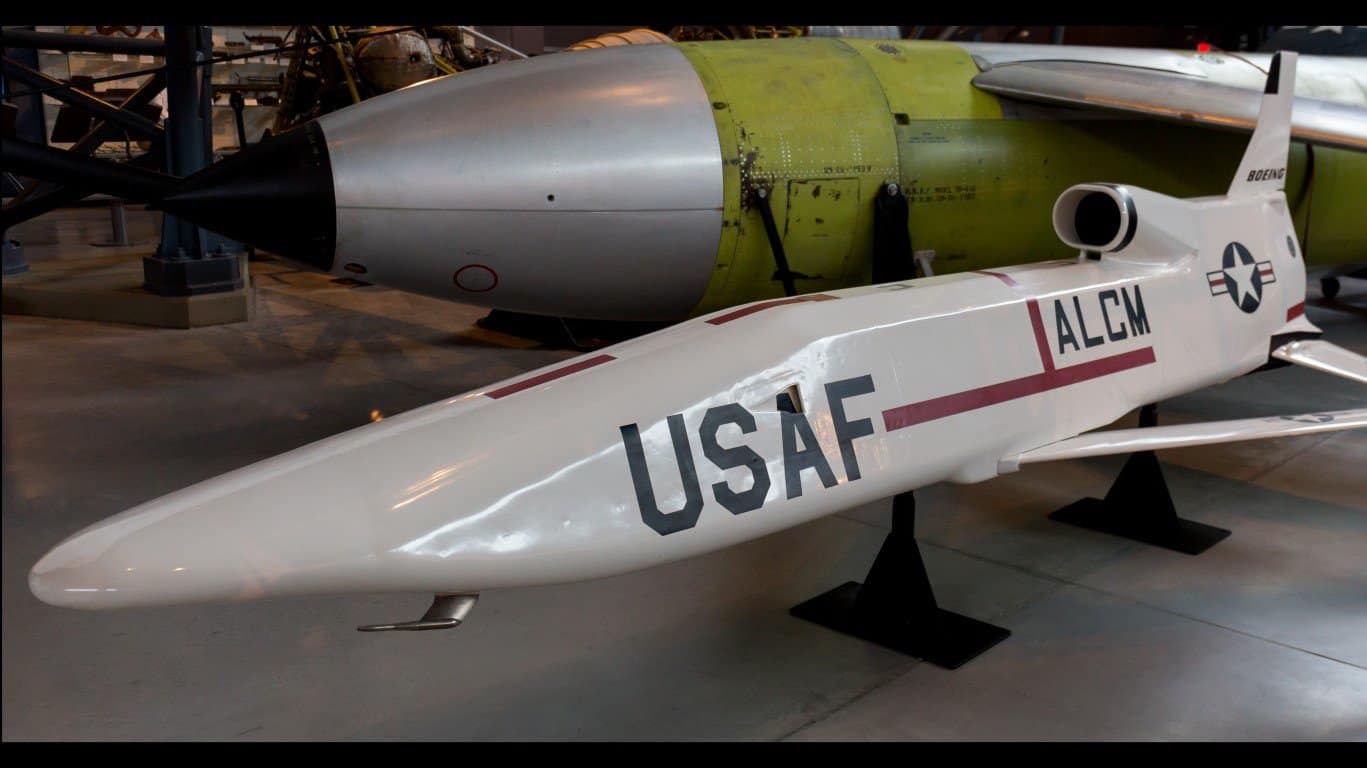
AGM-86 ALCM
- Country of origin: United States
- Manufacturer: Boeing
- Missile type: Air-launched cruise missile
- Year introduced to service: 1982
- Maximum range: 2,400 km
- Launch platform: Aircraft
- Strategic role: Strategic nuclear strike
- Strategic impact: Extended bomber strike range
The AGM-86 Air-Launched Cruise Missile extended the reach of American strategic bombers by allowing them to launch nuclear weapons from long distances. Instead of penetrating heavily defended airspace, bombers could release cruise missiles far from enemy defenses. This dramatically improved the survivability of strategic bomber forces.
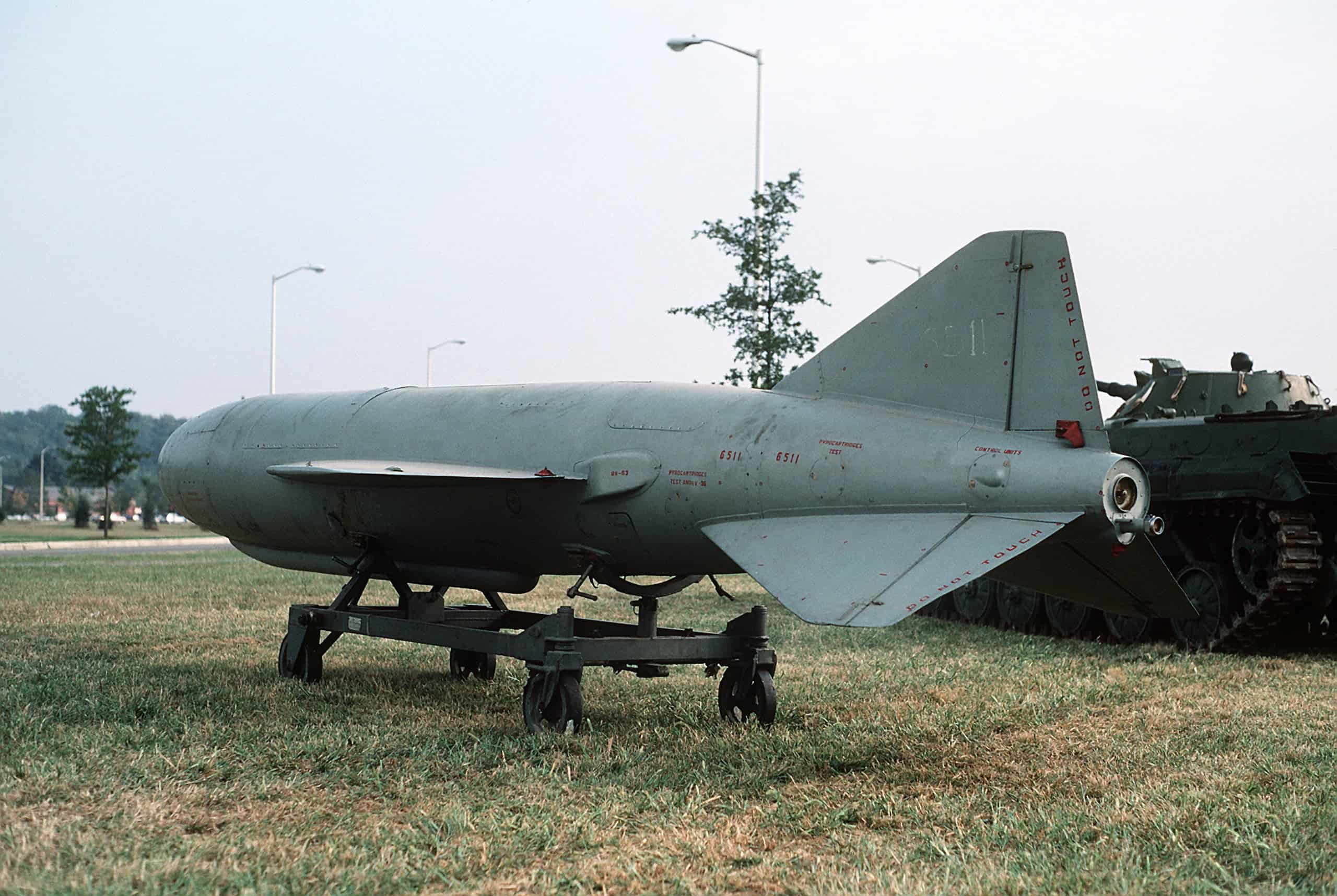
P-15 Termit (SS-N-2 Styx)
- Country of origin: Soviet Union
- Manufacturer: Raduga Design Bureau
- Missile type: Anti-ship missile
- Year introduced to service: 1960
- Maximum range: 80 km
- Launch platform: Ship / coastal launcher
- Strategic role: Naval strike
- Strategic impact: First major combat use of anti-ship missiles
The P-15 Termit, known in NATO as the Styx missile, demonstrated the devastating potential of anti-ship missiles. Its use during the 1967 sinking of the Israeli destroyer Eilat marked the first successful combat use of such weapons. The event forced navies worldwide to rethink ship defenses.
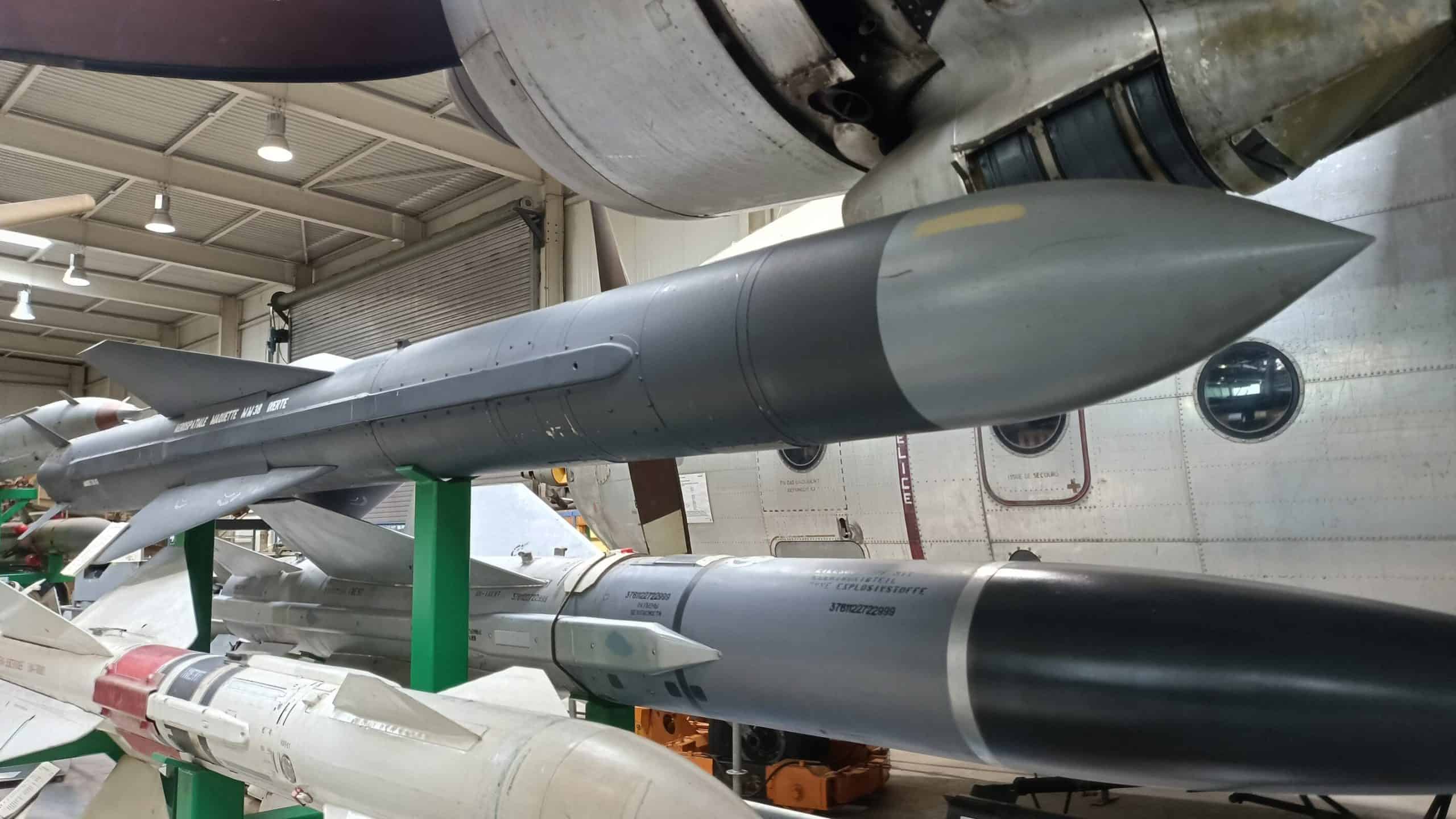
Exocet
- Country of origin: France
- Manufacturer: Aérospatiale
- Missile type: Anti-ship missile
- Year introduced to service: 1975
- Maximum range: 70–180 km
- Launch platform: Aircraft / ship
- Strategic role: Naval strike
- Strategic impact: Gained notoriety during Falklands War
The French Exocet anti-ship missile became famous during the Falklands War when it was used to damage or sink several British vessels. Its effectiveness demonstrated how relatively small missiles could threaten large warships. The conflict highlighted the growing vulnerability of naval forces to missile attacks.
Harpoon
- Country of origin: United States
- Manufacturer: Boeing
- Missile type: Anti-ship missile
- Year introduced to service: 1977
- Maximum range: 280 km
- Launch platform: Ship / aircraft / submarine
- Strategic role: Naval strike
- Strategic impact: Standard NATO anti-ship missile
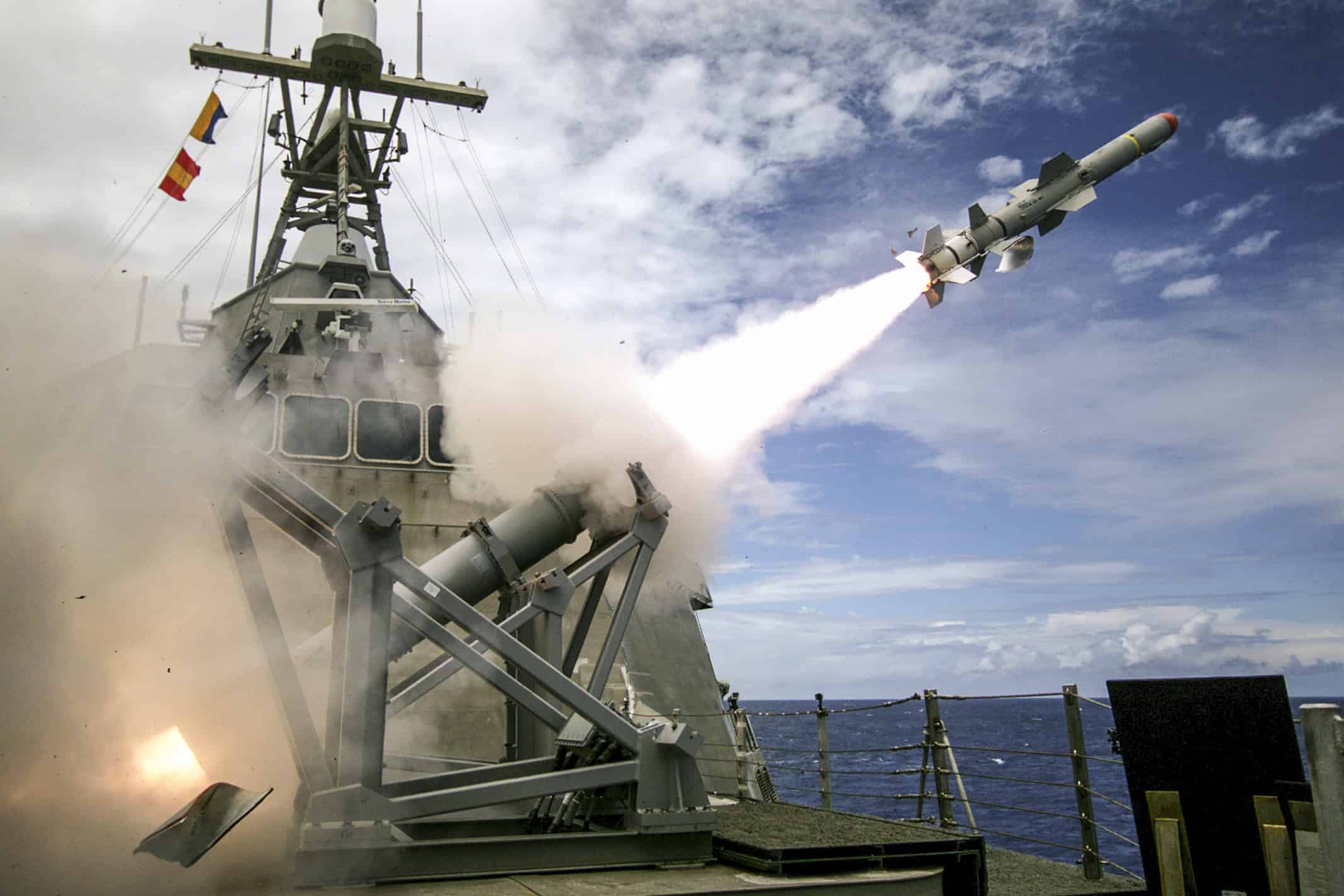
The Harpoon anti-ship missile became the standard naval strike weapon for many Western navies. Designed for launch from ships, aircraft, and submarines, it allowed forces to attack enemy vessels from long distances. Its widespread adoption helped shape modern naval combat doctrine.
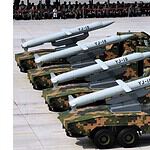
YJ-18
- Country of origin: China
- Manufacturer: China Aerospace Science and Industry Corp
- Missile type: Anti-ship cruise missile
- Year introduced to service: 2015
- Maximum range: 540 km
- Launch platform: Ship / submarine
- Strategic role: Carrier strike
- Strategic impact: Supersonic terminal attack capability
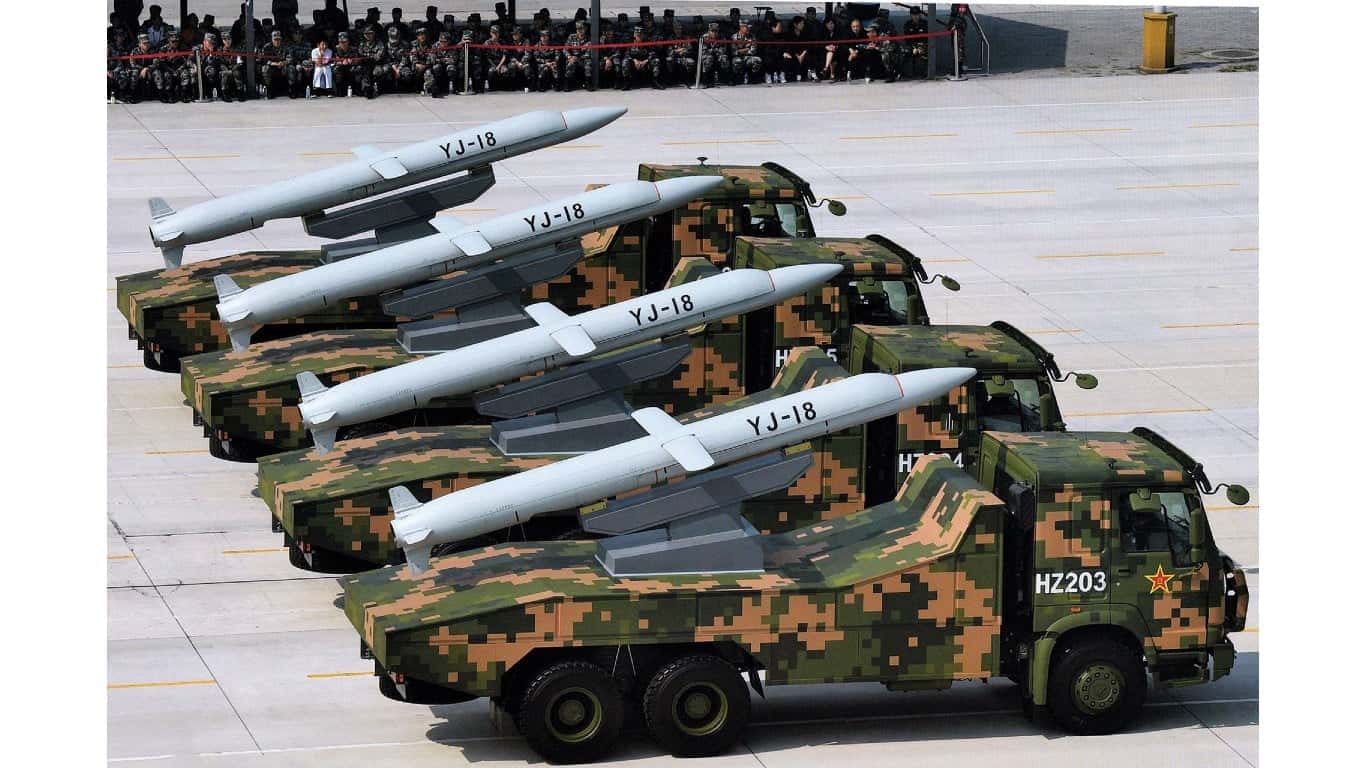
The Chinese YJ-18 anti-ship cruise missile combines long-range flight with a supersonic terminal attack phase. This design makes it difficult for defensive systems to intercept. The missile reflects China's growing focus on developing weapons capable of threatening large naval formations.
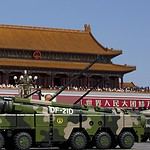
DF-21D
- Country of origin: China
- Manufacturer: China Aerospace Science and Industry Corp
- Missile type: Anti-ship ballistic missile
- Year introduced to service: 2010
- Maximum range: 1,500 km
- Launch platform: Mobile launcher
- Strategic role: Carrier killer
- Strategic impact: First anti-ship ballistic missile
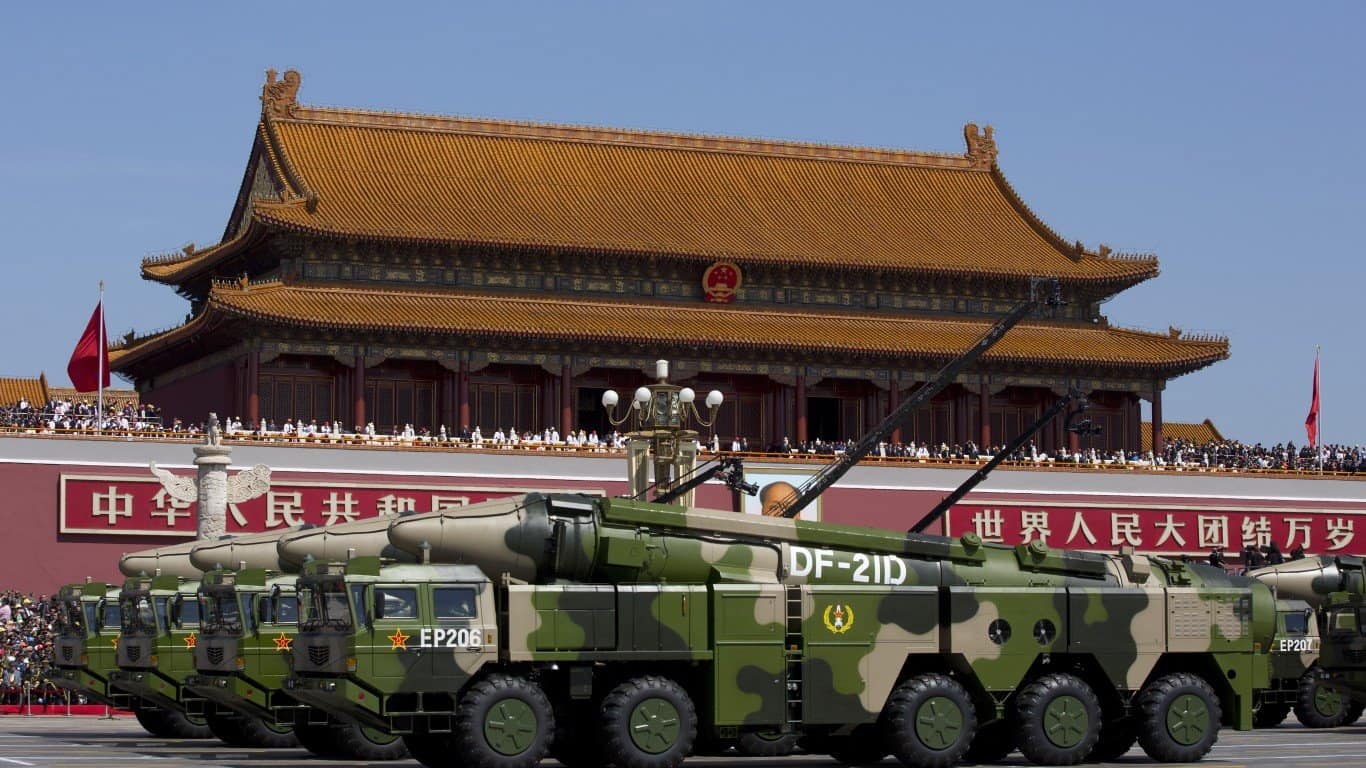
The DF-21D is widely regarded as the world's first anti-ship ballistic missile designed to target aircraft carriers. By combining ballistic missile speed with advanced targeting systems, it introduced a new threat to naval power projection. The weapon has forced military planners to rethink carrier operations in contested regions.
S-75 Dvina (SA-2)
- Country of origin: Soviet Union
- Manufacturer: Almaz-Antey
- Missile type: Surface-to-air missile
- Year introduced to service: 1957
- Maximum range: 45 km
- Launch platform: Ground launcher
- Strategic role: Air defense
- Strategic impact: Downed high-altitude aircraft including U-2
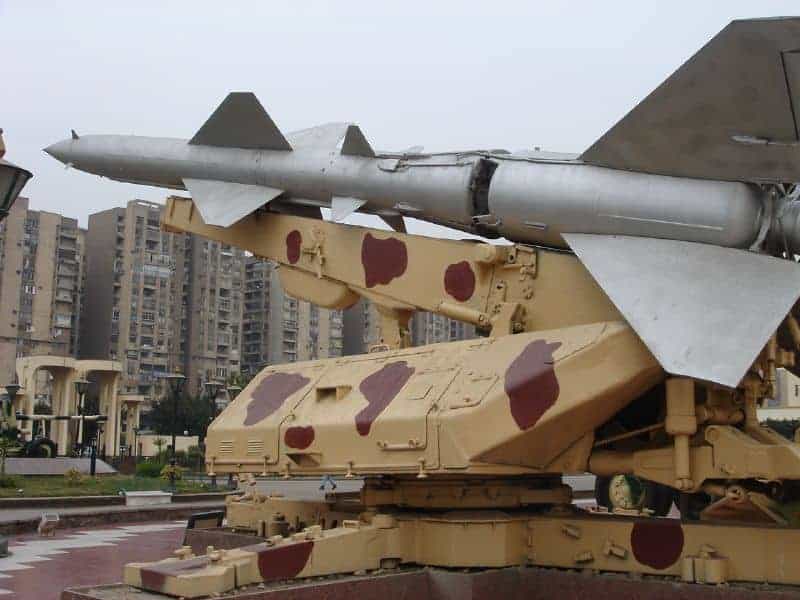
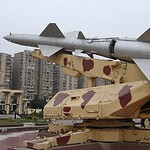
The S-75 Dvina surface-to-air missile dramatically changed air warfare by threatening aircraft flying at high altitudes. Its most famous use came in 1960 when it shot down an American U-2 reconnaissance plane over the Soviet Union. This event demonstrated that advanced missiles could challenge even high-flying aircraft.
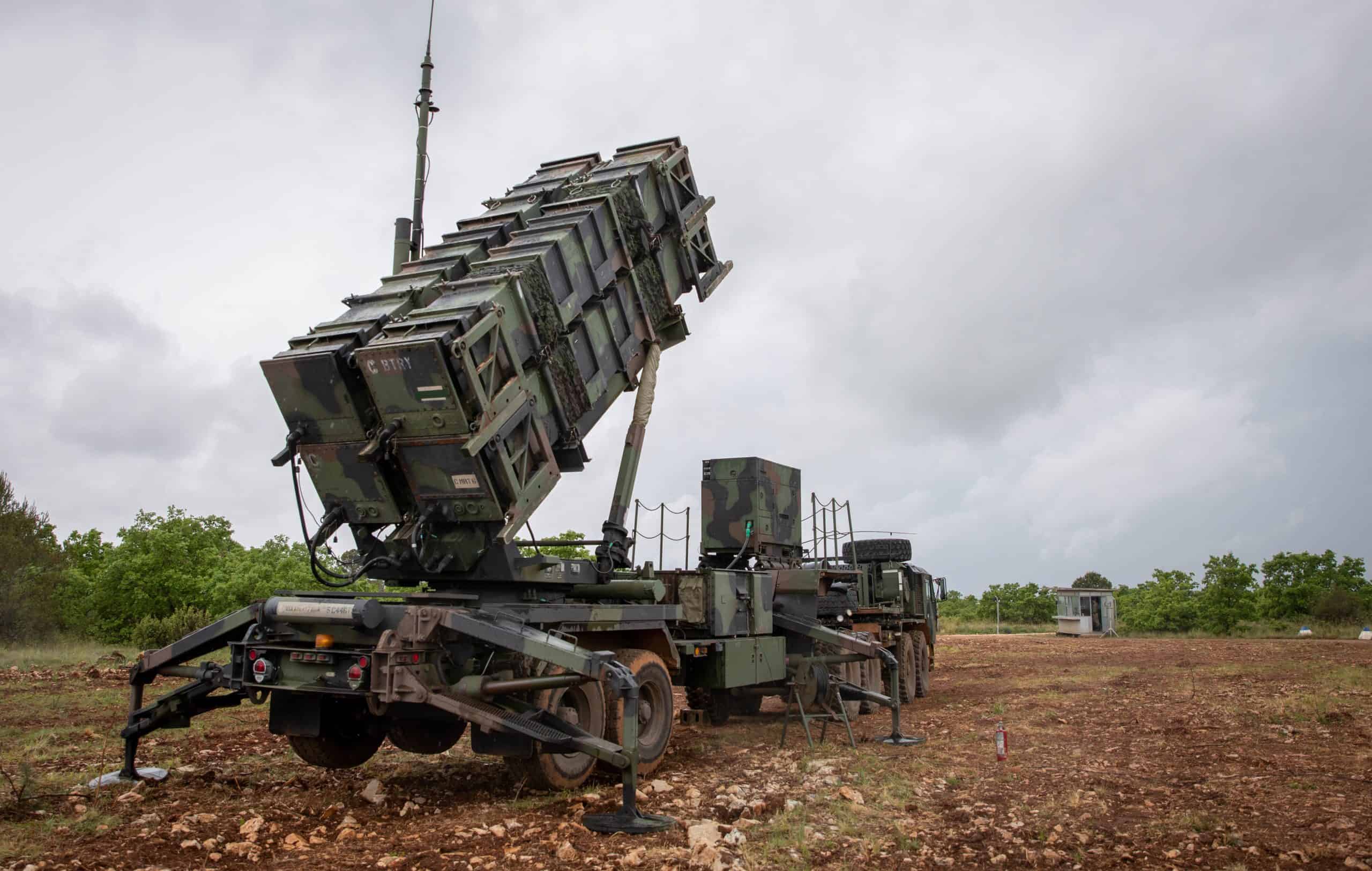
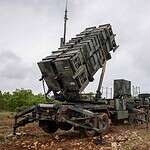
Patriot
- Country of origin: United States
- Manufacturer: Raytheon
- Missile type: Surface-to-air missile
- Year introduced to service: 1984
- Maximum range: 160 km
- Launch platform: Ground launcher
- Strategic role: Missile defense
- Strategic impact: Advanced air and missile defense system
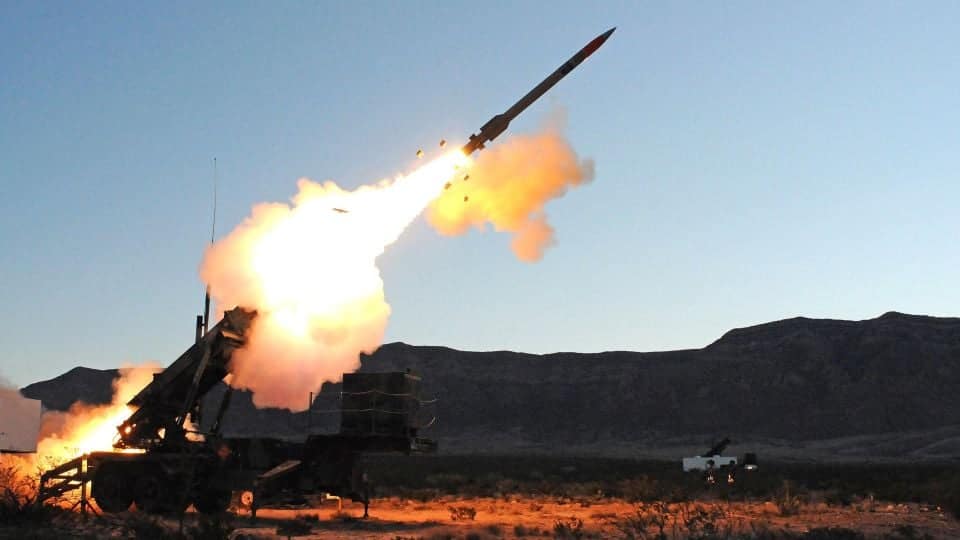
The Patriot missile system became one of the most recognized air defense platforms in the world. Designed to intercept aircraft and ballistic missiles, it gained international attention during the Gulf War. Its continued upgrades have made it a cornerstone of modern missile defense systems.
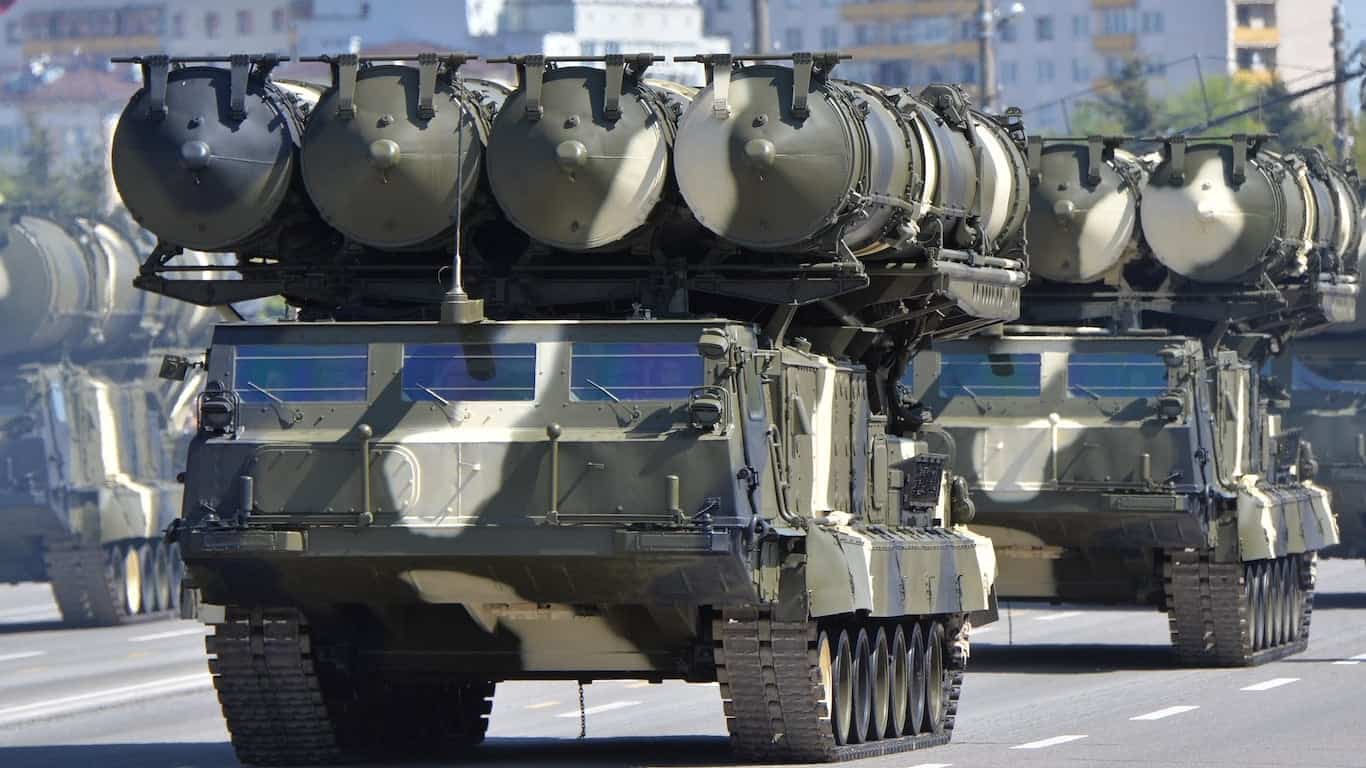
S-300
- Country of origin: Soviet Union
- Manufacturer: Almaz-Antey
- Missile type: Surface-to-air missile
- Year introduced to service: 1978
- Maximum range: 200 km
- Launch platform: Ground launcher
- Strategic role: Air defense
- Strategic impact: Long-range air defense system adopted globally
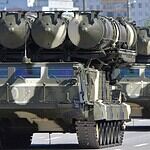
The S-300 air defense system introduced advanced radar-guided missiles capable of engaging multiple targets at long range. Widely exported, it became one of the most influential surface-to-air missile systems of the late Cold War. Many countries adopted it to strengthen their air defense networks.
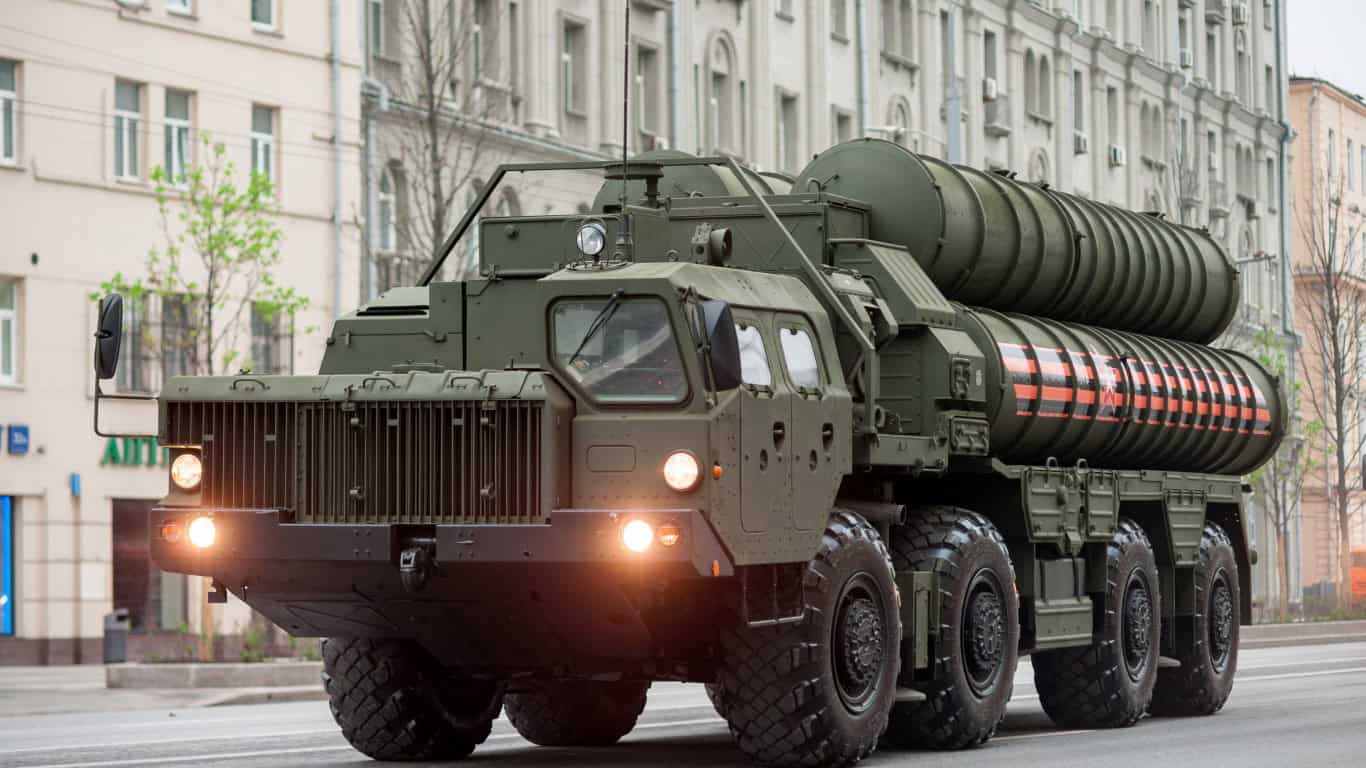
S-400 Triumf
- Country of origin: Russia
- Manufacturer: Almaz-Antey
- Missile type: Surface-to-air missile
- Year introduced to service: 2007
- Maximum range: 400 km
- Launch platform: Ground launcher
- Strategic role: Air defense
- Strategic impact: One of the most advanced SAM systems
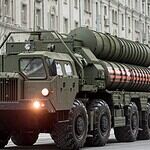
The S-400 Triumf represents one of the most advanced long-range surface-to-air missile systems in operation today. With the ability to engage aircraft, cruise missiles, and ballistic missiles, it provides layered air defense over large areas. Its deployment has become a major factor in regional military balance.
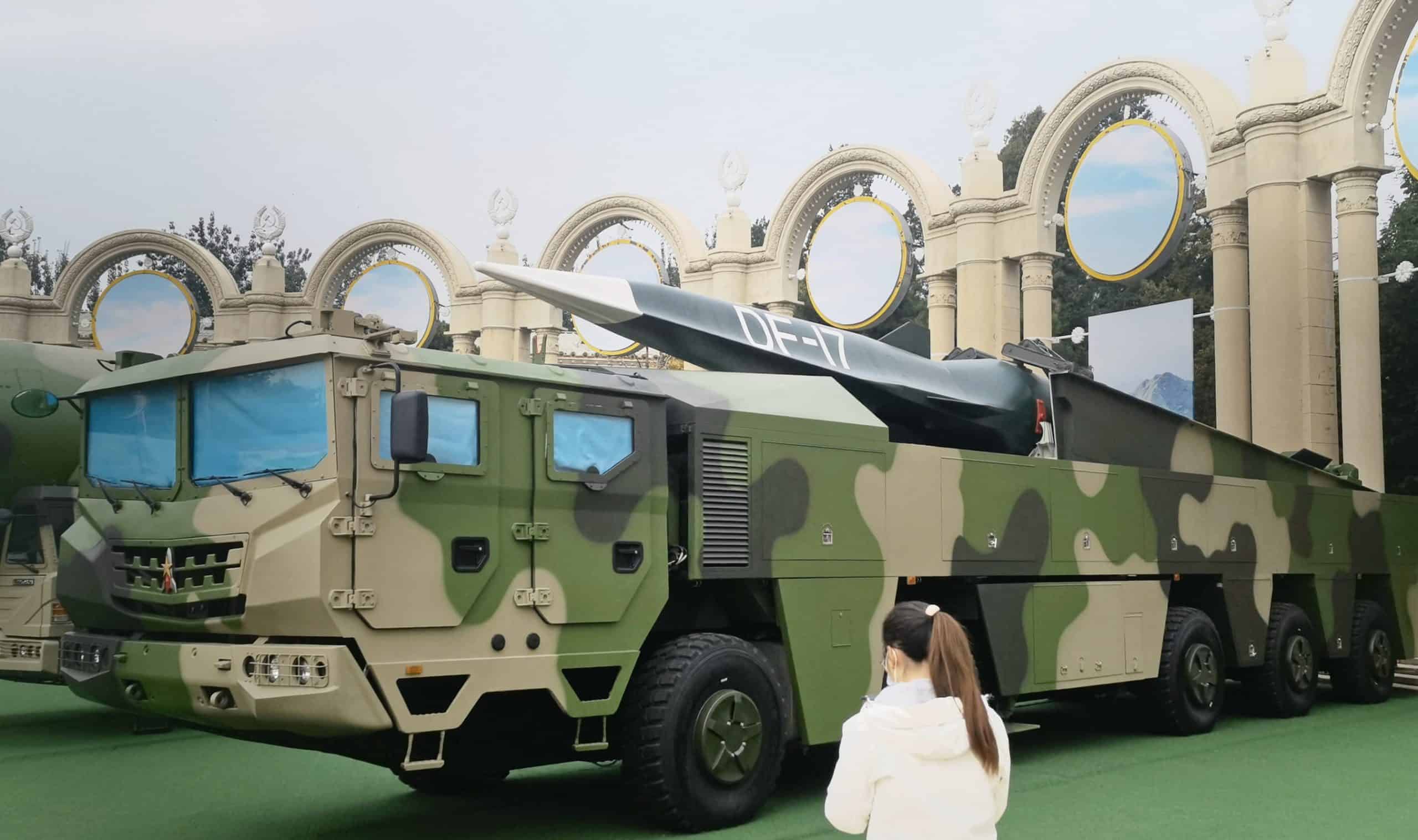
DF-17
- Country of origin: China
- Manufacturer: China Aerospace Science and Technology Corp
- Missile type: Hypersonic glide vehicle
- Year introduced to service: 2019
- Maximum range: 1,800–2,500 km
- Launch platform: Mobile launcher
- Strategic role: Hypersonic strike
- Strategic impact: Introduced operational hypersonic glide capability
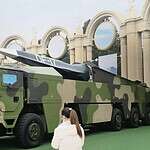
The Chinese DF-17 introduced an operational hypersonic glide vehicle capable of maneuvering at extremely high speeds. Unlike traditional ballistic missiles, hypersonic systems can change course during flight, making interception more difficult. This technology represents a new stage in the evolution of strategic weapons.
Kh-47M2 Kinzhal
- Country of origin: Russia
- Manufacturer: Mikoyan / KBM
- Missile type: Hypersonic missile
- Year introduced to service: 2017
- Maximum range: 2,000 km
- Launch platform: Aircraft
- Strategic role: Hypersonic strike
- Strategic impact: Air-launched hypersonic weapon
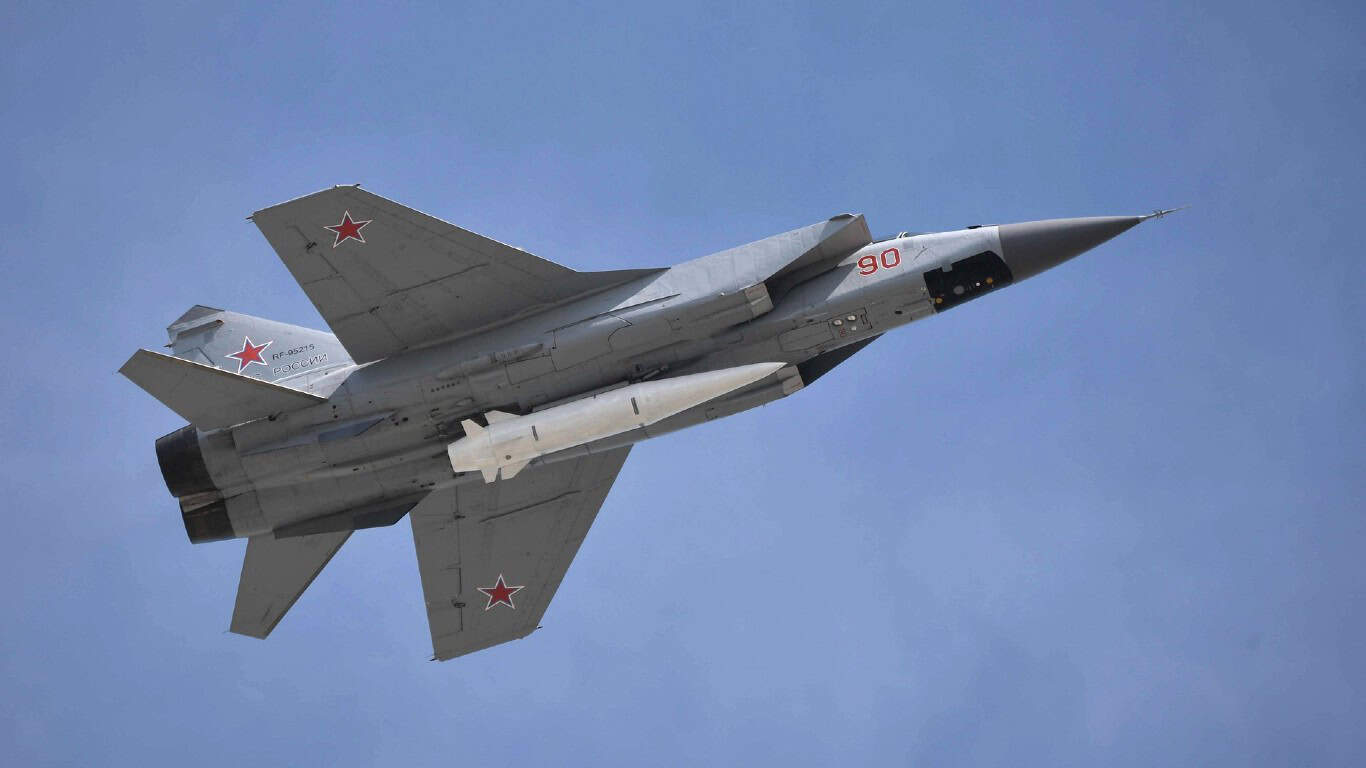
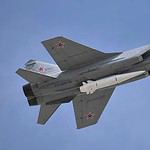
The Russian Kh-47M2 Kinzhal is an air-launched hypersonic missile capable of traveling at extreme speeds. Launched from high-performance aircraft, it can reach targets quickly while reducing reaction time for defenders. The system reflects the growing global race to develop hypersonic strike weapons.
Avangard
- Country of origin: Russia
- Manufacturer: NPO Mashinostroyenia
- Missile type: Hypersonic glide vehicle
- Year introduced to service: 2019
- Maximum range: 6,000+ km
- Launch platform: ICBM
- Strategic role: Strategic nuclear strike
- Strategic impact: Maneuverable hypersonic nuclear delivery system
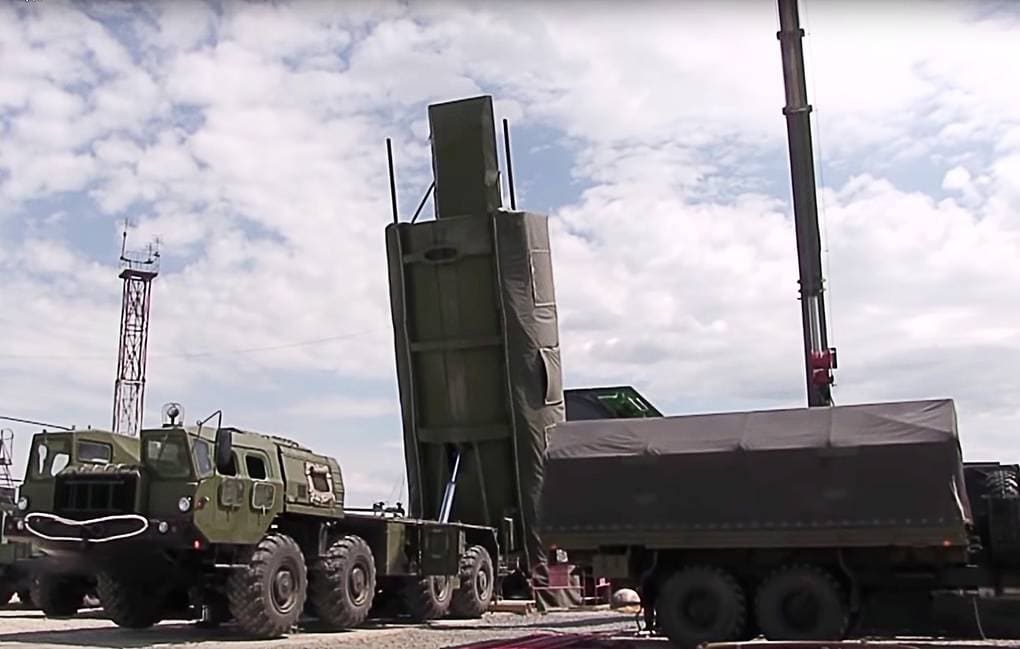
The Avangard hypersonic glide vehicle is designed to travel atop an intercontinental ballistic missile before maneuvering toward its target at extremely high speeds. Its ability to evade missile defenses makes it a significant development in strategic nuclear delivery systems.
AGM-158 JASSM
- Country of origin: United States
- Manufacturer: Lockheed Martin
- Missile type: Stealth cruise missile
- Year introduced to service: 2009
- Maximum range: 370–900 km
- Launch platform: Aircraft
- Strategic role: Precision strike
- Strategic impact: Stealth stand-off strike capability
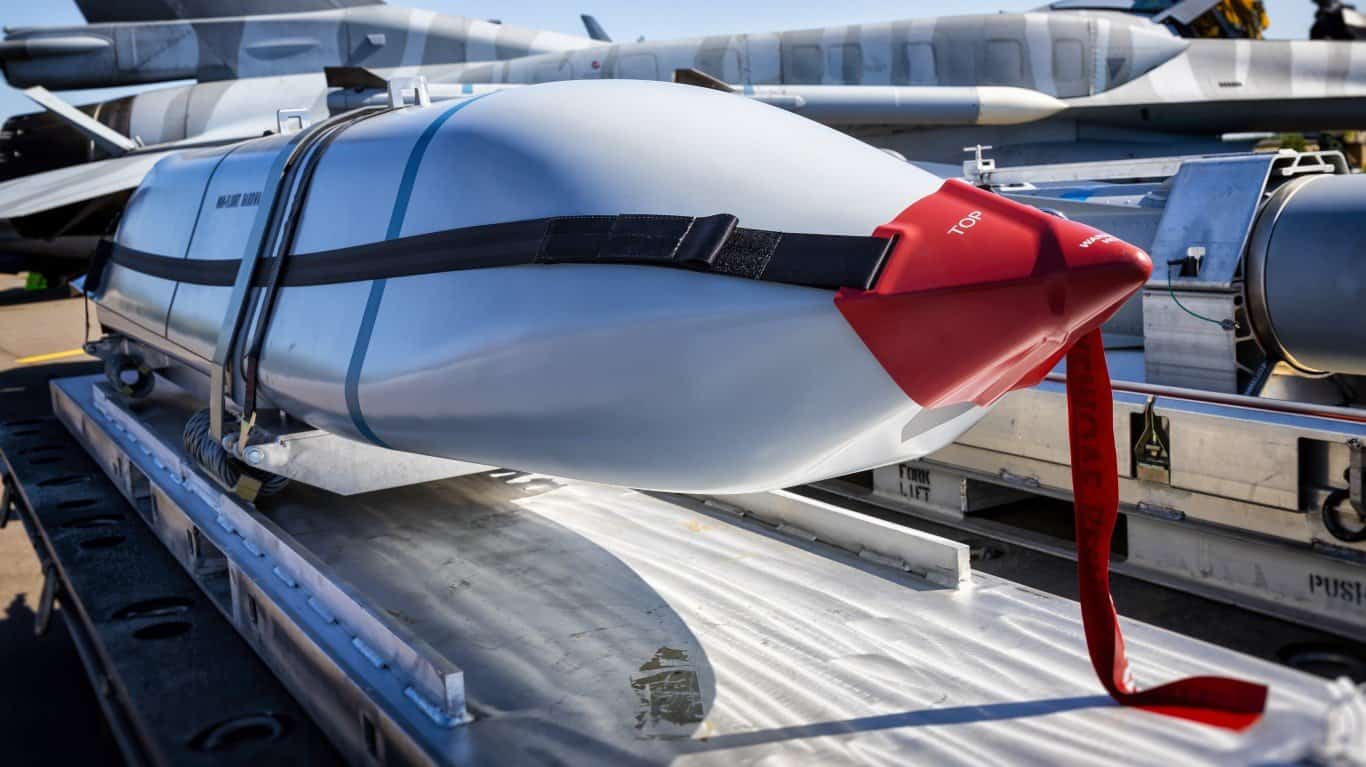
The AGM-158 Joint Air-to-Surface Standoff Missile (JASSM) is a stealth cruise missile designed to strike heavily defended targets from long distances. With advanced guidance and low radar visibility, it allows aircraft to attack strategic objectives while remaining outside the range of enemy air defenses.
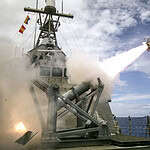
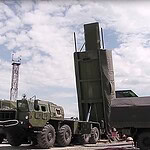
The image featured at the top of this post is ©Public Domain via dvidshub.net