

A Battlefield Like No Other
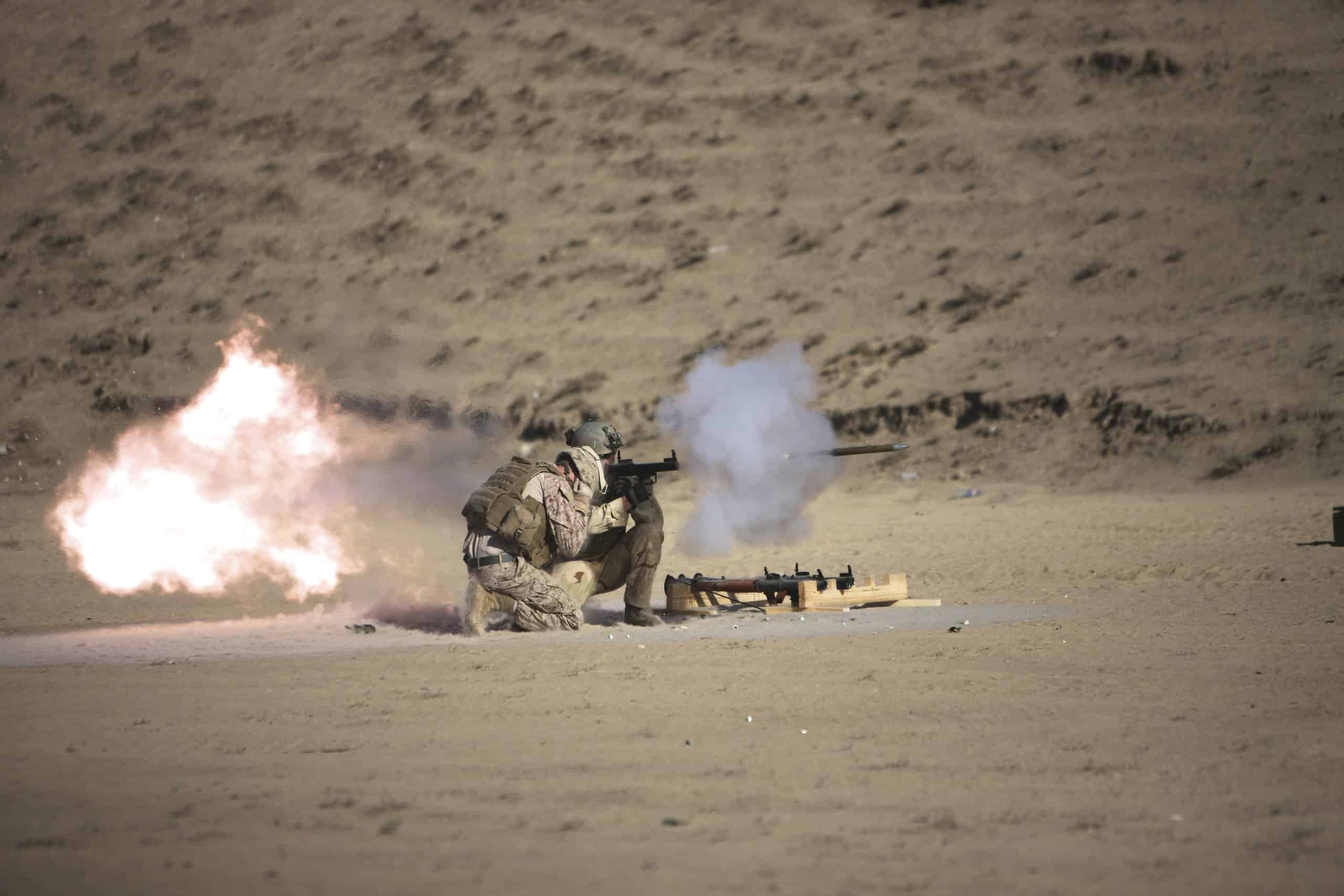
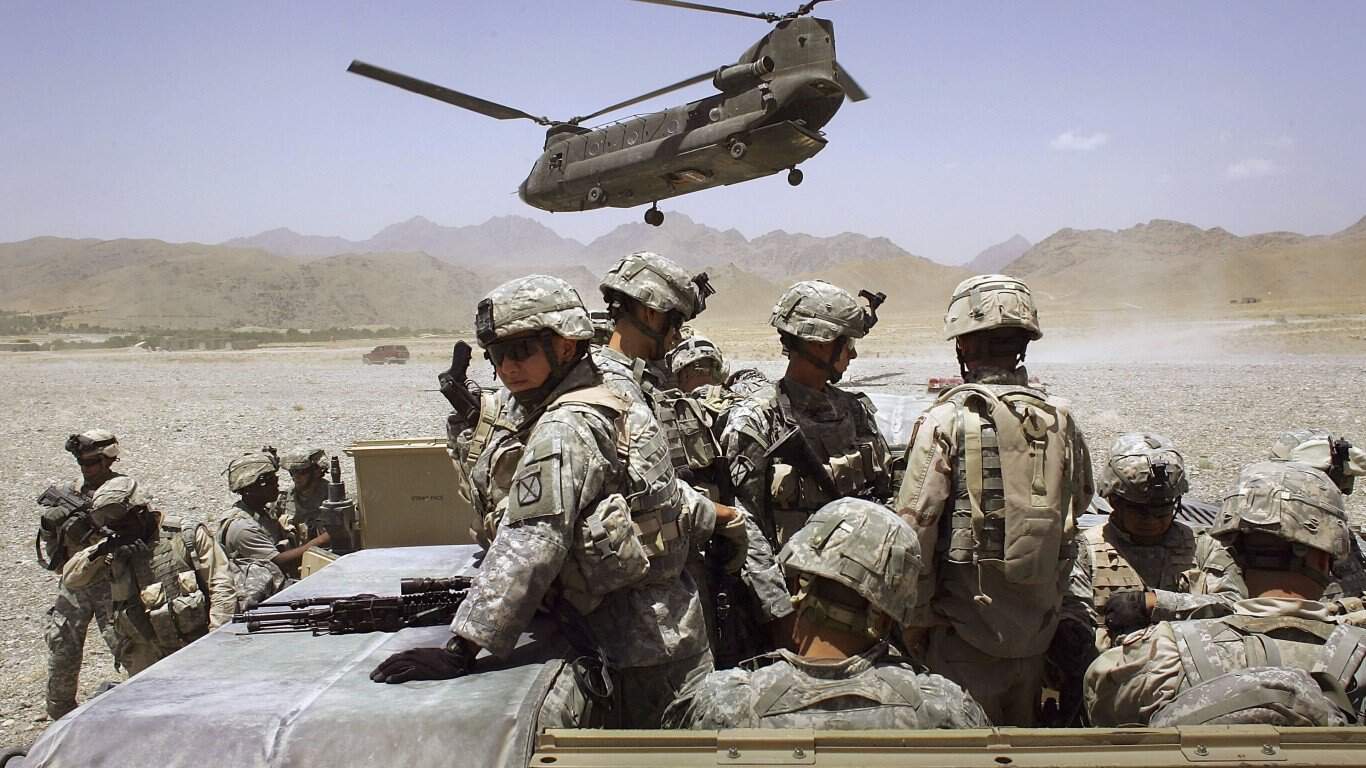
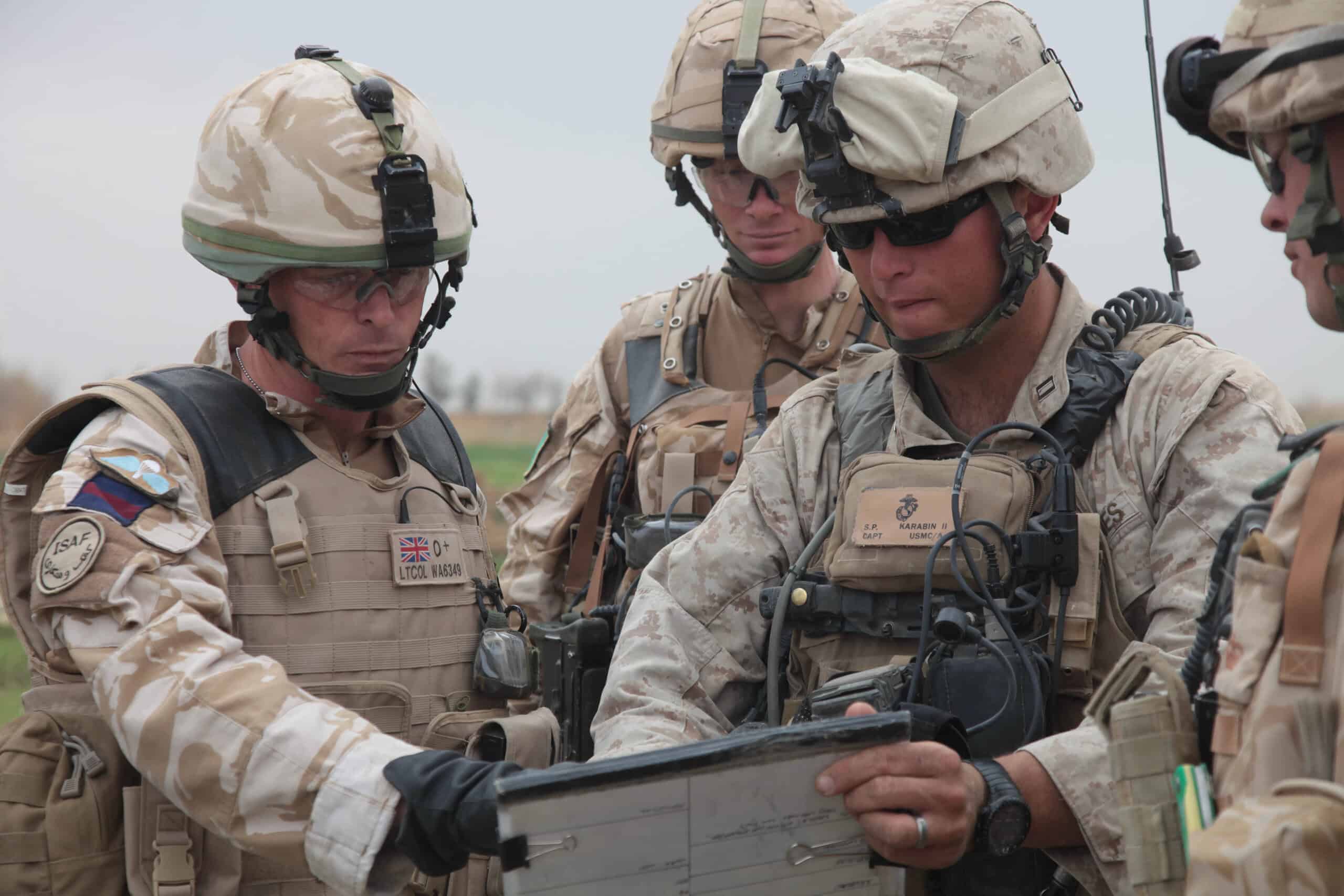
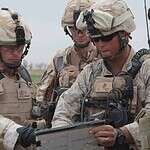
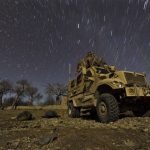
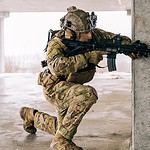
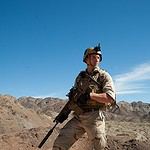
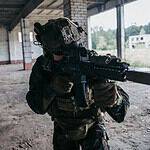
Afghanistan presented one of the most complex combat environments in modern warfare, where rugged mountains, open valleys, and dense urban areas all existed within the same operational space. Soldiers often found themselves shifting between close-quarters engagements and long-range firefights in a matter of minutes. In this environment, the effectiveness of a firearm was defined not just by its power, but by its adaptability.
The Challenge of Distance
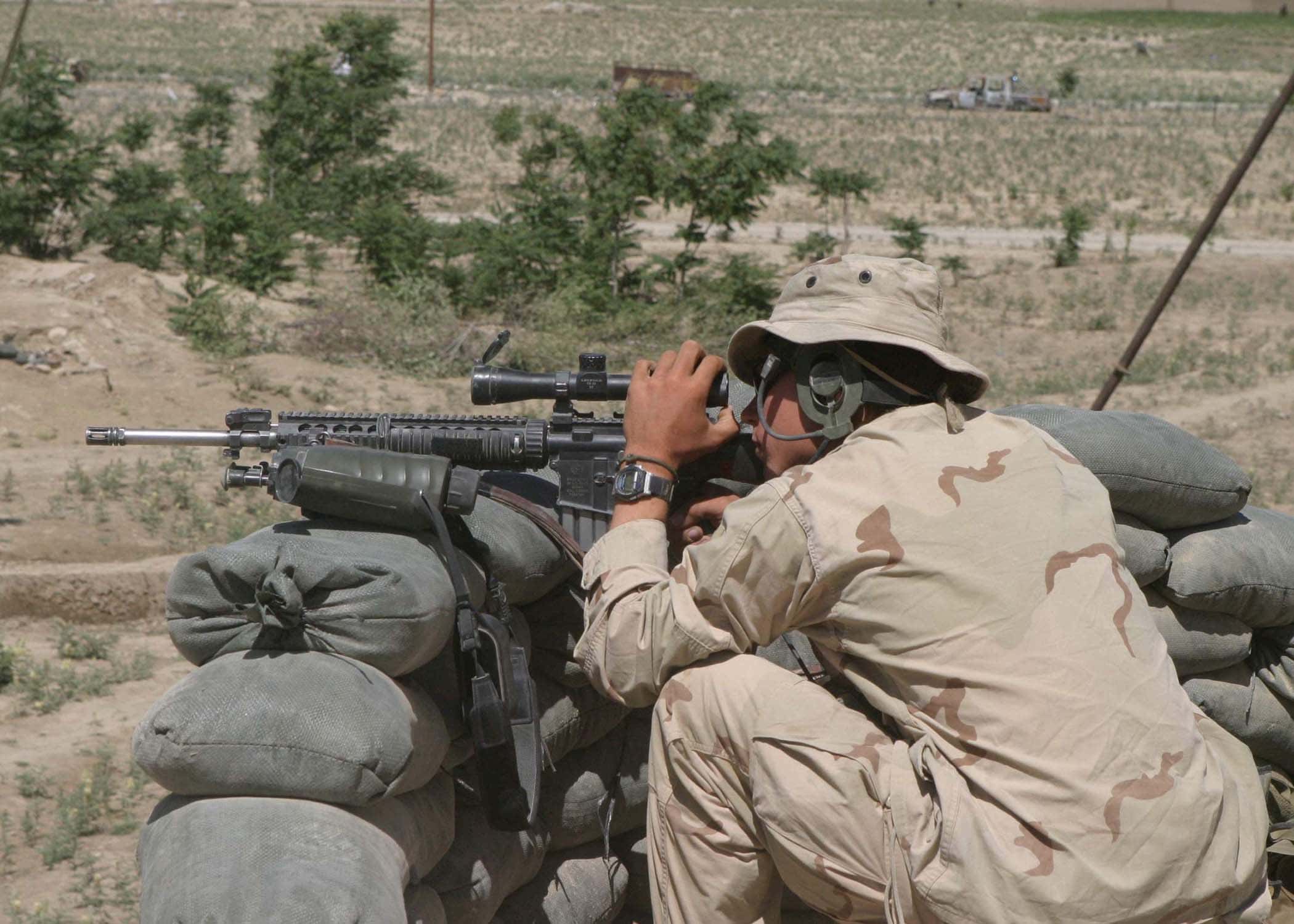
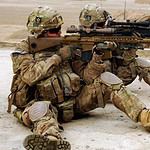
Unlike many previous conflicts, engagements in Afghanistan frequently occurred at extended ranges, often well beyond the capabilities of standard infantry rifles. This forced a shift in weapon selection, with greater emphasis placed on battle rifles, designated marksman rifles, and sniper systems that could perform in mountainous terrain. Range became one of the most critical factors in determining battlefield success.
Reliability Under Extreme Conditions
Dust, heat, and constant use pushed weapons to their limits in Afghanistan. Firearms that could not withstand these conditions quickly became liabilities, while those that proved reliable gained the trust of the troops using them. Reliability was not just a preference—it was a requirement for survival in an unforgiving environment.
Firepower and Flexibility
Combat in Afghanistan required a balance between firepower and mobility. Machine guns provided the suppressive fire needed to control engagements, while lighter rifles allowed troops to maneuver quickly through varied terrain. The most effective weapons were those that could support both roles, adapting to the needs of the moment.
Lessons That Reshaped Modern Combat
The firearms that dominated Afghanistan did more than win battles—they influenced how modern militaries approach weapon selection and combat tactics. The shift toward greater range, improved optics, and more versatile platforms reflects lessons learned in this unique environment. These changes continue to shape how wars are fought today.
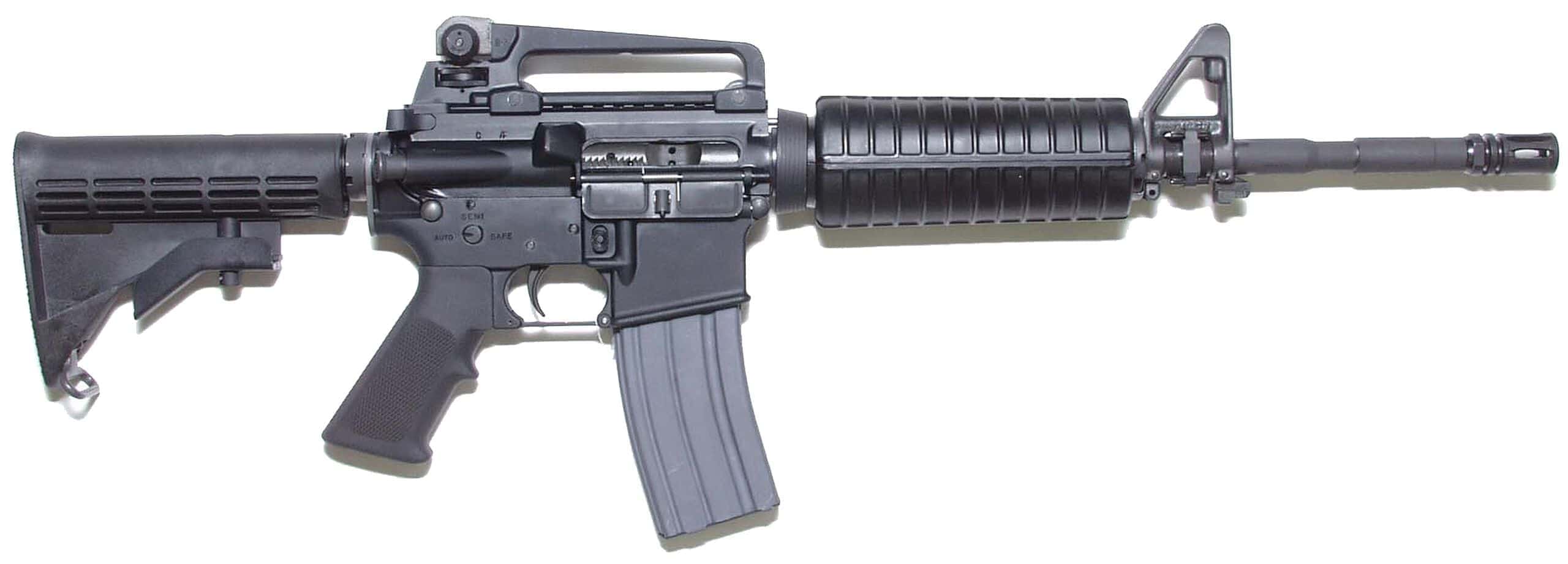
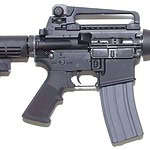
M4 Carbine
- Country of Origin: United States
- Weapon Type: Carbine
- Standard Caliber: 5.56×45mm
- Primary Combat Role in Afghanistan: General combat
- Key Terrain Advantage: Urban/CQB
- Main Operational Strength: Lightweight, modular
- Key Limitation in Theater: Limited long-range effectiveness
- Why It Succeeded in Afghanistan: Highly adaptable across missions
The M4 Carbine was the standard U.S. infantry weapon in Afghanistan, valued for its modularity and ease of use in close quarters. While its 5.56 round struggled at extended ranges common in mountainous terrain, its adaptability with optics and accessories made it effective across varied missions, especially in urban combat and patrol operations.
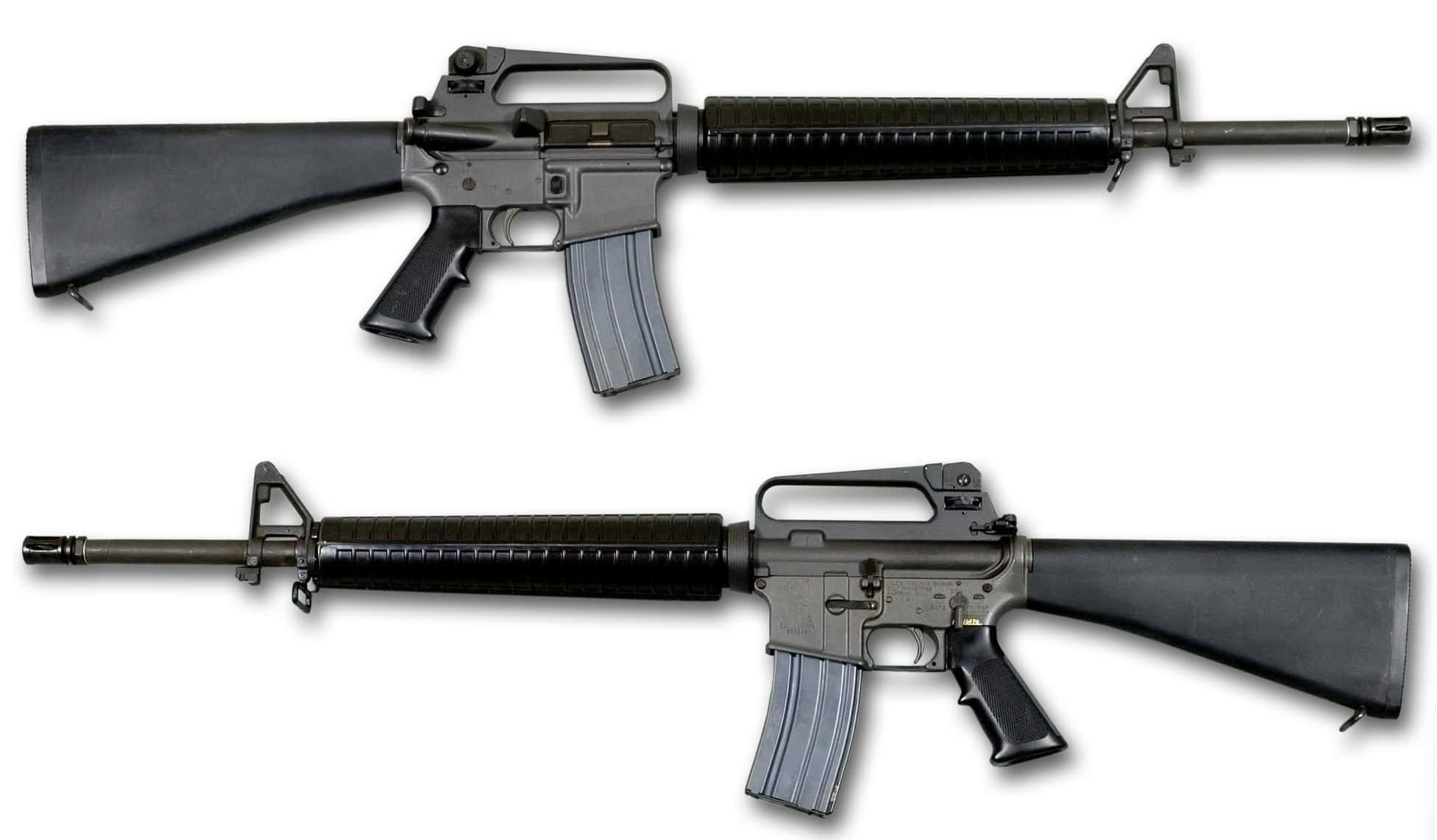
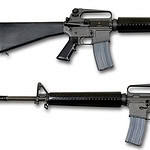
M16A4
- Country of Origin: United States
- Weapon Type: Rifle
- Standard Caliber: 5.56×45mm
- Primary Combat Role in Afghanistan: Patrol/infantry
- Key Terrain Advantage: Open terrain
- Main Operational Strength: Accuracy at range
- Key Limitation in Theater: Length in CQB
- Why It Succeeded in Afghanistan: Effective mid-range rifle
The M16A4 offered improved accuracy over the M4 due to its longer barrel, making it more effective in mid-range engagements. However, its length made it less maneuverable in tight spaces, highlighting the tradeoff between range and mobility in Afghanistan’s mixed terrain.
HK416
- Country of Origin: Germany
- Weapon Type: Carbine
- Standard Caliber: 5.56×45mm
- Primary Combat Role in Afghanistan: Special operations
- Key Terrain Advantage: Urban/mixed
- Main Operational Strength: High reliability
- Key Limitation in Theater: Heavier than M4
- Why It Succeeded in Afghanistan: Trusted in harsh conditions
The HK416 gained popularity among special operations forces for its piston-driven reliability, particularly in dusty Afghan conditions. Its consistent performance under stress made it a preferred alternative to standard carbines for elite units operating in demanding environments.
FN SCAR-H (Mk 17)
- Country of Origin: Belgium
- Weapon Type: Battle Rifle
- Standard Caliber: 7.62×51mm
- Primary Combat Role in Afghanistan: Mid-range combat
- Key Terrain Advantage: Mountain/valley
- Main Operational Strength: Stopping power, range
- Key Limitation in Theater: Weight, recoil
- Why It Succeeded in Afghanistan: Excelled in long-range fights
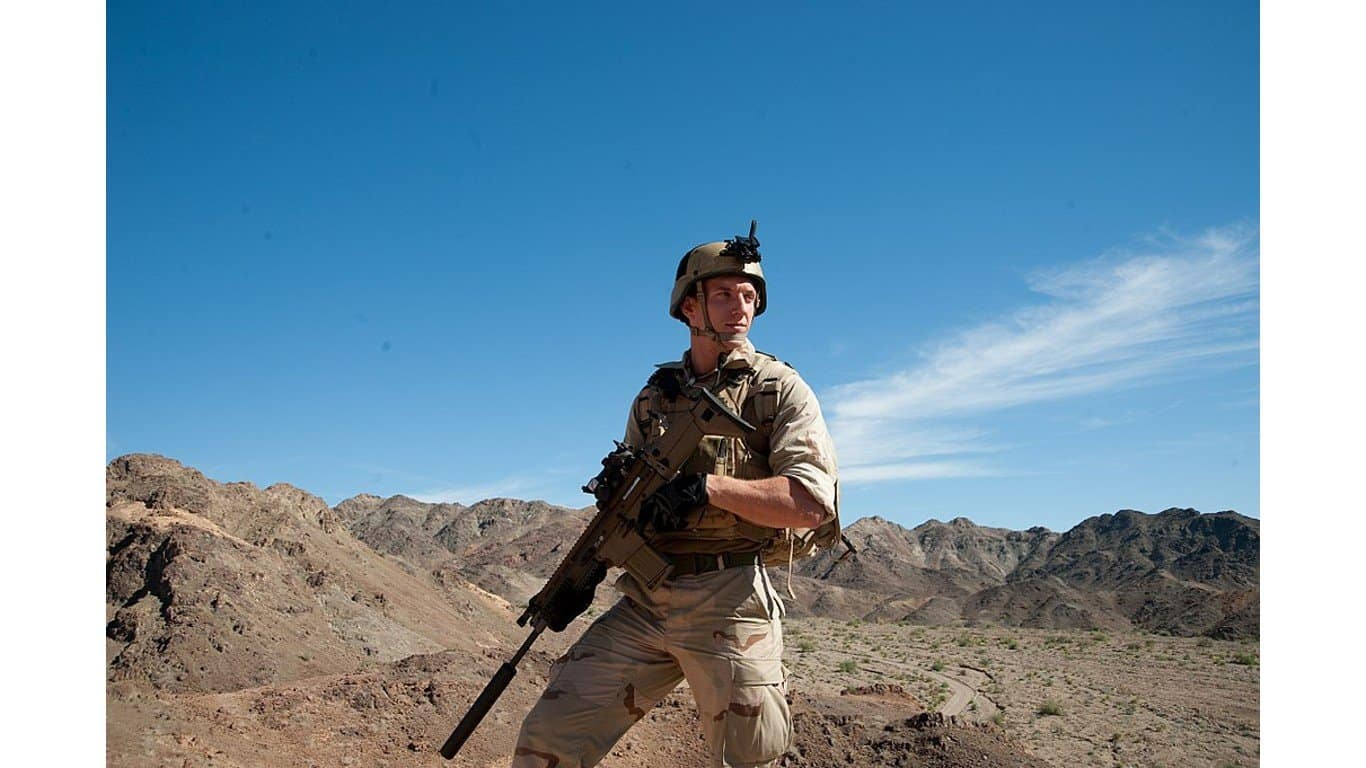
The SCAR-H became a favored platform for its ability to engage targets at extended ranges common in Afghanistan. Its 7.62 caliber provided greater stopping power and effectiveness in mountainous terrain, addressing limitations seen in lighter carbines.
M14 EBR
- Country of Origin: United States
- Weapon Type: Battle Rifle
- Standard Caliber: 7.62×51mm
- Primary Combat Role in Afghanistan: DMR/overwatch
- Key Terrain Advantage: Mountain
- Main Operational Strength: Extended range
- Key Limitation in Theater: Heavy platform
- Why It Succeeded in Afghanistan: Revived for long-range engagements
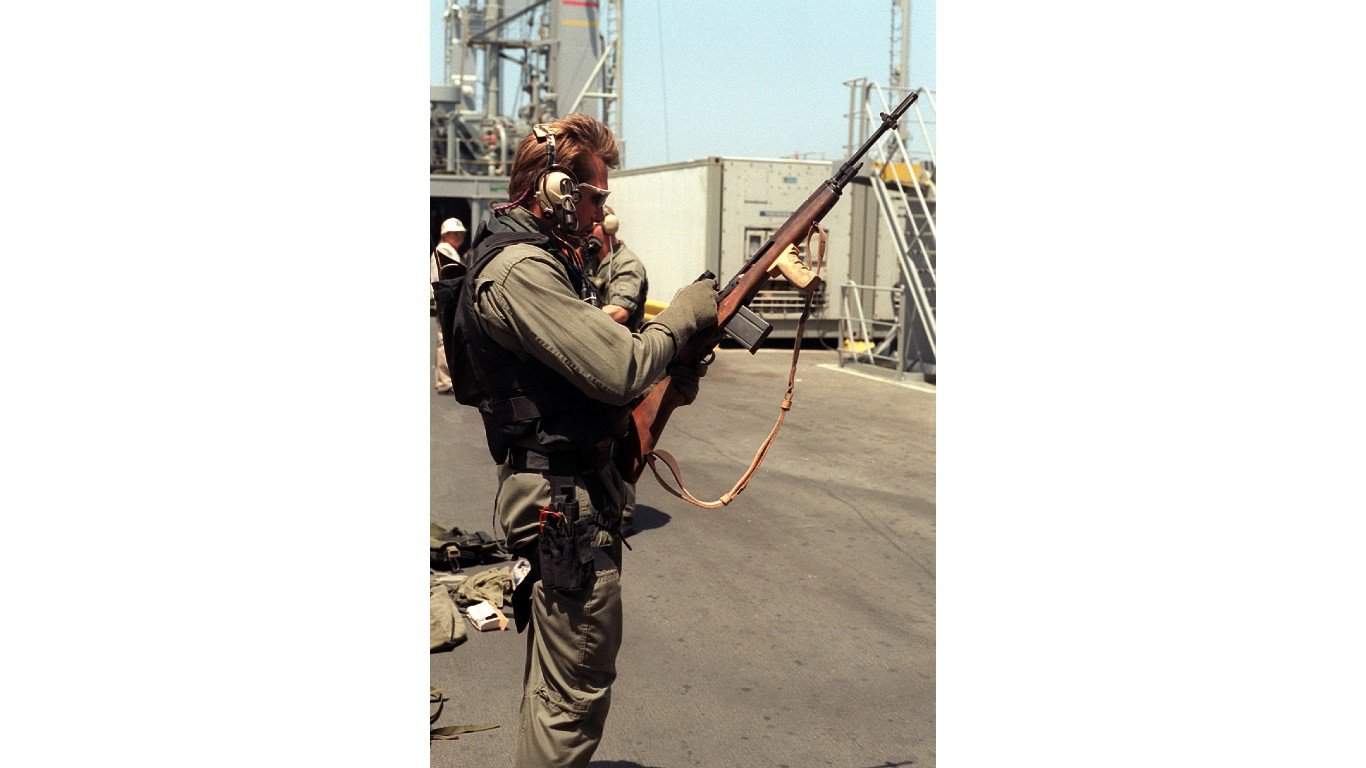
The M14 EBR was brought back into service to address long-range engagement gaps. Its powerful 7.62 round and improved optics made it effective for designated marksman roles, though its weight limited mobility.
M110 SASS
- Country of Origin: United States
- Weapon Type: Sniper Rifle
- Standard Caliber: 7.62×51mm
- Primary Combat Role in Afghanistan: Precision
- Key Terrain Advantage: Overwatch
- Main Operational Strength: Semi-auto precision
- Key Limitation in Theater: Maintenance
- Why It Succeeded in Afghanistan: Reliable sniper support
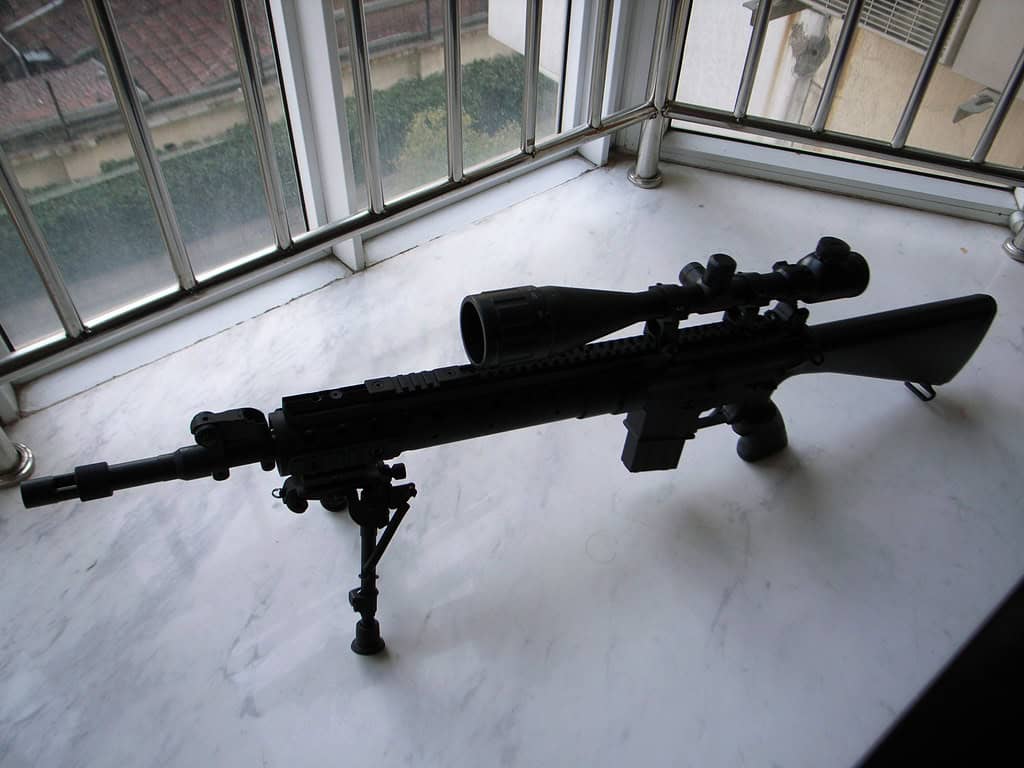
The M110 provided precision engagement with the advantage of semi-automatic fire, allowing rapid follow-up shots. It was widely used for overwatch roles in complex terrain, balancing accuracy and rate of fire.
SR-25
- Country of Origin: United States
- Weapon Type: DMR
- Standard Caliber: 7.62×51mm
- Primary Combat Role in Afghanistan: Overwatch
- Key Terrain Advantage: Urban/mountain
- Main Operational Strength: Accuracy + speed
- Key Limitation in Theater: Weight
- Why It Succeeded in Afghanistan: Flexible precision weapon
The SR-25 offered a versatile precision platform capable of engaging targets quickly and accurately. Its semi-automatic design made it ideal for dynamic engagements where multiple threats could appear.
Mk 12 SPR
- Country of Origin: United States
- Weapon Type: DMR
- Standard Caliber: 5.56×45mm
- Primary Combat Role in Afghanistan: Mid-range precision
- Key Terrain Advantage: Valleys
- Main Operational Strength: Accurate lightweight
- Key Limitation in Theater: Limited stopping power
- Why It Succeeded in Afghanistan: Balanced precision option
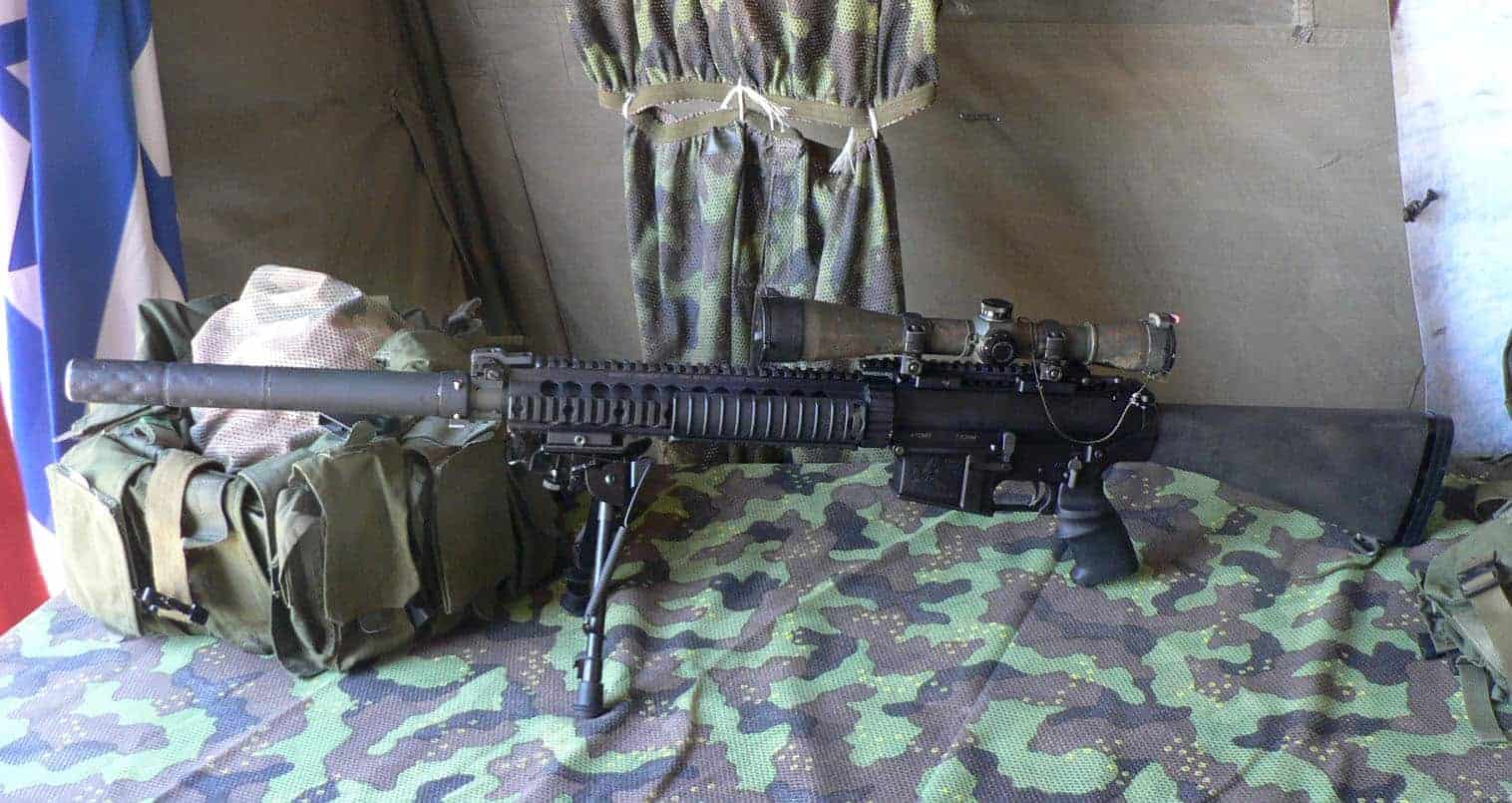
The Mk 12 SPR bridged the gap between standard rifles and sniper systems, providing enhanced accuracy with lighter weight. It was particularly effective in valley engagements where moderate range precision was needed.
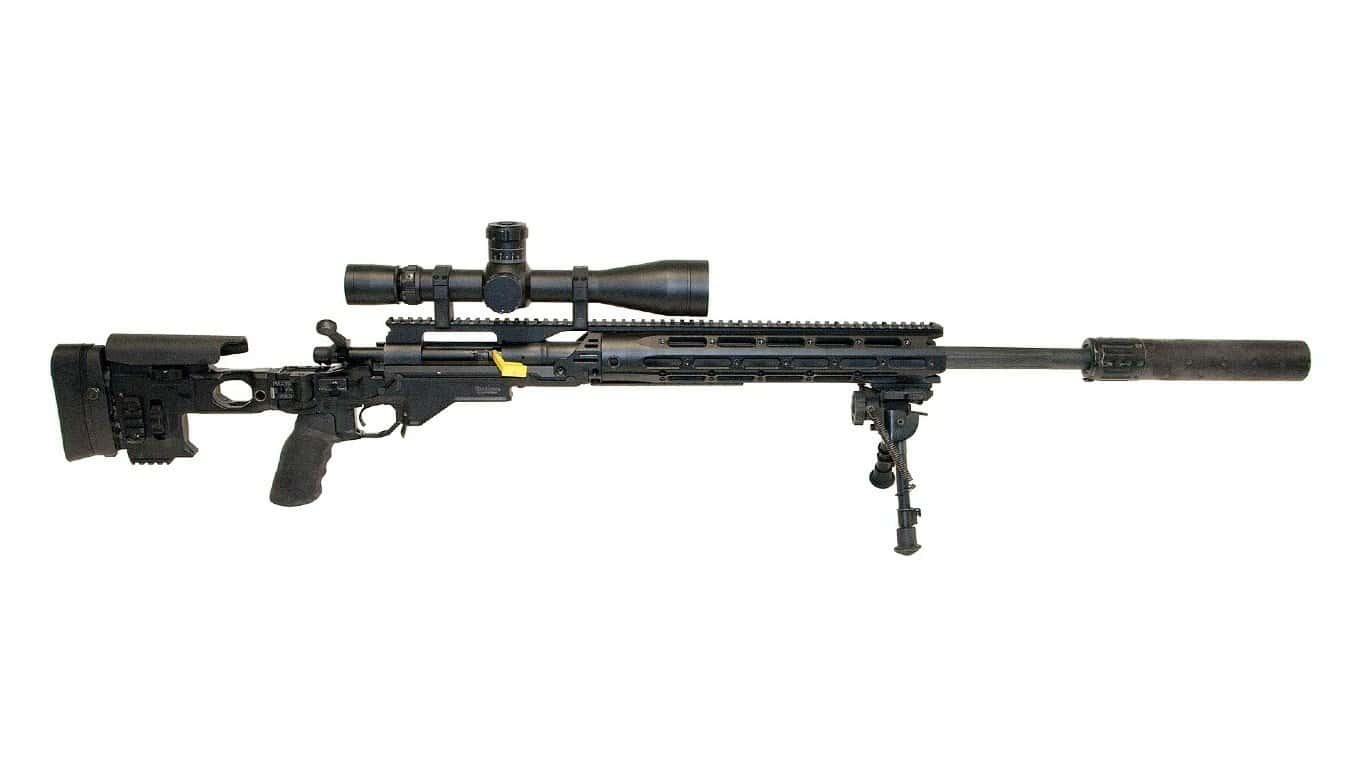
M2010 ESR
- Country of Origin: United States
- Weapon Type: Sniper Rifle
- Standard Caliber: .300 Win Mag
- Primary Combat Role in Afghanistan: Long-range sniper
- Key Terrain Advantage: Mountains
- Main Operational Strength: Extreme range
- Key Limitation in Theater: Weight
- Why It Succeeded in Afghanistan: Extended engagement capability
The M2010 extended sniper engagement ranges significantly, allowing operators to reach targets beyond the capabilities of standard rifles. Its performance was critical in Afghanistan’s expansive terrain.
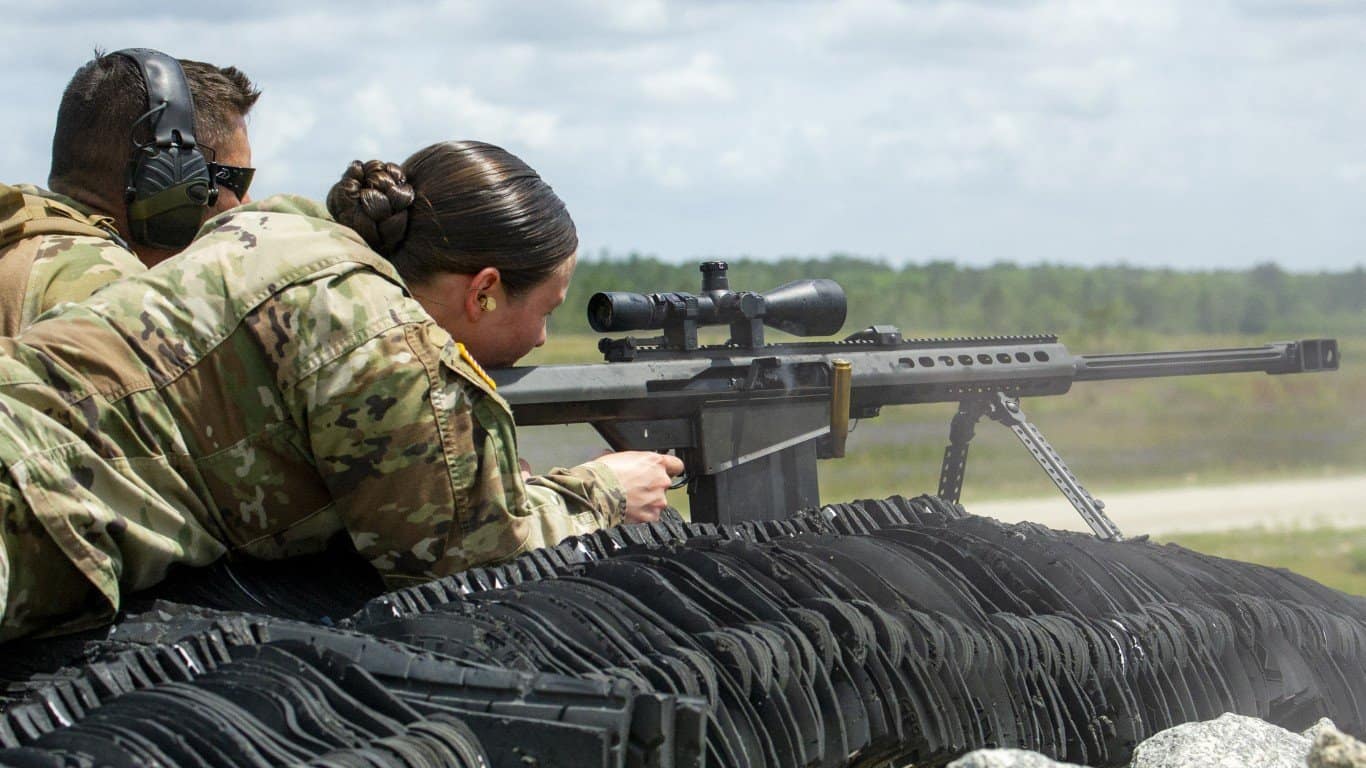
Barrett M107
- Country of Origin: United States
- Weapon Type: Sniper Rifle
- Standard Caliber: .50 BMG
- Primary Combat Role in Afghanistan: Anti-materiel
- Key Terrain Advantage: Open terrain
- Main Operational Strength: Extreme power
- Key Limitation in Theater: Heavy, bulky
- Why It Succeeded in Afghanistan: Dominated long-range engagements
The Barrett M107 provided unmatched long-range capability and power, allowing operators to engage targets and equipment at extreme distances. Its presence alone could influence engagements.
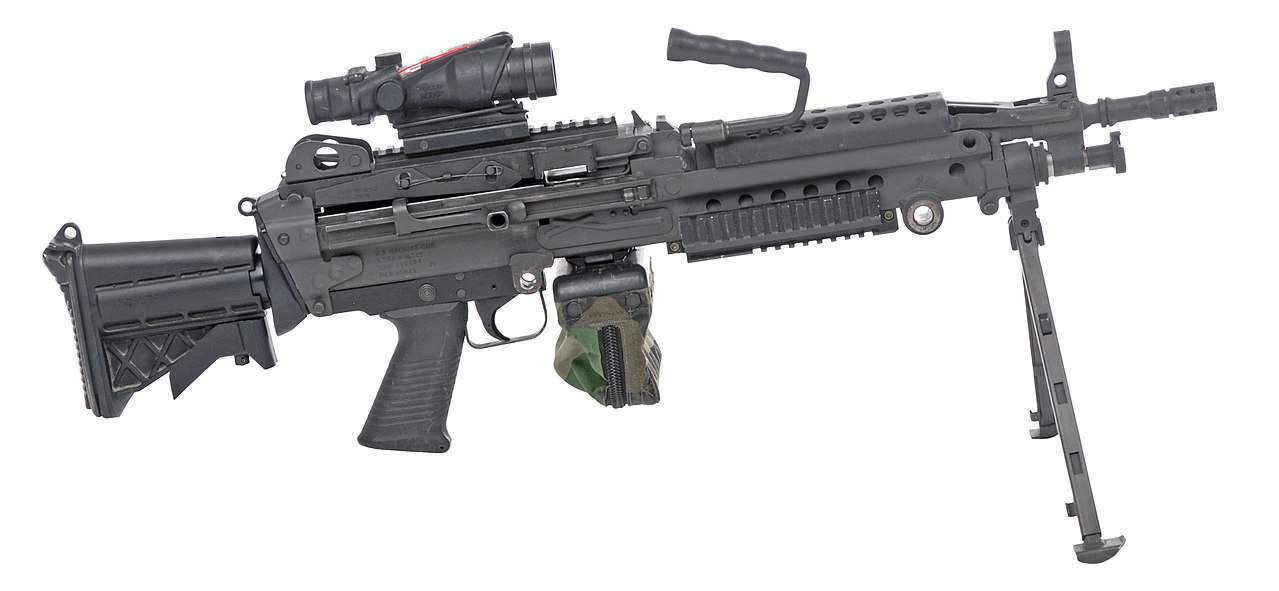
M249 SAW
- Country of Origin: United States
- Weapon Type: LMG
- Standard Caliber: 5.56×45mm
- Primary Combat Role in Afghanistan: Suppressive fire
- Key Terrain Advantage: Mixed terrain
- Main Operational Strength: High rate of fire
- Key Limitation in Theater: Overheating
- Why It Succeeded in Afghanistan: Mobile suppression
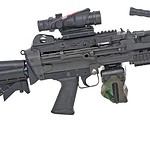
The M249 SAW offered lightweight suppressive fire, enabling infantry units to maneuver under fire. However, its tendency to overheat under sustained use highlighted limitations.
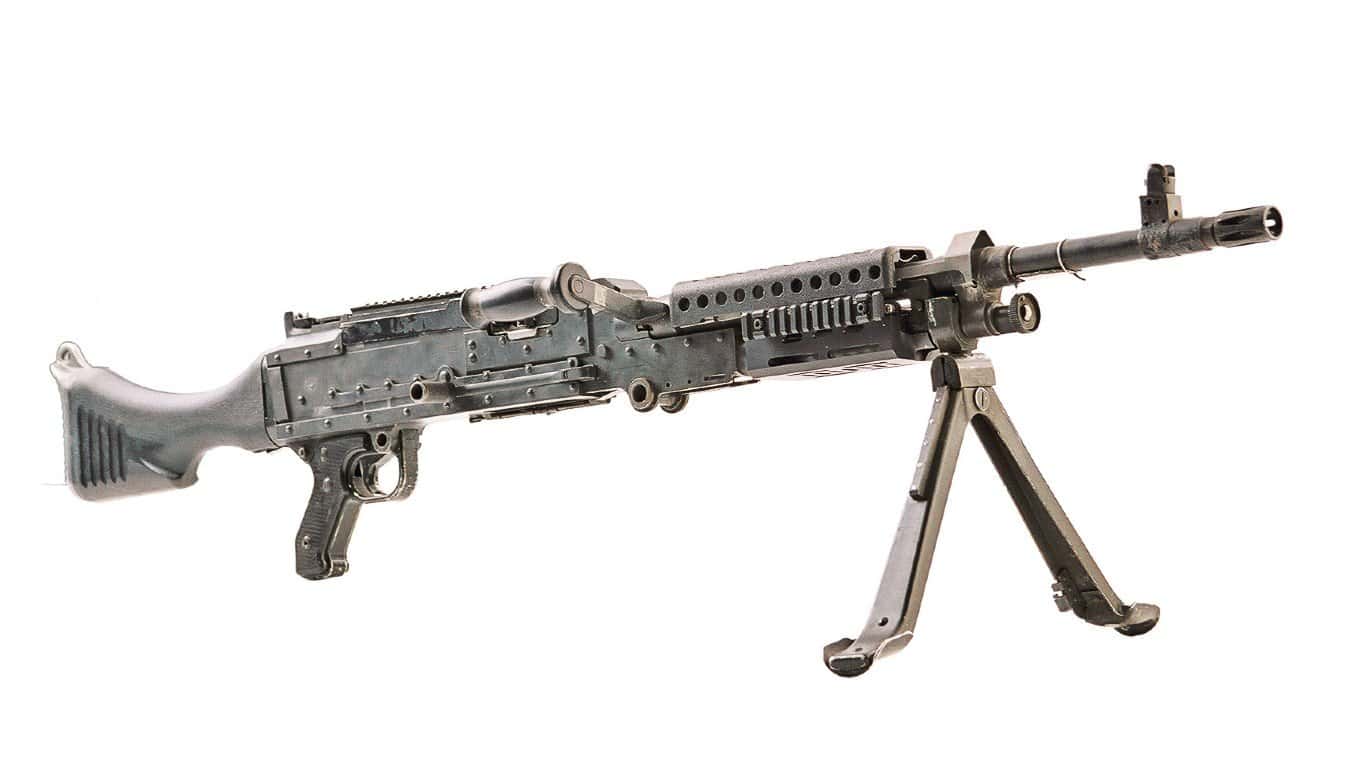
M240B
- Country of Origin: United States
- Weapon Type: Machine Gun
- Standard Caliber: 7.62×51mm
- Primary Combat Role in Afghanistan: Sustained fire
- Key Terrain Advantage: Mountain/valley
- Main Operational Strength: Range, durability
- Key Limitation in Theater: Heavy
- Why It Succeeded in Afghanistan: Reliable long-range suppression
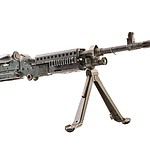
The M240B became a critical asset for long-range suppressive fire. Its reliability and range made it highly effective in mountainous terrain, despite its weight.
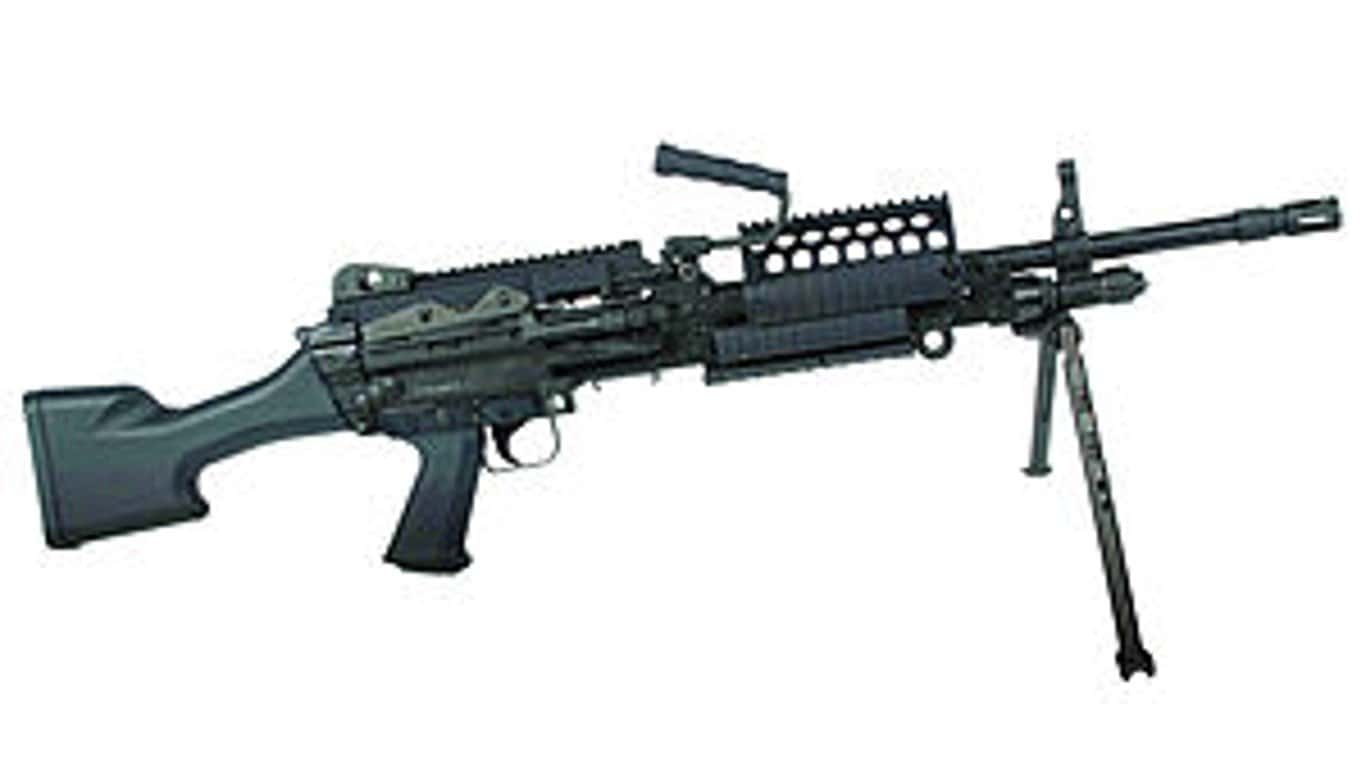
Mk 48
- Country of Origin: United States
- Weapon Type: Machine Gun
- Standard Caliber: 7.62×51mm
- Primary Combat Role in Afghanistan: Light support
- Key Terrain Advantage: Patrol
- Main Operational Strength: Mobility + power
- Key Limitation in Theater: Ammo weight
- Why It Succeeded in Afghanistan: SOF preferred MG
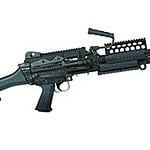
The Mk 48 combined the firepower of a medium machine gun with improved mobility, making it a favorite among special operations forces.
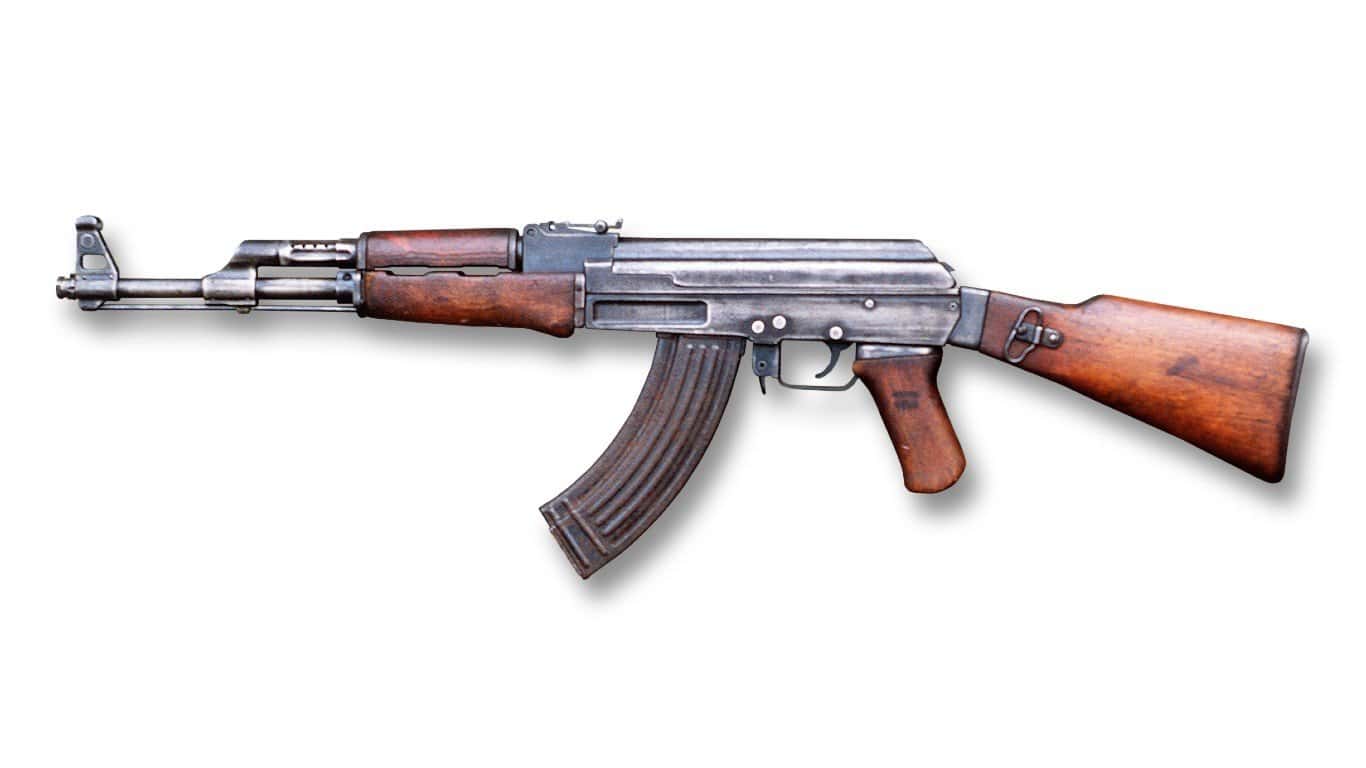
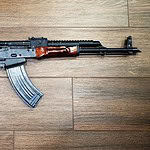
AK-47
- Country of Origin: Soviet Union
- Weapon Type: Assault Rifle
- Standard Caliber: 7.62×39mm
- Primary Combat Role in Afghanistan: General combat
- Key Terrain Advantage: All terrain
- Main Operational Strength: Extreme reliability
- Key Limitation in Theater: Less accurate
- Why It Succeeded in Afghanistan: Consistent performance
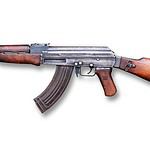
The AK-47 remained a dominant insurgent weapon due to its reliability and ease of use. Its ability to function in harsh conditions made it a constant presence on the battlefield.
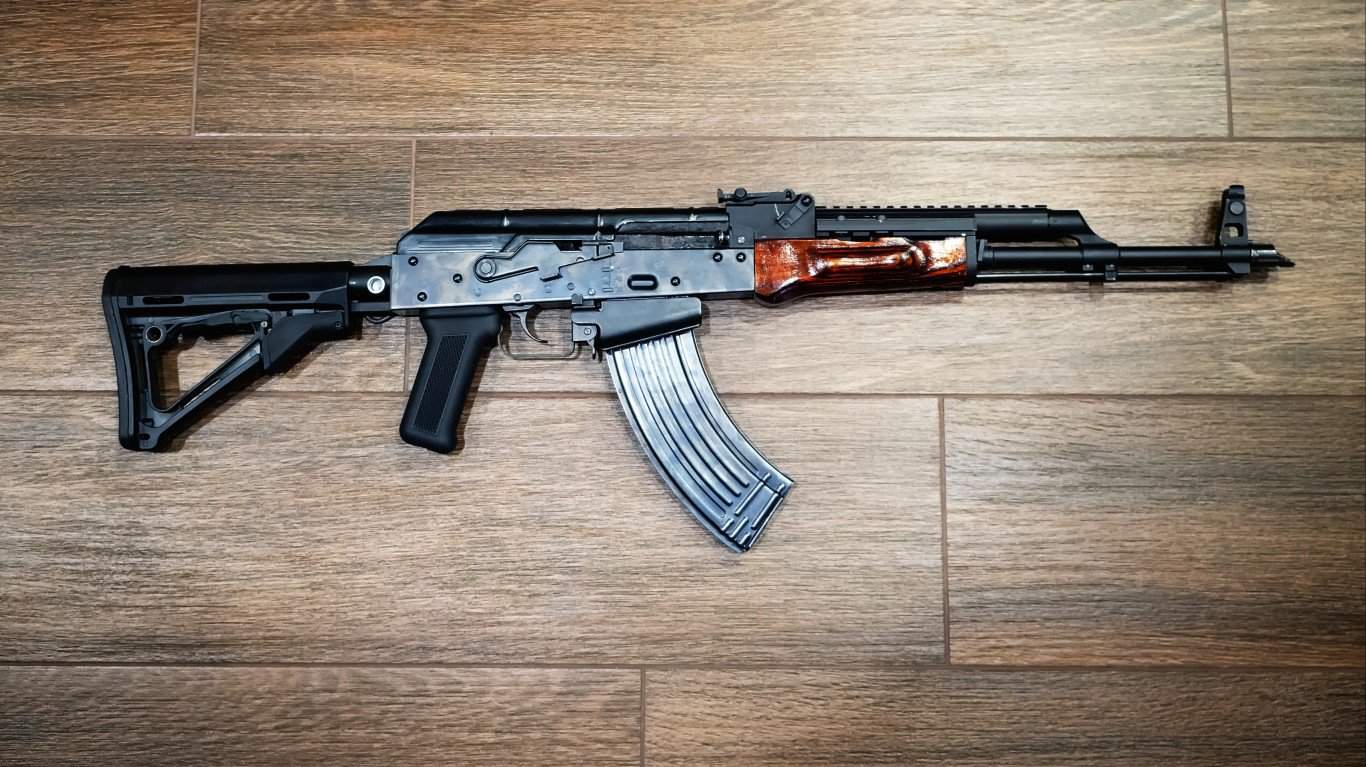
AKM
- Country of Origin: Soviet Union
- Weapon Type: Assault Rifle
- Standard Caliber: 7.62×39mm
- Primary Combat Role in Afghanistan: General combat
- Key Terrain Advantage: All terrain
- Main Operational Strength: Lightweight reliability
- Key Limitation in Theater: Range limits
- Why It Succeeded in Afghanistan: Widely used insurgent rifle
The AKM improved on the AK-47 design, offering reduced weight and easier handling while maintaining reliability. It was widely used across insurgent forces.
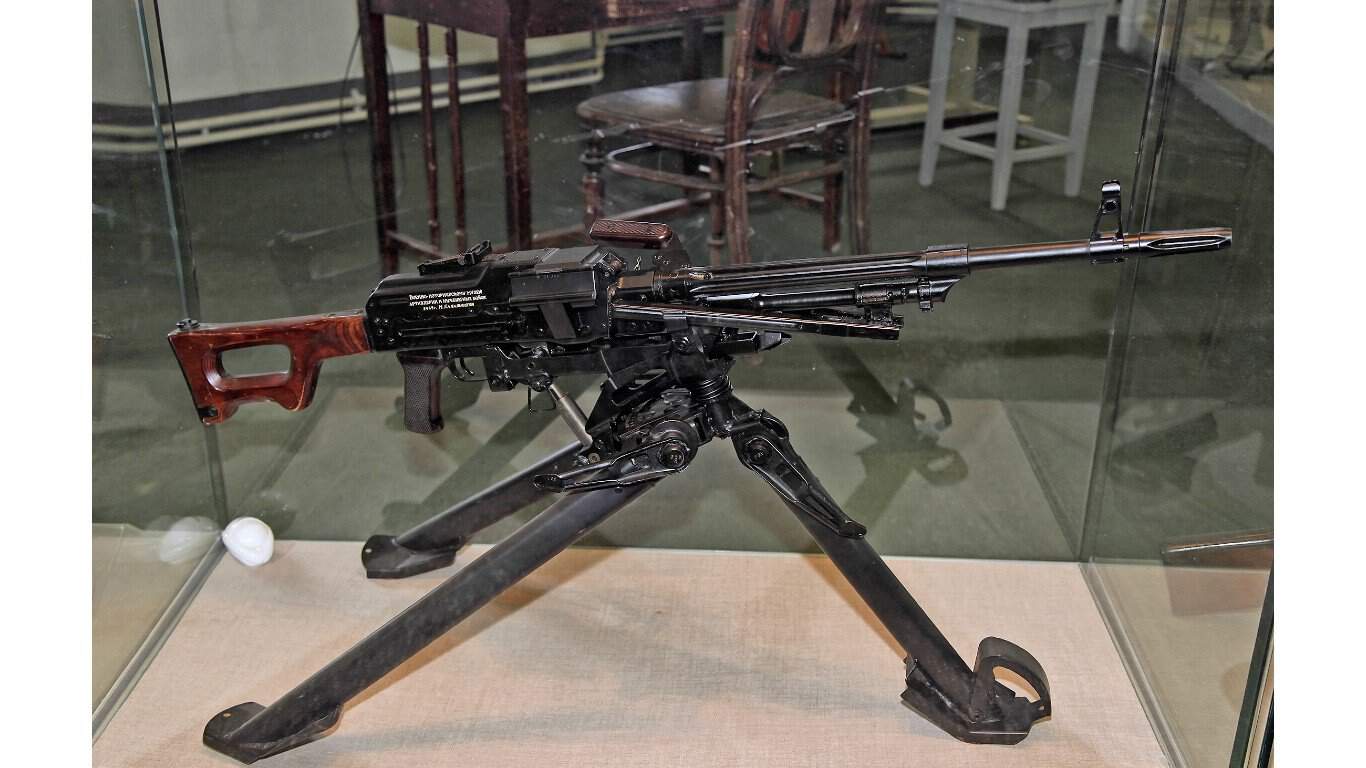
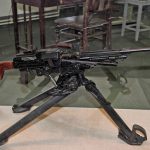
PKM
- Country of Origin: Soviet Union
- Weapon Type: Machine Gun
- Standard Caliber: 7.62×54R
- Primary Combat Role in Afghanistan: Suppressive fire
- Key Terrain Advantage: Mountains
- Main Operational Strength: Long-range fire
- Key Limitation in Theater: Heavy ammo
- Why It Succeeded in Afghanistan: Highly effective MG
The PKM provided insurgent forces with a powerful and reliable machine gun capable of engaging targets at long distances, often rivaling NATO systems.
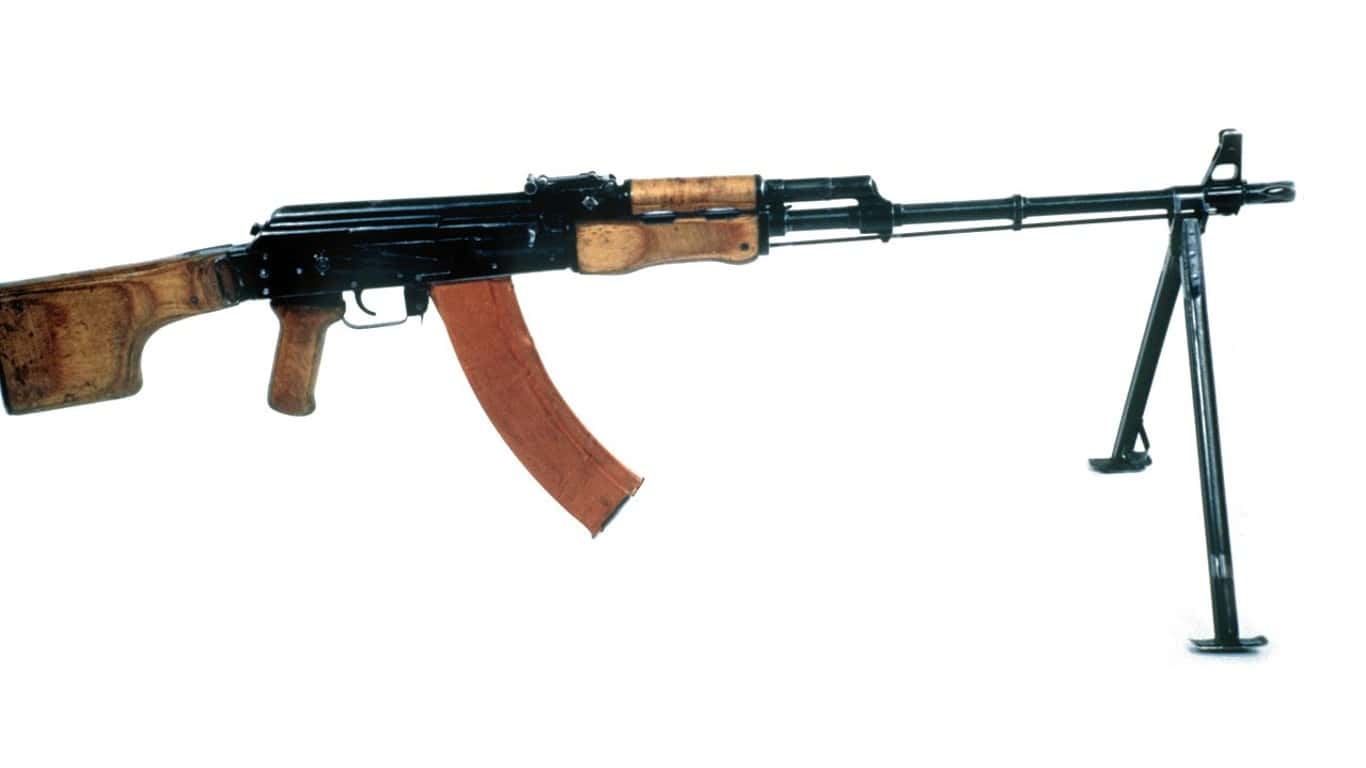
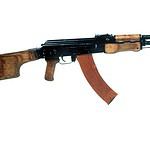
RPK
- Country of Origin: Soviet Union
- Weapon Type: LMG
- Standard Caliber: 7.62×39mm
- Primary Combat Role in Afghanistan: Squad support
- Key Terrain Advantage: Mixed terrain
- Main Operational Strength: Shared ammo
- Key Limitation in Theater: Less firepower
- Why It Succeeded in Afghanistan: Simple support weapon
The RPK offered a lightweight support option for insurgent units, sharing ammunition with standard rifles and simplifying logistics.
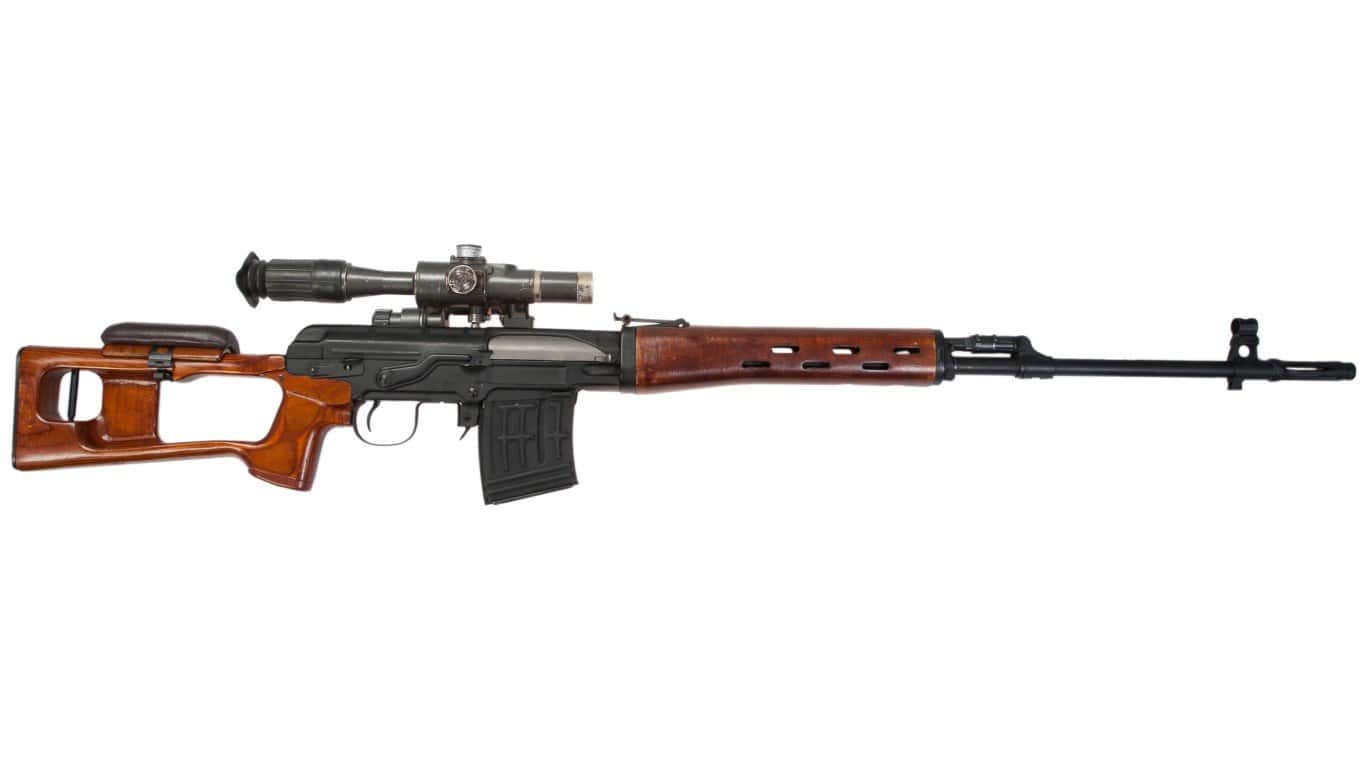
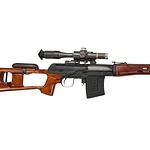
Dragunov SVD
- Country of Origin: Soviet Union
- Weapon Type: Sniper Rifle
- Standard Caliber: 7.62×54R
- Primary Combat Role in Afghanistan: Marksman
- Key Terrain Advantage: Mountain
- Main Operational Strength: Semi-auto range
- Key Limitation in Theater: Precision limits
- Why It Succeeded in Afghanistan: Effective DMR role
The Dragunov SVD allowed insurgent marksmen to engage targets at range with semi-automatic capability, providing flexibility in engagements.
Mk 18 CQBR
- Country of Origin: United States
- Weapon Type: Carbine
- Standard Caliber: 5.56×45mm
- Primary Combat Role in Afghanistan: CQB
- Key Terrain Advantage: Urban
- Main Operational Strength: Compact
- Key Limitation in Theater: Reduced range
- Why It Succeeded in Afghanistan: Excellent in tight spaces
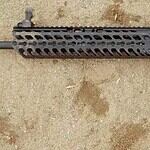
The Mk 18 excelled in close-quarters combat, offering maneuverability and rapid engagement capability in urban environments.
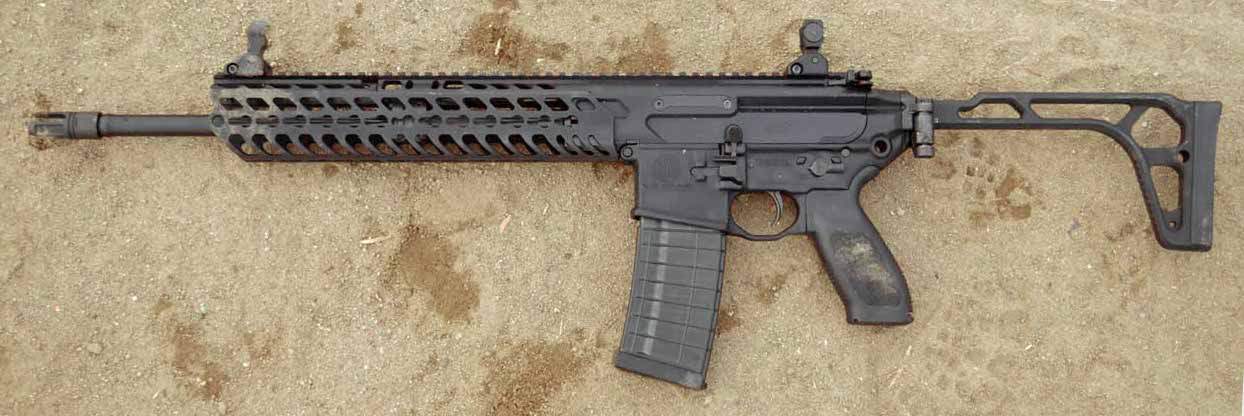
SIG MCX
- Country of Origin: United States
- Weapon Type: Rifle
- Standard Caliber: .300 BLK/5.56
- Primary Combat Role in Afghanistan: Special ops
- Key Terrain Advantage: Urban/mixed
- Main Operational Strength: Modularity
- Key Limitation in Theater: New platform adoption
- Why It Succeeded in Afghanistan: Flexible mission use
The SIG MCX provided a modern, modular platform capable of adapting to various mission profiles, including suppressed operations.
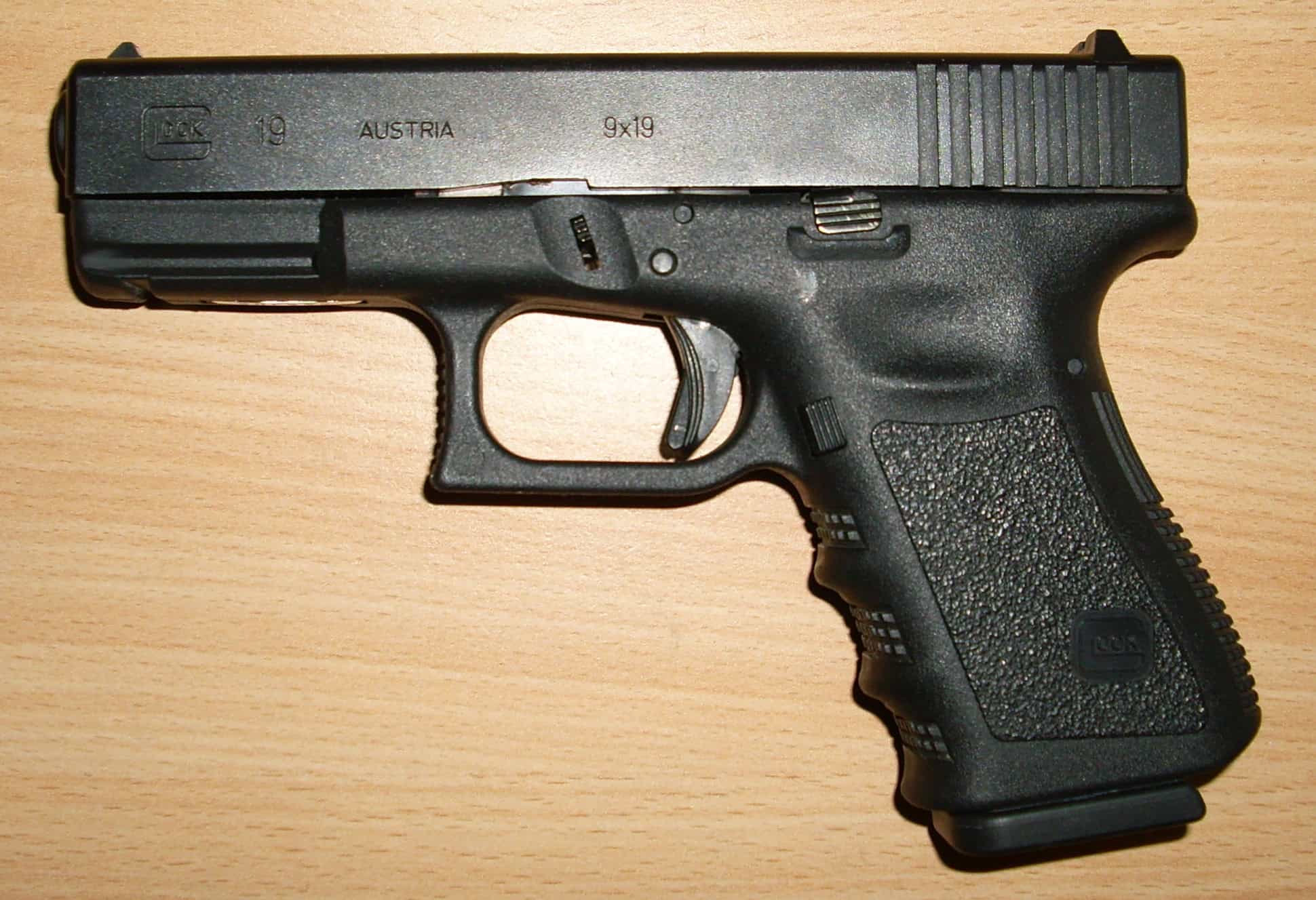
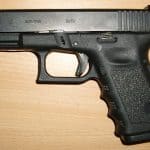
Glock 19
- Country of Origin: Austria
- Weapon Type: Pistol
- Standard Caliber: 9mm
- Primary Combat Role in Afghanistan: Sidearm
- Key Terrain Advantage: All terrain
- Main Operational Strength: Reliability
- Key Limitation in Theater: Limited range
- Why It Succeeded in Afghanistan: Trusted backup
The Glock 19 served as a dependable sidearm, valued for its simplicity and reliability across all environments.
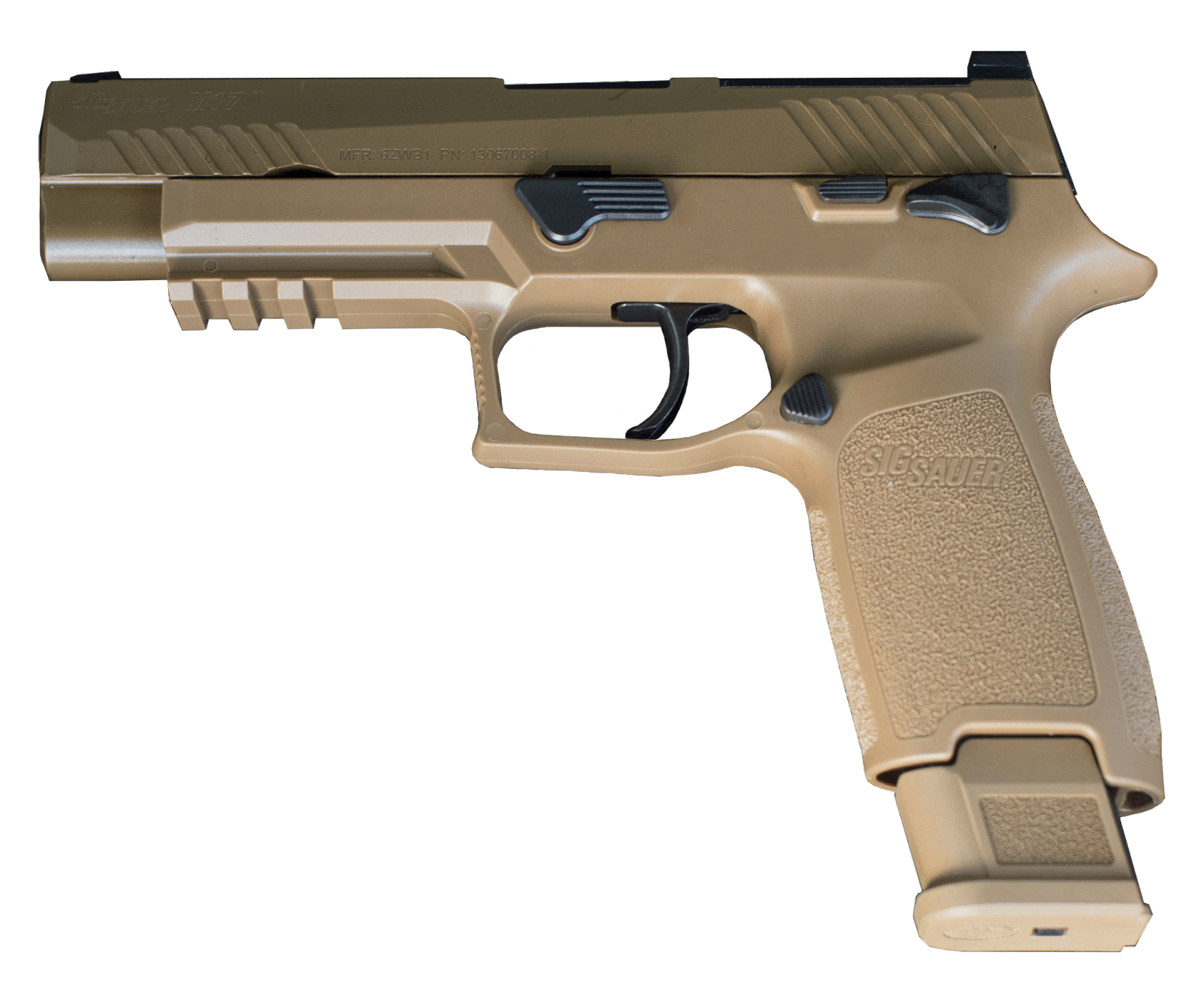
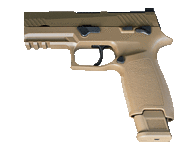
SIG Sauer M17
- Country of Origin: United States
- Weapon Type: Pistol
- Standard Caliber: 9mm
- Primary Combat Role in Afghanistan: Sidearm
- Key Terrain Advantage: All terrain
- Main Operational Strength: Modularity
- Key Limitation in Theater: Bulk
- Why It Succeeded in Afghanistan: Modern service sidearm
The M17 offered improved ergonomics and modularity, serving as a modern replacement for legacy sidearms.
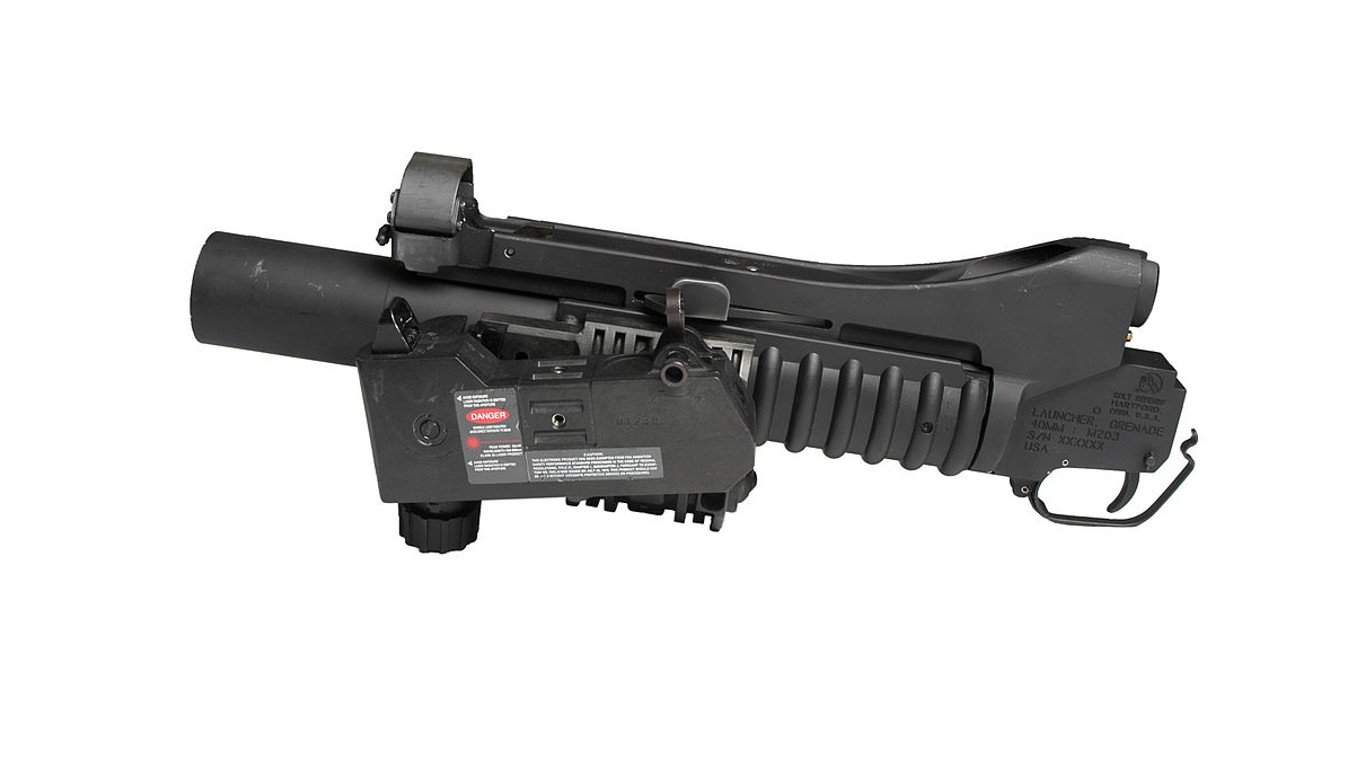
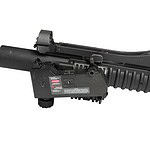
M203
- Country of Origin: United States
- Weapon Type: Grenade Launcher
- Standard Caliber: 40mm
- Primary Combat Role in Afghanistan: Explosive support
- Key Terrain Advantage: Mixed terrain
- Main Operational Strength: Versatility
- Key Limitation in Theater: Single shot
- Why It Succeeded in Afghanistan: Adds indirect fire
The M203 provided infantry units with a versatile indirect fire capability, allowing engagement of targets behind cover.
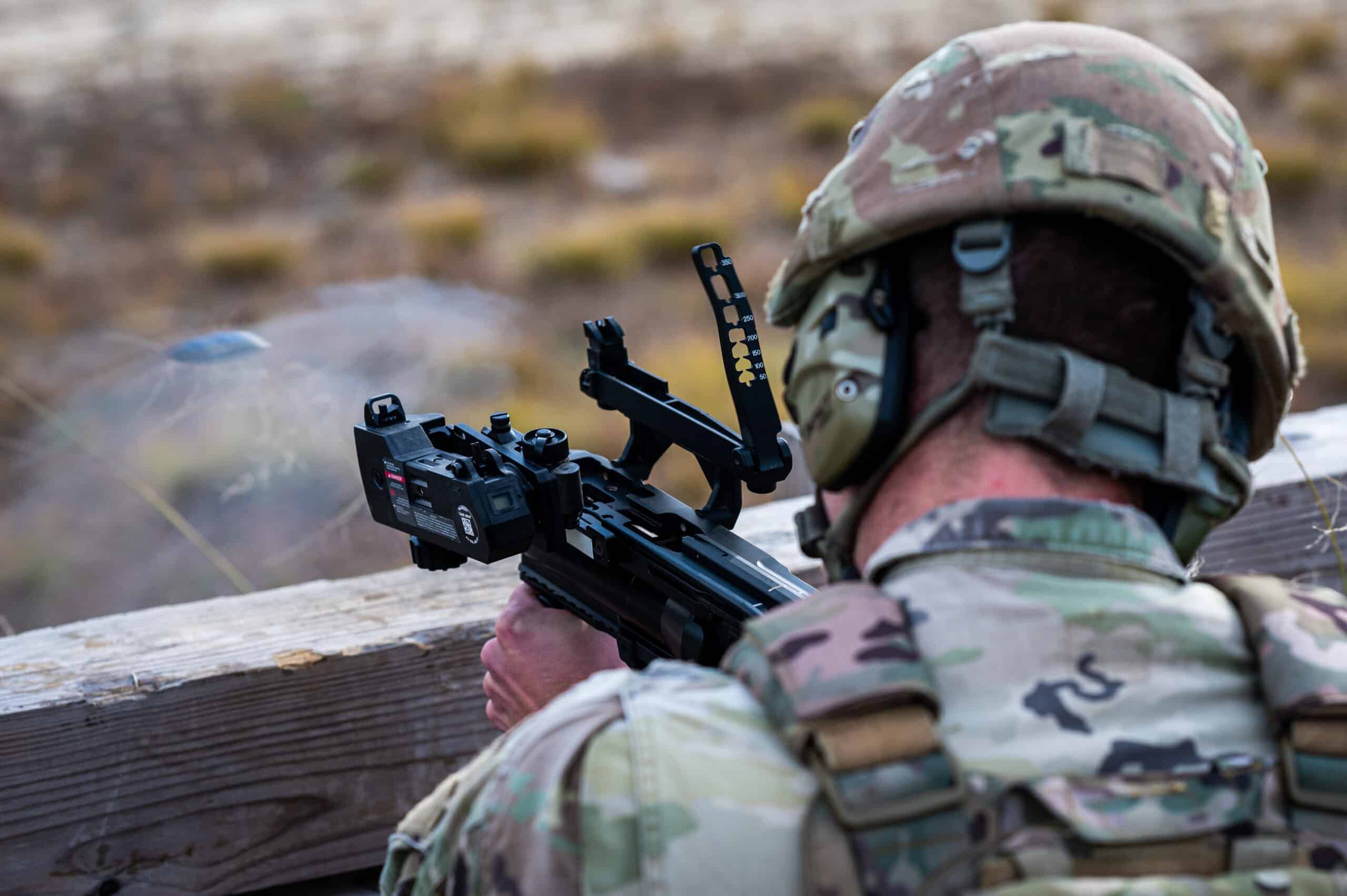
M320
- Country of Origin: United States
- Weapon Type: Grenade Launcher
- Standard Caliber: 40mm
- Primary Combat Role in Afghanistan: Explosive support
- Key Terrain Advantage: Mixed terrain
- Main Operational Strength: Standalone use
- Key Limitation in Theater: Bulk
- Why It Succeeded in Afghanistan: Flexible explosive capability
The M320 improved upon earlier grenade launchers with standalone capability, offering greater flexibility in combat.
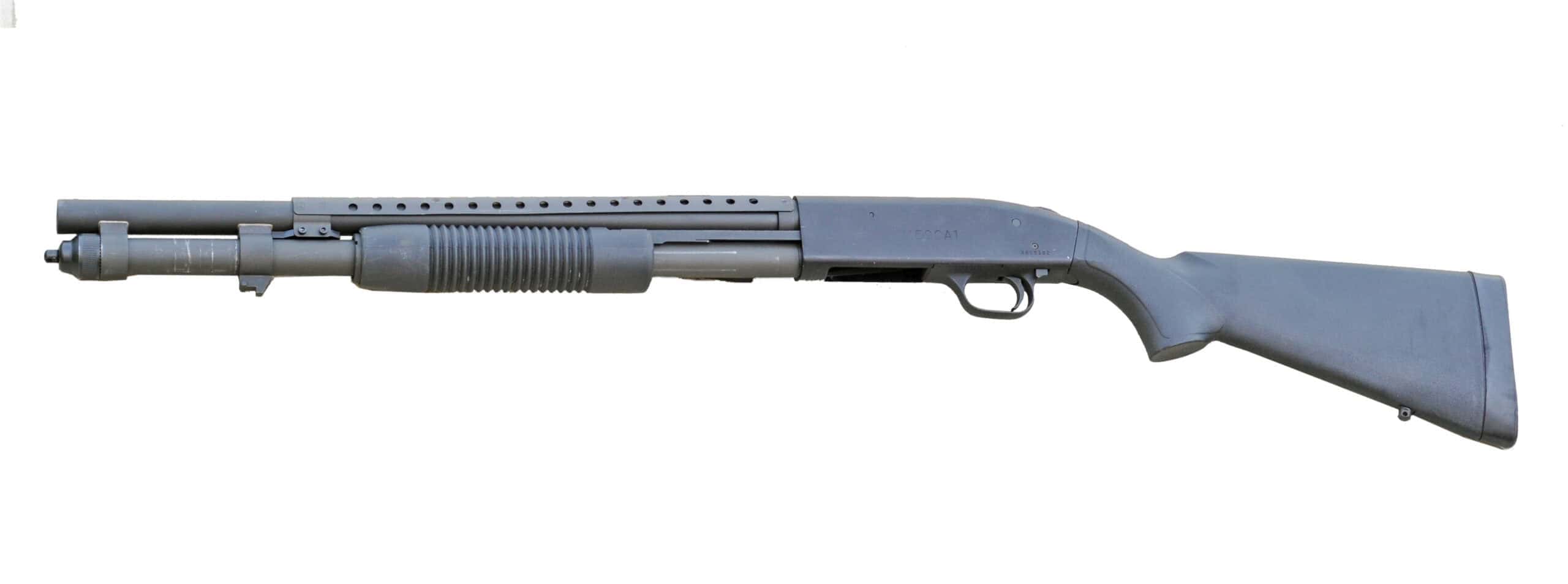
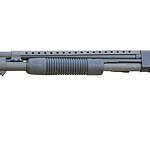
Mossberg 590
- Country of Origin: United States
- Weapon Type: Shotgun
- Standard Caliber: 12 gauge
- Primary Combat Role in Afghanistan: CQB/breaching
- Key Terrain Advantage: Urban
- Main Operational Strength: Close power
- Key Limitation in Theater: Limited range
- Why It Succeeded in Afghanistan: Effective breaching weapon
The Mossberg 590 was widely used for breaching and close-quarters engagements, providing reliable performance in urban combat.
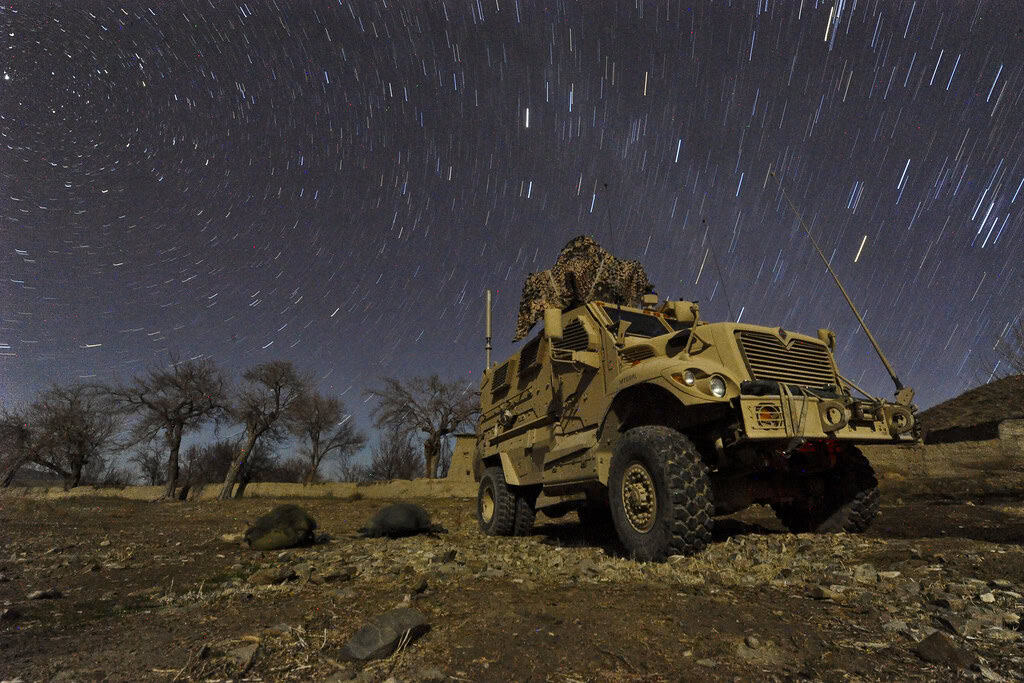
The image featured at the top of this post is ©peosoldier / Flickr – License / Original