










25 Pieces of Gear Used by Special Forces You Were Never Meant to See
When people think of Special Forces gear, they usually picture weapons, night vision, and other visible tools used in combat. In reality, many of the technologies that give elite units their advantage operate behind the scenes. These include advanced communication systems, signature-reduction equipment, and specialized medical gear that allow operators to move, survive, and complete missions in extreme conditions.
This post looks at 25 pieces of gear used by Special Forces that rarely get public attention. For each, we break down who developed it, how it works, and why it plays a critical role in real-world operations. While high-profile weapons often get the spotlight, these lesser-known tools are often what determine success or failure in modern warfare.
The Gear You Never See Wins the Fight
When people picture special forces, they often imagine suppressed rifles, night vision goggles, and fast-moving raids. Yet much of what enables elite units to operate at such a high level exists outside public view. The most consequential equipment is rarely dramatic or widely photographed. Instead, it works quietly in the background — extending awareness, preserving connectivity, and reducing vulnerability. Understanding this hidden layer reveals that modern combat advantage is often built on systems civilians never notice.
Elite Performance Is Built in Layers
Operational success is seldom the result of a single weapon or breakthrough technology. Special operations forces rely on overlapping capability layers that reinforce one another under pressure. Advanced communications sustain coordination, navigation tools prevent disorientation, medical gear preserves life, and signature-reduction systems help teams avoid detection altogether. Individually, these tools may seem unremarkable; collectively, they form the infrastructure that allows small units to function with strategic impact.
Preparation Matters More Than Spectacle
Hollywood tends to emphasize the moment an operation begins, but professionals understand that success is usually decided long beforehand. Equipment that improves planning, mobility, sustainment, and decision-making often determines whether a mission proceeds smoothly or begins to unravel. These quieter technologies rarely generate headlines because they are designed to prevent crises rather than respond to them — a hallmark of mature special operations doctrine.
Technology Has Shifted the Definition of Combat Power
In modern warfare, superiority is no longer measured solely by firepower. Information flow, detection capability, endurance, and survivability increasingly define which force holds the advantage. Many of the tools driving this shift are compact, networked, and easy to overlook, yet they dramatically expand what small teams can accomplish. This evolution reflects a broader transformation in how elite units prepare for complex and unpredictable battlefields.
The Quiet Edge That Separates Elite Forces
What ultimately distinguishes special operations is not just training, but the deliberate integration of tools that support adaptability. The gear on this list represents the quieter edge — technologies that enhance awareness, protect operators, and sustain momentum when conditions deteriorate. While civilians may never hear their names, their presence is often felt in the precision and consistency with which elite missions are executed.
MPU5 Smart Radio
- Category: Tactical Networking
- Core function: Mobile mesh communications
- Capability expanded: Operate without fixed infrastructure
- Why civilians rarely hear about it: Operates behind the scenes
- Operational advantage: Improves decentralized command
- Typical SOF usage context: Distributed operations
- Visibility tier: Virtually Invisible
The MPU5 enables small teams to create their own mobile mesh network without relying on towers or fixed infrastructure. By linking operators, drones, and command elements in real time, it expands operational independence. Civilians rarely notice it because it lacks visual drama, yet it quietly underpins decentralized decision-making and modern special operations tempo.
StreamCaster Radio
- Category: Tactical Networking
- Core function: High-bandwidth data transmission
- Capability expanded: Share video and data in real time
- Why civilians rarely hear about it: Technically complex
- Operational advantage: Enhances situational awareness
- Typical SOF usage context: ISR-heavy missions
- Visibility tier: Rarely Discussed
StreamCaster radios move far more than voice traffic. They transmit video, sensor feeds, and mission data simultaneously, allowing teams to act on shared intelligence instantly. While overshadowed by visible weapon systems, this bandwidth is critical for coordinating complex operations across dispersed elements in contested environments.
TSM Shadow Radio
- Category: Tactical Networking
- Core function: Resilient tactical connectivity
- Capability expanded: Maintain comms in contested spectrum
- Why civilians rarely hear about it: Overshadowed by weapons
- Operational advantage: Preserves coordination under EW pressure
- Typical SOF usage context: Contested environments
- Visibility tier: Behind-the-Scenes
The TSM Shadow system is engineered to maintain connectivity when adversaries attempt to disrupt communications. Its resilience in contested electromagnetic environments helps preserve coordination under electronic warfare pressure. Though rarely mentioned outside defense circles, it ensures operators are not isolated when interference intensifies.
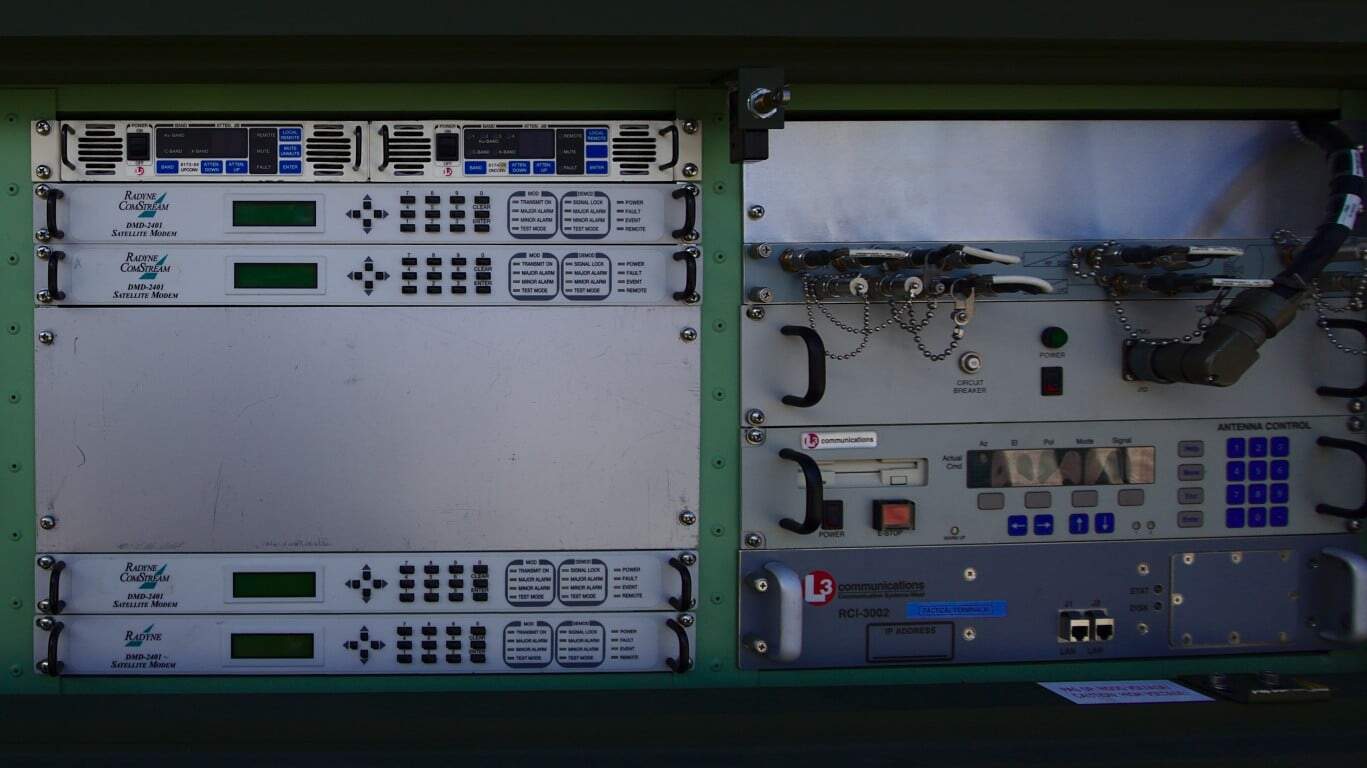
Tactical Communications Node
- Category: Tactical Networking
- Core function: Portable network extension
- Capability expanded: Link small teams to command
- Why civilians rarely hear about it: Low-visibility support role
- Operational advantage: Extends operational reach
- Typical SOF usage context: Remote deployments
- Visibility tier: Virtually Invisible
Tactical communications nodes act as portable hubs that extend digital reach into remote terrain. By linking small elements to higher headquarters, they prevent information isolation during distributed missions. Their contribution is subtle but decisive, ensuring continuity between frontline operators and broader command networks.
Juggernaut Tactical Platform
- Category: Battlefield Computing
- Core function: Mounted digital command device
- Capability expanded: Access mission tools on the move
- Why civilians rarely hear about it: Rarely photographed
- Operational advantage: Accelerates decision cycles
- Typical SOF usage context: Urban operations
- Visibility tier: Specialist-Known
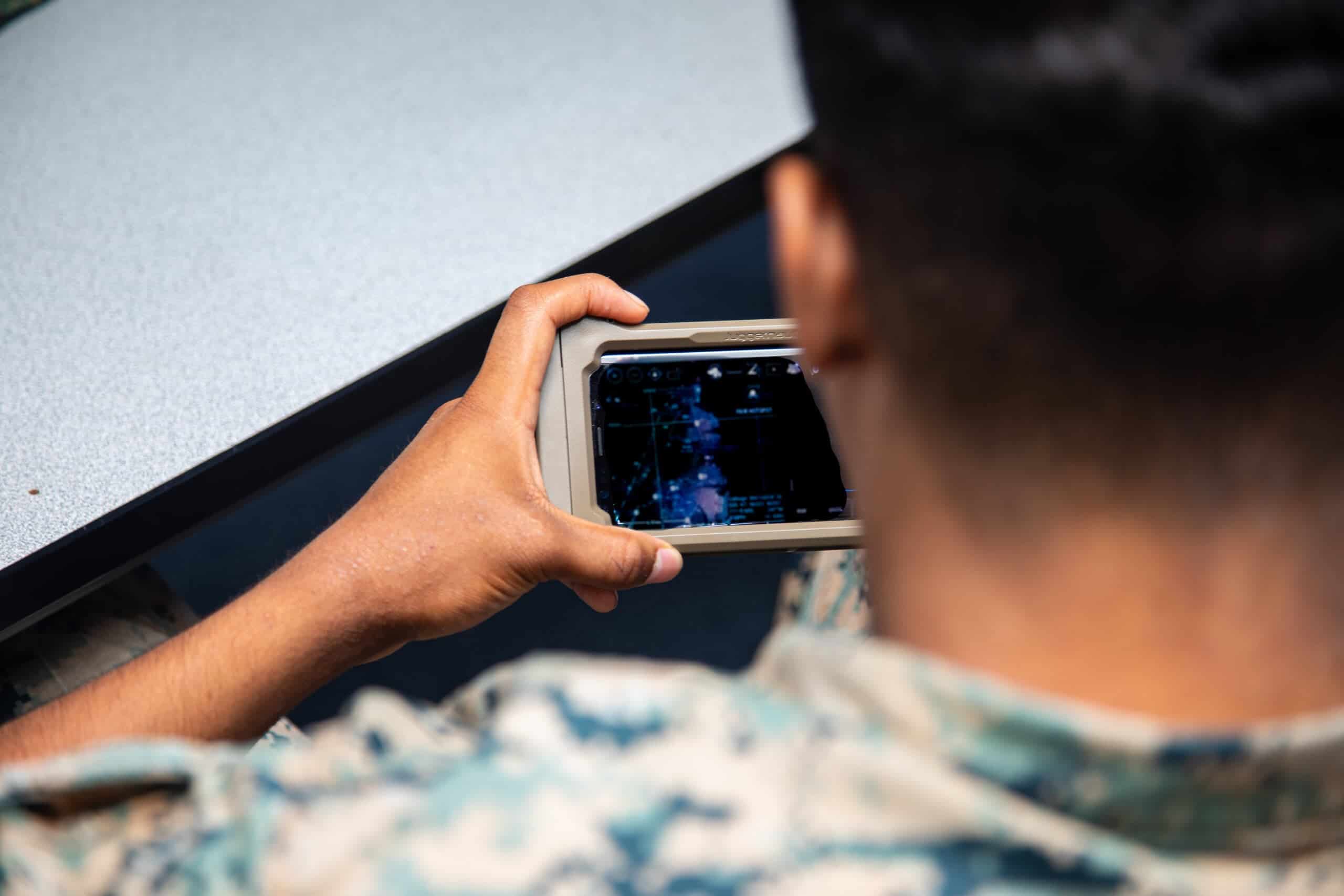
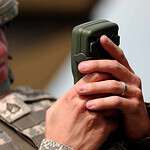
Juggernaut's mounted smartphone platform transforms consumer-style devices into ruggedized battlefield tools. Operators can view maps, drone feeds, and targeting data directly on their armor. Civilians may overlook it as just a phone case, but it accelerates real-time decision-making under pressure.
ATAK
- Category: Battlefield Computing
- Core function: Digital mission command software
- Capability expanded: Integrate mapping and targeting
- Why civilians rarely hear about it: Software rarely highlighted
- Operational advantage: Enables real-time coordination
- Typical SOF usage context: Joint operations
- Visibility tier: Behind-the-Scenes
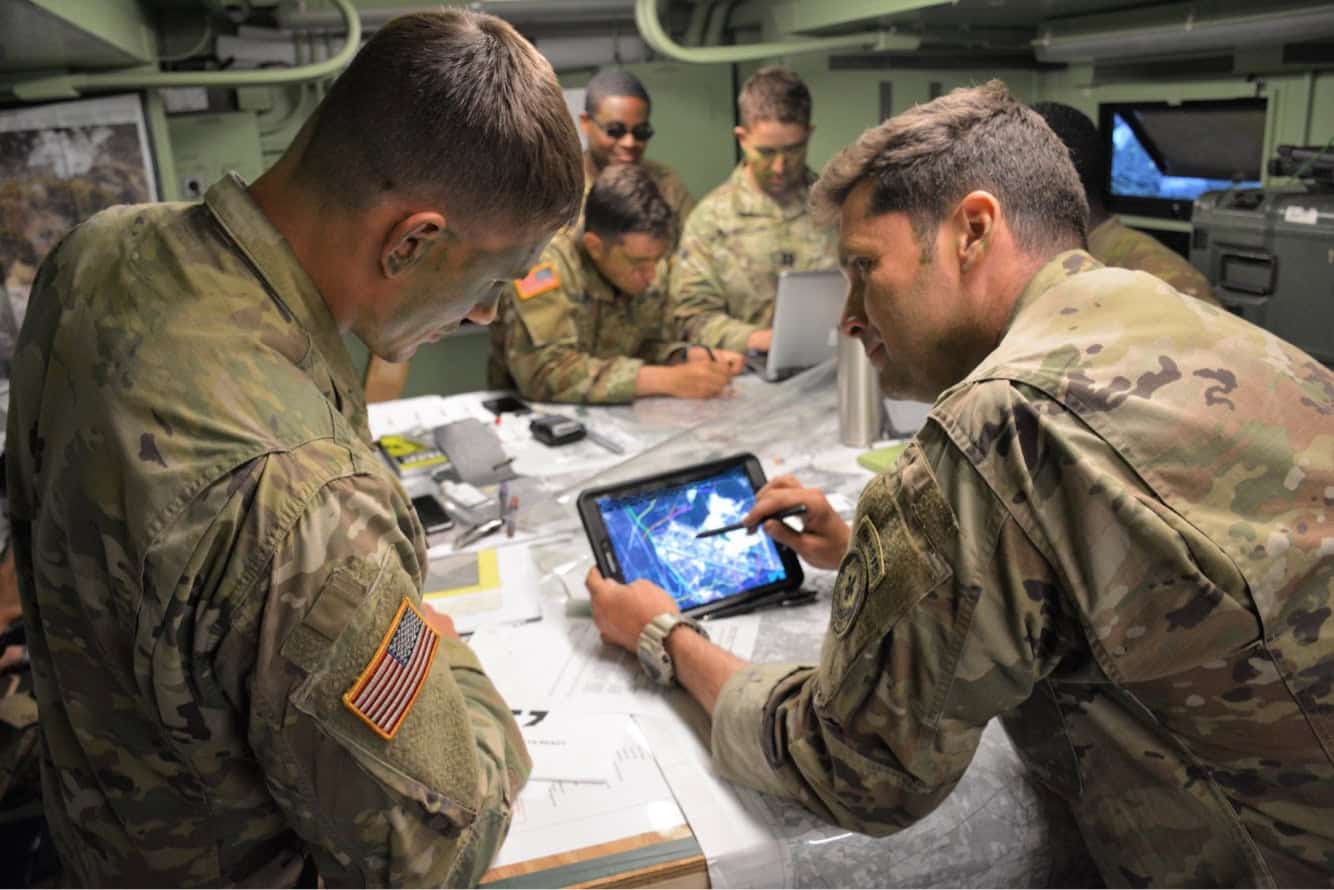
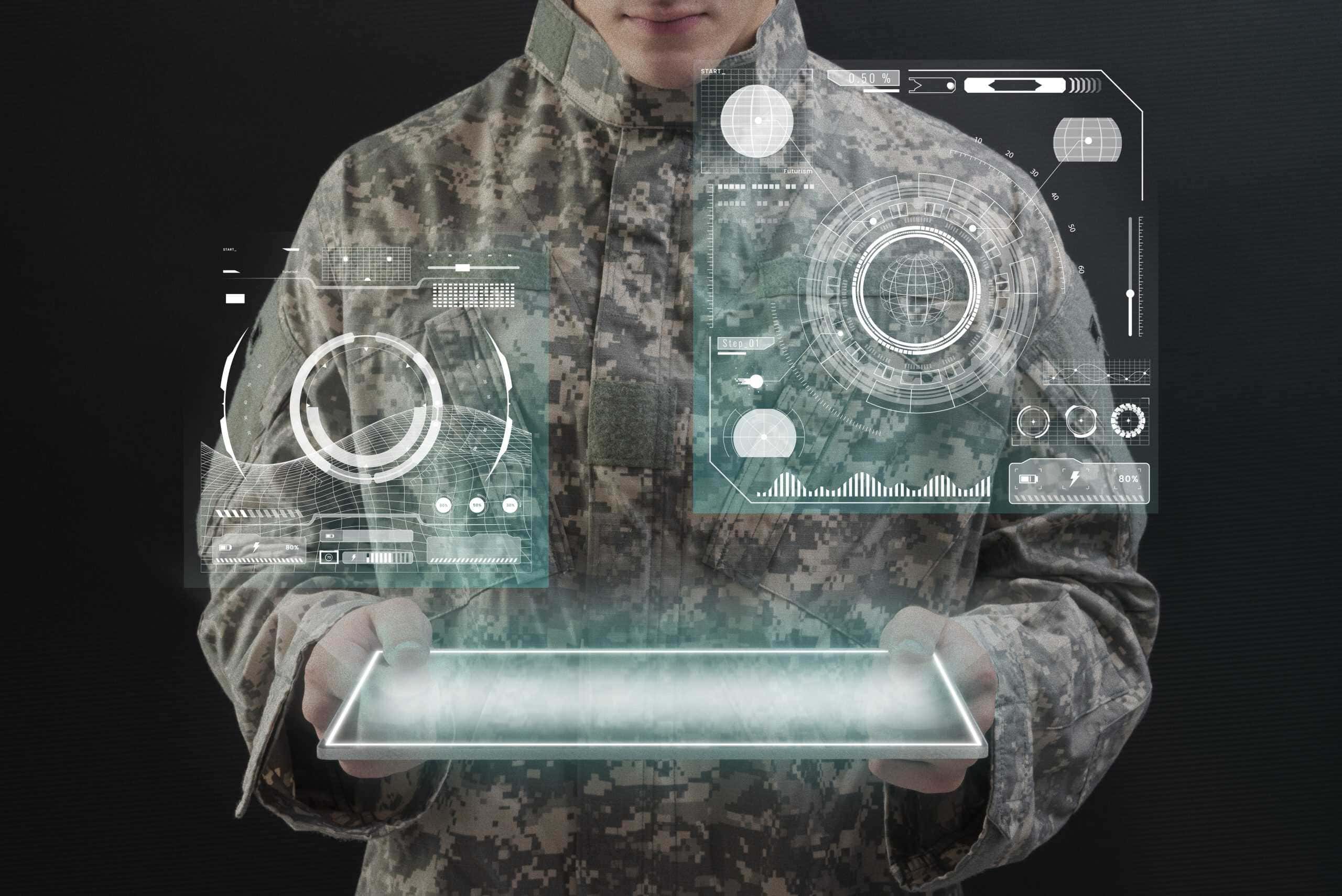
ATAK turns handheld devices into dynamic mission command interfaces. It integrates mapping, targeting, and friendly-force tracking into a shared digital picture. While invisible compared to rifles or night vision, its software backbone enables synchronized action across teams and platforms.
Nett Warrior (SOF-configured)
- Category: Battlefield Computing
- Core function: Wearable battlefield network
- Capability expanded: Maintain constant data awareness
- Why civilians rarely hear about it: Overshadowed by frontline gear
- Operational advantage: Improves friendly-force tracking
- Typical SOF usage context: Complex battlefields
- Visibility tier: Rarely Discussed
SOF-configured Nett Warrior components connect operators to a constant stream of data, improving situational awareness and reducing friendly-force risk. The system blends hardware and software into wearable architecture that quietly enhances coordination in complex environments.
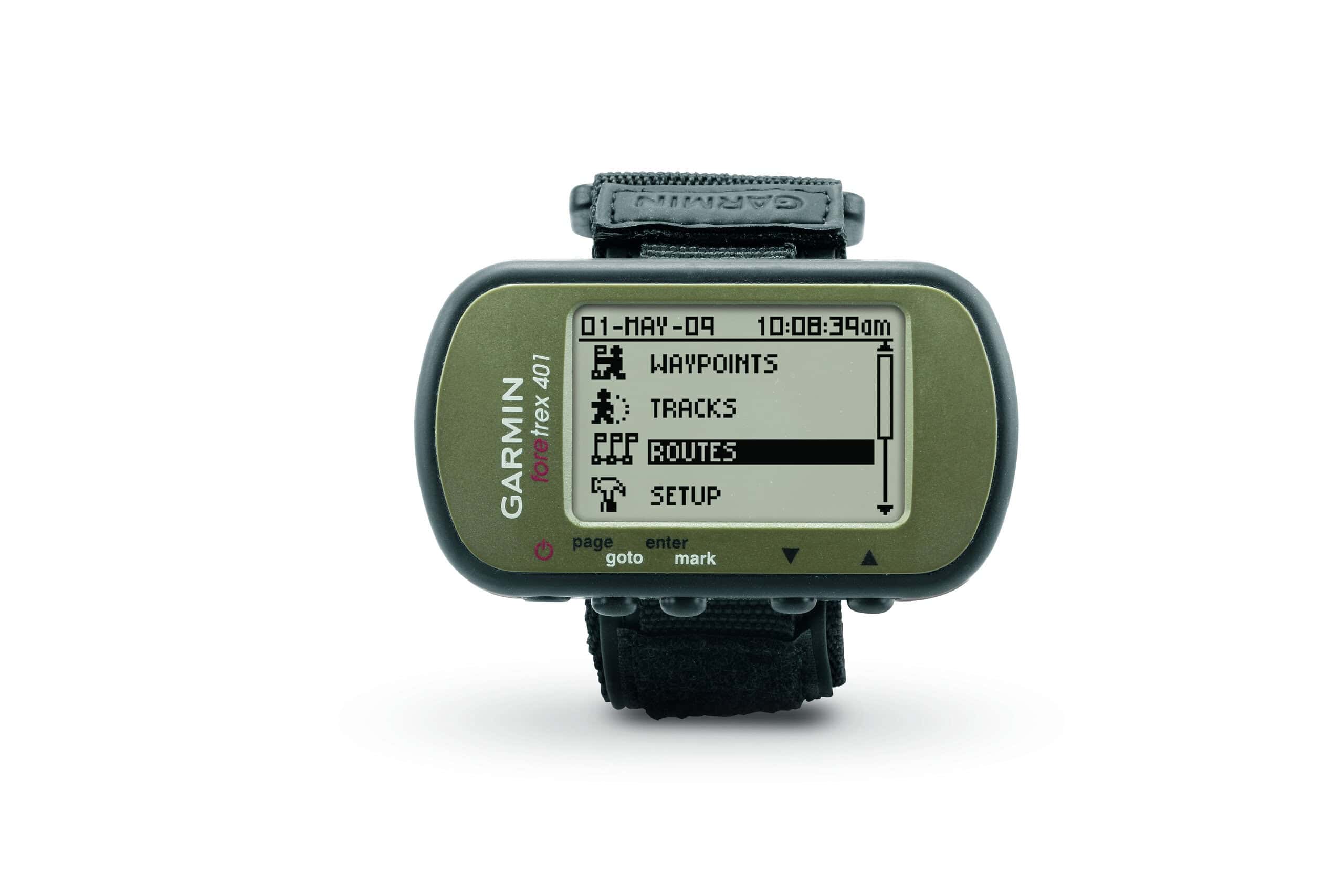
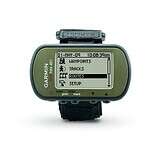
Garmin Foretrex Military
- Category: Navigation
- Core function: Wrist-mounted GPS
- Capability expanded: Navigate during extended missions
- Why civilians rarely hear about it: Looks commercially similar
- Operational advantage: Reduces navigation failure risk
- Typical SOF usage context: Long-duration patrols
- Visibility tier: Industry-Familiar
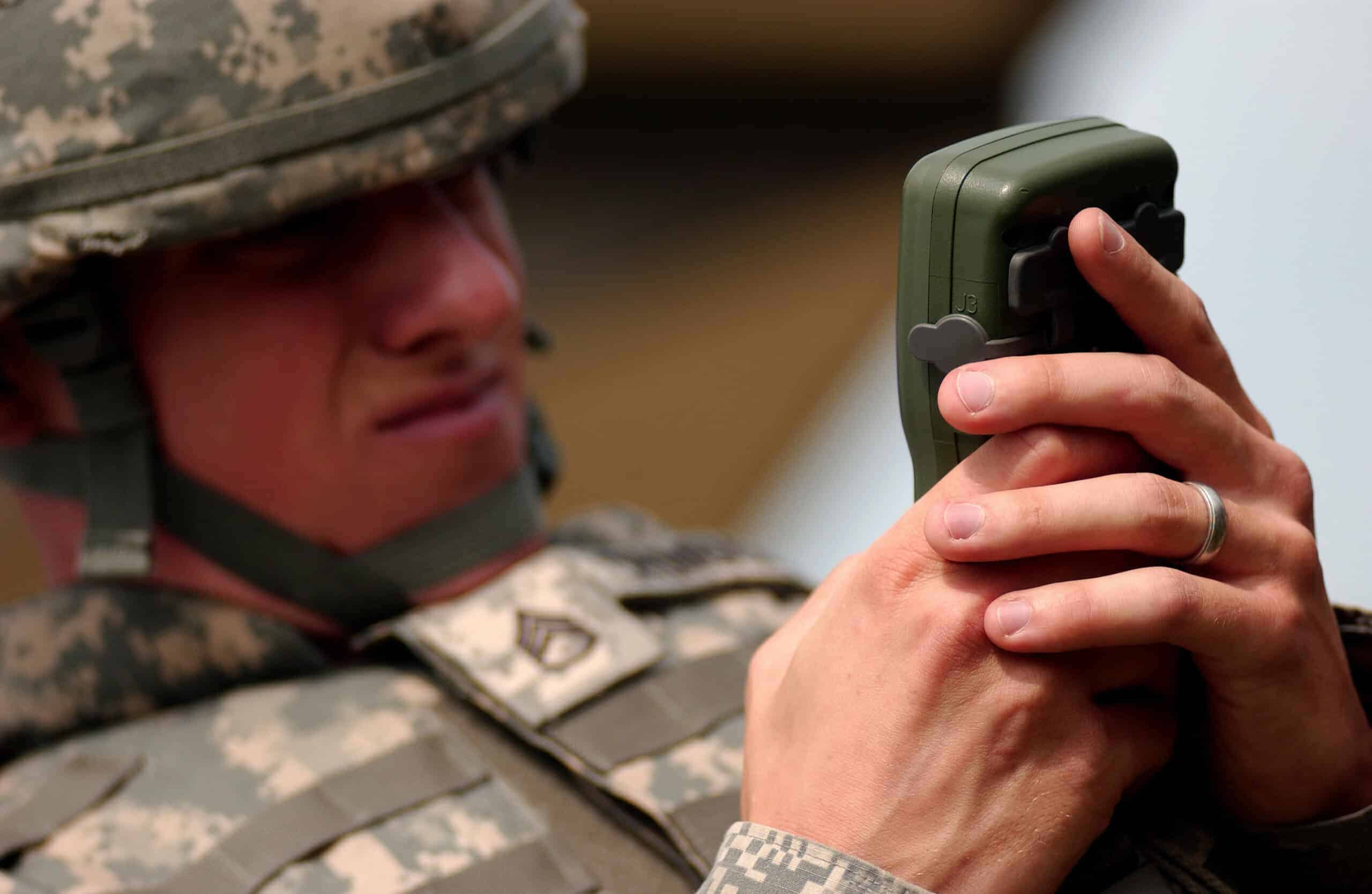
The Garmin Foretrex appears deceptively simple, resembling commercial navigation gear. However, its durability, battery efficiency, and reliability make it trusted for extended missions where navigation errors carry severe consequences. Its understated presence masks operational importance.
DAGR GPS Receiver
- Category: Navigation
- Core function: Encrypted positioning
- Capability expanded: Operate in restricted GPS environments
- Why civilians rarely hear about it: Minimal public exposure
- Operational advantage: Ensures navigation integrity
- Typical SOF usage context: GPS-contested zones
- Visibility tier: Behind-the-Scenes
The Defense Advanced GPS Receiver provides encrypted, military-grade positioning data that remains reliable in restricted environments. When civilian signals are compromised, DAGR ensures navigation continuity. Though rarely discussed publicly, it is vital in GPS-contested scenarios.
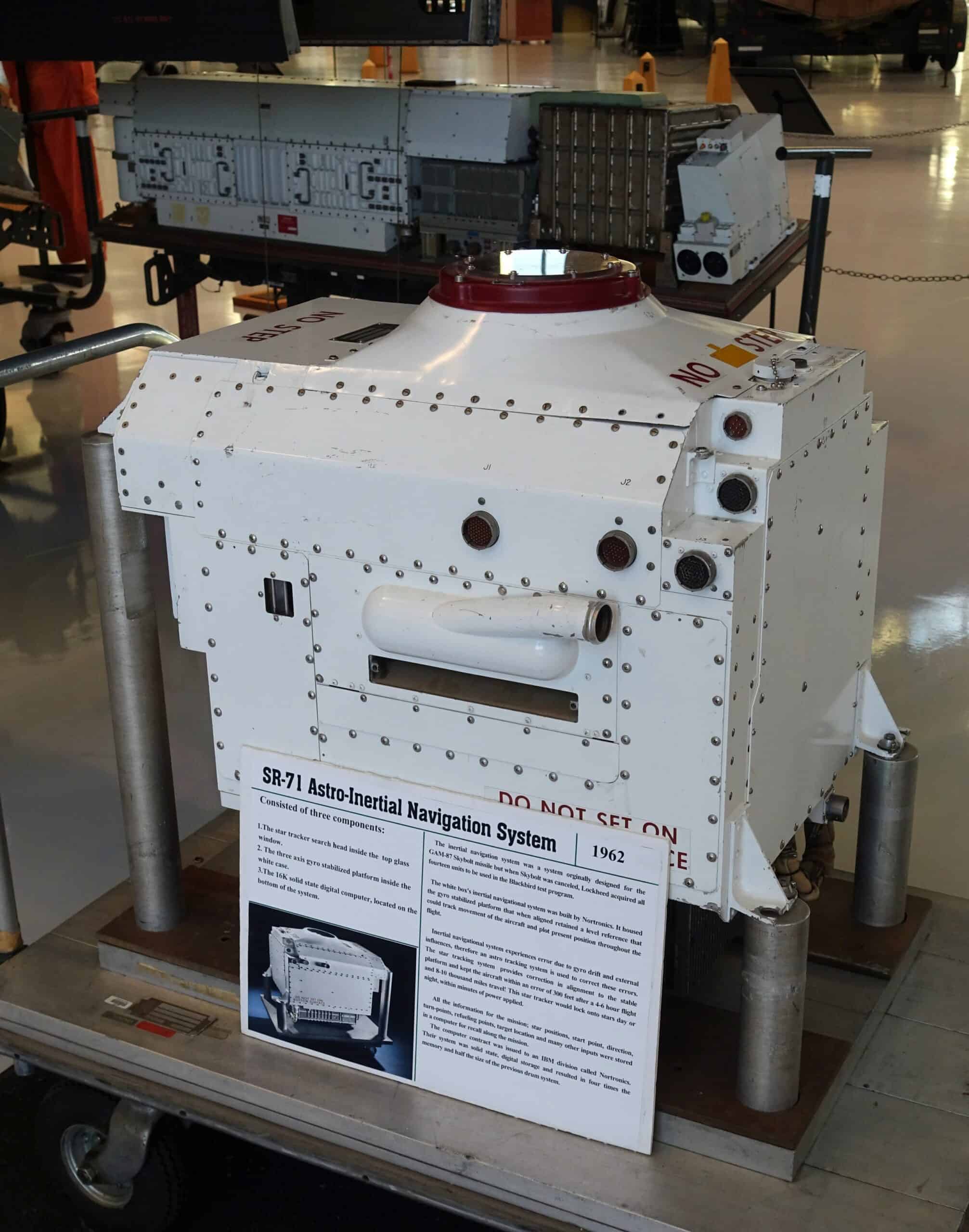
Astro-Inertial Navigation Module
- Category: Navigation
- Core function: Celestial-assisted navigation
- Capability expanded: Navigate without satellite reliance
- Why civilians rarely hear about it: Highly technical
- Operational advantage: Provides redundancy
- Typical SOF usage context: Denied environments
- Visibility tier: Virtually Invisible
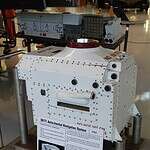
Astro-inertial navigation systems combine inertial tracking with celestial reference to provide positioning without satellites. In environments where GPS is denied, this redundancy preserves operational movement and timing. Its complexity keeps it largely out of public awareness.
Thermal Management Base Layers
- Category: Signature Reduction
- Core function: Reduce heat signature
- Capability expanded: Avoid thermal detection
- Why civilians rarely hear about it: Hidden beneath uniforms
- Operational advantage: Lowers detection probability
- Typical SOF usage context: Stealth operations
- Visibility tier: Virtually Invisible
Advanced thermal management fabrics reduce detectable heat signatures, complicating enemy surveillance systems. Worn beneath standard uniforms, these layers are invisible to observers but directly enhance survivability in sensor-heavy battlefields.
Multispectral Camouflage
- Category: Signature Reduction
- Core function: Blend across detection spectrums
- Capability expanded: Evade infrared and visual sensors
- Why civilians rarely hear about it: Rarely visible to cameras
- Operational advantage: Complicates enemy targeting
- Typical SOF usage context: Recon missions
- Visibility tier: Rarely Discussed
Multispectral camouflage systems are engineered to obscure operators across visual, infrared, and thermal spectrums. While civilians may only see standard camouflage patterns, these materials are optimized for modern sensor environments.
Individual Signature Management Kit
- Category: Signature Reduction
- Core function: Minimize electronic/visual trace
- Capability expanded: Operate with lower detectability
- Why civilians rarely hear about it: Low-profile equipment
- Operational advantage: Enhances survivability
- Typical SOF usage context: Covert operations
- Visibility tier: Behind-the-Scenes
Individual signature management kits integrate small tools and practices that reduce electronic and visual trace. From light discipline to device shielding, these components collectively lower detectability during covert missions.
Weapon-Mounted Thermal Monocular
- Category: Sensor System
- Core function: Detect heat signatures
- Capability expanded: Identify threats before contact
- Why civilians rarely hear about it: Often mistaken for standard optics
- Operational advantage: Expands detection range
- Typical SOF usage context: Night operations
- Visibility tier: Specialist-Known
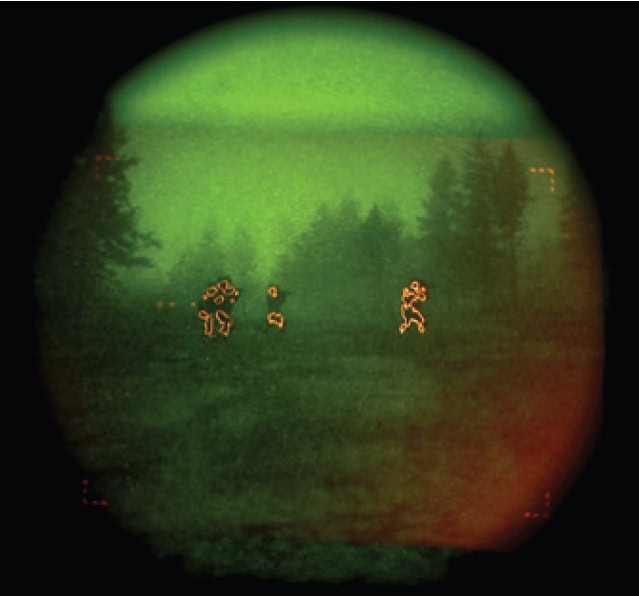
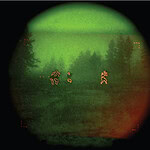
Compact thermal monoculars allow operators to detect heat signatures through smoke, foliage, and darkness. Unlike standard optics, they reveal hidden threats before visual contact occurs.
Dismounted EW Kit
- Category: Sensor System
- Core function: Detect electronic emitters
- Capability expanded: Anticipate drone or radio threats
- Why civilians rarely hear about it: Highly specialized
- Operational advantage: Improves threat avoidance
- Typical SOF usage context: Electronic warfare zones
- Visibility tier: Virtually Invisible
Dismounted electronic warfare kits detect hostile emitters and drone signals before physical contact. By identifying electronic signatures early, teams gain time to adapt or reposition.
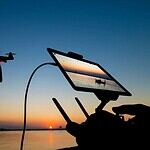
Pocket Recon Drone
- Category: Recon Platform
- Core function: Ultra-portable aerial ISR
- Capability expanded: Gain immediate aerial awareness
- Why civilians rarely hear about it: Smaller than typical drones
- Operational advantage: Accelerates tactical planning
- Typical SOF usage context: Urban reconnaissance
- Visibility tier: Rarely Discussed
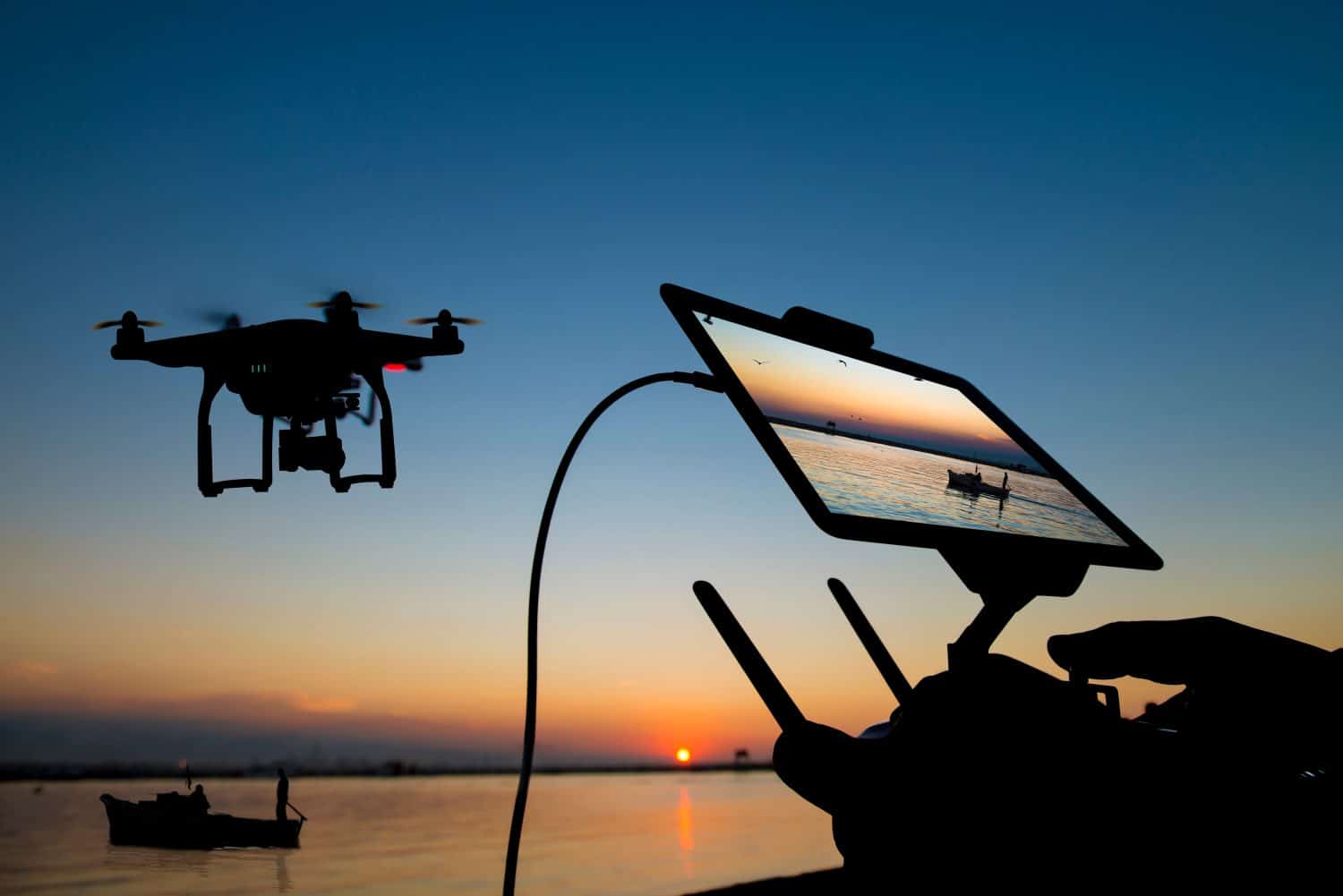
Pocket-sized reconnaissance drones provide instant aerial perspective without waiting for larger assets. Their compact size enables rapid deployment inside dense urban terrain.
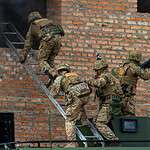
Carbon-Fiber Assault Ladder
- Category: Mobility Tool
- Core function: Rapid vertical access
- Capability expanded: Enter structures unconventionally
- Why civilians rarely hear about it: Too simple for headlines
- Operational advantage: Speeds entry timelines
- Typical SOF usage context: Urban assaults
- Visibility tier: Behind-the-Scenes
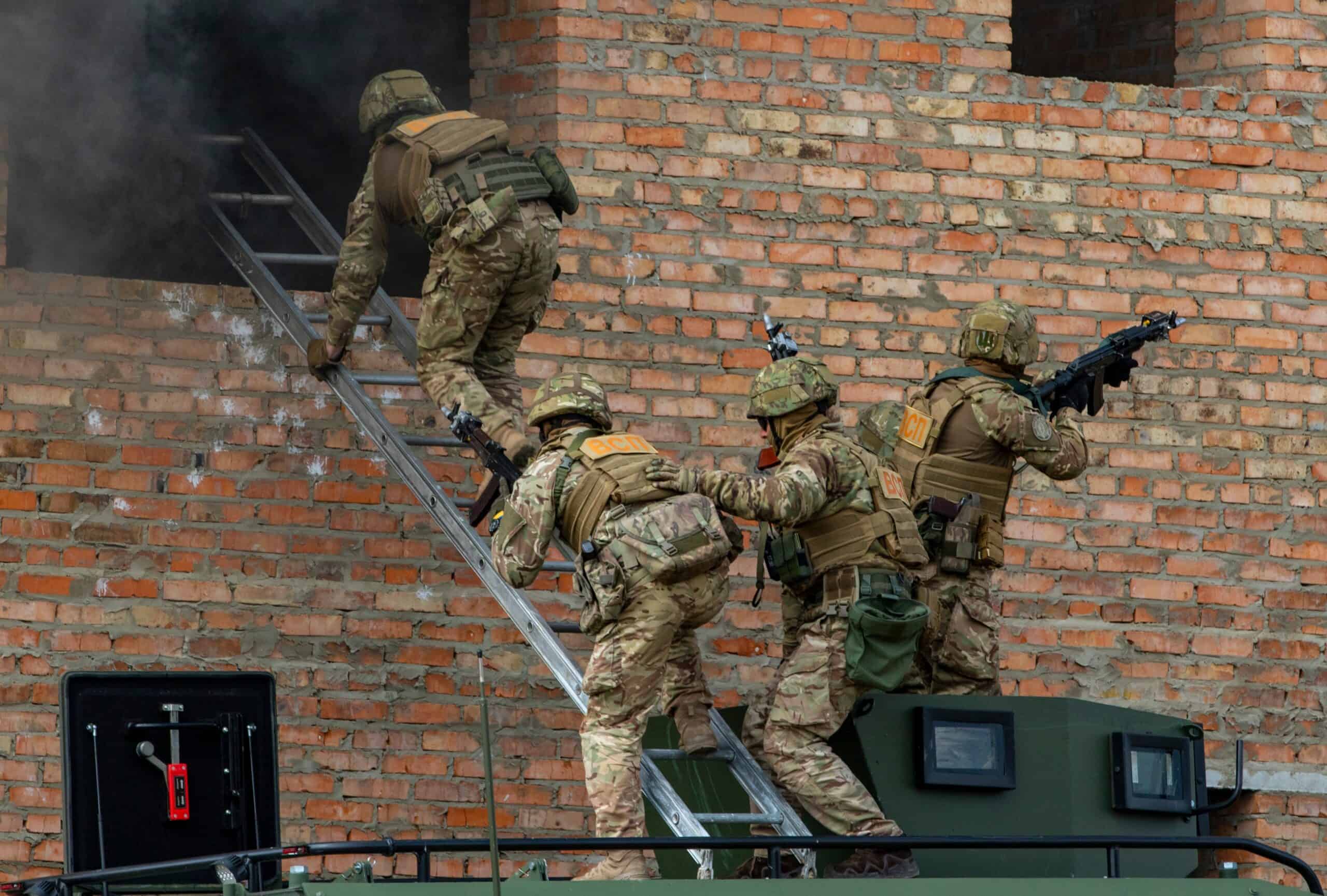
Carbon-fiber assault ladders offer lightweight yet durable vertical access solutions. While visually simple, they enable rapid entry over walls or through elevated windows.
SOF Inflatable Insertion Craft
- Category: Mobility Tool
- Core function: Clandestine water transport
- Capability expanded: Approach targets undetected
- Why civilians rarely hear about it: Limited public imagery
- Operational advantage: Supports stealth approach
- Typical SOF usage context: Maritime infiltration
- Visibility tier: Rarely Discussed
Special operations inflatable craft allow quiet coastal insertion with minimal signature. Compact and portable, they expand maritime access points beyond conventional landing zones.
Compact Climbing Kit
- Category: Mobility Tool
- Core function: Enable vertical maneuver
- Capability expanded: Access denied terrain
- Why civilians rarely hear about it: Low-profile gear
- Operational advantage: Expands movement options
- Typical SOF usage context: Mountain/urban terrain
- Visibility tier: Behind-the-Scenes
Compact climbing kits provide ropes, anchors, and ascenders tailored for rapid vertical maneuver. These tools expand terrain access and reduce reliance on predictable entry routes.
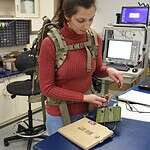
Conformal Wearable Battery
- Category: Power System
- Core function: Distributed wearable power
- Capability expanded: Run multiple electronics
- Why civilians rarely hear about it: Hidden within kit
- Operational advantage: Extends mission endurance
- Typical SOF usage context: Long-duration ops
- Visibility tier: Virtually Invisible
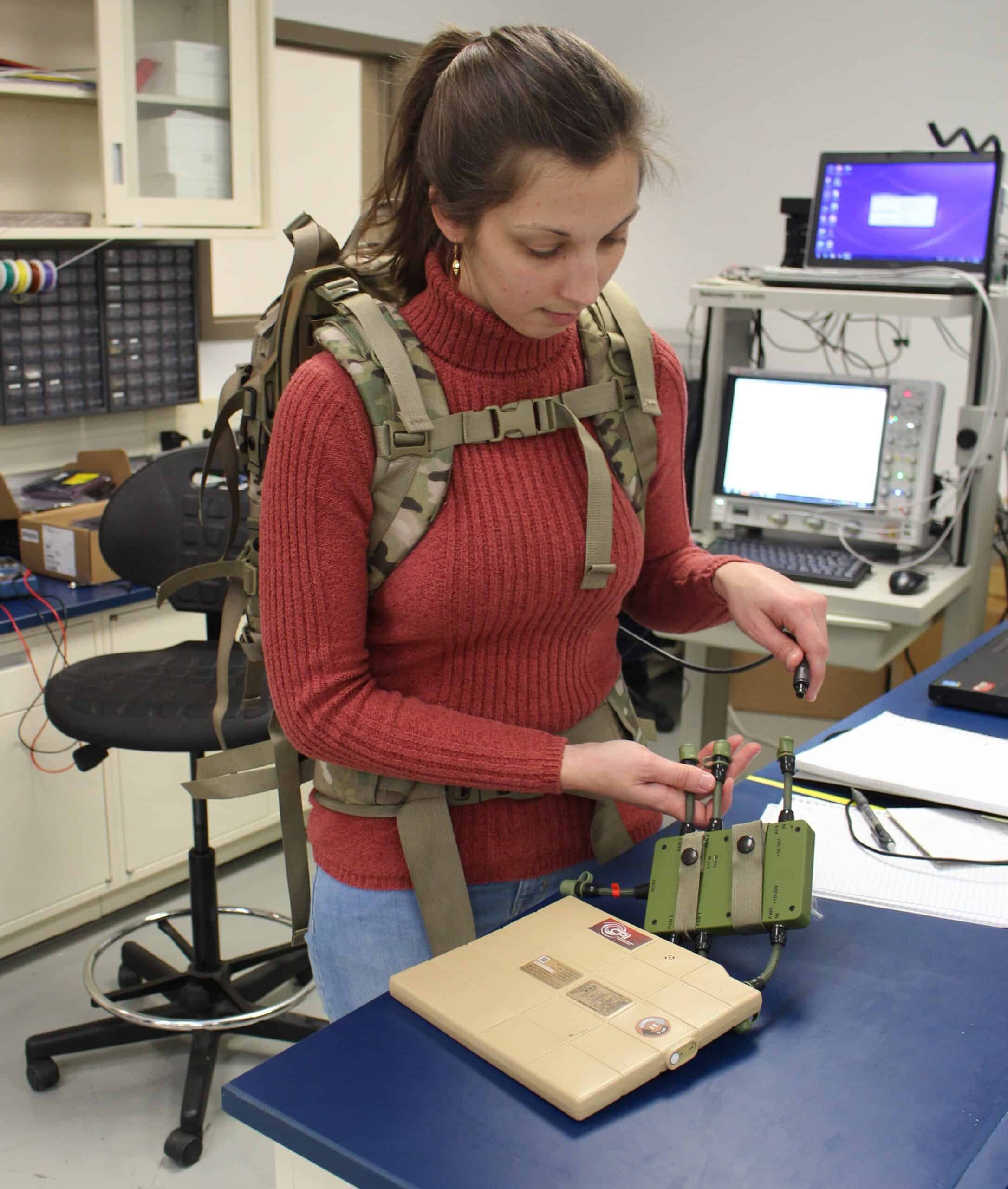
Conformal wearable batteries distribute power across an operator's gear, reducing cable clutter while sustaining radios, optics, and sensors. This streamlined power management extends endurance during prolonged missions.
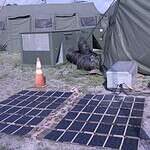
Portable Solar Panel
- Category: Power System
- Core function: Field power generation
- Capability expanded: Operate longer off-grid
- Why civilians rarely hear about it: Looks non-tactical
- Operational advantage: Reduces resupply dependence
- Typical SOF usage context: Remote deployments
- Visibility tier: Industry-Familiar
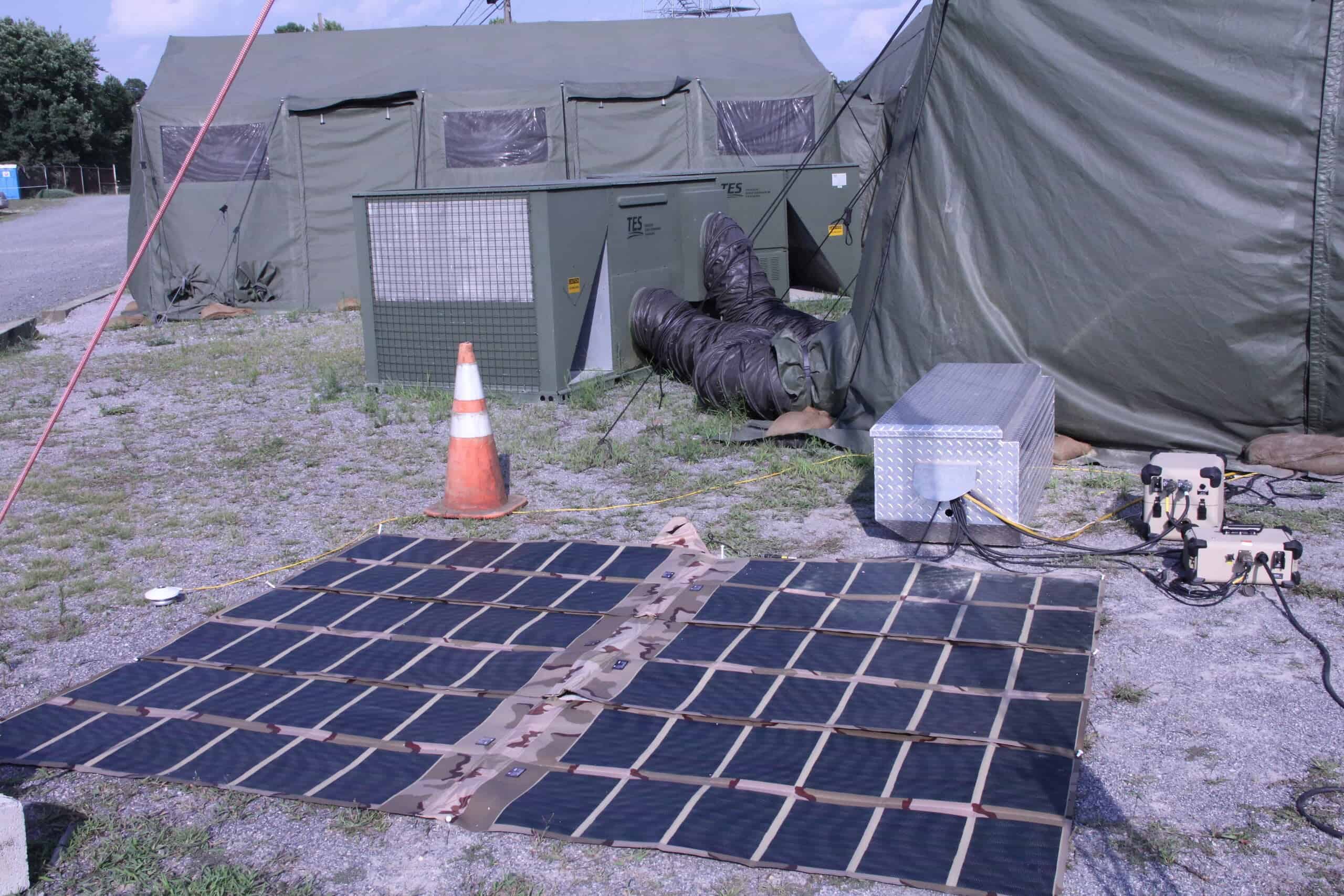
Portable solar panels provide renewable field power for extended deployments. Though visually mundane, they reduce dependence on resupply and keep electronic systems operational.
Intelligent Power Hub
- Category: Power System
- Core function: Automated power distribution
- Capability expanded: Prioritize critical systems
- Why civilians rarely hear about it: Technical niche
- Operational advantage: Prevents system shutdowns
- Typical SOF usage context: Electronics-heavy missions
- Visibility tier: Behind-the-Scenes
Intelligent power hubs manage multiple devices and automatically prioritize critical systems as battery reserves decline. This prevents unexpected shutdowns during electronics-heavy missions.
Junctional Tourniquet
- Category: Medical
- Core function: Stop severe bleeding
- Capability expanded: Treat otherwise fatal wounds
- Why civilians rarely hear about it: Medical gear gets less attention
- Operational advantage: Improves survivability
- Typical SOF usage context: Point-of-injury care
- Visibility tier: Specialist-Known
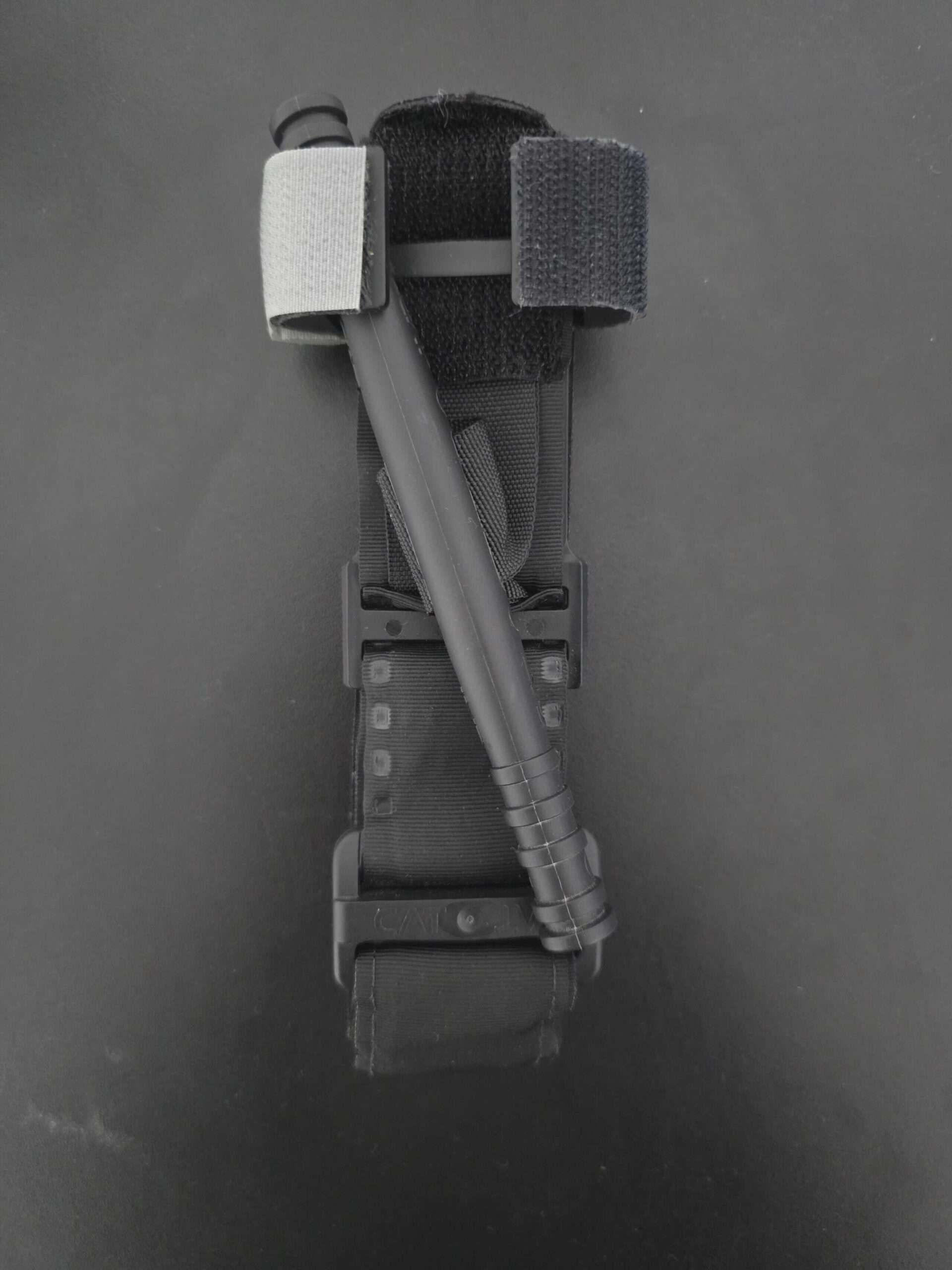
Junctional tourniquets are designed to stop bleeding in areas where traditional tourniquets cannot be applied. Their specialized function significantly improves survivability.
Prolonged Field Care Kit
- Category: Medical
- Core function: Extended casualty stabilization
- Capability expanded: Hold patients until extraction
- Why civilians rarely hear about it: Rarely shown publicly
- Operational advantage: Expands treatment window
- Typical SOF usage context: Remote operations
- Visibility tier: Rarely Discussed
Prolonged field care kits enable medics to stabilize casualties for extended periods when evacuation is delayed. These modules expand the window for lifesaving intervention.
Helmet Battery & Counterweight
- Category: Situational Awareness
- Core function: Balance helmet systems
- Capability expanded: Reduce fatigue during NVG use
- Why civilians rarely hear about it: Looks insignificant
- Operational advantage: Enhances endurance
- Typical SOF usage context: Night missions
- Visibility tier: Virtually Invisible
Helmet-mounted battery and counterweight systems balance night vision setups and extend runtime. Though often unnoticed, they reduce neck fatigue and improve endurance during long nighttime operations.
The image featured at the top of this post is ©Public Domain / Wikimedia Commons / Original