









20 Once Dominant American Companies That Completely Collapsed
Throughout American business history, some companies grow so large and influential that they seem permanent. These brands dominate their industries, shape consumer habits, and become household names across the country. Yet even the biggest companies can fall when technology changes, competition intensifies, or leadership fails to adapt.
This slideshow takes a closer look at twenty American companies that once appeared untouchable but ultimately collapsed. At their peak, many of these businesses defined entire industries and employed thousands of workers. Each slide explores what made the company successful, the turning point that led to its downfall, and what happened afterward, including bankruptcies, acquisitions, and the lasting impact on employees and customers.
At History Computer, we regularly examine the rise and fall of major companies to understand how shifts in technology, markets, and consumer behavior can reshape entire industries. Many of these brands were once everywhere in American life but have since disappeared or faded dramatically.
Remember these companies? Here are some once dominant American brands that ultimately collapsed.
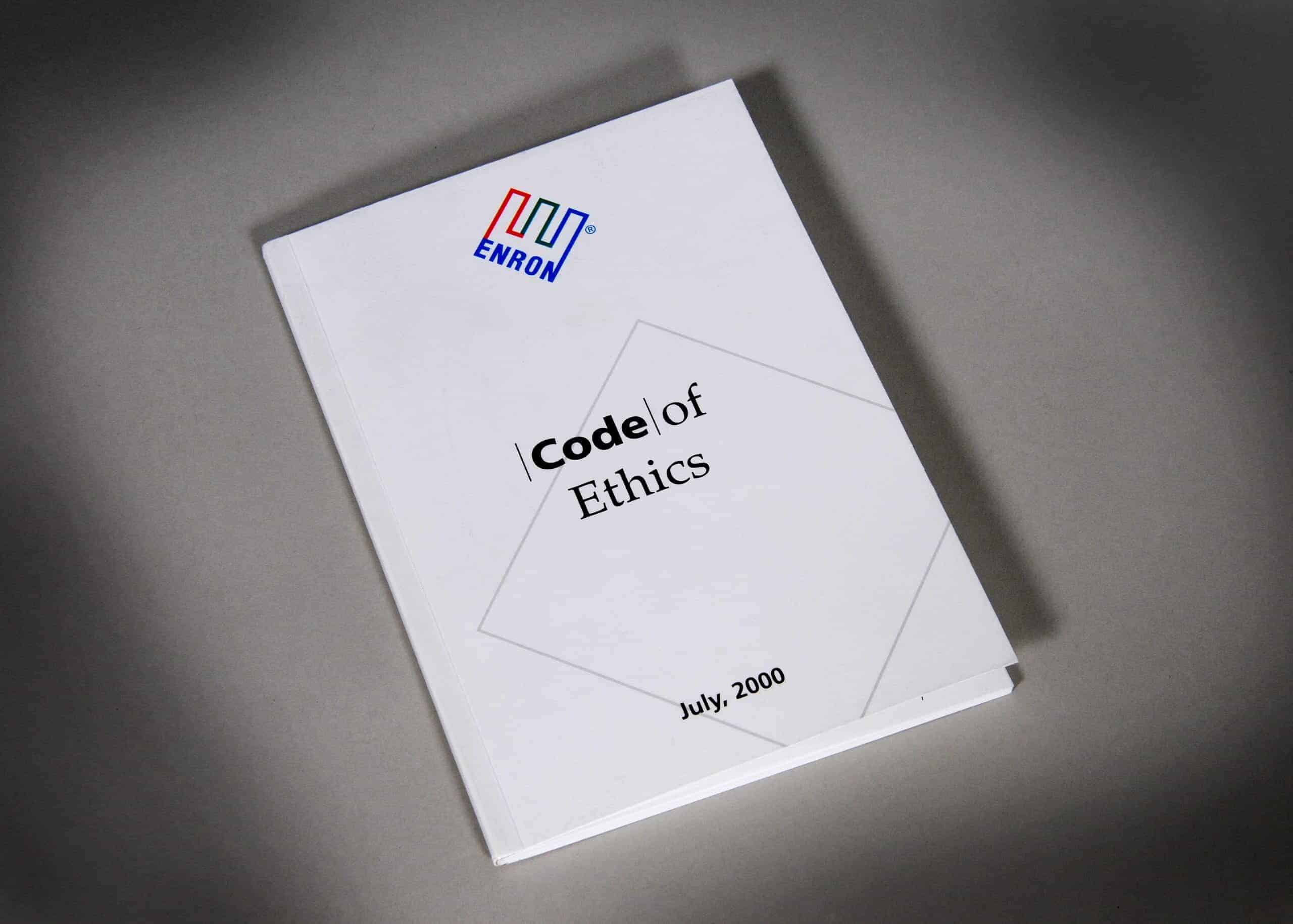
Enron
Enron grew into a Wall Street favorite by selling itself as an energy innovator, a business that could trade anything like a commodity. Behind the scenes, accounting tactics grew to hide debt and make earnings look stronger than they were.
On December 2, 2001, Enron filed for Chapter 11, and employees holding company stock watched savings and pensions take a direct hit. After the collapse, executives faced criminal cases, and the company’s assets were sold off, with the name becoming a permanent reference point for how quickly trust can evaporate in corporations.
WorldCom
By buying competitors and promising investors that growth would keep compounding, WorldCom became a telecommunications giant. However, when revenue began to soften, the company used accounting maneuvers that understated expenses and inflated its profits on paper.
In July 2002, WorldCom filed for bankruptcy, and the scale of the fraud made it one of the era’s defining corporate failures. The business later reorganized and took the MCI name before being acquired by Verizon. This meant the network continued while the WorldCom brand became associated with the scandal.
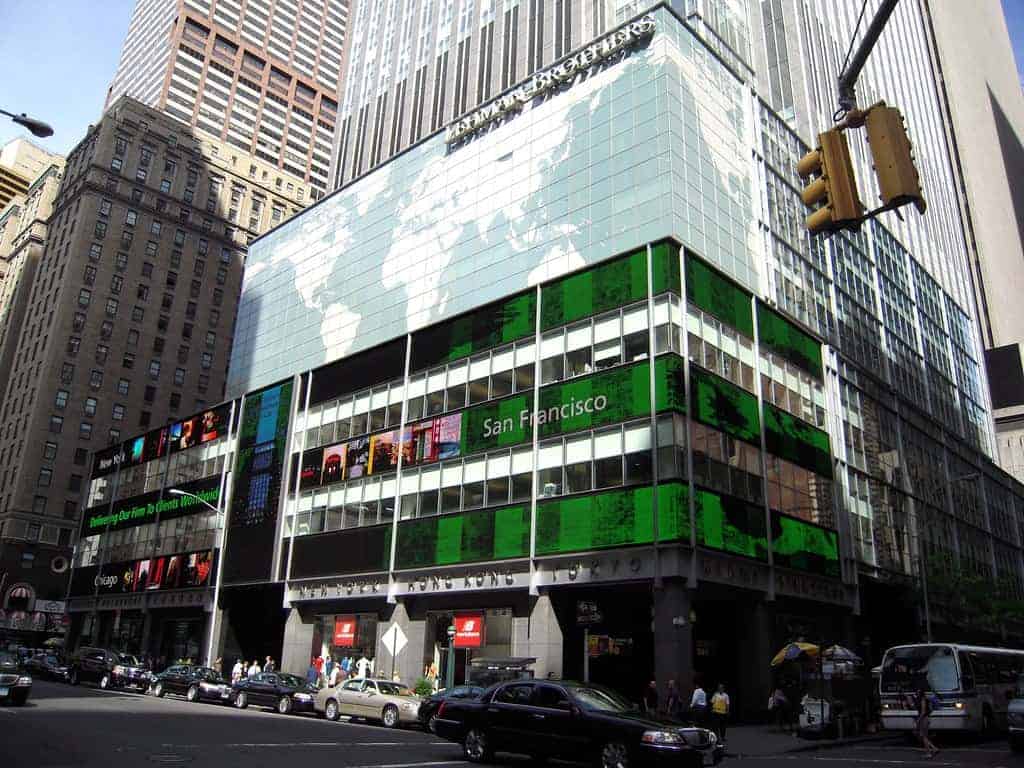
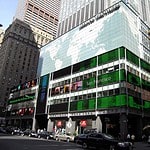
Lehman Brothers
Lehman Brothers had been a fixture of American finance for more than a century, and it expanded aggressively during the mortgage boom. When housing-linked assets fell in value due to recessions and market crashes, confidence and short-term funding disappeared faster than the firm could replace them.
On September 15, 2008, Lehman filed for bankruptcy, and the unwinding of this business took years, with assets sold off and creditor claims processed over time.
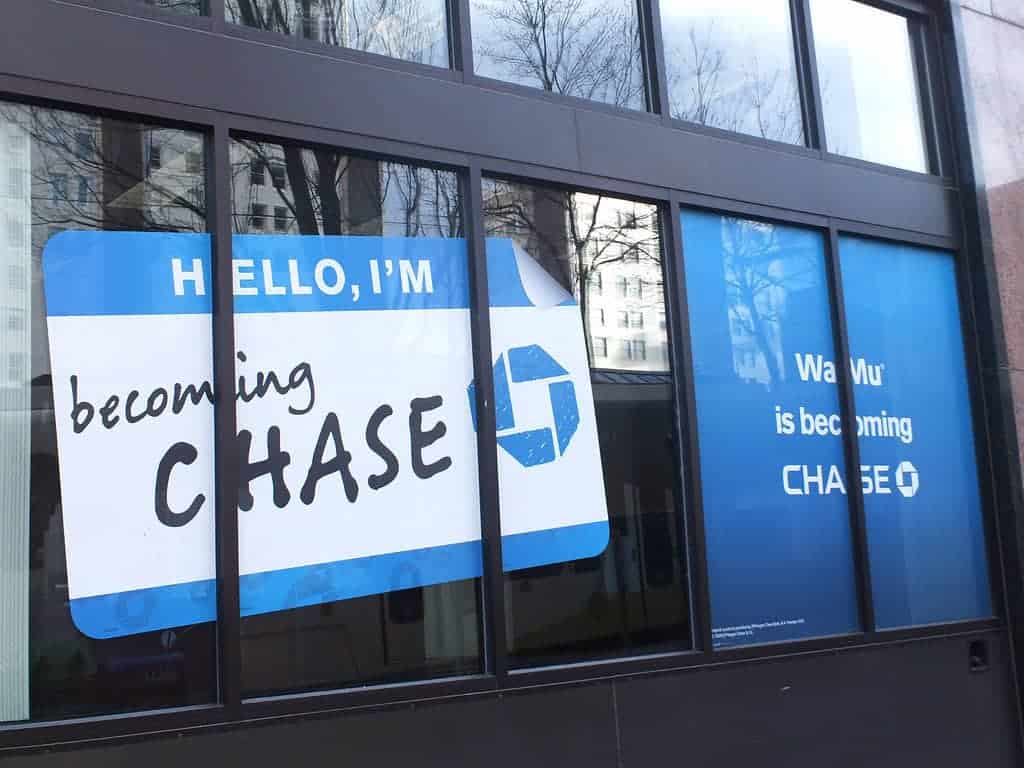
Washington Mutual
Washington Mutual was once a huge bank, leaning heavily into mortgage lending during the housing boom, including loans that later performed quite badly. As defaults rose and liquidity tightened, the bank’s condition deteriorated quickly, and it couldn't keep up.
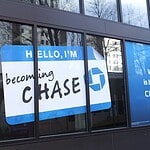
In September 2008, regulators seized WaMu and sold most assets and deposits to JPMorgan Chase, abruptly ending WaMu as an independent institution. Customers saw branches reopen under a new name, while shareholders were largely eliminated. Gone is WaMu; only Chase remains.
Bear Stearns
Like WaMu, Bear Stearns was a major investment bank working with mortgage-backed securities and the plumbing that financed them. Business was steady until the value of those assets was called into question. Soon, the firm faced a liquidity crisis and could not borrow enough to keep operating.
Bear was also sold to JPMorgan Chase in 2008, in a government-brokered rescue, with the Bear Stearns name ultimately retired and its operations absorbed.
Arthur Andersen
One of the largest and most respected U.S. accounting firms, trusted to audit major public companies, Arthur Andersen's fall was surprising to some. However, its role in the Enron scandal, including document destruction tied to audits, broke too many promises to keep the company alive.
By 2002, the firm effectively stopped operating. Despite a later Supreme Court decision that overturned Andersen’s conviction, the damage was already done, and too many clients had opted to move on.
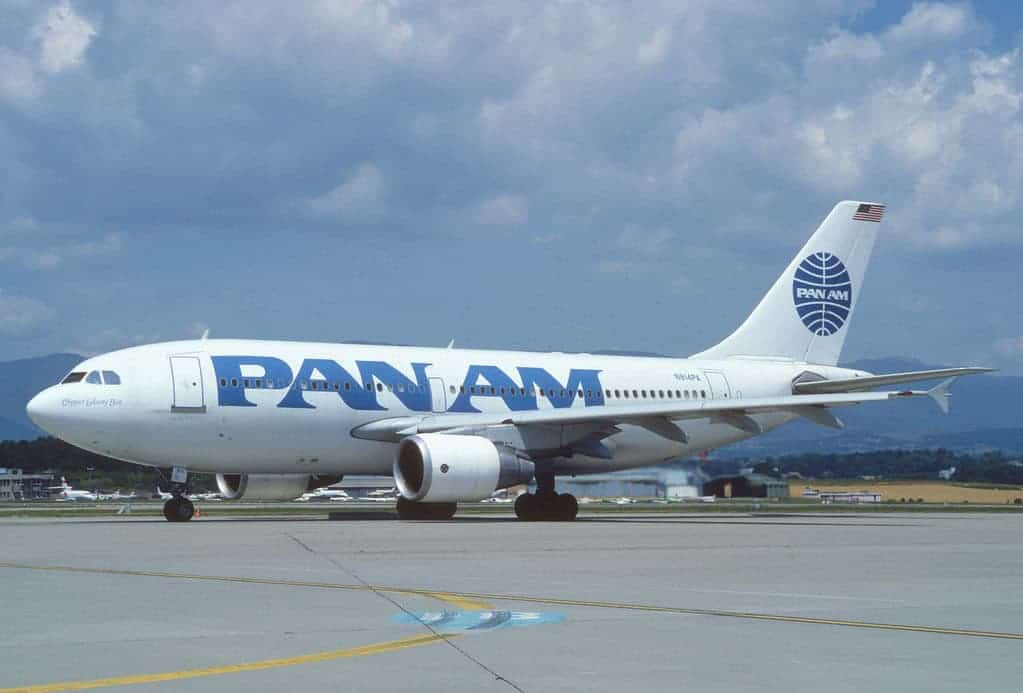
Pan Am
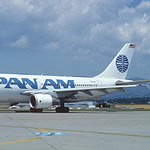
Pan Am shaped the image of international air travel for many Americans, with routes and branding that made the airline feel timeless, like it wasn't going anywhere. Over time, competition and high operating costs strained finances until the company ran out of options.
Pan Am shut down and ceased operations back in 1991, ending an iconic brand. Its assets and routes were sold off to other carriers, while the Pan Am name survives mostly through nostalgia.
Circuit City
Once a household name for electronics shopping, Circuit City looked like a permanent part of American retail. But, as online competition grew and margins tightened, the company struggled with countless issues, including with its inventory and overall store experience.
In November 2008, Circuit City filed for bankruptcy and moved into liquidation in early 2009, closing its remaining stores. E-commerce was largely to blame, but Circuit City had plenty of other troubles that couldn't be solved.
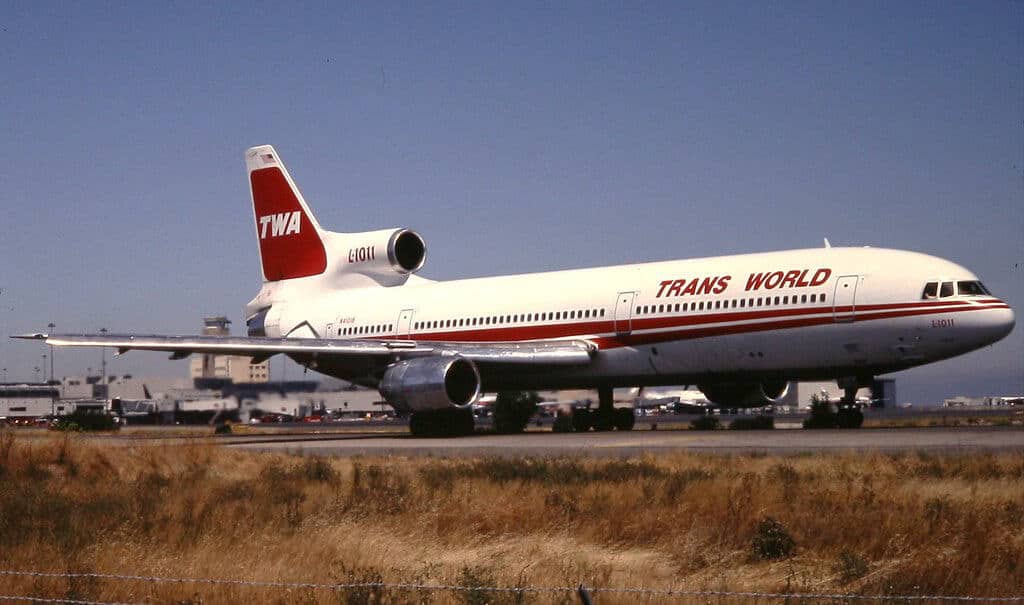
Trans World Airlines (TWA)
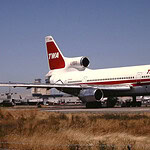
Like Pan Am, TWA was a major U.S. airline for decades, and it faced many of the same issues as its fellow competitor. Repeated crises actually pushed it through multiple bankruptcies, and TWA filed for bankruptcy again in 2001, for the last time.
The company was acquired by American Airlines, and the brand disappeared beyond the preserved TWA Flight Center at JFK.
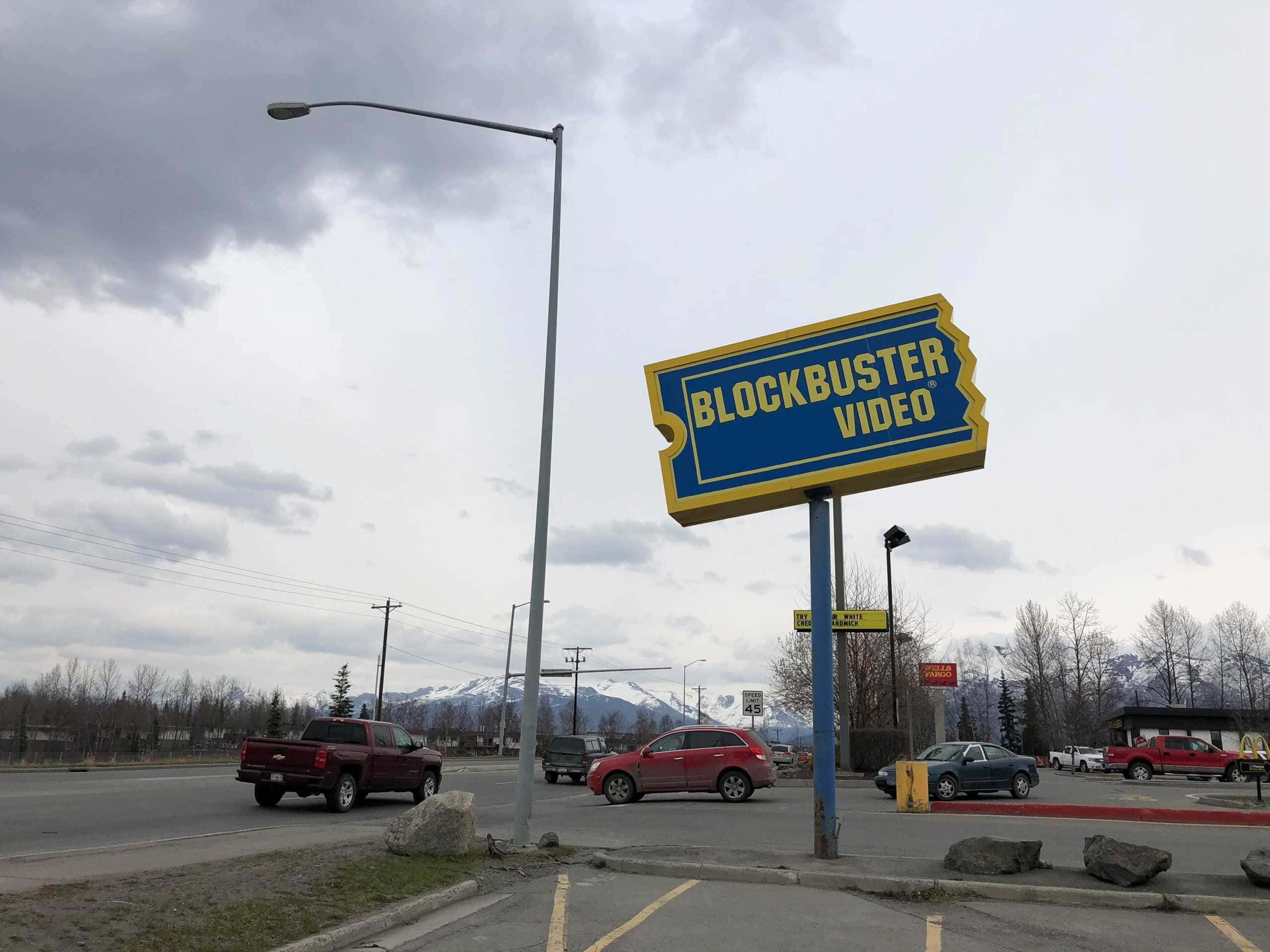
Blockbuster
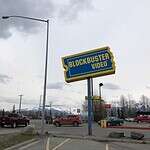
One of the most recognizable names on this list, Blockbuster dominated video rentals in the 1990s and early 2000s. Streaming and mail rentals changed the game for this company, and Blockbuster’s late pivot plus heavy debt left it exposed.
The company ultimately filed for bankruptcy in 2010, and the entire corporate store network eventually closed. However, the last independently operated store in Bend, Oregon, is a tourist stop and still offers movie rentals today.
Eastern Air Lines
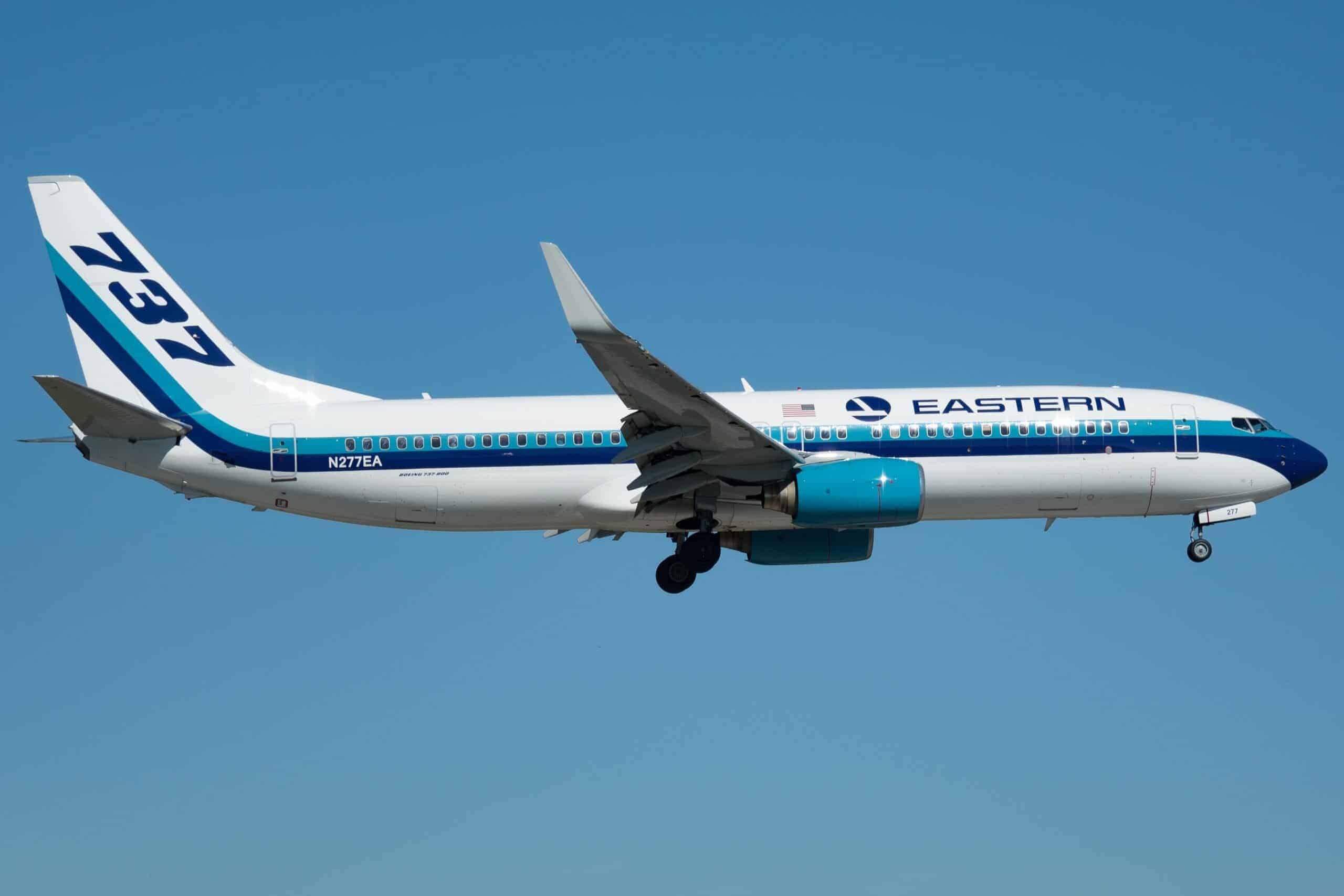
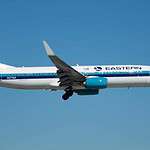
There's yet another airline company that just couldn't make the cut. Eastern Air Lines was once one of the largest U.S. carriers, especially dominant on the East Coast and along Florida routes. However, in the 1980s, labor conflict and overall instability pushed the airline into bankruptcy proceedings.
Eastern ultimately shut down operations in 1991. Competitors absorbed its routes and gates, and this company is largely forgotten today.
Toys “R” Us
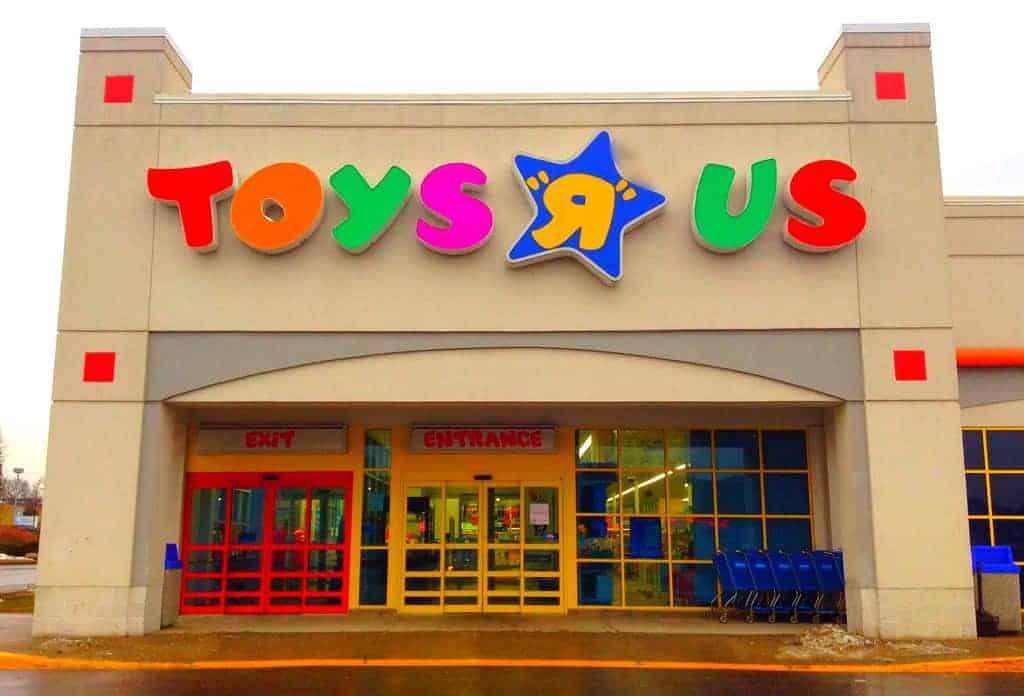
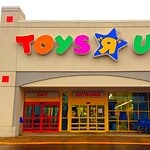
Many of us still remember Toys “R” Us, as it once controlled toy retail with huge stores and selections that smaller competitors struggled to match. But, with a heavy debt load and ample pressure from big-box rivals and e-commerce, Toys “R” Us filed for Chapter 11 in 2017 and liquidated its U.S. operations in 2018, leading to widespread store closures.
While the brand has resurfaced through new owners and new formats, including Macy's pop-ups, the original stores and workforce that made it a success once upon a time did not return in the same way.
Borders
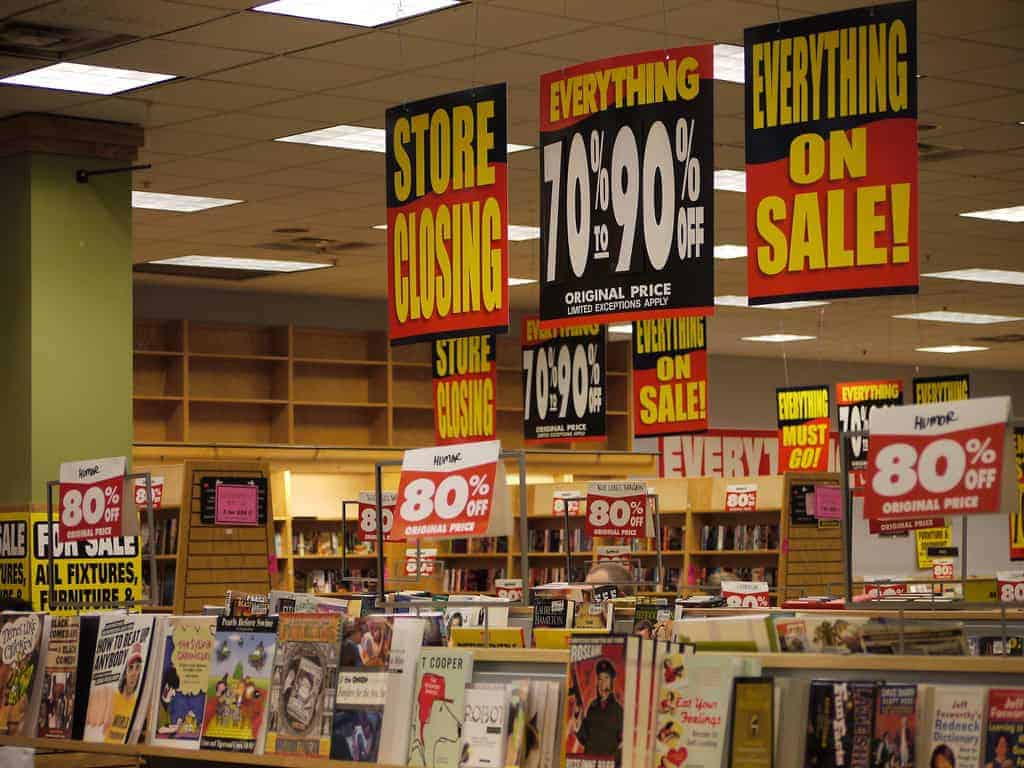
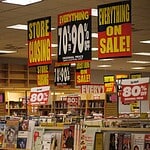
As the nation’s second-largest bookstore chain, Borders' large stores often doubled as community hangouts, complete with coffee shops and plenty of seating. Like other companies, as online buying expanded and digital reading gained traction, Borders struggled with debt and declining sales; their music sales also suffered from streaming services.
In 2011, Borders filed for bankruptcy and moved toward liquidation, closing hundreds of locations across the US. Books remain popular, but the company’s physical stores could not sustain the combination of fixed costs and shrinking traffic.
RadioShack
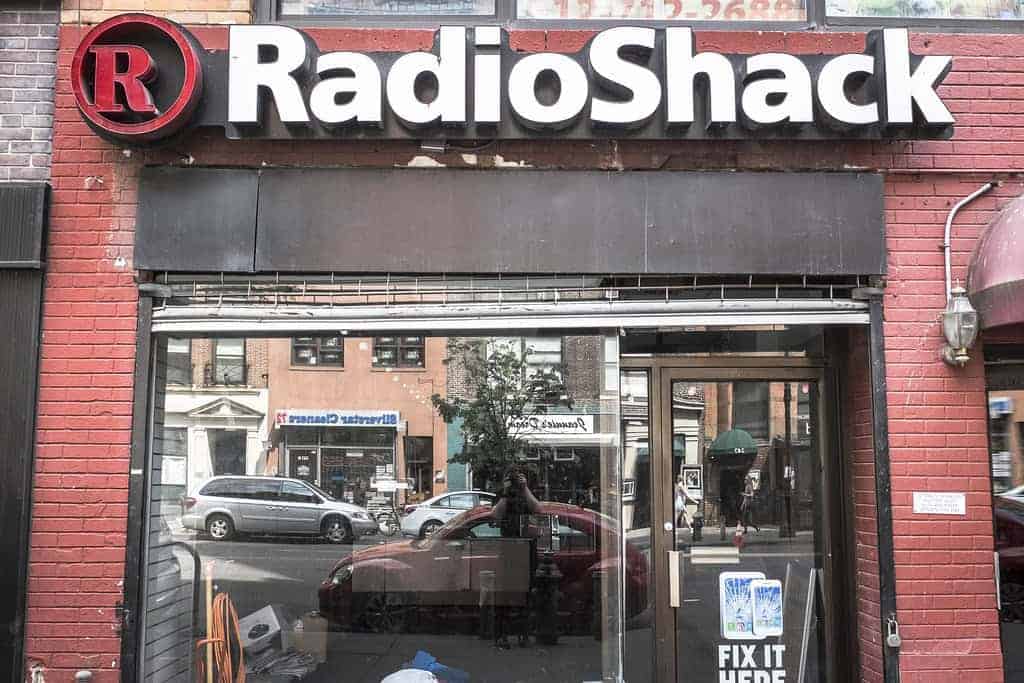
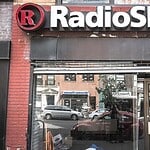
A storefront that can solve small electronics problems quickly became RadioShack's M.O., but it wasn't enough to keep them around forever. As devices standardized and online ordering became routine, the storefronts simply couldn't garner enough business to keep this electronics mainstay afloat.
RadioShack filed for bankruptcy in 2015 and actually returned to bankruptcy court in 2017 to wrap up their loose ends. The brand name has persisted through licensing and online relaunch attempts, but the nationwide store network has largely disappeared.
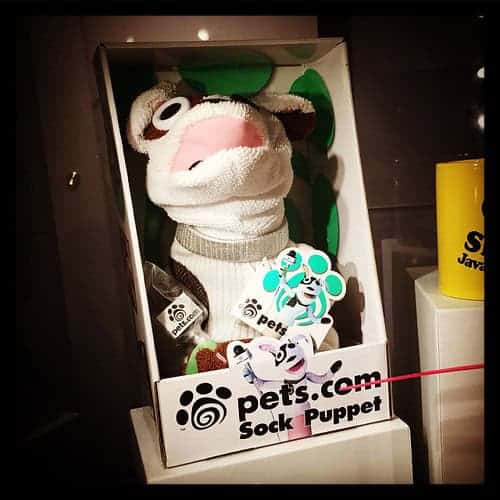
Pets.com
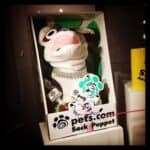
What happens when a website goes bankrupt? Pets.com became famous quickly during the early dot-com era, boosted by a clever mascot and marketing that made it feel bigger than it actually was. The core challenge for this business was cost, given the products it offered. Its shipping was bulky, and its low-margin pet supplies were too expensive to scale properly.
Pets.com shut down in 2000 after burning through its remaining cash and never seeing a profit. The brand assets were sold off, and it has since become a forgotten relic in our modern era of online business.
Theranos
Theranos was a fascinating company, built on the promise of reliable blood testing from a tiny finger-prick sample. The company attracted major investors and partnerships, but investigations and regulators later showed the technology did not actually perform as claimed. This company fell differently from others on this list.
In 2018, the SEC charged the company and its founder, and Theranos dissolved the very same year. Plus, the collapse carried real-world consequences for partners and patients, and later criminal convictions became embroiled in this company's fateful fall. CEO Elizabeth Holmes was sentenced to 11 years in prison for conspiracy and wire fraud.
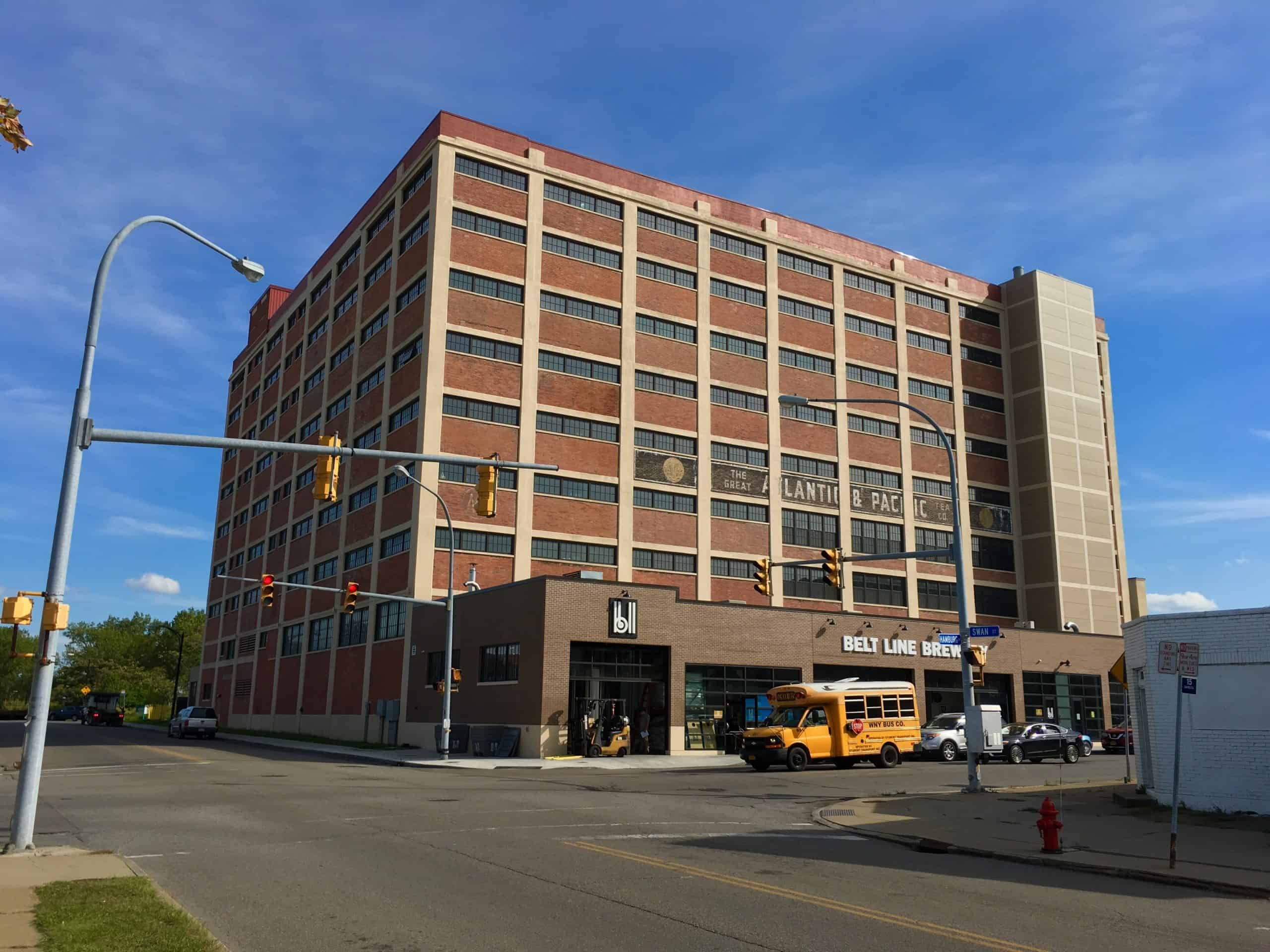
A&P (Great Atlantic & Pacific Tea Company)
Technically founded in 1859, A&P helped define American grocery shopping for decades, operating at a scale that became national quickly. What went wrong? Over time, newer grocery formats and operational challenges eliminated its advantage and forced repeated restructurings, ones the company couldn't bounce back from.
A&P filed for bankruptcy again in 2015 and ultimately liquidated, closing stores and selling its locations. While many sites reopened under new operators, this centuries-old company never recovered.
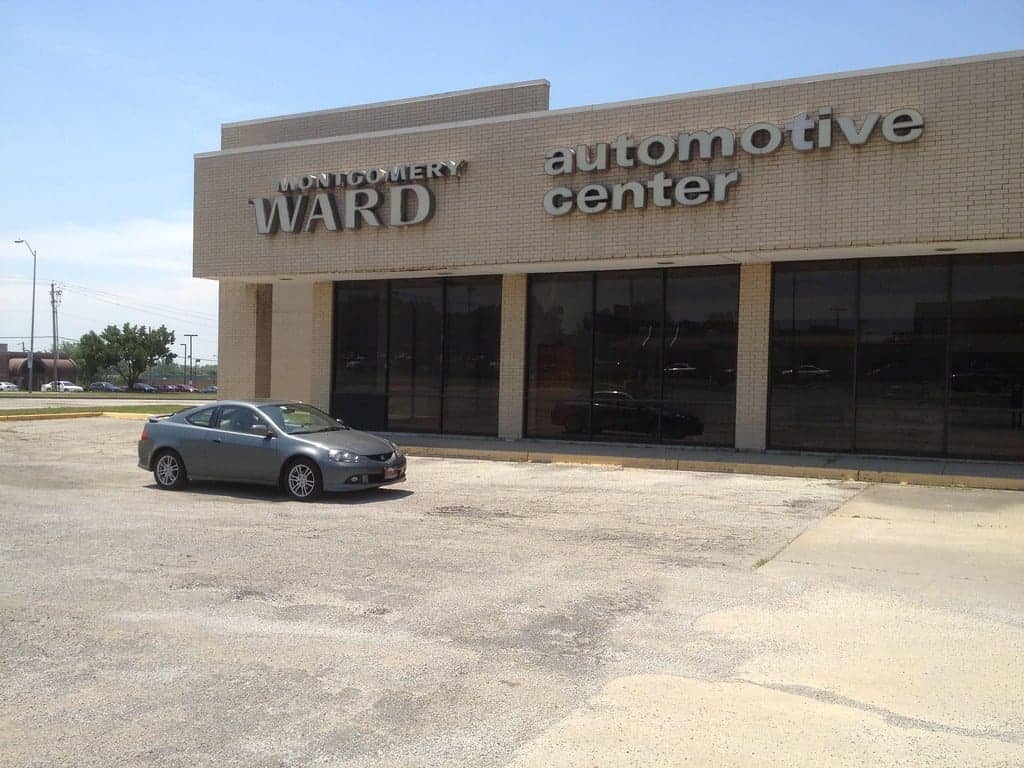
Montgomery Ward
A foundational American retailer and household name, first famous for its catalog and later for department stores across the country, Montgomery Ward's fall is well-known. As discount stores expanded and shopping habits shifted rapidly, Ward’s position weakened, with no recovery in sight.
After another bankruptcy and disappointing holiday sales, the company announced it would close any of its remaining stores in late 2000, with shutdowns continuing into 2001. The brand name and trademarks were later purchased and reused for online retail, but the store would never have physical locations again.
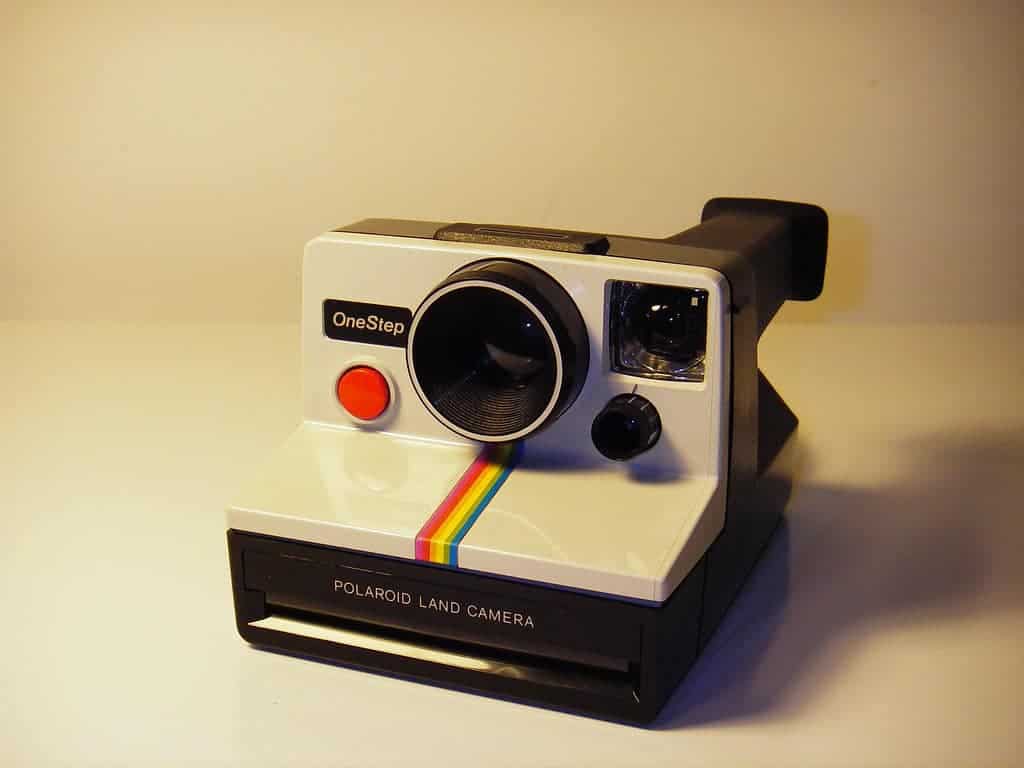
Polaroid Corporation
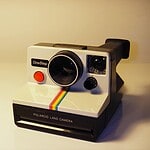
Polaroid was the first name in instant photography, selling cameras that made images appear in minutes rather than days. However, our modern days left little room for physical photographs, and Polaroid soon felt that defeat. As digital photography surged, demand for film-based instant systems dropped sharply, and Polaroid struggled under debt and shrinking sales.
The original Polaroid Corporation filed for bankruptcy in 2001, and its assets and brand were sold and resold multiple times. The Polaroid name has since appeared on new products through licensing and new ownership, with film photography having a slight resurgence today. Still, it isn't enough to bring this company back to its former glory.
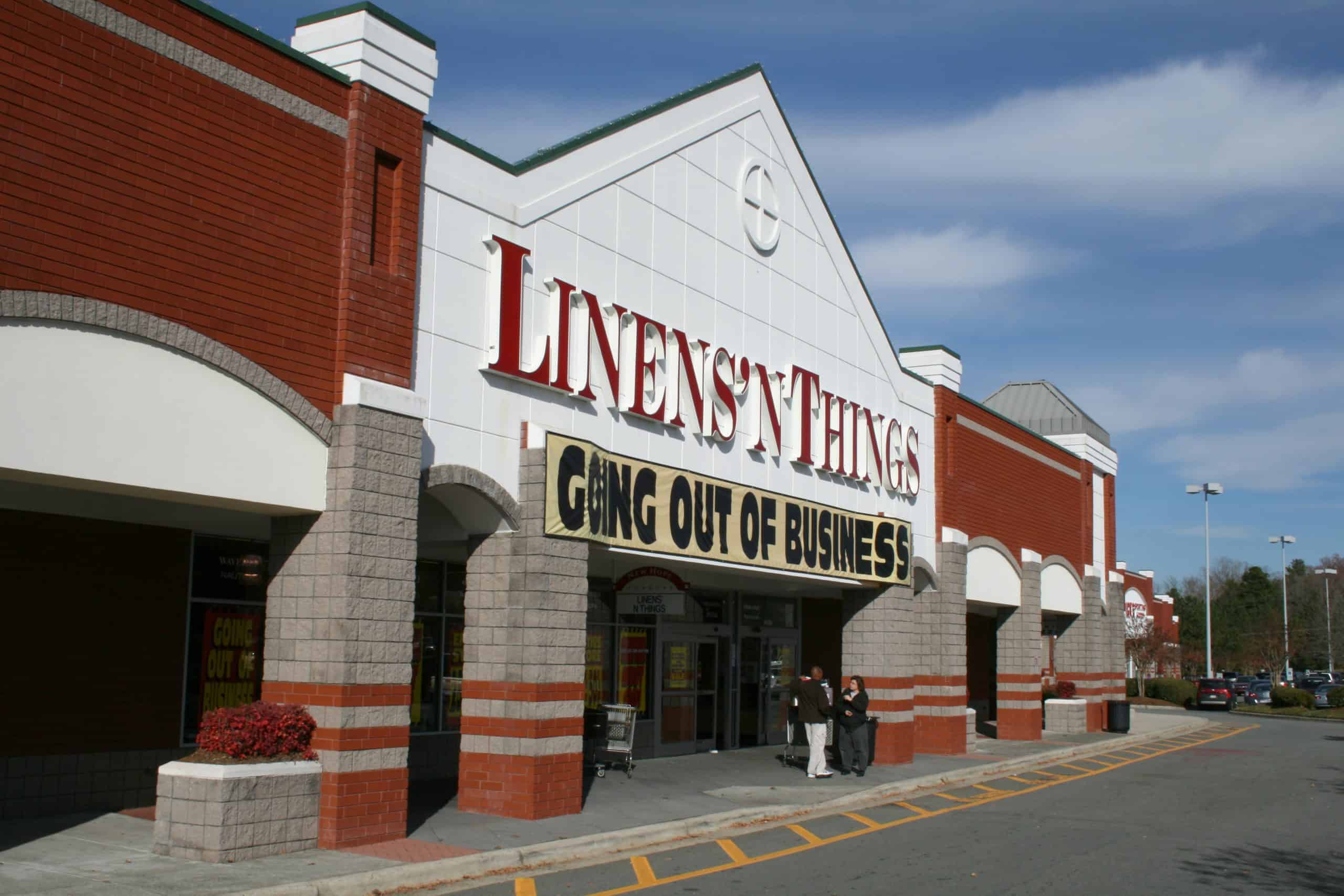
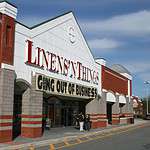
Linens ’n Things
A major home-goods chain, Linens ’n Things suffered when our retail environment tightened and its debt became harder to manage. The company filed for Chapter 11 bankruptcy in 2008 after a number of restructuring attempts failed, like many of the retailers on this list.
The chain was liquidated, closing stores and clearing inventory under massive sales. The name has vaguely resurfaced through brand revivals, but there doesn't appear to be a permanent place for Linens ’n Things in our modern era.
The image featured at the top of this post is ©Lalandrew/Shutterstock.com