





20 'Billion-Dollar Storms' That Caused the Most Damage Since 2020
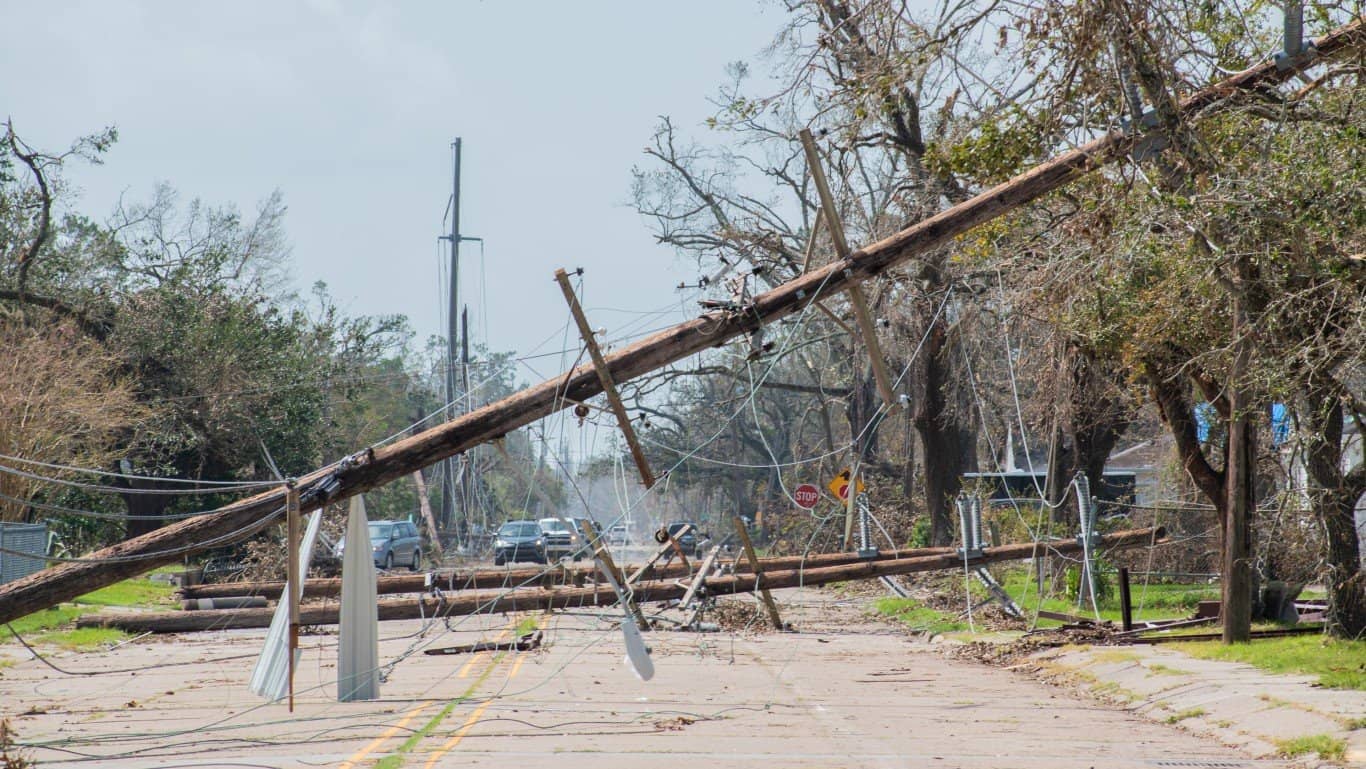
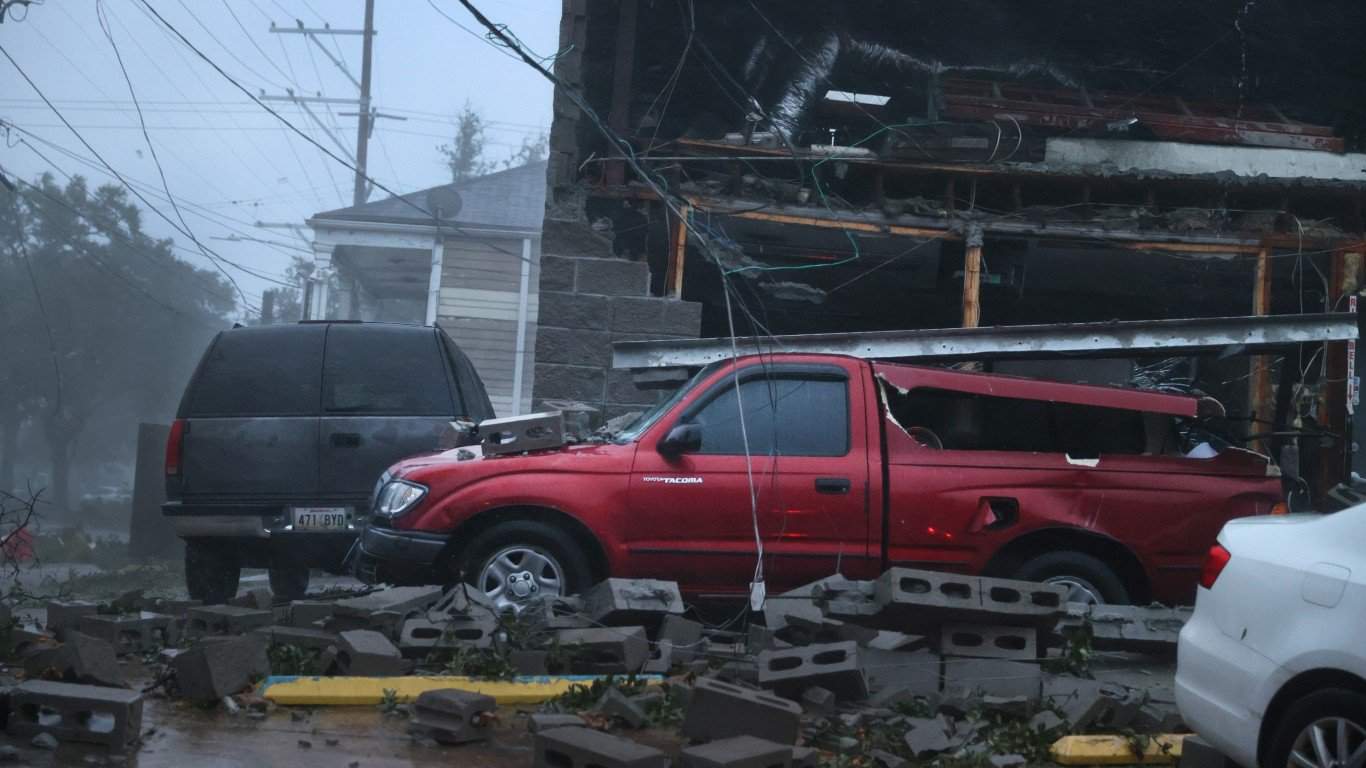
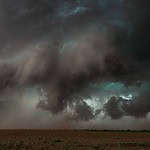
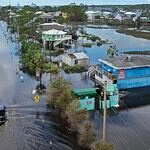
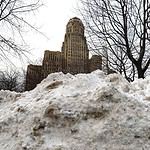
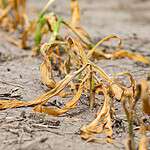
Extreme weather is becoming more expensive, more destructive, and more frequent. In just the past few years, billion-dollar disasters have reshaped entire regions, damaging infrastructure, displacing communities, and driving long-term economic impact across the United States.
Using data from NOAA’s Billion-Dollar Weather and Climate Disasters report, this slideshow ranks the costliest events since 2020, adjusted for inflation. From hurricanes and severe storms to wildfires and droughts, each event highlights how different types of disasters contribute to rising costs. As climate patterns shift and population centers expand, these high-impact events are becoming a defining factor in how risk, recovery, and resilience are measured nationwide.
20. Hurricane Zeta
- Duration: 10-28-2020 to 10-29-2020
- Estimated inflation-adjusted cost: $5.3 billion
- Deaths: 6
- Type: Tropical Cyclone
2020 was a historically active Atlantic hurricane season, and Zeta was the fifth to make landfall in Louisiana that season. Zeta made landfall on Oct. 28 at Cocodrie as a Category 2 hurricane with maximum sustained winds of 110 mph. As it went inland, the storm maintained some strength, and its wind affected parts of Louisiana, Alabama, Mississippi, northern Georgia, and the Carolinas.
19. Rockies Hail Storms and Central and Eastern Severe Weather
- Duration: 06-21-2023 to 06-26-2023
- Estimated inflation-adjusted cost: $5.4 billion
- Deaths: 8
- Type: Severe Storm
Severe hail storms across Colorado caused damage and injured approximately 100 people at a large outdoor concert. This severe weather also produced more than 60 tornadoes across portions of Wyoming, Colorado, Minnesota, Indiana, Kentucky, and Arkansas.
18. Western/Central Drought and Heat Wave
- Duration: 06-01-2020 to 12-30-2020
- Estimated inflation-adjusted cost: $5.4 billion
- Deaths: 45
- Type: Drought
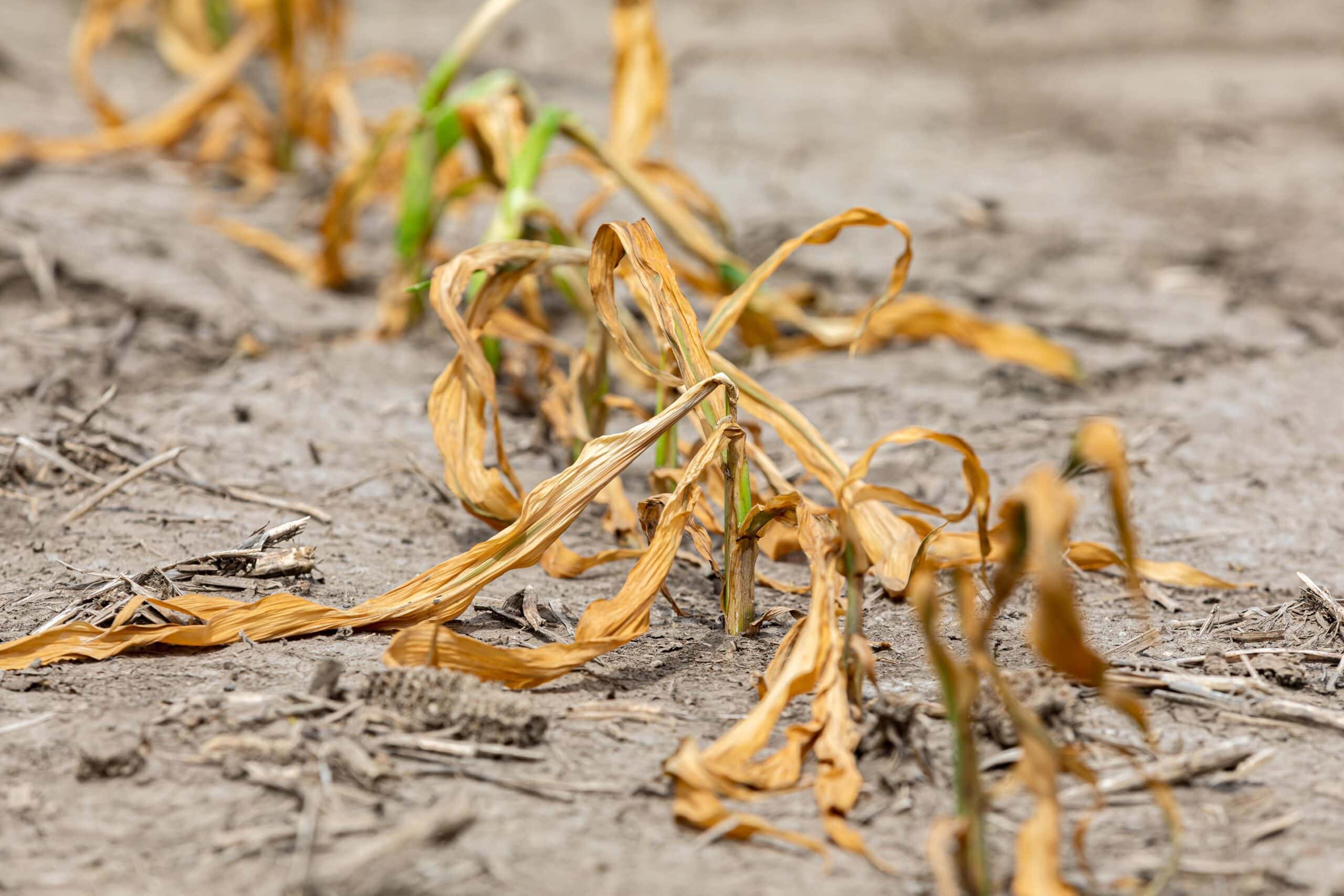
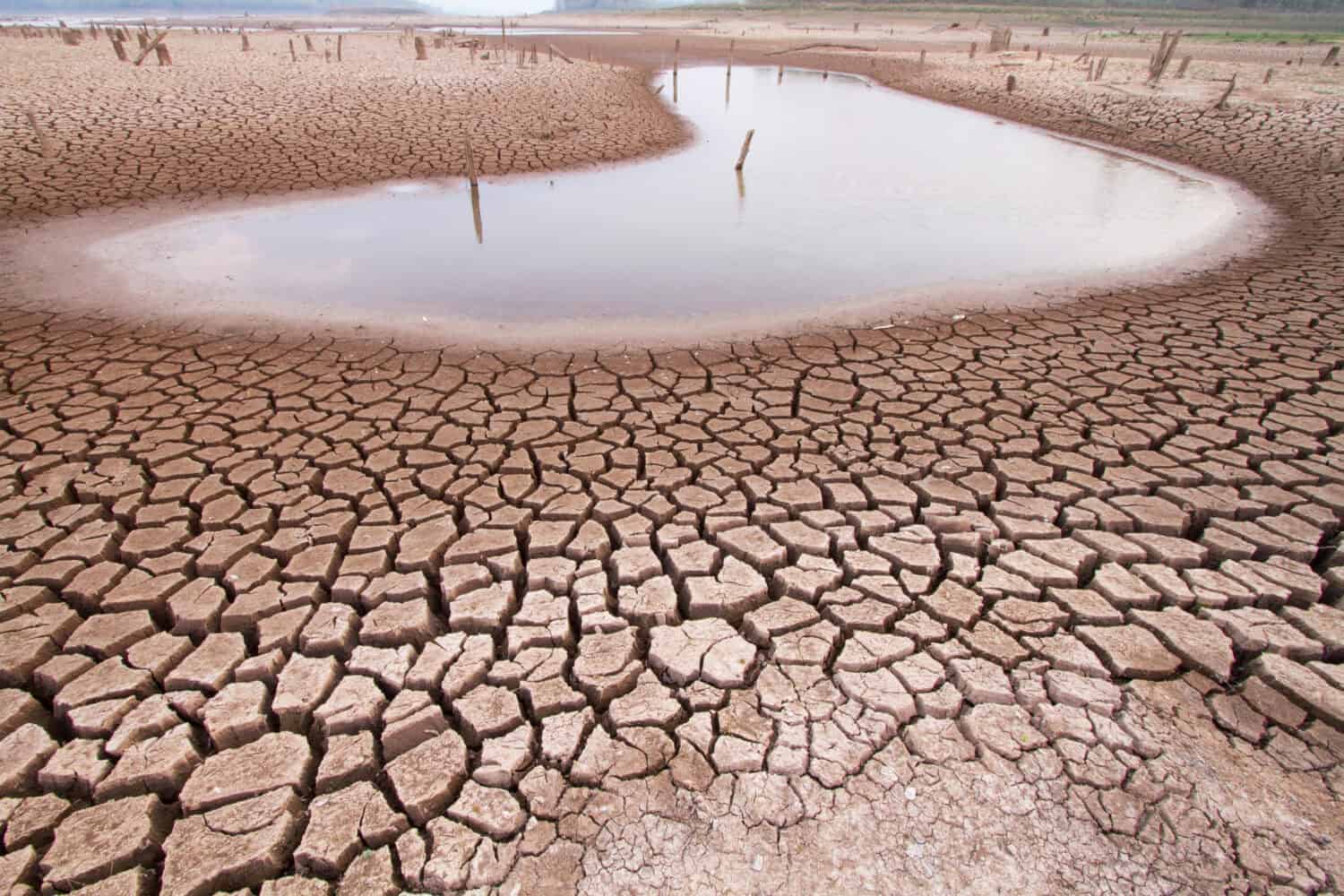
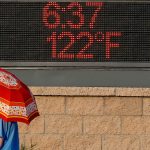
Widespread, continuous drought and record heat affected more than a dozen Western and Central states for much of the summer, fall, and winter months, causing considerable crop and livestock impacts. The high temperatures and lack of precipitation caused large D3 (extreme) and D4 (exceptional) drought coverage in December. Death Valley recorded a temperature of 130 degrees F — the highest measured temperature globally in decades — while Los Angeles County recorded a record high of 121 degrees F. The combined conditions dried out vegetation, contributing to the severity of the Western wildfire season.
17. Hawaii Firestorm
- Duration: 08-08-2023 to 08-08-2023
- Estimated inflation-adjusted cost: $5.7 billion
- Deaths: 100
- Type: Wildfire
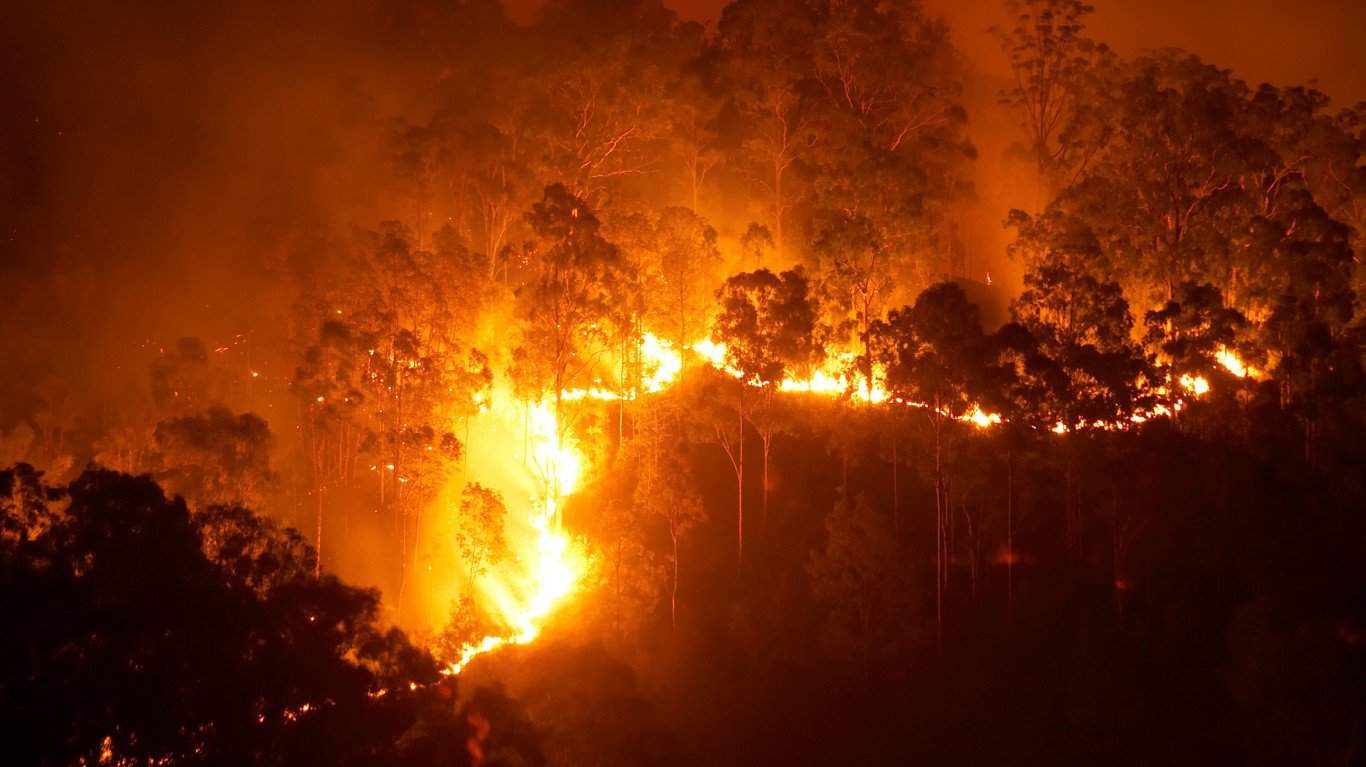
Wildfires destroyed the historic town of Lahaina on Maui Island in Hawaii. Winds were enhanced by a high-pressure system, which helped to exacerbate the wildfire, while Hurricane Dora was also south of Hawaii. The deadliest wildfire in the U.S. in over a century also destroyed thousands of homes and other property.
16. Hurricane Isaias
- Duration: 08-03-2020 to 08-04-2020
- Estimated inflation-adjusted cost: $5.8 billion
- Deaths: 16
- Type: Tropical Cyclone
Isaias made landfall in southeastern North Carolina as a category-one hurricane. The storm accelerated up the East Coast, resulting in widespread damage and power outages across New York, New Jersey, and Pennsylvania. There was also considerable inland flooding, most notably in Pennsylvania. In addition, 34 tornadoes — including EF-2 and one EF-3 — developed across North Carolina, Virginia, Maryland, Delaware, and New Jersey due to Isaias.
15. Central Tornado Outbreak and Eastern Severe Weather
- Duration: 03-31-2023 to 04-01-2023
- Estimated inflation-adjusted cost: $5.9 billion
- Deaths: 33
- Type: Severe Storm
A tornado outbreak producing at least 145 tornadoes across numerous central states caused widespread damage, mostly in Illinois, Indiana, Ohio, Missouri, Iowa, Arkansas, Tennessee, and Pennsylvania. The damage was extensive, including to homes, agriculture, and infrastructure.
14. Central and Southern Severe Weather
- Duration: 03-12-2024 to 03-14-2024
- Estimated inflation-adjusted cost: $5.9 billion
- Deaths: 3
- Type: Severe Storm
There was damage in many Central and Southern states from hail, tornadoes, and high wind, with Kansas, Oklahoma, and Missouri affected by up to baseball-sized hail. At the same time, Illinois, Indiana, and Ohio were also impacted by many tornadoes, including a deadly EF-3 striking northwest Ohio.
13. Southern and Eastern Severe Weather
- Duration: 03-02-2023 to 03-03-2023
- Estimated inflation-adjusted cost: $6.1 billion
- Deaths: 13
- Type: Severe Storm
Severe storms impacted Texas, Alabama, Mississippi, Tennessee, Kentucky, Indiana, and Ohio, with high winds and tornadoes damaging homes, vehicles, businesses, government buildings, and infrastructure.
12. Hurricane Sally
- Duration: 09-15-2020 to 09-17-2020
- Estimated inflation-adjusted cost: $8.8 billion
- Deaths: 5
- Type: Tropical Cyclone
Sally made landfall in Gulf Shores, Alabama, as a Category 2 hurricane with wind gusts up to 100 mph and 20-30 inches of rainfall that caused considerable flood and wind damage across Alabama, the Florida panhandle, and Georgia. Many homes and businesses in downtown Pensacola were impacted by flooding produced by storm surges and heavy rainfall.
11. Central and Eastern Winter Storm and Cold Wave
- Duration: 12-21-2022 to 12-26-2022
- Estimated inflation-adjusted cost: $8.9 billion
- Deaths: 87
- Type: Winter Storm
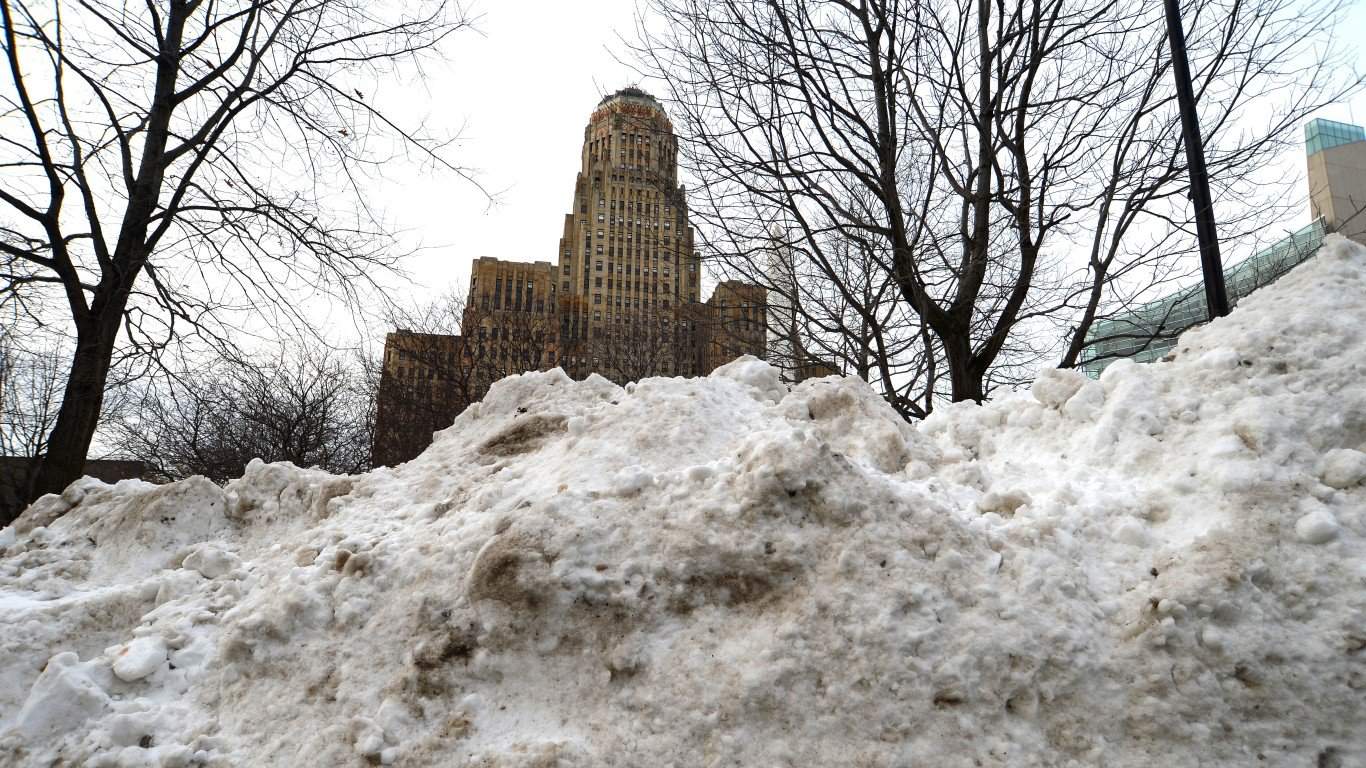
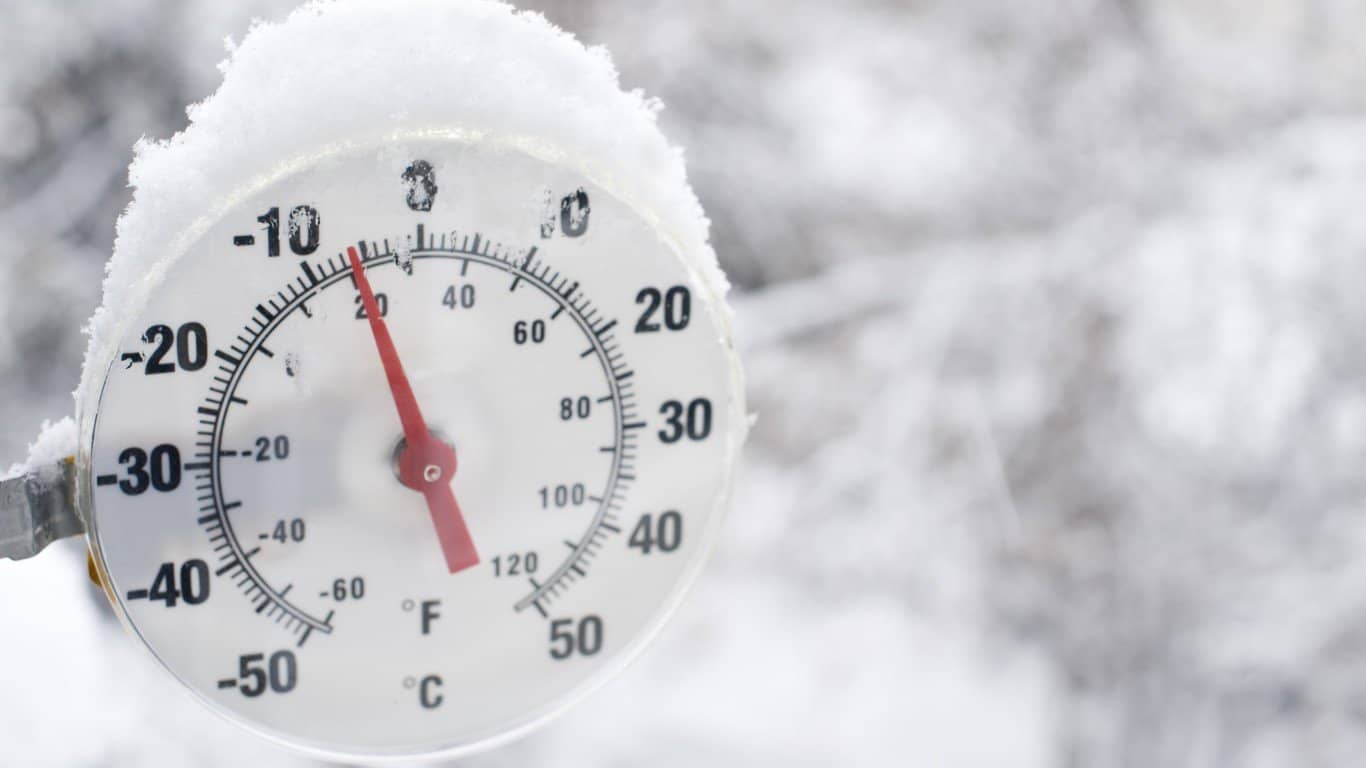
This winter storm and powerful arctic front impacted much of the nation, bringing heavy rains, snow, ice, low temperatures, and high winds. More than 200 million people were under a winter weather advisory or warning, and more than a million customers, from Texas to Maine, did not have power. Hurricane-force winds and continuous snow squalls shut down Buffalo, New York, and there were dozens of fatalities in the region as a result. Also, many homes, businesses, and critical infrastructure had extensive water damage from frozen pipes.
10. Western Drought and Heat Wave
- Duration: 01-01-2021 to 12-31-2021
- Estimated inflation-adjusted cost: $10.1 billion
- Deaths: 229
- Type: Drought
Drought conditions expanded and intensified throughout 2021 across many Western states. Conditions were exacerbated by a historic heat wave across the Pacific Northwest that broke several all-time high-temperature records in the region. These extreme temperatures impacted several major cities and millions of people, causing hundreds of direct and indirect heat-related fatalities in Oregon and Washington. These conditions also rapidly dried out vegetation, impacting agriculture. Low water levels even forced a hydroelectric power plant to shut down.
9. Western Wildfires
- Duration: 06-01-2021 to 12-31-2021
- Estimated inflation-adjusted cost: $12.0 billion
- Deaths: 8
- Type: Wildfire
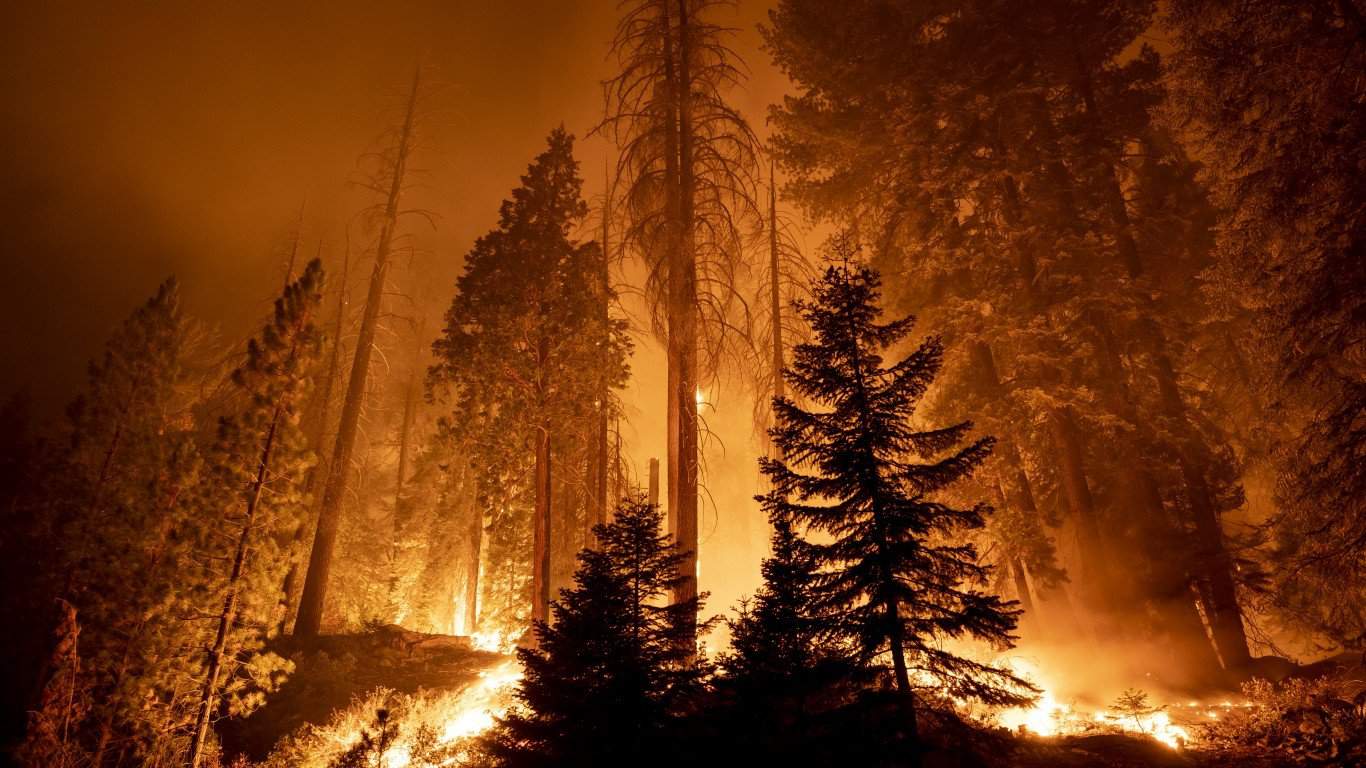
This western wildfire season came in the wake of severe drought conditions and periods of extreme heat. The wildfires mostly burned across California, Colorado, Oregon, Washington, Idaho, Montana, and Arizona. The Dixie Fire consumed over 960,000 acres — the second-largest in California. The fire also destroyed more than 1,000 structures. Other large wildfires burned in California and the states mentioned. Throughout the wildfire season, air quality was also a concern across numerous states.
8. Central Severe Weather – Derecho
- Duration: 08-10-2020 to 08-10-2020
- Estimated inflation-adjusted cost: $13.3 billion
- Deaths: 4
- Type: Severe Storm
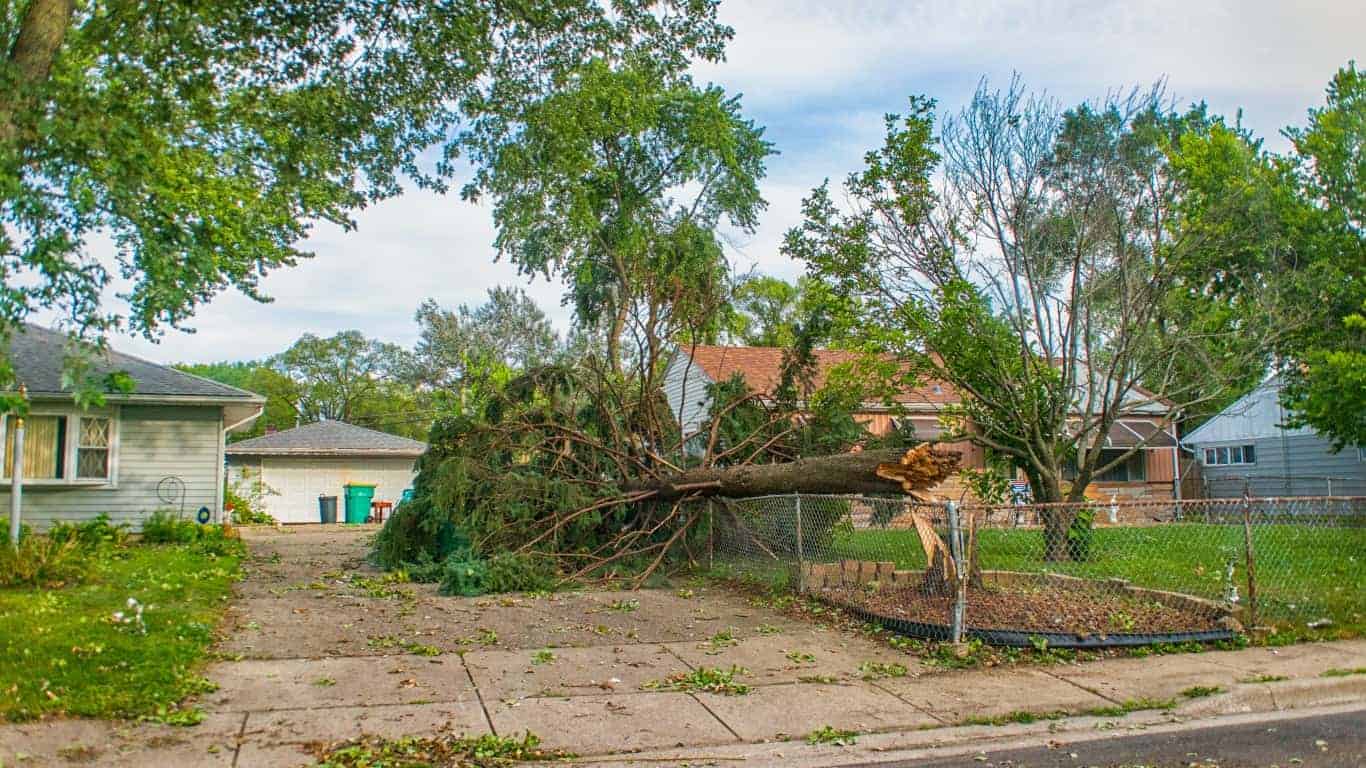
This powerful derecho — a specific type of long-lived wind storm — traveled 770 miles in 14 hours from southeast South Dakota to Ohio, producing winds greater than 100 mph. Millions of acres of corn and soybean crops were damaged across central Iowa. There was also heavy damage in Cedar Rapids, Iowa. Also, there were 15 tornadoes across northeastern Illinois, some affecting the Chicago metropolitan area. Other affected states included Minnesota, Indiana, and Ohio. Only one other severe storm since 1980 caused more damage — an outbreak of an estimated 343 tornadoes over central and southern states in April 2011 that caused $14.2 billion in damages.
7. Southern/Midwestern Drought and Heatwave
- Duration: 04-01-2023 to 09-30-2023
- Estimated inflation-adjusted cost: $14.8 billion
- Deaths: 247
- Type: Drought
Drought conditions impacted especially the agriculture sector in numerous Southern and Midwestern states and surrounding states. There was damage to field crops, and feeding costs rose so high that ranchers had to sell livestock early. Low water levels of the Mississippi River have impacted river commerce and water quality in southern Louisiana.
6. Western Wildfires – California, Oregon, Washington Firestorms
- Duration: 08-01-2020 to 12-30-2020
- Estimated inflation-adjusted cost: $19.9 billion
- Deaths: 46
- Type: Wildfire
A record-breaking U.S. wildfire season not only burned more than 10.2 million acres but also produced hazardous air quality that affected millions of people for weeks. In California, the August Complex, the largest in the state, began as 37 separate wildfires within the Mendocino National Forest after storms caused lightning strikes. Approximately 10,500 structures were damaged or destroyed in the state. Oregon also had historic levels of wildfire damage, as over 2,000 structures burned, as did Colorado and Washington. Only two other wildfires were costlier — the Western Wildfires, the California Firestorm of June-December 2017, which cost $23 billion, and the one the year after, which cost $30 billion.
5. Western/Central Drought and Heat Wave
- Duration: 01-01-2022 to 12-31-2022
- Estimated inflation-adjusted cost: $23.5 billion
- Deaths: 136
- Type: Drought
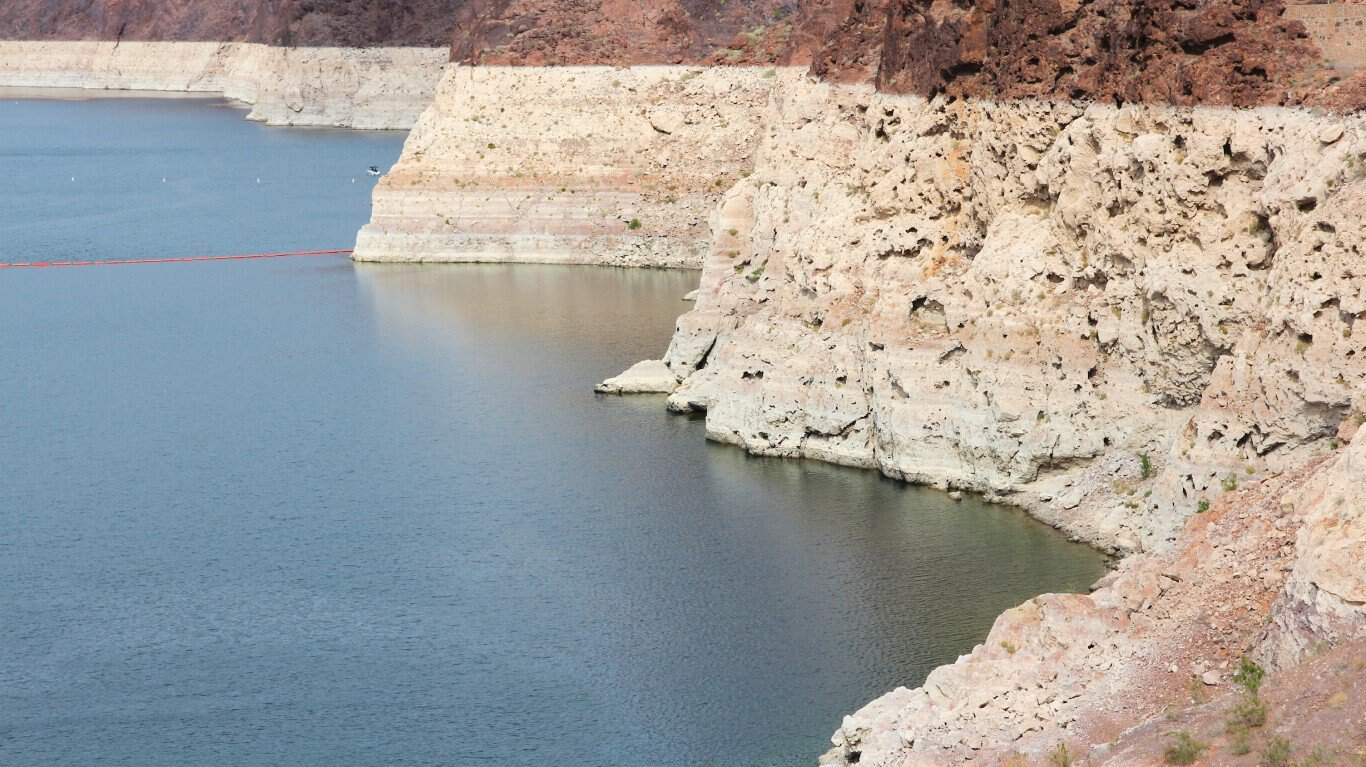
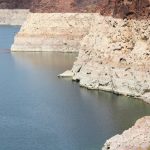
Severe drought conditions impacted many Western and Central states. Large reservoirs across the West, including Lake Mead — the nation's largest reservoir — continued to be depleted, some nearing dead pool status or record-low levels. The drought affected crop production across many states and sharply increased feeding costs for livestock. Along the Mississippi River, many segments also experienced low water levels, affecting river commerce. Extreme heat caused more than 100 fatalities, mainly in Arizona, Nevada, California, Oregon, and Texas.
4. Northwest, Central, Eastern Winter Storm and Cold Wave
- Duration: 02-10-2021 to 02-19-2021
- Estimated inflation-adjusted cost: $27.0 billion
- Deaths: 262
- Type: Winter Storm
A historic cold wave and winter storm impacted many northwest, central, and eastern states. But while northern states are set up to deal with such weather, southern states — from Nebraska southward to Texas — were caught trying to deal with temperatures that were considerably below normal, including multiple days of sustained below-freezing temperatures. The prolonged Arctic air caused widespread power outages in Texas and other southern states, as well as water damage from frozen pipes.
These extreme conditions also caused or contributed to the direct and indirect deaths of more than 210 people in Texas alone. States including Oklahoma, Arkansas, Missouri, Illinois, Kentucky, Tennessee, Louisiana, Mississippi, Colorado, Oregon, and Washington dealt with snow and ice. No other winter storm on record in the U.S. was more costly.
3. Hurricane Laura
- Duration: 08-27-2020 to 08-28-2020
- Estimated inflation-adjusted cost: $28.1 billion
- Deaths: 42
- Type: Tropical Cyclone
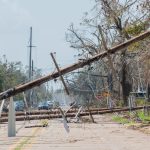
Laura made landfall at Cameron Parish in southwestern Louisiana as a Category 4 hurricane on Aug. 27. With winds up to 150 mph and storm surge in excess of 15 feet, damage to coastal communities and inland to the city of Lake Charles was significant. The electrical grid in southern Louisiana was also damaged. The storm also caused damage in surrounding states, including Texas, Mississippi, and Arkansas.
2. Hurricane Ida
- Duration: 08-29-2021 to 09-01-2021
- Estimated inflation-adjusted cost: $84.6 billion
- Deaths: 96
- Type: Tropical Cyclone
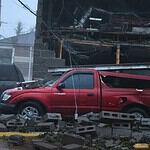
Ida made landfall near Port Fourchon, Louisiana, as a Category 4 hurricane with maximum sustained winds of 150 mph and a minimum central pressure of 930 millibars. Damage to the energy infrastructure across southern Louisiana caused widespread, long — in some parts nearly week-long — power outages to millions of people. As Ida moved into the Northeast, it merged with a frontal system, creating severe weather and flash flooding across a wide region from eastern Pennsylvania to New York that caused significant damage.
1. Hurricane Ian
- Duration: 09-28-2022 to 09-30-2022
- Estimated inflation-adjusted cost: $118.5 billion
- Deaths: 152
- Type: Tropical Cyclone
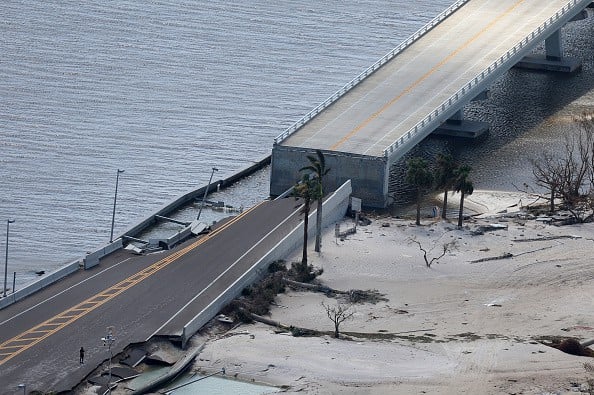
Hurricane Ian made landfall near Cayo Costa, Florida, as a Category 4 Hurricane with sustained winds of 150 mph. Parts of many coastal communities, including several barrier islands, were washed away by the high winds and storm surge. Ian also caused significant flooding inland Florida. After turning into a tropical storm, Ian re-intensified into a Category 1 hurricane. He made landfall near Georgetown, South Carolina, on Sept. 30 with sustained winds of 85 mph, causing more coastal flood damage.
Only two weather events since 1980 were more costly — Hurricane Harvey, which hit Texas in August 2017 and caused nearly $159 billion in damages, and Hurricane Katrina, which slammed into New Orleans in August 2005 and caused $200 billion in damages.
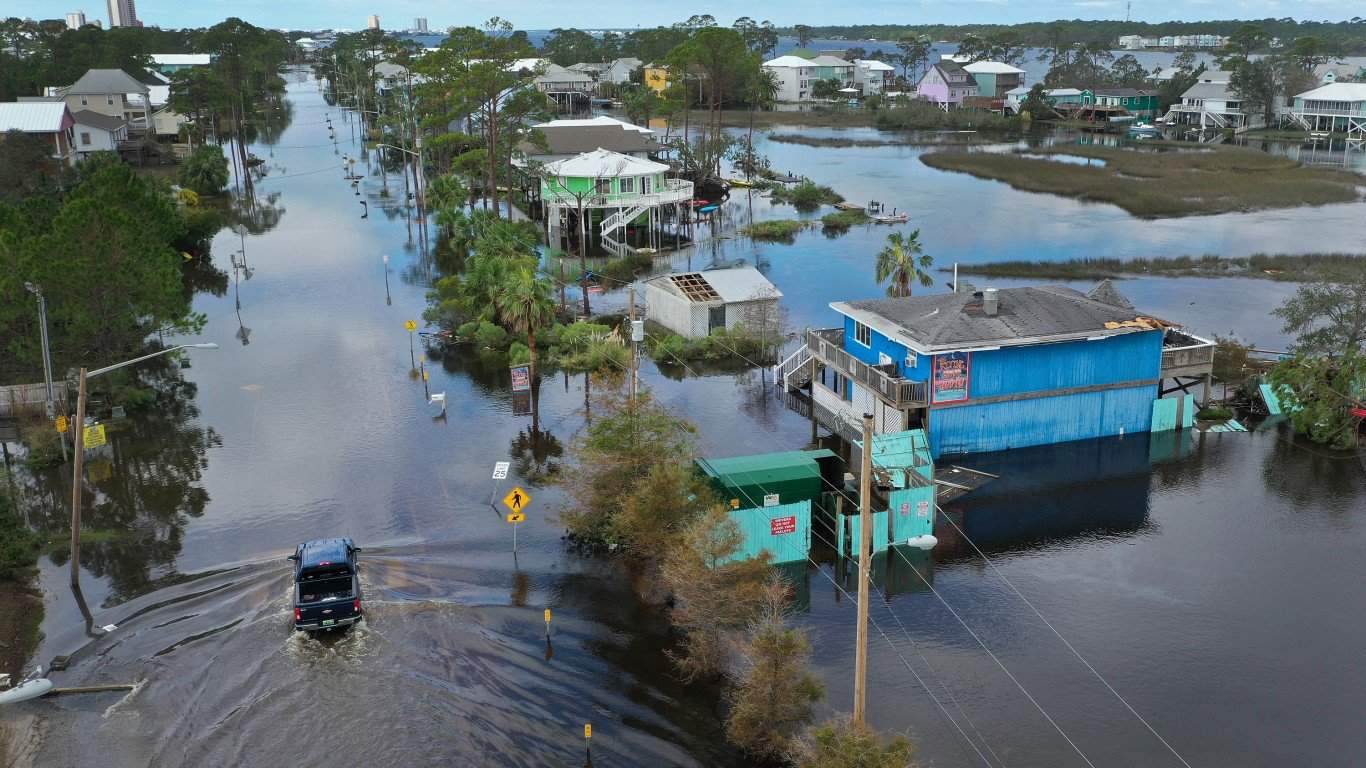
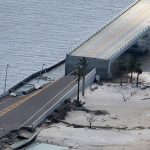
The image featured at the top of this post is ©Mario Tama / Getty Images News via Getty Images