








17 Moments That Changed America Almost Overnight
American history has changed dramatically in a relatively short period of time. Since the nation’s founding, major political decisions, technological breakthroughs, economic crises, and cultural movements have repeatedly reshaped the country. In some cases, events that seemed small at first quickly triggered sweeping changes that affected millions of people and altered the nation’s direction.
This slideshow explores 17 moments that transformed the United States almost overnight. Some of these events sparked immediate policy shifts, while others set off chain reactions that reshaped American society, government, and the economy. Many of them remain defining moments that still influence how the country operates today.
At History Computer, we often examine pivotal moments that changed the course of American history and the technologies, decisions, and circumstances behind them. These 17 events show how quickly the nation can change when the right forces collide.
Here are the historic moments that reshaped America with remarkable speed.
The Louisiana Purchase
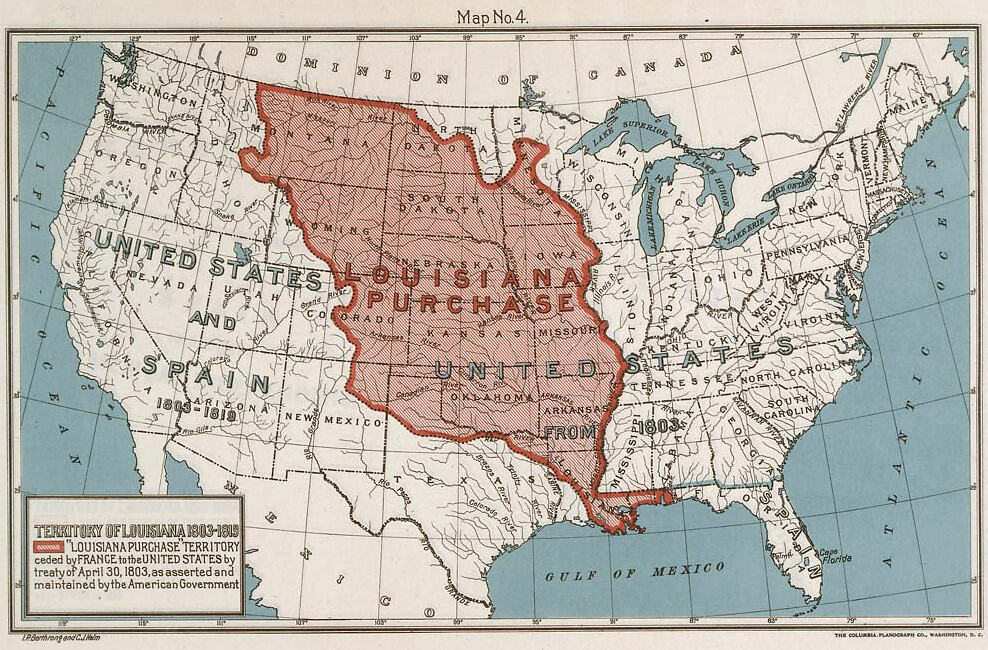
As early as 1803, the United States nearly doubled in size when it purchased Louisiana from France for $15 million. This land deal completely altered the country’s economic future as well as its political arguments, with farmers, traders, soldiers, and lawmakers making decisions based on a much larger map.
Plus, with this purchase, the Mississippi River and New Orleans became central to national growth. Federal debates over slavery’s expansion into new territories also grew more pronounced, a conflict that would only intensify in the coming decades. Modern arguments over western settlement, Indigenous displacement, federal land control, and America’s expansionist identity still trace back to this decision, for better or for worse.
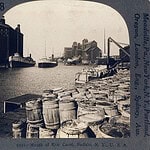
The Erie Canal
When the Erie Canal first opened in 1825, it was a practical connection of the Hudson River and the Great Lakes, with shipping costs falling dramatically and trade speeding up thanks to its construction. New York City became the nation’s commercial stronghold almost immediately because of this as well; goods that once took forever to arrive via land could suddenly move in bulk, changing where the American people settled and how businesses operated across the nation.
Western farmers also gained access to these eastern markets, and eastern manufacturers gained a much faster, more affordable route inward. We still live with the canal, with our business infrastructure and spending directly tied to its trade routes, especially along the extreme locations of both coasts.
The Homestead Act
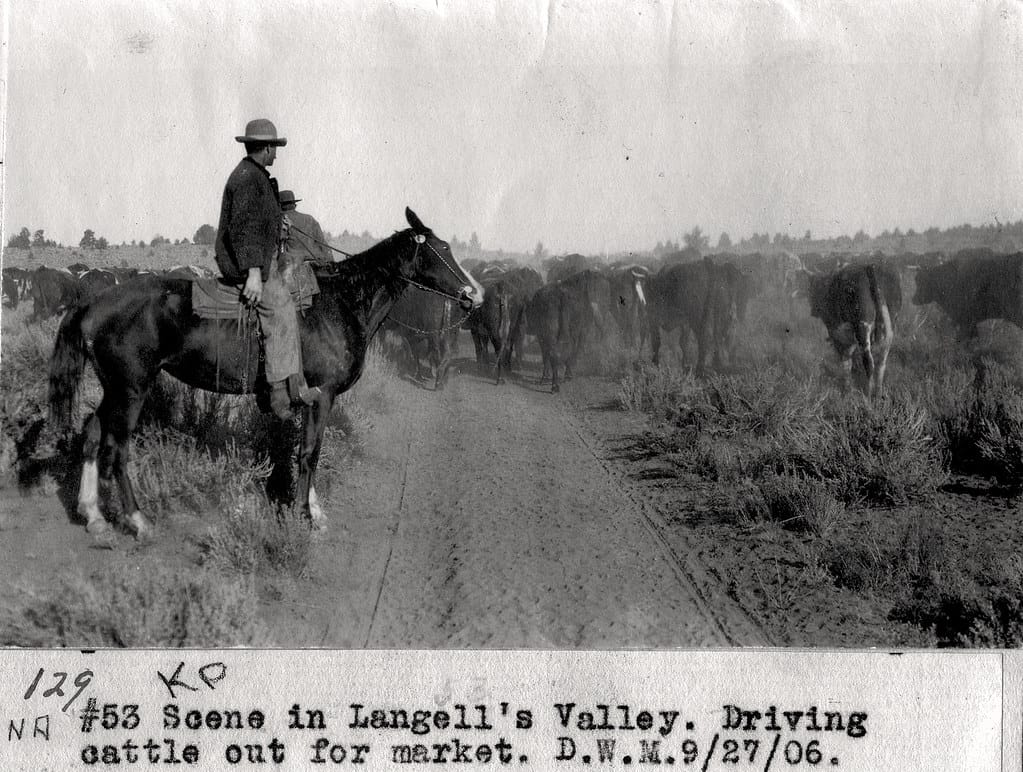
Offering land to settlers willing to live on it and improve it, the Homestead Act of 1862 helped propel migration westward, and faster than most people expected. Entire communities rose where there had been next to no settlements before, and land ownership became an integral part of the American dream. However, it's no secret that Indigenous nations paid the price of this Act, as settlement intensified and federal policy favored white cultivation of these stolen lands.
Ultimately, the Homestead Act changed who could claim ownership opportunities and the expansion of railroads out West. Our national growth of this era is directly tied to our present-day land disputes and Western development patterns, including the myths surrounding self-made success. Stolen land does not equal triumph, but it is what America is built upon.
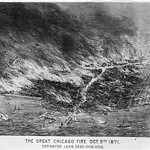
The Great Chicago Fire
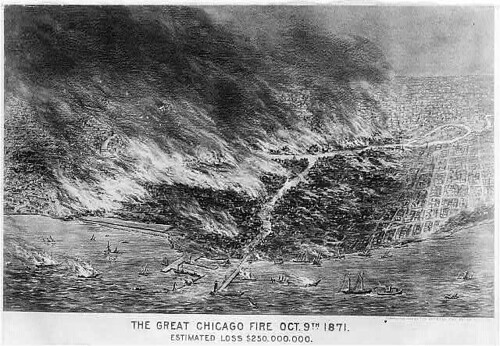
An infamous fire tore through Chicago in 1871, destroying thousands of buildings and lives. Besides the devastation the fire caused, it also forced one of the fastest large-scale urban reconstructions in American history. Rebuilding Chicago after this fire led other major cities toward stricter fire codes, new construction materials, improved water systems, and a more aggressive approach to urban planning.
The disaster also helped make architects, engineers, construction workers, and municipal reformation departments more central to city life, both in Chicago and beyond. In many ways, Chicago’s reconstruction became the poster child for how catastrophe can force modernization; this fire isn't forgotten, and our modern building codes exist in part because of it.
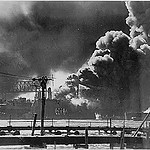
The Attack on Pearl Harbor
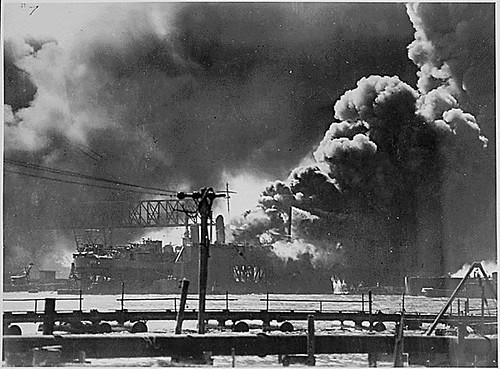
Many remember what happened on December 7, 1941: the attack on Pearl Harbor brought the United States into World War II and completely changed the idea that an oceanic distance could keep the country secure. As wartime efforts increased, public opinion also shifted, especially as the federal government used the war to alter the U.S.'s industry, labor, science, and daily life.
Besides rations and the overhaul of factories in order to support weapons manufacturing, women entered defense work in much greater numbers than any prior war, and the military also expanded at a scale the nation had never seen. This attack widened our federal power and reshaped foreign policy for generations, with America’s national security mindset set in stone by this event.
The Triangle Shirtwaist Factory Fire
A factory fire in New York killed 146 garment workers, and many of them were young immigrant women who could not escape due to multiple, avoidable factors. The fire's announcement shocked the public in the year of 1911 because the details were impossible to dismiss; so many of the deaths could've been avoided if buildings were up to code and doors were left unlocked.
Reformers used the Triangle Shirtwaist Factory Fire to advocate for stronger workplace inspections, fire safety standards, and new, expanded labor protections in a remarkably short span of time. The modern person's view of industrial accidents also changed, with policy failures becoming the reasoning instead of just accepting these accidents as routine. Our modern occupational safety rules and building exit requirements exist because of this fire, and labor-rights language also owe a great deal to those who lost their lives in 1911.
Brown v. the Board of Education
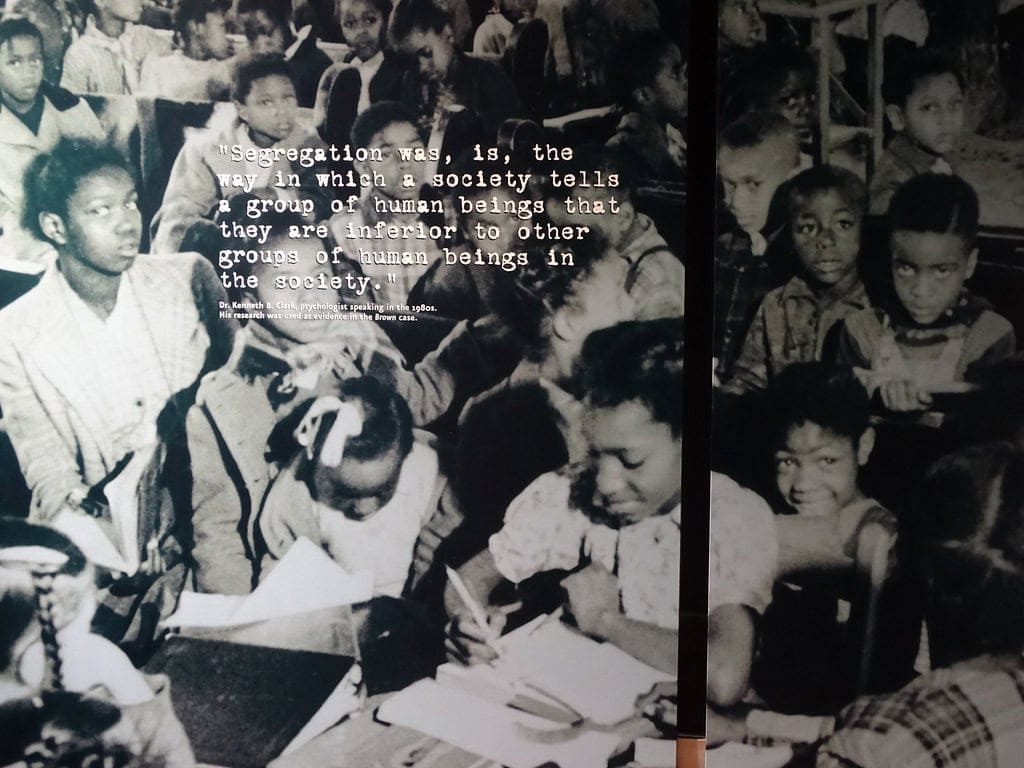
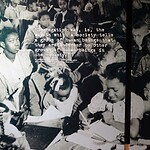
The Supreme Court’s ruling in Brown v. Board of Education in 1954 declared that segregated public schools were inherently unequal. Despite the laws changing immediately, resistance continued across the nation; equality in public institutions became a constitutional fight that could not be ignored.
Additionally, the broader civil rights movement was heavily influenced by this decision, giving activists a clearer judicial reasoning for any future challenges. Debates over school funding, district lines, integration, and educational equity still exist in the shadow of this ruling, with the decision altering America forever, for the better.
The Interstate Highway Act
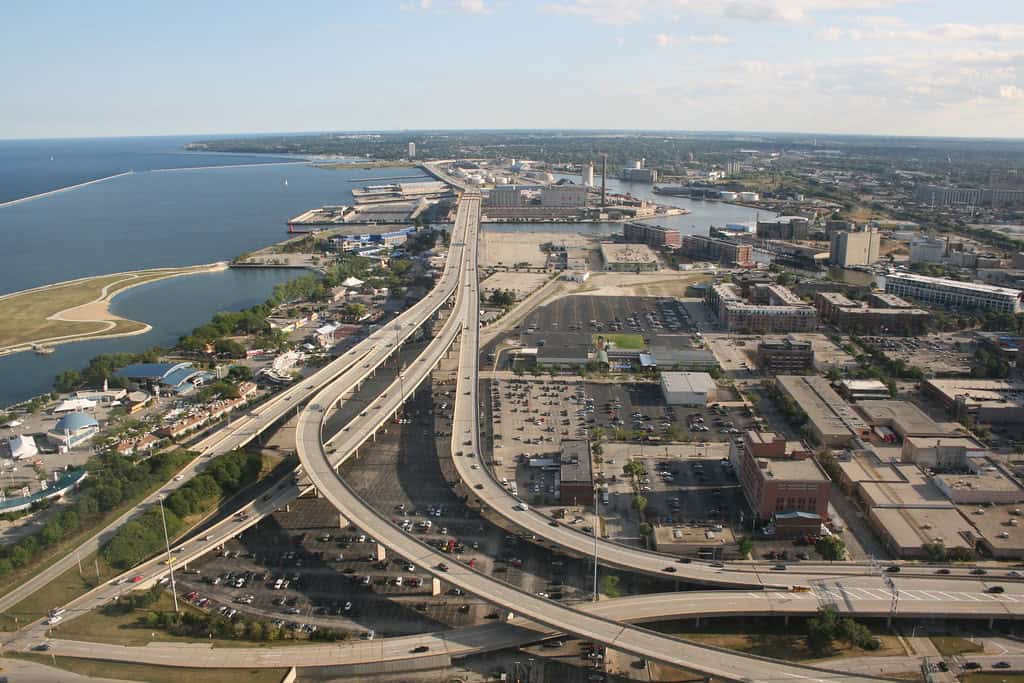
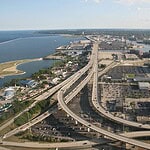
Passed in 1956, the Federal-Aid Highway Act reshaped so much: commuting, freight, suburban lines, military mobility, roadside business, and even the physical relationship between cities and the American countryside. Families could now live farther away from where they worked, with trucking becoming even more central to our national economy.
The system had a downside: it carved through neighborhoods, often hitting Black and low-income communities hardest, all in the name of "progress". Much of our modern-day sprawl and car dependency is because of this Act, and regional inequality grew faster, too. The American highway network still feels as if it exists in the 50s to some extent, with modern solutions needed in some of our most unequal states and travel corridors.
Sputnik's Launch
While it might've happened overseas, the Soviet launch of Sputnik in 1957 had an effect inside the United States as well. Americans suddenly feared they were falling behind, both in terms of scientific advances and missile technology, with this panic driving a rapid investment in both weapons research and education.
The federal government responded to Sputnik with new urgency around math, science, defense technology, and space exploration, altering classrooms at all levels alongside federal spending priorities. The country’s persistent connection to STEM and modern innovation policies is often attributed to Sputnik, as the United States seems to hate feeling like it's second-best.
The Civil Rights Act
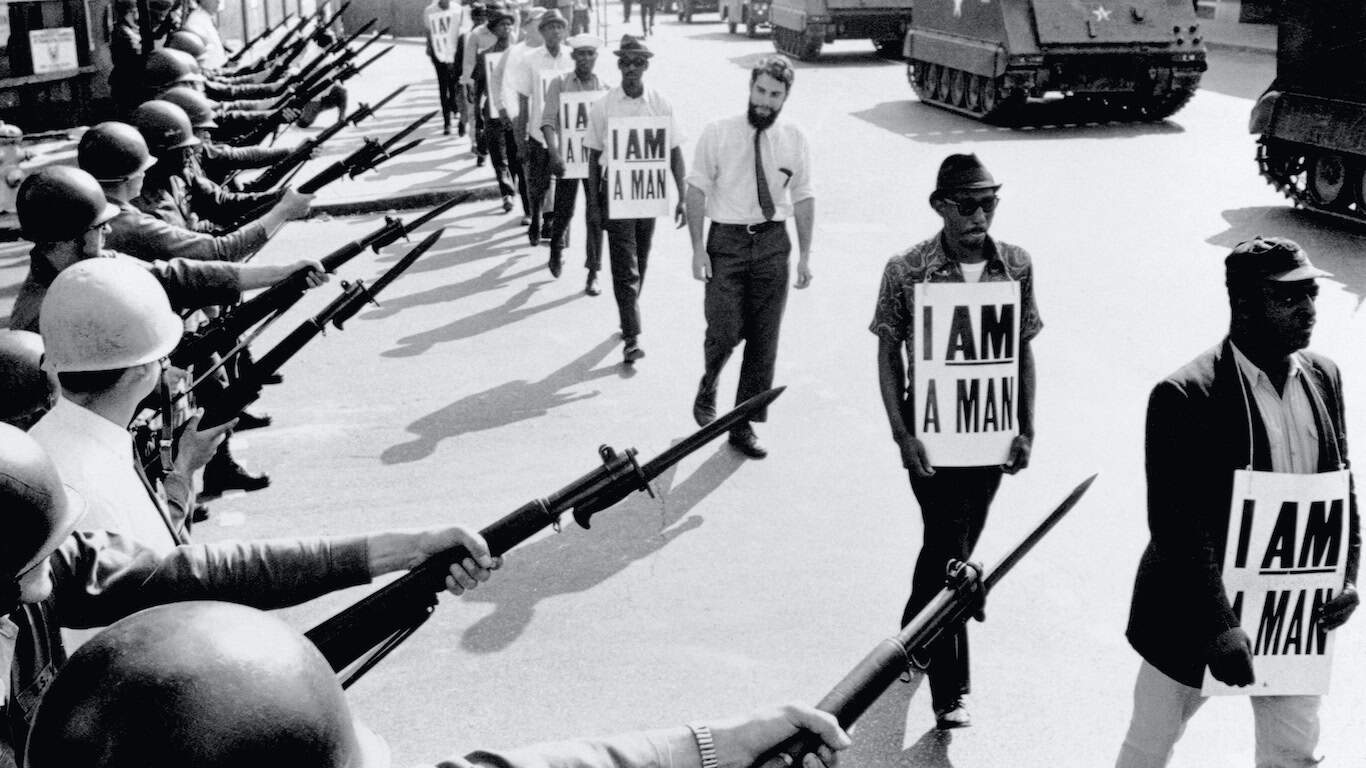
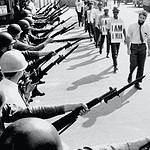
By the time the Civil Rights Act of 1964 became law, protests, violence, organizing, and moral pressure had already built enormous momentum, especially because of the previously mentioned Brown v. Board case. Once passed, segregation in public areas became illegal, and employment discrimination faced new and intense scrutiny.
While the act did not solve inequality, especially not overnight, it made exclusion and racism easier to challenge in court and much harder to defend legally. Modern workplace protections and federal civil rights enforcement still rest on this foundation, with much of the Act referenced in modern-day court cases surrounding inequality.
The Stonewall Riots
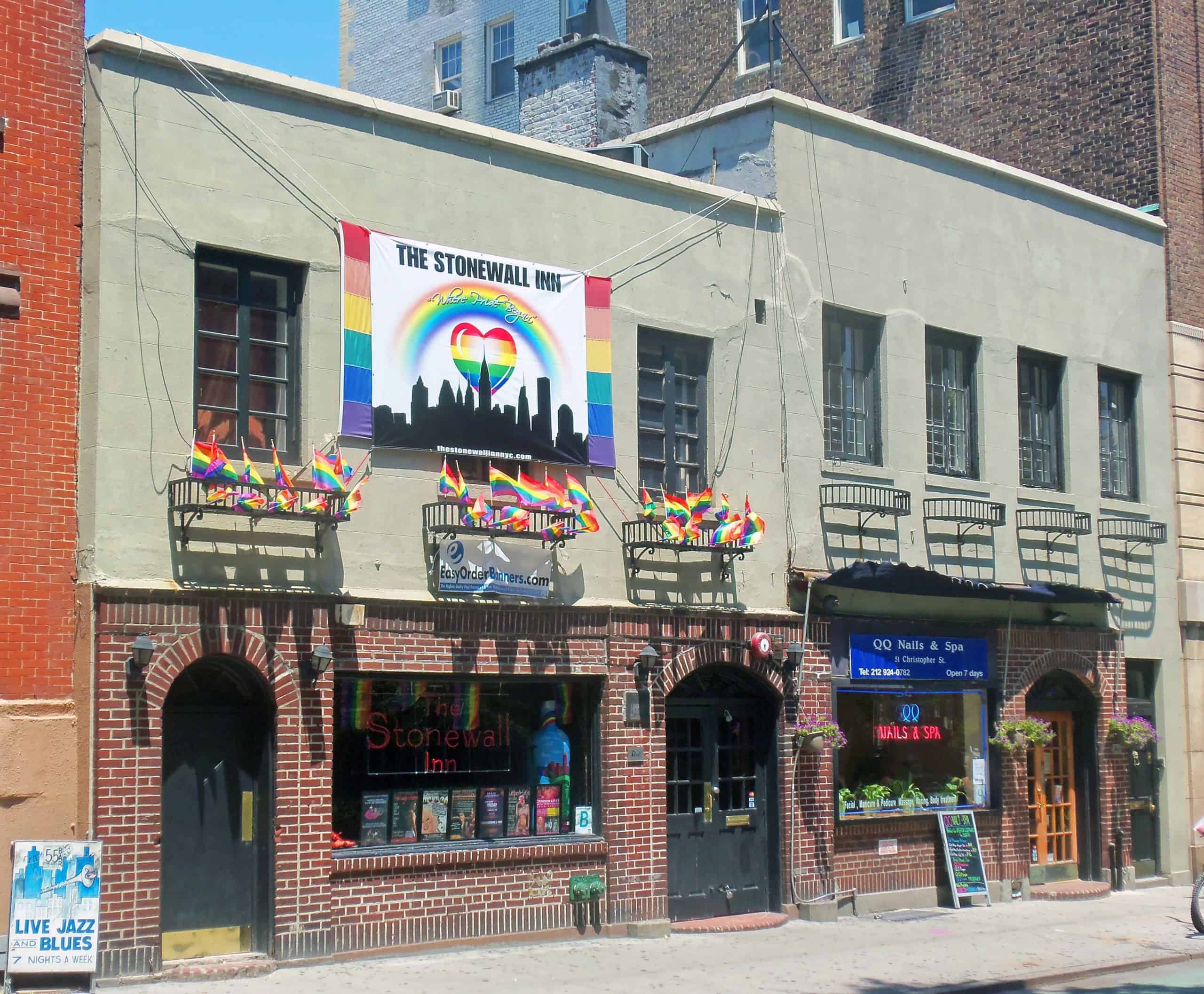
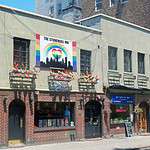
In June 1969, a police raid at the Stonewall Inn in New York created an LGBTQ activism movement, something that the nation wasn't anticipating. Organizing for gay rights accelerated, including the development of pride marches, and gay rights entered national visibility in an entirely new way.
The Stonewall Riots brought about the willingness to fight openly and collectively for gay rights, with modern battles over marriage, employment rights, healthcare, and public visibility still drawing energy from that fateful night.
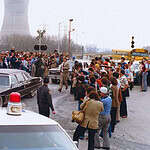
The Three Mile Island Accident
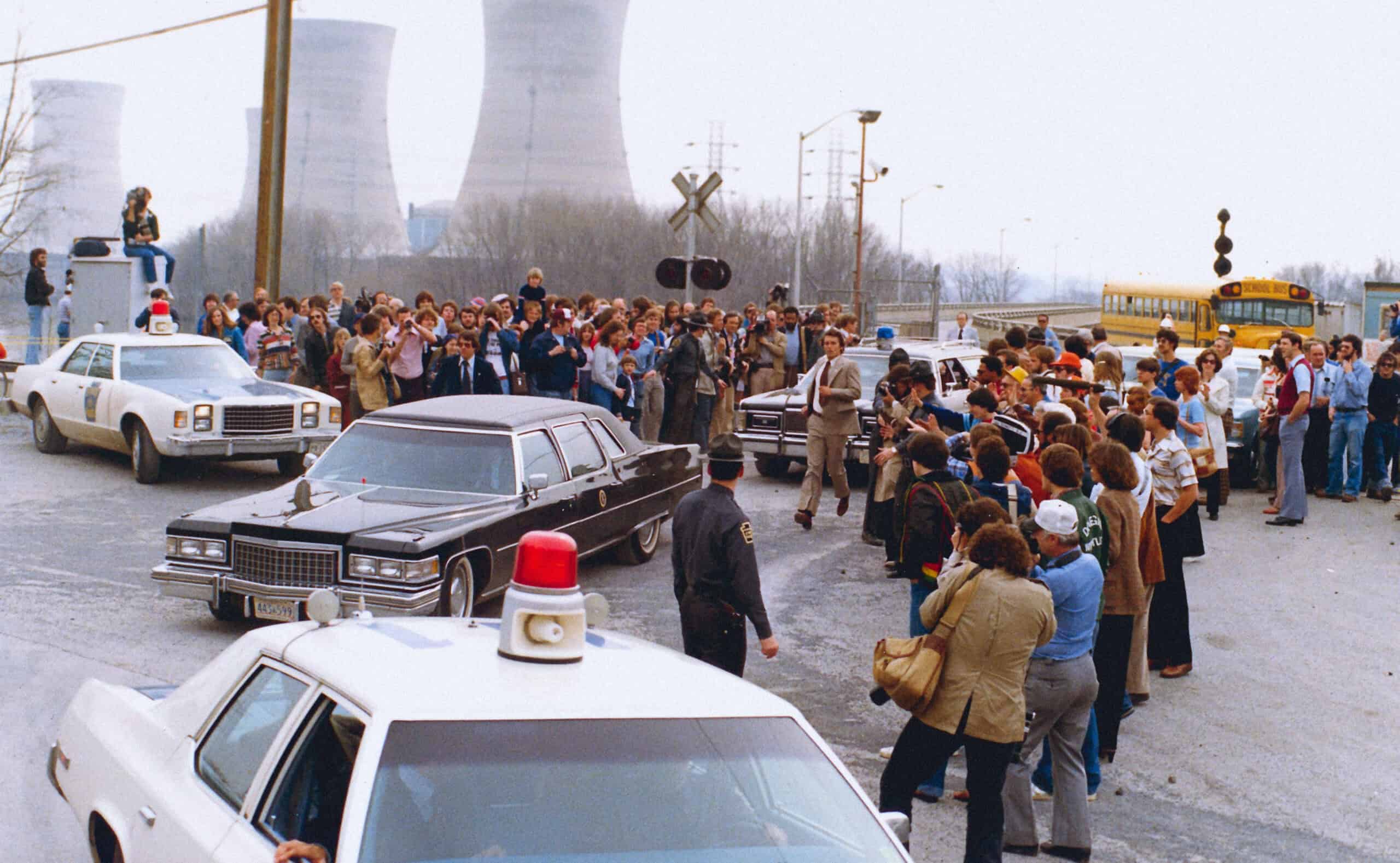
While what occurred at Three Mile Island in Pennsylvania did not become the deadliest disaster in American history, it completely shifted our public confidence in nuclear energy. This once-promising tech became a household fear in a matter of days, with misinformation and evacuation concerns taking over all news coverage during the 70s.
Because of this event, all future nuclear projects met a much more difficult political climate, with current arguments over nuclear expansion still carrying the weight of the accident that occurred on Three Mile Island.
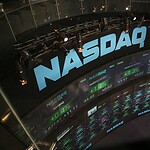
The Market Crash of 1987
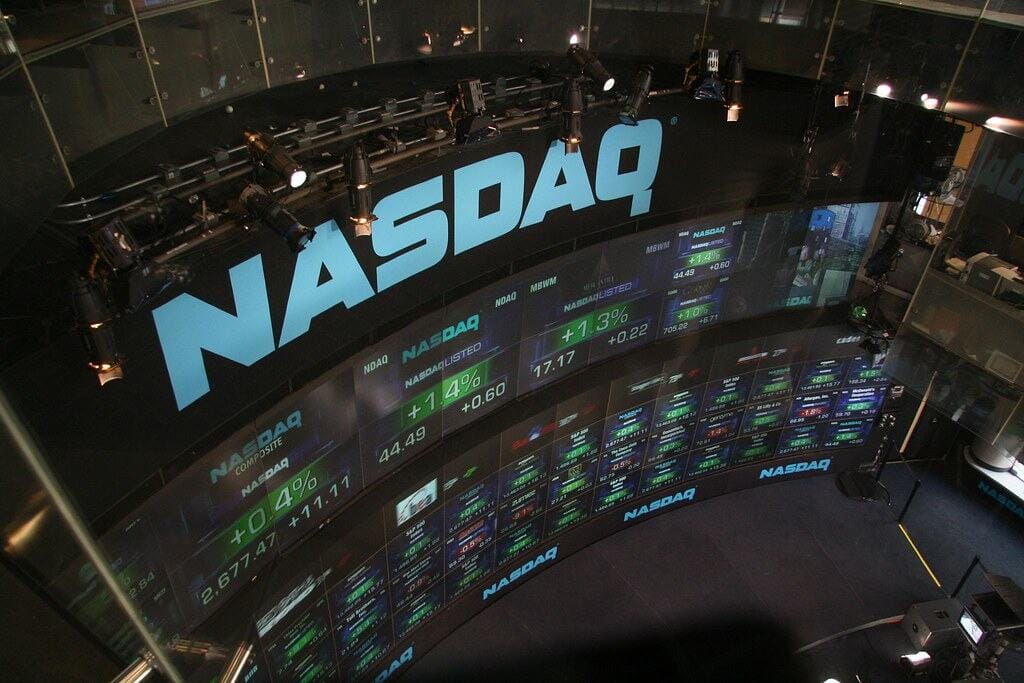
Also known as Black Monday, the market crash that happened on October 19, 1987, sent the Dow Jones Industrial Average plunging by more than 22 percent in a single day. The largess of the collapse made it clear that modern markets were shifting in ways we weren't prepared for, with regulators and exchanges refining trading mechanisms moving forward.
The event also normalized the idea that financial systems were simultaneously sophisticated and vulnerable. Americans still feel this tension today, especially given how aware of and invested in the Stock Market the modern adult can be.
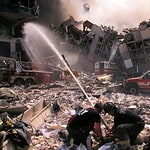
The September 11th Tragedy
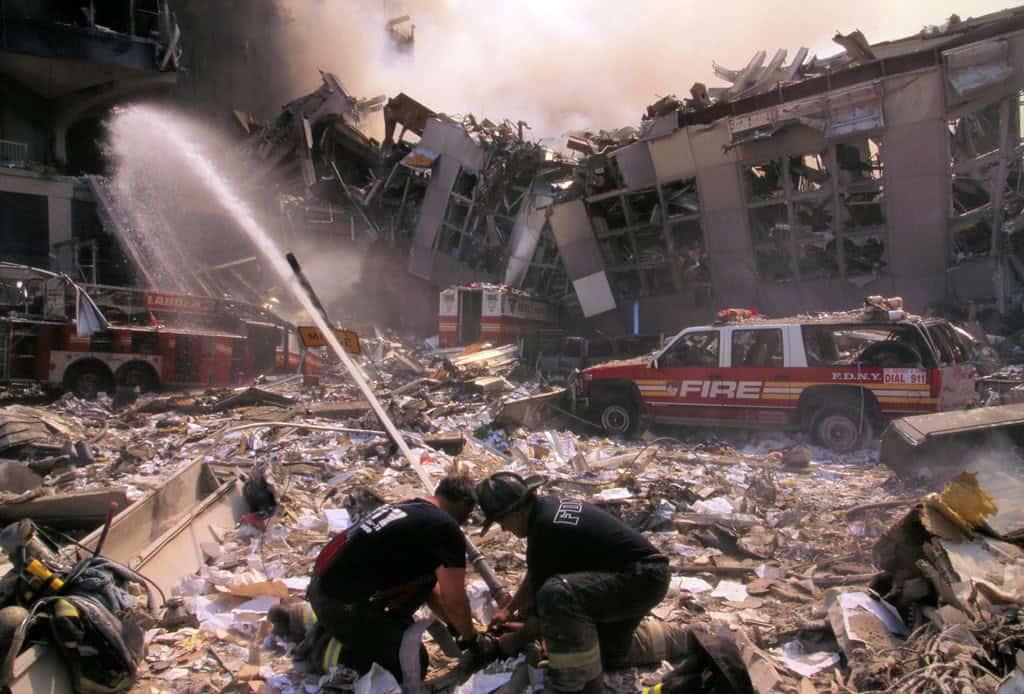
Our modern-day interpretation of air travel, intelligence gathering, military policy, immigration debates, and even emergency planning all changed because of what happened on 9/11. Because of this singular day, the federal government created the Department of Homeland Security, launching wars with consequences that stretched across decades, with some consequences still lingering and reigniting today.
Daily routines changed for every American, with lengthy airport checkpoints and new office evacuation drills, and even a clearer public expectation of visible security needed to feel safe. Modern arguments about privacy, counterterrorism, foreign intervention, and civil liberties still run through the lens of 9/11, with so many fears refusing to leave both the minds of our government and the minds of its people.
Hurricane Katrina
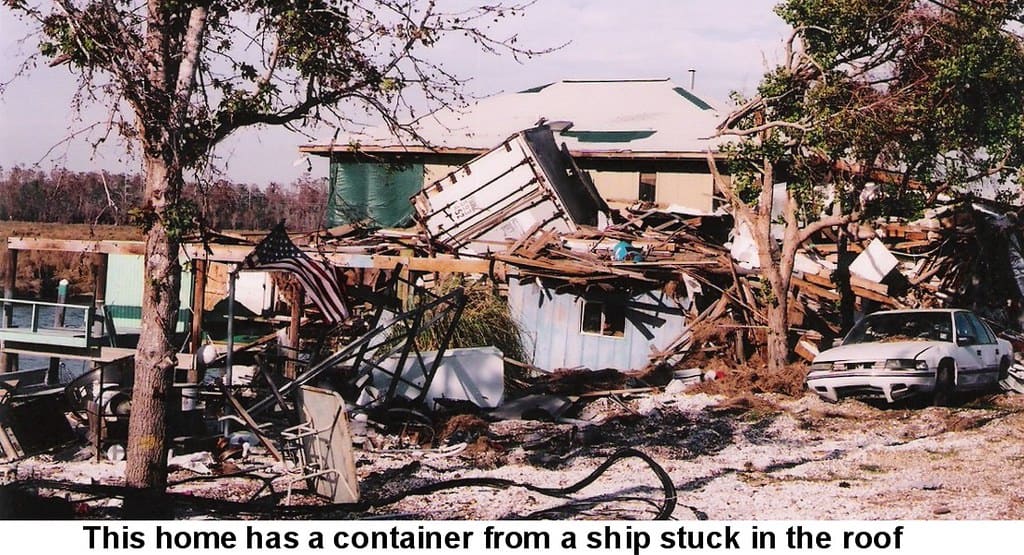
The Gulf Coast wasn't prepared for the strength of Hurricane Katrina, mainly due to its storm and levee failures, which proved how quickly infrastructure and government response can fail when the public needs it most. Americans watched helplessly as a national disaster unfolded before them in real time, with poverty, race, transportation access, and bureaucratic delay shaping survival for any left in the path of the storm.
The event forced changes in the obligations of the government during a catastrophe, hardening public skepticism about who gets protected first versus who gets left behind. The areas most affected by Hurricane Katrina are no longer what they once were because of this disaster, even after 20+ years.
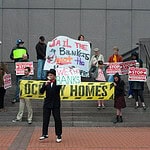
The 2008 Financial Crisis
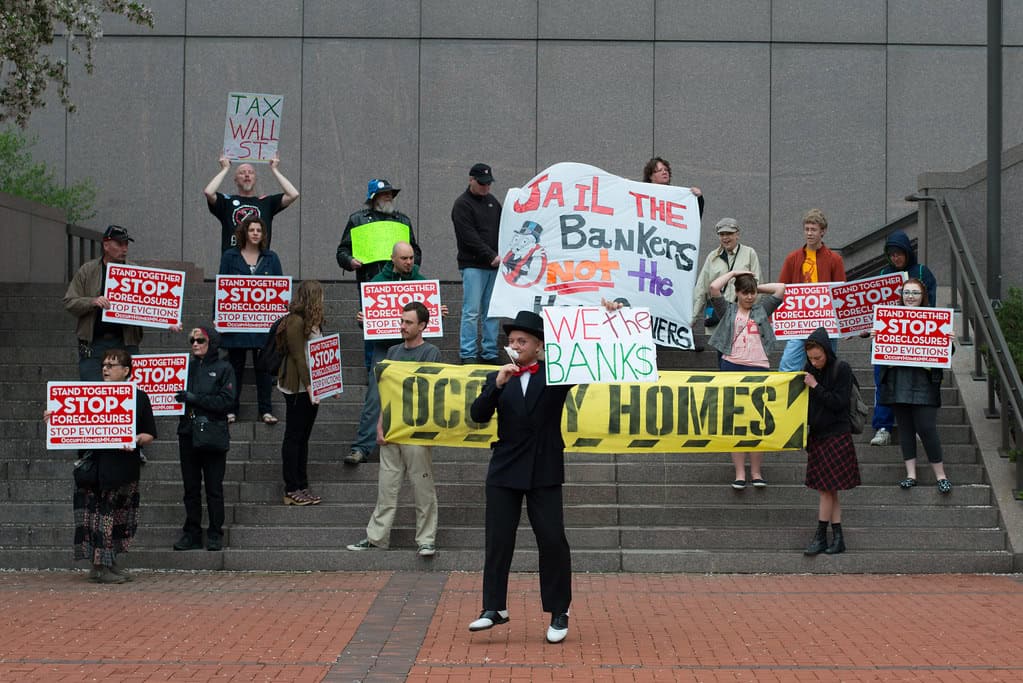
Another financial crisis in the U.S. caused bank failures and collapsing mortgage markets, with emergency federal action taken in 2008. Multiple issues occurred all at once: retirement accounts shrank, home values plunged, job losses spread, and trust in major institutions evaporated, with fear taking over the majority of American households.
Politically, it deepened the already existing anger at elite decision-making, widening distrust of these systems that once seemed protected. Many of today’s arguments over affordability, banking oversight, mortgage rates, and inequality still refer back to 2008. It is a cautionary tale we are far too close to repeating, which is why it never quite leaves our minds.
The Invention of the iPhone
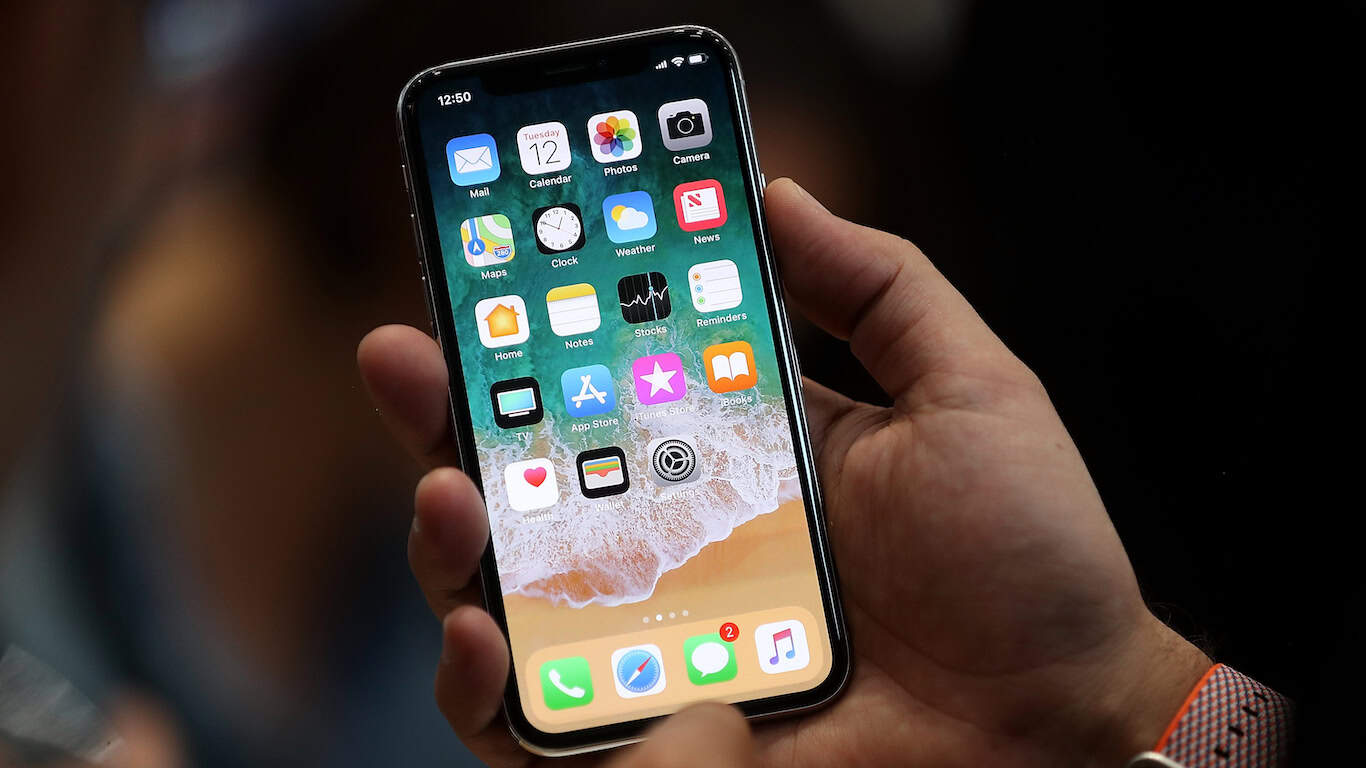
When it comes to some of the less tragic events that reshaped America, Apple introduced the iPhone in 2007, altering the direction of everyday life almost immediately. The device was revolutionary, acting as a phone, camera, map, web browser, music player, and eventually a vast keeper of apps, all safely stored in your pocket.
Since then, communication, work, shopping, transportation, entertainment, dating, photography, and attention itself have changed, but for the better? Some would say so. Modern American life, including our penchant for convenience alongside our daily exhaustion, is hard to separate from this smartphone's creation. All we know is, there's no turning back now.
The image featured at the top of this post is ©Bob Pool/Shutterstock.com