














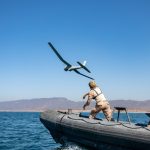
15 Pieces of Military Gear That Cost More Than Supercars
At first glance, many pieces of military equipment do not seem especially extraordinary. A rifle attachment, protective vest, or compact radio can resemble gear available on the civilian market. Beneath that familiar appearance, however, is highly specialized engineering built for extreme durability, precision, and reliability. Modern militaries invest heavily in equipment that must operate in harsh environments, integrate with advanced systems, and perform flawlessly under combat conditions. In some cases, that investment results in price tags higher than most luxury sports cars.
To identify military gear that costs far more than most people would expect, we reviewed a range of historical and defense sources. For each item, we included details about who uses it, what it looks like at first glance, its actual capabilities, estimated unit cost, and the factors that drive its high price.
Here is a look at military equipment that costs far more than you might imagine.
Why Are We Covering This?
Understanding the true cost of military equipment offers insight into how modern armed forces balance technology, reliability, and survivability. Many tools used by service members appear straightforward at first glance, yet their development often involves advanced materials, specialized engineering, and extensive testing to ensure they perform in demanding environments. By examining the price behind these items, it becomes easier to see how procurement decisions reflect the realities of modern warfare. What might seem like ordinary gear frequently represents years of research and innovation designed to give troops dependable tools in situations where failure is not an option.
The Hidden Price of Modern Warfare
Many pieces of military equipment appear surprisingly ordinary at first glance. A helmet looks like a helmet, a radio resembles something you might see in a civilian setting, and night vision goggles seem like a simple extension of optics technology. Yet behind these familiar forms lies a level of engineering, testing, and specialized manufacturing that dramatically increases their cost. Modern military gear is rarely just equipment — it is a compact package of advanced technology designed to perform reliably in the most demanding environments on Earth.
Why Military Gear Costs So Much
Unlike consumer products, military equipment must meet extremely strict performance standards. Devices are tested to function in extreme heat, freezing temperatures, heavy rain, dust, and physical shock. They must also integrate with other systems, maintain secure communications, and perform consistently in life-or-death situations. These requirements add layers of complexity that significantly raise development and production costs, even for items that appear relatively simple.
Small Equipment, Big Technology
One of the most surprising aspects of modern military gear is how much capability is packed into small packages. Radios must encrypt communications across multiple networks. Optics combine sensors, computing, and ruggedized housings. Protective equipment relies on advanced materials designed to stop high-velocity threats while remaining wearable for long missions. What might appear to be a simple field tool often contains technology comparable to much larger systems.
Limited Production, Higher Prices
Another factor driving cost is scale. Civilian products benefit from massive global markets and high production volumes. Military equipment, by contrast, is often produced in relatively small batches tailored to specific operational needs. Research, testing, and manufacturing costs are spread across far fewer units, which can dramatically increase the price of each individual item.
The Real Value Behind the Cost
While the price tags of some military equipment can be surprising, they reflect the reality of preparing personnel for unpredictable and dangerous environments. Reliability, survivability, and technological advantage all come at a cost. Examining these pieces of gear reveals how much investment goes into the tools service members rely on, often in situations where performance can mean the difference between mission success and failure.
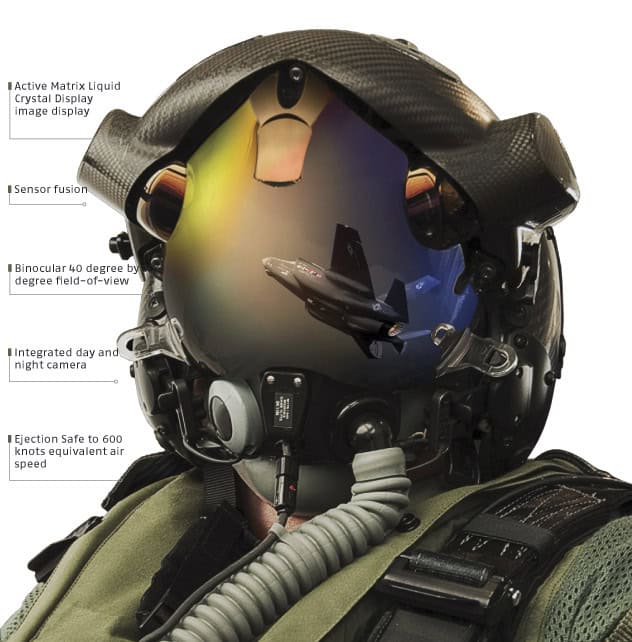
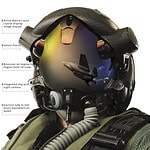
F-35 HMDS Helmet
- Category: Aviation Systems
- Branch / Typical Users: U.S. Air Force / Navy
- What It Looks Like at First Glance: Standard pilot helmet
- Actual Military Capability: Displays sensor fusion and targeting data
- Estimated Unit Cost: ~$400,000
- Why It's So Expensive: Advanced optics, integration with aircraft systems
The F-35 helmet looks like standard flight gear, but it functions as an extension of the aircraft itself. Sensors across the jet feed targeting, flight data, and night vision directly into the visor. That integration requires specialized optics, computing power, and calibration for each pilot. The result is a helmet that costs more than many luxury cars.
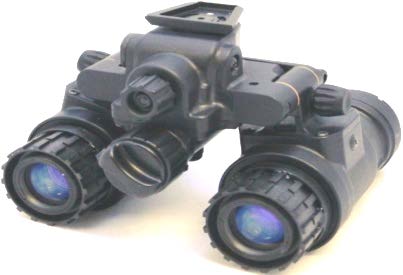
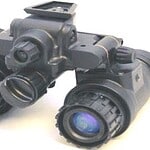
AN/PVS-31 Night Vision Goggles
- Category: Optics & Sensors
- Branch / Typical Users: Special Operations Forces
- What It Looks Like at First Glance: Compact night vision goggles
- Actual Military Capability: High resolution dual-tube night imaging
- Estimated Unit Cost: ~$13,000
- Why It's So Expensive: Precision optics and image intensifiers
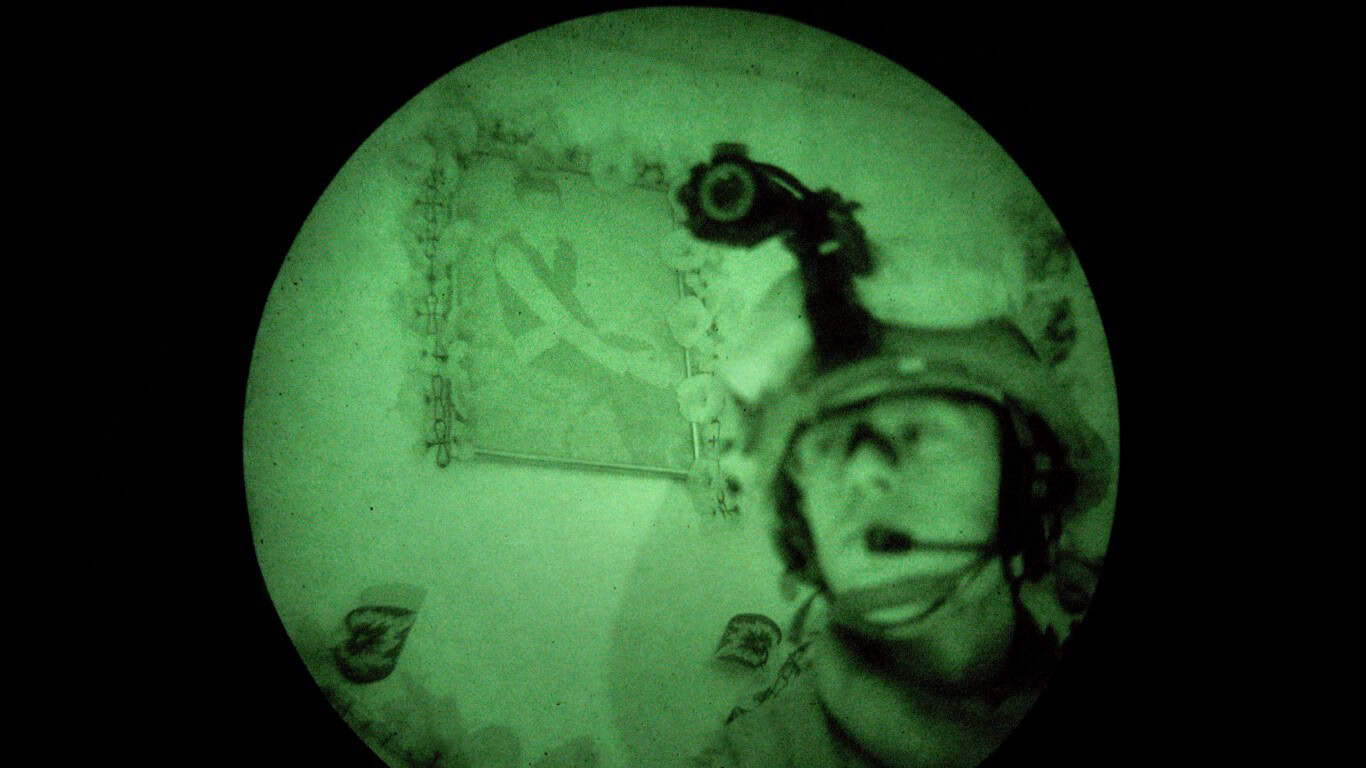
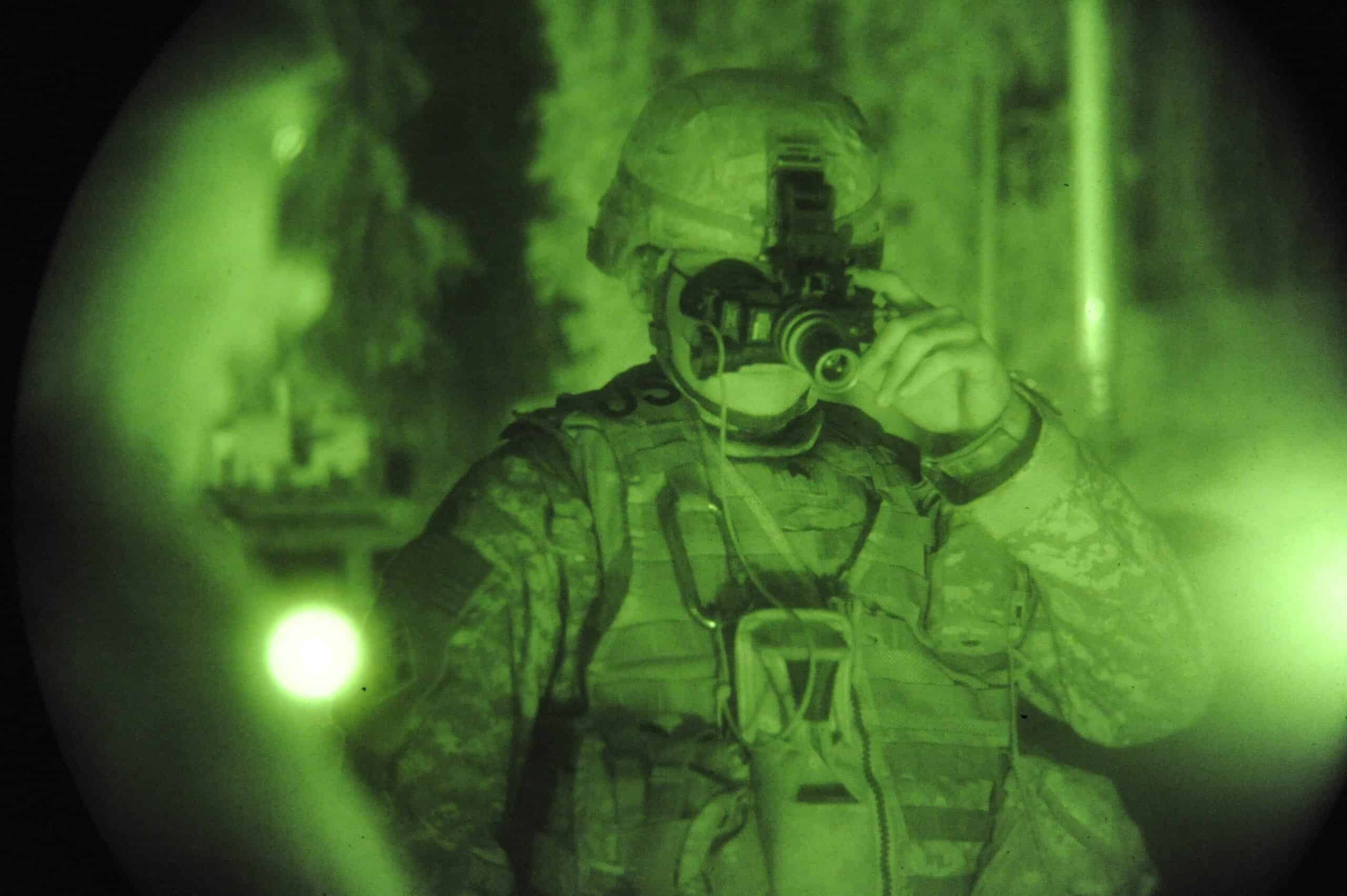
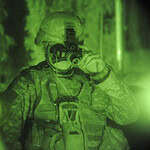
Dual�tube night vision goggles like the AN/PVS�31 give troops the ability to move, navigate, and fight in near total darkness. Achieving that clarity requires high�grade image intensifier tubes, rugged housings, and careful alignment of optical components. Military standards and limited production runs drive the price well beyond most civilian night vision devices.
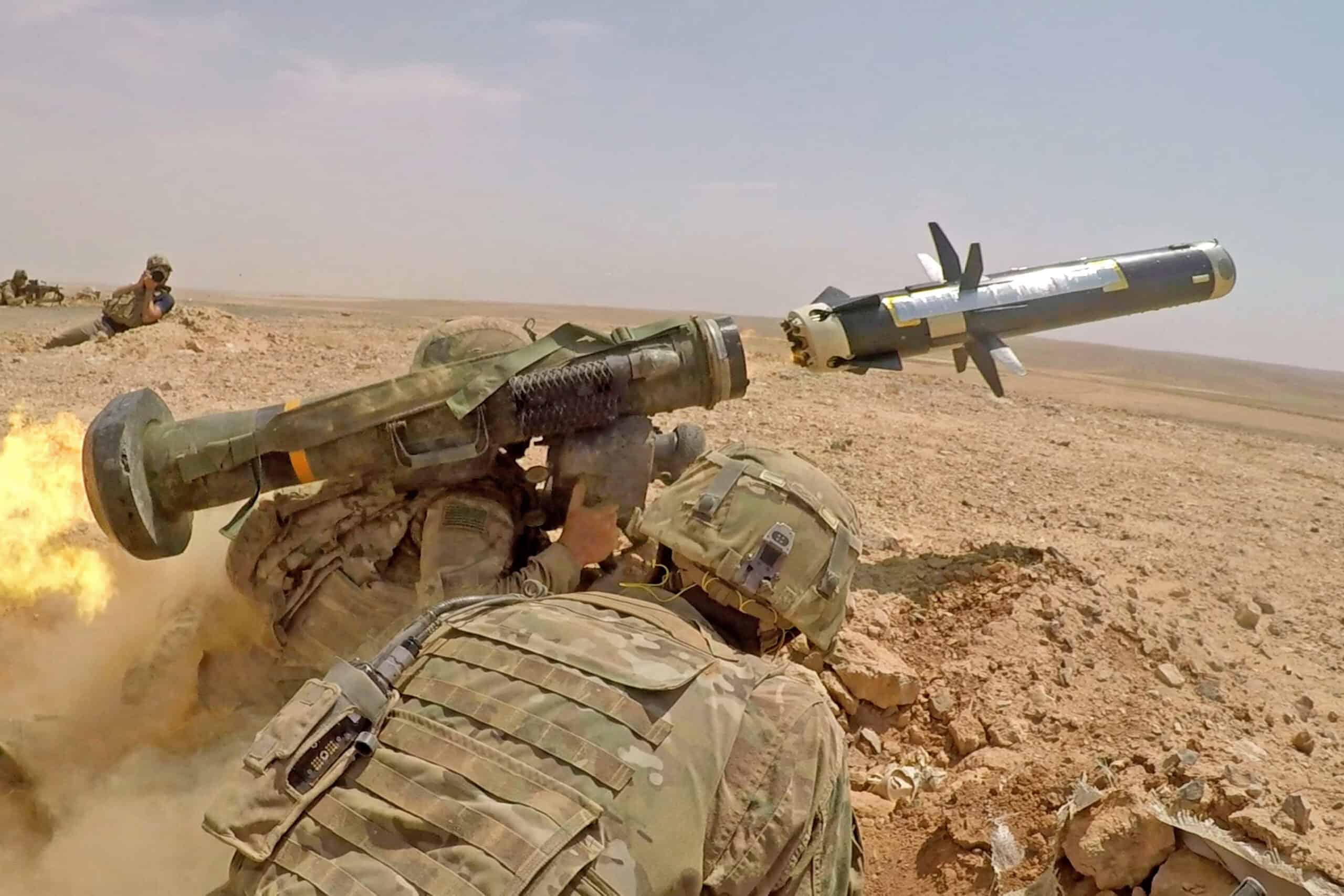
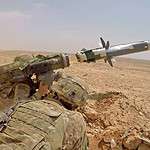
Javelin Command Launch Unit
- Category: Targeting Systems
- Branch / Typical Users: U.S. Army / Marines
- What It Looks Like at First Glance: Boxy launcher optic
- Actual Military Capability: Thermal targeting and missile guidance
- Estimated Unit Cost: ~$80,000
- Why It's So Expensive: Thermal sensors and fire-control electronics
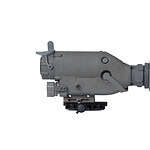
The Javelin Command Launch Unit is far more than a trigger for a missile. Inside the housing is a powerful thermal imaging system and targeting electronics capable of identifying threats at long distance. Because the device must perform reliably in combat conditions, the sensors and components push the cost into the range of an expensive vehicle.
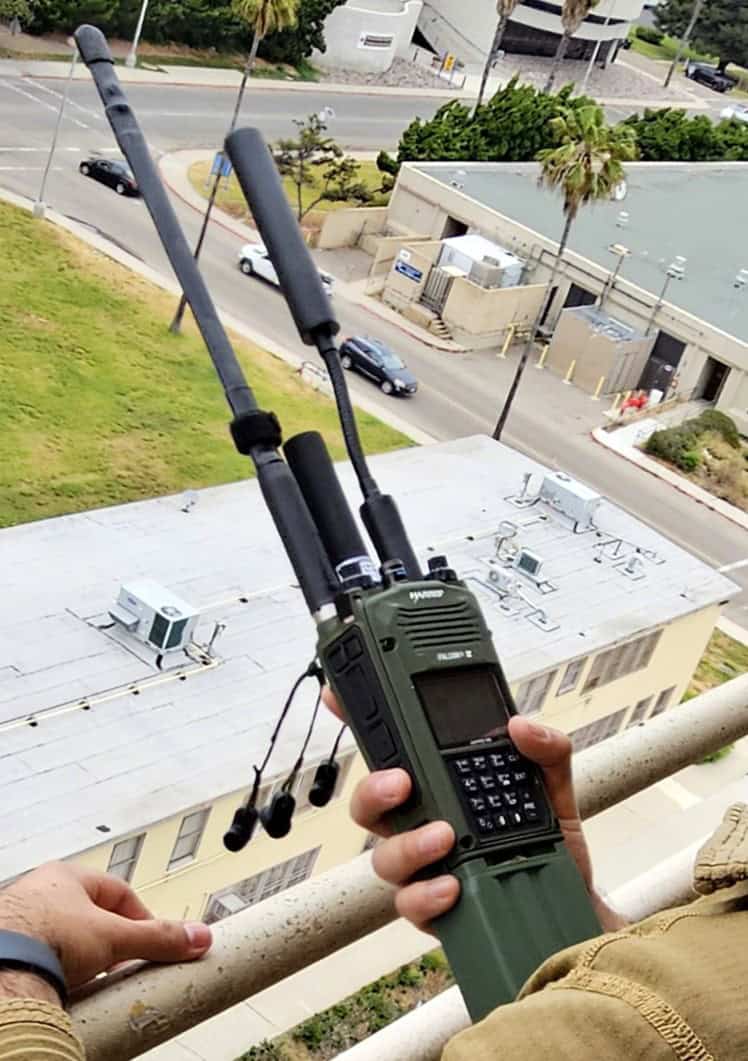
AN/PRC-163 Radio
- Category: Communications
- Branch / Typical Users: Joint Forces
- What It Looks Like at First Glance: Handheld tactical radio
- Actual Military Capability: Encrypted multi-band communication
- Estimated Unit Cost: ~$15,000
- Why It's So Expensive: Secure encryption and battlefield networking
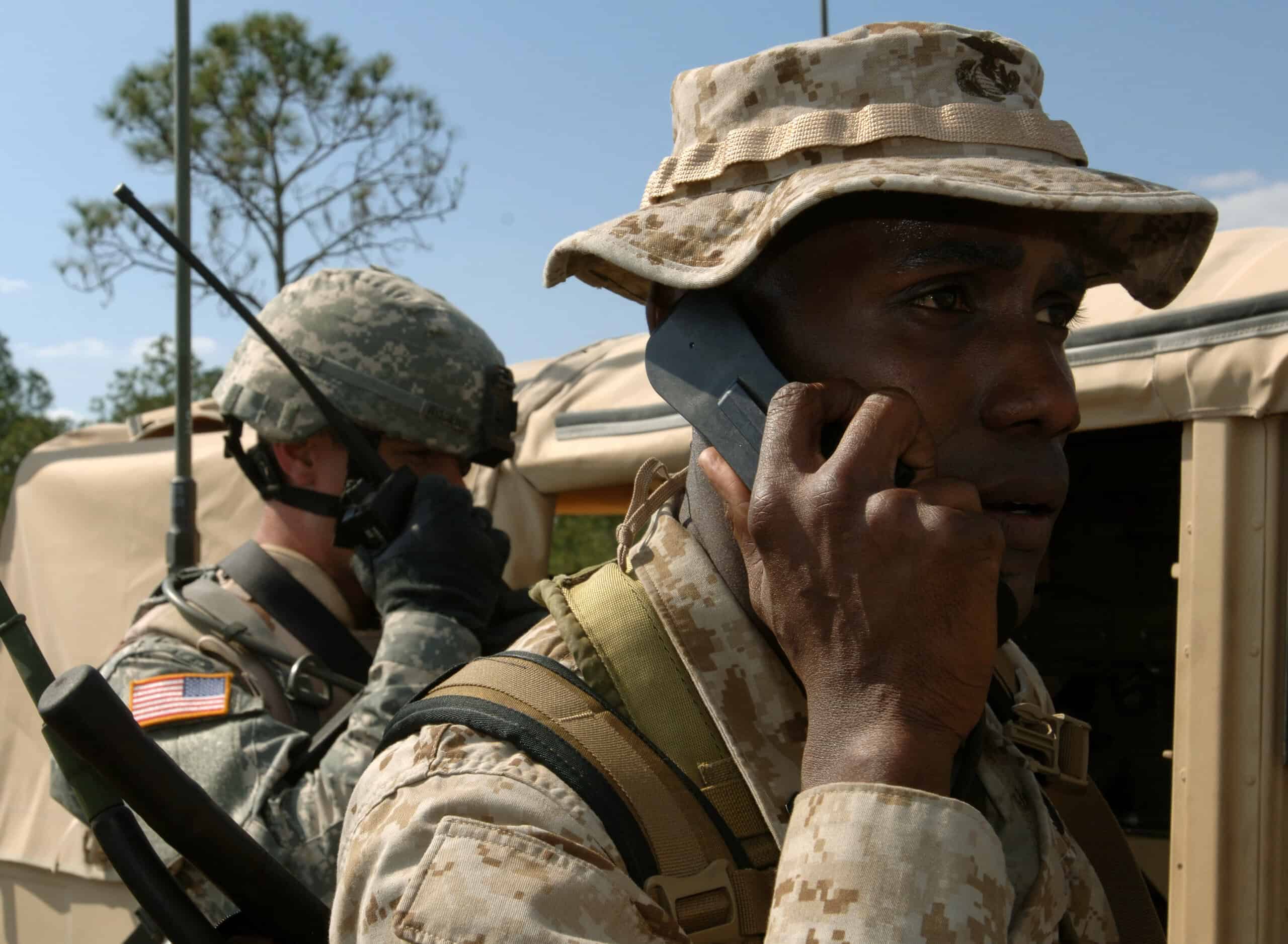
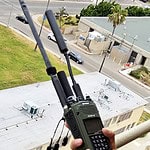
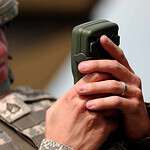
Modern encrypted radios such as the AN/PRC�163 allow troops to communicate securely across multiple frequencies and networks. The hardware must withstand extreme environments while protecting sensitive transmissions from interception. Encryption technology, rugged construction, and integration with battlefield systems all contribute to the surprisingly high price of these handheld radios.
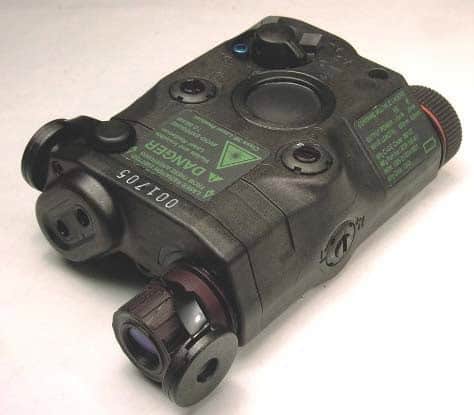
AN/PEQ-15 Laser Module
- Category: Weapon Accessories
- Branch / Typical Users: U.S. Army / Marines
- What It Looks Like at First Glance: Small rifle attachment
- Actual Military Capability: Infrared laser targeting for night combat
- Estimated Unit Cost: ~$2,000+
- Why It's So Expensive: Military-grade laser alignment and durability
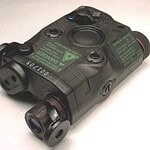
The AN/PEQ�15 may look like a small accessory attached to a rifle rail, but it contains infrared lasers and aiming devices designed to work seamlessly with night vision equipment. Precision alignment, durability, and strict military specifications raise the cost far above commercial laser pointers or weapon lights available to civilians.
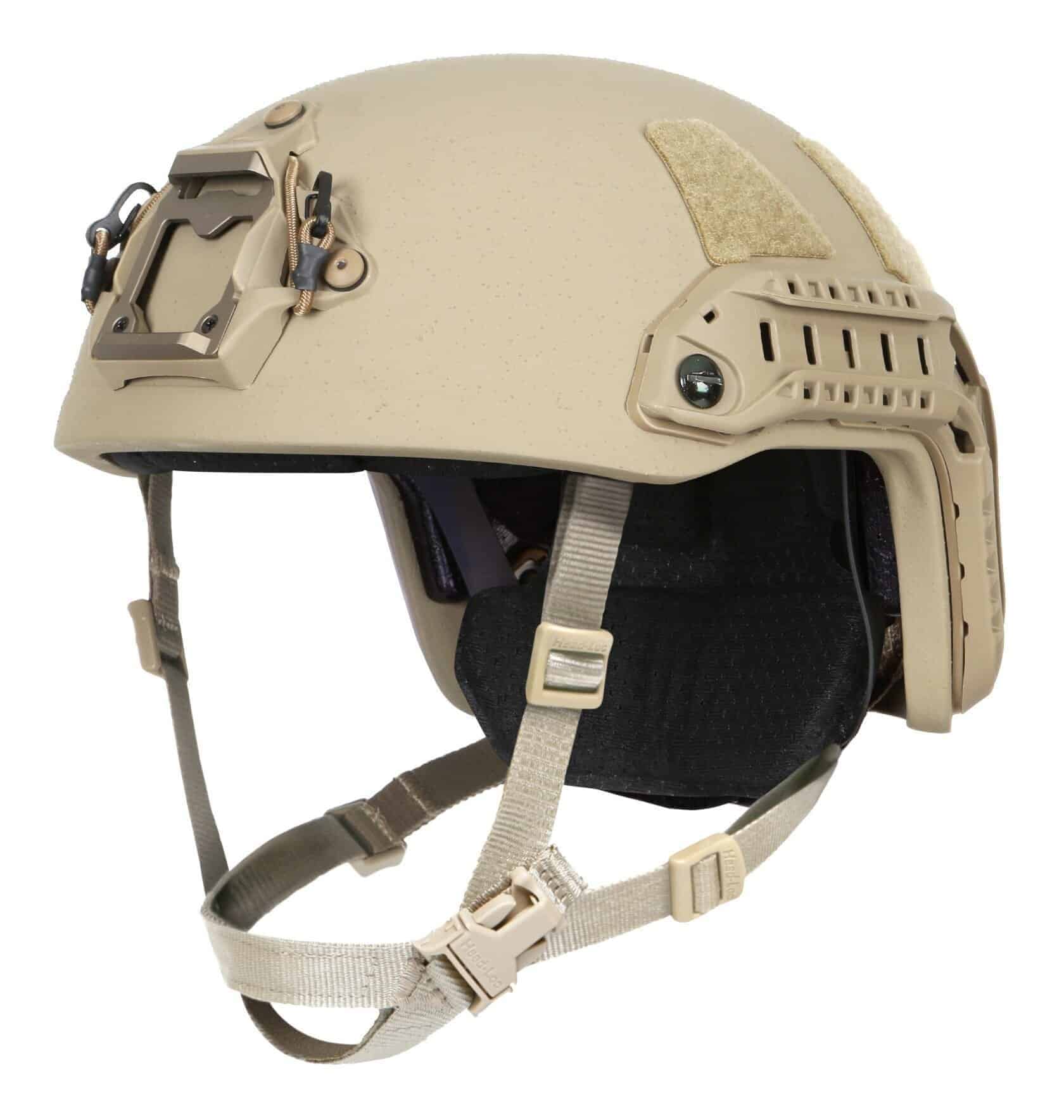
Enhanced Combat Helmet
- Category: Protective Gear
- Branch / Typical Users: U.S. Army / Marines
- What It Looks Like at First Glance: Basic ballistic helmet
- Actual Military Capability: Protection from fragmentation and rifle threats
- Estimated Unit Cost: ~$1,000+
- Why It's So Expensive: Ballistic materials and testing standards
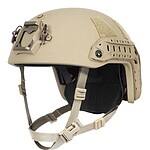
Ballistic helmets issued to modern troops are engineered to stop fragmentation and protect against battlefield hazards while remaining light enough for extended wear. Achieving that balance requires advanced materials, careful testing, and strict certification. What appears to be a simple helmet actually represents years of development and manufacturing complexity.
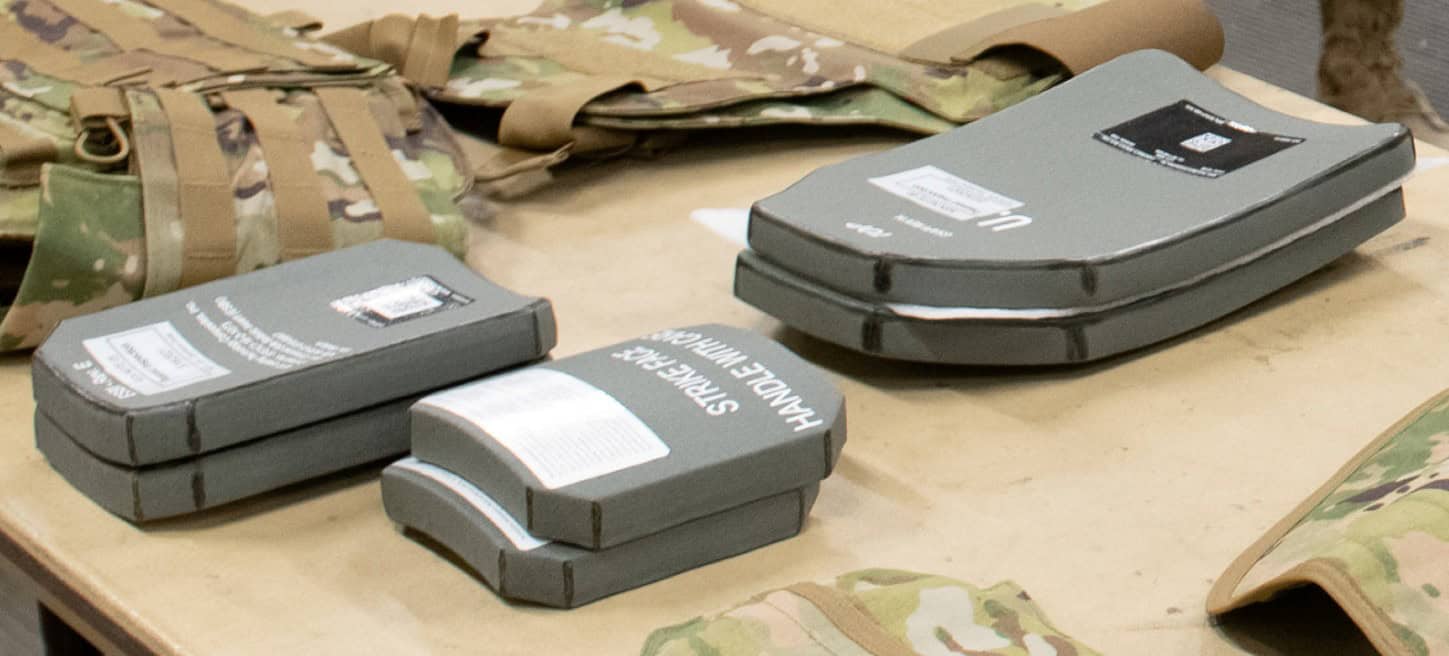
ESAPI Armor Plates
- Category: Protective Gear
- Branch / Typical Users: U.S. Army / Marines
- What It Looks Like at First Glance: Flat armor plate
- Actual Military Capability: Stops high-velocity rifle rounds
- Estimated Unit Cost: ~$2,000 per plate
- Why It's So Expensive: Advanced ceramics and ballistic testing
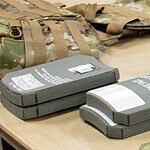
ESAPI armor plates provide protection against powerful rifle rounds, a capability that demands advanced ceramic materials and layered ballistic construction. Each plate must meet strict military standards and survive rigorous testing before being issued. That level of protection explains why a pair of plates can cost thousands of dollars.
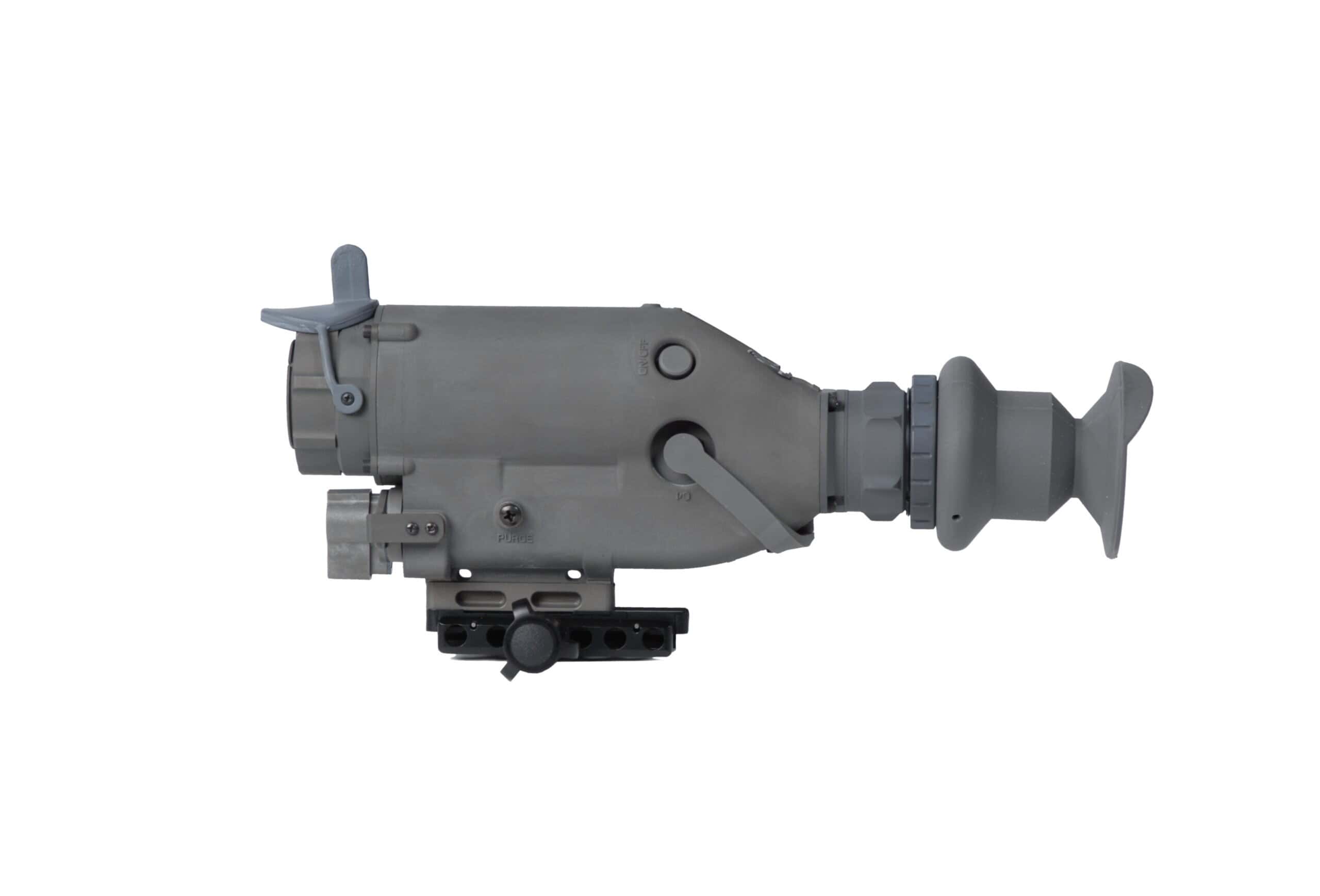
AN/PAS-13 Thermal Sight
- Category: Optics & Sensors
- Branch / Typical Users: U.S. Army
- What It Looks Like at First Glance: Rifle scope
- Actual Military Capability: Thermal target detection
- Estimated Unit Cost: ~$10,000
- Why It's So Expensive: Infrared imaging sensors
Thermal weapon sights allow soldiers to detect targets through darkness, smoke, and many visual obstacles. Achieving reliable thermal imaging requires sophisticated sensors and optics that can endure harsh battlefield environments. The result is a rifle optic that costs far more than most people expect when they first see it mounted on a weapon.
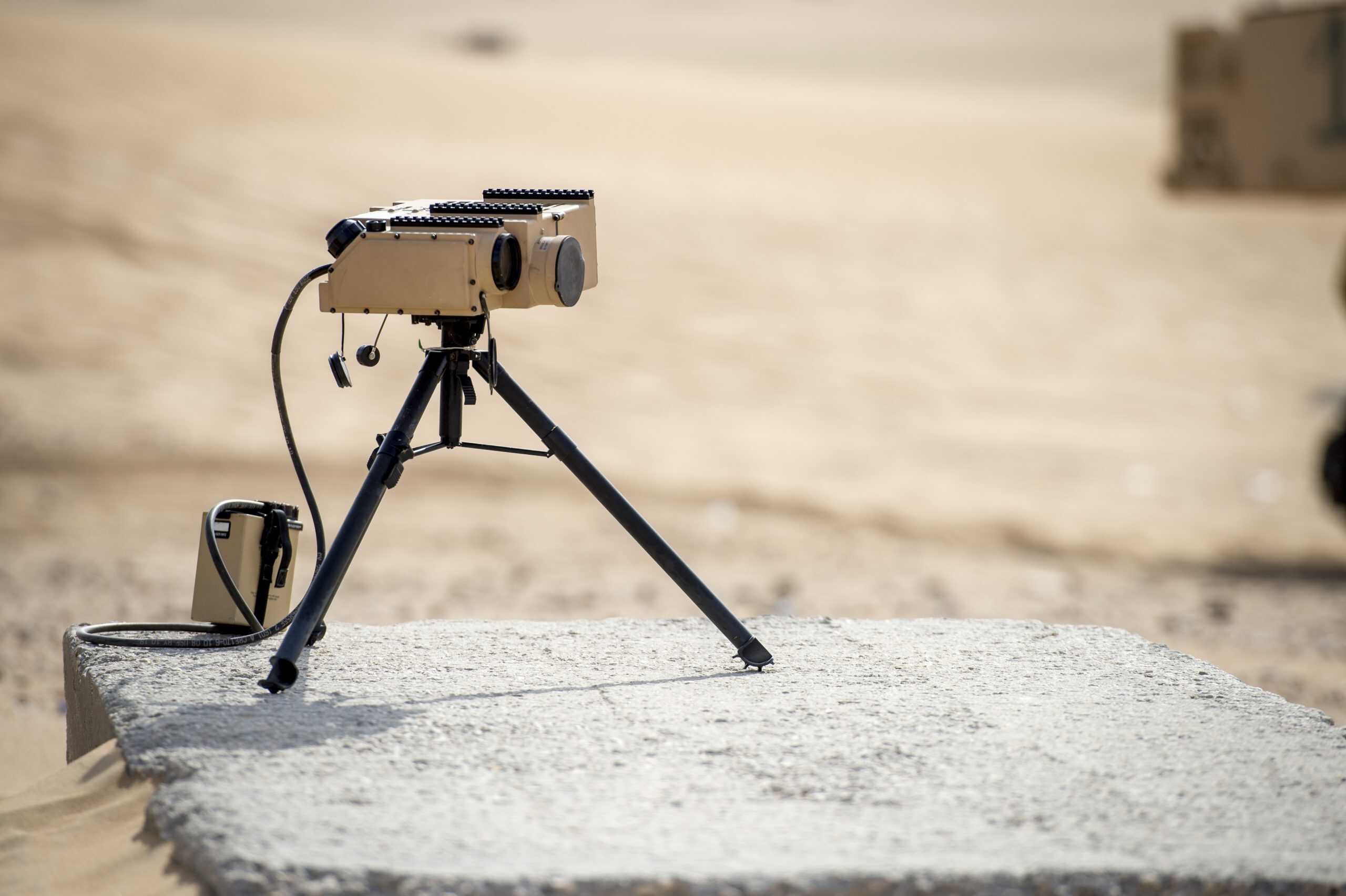
Laser Target Designator
- Category: Targeting Equipment
- Branch / Typical Users: Joint Terminal Attack Controllers
- What It Looks Like at First Glance: Binocular-like device
- Actual Military Capability: Guides precision airstrikes
- Estimated Unit Cost: ~$60,000
- Why It's So Expensive: Precision optics and coded lasers
Laser designators carried by forward observers and controllers help guide precision munitions to their targets. These systems combine powerful optics, stabilization, and coded laser technology in a compact package. Because accuracy and reliability are critical, the equipment involves extremely precise engineering and specialized components that drive the cost upward.
Military GPS Receiver
- Category: Navigation
- Branch / Typical Users: Joint Forces
- What It Looks Like at First Glance: Handheld GPS
- Actual Military Capability: Anti-spoofing encrypted positioning
- Estimated Unit Cost: ~$7,000
- Why It's So Expensive: Secure satellite encryption
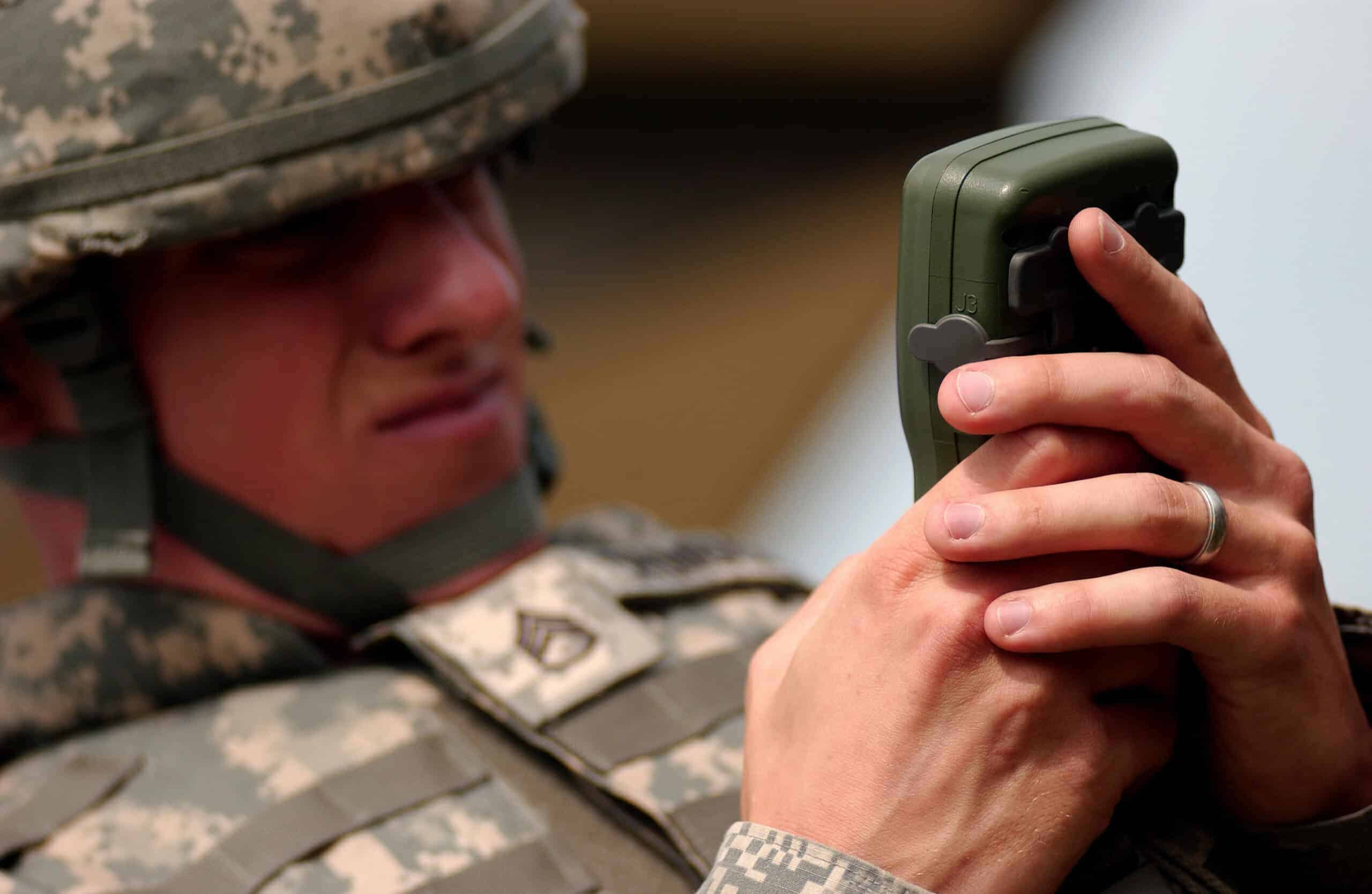
Secure military GPS receivers protect positioning data from jamming and spoofing attempts that could mislead troops. Unlike consumer navigation devices, these systems contain encrypted modules and hardened electronics. Ensuring reliable navigation in contested environments significantly increases both complexity and price.
Combat Uniform System
- Category: Soldier Systems
- Branch / Typical Users: U.S. Army
- What It Looks Like at First Glance: Standard camouflage clothing
- Actual Military Capability: Flame resistance and durability
- Estimated Unit Cost: ~$400+
- Why It's So Expensive: Specialized fabrics
Modern combat uniforms incorporate flame resistance, durability, and environmental protection while remaining comfortable enough for long missions. Specialized fabrics and production standards push the price higher than ordinary clothing. Although they resemble everyday apparel, these uniforms are built to survive the demands of combat conditions.
Breaching Shotgun
- Category: Weapons
- Branch / Typical Users: Military Police / Special Units
- What It Looks Like at First Glance: Simple shotgun
- Actual Military Capability: Door breaching capability
- Estimated Unit Cost: ~$2,000
- Why It's So Expensive: Specialized configuration and procurement
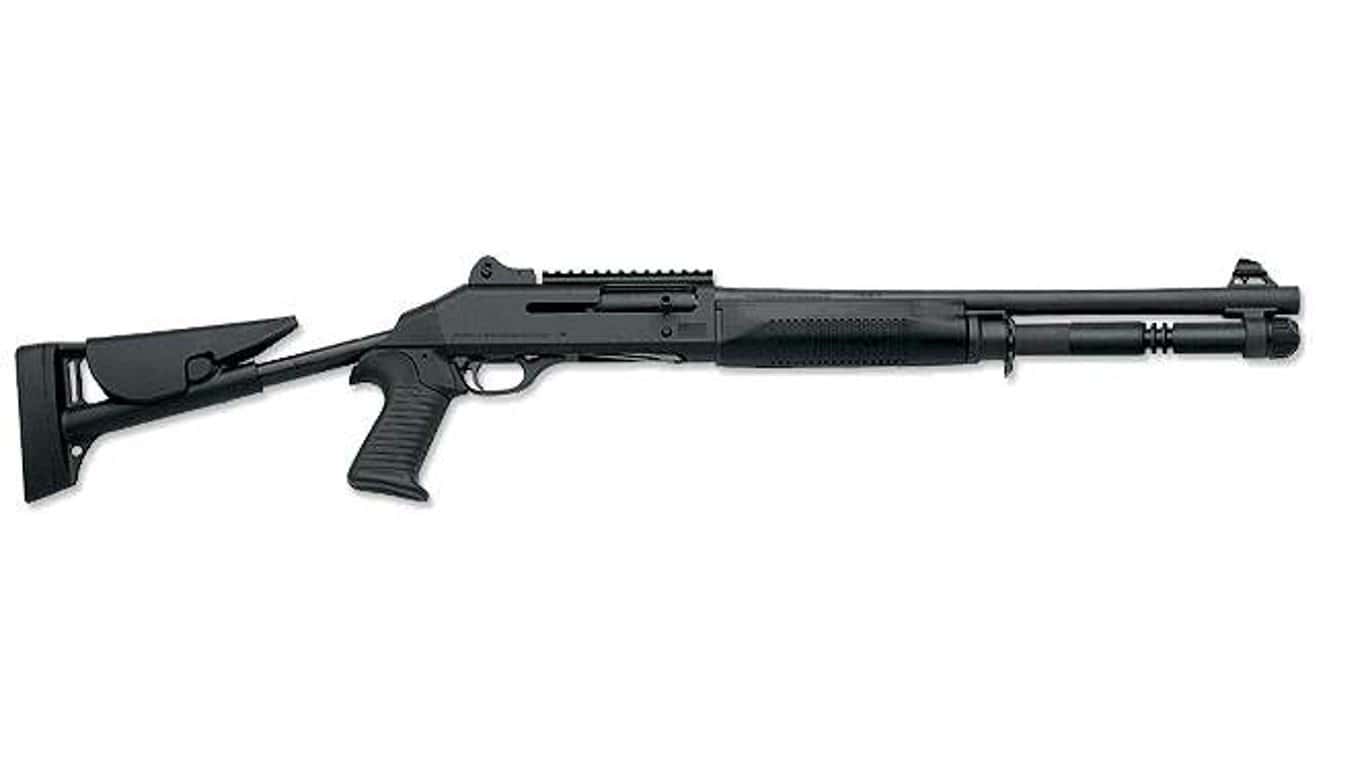
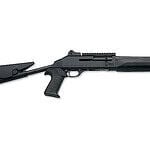
Breaching shotguns used by specialized units are configured specifically for forced entry operations. Modifications, durability requirements, and procurement processes can raise costs well beyond typical civilian firearms. Even a relatively simple weapon becomes more expensive when adapted for consistent use in demanding tactical environments.
Closed-Circuit Rebreather
- Category: Diving Equipment
- Branch / Typical Users: Navy SEALs
- What It Looks Like at First Glance: Scuba gear
- Actual Military Capability: Silent underwater breathing
- Estimated Unit Cost: ~$15,000+
- Why It's So Expensive: Complex life-support engineering
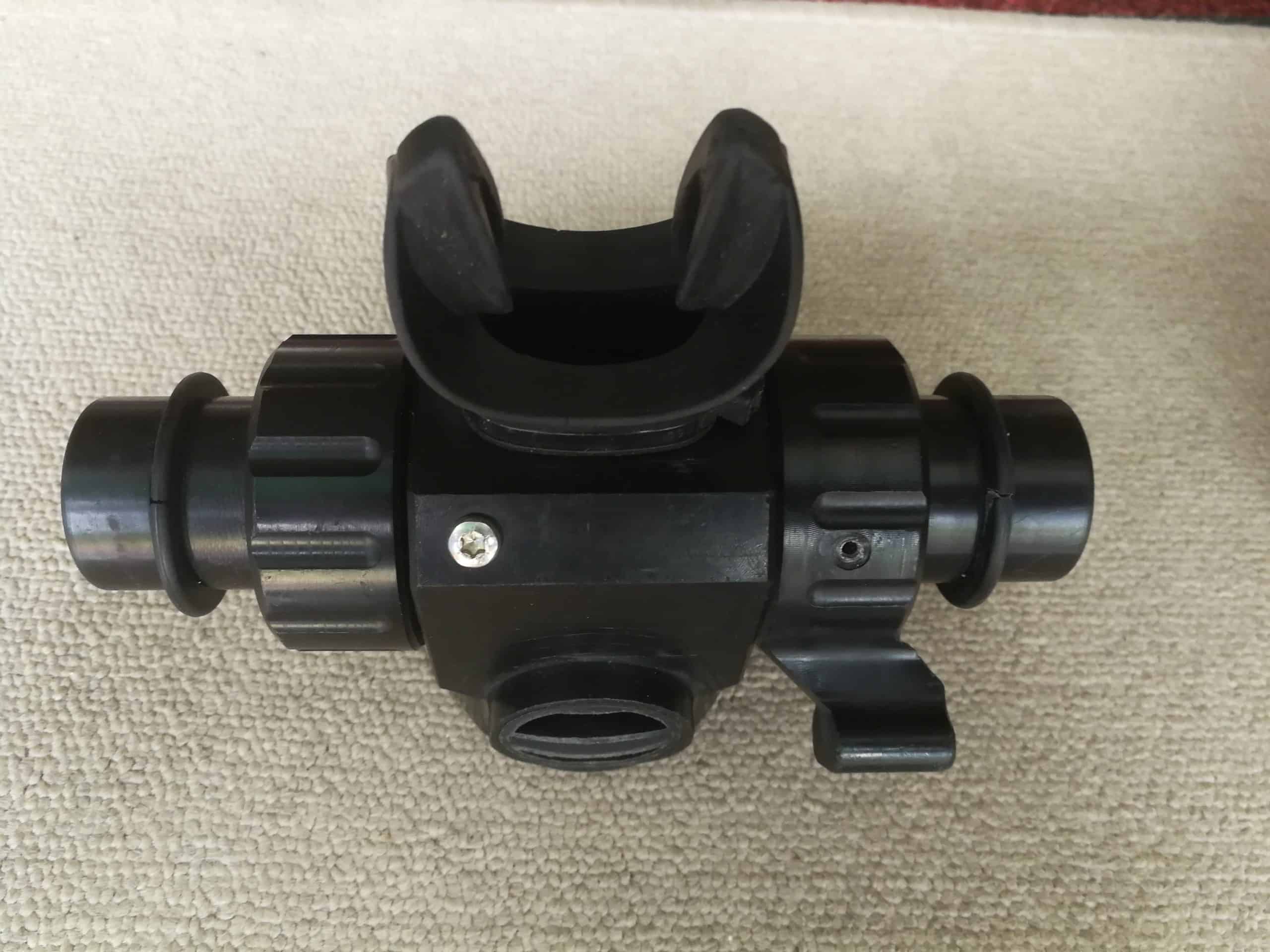
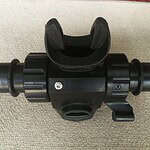
Closed�circuit rebreathers allow combat divers to move underwater without producing the telltale bubbles of conventional scuba systems. The technology must carefully regulate oxygen levels while remaining compact and reliable. Life�support engineering and safety requirements make these systems far more expensive than recreational diving equipment.
Military Parachute System
- Category: Airborne Equipment
- Branch / Typical Users: U.S. Army Airborne
- What It Looks Like at First Glance: Parachute pack
- Actual Military Capability: Precision airborne insertion
- Estimated Unit Cost: ~$10,000
- Why It's So Expensive: Rigging and safety testing
Military parachute systems must perform flawlessly when carrying troops and equipment into hostile environments. Extensive testing, durable materials, and precise rigging standards all contribute to the final price. What appears to be a simple parachute is actually a highly engineered system designed for reliability under extreme conditions.
Portable Counter-Drone System
- Category: Electronic Warfare
- Branch / Typical Users: U.S. Army
- What It Looks Like at First Glance: Rifle-shaped device
- Actual Military Capability: Disrupts drone signals
- Estimated Unit Cost: ~$30,000
- Why It's So Expensive: Signal jamming electronics
Portable counter�drone systems help troops disrupt or disable hostile unmanned aircraft. Inside these devices are electronic warfare components capable of interfering with communications and navigation signals. The complexity of those systems, combined with rugged military design, pushes costs far beyond what their appearance might suggest.
Secure Battlefield Tablet
- Category: Electronics
- Branch / Typical Users: Joint Forces
- What It Looks Like at First Glance: Rugged tablet
- Actual Military Capability: Battlefield planning software
- Estimated Unit Cost: ~$5,000
- Why It's So Expensive: Ruggedization and encryption
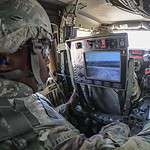
Battlefield tablets are built to withstand dust, water, shock, and extreme temperatures while securely running military software. Encryption features and specialized hardware add further complexity. Although they resemble commercial tablets, the added resilience and security features explain why their cost is significantly higher.
SATCOM Backpack
- Category: Communications
- Branch / Typical Users: U.S. Marines
- What It Looks Like at First Glance: Large backpack
- Actual Military Capability: Global satellite communications
- Estimated Unit Cost: ~$20,000
- Why It's So Expensive: Satellite hardware
SATCOM backpacks give small units the ability to communicate across continents using satellite networks. Antennas, signal processing hardware, and secure communications technology must all fit into a portable system. Providing global connectivity from remote locations is what drives the surprisingly high price of these kits.
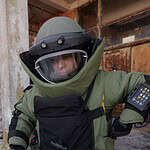
EOD Bomb Suit
- Category: Protective Gear
- Branch / Typical Users: Explosive Ordnance Disposal
- What It Looks Like at First Glance: Bulky suit
- Actual Military Capability: Blast protection
- Estimated Unit Cost: ~$30,000
- Why It's So Expensive: Extreme protection engineering
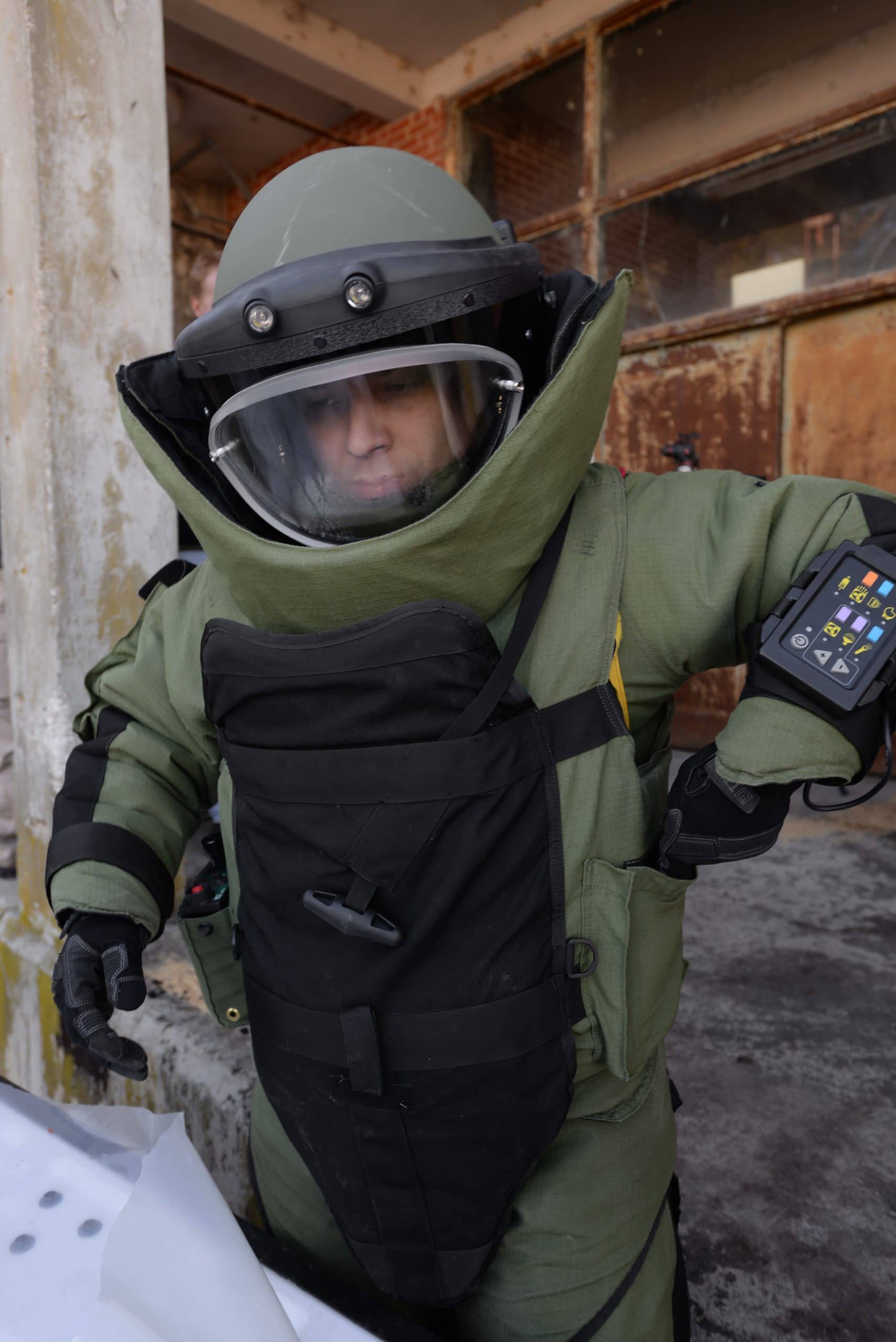
EOD bomb suits are designed to protect technicians working with explosive devices, one of the most dangerous roles in the military. Layers of protective material, cooling systems, and blast resistance are built into the suit. That level of protection requires extensive engineering, making the equipment extremely expensive.
Forward Observer Targeting Device
- Category: Targeting Equipment
- Branch / Typical Users: Artillery Units
- What It Looks Like at First Glance: Binocular optic
- Actual Military Capability: Calculates artillery coordinates
- Estimated Unit Cost: ~$25,000
- Why It's So Expensive: Precision sensors
Forward observer targeting devices combine optics, sensors, and computing power to determine precise coordinates for artillery strikes. Accuracy is essential, meaning the equipment must perform reliably under difficult field conditions. The technology packed into these compact systems helps explain their high cost.
Night Vision Monocular
- Category: Optics & Sensors
- Branch / Typical Users: Infantry Units
- What It Looks Like at First Glance: Single tube night vision
- Actual Military Capability: Low-light battlefield visibility
- Estimated Unit Cost: ~$4,000
- Why It's So Expensive: Image intensifier tubes
A night vision monocular may appear simple, but it relies on specialized tubes that amplify extremely small amounts of light. Producing those components to military standards requires careful manufacturing and testing. Even a single�tube system can therefore carry a price far above consumer expectations.
Combat Medic Kit
- Category: Medical Equipment
- Branch / Typical Users: Military Medics
- What It Looks Like at First Glance: Medical bag
- Actual Military Capability: Advanced trauma care
- Estimated Unit Cost: ~$10,000
- Why It's So Expensive: Specialized equipment
Combat medic kits contain advanced medical tools designed specifically for battlefield trauma. Tourniquets, airway equipment, specialized bandages, and medications are assembled into a portable system ready for emergencies. The combination of high�quality equipment and mission�ready packaging raises the cost considerably.
Sniper Laser Rangefinder
- Category: Optics & Sensors
- Branch / Typical Users: Sniper Units
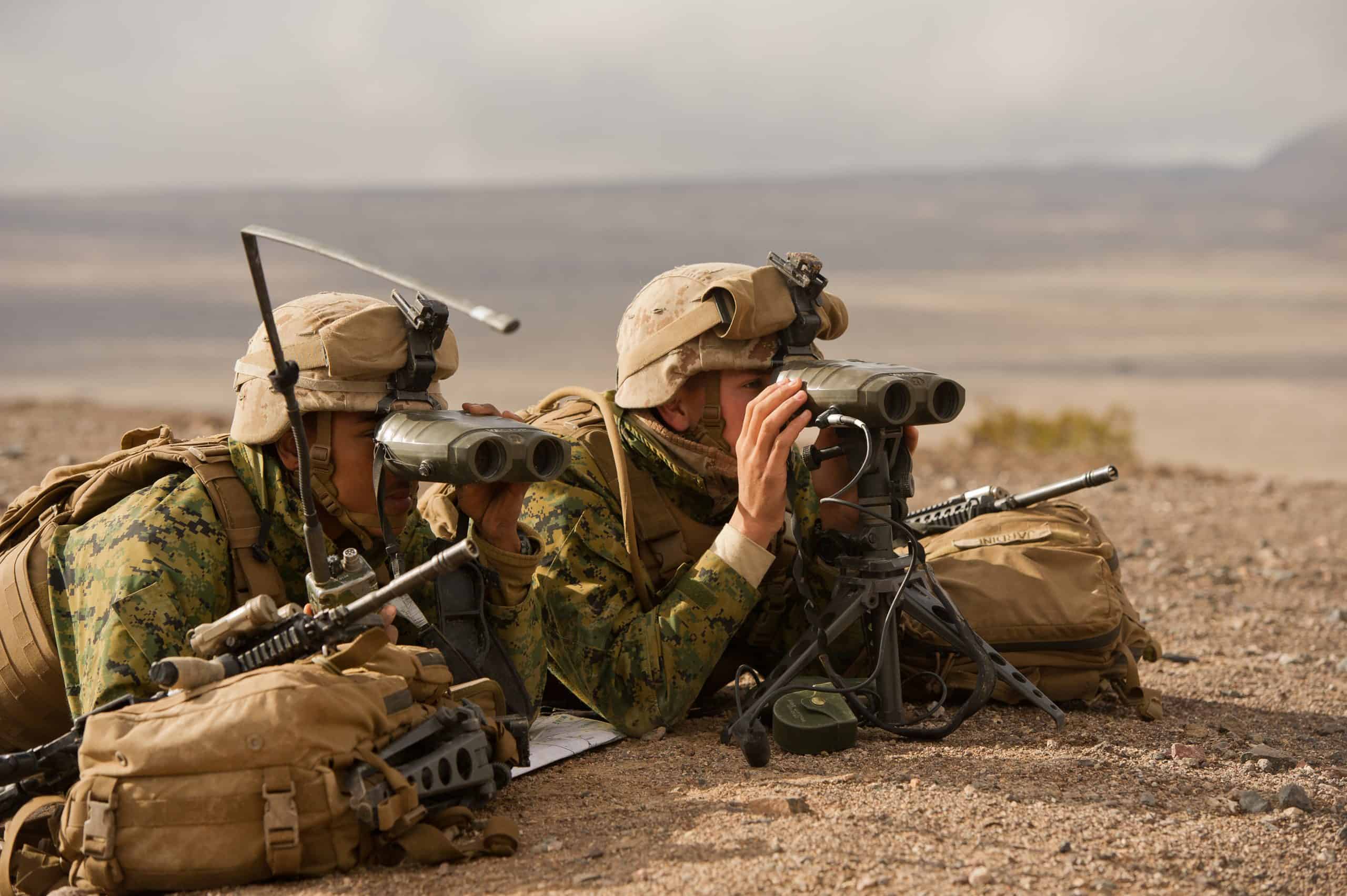
- What It Looks Like at First Glance: Handheld optic
- Actual Military Capability: Extreme distance calculation
- Estimated Unit Cost: ~$8,000
- Why It's So Expensive: Precision sensors
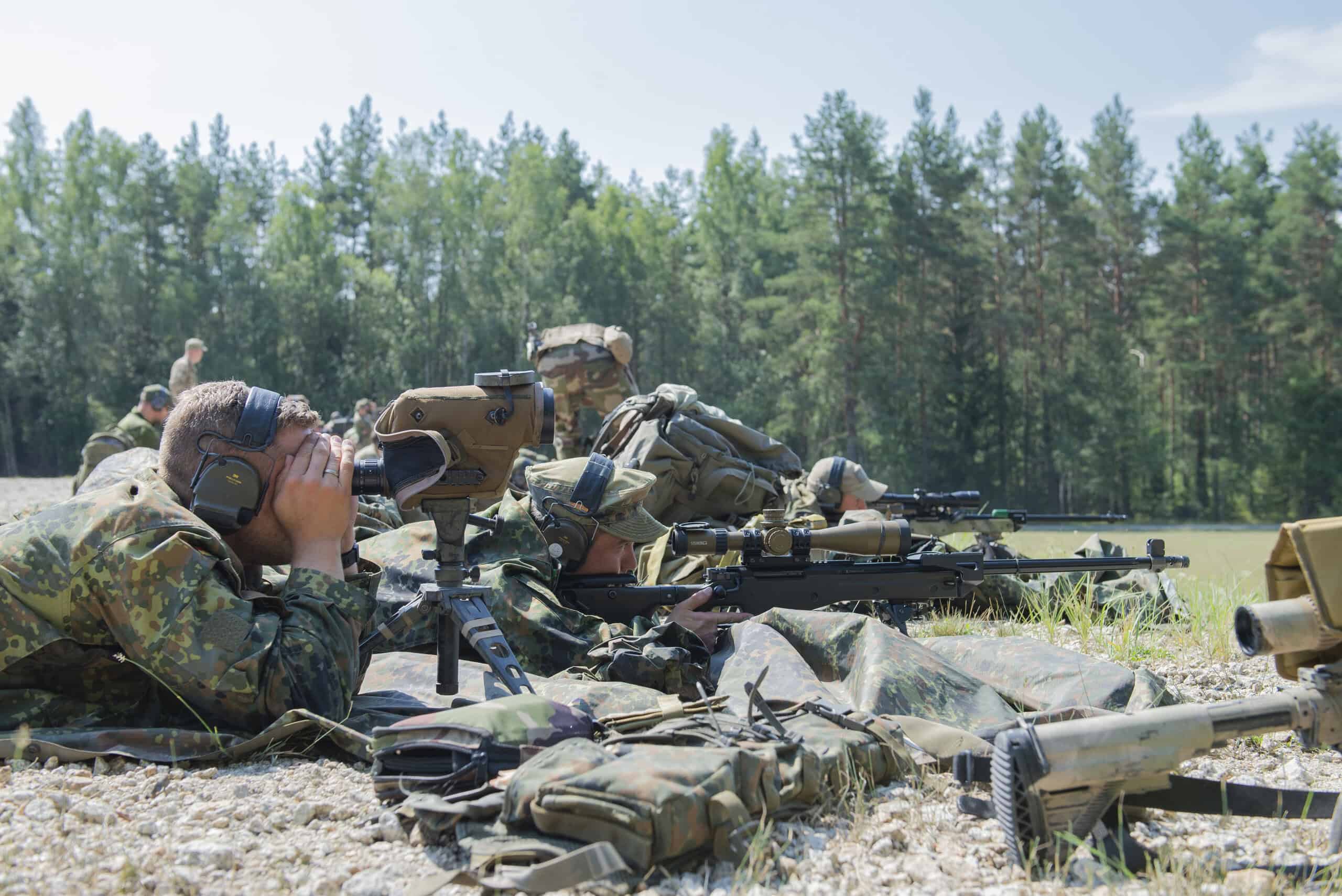
Laser rangefinders used by military snipers must calculate long distances quickly and accurately under harsh conditions. Precision optics, sensors, and durable construction make them far more sophisticated than consumer models. Their performance requirements push the price into the thousands.
Thermal Binoculars
- Category: Optics & Sensors
- Branch / Typical Users: Recon Units
- What It Looks Like at First Glance: Large binoculars
- Actual Military Capability: Long range thermal observation
- Estimated Unit Cost: ~$15,000
- Why It's So Expensive: Advanced thermal sensors
Thermal binocular systems allow troops to scan large areas and detect heat signatures at long distances. Achieving that capability requires advanced sensors and high�quality optics housed in rugged equipment. Although they resemble standard binoculars, the technology inside makes them dramatically more expensive.
Small Recon Drone
- Category: ISR Systems
- Branch / Typical Users: Infantry Units
- What It Looks Like at First Glance: Small quadcopter
- Actual Military Capability: Battlefield surveillance
- Estimated Unit Cost: ~$40,000
- Why It's So Expensive: Military sensors and encryption
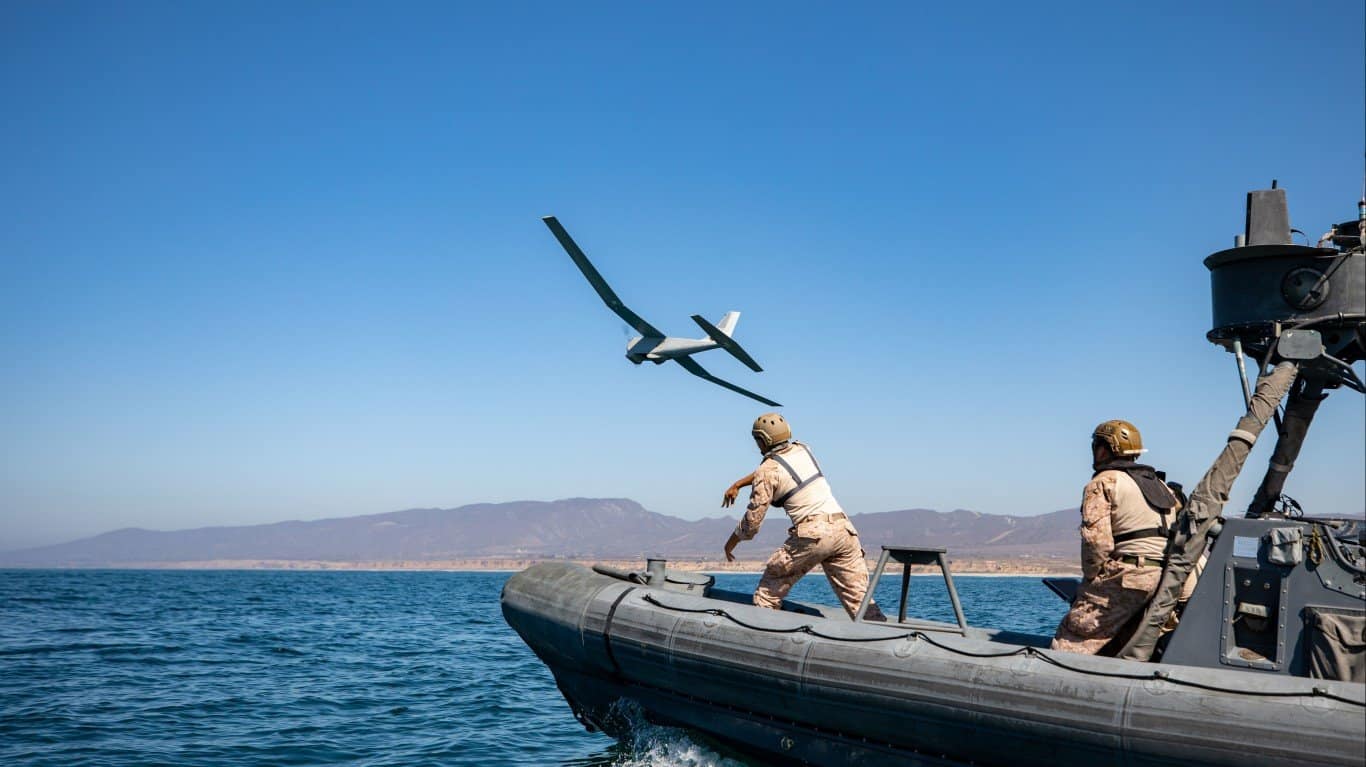
Small reconnaissance drones carried by infantry units provide real�time aerial intelligence on the battlefield. Military versions include encrypted communications, specialized cameras, and rugged designs. Those features, combined with reliability requirements, increase the price well beyond typical consumer drones.
Portable Radar System
- Category: Sensors
- Branch / Typical Users: Army Units
- What It Looks Like at First Glance: Tripod device
- Actual Military Capability: Detects drones or movement
- Estimated Unit Cost: ~$50,000
- Why It's So Expensive: Advanced radar electronics
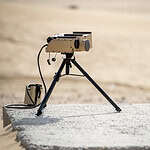
Portable radar systems give units the ability to detect incoming drones, vehicles, or movement at distance. Compact radar technology requires complex electronics and careful calibration. Even relatively small units can therefore carry price tags that surprise those unfamiliar with the technology.
The image featured at the top of this post is ©breakermaximus / Shutterstock.com – License / Original