




14 Everyday Products That Were Banned After Causing Serious Problems
The Baby Boomer generation, born between 1946 and 1964, helped shape many of the systems and technologies that define modern life today. From early computing and telecommunications to infrastructure and manufacturing, their contributions played a major role in building the foundation of the modern U.S. economy.
This article explores how Baby Boomers influenced key areas of technological and economic development, and how their work continues to impact daily life. While generational debates often focus on cultural differences, the long-term influence of this generation is most clearly seen in the systems and innovations that still power the world today.
Tylenol Extra-Strength Capsules
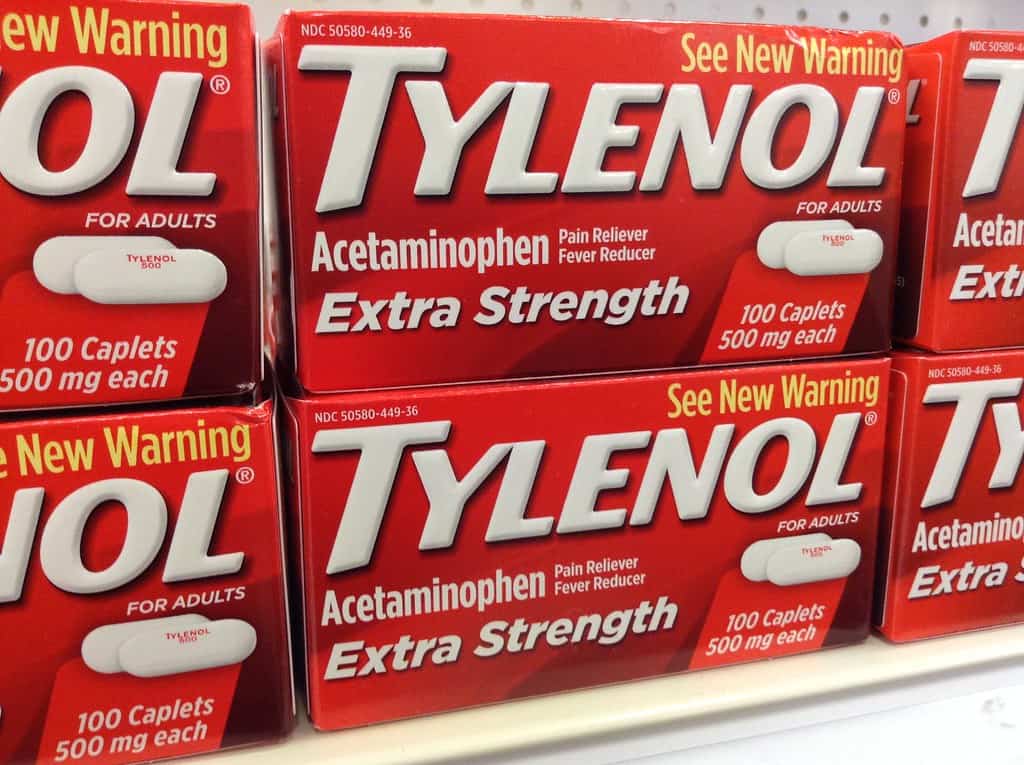
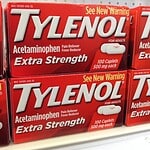
While this recall wasn't the manufacturer's fault, it's one of the most notorious recalls in American history. In the fall of 1982, seven people in the Chicago area died after taking Extra-Strength Tylenol capsules that were ultimately laced with cyanide. Caused by an unknown tamperer, Johnson & Johnson responded quickly, pulling an estimated 31 million bottles from store shelves at a cost of more than $100 million.
This specific incident is why we have tamper-proof packaging, which is now a standard feature on virtually every over-the-counter medication sold in the United States. Though the brand survived and recovered financially, the Chicago Tylenol Murders permanently changed how pharmaceutical products are sold.
Lawn Darts/Jarts
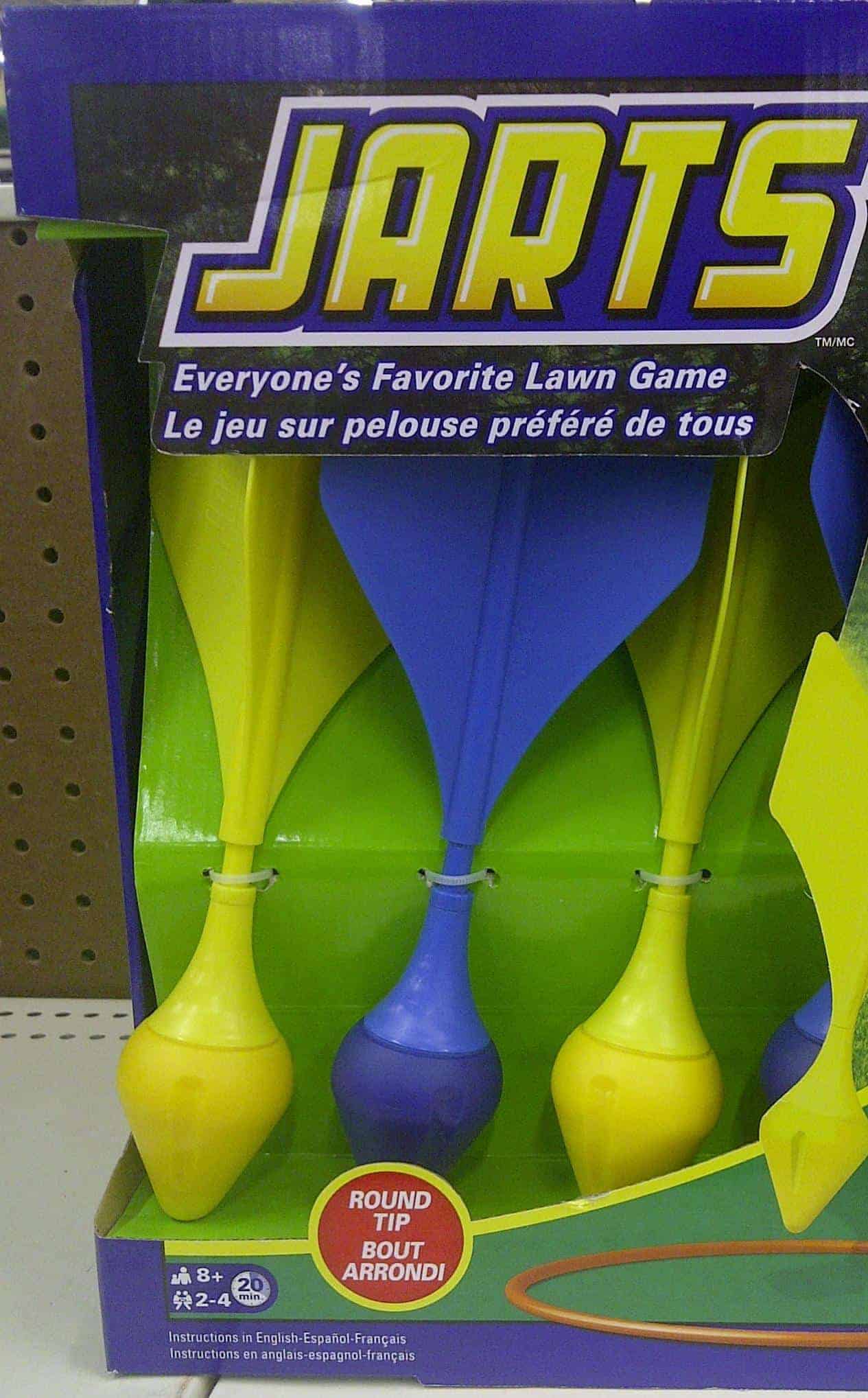
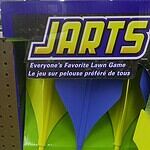
The image above is a much safer version of the Jarts that once existed, a version that led to tragedy. Marketed as an outdoor game for families, lawn darts (sold under the brand name Jarts) were weighted, metal-tipped projectiles designed for tossing toward a target on the ground. That metal tip is what made this family-friendly game not so friendly in the long run.
Between 1978 and 1986, lawn darts were responsible for an estimated 6,100 emergency room visits, with roughly 81% of victims below the age of 15. After a seven-year-old girl was tragically killed by a lawn dart in 1987, the U.S. Consumer Product Safety Commission voted to ban the sale and importation of the original metal-tipped version entirely in 1988, with consumers urged to destroy existing sets instead of donating or reselling them.
Thalidomide
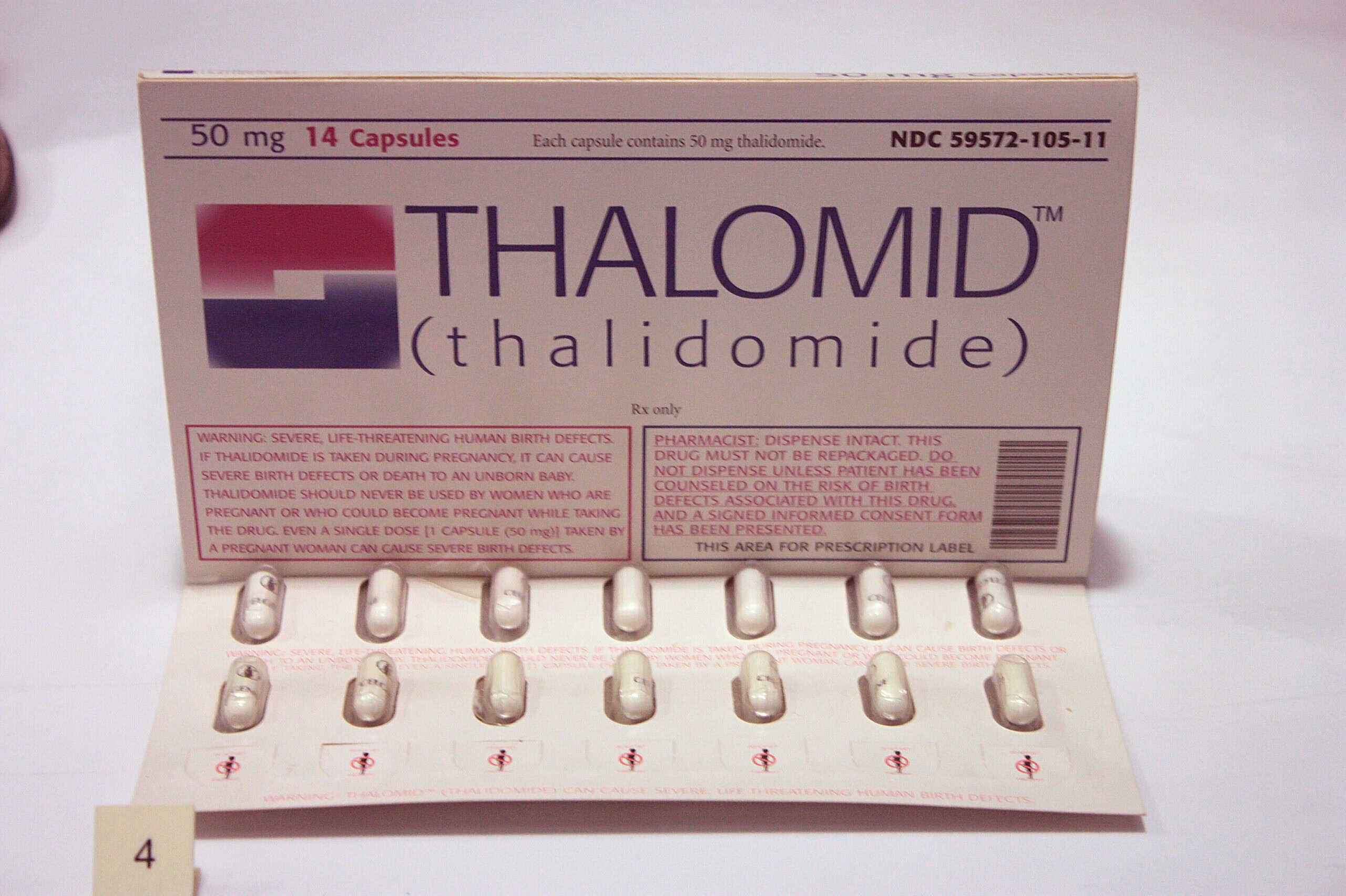
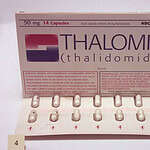
Another blunder in the pharmaceutical industry, thalidomide was developed in the late 1950s and marketed in Europe as a treatment for morning sickness in pregnant women. It was billed as a safe and effective remedy and widely prescribed before its side effects were ever realized. The drug ended up causing severe birth defects in thousands of babies, including malformed or absent limbs, and was withdrawn from European and most other markets in 1961.
In the United States, the FDA inspector at the time blocked thalidomide's approval entirely, sparing American consumers from its potential harms. Like the Tylenol Murders, this scandal ended up reshaping pharmaceutical testing requirements around the world and remains one of the most consequential drug safety failures in all of history.
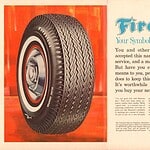
Firestone Wilderness AT Tires
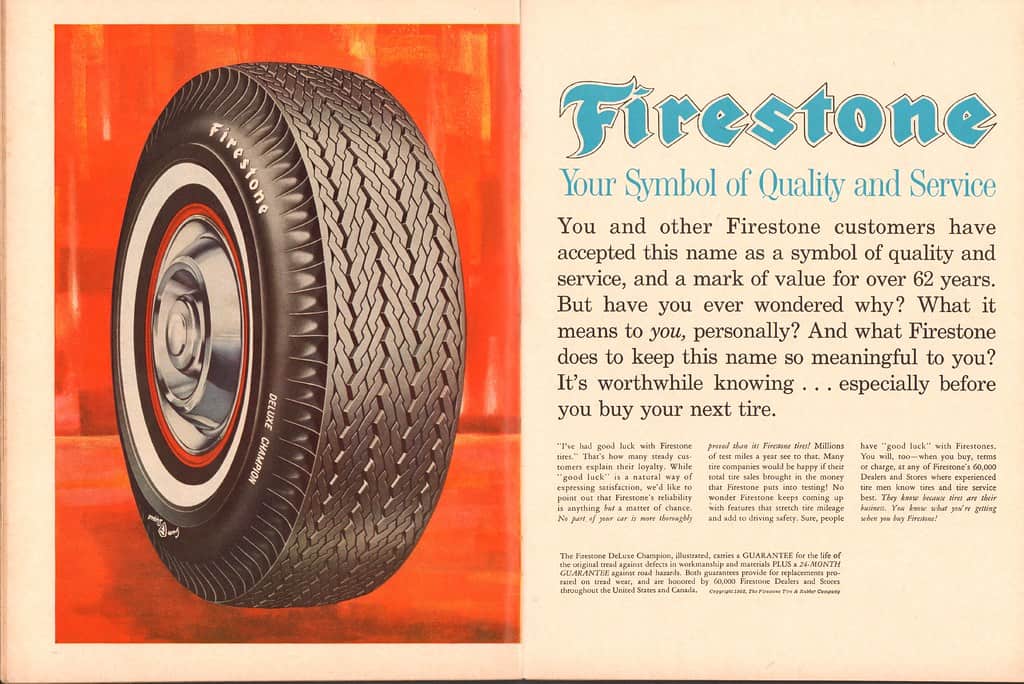
In 2000, Bridgestone and its associated label, Firestone, recalled more than 6.5 million tires. Why? After investigations linked tread separation failures to at least 271 deaths and more than 800 injuries, many of them caused by Ford Explorer rollovers, a particular model of tire was to blame for it all. And it wasn't a recall that happened in a timely fashion, either.
The tires were apparently peeling apart at high speeds, a problem that garnered plenty of complaints and lawsuits for years before regulators did anything to fix it. The recall ended Firestone's century-long relationship with Ford, with the two companies publicly trading blame until new federal requirements for tire safety testing and defect reporting began in earnest.
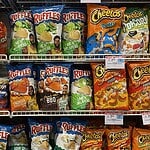
WOW Chips/Olestra
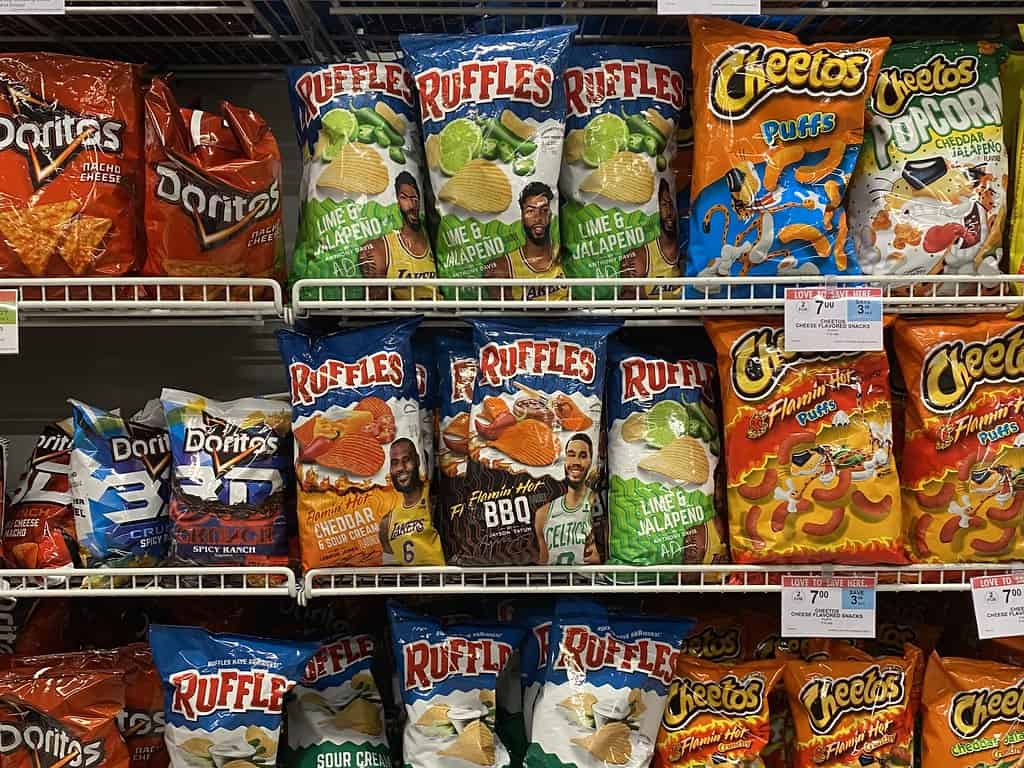
Do you remember this product? Frito-Lay introduced WOW Chips in 1998 as a revolutionary fat-free snack, using a synthetic fat substitute known as Olestra. This product was developed in conjunction with Procter & Gamble, and the product generated $400 million in sales in its first year. However, it soon became clear that Olestra caused significant gastrointestinal distress in many consumers, including cramps and even loose stools.
Sales dropped as the bad news spread, and the FDA ultimately required warning labels on any product containing Olestra, not just WOW Chips. While the product was never formally banned, consumers drove it from shelves, killing this fat-free snack by the year 2016.
Fisher-Price Rock 'n Play Sleeper
Marketed as a soothing solution for fussy infants, the Rock 'n Play Sleeper by Fisher-Price sold more than 4.7 million units over an entire decade on the market. However, the sleeper involved a steep incline, which posed a serious suffocation risk for babies who were old enough to roll over. The deaths began accumulating long before regulators acted, with more than 90 infant deaths eventually linked to the product before Fisher-Price issued a recall in 2019.
Both the company and the CPSC were heavily criticized for allowing the sleeper to remain on shelves for so long, and the scandal contributed to the Safe Sleep for Babies Act, signed into law in 2022. Sleepers are now without such an angle, but Fisher-Price is still recovering from this hit to its reputation.
Vioxx
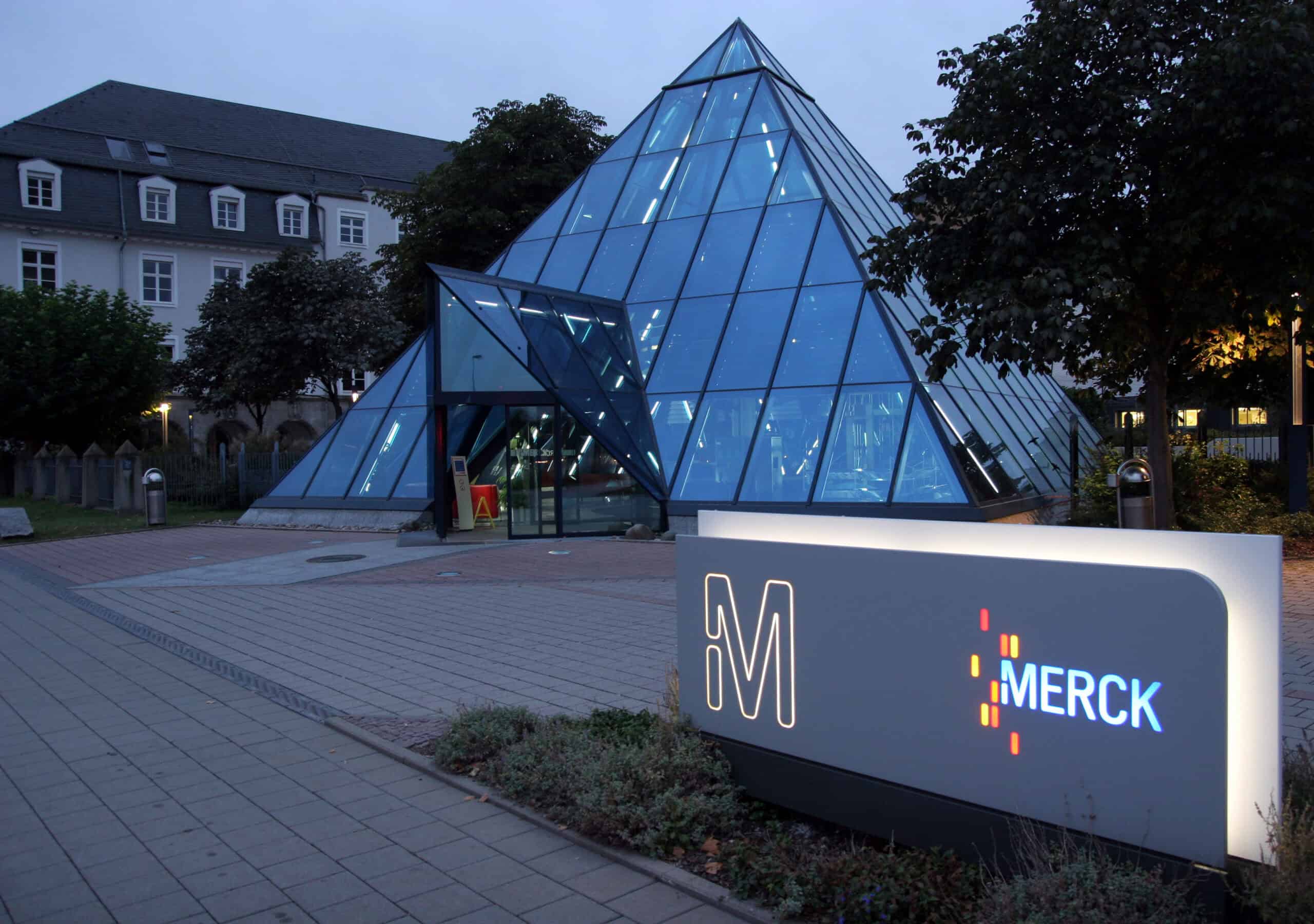
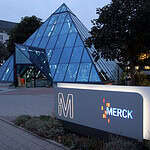
While it was approved by the FDA in 1999, Vioxx wasn't the safest choice to go with. A prescription painkiller used by an estimated 20 million Americans to treat arthritis and chronic pain, it was manufactured by Merck, the same company that pulled the drug from the market in 2004.
Apparently, a clinical trial revealed that Vioxx significantly increased the risk of heart attacks and strokes in long-term users. Studies linked the drug to as many as 140,000 serious cardiovascular events and tens of thousands of deaths, with Merck eventually settling roughly 27,000 lawsuits for a total of $4.85 billion. Both the company and the FDA faced high levels of criticism, as they both allowed plenty of warning signs to go unaddressed for years before the recall actually happened.
Aqua Dots
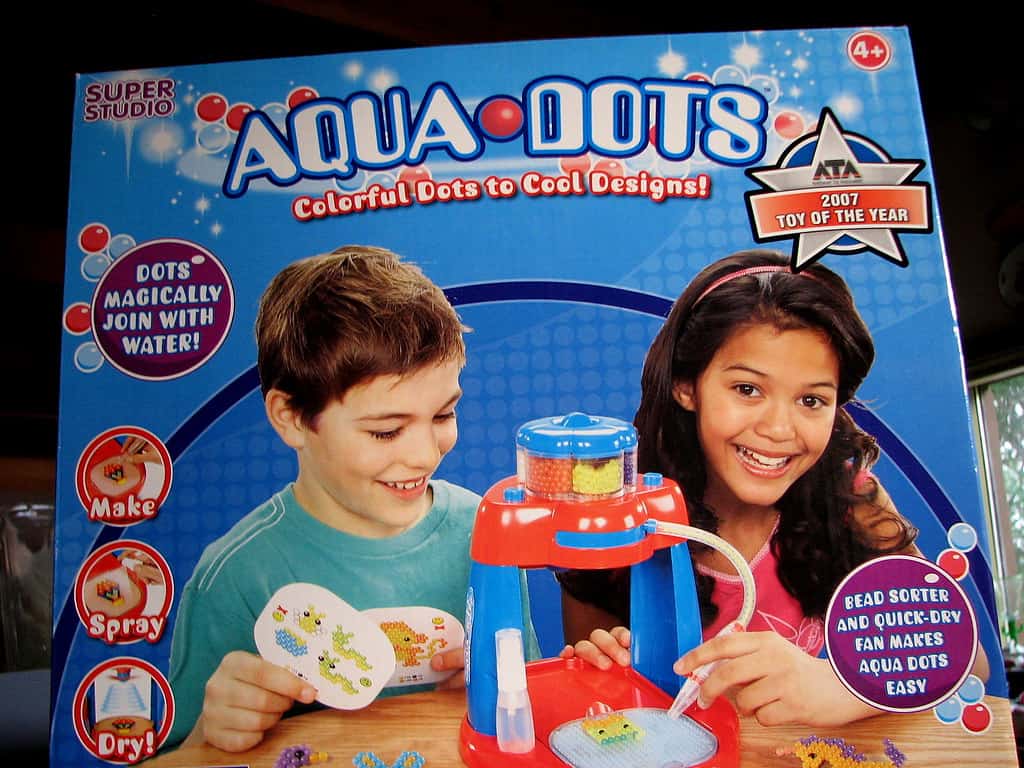
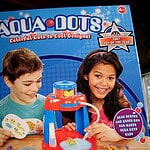
If you don't remember, Aqua Dots were a popular crafting toy for children using water-activated beads. When this seemingly innocent art supply was recalled in 2007, the reason surprised parents around the world. The product was coated with a chemical that, when ingested, is metabolized in the body as gamma-hydroxybutyrate, which is a drug commonly known as GHB.
Several children who swallowed these beads fell into comas, leading to the toy being pulled from shelves across the United States, Canada, and Australia, with millions of units containing the drug. The safety screening process for imported toys was called into question, and regulations have since changed because of this tragic incident.
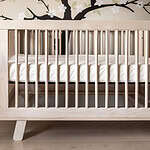
Drop-Side Cribs
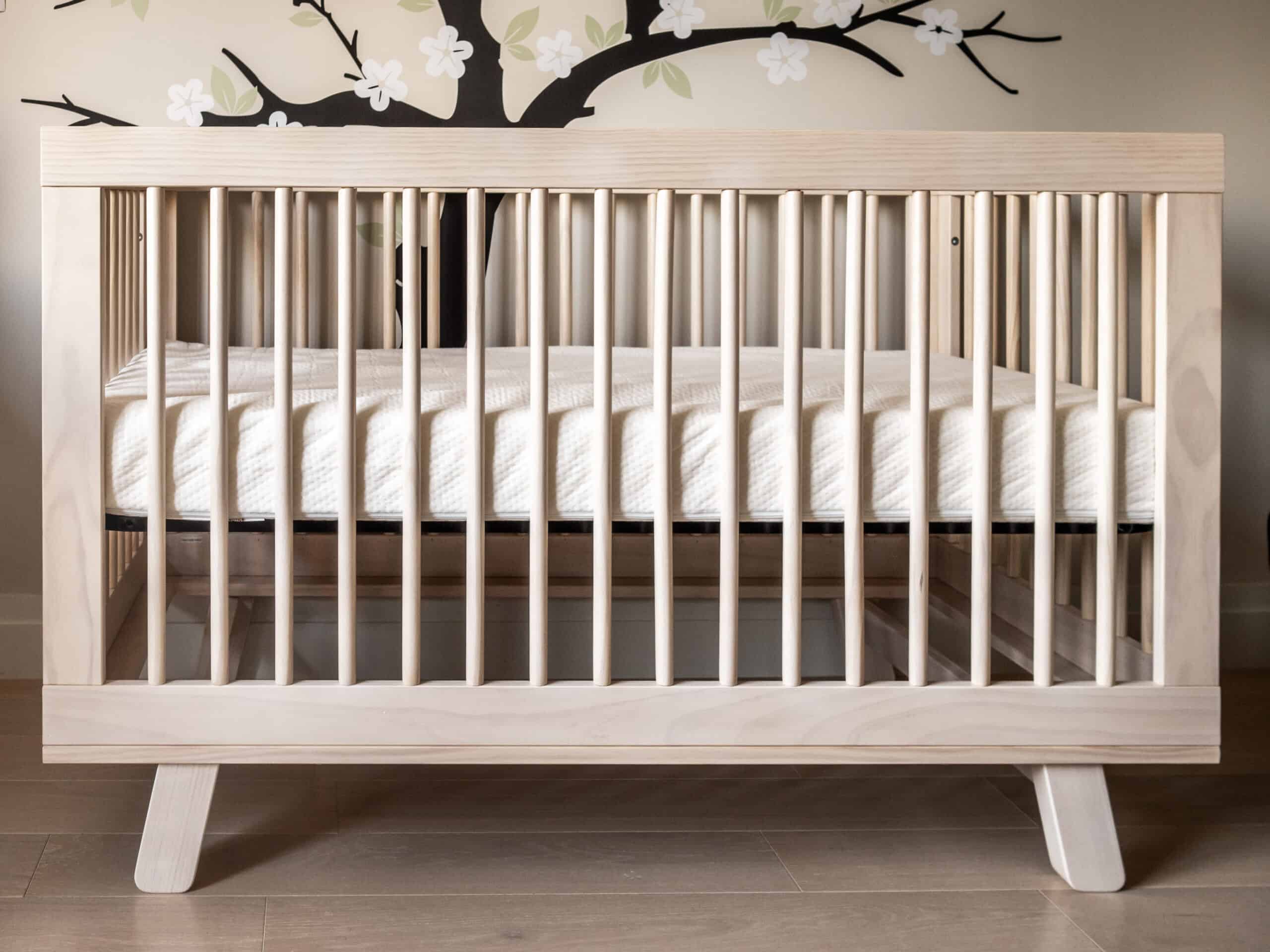
For generations, drop-side cribs were a standard fixture in American nurseries. These models included a sliding rail on one side that could be lowered for easier access to a sleeping baby; nothing could go wrong with this product, right? Well, turns out that the movable hardware could fail over time, partially detaching and creating gaps where infants could become trapped or even suffocated.
By 2010, at least 32 infant deaths had been linked to these specific cribs, and millions of units from major brands were recalled. The CPSC ultimately voted to ban the manufacture and sale of drop-side cribs entirely in 2011, a decision that eliminated an entire product category from the American market for good.
Easy-Bake Oven
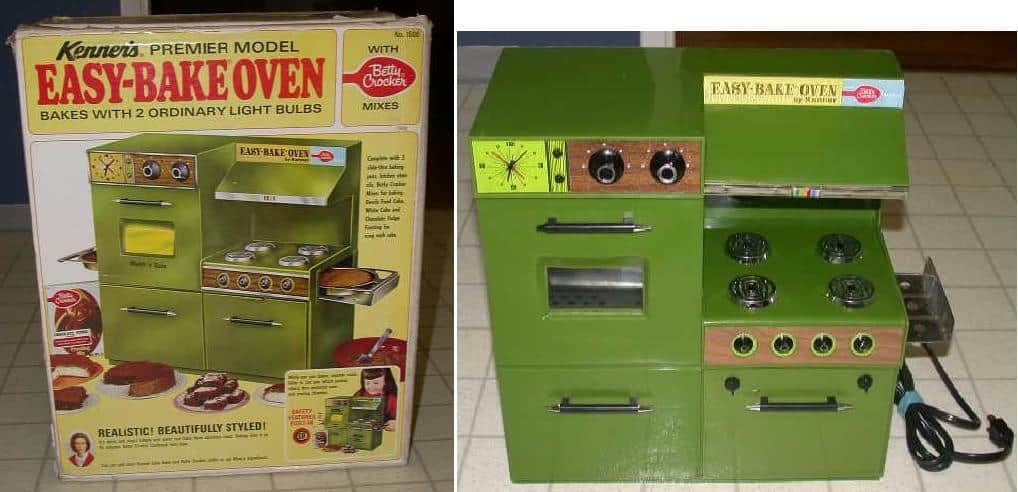
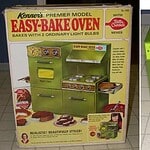
Who hasn't heard of the Easy-Bake Oven? It's been a beloved childhood toy since 1963, but by 2007, the version in stores included some serious design problems. For example, the oven's front-loading compartment was large enough for small hands and fingers to get stuck inside and near the heating element. Reports of burns mounted quickly, with Hasbro recalling nearly one million units in 2007.
After 249 official reports of dangerous incidents, including 77 burn injuries, one of which required a partial finger amputation, the toy was redesigned with a safer rear-loading slot and returned to shelves. However, this infamous recall briefly decreased Hasbro's stock price and changed how parents thought of one of the most recognizable brand names in the toy industry.
Johnson's Baby Powder with Talc
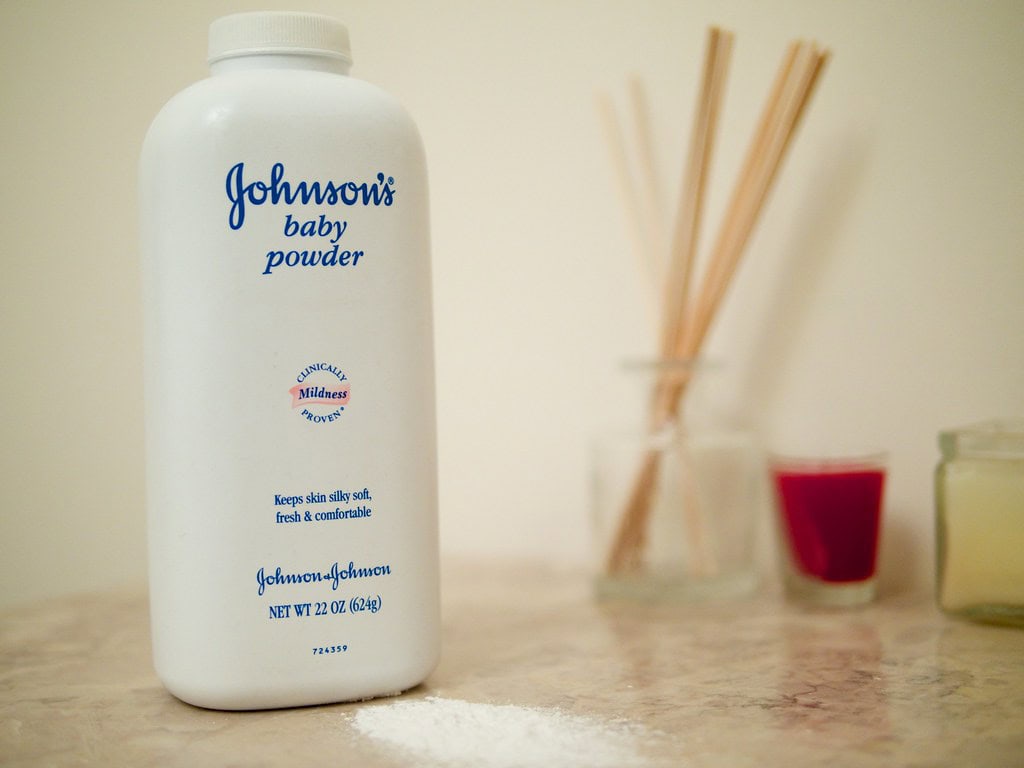
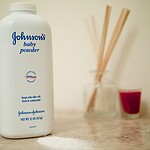
For over a century, Johnson's Baby Powder was a household name. But Johnson & Johnson had to phase out their talc-based version of this product in North America in 2020 and discontinued it globally by 2023, but why? Apparently, talc contained asbestos and caused ovarian cancer and mesothelioma in long-term users of this seemingly innocent item.
What's worse is that the company denied these claims and maintained the product was safe, but the legal pressure never stopped. J&J faced hundreds of thousands of lawsuits in the long run and even tried multiple controversial bankruptcy strategies to limit its liability. The removal of baby powder from shelves, a product that had been in production since 1894, marked the end of one of the most iconic brand identities in consumer goods history.
Hydroxycut
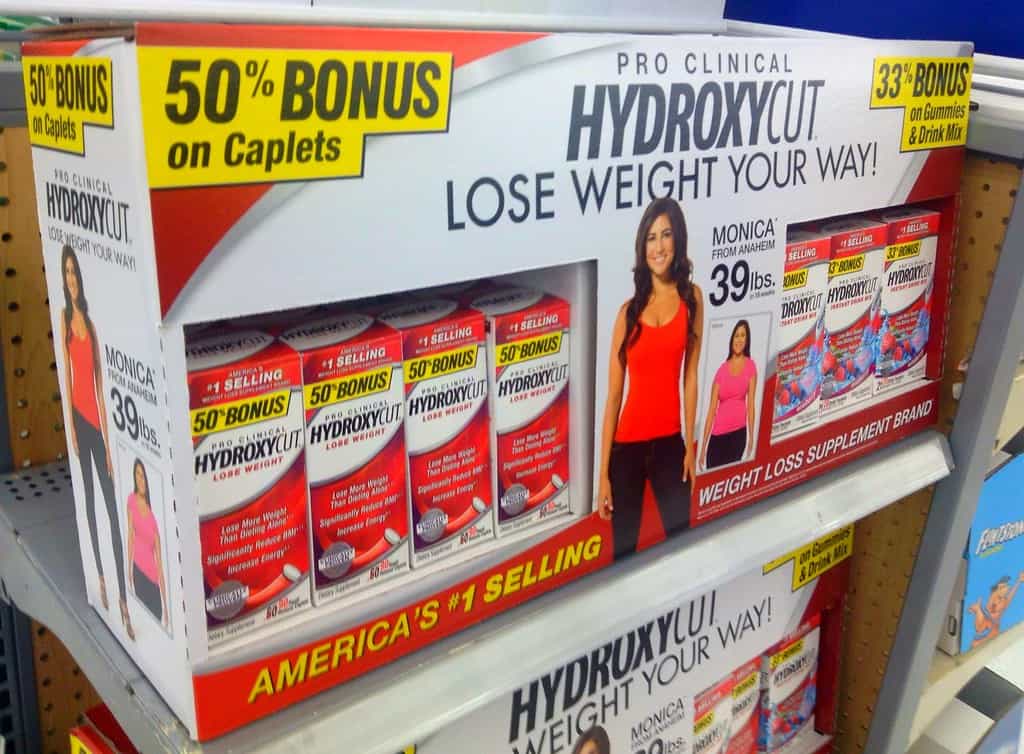
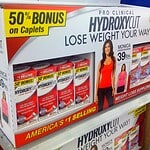
Too many weight-loss supplements have been at the heart of recalls, and Hydroxycut is no exception. It was once one of the best-selling weight-loss supplements in the United States, with tens of millions of units sold thanks to marketing support through fitness and bodybuilding channels. However, the FDA pulled it from the market in 2009 after receiving reports of serious liver injuries, including one death, in people who had tried the supplement.
The product was reformulated and eventually returned to shelves under the same name after removing certain harmful ingredients, but the recall raised broader questions about the FDA's oversight of the supplement industry. Plus, its reputation in health and wellness circles took a significant hit, which means Hydroxycut would never reach the same success ever again.
Lead Paint in Mattel Toys
Mattel announced one of the largest toy recalls in history in 2007, after discovering that millions of its products that had been manufactured in China were coated in paint containing dangerous levels of lead. The recalled items spanned some of its most recognizable toy brand names, including Fisher-Price, Barbie, Dora the Explorer, and Hot Wheels.
In the end, Mattel recalled roughly 9 million lead-contaminated products in the United States alone and was fined $2.3 million by the CPSC, which was the largest penalty ever imposed for a children's toy recall at that time.
Buckyballs/High-Powered Magnets
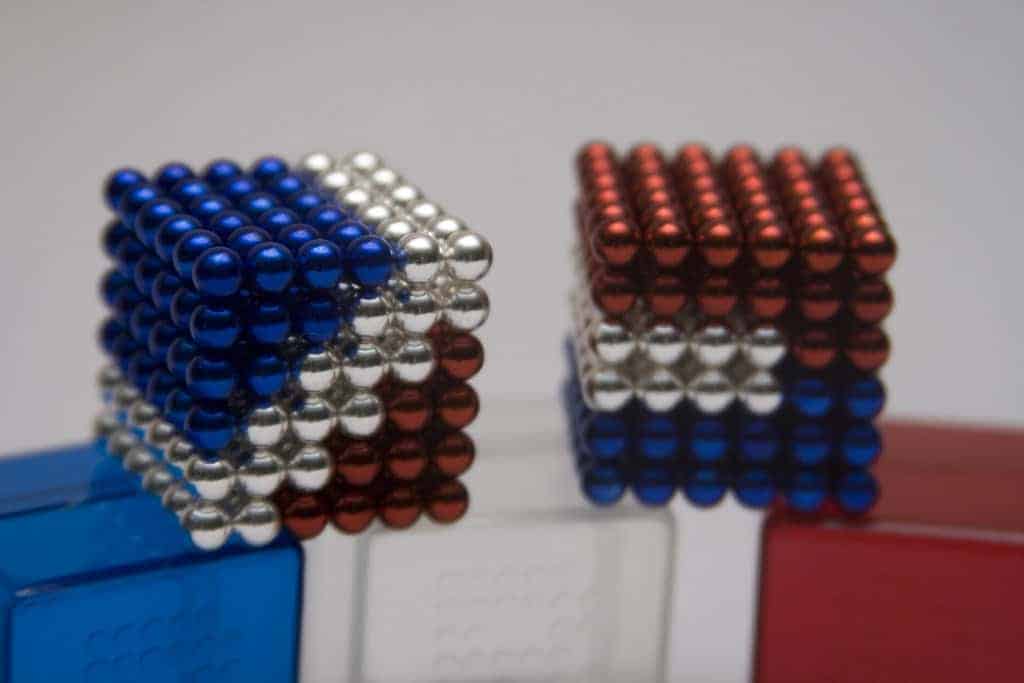
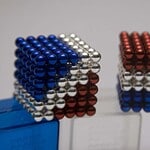
Did you ever hear about what happened to Buckyballs? These were small, high-powered magnetic balls designed to be a desktop toy for adults, and they became a genuinely popular product in the early 2010s. However, they didn't last long; in 2012, after a series of cases involving children swallowing multiple magnets that then attracted each other through intestinal walls, the product was flagged as dangerous. It makes sense, as multiple children faced life-threatening perforations in their intestines, requiring emergency surgery.
The manufacturer of Buckyballs, Maxfield & Oberton, fought the ban, but ultimately went out of business after the CPSC pursued stricter federal standards for magnet strength in consumer products. Though high-powered magnetic sets have since returned to the market in modified forms, they are not advertised in the same way as Buckyballs were, making them less attractive to children.
The image featured at the top of this post is ©anathea / BY 2.0 – License / Original