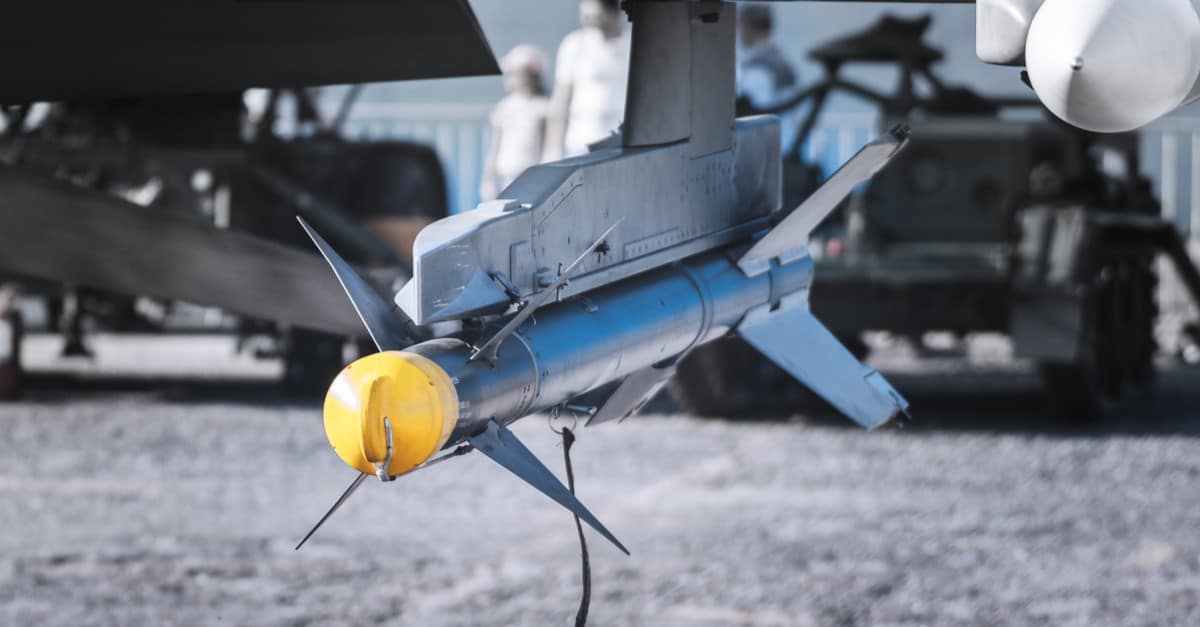

Above all things, war is an engine of innovation, a brutally efficient one at that. War innovations are driven by the knowledge that failure results in the loss of valuable lives, territory, and national survival. As such, there is a potent incentive to ensure that whatever innovations take hold. Some innovations throughout the history of warfare didn’t just improve things. They also shifted how wars were fought. Let’s dive in and see some of the biggest changes in warfare.
The Railroad

©Joseph Rouse/ via Getty Images
For most of human history, supplies and infantry formations were moved by marching or by caravans drawn by horses. Supply chains were fragile, slow, and localized to a given theater of operations. The introduction of the railroad changed all of that. During the American Civil War, the Union was able to move troops and material by rail, showing a strategic dimension to rapid transport. General Ulysses S. Grant could shift an entire corps of troops across hundreds of miles in a single day. During General Sherman’s March to the Sea, the Confederacy couldn’t concentrate forces because of the systemic destruction of the Southern railways.
These strategic lessons were immediately absorbed throughout Europe, with Prussia and the unified Germany of the early 20th century designing entire campaigns around locomotive timetables. Tactical brilliance didn’t come just from the chains of command, but from the organization and deployment of forces at vital locations. A general who could readily move and resupply faster than the enemy held an advantage that sheer firepower couldn’t overcome.
Barbed Wire

©alexfan32/Shutterstock.com
Barbed wire existed primarily along fences on cattle ranches, but quickly became one of the defining war innovations of the early 20th century. It appeared in mass quantities across the Western Front in 1914, right as the Great War roared into a stalemate. Made of little more than coils of steel, it accomplished something that few weapons of the time could do: stop infantry engagements without having to risk lives on defensive lines. A belt of wire fifty deep, covered by sweeping sectors of fire from machine guns, meant that men died in droves.
It resulted in a stalemate that lasted for years until the invention of things like battle tanks to break it. Every subsequent development in military mobility, like air power, armored vehicles, and combined arms warfare, is thanks to the threat posed by the first truly industrial war of the 20th century, and what barbed wire and machine guns brought to the fore.
Radios
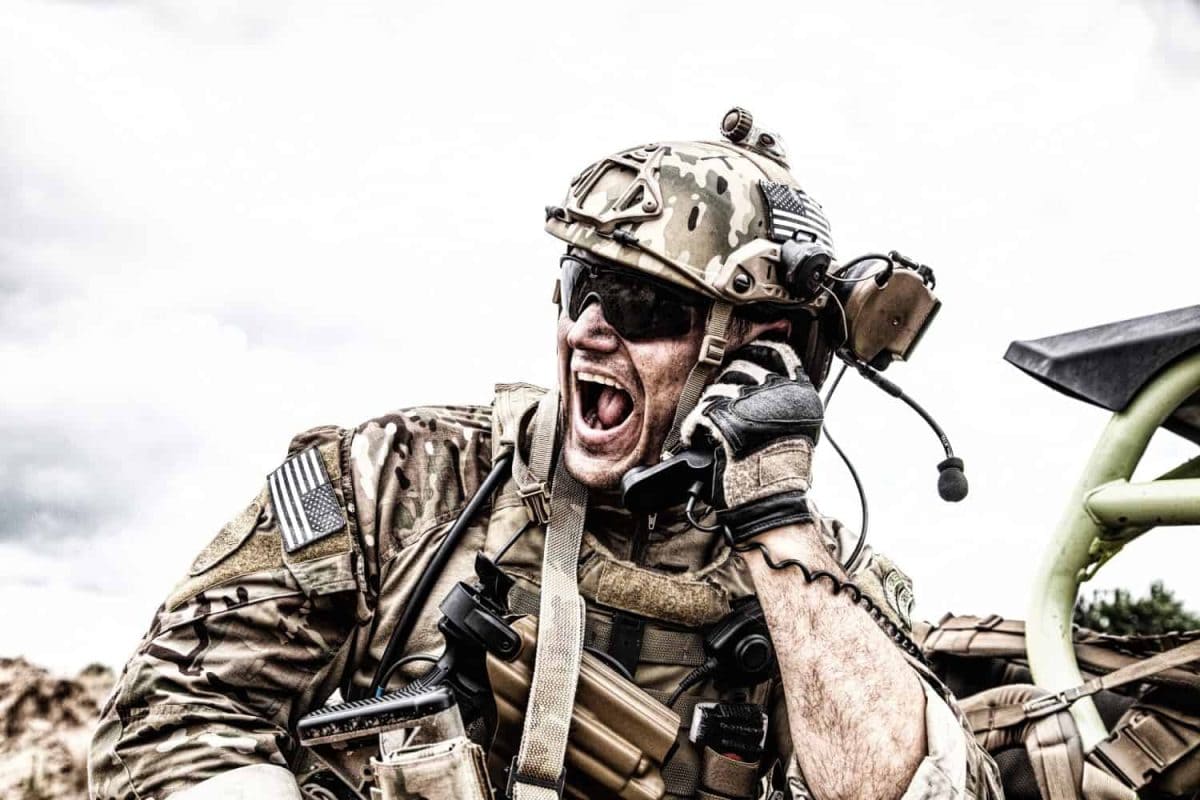
Millions died throughout the First World War thanks to the lack of stable communication across the battle lines. Telephone wires were readily cut by artillery, runners were easy targets for gunners, and the roar of combat drowned out orders. By the time the Second World War started, technology had leaped forward, and one of the most important war innovations of the 20th century was common across just about every participating military. The radio fundamentally changed the calculus of combat, with small-unit tactics rising thanks to the ease of maintaining a constant line of communication.
Military units could adapt, rather than falling prey to counterattacks and encirclements. This led to a far more destructive war on the whole. Maintaining a solid line of communication led to the likes of encryption, secured frequencies, and some truly profound innovations in the field of telecommunications that serve as its foundation today.
Airpower
©Ivan Cholakov/Shutterstock.com
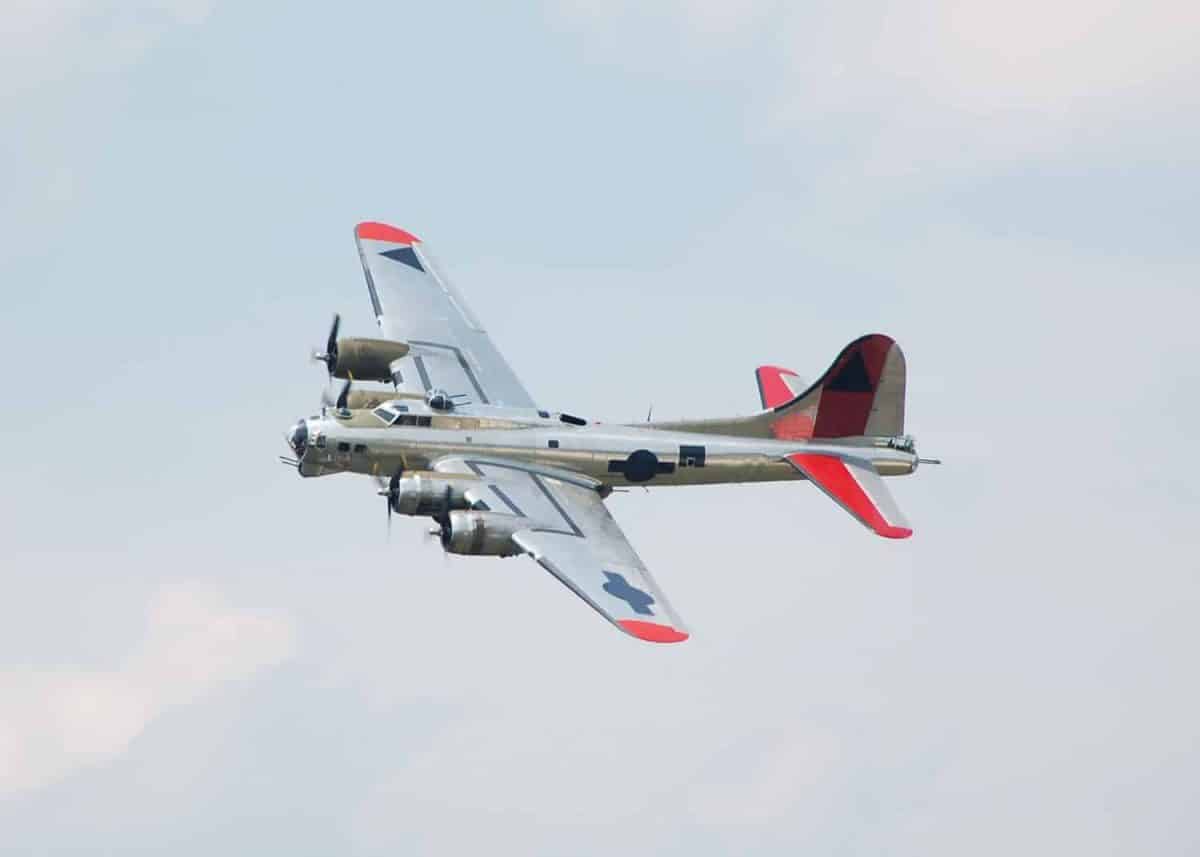
Most of military history is about two adversaries facing off on the battlefield to slug it out. The rise of the strategic bomber and total war by proxy changed the way wars were fought. If a nation had air superiority or air supremacy, it ruled the skies. As such, you could conduct bombing campaigns deep in enemy territory, attacking infrastructure like the railways, fuel depots, and munitions factories. The logic behind this was sound. If you deprive your enemy of the means to fight, you can win the war.
The reality was far messier. World War 2 showed that civilian morale was surprisingly resilient, and campaigns often proved more costly to the attackers than the defenders. It wasn’t without its merit, however, as targeted bombing campaigns across Germany throughout 1944 saw the Luftwaffe effectively grounded due to a lack of fuel or oil. Striking logistics is perhaps one of the most important war innovations of military doctrine in the 20th century, and one that carries through to the modern era.
Nuclear Deterrence
©iStock.com/RomoloTavani
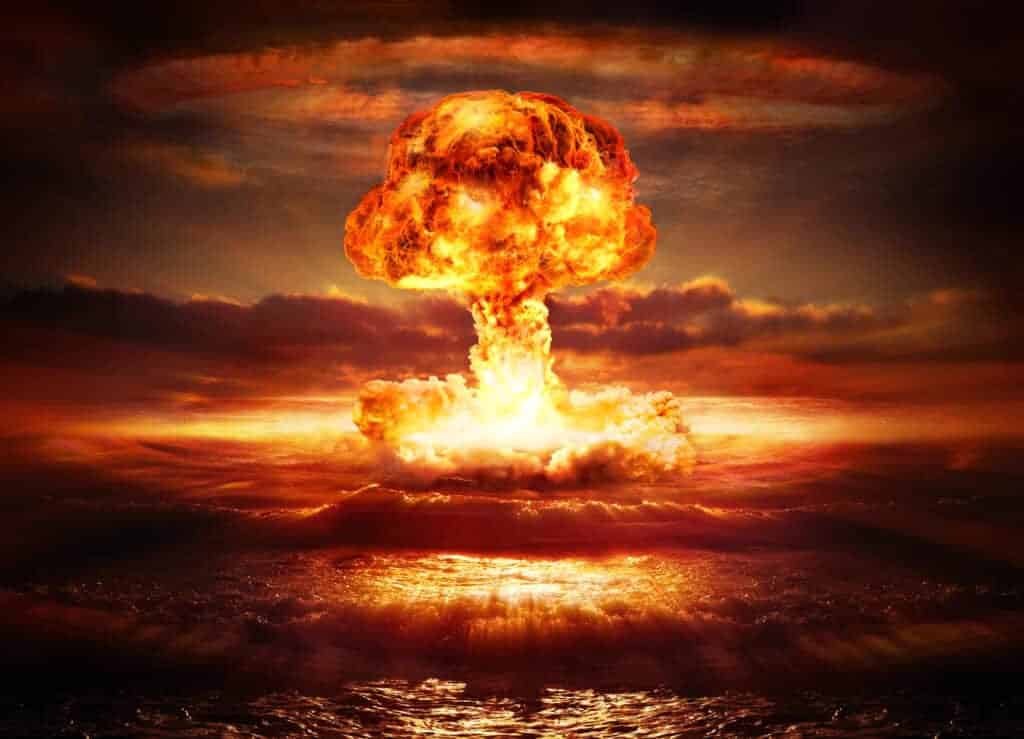
What if the most powerful means of defense were delivering military power at an incomprehensible scale? Before 1945, the application of military force was predicated on compelling an enemy to surrender under threat of violence. The detonation of the first nuclear arms raised the stakes of that violence to a staggering scale and raised the question of what victory would be in an atomic war. Mutually Assured Destruction became a prevailing notion between the reigning superpowers of the Cold War. It wasn’t a matter of who struck first in an exchange in a nuclear war, but rather making the cost of said war so dire that the winning move was to stay your hand.
This hasn’t seen the end of war by any means. Proxy conflicts raged throughout the Cold War, as the ideological war at the center of the era ran throughout NATO and Warsaw Pact-aligned countries. Every war since 1945 has been shaped by the shadow of nuclear war, with the hopes that such weapons never reach a strategic exchange.
Precision Munitions
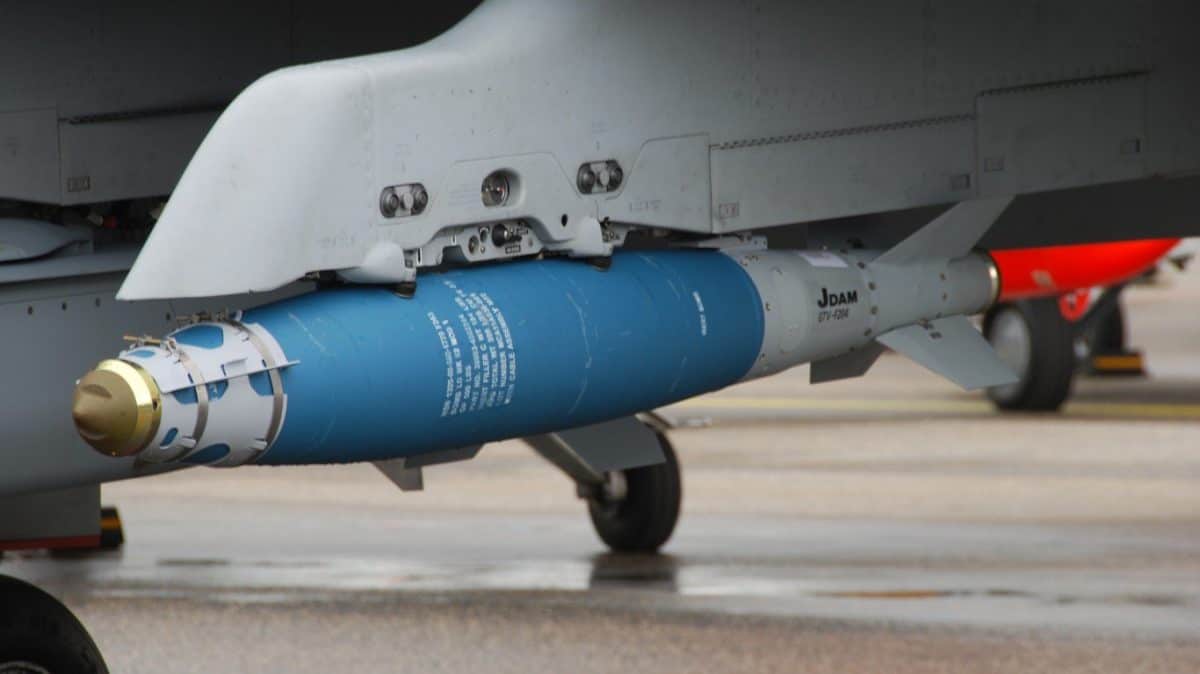
During the Second World War, striking a specific target meant dropping thousands of pounds of ordnance on a target. Even then, it wasn’t a guarantee that you would strike your target. The Cold War saw one of the most defining war innovations of the late 20th century, guided bombs. Striking targets became a matter of dropping a single bomb on a single target. Airpower could surgically strike targets, making bombing campaigns highly deadly and precise.
Operation Desert Storm saw the full scope of such engagements for all to see. Coalition airpower decimated Iraqi command, communications, and logistics with a level of precision that had never been seen. It didn’t just eliminate the fog of war, but changed how planning was conducted when campaigns were drawn up. Whole new strategies became the norm, rather than hoping for pure area saturation with standard, dropped munitions.
Drones
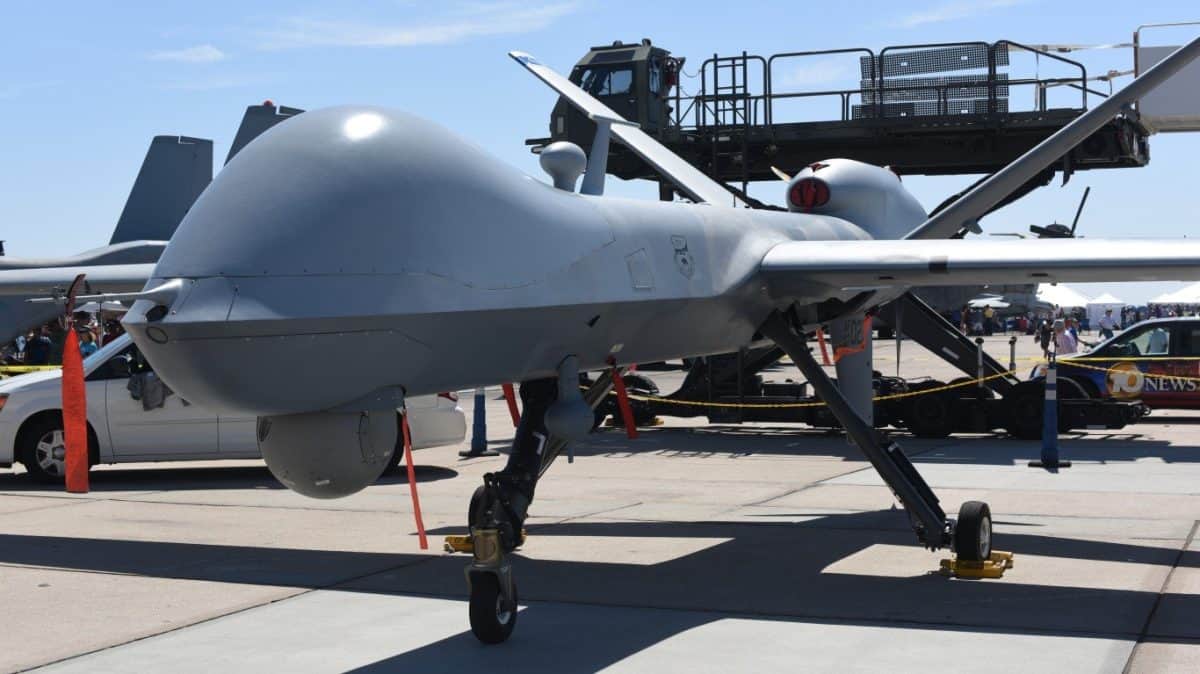
The most fundamental shift on the battlefield, and arguably the defining war innovation of the 21st century so far, is unmanned aerial and ground vehicles, or drones. These have severed the link between killing and dying on the battlefield, and are seeing a shift in how wars are being fought. A drone operator thousands of miles away can strike a target without an immediate risk to their bodies. Anti-air interception of an MQ-9 Reaper is a matter of cost, rather than losing a valuable pilot.
Asymmetrical warfare has lowered the threshold for achieving parity in firepower, intelligence, and force projection. We’re seeing it clearly in the Russo-Ukrainian War, as drones have driven small unit infantry tactics into single or two-man fireteams, making desperate runs across the no man’s land to gain ground. The proliferation of cheap drones has democratized precision strikes at scale, something we’ll never see for the likes of JDAMs. A $500 drone can kill a battle tank, wipe out infantry squads, and strike at vital infrastructure with little risk to the operator.
Conclusion
When you trace the rise of war innovations throughout the last couple of centuries, there is a common connective tissue that is driven by a need to preserve valuable resources and gain whatever advantage possible. In some cases, this has led to massive shifts in how wars are fought, shifting the entire line of thought behind organization, precision, and deployment of forces.
The image featured at the top of this post is ©Nedelcu Paul Petru/Shutterstock.com