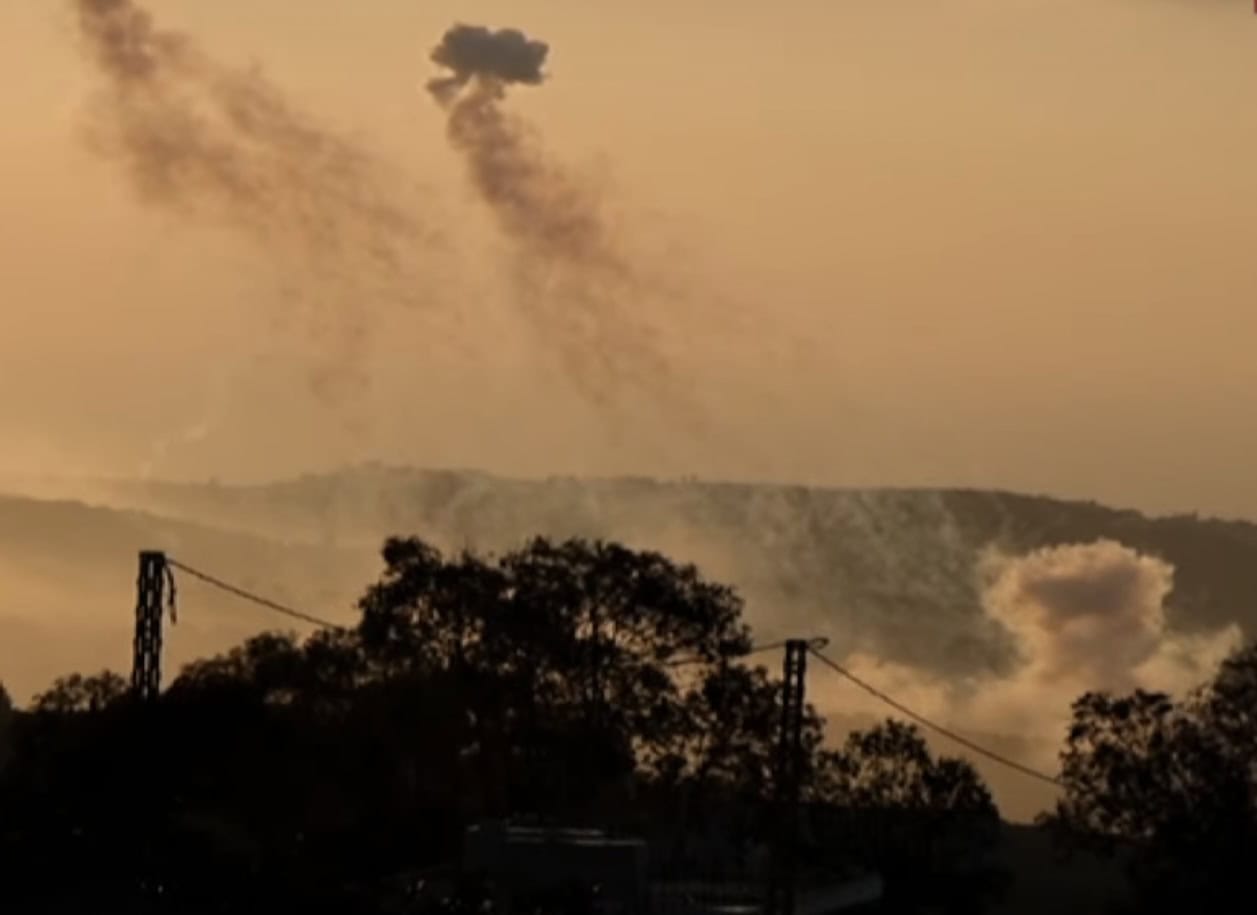

There’s a line drawn in the sand when it comes to what weapons and platforms are considered war crimes. Over the last century or so, the international community has established a series of complex treaties and regulations, like the Geneva Convention, Hague Convention, and Ottawa Treaty, among others, which have been drafted with the express purpose of limiting the use of weapons that might cause undue suffering or create far too much collateral damage.
That said, laws, conventions, and treaties aren’t always adhered to, and the reality on the battlefield tells a very different story. Whether it’s the war-torn forests and plains of Ukraine or the rugged mountains and deserts of the Middle East, some weapons that were intended to be consigned to the history books are still in active use. In reality, the ban on these weapons is more of a hope, rather than any sort of functional reality.
Landmines
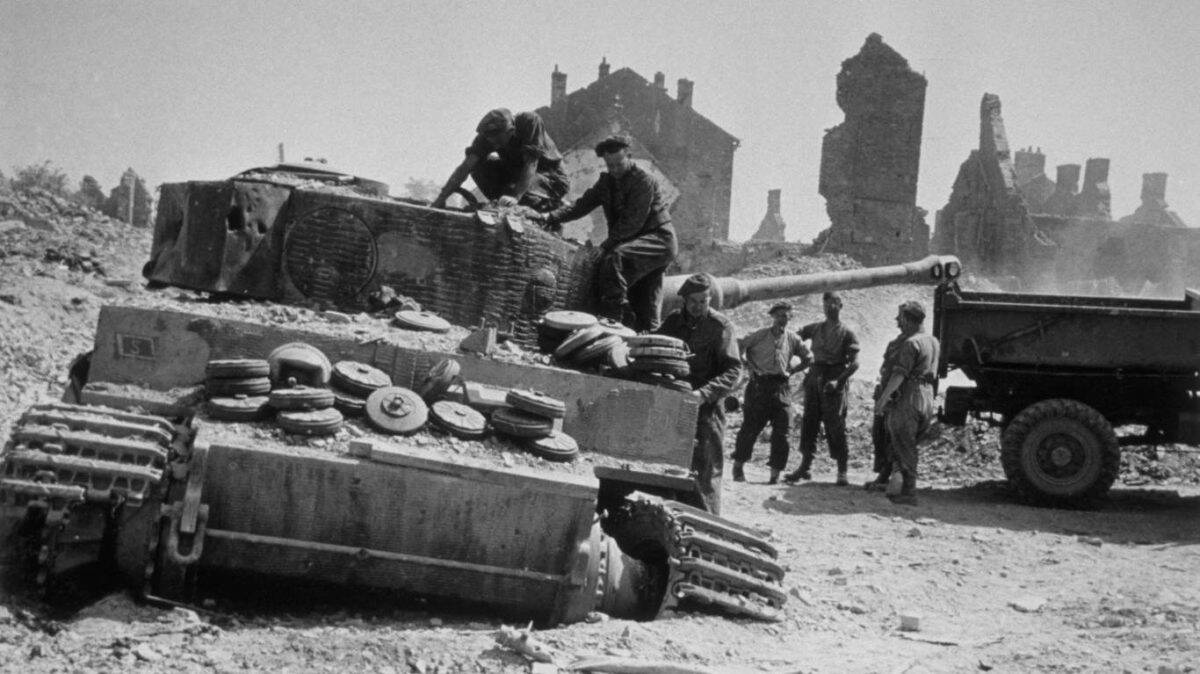
©Leonard McCombe / Picture Post via Getty Images
Few weapons are quite as reviled as the landmine. These are area denial weapons, intended to linger long after they’ve been placed, proving to be a lethal deterrent for soldiers. The reality of landmines is one unlike many of the war weapons we’ve encountered in the last century. Mines can linger for decades, claiming lives and maiming innocent people long after the final shots of a conflict ring out. The 1997 Ottawa Treaty was intended to be a moratorium on these weapons, with the express intent of the treaty to curtail their production and use.
The last couple of years have seen a shift of sorts in global compliance. Several Baltic nations, like Latvia, Lithuania, and Estonia, withdrew from the treaty in 2025. They cited reasons of needing defensive barriers along their borders, and marked the first major fracture in the treaty’s signatories since its 1997 inception. This was followed by the United States in the same year, with restrictions on anti-personnel mines lifted. Commanders were permitted to deploy non-persistent mines, or those intended to self-destruct, without geographical restriction.
The elephant in the room, however, is the Russo-Ukrainian War, which has seen the deployment of landmines on an unprecedented scale. It isn’t an exaggeration to say the level of mining seen in Ukraine alone is at a scale that hasn’t been seen since the Second World War. Massive dead zones alongside the countryside are going to require decades of active demining efforts to even be habitable, a tragedy when considering agriculture is one of the cornerstones of Ukraine’s economy.
Cluster Munitions
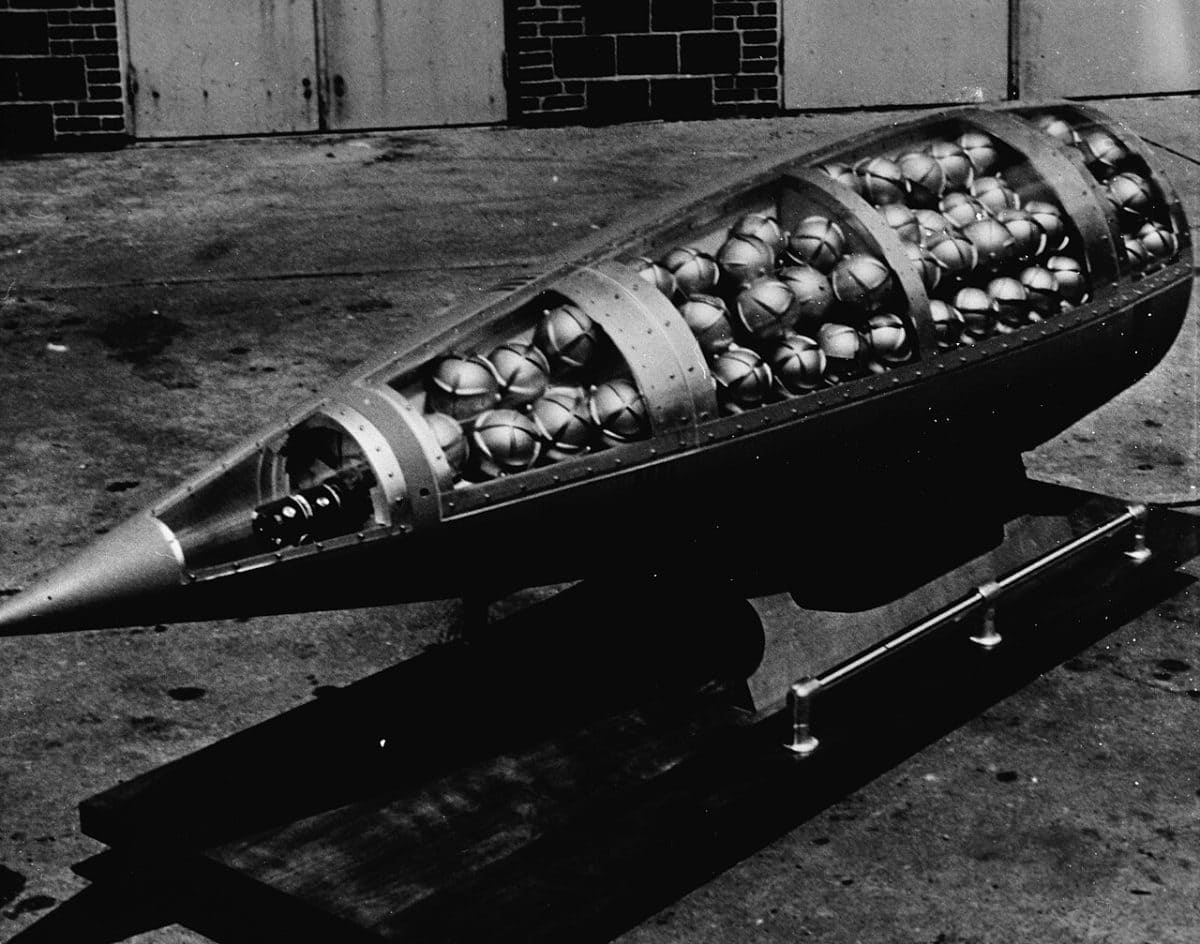
©U.S. Army / https://en.wikipedia.org/wiki/public_domain – Original / License
Cluster munitions are a different sort of beast when compared to the likes of traditional dropped explosives. These are canisters filled with dozens, or even hundreds in some cases, of small bomblets which can scatter across a wide area. The 2008 Convention on Cluster Munitions was intended to ban them, partly due to the indiscriminate nature of their deployment, and a high dud rate, meaning that bomblets fail to detonate when deployed.
That said, despite the ban on this war weapon, there has been an uptick in its use in just the last few years. The Pentagon in February of 2026 purchased Israeli-made cluster munitions, a move that has drawn considerable criticism across the board, with many decrying it as a noted violation of human rights.
Cluster munitions are seeing active use in multiple theaters and conflicts. Notably, they’ve seen recent use in Syria and Myanmar, both states with an active state of civil war. Once again, we can also see their extensive use in the Russo-Ukrainian War. In 2024 alone, these weapons accounted for over 300 civilian casualties, which is only reported cases. When dropped, these weapons aren’t just clearing out enemy positions, but they’re seeding an area with explosives that might not detonate for years to come.
White Phosphorus
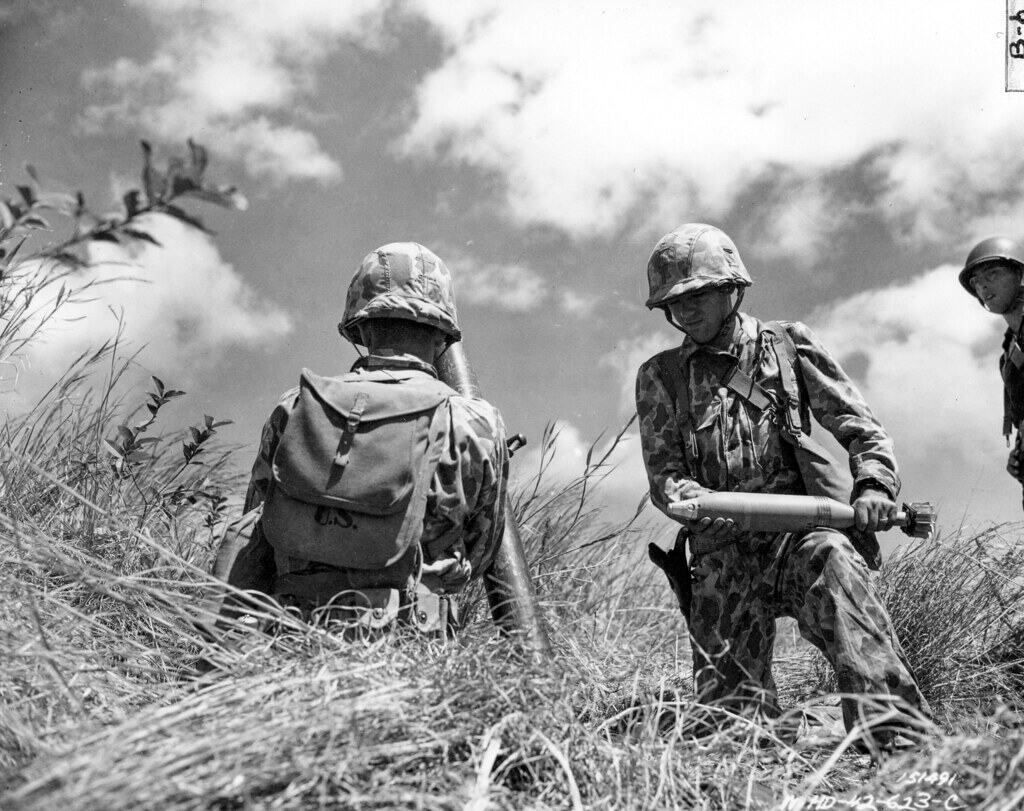
©"SC 151491- Pvt. Frank Rachew, displays one of the white phosphorus mortar smoke shells used during the problem for the designation of targets. Hawaii." by Signal Corps Archive is licensed under PDM 1.0. – Original / License
Few substances in modern arsenals are quite as controversial as white phosphorus munitions. Their use is strictly forbidden under the Convention on Certain Conventional Weapons and the Geneva Convention, at least when it comes to incendiary use. The use of white phosphorus itself isn’t technically banned in the strictest sense, at least if used for illumination or providing smoke screens.
The substance itself ignites upon contact with the air, burning at temperatures exceeding 1,400 degrees Fahrenheit. It burns through skin and bone and cannot be quenched, even if deprived of oxygen. The United States still actively uses white phosphorus as a means of providing smoke screens and illumination. However, its use as an offensive weapon is still ongoing. In 2024 and 2025, Amnesty International and the Human Rights Watch were able to document extensive use of white phosphorus munitions in the conflicts in South Lebanon and the Gaza Strip.
If anything, white phosphorus presents a significant problem when it comes to defining banned war weapons. Nations can actively use the munitions under the guise of providing smoke screens or illuminating areas of operation, but their deployment over densely populated areas can cause significant damage on the whole. This sort of loose semantic definition only allows a horrifying weapon to remain in active use.
Chemical Weapons
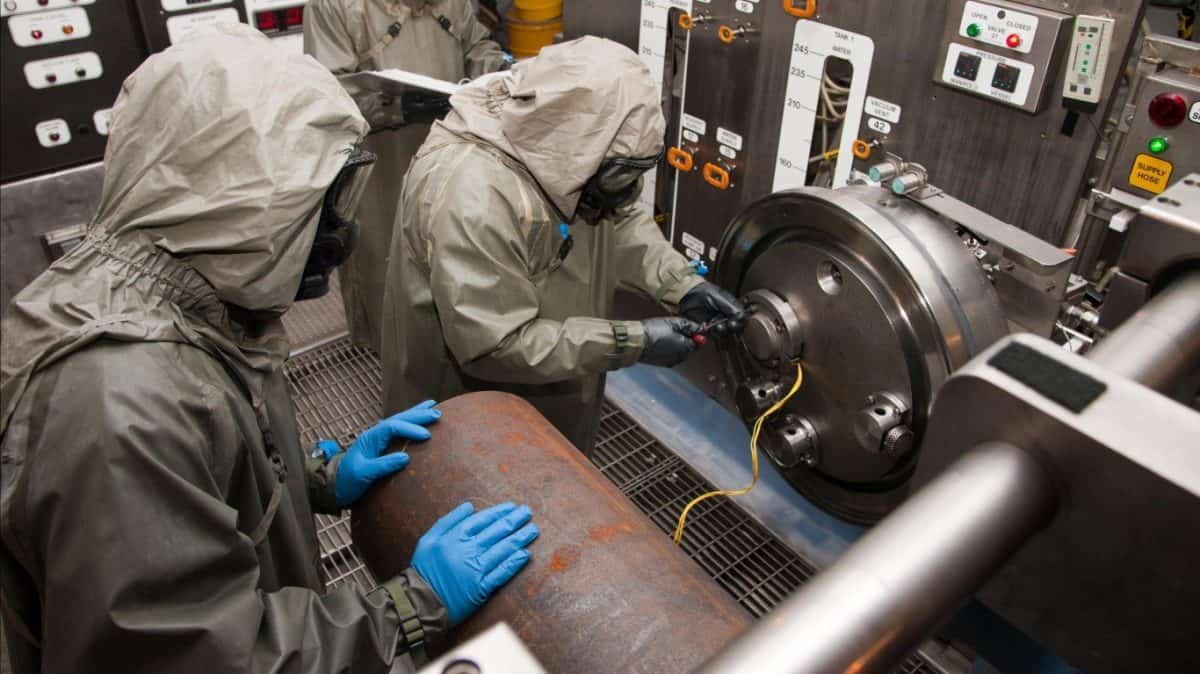
The 1993 Chemical Weapons Convention is the gold standard of weapons bans for warfare, achieving an astonishing 99% destruction rate of global stockpiles. Despite this, we’re still seeing the use of chemical agents in an offensive manner, some 33 years after the convention was put into effect. The renewed zeal that some nations are using chemical agents with is a growing concern and is a hot-button issue in the international community as of 2026.
There have been noted uses of chlorine gas and blister agents, horrifying things that haven’t seen in active combat since the First World War, in the Sudanese Civil War and in Syria. Their use serves as a stark reminder of why these weapons have been such a taboo in the first place, as the effects on anyone are horrifying.
More concerning is the weaponizing of medical substances, like what is being reported in Iran in the wake of recent protests. It is reported that aerosolized opioids have been used to incapacitate whole crowds. Iran stands accused of developing these weapons for domestic use, which doesn’t bode well for future developments.
Thermobaric Explosives
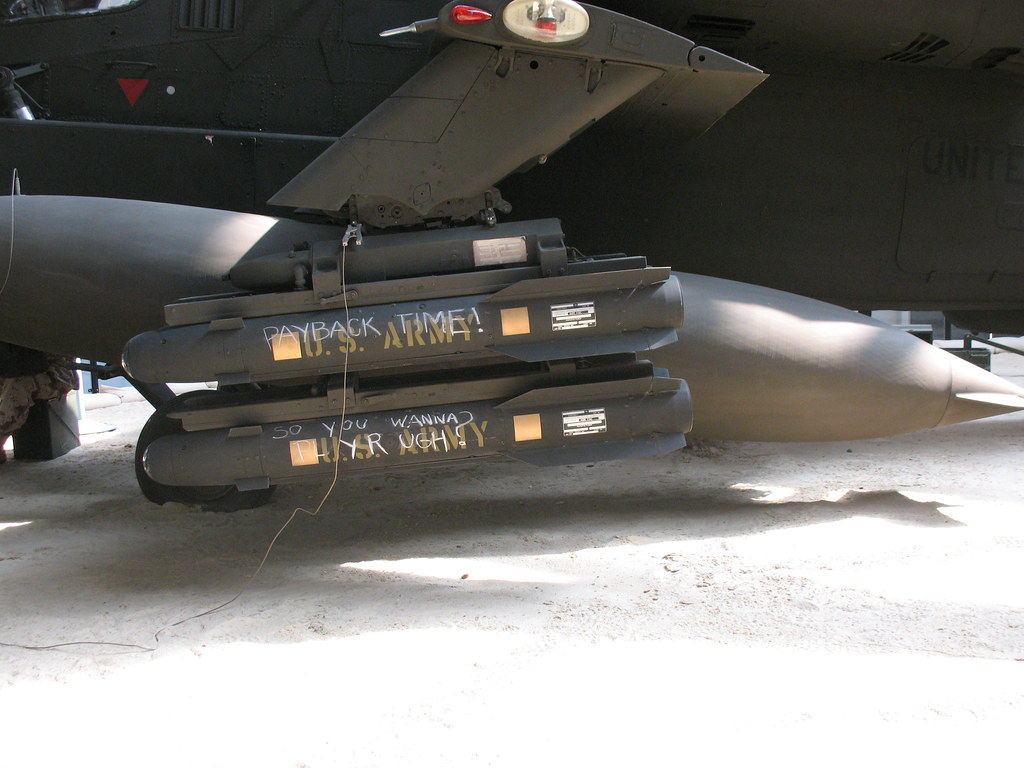
©"Hellfire Missiles Mounted on Apache (flash)_3897" by hoyasmeg is licensed under BY 2.0. – Original / License
Thermobaric munitions aren’t banned in the strictest sense, but fall under a gray area of sorts under the Geneva Convention for weapons that can cause unnecessary harm. They operate under a principle of depriving oxygen from the area of detonation, creating a devastating explosion and substantial pressure wave.
These are designed primarily for defeating structures that resist conventional munitions, like fortifications, armor, and other defensive installations. The blast can result in internal organ rupture and suffocation, resulting in grisly casualties.
While not banned like the other weapons covered, there has been a noted push by organizations like the Human Rights Watch to have them taken out of active use since 2000. Given their destructive potential, it isn’t difficult to understand why these war weapons have created such an uproar in the first place. That said, they’ve become something of a staple in modern sieges, killing defenders with ease. The list of nations actively using them includes the likes of the United States, Russia, the United Kingdom, and India, among others.
Conclusion
If there is anything that can be said about the use of these banned weapons, it comes down to the erosion of stigma in the international community. Mere decades ago, their use was something that would’ve been virtually unthinkable, even against the backdrop of conflicts like the many proxy wars that took place during the Cold War.
Instead, it shows a shift in global thinking, with nations often seeing the rules and laws governing warfare as an optional consideration. When looking over modern battlefields, like those in Syria, Myanmar, and Ukraine, the laws of the battlefield are a bit hazier, with banned munitions being simply a word, while the weapons themselves provide a horrifying, lethal reality.
The image featured at the top of this post is ©"White Phosphorus near Lebanon, October 16, 2023" by A.H.T Videomapping is licensed under BY-SA 4.0. – License / Original