






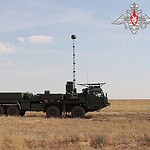
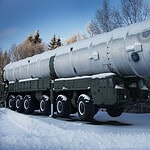
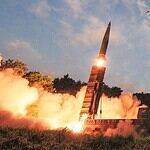
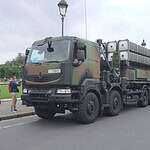
A Shield Against Modern Threats
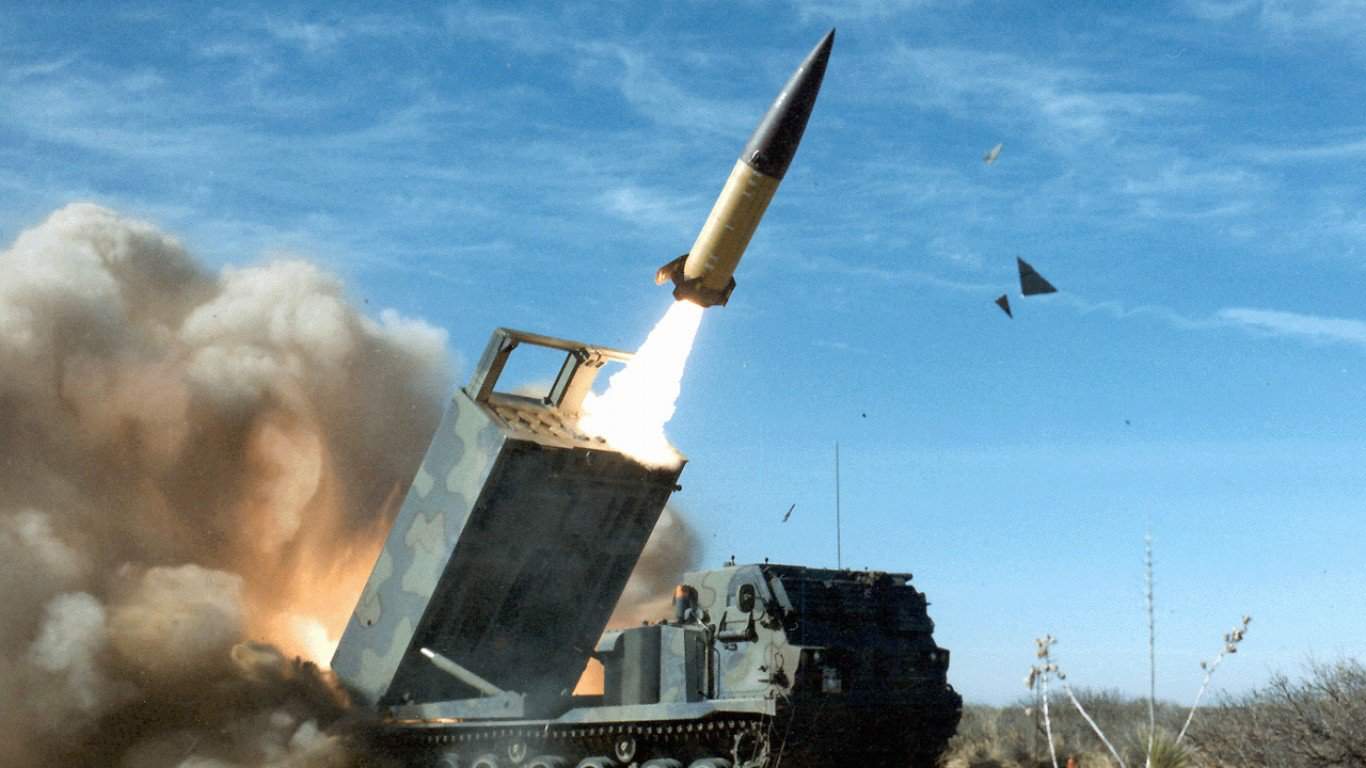
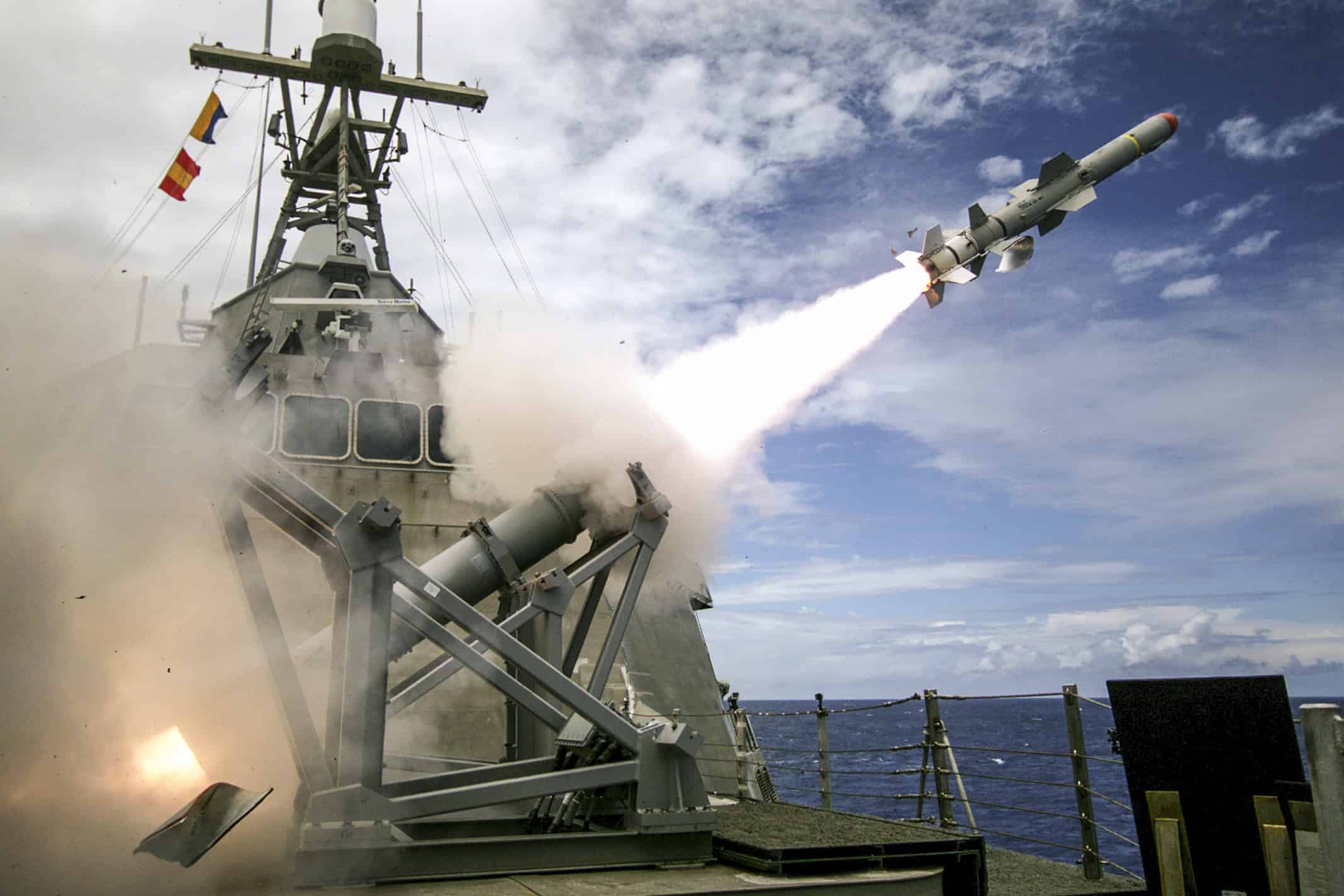
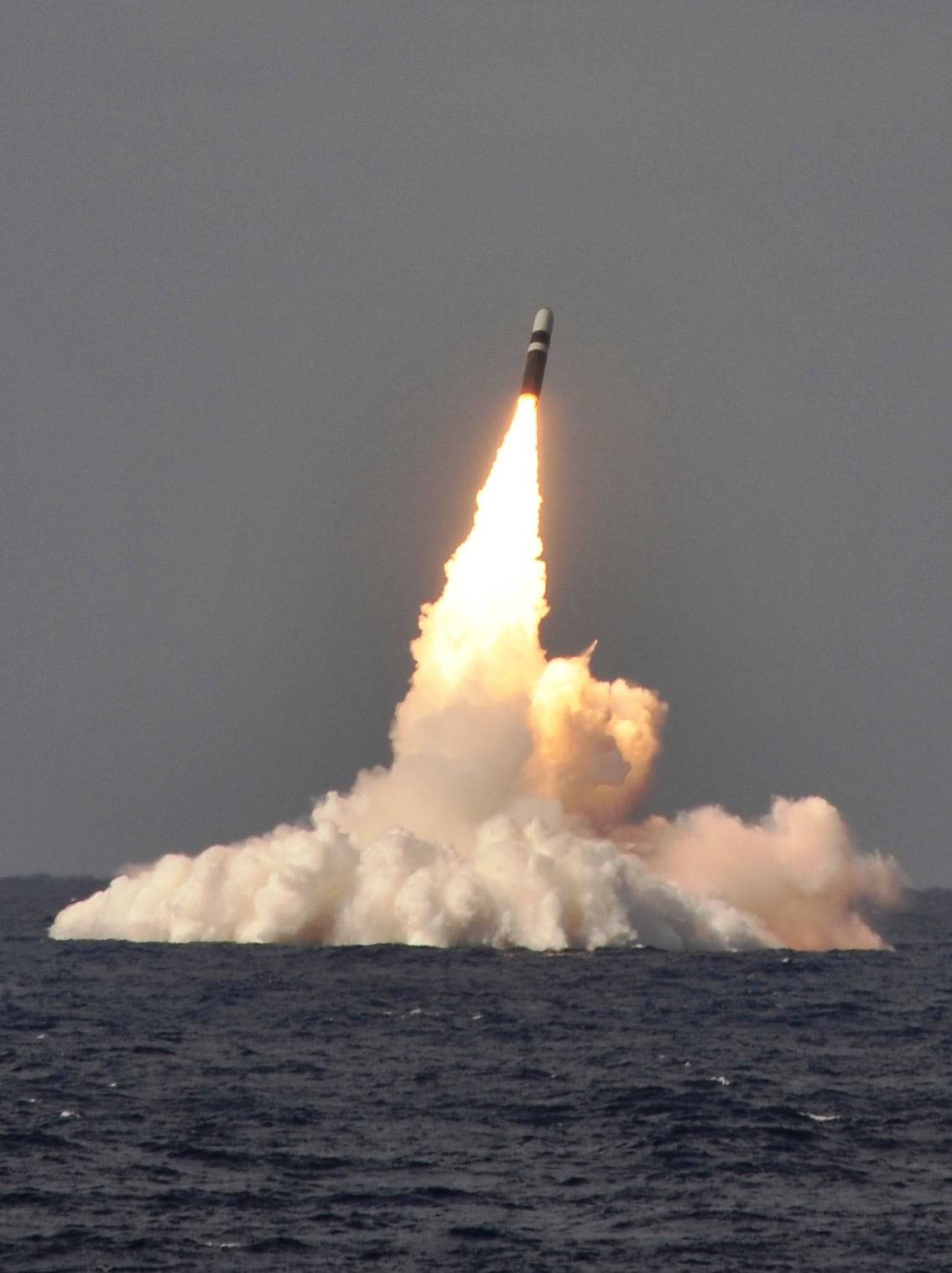
Missile defense systems have become one of the most critical components of national security, designed to protect entire populations and infrastructure from a wide range of aerial threats. From ballistic missiles to cruise missiles and emerging hypersonic weapons, these systems form a defensive shield that can determine the outcome of conflicts before they even begin.
The Power of Layered Defense
No single system can defend against every type of missile threat. Instead, modern defense strategies rely on layered systems that intercept threats at different stages of flight—from launch to midcourse to final approach. This layered approach increases the chances of interception and ensures that multiple opportunities exist to stop an incoming attack.
Protecting Cities and Strategic Assets
Missile defense systems are often deployed to protect major population centers, military bases, and critical infrastructure. These systems serve as a last line of defense against incoming threats, providing governments with the ability to safeguard key assets and maintain operational stability even under attack.
Deterrence Through Defense
Beyond their defensive role, missile defense systems also contribute to deterrence. By reducing the likelihood that an attack will succeed, they can discourage adversaries from launching missiles in the first place. This makes them a key element in maintaining strategic stability and preventing conflict escalation.
The Future of National Defense
As missile technology continues to evolve, missile defense systems must adapt to counter increasingly advanced threats. Hypersonic weapons, maneuverable reentry vehicles, and other innovations are driving the development of next-generation defense systems. The nations that invest in these capabilities will shape the future balance of power.
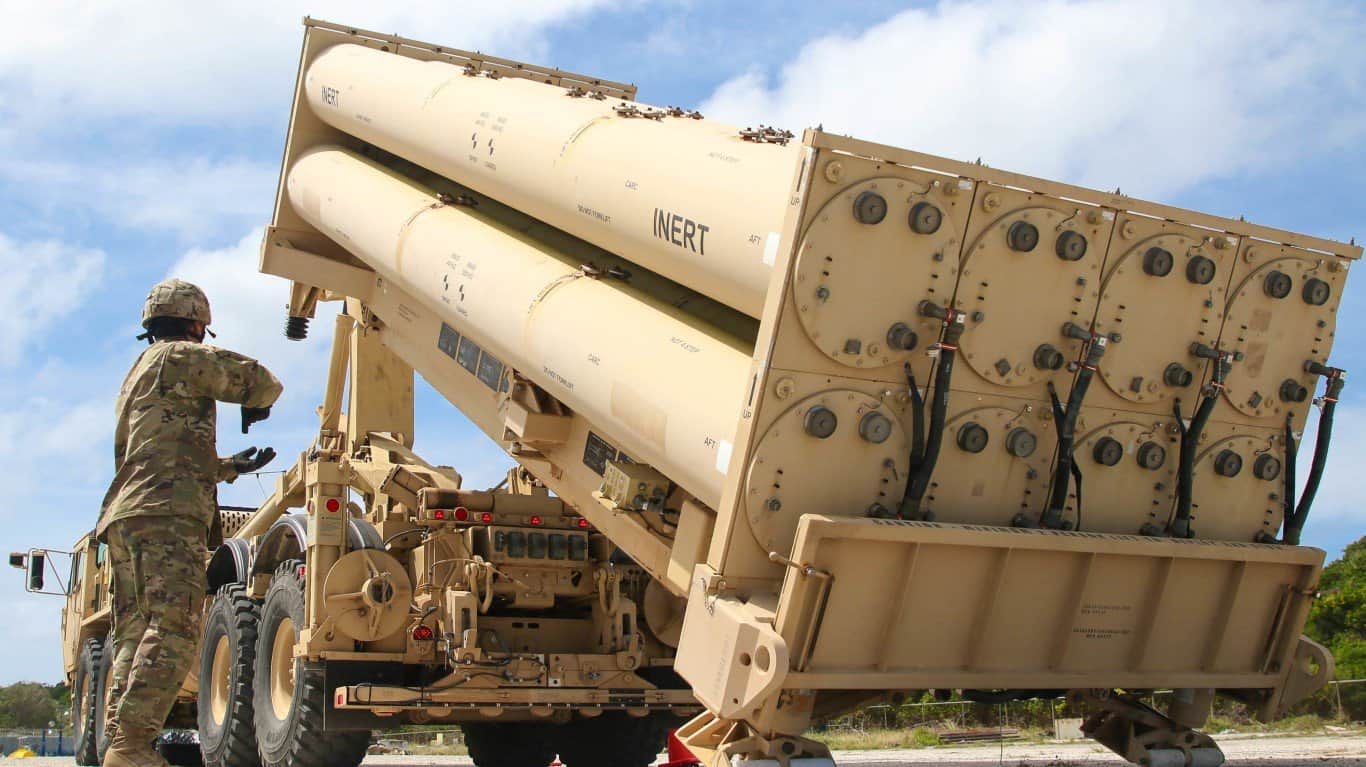
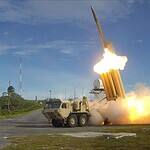
THAAD
- Country or Operator: United States
- Missile System Type: BMD
- Interception Layer: Terminal
- Primary Threat Type Countered: Ballistic missiles
- Engagement Range or Coverage: ~200 km
- Launch Platform: Mobile ground
- Key System Strength or Advantage: High-altitude interception
- How This Missile System Protects a Nation: Protects regions from short/medium-range ballistic missiles
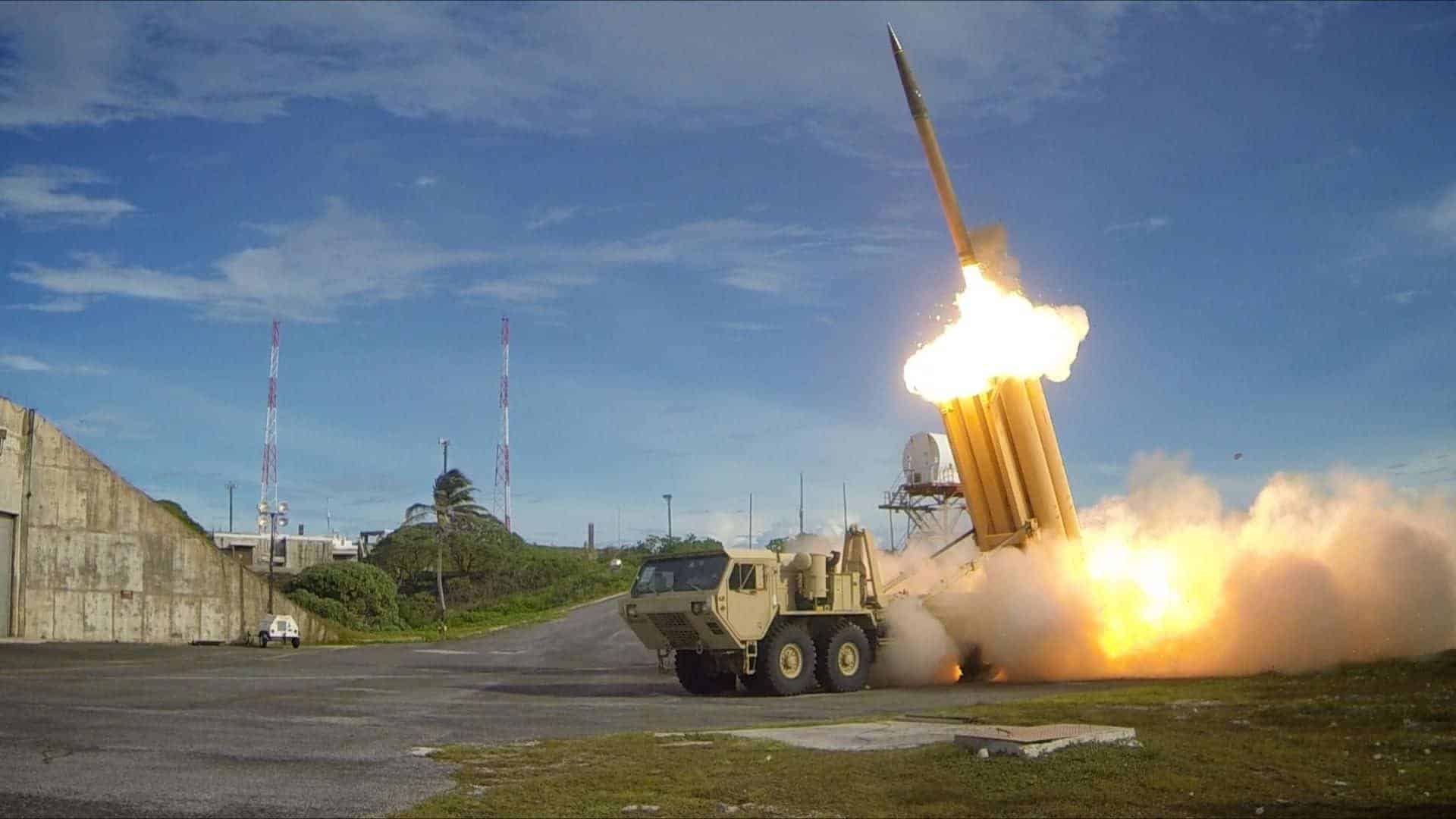
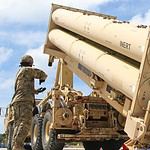
THAAD provides high-altitude interception of ballistic missiles during their terminal phase, allowing it to defend wide areas rather than just point targets. Its mobility and ability to operate above the atmosphere make it a key component of U.S. layered missile defense, particularly for protecting allies and forward-deployed forces.
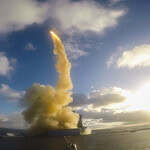
Aegis BMD
- Country or Operator: United States/NATO
- Missile System Type: Integrated naval BMD
- Interception Layer: Midcourse/Terminal
- Primary Threat Type Countered: Ballistic & cruise missiles
- Engagement Range or Coverage: Global (naval)
- Launch Platform: Naval VLS
- Key System Strength or Advantage: Layered sea-based defense
- How This Missile System Protects a Nation: Provides regional and fleet-wide missile protection
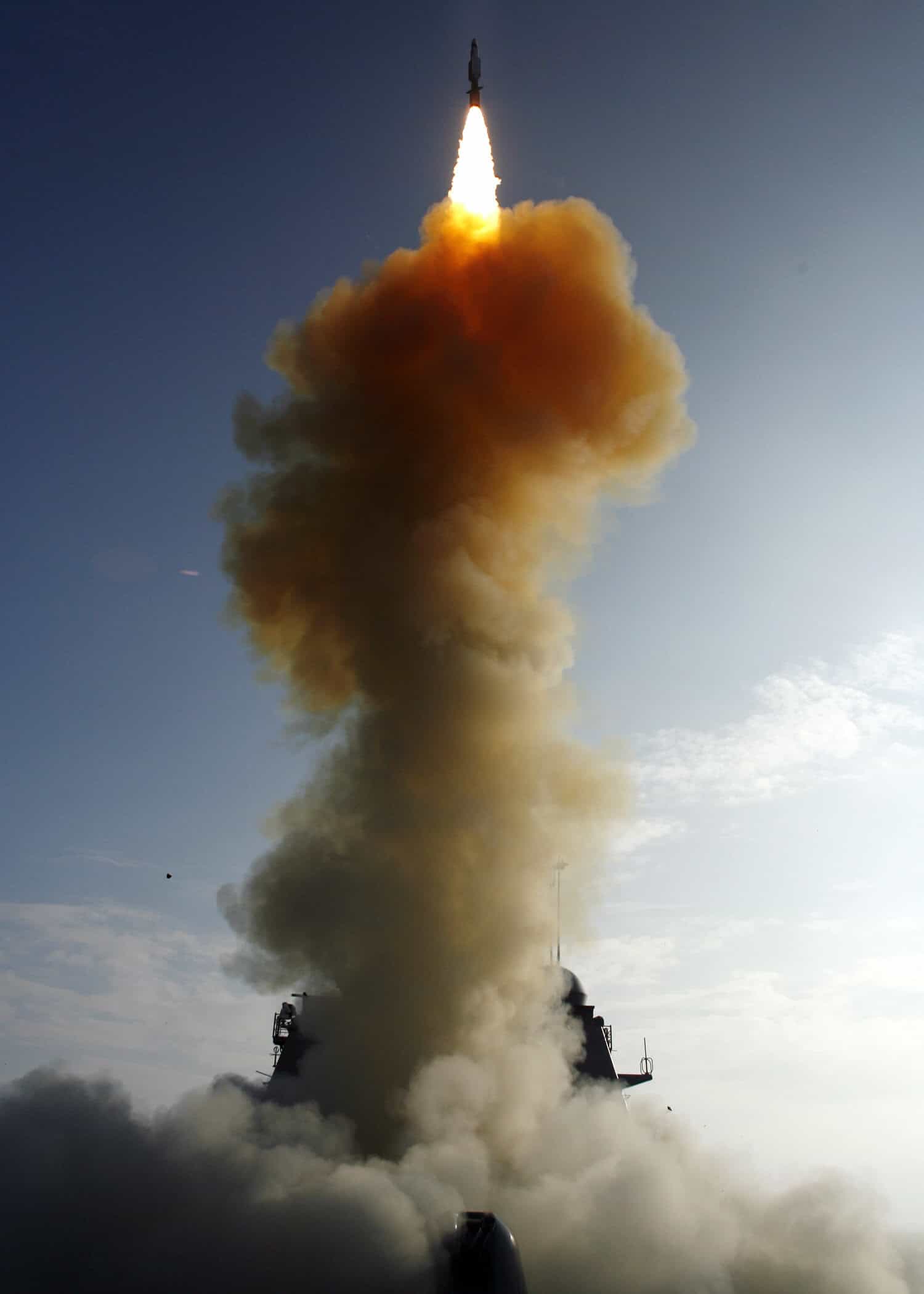
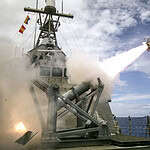
Aegis BMD extends missile defense across oceans, using naval platforms to intercept threats during midcourse and terminal phases. Its flexibility allows it to protect entire regions and allies, making it a cornerstone of NATO’s missile defense architecture.
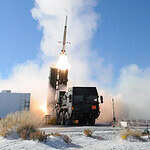
Patriot PAC-3
- Country or Operator: United States
- Missile System Type: Air & missile defense
- Interception Layer: Terminal
- Primary Threat Type Countered: Ballistic/cruise missiles, aircraft
- Engagement Range or Coverage: ~70 km
- Launch Platform: Mobile ground
- Key System Strength or Advantage: Hit-to-kill precision
- How This Missile System Protects a Nation: Defends cities and military bases
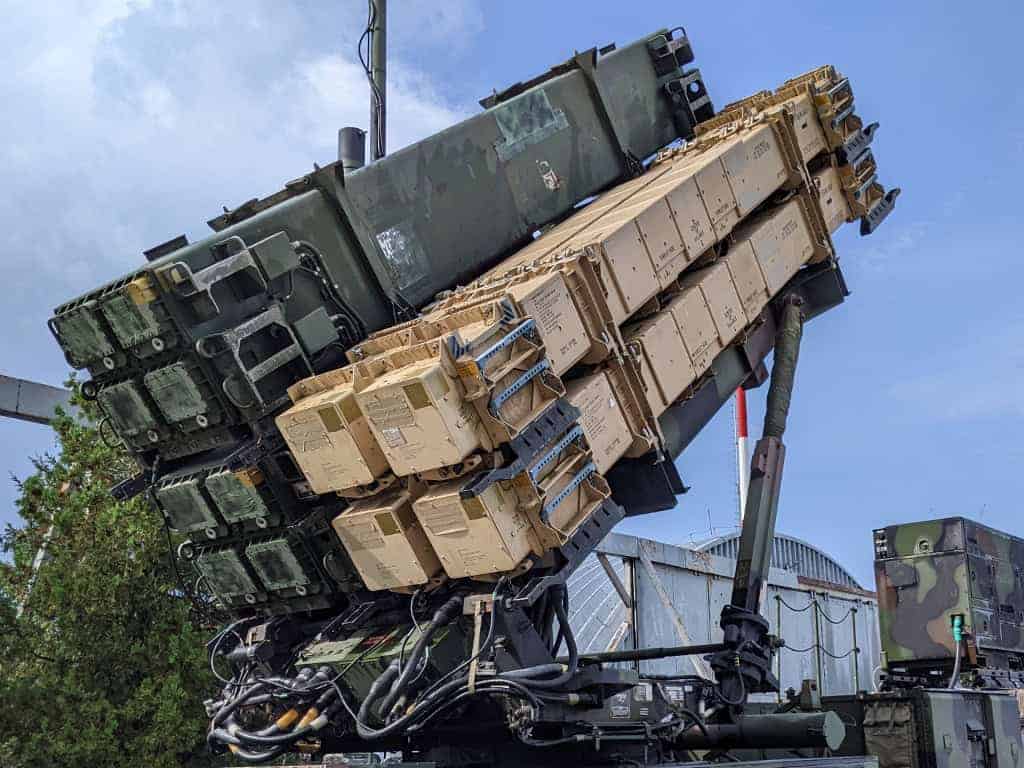
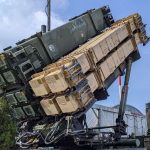
Patriot PAC-3 is a proven system for defending cities, bases, and critical infrastructure from missile and aircraft threats. Its hit-to-kill technology ensures precise interception, making it one of the most widely deployed systems globally.
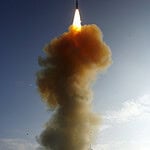
Ground-Based Midcourse Defense
- Country or Operator: United States
- Missile System Type: BMD
- Interception Layer: Midcourse
- Primary Threat Type Countered: ICBMs
- Engagement Range or Coverage: Intercontinental
- Launch Platform: Silo-based
- Key System Strength or Advantage: Homeland defense
- How This Missile System Protects a Nation: Protects U.S. mainland from ICBMs
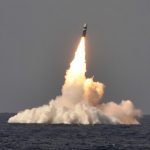
Ground-Based Midcourse Defense is designed to intercept intercontinental ballistic missiles during their midcourse phase in space. It forms the backbone of U.S. homeland defense against strategic threats, providing a critical layer of protection.
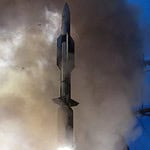
SM-3
- Country or Operator: United States
- Missile System Type: Interceptor missile
- Interception Layer: Midcourse
- Primary Threat Type Countered: Ballistic missiles
- Engagement Range or Coverage: ~700+ km
- Launch Platform: Naval VLS
- Key System Strength or Advantage: Exo-atmospheric intercept
- How This Missile System Protects a Nation: Extends BMD coverage globally
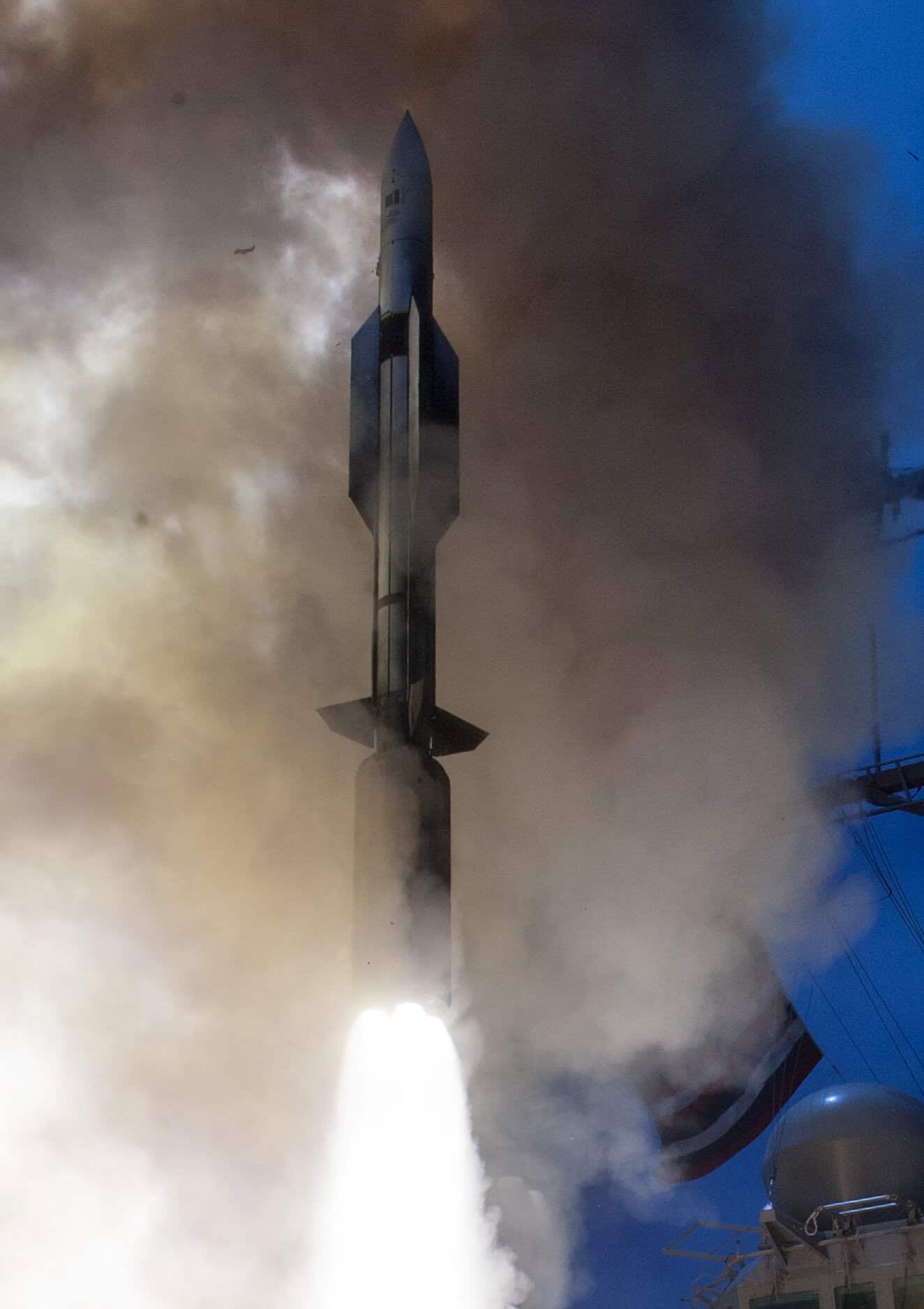
The SM-3 interceptor enables exo-atmospheric interception of ballistic missiles, extending defensive coverage far beyond national borders. Deployed on Aegis ships, it plays a central role in global missile defense networks.
SM-6
- Country or Operator: United States
- Missile System Type: Multi-role missile
- Interception Layer: Terminal
- Primary Threat Type Countered: Aircraft, cruise missiles
- Engagement Range or Coverage: ~370 km
- Launch Platform: Naval VLS
- Key System Strength or Advantage: Versatility
- How This Missile System Protects a Nation: Protects fleets and regions
The SM-6 provides multi-role capability, engaging aircraft, cruise missiles, and even some ballistic threats. Its versatility makes it a critical component of naval and regional missile defense.
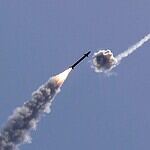
Iron Dome
- Country or Operator: Israel
- Missile System Type: Air defense
- Interception Layer: Short-range
- Primary Threat Type Countered: Rockets, artillery
- Engagement Range or Coverage: ~70 km
- Launch Platform: Mobile ground
- Key System Strength or Advantage: High interception rate
- How This Missile System Protects a Nation: Protects populated areas
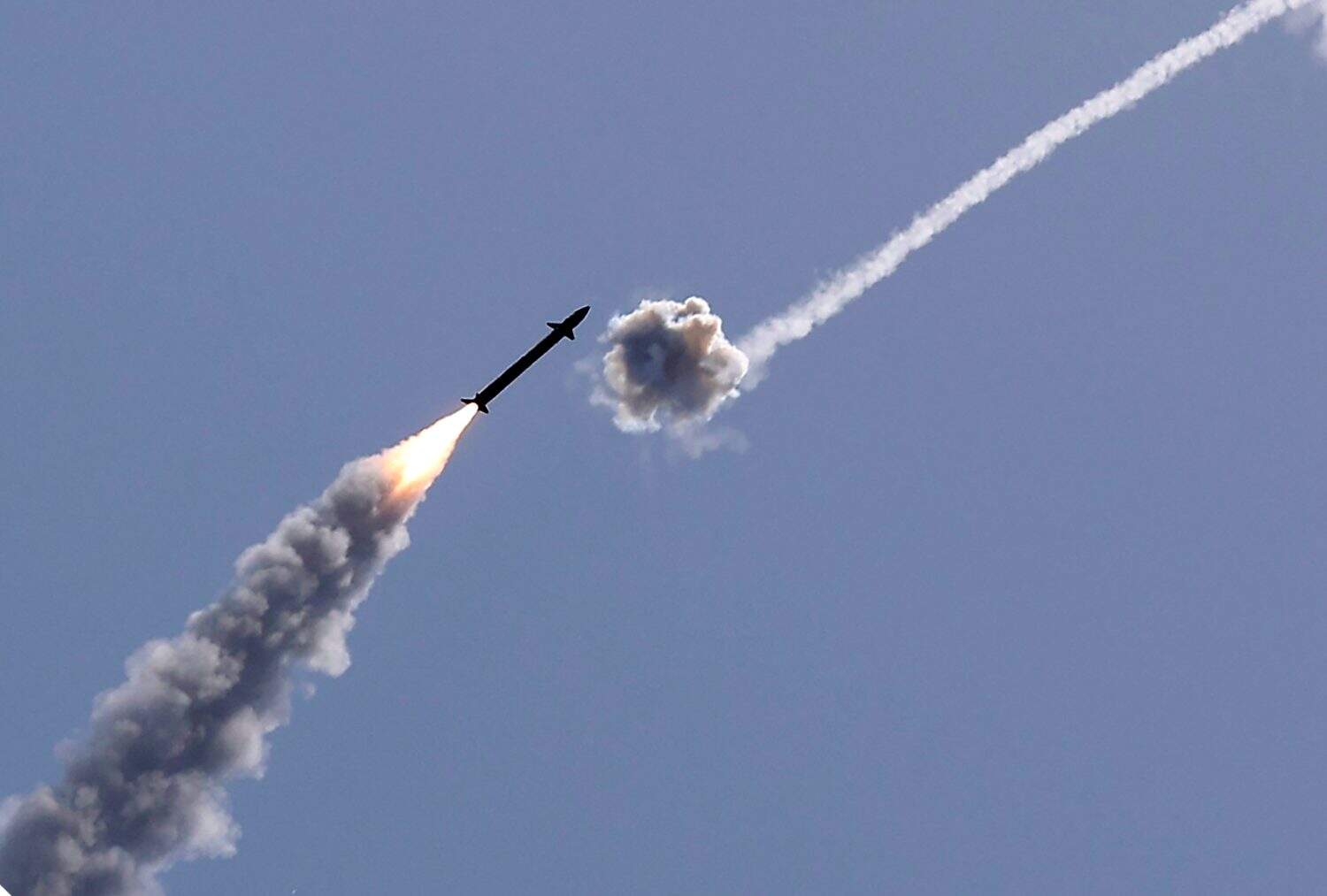
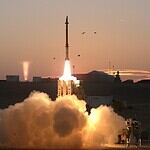
Iron Dome is designed to intercept short-range rockets and artillery, protecting civilian populations. Its high success rate has made it one of the most effective air defense systems in the world.
David's Sling
- Country or Operator: Israel
- Missile System Type: BMD
- Interception Layer: Medium-range
- Primary Threat Type Countered: Ballistic/cruise missiles
- Engagement Range or Coverage: ~300 km
- Launch Platform: Mobile ground
- Key System Strength or Advantage: Precision interception
- How This Missile System Protects a Nation: Bridges short and long-range defense
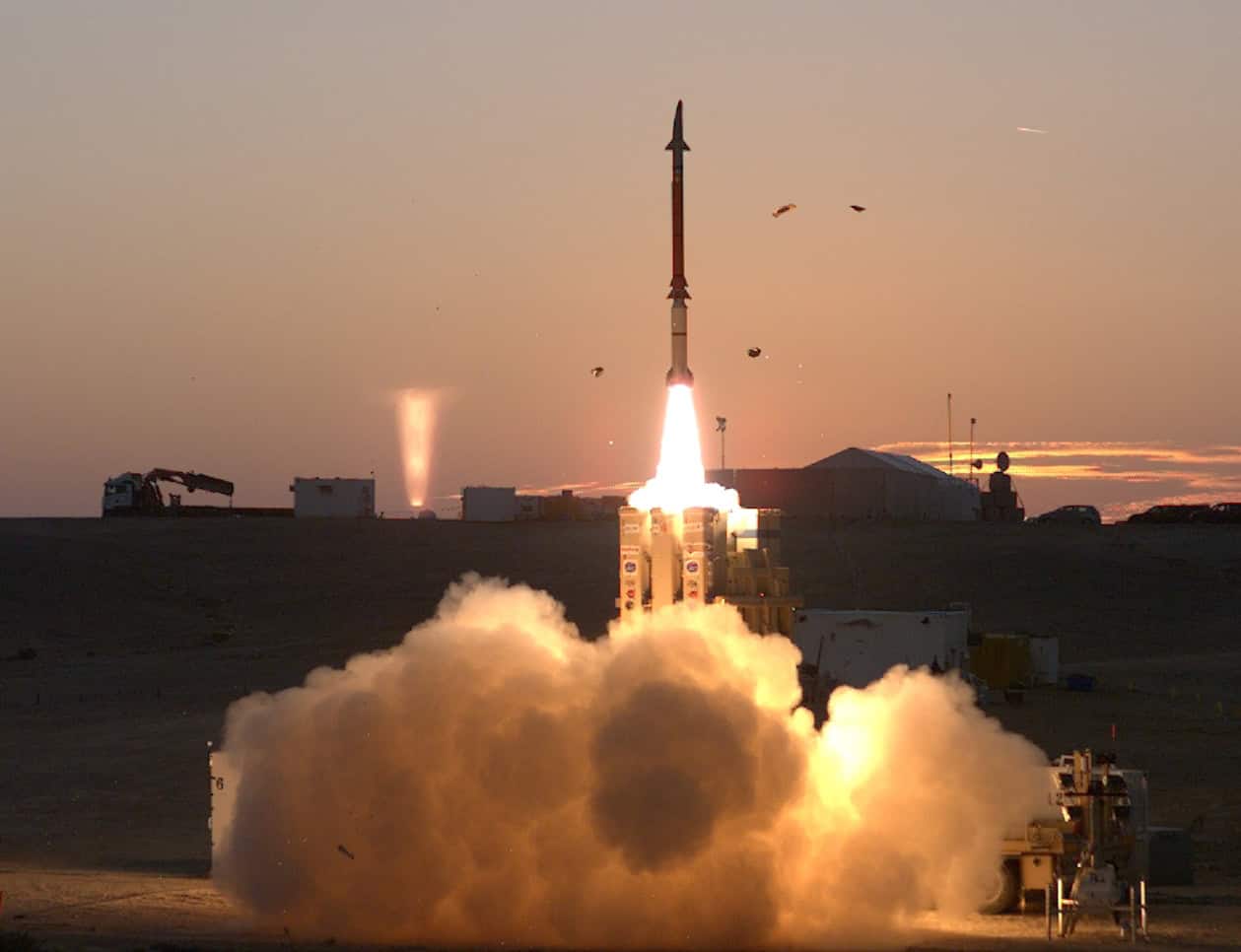
David’s Sling fills the gap between short- and long-range missile defense, intercepting medium-range threats. It enhances Israel’s layered defense system by covering critical engagement ranges.
Arrow 2
- Country or Operator: Israel
- Missile System Type: BMD
- Interception Layer: Terminal
- Primary Threat Type Countered: Ballistic missiles
- Engagement Range or Coverage: ~500 km
- Launch Platform: Ground-based
- Key System Strength or Advantage: High-altitude intercept
- How This Missile System Protects a Nation: Defends against regional threats
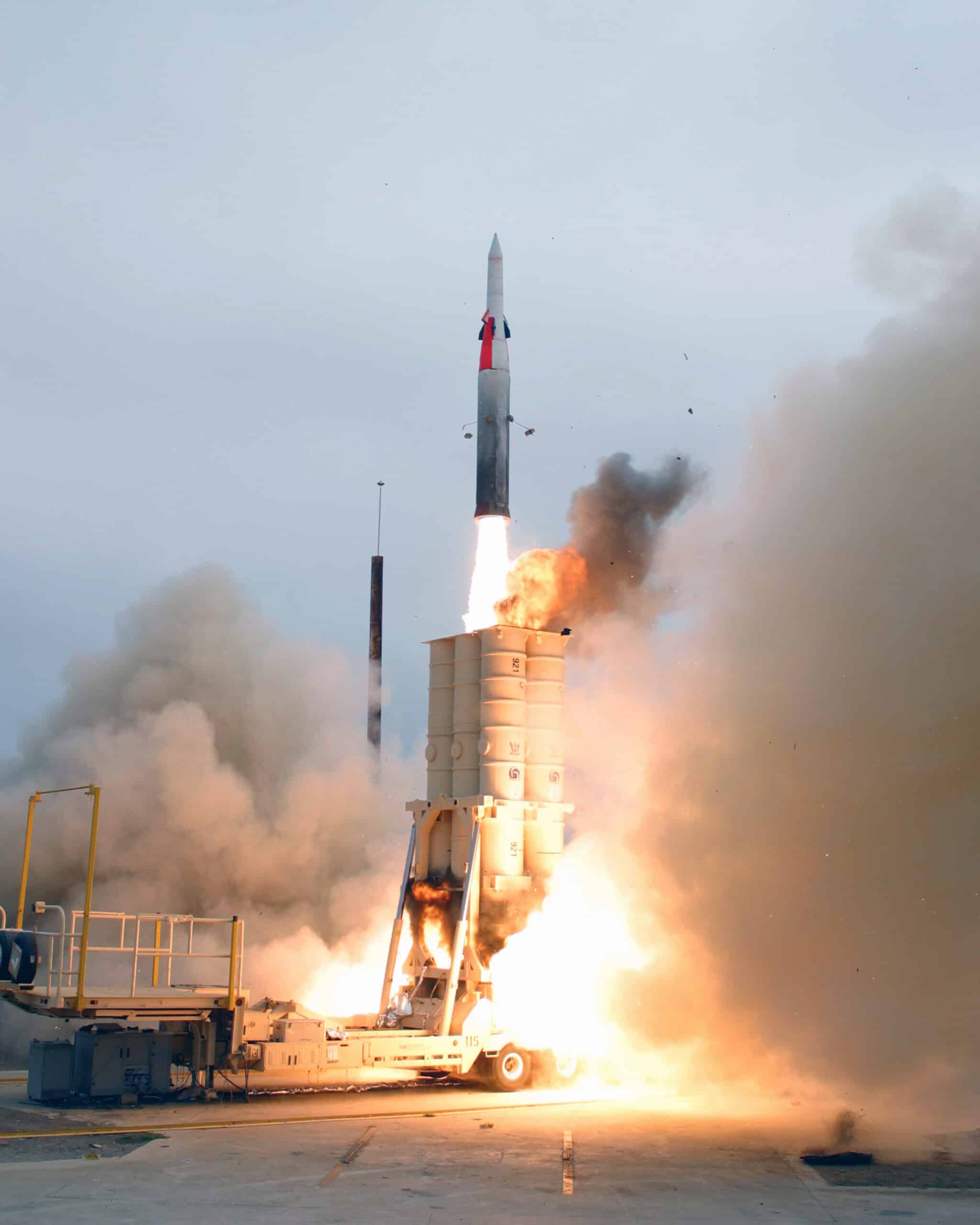
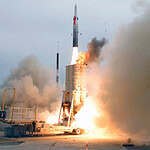
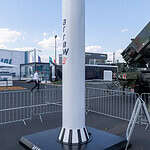
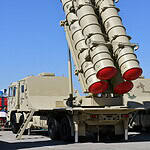
Arrow 2 provides high-altitude interception of ballistic missiles, defending against regional threats. It is a key layer in Israel’s national missile defense strategy.
Arrow 3
- Country or Operator: Israel
- Missile System Type: BMD
- Interception Layer: Exo-atmospheric
- Primary Threat Type Countered: Ballistic missiles
- Engagement Range or Coverage: ~2,400 km
- Launch Platform: Ground-based
- Key System Strength or Advantage: Space-level interception
- How This Missile System Protects a Nation: Protects entire nation from long-range missiles
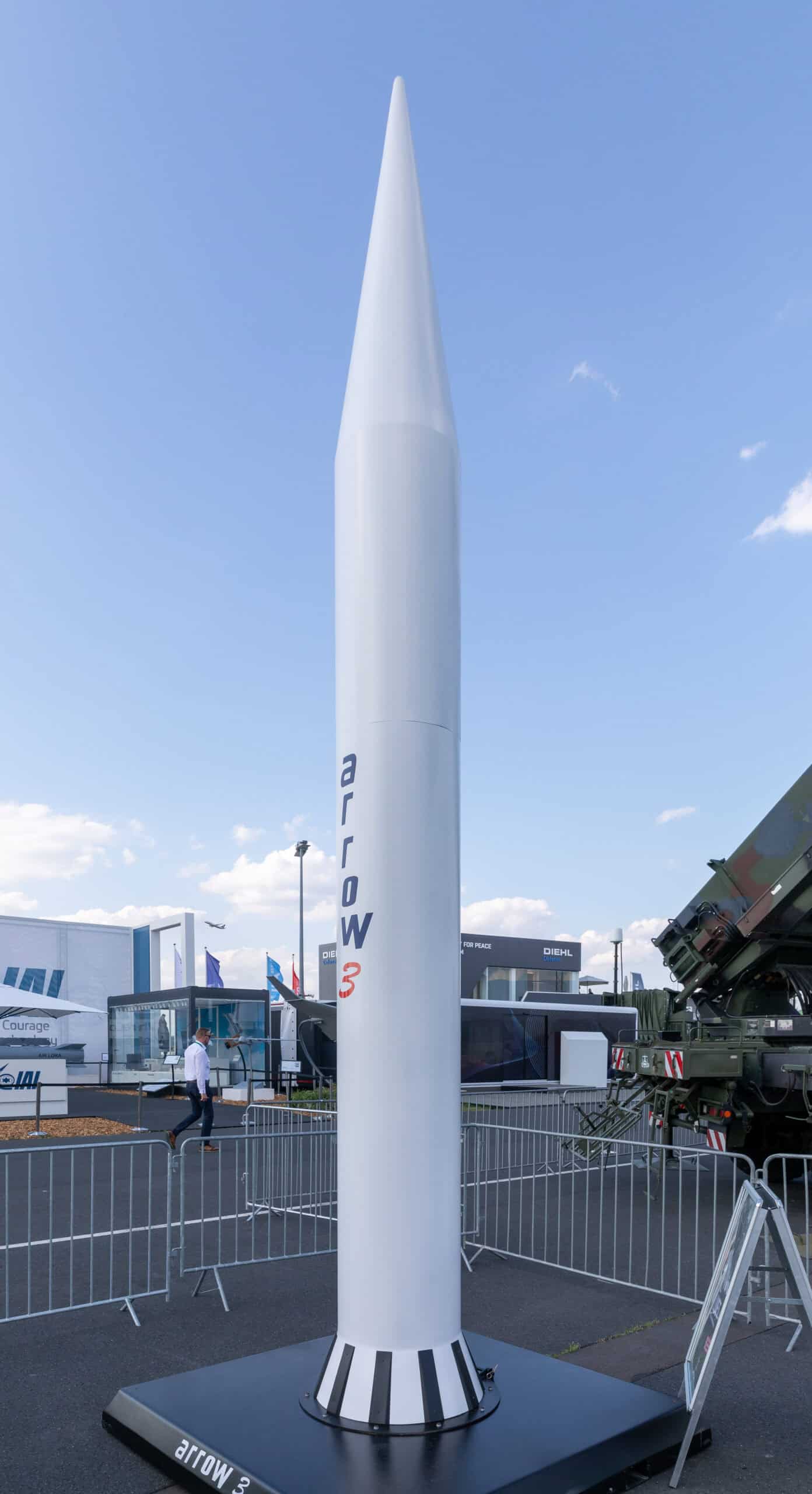
Arrow 3 intercepts ballistic missiles in space, offering a critical exo-atmospheric defense layer. Its capability to destroy threats before reentry significantly enhances national protection.
S-400
- Country or Operator: Russia
- Missile System Type: Air defense
- Interception Layer: Multi-layer
- Primary Threat Type Countered: Aircraft, missiles
- Engagement Range or Coverage: ~400 km
- Launch Platform: Mobile ground
- Key System Strength or Advantage: Long-range coverage
- How This Missile System Protects a Nation: Defends large regions
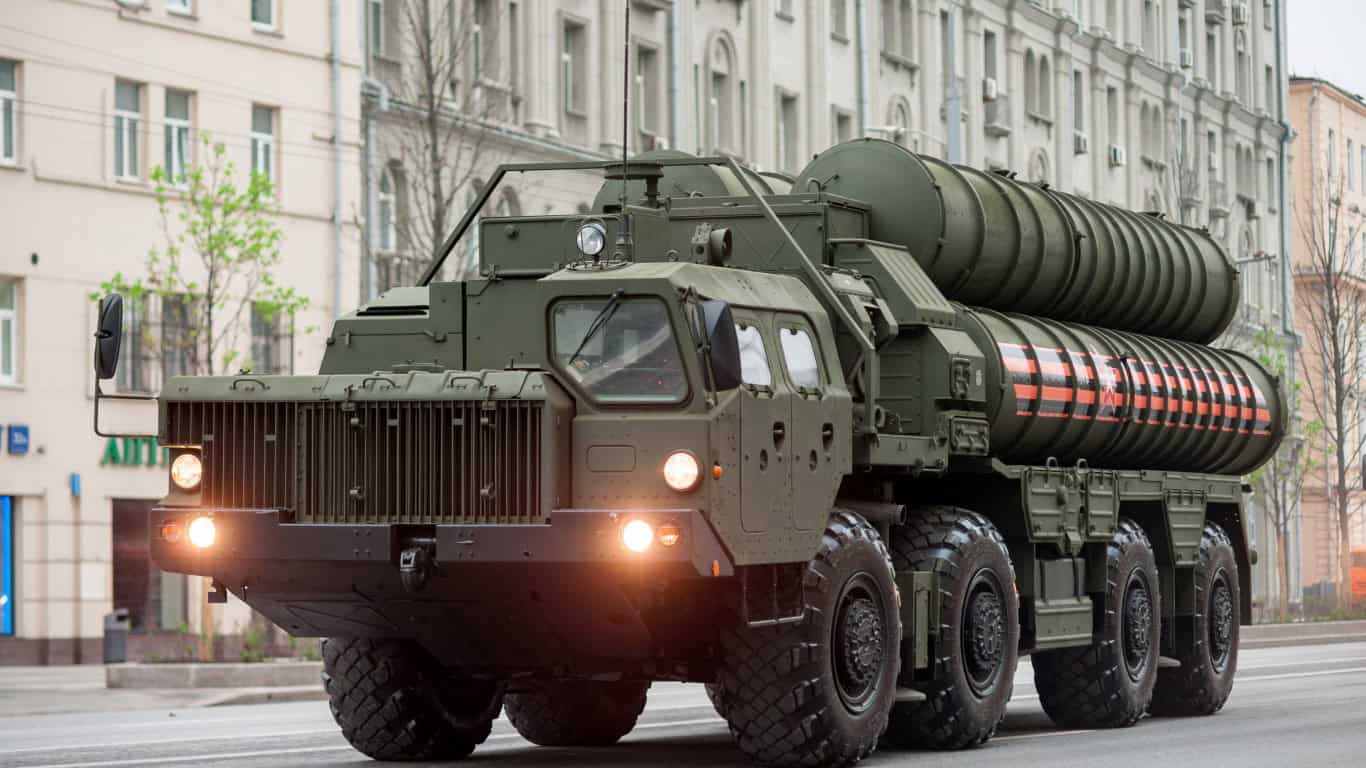
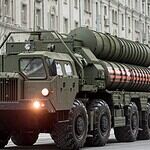
The S-400 provides long-range air and missile defense, capable of engaging multiple threat types. Its range allows it to protect vast areas, making it central to Russia’s defensive strategy.
S-500
- Country or Operator: Russia
- Missile System Type: Next-gen defense
- Interception Layer: Exo-atmospheric
- Primary Threat Type Countered: Ballistic/hypersonic
- Engagement Range or Coverage: ~600 km
- Launch Platform: Mobile ground
- Key System Strength or Advantage: Advanced intercept
- How This Missile System Protects a Nation: Counters advanced threats
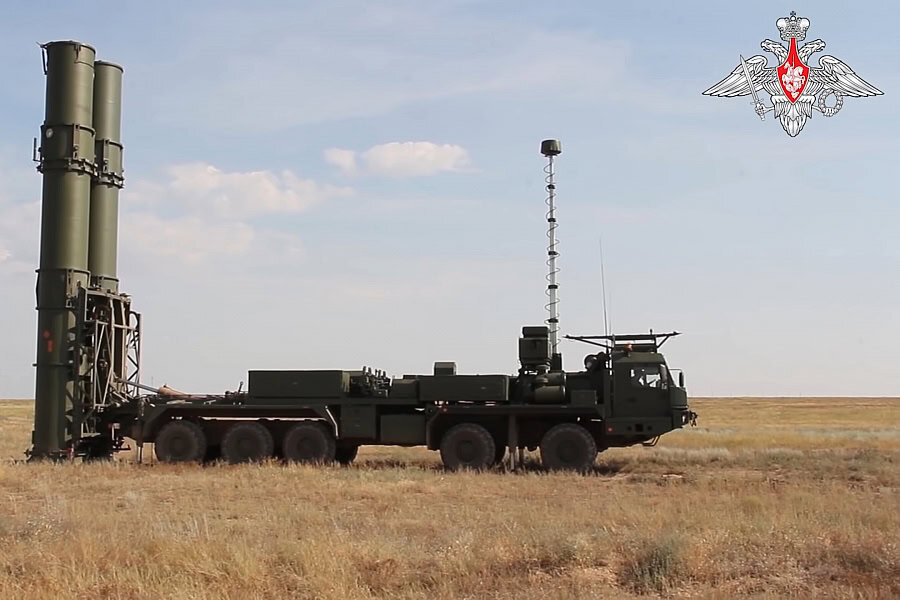
The S-500 is designed to counter advanced threats, including hypersonic weapons. Its extended range and capability position it as a next-generation strategic defense system.
A-135
- Country or Operator: Russia
- Missile System Type: ABM system
- Interception Layer: Midcourse
- Primary Threat Type Countered: ICBMs
- Engagement Range or Coverage: Regional
- Launch Platform: Silo-based
- Key System Strength or Advantage: Dedicated ABM
- How This Missile System Protects a Nation: Protects Moscow
The A-135 system is dedicated to protecting Moscow from ballistic missile attacks, forming a key part of Russia’s strategic defense infrastructure.
A-235 Nudol
- Country or Operator: Russia
- Missile System Type: ABM system
- Interception Layer: Midcourse
- Primary Threat Type Countered: ICBMs/satellites
- Engagement Range or Coverage: Intercontinental
- Launch Platform: Silo/mobile
- Key System Strength or Advantage: ASAT/BMD capability
- How This Missile System Protects a Nation: Enhances strategic defense
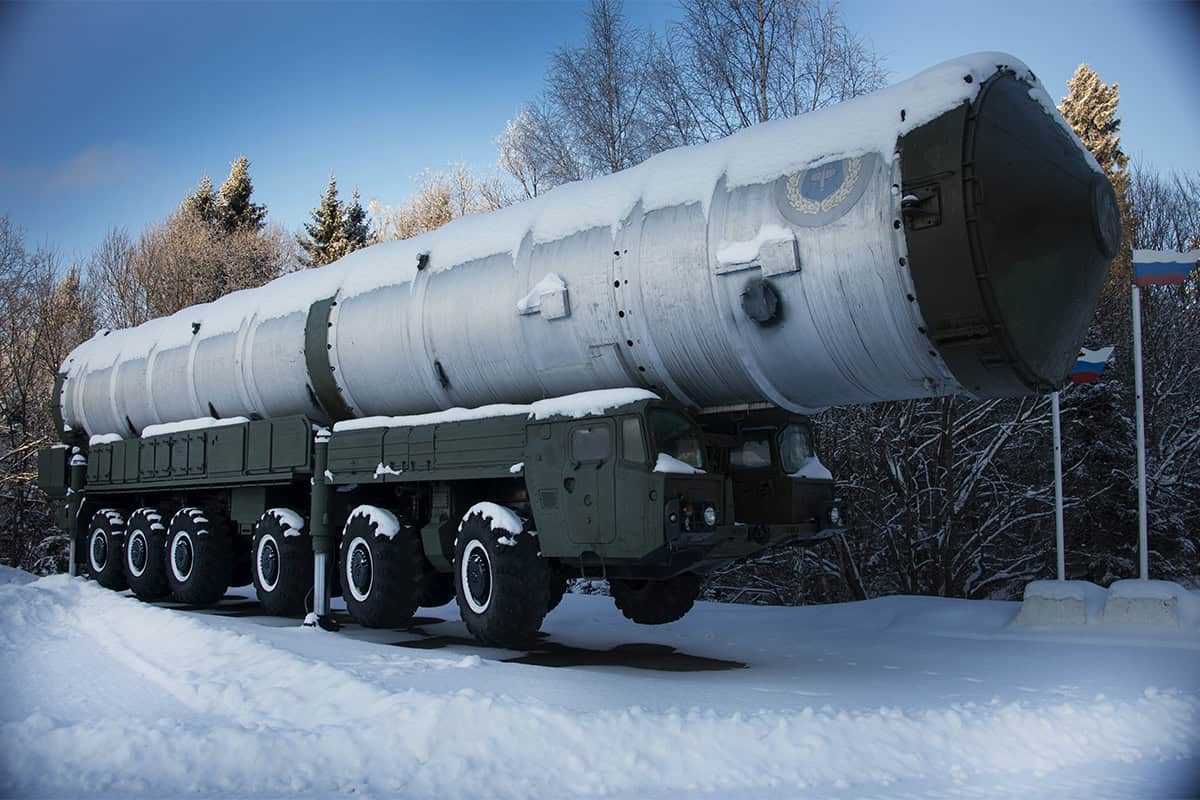
The A-235 Nudol expands Russia’s missile defense with capabilities against both ballistic missiles and satellites, enhancing strategic deterrence.
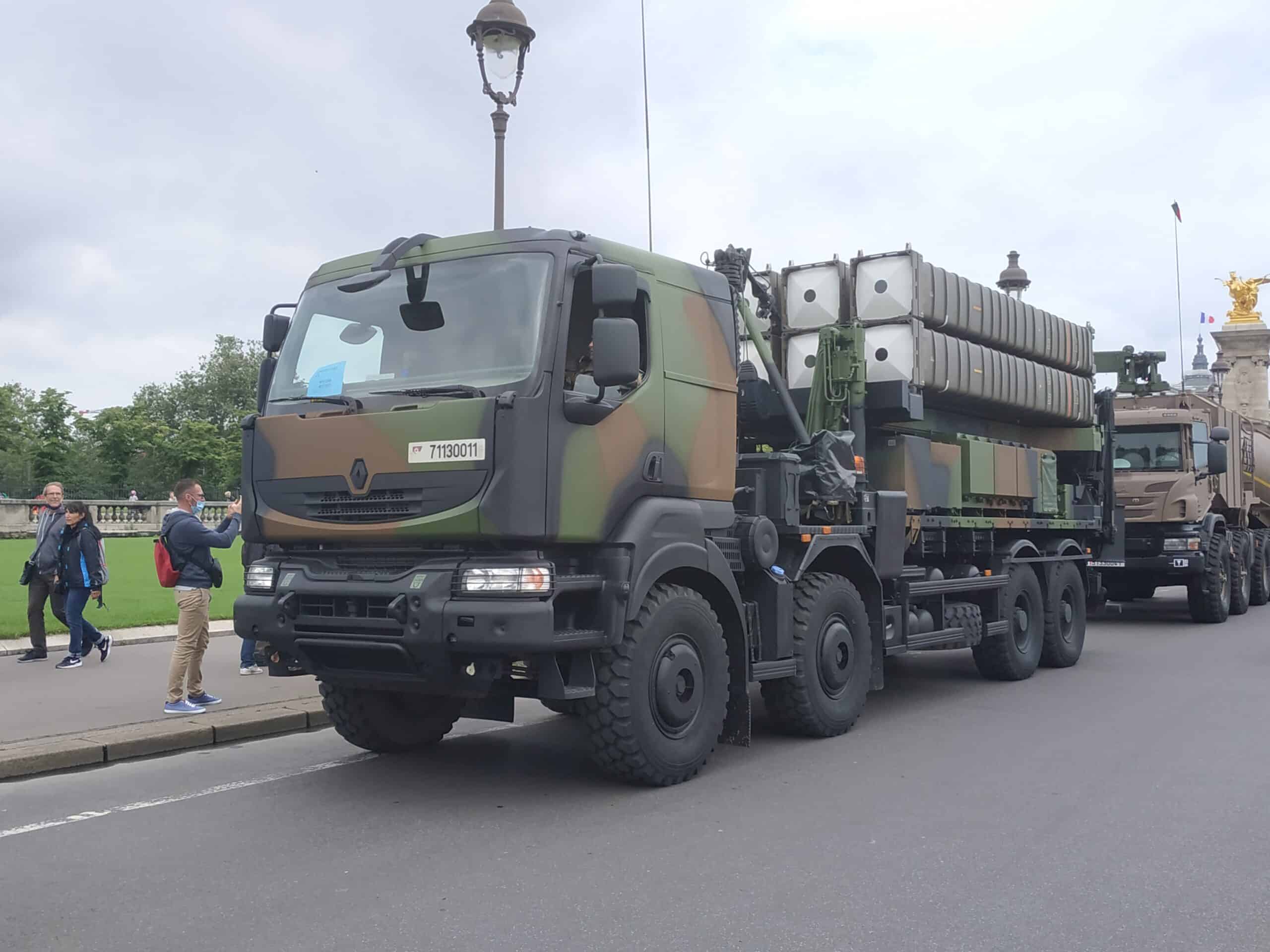
SAMP/T
- Country or Operator: France/Italy
- Missile System Type: Air defense
- Interception Layer: Terminal
- Primary Threat Type Countered: Aircraft, missiles
- Engagement Range or Coverage: ~120 km
- Launch Platform: Mobile ground
- Key System Strength or Advantage: Networked defense
- How This Missile System Protects a Nation: Protects European regions
SAMP/T provides mobile, networked air and missile defense for European forces, enabling coordinated protection of key regions.
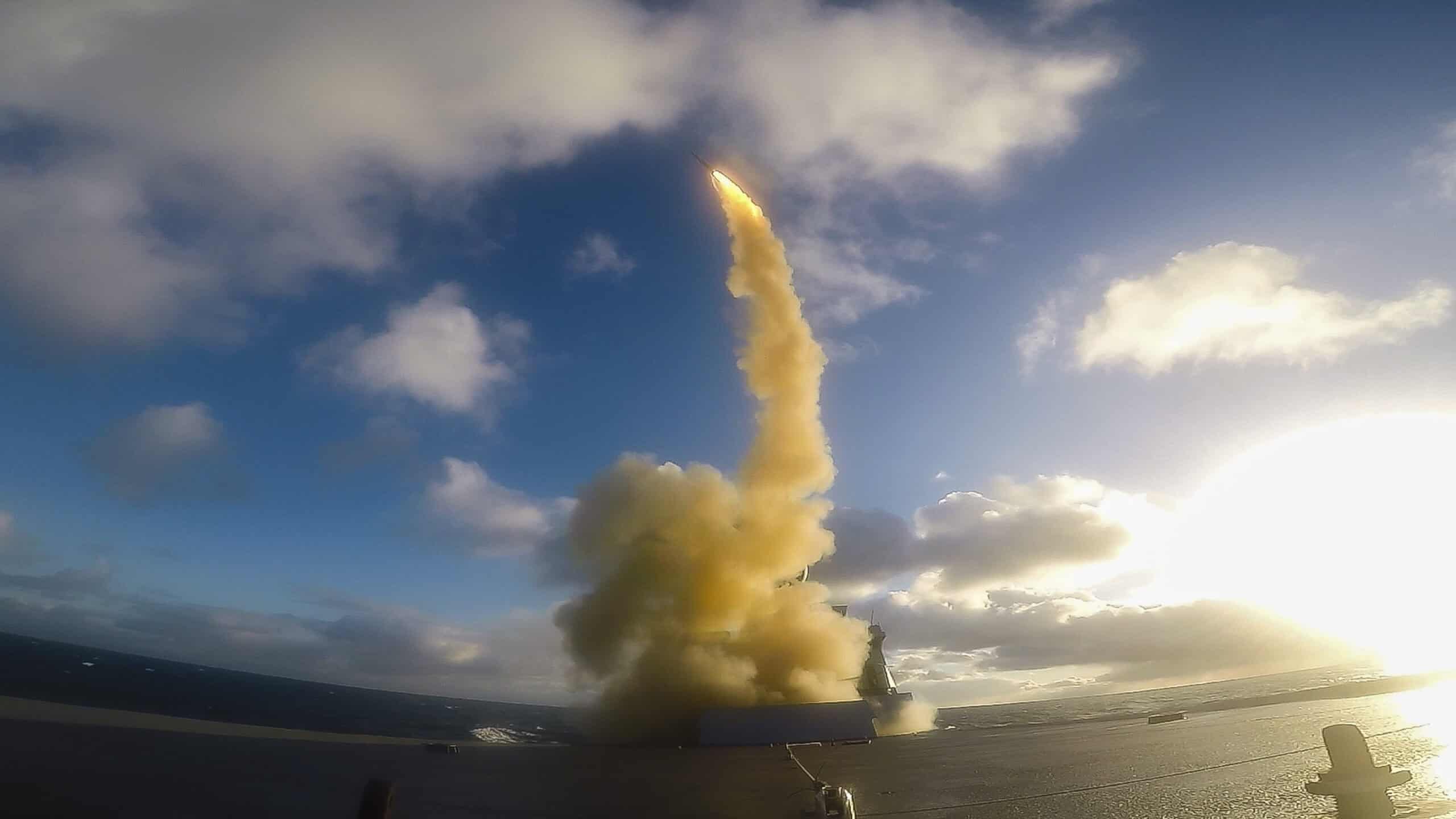
ASTER 30
- Country or Operator: Europe
- Missile System Type: Interceptor
- Interception Layer: Terminal
- Primary Threat Type Countered: Aircraft, missiles
- Engagement Range or Coverage: ~120 km
- Launch Platform: Ground/naval
- Key System Strength or Advantage: High agility
- How This Missile System Protects a Nation: Key NATO interceptor
ASTER 30 offers high agility and precision, making it a key interceptor within NATO missile defense systems.
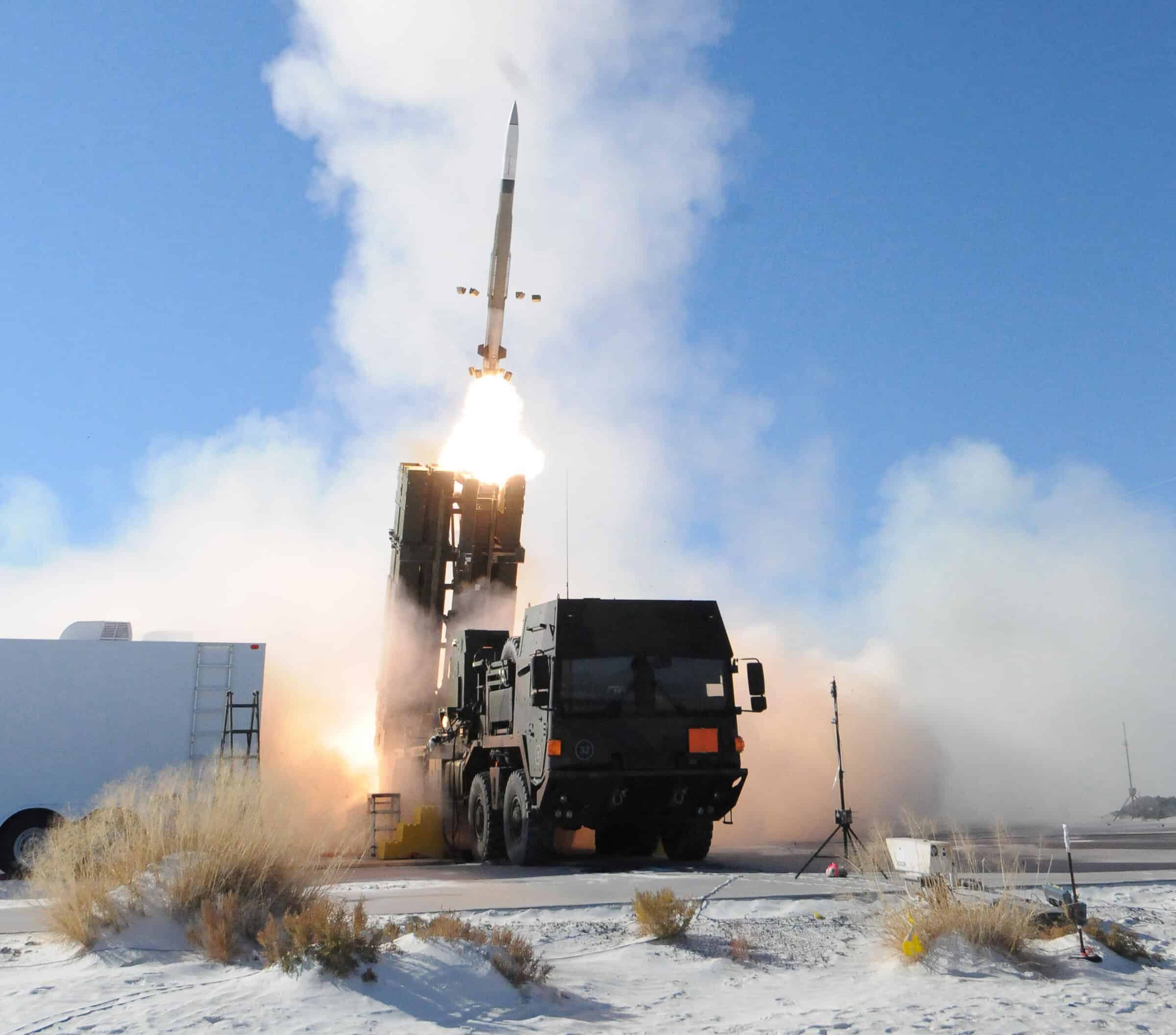
MEADS
- Country or Operator: NATO
- Missile System Type: Integrated defense
- Interception Layer: Terminal
- Primary Threat Type Countered: Aircraft, missiles
- Engagement Range or Coverage: ~100 km
- Launch Platform: Mobile ground
- Key System Strength or Advantage: 360-degree coverage
- How This Missile System Protects a Nation: Flexible regional defense
MEADS provides 360-degree coverage and mobility, allowing flexible defense of regions and assets against aerial threats.
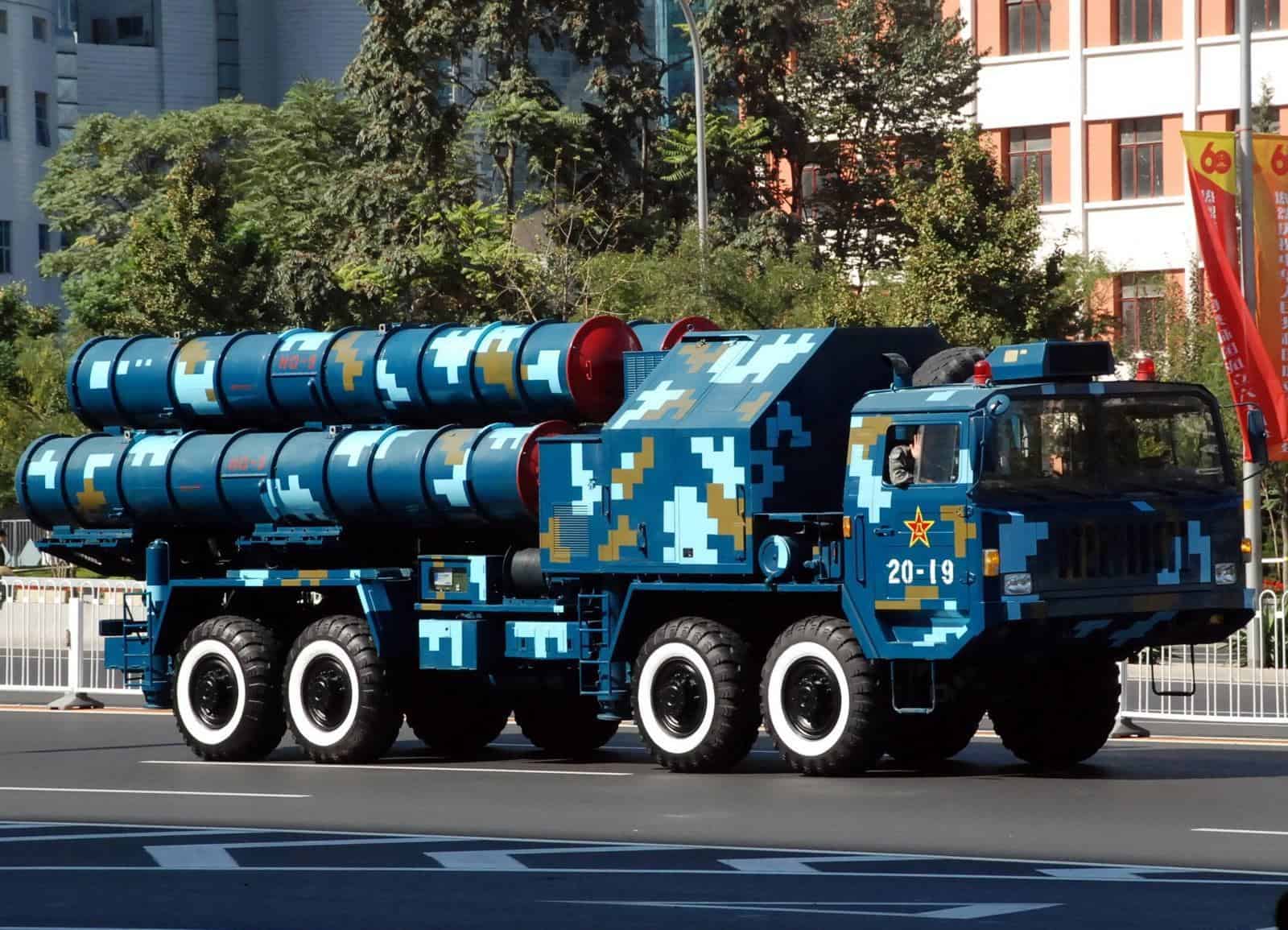
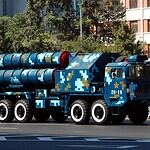
HQ-9
- Country or Operator: China
- Missile System Type: Air defense
- Interception Layer: Multi-layer
- Primary Threat Type Countered: Aircraft, missiles
- Engagement Range or Coverage: ~300 km
- Launch Platform: Mobile ground
- Key System Strength or Advantage: Long-range coverage
- How This Missile System Protects a Nation: Protects major areas
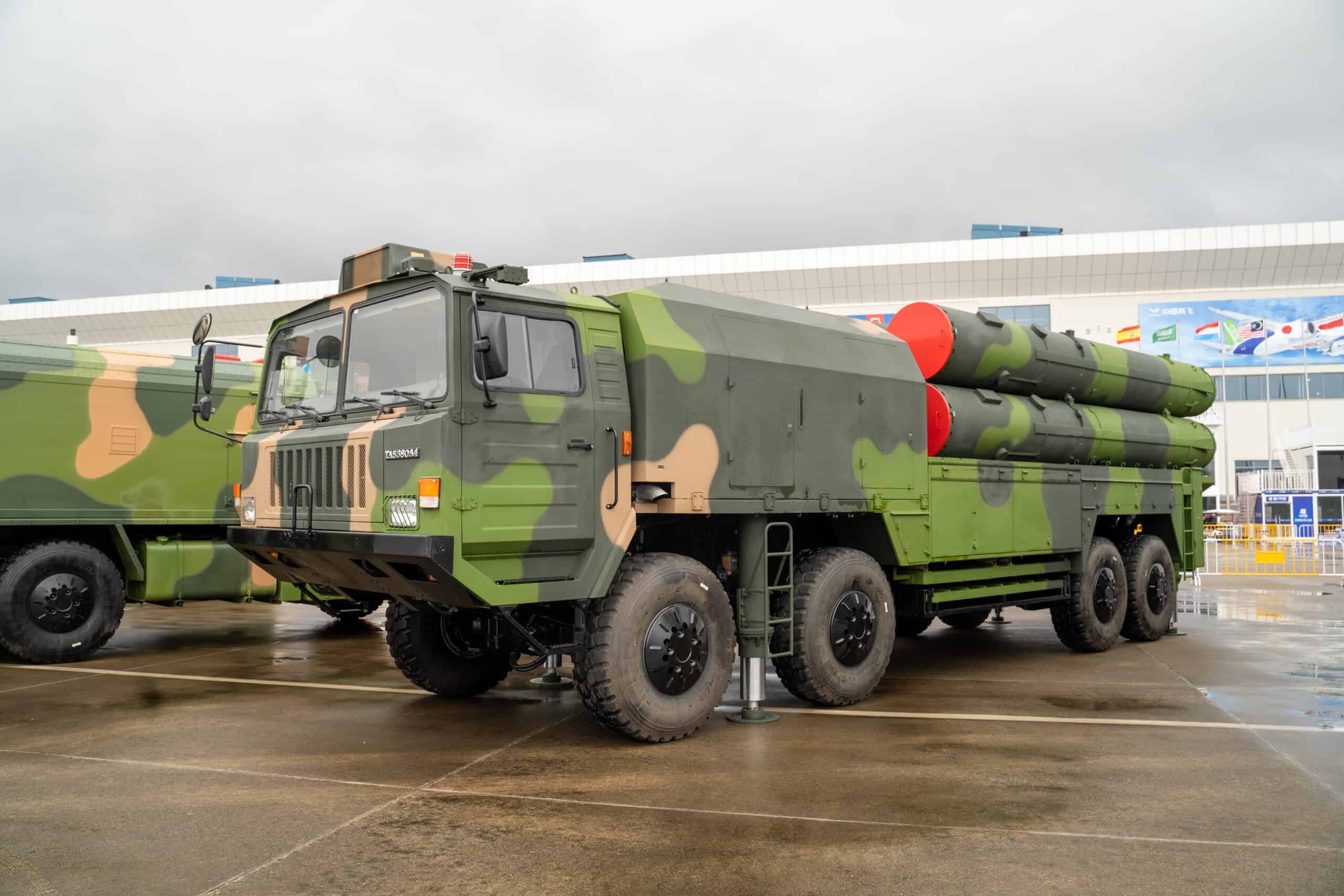
The HQ-9 provides long-range air defense, protecting major Chinese regions and military assets from aerial threats.
HQ-19
- Country or Operator: China
- Missile System Type: BMD
- Interception Layer: Midcourse
- Primary Threat Type Countered: Ballistic missiles
- Engagement Range or Coverage: ~1,000 km
- Launch Platform: Ground-based
- Key System Strength or Advantage: Exo-atmospheric capability
- How This Missile System Protects a Nation: National missile shield
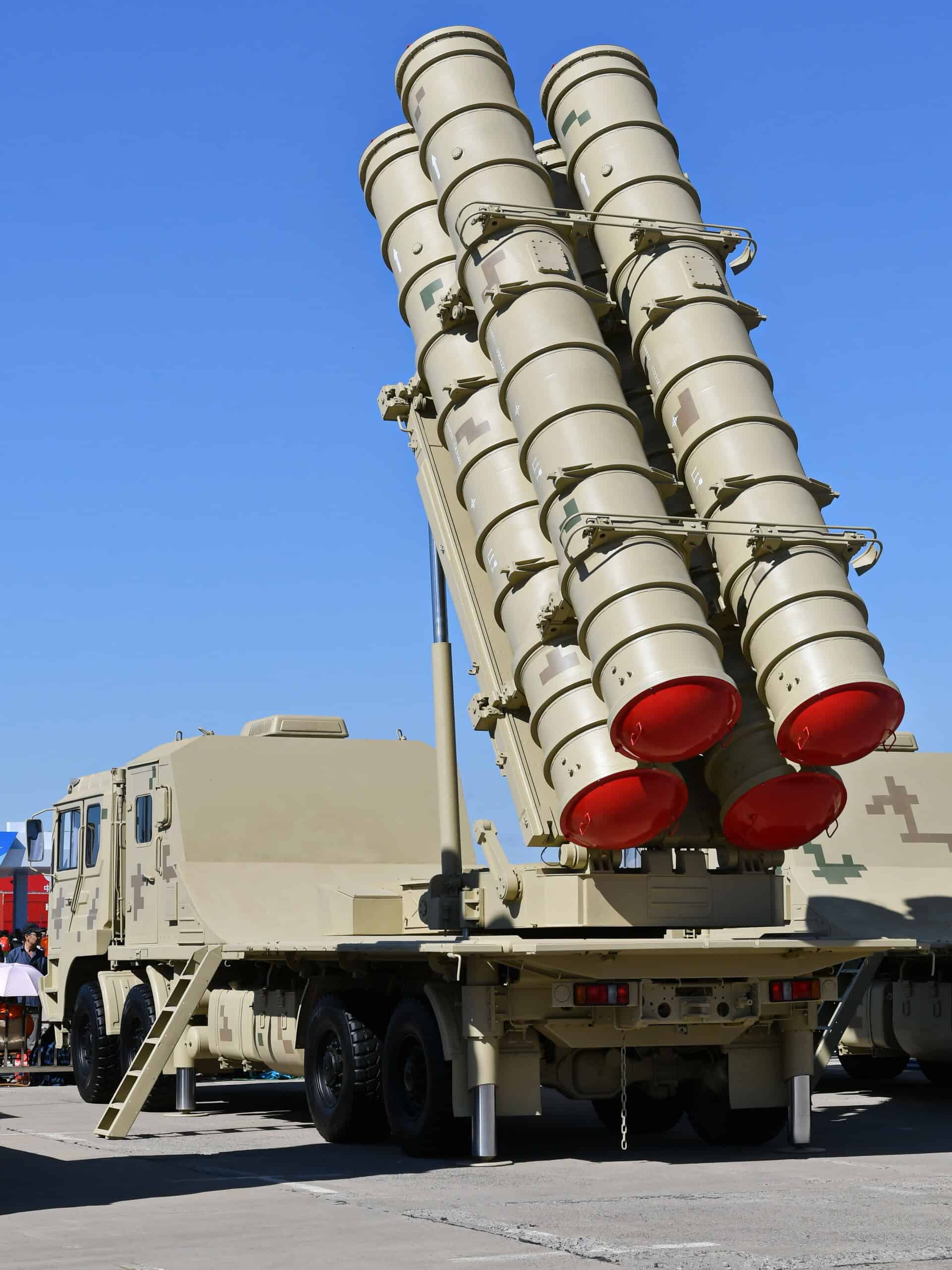
The HQ-19 is designed for midcourse interception of ballistic missiles, forming a key component of China’s national missile defense strategy.
HQ-22
- Country or Operator: China
- Missile System Type: Air defense
- Interception Layer: Medium-range
- Primary Threat Type Countered: Aircraft, missiles
- Engagement Range or Coverage: ~170 km
- Launch Platform: Mobile ground
- Key System Strength or Advantage: Cost-effective coverage
- How This Missile System Protects a Nation: Wide-area defense
The HQ-22 offers cost-effective air defense across wide areas, enhancing China’s layered defense network.
Barak-8
- Country or Operator: Israel/India
- Missile System Type: Air defense
- Interception Layer: Medium-range
- Primary Threat Type Countered: Aircraft, missiles
- Engagement Range or Coverage: ~100 km
- Launch Platform: Naval/ground
- Key System Strength or Advantage: Active radar guidance
- How This Missile System Protects a Nation: Protects fleets and cities
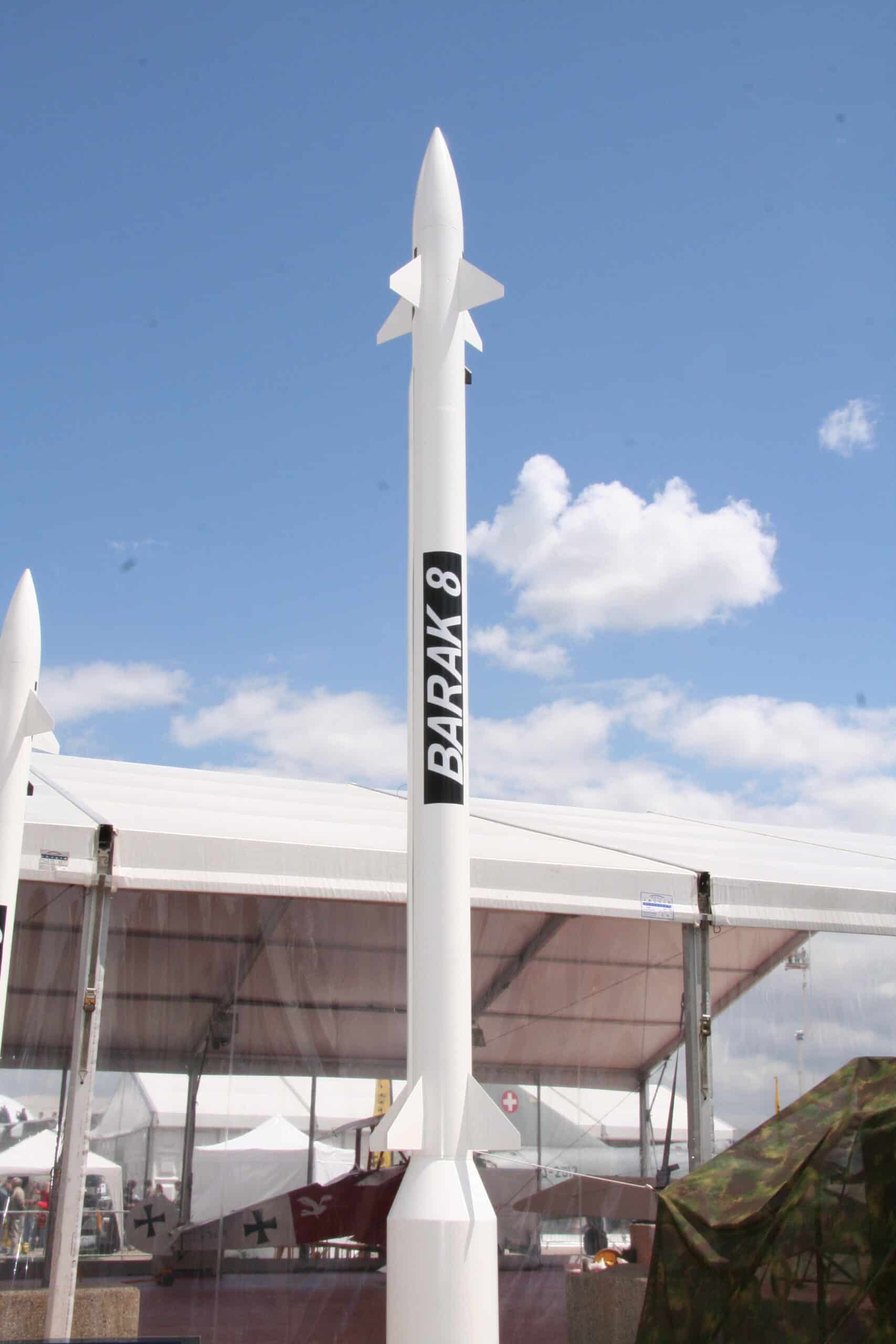
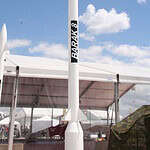
Barak-8 provides versatile air defense for both naval and ground forces, protecting fleets and urban areas from aerial threats.
NASAMS
- Country or Operator: Norway/US
- Missile System Type: Air defense
- Interception Layer: Short/medium
- Primary Threat Type Countered: Aircraft, cruise missiles
- Engagement Range or Coverage: ~50 km
- Launch Platform: Mobile ground
- Key System Strength or Advantage: Network integration
- How This Missile System Protects a Nation: Urban defense
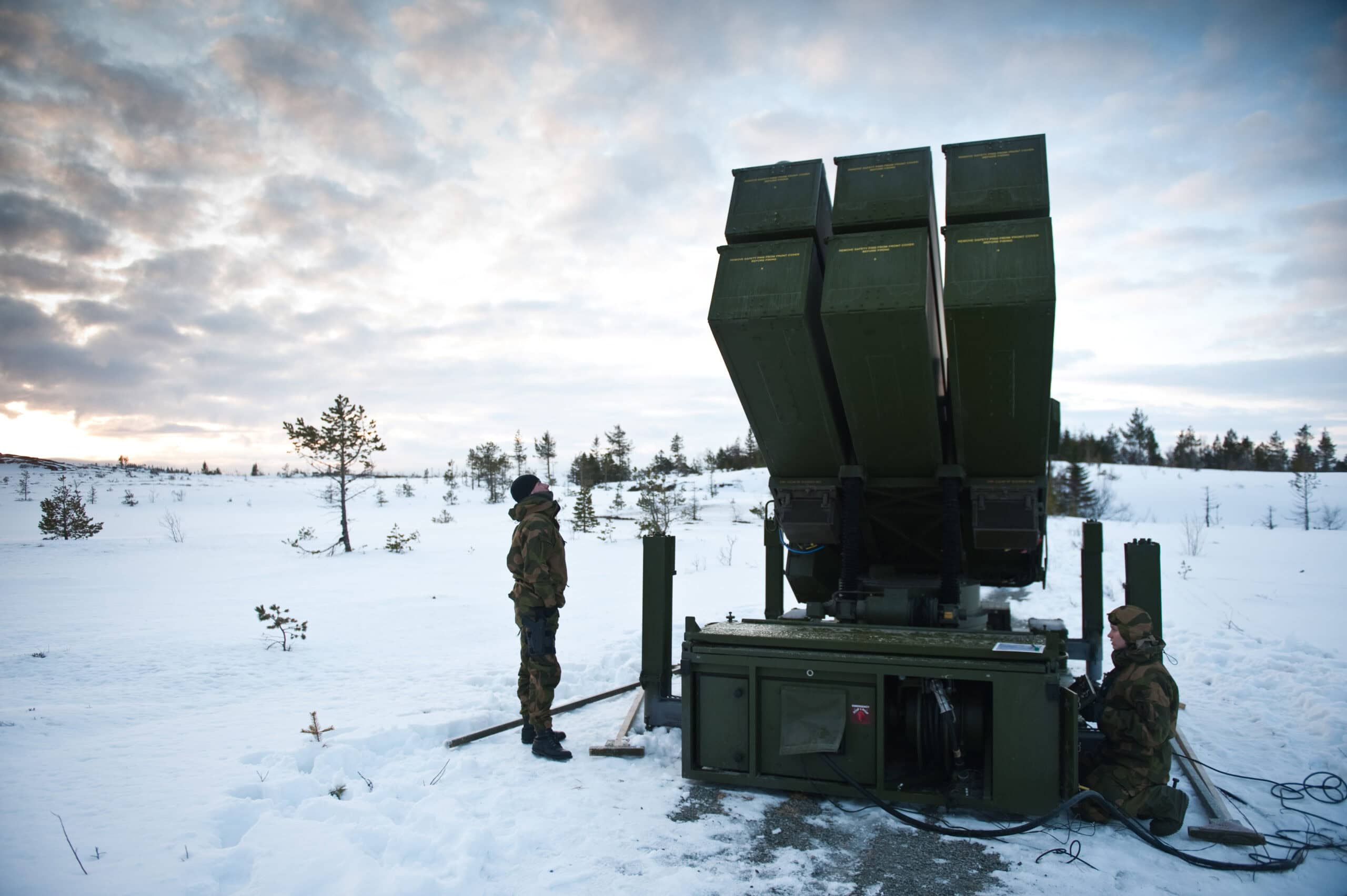
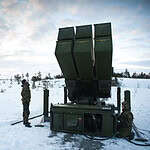
NASAMS integrates advanced radar and missile systems to provide effective defense for urban areas and critical infrastructure.
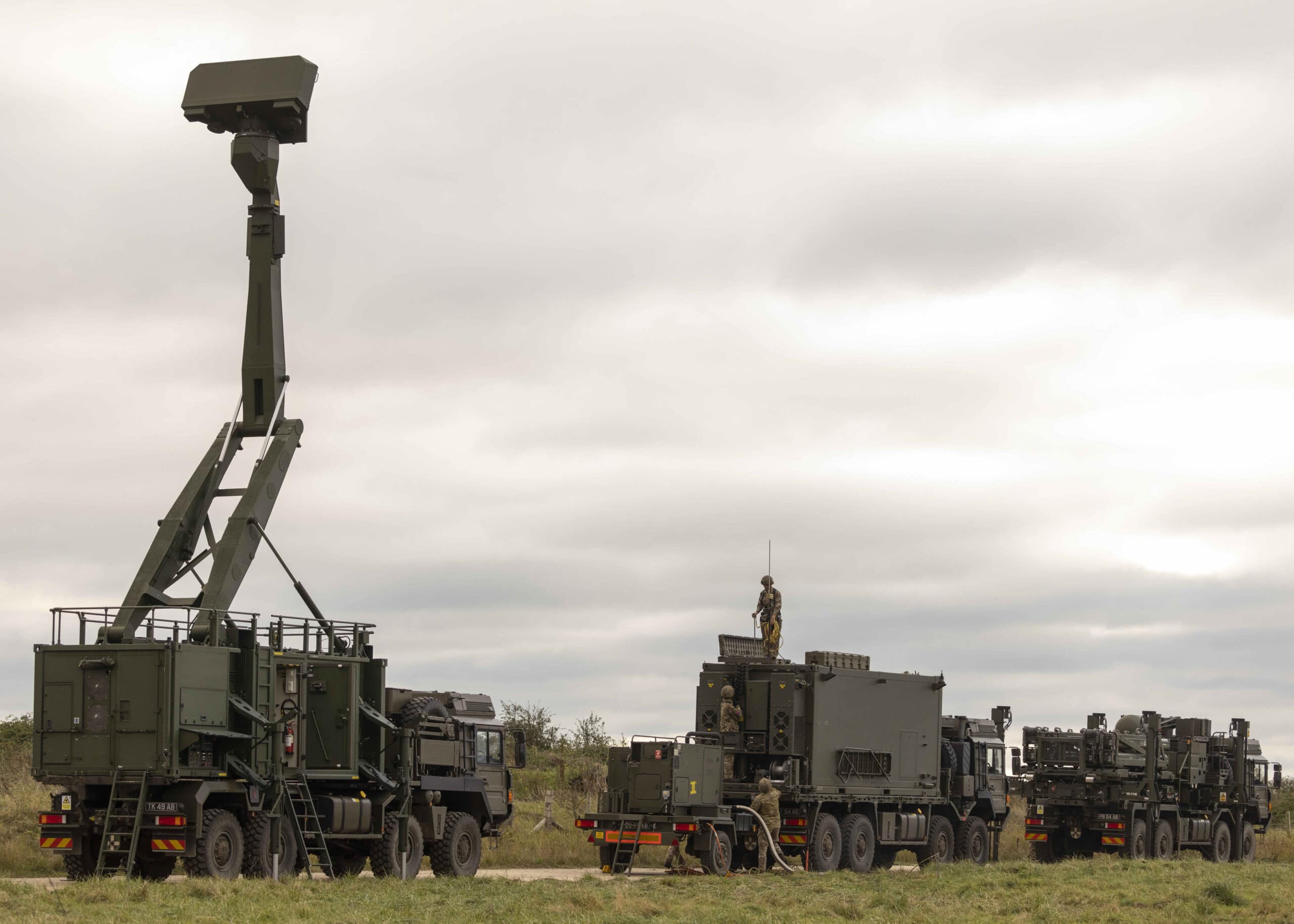
Sky Sabre
- Country or Operator: United Kingdom
- Missile System Type: Air defense
- Interception Layer: Medium-range
- Primary Threat Type Countered: Aircraft, missiles
- Engagement Range or Coverage: ~25 km
- Launch Platform: Mobile ground
- Key System Strength or Advantage: High accuracy
- How This Missile System Protects a Nation: Protects key assets
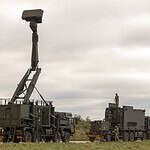
Sky Sabre offers high-accuracy interception of aerial threats, protecting key UK assets and deployed forces.
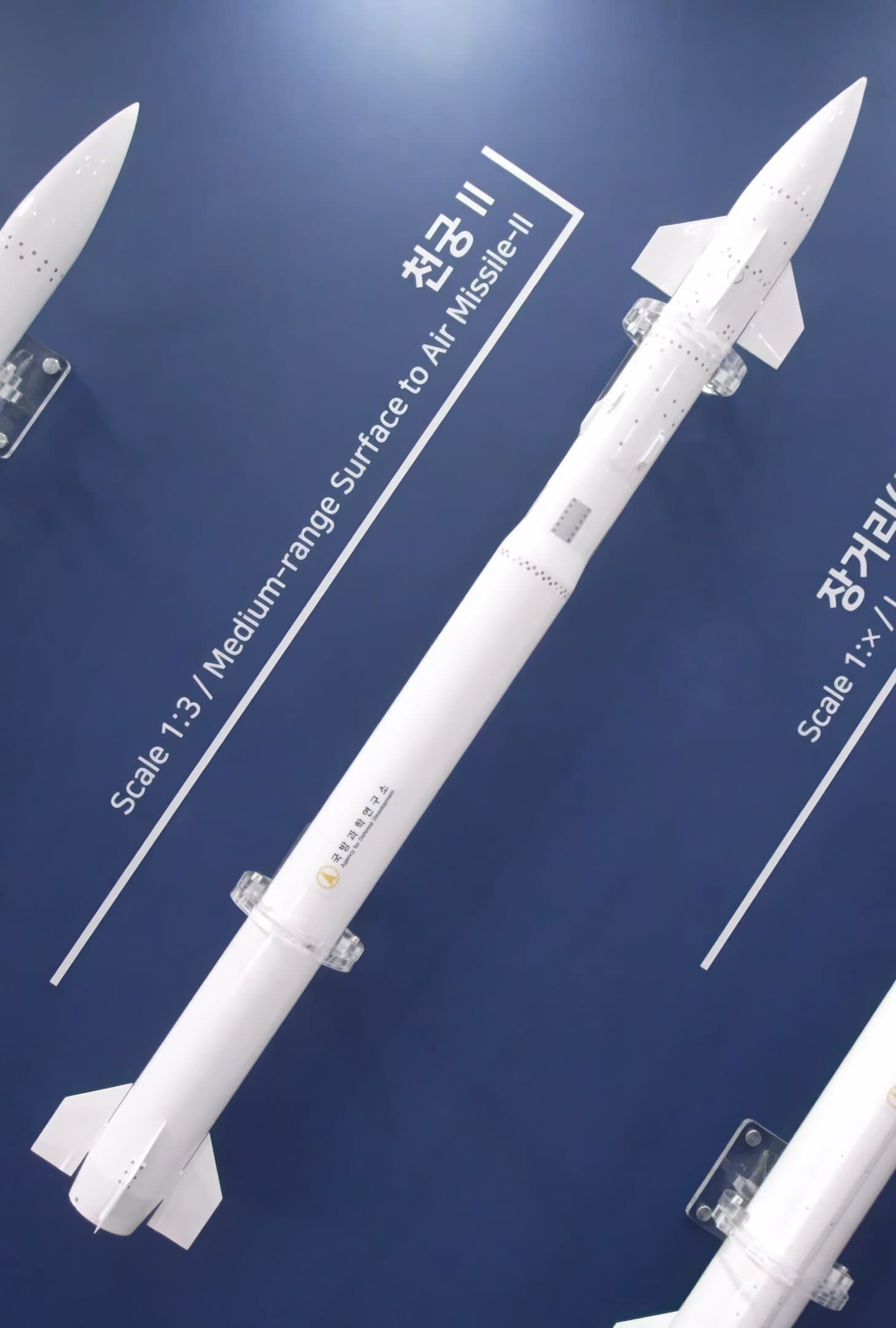
KM-SAM
- Country or Operator: South Korea
- Missile System Type: Air defense
- Interception Layer: Medium-range
- Primary Threat Type Countered: Aircraft, missiles
- Engagement Range or Coverage: ~40 km
- Launch Platform: Mobile ground
- Key System Strength or Advantage: Modern radar
- How This Missile System Protects a Nation: Regional defense
KM-SAM enhances South Korea’s regional defense with modern radar and interception capabilities.
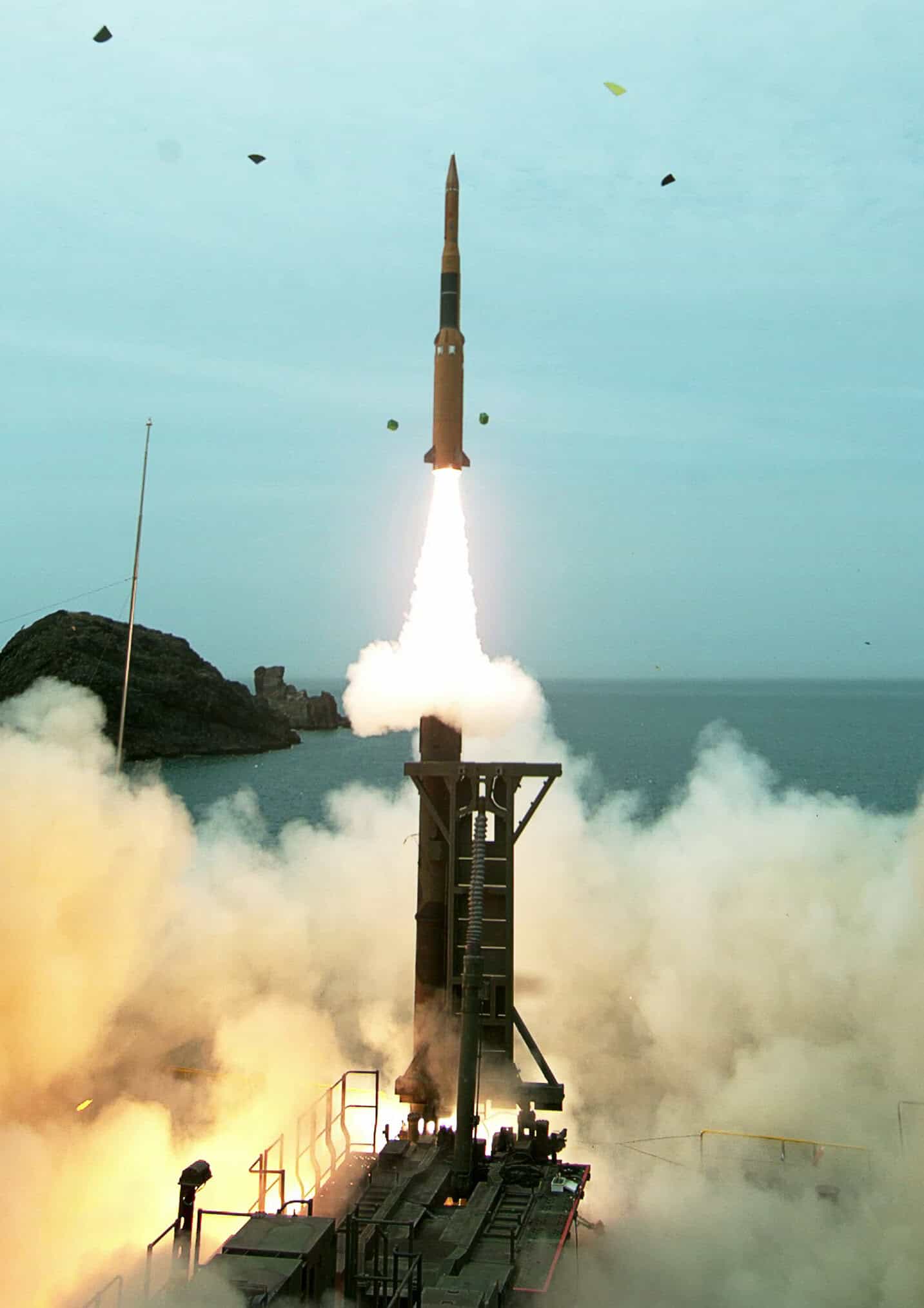
L-SAM
- Country or Operator: South Korea
- Missile System Type: BMD
- Interception Layer: Upper-tier
- Primary Threat Type Countered: Ballistic missiles
- Engagement Range or Coverage: ~150 km
- Launch Platform: Ground-based
- Key System Strength or Advantage: High-altitude intercept
- How This Missile System Protects a Nation: Future national shield
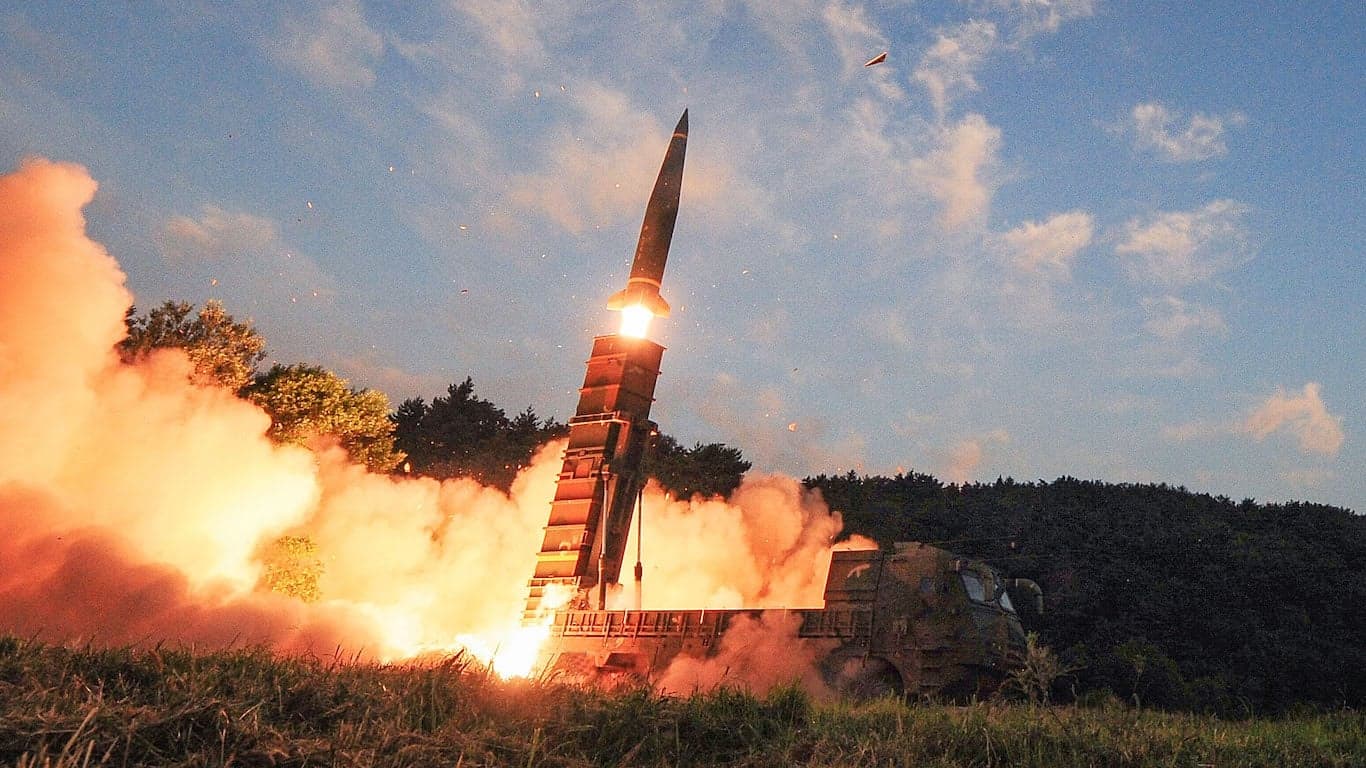
L-SAM is designed to provide upper-tier interception of ballistic missiles, forming part of South Korea’s future national missile defense shield.
The image featured at the top of this post is ©national_museum_of_the_us_navy / Flickr