






The Firearms Built for Jungle Warfare That Still Influence Modern Combat
Some of the most important advancements in modern firearms came from some of the most challenging environments on Earth. Jungle warfare forced militaries to rethink weapon design, as dense vegetation, extreme humidity, and close-range engagements exposed the limitations of heavier, less adaptable firearms. In these conditions, reliability, mobility, and rate of fire became essential for survival.
In this slideshow, History Computer explores the guns developed or refined for jungle combat and how they reshaped modern infantry tactics. We examine where these weapons were used, what made them effective in harsh environments, and how their design principles continue to influence military firearms today. From lightweight rifles to rapid-fire weapons built for close quarters, these innovations helped redefine how wars are fought in difficult terrain.
Fighting Where Visibility Disappears
Jungle warfare is unlike any other form of combat, where visibility is limited, terrain is restrictive, and engagements happen at close range. In these conditions, traditional weapons often fall short, forcing militaries to rethink how infantry fight. The firearms that succeeded in the jungle were those that adapted—becoming lighter, faster, and more reliable under extreme conditions.
The Shift to Speed and Mobility
As conflicts in the Pacific and Southeast Asia demonstrated, mobility became one of the most important factors in jungle combat. Soldiers needed weapons that could be carried easily through dense vegetation while still delivering effective firepower. This led to a shift away from heavier rifles toward compact carbines and submachine guns that prioritized speed and maneuverability.
Reliability in Harsh Conditions
Heat, humidity, mud, and constant exposure to the elements made reliability a defining factor for jungle weapons. Firearms that jammed or required constant maintenance quickly became liabilities. The most successful designs were those that could continue functioning despite harsh conditions, setting new standards for durability that influenced modern weapon development.
Close-Quarters Firepower
In dense jungle environments, engagements often occur at extremely short distances, where reaction time is critical. Weapons with higher rates of fire and greater controllability gave soldiers a significant advantage in these situations. This emphasis on close-quarters firepower helped shape modern infantry tactics, particularly in urban and confined combat environments.
The Legacy of Jungle Warfare
The lessons learned in jungle combat continue to influence modern military doctrine and weapon design. Today’s rifles, carbines, and support weapons reflect decades of adaptation to environments where mobility, reliability, and versatility are essential. The firearms that proved themselves in the jungle did more than win battles—they changed how wars are fought.
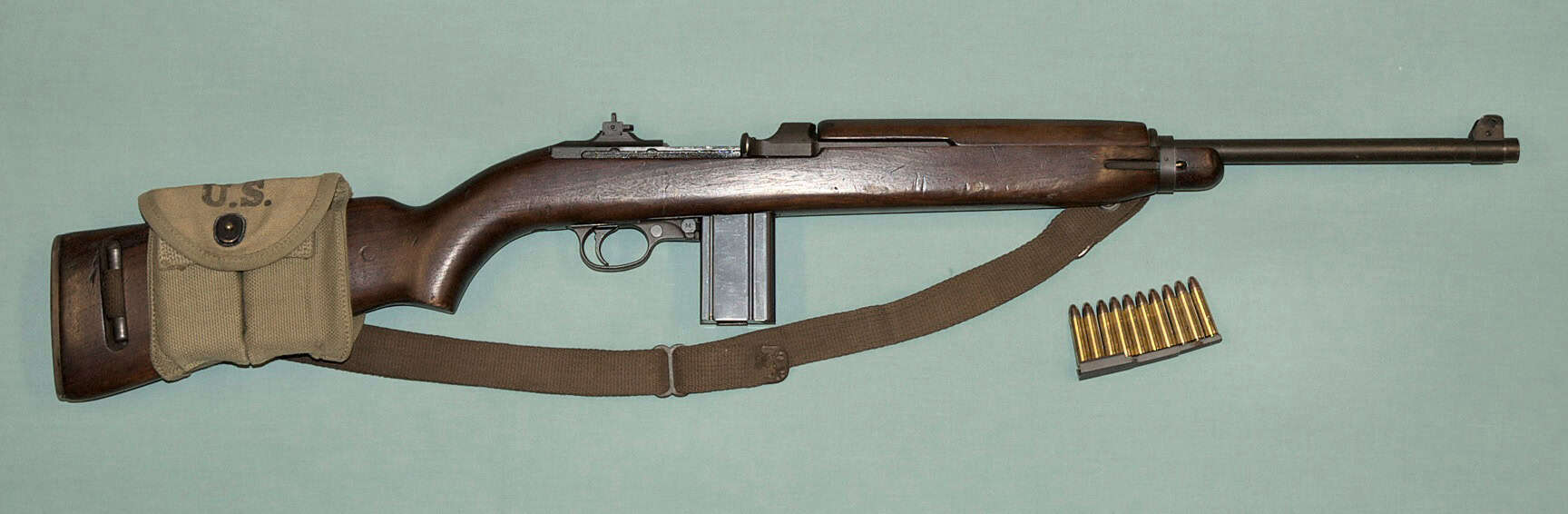
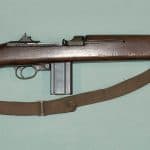
M1 Carbine
- Country of Origin: United States
- Weapon Type: Carbine
- Year Introduced: 1942
- Primary Jungle Conflict / Theater: WWII Pacific
- Key Jungle Adaptation: Lightweight, compact
- Combat Role in Jungle Warfare: Patrol/CQB
- Doctrinal Impact on Modern Warfare: Shift toward lighter infantry weapons
- Why It Worked in the Jungle: Easy handling in dense terrain
The M1 Carbine proved that lighter, more maneuverable rifles could outperform heavier weapons in dense jungle environments. Its compact size allowed troops to move quickly through vegetation while maintaining firepower. This helped push modern doctrine toward lighter infantry weapons designed for mobility and sustained operations in restrictive terrain.
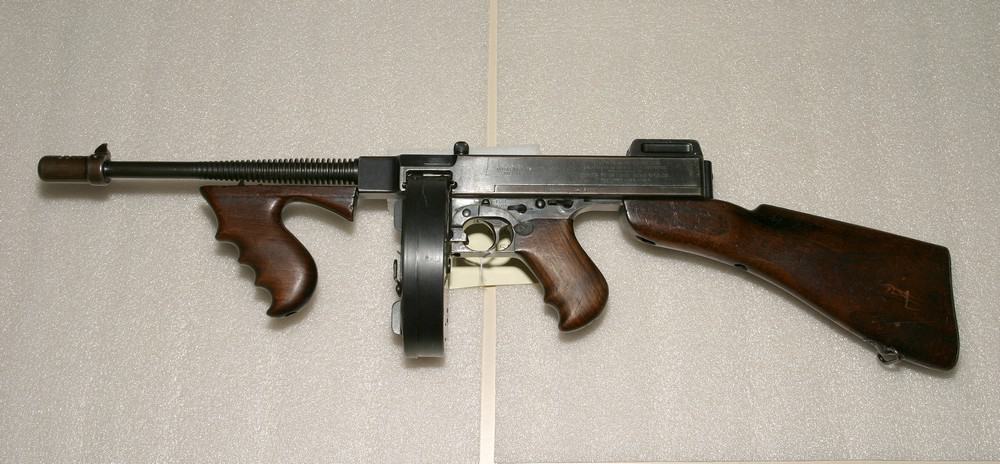
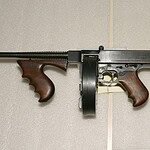
Thompson submachine gun
- Country of Origin: United States
- Weapon Type: SMG
- Year Introduced: 1921
- Primary Jungle Conflict / Theater: WWII Pacific
- Key Jungle Adaptation: High rate of fire
- Combat Role in Jungle Warfare: CQB
- Doctrinal Impact on Modern Warfare: Emphasized automatic fire in close combat
- Why It Worked in the Jungle: Devastating at short range
The Thompson submachine gun excelled in close-quarters jungle fighting where engagements happened at extremely short distances. Its high rate of fire gave troops a decisive edge in ambushes and assaults. This reinforced the importance of automatic weapons in tight environments and influenced the widespread adoption of high-rate-of-fire platforms.
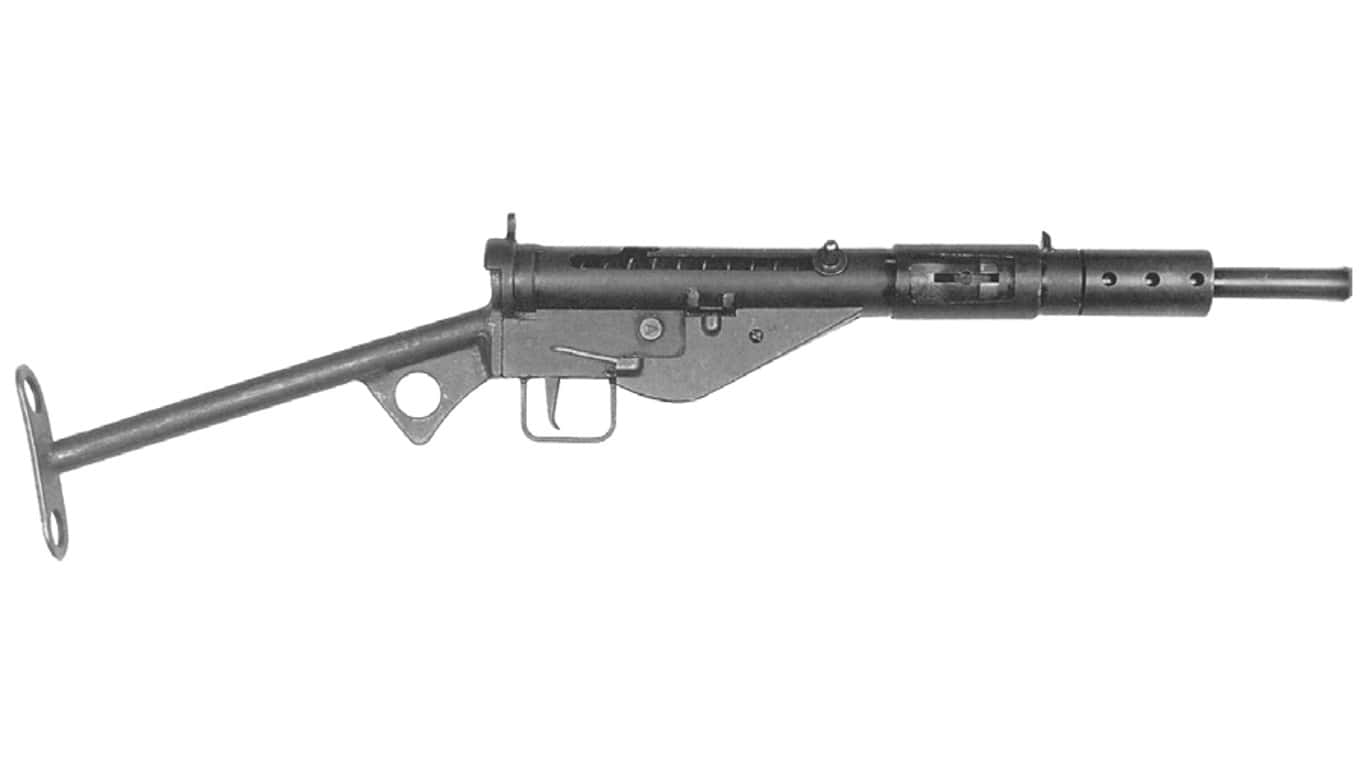
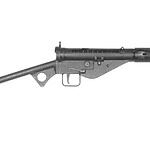
Sten gun
- Country of Origin: United Kingdom
- Weapon Type: SMG
- Year Introduced: 1941
- Primary Jungle Conflict / Theater: WWII Pacific
- Key Jungle Adaptation: Simple, rugged design
- Combat Role in Jungle Warfare: CQB
- Doctrinal Impact on Modern Warfare: Low-cost mass production weapons
- Why It Worked in the Jungle: Reliable in harsh conditions
The Sten gun demonstrated that simple, rugged weapons could perform effectively in harsh jungle conditions. Its minimal design reduced maintenance needs and allowed widespread distribution. This influenced modern thinking around reliability and ease of production in combat weapons.
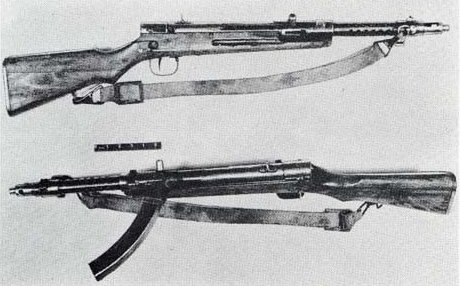
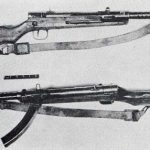
Type 100 submachine gun
- Country of Origin: Japan
- Weapon Type: SMG
- Year Introduced: 1942
- Primary Jungle Conflict / Theater: WWII Pacific
- Key Jungle Adaptation: Compact design
- Combat Role in Jungle Warfare: CQB
- Doctrinal Impact on Modern Warfare: Integrated SMGs into infantry squads
- Why It Worked in the Jungle: Effective in close jungle fighting
The Type 100 highlighted the effectiveness of compact automatic weapons in jungle combat. Its use reinforced the integration of submachine guns into infantry units for close-range engagements, shaping squad-level tactics in dense terrain.
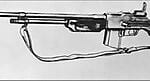
Browning Automatic Rifle (BAR)
- Country of Origin: United States
- Weapon Type: Automatic Rifle
- Year Introduced: 1918
- Primary Jungle Conflict / Theater: WWII Pacific
- Key Jungle Adaptation: Portable automatic fire
- Combat Role in Jungle Warfare: Suppressive fire
- Doctrinal Impact on Modern Warfare: Squad-level automatic weapons
- Why It Worked in the Jungle: Balanced firepower and mobility
The BAR provided portable automatic firepower that could be carried through difficult jungle terrain. It allowed small units to maintain suppressive fire while maneuvering, influencing modern squad-based fire support doctrine.
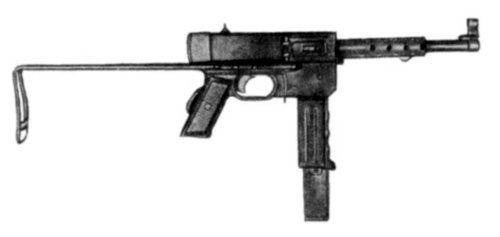
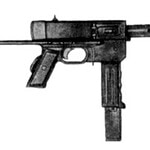
MAT-49
- Country of Origin: France
- Weapon Type: SMG
- Year Introduced: 1949
- Primary Jungle Conflict / Theater: Indochina
- Key Jungle Adaptation: Foldable, compact
- Combat Role in Jungle Warfare: CQB
- Doctrinal Impact on Modern Warfare: Portable SMGs for jungle patrols
- Why It Worked in the Jungle: Compact and durable
The MAT-49’s folding design made it highly portable for jungle patrols. Its compact form and reliability influenced the development of future compact submachine guns designed for mobility in confined environments.
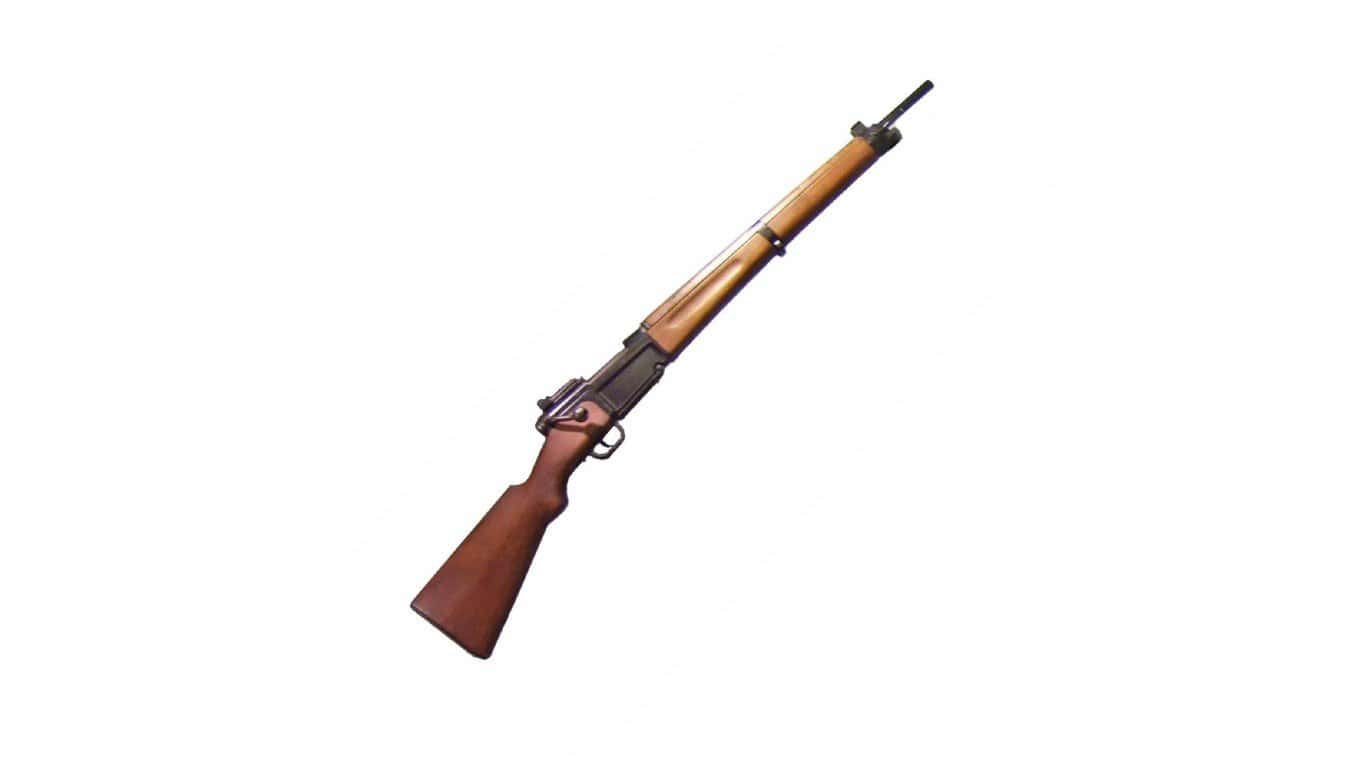
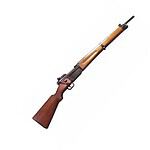
MAS-36
- Country of Origin: France
- Weapon Type: Bolt-action rifle
- Year Introduced: 1937
- Primary Jungle Conflict / Theater: Indochina
- Key Jungle Adaptation: Simple construction
- Combat Role in Jungle Warfare: General combat
- Doctrinal Impact on Modern Warfare: Reliability over complexity
- Why It Worked in the Jungle: Operated well in mud and humidity
The MAS-36 showed that simplicity and durability were critical in jungle environments. Its ability to function reliably in mud and humidity reinforced the importance of rugged weapon design in modern warfare.
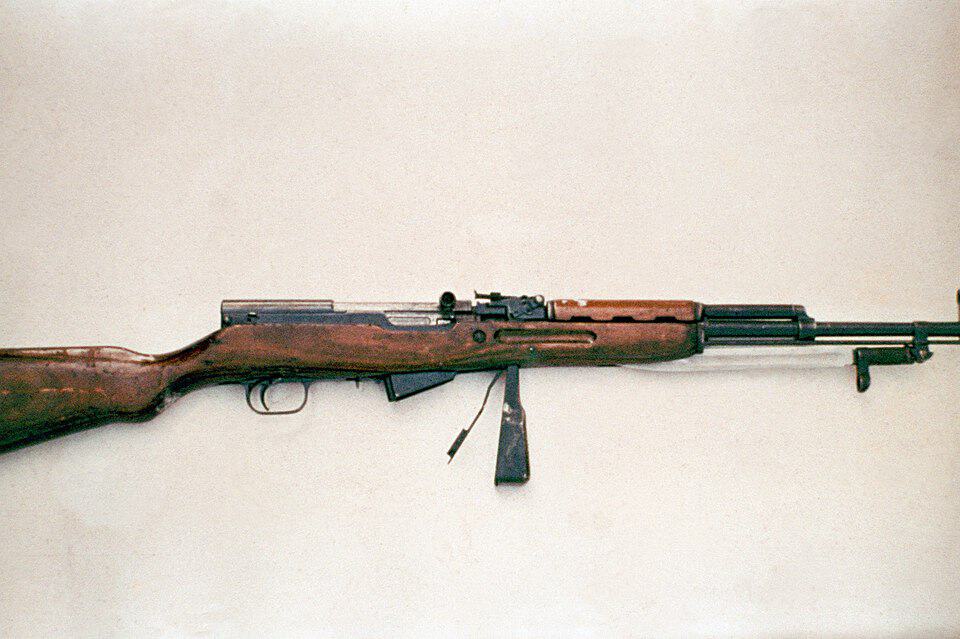
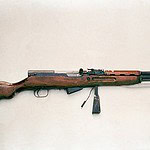
SKS
- Country of Origin: Soviet Union
- Weapon Type: Semi-auto carbine
- Year Introduced: 1945
- Primary Jungle Conflict / Theater: Indochina/Vietnam
- Key Jungle Adaptation: Semi-auto capability
- Combat Role in Jungle Warfare: Patrol weapon
- Doctrinal Impact on Modern Warfare: Transition to semi-auto infantry rifles
- Why It Worked in the Jungle: Reliable and simple
The SKS bridged the gap between bolt-action rifles and modern assault rifles, offering semi-automatic fire in a reliable platform. Its success in jungle warfare contributed to the global shift toward faster-firing infantry weapons.
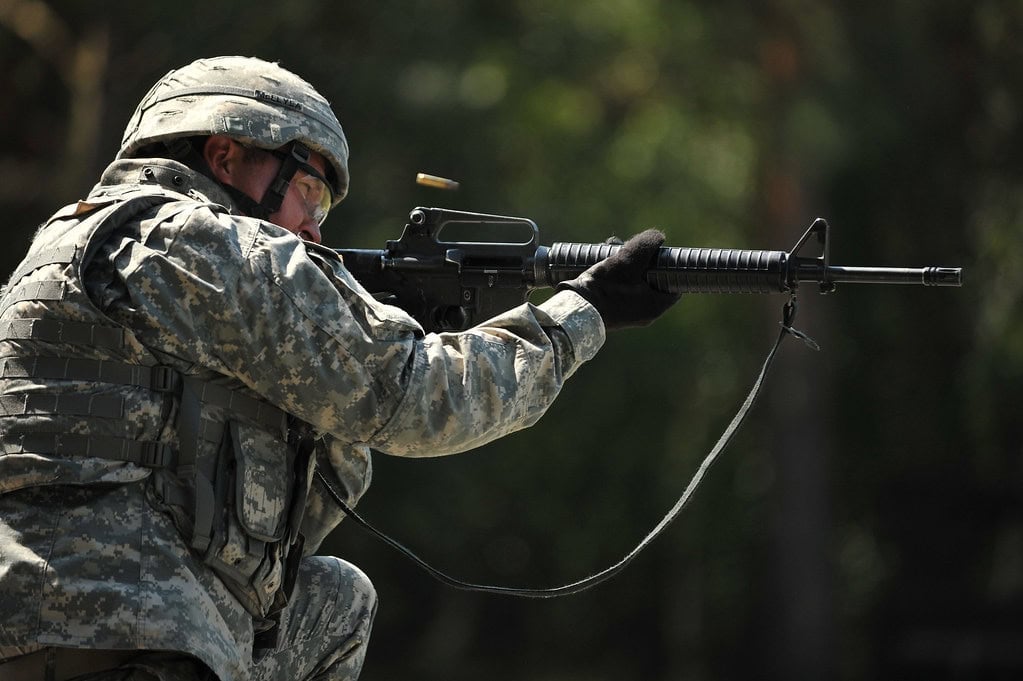
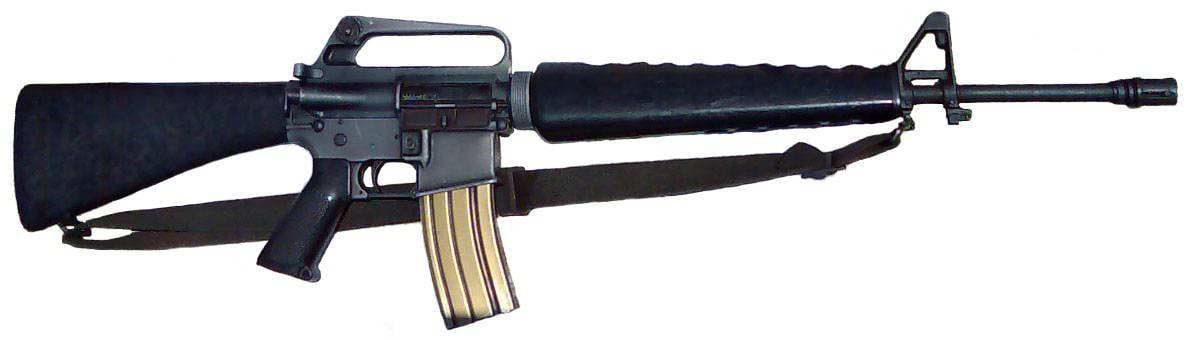
M16 rifle
- Country of Origin: United States
- Weapon Type: Assault rifle
- Year Introduced: 1964
- Primary Jungle Conflict / Theater: Vietnam
- Key Jungle Adaptation: Lightweight, high velocity
- Combat Role in Jungle Warfare: General combat
- Doctrinal Impact on Modern Warfare: Shift to small-caliber high-velocity
- Why It Worked in the Jungle: High fire rate and low recoil
The M16 redefined infantry weapons with its lightweight design and high-velocity ammunition. Despite early reliability issues, it proved highly effective in jungle combat, driving the global transition to smaller-caliber, high-rate-of-fire rifles.
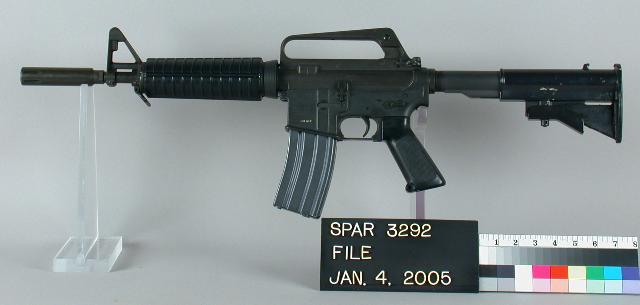
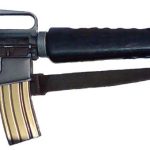
CAR-15
- Country of Origin: United States
- Weapon Type: Carbine
- Year Introduced: 1965
- Primary Jungle Conflict / Theater: Vietnam
- Key Jungle Adaptation: Short barrel, compact
- Combat Role in Jungle Warfare: CQB/patrol
- Doctrinal Impact on Modern Warfare: Rise of modular carbines
- Why It Worked in the Jungle: Ideal for mobility
The CAR-15 demonstrated the effectiveness of compact carbines in jungle warfare. Its shorter length improved maneuverability, influencing the development of modern modular carbines used by special operations forces.
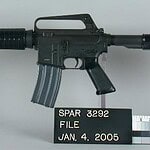
XM177
- Country of Origin: United States
- Weapon Type: Carbine
- Year Introduced: 1966
- Primary Jungle Conflict / Theater: Vietnam
- Key Jungle Adaptation: Compact with moderator
- Combat Role in Jungle Warfare: CQB
- Doctrinal Impact on Modern Warfare: Special operations carbines
- Why It Worked in the Jungle: Enhanced maneuverability
The XM177 provided enhanced compactness and sound moderation, making it ideal for special operations in dense jungle terrain. It helped shape the evolution of specialized carbines for elite units.
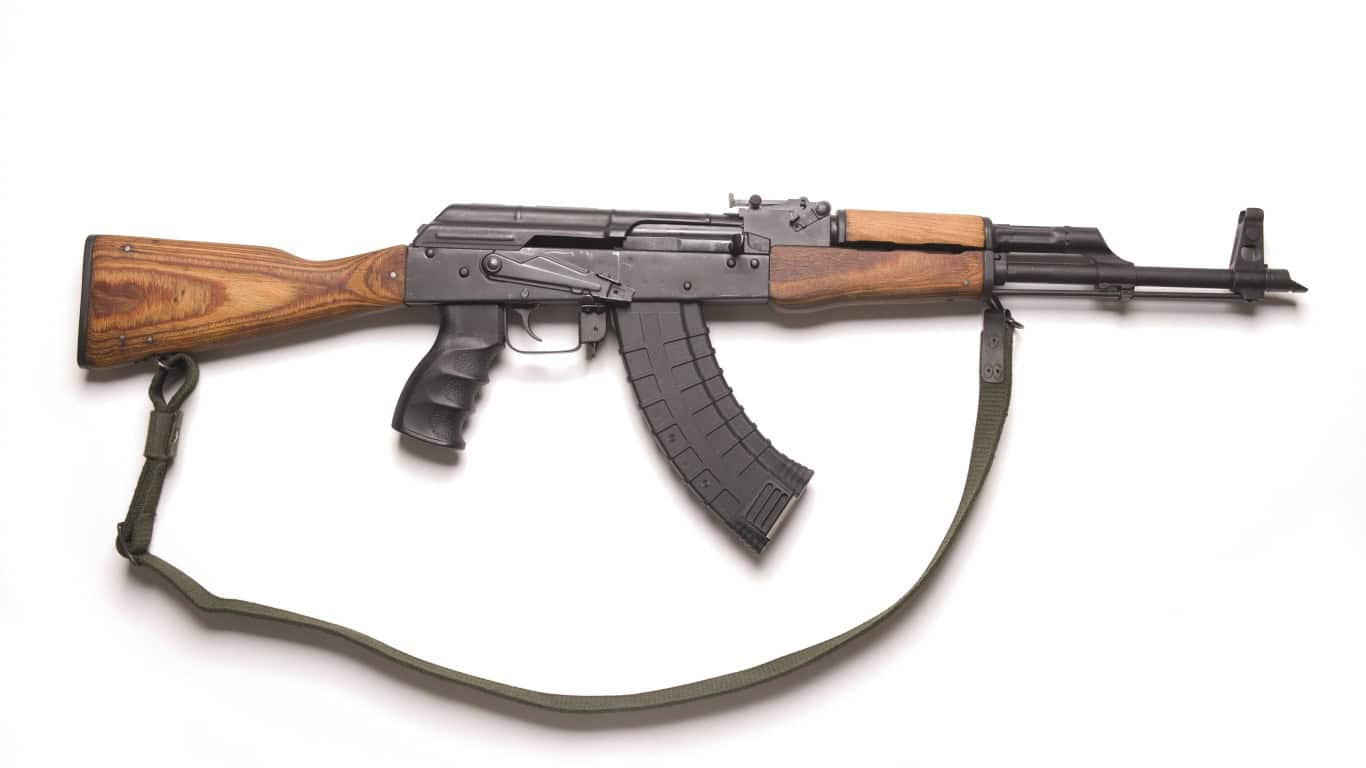
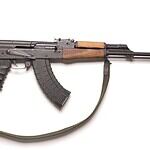
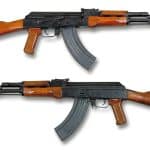
AK-47
- Country of Origin: Soviet Union
- Weapon Type: Assault rifle
- Year Introduced: 1947
- Primary Jungle Conflict / Theater: Vietnam
- Key Jungle Adaptation: Extreme reliability
- Combat Role in Jungle Warfare: General combat
- Doctrinal Impact on Modern Warfare: Global standard for rugged rifles
- Why It Worked in the Jungle: Operated in all conditions
The AK-47 became synonymous with reliability in harsh environments, including jungles. Its ability to function in mud, water, and humidity made it a global benchmark for durability, influencing countless weapon designs.
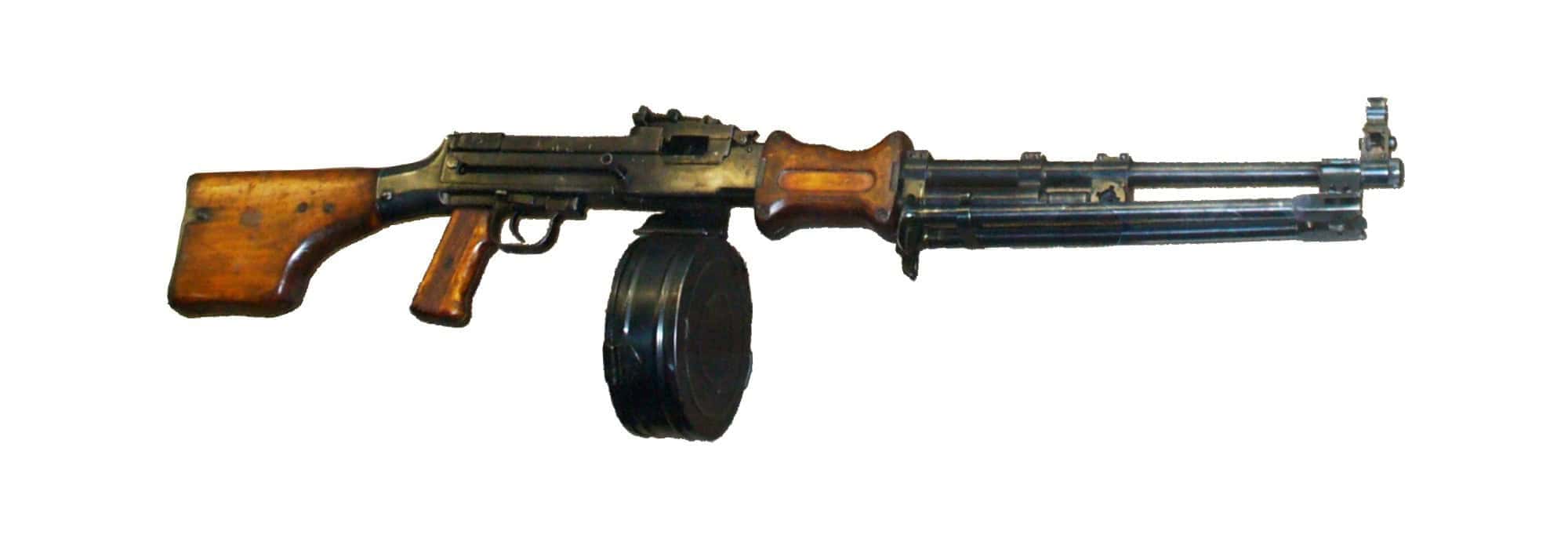
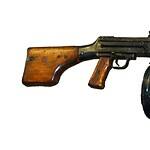
RPD
- Country of Origin: Soviet Union
- Weapon Type: LMG
- Year Introduced: 1944
- Primary Jungle Conflict / Theater: Vietnam
- Key Jungle Adaptation: Belt-fed light MG
- Combat Role in Jungle Warfare: Suppressive fire
- Doctrinal Impact on Modern Warfare: Mobile automatic fire
- Why It Worked in the Jungle: Consistent fire in jungle
The RPD provided sustained suppressive fire in a relatively lightweight package, making it effective for jungle warfare. It influenced the development of modern light machine guns optimized for mobility.
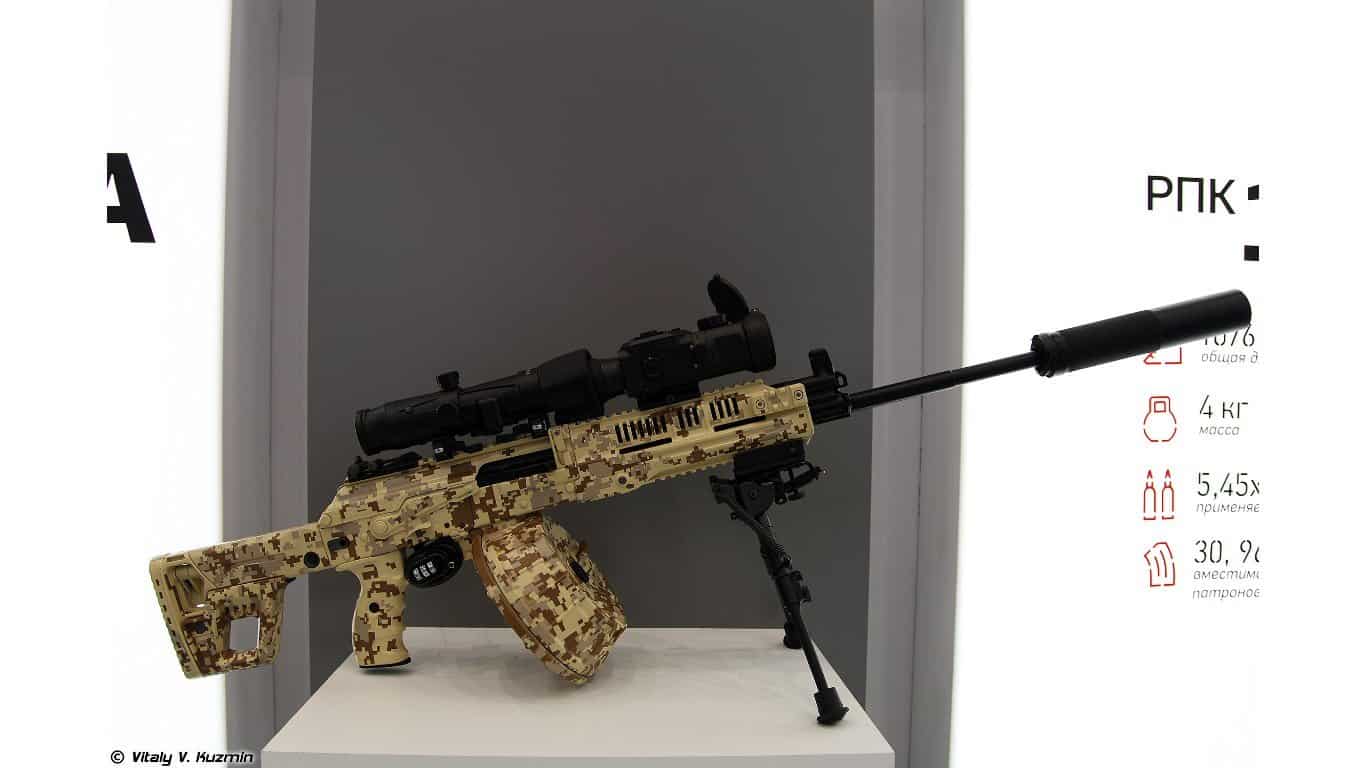
RPK
- Country of Origin: Soviet Union
- Weapon Type: LMG
- Year Introduced: 1961
- Primary Jungle Conflict / Theater: Vietnam
- Key Jungle Adaptation: Rifle-based MG
- Combat Role in Jungle Warfare: Squad support
- Doctrinal Impact on Modern Warfare: Integrated LMG into rifle squads
- Why It Worked in the Jungle: Shared ammo/logistics
The RPK integrated machine gun capability into standard infantry units by sharing components with rifles. This streamlined logistics and influenced modern squad weapon design.
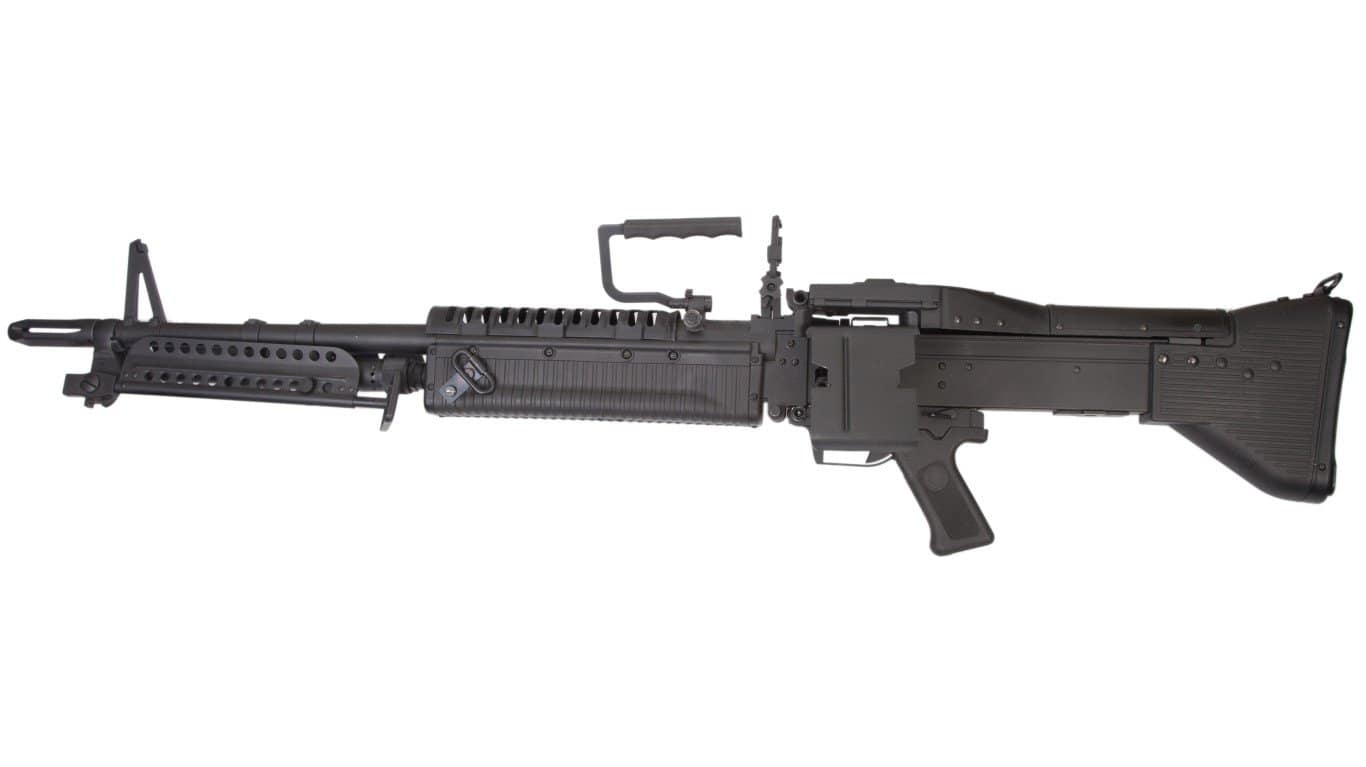
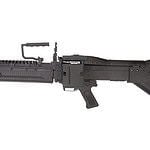
M60 machine gun
- Country of Origin: United States
- Weapon Type: GPMG
- Year Introduced: 1957
- Primary Jungle Conflict / Theater: Vietnam
- Key Jungle Adaptation: Sustained fire
- Combat Role in Jungle Warfare: Suppressive fire
- Doctrinal Impact on Modern Warfare: Modern GPMG doctrine
- Why It Worked in the Jungle: High volume firepower
The M60 provided U.S. forces with a versatile general-purpose machine gun capable of sustained fire in jungle conditions. It reinforced the importance of adaptable support weapons in modern infantry doctrine.
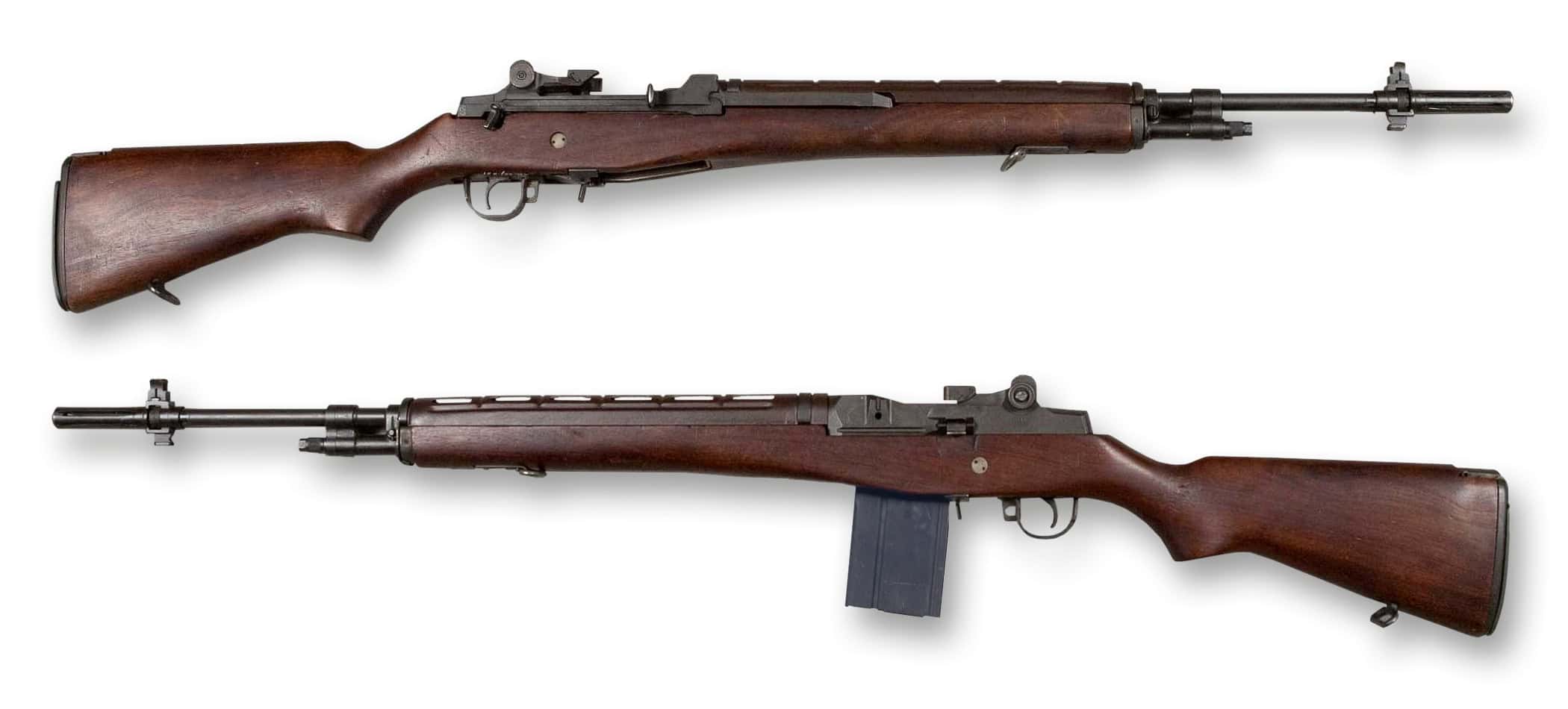
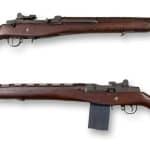
M14 rifle
- Country of Origin: United States
- Weapon Type: Battle rifle
- Year Introduced: 1959
- Primary Jungle Conflict / Theater: Vietnam
- Key Jungle Adaptation: Powerful cartridge
- Combat Role in Jungle Warfare: General combat
- Doctrinal Impact on Modern Warfare: Transition away from full-power rifles
- Why It Worked in the Jungle: Too heavy for jungle
The M14 highlighted the limitations of full-power battle rifles in jungle warfare. Its weight and recoil made it less effective in close, fast-moving engagements, accelerating the shift toward lighter assault rifles.
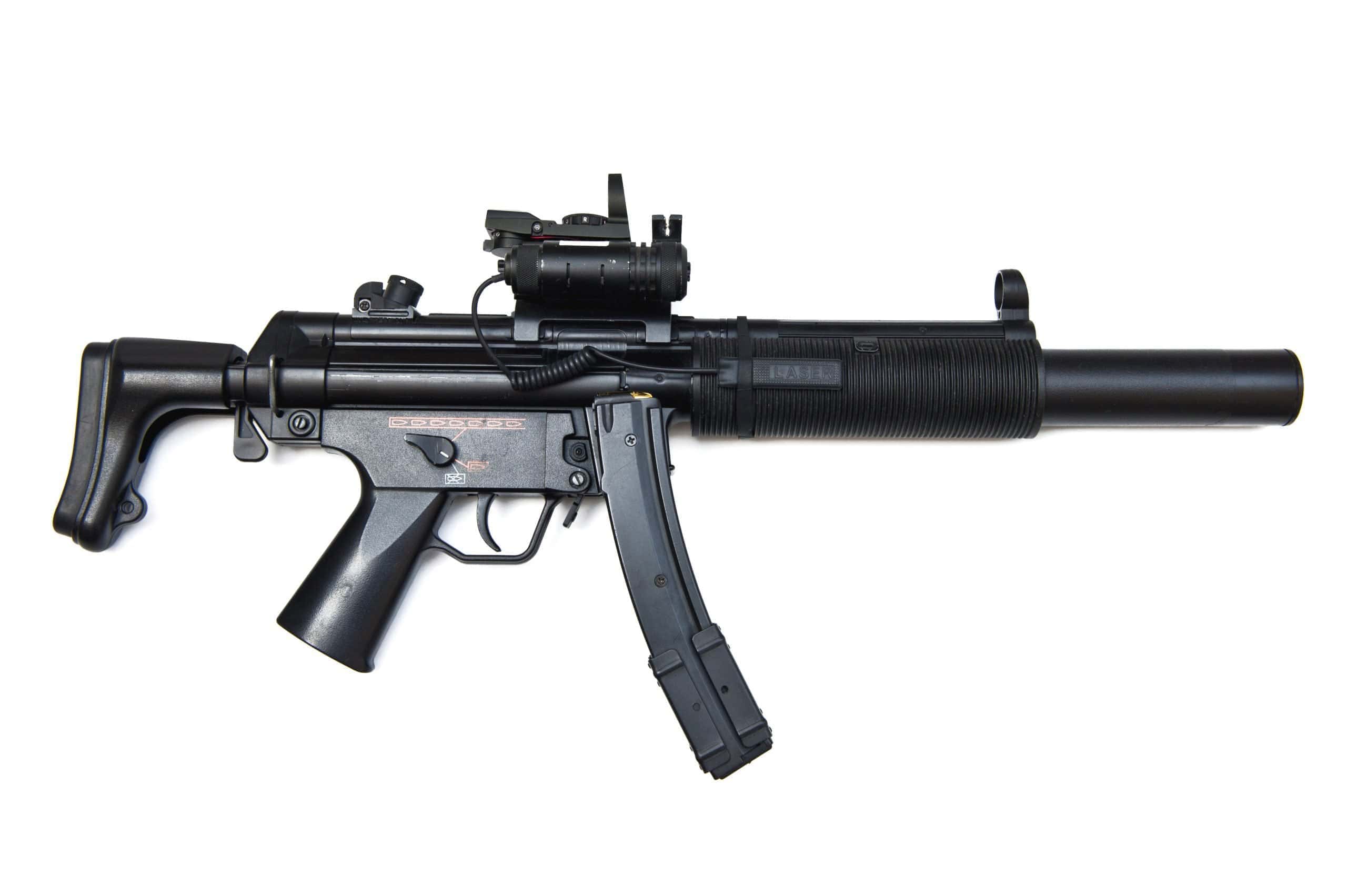
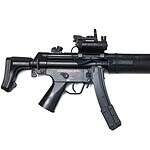
MP5
- Country of Origin: Germany
- Weapon Type: SMG
- Year Introduced: 1966
- Primary Jungle Conflict / Theater: Post-Vietnam
- Key Jungle Adaptation: Precision control
- Combat Role in Jungle Warfare: CQB
- Doctrinal Impact on Modern Warfare: Modern SMG doctrine
- Why It Worked in the Jungle: Accurate and controllable
The MP5 brought improved accuracy and controllability to submachine guns, making it ideal for precise engagements in confined spaces. It influenced modern CQB tactics worldwide.
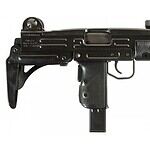
Uzi
- Country of Origin: Israel
- Weapon Type: SMG
- Year Introduced: 1954
- Primary Jungle Conflict / Theater: Various jungle conflicts
- Key Jungle Adaptation: Compact automatic fire
- Combat Role in Jungle Warfare: CQB
- Doctrinal Impact on Modern Warfare: SMG portability
- Why It Worked in the Jungle: Reliable compact design
The Uzi’s compact and rugged design made it effective in jungle and urban environments alike. Its success reinforced the value of portability in automatic weapons.
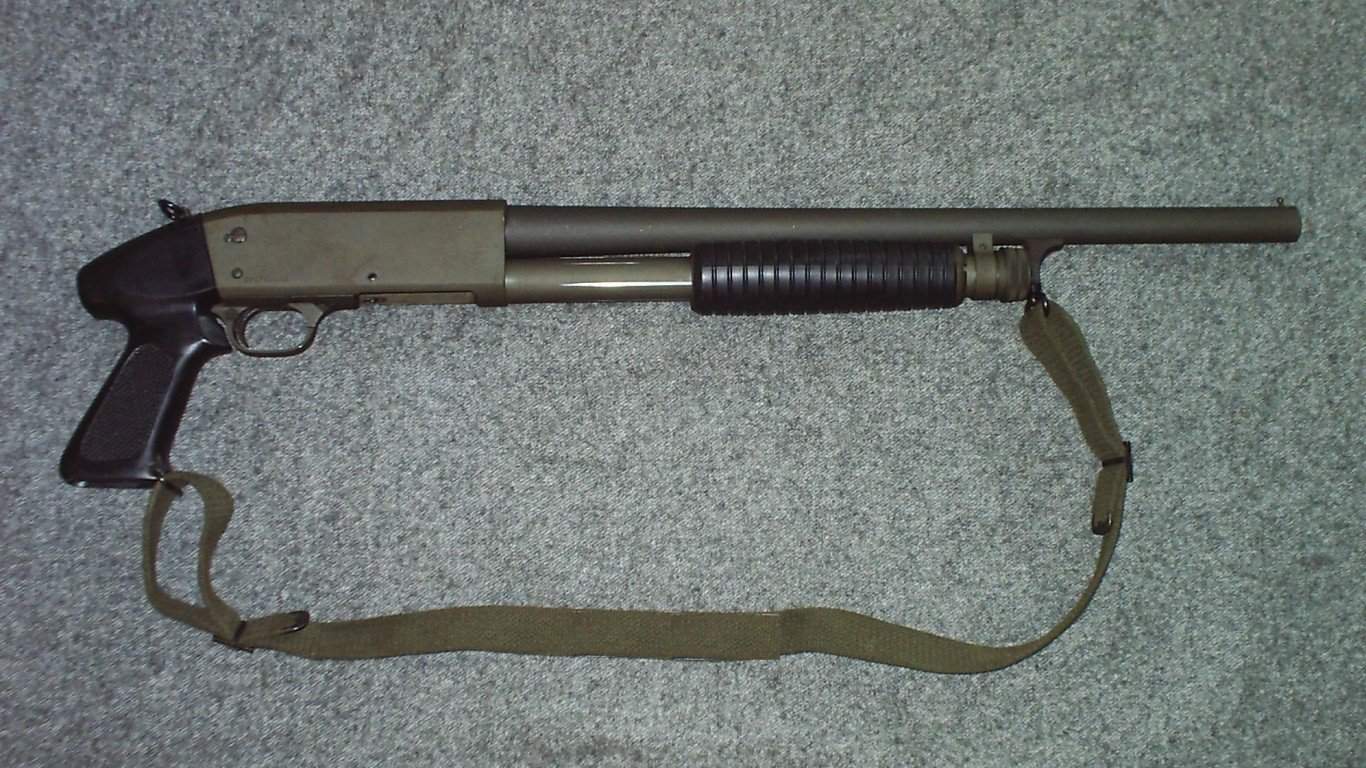
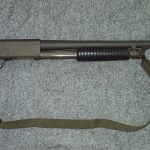
Ithaca 37
- Country of Origin: United States
- Weapon Type: Shotgun
- Year Introduced: 1937
- Primary Jungle Conflict / Theater: Vietnam
- Key Jungle Adaptation: Pump-action reliability
- Combat Role in Jungle Warfare: Breaching/CQB
- Doctrinal Impact on Modern Warfare: Shotguns in jungle warfare
- Why It Worked in the Jungle: Effective at close range
The Ithaca 37 proved highly effective in close-range jungle engagements, particularly for ambushes and breaching. It reinforced the continued relevance of shotguns in modern combat.
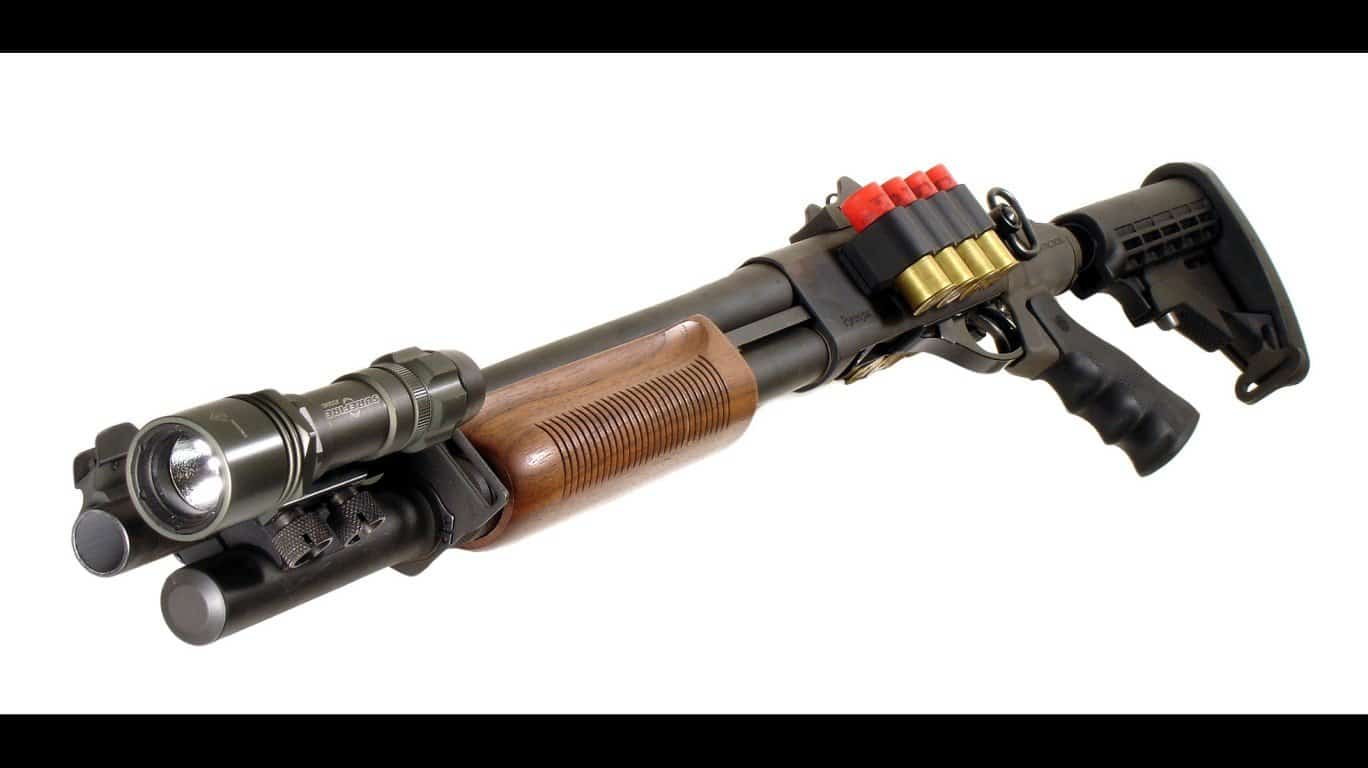
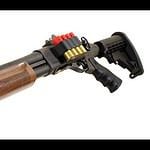
Remington 870
- Country of Origin: United States
- Weapon Type: Shotgun
- Year Introduced: 1950
- Primary Jungle Conflict / Theater: Vietnam
- Key Jungle Adaptation: Durability
- Combat Role in Jungle Warfare: Breaching/CQB
- Doctrinal Impact on Modern Warfare: Standardized combat shotgun use
- Why It Worked in the Jungle: Reliable in all conditions
The Remington 870 became a standard for combat shotguns due to its reliability and durability. It influenced modern military shotgun use.
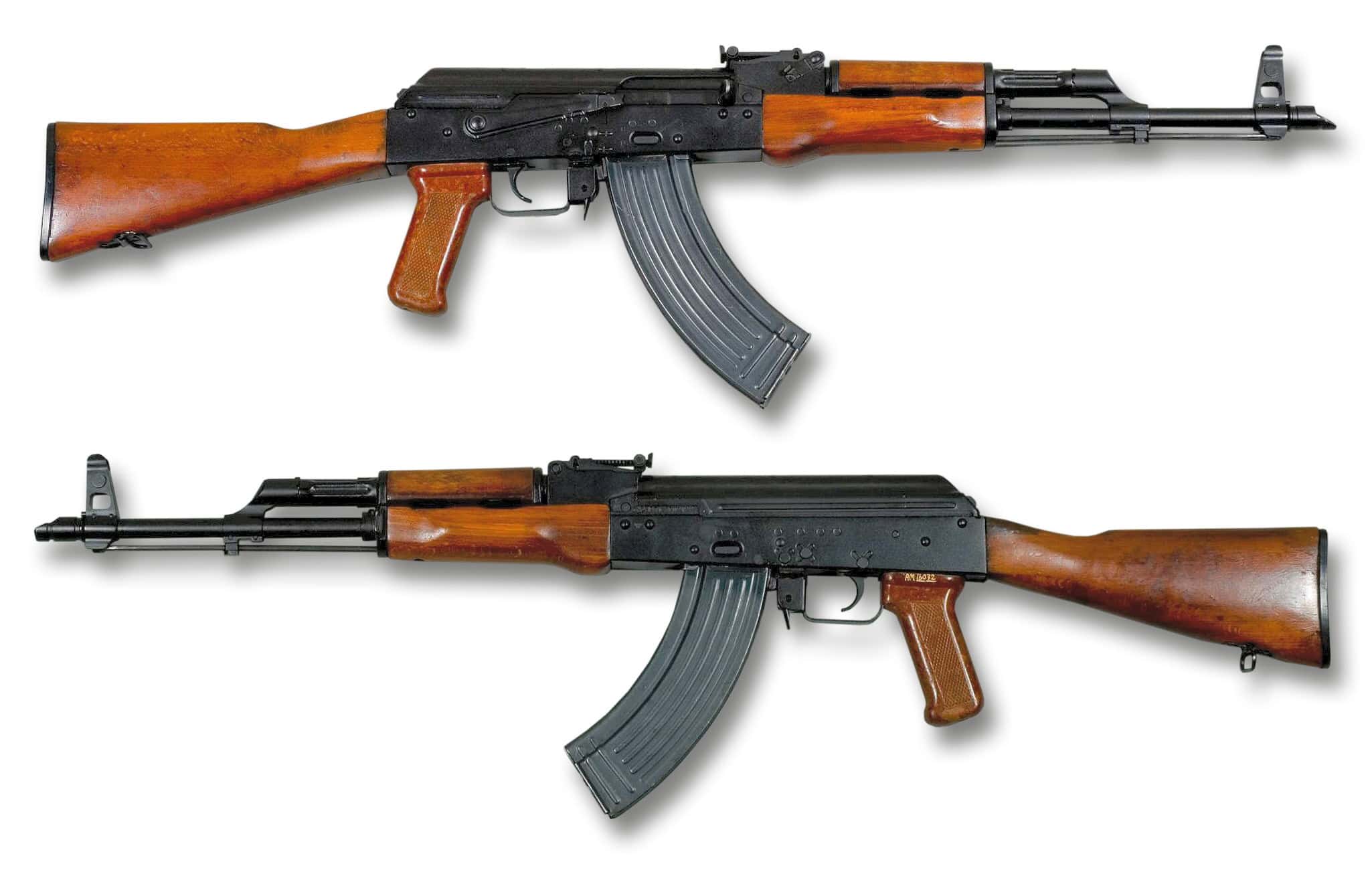
AKM
- Country of Origin: Soviet Union
- Weapon Type: Assault rifle
- Year Introduced: 1959
- Primary Jungle Conflict / Theater: Post-Vietnam
- Key Jungle Adaptation: Improved AK design
- Combat Role in Jungle Warfare: General combat
- Doctrinal Impact on Modern Warfare: Refined assault rifle concept
- Why It Worked in the Jungle: Lighter and reliable
The AKM refined the AK-47 design with reduced weight and improved manufacturing. It became a global standard, reinforcing the importance of reliable, easy-to-produce rifles.
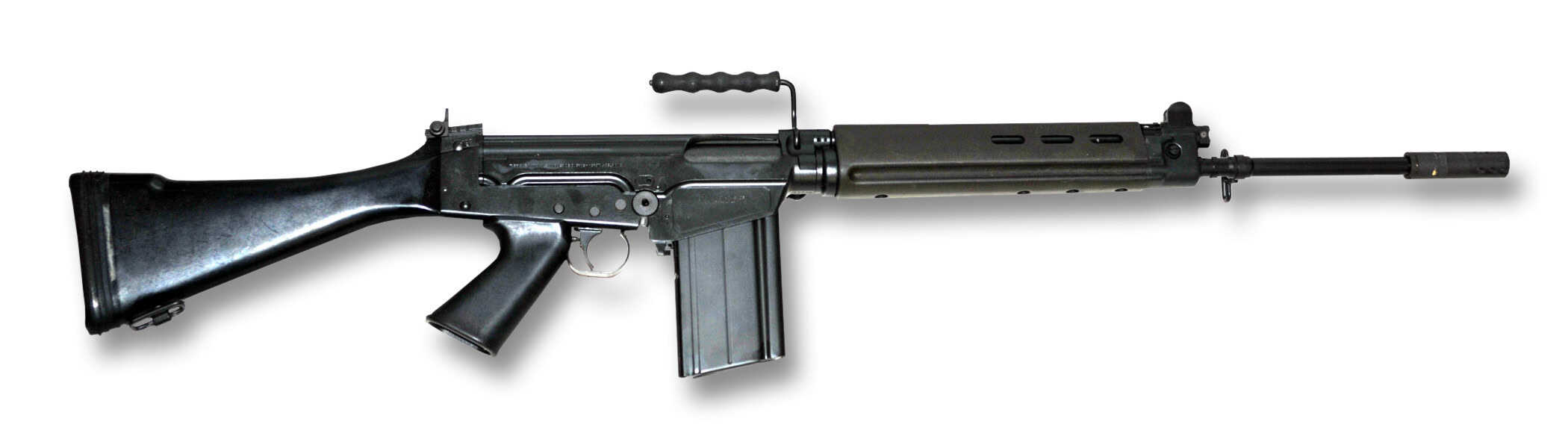
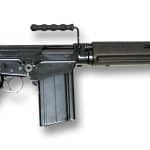
FN FAL
- Country of Origin: Belgium
- Weapon Type: Battle rifle
- Year Introduced: 1953
- Primary Jungle Conflict / Theater: Various
- Key Jungle Adaptation: Robust design
- Combat Role in Jungle Warfare: General combat
- Doctrinal Impact on Modern Warfare: Cold War standard rifle
- Why It Worked in the Jungle: Struggled in jungle weight
The FN FAL was widely adopted but showed limitations in jungle environments due to its size and weight. Its performance helped reinforce the need for lighter weapons.
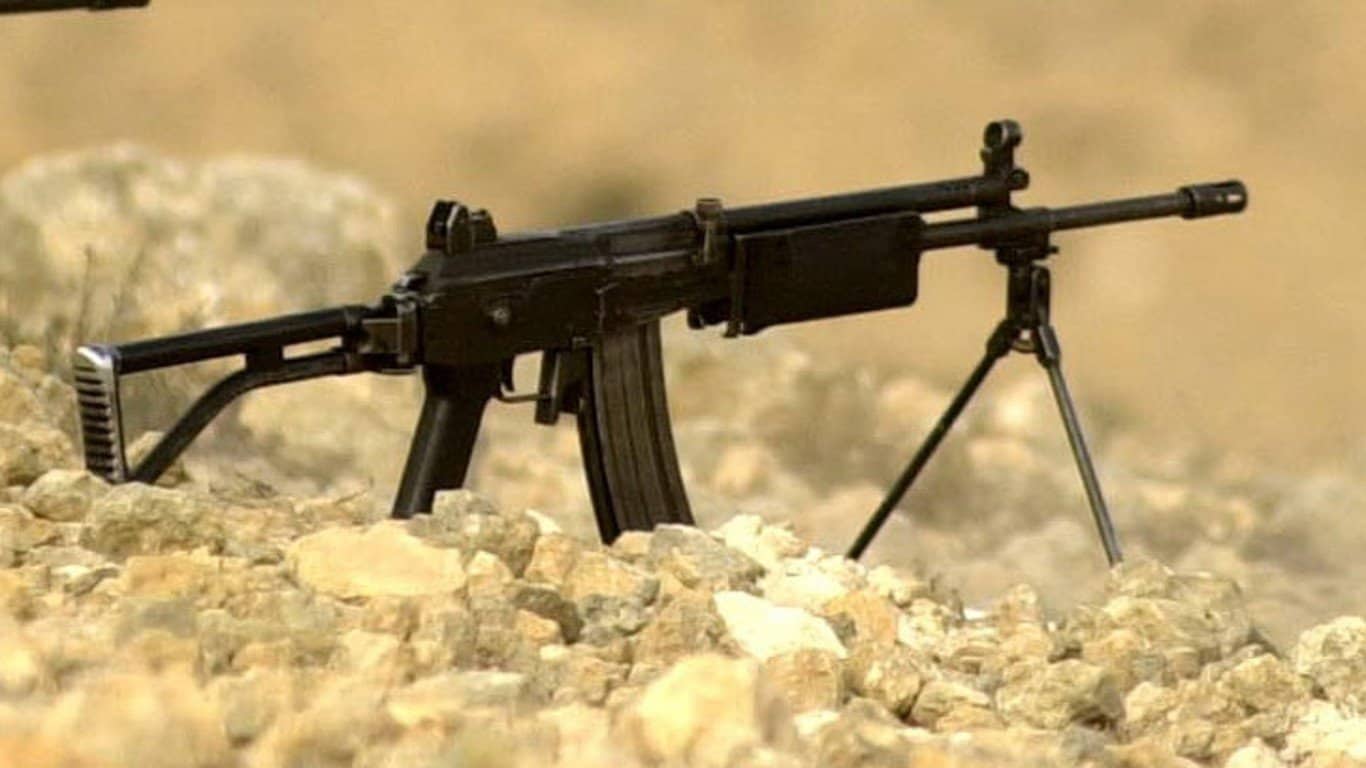
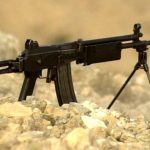
Galil
- Country of Origin: Israel
- Weapon Type: Assault rifle
- Year Introduced: 1972
- Primary Jungle Conflict / Theater: Modern jungle conflicts
- Key Jungle Adaptation: AK-based reliability
- Combat Role in Jungle Warfare: General combat
- Doctrinal Impact on Modern Warfare: Hybrid rifle design
- Why It Worked in the Jungle: Reliable in harsh environments
The Galil combined AK reliability with Western ergonomics, making it effective in harsh environments including jungles. It influenced hybrid rifle designs.
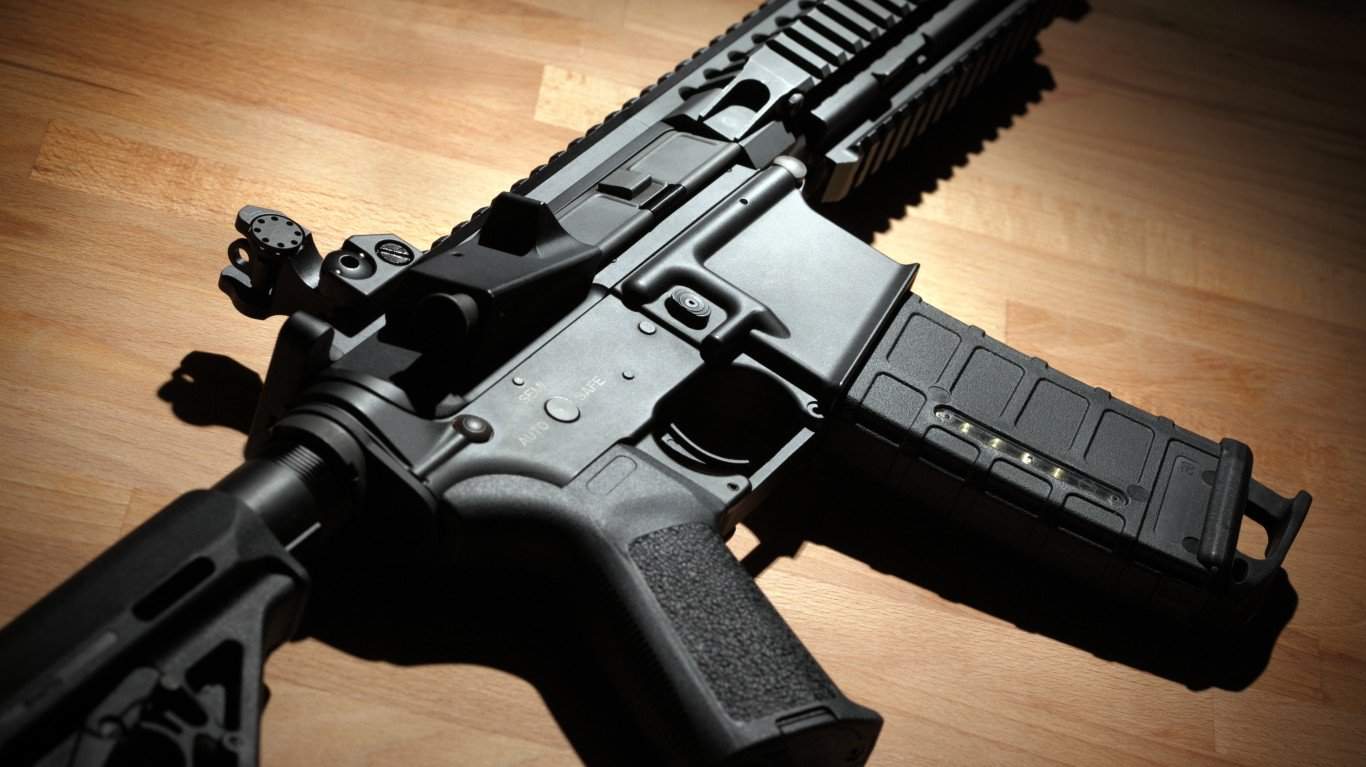
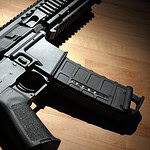
M4 Carbine
- Country of Origin: United States
- Weapon Type: Carbine
- Year Introduced: 1994
- Primary Jungle Conflict / Theater: Modern jungle ops
- Key Jungle Adaptation: Compact modularity
- Combat Role in Jungle Warfare: CQB/patrol
- Doctrinal Impact on Modern Warfare: Standard modern carbine
- Why It Worked in the Jungle: Highly adaptable
The M4 Carbine represents the evolution of compact, modular rifles optimized for modern combat. Its adaptability makes it effective across environments, including jungle warfare.
Steyr AUG
- Country of Origin: Austria
- Weapon Type: Bullpup rifle
- Year Introduced: 1977
- Primary Jungle Conflict / Theater: Modern jungle ops
- Key Jungle Adaptation: Compact bullpup design
- Combat Role in Jungle Warfare: General combat
- Doctrinal Impact on Modern Warfare: Bullpup adoption
- Why It Worked in the Jungle: Short length with full barrel
The Steyr AUG demonstrated the advantages of bullpup design, offering a full-length barrel in a compact form. This made it suitable for dense environments and influenced modern rifle layouts.
The image featured at the top of this post is ©dotshock / Shutterstock.com – License / Original