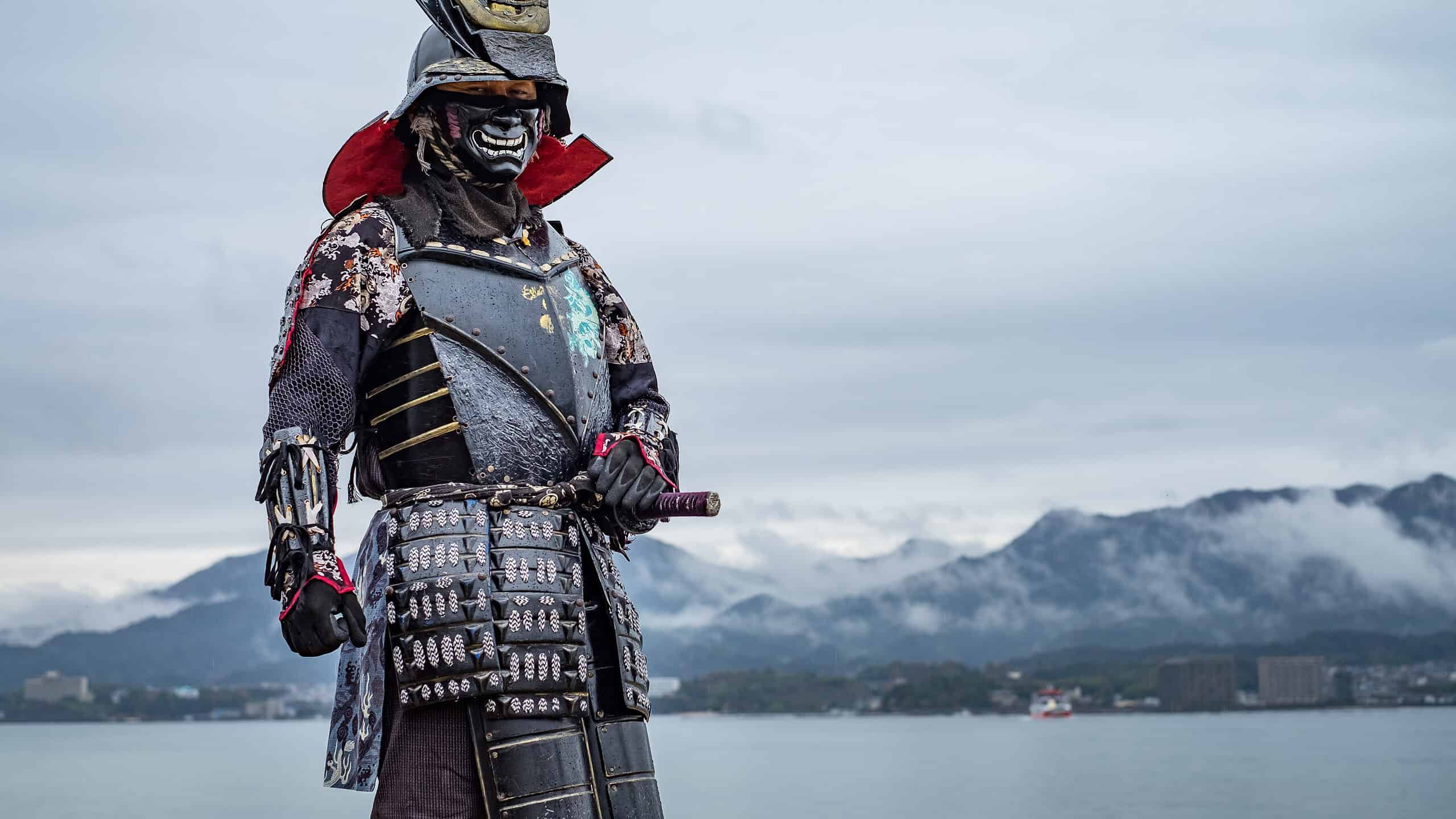

Military units don’t win wars by themselves, but they can transcend their roles on the battlefield to become something else entirely. Certain units have become the stuff of legends, serving as symbols of national identity. They served traditional military functions, sure, but they also were emblematic of the likes of the political narratives and national ethos of their respective eras. Today, we’re looking at those military units that have legacies that precede them, with a history that serves as both a sign of their military prowess and their larger cultural meaning.
Roman Legions
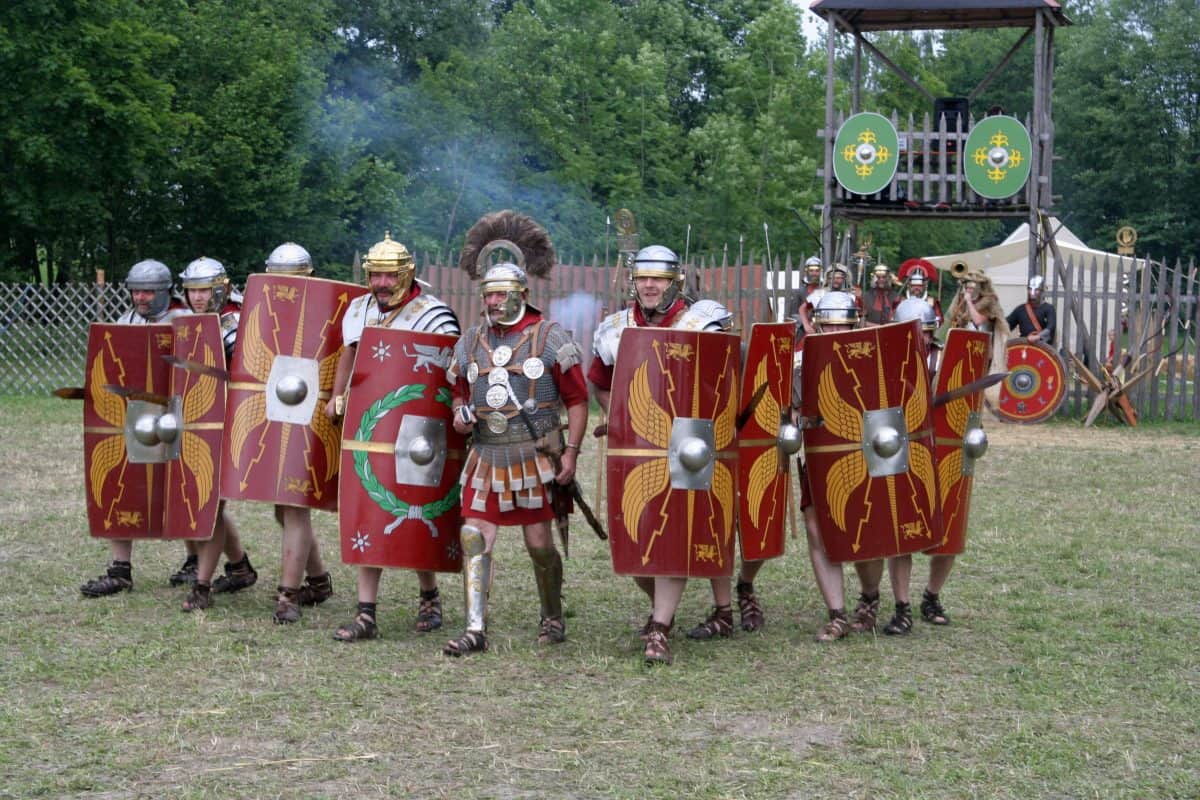
©"Roman legion at attack" by No machine-readable author provided. MatthiasKabel assumed (based on copyright claims). is licensed under BY-SA 3.0. – Original / License
When you think of any military unit throughout Antiquity, the Roman Legions have to be at the very top of the list. Disciplined, adaptable, and dominant, the Roman Legions were the backbone of the ambitions of both the Republic and the Empire. They made use of standardized training, amazing engineering prowess, and a clear chain of command. These aspects made Rome something beyond a regional power and made it into an empire that spanned three continents.
The Legions had influence that existed well beyond the battlefield. Veterans of the armed forces were often settled in frontier territories, serving as cultural ambassadors and spreading customs, language, and political structures across the empire. Legionaries were responsible for the roads, fortifications, and the foundations of some of the cities across the Roman Empire.
The Legions were a symbol of Roman identity. They symbolized loyalty to the state, discipline, and order, all vital elements of the Roman cultural identity. Even after the fall of the Western Roman Empire, the Legions cast a long shadow on the rest of Europe. They remain a symbol of Roman strength and their accomplishments.
Spartan Hoplites
©SerhiiBobyk/iStock via Getty Images
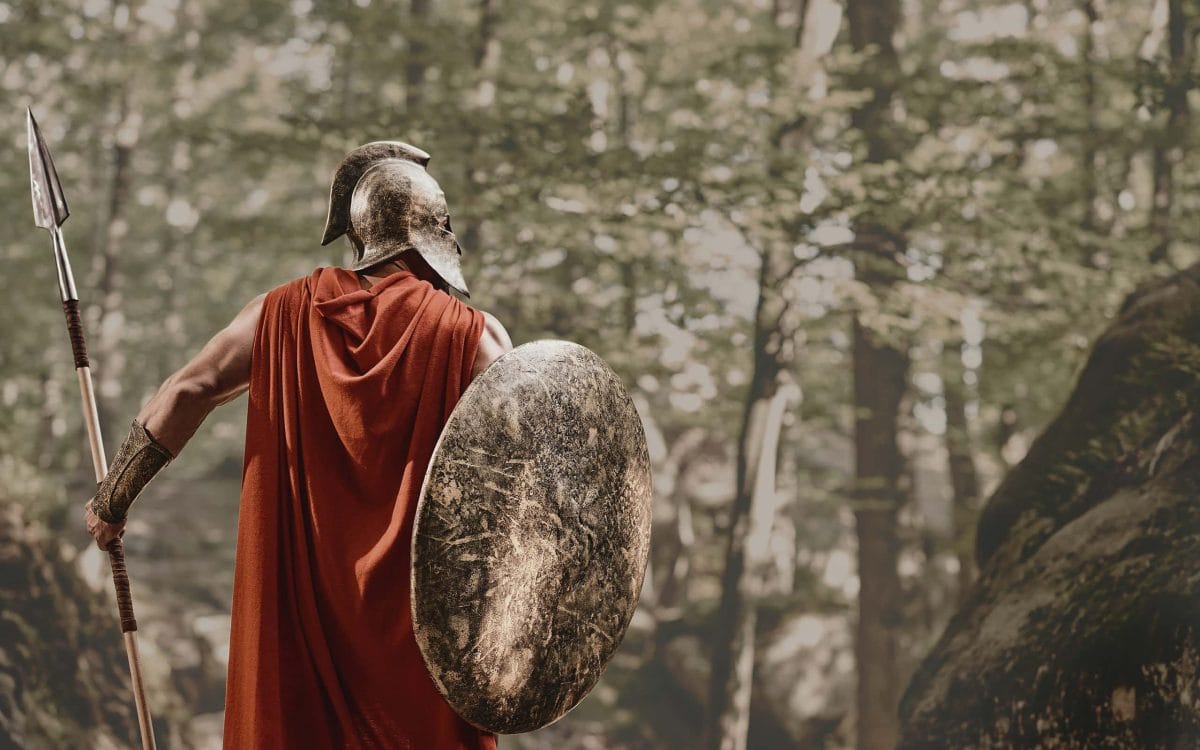
Long before the Romans dominated the battlefields of Europe, the Greek city-states were the main power of their era. Among the city-states, Sparta was one honed on the notion of warfare. All men were required to serve in the military, training from childhood in weaponry, tactics, and other aspects of combat. This rigorous, demanding system of training was honed toward collective survival. The Greek city-states weren’t a unified entity by any means, often fighting each other just as bitterly as foreign rivals like the Persians. The Spartans made use of hoplites, often arranged in tight formations like the phalanx when fighting against enemies.
The Spartan hoplites are best known for their conduct at the Battle of Thermopylae in 480 BCE. They were ultimately defeated in battle by the Persians. They lacked numbers, being vastly outnumbered by the invading Persian military. However, they gave just as good as they got, and ultimately delayed the Persian army enough to allow their allies in Athens to bolster their forces and ultimately win the war. The Spartans may have lost their king in the battle, but they had cemented their legacy in the annals of history.
Further, the very image of the Spartan informs our popular perception of the Greek city-states. These citizen-soldiers were built for combat, honed from the time they could take their first steps. Their unwavering courage in the face of insurmountable military odds would inform Greek cultural identity, something that persists well into the modern era.
Samurai
©Josiah S/ via Getty Images
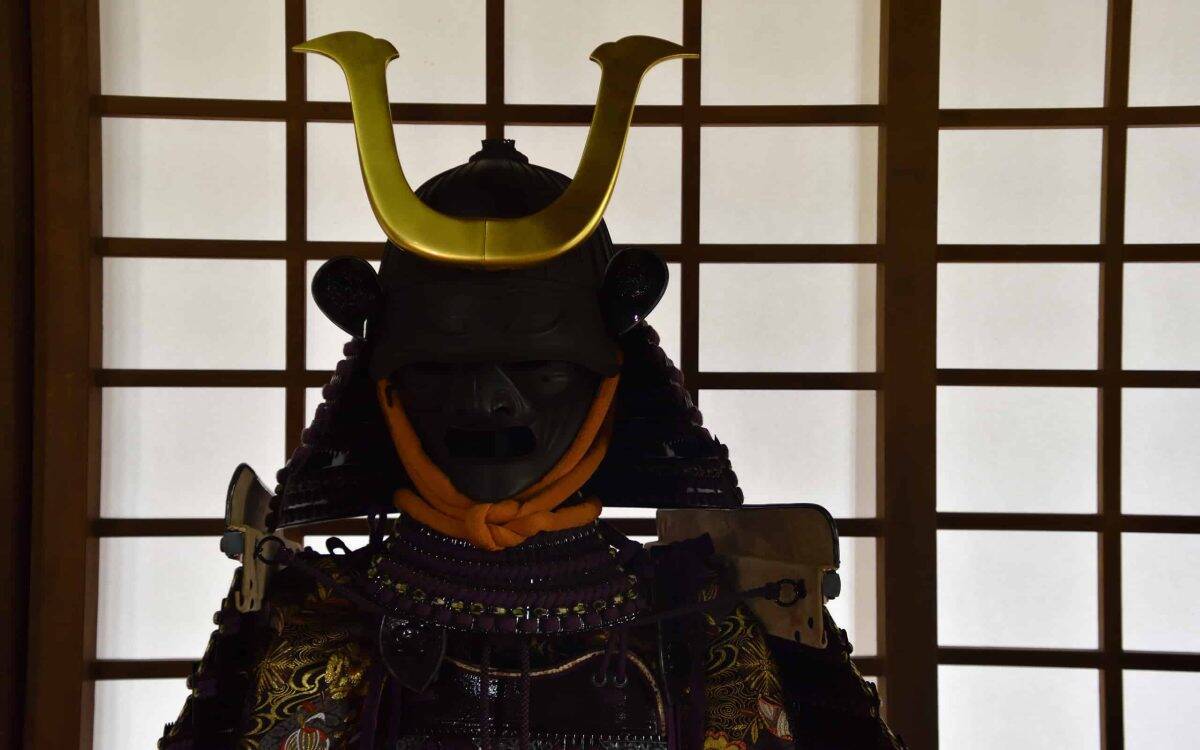
What do you get when you have a military unit that isn’t solely for warfare, but a larger symbol of the cultural and moral codes of their era? The samurai are an enduring symbol of feudal Japan. Bound by a code emphasizing loyalty, honor, and self-discipline, the samurai ultimately would shape the governance and overall culture of Japan for centuries.
The influence of the samurai went well past the battlefield. They served as administrators, scholars, and governors. The samurai ethos influenced literature, philosophy, and the arts. Well, after the samurai were abolished following the Boshin War, they remained a persistent element of the national identity surrounding Japan.
The sudden Westernization and modernization of Japan did little to diminish the influence of the samurai ethos and code. Instead, it was reframed to support these leaps forward. For better or worse, the samurai spirit would influence Japan’s ambitions throughout both World Wars. That said, the spirit of discipline and honor persists in the modern day.
Red Army
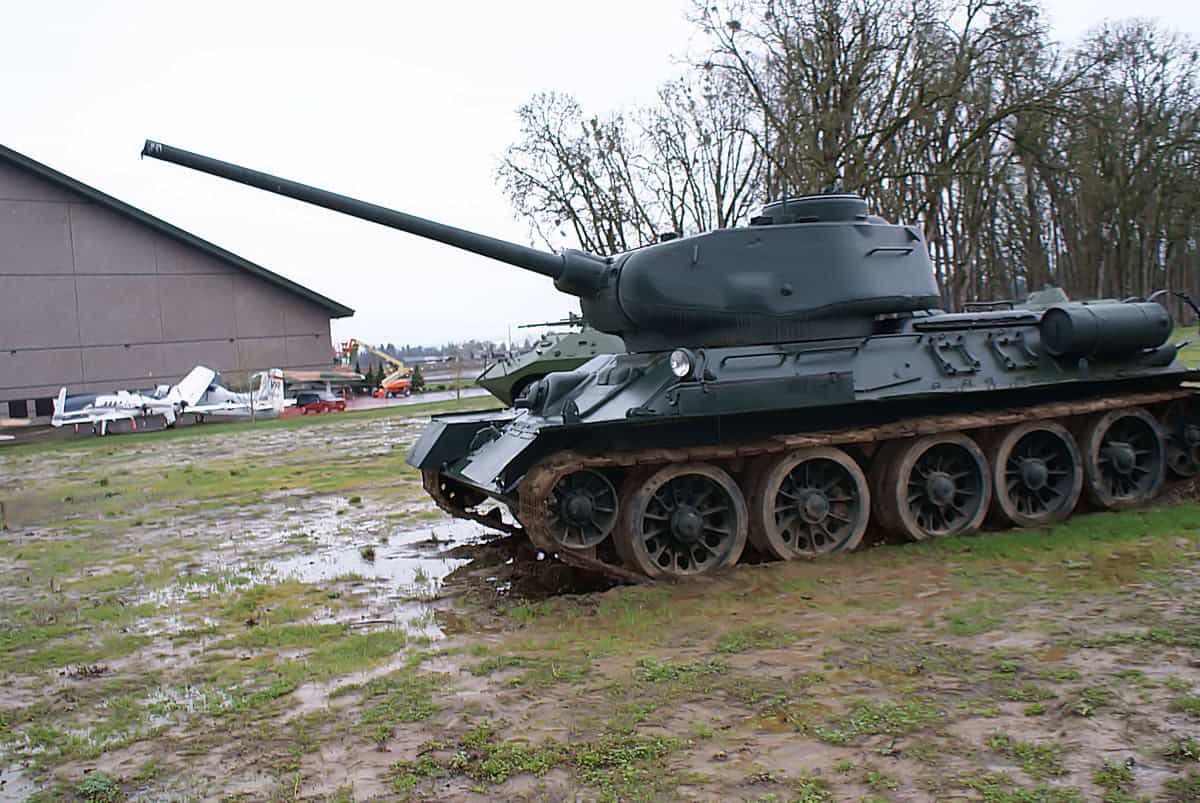
©"File:Soviet T-34 Medium Tank LSide Behind Museum EASM 4Feb2010 (14589112414).jpg" by Valder137 is licensed under BY 2.0. – Original / License
The launch of Operation Barbarossa by the Third Reich sent the Soviet Union into a battle of survival. The Second World War would see the Soviets bear the brunt of the Nazis’ ambitions, suffering immensely throughout the war. Total war was on the table, and the Soviets were beaten quite badly in the opening year of Barbarossa. However, where this military unit prevailed was just clinging to life long enough to reverse its misfortunes. They went from desperate defenders to a symbol of the Soviet state and its power as they pushed west toward Germany.
They sacrificed plenty throughout the war, with an estimated 9 million military personnel killed in action throughout the war. The Great Patriotic War, as the Russians remember it today, was defined by the ferocity and valor exhibited by these men on the battlefield.
It’s been 34 years since the dissolution of the Soviet Union, and the Red Army is still part of the cultural fiber of the Russian people. Despite the negatives associated with the USSR, the Red Army is one military unit that is still looked upon fondly.
British Royal Navy
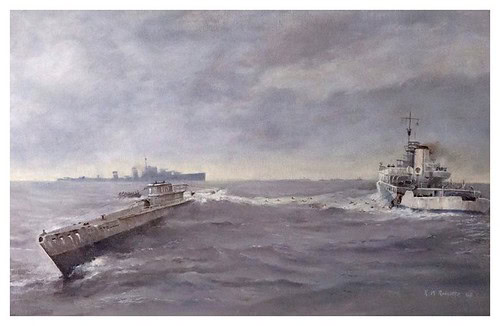
©"The Capture of U-110 by the Royal Navy, 9 May 1941." by WWII in View is licensed under PDM 1.0. – Original / License
Few military units have enjoyed the sort of legacy as the British Royal Navy. For centuries, it signaled Great Britain’s maritime power, something that was inseparable from its national identity throughout the 19th and 20th centuries. The Battle of Trafalgar signaled its dominance over the naval power wielded by Napoleon Bonaparte.
As an island nation, control of the waterways was vital to Britain’s continued survival. It was as much a strategic necessity to have a powerful navy as it was a cultural symbol. The Royal Navy also showed its dominance in the First and Second World Wars, when it was able to contest the Imperial Germans and Kriegsmarine in open waters across the Atlantic.
The lasting legacy of the Royal Navy is one that is as much about economic and political power as it is about military dominance. Their vast colonial holdings were a direct result of a powerful navy, and it remains the most storied branch of the British armed forces to this day.
Continental Army
©MPI / Archive Photos via Getty Images
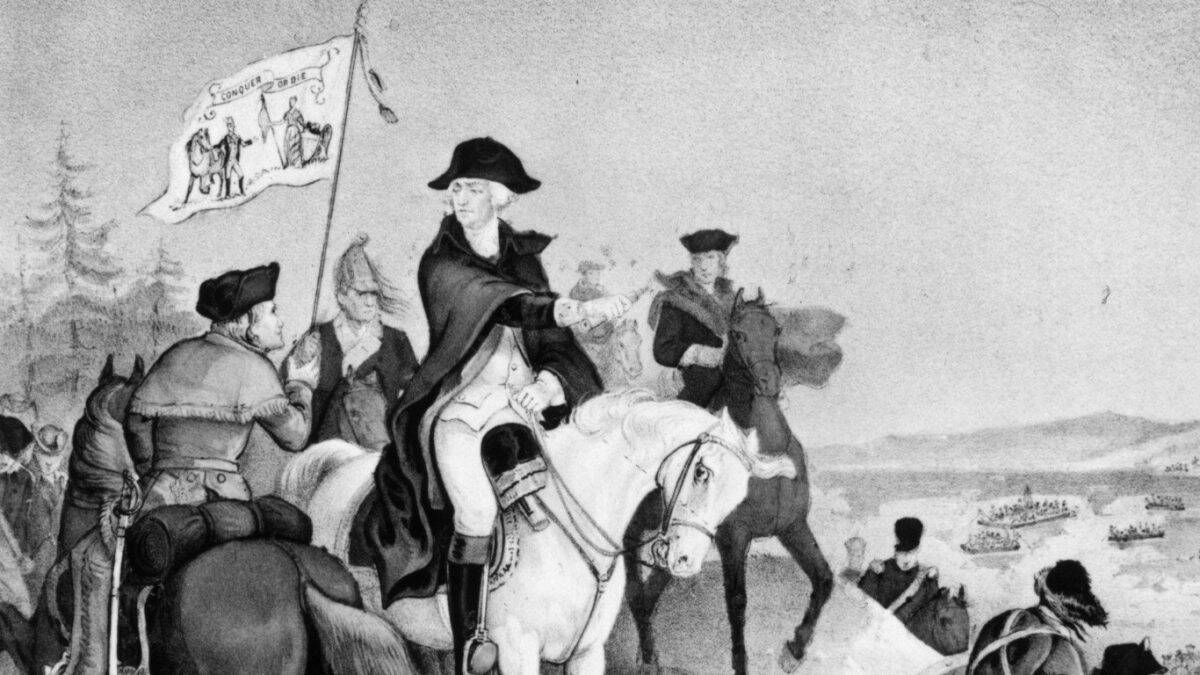
Last, but certainly not least, is one of those military units that is perhaps the least dominant of its time. The Continental Army of the United States wasn’t a powerful force by any measure, but it had stood next to the sheer might of the British Army for an existential battle of survival. The fledgling United States had picked a fight with arguably the premier European power of its day, armed with little more than whatever arms they could muster.
Ultimately, the Continental Army prevailed, marking one of the few successful rebellions of the 18th century against a European power. They were certainly aided by foreign powers, like the French and the Spanish, as well as by forging alliances with the indigenous people of the nation. That said, the Continental Army has an enduring legacy.
While the United States is perhaps the most powerful nation on the face of the planet today, it still looks back with a sense of awe and reverence regarding the Continental Army. It may have been a ragtag force that lacked cohesion, discipline, and the firepower needed to openly contest the British on their terms, but they ultimately won the war.
Conclusion
The military units that define nations aren’t remembered solely for their achievements on the battlefields. A recurring thread you’ll notice when looking at every entry in today’s piece is one of lasting cultural legacies. These weren’t military units that excelled on the battlefield, although that was certainly an occurrence. However, they informed aspects of their culture, and remain a touchstone when considering the national identity of any country in the modern era.
Military history isn’t just a series of rote battles and statistics, but a lens by which we interpret the ethos and conduct of nations. These forces may have defined themselves through martial prowess, but they helped to forge lasting identities, informing politics and culture long after their time in the sun.
The image featured at the top of this post is ©siriwat sriphojaroen/Shutterstock.com