


25 Combat Aircraft the U.S. Air Force Depends On Most
Modern air power is not defined solely by the most advanced aircraft, but by the platforms that consistently deliver results across a wide range of missions. Within the United States Air Force, a select group of combat aircraft carries the bulk of daily operations, from strike and close air support to intelligence gathering and refueling. These are the aircraft that sustain global presence and ensure operational readiness. Here, History Computer is taking a closer look at the combat aircraft of the US Air Force.
To determine the most relied on combat aircraft used by the US Air Force, History Computer reviewed various historical and military sources. We included supplemental information regarding type, primary role, year introduced, approximate fleet size, operational advantage, and ultimately why the USAF relies on it.
Here is a look at the most relied on combat aircraft of the modern US Air Force:
Why Are We Covering This?
Understanding which aircraft the United States Air Force relies on most reveals how modern air power actually functions beyond headlines and advanced technology. While stealth fighters and next-generation systems often dominate attention, the reality is that sustained operations depend on a broader mix of platforms that generate consistent mission output. From ISR and refueling to strike and close air support, these aircraft enable continuous global presence and rapid response. By examining them, we gain insight into how the USAF projects power, maintains readiness, and executes real-world missions on a daily basis.
What Does “Relied On” Really Mean?
In modern air warfare, not all aircraft are used equally. While some platforms receive significant attention for their advanced capabilities, others quietly carry the majority of daily operational demands. Being “relied on” means more than having cutting-edge technology—it means consistent deployment, high sortie generation, and the ability to perform across a wide range of missions. The aircraft that matter most are the ones that are in the air every day, supporting ongoing operations.
Mission Load Defines Modern Air Power
Modern air power is built on the ability to sustain continuous operations across multiple mission sets. Strike, intelligence, surveillance, reconnaissance, refueling, and support missions all operate simultaneously, requiring a coordinated effort across different aircraft types. Platforms that generate high mission frequency become essential to maintaining global presence and rapid response capabilities. These aircraft form the foundation of modern military operations.
Fighters Don’t Work Alone
Air superiority is not achieved by fighters alone. It requires a network of supporting aircraft that provide intelligence, extend range, and disrupt enemy defenses. ISR platforms supply critical targeting information, tankers enable long-range operations, and electronic warfare aircraft suppress threats. This interconnected system allows combat aircraft to operate effectively, demonstrating that modern air warfare is a team effort.
Legacy Aircraft Still Do the Heavy Lifting
Despite the introduction of advanced new platforms, many legacy aircraft remain central to modern operations. Their proven reliability, large fleet sizes, and established roles ensure they continue to generate a significant portion of daily sorties. Newer aircraft often enhance capabilities rather than fully replace older systems, creating a balance between innovation and dependability in modern air forces.
The Aircraft That Make Everything Possible
Some of the most critical aircraft in modern warfare are not the most visible or widely discussed. Support and ISR platforms often determine the success of combat missions by enabling fighters and bombers to operate effectively. These systems provide the intelligence, coordination, and logistical support needed to sustain operations, forming the backbone of modern U.S. air combat capability.
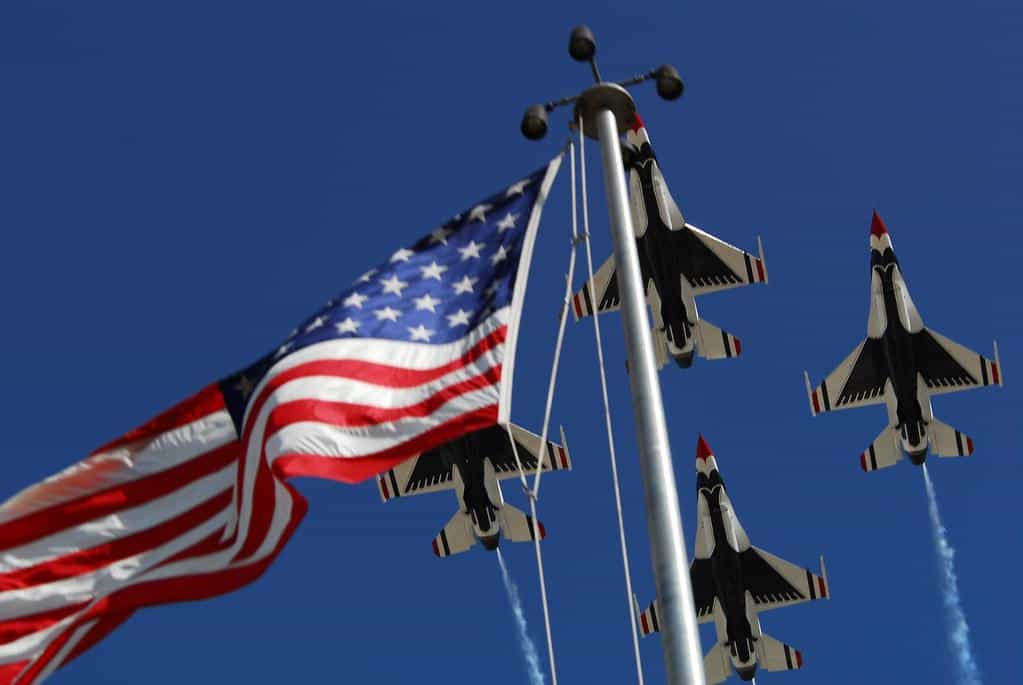
F-16 Fighting Falcon
- Aircraft Type: Fighter
- Primary Role: Multirole
- Year Introduced (USAF Service): 1978
- Active Fleet Size (Approx.): 900+
- Mission Frequency / Usage Level: Very High
- Key Combat or Operational Function: Air-to-air and strike
- Operational Advantage: Versatility
- Why the USAF Relies on It: Backbone of daily operations
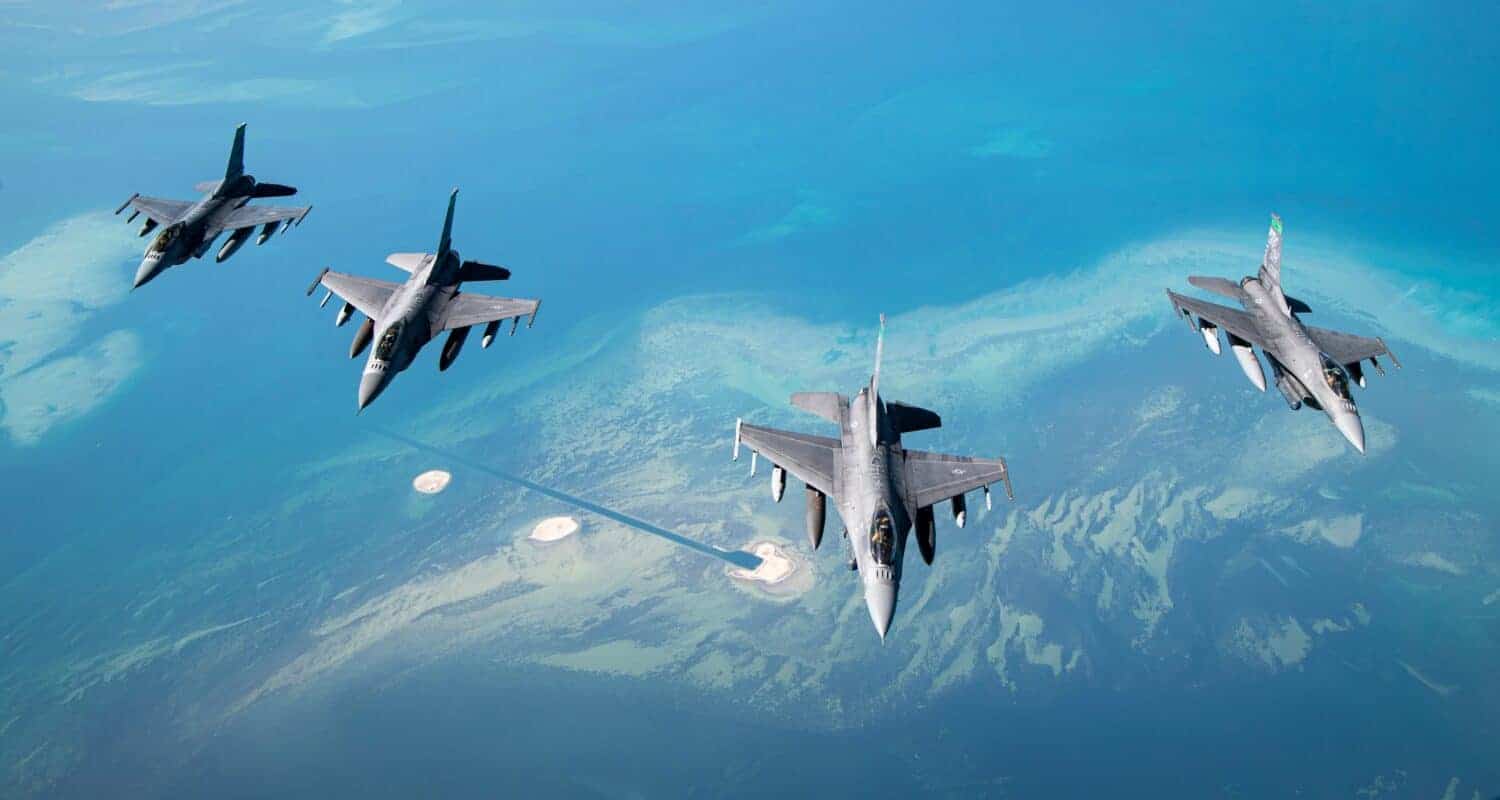
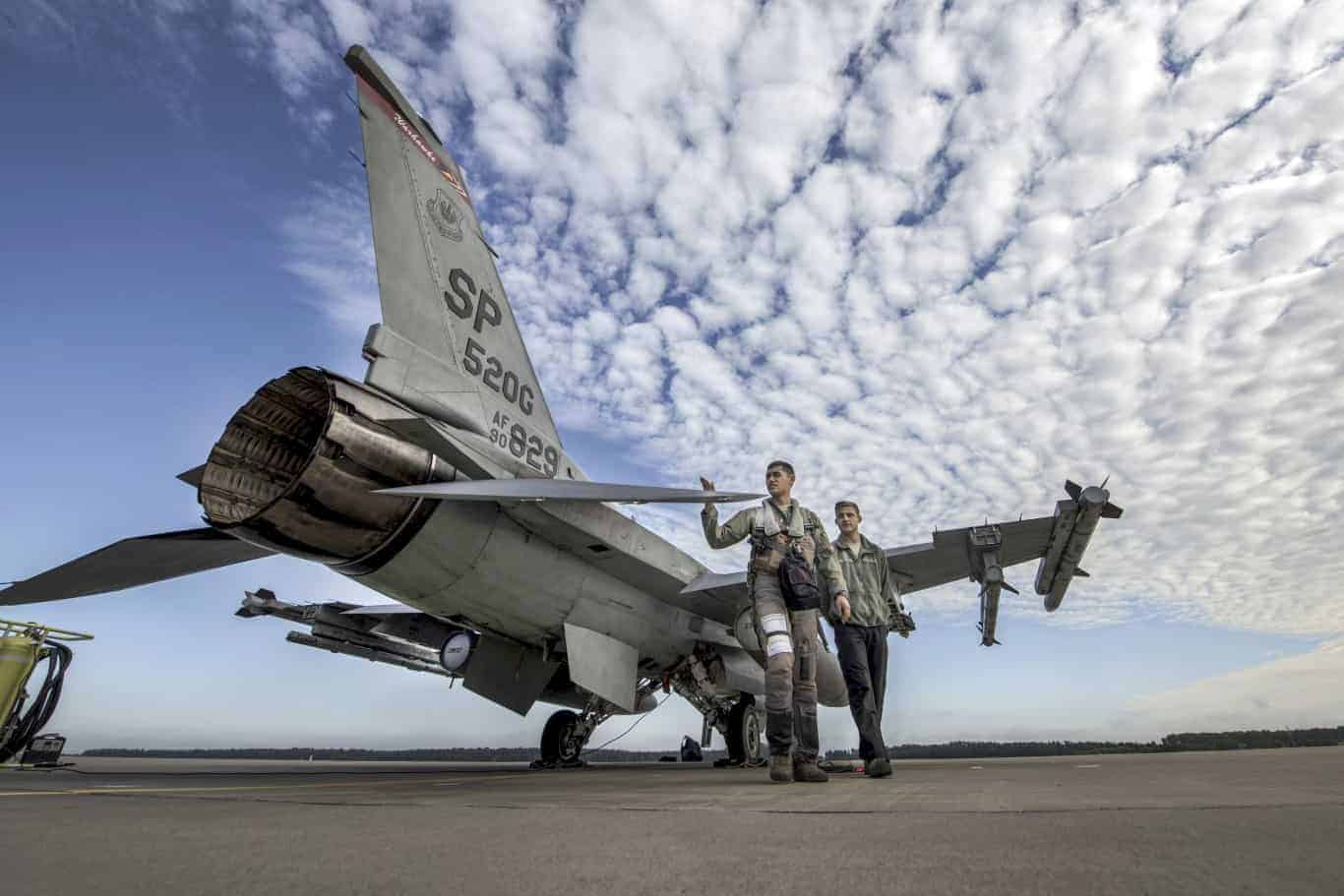
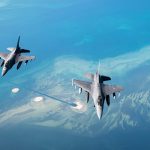
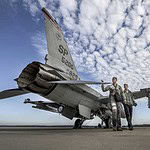
The F-16 remains one of the most relied on aircraft in the USAF due to its versatility, large fleet size, and high sortie rate. Capable of performing both air-to-air and ground-attack missions, it serves as the backbone of daily operations. Its adaptability ensures it continues to play a central role in modern combat despite its age.
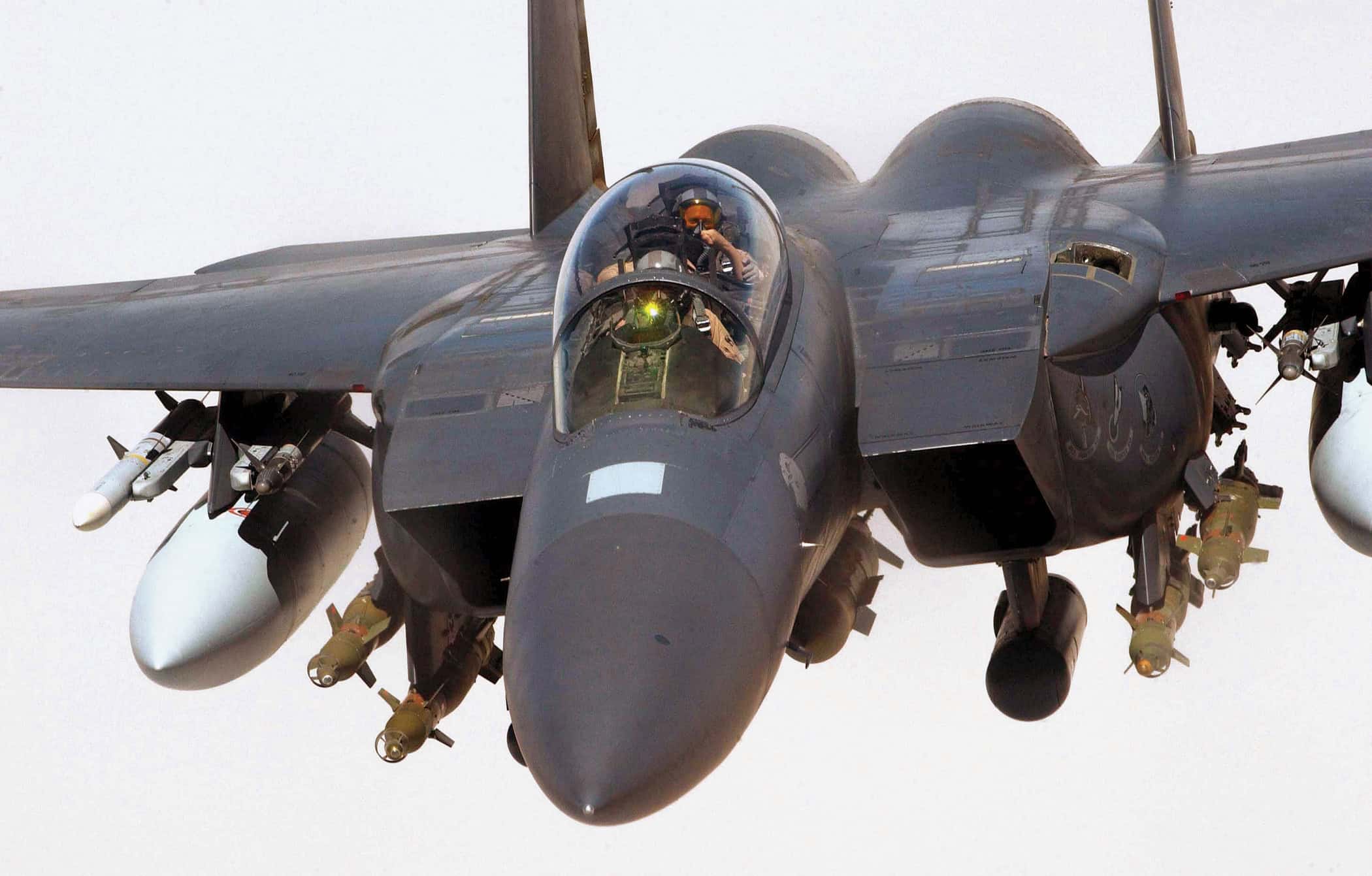
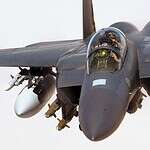
F-15E Strike Eagle
- Aircraft Type: Fighter
- Primary Role: Strike
- Year Introduced (USAF Service): 1989
- Active Fleet Size (Approx.): 200+
- Mission Frequency / Usage Level: High
- Key Combat or Operational Function: Deep strike missions
- Operational Advantage: Payload and range
- Why the USAF Relies on It: Primary strike platform
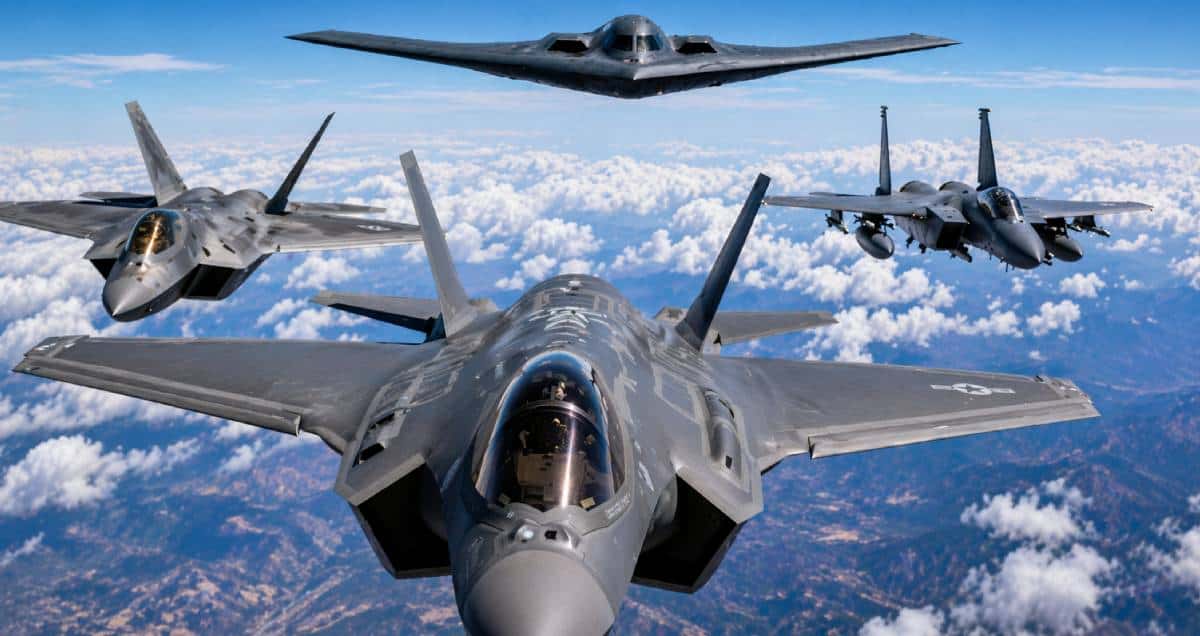
The F-15E Strike Eagle is a cornerstone of U.S. strike capability, combining long range with a heavy payload. Its ability to deliver precision strikes deep into enemy territory makes it indispensable for sustained operations. The USAF relies on it for high-impact missions where both endurance and firepower are critical.
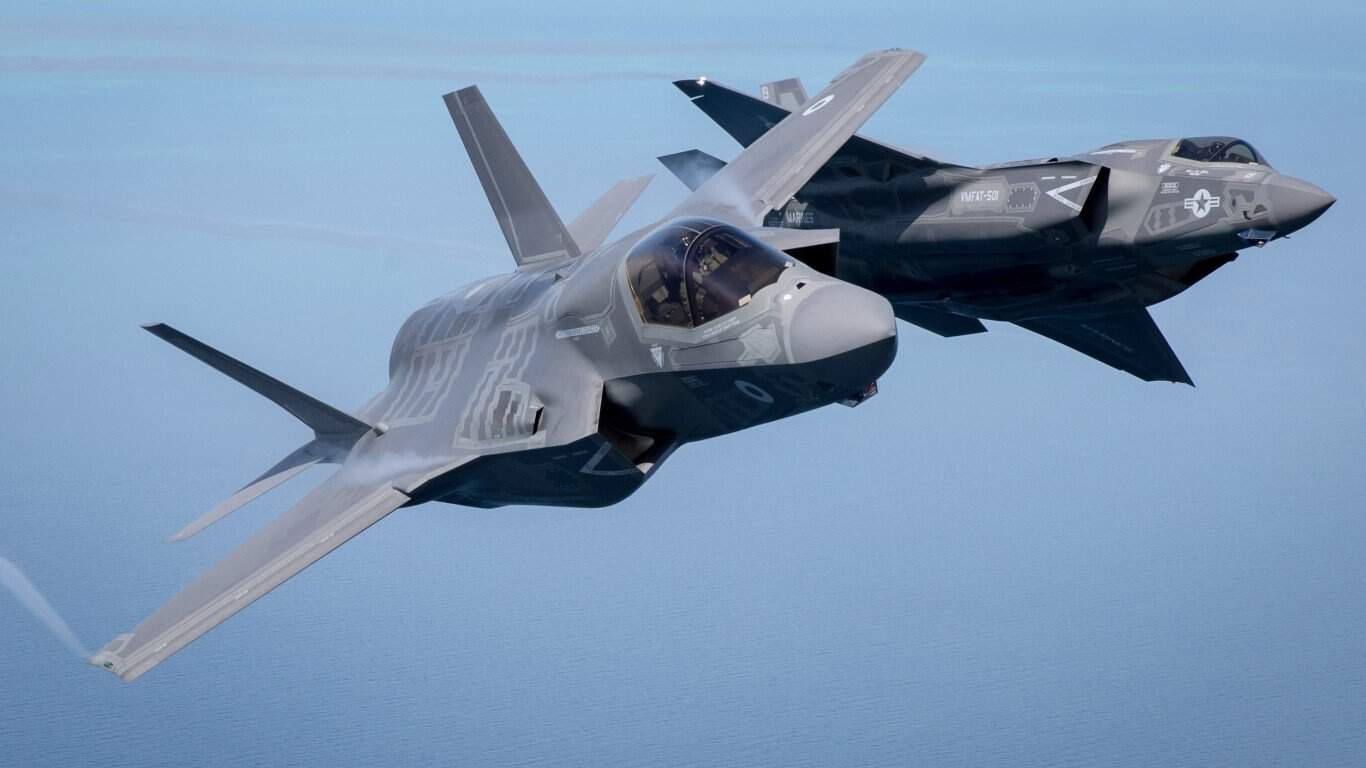
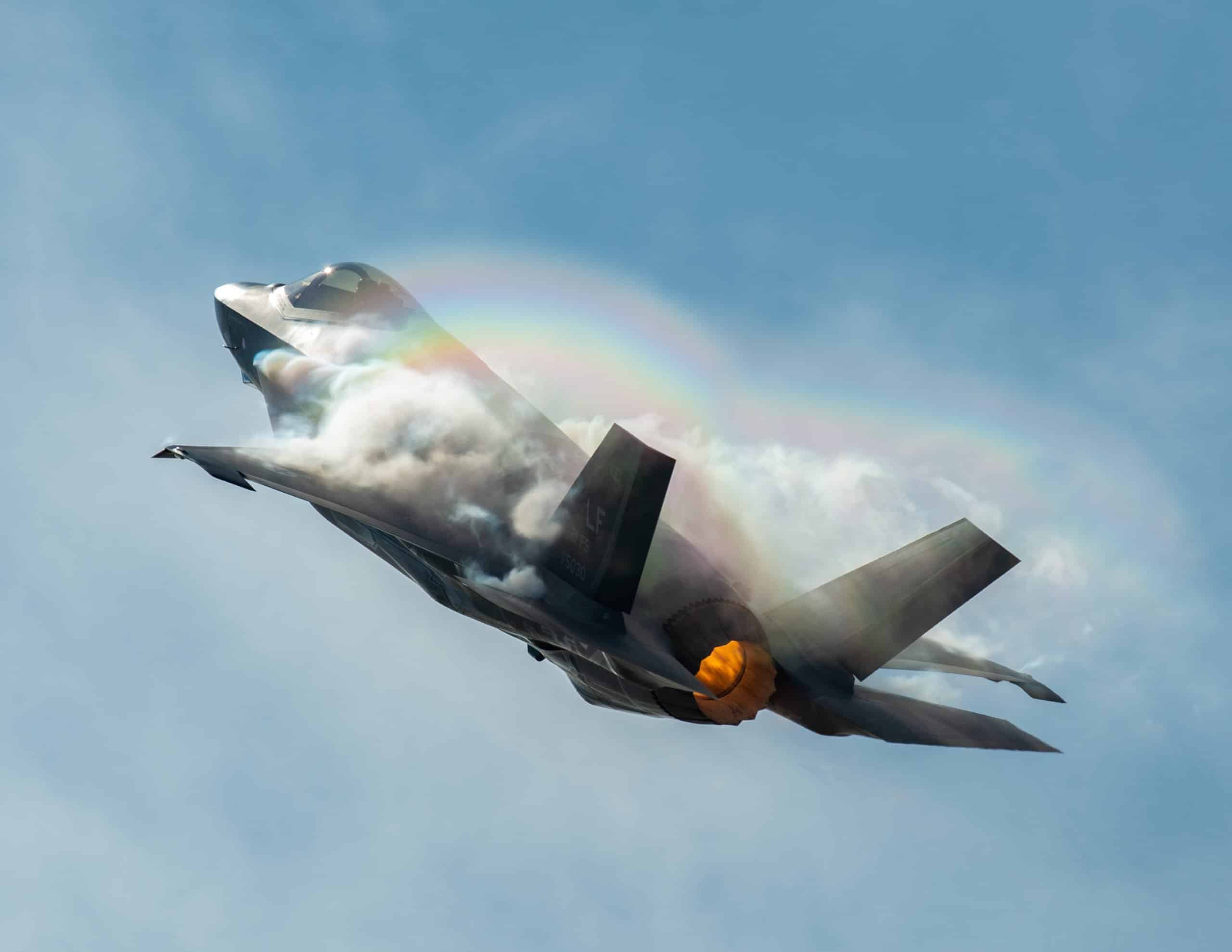
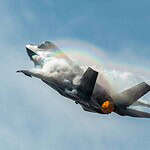
F-35A Lightning II
- Aircraft Type: Fighter
- Primary Role: Multirole stealth
- Year Introduced (USAF Service): 2016
- Active Fleet Size (Approx.): 400+
- Mission Frequency / Usage Level: High
- Key Combat or Operational Function: Multi-domain operations
- Operational Advantage: Stealth and sensors
- Why the USAF Relies on It: Future core platform
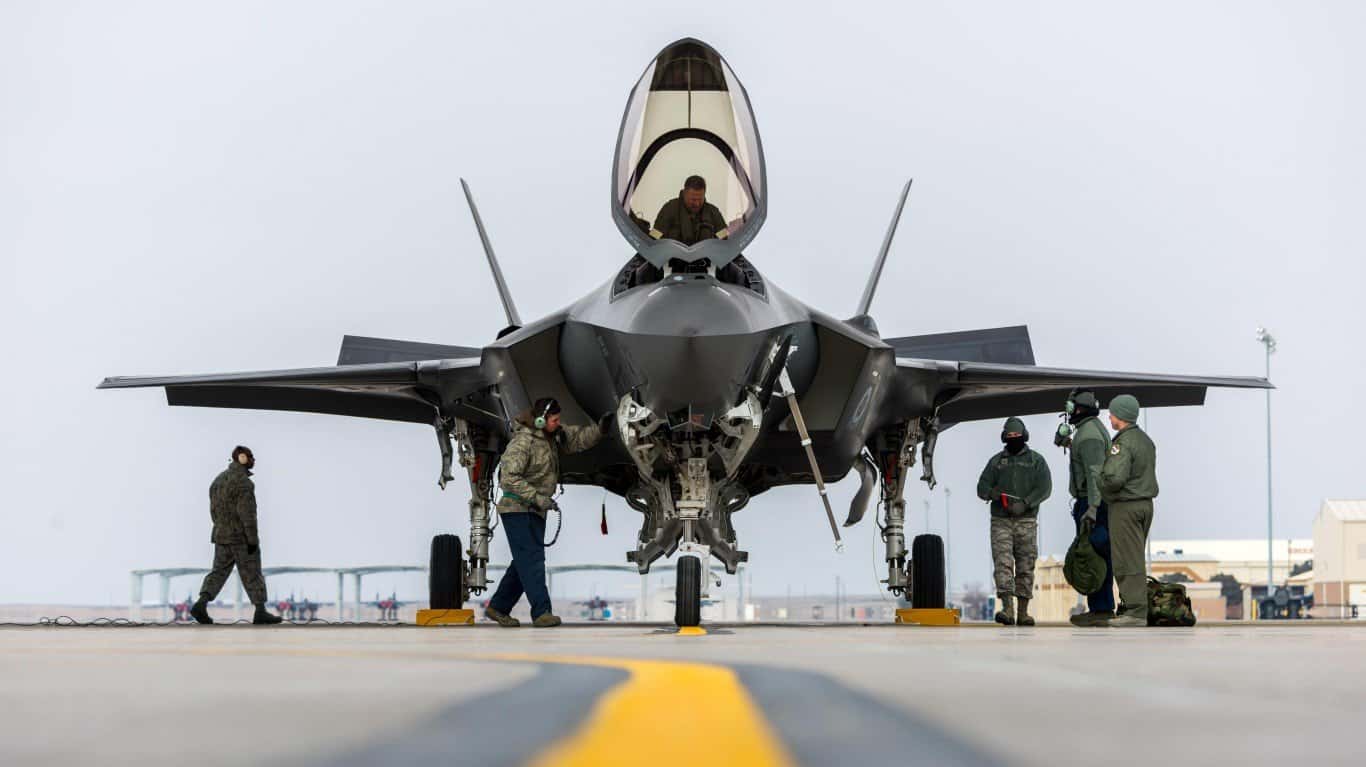
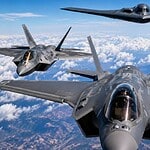
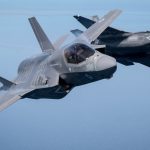
The F-35A is rapidly becoming the future backbone of the USAF, offering unmatched sensor fusion and stealth capabilities. Its ability to operate across multiple domains allows it to perform a wide range of missions. As its fleet expands, it is increasingly relied upon for both combat and intelligence-gathering operations.
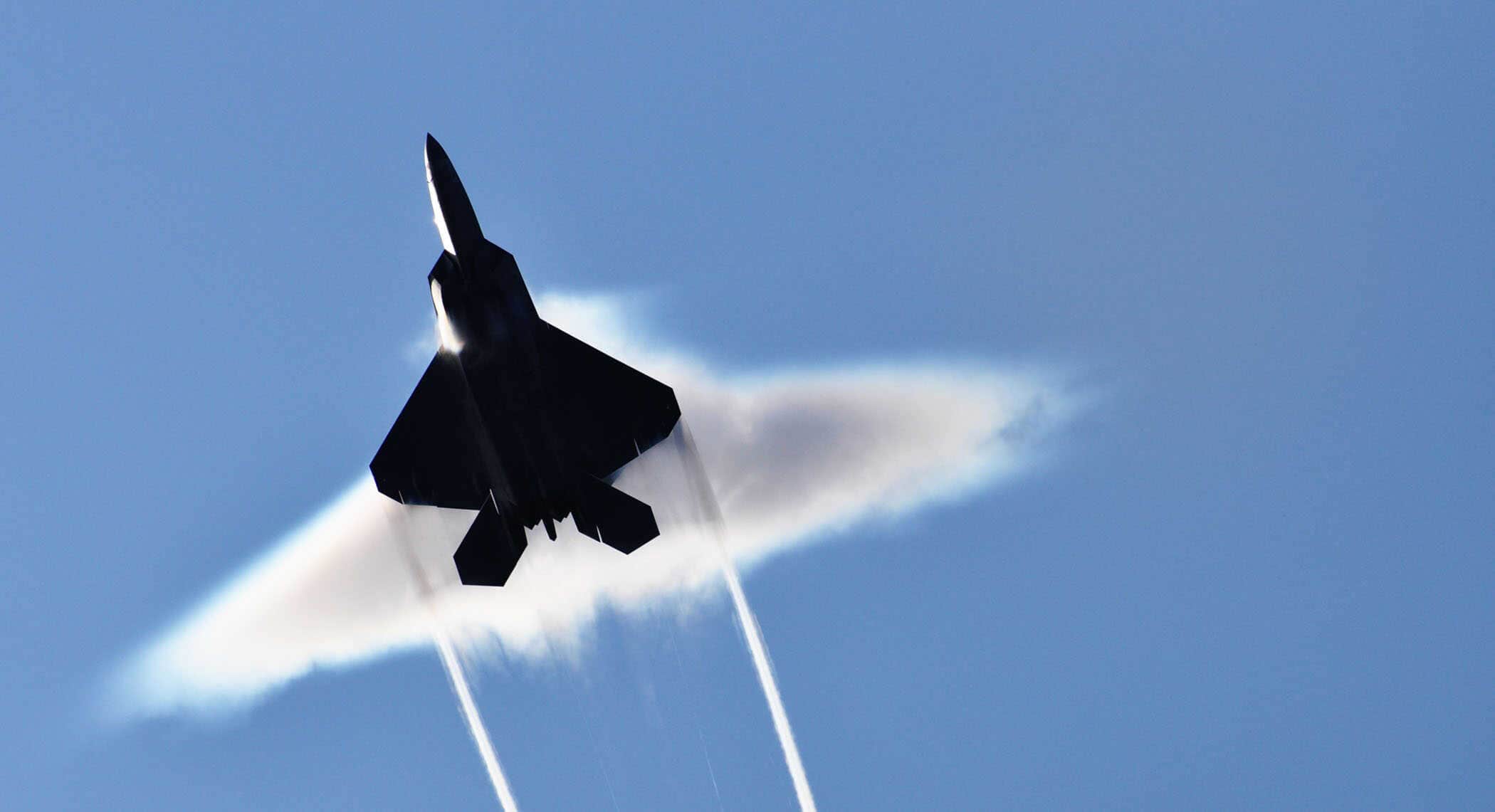
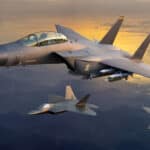
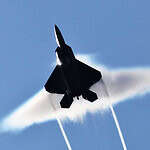
F-22 Raptor
- Aircraft Type: Fighter
- Primary Role: Air superiority
- Year Introduced (USAF Service): 2005
- Active Fleet Size (Approx.): 180
- Mission Frequency / Usage Level: Moderate
- Key Combat or Operational Function: Air dominance
- Operational Advantage: Stealth superiority
- Why the USAF Relies on It: High-end combat capability
The F-22 provides unmatched air superiority, ensuring control of contested airspace in high-end conflicts. While its numbers are limited, its advanced capabilities make it essential for missions requiring dominance against peer adversaries. The USAF relies on it as a critical asset for maintaining technological superiority.
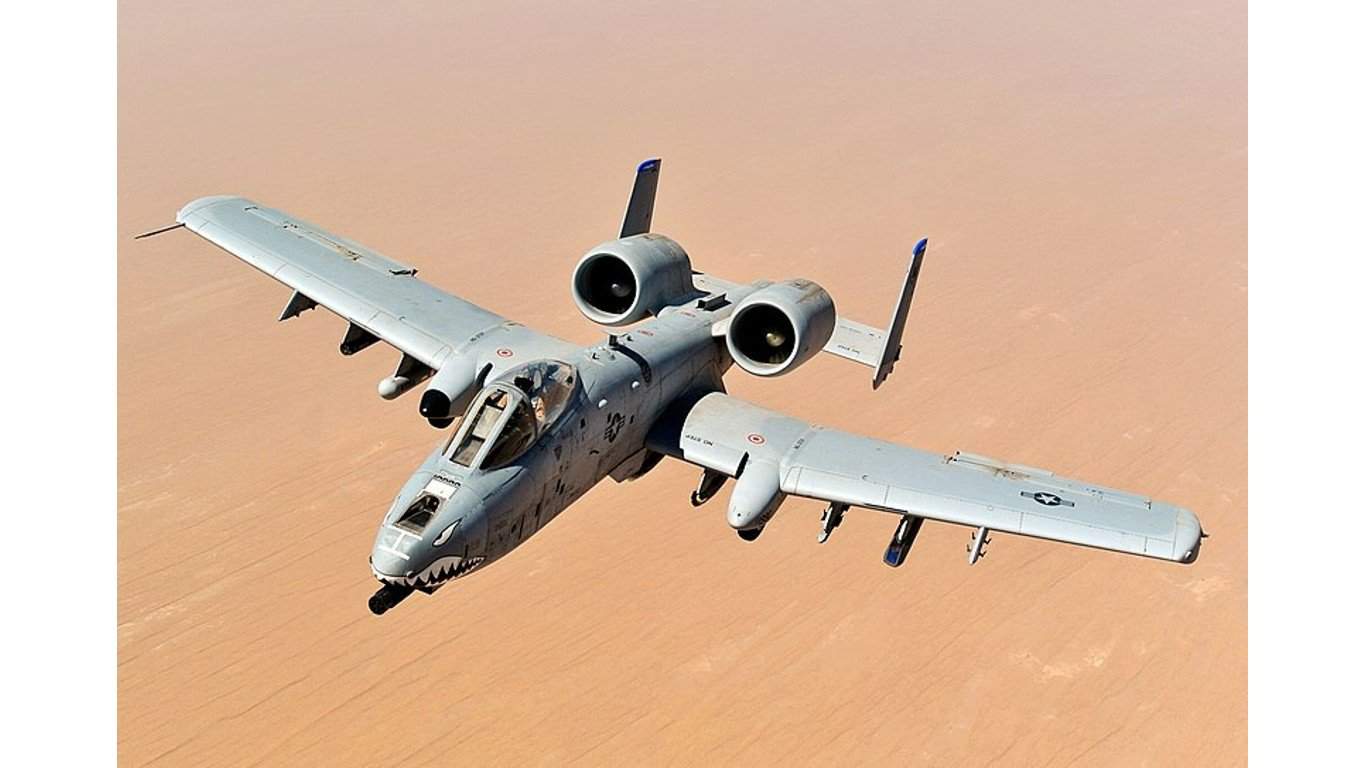
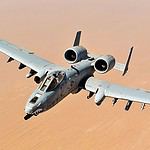
A-10 Thunderbolt II
- Aircraft Type: Attack
- Primary Role: CAS
- Year Introduced (USAF Service): 1977
- Active Fleet Size (Approx.): 280
- Mission Frequency / Usage Level: High
- Key Combat or Operational Function: Close air support
- Operational Advantage: Durability
- Why the USAF Relies on It: Reliable ground support
The A-10 continues to play a vital role in close air support, providing direct assistance to ground forces. Its durability and firepower make it uniquely suited for this mission. Despite efforts to retire it, the USAF still depends on the A-10 for its unmatched effectiveness in supporting troops in combat.
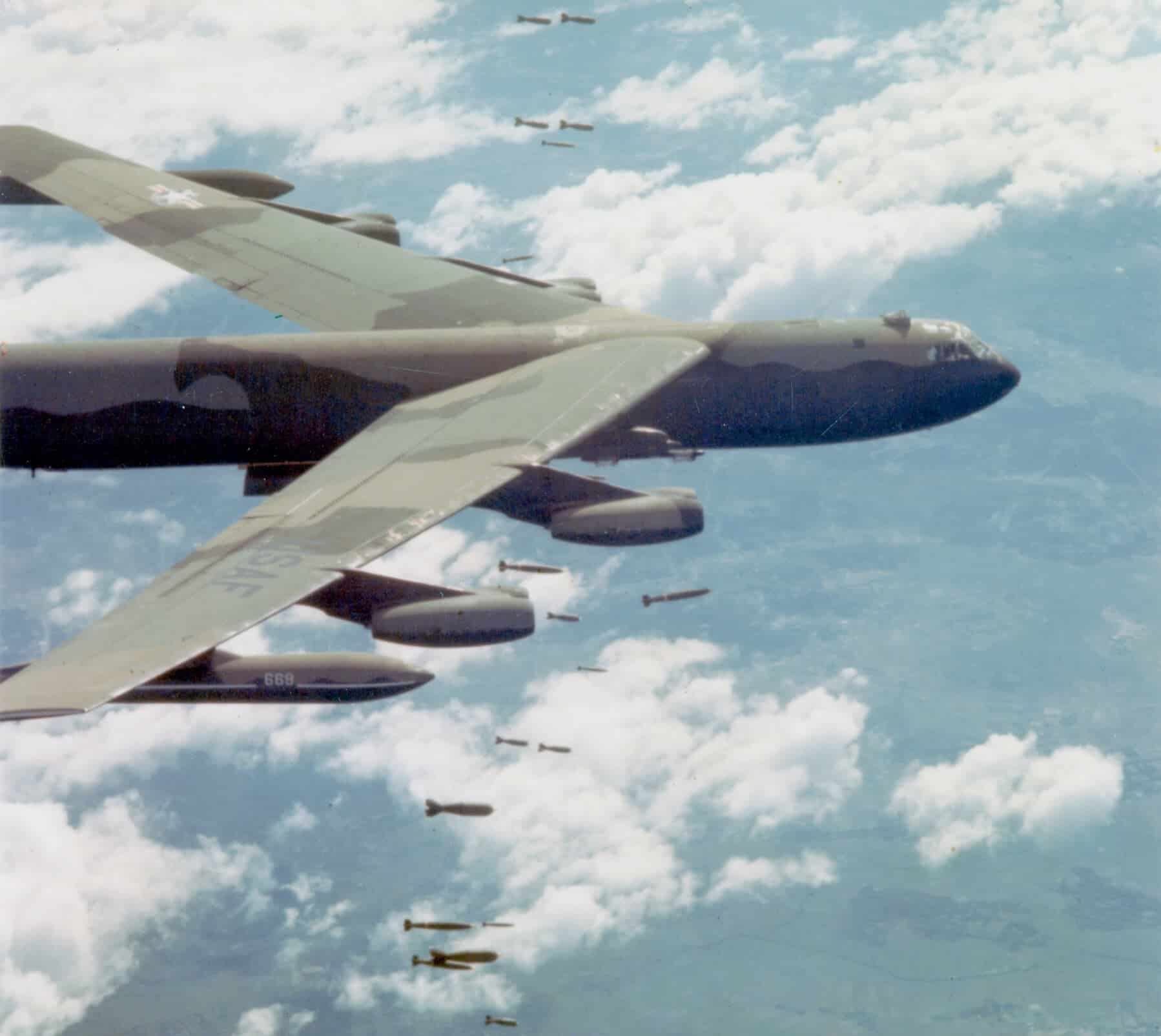
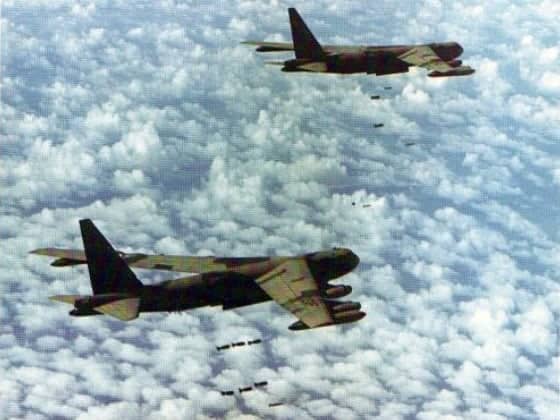
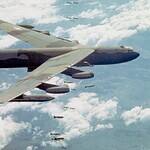
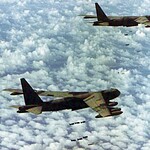
B-52 Stratofortress
- Aircraft Type: Bomber
- Primary Role: Strategic strike
- Year Introduced (USAF Service): 1955
- Active Fleet Size (Approx.): 70+
- Mission Frequency / Usage Level: High
- Key Combat or Operational Function: Long-range strike
- Operational Advantage: Payload
- Why the USAF Relies on It: Persistent bomber presence
The B-52 remains a key component of U.S. strategic and conventional strike capability. Its ability to carry a wide range of weapons over long distances ensures it remains relevant decades after its introduction. The USAF relies on it for both deterrence and sustained combat operations.
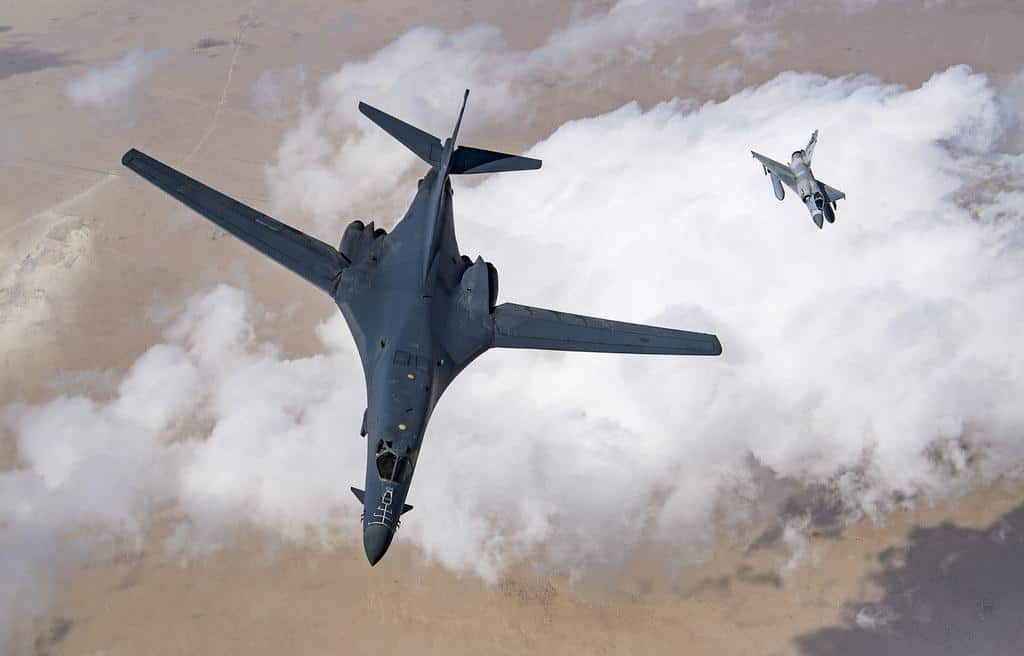
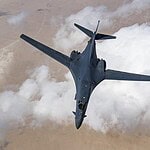
B-1B Lancer
- Aircraft Type: Bomber
- Primary Role: Supersonic strike
- Year Introduced (USAF Service): 1986
- Active Fleet Size (Approx.): 45
- Mission Frequency / Usage Level: Moderate
- Key Combat or Operational Function: Precision strike
- Operational Advantage: Speed
- Why the USAF Relies on It: Flexible bomber
The B-1B Lancer provides the USAF with a flexible, high-speed strike platform capable of delivering precision weapons. Its ability to respond quickly to emerging threats makes it valuable in dynamic combat environments. The USAF relies on it for missions requiring both speed and payload.
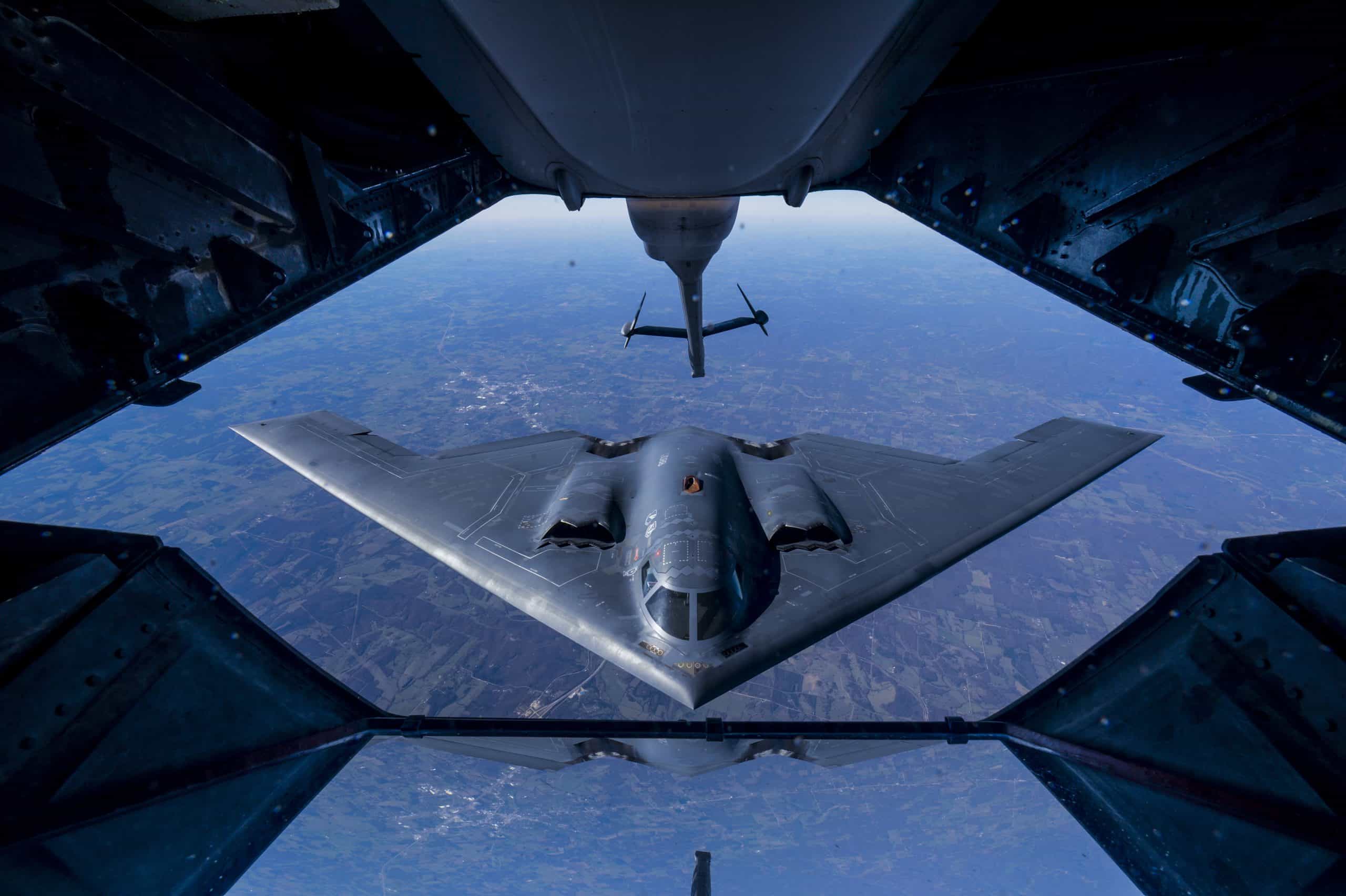
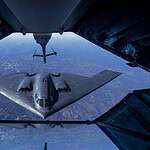
B-2 Spirit
- Aircraft Type: Bomber
- Primary Role: Stealth strike
- Year Introduced (USAF Service): 1997
- Active Fleet Size (Approx.): 20
- Mission Frequency / Usage Level: Low
- Key Combat or Operational Function: Strategic penetration
- Operational Advantage: Stealth
- Why the USAF Relies on It: Unique stealth capability
The B-2 Spirit offers a unique stealth capability that allows it to penetrate heavily defended airspace. Its role in high-risk missions makes it a critical asset despite its small fleet size. The USAF relies on it for strategic strikes where stealth is essential.
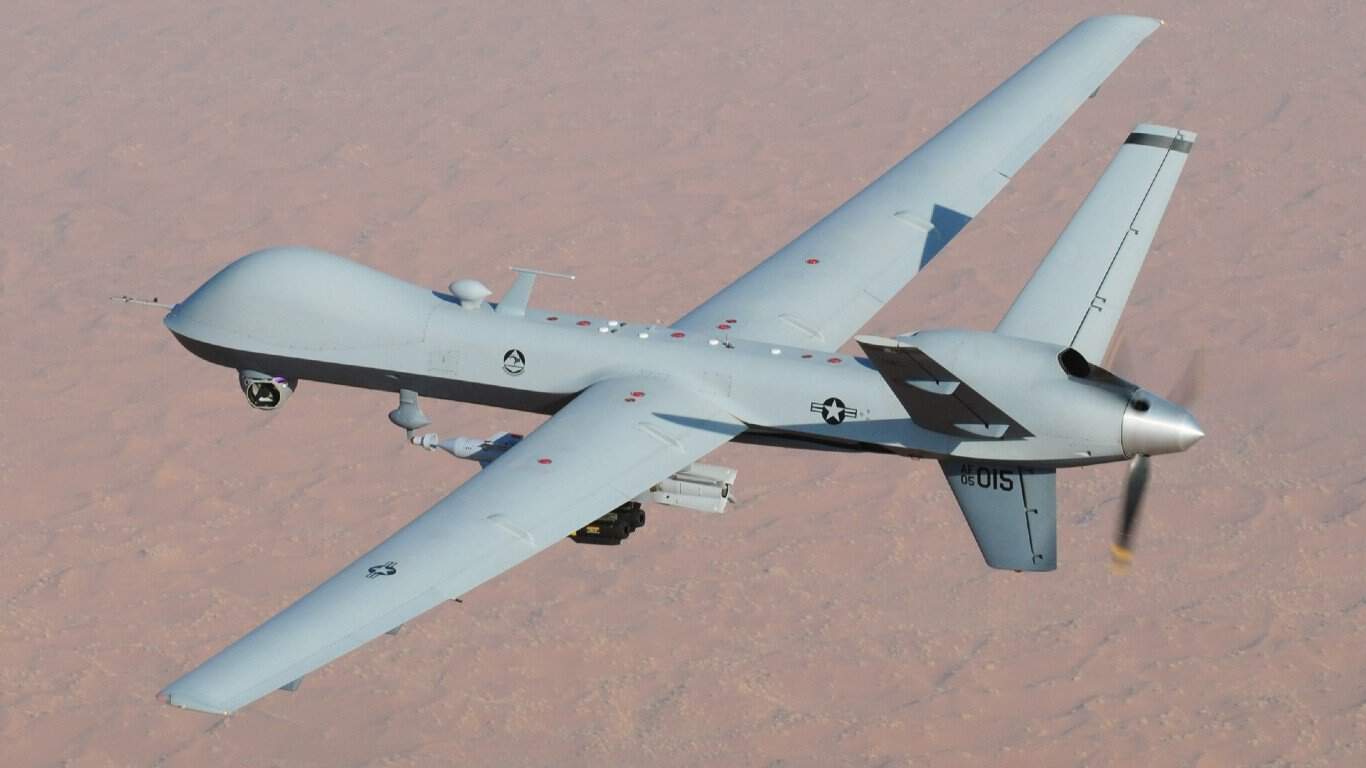
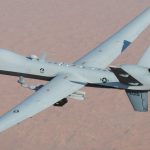
MQ-9 Reaper
- Aircraft Type: UAV
- Primary Role: ISR/Strike
- Year Introduced (USAF Service): 2007
- Active Fleet Size (Approx.): 300+
- Mission Frequency / Usage Level: Very High
- Key Combat or Operational Function: Surveillance and strike
- Operational Advantage: Endurance
- Why the USAF Relies on It: Constant ISR presence
The MQ-9 Reaper is one of the most heavily used aircraft in modern combat, providing persistent surveillance and strike capability. Its endurance allows it to remain over target areas for extended periods. The USAF relies on it for continuous intelligence and precision engagements.
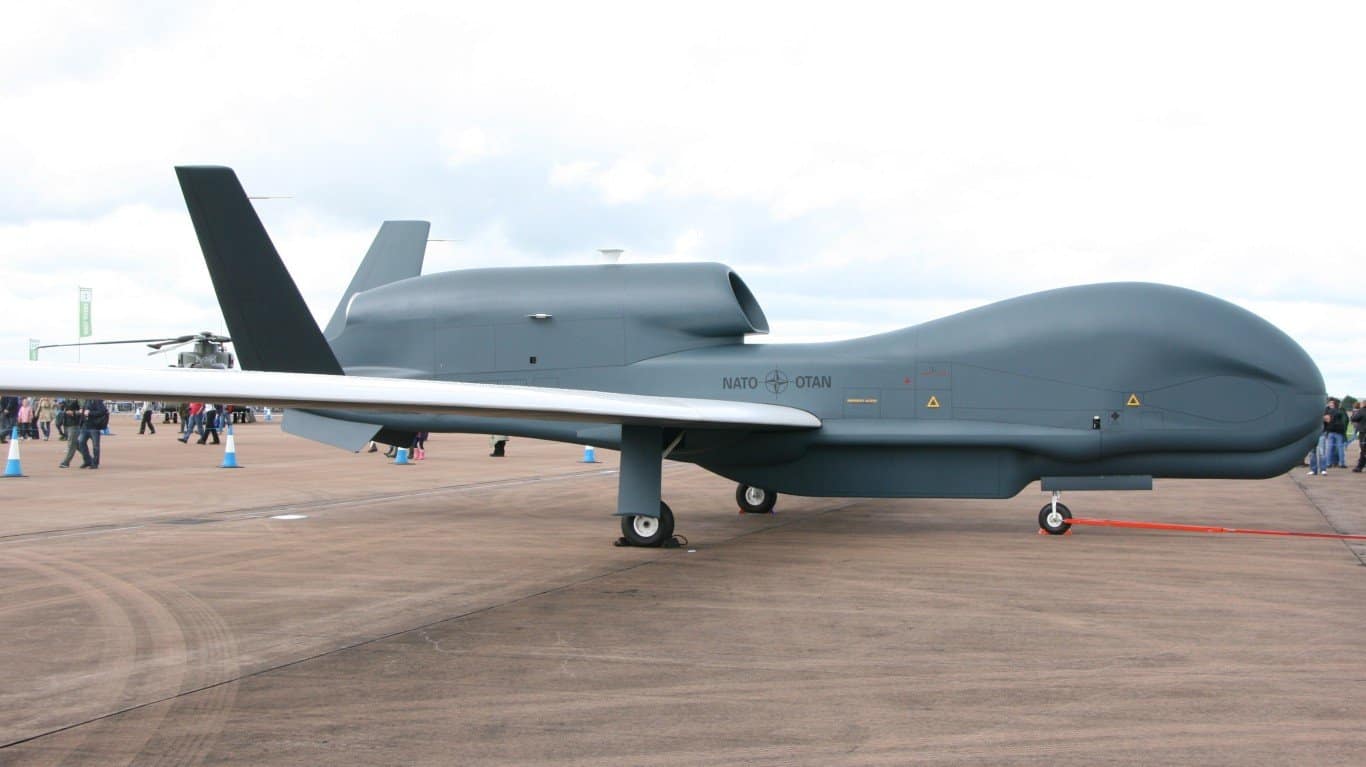
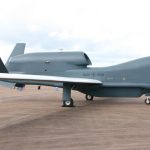
RQ-4 Global Hawk
- Aircraft Type: UAV
- Primary Role: ISR
- Year Introduced (USAF Service): 2001
- Active Fleet Size (Approx.): 30
- Mission Frequency / Usage Level: Moderate
- Key Combat or Operational Function: High-altitude surveillance
- Operational Advantage: Range
- Why the USAF Relies on It: Strategic ISR
The RQ-4 Global Hawk provides high-altitude, long-endurance surveillance across vast areas. Its ability to gather intelligence without risking pilots makes it invaluable. The USAF relies on it for strategic reconnaissance and situational awareness.
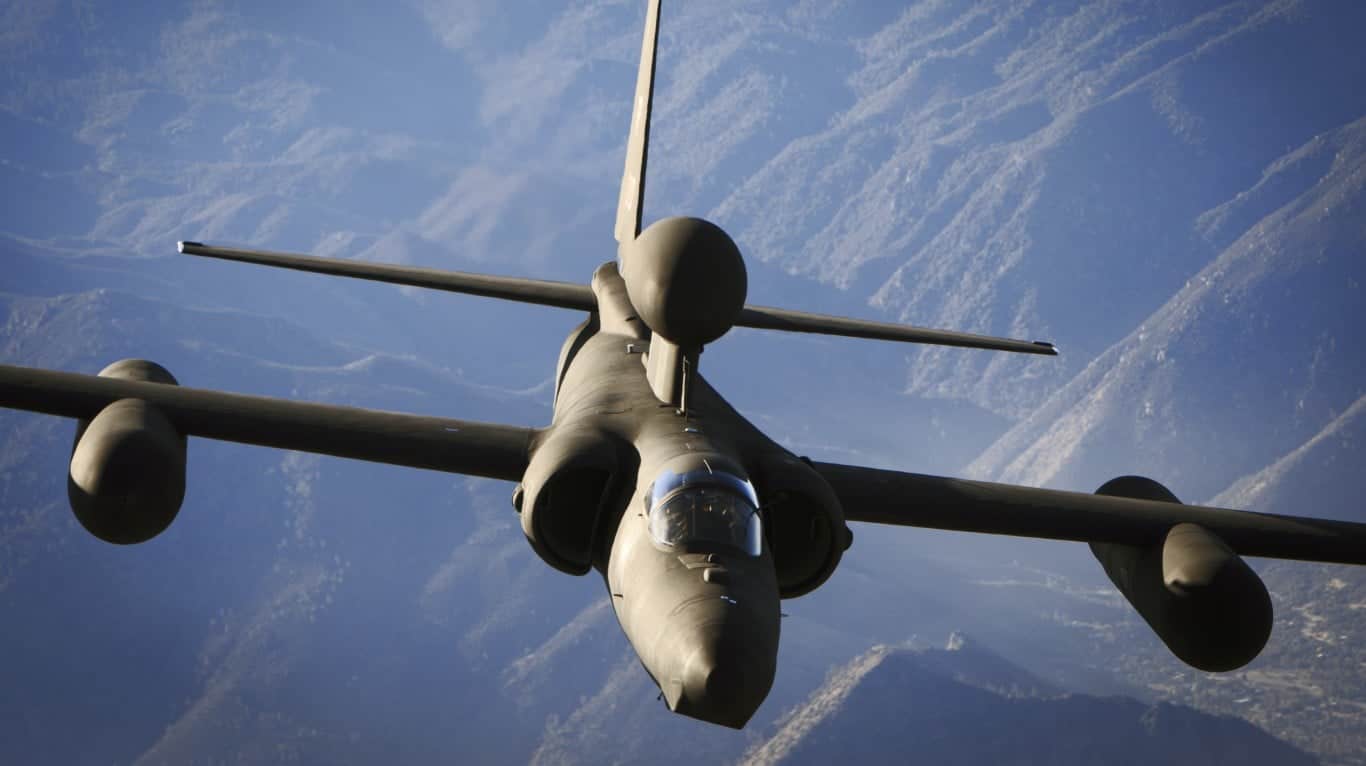
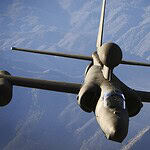
U-2 Dragon Lady
- Aircraft Type: Recon
- Primary Role: ISR
- Year Introduced (USAF Service): 1957
- Active Fleet Size (Approx.): 25
- Mission Frequency / Usage Level: Moderate
- Key Combat or Operational Function: High-altitude ISR
- Operational Advantage: Altitude
- Why the USAF Relies on It: Unique intelligence capability
Despite its age, the U-2 remains a critical intelligence-gathering platform due to its high-altitude capabilities. It can collect detailed data that other systems cannot. The USAF relies on it for specialized reconnaissance missions.
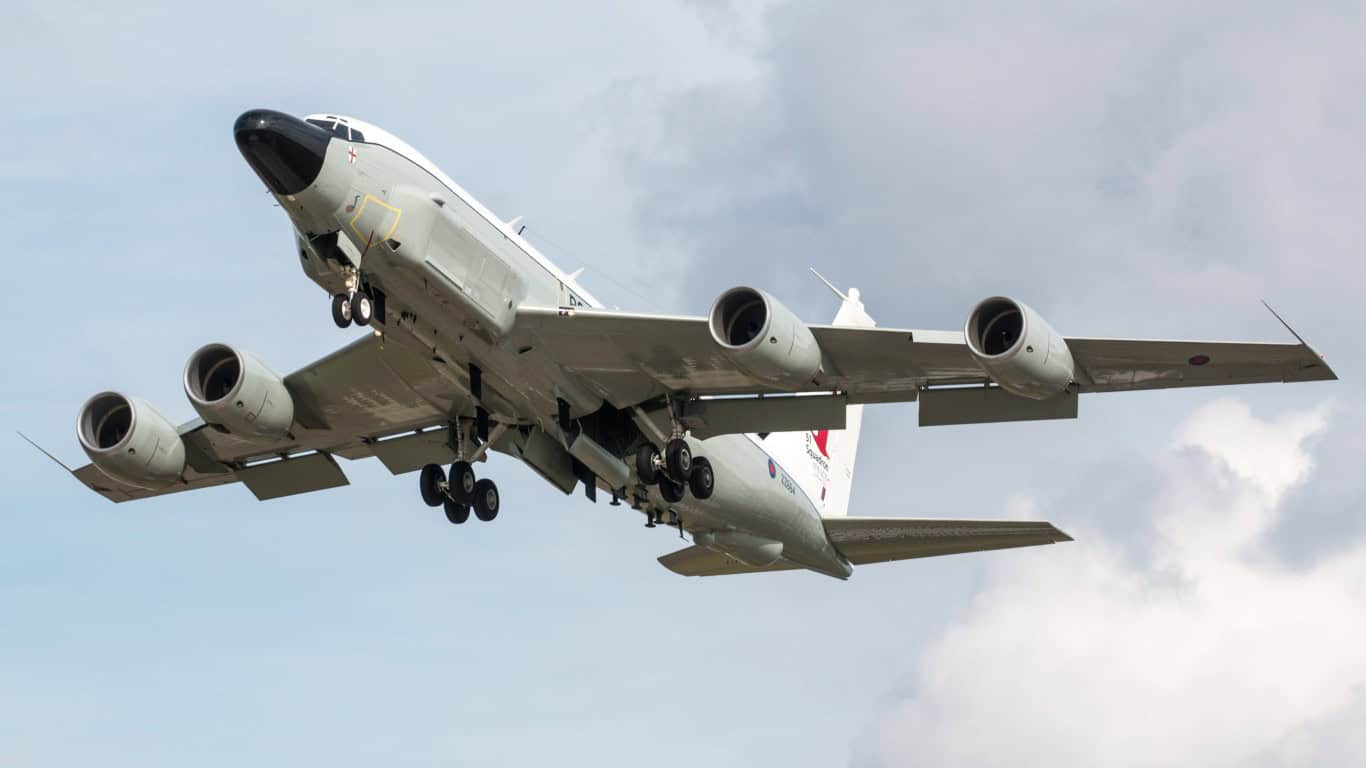
RC-135 Rivet Joint
- Aircraft Type: Recon
- Primary Role: SIGINT
- Year Introduced (USAF Service): 1964
- Active Fleet Size (Approx.): 17
- Mission Frequency / Usage Level: High
- Key Combat or Operational Function: Signals intelligence
- Operational Advantage: Sensors
- Why the USAF Relies on It: Critical intel platform
The RC-135 Rivet Joint plays a crucial role in signals intelligence, intercepting and analyzing communications. Its capabilities provide commanders with critical information. The USAF relies on it for real-time intelligence support.
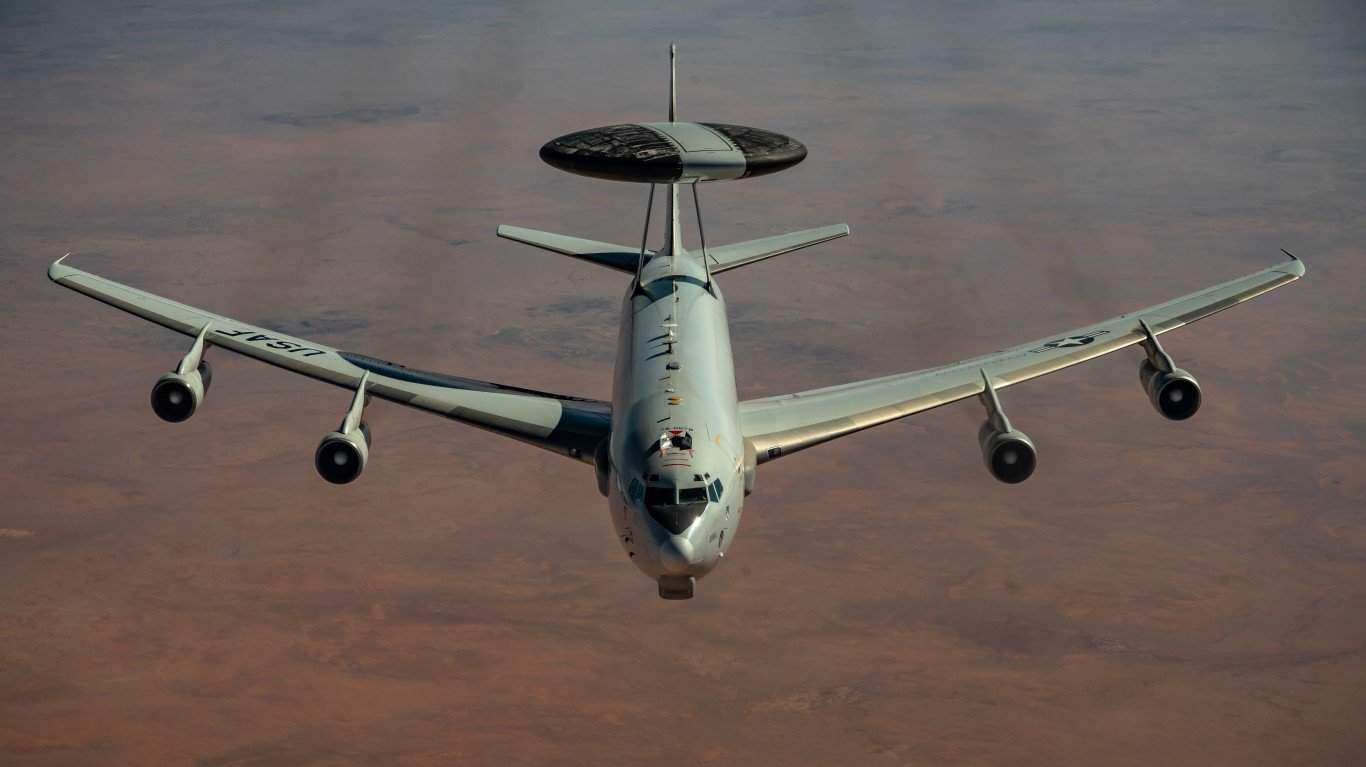
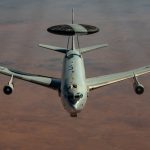
E-3 Sentry
- Aircraft Type: Command
- Primary Role: AWACS
- Year Introduced (USAF Service): 1977
- Active Fleet Size (Approx.): 30
- Mission Frequency / Usage Level: High
- Key Combat or Operational Function: Airspace control
- Operational Advantage: Radar
- Why the USAF Relies on It: Battle management
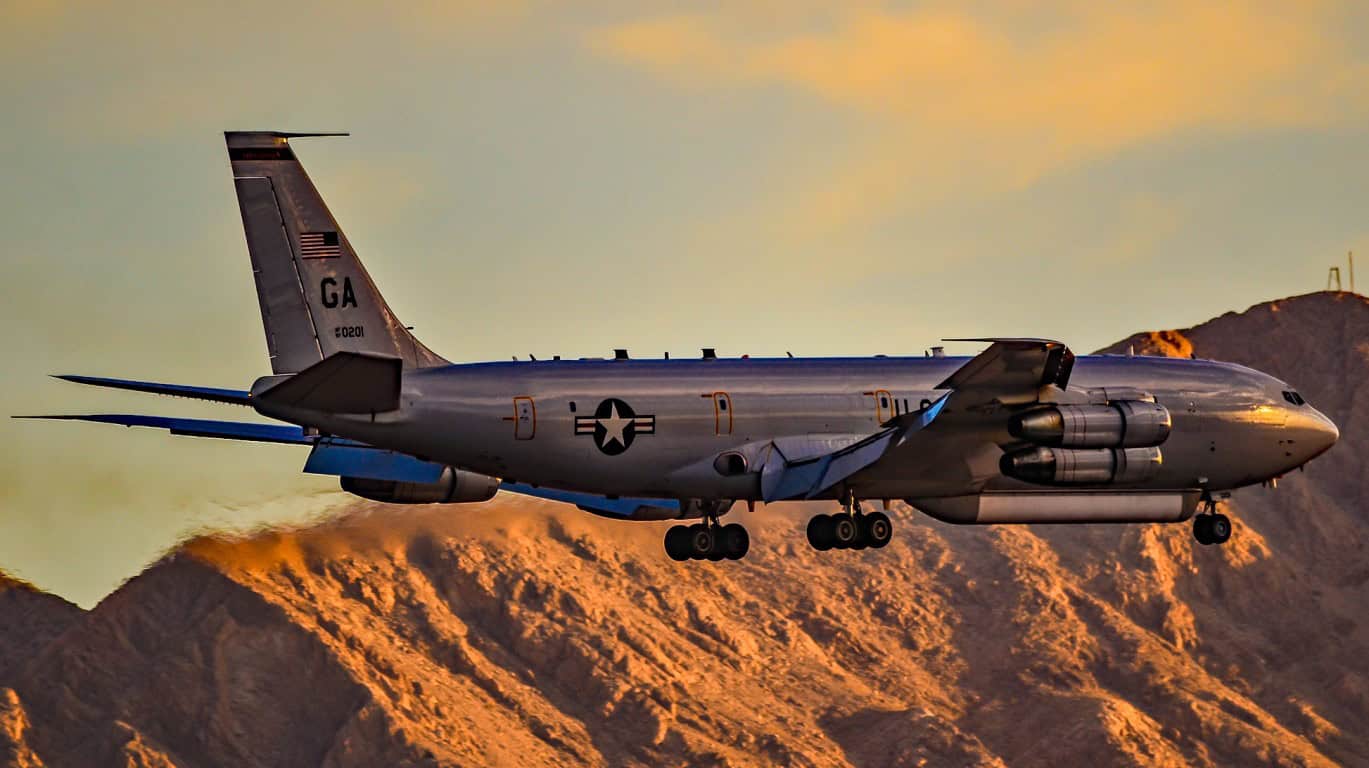
The E-3 Sentry provides airborne command and control, managing airspace and coordinating operations. Its radar systems allow it to track multiple targets simultaneously. The USAF relies on it to direct and control complex missions.
E-8C JSTARS
- Aircraft Type: Command
- Primary Role: Ground surveillance
- Year Introduced (USAF Service): 1991
- Active Fleet Size (Approx.): 16
- Mission Frequency / Usage Level: Moderate
- Key Combat or Operational Function: Ground tracking
- Operational Advantage: Sensors
- Why the USAF Relies on It: Battlefield awareness
The E-8C JSTARS specializes in ground surveillance, tracking enemy movements in real time. Its capabilities enhance battlefield awareness. The USAF relies on it for coordinating ground operations.
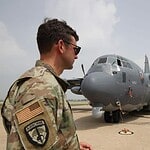
AC-130J Ghostrider
- Aircraft Type: Gunship
- Primary Role: CAS/SOF
- Year Introduced (USAF Service): 2017
- Active Fleet Size (Approx.): 30
- Mission Frequency / Usage Level: High
- Key Combat or Operational Function: Close support
- Operational Advantage: Firepower
- Why the USAF Relies on It: SOF backbone
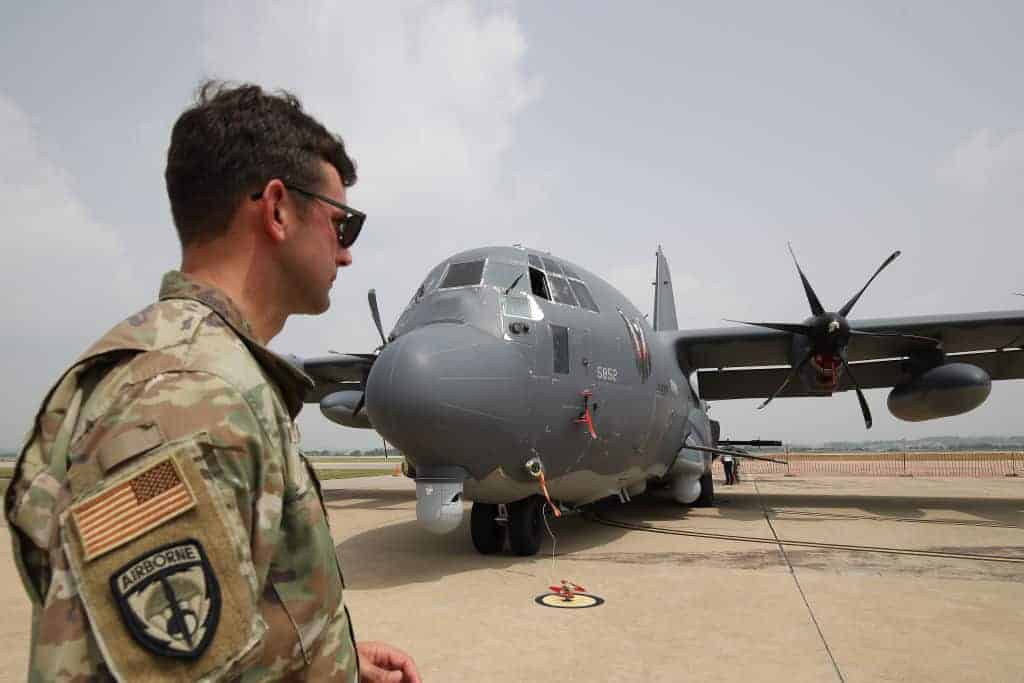
The AC-130J provides precise and sustained fire support for special operations forces. Its ability to loiter and deliver accurate fire makes it invaluable. The USAF relies on it for close support in complex environments.
MC-130J Commando II
- Aircraft Type: SOF
- Primary Role: Special ops
- Year Introduced (USAF Service): 2011
- Active Fleet Size (Approx.): 40
- Mission Frequency / Usage Level: High
- Key Combat or Operational Function: Insertion/extraction
- Operational Advantage: Range
- Why the USAF Relies on It: SOF mobility
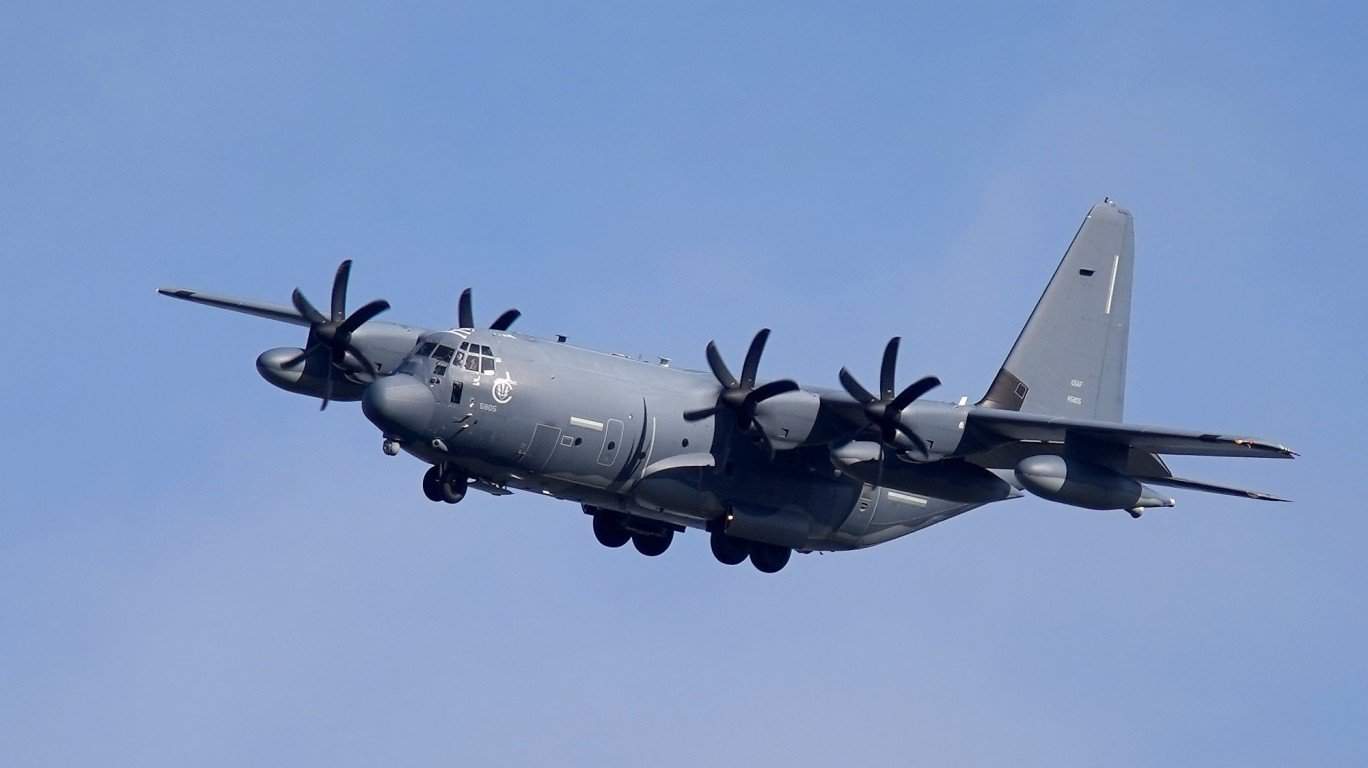
The MC-130J supports special operations by enabling infiltration, exfiltration, and resupply missions. Its versatility allows it to operate in challenging conditions. The USAF relies on it for critical SOF missions.
CV-22 Osprey
- Aircraft Type: Tiltrotor
- Primary Role: SOF transport
- Year Introduced (USAF Service): 2009
- Active Fleet Size (Approx.): 50
- Mission Frequency / Usage Level: High
- Key Combat or Operational Function: Special ops transport
- Operational Advantage: Vertical lift
- Why the USAF Relies on It: Rapid deployment
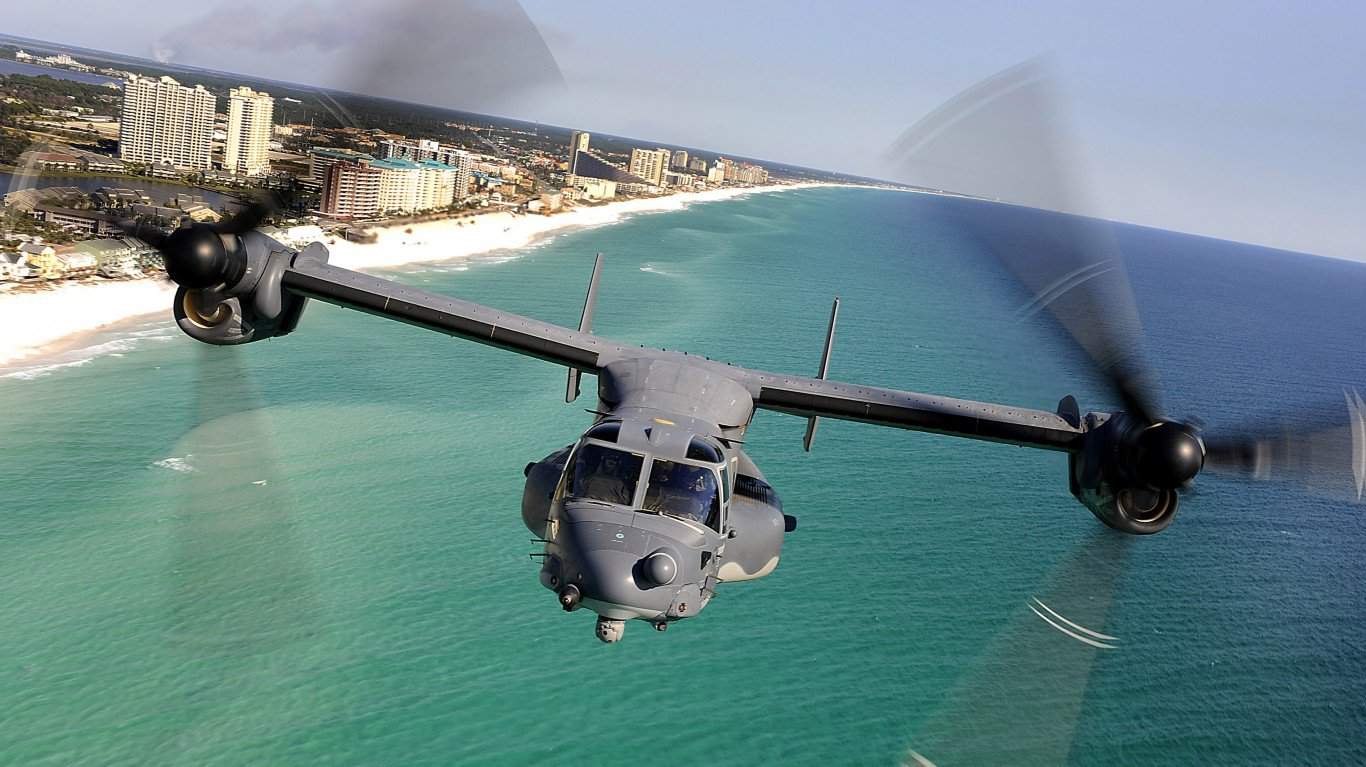
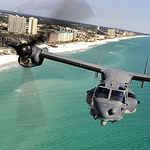
The CV-22 combines the speed of an aircraft with the vertical lift of a helicopter, allowing rapid deployment of forces. Its unique capabilities make it essential for special operations. The USAF relies on it for fast, flexible troop movement.
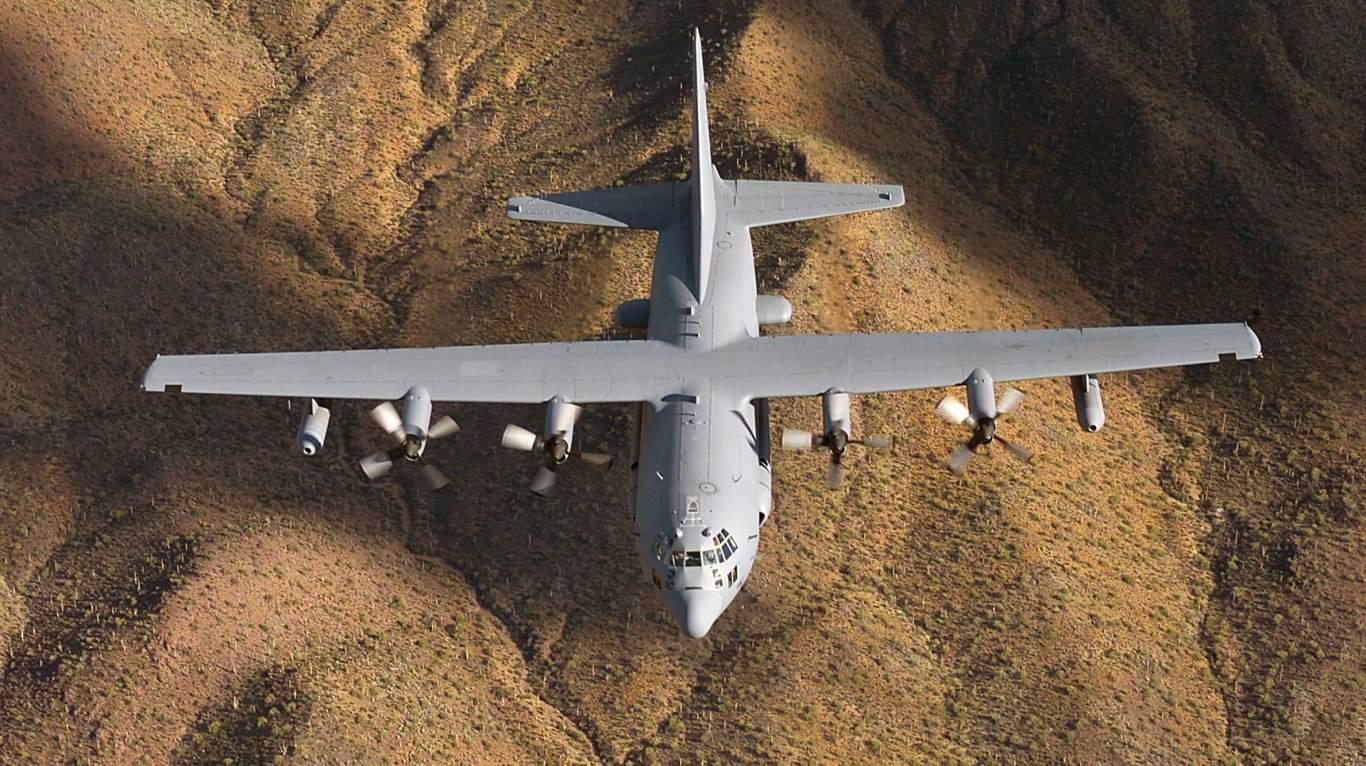
EC-130H Compass Call
- Aircraft Type: EW
- Primary Role: Electronic warfare
- Year Introduced (USAF Service): 1983
- Active Fleet Size (Approx.): 14
- Mission Frequency / Usage Level: High
- Key Combat or Operational Function: Jamming
- Operational Advantage: Electronic attack
- Why the USAF Relies on It: Disrupts enemy systems
The EC-130H Compass Call disrupts enemy communications and radar systems through electronic warfare. Its capabilities degrade enemy effectiveness. The USAF relies on it to control the electromagnetic battlespace.
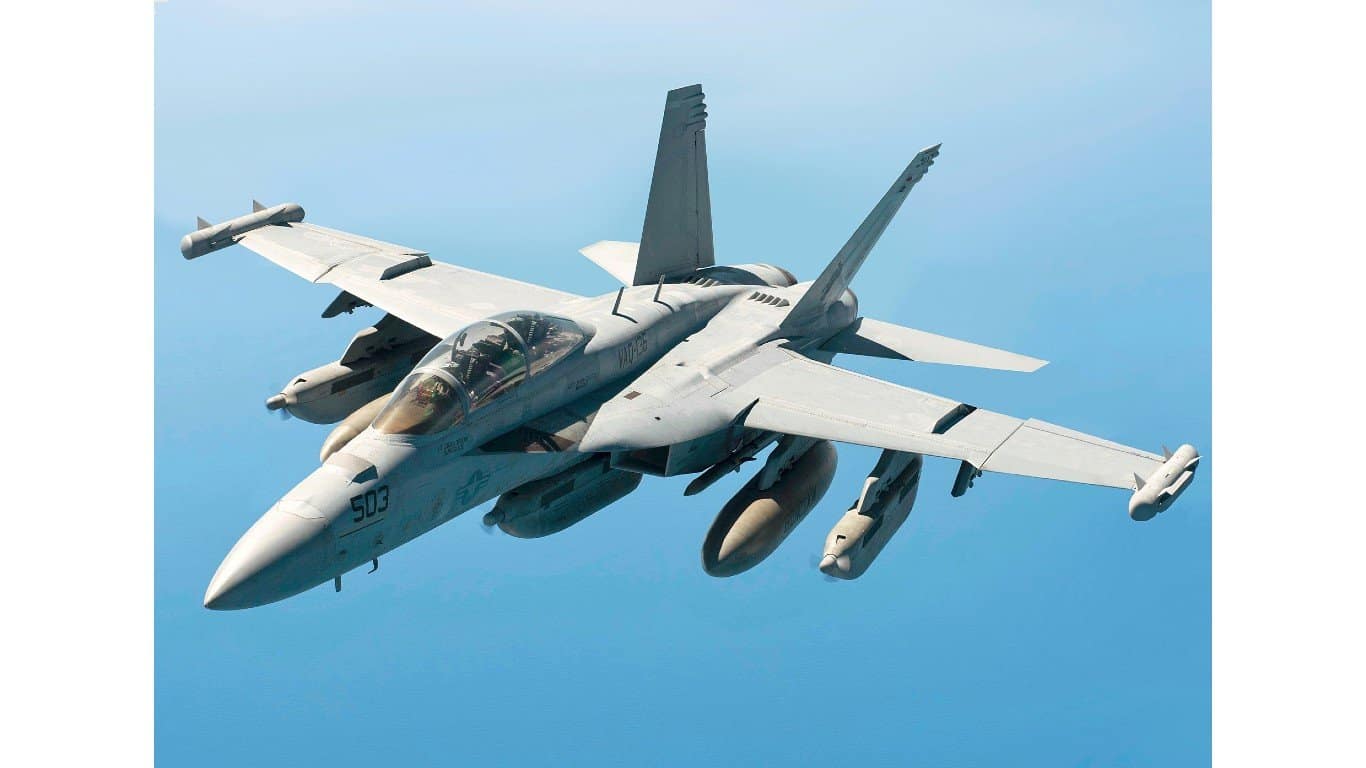
EA-18G Growler
- Aircraft Type: EW
- Primary Role: Electronic attack
- Year Introduced (USAF Service): 2009
- Active Fleet Size (Approx.): 90
- Mission Frequency / Usage Level: High
- Key Combat or Operational Function: Suppression of defenses
- Operational Advantage: Jamming
- Why the USAF Relies on It: Key SEAD asset
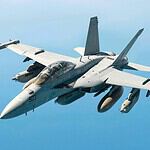
The EA-18G Growler provides electronic attack capabilities, suppressing enemy air defenses. Its role is critical in enabling other aircraft to operate safely. The USAF relies on it as a key SEAD asset in joint operations.
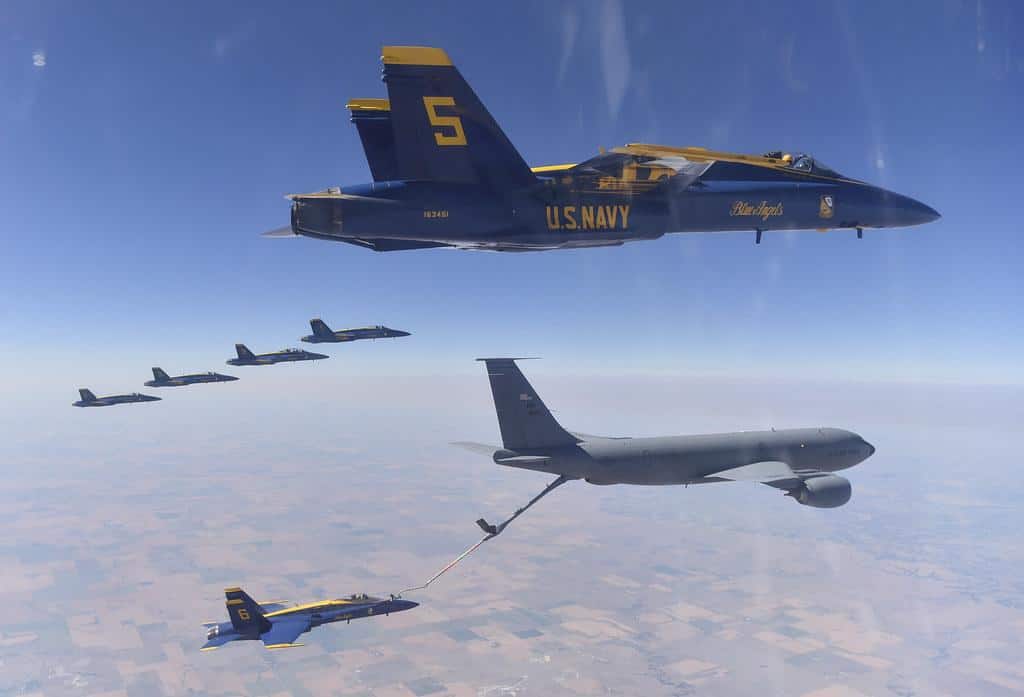
KC-135 Stratotanker
- Aircraft Type: Tanker
- Primary Role: Refueling
- Year Introduced (USAF Service): 1957
- Active Fleet Size (Approx.): 400
- Mission Frequency / Usage Level: Very High
- Key Combat or Operational Function: Aerial refueling
- Operational Advantage: Endurance
- Why the USAF Relies on It: Extends all missions
The KC-135 enables extended operations by refueling aircraft in flight. Its role is essential for maintaining global reach. The USAF relies on it to sustain nearly all air operations.
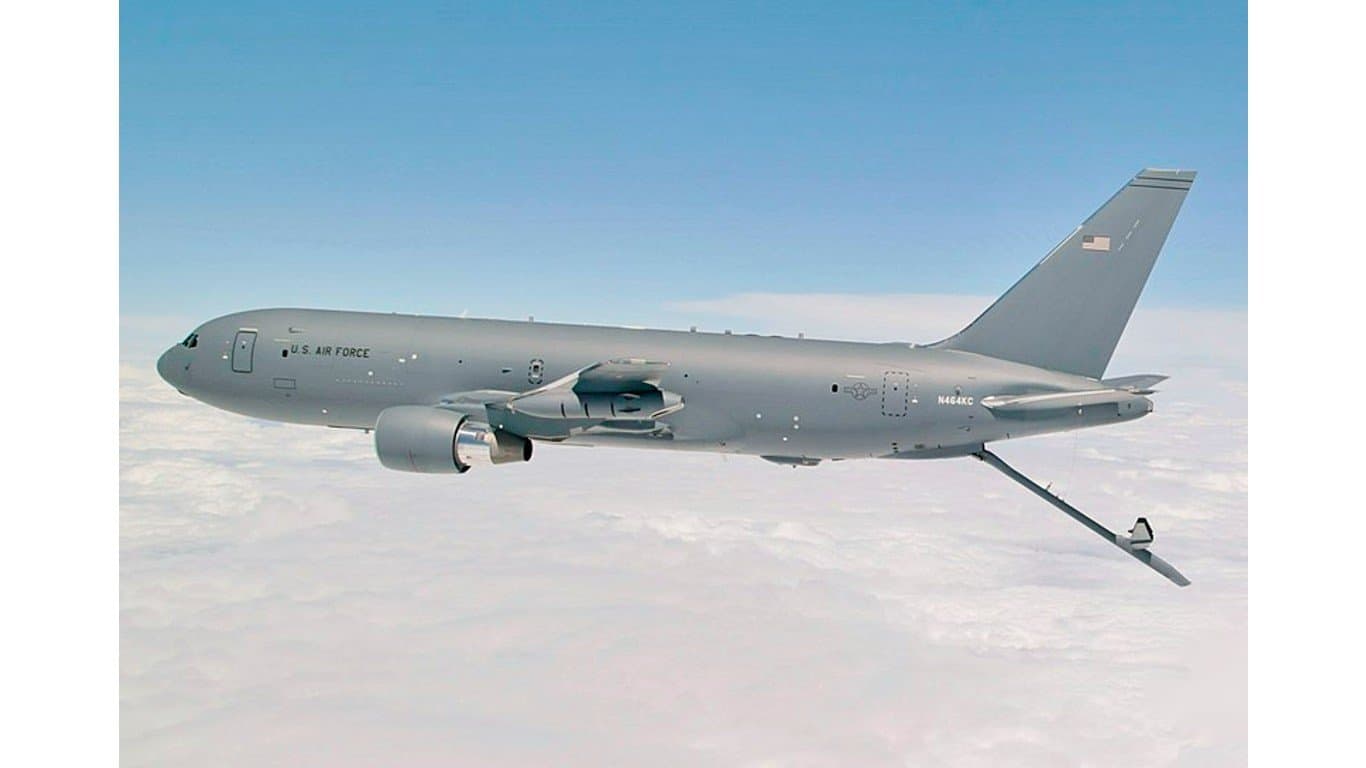
KC-46 Pegasus
- Aircraft Type: Tanker
- Primary Role: Refueling
- Year Introduced (USAF Service): 2019
- Active Fleet Size (Approx.): 80
- Mission Frequency / Usage Level: High
- Key Combat or Operational Function: Refueling
- Operational Advantage: Modern systems
- Why the USAF Relies on It: Next-gen tanker
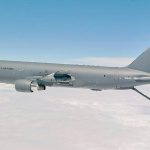
The KC-46 represents the next generation of aerial refueling, with improved systems and capabilities. It enhances operational flexibility. The USAF relies on it to modernize its tanker fleet.
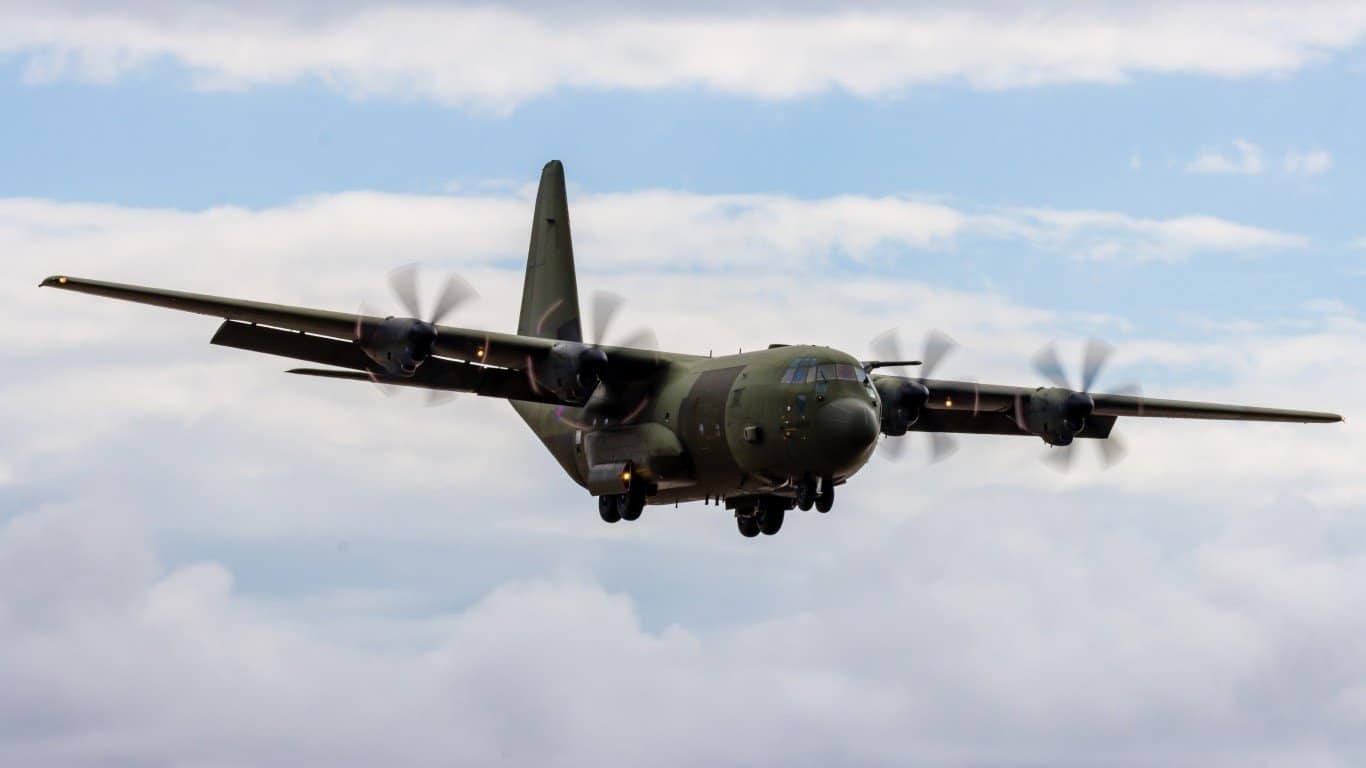
C-130J Super Hercules
- Aircraft Type: Airlift
- Primary Role: Tactical transport
- Year Introduced (USAF Service): 1999
- Active Fleet Size (Approx.): 300
- Mission Frequency / Usage Level: Very High
- Key Combat or Operational Function: Tactical lift
- Operational Advantage: Versatility
- Why the USAF Relies on It: Core logistics aircraft
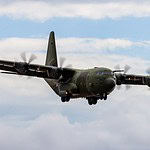
The C-130J provides tactical airlift, delivering troops and supplies directly into combat zones. Its versatility allows it to operate in austere environments. The USAF relies on it for critical logistics support.
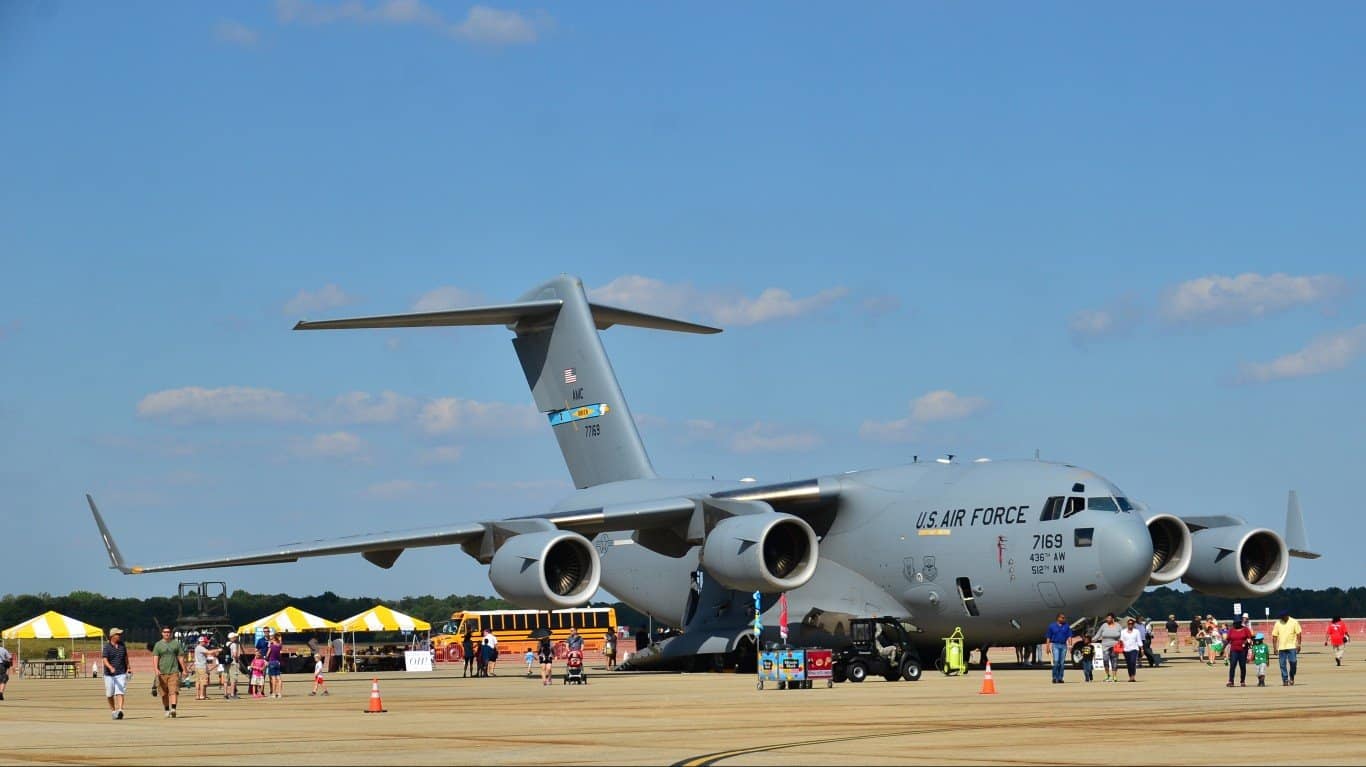
C-17 Globemaster III
- Aircraft Type: Airlift
- Primary Role: Strategic transport
- Year Introduced (USAF Service): 1995
- Active Fleet Size (Approx.): 220
- Mission Frequency / Usage Level: High
- Key Combat or Operational Function: Heavy lift
- Operational Advantage: Payload
- Why the USAF Relies on It: Global mobility
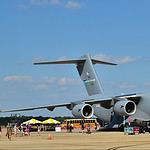
The C-17 enables rapid global mobility, transporting heavy equipment and personnel. Its ability to operate from short runways makes it highly versatile. The USAF relies on it for strategic deployment.
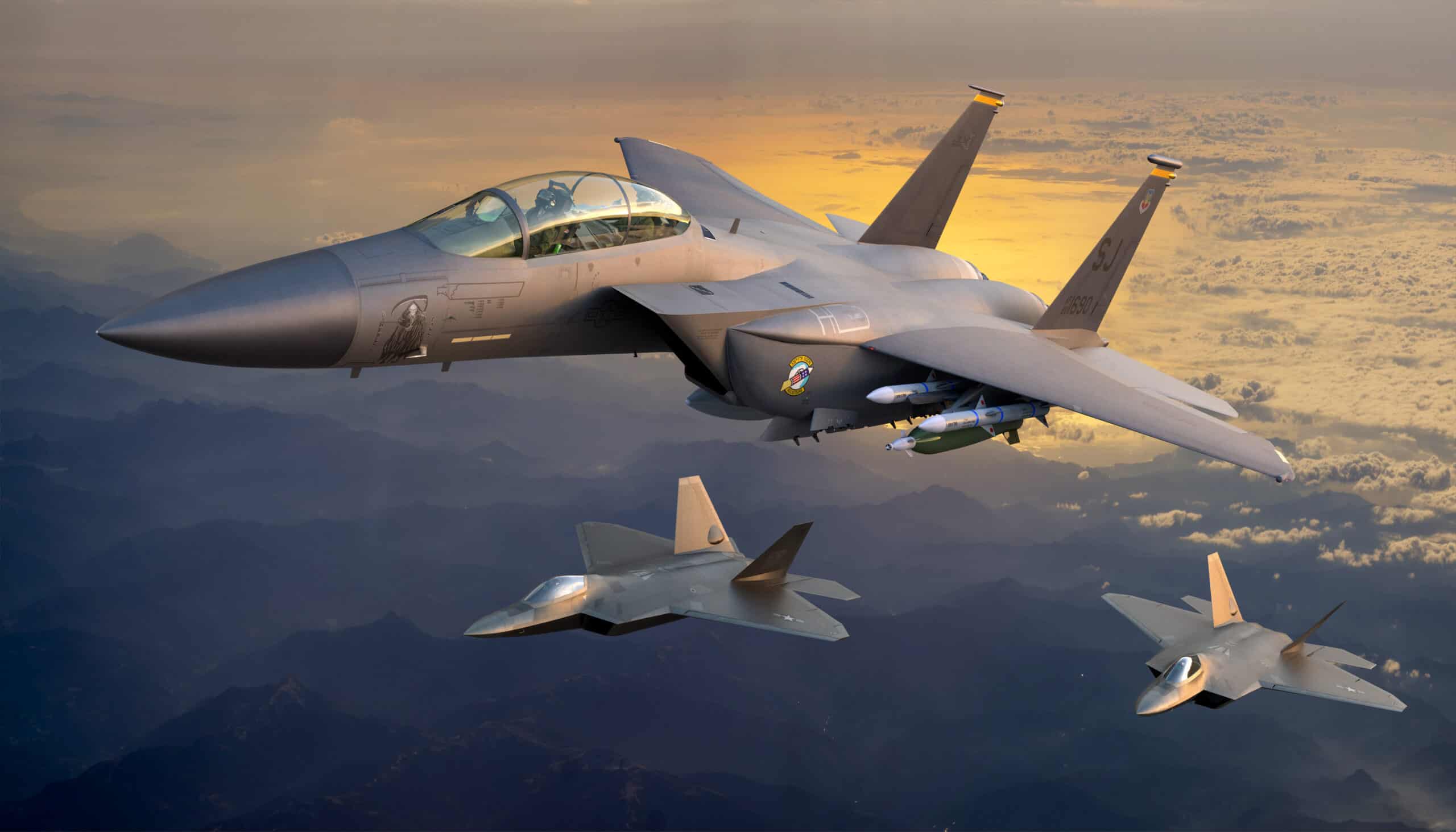
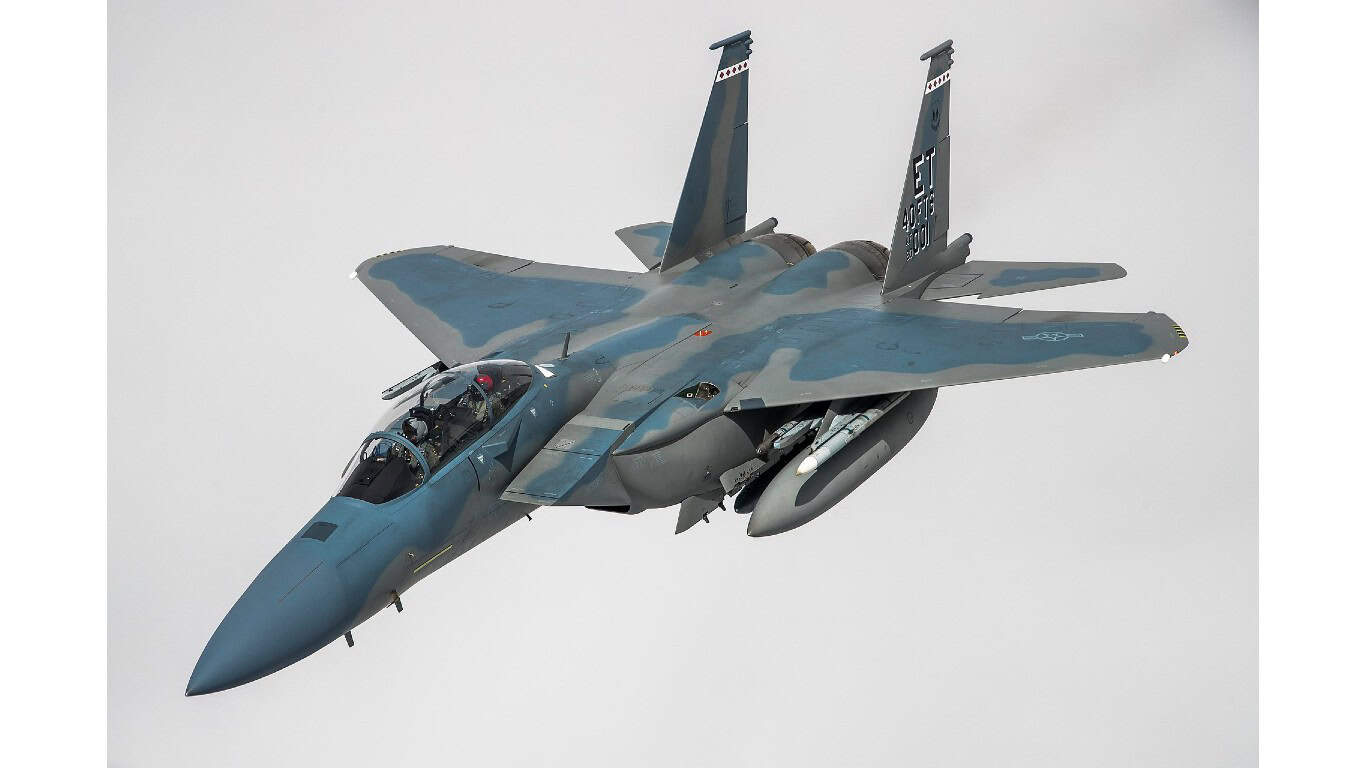
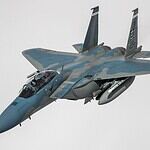
F-15EX Eagle II
- Aircraft Type: Fighter
- Primary Role: Multirole
- Year Introduced (USAF Service): 2023
- Active Fleet Size (Approx.): 10+
- Mission Frequency / Usage Level: Growing
- Key Combat or Operational Function: Air dominance
- Operational Advantage: Payload
- Why the USAF Relies on It: Future backbone
The F-15EX represents the next evolution of the Eagle platform, combining advanced systems with a large payload capacity. It is expected to play a major role in future operations. The USAF relies on it to enhance its fighter capabilities.
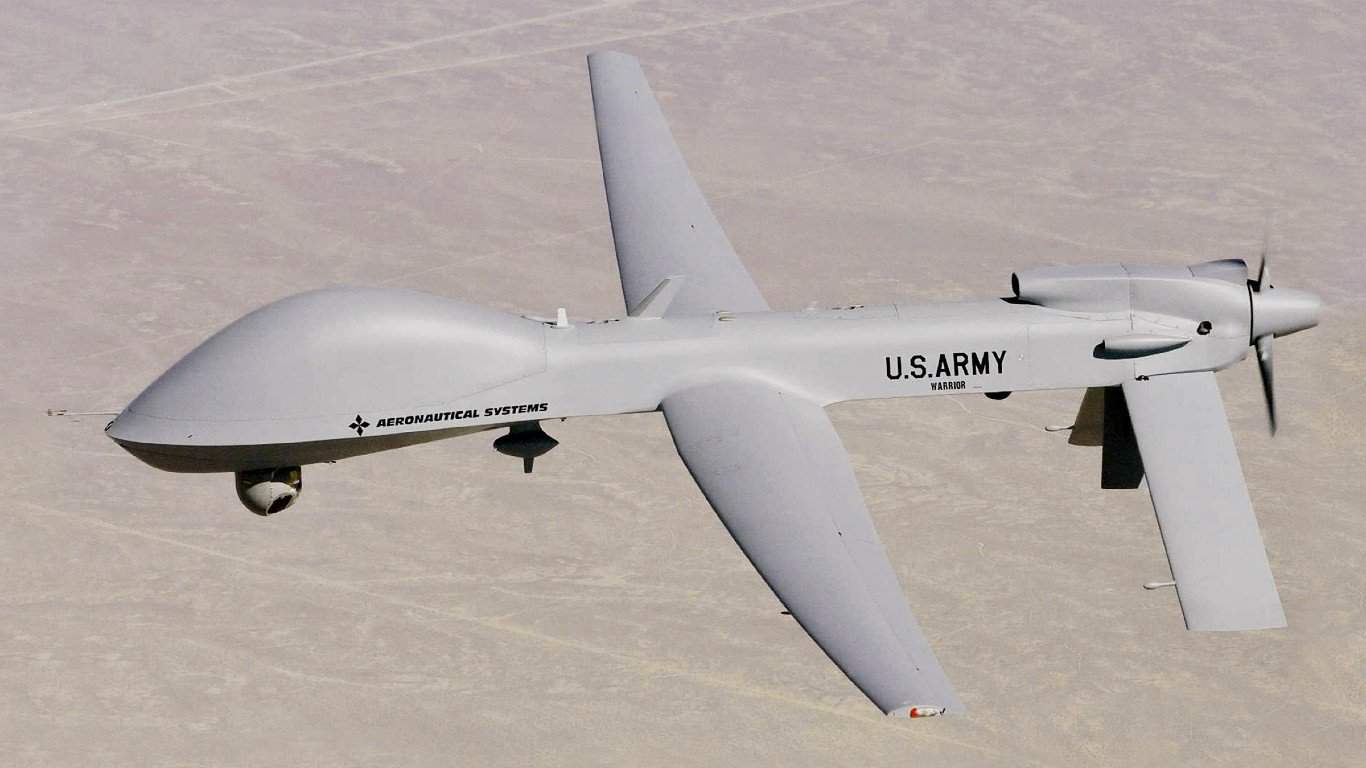
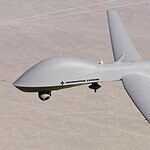
MQ-1C Gray Eagle
- Aircraft Type: UAV
- Primary Role: ISR/Strike
- Year Introduced (USAF Service): 2009
- Active Fleet Size (Approx.): 150
- Mission Frequency / Usage Level: Moderate
- Key Combat or Operational Function: Reconnaissance
- Operational Advantage: Endurance
- Why the USAF Relies on It: Army/USAF overlap
The MQ-1C Gray Eagle provides reconnaissance and strike capabilities, supporting ground forces with real-time intelligence. Its endurance makes it effective for sustained operations. The USAF relies on it for extended ISR missions.