

WWII’s Most Powerful Battleships, Aircraft Carriers, and Submarines
World War II made one thing clear: control of the seas could decide the fate of nations. Although battleships had long defined naval dominance, the conflict proved that aircraft carriers and submarines were rewriting the rules of warfare. Some vessels became enduring symbols of national strength, while others played pivotal roles in turning the tide in the Atlantic and Pacific. Here, History Computer takes a closer look at the ships that defined sea power during World War II and helped shape the future of naval strategy.
To identify the naval vessels that defined WWII sea power, History Computer reviewed a range of historical and military sources. We also included key details for each ship, such as country of origin, classification, displacement, top speed, primary armament, and a defining wartime moment.
At the outset of the war, most naval powers still believed the battleship ruled the oceans. Fleets were organized around heavily armored giants armed with massive guns designed for decisive surface engagements. By 1945, that doctrine had shifted dramatically. Aircraft carriers could project power hundreds of miles from their decks, while submarines strangled supply lines across vast stretches of ocean. Advances in radar, naval aviation, and coordinated fleet tactics permanently transformed maritime warfare and redefined how global power is projected.
Here is a look at the battleships, carriers, and submarines that defined WWII sea power:
Why Are We Covering This?
Understanding how World War II was fought at sea helps explain why certain ships became legendary and why naval strategy changed so dramatically during the conflict. At the start of the war, massive battleships were still viewed as the ultimate measure of national power. By the end, aircraft carriers and submarines had reshaped naval warfare entirely. The vessels on this list illustrate that transition. Some dominated early campaigns, others helped turn the tide, and a few symbolized the technological and strategic shifts that defined modern naval power. Looking at these ships together reveals how control of the oceans influenced supply lines, invasions, and ultimately the outcome of the war itself.
The War That Was Decided at Sea
World War II was not just fought on battlefields and in the skies. Control of the oceans determined whether nations could move troops, supply armies, and project power across continents. From the Atlantic convoy routes to the vast Pacific theater, naval dominance shaped the outcome of the conflict. The ships that fought these battles—massive battleships, fast aircraft carriers, and stealthy submarines—became the backbone of wartime strategy.
The End of the Battleship Era
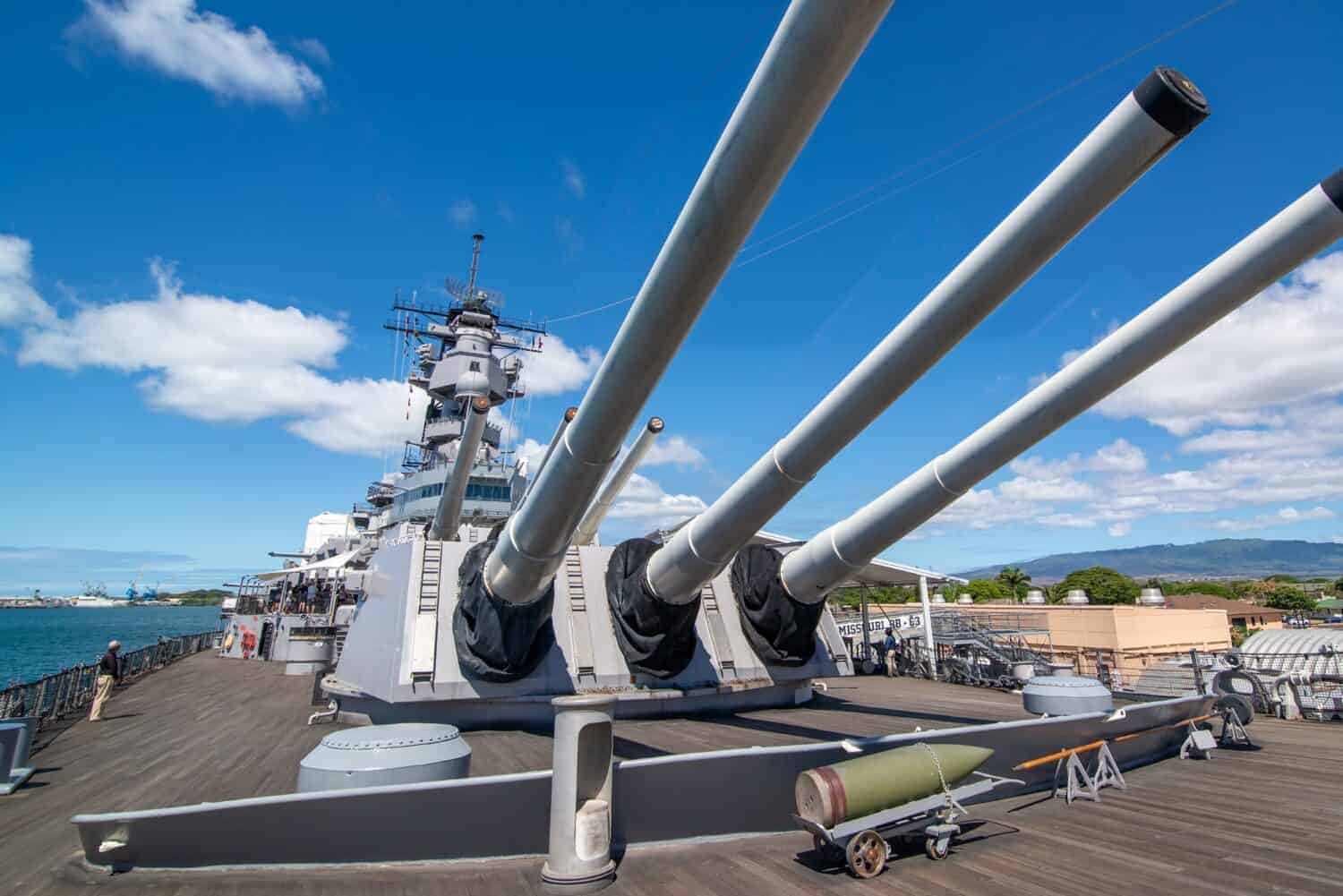
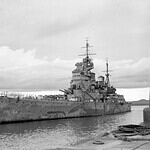
For decades, the battleship symbolized ultimate naval power. Countries invested enormous resources into heavily armored ships armed with massive guns designed to destroy enemy fleets. World War II tested that doctrine at full scale. Battleships still played an important role, but the conflict increasingly showed that control of the air—and the ability to strike from long distances—was becoming far more decisive.
Aircraft Carriers Change Everything
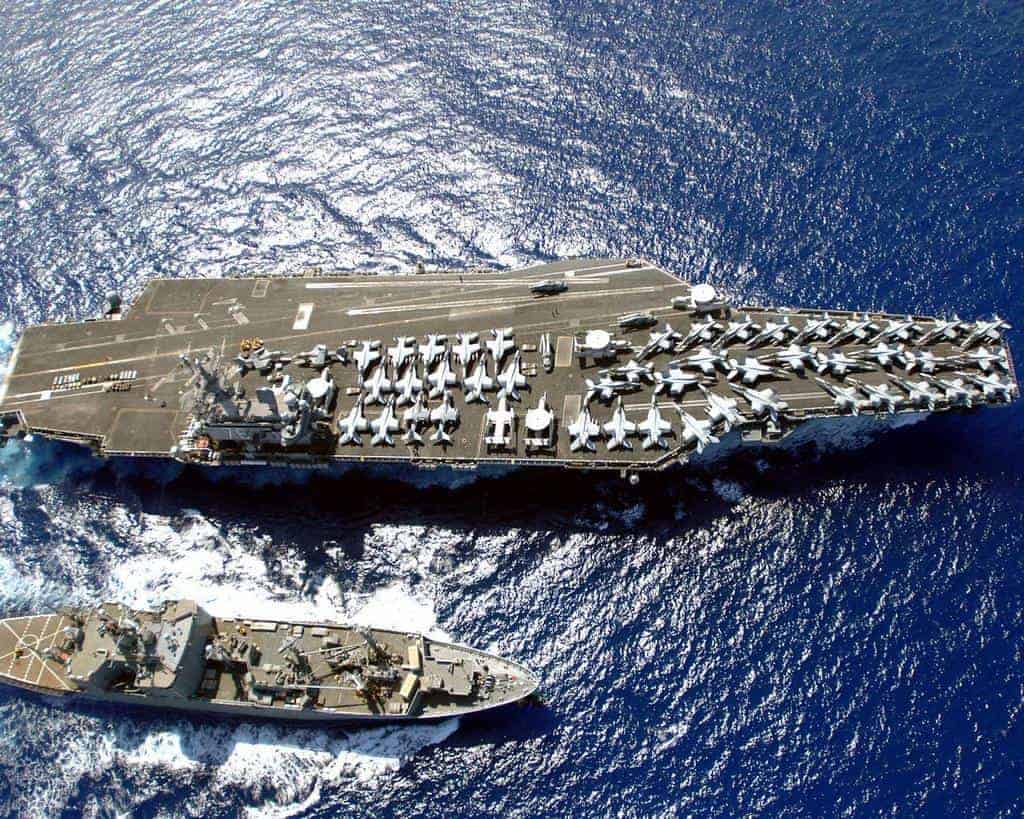
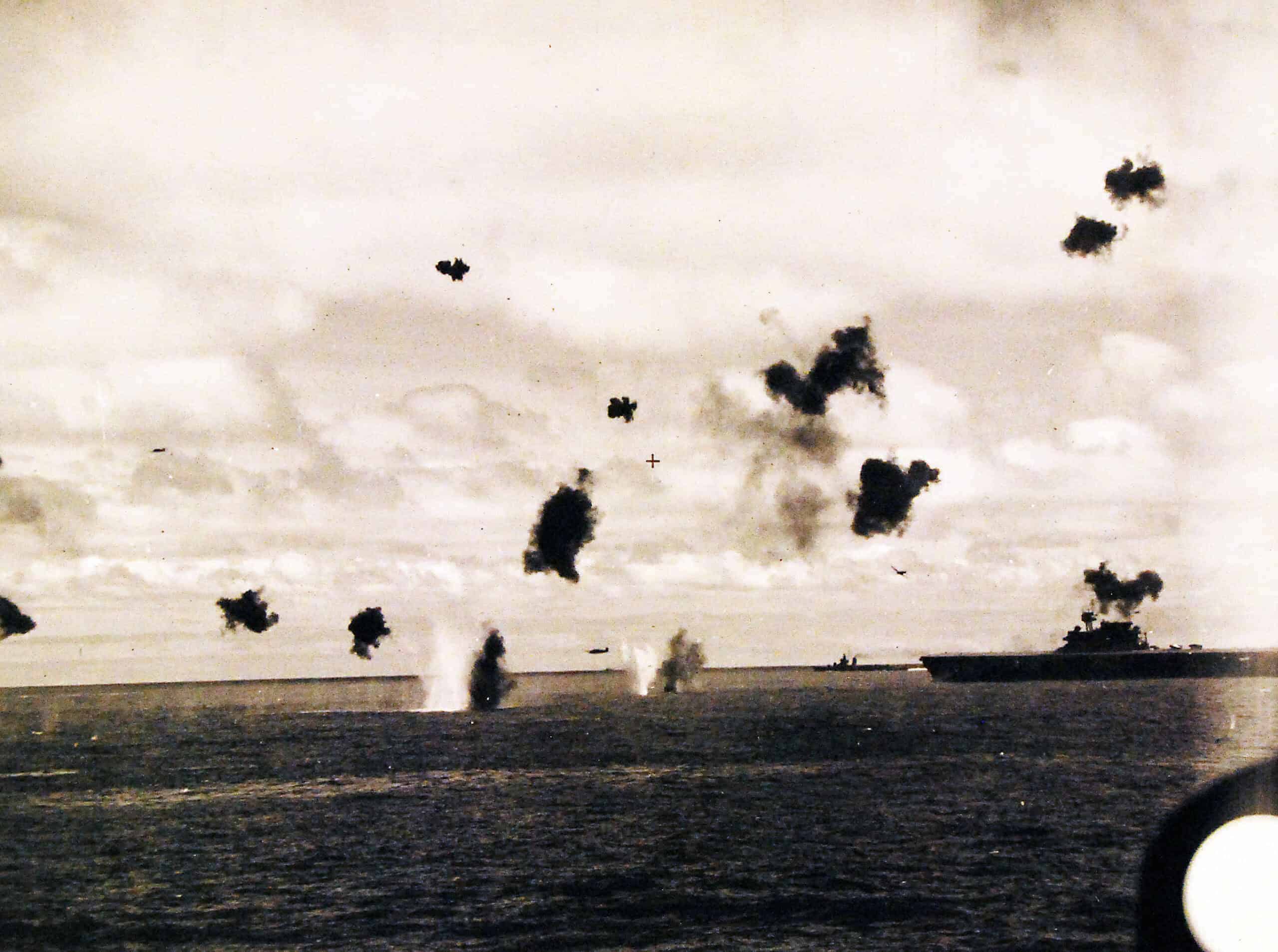
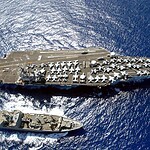
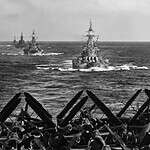
Aircraft carriers transformed naval warfare by extending striking distance hundreds of miles beyond the horizon. Instead of fleets trading salvos at visual range, commanders launched waves of aircraft capable of sinking enemy ships before they ever came into view. Battles such as Midway and the Philippine Sea proved the point: carriers had become the most important capital ships afloat.
The Silent War Beneath the Surface
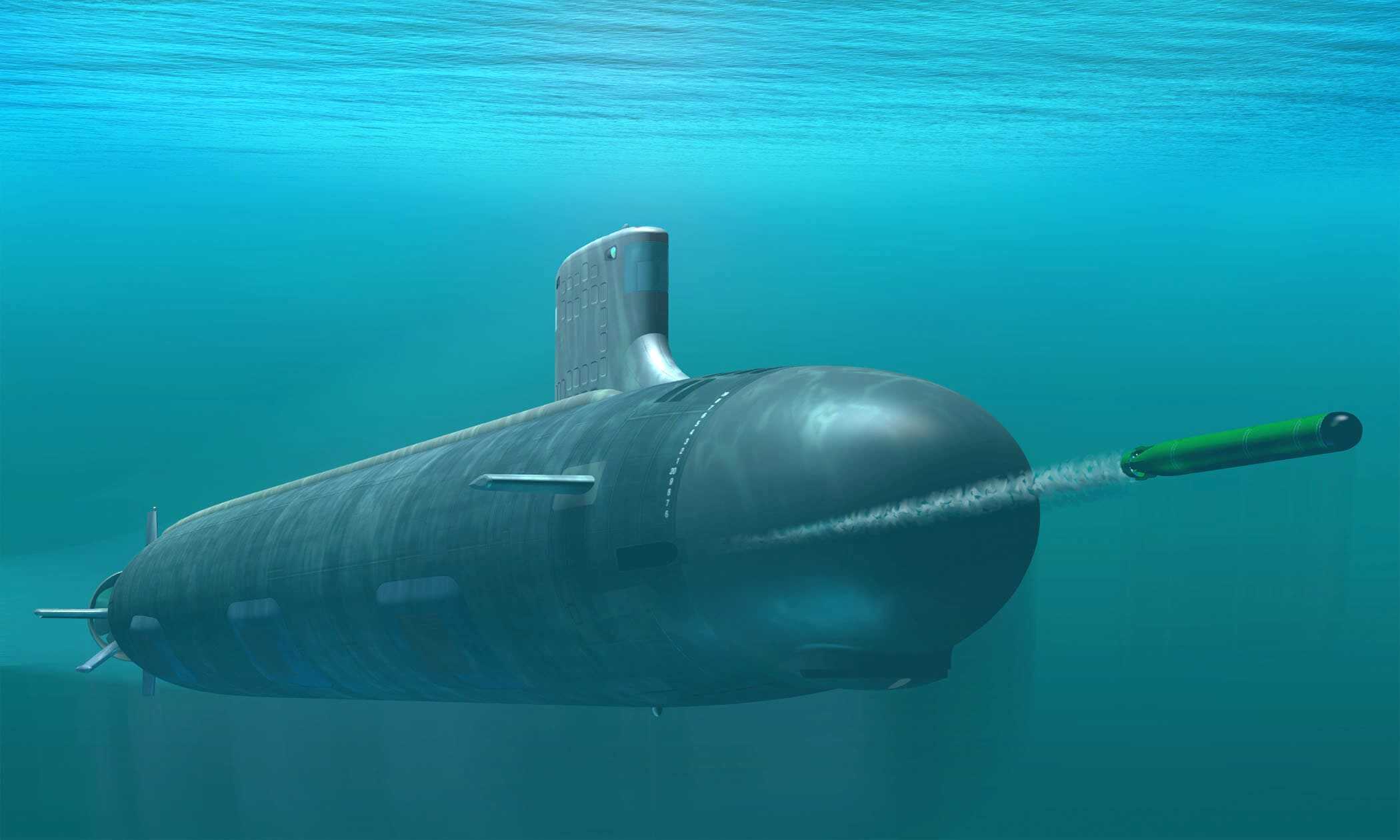
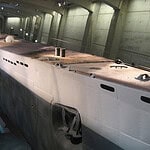
Submarines fought a quieter but devastating campaign. Rather than dramatic fleet battles, they targeted supply lines and merchant ships that kept entire nations functioning. German U-boats nearly cut Britain off from the world, while American submarines devastated Japan's shipping network. These underwater campaigns proved that economic warfare at sea could be just as decisive as major naval engagements.
The Ships That Defined Naval Power
Some ships became symbols of national strength. Others changed naval doctrine through technology or battlefield impact. A handful altered the course of major campaigns. Together, these battleships, carriers, and submarines illustrate how naval warfare evolved during World War II—and why the oceans became one of the most decisive arenas of the conflict.
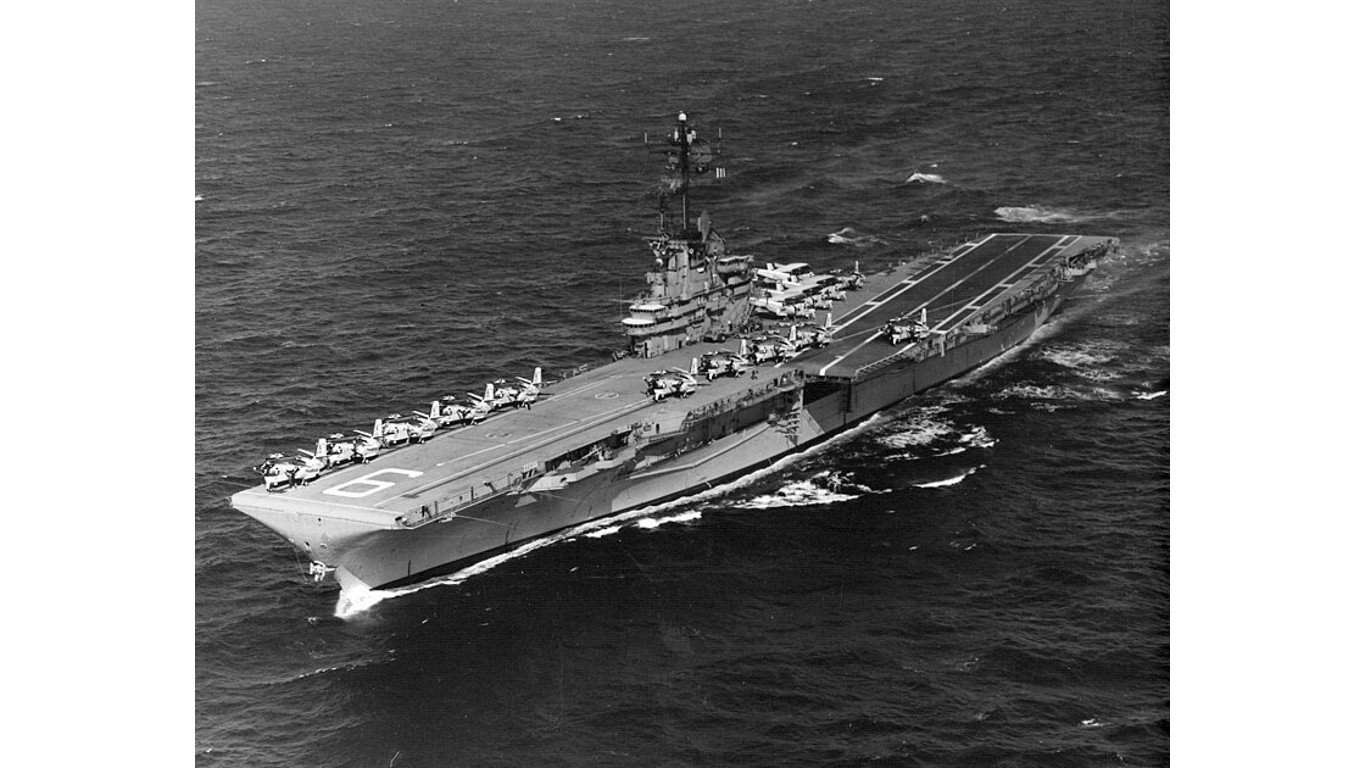
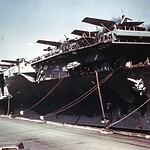
USS Enterprise (CV-6)
- Country of origin: United States
- Ship type: Fleet Carrier
- Year commissioned: 1938
- Displacement: ~32,000 tons
- Top speed: 32 knots
- Primary armament / Air Group: ~90 aircraft
- Notable battle or operation: Midway / Guadalcanal
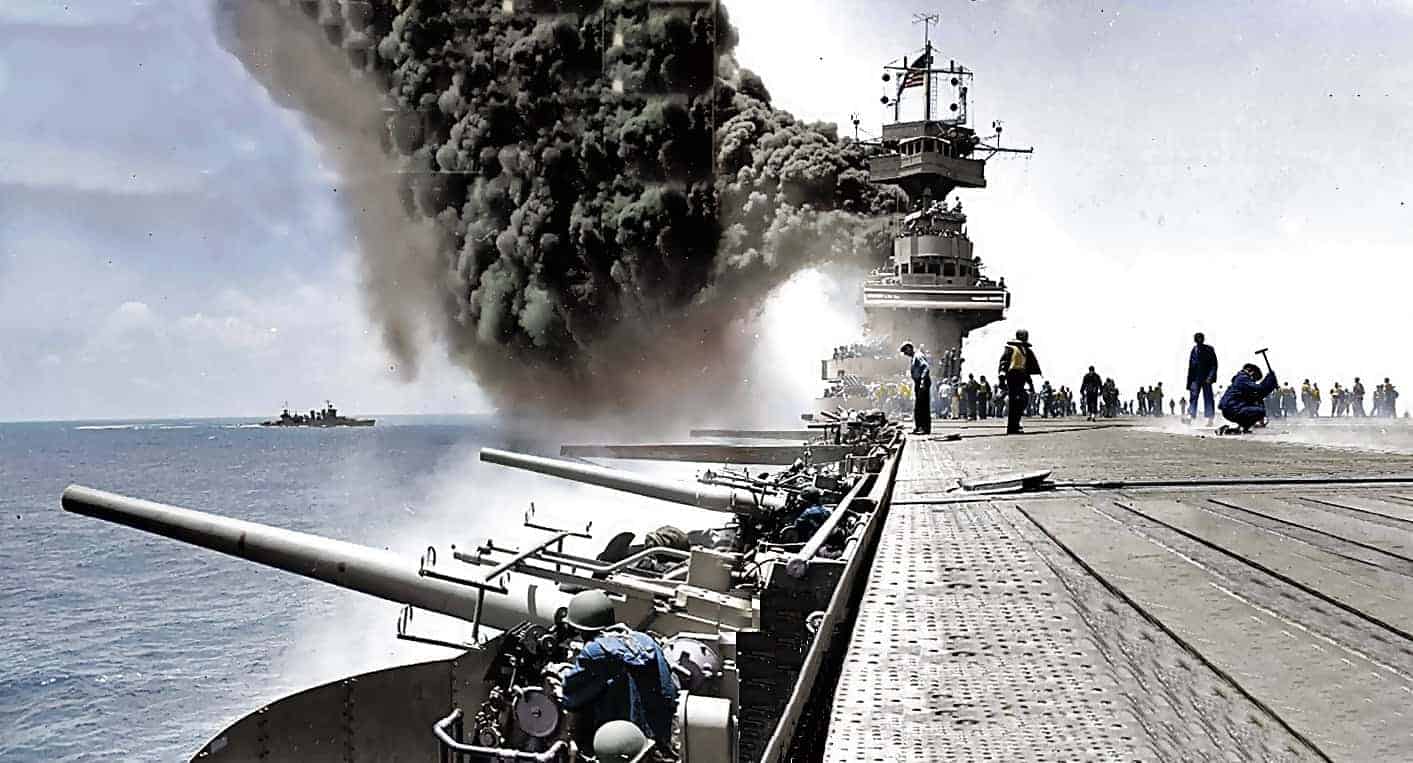
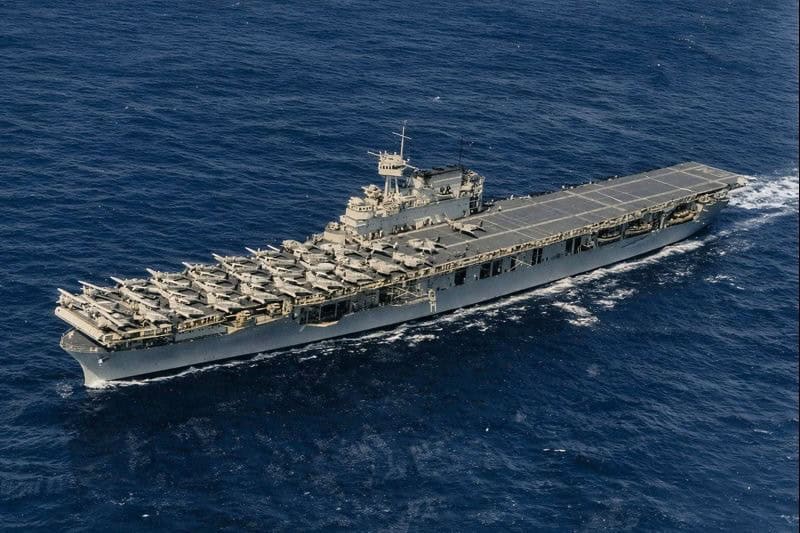
Few ships illustrate the rise of carrier warfare better than USS Enterprise. Present at many of the Pacific War's decisive moments, its aircraft struck Japanese forces at Midway, Guadalcanal, and beyond. Enterprise proved that naval aviation—not battleship guns—would dominate the oceans, and its relentless operational tempo made it one of the most influential warships of World War II.
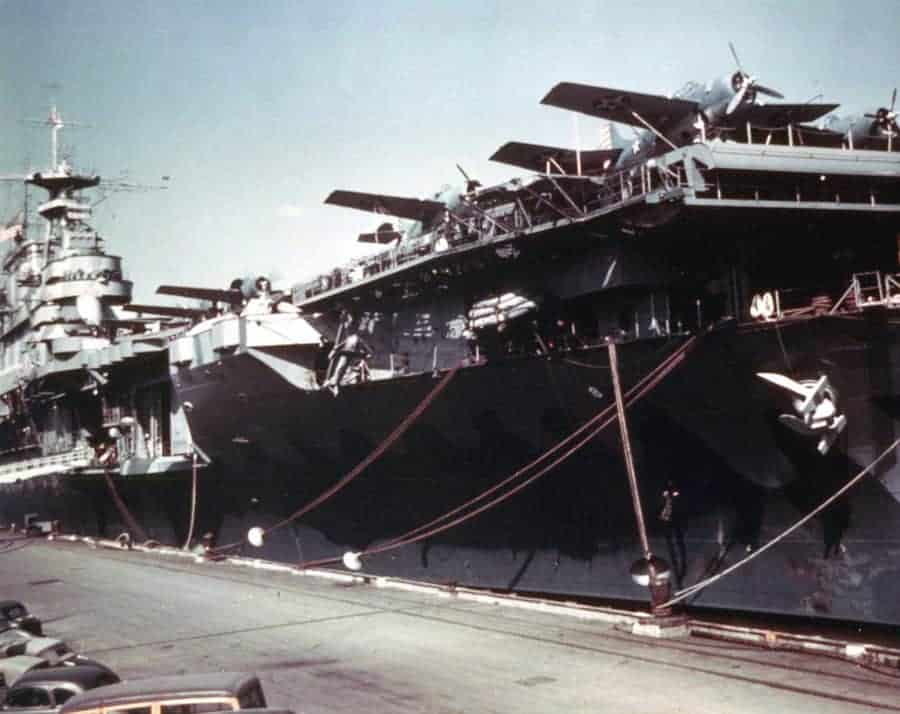
USS Yorktown (CV-5)
- Country of origin: United States
- Ship type: Fleet Carrier
- Year commissioned: 1937
- Displacement: ~25,500 tons
- Top speed: 32 knots
- Primary armament / Air Group: ~90 aircraft
- Notable battle or operation: Midway
Yorktown's story shows how razor‑thin the margin of victory could be in carrier warfare. Damaged days earlier at Coral Sea, the ship was repaired with remarkable speed and sailed to Midway. Aircraft from Yorktown helped cripple Japan's carrier strike force, a turning point that shifted the balance of naval power in the Pacific.
USS Essex (CV-9)
- Country of origin: United States
- Ship type: Fleet Carrier
- Year commissioned: 1942
- Displacement: ~36,000 tons
- Top speed: 33 knots
- Primary armament / Air Group: ~90 aircraft
- Notable battle or operation: Philippine Sea
USS Essex represented the industrial and technological might of the United States. As the lead ship of a massive carrier class, it helped form the fast carrier task forces that overwhelmed Japanese defenses. Essex‑class carriers projected air power across the Pacific and demonstrated how large carrier fleets could dominate entire theaters of war.
USS Hornet (CV-8)
- Country of origin: United States
- Ship type: Fleet Carrier
- Year commissioned: 1941
- Displacement: ~25,500 tons
- Top speed: 32 knots
- Primary armament / Air Group: ~90 aircraft
- Notable battle or operation: Doolittle Raid / Santa Cruz
Hornet secured a unique place in history when it launched the Doolittle Raid, the first American air strike against the Japanese homeland. Though the mission caused limited physical damage, its psychological impact was enormous. Hornet later fought in intense carrier battles in the Pacific, illustrating the high‑risk, high‑impact nature of naval aviation.
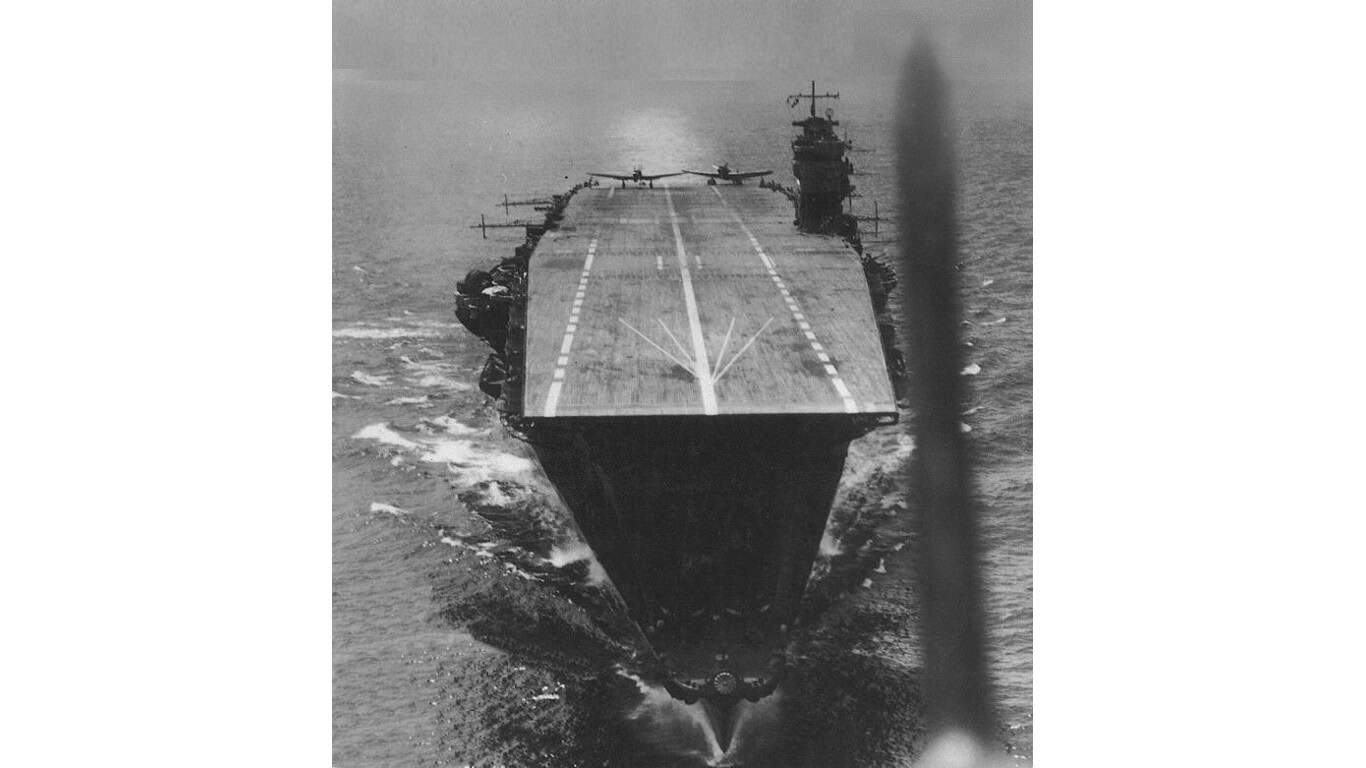
Akagi
- Country of origin: Japan
- Ship type: Fleet Carrier
- Year commissioned: 1927
- Displacement: ~36,500 tons
- Top speed: 31 knots
- Primary armament / Air Group: ~90 aircraft
- Notable battle or operation: Pearl Harbor / Midway
Akagi served as the flagship of Japan's powerful carrier force that launched the surprise attack on Pearl Harbor. Its aircraft helped cripple the U.S. Pacific Fleet and demonstrated the reach of carrier aviation. However, its destruction at Midway highlighted how quickly naval dominance could shift once carriers themselves became targets.
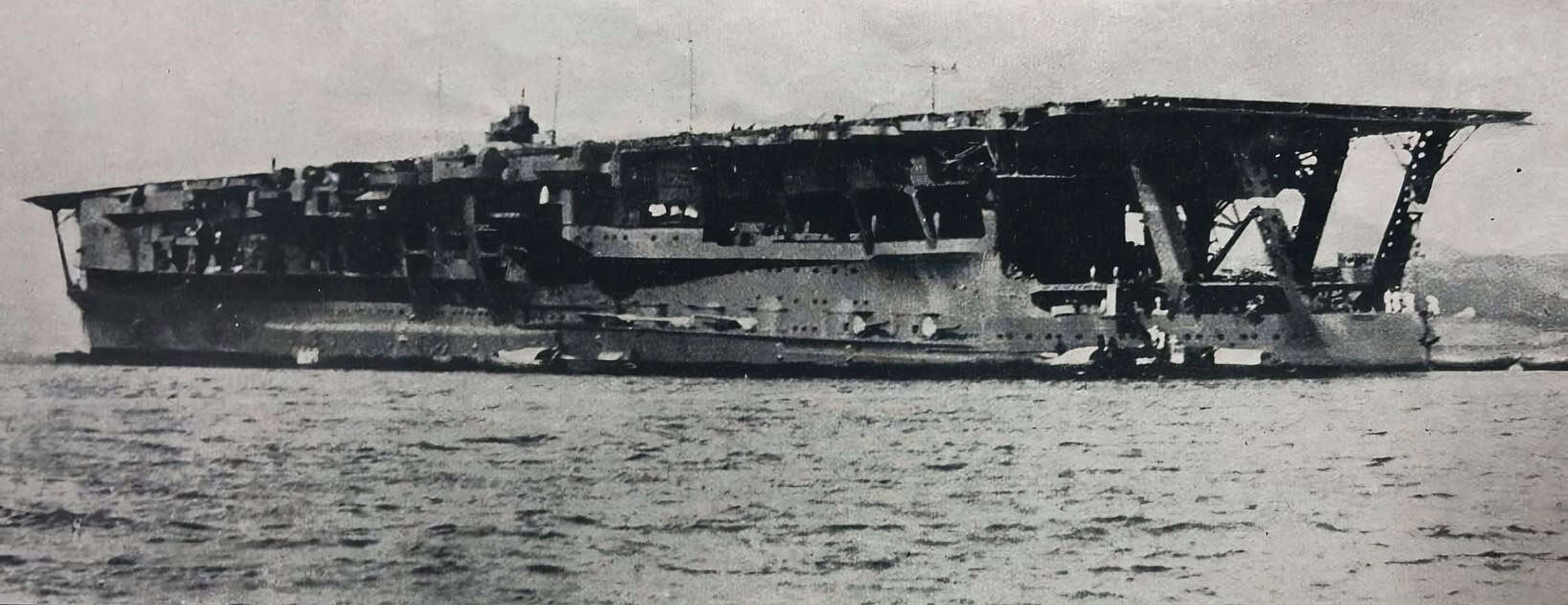
Kaga
- Country of origin: Japan
- Ship type: Fleet Carrier
- Year commissioned: 1928
- Displacement: ~38,200 tons
- Top speed: 28 knots
- Primary armament / Air Group: ~90 aircraft
- Notable battle or operation: Pearl Harbor / Midway
Kaga was one of the core carriers behind Japan's early Pacific victories. Its large air group played a central role in the Pearl Harbor strike and early expansion across the region. When Kaga was lost at Midway, Japan's ability to conduct large‑scale carrier offensives was permanently weakened, marking a decisive shift in naval momentum.
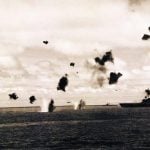
Hiryu
- Country of origin: Japan
- Ship type: Fleet Carrier
- Year commissioned: 1939
- Displacement: ~20,000 tons
- Top speed: 34 knots
- Primary armament / Air Group: ~70 aircraft
- Notable battle or operation: Midway
Hiryu's final actions at Midway demonstrated the lethal power carriers still possessed even under heavy attack. After other Japanese carriers were destroyed, Hiryu launched strikes that damaged American forces. Its eventual loss symbolized the collapse of Japan's elite carrier force and the turning point that reshaped the Pacific naval war.
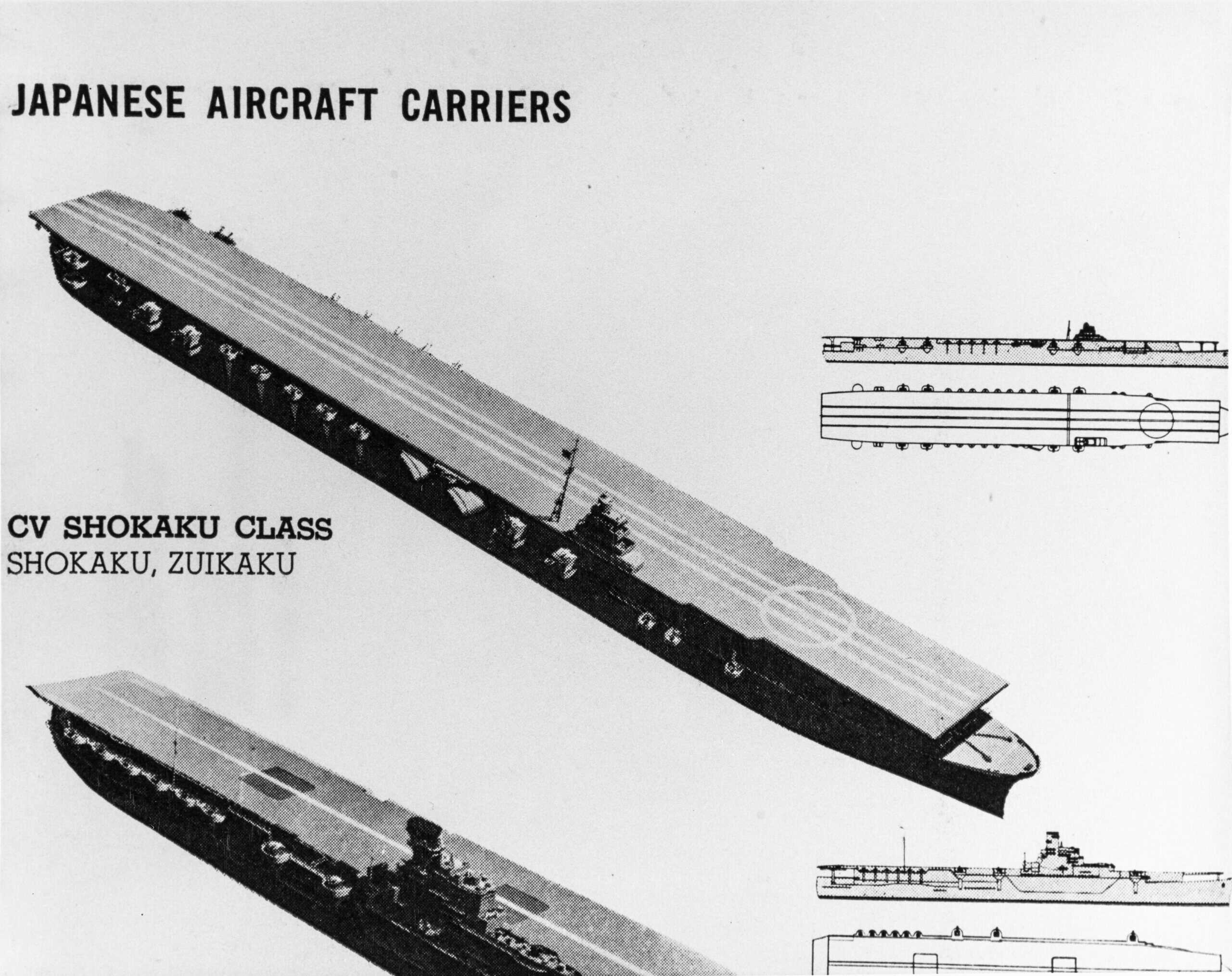
Shokaku
- Country of origin: Japan
- Ship type: Fleet Carrier
- Year commissioned: 1941
- Displacement: ~32,000 tons
- Top speed: 34 knots
- Primary armament / Air Group: ~84 aircraft
- Notable battle or operation: Coral Sea / Philippine Sea
Shokaku was among Japan's most capable fleet carriers and repeatedly engaged American forces during the Pacific War's major naval battles. From Coral Sea to the Philippine Sea, it represented the professionalism and skill of Japan's naval aviators. Its service highlights the intense carrier duels that defined much of the Pacific conflict.
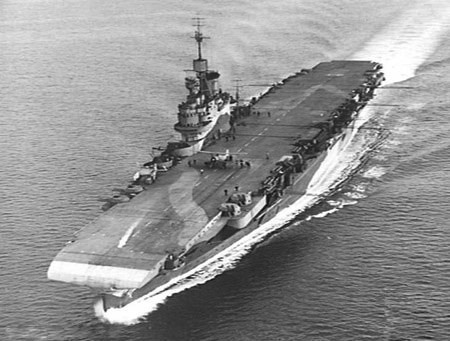
HMS Illustrious
- Country of origin: United Kingdom
- Ship type: Fleet Carrier
- Year commissioned: 1940
- Displacement: ~28,000 tons
- Top speed: 30 knots
- Primary armament / Air Group: ~54 aircraft
- Notable battle or operation: Mediterranean Campaign
HMS Illustrious introduced a distinctive design philosophy with its armored flight deck, built to withstand heavy attack in the confined Mediterranean theater. The ship's operations against Italian forces and survival under intense bombing proved the resilience of this concept. Illustrious demonstrated that carriers had to balance offensive aviation power with survivability.
Yamato
- Country of origin: Japan
- Ship type: Battleship
- Year commissioned: 1941
- Displacement: ~72,800 tons
- Top speed: 27 knots
- Primary armament / Air Group: 9x 18.1-inch guns
- Notable battle or operation: Leyte Gulf
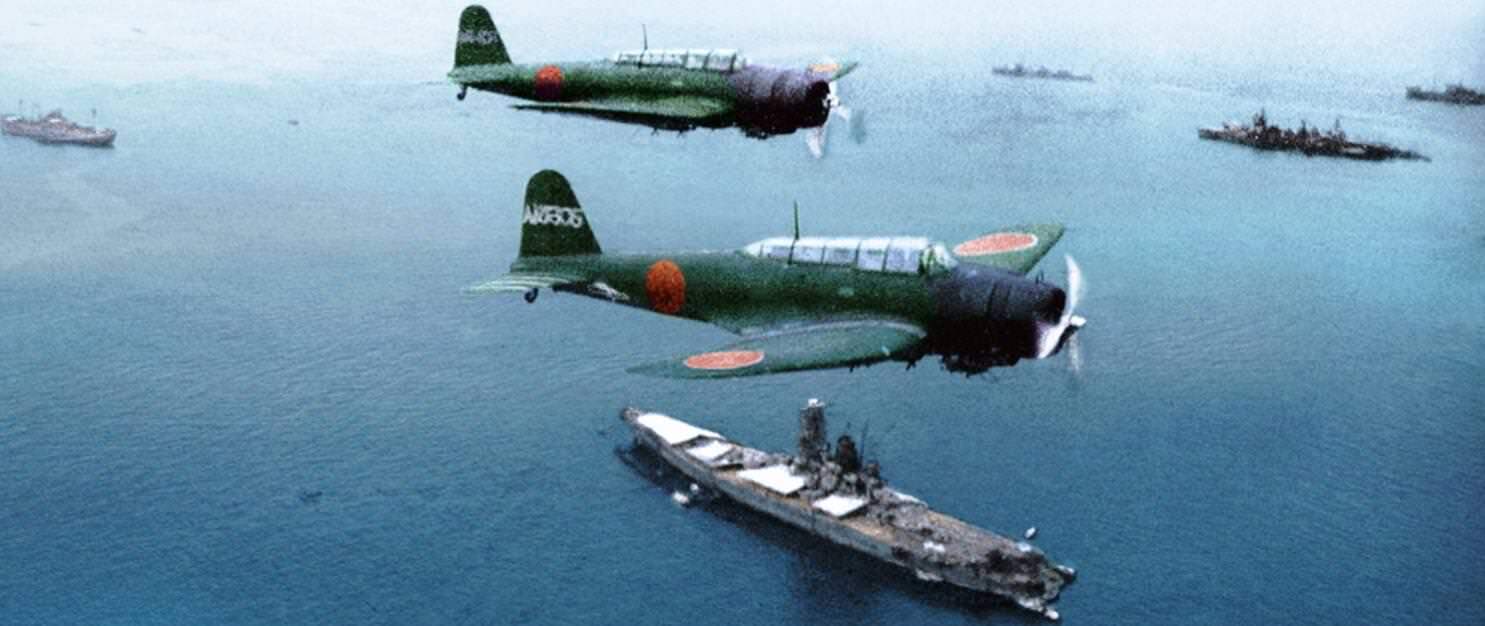
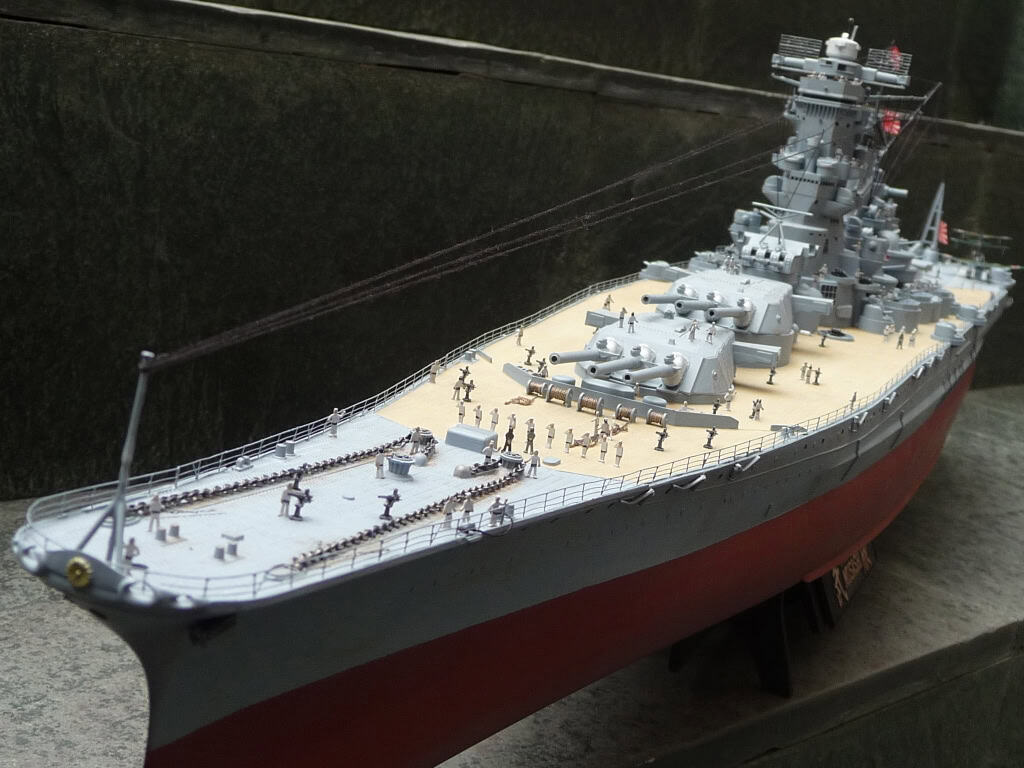
Yamato embodied the final and most extreme expression of battleship power. Armed with the largest naval guns ever mounted on a warship, it was built for decisive surface engagements. Yet its fate—destroyed by waves of aircraft—showed that the era of giant gun battleships was ending as carrier air power reshaped naval warfare.
Musashi
- Country of origin: Japan
- Ship type: Battleship
- Year commissioned: 1942
- Displacement: ~72,800 tons
- Top speed: 27 knots
- Primary armament / Air Group: 9x 18.1-inch guns
- Notable battle or operation: Leyte Gulf
Musashi's destruction during the Battle of Leyte Gulf illustrated the overwhelming power of coordinated air strikes. Despite massive armor and formidable guns, the battleship was gradually disabled by repeated aircraft attacks. Its sinking reinforced a central lesson of World War II naval combat: aircraft carriers had become the dominant force at sea.
Bismarck
- Country of origin: Germany
- Ship type: Battleship
- Year commissioned: 1940
- Displacement: ~50,000 tons
- Top speed: 30 knots
- Primary armament / Air Group: 8x 15-inch guns
- Notable battle or operation: Atlantic breakout
Bismarck's brief but dramatic career captured global attention. After sinking HMS Hood, the battleship became the target of an enormous Royal Navy pursuit across the Atlantic. The operation demonstrated both the lingering prestige of battleships and the growing role of aircraft and coordinated fleet operations in hunting them down.
Tirpitz
- Country of origin: Germany
- Ship type: Battleship
- Year commissioned: 1941
- Displacement: ~52,000 tons
- Top speed: 30 knots
- Primary armament / Air Group: 8x 15-inch guns
- Notable battle or operation: Norwegian Fjords
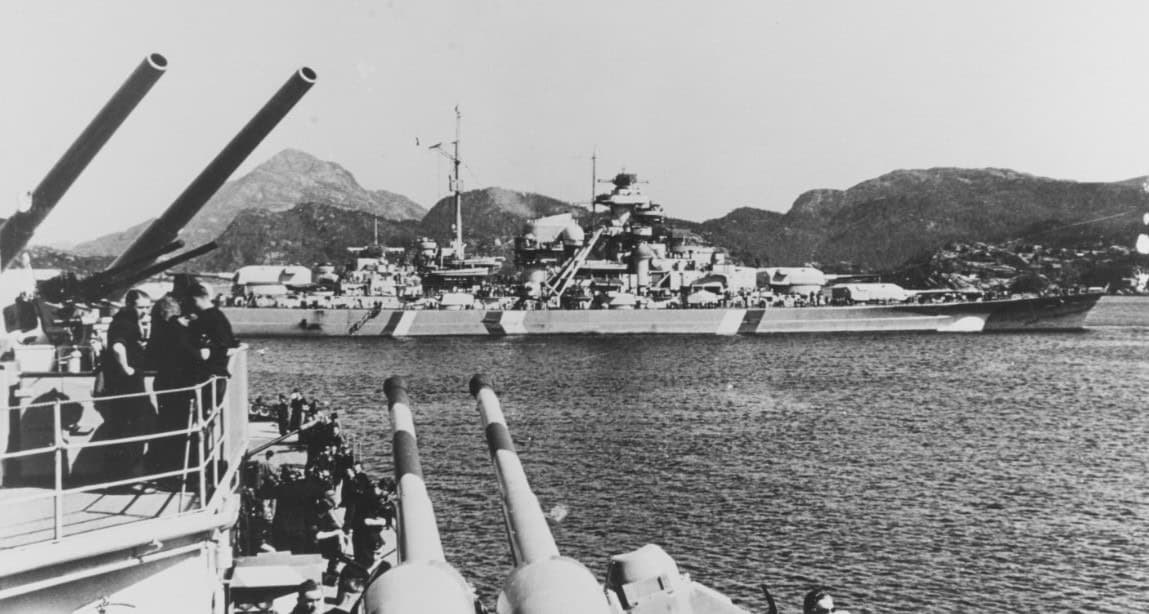
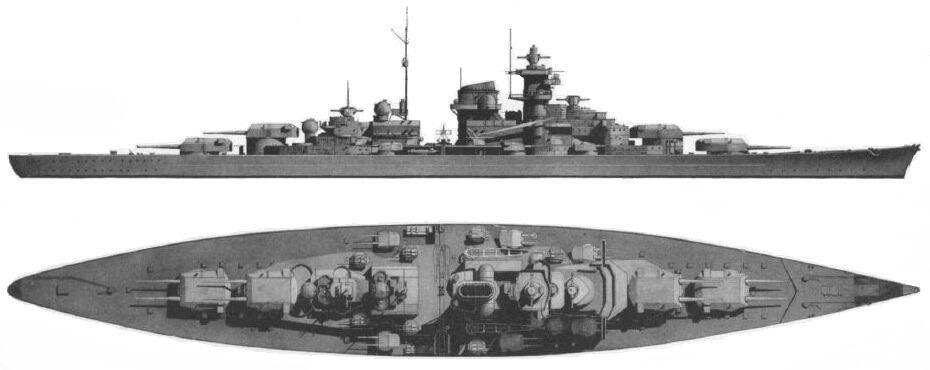
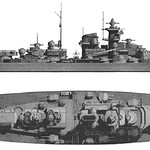
Though Tirpitz rarely sailed into major combat, its presence alone altered Allied strategy. Stationed in Norway, the battleship threatened Arctic convoys supplying the Soviet Union. The constant danger it posed forced the Allies to dedicate significant naval and air resources to containing or destroying it, making Tirpitz strategically influential without frequent battle.
USS Missouri
- Country of origin: United States
- Ship type: Battleship
- Year commissioned: 1944
- Displacement: ~58,000 tons
- Top speed: 33 knots
- Primary armament / Air Group: 9x 16-inch guns
- Notable battle or operation: Okinawa / Tokyo Bay
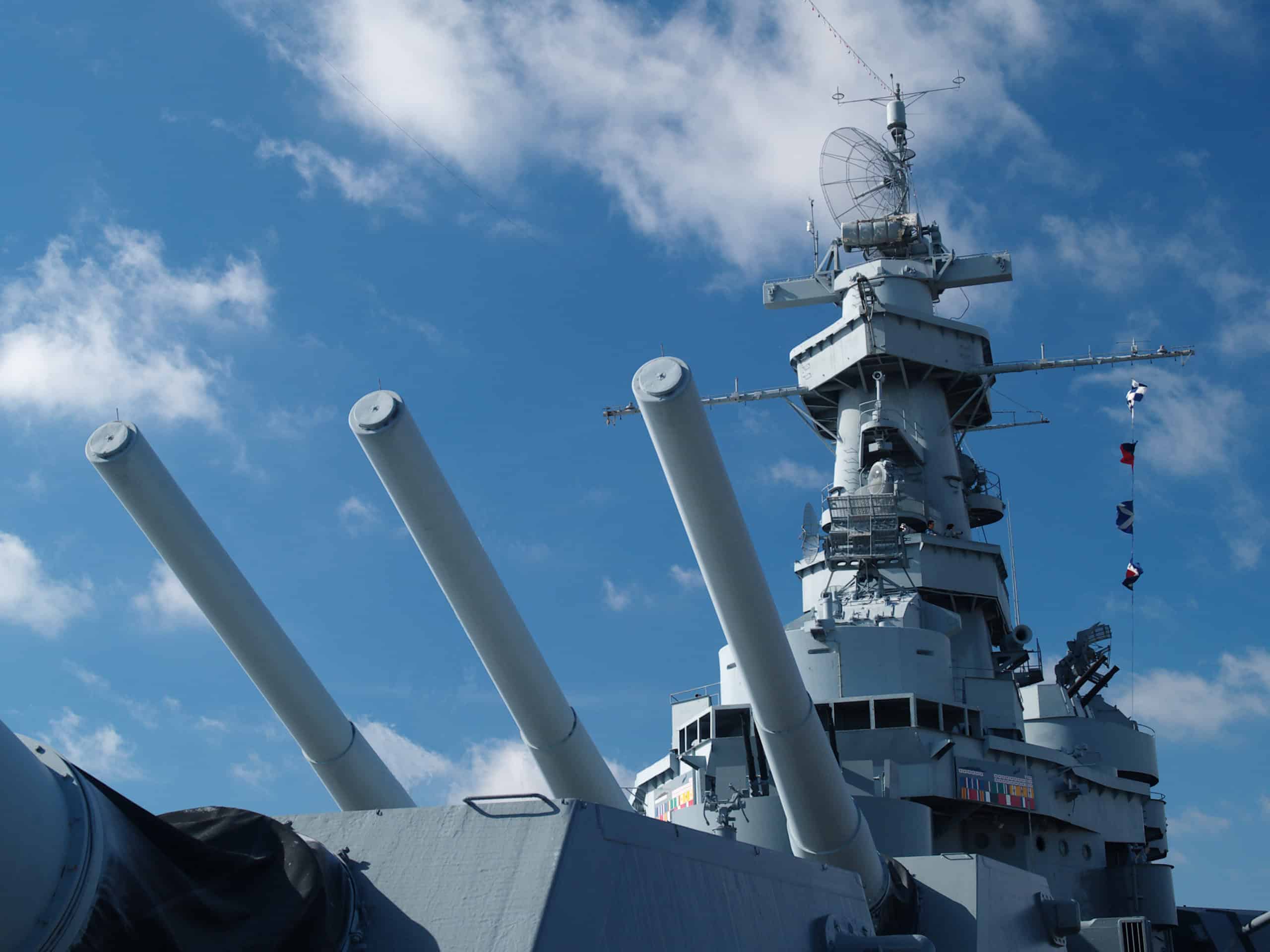
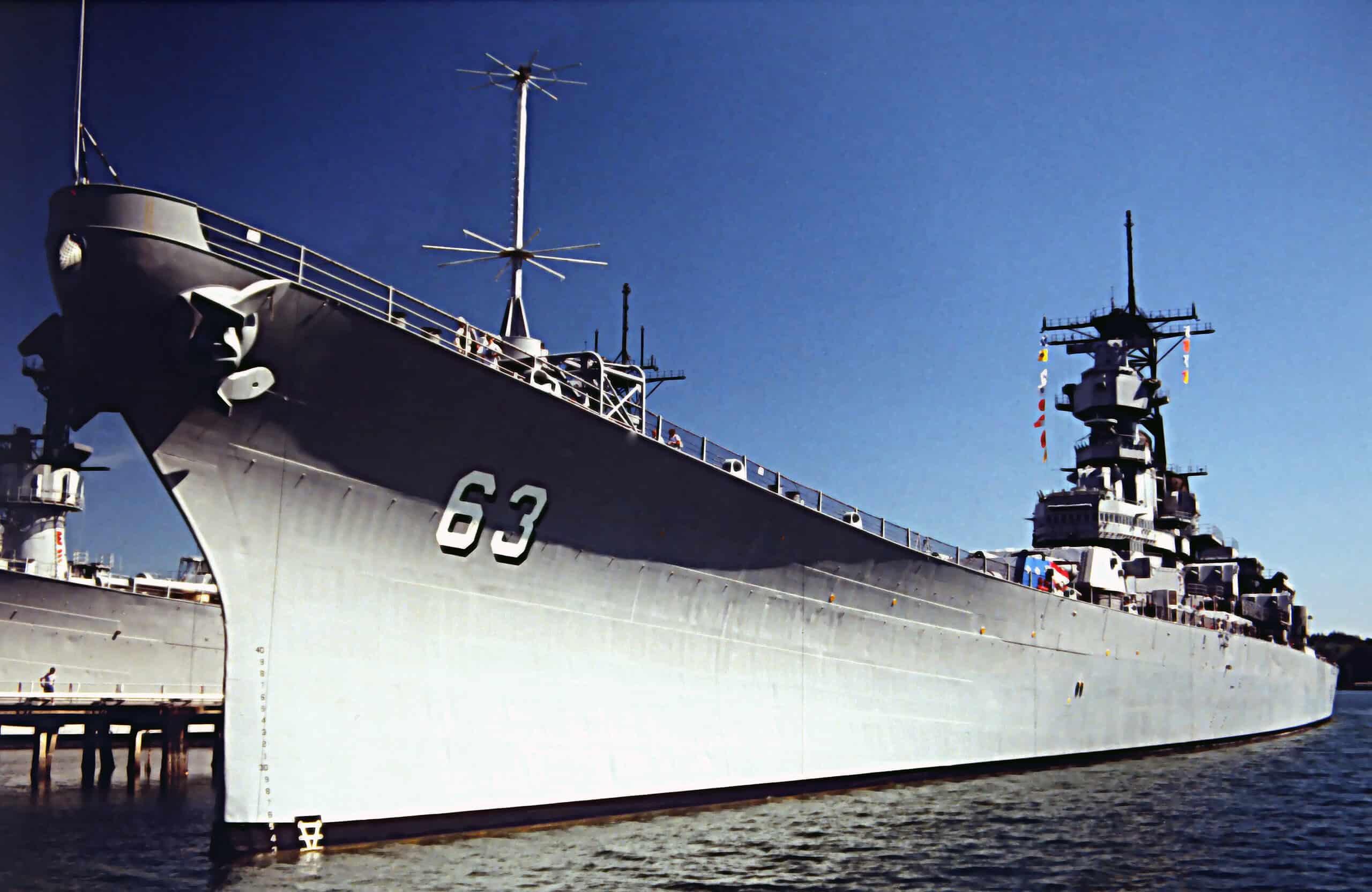
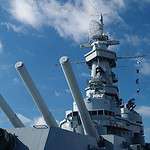
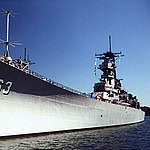
USS Missouri represented the peak of American battleship design and the immense industrial capacity behind the Allied war effort. Serving with fast carrier task forces, it provided anti‑aircraft protection and bombardment support. The ship later hosted Japan's formal surrender, forever linking Missouri to the closing chapter of World War II.
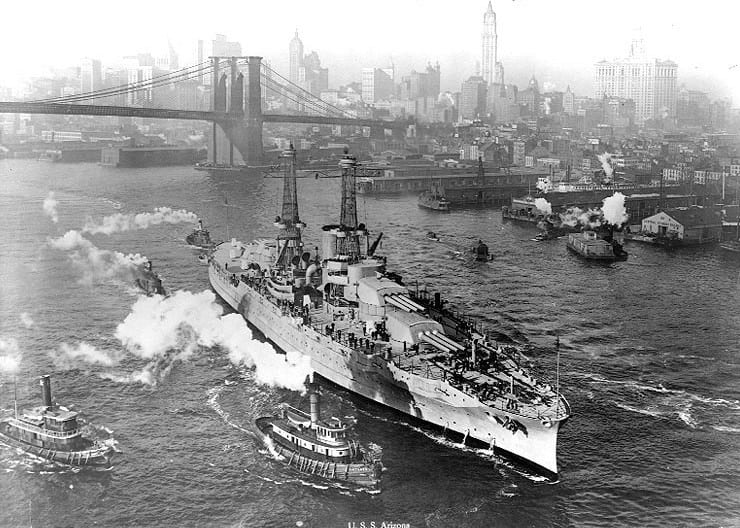
USS Arizona
- Country of origin: United States
- Ship type: Battleship
- Year commissioned: 1916
- Displacement: ~31,000 tons
- Top speed: 21 knots
- Primary armament / Air Group: 12x 14-inch guns
- Notable battle or operation: Pearl Harbor
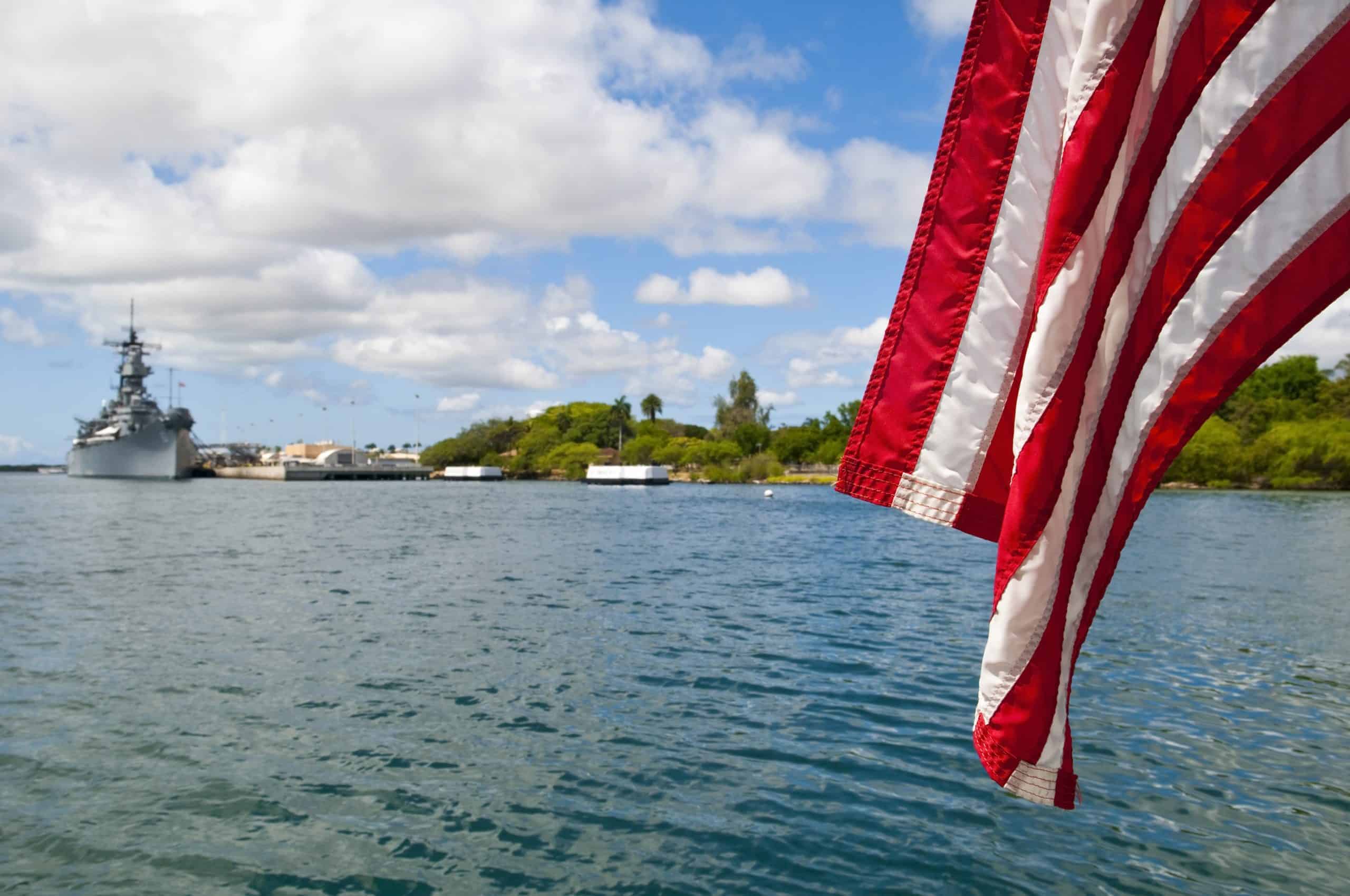
Arizona's destruction during the attack on Pearl Harbor became one of the most powerful symbols of the war. The loss shocked the United States and galvanized public support for entering the conflict. Though the ship never fired in the war itself, its sinking marked the beginning of America's full mobilization for global naval combat.
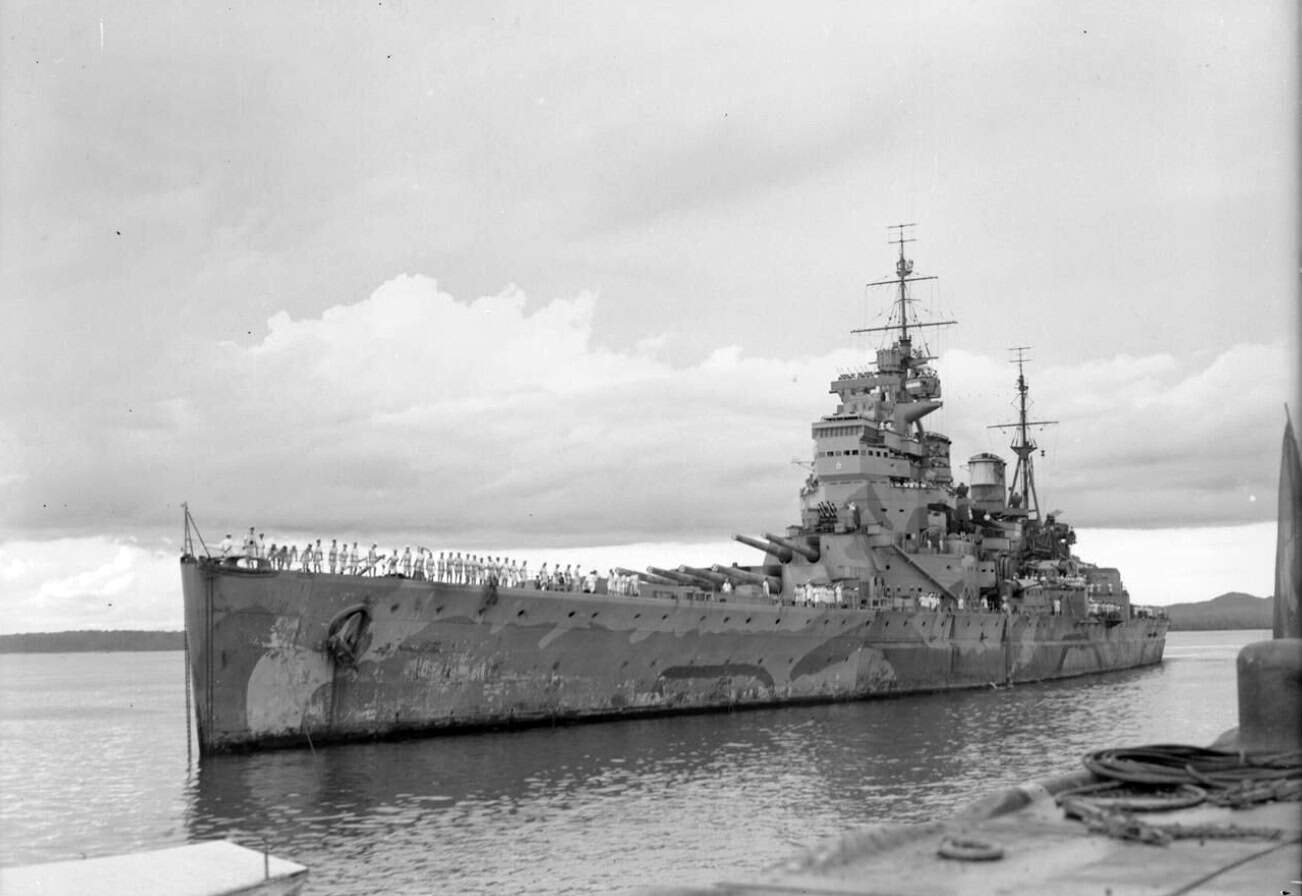
HMS Prince of Wales
- Country of origin: United Kingdom
- Ship type: Battleship
- Year commissioned: 1941
- Displacement: ~43,000 tons
- Top speed: 28 knots
- Primary armament / Air Group: 10x 14-inch guns
- Notable battle or operation: Bismarck chase
HMS Prince of Wales helped engage the German battleship Bismarck early in the Atlantic campaign. Later, its sinking by Japanese aircraft alongside HMS Repulse demonstrated how vulnerable large surface warships had become without air cover. The event shocked naval planners and confirmed the growing dominance of naval aviation.
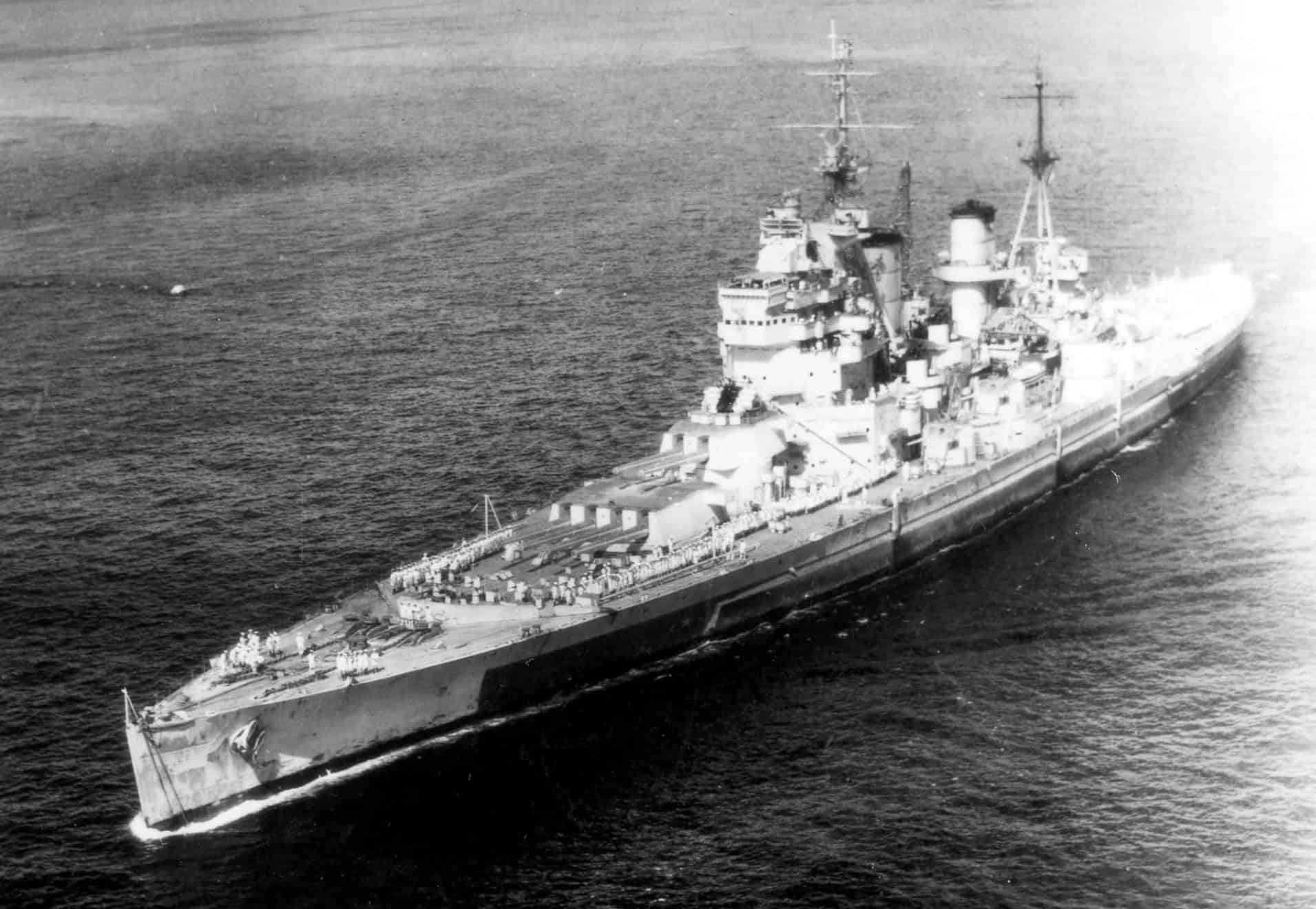
HMS King George V
- Country of origin: United Kingdom
- Ship type: Battleship
- Year commissioned: 1940
- Displacement: ~42,000 tons
- Top speed: 28 knots
- Primary armament / Air Group: 10x 14-inch guns
- Notable battle or operation: Bismarck battle
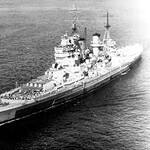
As the lead ship of Britain's modern battleship class, King George V played a major role in the pursuit and destruction of Bismarck. The ship represented Britain's determination to maintain naval supremacy despite wartime pressures. Its operations showed how battleships were still vital when integrated into larger fleet strategies.
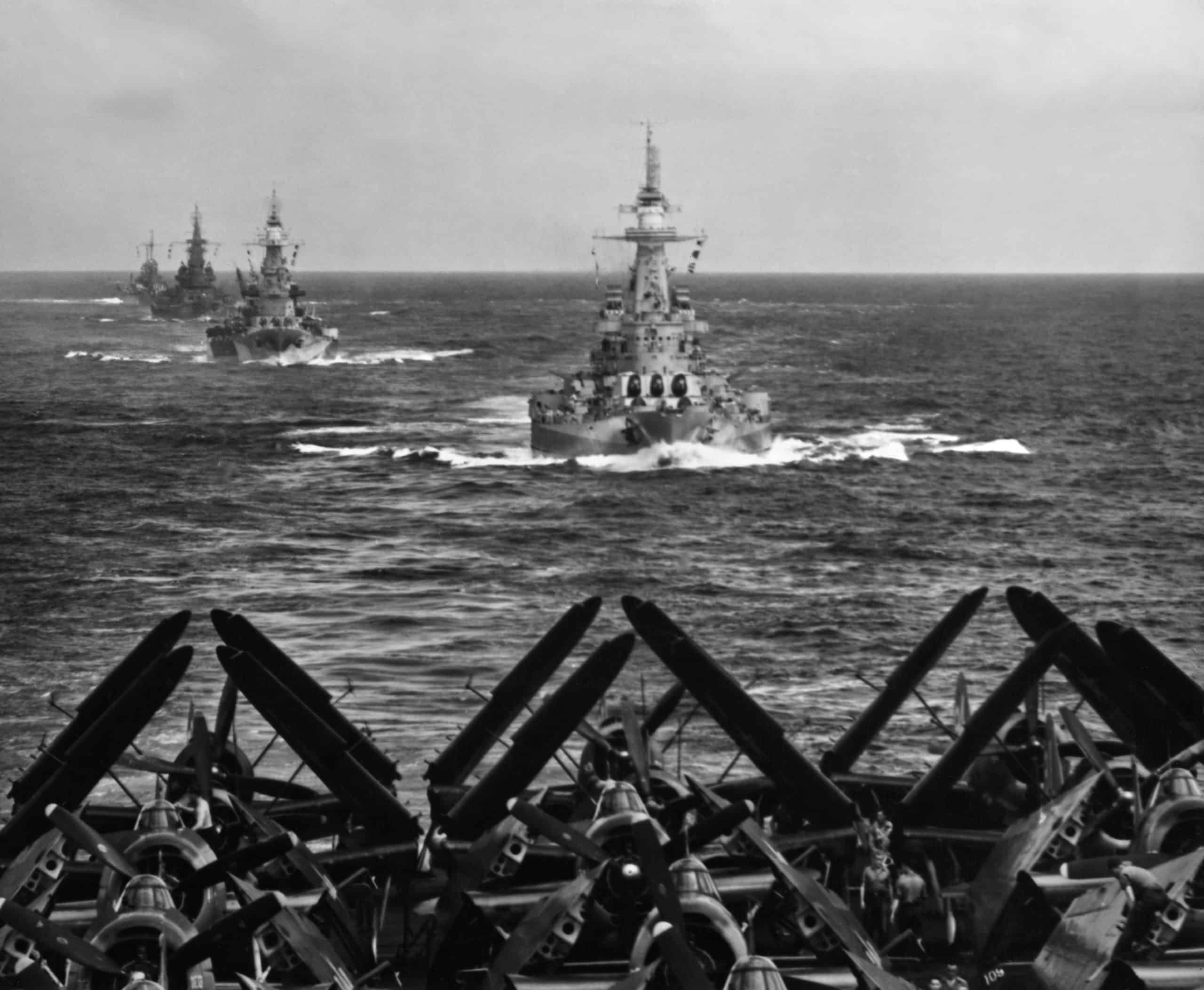
USS South Dakota
- Country of origin: United States
- Ship type: Battleship
- Year commissioned: 1942
- Displacement: ~44,500 tons
- Top speed: 27 knots
- Primary armament / Air Group: 9x 16-inch guns
- Notable battle or operation: Guadalcanal
USS South Dakota highlighted the evolving role of battleships during World War II. Rather than fighting traditional gun duels, ships like South Dakota often served as powerful escorts for carrier task forces. Heavy anti‑aircraft batteries and radar made them essential for protecting carriers that had become the true striking arm of naval fleets.
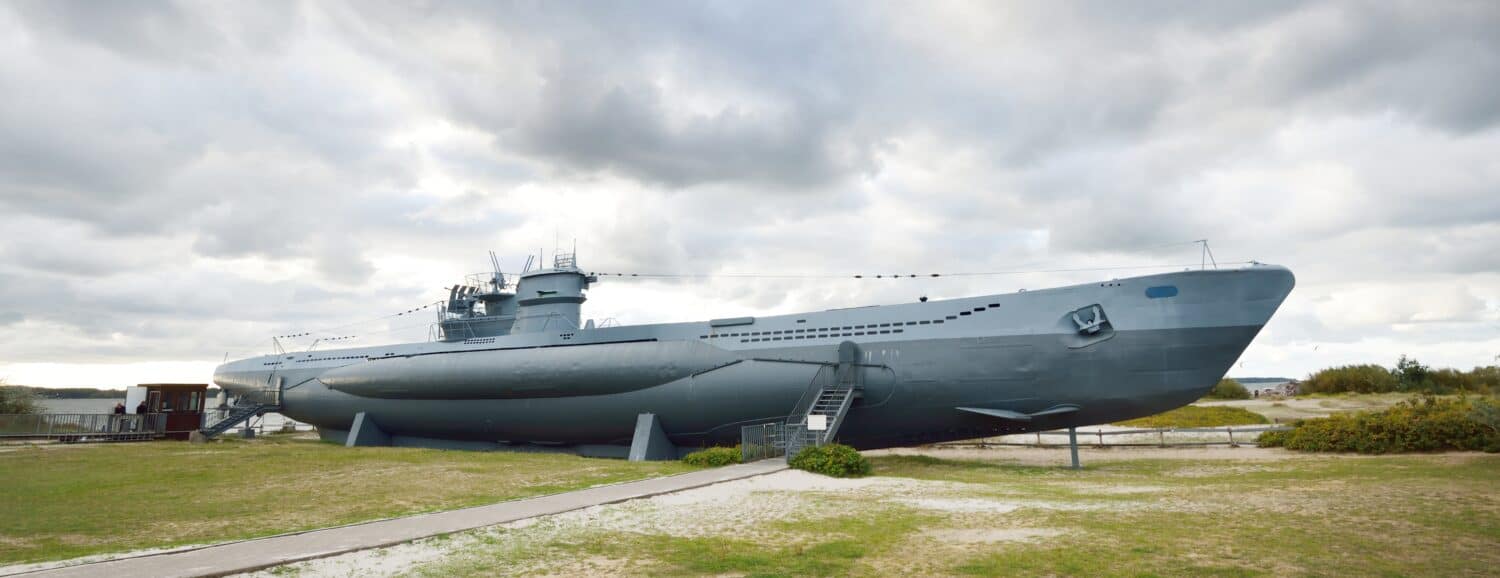
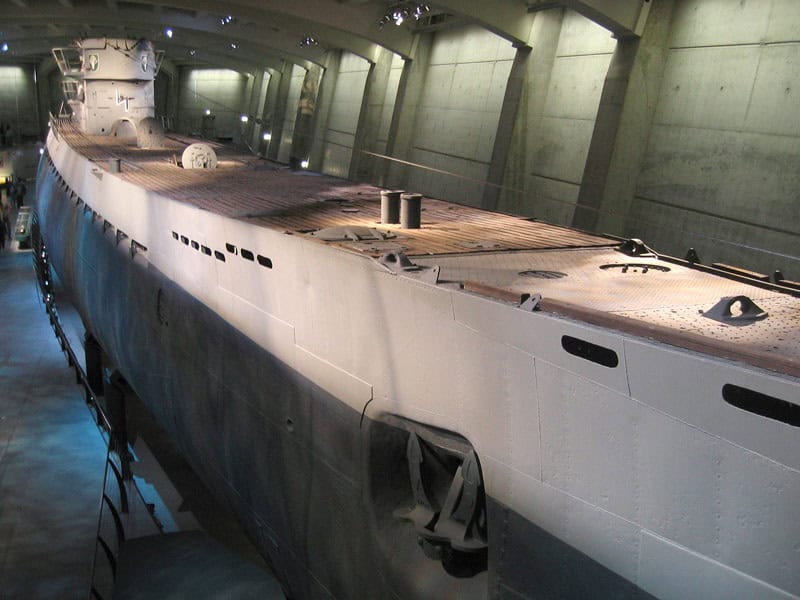
Type VII U-boat
- Country of origin: Germany
- Ship type: Submarine
- Year commissioned: 1936
- Displacement: ~769 tons
- Top speed: 17 knots surfaced
- Primary armament / Air Group: 5 torpedo tubes
- Notable battle or operation: Battle of the Atlantic
The Type VII U‑boat became the backbone of Germany's submarine campaign against Allied shipping. Operating in wolfpacks across the Atlantic, these submarines threatened supply lines vital to Britain's survival. Their effectiveness forced the Allies to develop convoy systems, radar, sonar, and escort carriers to keep the sea lanes open.
Type IX U-boat
- Country of origin: Germany
- Ship type: Submarine
- Year commissioned: 1938
- Displacement: ~1,120 tons
- Top speed: 18 knots surfaced
- Primary armament / Air Group: 6 torpedo tubes
- Notable battle or operation: Atlantic / US Coast
Type IX submarines extended Germany's reach far beyond the North Atlantic. With greater range, they operated along the American coastline and deep into the South Atlantic. These patrols demonstrated how submarine warfare could disrupt global logistics and forced the Allies to expand coastal defenses and convoy protection.
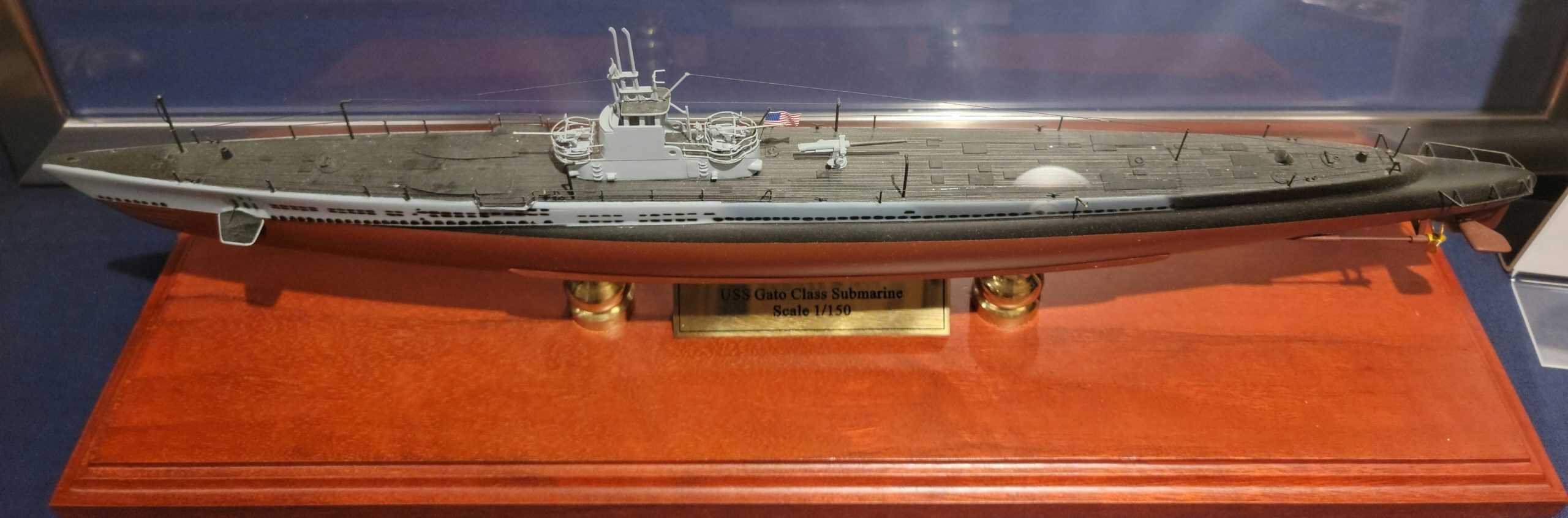
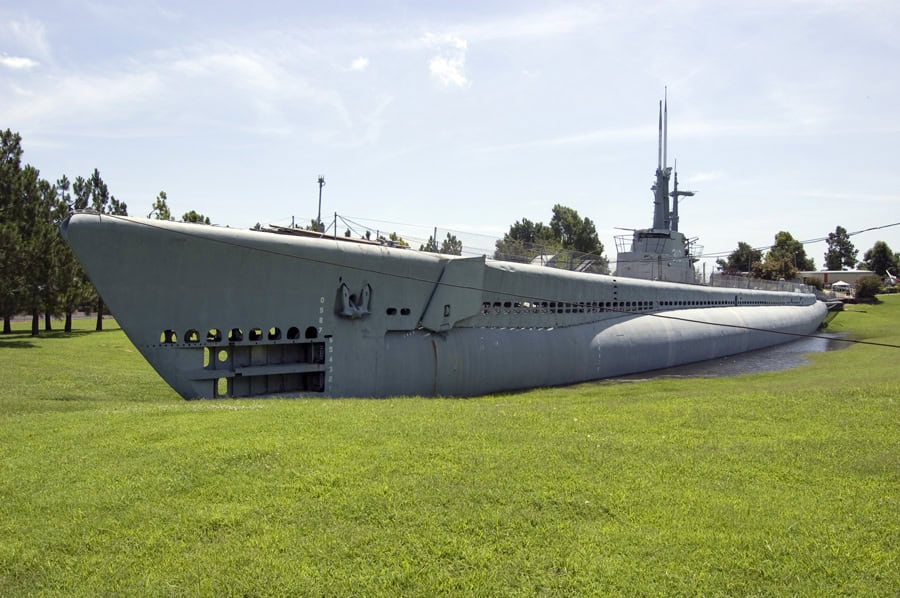
Gato-class
- Country of origin: United States
- Ship type: Submarine
- Year commissioned: 1941
- Displacement: ~2,400 tons
- Top speed: 20 knots surfaced
- Primary armament / Air Group: 10 torpedo tubes
- Notable battle or operation: Pacific commerce war
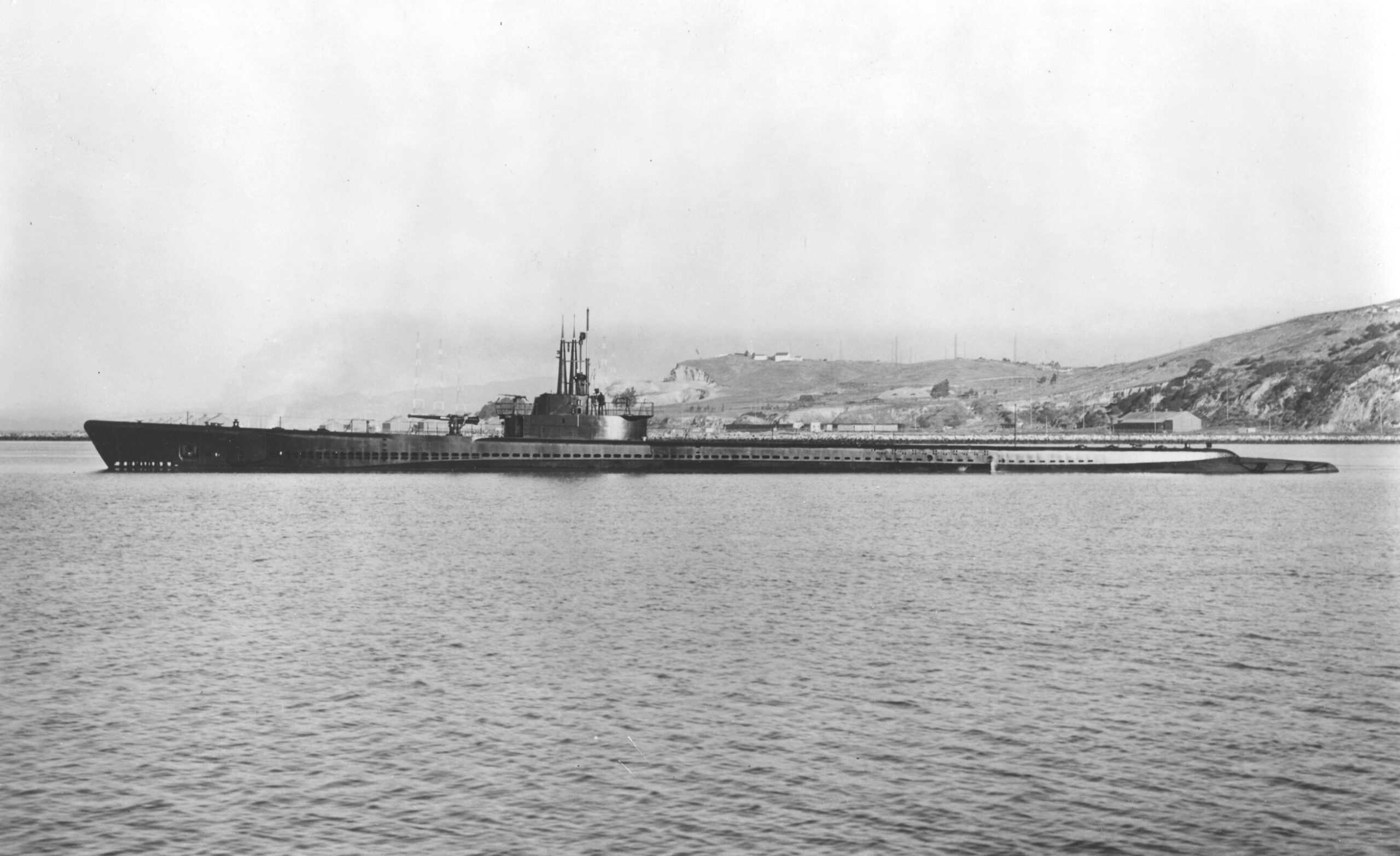
Gato‑class submarines formed the backbone of America's undersea war against Japan. Operating across the vast Pacific, they targeted merchant shipping and vital supply routes. Over time, these submarines strangled Japan's economy and military logistics, proving that submarines could achieve strategic results comparable to major fleet battles.
Balao-class
- Country of origin: United States
- Ship type: Submarine
- Year commissioned: 1943
- Displacement: ~2,400 tons
- Top speed: 20 knots surfaced
- Primary armament / Air Group: 10 torpedo tubes
- Notable battle or operation: Pacific Theater
The Balao class refined the successful American submarine design with stronger hulls and improved endurance. These improvements allowed deeper diving and greater survivability in combat. Balao boats intensified the campaign against Japanese shipping and illustrated how rapidly submarine technology evolved during the war.
I-400 class
- Country of origin: Japan
- Ship type: Submarine
- Year commissioned: 1944
- Displacement: ~6,560 tons
- Top speed: 18 knots surfaced
- Primary armament / Air Group: Aircraft + torpedoes
- Notable battle or operation: Strategic strike plans
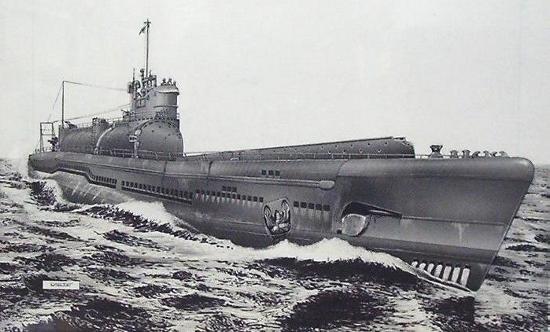
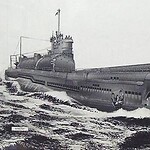
Japan's massive I‑400 submarines were unlike anything else afloat. Designed to carry and launch aircraft, they were intended for long‑range surprise attacks against distant targets. Although they arrived too late to influence the war, the concept showed how nations were experimenting with new ways to project power beneath the sea.
USS Tang (SS-306)
- Country of origin: United States
- Ship type: Submarine
- Year commissioned: 1943
- Displacement: ~2,400 tons
- Top speed: 20 knots surfaced
- Primary armament / Air Group: 10 torpedo tubes
- Notable battle or operation: Pacific patrols
USS Tang became one of the most successful American submarines of the war in terms of enemy tonnage sunk. Its aggressive patrols disrupted Japanese logistics and demonstrated the effectiveness of U.S. submarine doctrine. Tang's record also highlights the dangerous nature of undersea warfare, where success often came with significant risk.
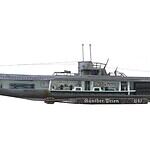
U-47
- Country of origin: Germany
- Ship type: Submarine
- Year commissioned: 1938
- Displacement: ~769 tons
- Top speed: 17 knots surfaced
- Primary armament / Air Group: 5 torpedo tubes
- Notable battle or operation: Scapa Flow
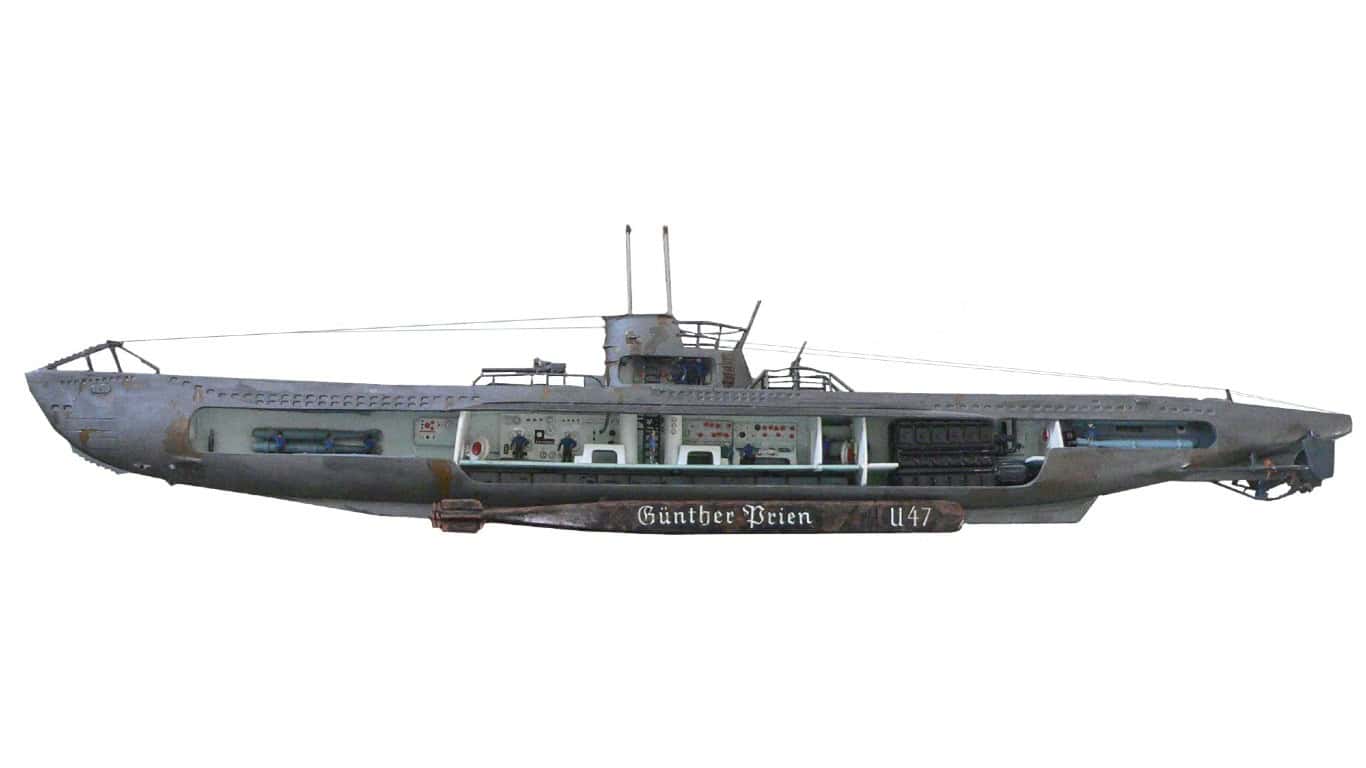
U‑47 achieved legendary status after infiltrating the heavily defended British naval base at Scapa Flow and sinking HMS Royal Oak. The daring attack shocked Britain and proved submarines could strike even supposedly secure harbors. Early victories like this fueled Germany's confidence in its U‑boat campaign.
The image featured at the top of this post is ©Cassowary Colorizations / Wikimedia Commons – License / Original