







WWII Era Tools Built Better Than Modern Alternatives
Many of the machines created during World War II were engineered with one goal in mind: to survive anything. Eight decades later, a surprising number of those designs still appear on modern battlefields, naval decks, and airstrips around the world. Despite advances in sensors, drones, and precision weapons, these WWII-era tools still remain in service. Here, we'll be taking a closer look at the WWII tools that have endured to this day.
To determine the World War II tools that have outlasted their modern alternatives, History Computer reviewed various historical and military sources. We included a range of weapons, vehicles, and aircraft from this era that still see service today in militaries around the world. We included supplemental information regarding the type, year introduced, who it is used by, as well as why it outlasted modern alternatives.
Here is a look at World War II tools that have outlasted their modern alternatives:
Why Are We Covering This?
World War II produced machines and weapons so durable that many remain in service nearly 80 years later. These legacy tools survived multiple generations of attempted replacements, proving that reliability often outperforms technological novelty. By examining the WWII-era systems still used today, we gain some insight into why certain designs become timeless, how militaries balance modernization with practicality, and what these long-lived tools reveal about the demands of modern warfare.
WWII Designs That Refuse to Die
Many of the tools created during World War II were meant to solve immediate battlefield needs, yet decades later they continue to serve across the world. Despite the rise of drones, smart weapons, and digital battlefield networks, these WWII-era designs refuse to disappear. Their continued presence on modern frontlines shows how certain engineering breakthroughs remain relevant long after newer technologies emerge.
Built So Well That Modern Engineering Still Can't Replace Them
These tools didn't survive by coincidence—they were engineered during an era that emphasized ruggedness, simplicity, and reliability above everything else. Many modern replacements have struggled to match that durability. When equipment must keep working in remote jungles, deserts, mountains, or war-torn regions, the straightforward designs of WWII often outperform more fragile modern solutions.
How Upgrades Have Extended Their Lifespans
Part of the reason these WWII creations remain viable is the steady stream of upgrades that keep them relevant. New sensors, digital fire-control systems, modern ammunition, stronger engines, and updated materials have allowed many of these tools to evolve rather than disappear. Their adaptability proves that age doesn't limit capability when the underlying design is strong.
Why Developing and Advanced Militaries Still Rely on Them
Some nations keep these weapons because they are inexpensive and easy to maintain. Others continue using them because nothing newer offers the same performance for the same cost or simplicity. Whether in the hands of elite units or developing militaries, WWII-era systems still fill critical roles—from artillery and armored vehicles to transport aircraft and naval guns.
What Their Survival Says About Modern Warfare
The endurance of these WWII tools reveals a deeper truth about conflict: reliability often matters more than sophistication. Militaries value systems that work every time, in every condition, without requiring specialized logistics. These surviving designs are more than relics—they're proof that good engineering can outlast entire generations of technology.
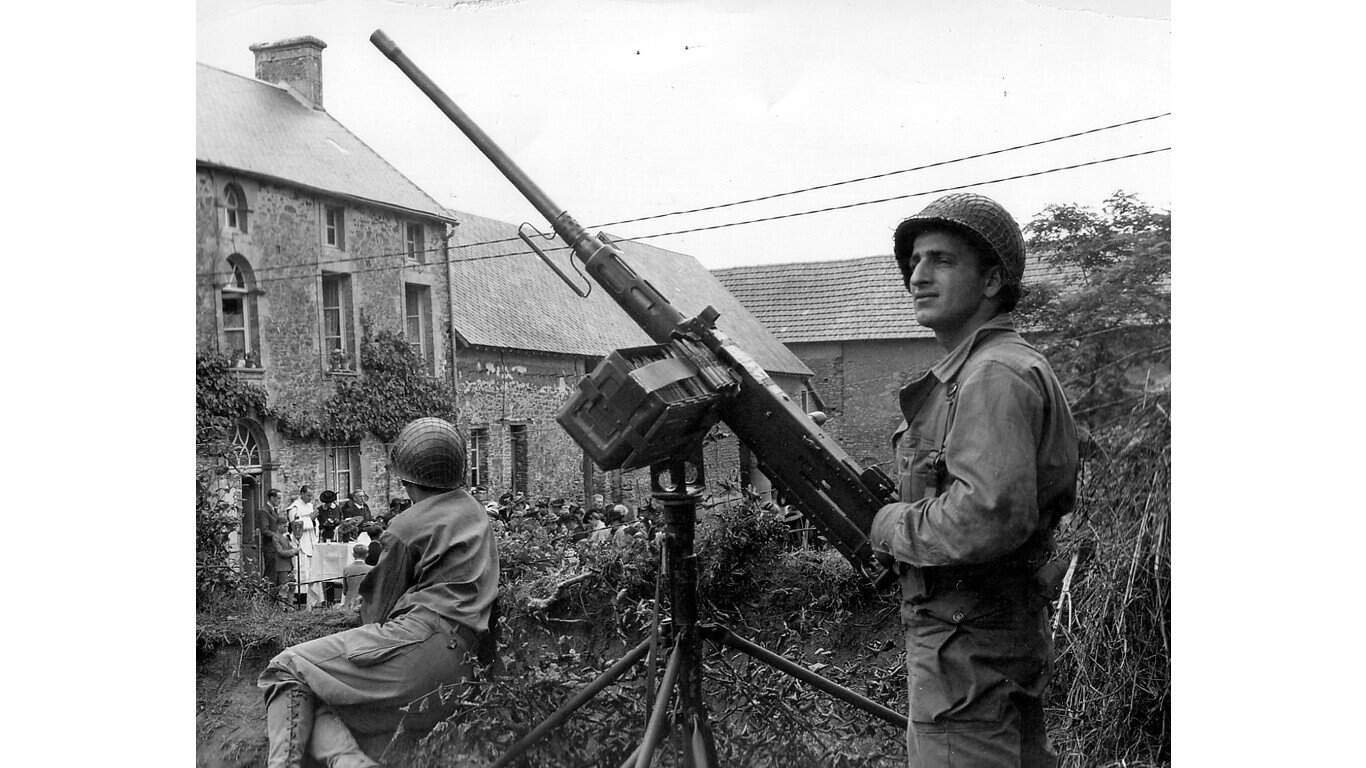
M2 Browning .50 Cal Machine Gun
- Type: Heavy Machine Gun
- Year introduced to service: 1933
- Who it is used by: USA and dozens globally
- Why it outlasted modern alternatives: Unmatched reliability and firepower; no modern HMG has fully surpassed it
- Modern upgrades: Modern mounts, optics rails, barrels, and vehicle integrations
The M2 Browning is one of the most enduring weapons ever built. Designed before WWII, it remains a staple of vehicle, aircraft, and defensive roles worldwide. Its durability and raw power have outlasted generations of modern replacements, and continuous upgrades keep it frontline-capable nearly a century later.
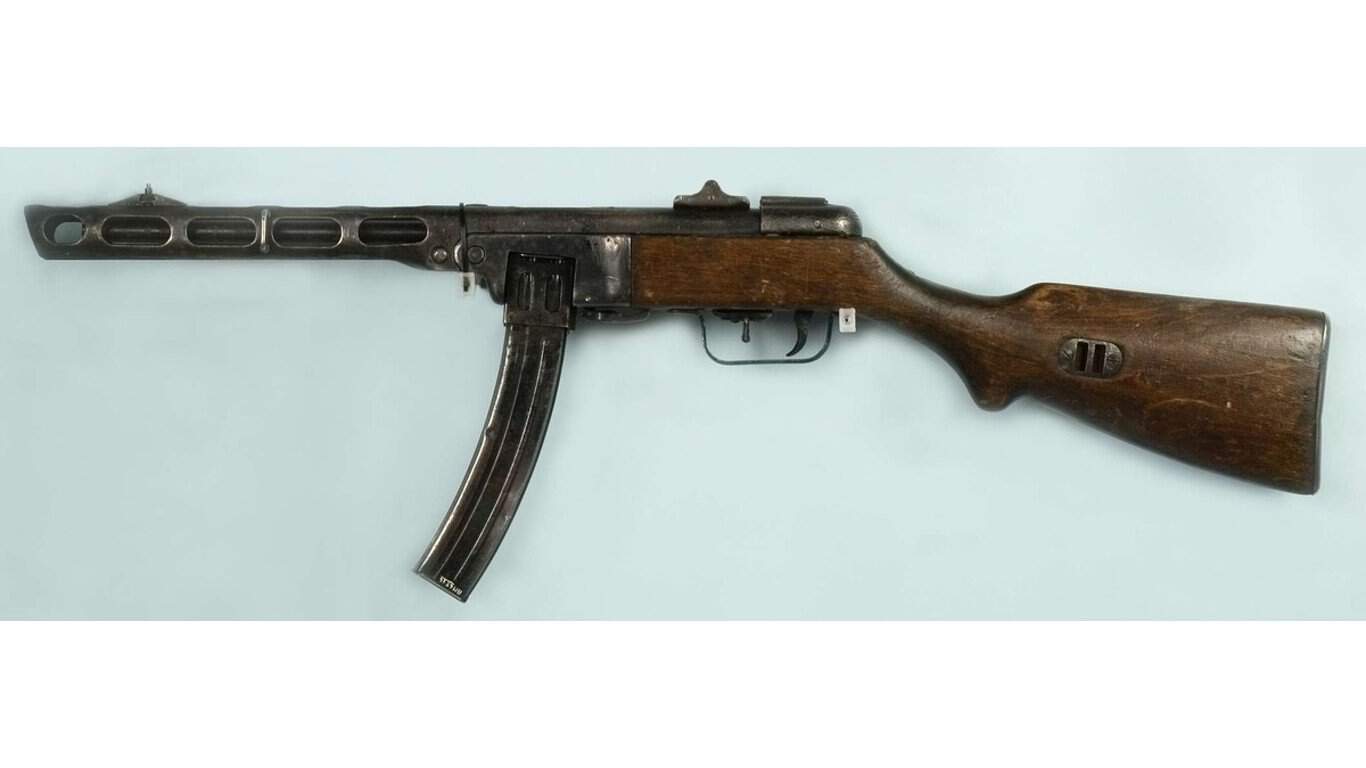
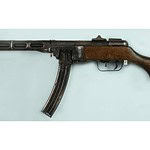
PPSh-41 Submachine Gun
- Type: SMG
- Year introduced to service: 1941
- Who it is used by: North Korea, African militias
- Why it outlasted modern alternatives: Extremely rugged and simple; cheap to mass-produce
- Modern upgrades: Occasional refurbishing and use of modern ammo
The PPSh-41 earned its reputation for reliability in extreme conditions. Its simplicity and high rate of fire make it appealing to forces with limited resources. Even 80 years later, it still appears in conflicts due to its ruggedness and ease of repair.
DP-28 / DPM Light Machine Gun
- Type: Light Machine Gun
- Year introduced to service: 1943
- Who it is used by: African militias, irregular forces
- Why it outlasted modern alternatives: Simple and durable with low maintenance needs
- Modern upgrades: Refurbished stocks and replacement parts
The DP-28's rugged construction and reliability have kept it active in low-resource conflicts. Its iconic pan magazine and forgiving design make it surprisingly durable, outlasting many modern LMGs in harsh environments.
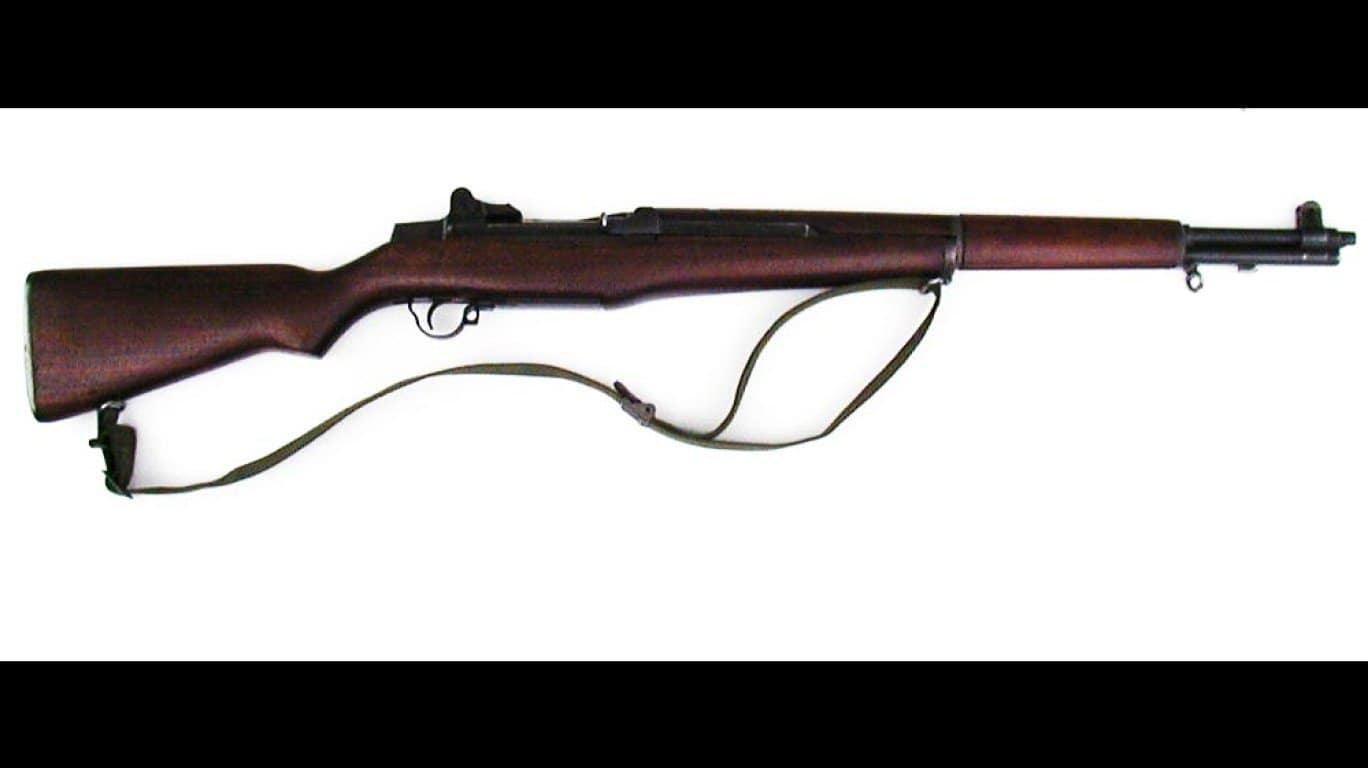
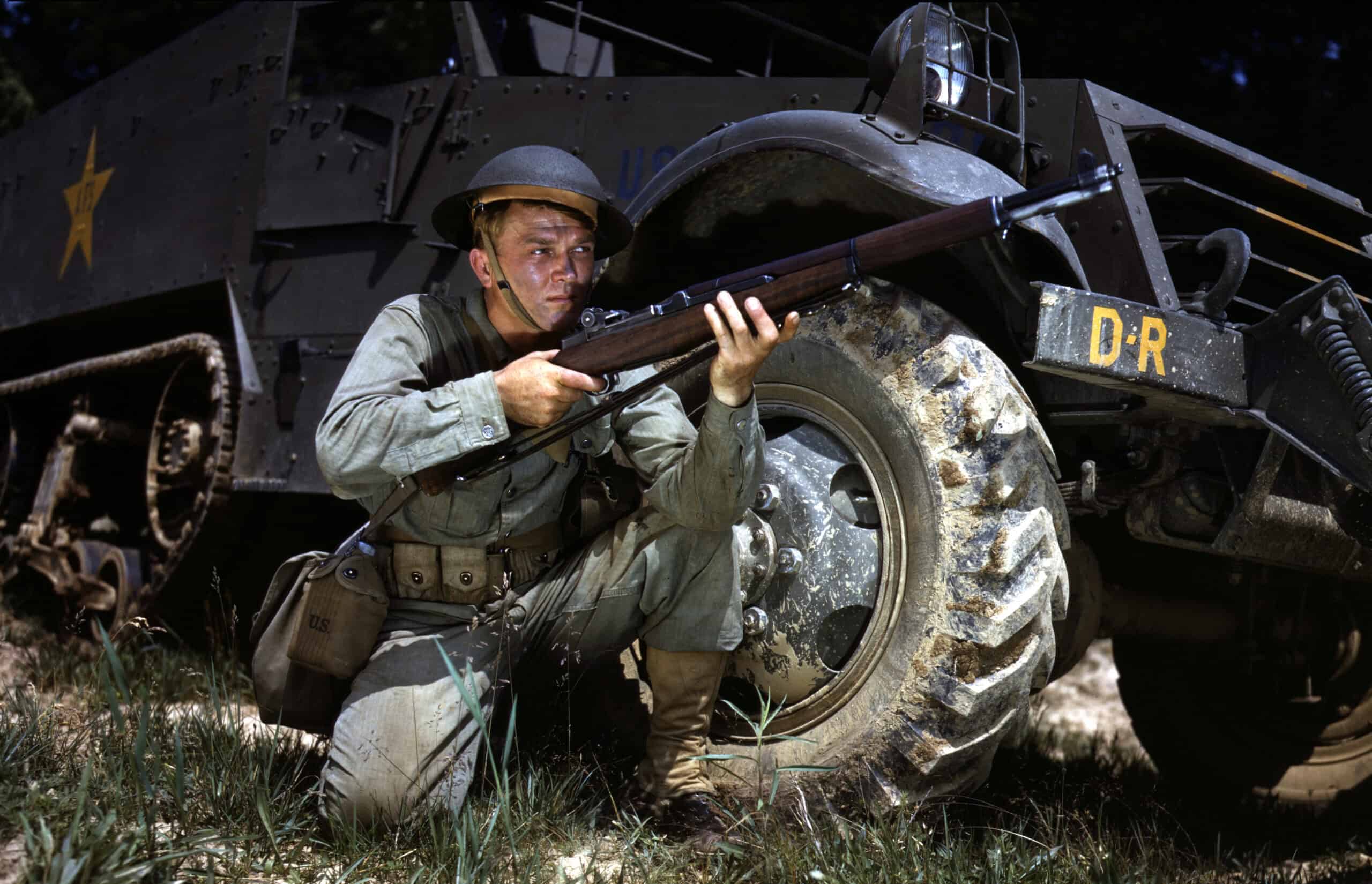
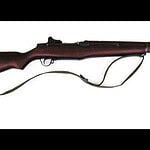
M1 Garand
- Type: Rifle
- Year introduced to service: 1936
- Who it is used by: Honor guards, reserve forces
- Why it outlasted modern alternatives: Reliable, accurate, and proven
- Modern upgrades: Refurbished barrels, stocks, and accessories
The M1 Garand continues to see limited service due to its reliability and strong performance. While no longer frontline equipment, it remains valued for ceremonial, reserve, and training roles around the world.
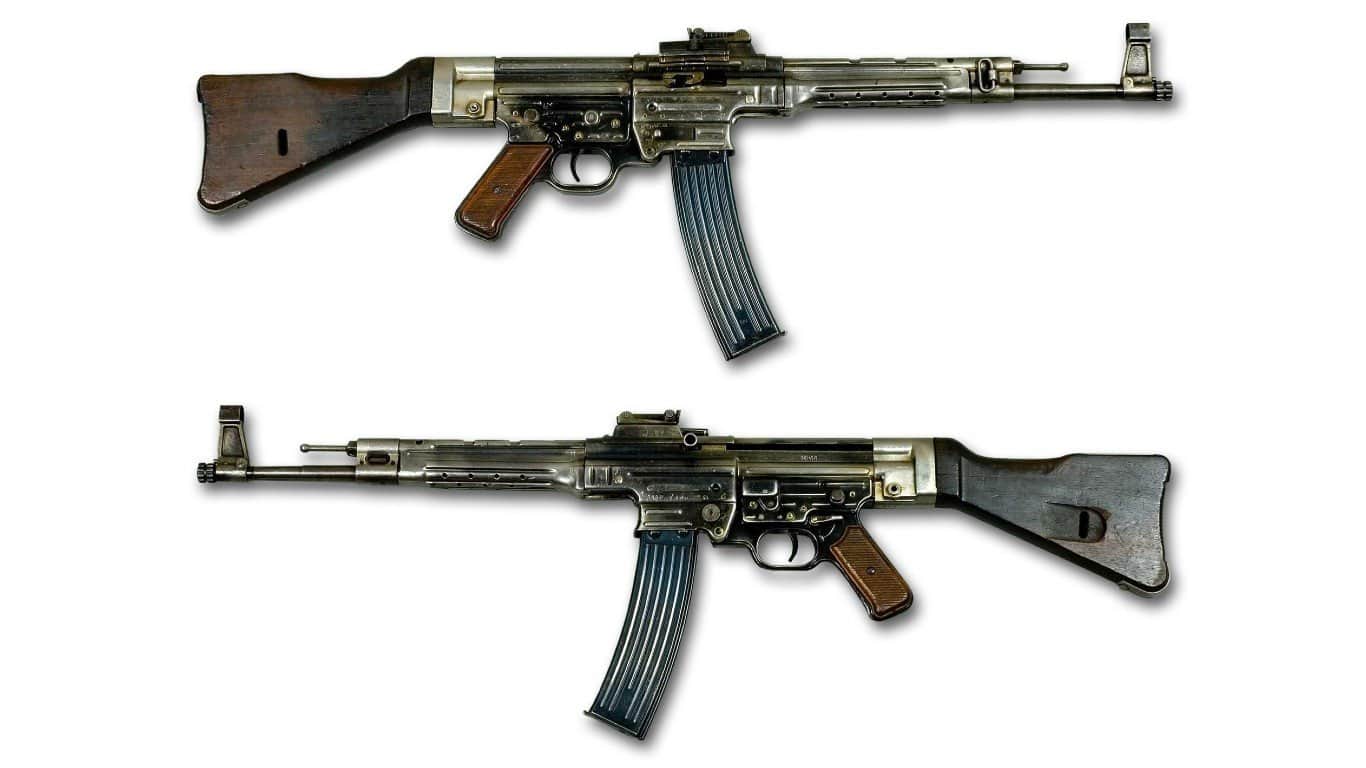
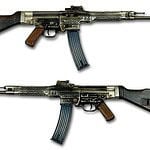
StG 44
- Type: Assault Rifle
- Year introduced to service: 1943
- Who it is used by: Syria, African militias
- Why it outlasted modern alternatives: Ahead of its time; reliable and powerful
- Modern upgrades: Refurbished parts and reproduction ammo
The StG 44 was the world's first true assault rifle, and its advanced design still holds up today. Despite its rarity, it appears in modern conflicts because of its consistency, firepower, and historical abundance in some regions.
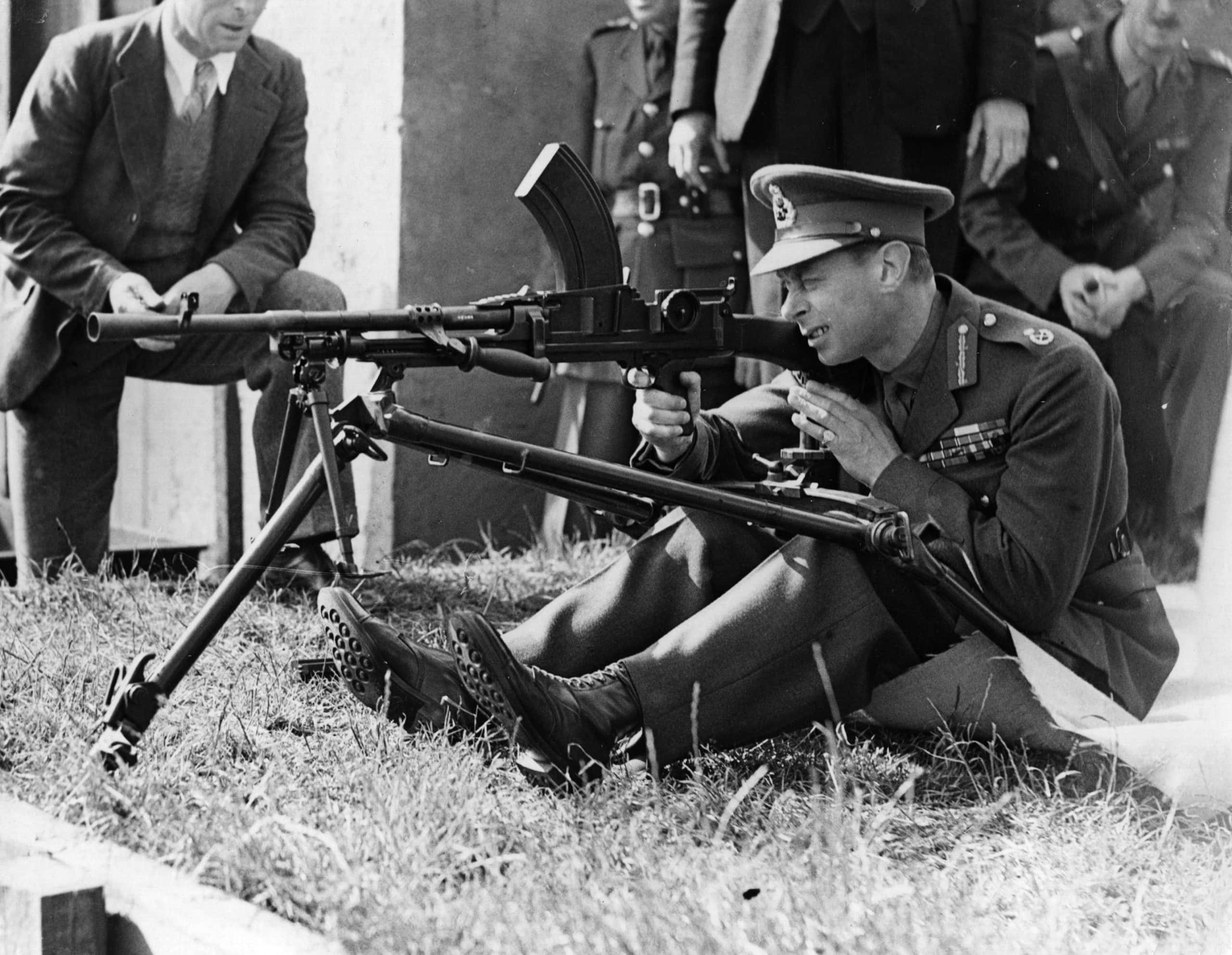
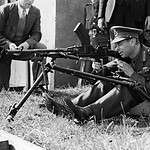
Bren Gun
- Type: LMG
- Year introduced to service: 1938
- Who it is used by: Commonwealth reserve forces
- Why it outlasted modern alternatives: Accurate, durable, and dependable
- Modern upgrades: Some upgraded with optics or modern materials
The Bren gun's accuracy and reliability have kept it in reserve and auxiliary service. Its robust engineering allows it to function for decades with minimal maintenance, making it a long-lasting asset for smaller militaries.
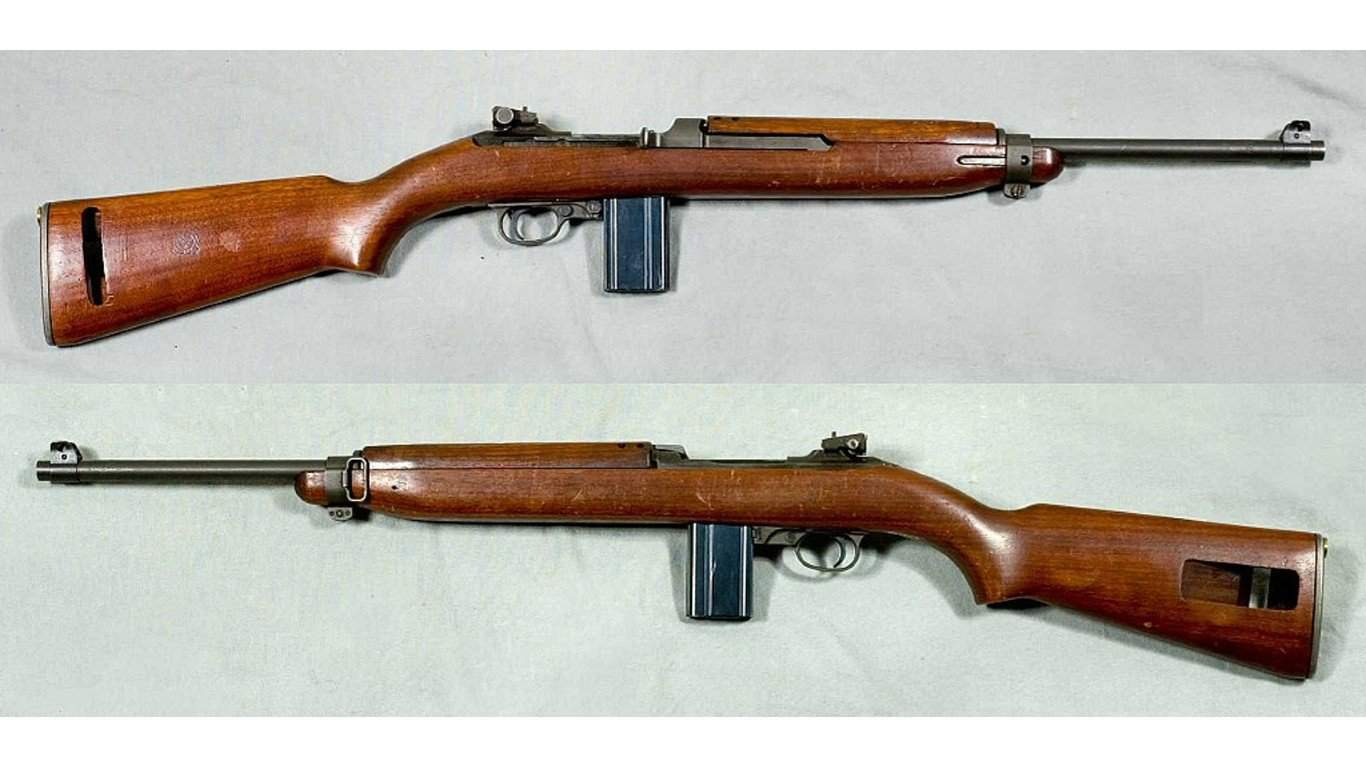
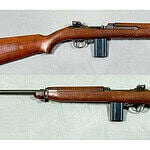
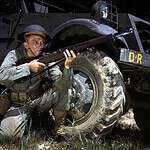
M1 Carbine
- Type: Carbine
- Year introduced to service: 1942
- Who it is used by: Asian militaries, police forces
- Why it outlasted modern alternatives: Lightweight, reliable, and easy to use
- Modern upgrades: Modern magazines, refurbished stocks
The M1 Carbine remains in use because it is lightweight, easy to train with, and effective for police and security roles. Its versatility and global availability cement its longevity.
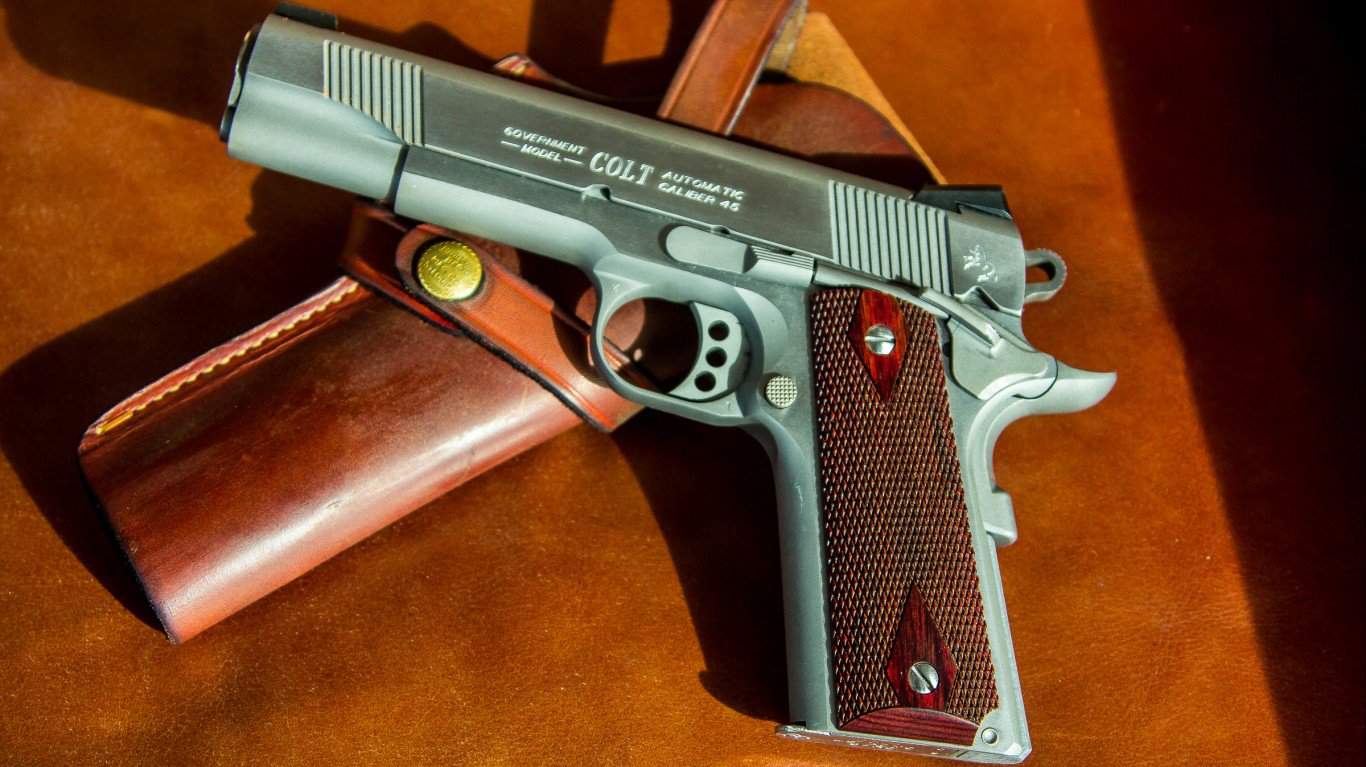
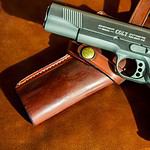
M1911 Pistol
- Type: Pistol
- Year introduced to service: 1911
- Who it is used by: Worldwide militaries and police
- Why it outlasted modern alternatives: Strong stopping power and reliability
- Modern upgrades: Modernized triggers, barrels, and materials
The M1911 remains in worldwide service thanks to its proven design and excellent ergonomics. Updated versions maintain the WWII-era platform's relevance in military and police roles.
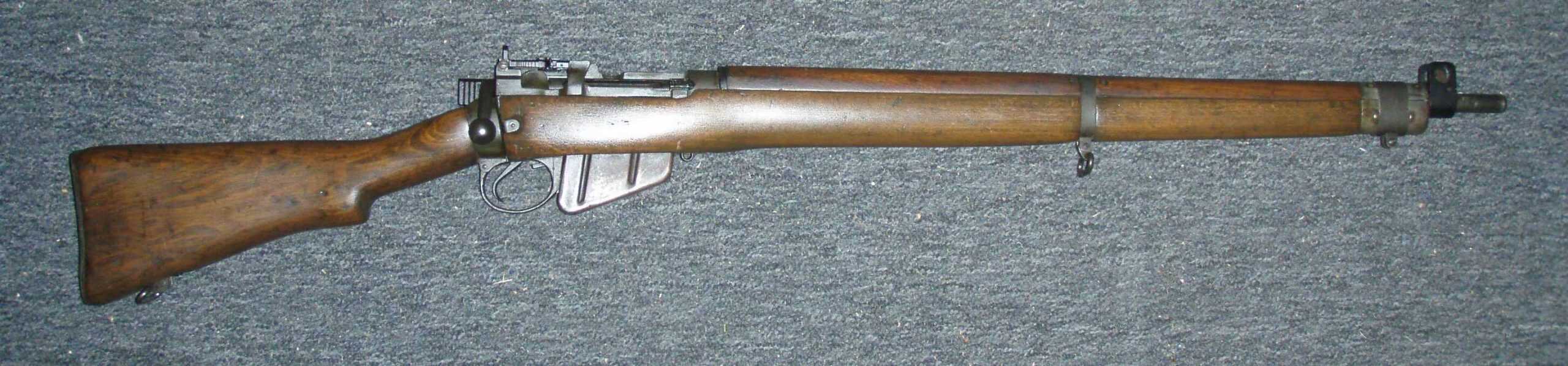
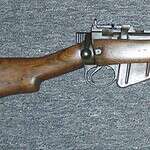
Lee-Enfield No.4
- Type: Bolt-Action Rifle
- Year introduced to service: 1941
- Who it is used by: Police and military in South Asia & Africa
- Why it outlasted modern alternatives: Durable, accurate, and easy to maintain
- Modern upgrades: Refurbished stocks and upgraded sights
The Lee-Enfield No.4 still sees use in rural and reserve units due to its ruggedness and the availability of .303 ammunition. Its longevity underscores the value of simple, reliable engineering.
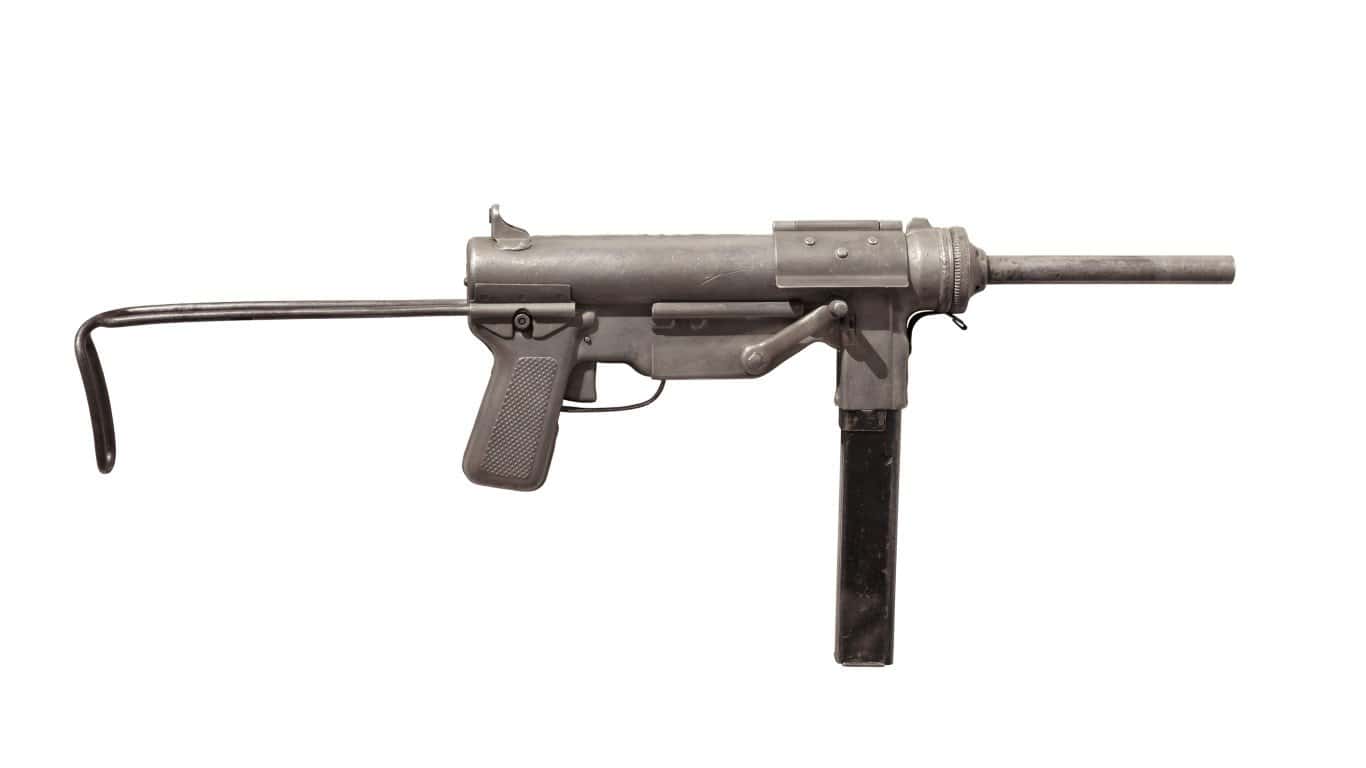
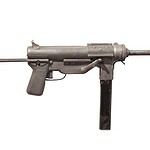
M3 Grease Gun
- Type: SMG
- Year introduced to service: 1942
- Who it is used by: Tank crews in developing nations
- Why it outlasted modern alternatives: Simple, compact, and low-maintenance
- Modern upgrades: Basic refurbishing keeps them functional
The M3 Grease Gun's ultra-simple stamped-metal design ensures it continues to function decades after production stopped. Many tank crews favor it for its compactness and reliability under harsh conditions.
T-34/85
- Type: Main Battle Tank
- Year introduced to service: 1944
- Who it is used by: Cuba, North Korea, African states
- Why it outlasted modern alternatives: Extremely rugged and easy to repair
- Modern upgrades: Local armor and engine upgrades
The T-34/85 remains operational in several nations thanks to its simple mechanics, availability of spare parts, and proven combat durability. It is one of the most enduring tank designs ever fielded.
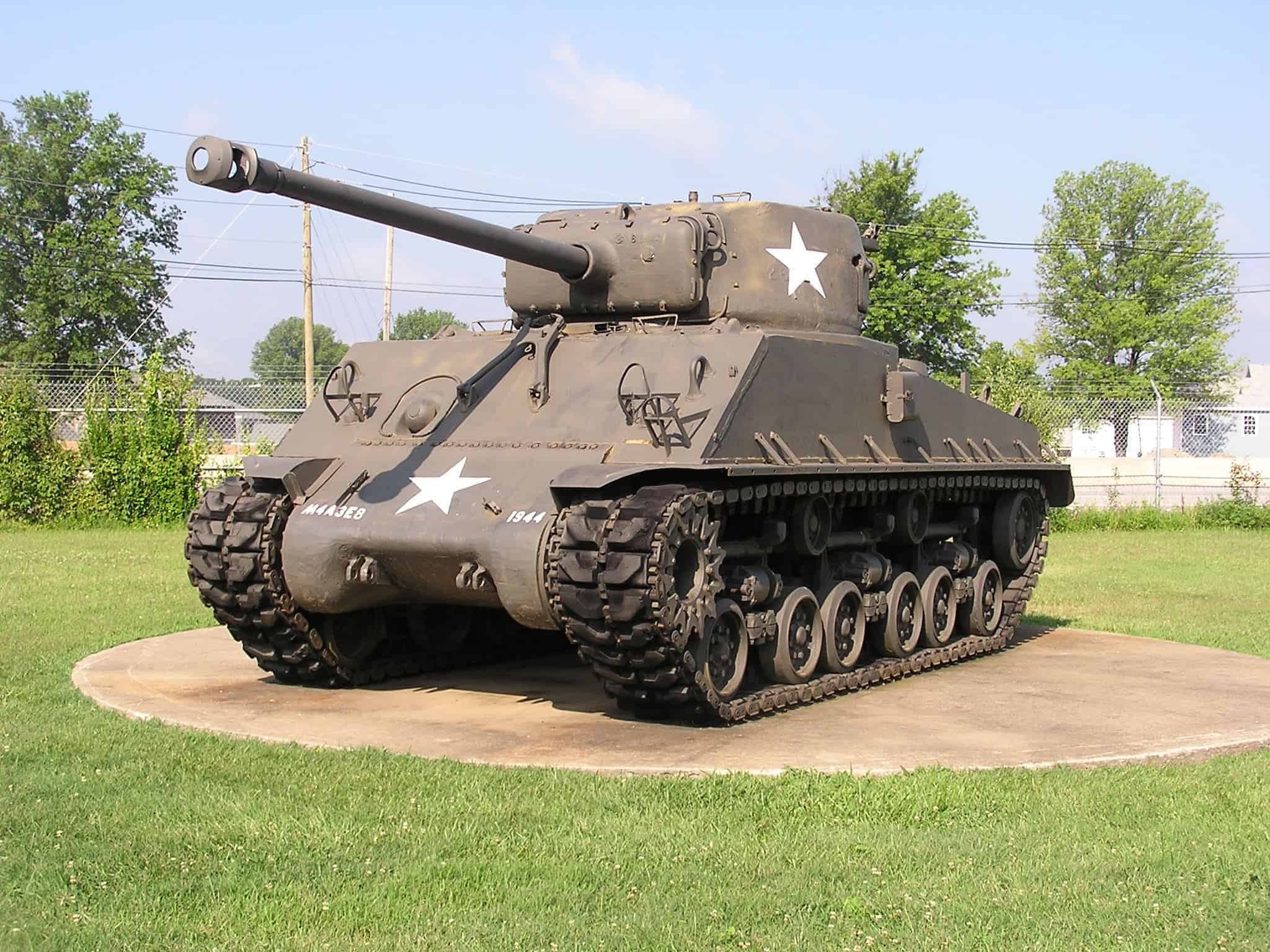
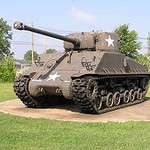
Sherman Tank (Variants)
- Type: Tank / Platform
- Year introduced to service: 1942
- Who it is used by: Used as SPGs or recovery vehicles
- Why it outlasted modern alternatives: Versatile chassis with many uses
- Modern upgrades: Upgraded engines, armor, and support tools
Although no longer frontline battle tanks, Sherman variants continue to serve as engineering vehicles, artillery platforms, and recovery tanks. Their chassis durability ensures they outlive more modern designs.
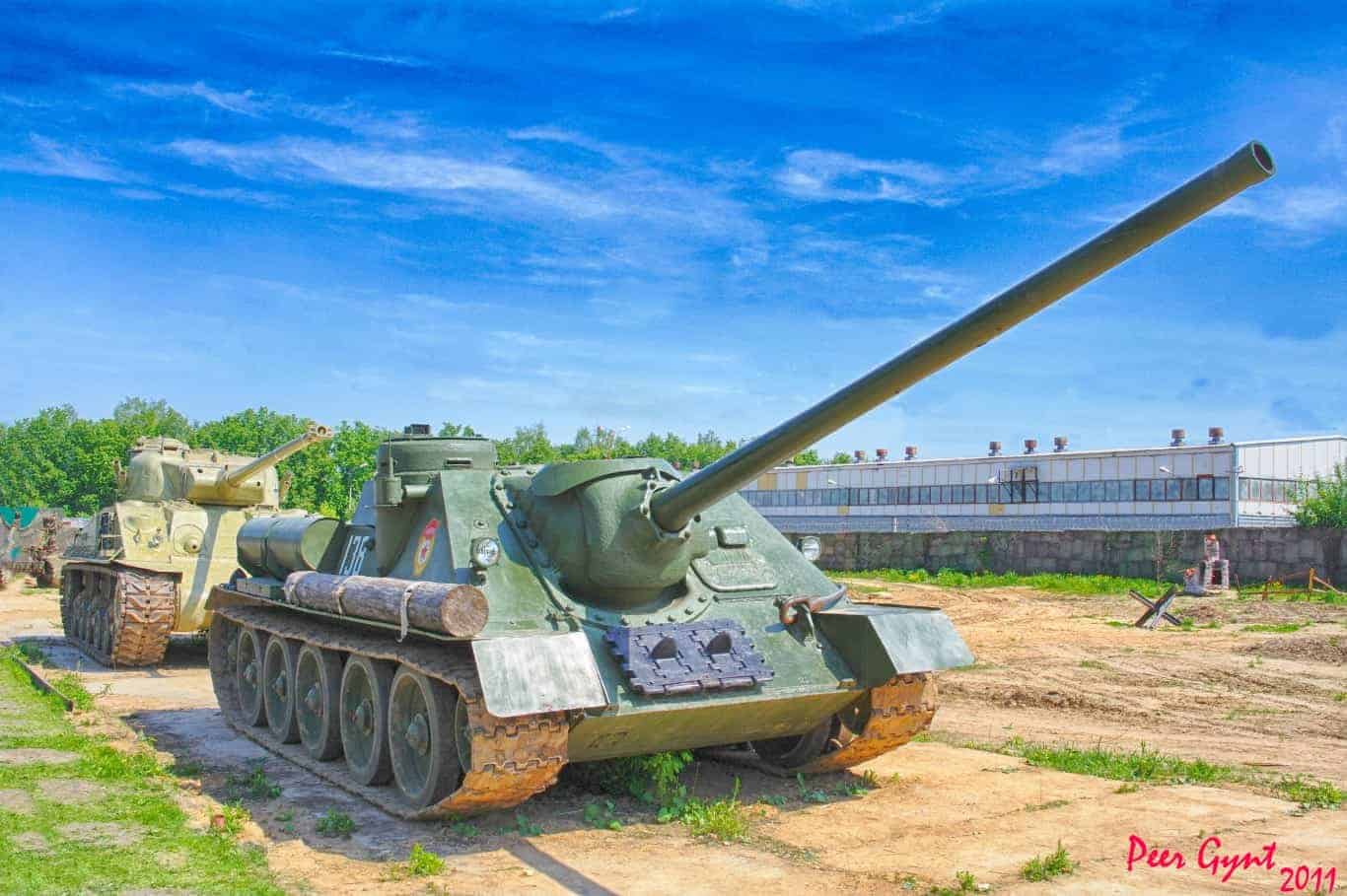
SU-100
- Type: Tank Destroyer
- Year introduced to service: 1944
- Who it is used by: Vietnam, Yemen
- Why it outlasted modern alternatives: Powerful gun and simple layout
- Modern upgrades: Refurbished optics and new ammunition
The SU-100 tank destroyer still appears in battle zones because its 100mm gun retains significant firepower. Its simple design and reliability make it a practical asset for militaries with limited budgets.
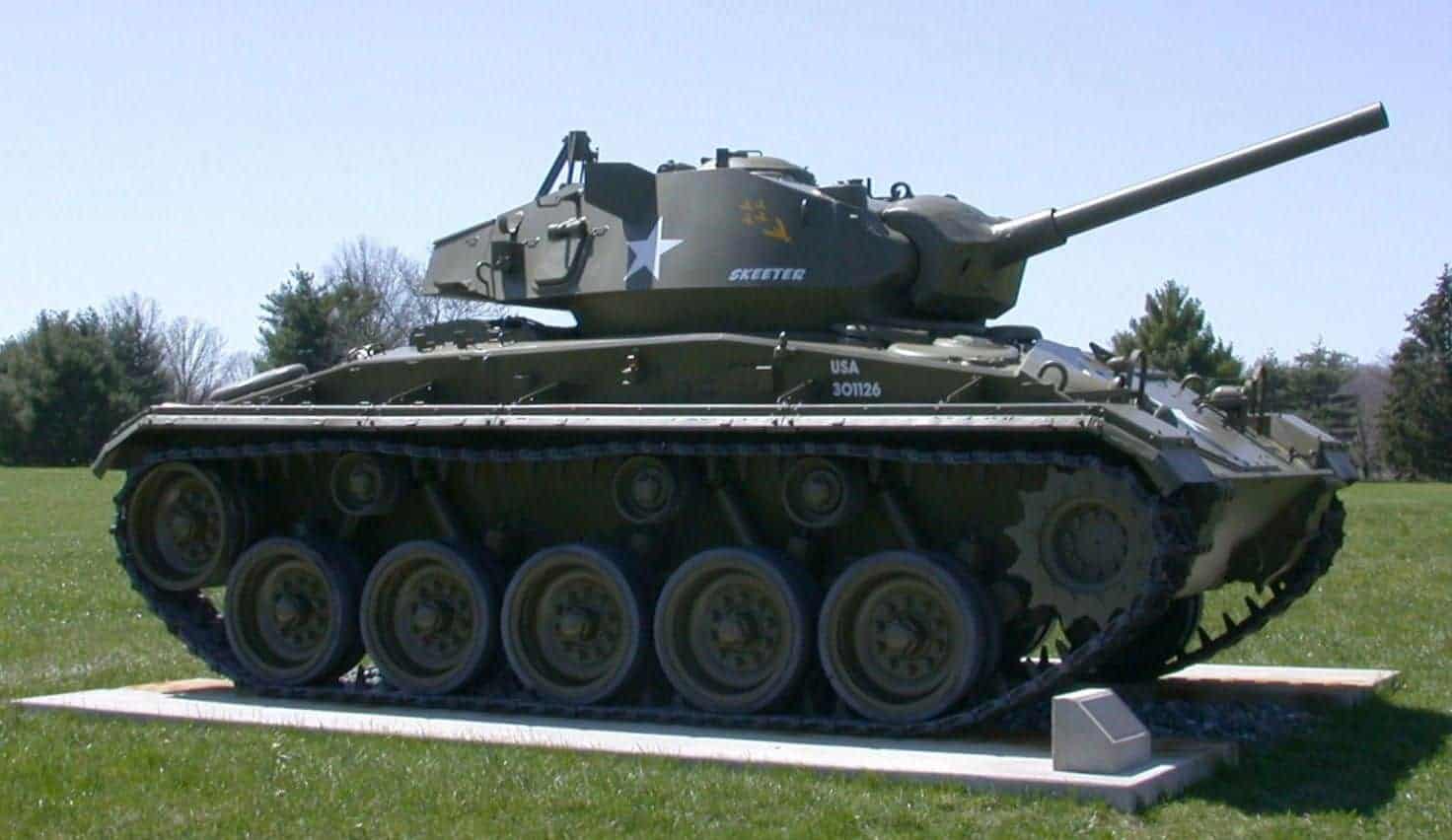
M24 Chaffee
- Type: Light Tank
- Year introduced to service: 1944
- Who it is used by: Uruguay (until recently active)
- Why it outlasted modern alternatives: Fast, mobile, and mechanically reliable
- Modern upgrades: Engine upgrades and rebuilt components
The M24 Chaffee served well into the modern era due to its speed and lightweight construction. Uruguay maintained upgraded versions for decades, demonstrating the design's longevity.
M3 Half-Track
- Type: APC
- Year introduced to service: 1940
- Who it is used by: Middle Eastern militaries
- Why it outlasted modern alternatives: Rugged hybrid mobility and durability
- Modern upgrades: Locally updated armor and engines
The M3 Half-Track remains in limited service because it performs reliably in rough terrain and requires little specialized maintenance. Many nations use refurbished versions as armored transports.
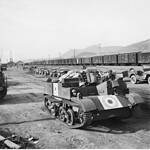
Universal Carrier
- Type: Light Armored Vehicle
- Year introduced to service: 1939
- Who it is used by: Developing nations
- Why it outlasted modern alternatives: Adaptable and simple to maintain
- Modern upgrades: Engine replacements and role conversions
The Universal Carrier served countless roles during WWII and continues to operate in support roles thanks to its simplicity, adaptability, and durable construction.
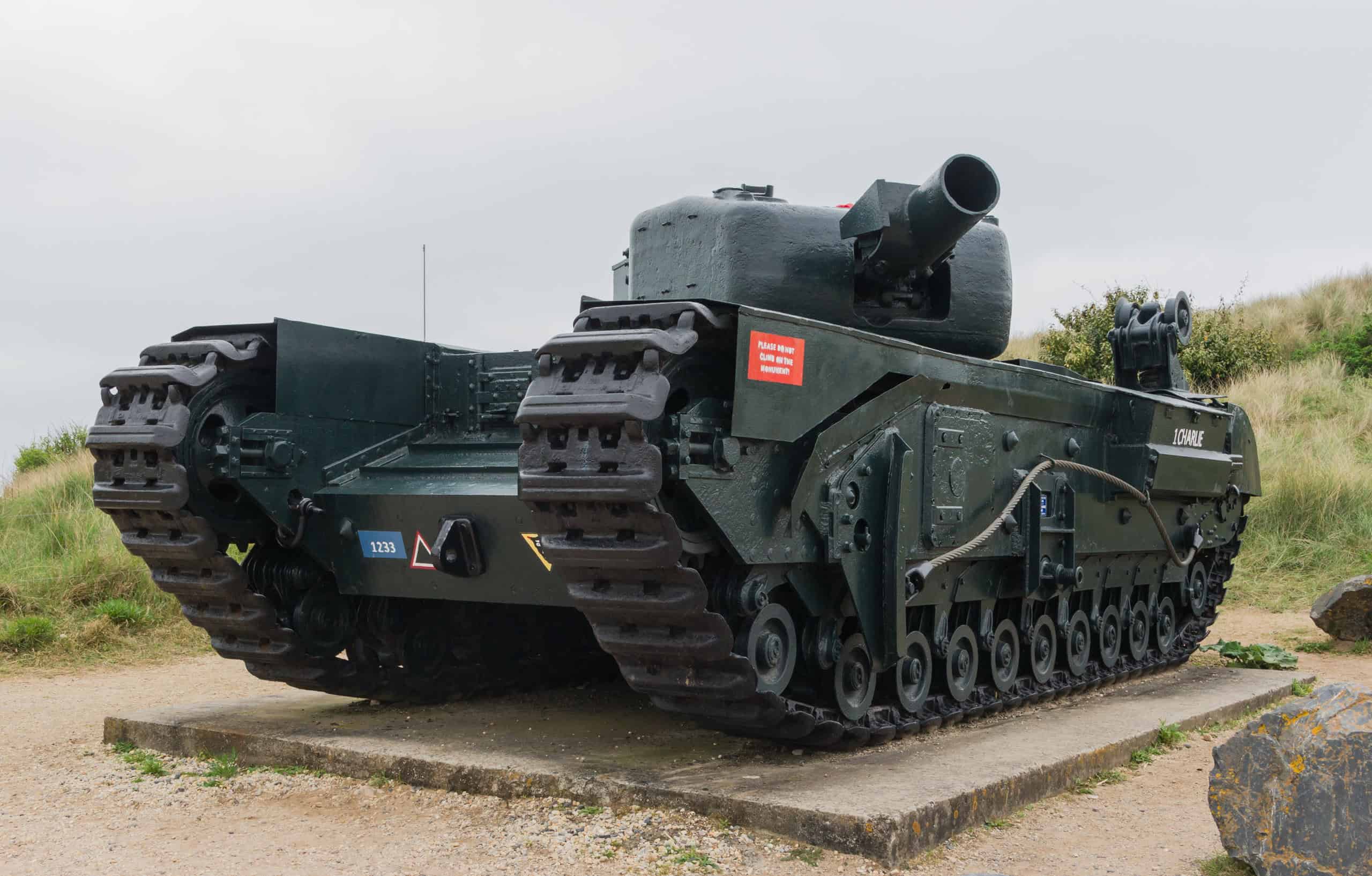
Churchill AVRE
- Type: Engineering Vehicle
- Year introduced to service: 1942
- Who it is used by: Limited-use engineering units
- Why it outlasted modern alternatives: Thick armor and specialized tools
- Modern upgrades: Modernized hydraulic and engineering attachments
Though the Churchill tank is long retired, the AVRE variant persists in niche engineering and demolition roles. Its heavy armor and specialized equipment keep it relevant for demanding tasks.
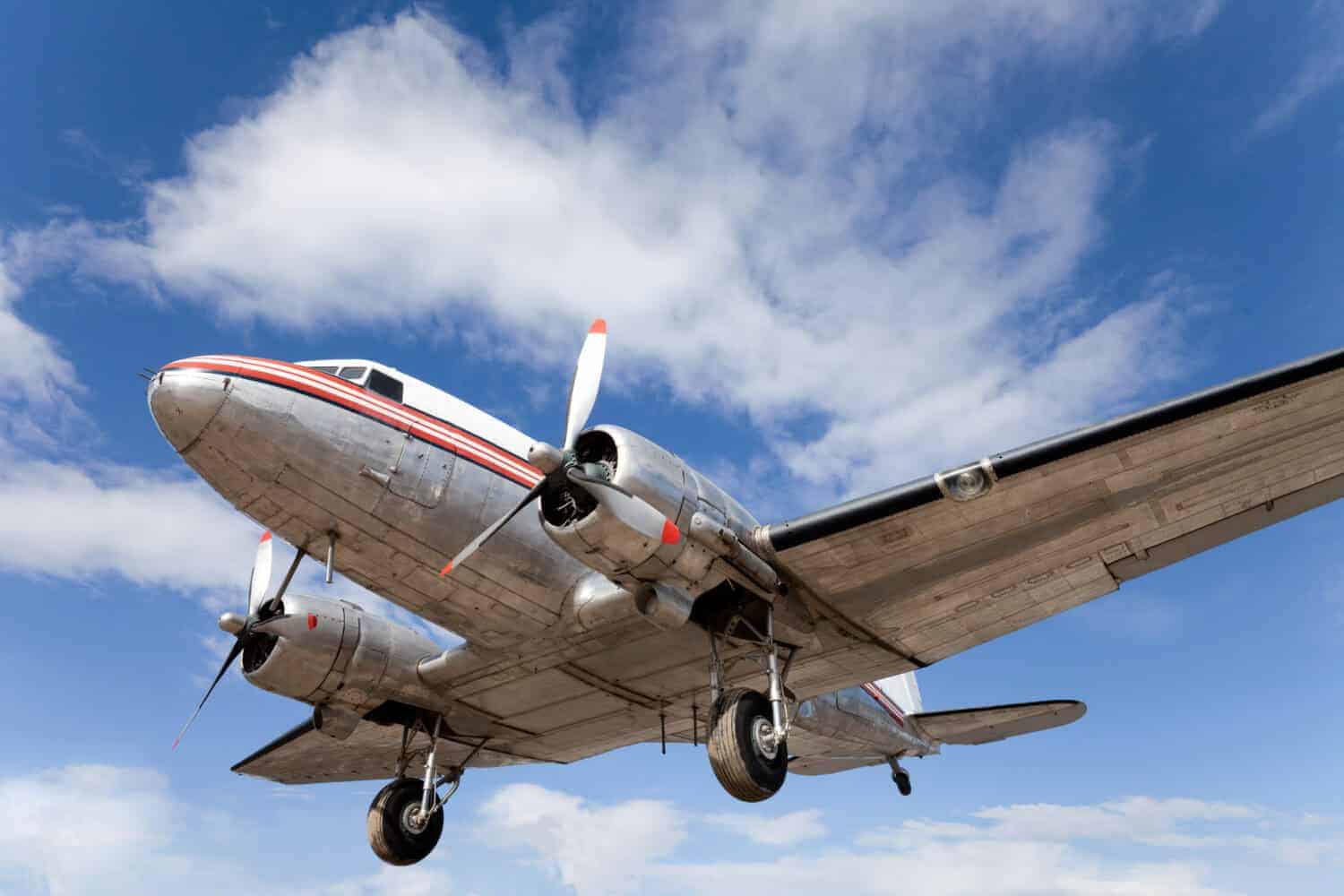
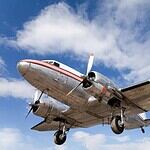
Douglas C-47 / DC-3
- Type: Transport Aircraft
- Year introduced to service: 1935
- Who it is used by: Civil and military users worldwide
- Why it outlasted modern alternatives: Highly reliable with excellent range
- Modern upgrades: New avionics, engines, and airframe restorations
The C-47/DC-3 may be the most enduring aircraft ever built. Its ability to operate on short, rough airstrips makes it invaluable for cargo, humanitarian flights, and remote-area transport even today.
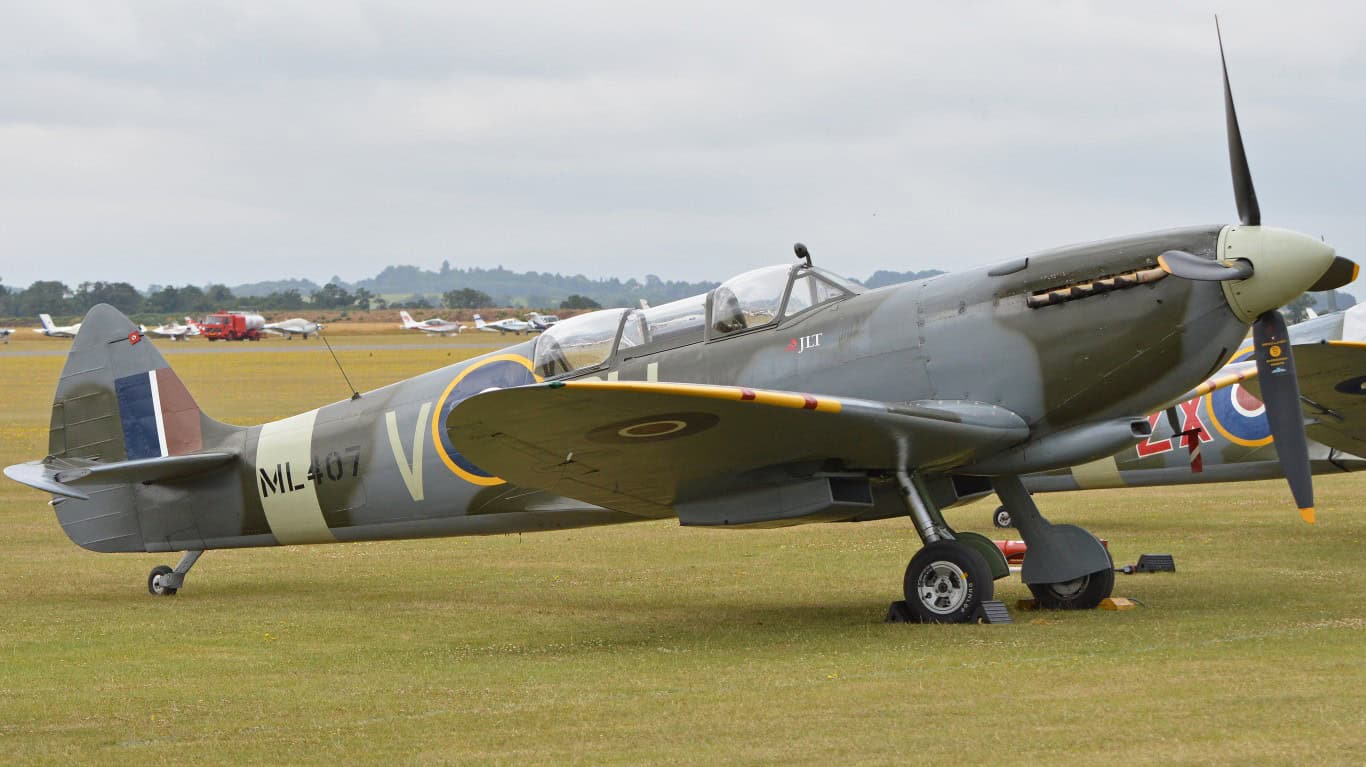
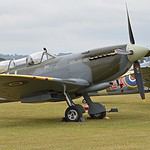
Supermarine Spitfire
- Type: Fighter Aircraft
- Year introduced to service: 1938
- Who it is used by: Training and ceremonial use
- Why it outlasted modern alternatives: Exceptional maneuverability and iconic design
- Modern upgrades: Restored airframes with modern maintenance
The Spitfire continues to fly in limited military and ceremonial roles. Its unmatched maneuverability and iconic status have kept it alive through continuous restoration and modernization.
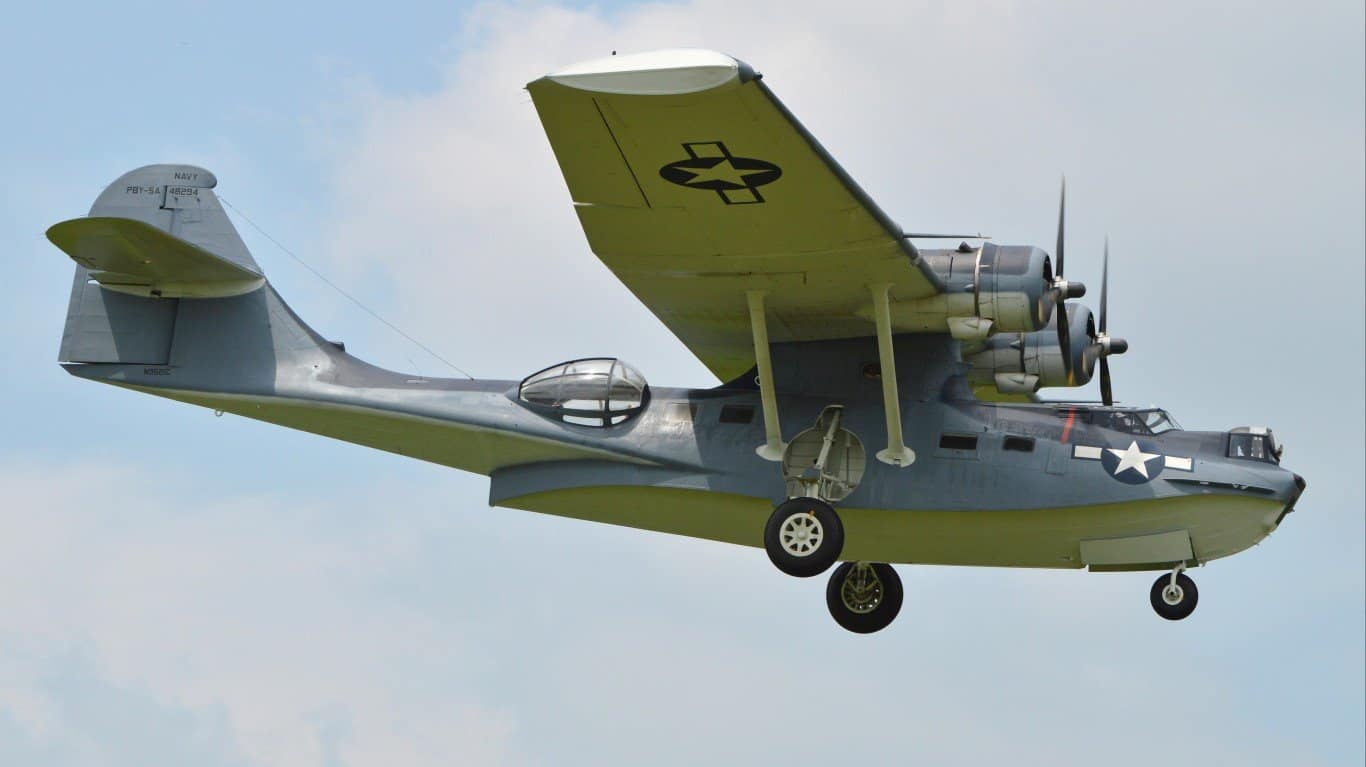
PBY Catalina
- Type: Maritime Aircraft
- Year introduced to service: 1936
- Who it is used by: Used for patrol and firefighting
- Why it outlasted modern alternatives: Long endurance and amphibious capability
- Modern upgrades: Modern sensors, avionics, and firefighting modifications
The PBY Catalina remains operational due to its unique ability to take off and land on water. Today it serves in maritime patrol and wildfire suppression roles, extending its 80-year legacy.
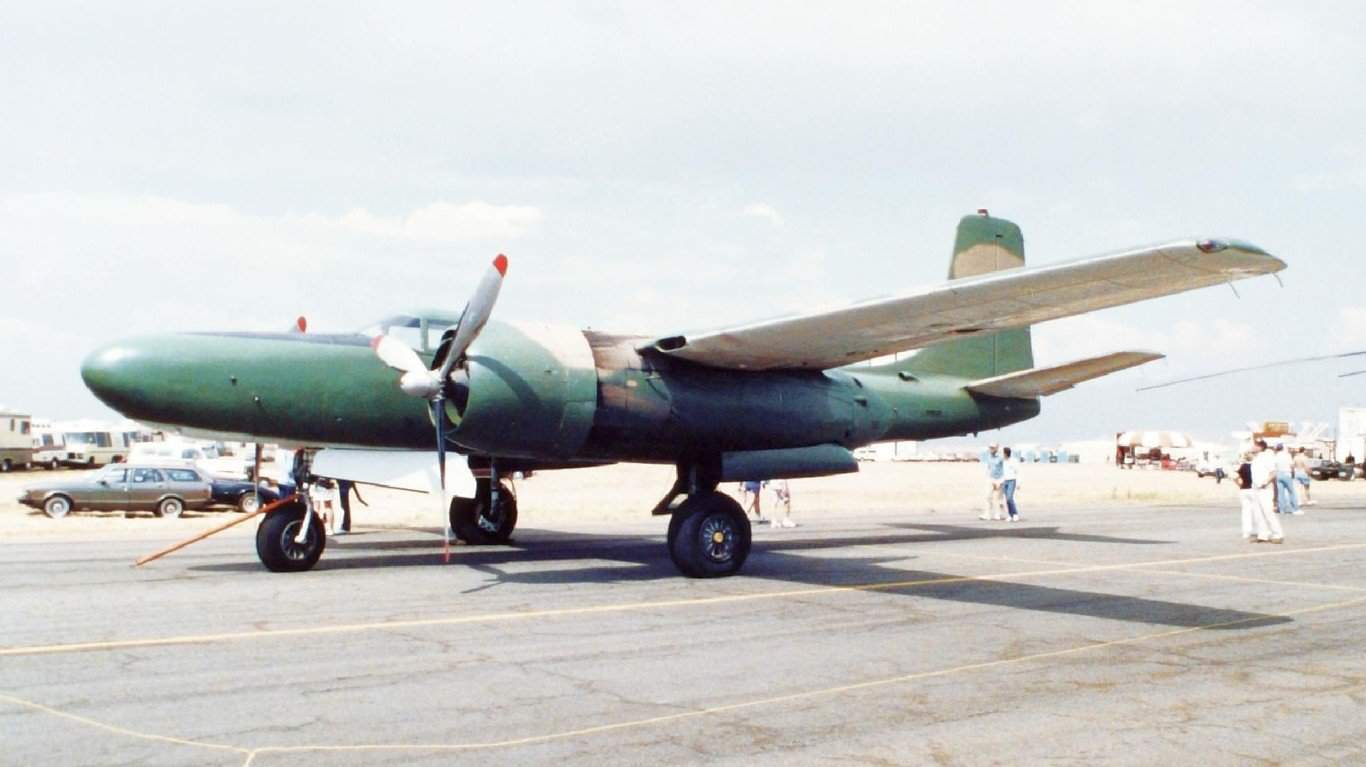
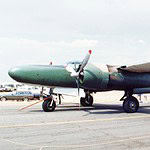
A-26 Invader
- Type: Attack Aircraft
- Year introduced to service: 1942
- Who it is used by: Colombia and others (into the 2010s)
- Why it outlasted modern alternatives: Fast, powerful, and reliable
- Modern upgrades: Upgraded engines and weapons systems
The A-26 Invader continued flying combat missions decades after WWII. Its speed and payload capacity made it ideal for counterinsurgency roles, keeping it relevant well into the modern era.
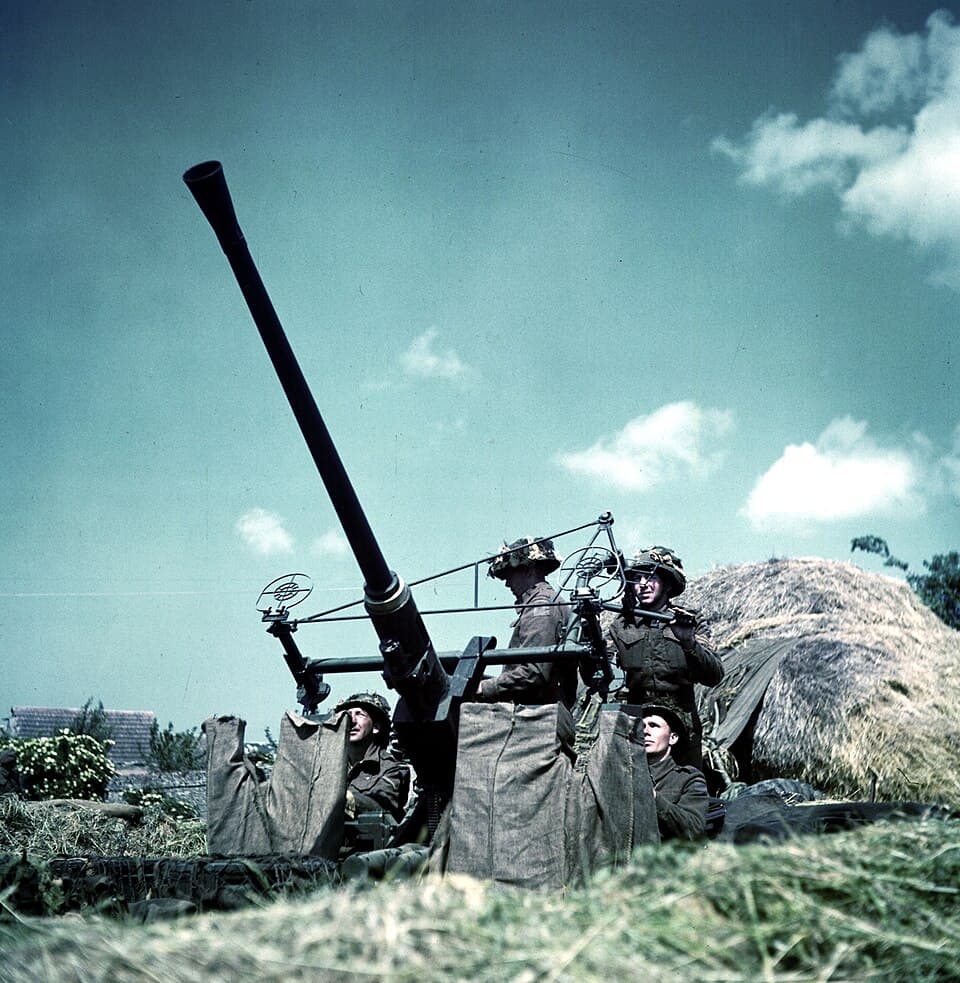
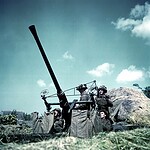
Bofors 40mm L/60
- Type: Anti-Air Gun
- Year introduced to service: 1934
- Who it is used by: Worldwide military use
- Why it outlasted modern alternatives: Extremely reliable and effective
- Modern upgrades: Digital fire control and stabilization
The Bofors 40mm L/60 remains in global service thanks to its reliability, accuracy, and high rate of fire. Modernized fire-control systems have kept this nearly century-old design competitive against modern threats.
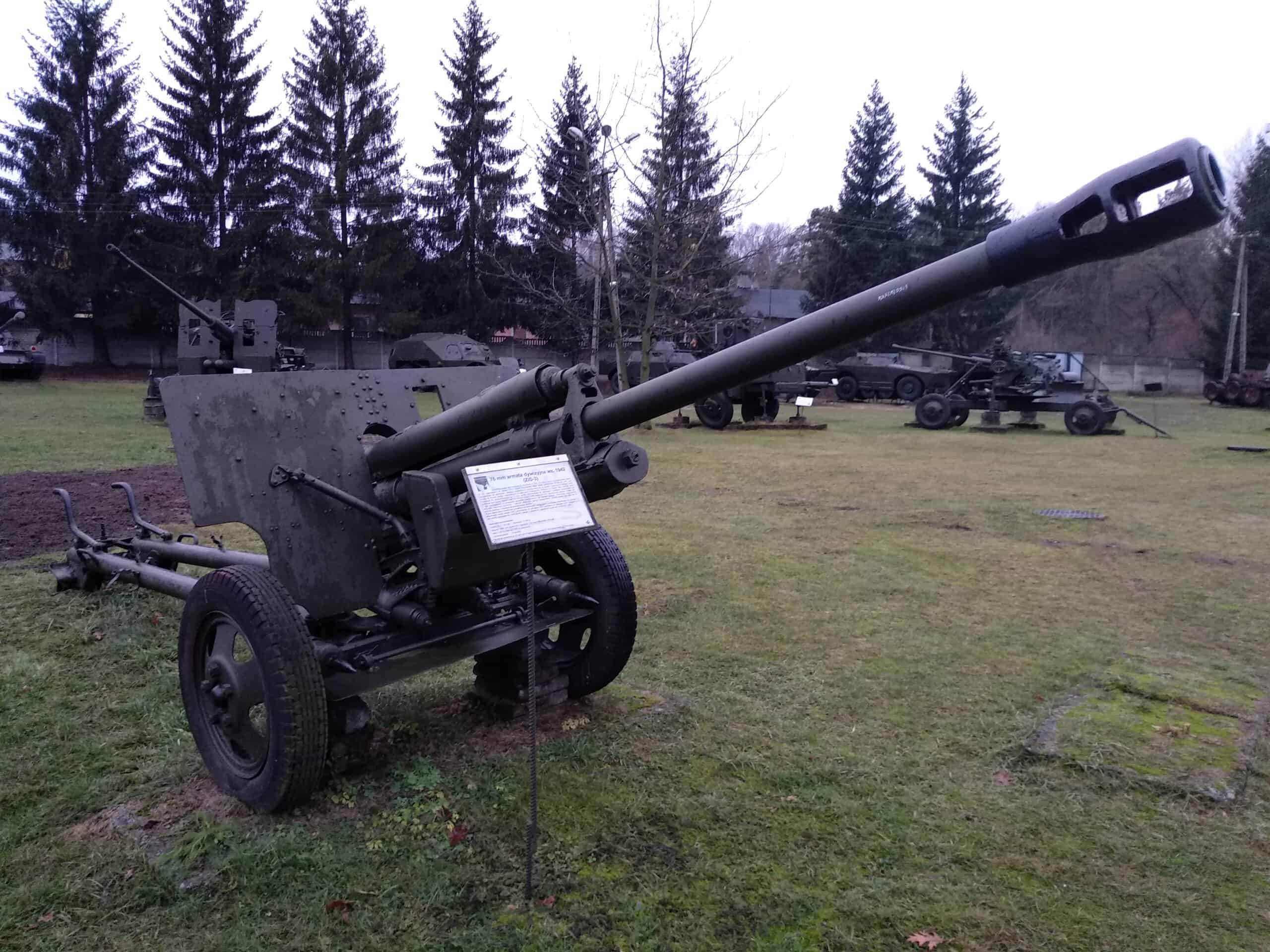
ZiS-3 Field Gun
- Type: Field Artillery
- Year introduced to service: 1942
- Who it is used by: Africa, Middle East
- Why it outlasted modern alternatives: Simple, rugged, and effective
- Modern upgrades: Refurbished optics and new ammunition supplies
The ZiS-3 is still used in several regions due to its simplicity and ease of operation. Its lightweight design and potent HE rounds keep it relevant in low-intensity conflicts.
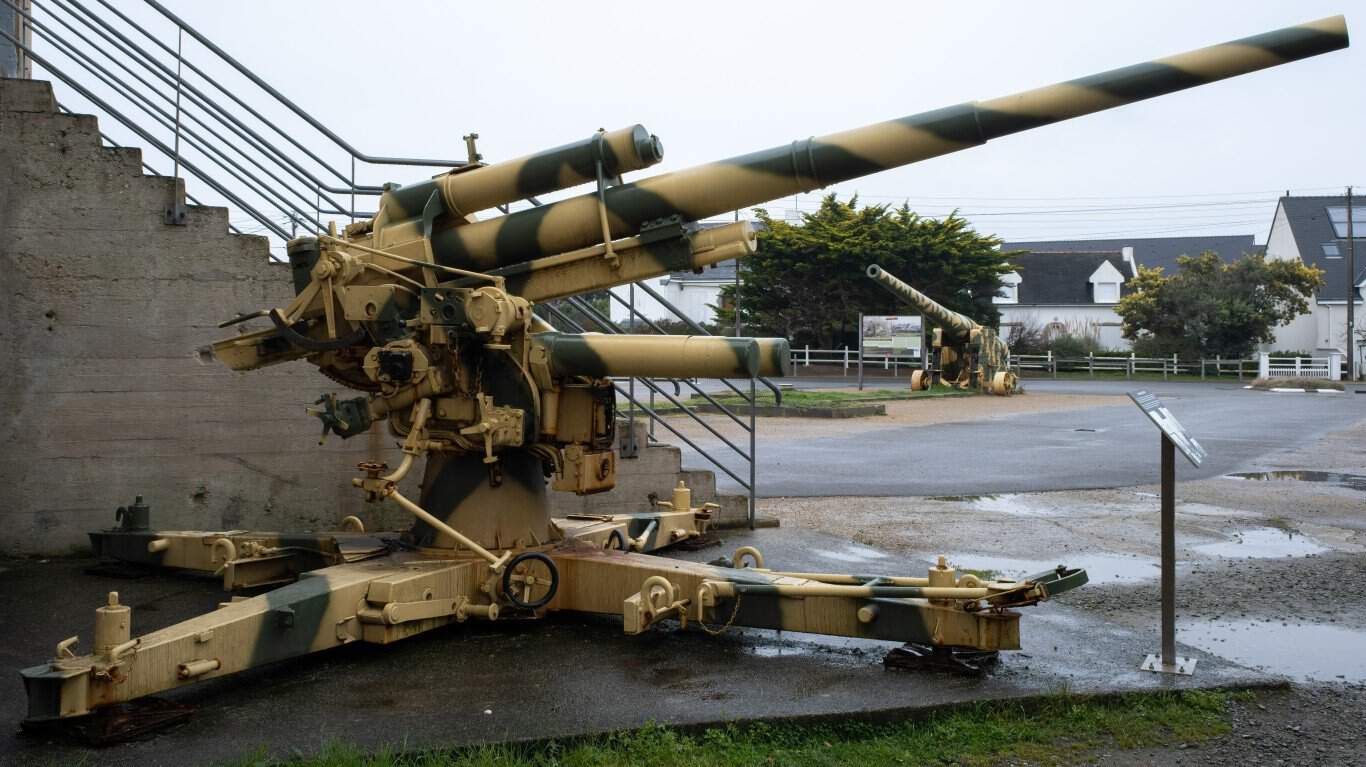
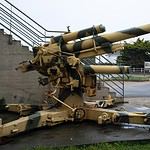
Flak 88 (Derivatives)
- Type: AA/AT Gun
- Year introduced to service: 1936
- Who it is used by: Limited coastal defense use
- Why it outlasted modern alternatives: Powerful, long-range, and accurate
- Modern upgrades: Updated mounts and stabilization systems
The Flak 88 became legendary in WWII for its anti-air and anti-tank performance. While original guns are rare, derivative systems continue in coastal defense roles thanks to their reach and firepower.
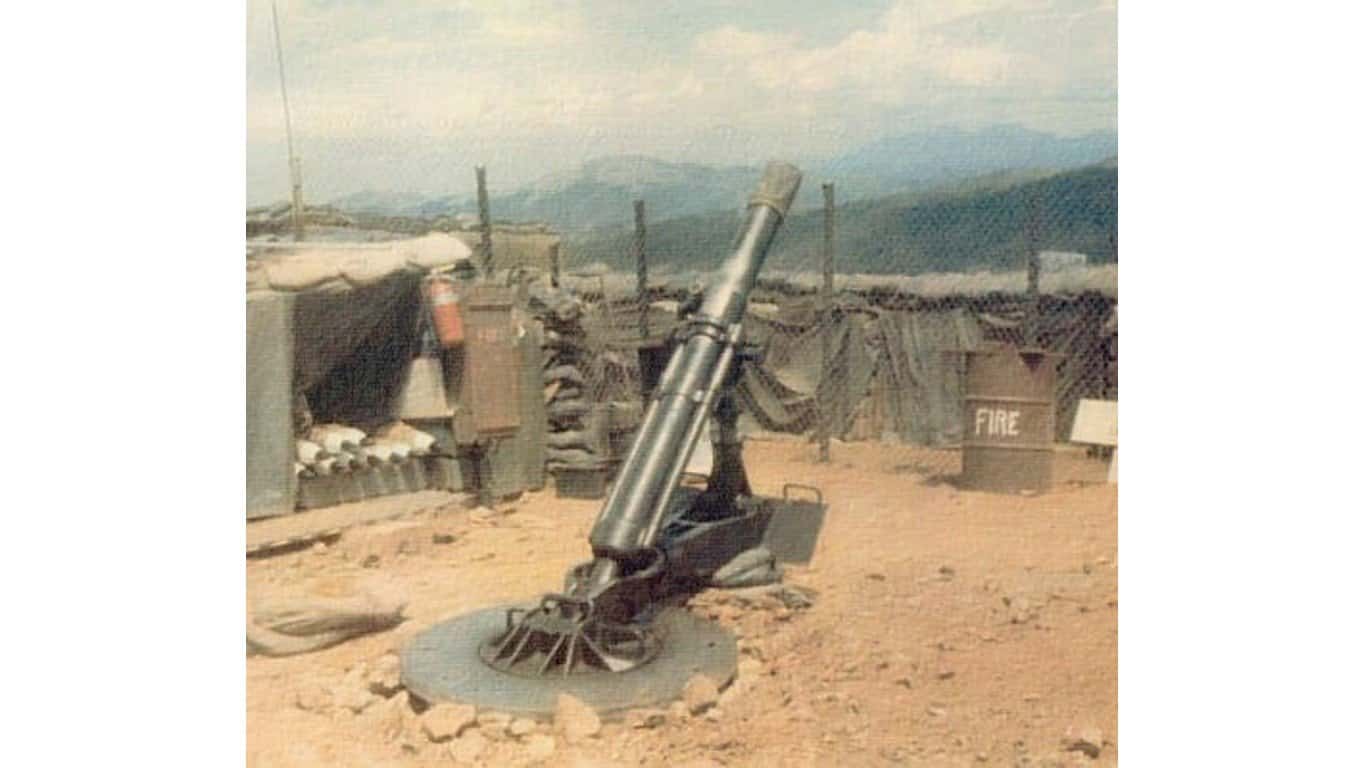
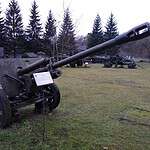
122mm M-30 Howitzer
- Type: Howitzer
- Year introduced to service: 1938
- Who it is used by: Over a dozen nations
- Why it outlasted modern alternatives: Reliable and easy to maintain
- Modern upgrades: Digital sights and towing improvements
The M-30 remains widely used thanks to its durability, availability, and powerful 122mm shells. Many countries still deploy it in reserve or active artillery batteries.
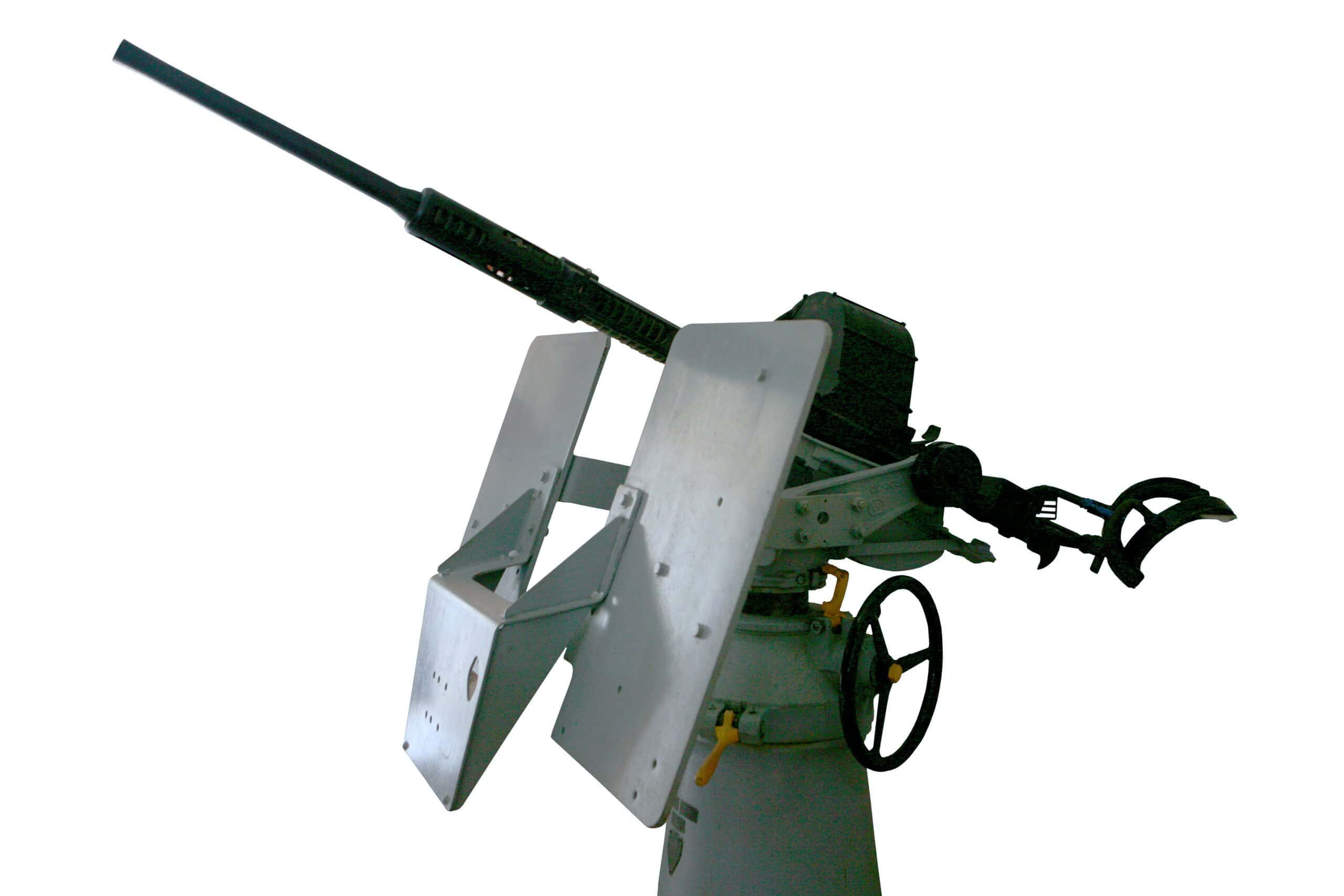
Oerlikon 20mm Cannon
- Type: Autocannon
- Year introduced to service: 1935
- Who it is used by: Naval fleets worldwide
- Why it outlasted modern alternatives: Lightweight, durable, and effective
- Modern upgrades: Integrated into modern ship fire-control systems
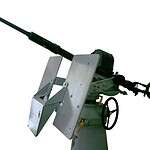
The Oerlikon 20mm cannon is still mounted on naval vessels across the world. Its simplicity and high rate of fire make it effective for close-defense against small craft and drones.
Willys Jeep (Clones)
- Type: Utility Vehicle
- Year introduced to service: 1941
- Who it is used by: India and others
- Why it outlasted modern alternatives: Simple, rugged, and extremely versatile
- Modern upgrades: Modernized engines, frames, and electrical systems
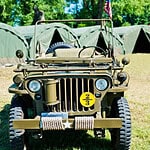
The Willys Jeep lives on in countless licensed and unlicensed copies. Its rugged design and off-road performance have allowed it to remain in military service for nearly 80 years.
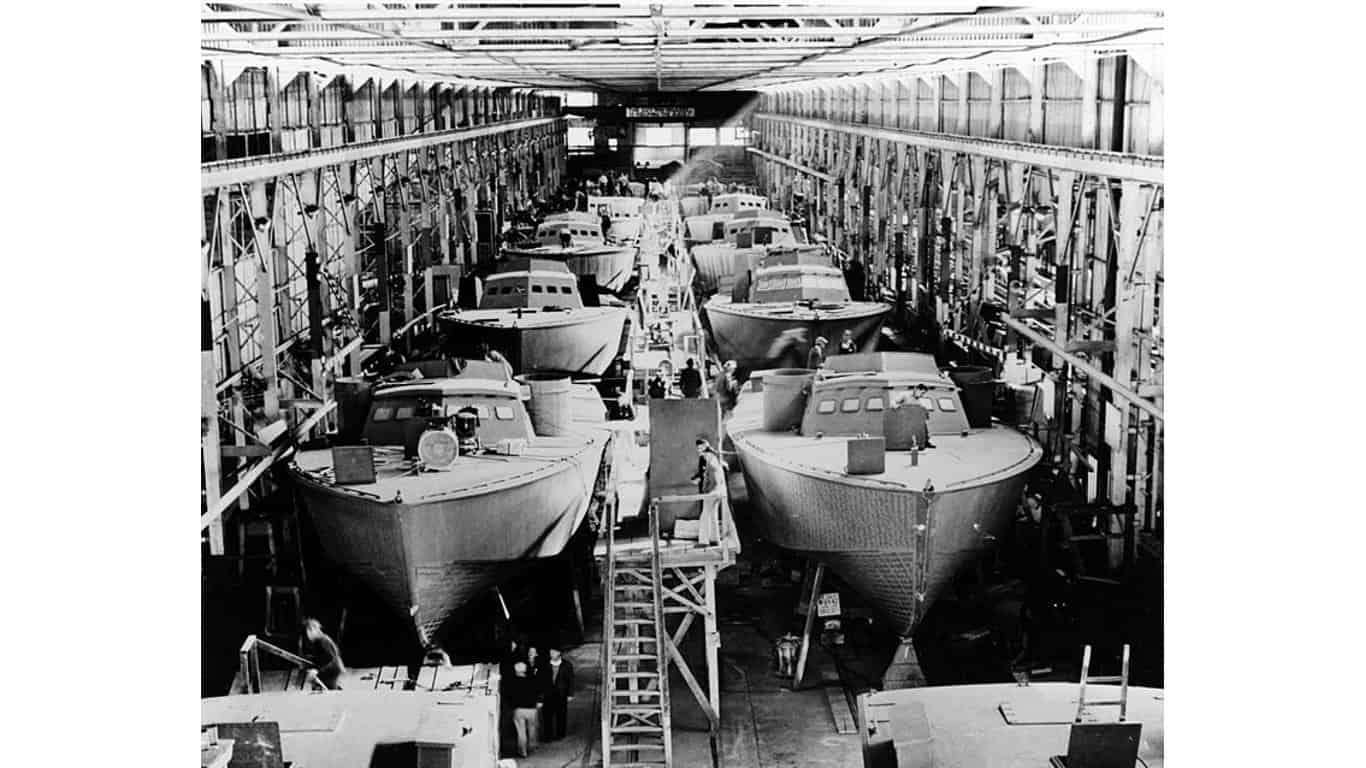
Higgins Boat (LCVP) Designs
- Type: Landing Craft
- Year introduced to service: 1942
- Who it is used by: Modern landing craft descendants
- Why it outlasted modern alternatives: Highly effective shallow-water hull shape
- Modern upgrades: Modern engines and aluminum hulls
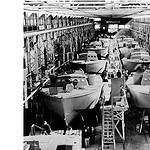
The Higgins Boat revolutionized amphibious warfare, and its hull design still influences modern landing craft. Its ability to deliver troops and vehicles in shallow coastal areas remains unmatched.
The image featured at the top of this post is ©Public Domain / Wikimedia Commons