




Why Some Flawed Military Aircraft Still Succeeded
Military aircraft are typically judged by specifications and engineering elegance. But sometimes combat history repeatedly shows that those measures can be misleading. Some aircraft entered service with obvious design flaws like limited range, handling issues, survivability concerns, or heavy maintenance demands. However, these aircraft still proved effective in war. Their success came not from perfection, but from how they were used, adapted, and integrated into real-world doctrine where strengths mattered more than shortcomings. Get ready to take a closer look at the military aircraft that succeeded despite design flaws.
To compile this list, we reviewed various historical and military sources. We included supplemental information regarding the country of origin, when it was introduced, its main design flaw, the operational workaround, and why it was ultimately successful.
Here is a look at the military aircraft that succeeded despite design flaws:
Why Are We Covering This?
Understanding why some military aircraft succeeded despite obvious design flaws helps explain how wars are actually fought rather than how they are expected to unfold. Combat conditions, doctrine, training, and mission selection often matter more than ideal specifications, allowing imperfect aircraft to deliver real results. By examining these platforms, we gain insight into how adaptability, context, and human decision-making can overcome engineering limitations and shape lasting military effectiveness.
Perfection Rarely Wins Wars
Military aircraft are often judged by specifications, test results, and design elegance. But history shows that perfection is not a prerequisite for success. Many aircraft entered service with clear shortcomings1 range limits, handling issues, survivability concerns, or maintenance burdens1 yet went on to perform effectively in combat. War tends to reward usefulness and adaptability more than flawless engineering.
Flaws on the Drawing Board
On paper, these aircraft had problems that should have limited their effectiveness. Some were too slow, others too complex, too visible, or too narrowly specialized. Analysts and critics often predicted short service lives or battlefield failure. In isolation, many of these concerns were valid, especially when measured against idealized performance expectations rather than real combat conditions.
How Reality Changed the Equation
Combat rarely unfolds the way planners expect. Doctrine evolves, tactics shift, and missions adapt to fit available tools. In many cases, aircrews and commanders learned how to employ flawed aircraft in ways that minimized weaknesses and emphasized strengths. Training, mission selection, and operational context often mattered more than design purity.
Mission Fit Over Design Elegance
These aircraft succeeded because they were used where they made sense. Some thrived under air superiority, others in mass formations, specialized strike roles, or permissive environments. Their flaws did not disappear, but they became manageable. When an aircraft's strengths aligned with mission requirements, shortcomings became secondary to results.
What These Aircraft Reveal About War
This list highlights a recurring lesson in military aviation: success is not determined solely by engineering perfection. Aircraft that endure are often those that can be adapted, upgraded, or employed creatively. By examining aircraft that worked despite flawed designs, we gain insight into how warfare rewards flexibility, doctrine, and human decision-making as much as technology itself.
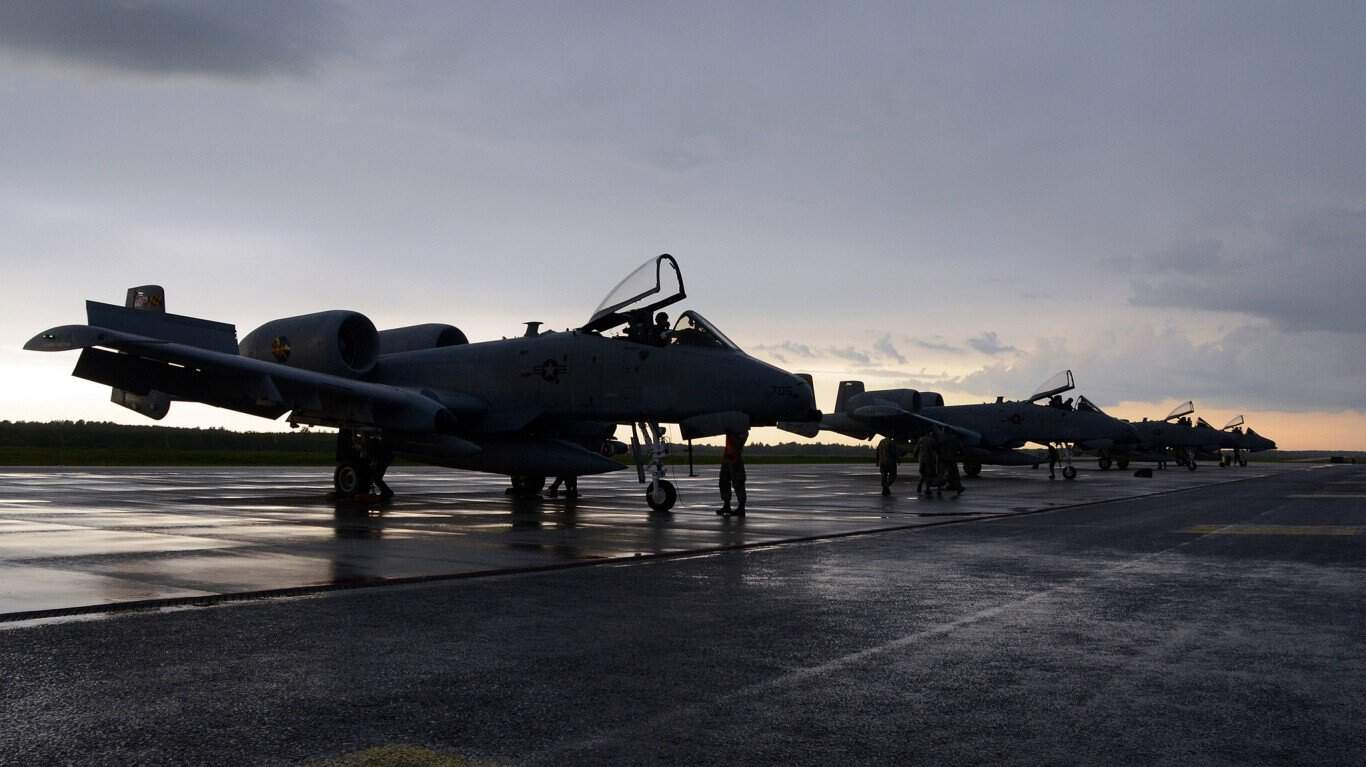
A-10 Thunderbolt II
- Country of origin: United States
- Era introduced: Cold War
- Primary role: Close Air Support
- Core design flaw: Slow speed, vulnerable to modern air defenses
- Why the flaw mattered on paper: Expected to be too slow and survivable only in permissive airspace
- Operational adaptation or workaround: Operated with ground coordination and low-altitude tactics
- Where it actually succeeded: Gulf War, Afghanistan
- Why the flaw didn't prevent success: Mission specialization outweighed vulnerability
The A-10 was criticized for being slow and vulnerable in an era of advanced air defenses. On paper, it looked obsolete. In practice, its rugged construction, heavy armor, and unmatched integration with ground forces made it devastatingly effective. Its design flaws mattered less because it was flown where air superiority existed and because its mission1 close air support valued survivability, persistence, and precision over speed.
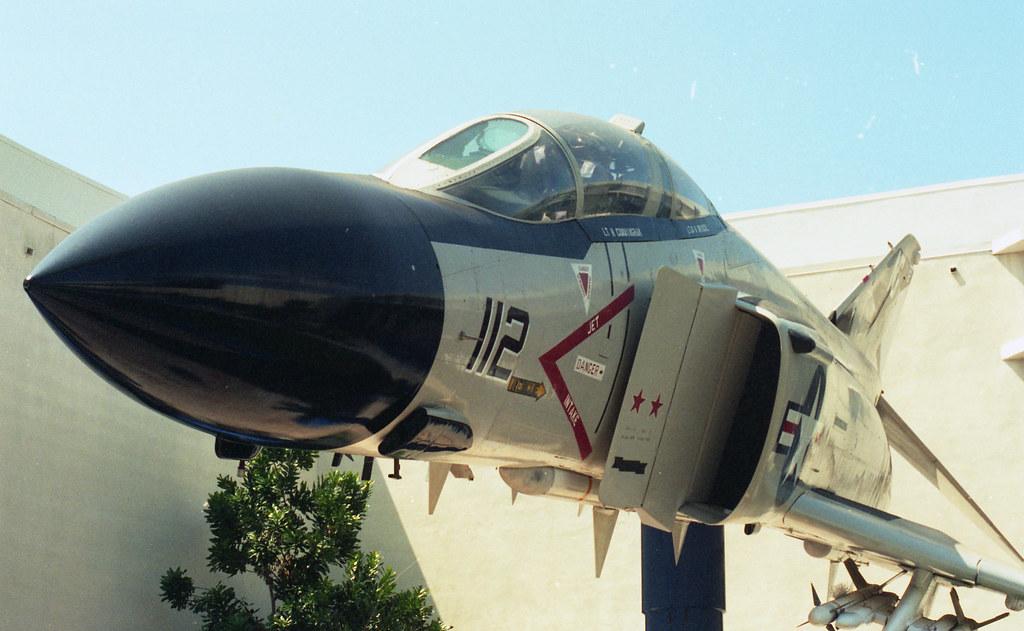
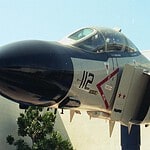
F-4 Phantom II
- Country of origin: United States
- Era introduced: Cold War
- Primary role: Multirole Fighter
- Core design flaw: Poor maneuverability, heavy airframe
- Why the flaw mattered on paper: Seen as inferior dogfighter
- Operational adaptation or workaround: Shift to BVR combat and missile doctrine
- Where it actually succeeded: Vietnam, Cold War deterrence
- Why the flaw didn't prevent success: Missile and payload focus mattered more
The F-4 entered service with poor maneuverability and no internal gun, flaws that became obvious in Vietnam. Yet it succeeded because doctrine evolved around its strengths. Long-range missiles, powerful radar, and heavy payloads allowed it to dominate beyond visual range and excel as a strike platform. Its adaptability, not elegance, made it one of the most successful aircraft of the Cold War.
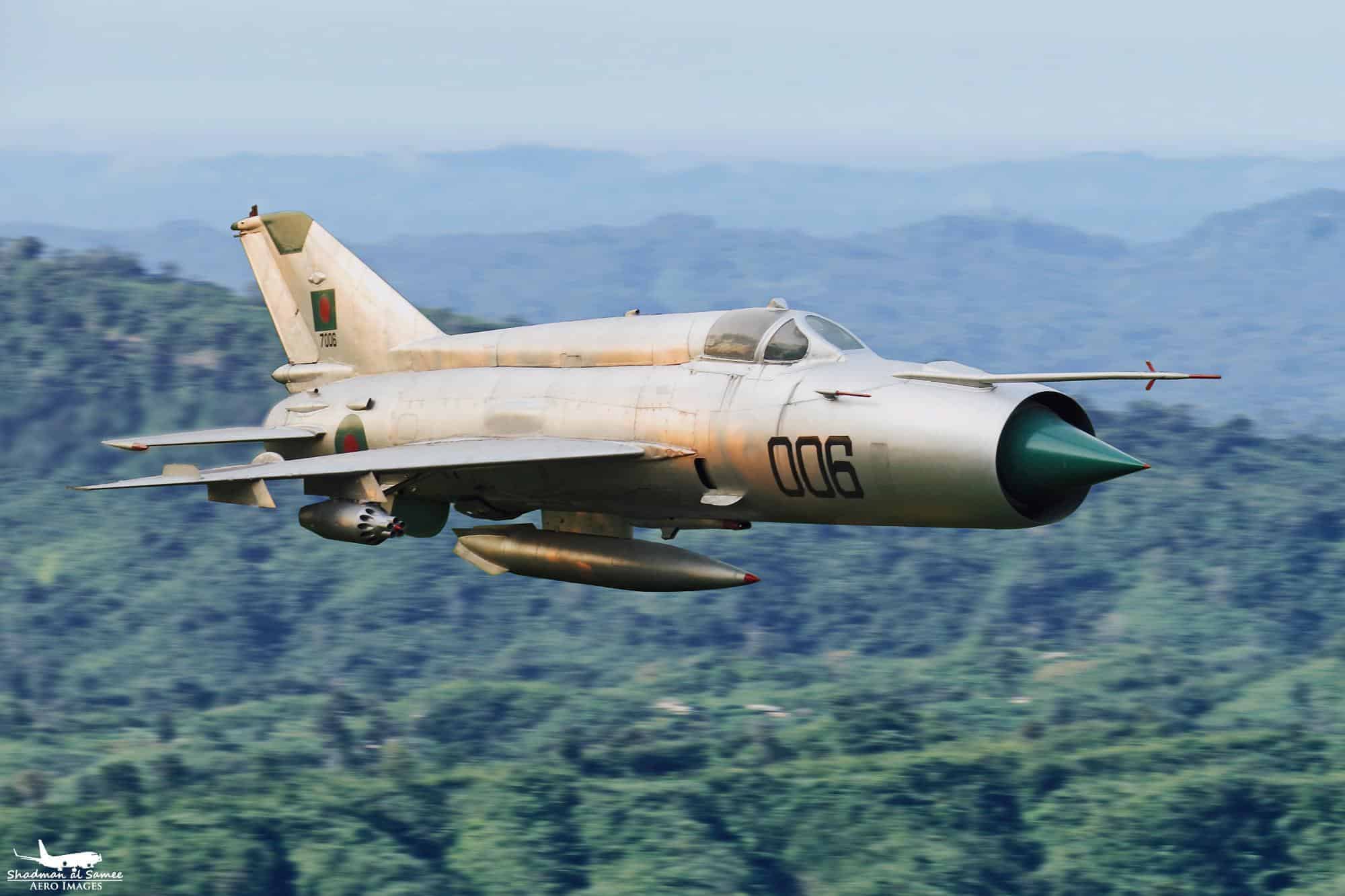
MiG-21 Fishbed
- Country of origin: Soviet Union
- Era introduced: Cold War
- Primary role: Interceptor/Fighter
- Core design flaw: Short range, limited avionics
- Why the flaw mattered on paper: Expected to be operationally constrained
- Operational adaptation or workaround: Mass deployment and point-defense doctrine
- Where it actually succeeded: Vietnam, Middle East
- Why the flaw didn't prevent success: Numbers and simplicity compensated
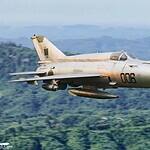
The MiG-21 suffered from short range and limited avionics, seemingly fatal flaws for a modern fighter. However, its simplicity, speed, and ease of production allowed it to succeed as a point-defense interceptor. Operated within its limits and supported by ground control, it proved lethal and reliable. Its success came from numbers, doctrine, and affordability rather than technical sophistication.
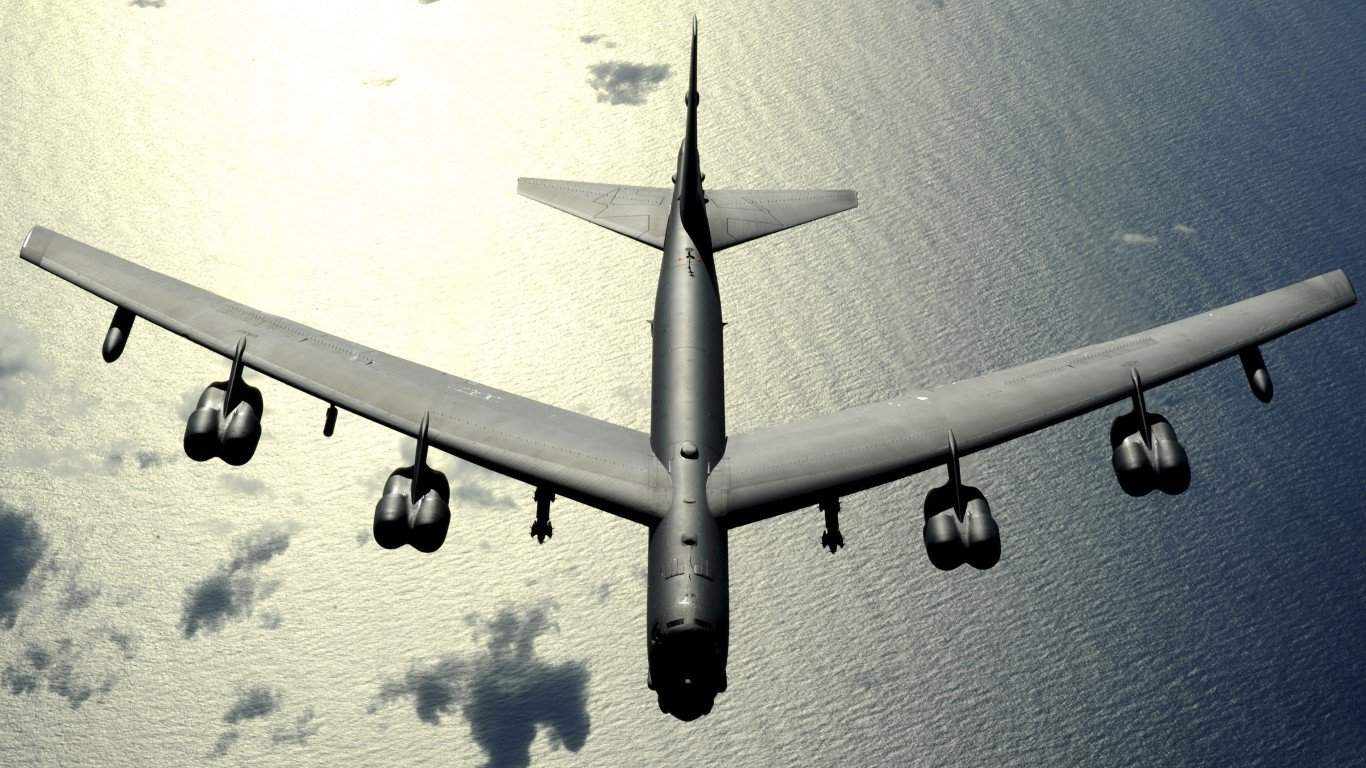
B-52 Stratofortress
- Country of origin: United States
- Era introduced: Cold War
- Primary role: Strategic Bomber
- Core design flaw: Large radar signature
- Why the flaw mattered on paper: Expected to be obsolete in SAM era
- Operational adaptation or workaround: High-altitude then low-level tactics, standoff weapons
- Where it actually succeeded: Cold War, GWOT
- Why the flaw didn't prevent success: Payload and endurance dominated
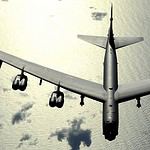
The B-52's massive radar signature should have made it obsolete once surface-to-air missiles emerged. Instead, it adapted. Shifting tactics, electronic warfare, and standoff weapons allowed it to remain relevant. Its enormous payload, endurance, and upgrade potential outweighed its vulnerabilities. The aircraft succeeded because it could evolve faster than threats could replace its strategic value.
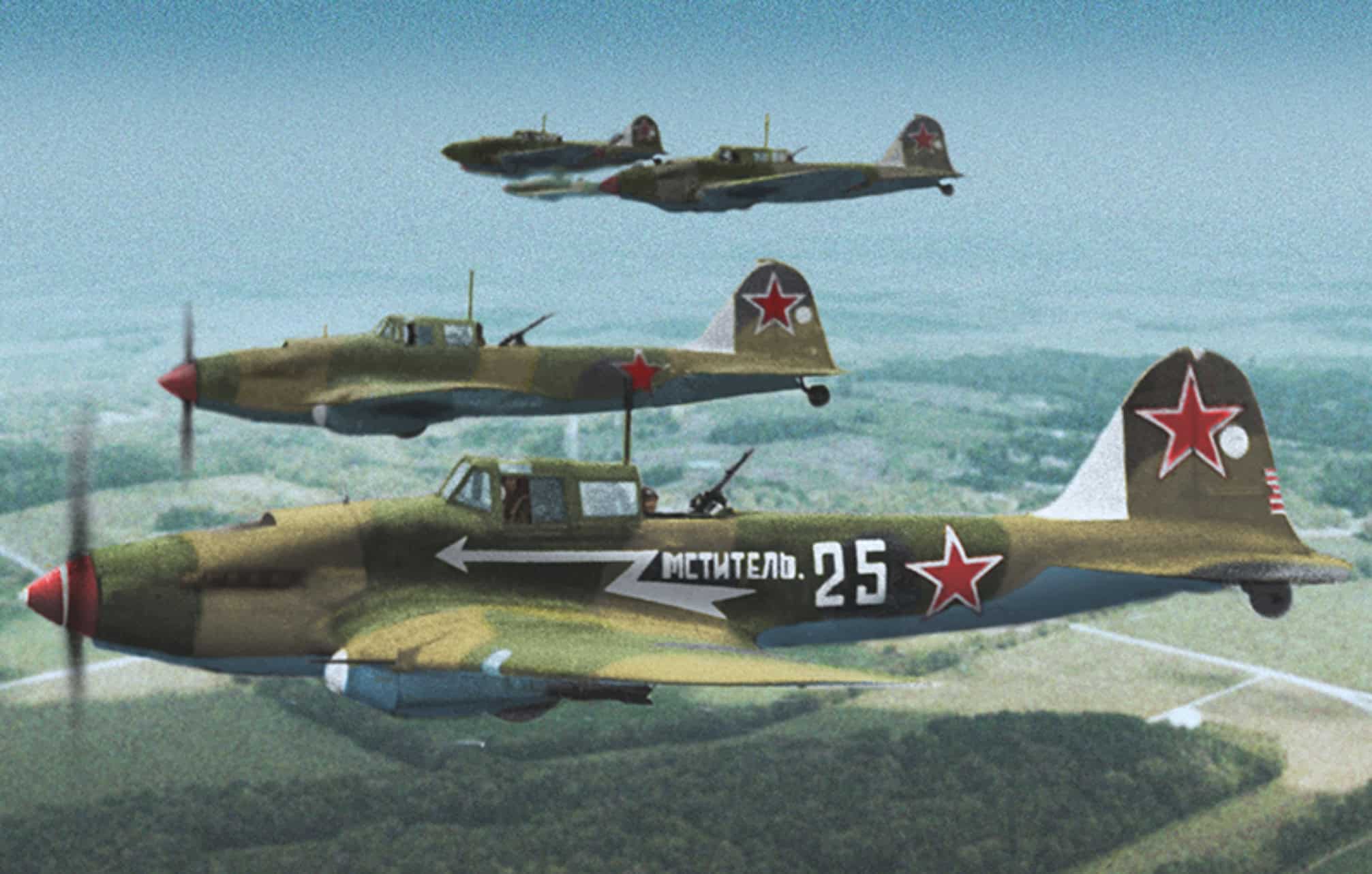
Il-2 Sturmovik
- Country of origin: Soviet Union
- Era introduced: WWII
- Primary role: Ground Attack
- Core design flaw: Heavy, slow, limited maneuverability
- Why the flaw mattered on paper: Vulnerable to fighters
- Operational adaptation or workaround: Armor and low-altitude tactics
- Where it actually succeeded: Eastern Front
- Why the flaw didn't prevent success: Survivability at low altitude
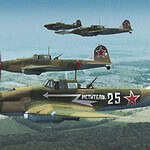
The Il-2 was slow, heavy, and initially under-armed defensively. On paper, it was vulnerable. In reality, its armor and low-altitude tactics made it survivable in the environment it was designed for. Flown in massive numbers and focused on ground attack, it succeeded because its design flaws mattered less than its ability to destroy enemy forces where it counted most.
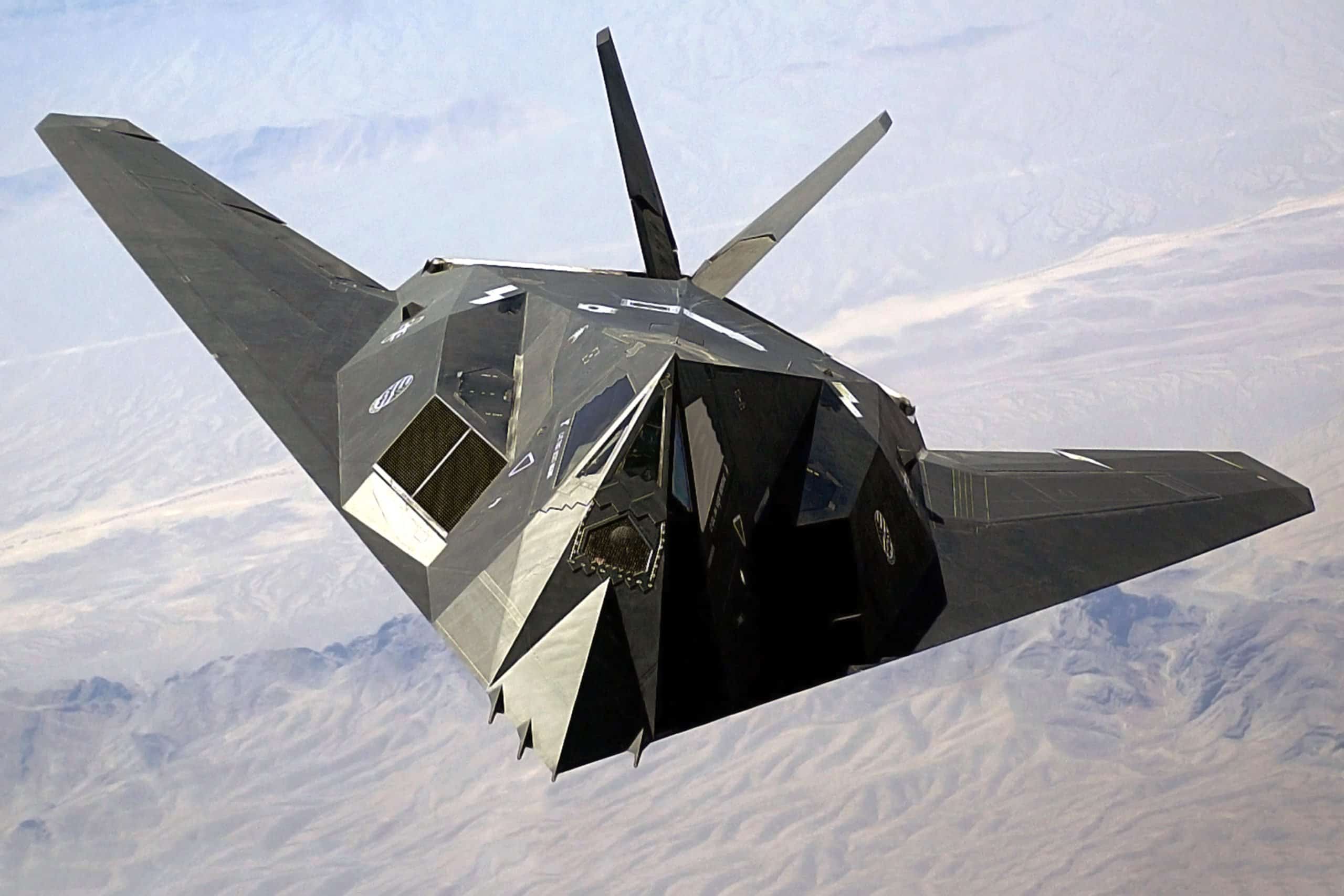
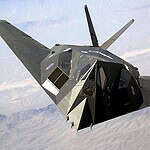
F-117 Nighthawk
- Country of origin: United States
- Era introduced: Cold War
- Primary role: Stealth Attack
- Core design flaw: No air-to-air capability
- Why the flaw mattered on paper: Seen as defenseless
- Operational adaptation or workaround: Night stealth penetration doctrine
- Where it actually succeeded: Panama, Gulf War
- Why the flaw didn't prevent success: Stealth negated defenses
The F-117 lacked speed, maneuverability, and any air-to-air capability. These flaws would normally be fatal. Stealth changed the equation. By operating at night and avoiding detection altogether, the aircraft bypassed traditional survivability requirements. Its success proved that avoiding combat could be more effective than winning it, redefining how airpower could be applied.
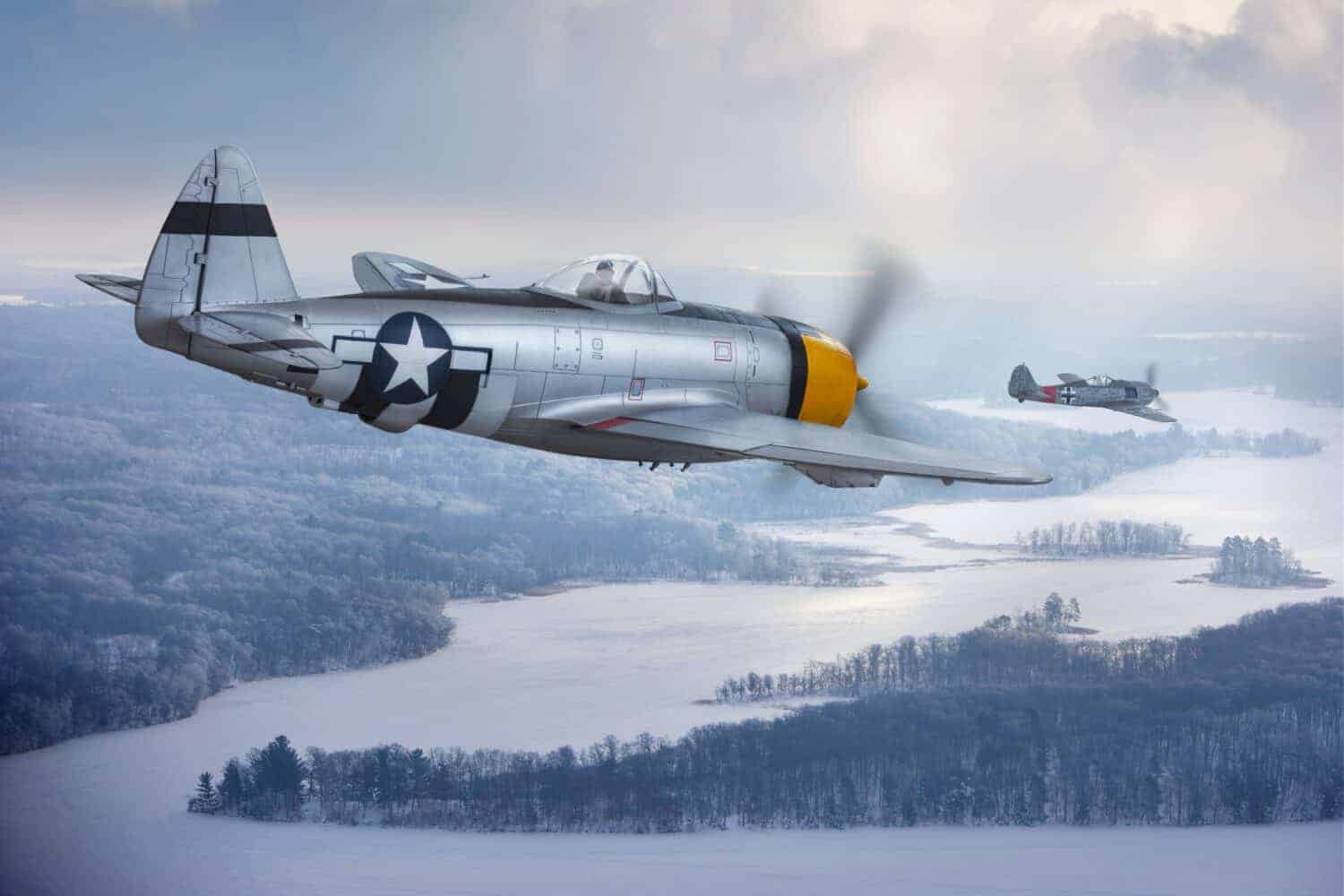
P-47 Thunderbolt
- Country of origin: United States
- Era introduced: WWII
- Primary role: Fighter-Bomber
- Core design flaw: Large and heavy
- Why the flaw mattered on paper: Expected poor dogfighter
- Operational adaptation or workaround: High-altitude escort and ground attack
- Where it actually succeeded: Europe
- Why the flaw didn't prevent success: Durability and power
The P-47 was heavy and less agile than many fighters it faced. Despite this, it thrived by exploiting durability, firepower, and high-altitude performance. Pilots adapted tactics to avoid turning fights, using diving speed and ruggedness instead. Its flaws mattered less because it excelled as a bomber escort and ground-attack aircraft, roles that rewarded toughness over finesse.
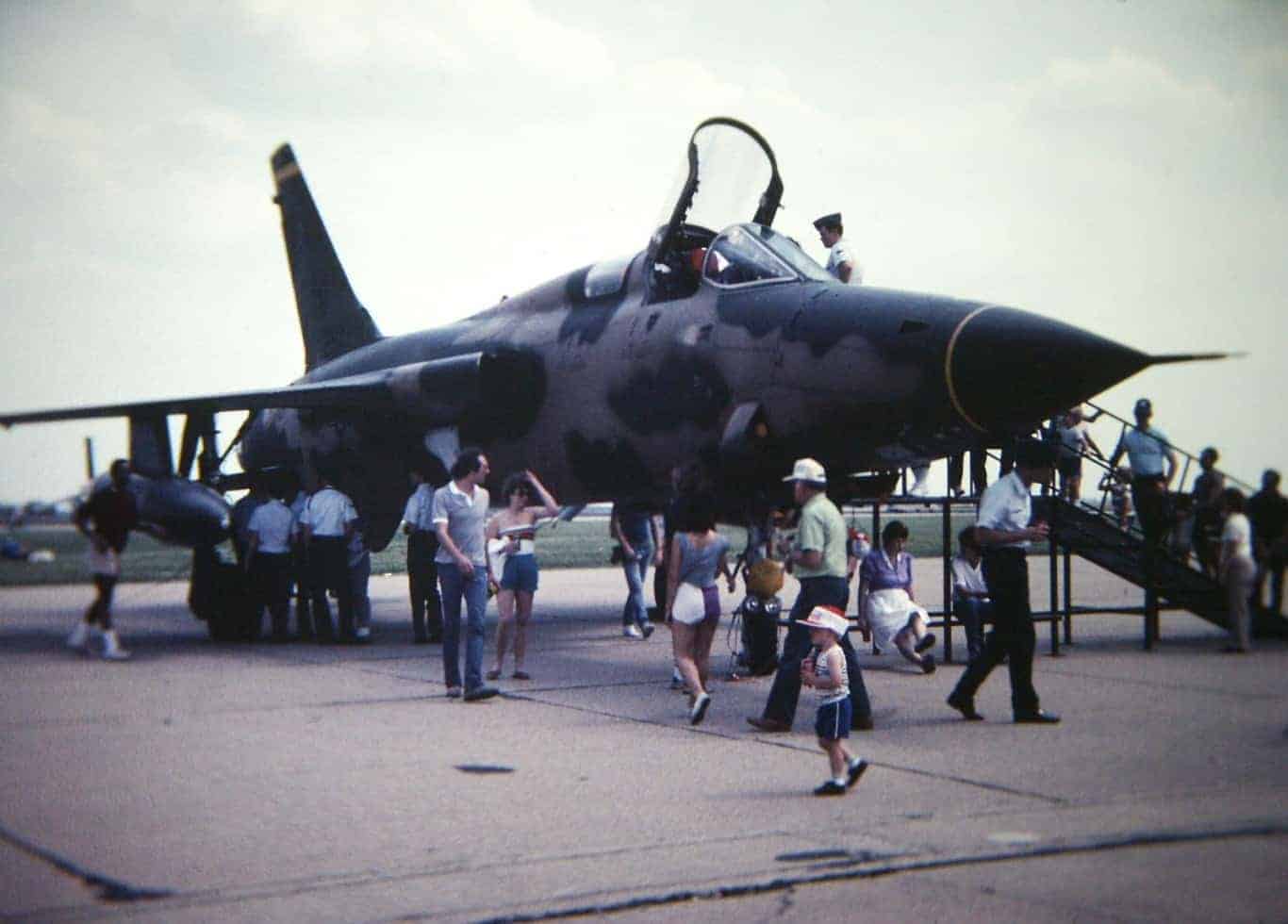
F-105 Thunderchief
- Country of origin: United States
- Era introduced: Cold War
- Primary role: Strike Fighter
- Core design flaw: High fuel consumption
- Why the flaw mattered on paper: Limited range concerns
- Operational adaptation or workaround: Mission planning and refueling
- Where it actually succeeded: Vietnam
- Why the flaw didn't prevent success: Payload effectiveness
The F-105 was large, fuel-hungry, and vulnerable over heavily defended airspace. Yet it became the backbone of early Vietnam strike operations. Its speed, payload, and ability to deliver heavy ordnance compensated for its weaknesses. Mission planning, electronic warfare, and sheer performance allowed it to succeed in a role it was never ideally designed for.
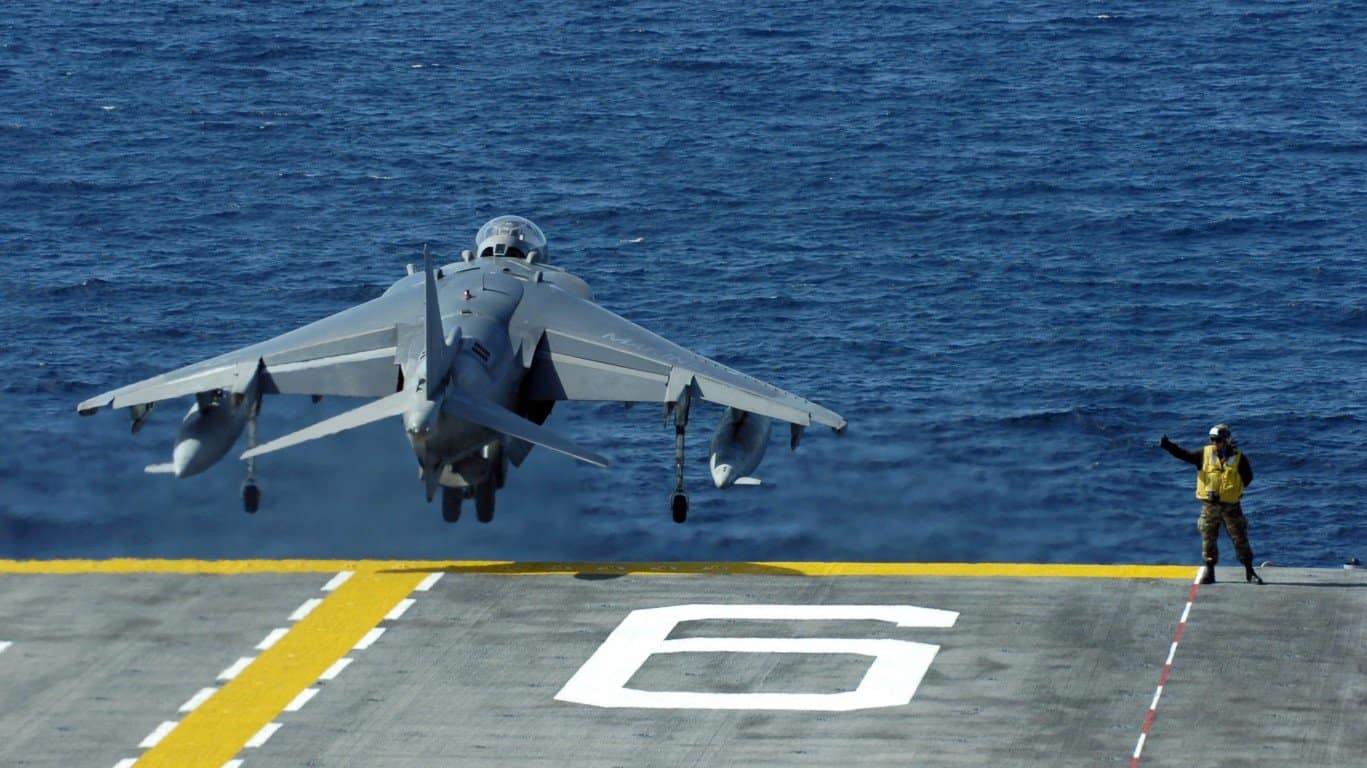
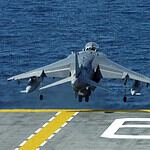
AV-8B Harrier II
- Country of origin: United Kingdom
- Era introduced: Cold War
- Primary role: STOVL Attack
- Core design flaw: Limited payload and range
- Why the flaw mattered on paper: Seen as niche
- Operational adaptation or workaround: Forward basing and close support
- Where it actually succeeded: Falklands, GWOT
- Why the flaw didn't prevent success: Operational flexibility
The Harrier's limited range and payload made it appear impractical. Its vertical and short takeoff capability changed everything. By operating from forward bases and austere locations, it bypassed infrastructure constraints. Its design flaws mattered less because it could be positioned closer to the fight, delivering timely support where conventional aircraft could not.
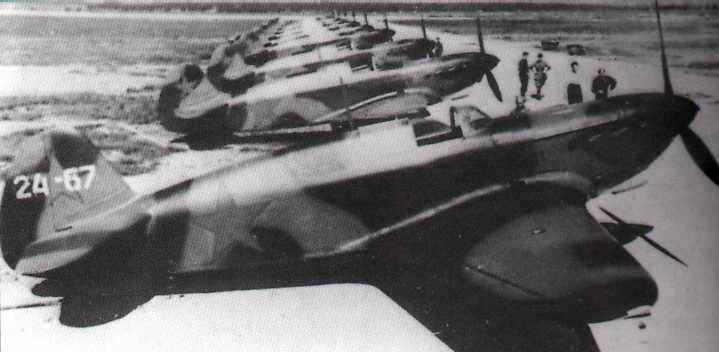
Yak-1
- Country of origin: Soviet Union
- Era introduced: WWII
- Primary role: Fighter
- Core design flaw: Early engine reliability issues
- Why the flaw mattered on paper: Expected high attrition
- Operational adaptation or workaround: Simplified production and tactics
- Where it actually succeeded: Eastern Front
- Why the flaw didn't prevent success: Adequate performance at scale
Early Yak-1 fighters suffered from engine reliability and production inconsistencies. Despite this, they performed well enough in combat to matter. Simplicity, ease of manufacture, and adequate performance allowed them to be fielded quickly and in numbers. In a war of attrition, those traits outweighed technical shortcomings, enabling operational success on the Eastern Front.
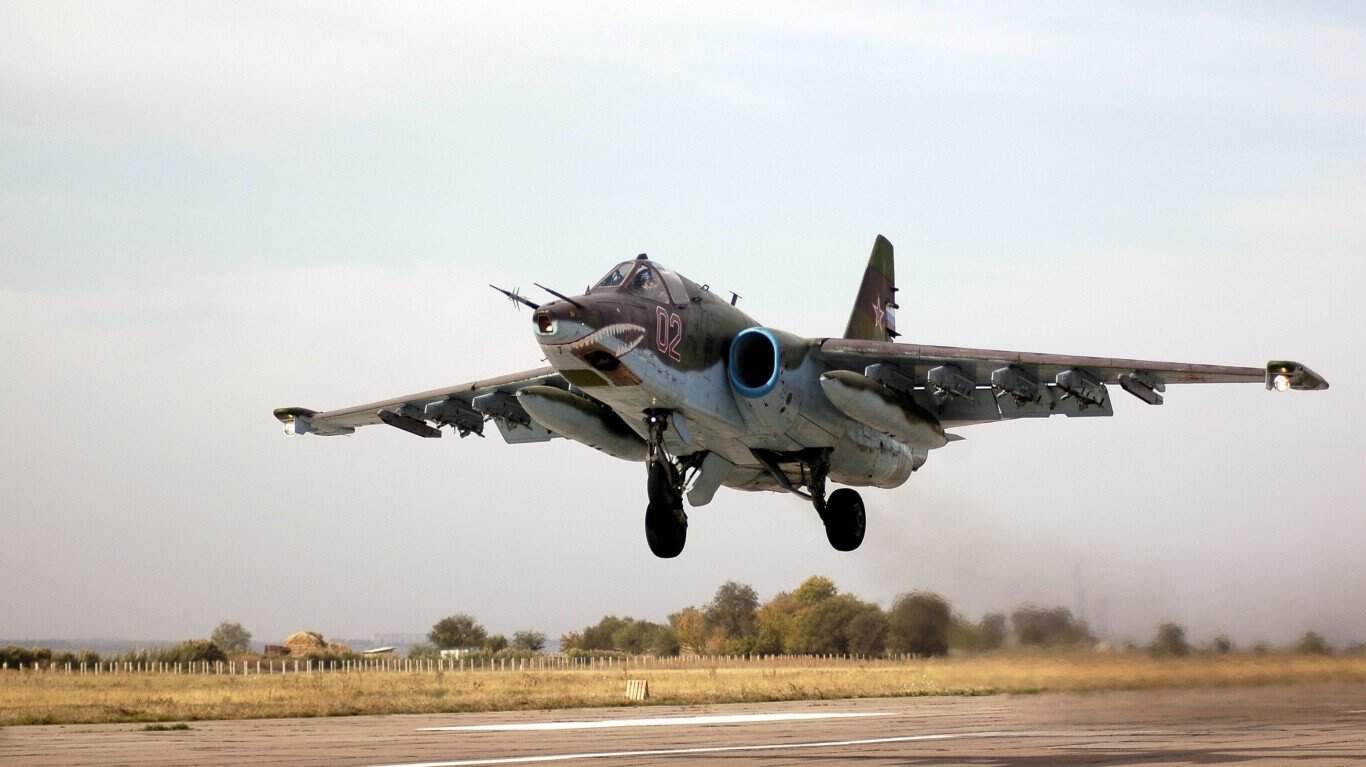
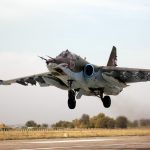
Su-25 Frogfoot
- Country of origin: Soviet Union
- Era introduced: Cold War
- Primary role: Close Air Support
- Core design flaw: Limited speed and avionics
- Why the flaw mattered on paper: Vulnerable to modern threats
- Operational adaptation or workaround: Low-altitude rugged operations
- Where it actually succeeded: Afghanistan
- Why the flaw didn't prevent success: Ruggedness mattered
The Su-25 was slow and lacked sophisticated avionics, making it vulnerable to modern threats. Its rugged construction and focus on low-altitude survivability allowed it to excel in close air support. Designed to absorb punishment, it succeeded where speed was less important than persistence and resilience, particularly in counterinsurgency environments.
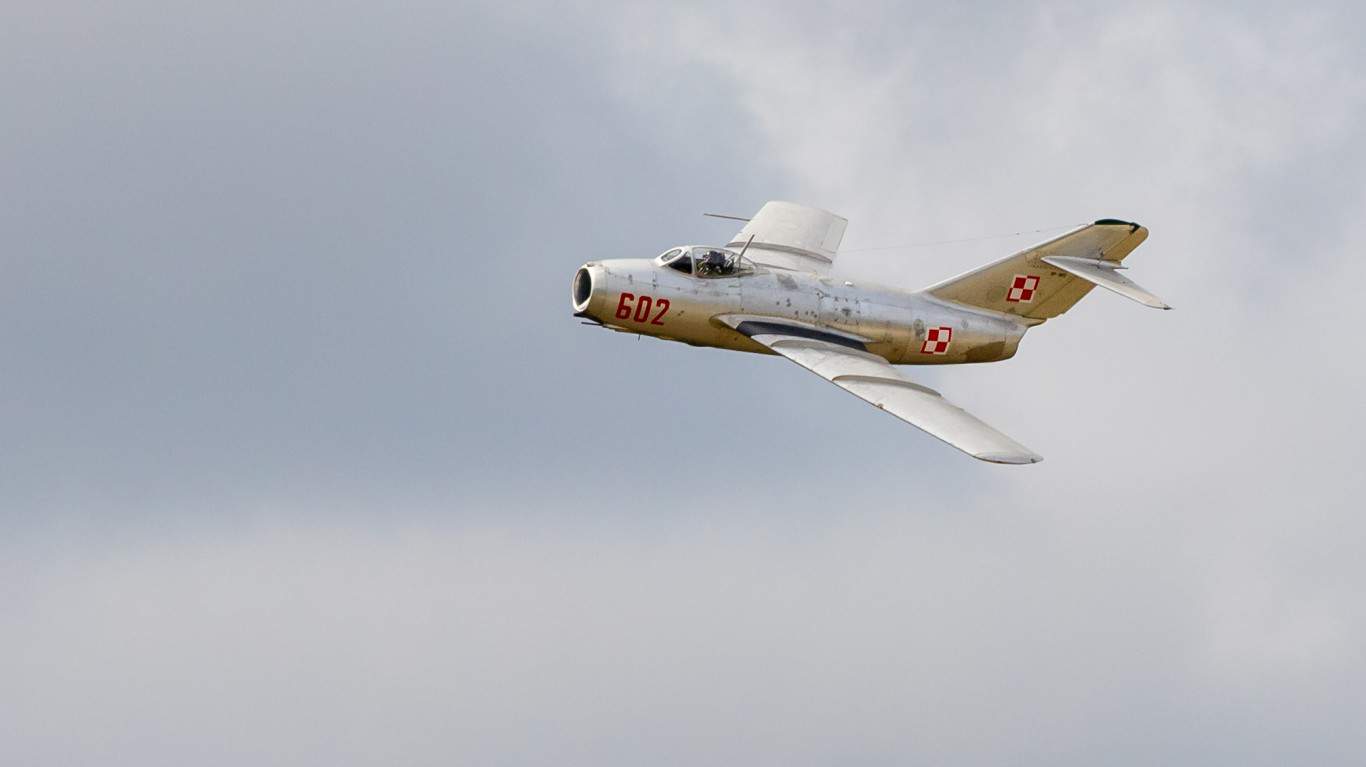
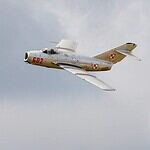
MiG-15
- Country of origin: Soviet Union
- Era introduced: Cold War
- Primary role: Fighter
- Core design flaw: Limited range
- Why the flaw mattered on paper: Expected escort dependency
- Operational adaptation or workaround: High climb and dogfight tactics
- Where it actually succeeded: Korea
- Why the flaw didn't prevent success: Performance advantage
The MiG-15 had limited range and relied heavily on ground control. These flaws were offset by exceptional climb rate and high-altitude performance. In Korea, it thrived by operating near friendly bases and exploiting vertical tactics. Its success showed how performance advantages in specific regimes could outweigh broader operational limitations.
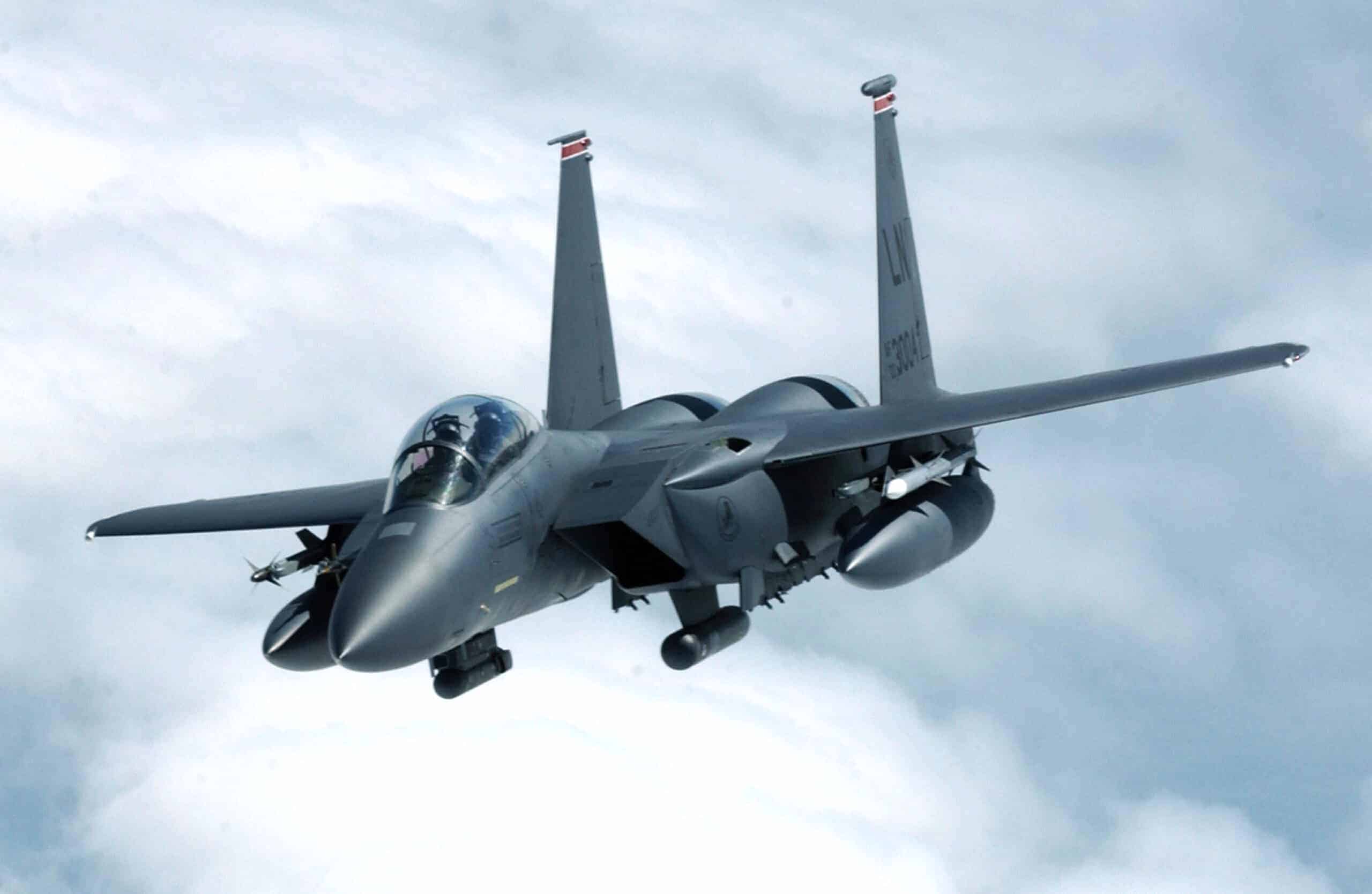
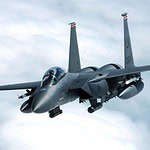
F-15E Strike Eagle
- Country of origin: United States
- Era introduced: Cold War
- Primary role: Strike Fighter
- Core design flaw: High cost and complexity
- Why the flaw mattered on paper: Expected maintenance burden
- Operational adaptation or workaround: Precision strike focus
- Where it actually succeeded: Middle East
- Why the flaw didn't prevent success: Multirole effectiveness
The F-15E was criticized for cost and complexity. Despite this, it excelled because it combined proven airframe performance with precision strike capability. Its flaws mattered less because it could adapt to multiple missions and absorb upgrades. Success came from flexibility and payload rather than simplicity.
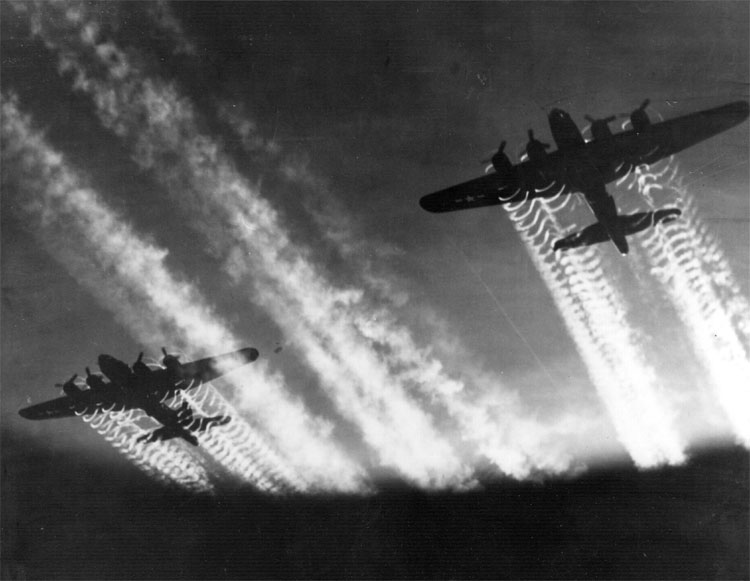
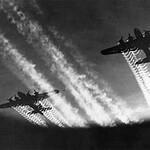
B-17 Flying Fortress
- Country of origin: United States
- Era introduced: WWII
- Primary role: Heavy Bomber
- Core design flaw: Vulnerability to fighters
- Why the flaw mattered on paper: Expected unsustainable losses
- Operational adaptation or workaround: Defensive formations
- Where it actually succeeded: Europe
- Why the flaw didn't prevent success: Massed firepower
The B-17 was vulnerable to fighters and flak despite its defensive guns. Early losses suggested the concept was flawed. Formation flying, escort fighters, and sheer numbers allowed it to succeed. Its design flaws were mitigated by doctrine and mass, enabling sustained strategic bombing campaigns.
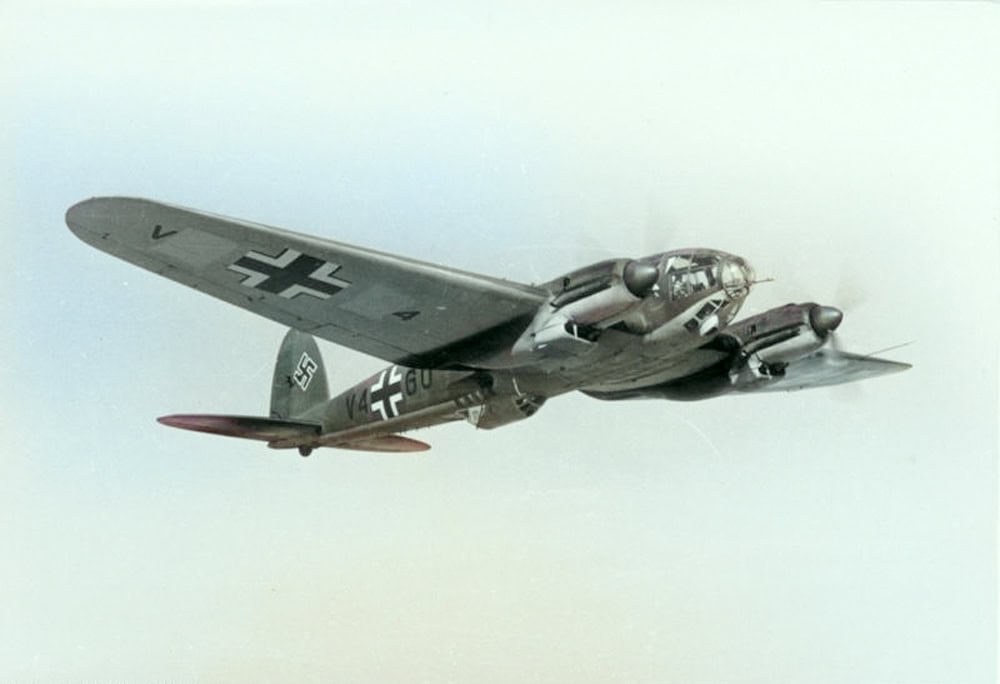
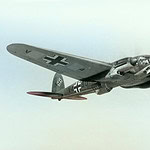
Heinkel He 111
- Country of origin: Germany
- Era introduced: WWII
- Primary role: Medium Bomber
- Core design flaw: Limited defensive armament
- Why the flaw mattered on paper: Vulnerable to interception
- Operational adaptation or workaround: Night bombing and numbers
- Where it actually succeeded: Europe
- Why the flaw didn't prevent success: Doctrine adaptation
The He 111 lacked strong defensive armament and was slow by later standards. Germany adapted by shifting tactics, including night bombing. In that context, its flaws mattered less. It succeeded because doctrine changed to fit the aircraft, not the other way around.
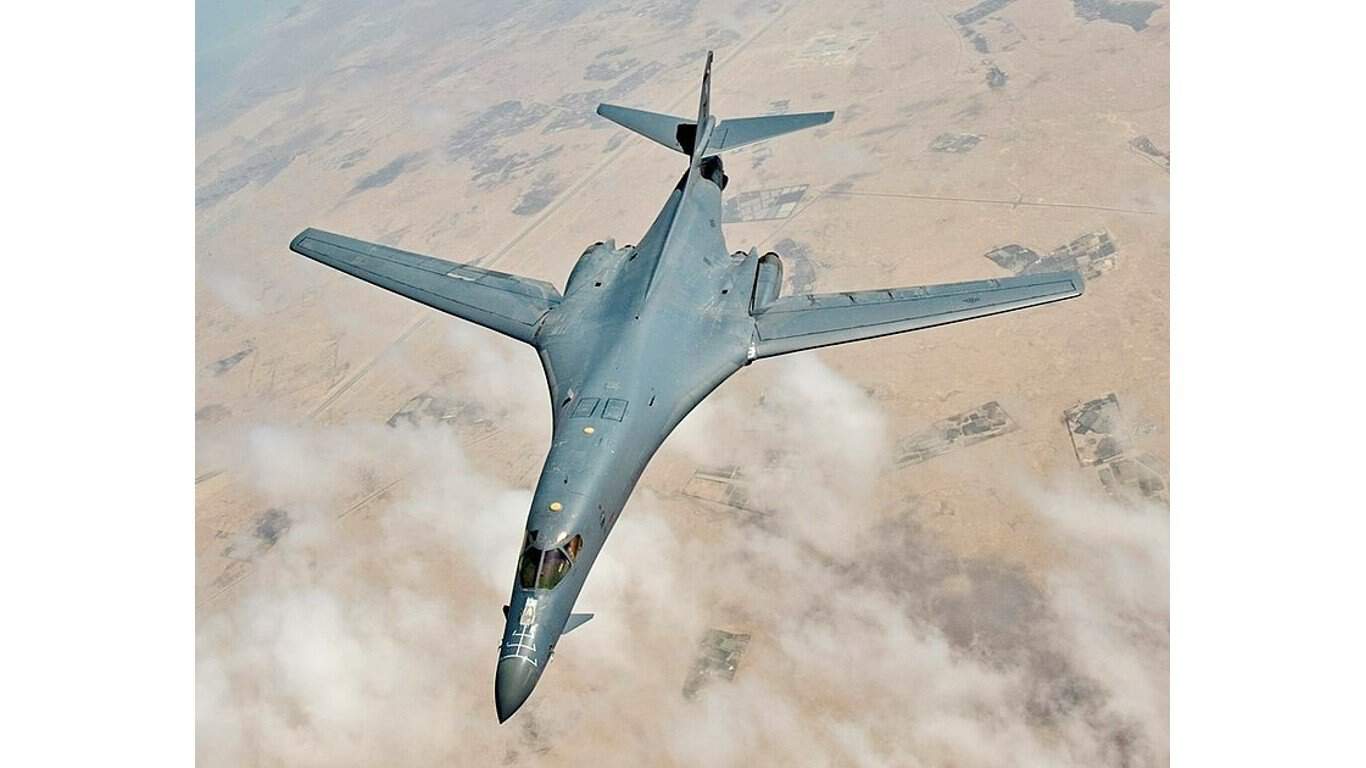
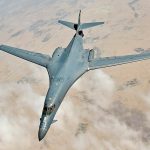
B-1B Lancer
- Country of origin: United States
- Era introduced: Cold War
- Primary role: Strategic Bomber
- Core design flaw: Complex maintenance
- Why the flaw mattered on paper: High sustainment cost
- Operational adaptation or workaround: Reduced nuclear role, conventional strikes
- Where it actually succeeded: Middle East
- Why the flaw didn't prevent success: Speed and payload
The B-1B was expensive and maintenance-heavy, raising doubts about its viability. Its speed, payload, and adaptability allowed it to succeed in conventional strike roles after the Cold War. Once freed from its original nuclear mission, its flaws became manageable and its strengths more relevant.
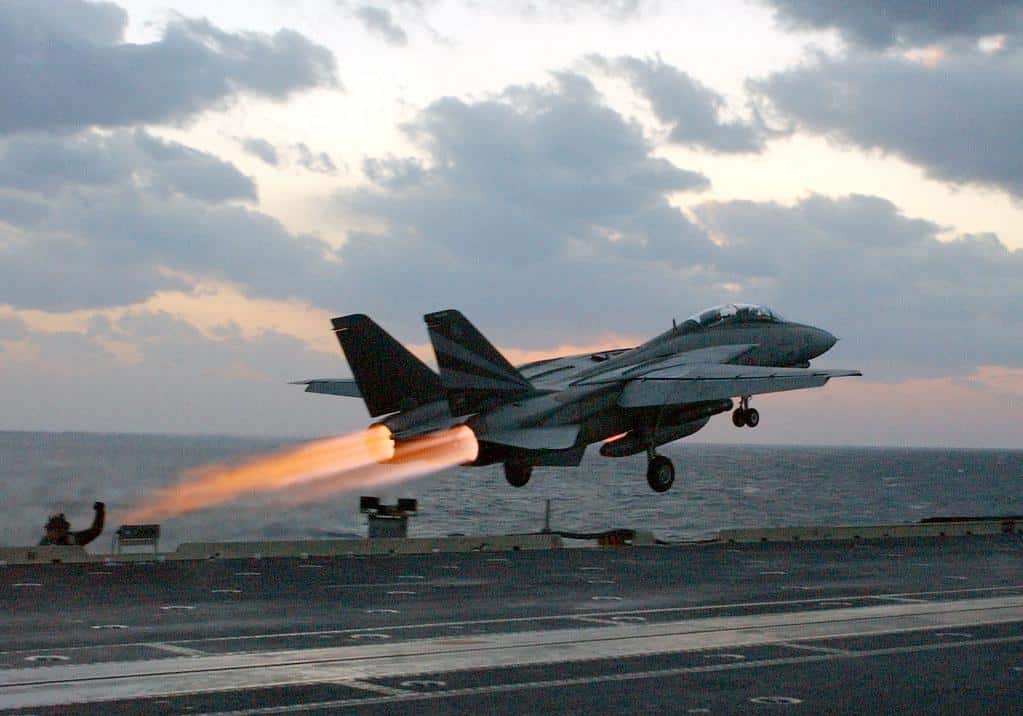
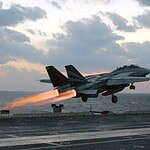
F-14 Tomcat
- Country of origin: United States
- Era introduced: Cold War
- Primary role: Interceptor
- Core design flaw: Maintenance-heavy swing wings
- Why the flaw mattered on paper: Reliability concerns
- Operational adaptation or workaround: Fleet defense specialization
- Where it actually succeeded: Cold War
- Why the flaw didn't prevent success: Unique mission fit
The F-14 was complex and costly to maintain. Its flaws were real. However, its unmatched radar and long-range missiles made it ideal for fleet defense. When used for that mission, the aircraft excelled. Its success came from specialization rather than efficiency.
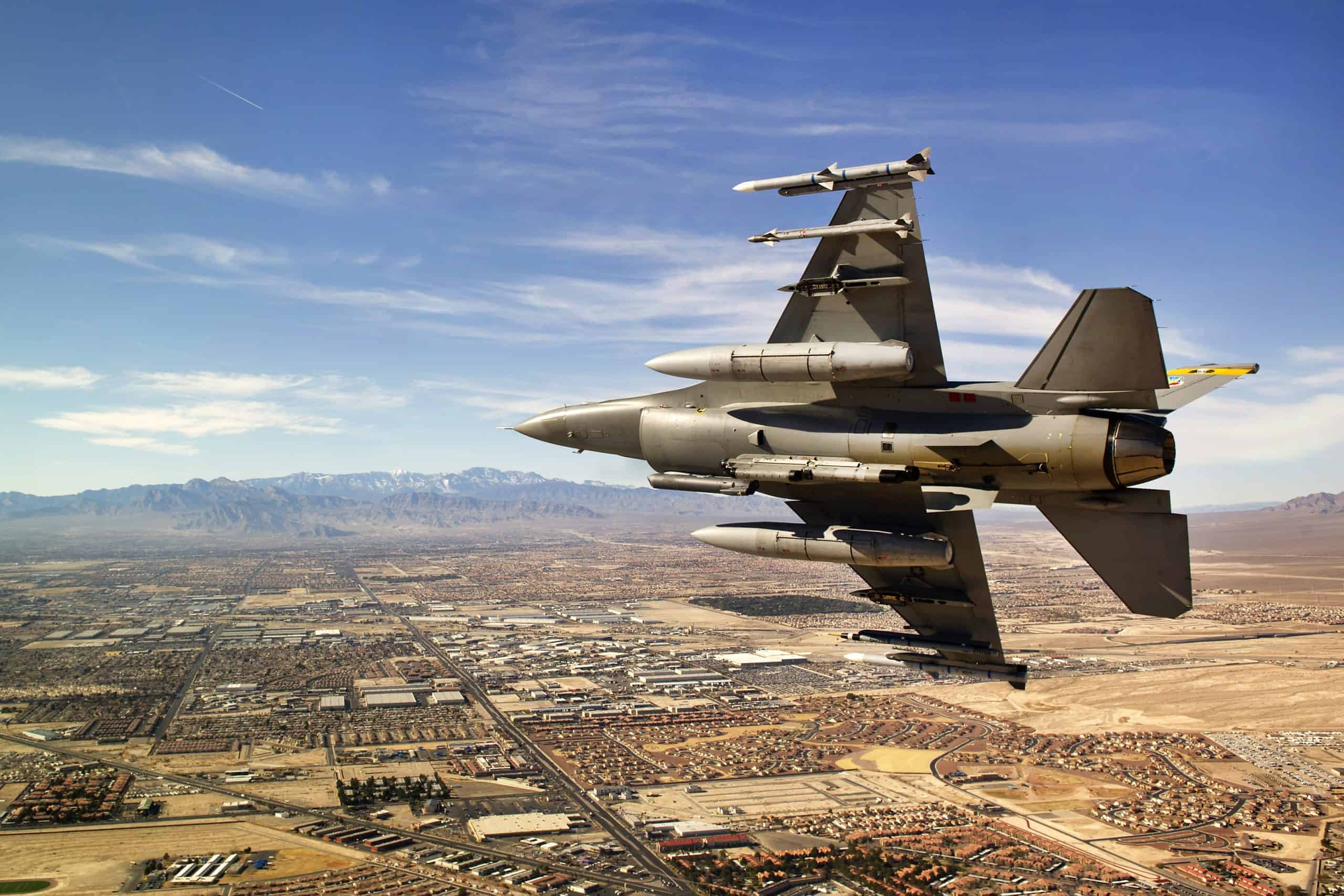
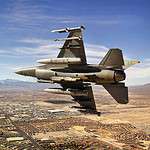
F-16 Fighting Falcon (early variants)
- Country of origin: United States
- Era introduced: Cold War
- Primary role: Multirole Fighter
- Core design flaw: Limited range and payload early
- Why the flaw mattered on paper: Questioned combat value
- Operational adaptation or workaround: Continuous upgrades
- Where it actually succeeded: Cold War, GWOT
- Why the flaw didn't prevent success: Upgrade path
Early F-16s had limited range and payload, raising questions about combat value. Continuous upgrades transformed it into a multirole workhorse. Its aerodynamic excellence provided a foundation that allowed flaws to be mitigated over time, enabling long-term success.
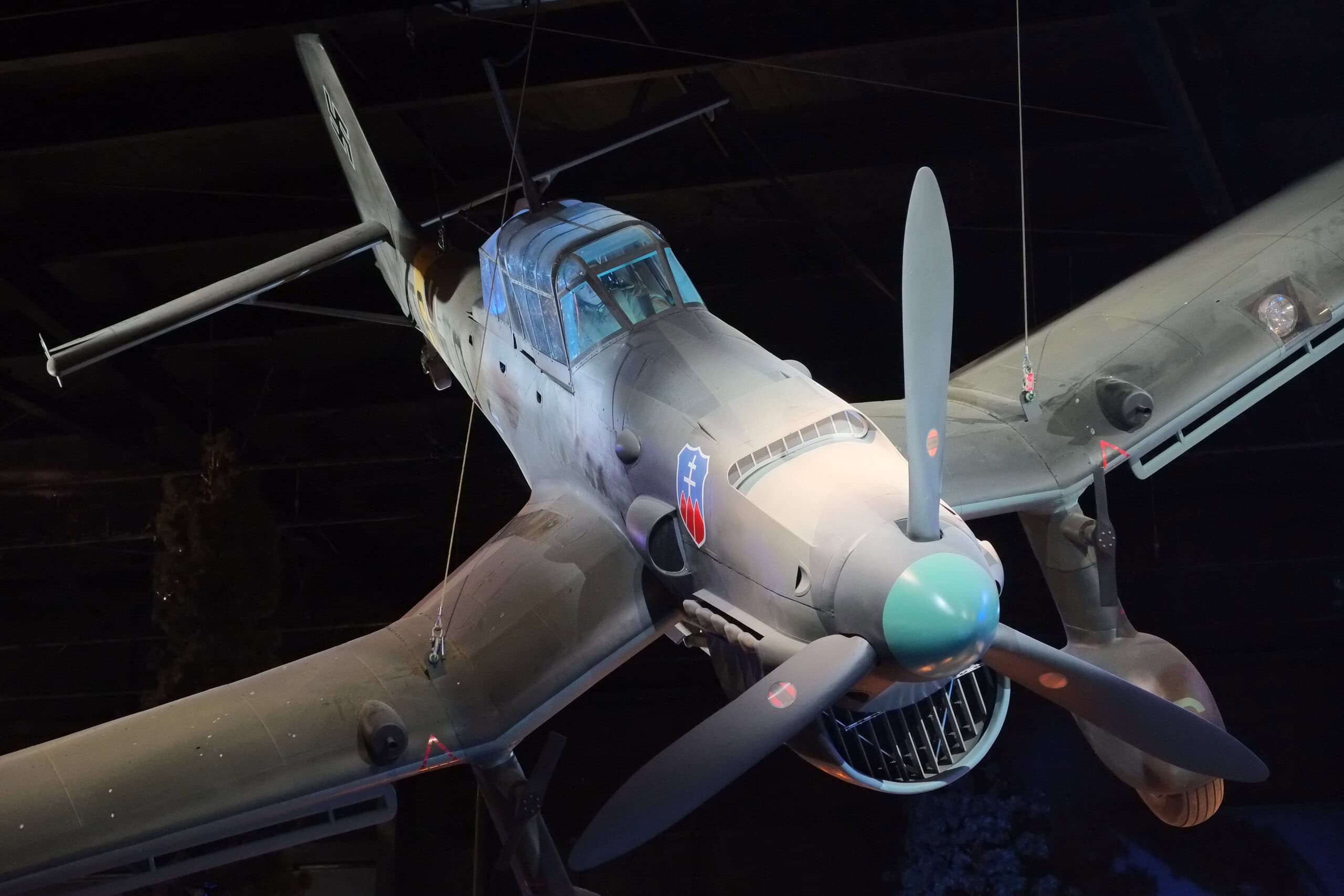
Ju 87 Stuka
- Country of origin: Germany
- Era introduced: WWII
- Primary role: Dive Bomber
- Core design flaw: Extreme vulnerability to fighters
- Why the flaw mattered on paper: Obsolete in contested airspace
- Operational adaptation or workaround: Early-war air superiority
- Where it actually succeeded: Poland, France
- Why the flaw didn't prevent success: Context mattered
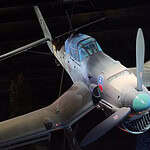
The Stuka was slow and extremely vulnerable to fighters. It succeeded early in the war because it operated under friendly air superiority. In that context, its precision and psychological impact outweighed its weaknesses. Once conditions changed, its flaws became fatal.
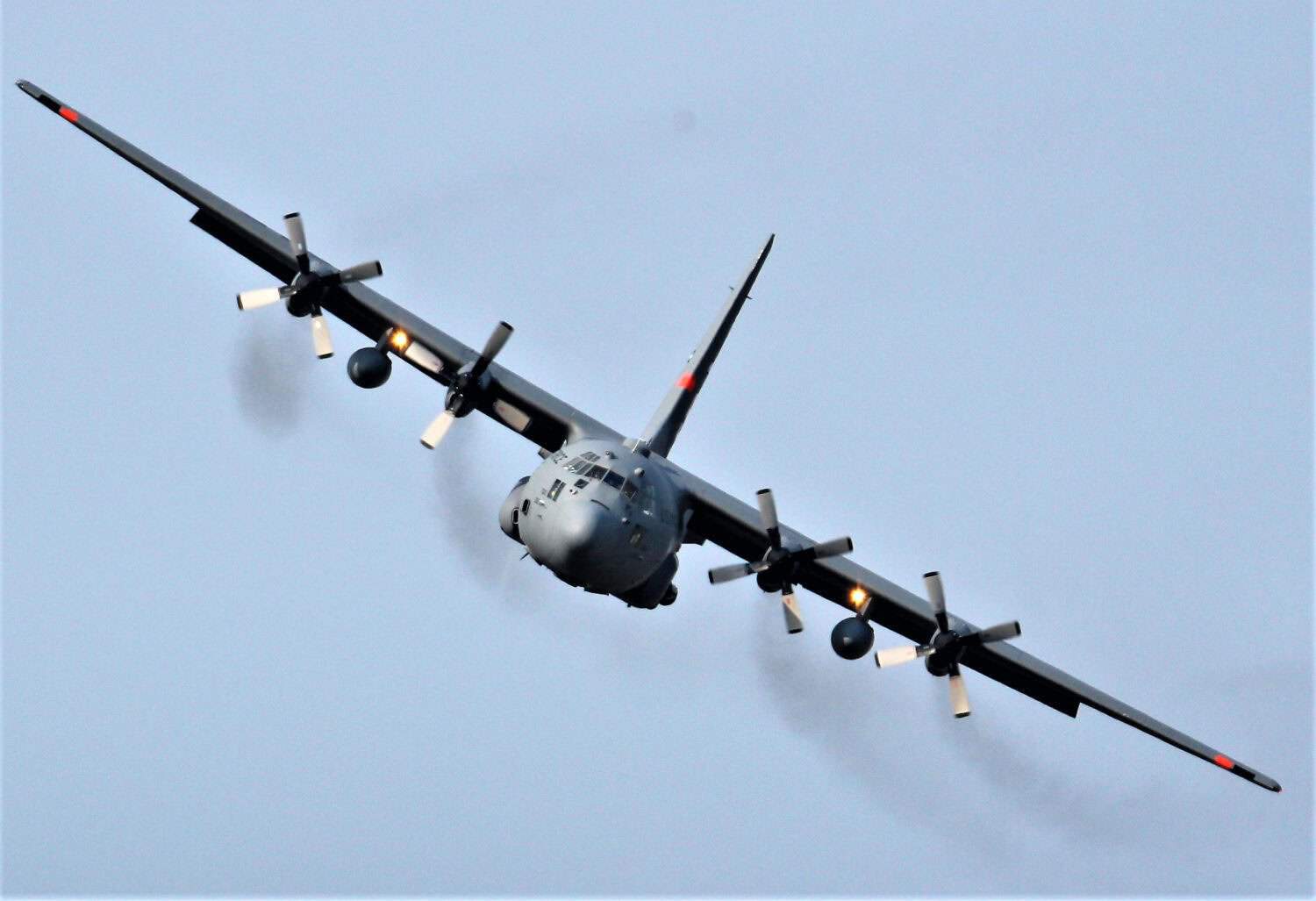
C-130 Hercules
- Country of origin: United States
- Era introduced: Cold War
- Primary role: Transport
- Core design flaw: Slow and unarmed
- Why the flaw mattered on paper: Vulnerable to attack
- Operational adaptation or workaround: Tactical airlift doctrine
- Where it actually succeeded: Global operations
- Why the flaw didn't prevent success: Reliability
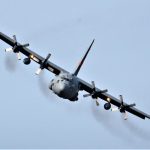
The C-130 is slow and unarmed, making it vulnerable in contested airspace. Its success lies in reliability, flexibility, and unmatched utility. By operating where fighters are absent or airspace is controlled, its flaws rarely matter. Few aircraft have proven more operationally indispensable.
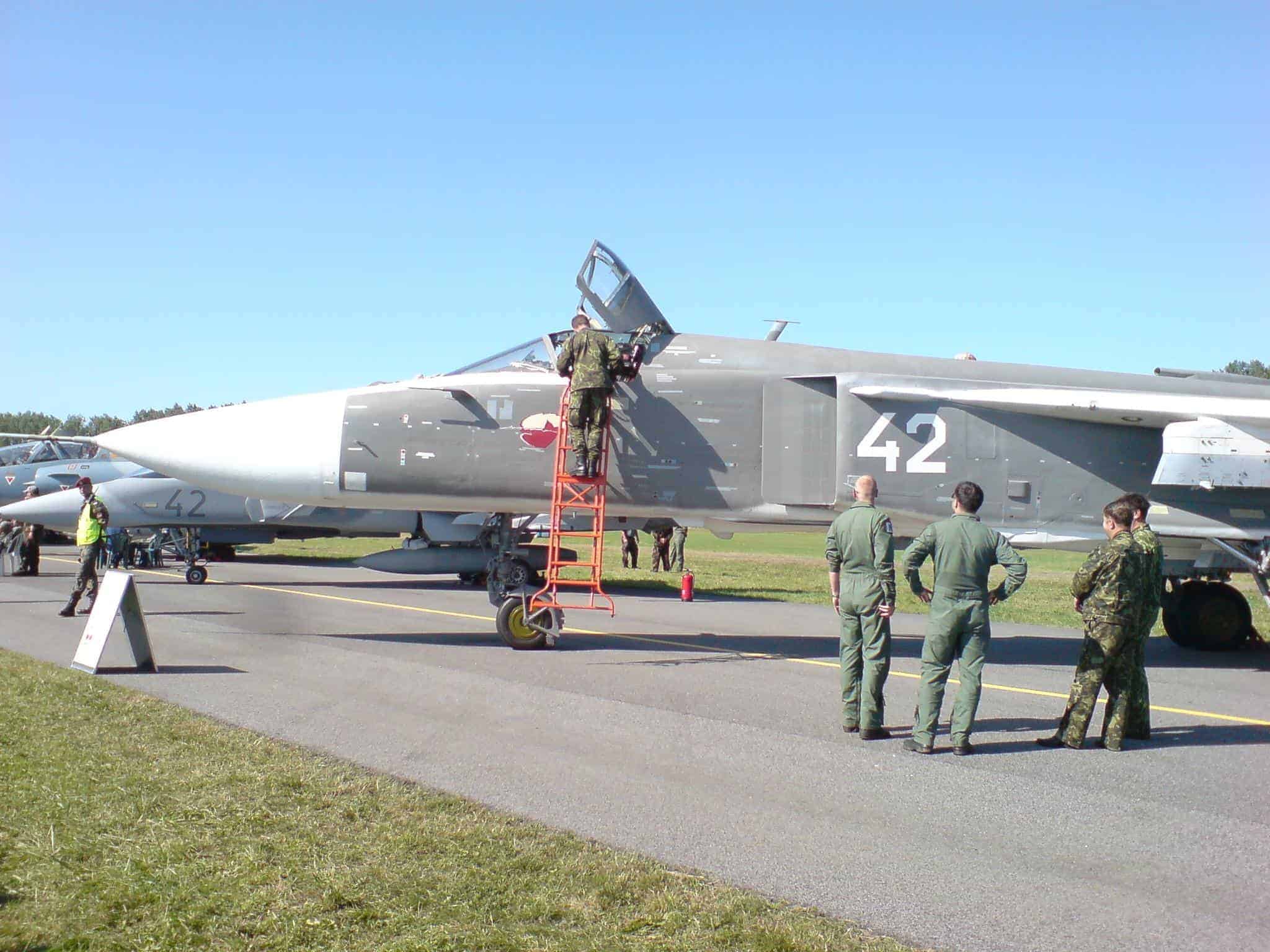
MiG-23 Flogger
- Country of origin: Soviet Union
- Era introduced: Cold War
- Primary role: Fighter
- Core design flaw: Poor handling and avionics
- Why the flaw mattered on paper: Inferior to rivals
- Operational adaptation or workaround: Doctrine and pilot training
- Where it actually succeeded: Middle East
- Why the flaw didn't prevent success: Export adaptability
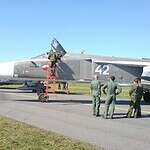
The MiG-23 suffered from poor handling and complex systems. Despite this, it found success through export, adaptation, and doctrine. Operated within its limits, it provided capable interception and strike capability, especially for air forces upgrading from older platforms.
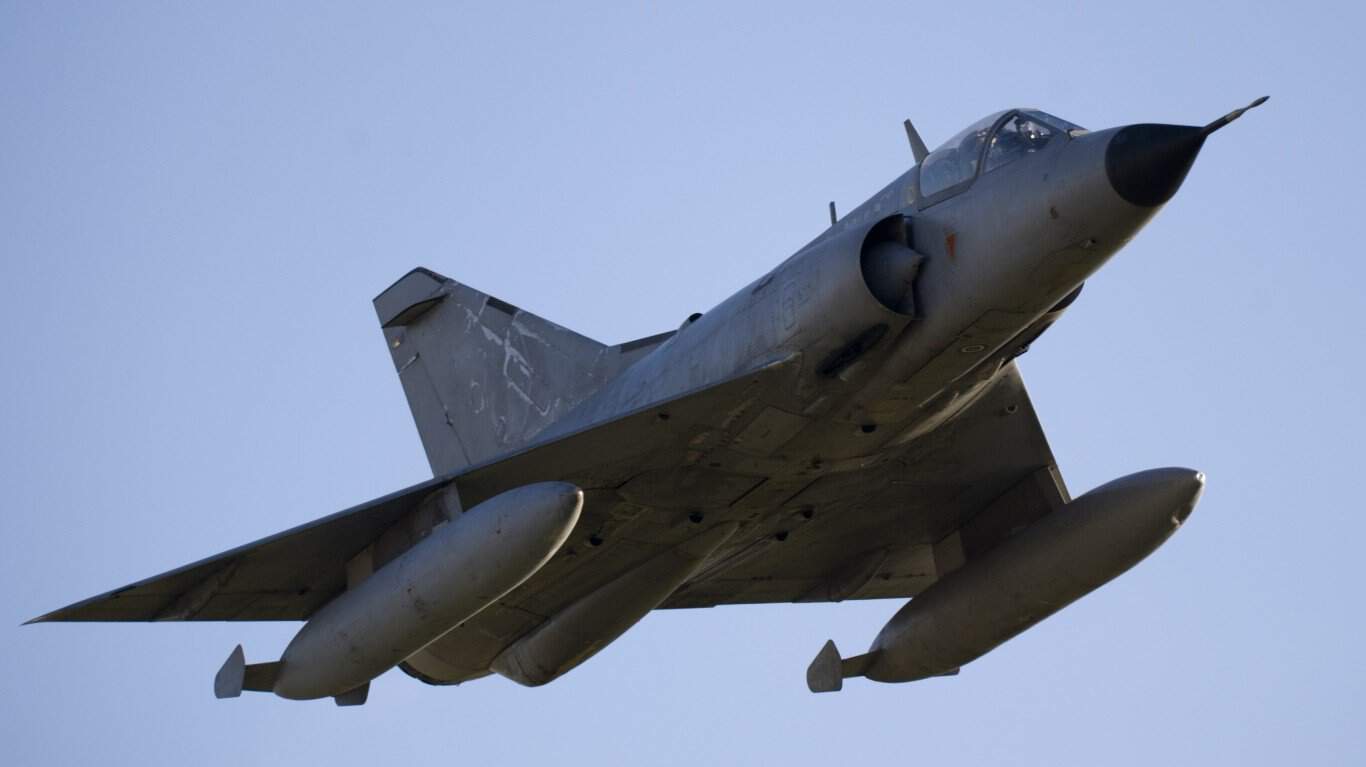
Mirage III
- Country of origin: France
- Era introduced: Cold War
- Primary role: Interceptor
- Core design flaw: Limited multirole ability
- Why the flaw mattered on paper: Narrow mission
- Operational adaptation or workaround: Point-defense focus
- Where it actually succeeded: Middle East
- Why the flaw didn't prevent success: Speed and climb
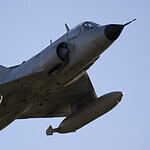
The Mirage III was optimized for interception, limiting multirole flexibility. Its speed, climb, and simplicity allowed it to excel in air-to-air combat. In conflicts where those attributes mattered most, its narrow focus became an advantage rather than a liability.
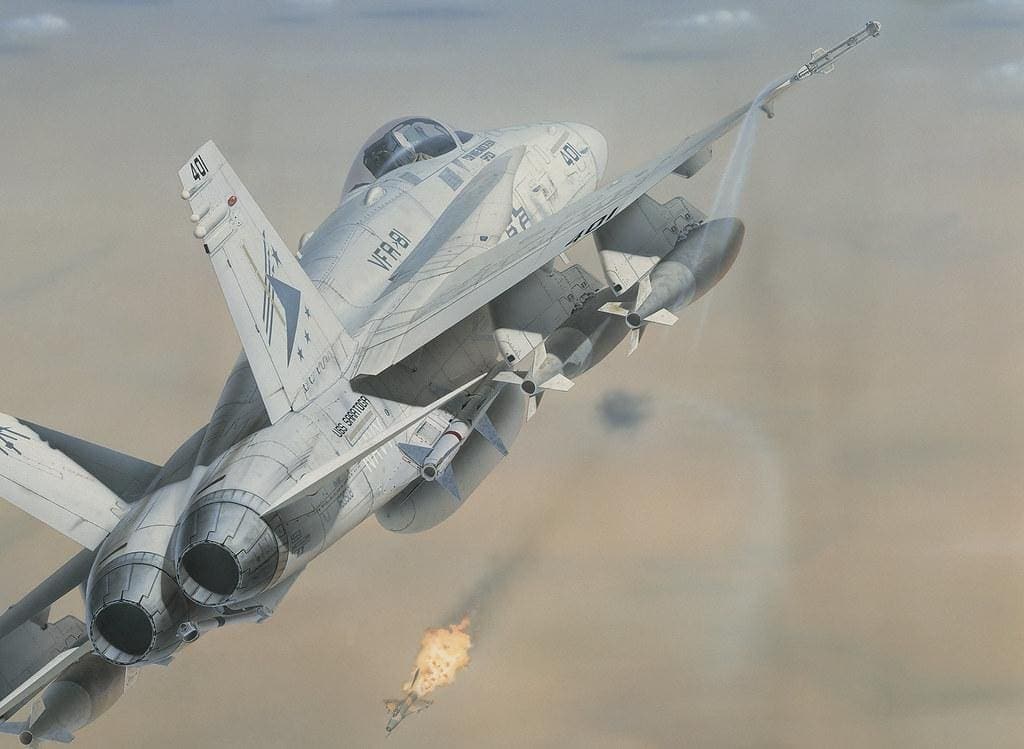
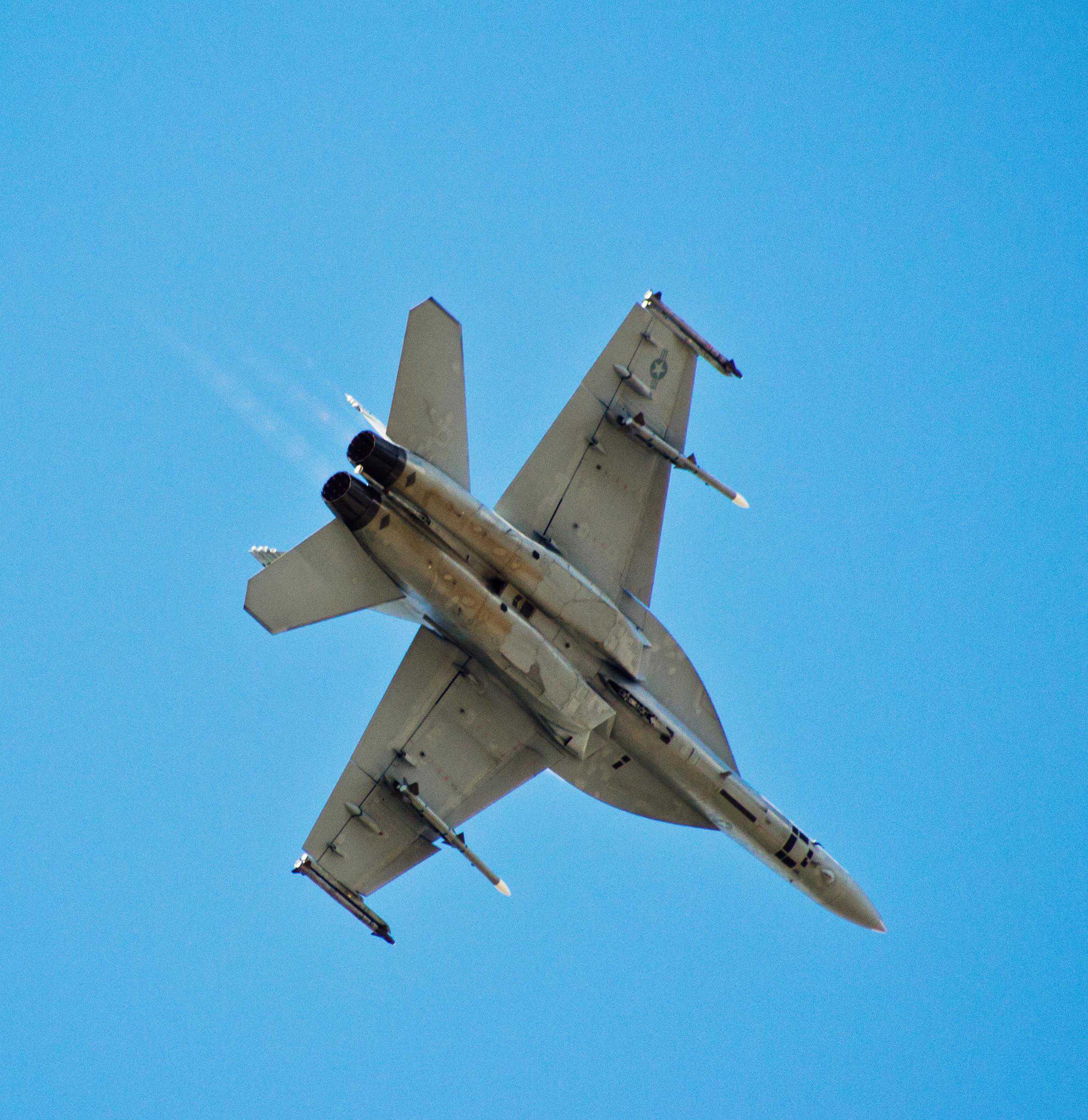
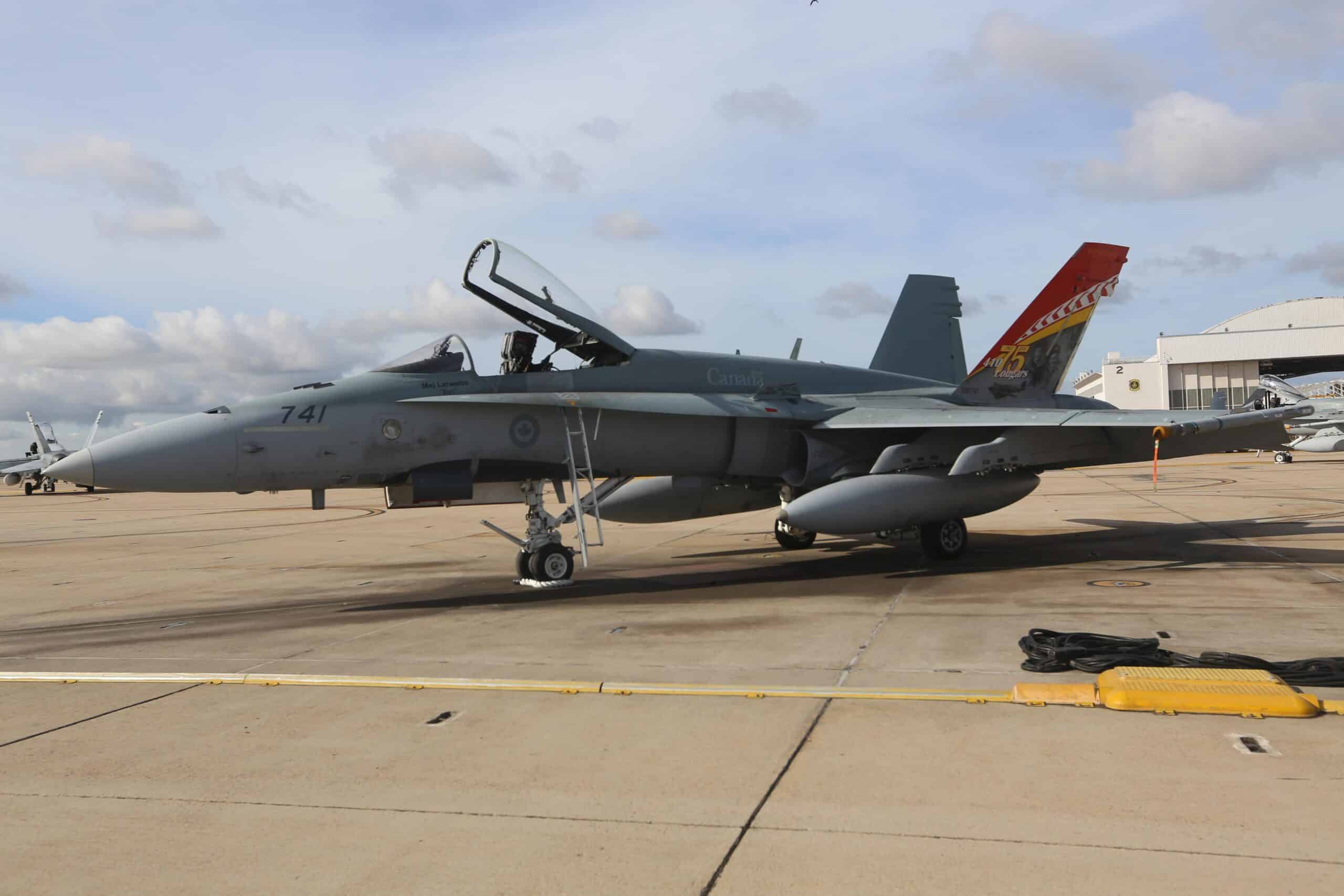
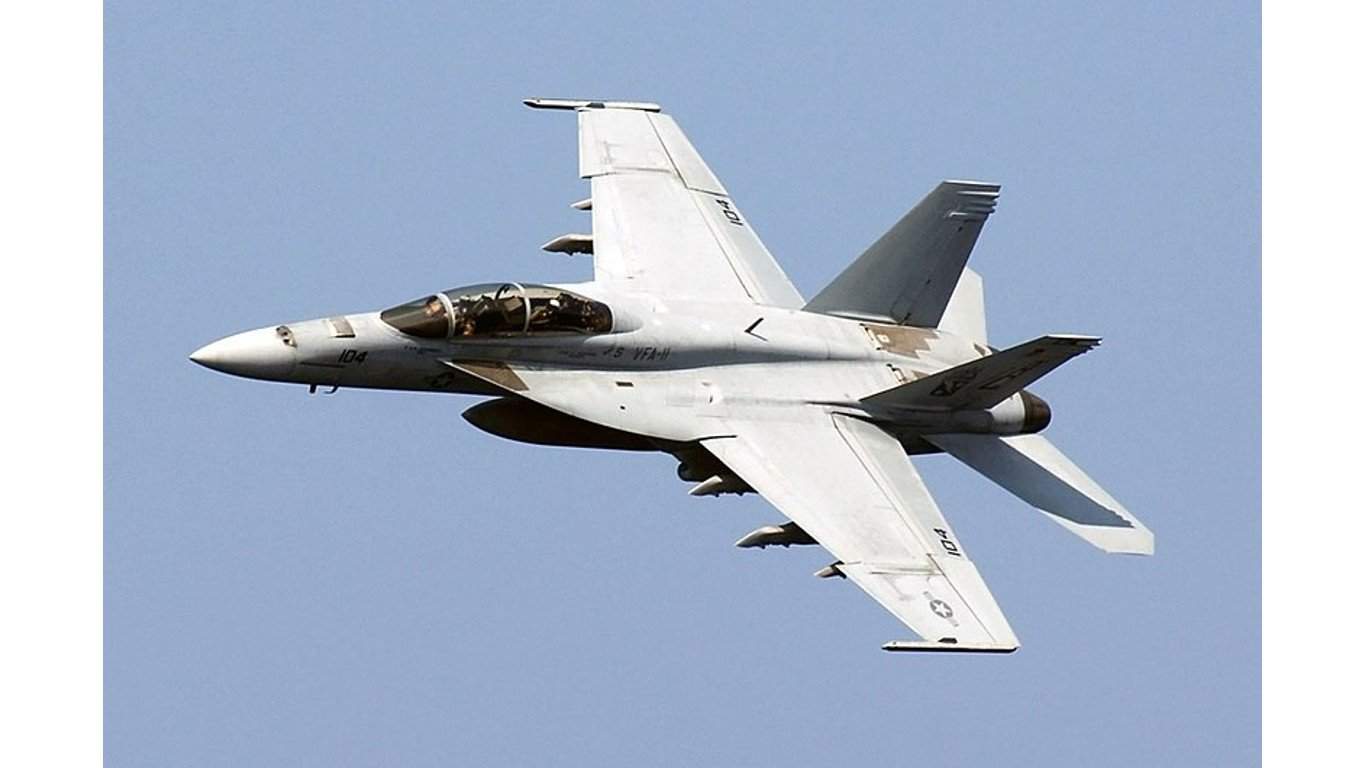
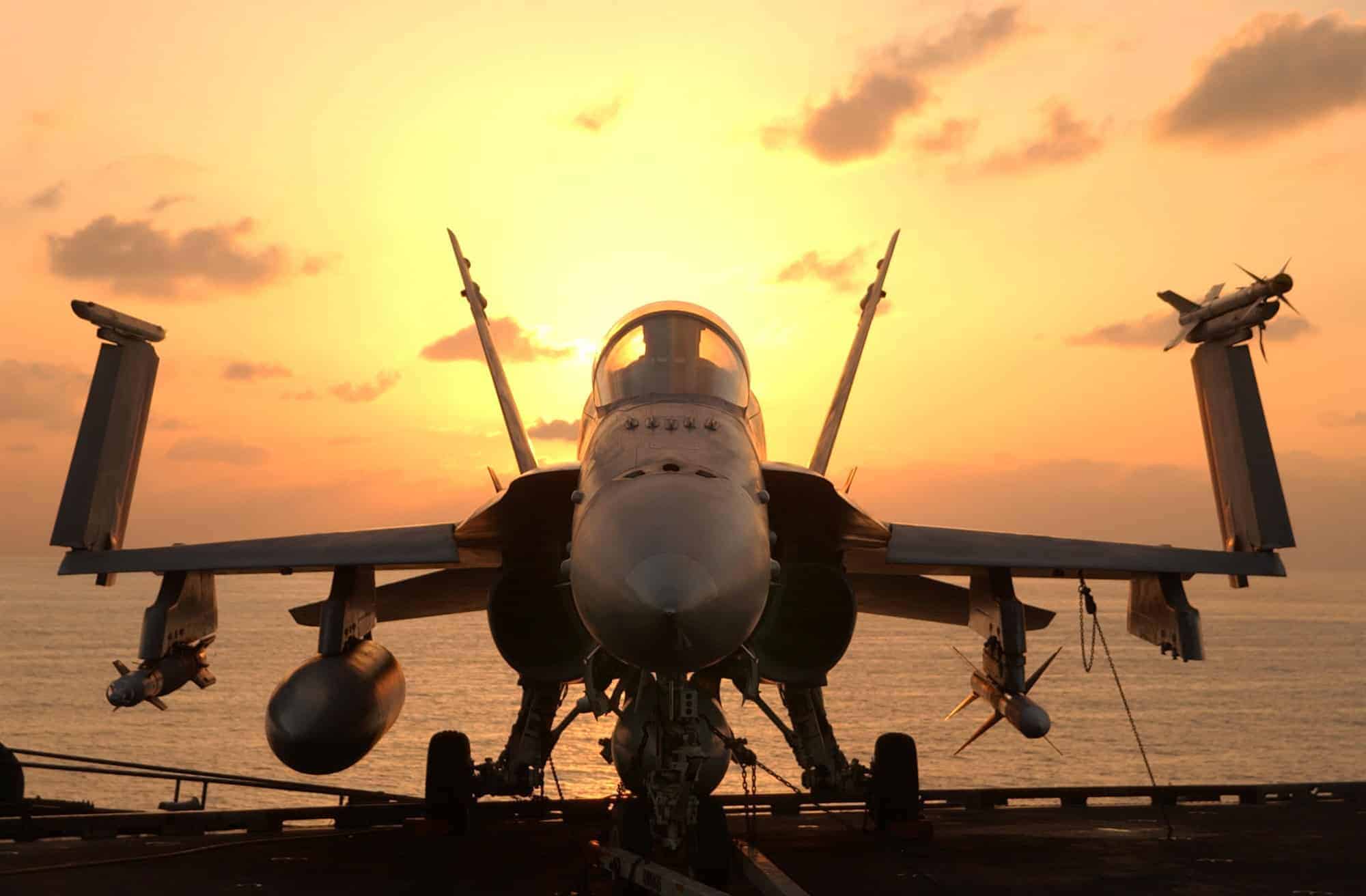
F/A-18 Hornet (early models)
011218-N-9769P-047 At sea aboard USS John C. Stennis, December 18, 2001 - After an early morning round of flight operations, an F/A-18 Hornet awaits the next round of combat flight operations aboard the USS John C. Stennis (CVN 74). Stennis and her embarked Carrier Air Wing Nine (CVW-9) are supporting Operation Enduring Freedom. U.S. Navy photo by Photographers Mate 3rd Class Jayme Pastoric
- Country of origin: United States
- Era introduced: Cold War
- Primary role: Multirole Fighter
- Core design flaw: Early avionics limitations
- Why the flaw mattered on paper: Questioned beyond visual range
- Operational adaptation or workaround: Incremental upgrades
- Where it actually succeeded: Cold War, GWOT
- Why the flaw didn't prevent success: Balanced design
Early Hornets had limited range and payload. However, their reliability, handling, and carrier suitability made them highly effective. As missions evolved, incremental upgrades mitigated early flaws, allowing the aircraft to succeed as a balanced, adaptable multirole platform.
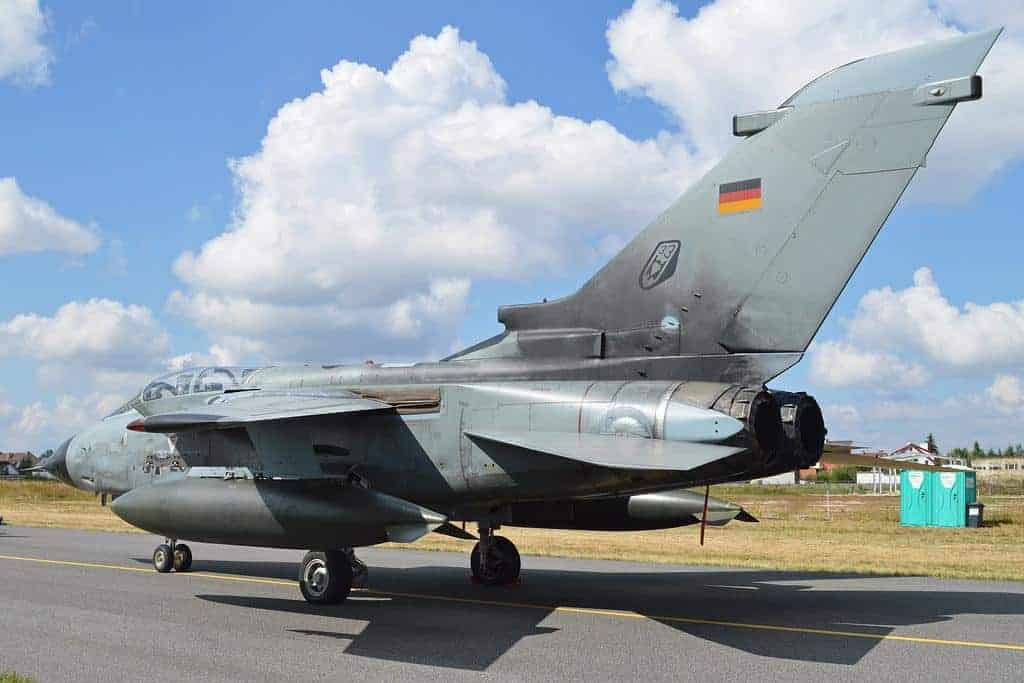
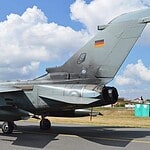
Tornado IDS
- Country of origin: UK/Germany/Italy
- Era introduced: Cold War
- Primary role: Strike Aircraft
- Core design flaw: Low-level penetration risk
- Why the flaw mattered on paper: High attrition expected
- Operational adaptation or workaround: Terrain-following tactics
- Where it actually succeeded: Europe
- Why the flaw didn't prevent success: Specialized role
The Tornado's low-level penetration role exposed it to extreme risk. Its success came from specialization. Terrain-following radar and doctrine allowed it to survive in a narrow but critical mission. The aircraft worked because it was used exactly as intended.
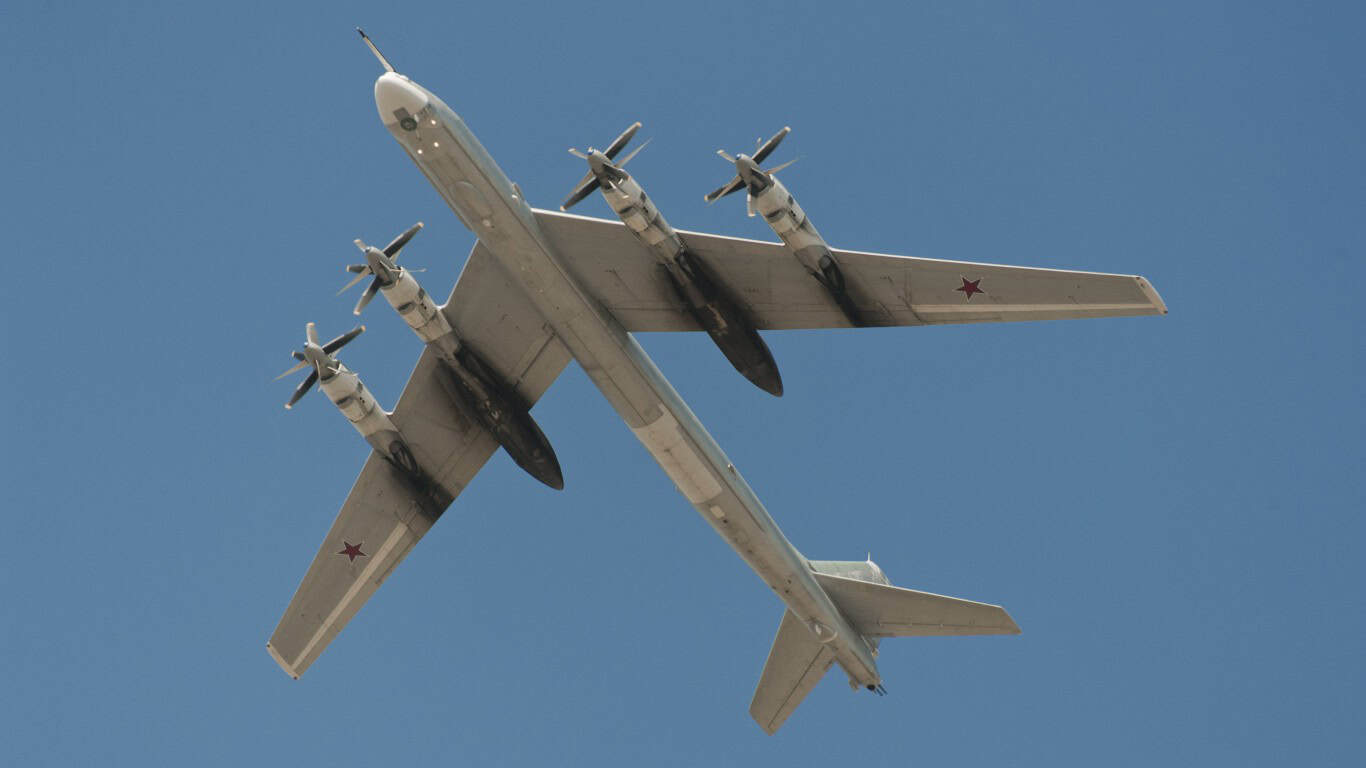
Tu-95 Bear
- Country of origin: Soviet Union
- Era introduced: Cold War
- Primary role: Strategic Bomber
- Core design flaw: Aging design
- Why the flaw mattered on paper: Expected obsolescence
- Operational adaptation or workaround: Continuous upgrades
- Where it actually succeeded: Cold War deterrence
- Why the flaw didn't prevent success: Endurance
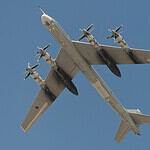
The Tu-95's propeller design seemed outdated even when introduced. Its efficiency and range proved invaluable. Continuous upgrades kept it relevant. Its success shows how endurance and adaptability can outweigh seemingly archaic design choices.
The image featured at the top of this post is ©Dan Thornberg / Shutterstock.com – License / Original