







What Iran’s Air Force Looked Like Before Operation Epic Fury
Before Operation Epic Fury, Iran maintained one of the more capable militaries in the Middle East, with an air force shaped by decades of political upheaval, sanctions, and shifting alliances. Much of its fleet dated back to the 1970s, when Iran was a major buyer of American aircraft such as the F-14 Tomcat. Over time, Iran supplemented these aging U.S.-built jets with aircraft from Russia and other suppliers, creating a mixed fleet that combined technology from several countries and generations.
This patchwork force reflected both Iran’s efforts to maintain air power under heavy sanctions and the logistical challenges of keeping older aircraft operational. Following the American and Israeli bombing campaign known as Operation Epic Fury, much of this air capability was severely damaged. While some aircraft may still remain in Iran’s inventory, the infrastructure required to maintain and deploy them has likely been significantly disrupted. In this article, History Computer takes a closer look at what Iran’s Air Force looked like before the operation began.
To identify every Iranian combat aircraft in service prior to Operation Epic Fury, History Computer reviewed the 2026 World Air Forces report from FlightGlobal, an aviation and aerospace industry publication. Aircraft are ordered by the number currently in active service. Additional data includes aircraft type, top speed, primary armament, and the Iranian military branch responsible for operating each platform.
What Makes This Important?
Understanding what Iran's air force looked like before Operation Epic Fury provides important context for how the conflict unfolded. For decades, Iran maintained one of the most unusual military aviation fleets in the world, combining American aircraft purchased before the 1979 revolution with later Soviet and Russian fighters and a handful of aircraft inherited from Iraq. Because international sanctions limited Iran's ability to acquire modern jets, many of these aircraft remained in service far longer than originally intended. Examining this fleet offers a clearer picture of the capabilities—and limitations—that shaped Iran's air power at the start of the operation.
A Patchwork Air Force Built Over Decades
Iran's air force before Operation Epic Fury was unlike almost any other in the world. Over decades, the country assembled a fleet made up of American aircraft purchased before the 1979 revolution, Soviet and Russian fighters acquired later, and even aircraft that once belonged to Iraq. The result was a highly unusual mix of Western and Eastern technology that reflected Iran's turbulent geopolitical history.
Legacy of the Shah's Military Build-Up
During the 1960s and 1970s, Iran was one of the United States' largest military customers. Advanced aircraft such as the F-14 Tomcat, F-4 Phantom II, and F-5 Tiger II were delivered as part of an ambitious effort to build one of the strongest air forces in the Middle East. Even decades after the revolution severed ties with Washington, many of those aircraft were still flying before Operation Epic Fury.
Sanctions Forced Iran to Keep Aging Aircraft Flying
International sanctions severely limited Iran's ability to purchase modern fighter aircraft or spare parts. As a result, Iranian engineers spent years developing ways to repair, rebuild, and modify aging aircraft. This effort allowed many Cold War–era platforms to remain operational far longer than originally expected.
Aircraft From Multiple Countries
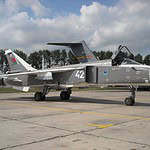
Iran's fleet was not limited to American aircraft. After the Cold War, the country acquired fighters from the Soviet Union and Russia, including the MiG-29 Fulcrum and Su-24 Fencer. Additional aircraft arrived under unusual circumstances when Iraqi pilots fled to Iran during the Gulf War and never returned to reclaim their jets.
A Snapshot Before Operation Epic Fury
By the time Operation Epic Fury began, Iran's air force represented decades of military history compressed into a single fleet. Some aircraft dated back more than forty years, while others were comparatively newer additions. Together they formed the air power Iran brought into the conflict—an unusual combination of aging Western fighters, Soviet aircraft, and domestically maintained platforms.
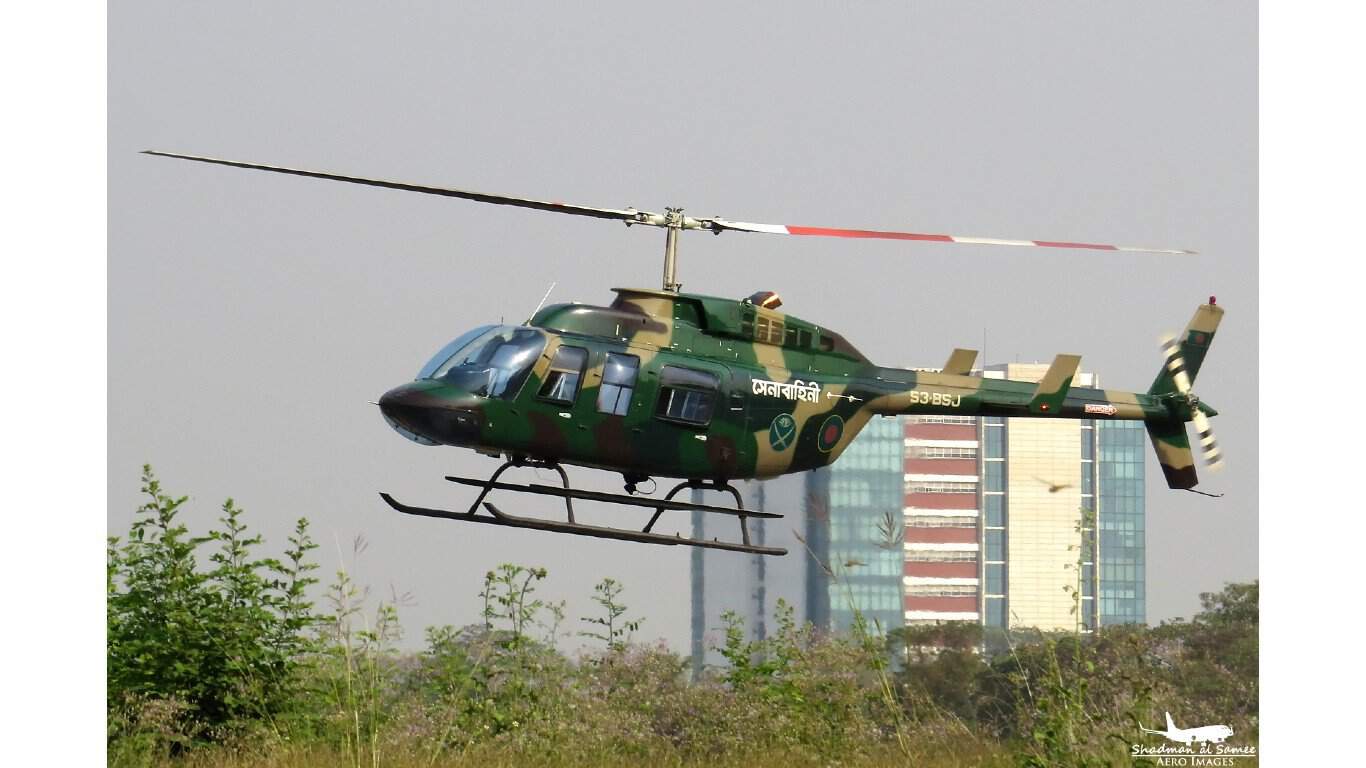
16. Bell 206 (JetRanger / LongRanger)
- Manufacturer: Bell Helicopters
- Type: Light utility helicopter
- Year introduced: 1967
- Military branch: Islamic Republic of Iran Air Force, Islamic Republic of Iran Army
- Active aircraft: 5
- Top speed: 122 mph
- Armament: 7.62mm machine guns
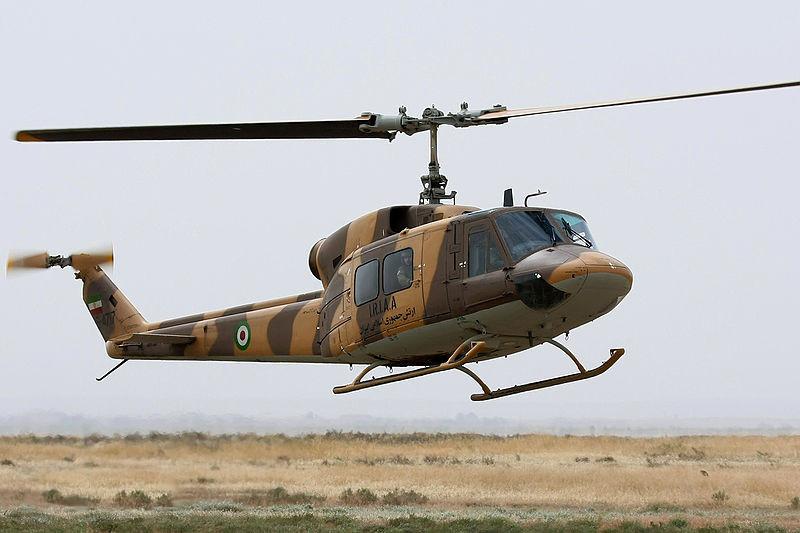
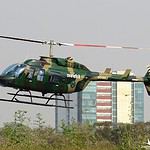
The Bell 206 family served primarily as a light utility and reconnaissance helicopter within Iran's aviation forces. Although not a combat platform, these aircraft played an important role in training pilots, conducting observation missions, and supporting military logistics. Before Operation Epic Fury, platforms like the Bell 206 reflected the long legacy of U.S. aviation equipment still present in Iran decades after the 1979 revolution.
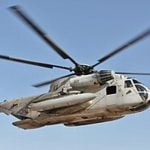
15. CH-53 Sea Stallion
- Manufacturer: Sikorsky
- Type: Heavy-lift transport helicopter
- Year introduced: 1966
- Military branch: Islamic Republic of Iran Navy
- Active aircraft: 6
- Top speed: 196 mph
- Armament: 12.7mm machine guns, 7.62mm machine guns
Iran operated the CH-53 Sea Stallion as one of its largest heavy-lift helicopters. These aircraft were originally delivered during the Shah's era and remained valuable for transporting troops, equipment, and supplies across difficult terrain. Prior to Operation Epic Fury, the CH-53 fleet helped maintain Iran's ability to move forces quickly within its borders, particularly to remote bases or strategic locations.
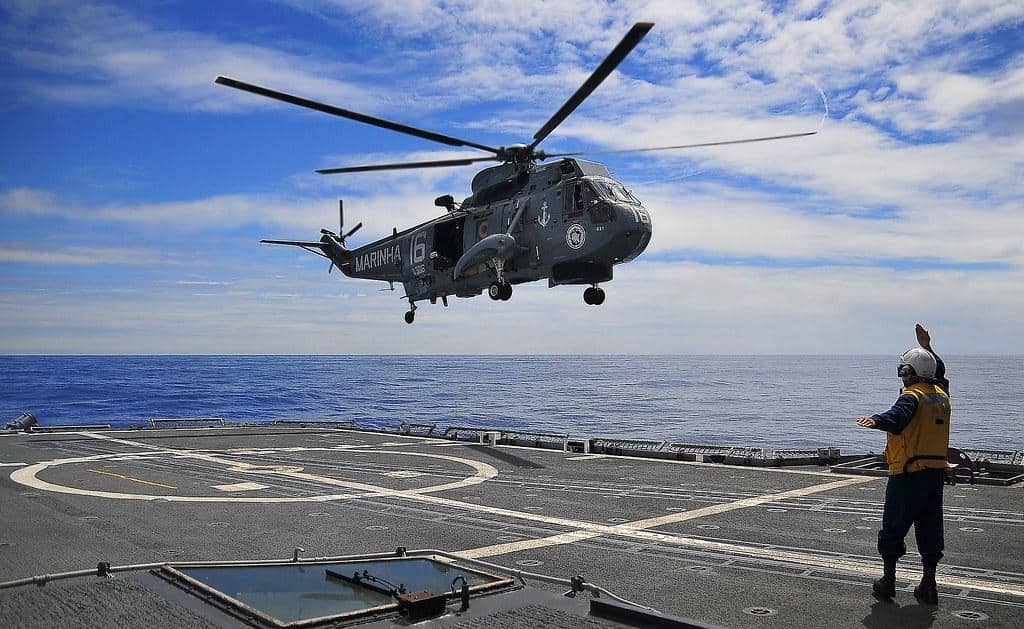
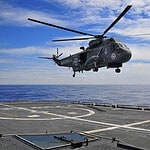
14. SH-3 Sea King
- Manufacturer: Sikorsky
- Type: Anti-submarine warfare helicopter
- Year introduced: 1961
- Military branch: Islamic Republic of Iran Navy
- Active aircraft: 8
- Top speed: 166 mph
- Armament: Mark 44 / 46 torpedoes, anti-ship missiles, naval depth charges, 7.62mm machine guns
The SH-3 Sea King served as one of Iran's primary naval helicopters for decades. Originally designed for anti-submarine warfare, the aircraft was also used for search-and-rescue and maritime patrol missions. Before Operation Epic Fury, the Sea King helped Iran monitor activity in the Persian Gulf and protect its coastal waters, highlighting the importance of rotary-wing aviation in Iran's broader defense strategy.
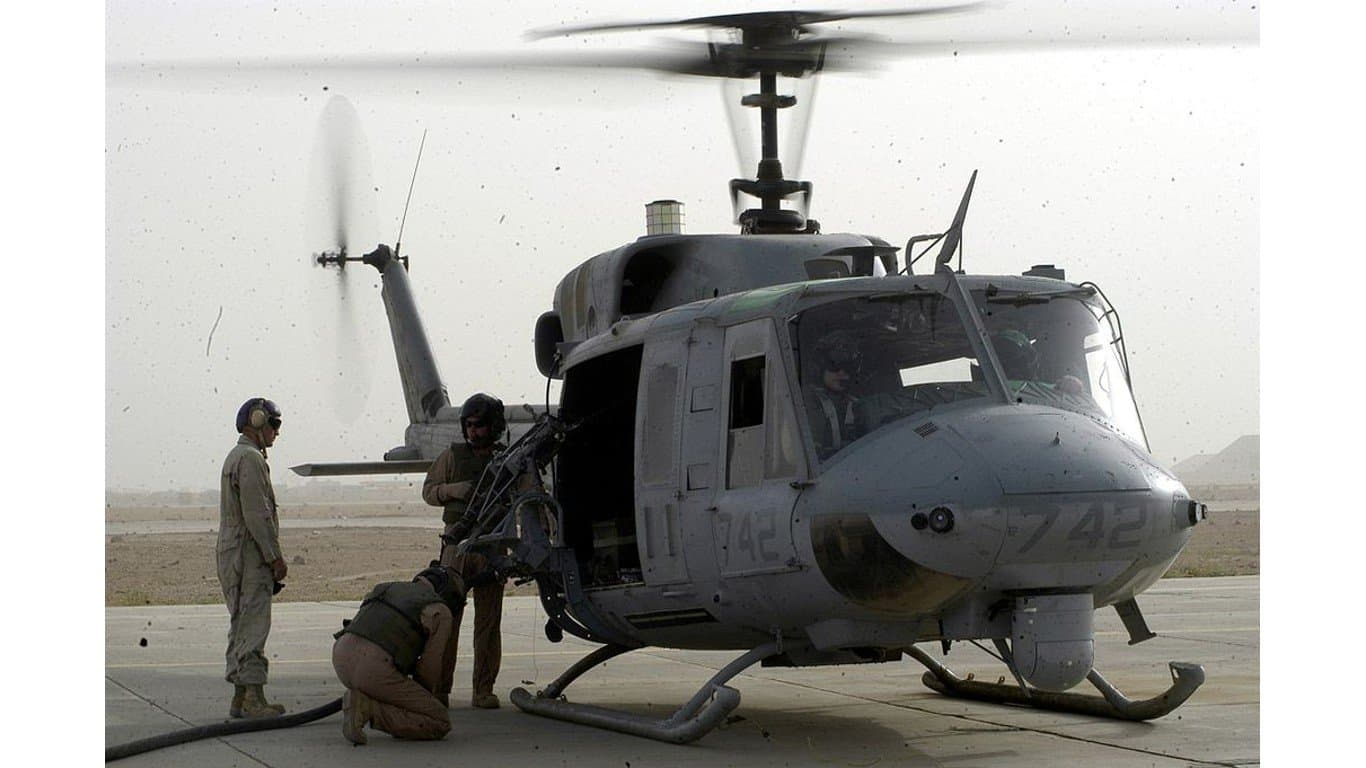
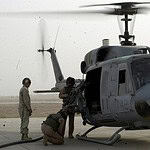
13. Bell 212
- Manufacturer: Bell Helicopters
- Type: Medium-lift utility / transport helicopter
- Year introduced: 1968
- Military branch: Islamic Republic of Iran Air Force, Islamic Republic of Iran Navy
- Active aircraft: 9
- Top speed: 140 mph
- Armament: 7.62mm machine guns
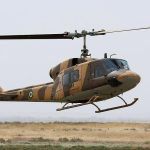
The Bell 212 functioned as a versatile utility helicopter capable of transporting personnel, conducting reconnaissance missions, and supporting logistics operations. Its reliability and adaptability made it useful for a wide range of tasks. Prior to Operation Epic Fury, aircraft like the Bell 212 helped sustain everyday military operations across Iran's large and geographically diverse territory.
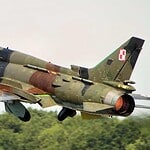
12. Su-22 Fitter
- Manufacturer: Sukhoi
- Type: Strike fighter
- Year introduced: 1970
- Military branch: Iranian Revolutionary Guard
- Active aircraft: 9
- Top speed: 718 mph
- Armament: 30mm autocannons, conventional drop bombs, guided bombs, rocket pods, gun pods, air-to-air missiles, air-to-surface missiles
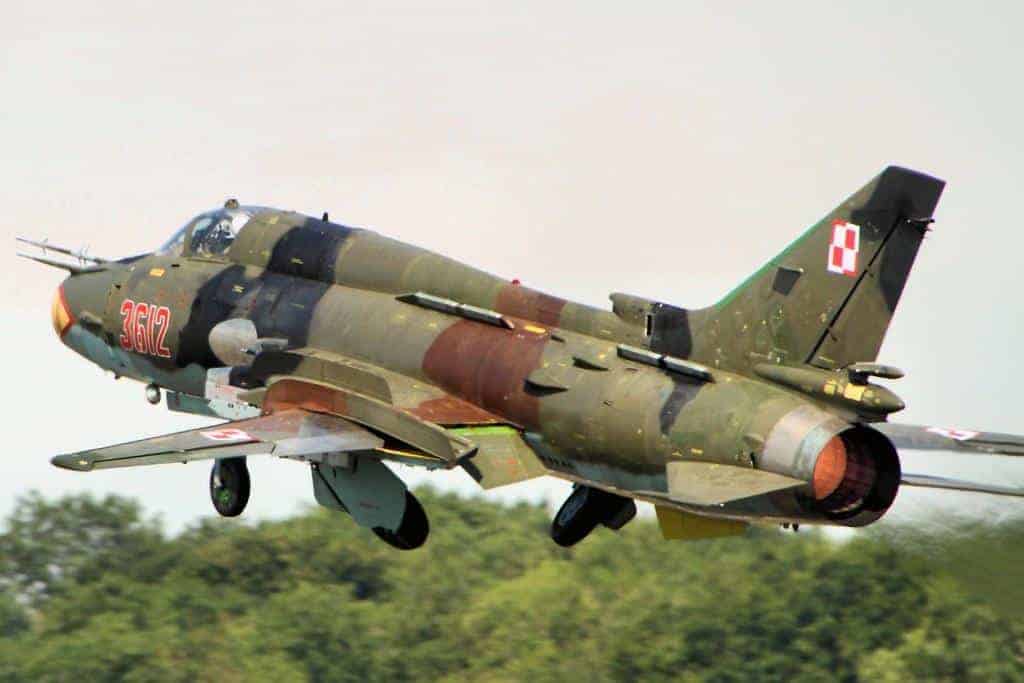
The Su-22 Fitter provided Iran with a dedicated ground-attack aircraft capable of striking battlefield targets with bombs and rockets. Many of these aircraft originally belonged to Iraq and were absorbed into Iran's fleet after the Gulf War. Before Operation Epic Fury, the Su-22 represented an important part of Iran's strike capability, giving the air force a platform designed specifically for close air support and attack missions.
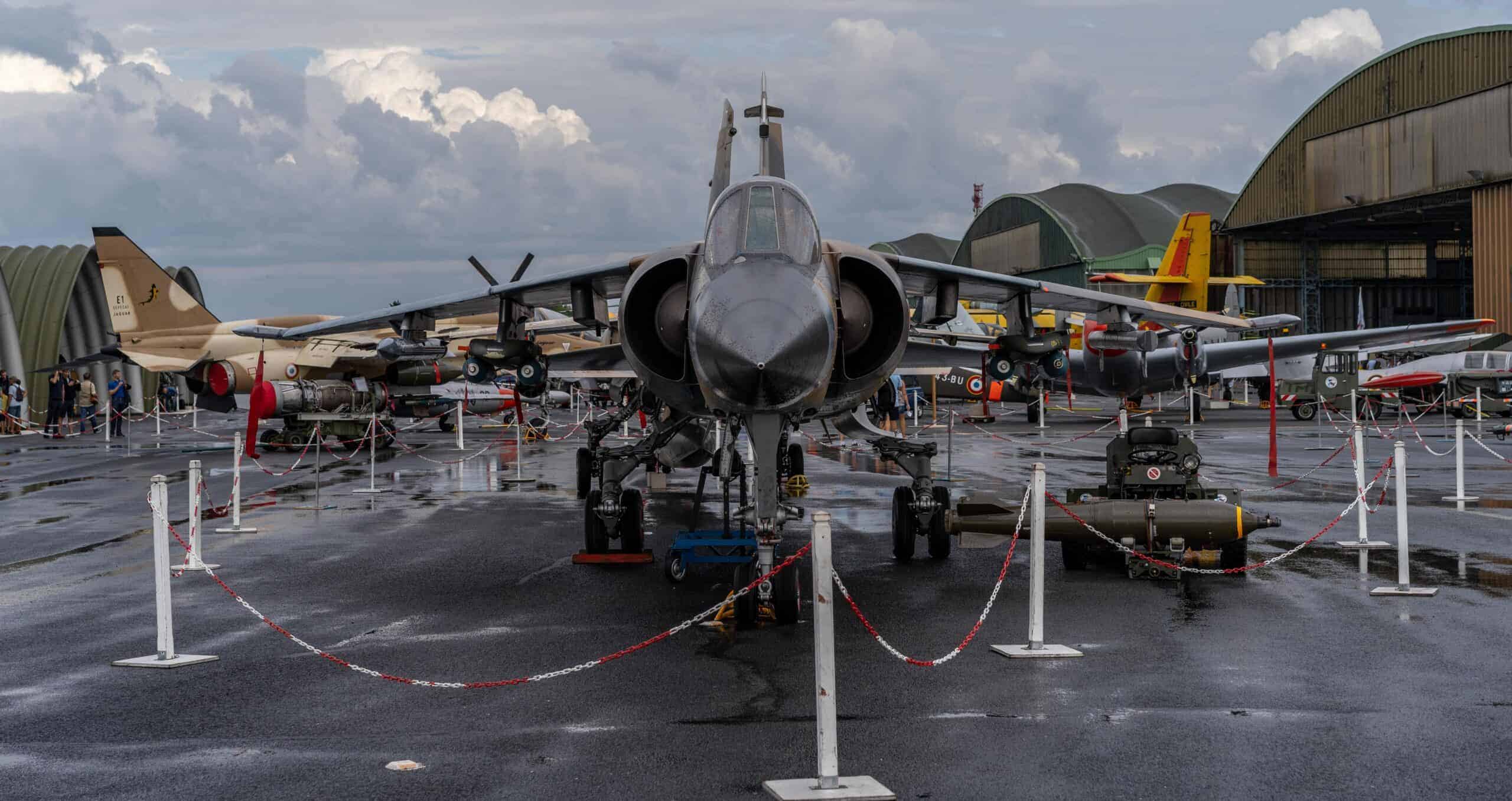
11. Mirage F1EQ
- Manufacturer: Dassault
- Type: Interceptor aircraft
- Year introduced: 1973
- Military branch: Islamic Republic of Iran Air Force
- Active aircraft: 12
- Top speed: 1453 mph
- Armament: 30mm DEFA internal automatic cannons, Sidewinder missiles, Magic missiles, Matra missiles, conventional drop bombs, rocket pods, Armat missiles
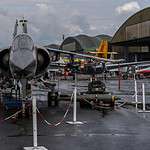
The Mirage F1EQ was another aircraft originally flown by Iraq before several examples defected to Iran during the Gulf War. Iran eventually incorporated these fighters into its own fleet, using them as multirole aircraft capable of interception and strike missions. Prior to Operation Epic Fury, the Mirage F1 illustrated how Iran supplemented its aging air force with aircraft acquired through unusual geopolitical circumstances.
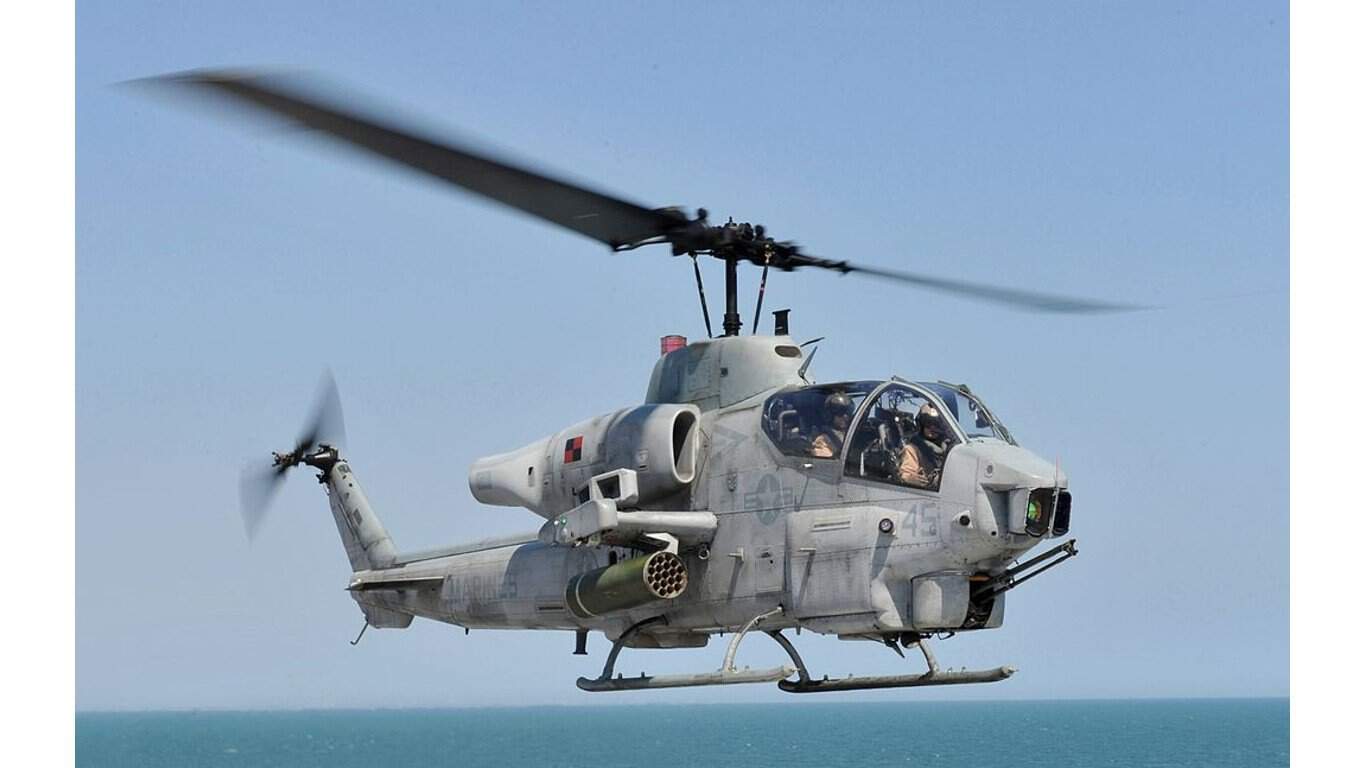
10. AH-1J SeaCobra
- Manufacturer: Bell Helicopters
- Type: Dedicated two-seat attack helicopter
- Year introduced: 1970
- Military branch: Islamic Republic of Iran Army
- Active aircraft: 13
- Top speed: 175 mph
- Armament: 20mm M197 triple barrel gatling gun, Hydra rocket pods, Zuni rocket pods, BGM-TOW missiles, Sidewinder missiles
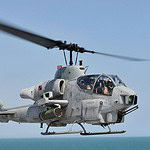
The AH-1J SeaCobra was one of Iran's most recognizable attack helicopters. Delivered before the Iranian Revolution, the SeaCobra proved its value during the Iran-Iraq War, where it engaged enemy armor and provided close air support. Even decades later, the AH-1J remained part of Iran's rotary-wing combat capability before Operation Epic Fury, demonstrating how long certain aircraft have remained in service.
9. F-7 Fishcan
- Manufacturer: Shengyang / Chengdu
- Type: Interceptor / Strike fighter aircraft
- Year introduced: 1980
- Military branch: Islamic Republic of Iran Air Force
- Active aircraft: 17
- Top speed: 1367 mph
- Armament: 30mm internal cannons, air-to-air missiles, air-to-surface missiles, conventional drop bombs, rocket pods
The F-7 Fishcan, a Chinese version of the MiG-21, provided Iran with a lightweight fighter capable of basic air defense duties. While not as advanced as modern fighters, the aircraft helped expand Iran's interceptor fleet. Before Operation Epic Fury, the F-7 represented one of the simpler fighters used to supplement Iran's older Western aircraft.
8. MiG-29 Fulcrum
- Manufacturer: Mikoyan / United Aircraft Corporation
- Type: Lightweight multirole fighter aircraft
- Year introduced: 1984
- Military branch: Islamic Republic of Iran Air Force
- Active aircraft: 18
- Top speed: 1519 mph
- Armament: 30mm GSh-1 internal automatic cannon, Alamo missiles, Adder missiles, rocket pods, conventional drop bombs, guided bombs
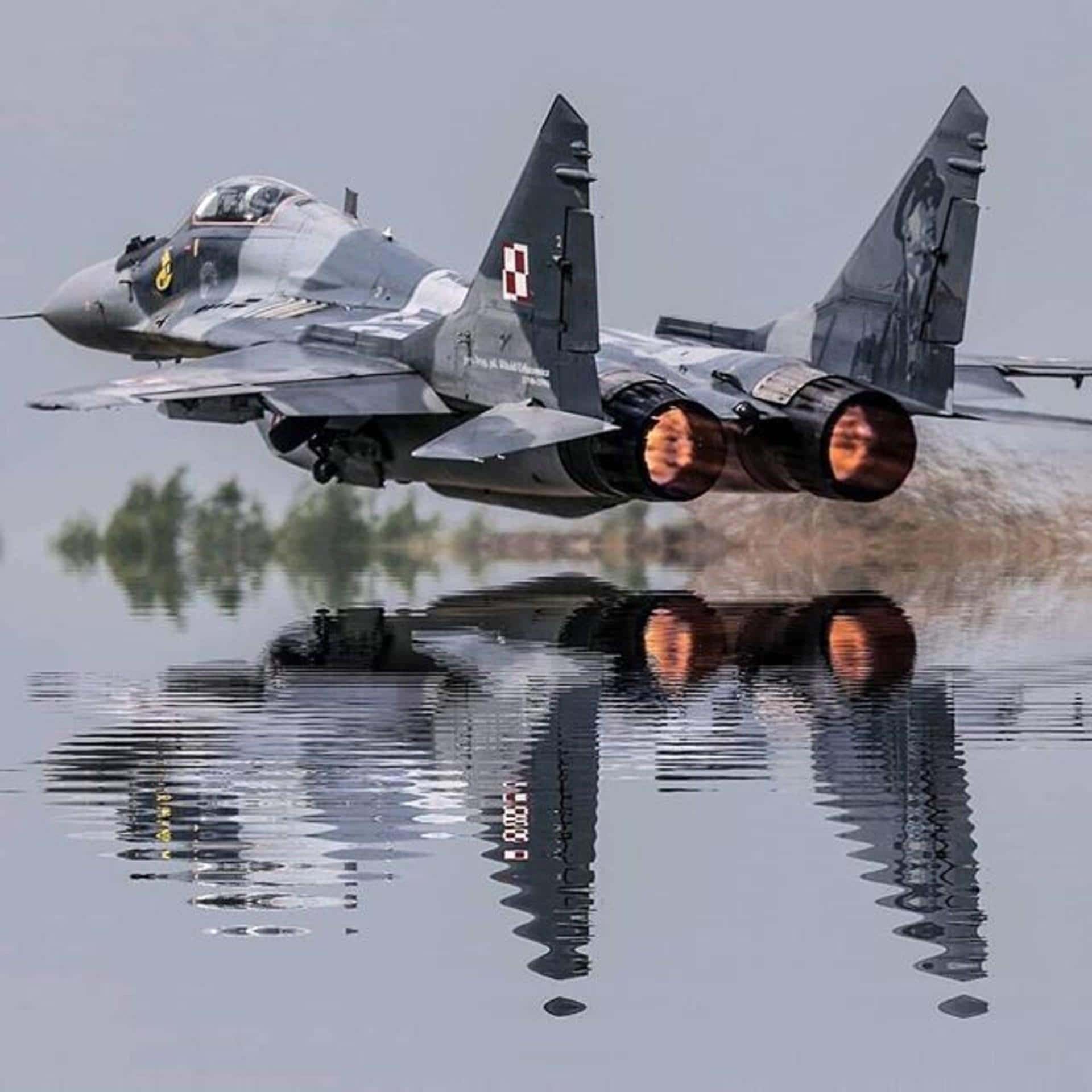
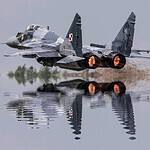
The MiG-29 Fulcrum became one of Iran's most modern fighters after the Cold War. Purchased from the Soviet Union and later Russia, the aircraft offered improved maneuverability and modern radar compared to many of Iran's older jets. Before Operation Epic Fury, the MiG-29 formed an important component of Iran's air defense network, tasked with intercepting potential aerial threats.
7. Su-24 Fencer
- Manufacturer: Sukhoi
- Type: Long-range strike / attack aircraft
- Year introduced: 1974
- Military branch: Islamic Republic of Iran Air Force
- Active aircraft: 21
- Top speed: 1439 mph
- Armament: 23mm GSh internal six-barrel cannon, Ahpid missiles, Archer missiles, Kingbolt missiles, Krypton missiles, rocket pods, conventional drop bombs, guided bombs
The Su-24 Fencer provided Iran with a long-range strike aircraft capable of carrying heavy bomb loads and precision weapons. Its ability to fly long distances and attack strategic targets made it one of the more capable aircraft in Iran's fleet. Prior to Operation Epic Fury, the Su-24 represented a key element of Iran's offensive air power.
6. Mi-171 Hip-H
- Manufacturer: Mil Moscow Helicopter Plant / Russian Helicopters
- Type: Medium-lift transport helicopter
- Year introduced: 1981
- Military branch: Islamic Republic of Iran Navy, Iranian Revolutionary Guard
- Active aircraft: 22
- Top speed: 158 mph
- Armament: Shturm missiles, rocket pods, 23mm cannon pods, 7.62mm machine guns
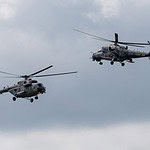
The Mi-171 Hip-H served as a modernized transport helicopter used for troop movement, logistics, and general military support missions. Based on the well-known Mi-8/17 helicopter family, the aircraft offered reliability and flexibility for operations across rugged terrain. Before Operation Epic Fury, helicopters like the Mi-171 helped sustain Iran's ability to move forces quickly within the country.
5. Bell 214
- Manufacturer: Bell Helicopters
- Type: Medium-lift utility helicopter
- Year introduced: 1972
- Military branch: Islamic Republic of Iran Army
- Active aircraft: 24
- Top speed: 162 mph
- Armament: 7.62mm machine guns
The Bell 214 was another legacy helicopter acquired during the Shah's period of close military cooperation with the United States. These aircraft were primarily used for transport and utility missions. Prior to Operation Epic Fury, the Bell 214 demonstrated how older Western aircraft continued to serve in Iran's aviation fleet despite decades of sanctions and limited access to spare parts.
4. F-5E Tiger II
- Manufacturer: Northrop Aircraft Corporation
- Type: Multirole fighter aircraft
- Year introduced: 1962
- Military branch: Islamic Republic of Iran Air Force
- Active aircraft: 35
- Top speed: 1077 mph
- Armament: 20mm M39A2 automatic cannons, Sidewinder missiles, Maverick missiles, rocket pods, conventional drop bombs, guided bombs
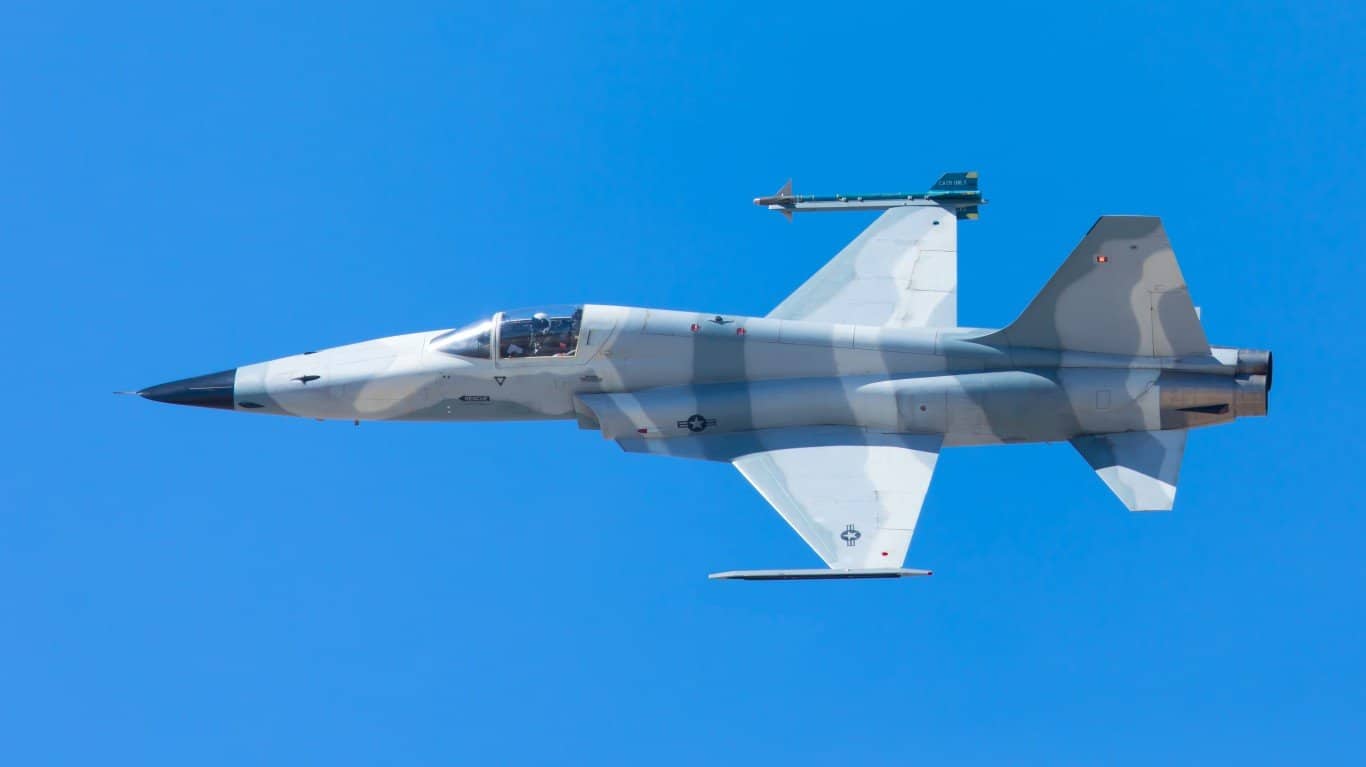
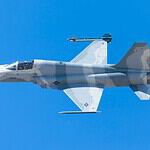
The F-5E Tiger II became one of the most widely used fighters in Iran's air force. Lightweight, relatively simple to maintain, and highly maneuverable, the aircraft remained a key part of Iran's fighter fleet. Before Operation Epic Fury, the F-5E helped fill multiple roles, from air defense to training and light attack missions.
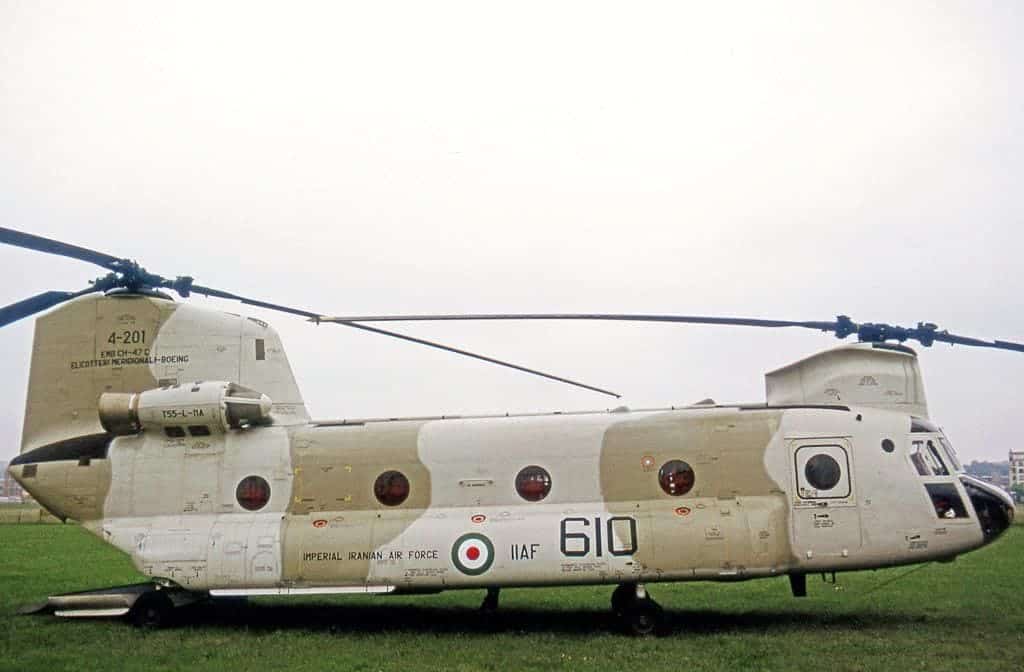
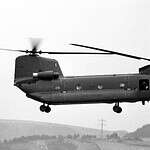
3. CH-47C Chinook
- Manufacturer: Boeing
- Type: Medium-lift, tandem rotor transport helicopter
- Year introduced: 1962
- Military branch: Islamic Republic of Iran Air Force, Islamic Republic of Iran Army
- Active aircraft: 40
- Top speed: 180 mph
- Armament: 7.62mm machine guns
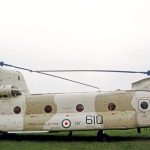
The CH-47C Chinook gave Iran a powerful heavy-lift transport helicopter capable of carrying large payloads and moving troops rapidly across long distances. Its twin-rotor design allowed it to operate in challenging environments. Prior to Operation Epic Fury, the Chinook helped sustain Iran's ability to transport equipment and personnel to critical locations.
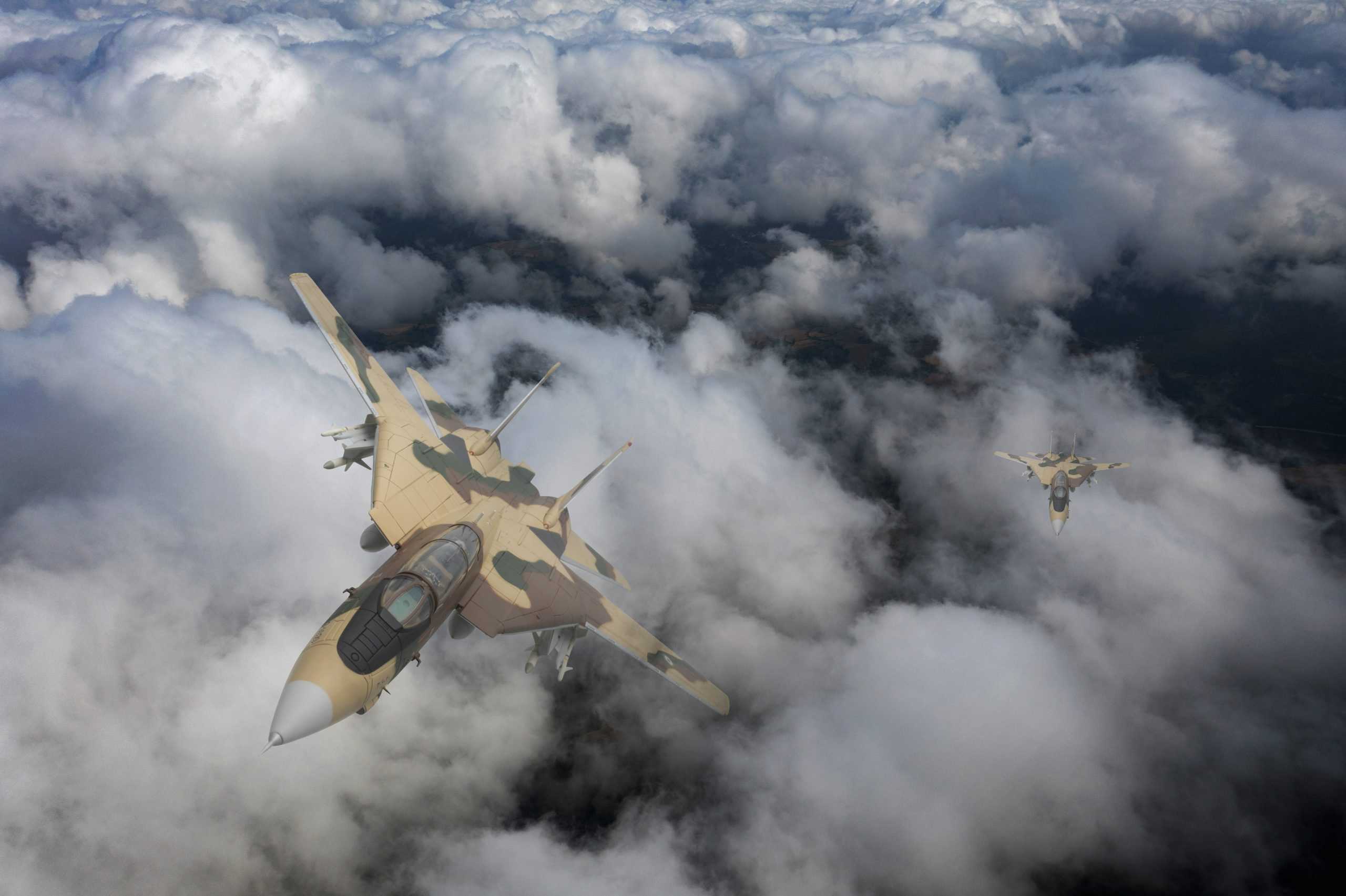
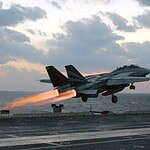
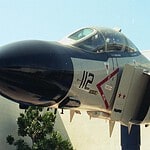
2. F-14 Tomcat
- Manufacturer: Grumman Aircraft
- Type: Swing-wing, carrierborne fleet defense fighter
- Year introduced: 1974
- Military branch: Islamic Republic of Iran Air Force
- Active aircraft: 41
- Top speed: 1544 mph
- Armament: 20mm internal gatling gun, Phoenix missiles, Sparrow missiles, Sidewinder missiles, conventional drop bombs, guided bombs
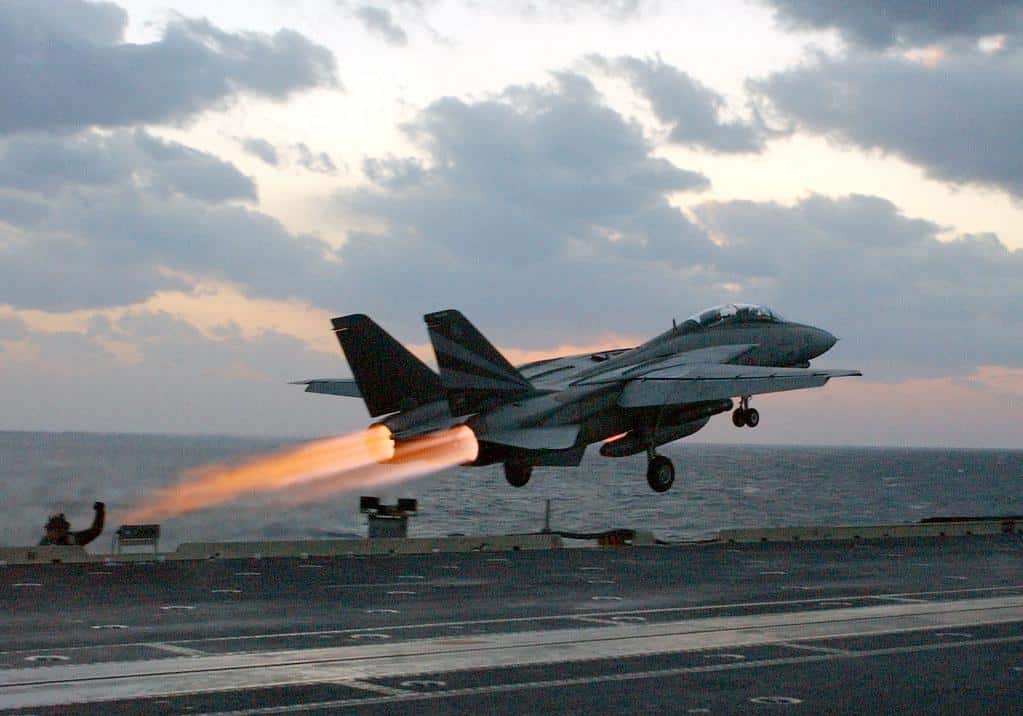
The F-14 Tomcat remains one of the most famous aircraft in Iran's air force. Delivered before the 1979 revolution, Iran is the only country that still operates the aircraft today. Designed as a long-range interceptor, the Tomcat formed the backbone of Iran's air defense for decades. Before Operation Epic Fury, the F-14 symbolized both the legacy and limitations of Iran's aging fighter fleet.
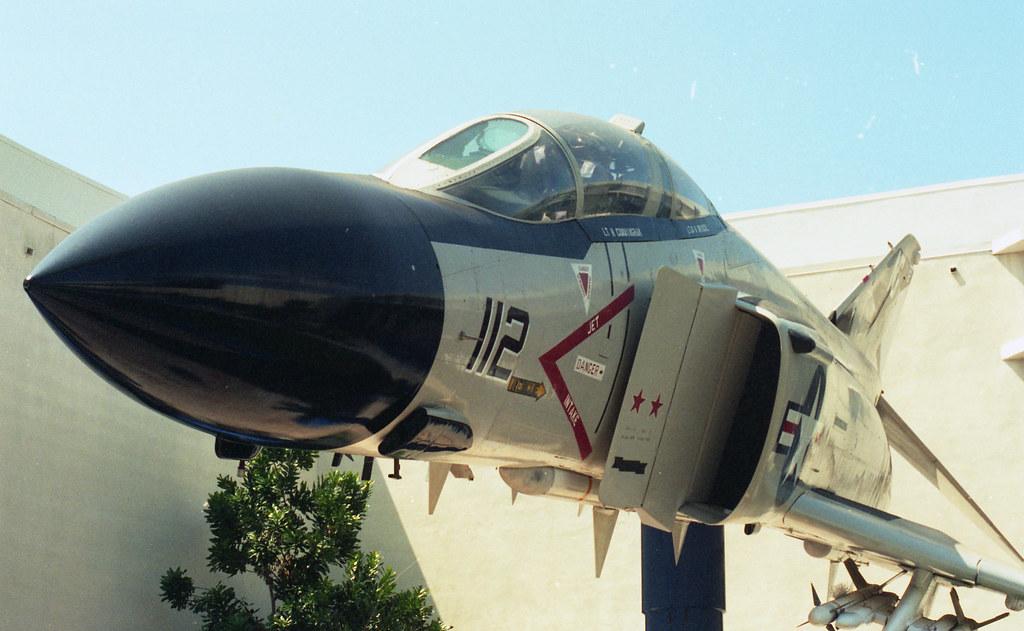
1. F-4 Phantom II
- Manufacturer: McDonnell Douglas
- Type: Strike fighter
- Year introduced: 1960
- Military branch: Islamic Republic of Iran Air Force
- Active aircraft: 65
- Top speed: 1473 mph
- Armament: 20mm M61 Vulcan, Skyflash missiles, Sparrow missiles, Sidewinder missiles, rocket pods, gun pods, conventional drop bombs, guided bombs
The F-4 Phantom II was another major fighter inherited from the Shah's era. Originally designed as a multirole fighter-bomber, the Phantom proved durable and adaptable over many years of service. Prior to Operation Epic Fury, the aircraft remained part of Iran's strike and interception capability, showing how Cold War-era aircraft continued to shape the country's air power.
The image featured at the top of this post is ©bfk92 / iStock via Getty Images